Industrial washing / Articles
Industrial washing equipment: why it matters and how to choose it
Discover how washing equipment can speed up your processes, guarantee spotless results, and keep your operation running at full pace.
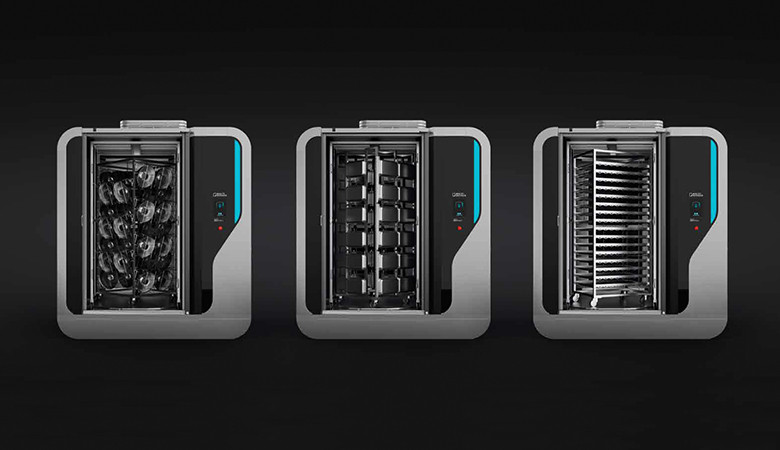
 8 minutes of reading
2026-03-10 14:55:38
- Washing equipment speeds up turnaround, keeping crates, trays, buckets, and parts moving efficiently through your operation.
- Picking the right industrial washing equipment requires analysing several factors, from the type of utensils to wash down to energy and water consumption.
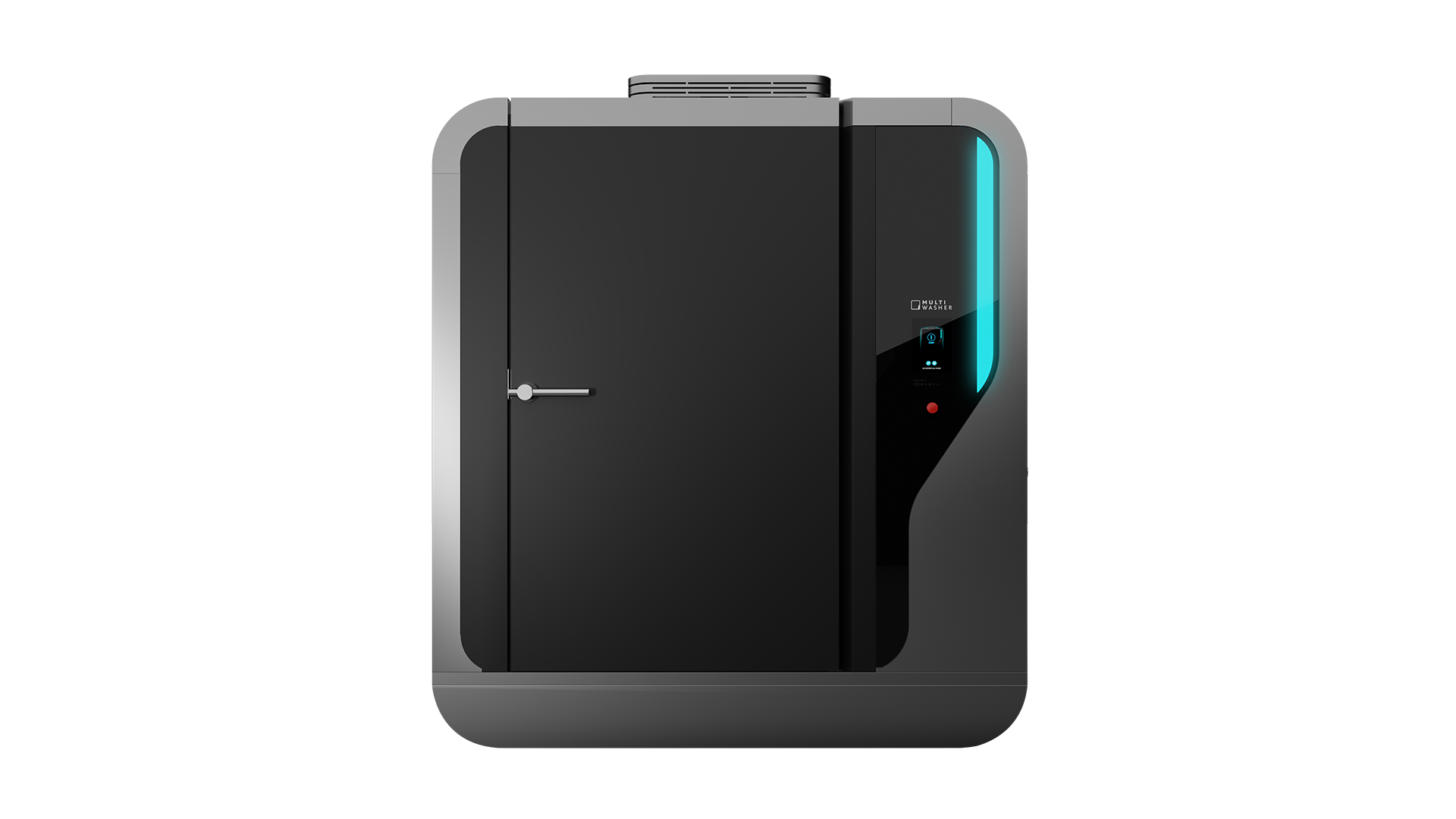
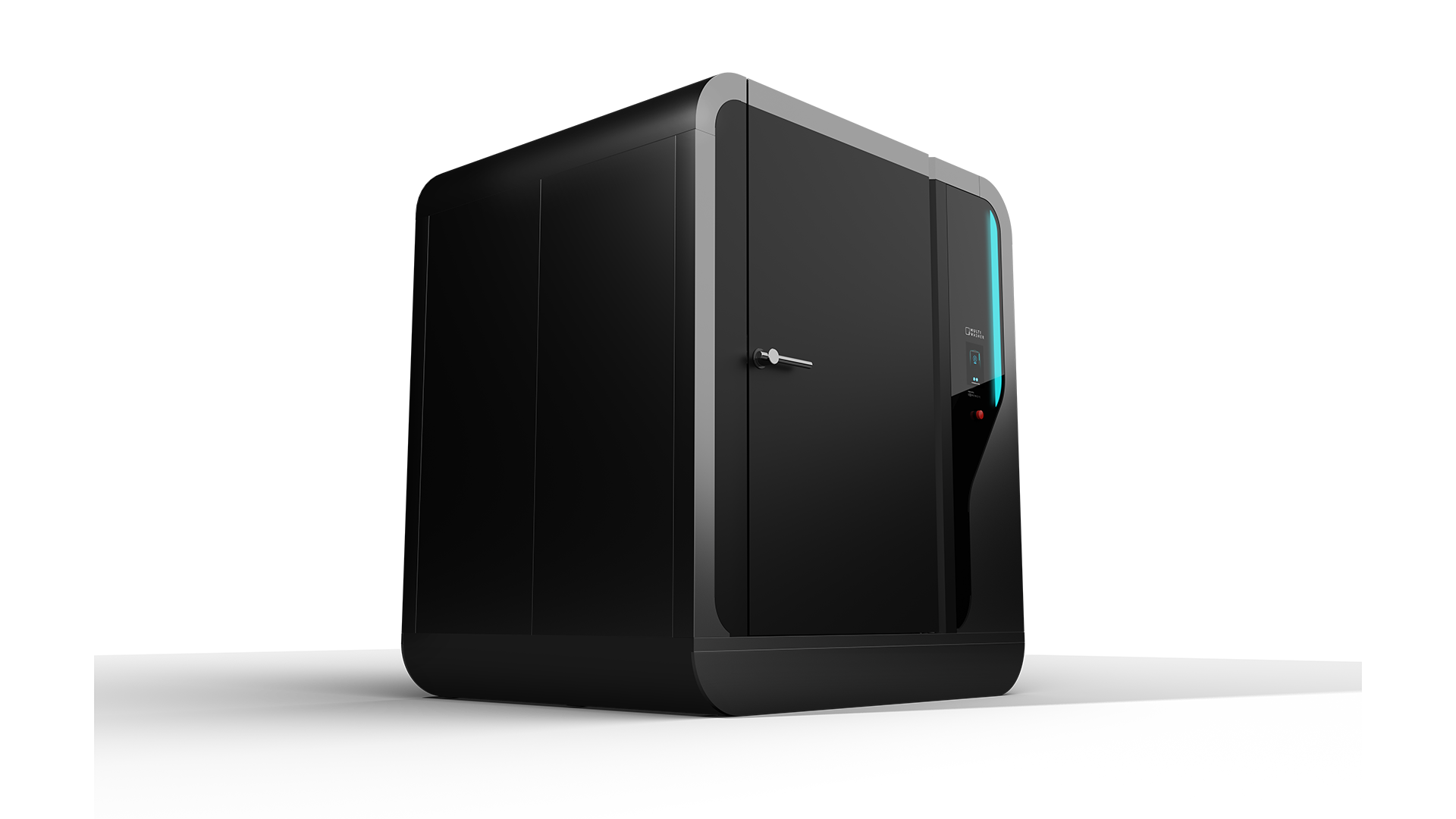
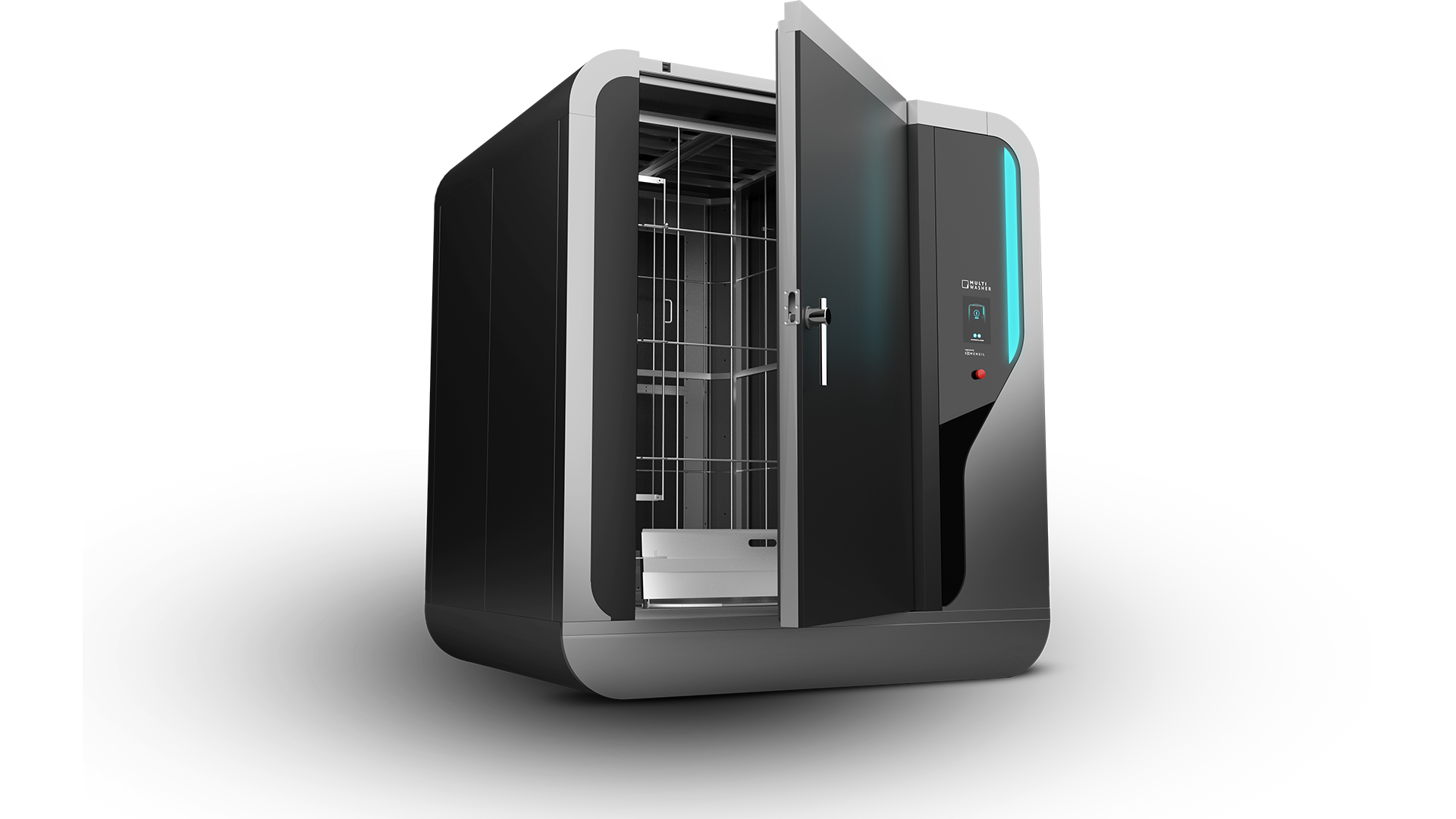
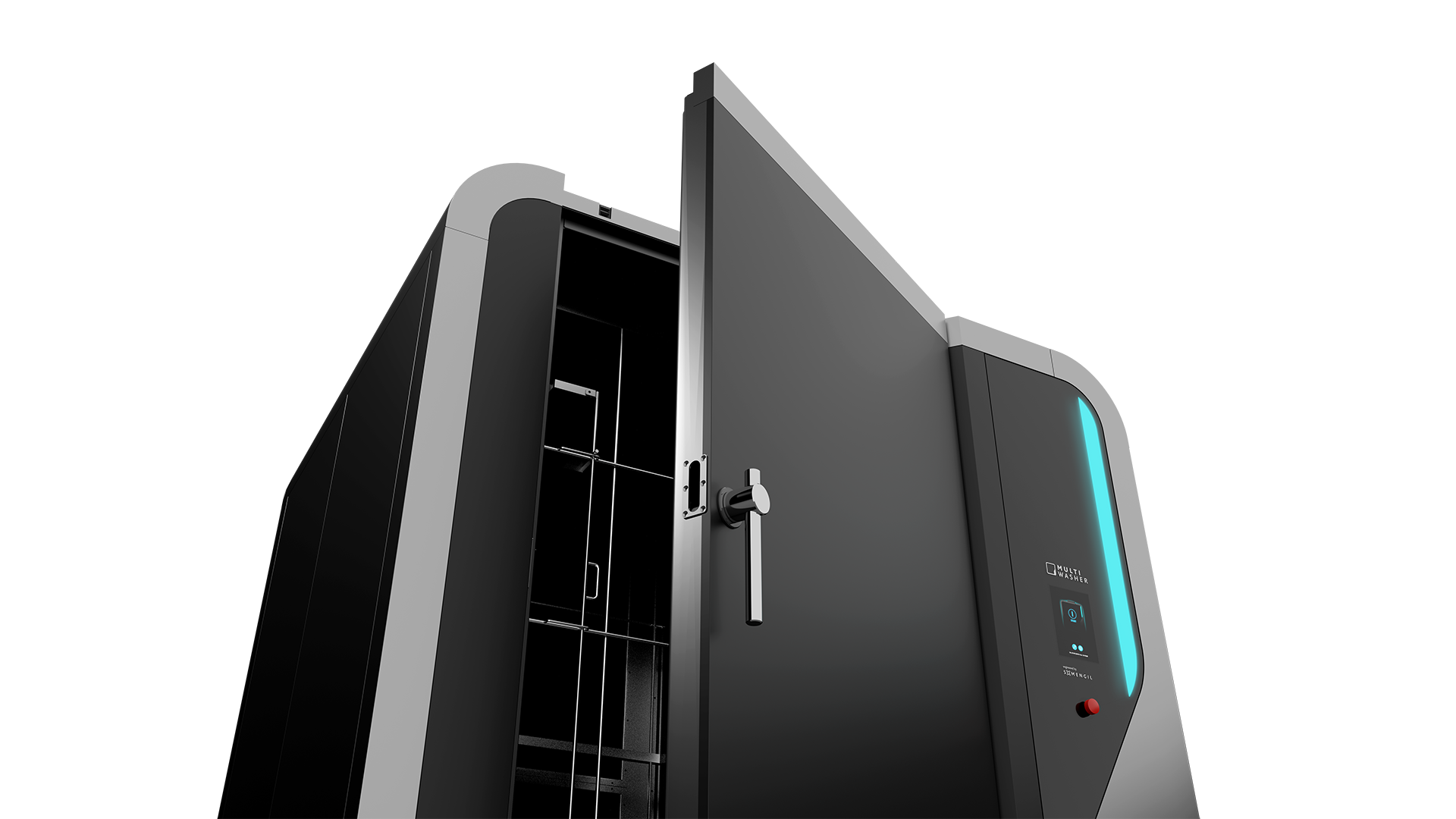
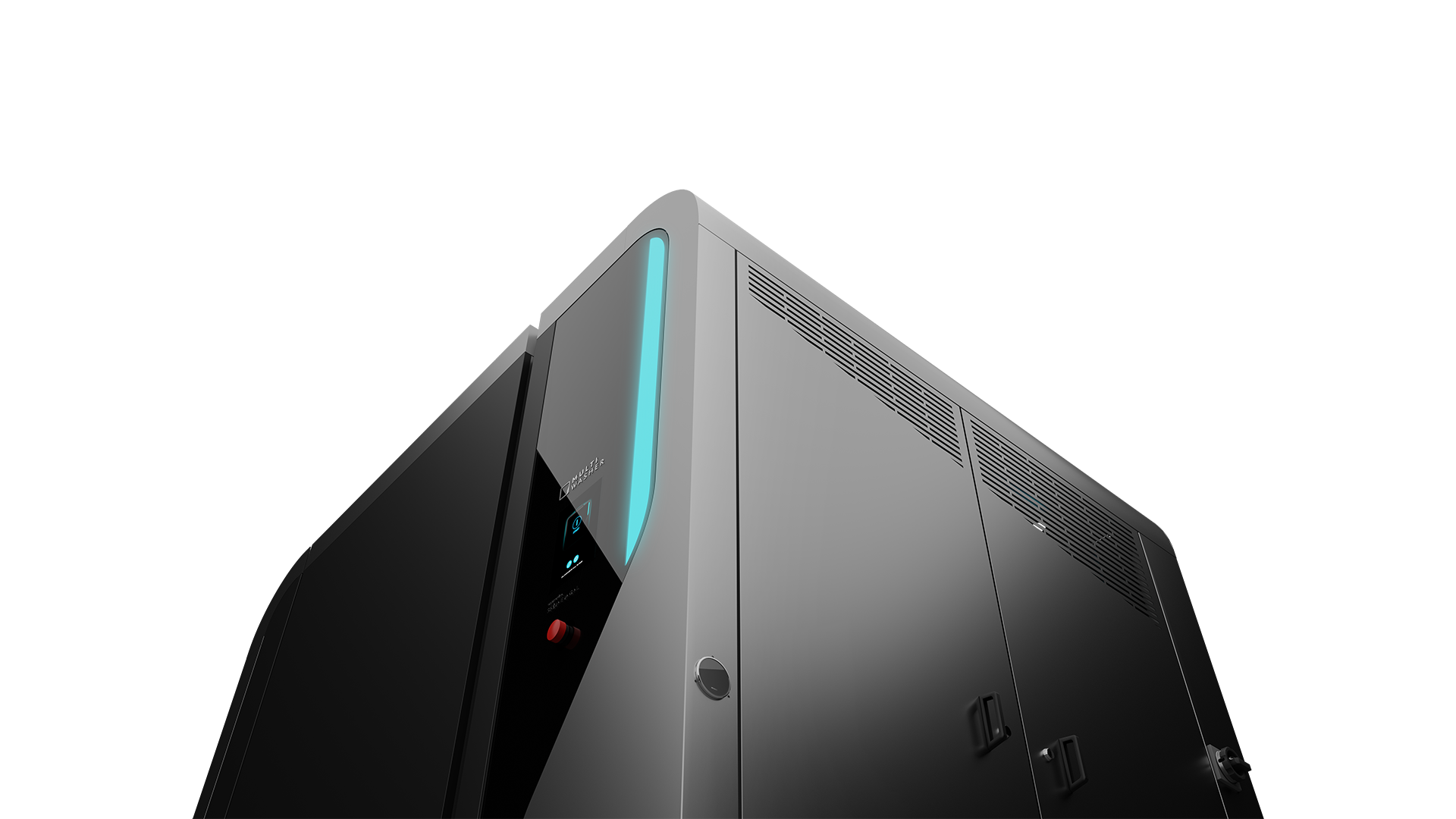
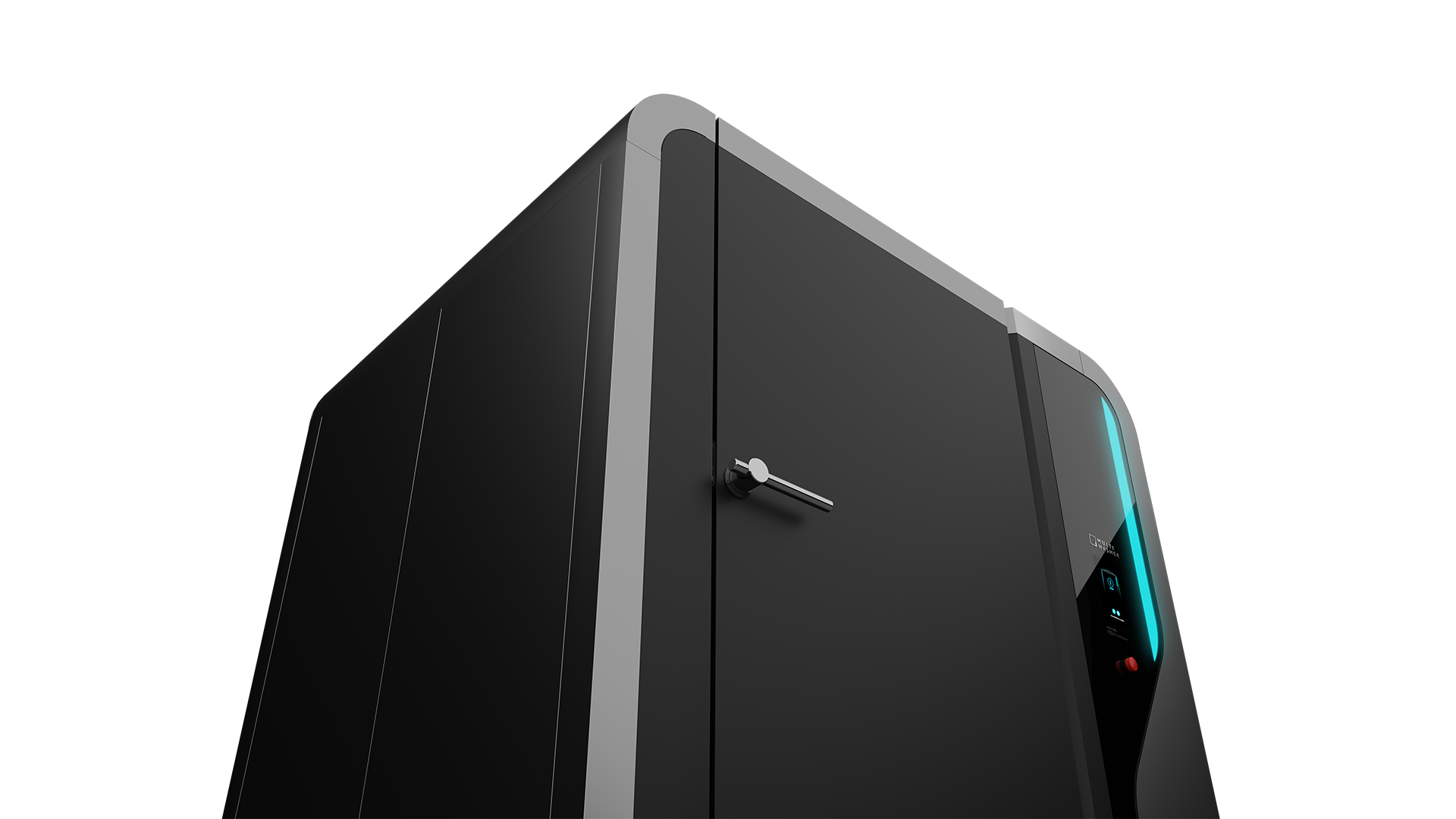
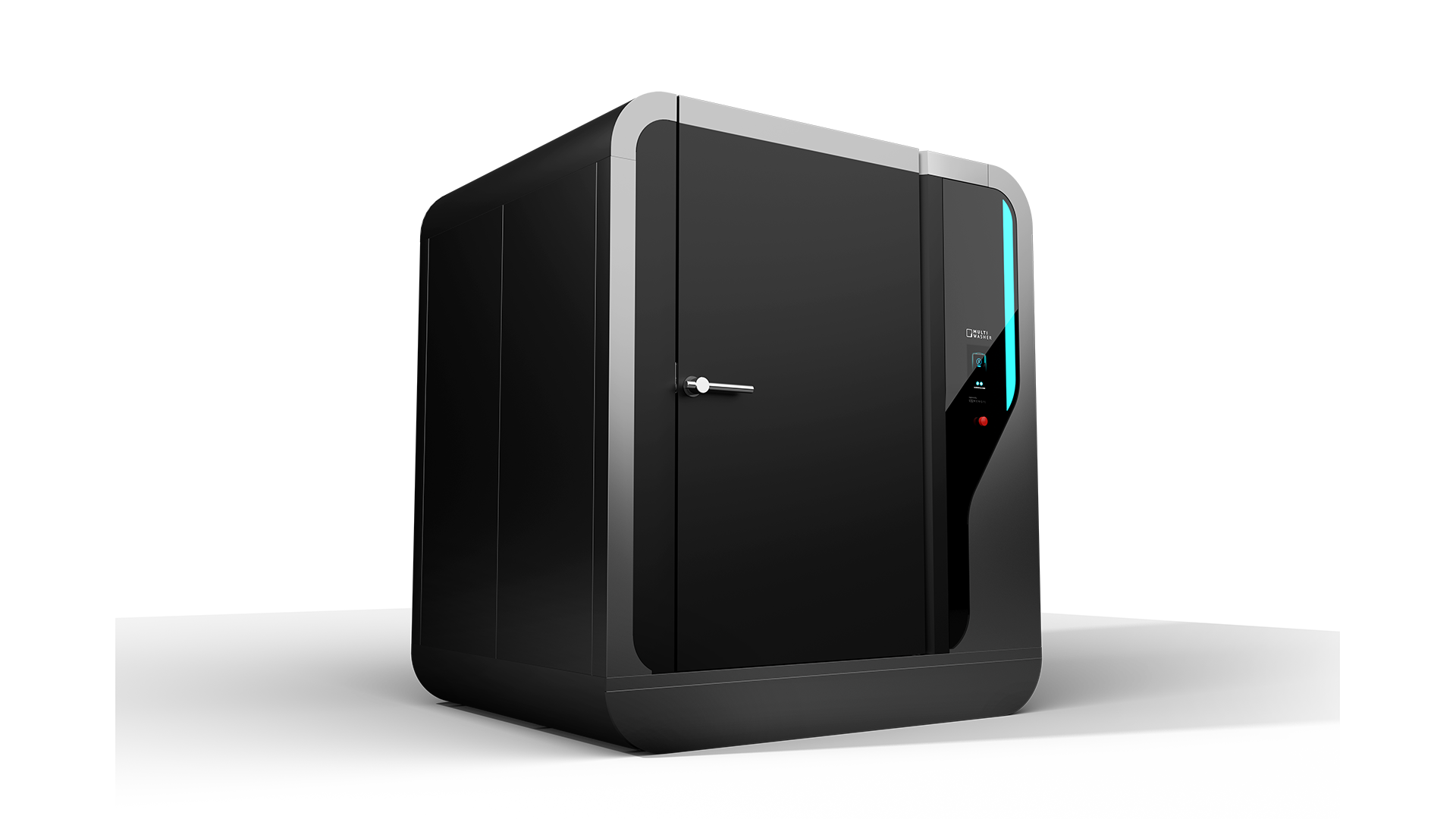
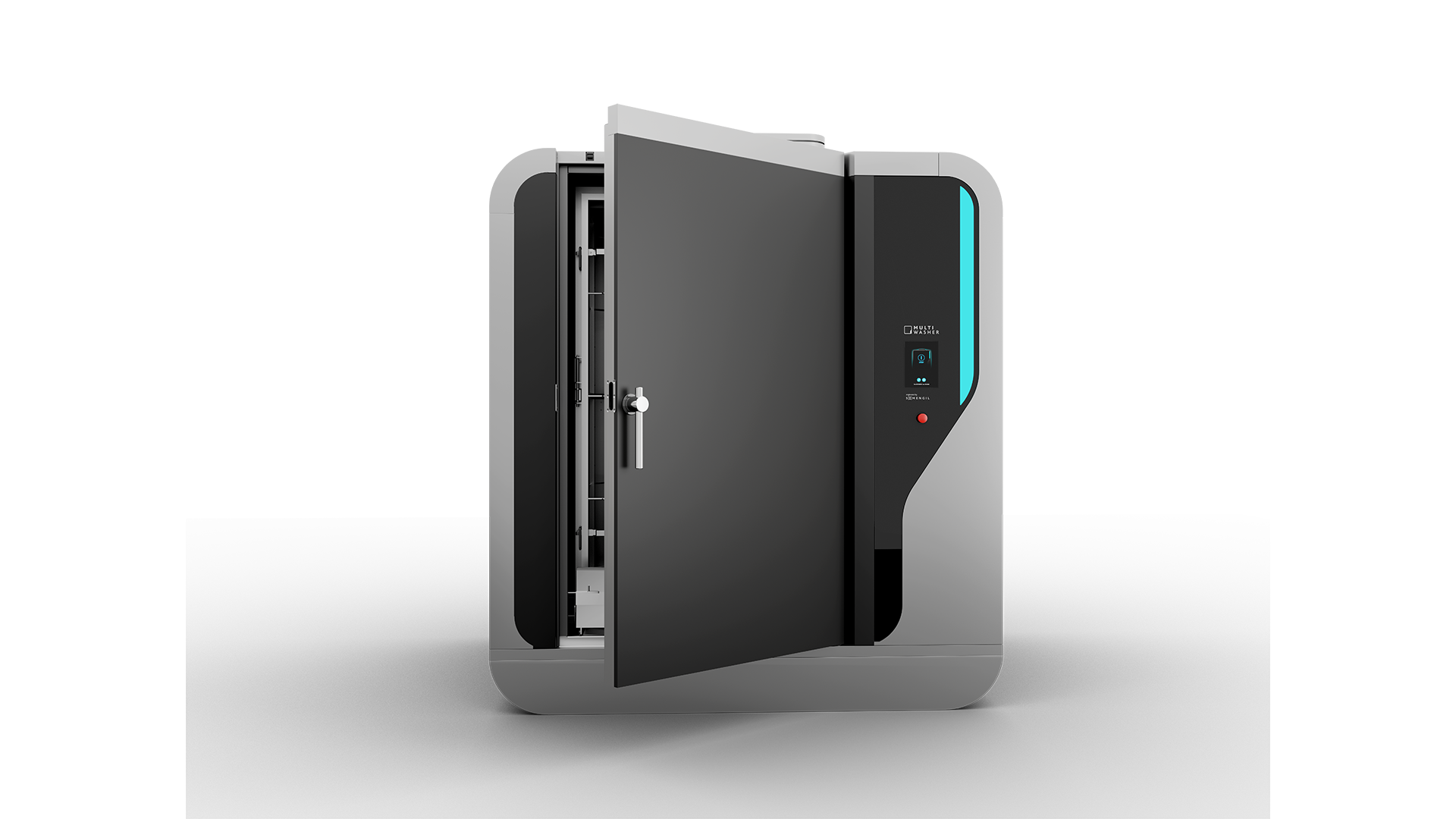
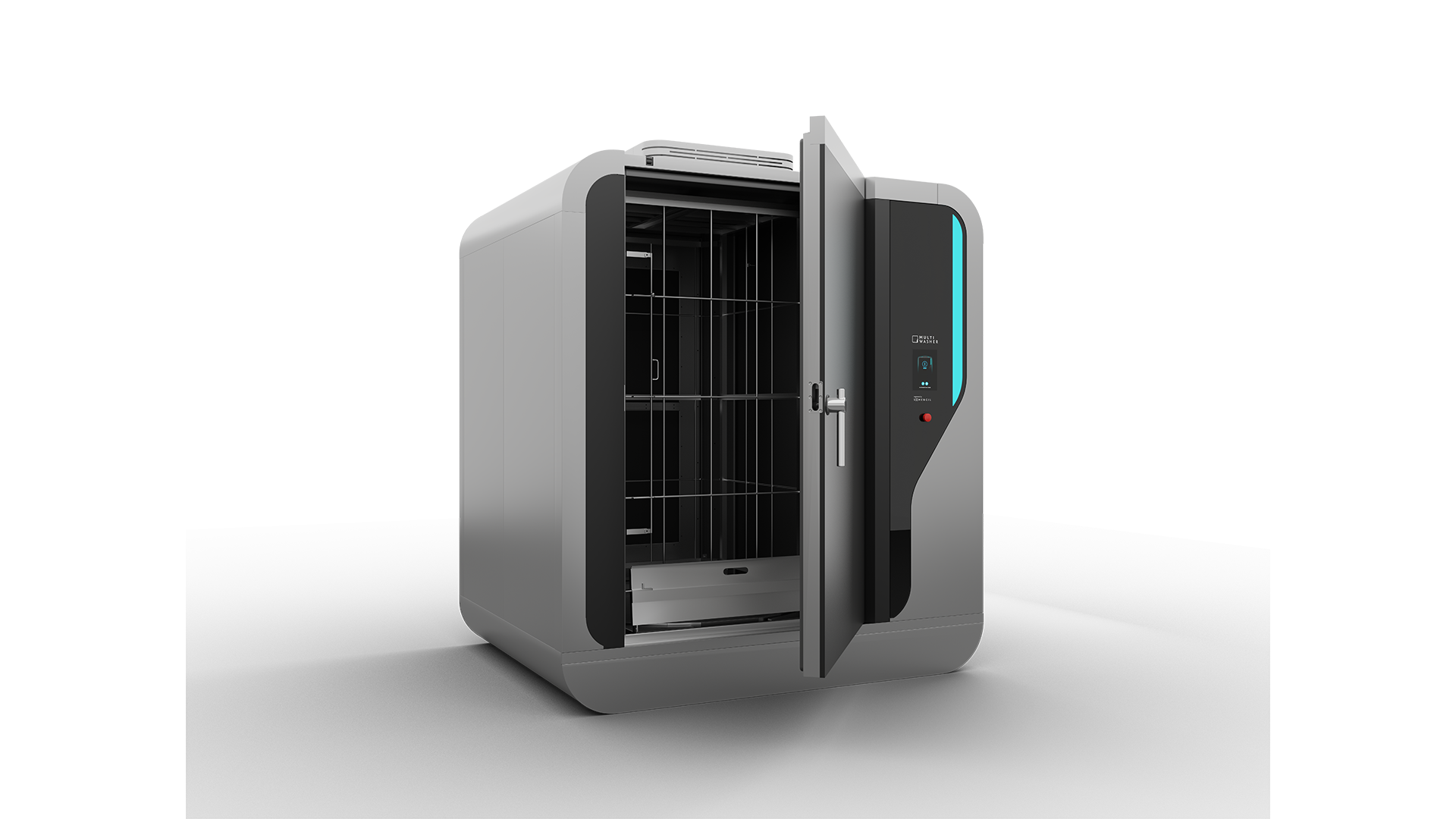
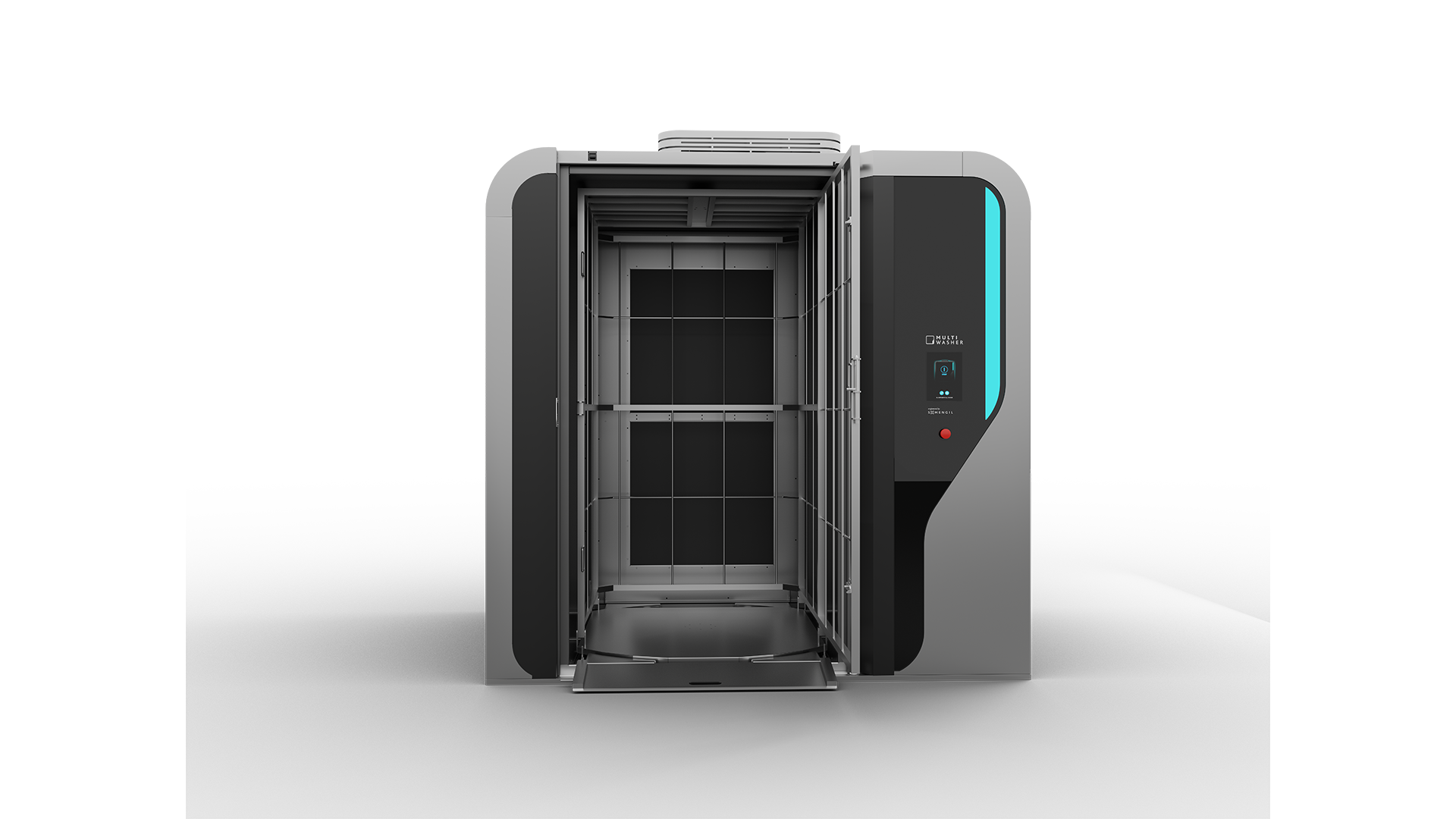
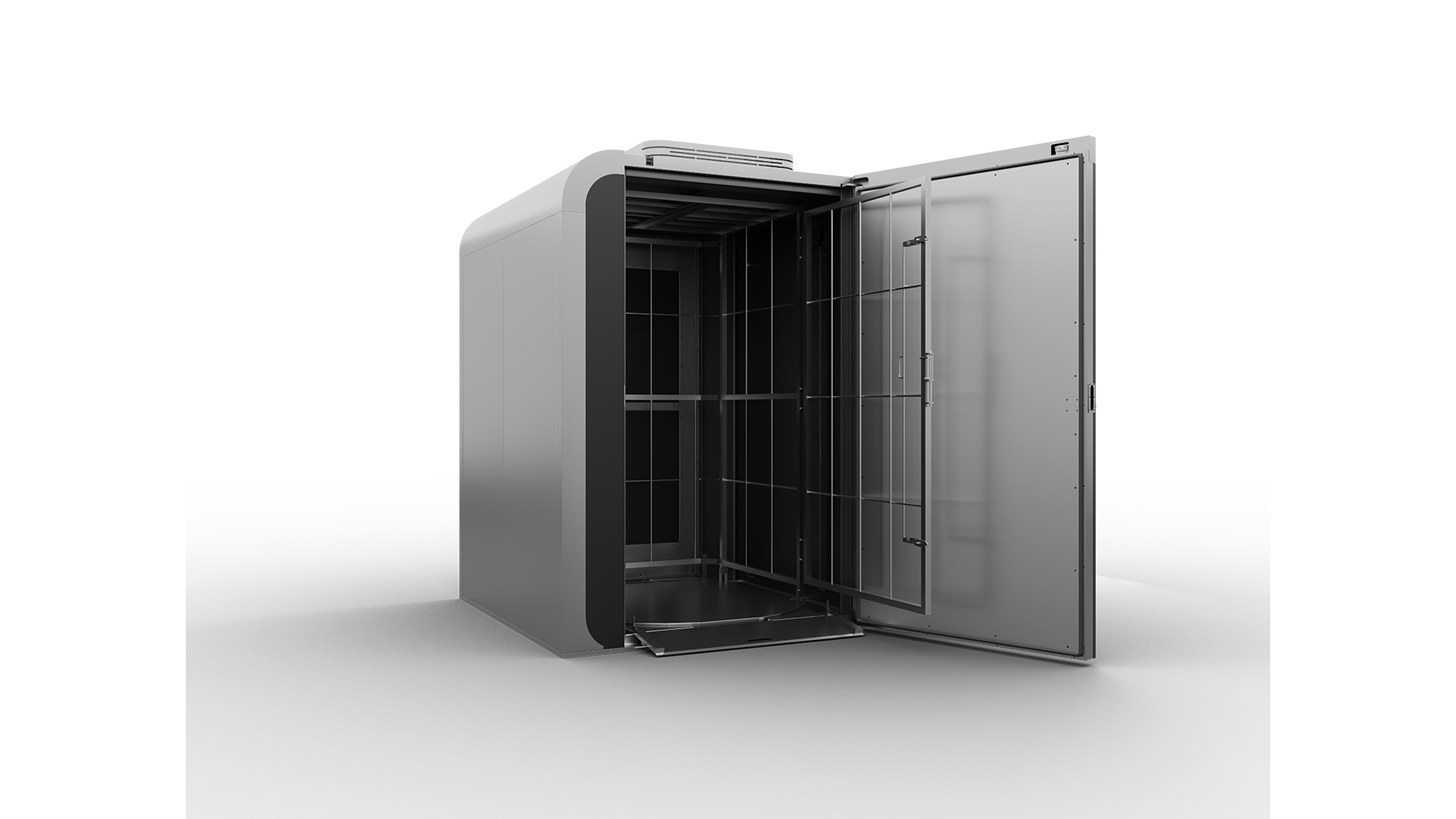
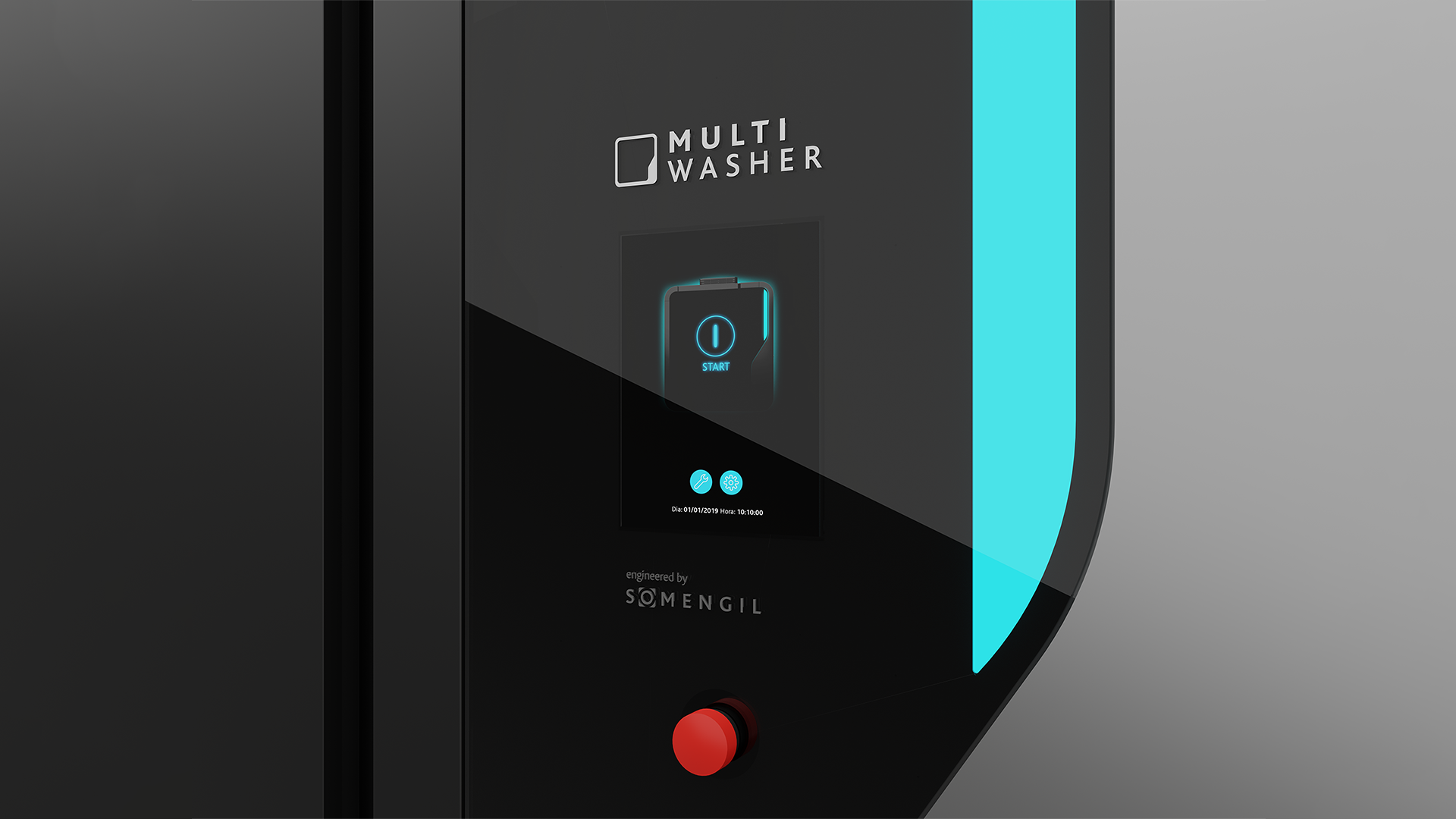
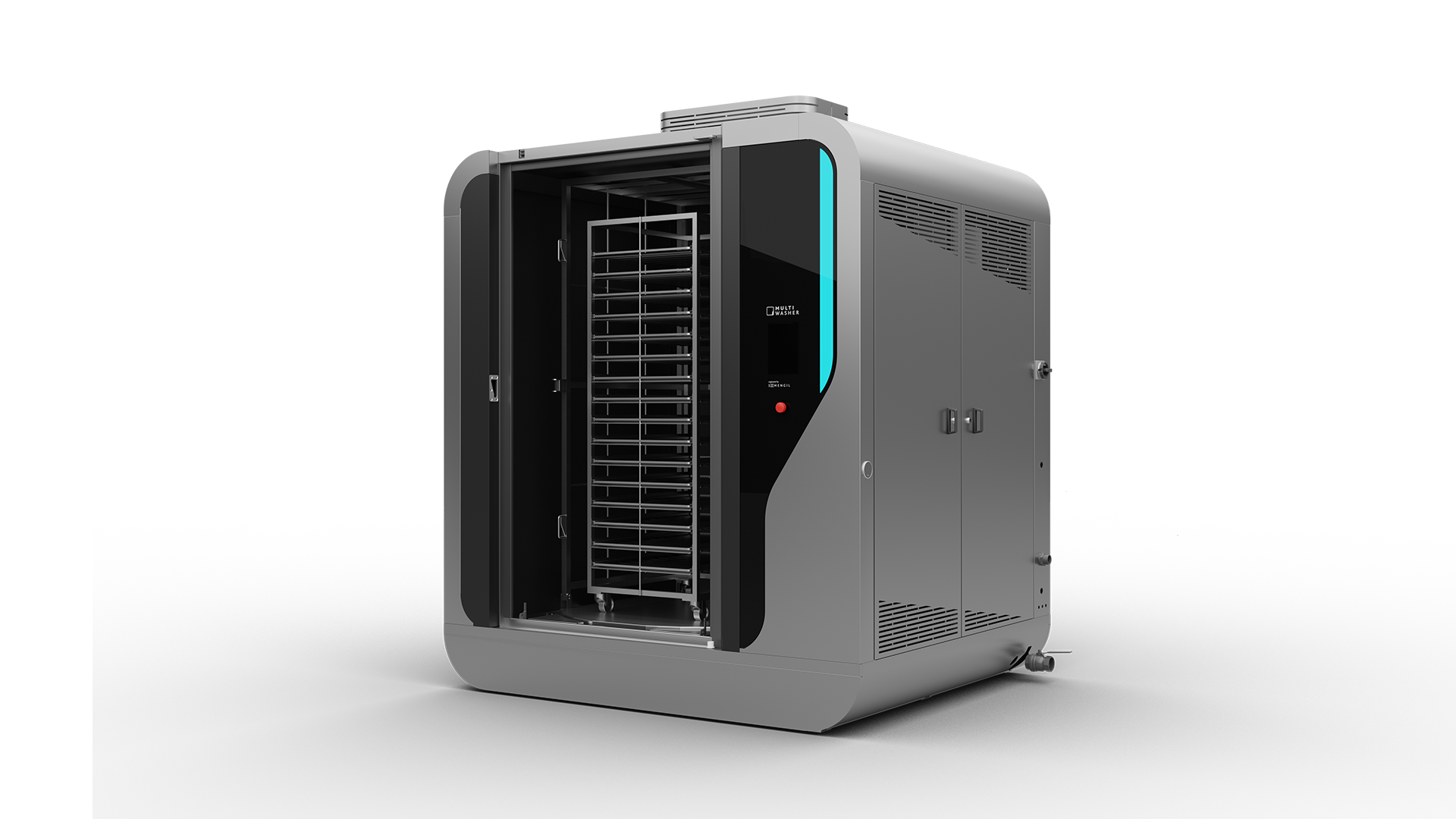
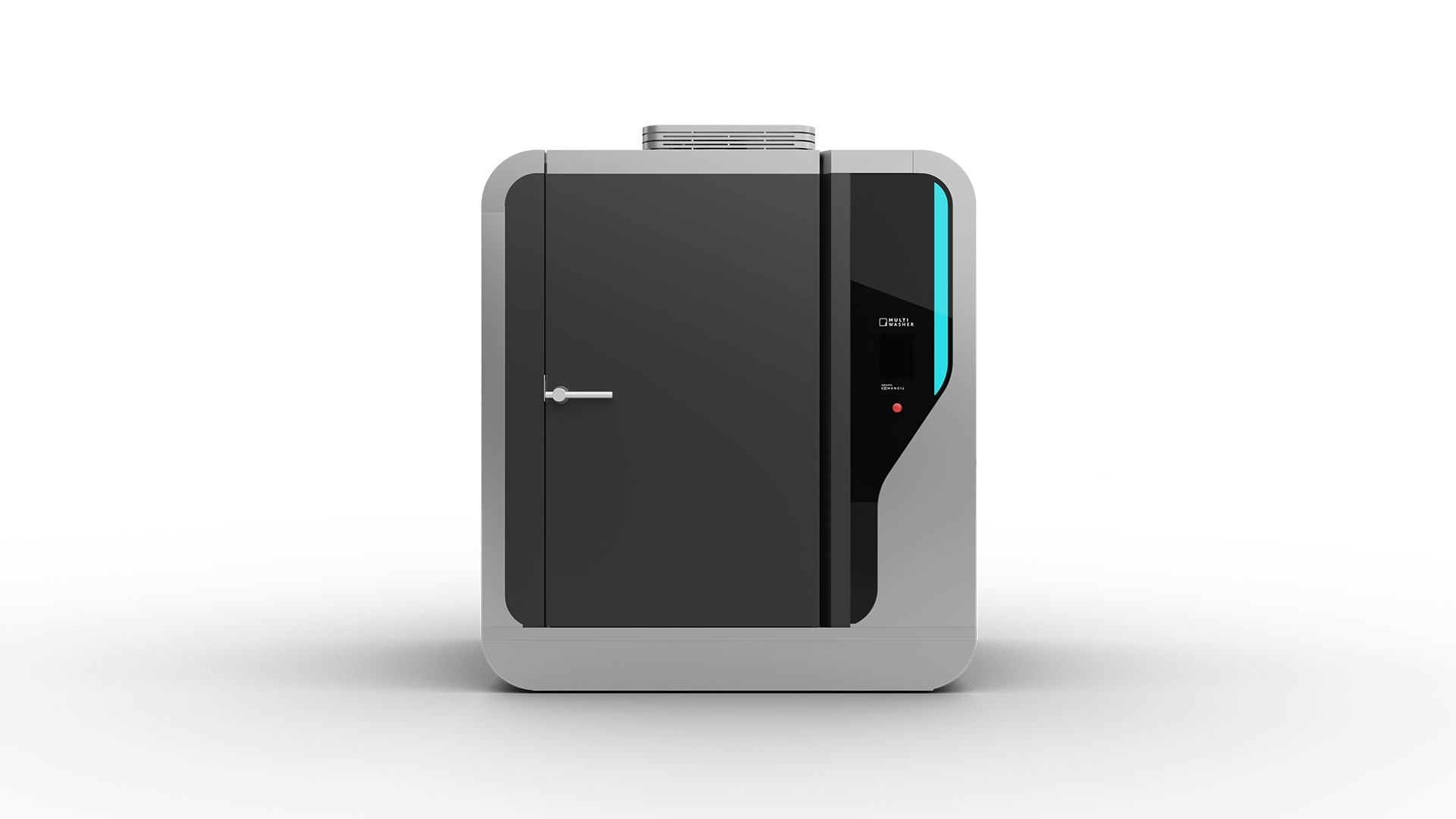
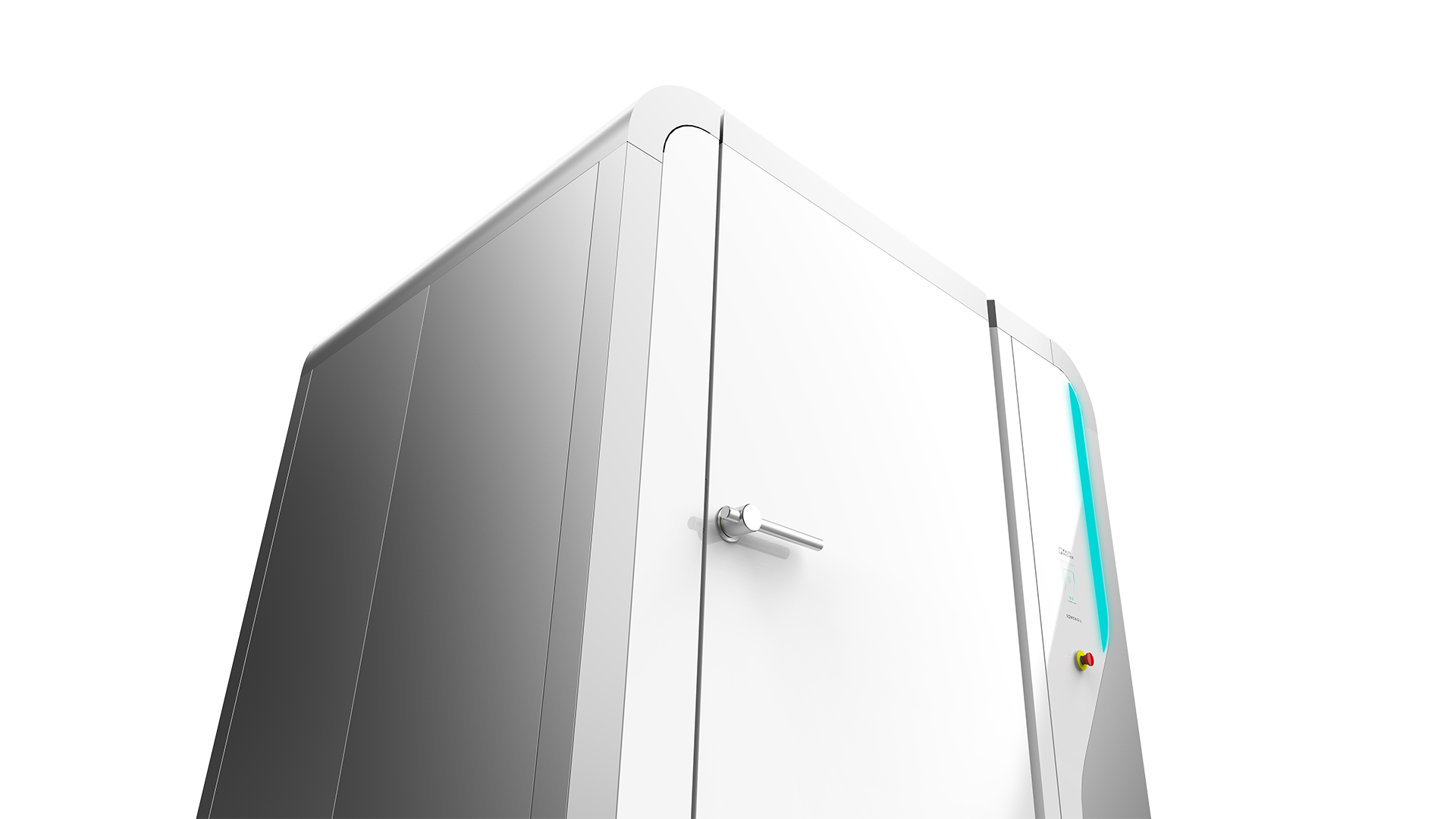
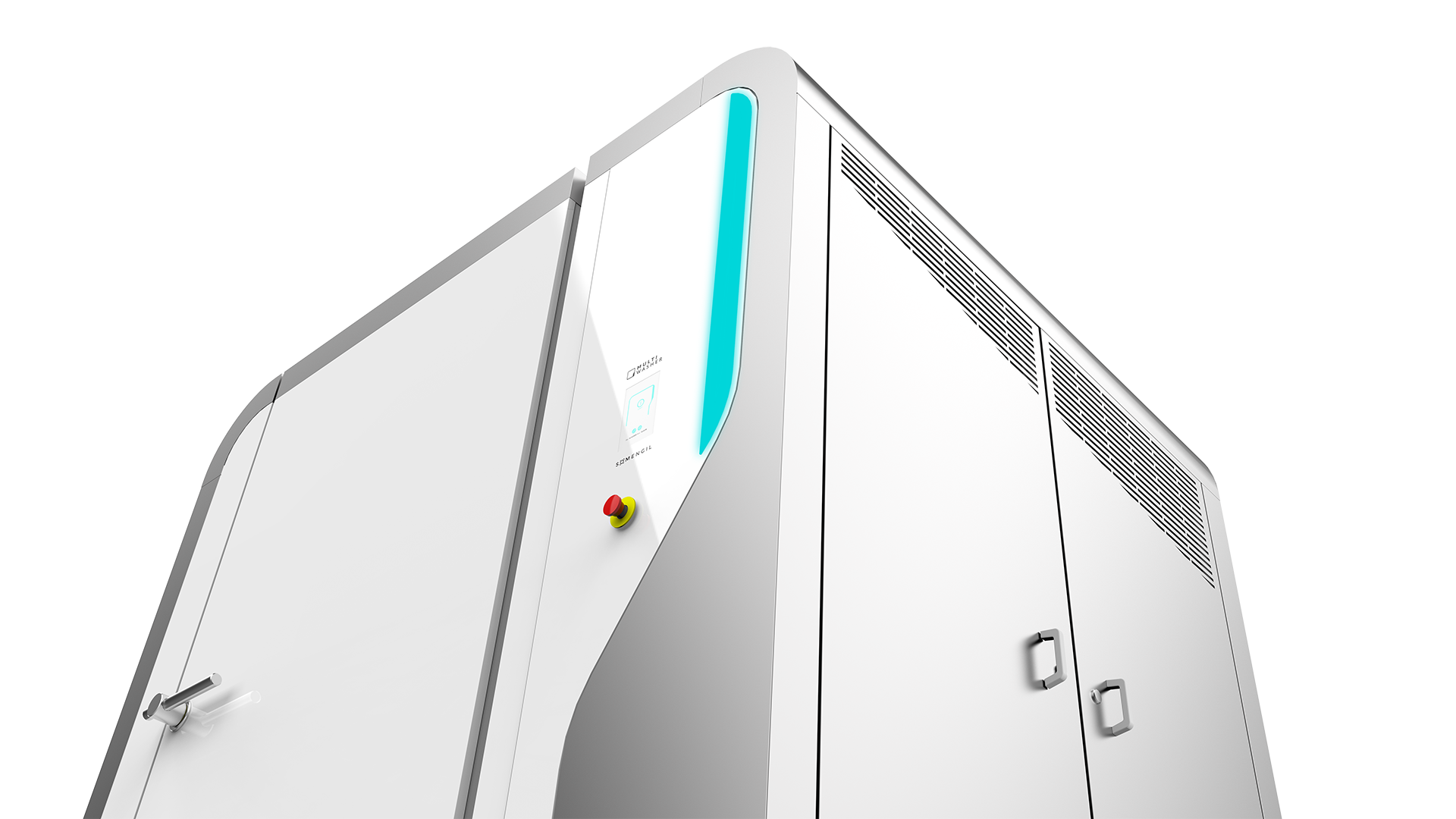
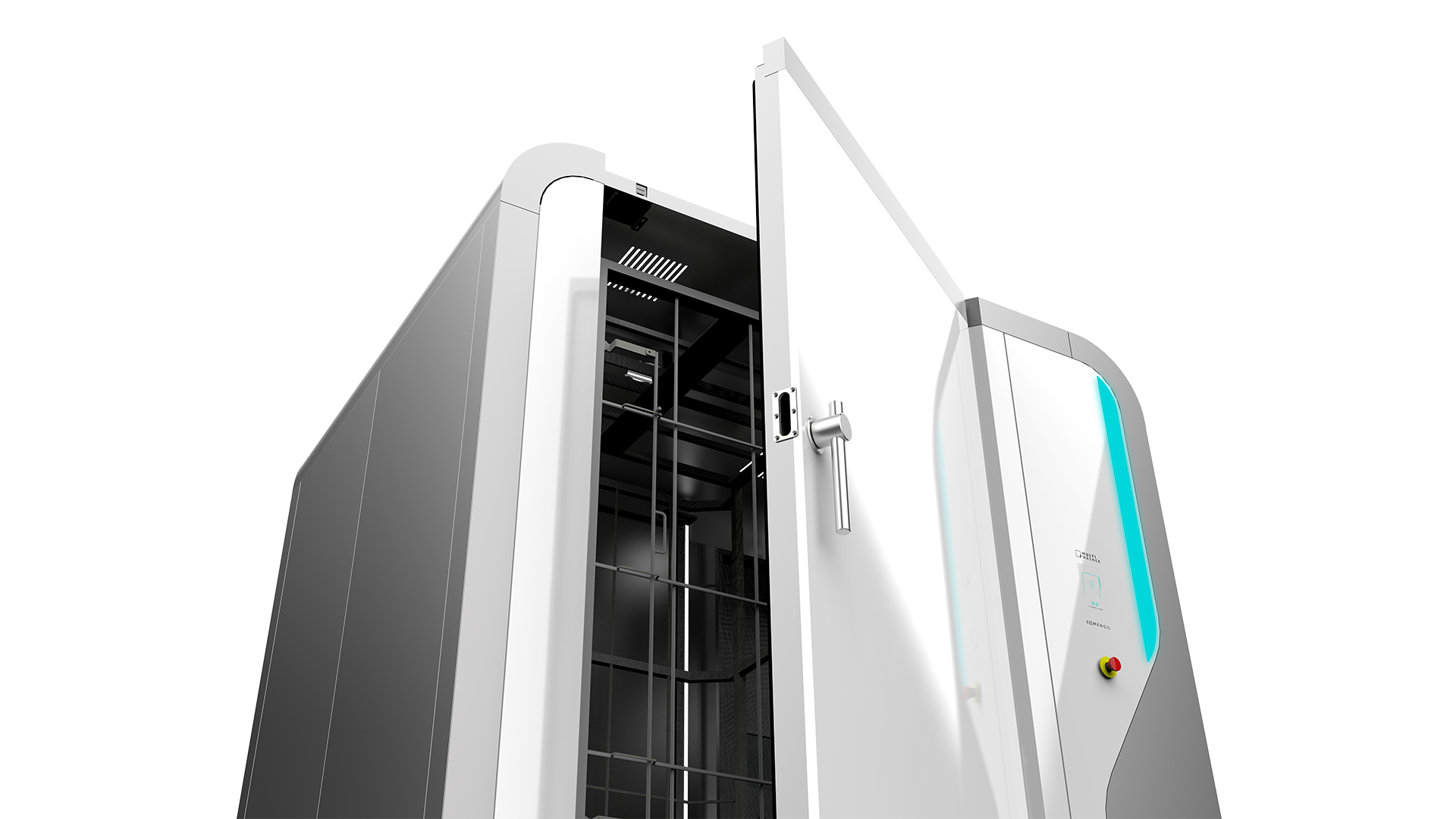
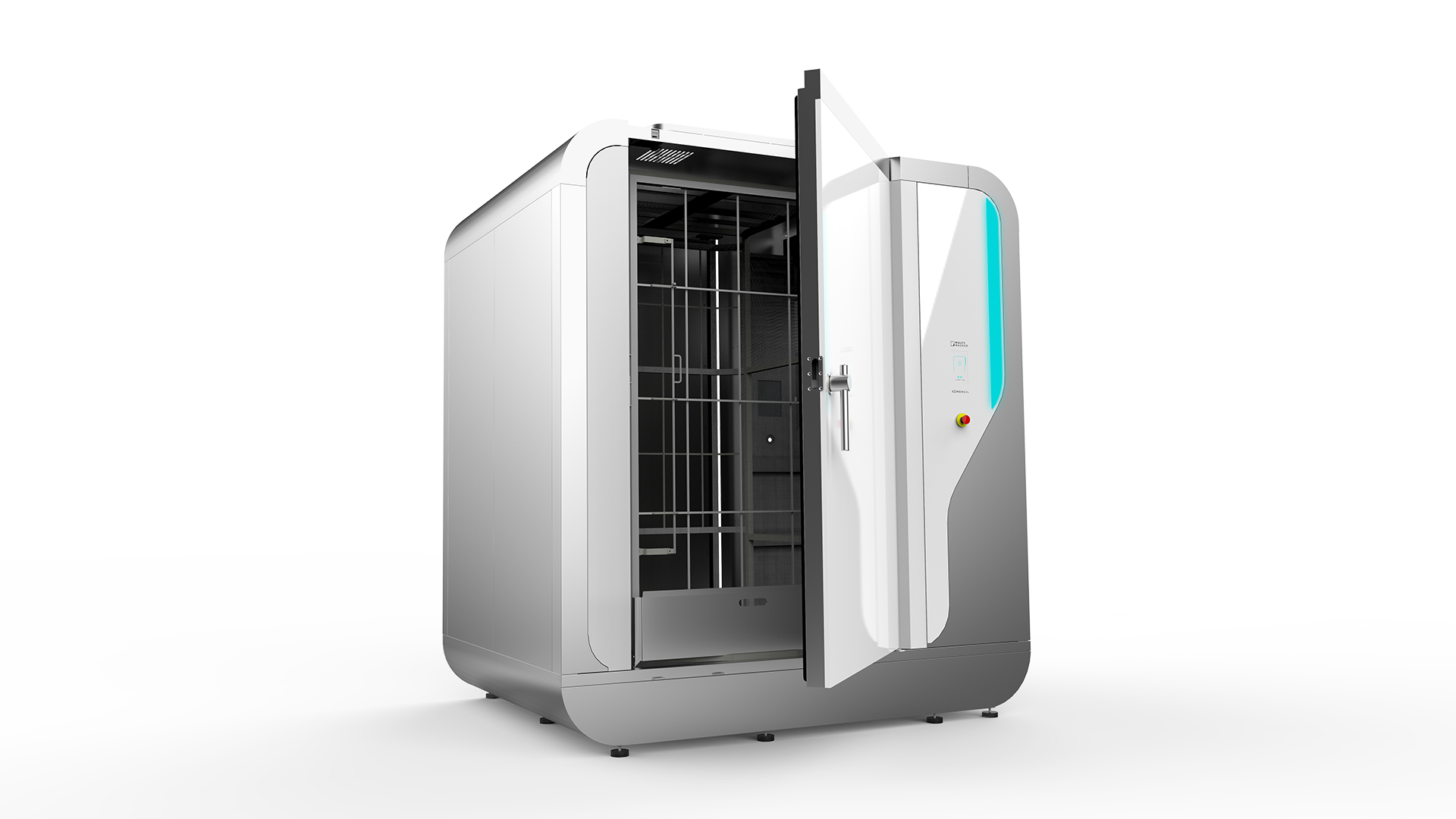
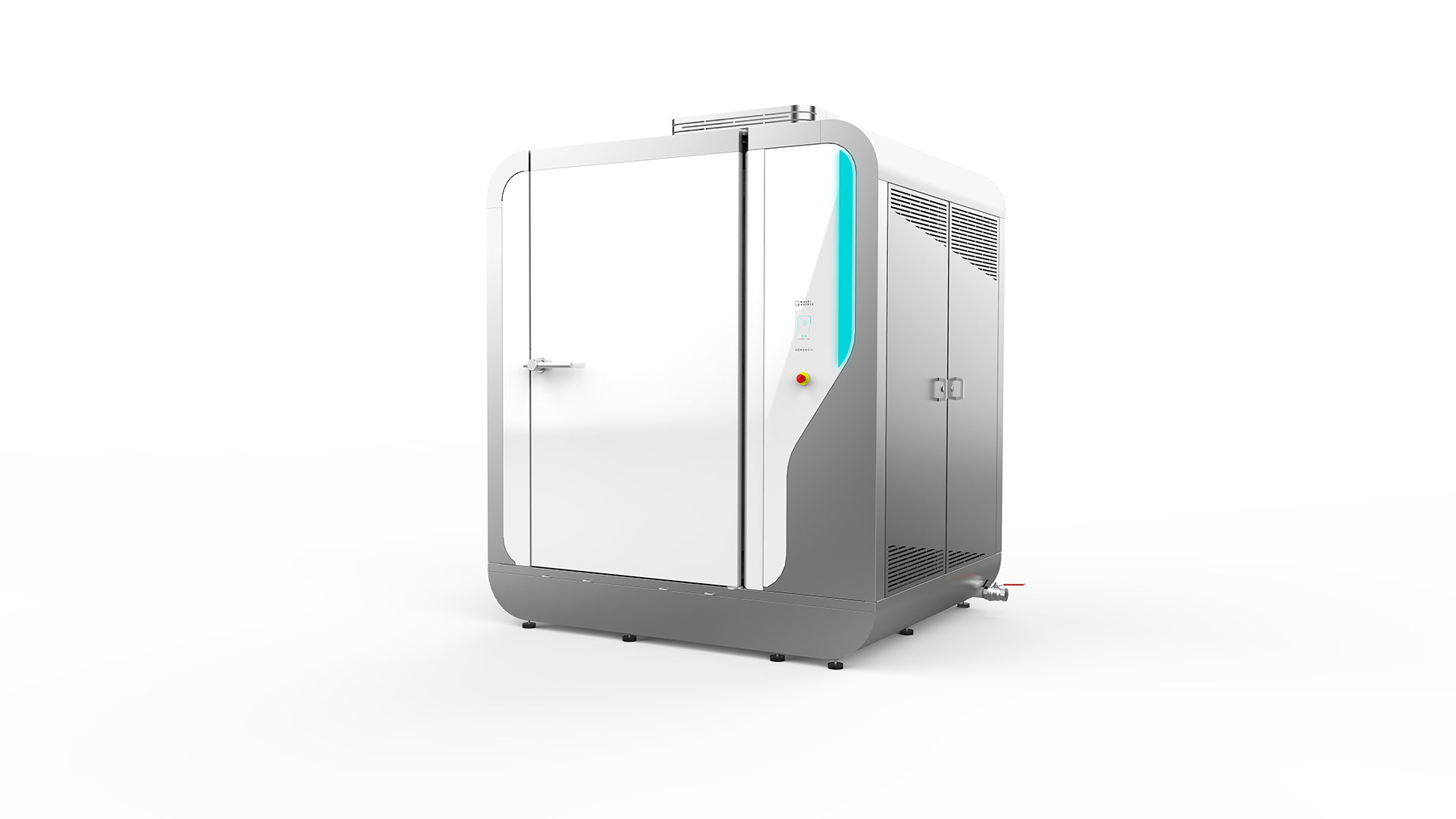
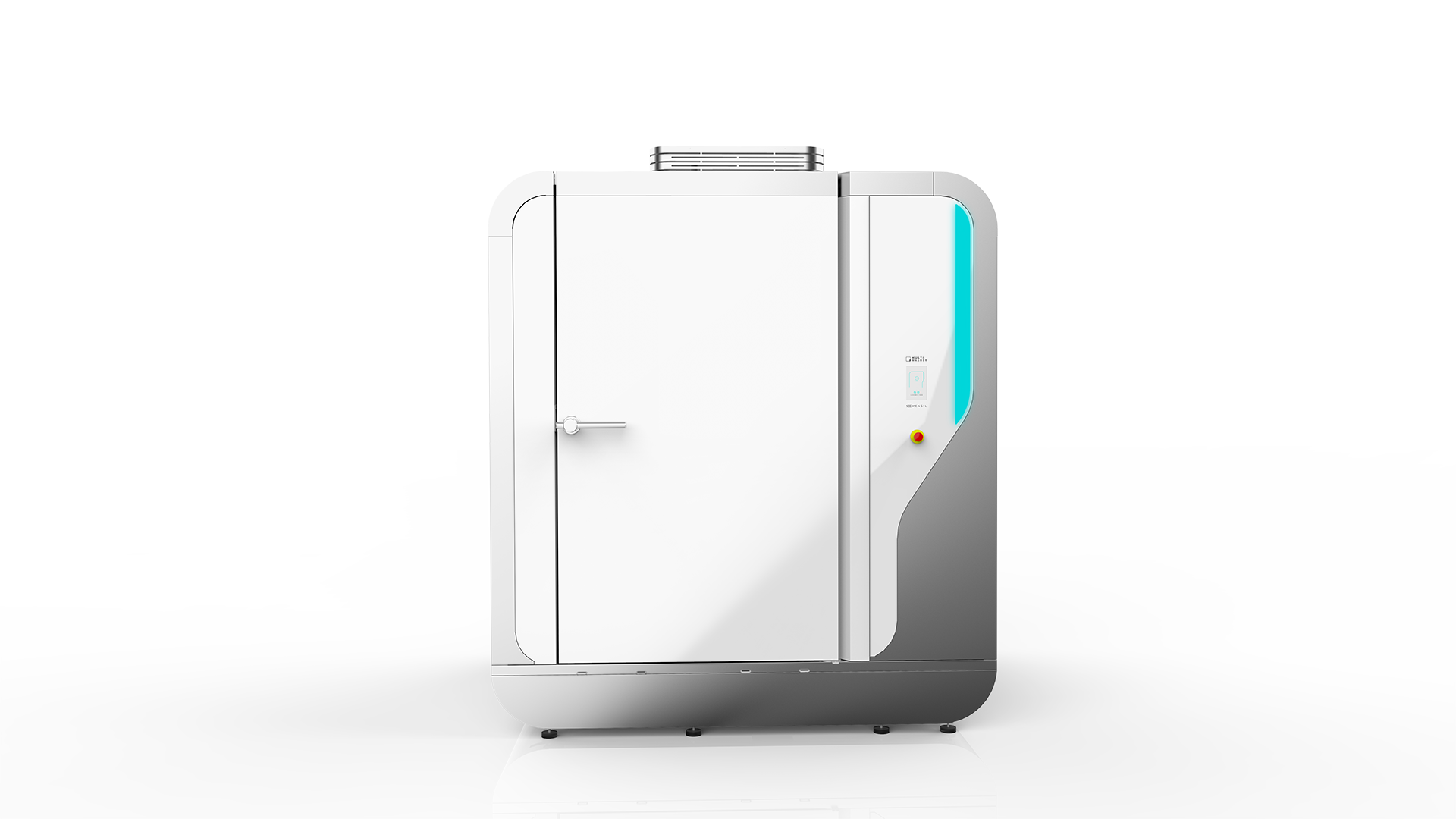
- The MultiWasher is a state-of-the-art washing equipment that can handle even the most demanding environments.
Shipments were already on their way when the alarms began to sound.
In 2024, hospitals across multiple U.S. states started reporting cases of severe Listeria infections. At first, the connection wasn’t obvious. Different cities. Different retailers. The products looked sealed, labelled, compliant. Nothing suggested a systemic failure.
Then investigators traced the cases back to a single ready-to-eat meat processing facility in Virginia. What they found wasn’t a dramatic machinery breakdown or a contaminated raw ingredient shipment. It was something quieter and far more unsettling. Persistent contamination inside the production environment. Residue on equipment. Sanitation procedures that had not eliminated bacteria from critical surfaces.
The recall that followed involved huge sums. The plant shut down. Operations stopped. Trust fractured. And this is just one example of what happens when washing systems fail to deliver consistent, validated results, the consequences do not stay contained.
Keep reading to discover how the right washing equipment can help you avoid the same hidden contamination risks and keep your operation running safely and efficiently.
What is washing equipment?
Washing equipment refers to the industrial and commercial machines designed to wash, sanitise, and prepare tools, containers, utensils, and production components for safe reuse. In professional environments, it goes far beyond a simple rinse. It is engineered washing: controlled temperatures, calibrated water pressure, measured detergent dosing, and repeatable cycles that deliver consistent, verifiable results.
In other words, washing equipment is the system that protects your operation from contamination, inefficiency, and avoidable cost.
Benefits of professional washing equipment
The right washing equipment strengthens your operation from hygiene and efficiency to cost control and compliance.
Consistent hygiene
Manual washing varies with each operator. Washing equipment ensures every cycle meets the same high standard, protecting products, brand, and compliance.
Lower long-term costs
Manual washing can waste water, chemicals, and time. Professional equipment optimises resources, reduces rework, and saves money over time.
Improved safety
Hot water, chemicals, and repetitive tasks pose risks. Automated washing reduces handling and hazards, creating a safer workplace.
Types of washing equipment
Here are the main categories of washing equipment you’ll find in professional environments:
Cabinet washers
Cabinet washers are versatile, compact, and well suited for medium volumes. They provide strong washing performance while requiring less space than tunnel systems.
Crate and tray washers
Specifically engineered for food production, logistics, and distribution environments, these systems handle standardised crates, trays, and bins. They focus on speed, hygiene control, and consistent turnaround, which are critical when packaging is constantly circulating.
Parts washers
Common in manufacturing and industrial settings, parts washers remove oils, grease, metal shavings, and production residues from mechanical components.
Container and bucket washers
Used heavily in food processing and ingredient handling, these machines wash reusable containers such as buckets, vats, and bins. They are designed to remove stubborn product residues while maintaining strict hygiene standards.
Rack and trolley washers
Ideal for large, bulky items, these systems accommodate racks, carts, and transport trolleys that are difficult to wash manually.
How to choose the right washing equipment
Choosing washing equipment means aligning performance with the reality of your operation. Here’s how to approach the decision strategically.
1. Start with what you’re washing
Different materials behave differently. Plastic crates are not the same as stainless steel components. Grease is not the same as food residue. Define the type of soil, its intensity, and how quickly it needs to be removed. Washing requirements drive everything, from water pressure to detergent selection.
2. Calculate real throughput
How many items need to be washed per hour? Per shift? During peak production? Undersizing creates bottlenecks. Oversizing inflates costs unnecessarily. Look at your busiest day, not your quietest one. The equipment must support your maximum operational rhythm.
3. Assess hygiene and compliance requirements
In regulated industries, washing is part of quality control. Temperature control, validated cycles, and documentation capabilities may be mandatory. If audits are part of your reality, choose equipment that delivers traceability and repeatable performance without manual guesswork.
4. Evaluate space and workflow integration
Where will the machine sit? How will items enter and exit? Does it fit naturally into your production flow? Washing equipment should remove friction. Layout planning is as important as technical specification.
5. Consider utility consumption
Water usage, energy demand, and chemical dosing all affect operating costs. Modern systems optimise these variables, but not all machines perform equally. Efficiency on paper must translate into measurable savings in practice.
6. Think beyond the purchase price
Initial investment matters, but so does durability, maintenance access, spare parts availability, and technical support. A lower upfront cost can become expensive if downtime increases or service support is weak. Long-term reliability is part of the equation.
7. Plan for growth
Is your production likely to expand? Will volumes increase? Choosing equipment with scalable capacity or modular options can prevent another investment sooner than expected.
8. Use Somengil’s Industrial Washing Efficiency Simulator
A practical way to find the right system for your operation is by testing scenarios with a washing equipment simulator. Somengil’s Industrial Washing Efficiency Simulator allows you to input your operational data to estimate water, detergent, energy usage, and potential savings. This makes it easier to compare machine options, visualise efficiencies, and select the system that best fits your workflow.
Why MultiWasher is the right washing equipment for your operation
Investing in washing equipment is ultimately about reliability. Equipment that performs under pressure, adapts to your workflow, and delivers consistent hygiene without compromise. The difference lies in engineering, customisation, and long-term support. That’s where MultiWasher stands apart.
MultiWasher is engineered to tackle everything from crates and trays to containers and racks, with adjustable cycles, precise detergent dosing, and high-pressure coverage that reaches even the hardest-to-wash surfaces. It’s a performance driver built to fit your workflow and ensure your operation stays compliant and productive every single day. Get in touch.
You may also like

Industrial washing / Articles
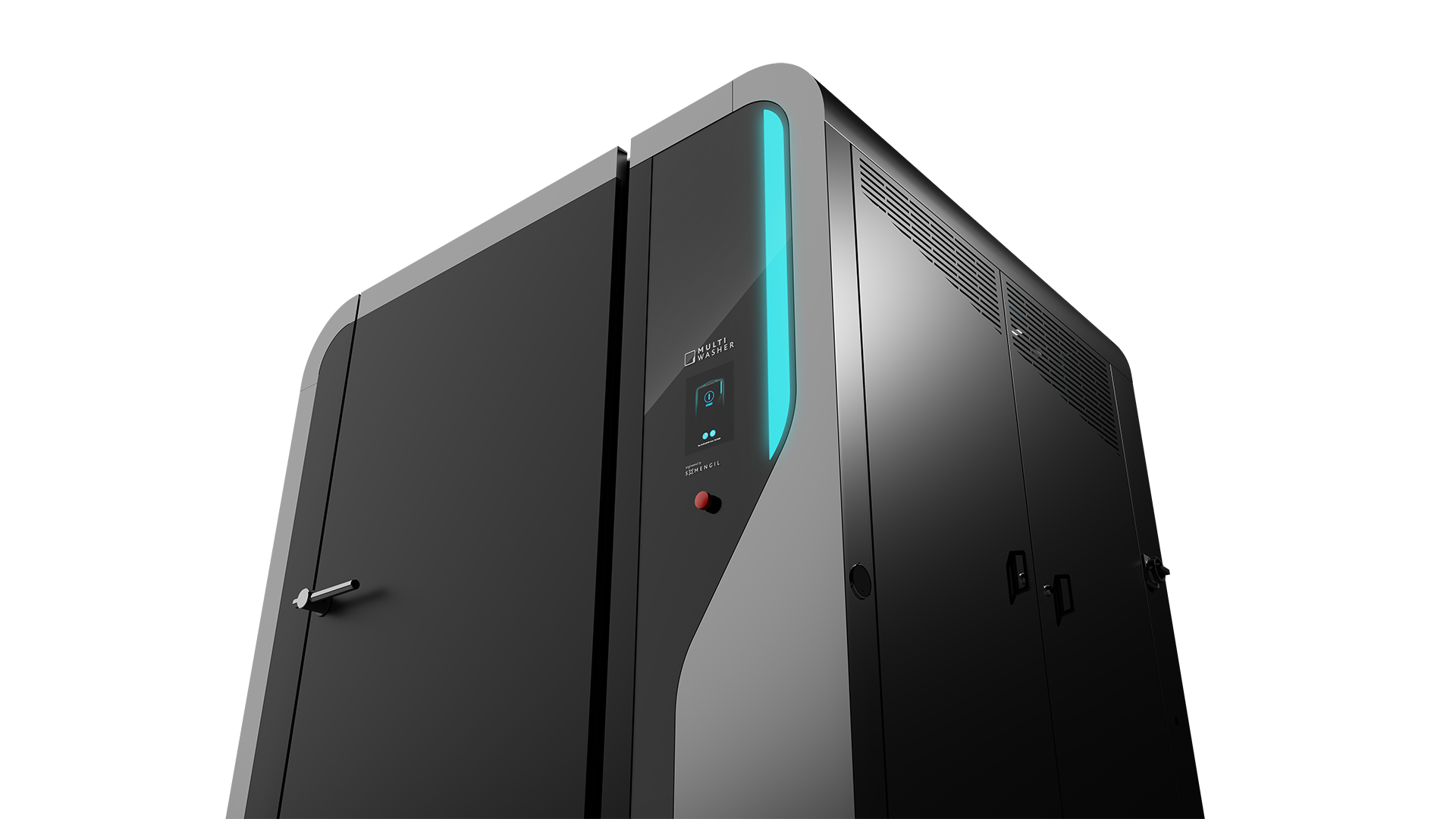
MultiWasher featured in Bloomberg
Bloomberg has highlighted MultiWasher and Somengil as benchmarks in sustainability and efficiency. Find out why.
Posted in 2024-01-02
Industrial washing / Articles
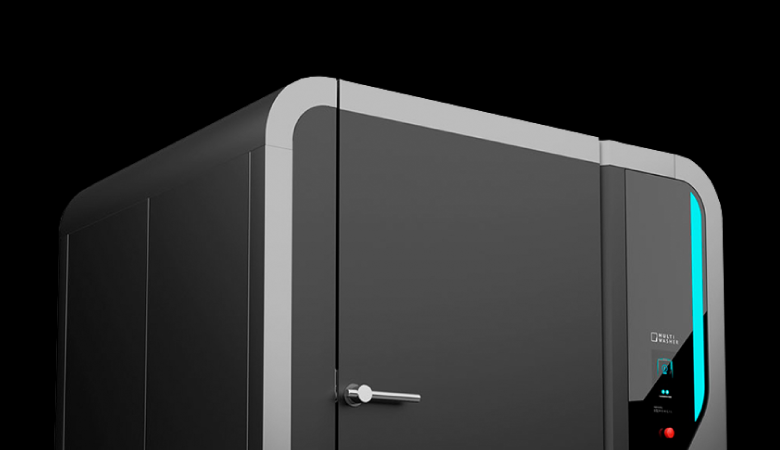
Industrial washer: how to select the right one for your business
Industrial washing machines are decisive for increasing the efficiency of washing processes. This is what to consider when choosing this equipmen...
Posted in 2021-08-10
Industrial washing / Articles
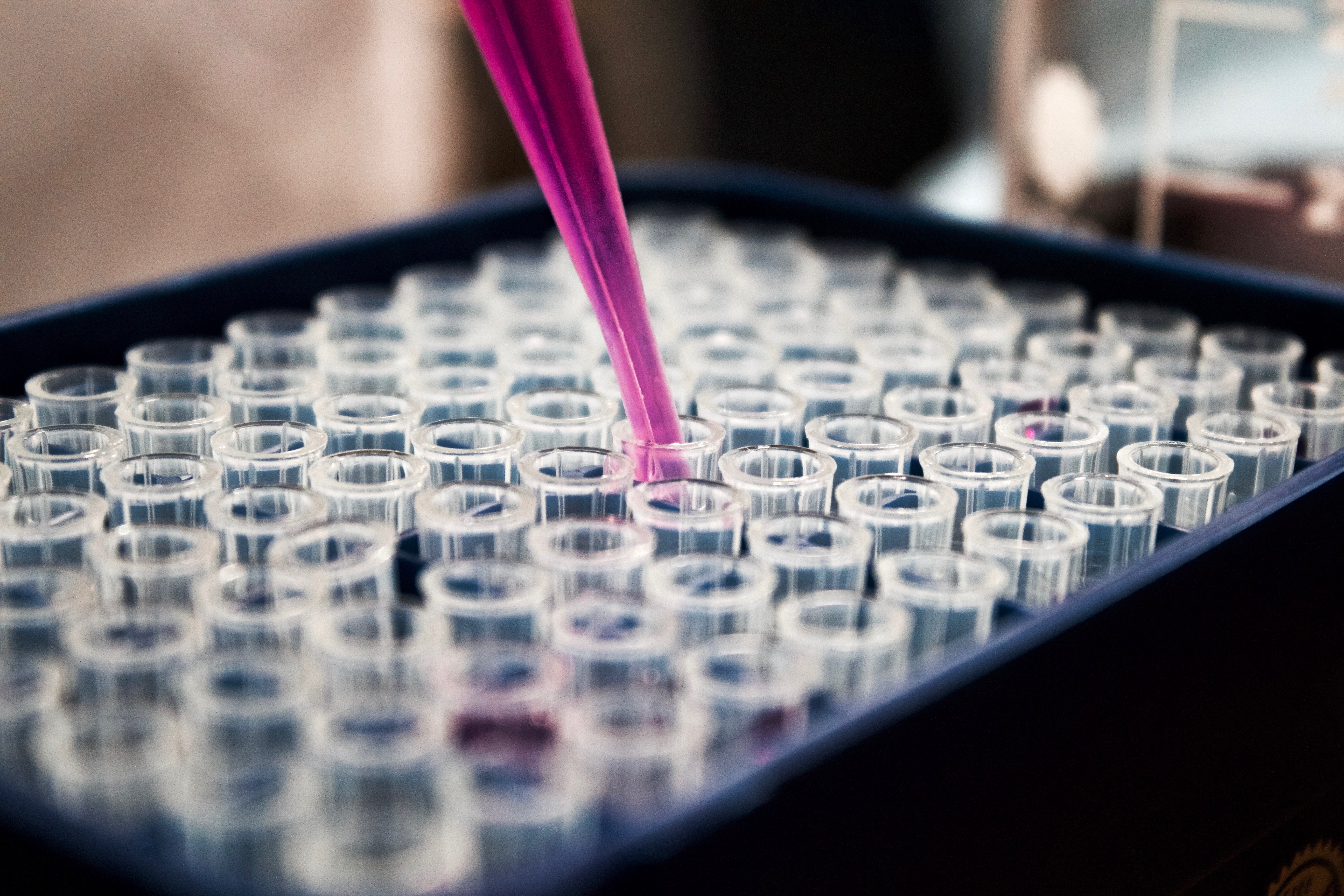
Invisible enemy: how microbiological analyses protect the health of people and businesses
Microbiological analyses prevent serious public health problems. But they also protect another indispensable good: consumer confidence. They shou...
Posted in 2026-08-31



 Portugal
 United Kingdom
 United States
 France
 Spain
Spain Germany
 Romania
 Italy
Italy Czech Republic
 Finland
 Hungary
 Slovakia
 Greece
 Lithuania
 South Korea
 Russia
 Saudi Arabia
 Poland
 Brasil
 Hebrew