Industrial washing / Articles
Crate washer: what is it, why it matters, how to choose
Discover what crate washers are, why they matter, and how to choose one that fits your operation – plus how to make them last longer.
 17 minutes of reading
2025-06-20 09:34:09
- A crate washer ensures every crate goes through the same controlled wash cycle, keeping hygiene standards reliable and repeatable.
- High-throughput operations benefit from faster crate turnaround, preventing backlogs.
- Investing in the right crate washer transforms washing from a repetitive chore into a smooth, dependable part of daily operations.
In March 2026, RCL Foods (a major food manufacturer) issued a large recall of dry pet food products after routine quality checks detected traces of Salmonella in certain batches. The contaminated products had initially been condemned and sent for destruction, but some were later found circulating, prompting the company to halt production.
The incident affected over 100.000 cases of dog and cat food and highlighted how even well established safety systems can be compromised when hygiene controls slip. A clear reminder that ensuring consistent sanitation at every step, including crate washing and material handling, is critical to preventing contamination and protecting both consumers and brand reputation.
Keep reading to see how a crate washer can take that worry off your shoulders, ensuring your operation stays clean, reliable, and fully in control.
What is a crate washer?
A crate washer is a machine designed to wash and sanitise crates, boxes, or bins used in industrial environments. Crate washers use high-pressure jets, targeted nozzles and controlled temperatures to remove everything from food residue to grease, dust, and potential contaminants. Most are equipped with pre-wash, main wash and rinse zones, so that each crate comes out not just looking washed, but actually safe for reuse.
Benefits of a crate washer
When crates circulate constantly through production, storage, and transport, washing them becomes part of protecting product quality, keeping operations efficient, and maintaining hygiene standards that can stand up to scrutiny.
Consistent hygiene, every single cycle
Manual washing depends heavily on people, time, and attention to detail. On a busy shift, it’s easy for small variations to creep in, like a shorter rinse, less pressure, or areas that don’t get fully washed. A crate washer removes that variability. With controlled temperatures, calibrated detergent dosing, and defined wash cycles, every crate goes through the same washing process. The result is a level of hygiene that’s visible, repeatable and reliable.
Faster turnaround of reusable crates
Automated washing keeps crates flowing. Instead of stacks waiting to be scrubbed manually, crates move through continuous or batch washing cycles and return to circulation much faster.
Lower labour intensity
A crate washer reduces the manual effort involved. Staff can focus on loading and unloading rather than intensive washing, freeing time for other tasks while still maintaining high hygiene standards.
Better removal of stubborn residues
With pressurised water jets, optimised spray patterns, and controlled wash temperatures, crate washers are designed to reach corners, surfaces, and textures that manual washing often misses.
Improved control over the washing process
Crate washers bring structure to the process. Defined wash parameters, controlled chemical dosing, and repeatable cycles make it easier to maintain standards and support hygiene protocols across the operation.
Which companies are crate washers meant for
If your business relies on reusable crates, and hygiene is part of your daily vocabulary, you will need a crate washer.
These machines are a perfect fit for companies in the food industry, where crates carry everything from fresh vegetables to meat, fish or dairy. In this context, any trace of contamination can compromise entire batches and trigger costly recalls.
But the need goes beyond food. Pharmaceutical and cosmetic companies, for example, also handle materials that demand strict hygiene and traceability. Crate washers help maintain that standard, while keeping workflows compliant and consistent.
Even in logistics, agriculture or industrial manufacturing, crate washers bring order to high-volume operations. When crates are used to transport parts, tools, or packaging, keeping them washed helps protect products, reduce damage and uphold your brand’s professional image.
Signs you might need a crate washer
Not every facility realizes when the tipping point has arrived. Manual washing or outdated washers may look “good enough” on the surface, but they often hide inefficiencies and risks that eat away at margins and safety. Here are the signs it’s time to rethink your washing process.
1. Hygiene issues keep resurfacing
If contamination risks, recurring audits, or persistent residues are slowing operations, it’s a clear signal your current washing methods are falling short of industry standards.
2. Water and energy bills are climbing
Spiralling utility costs often trace back to inefficient washing cycles. A modern crate washer with optimized dosing and smart sensors can drastically cut waste.
3. Your team spends too much time “babysitting” washers
When staff are tied up with pre-rinsing, re-washing, or manual scrubbing, that’s labor wasted. Automation frees people to focus on higher-value tasks.
4. Inconsistent results between shifts
If hygiene outcomes depend on who’s working, you’re exposed to operational risk. Standardized washing ensures consistent results every single cycle.
5. Equipment downtime is becoming too frequent
Clogged filters, worn nozzles, or recurring breakdowns are technical annoyances, but, more importantly, they’re productivity killers that signal it’s time for a system built to last.
6. Growing volumes strain your current setup
Scaling production without upgrading your washing system creates blockages. A crate washer designed for industrial loads keeps operations running smoothly as demand grows.
How to choose the right crate washer
The right crate washer should make washing easier, faster, and more predictable. The wrong one can quickly become another bottleneck on the floor. Taking the time to evaluate a few key aspects makes all the difference.
1. Start with the volume of crates you actually handle
A crate washer needs to keep up with your real operational rhythm. Think about how many crates circulate during a normal shift, but also during peak periods. Seasonal spikes, production surges, or high-demand days can quickly expose equipment that’s too small for the job. A good rule of thumb: the washer should comfortably handle your busiest periods without crates starting to queue up.
2. Look closely at the types and sizes of crates you use
Not all crates are the same. Some are shallow and open, others deeper, reinforced, or with complex structures that trap residues in corners. Before choosing a crate washer, consider the dimensions, materials, and shapes of the crates used in your operation. The equipment should be designed to clean those surfaces effectively, including corners, perforations, and textured areas where dirt tends to accumulate. In some cases, flexibility to handle multiple crate formats can be particularly valuable.
3. Consider how the washer will fit into your workflow
Think about where the washer will be placed, how crates will arrive at the machine, and how they will leave it once clean. In high-throughput environments, continuous systems can keep crates moving without interruption. In smaller facilities, batch systems may integrate more easily with existing workflows. The key question is simple: does the washer fit the natural flow of your operation?
4. Pay attention to wash performance, not just speed
Throughput matters but washing quality matters more. A good crate washer combines strong mechanical action with the right temperatures and controlled detergent dosing. Pressurised spray systems, optimised nozzle positioning, and well-designed wash chambers ensure that every crate receives proper washing. It’s worth looking beyond cycle time and focusing on how effectively the machine removes residues and supports hygiene standards.
5. Think about water, energy, and chemical efficiency
Crate washing happens every day, often continuously. Over time, water consumption, energy use, and detergent dosing can have a significant impact on operating costs. Well-designed crate washers optimise these resources through filtration systems, heat recovery, and precise chemical dosing. The result is lower operating costs and also a more controlled and predictable washing process.
6. Choose equipment that’s easy to operate and maintain
Controls should be intuitive, routine cleaning of the machine itself should be straightforward, and access to components for inspection or maintenance should not require complicated procedures. When equipment is easy to operate and maintain, it’s far more likely to deliver consistent performance over the long term.
7. Work with a supplier who understands your operation
Finally, the machine itself is only part of the solution. An experienced supplier will look at your crates, your production flow, your hygiene requirements, and your available space before recommending equipment. Sometimes that leads to standard solutions; other times it requires a more tailored approach. Either way, choosing a partner who understands the realities of food processing environments helps ensure that the crate washer you install today continues to support your operation for many years to come.
How to maximise the lifespan of your crate washer
A crate washer is a long-term investment, and the way you care for it makes all the difference. Here’s how to keep it running at its best, year after year.
1. Train your team
Make sure the people using the machine know how to use it well. That means understanding how to load crates correctly, select the right settings, and identify early signs of issues.
2. Use the right chemicals
Avoid shortcuts or harsh products that weren’t designed for your machine. The wrong chemicals can corrode parts, clog systems or reduce washing effectiveness. Use approved detergents in the recommended dosage for best results.
3. Don’t ignore small issues
Unusual noises? Slower cycles? Water that doesn’t heat properly? These are often early warning signs. Address them quickly to prevent minor problems from turning into major breakdowns.
4. Schedule preventive maintenance
Even if everything seems to be working fine, regular check-ups from a technician can spot wear and tear you might miss. A preventive maintenance plan ensures your machine stays efficient, compliant and reliable, with no surprises.
How to calculate the ROI of a crate washer
Manual crate washing usually requires several people spending a significant part of their shift scrubbing, rinsing, and stacking crates.
Calculate the time spent washing crates per day, multiply it by the number of employees involved, and then by the hourly labour cost.
Also, manual washing often uses more water and chemicals than expected. Hoses run continuously, detergent dosing varies, and rinse cycles are inconsistent. Comparing current water and detergent consumption with the projected consumption of automated washing can reveal substantial savings.
A practical way to find the right system for your operation is by testing scenarios with a washing equipment simulator. Somengil’s Industrial Washing Efficiency Simulator allows you to input your operational data to estimate water, detergent, energy usage, and potential savings. This makes it easier to compare machine options, visualise efficiencies, and select the system that best fits your workflow.
FAQs about crate washers
These are some of the most common questions about crate washers.
Do crate washers comply with hygiene regulations?
Yes. Modern machines like MultiWasher are designed to meet food safety regulations (such as HACCP and EHEDG guidelines). They ensure every crate is washed and sanitized to prevent cross-contamination.
How difficult is maintenance?
MultiWasher is built for durability and easy access. Preventive maintenance (like checking filters, nozzles, and pumps) keeps the system running efficiently. The sensors can even alert you when a component needs attention, to reduce downtime. Besides, Somengil will keep an eye on your machine performance.
Can a crate washer handle different crate sizes?
Yes. Flexible systems adjust automatically to different crate dimensions and soil levels, optimizing cycle time, water pressure, and detergent dosing to avoid waste.
What’s the ROI of investing in a crate washer?
While the upfront cost can be significant, the payback is fast. Companies often see ROI in less than two years through savings in water, energy, chemicals, and labor, plus the added benefit of reliable hygiene compliance.
How does water quality affect crate washer performance?
Hard water or high mineral content can leave residues, clog nozzles, and increase chemical use. Installing filtration or softening systems can extend machine life and cut detergent use by up to 20%.
Meet MultiWasher, the crate washer that makes all the difference
Your daily operations demand more than just “washed.” They demand uncompromising hygiene, consistent performance, and the confidence that every crate coming out of your washer is ready to carry your reputation forward.
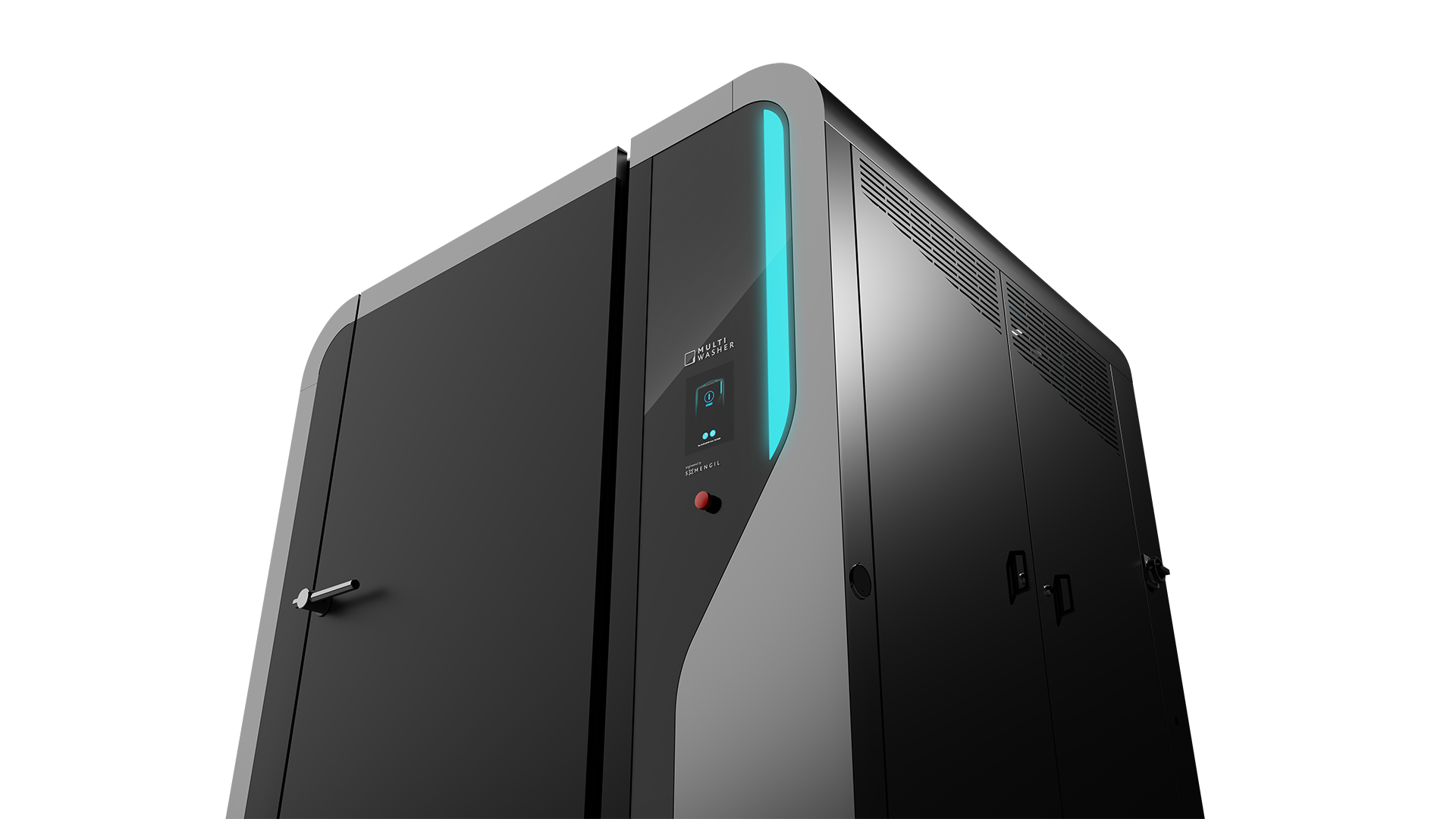
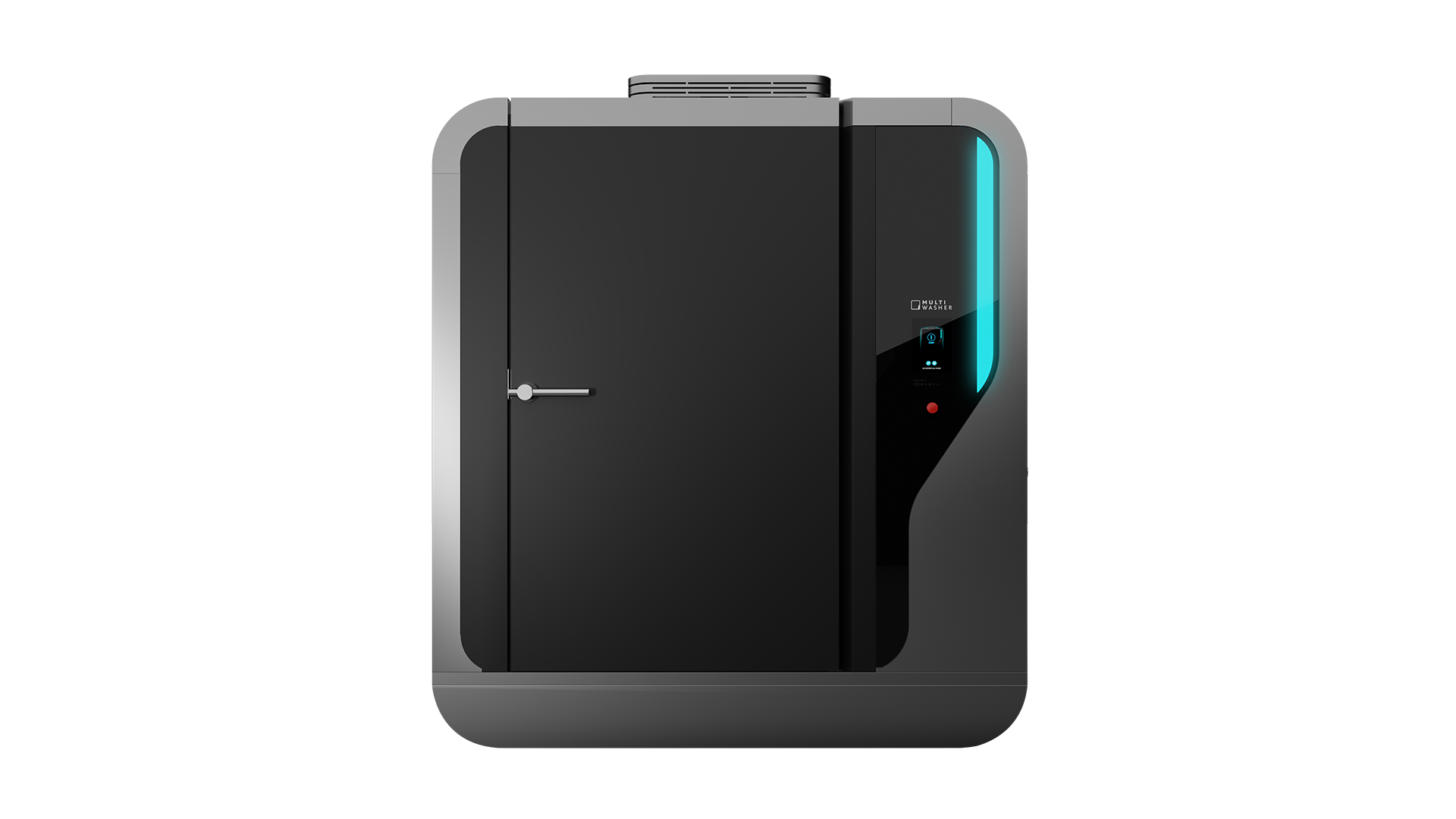
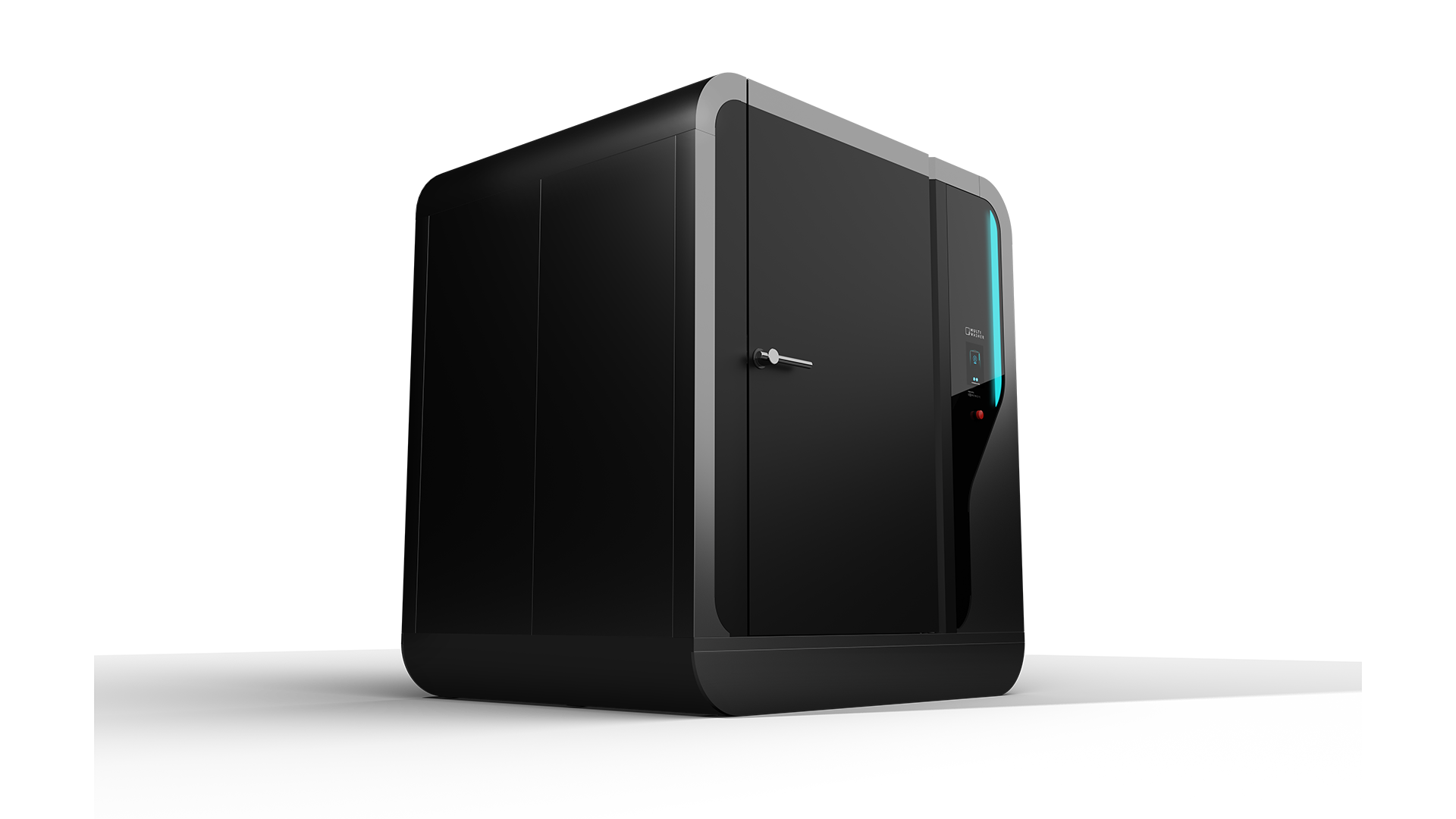
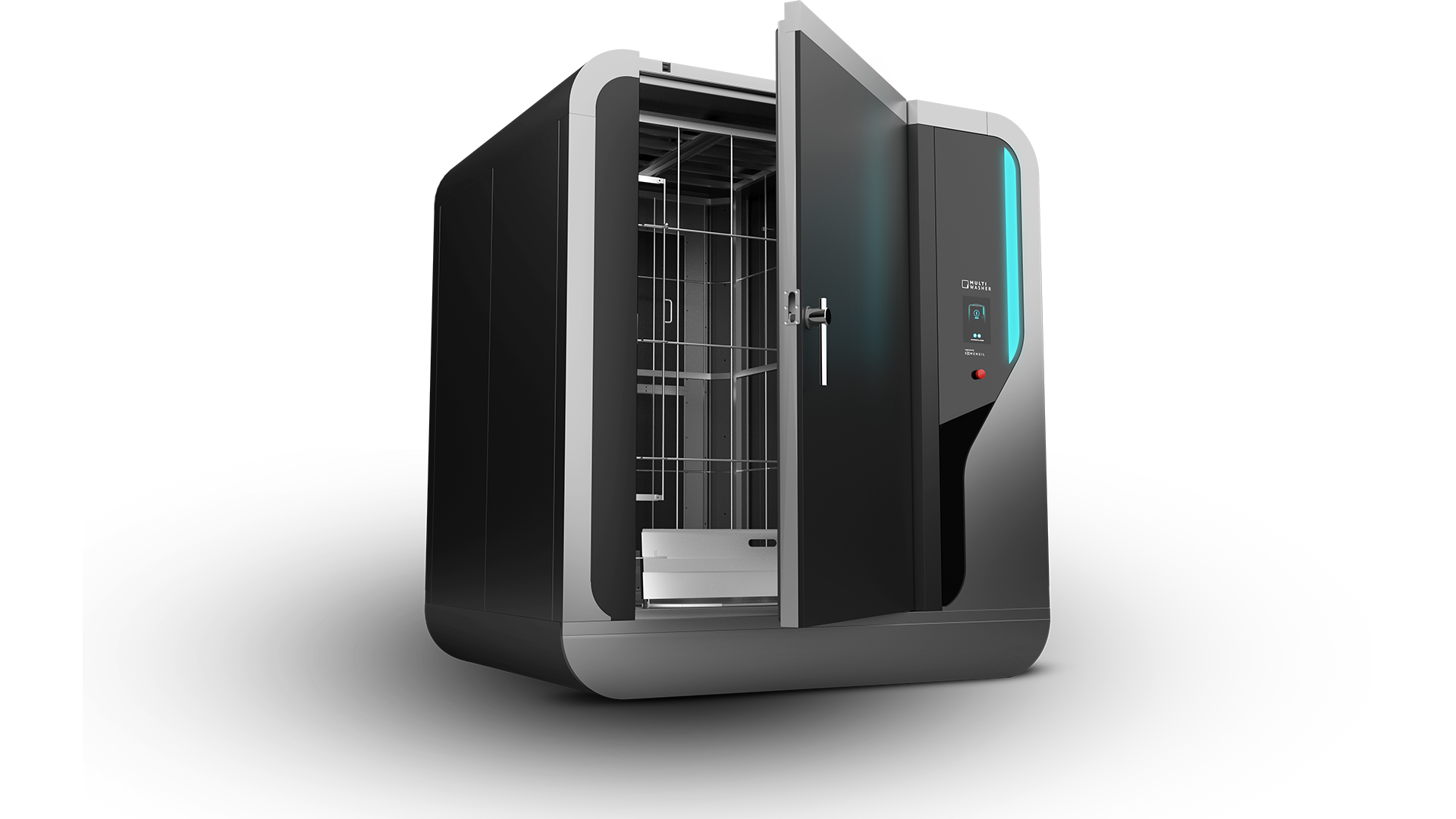
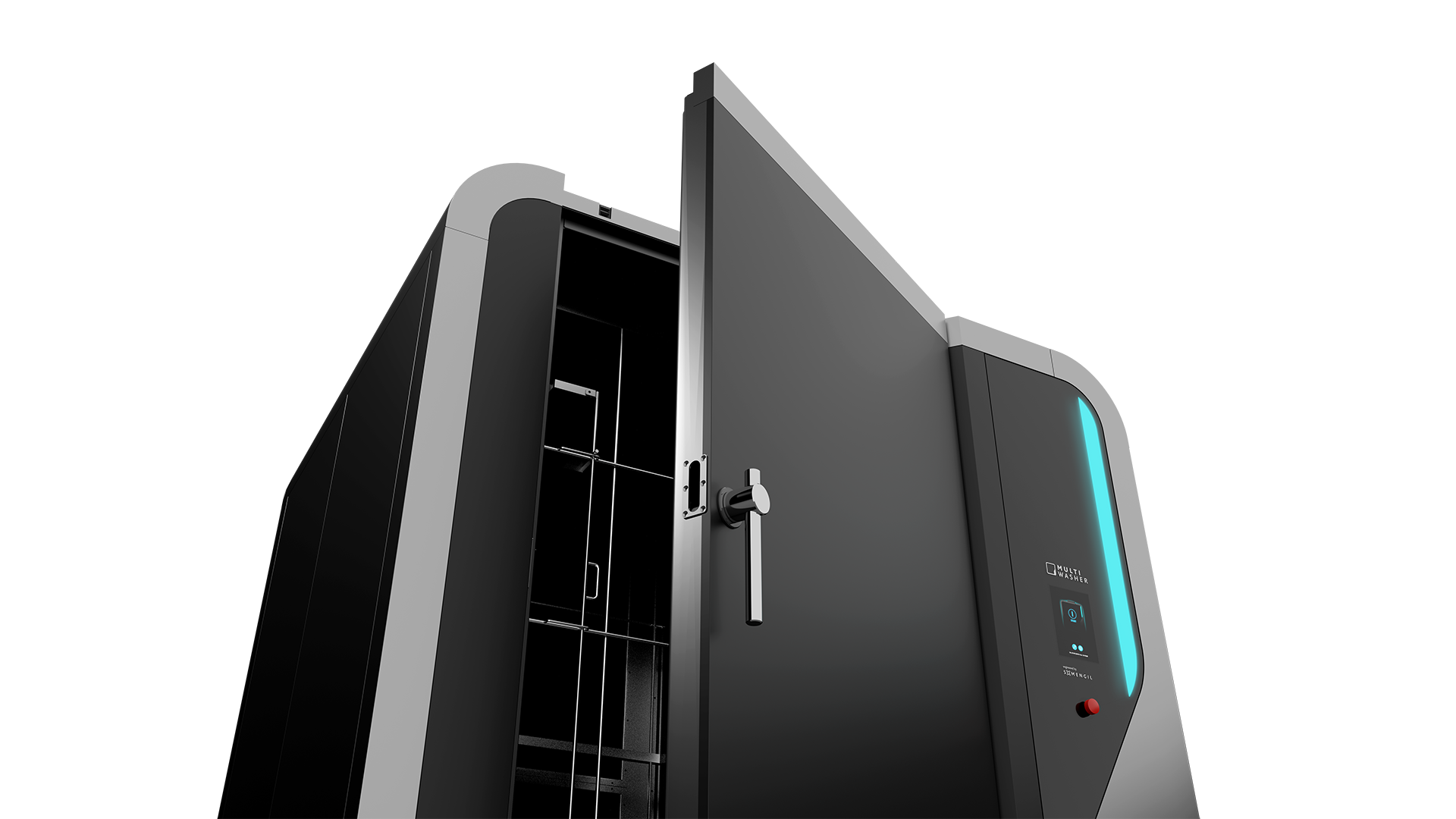
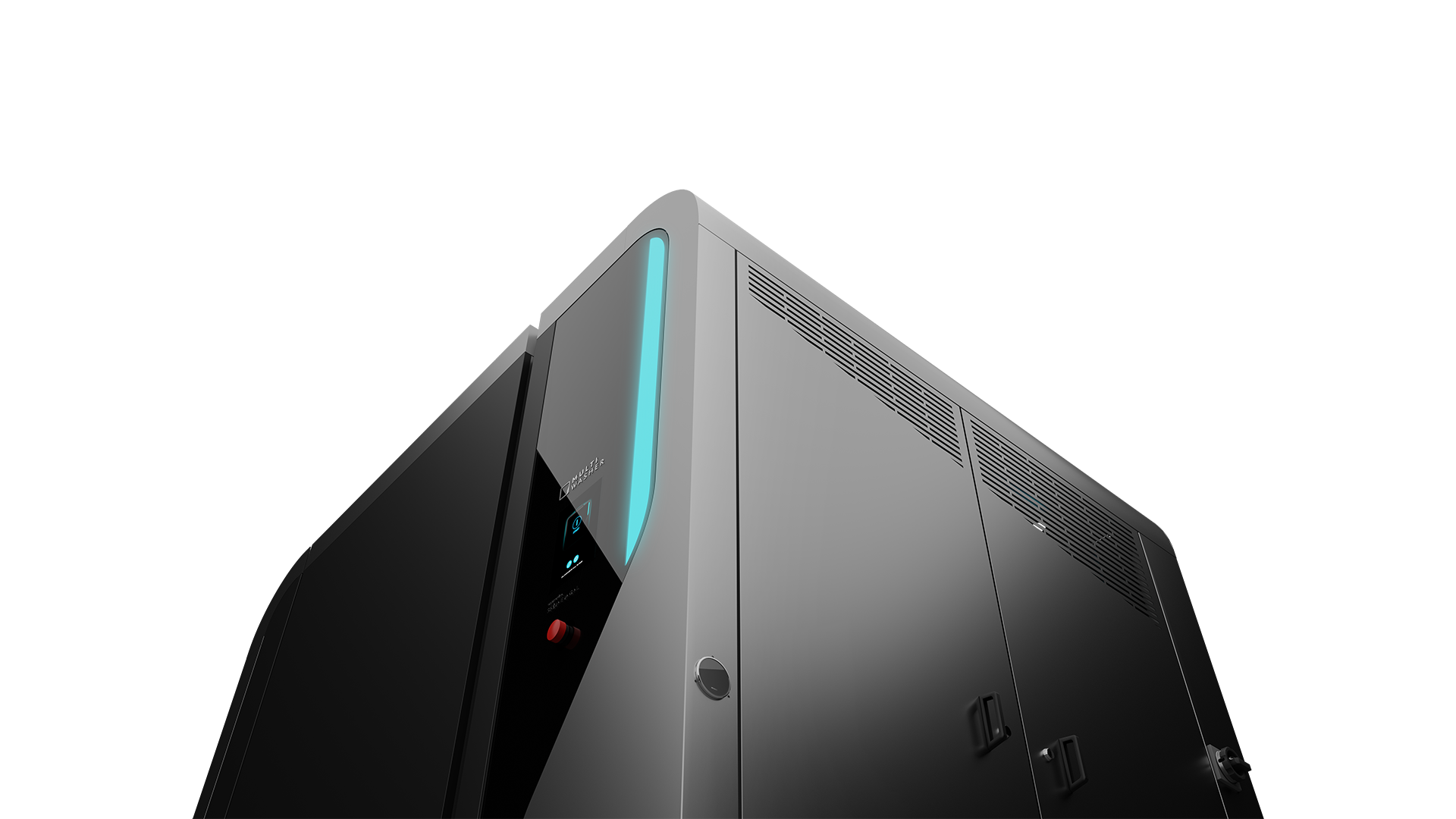
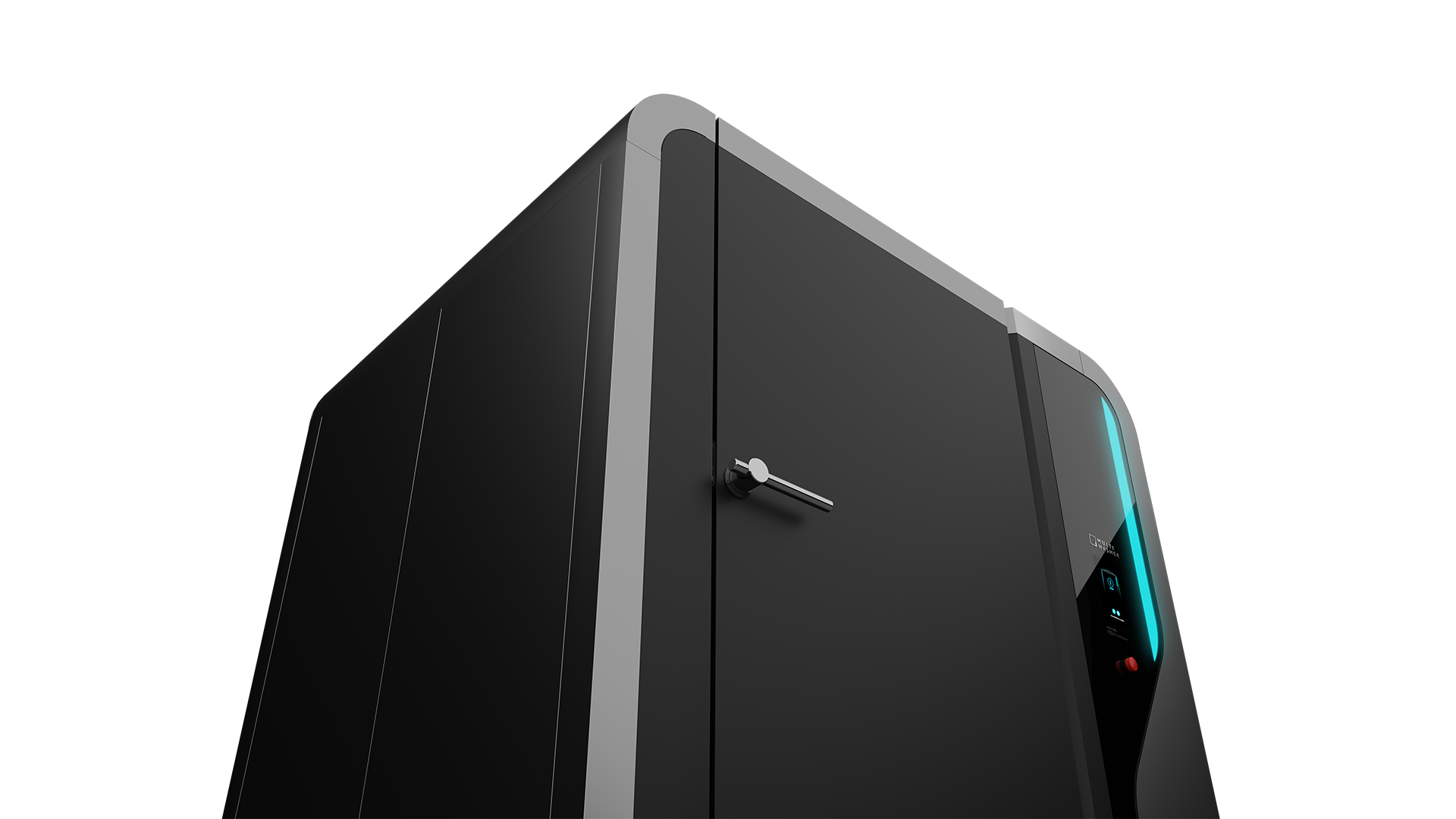
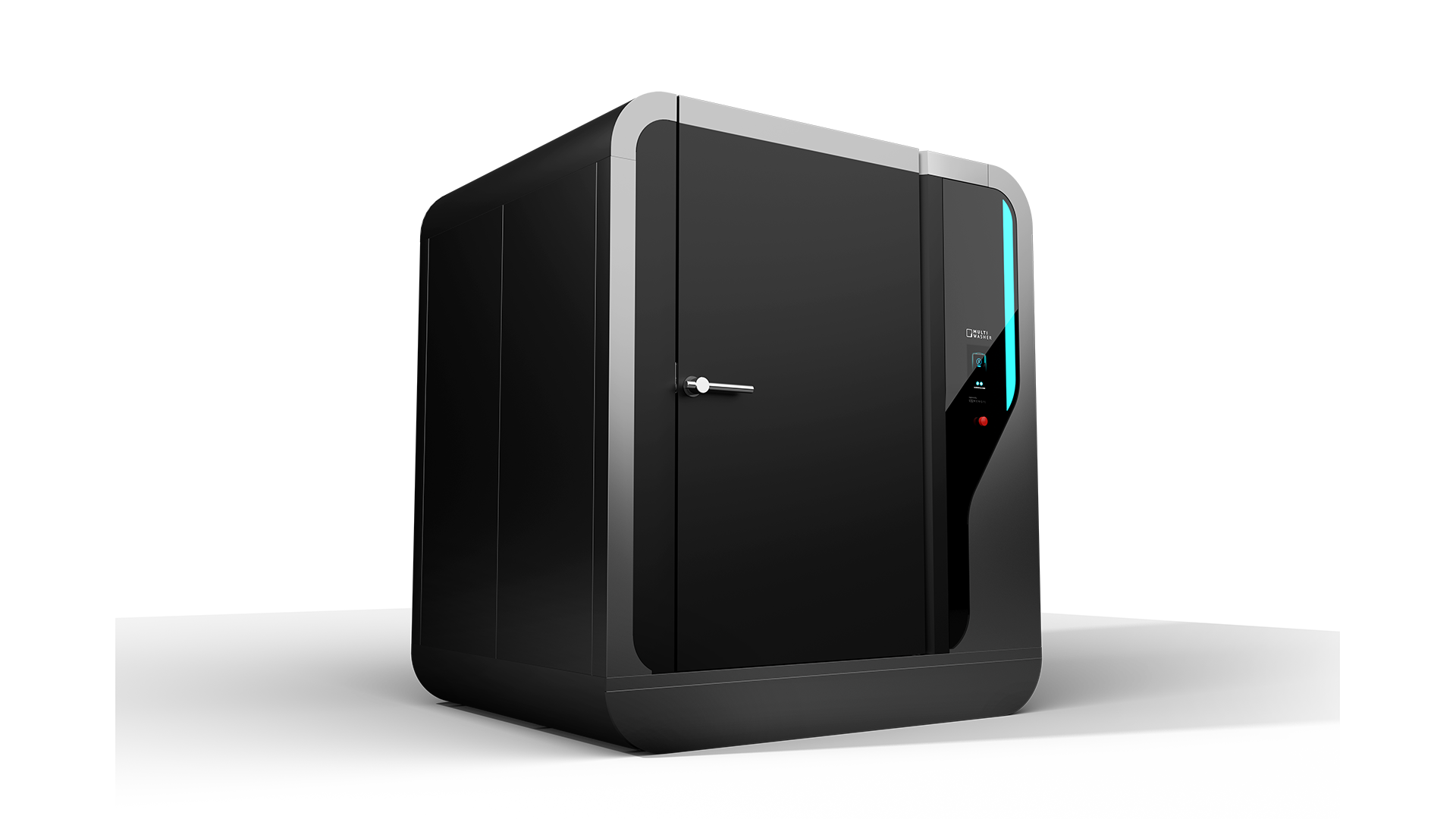
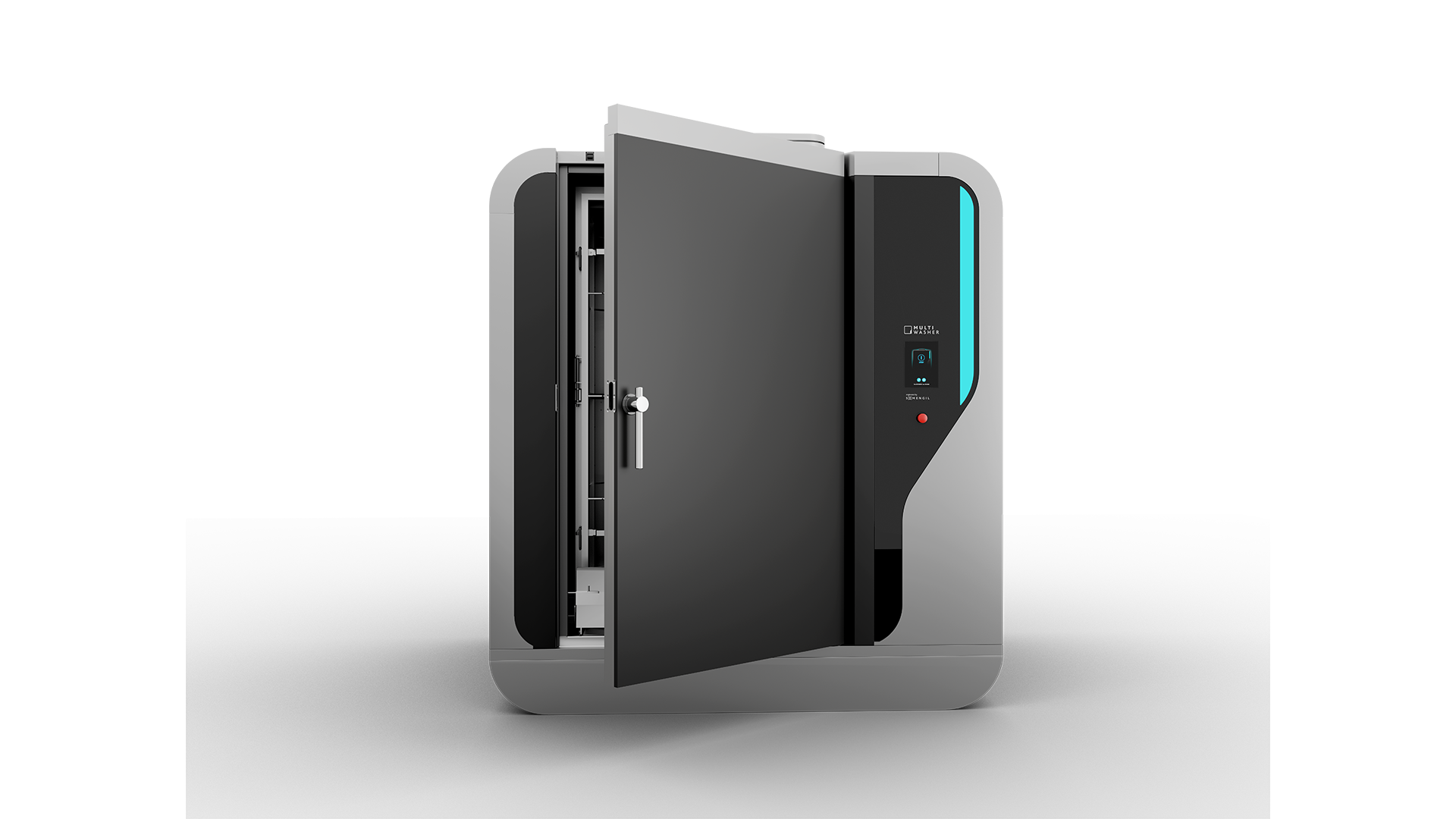
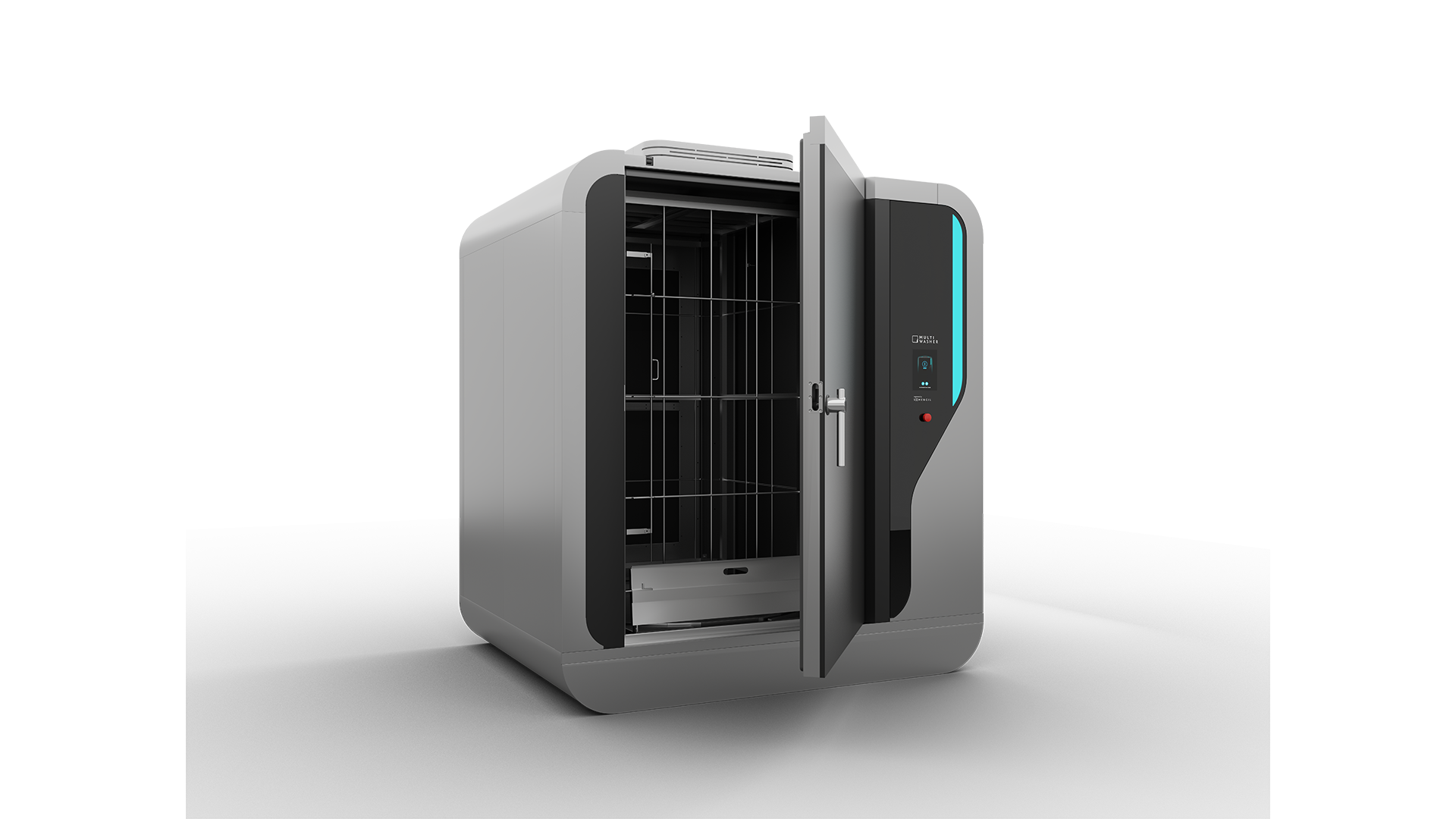
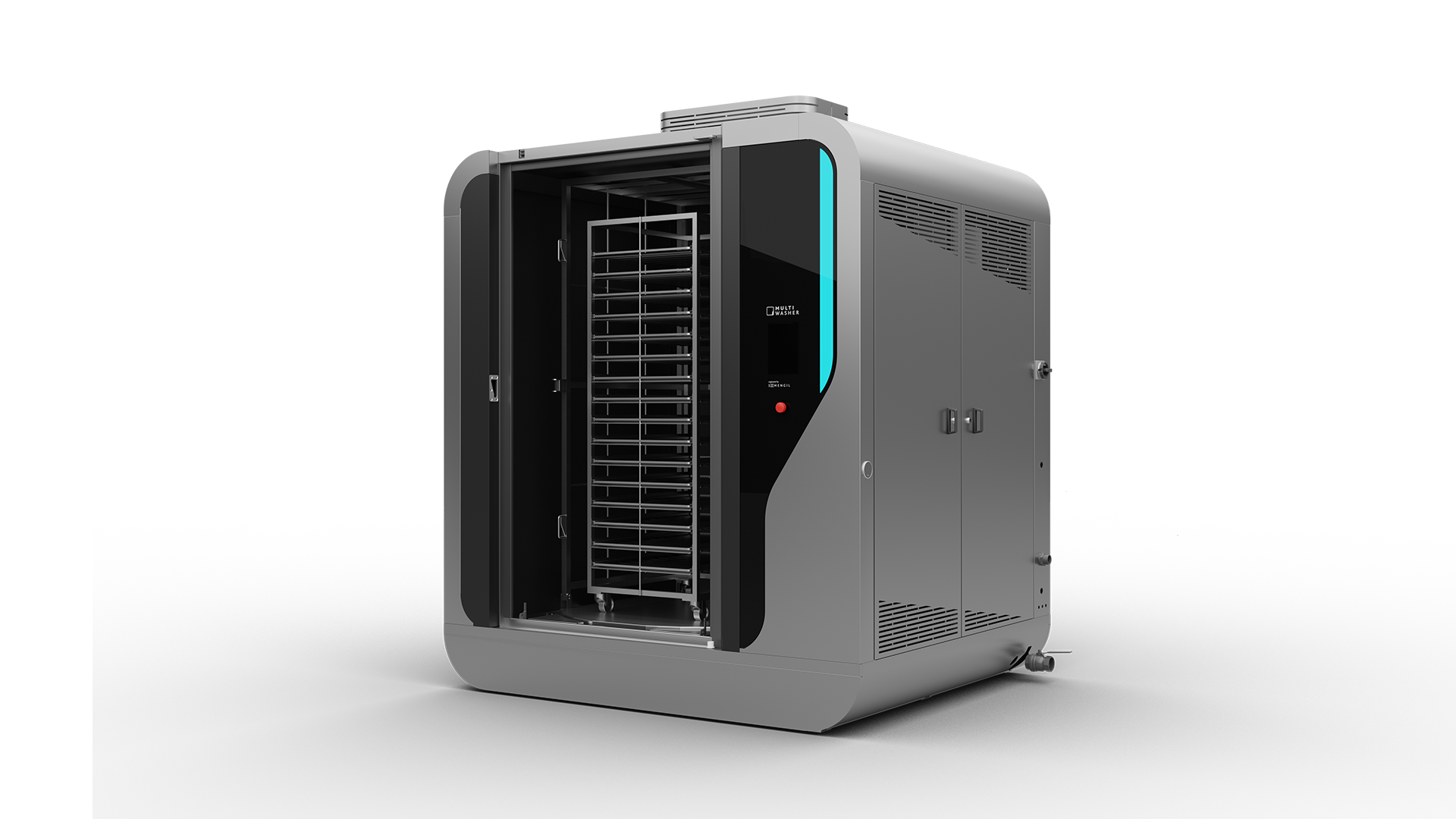
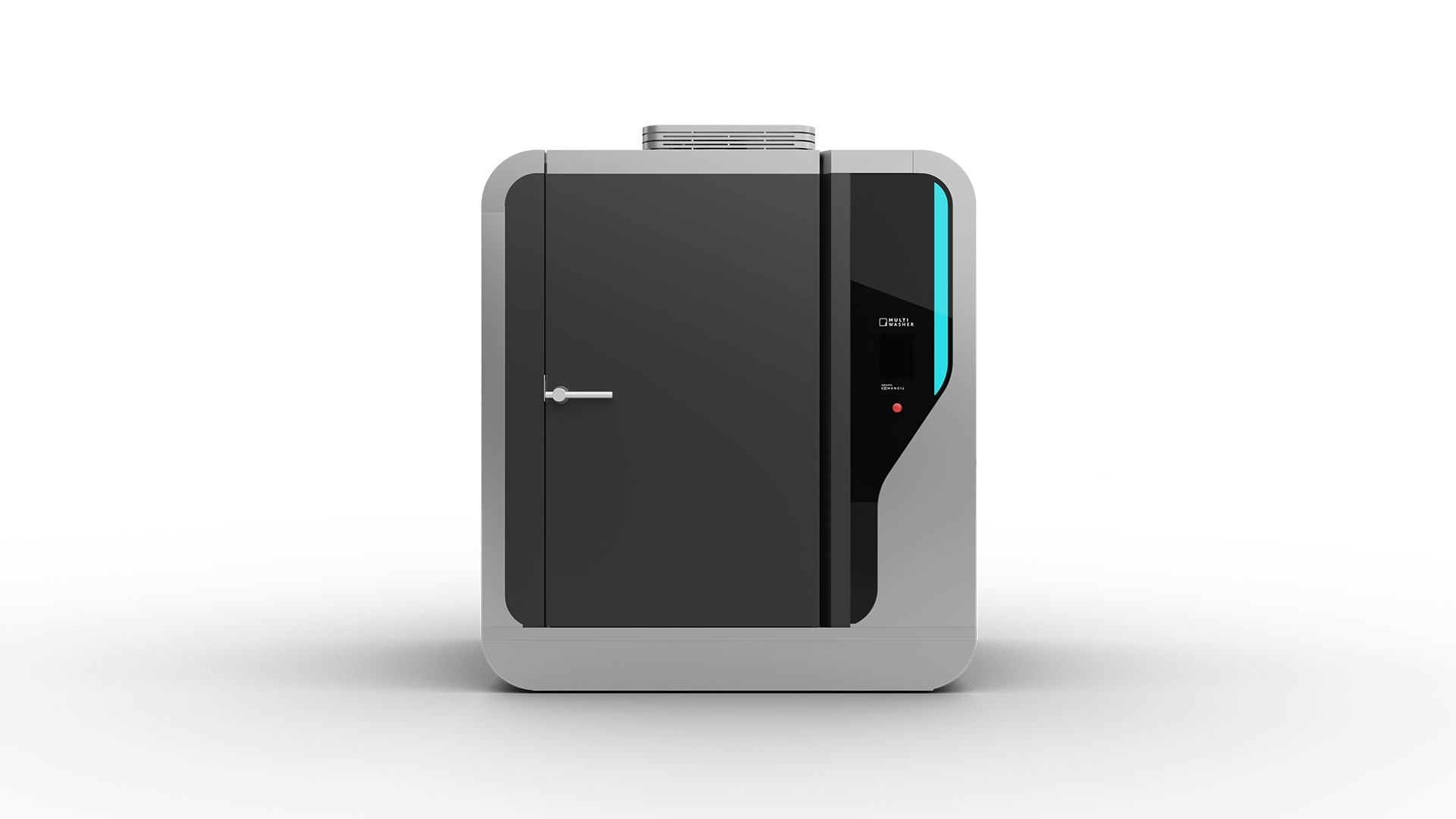
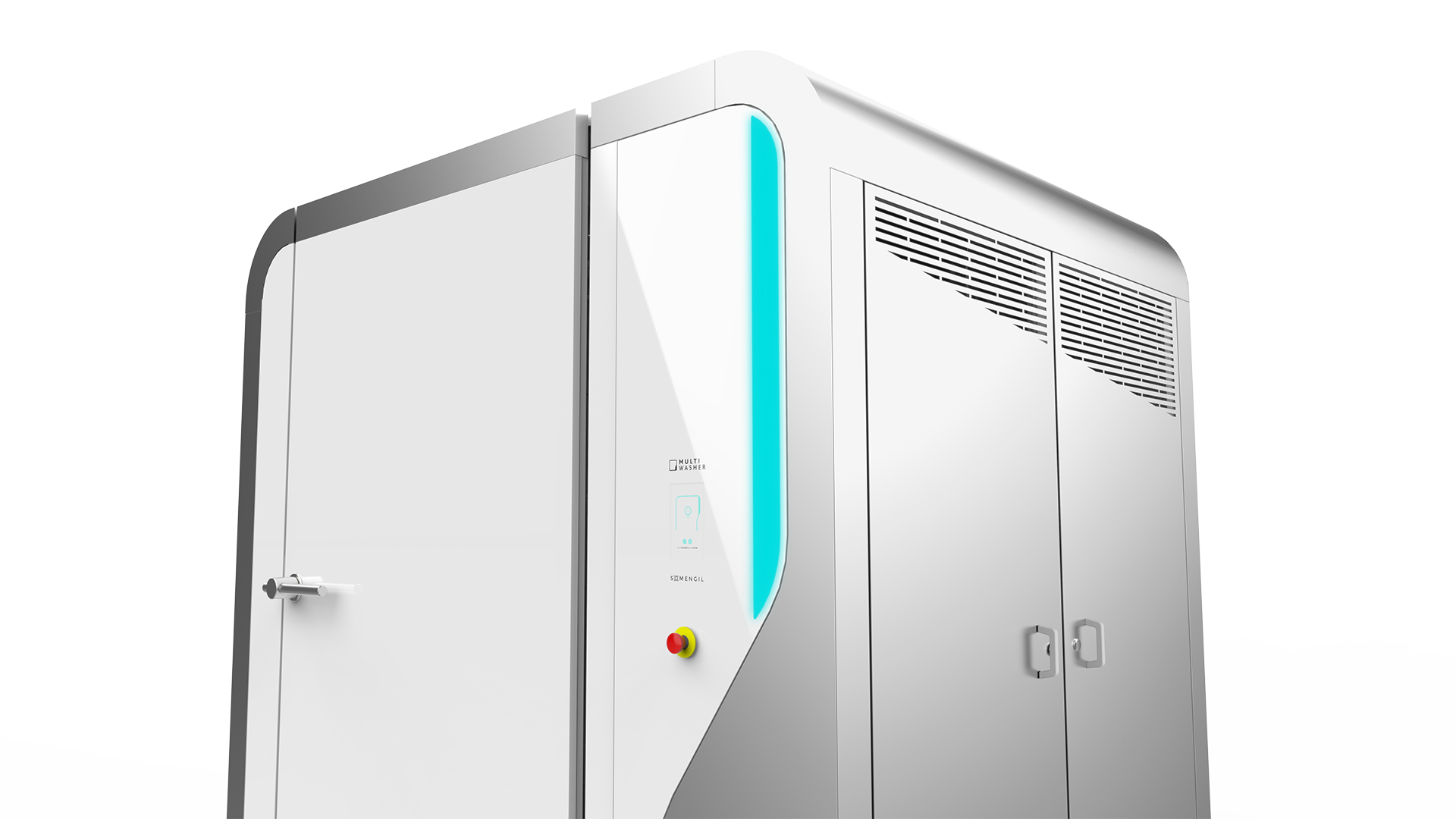
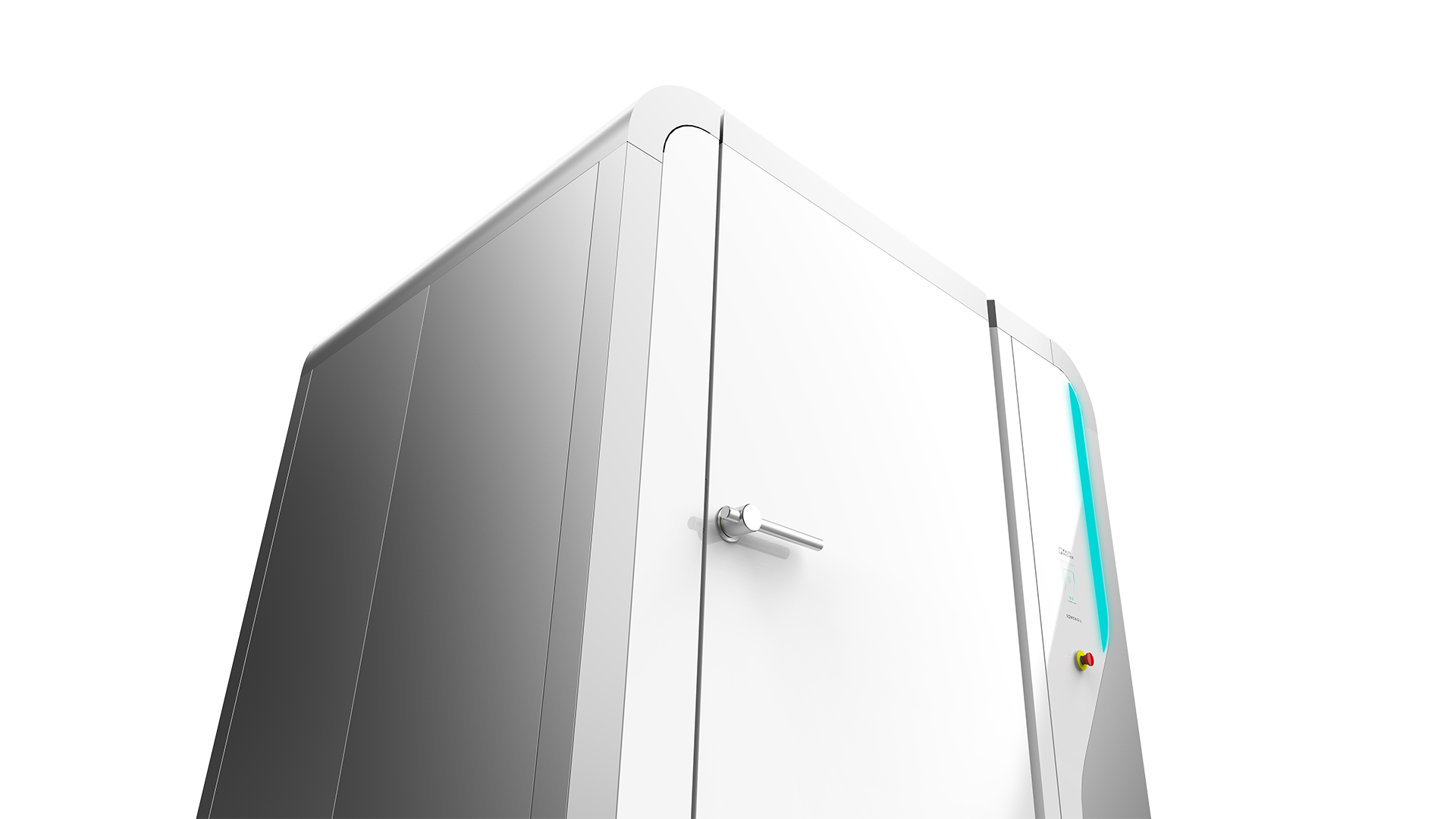
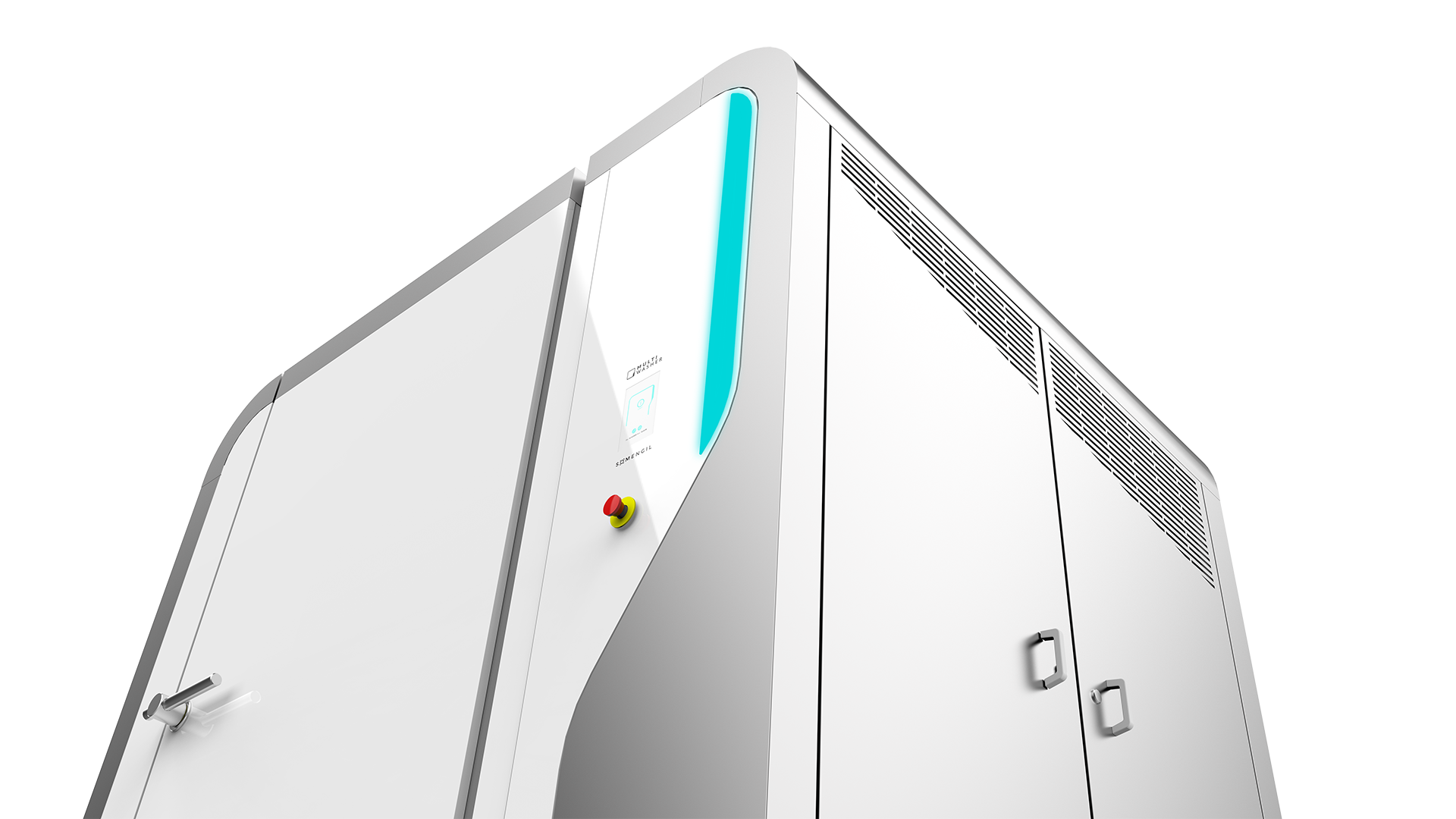
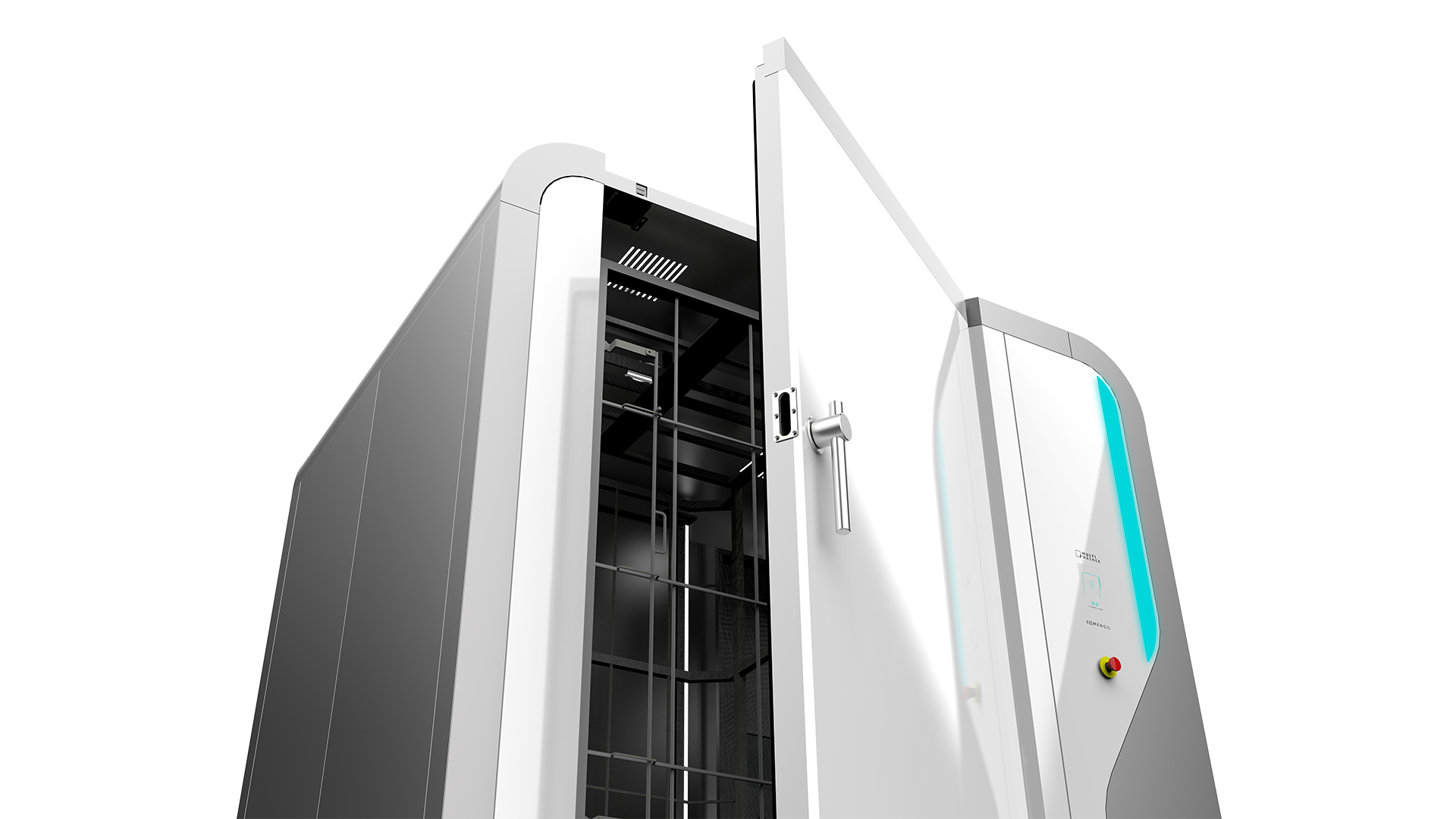
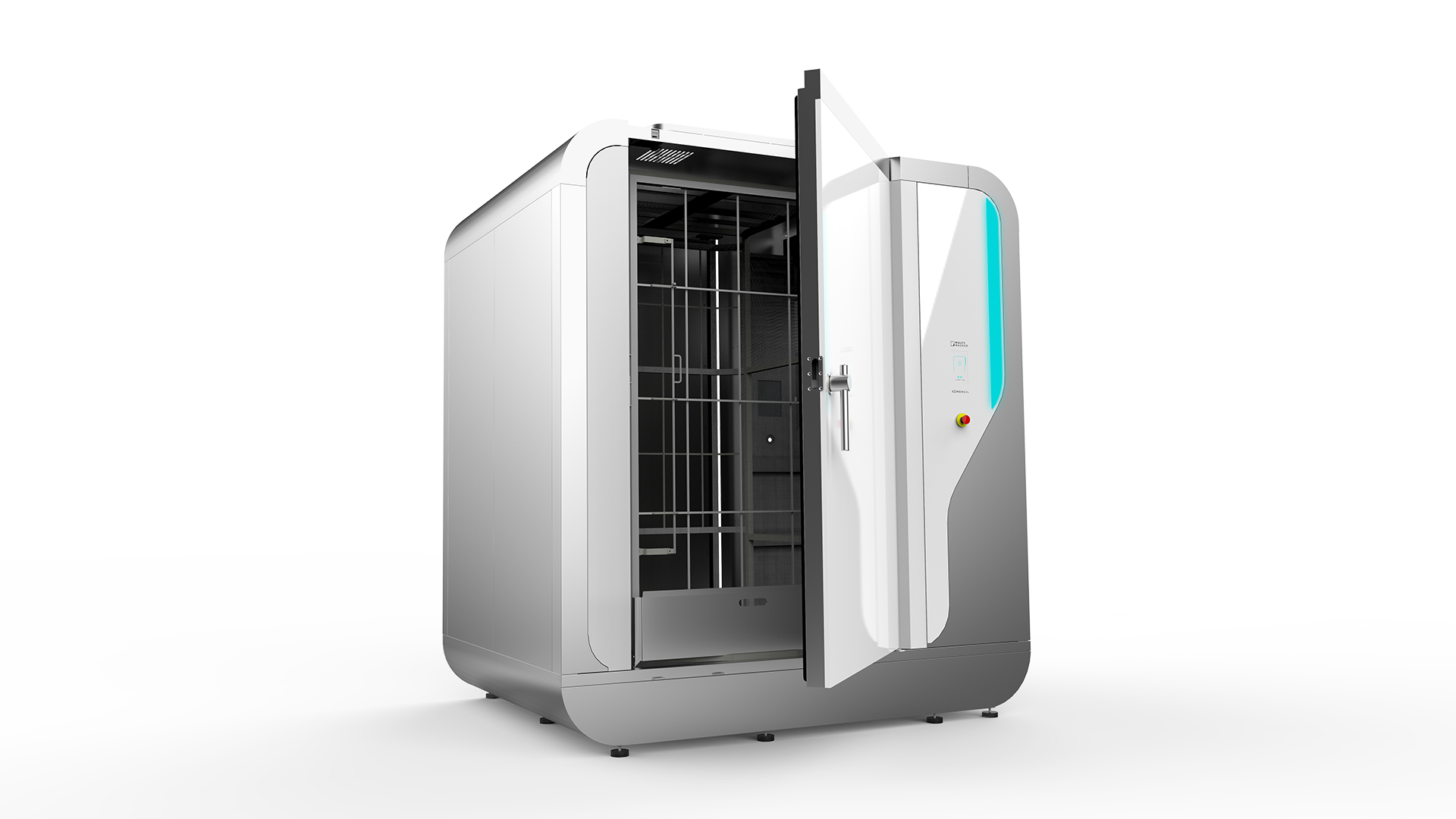
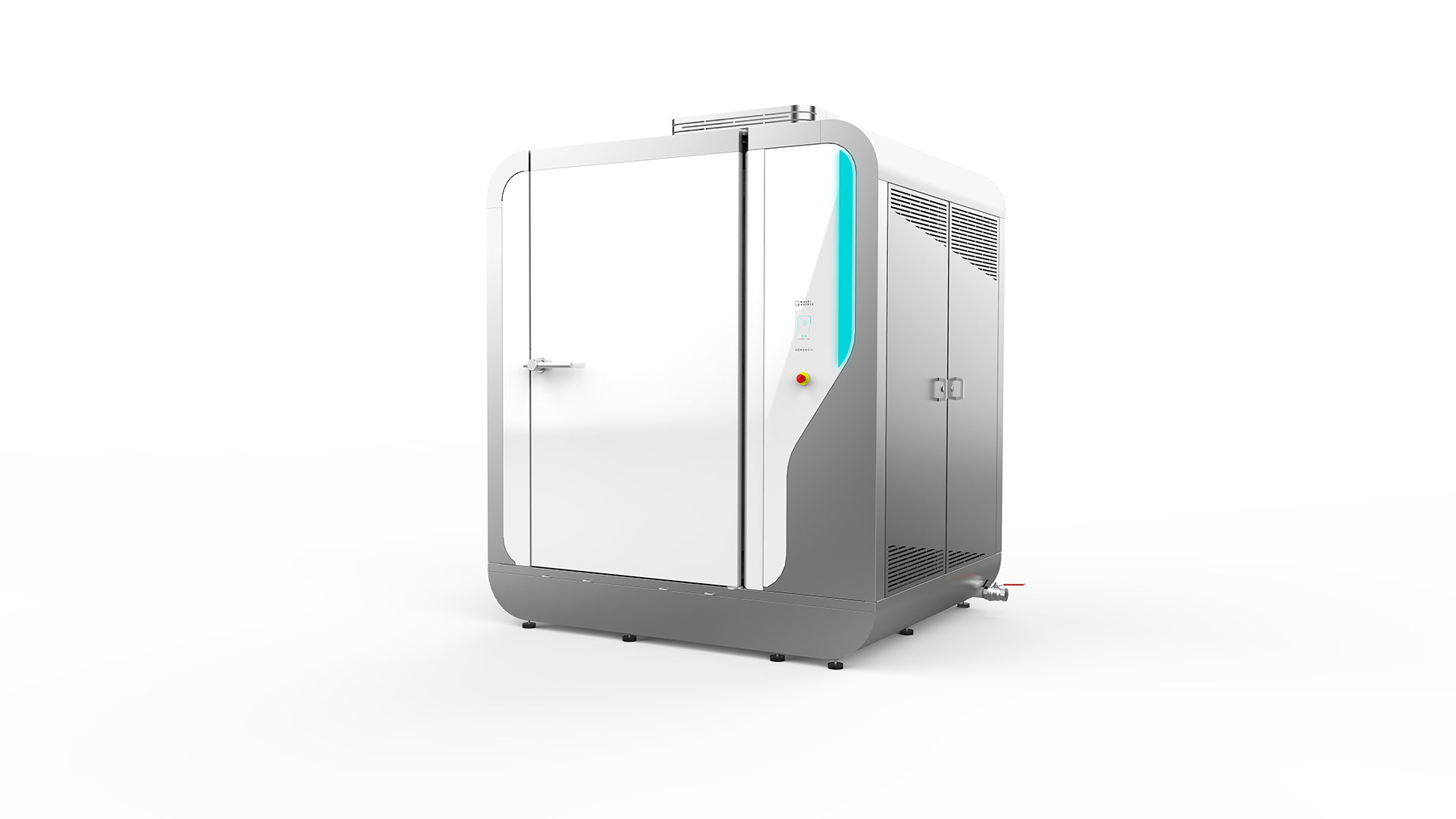
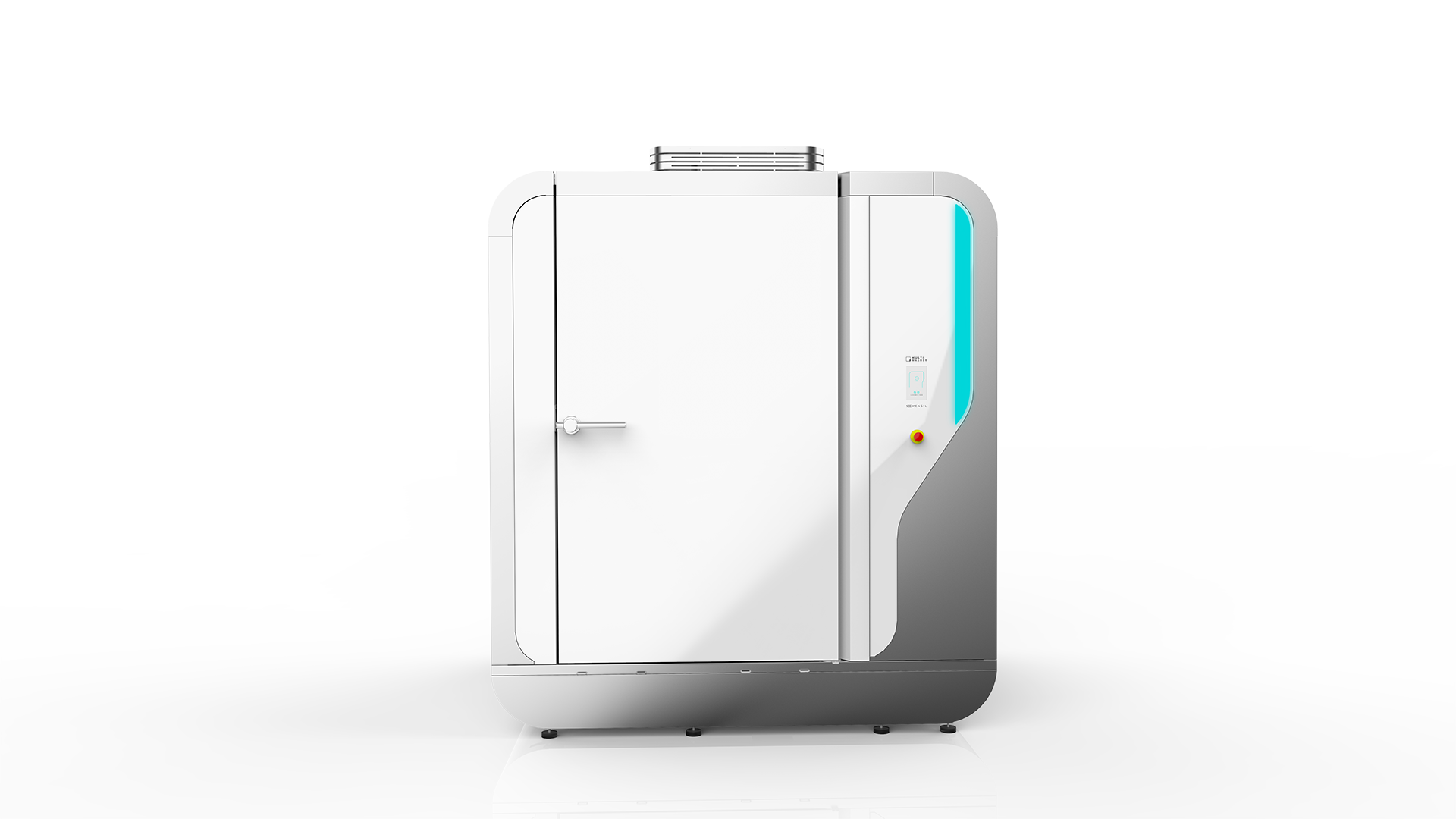
Developed by Somengil, MultiWasher is a system built to tackle the real pressures of modern food and industrial processing: high volumes, strict safety standards, and relentless cost control. With smart sensors, it continuously monitors water, energy, and detergent use, adjusting each cycle to the exact type and soil level of the load. The result? Spotless hygiene with up to 66% less water, 70% less detergent, and 30% less energy compared to traditional washers.
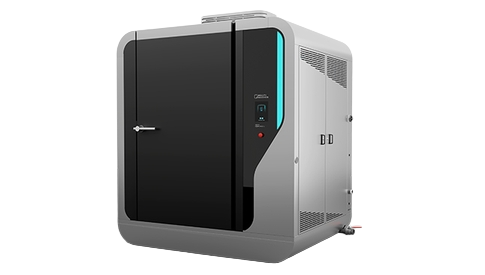
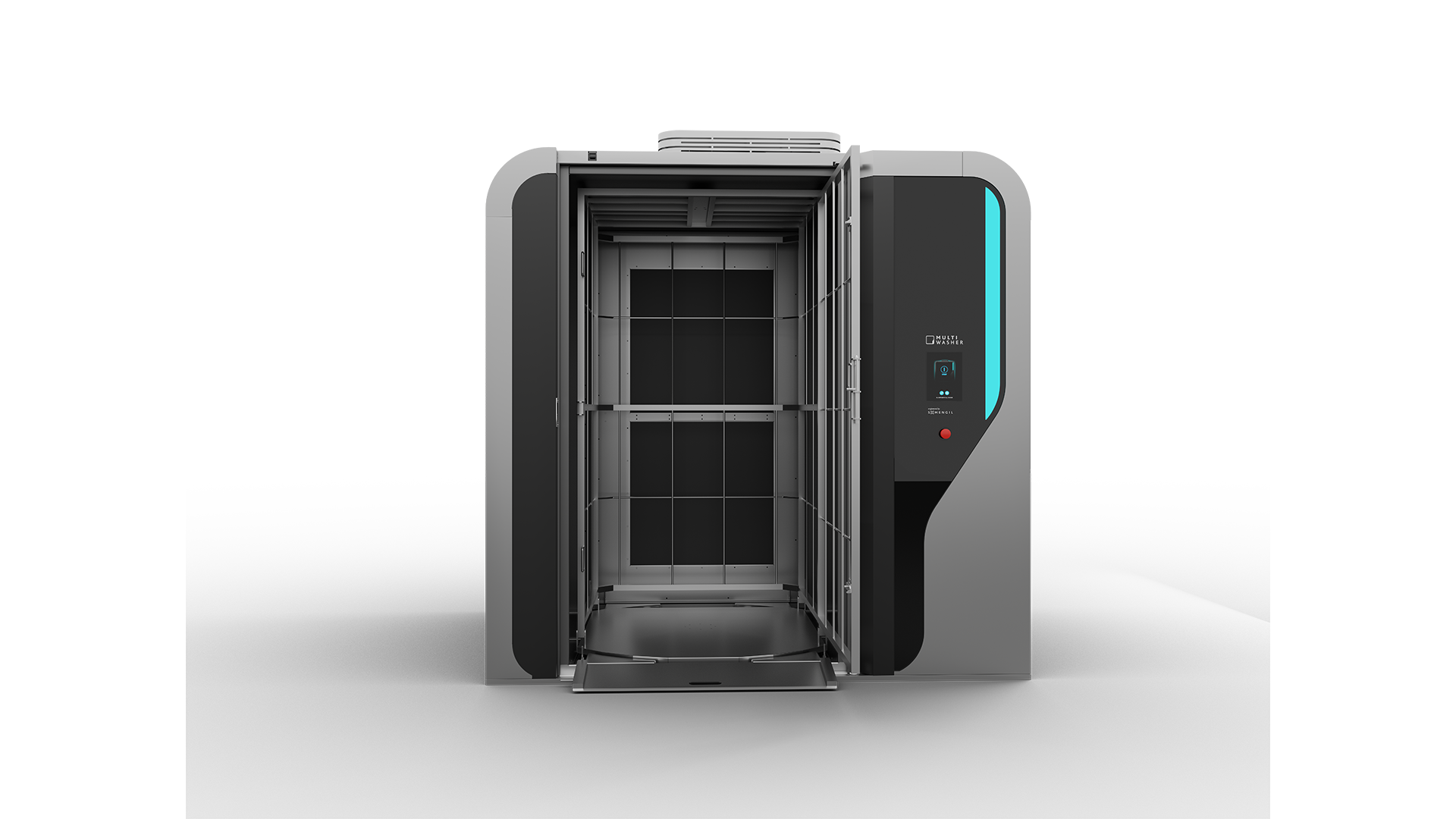
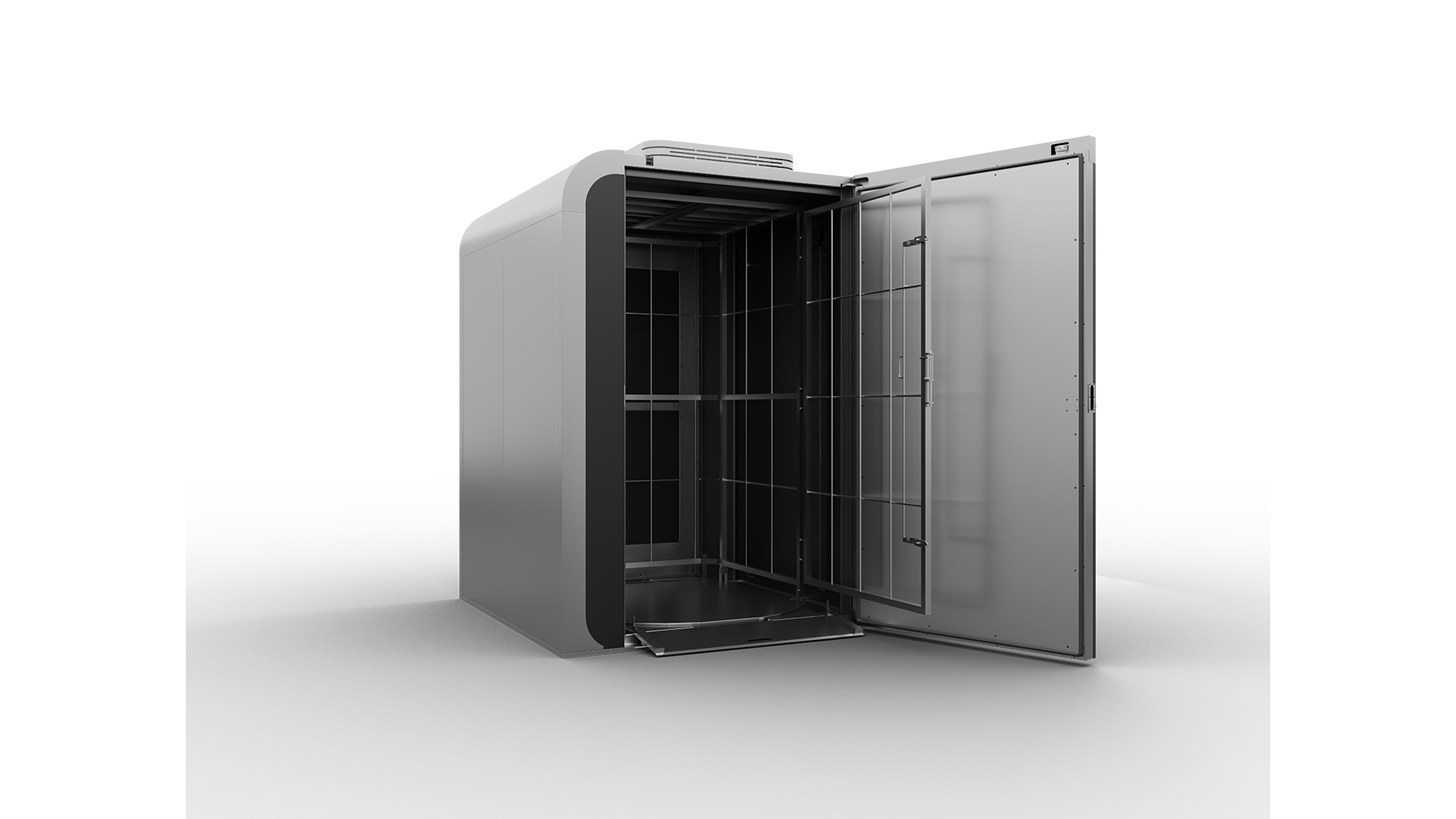
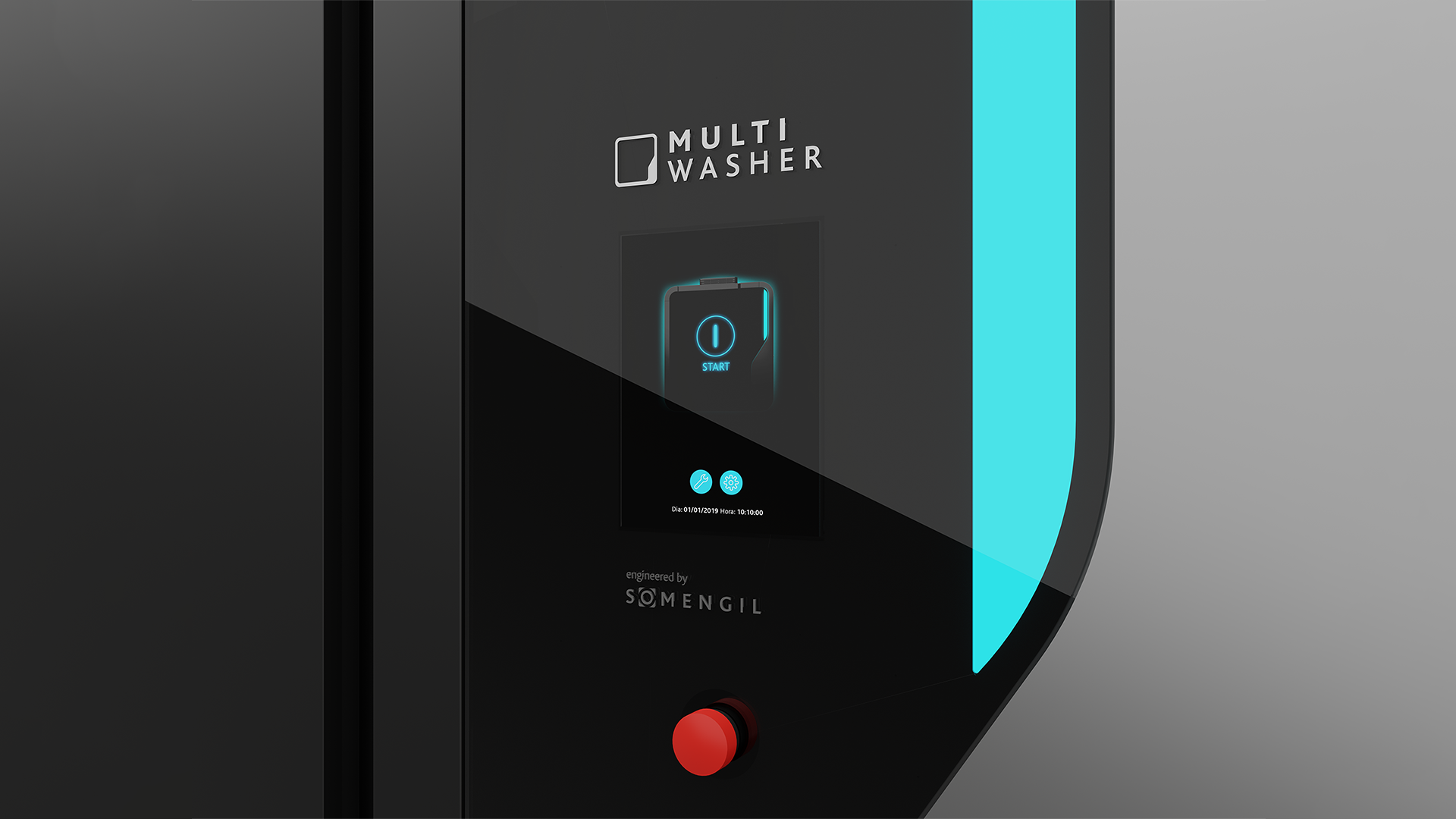
But efficiency alone isn’t enough. MultiWasher is designed to be operator-friendly. Its intuitive interface reduces training time and minimizes human error, while automated processes eliminate inconsistencies between shifts. And because no two facilities are alike, Somengil engineers customize racks and loading systems to fit your crates, trays, and tools, maximizing versatility without compromising throughput.
It’s time to explore what MultiWasher can do for you. Let’s find the perfect fit, so every wash reflects your commitment to doing things right. Get in touch today.
You may also like

Industrial washing / Articles
Pallet washer machines: the essential guide
Discover everything you need to know about pallet washer machines – what they are, their advantages, how they work, and tips for choosing the rig...
Posted in 2024-10-10


 Portugal
 United Kingdom
 United States
 France
 Spain
Spain Germany
 Romania
 Italy
Italy Czech Republic
 Finland
 Hungary
 Slovakia
 Greece
 Lithuania
 South Korea
 Russia
 Saudi Arabia
 Poland
 Brasil
 Hebrew