Industrial washing / Articles
Industrial bucket washer: what is it and how to choose one
Streamline hygiene, reduce manual labour, and keep every bucket in top condition. Discover how an industrial bucket washer can keep your operations safe.

 17 minutes of reading
2025-07-03 09:43:28
- Washing buckets properly means repeatability, control, and removing variability from a critical hygiene step.
- Manual bucket washing creates hidden costs in labour, water, chemicals and rework that only become visible when volumes start to grow.
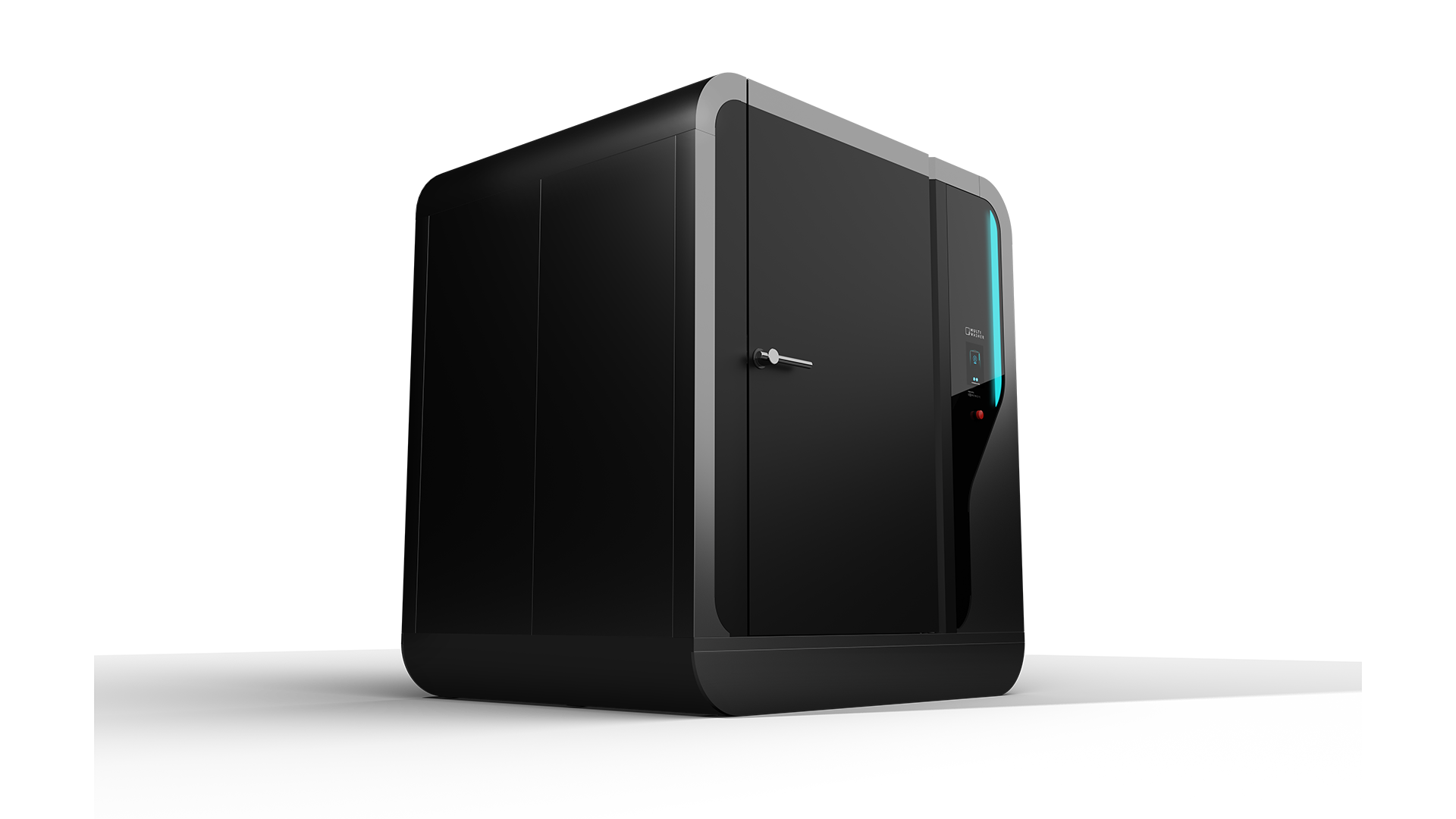
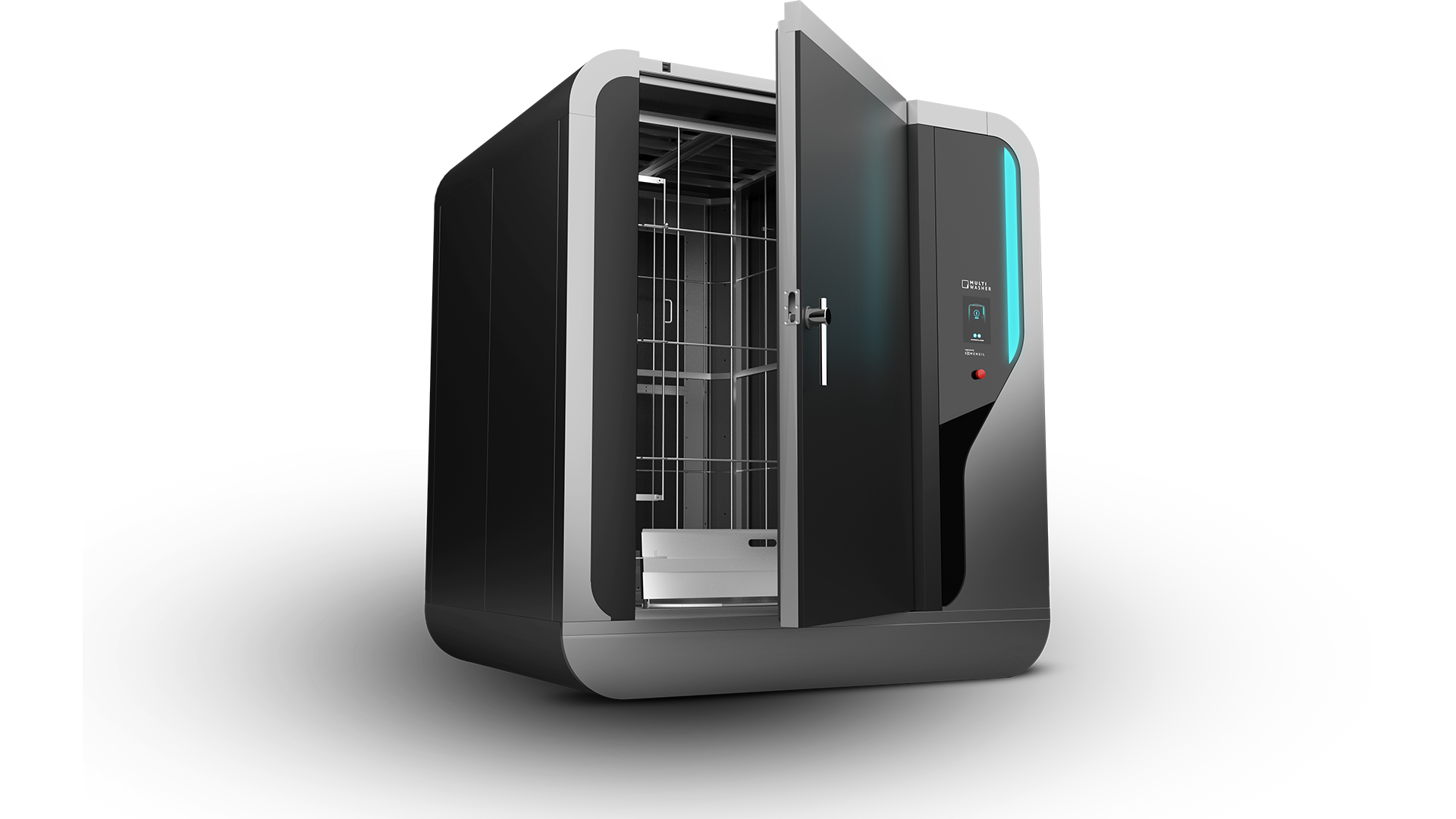
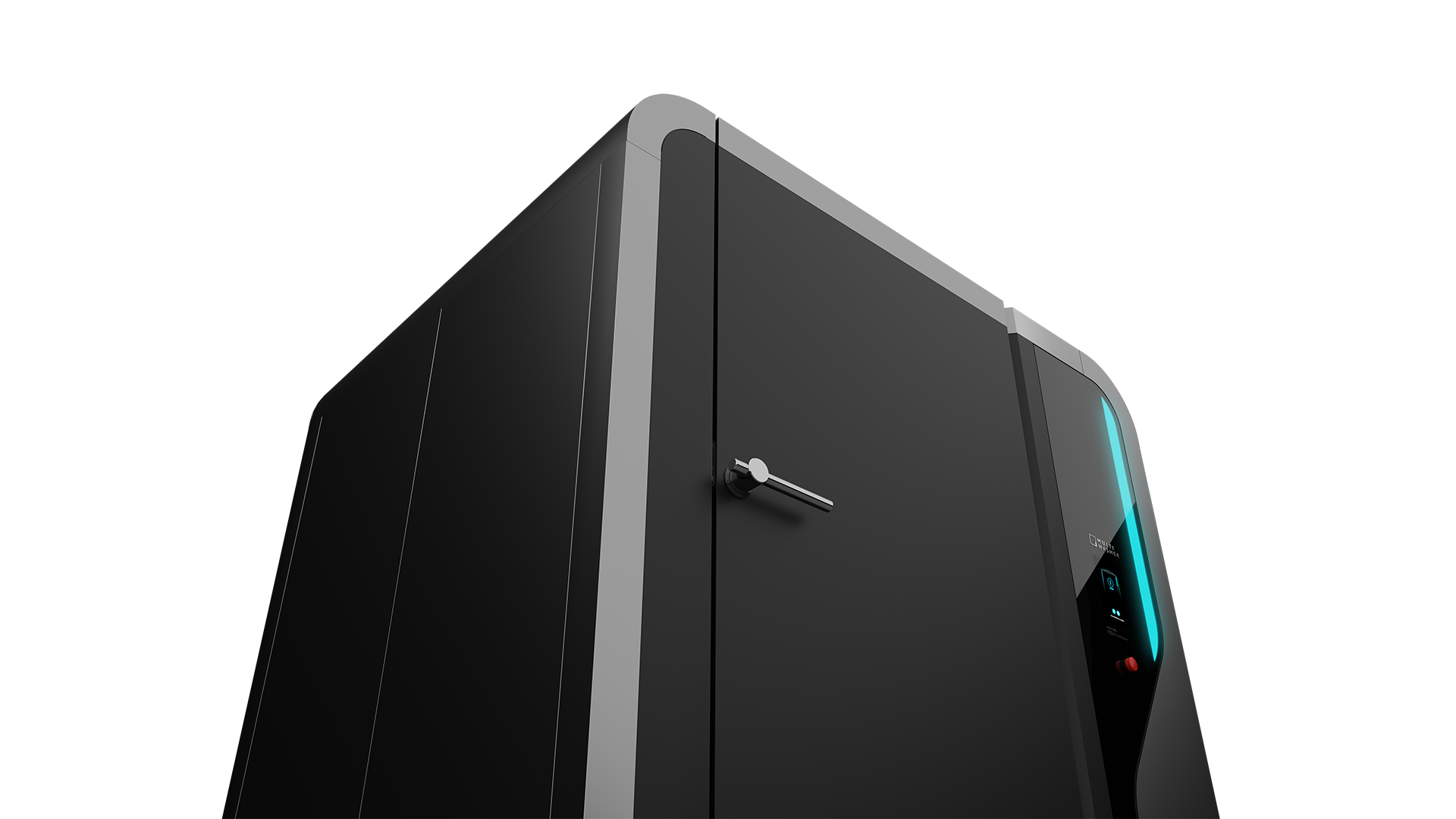
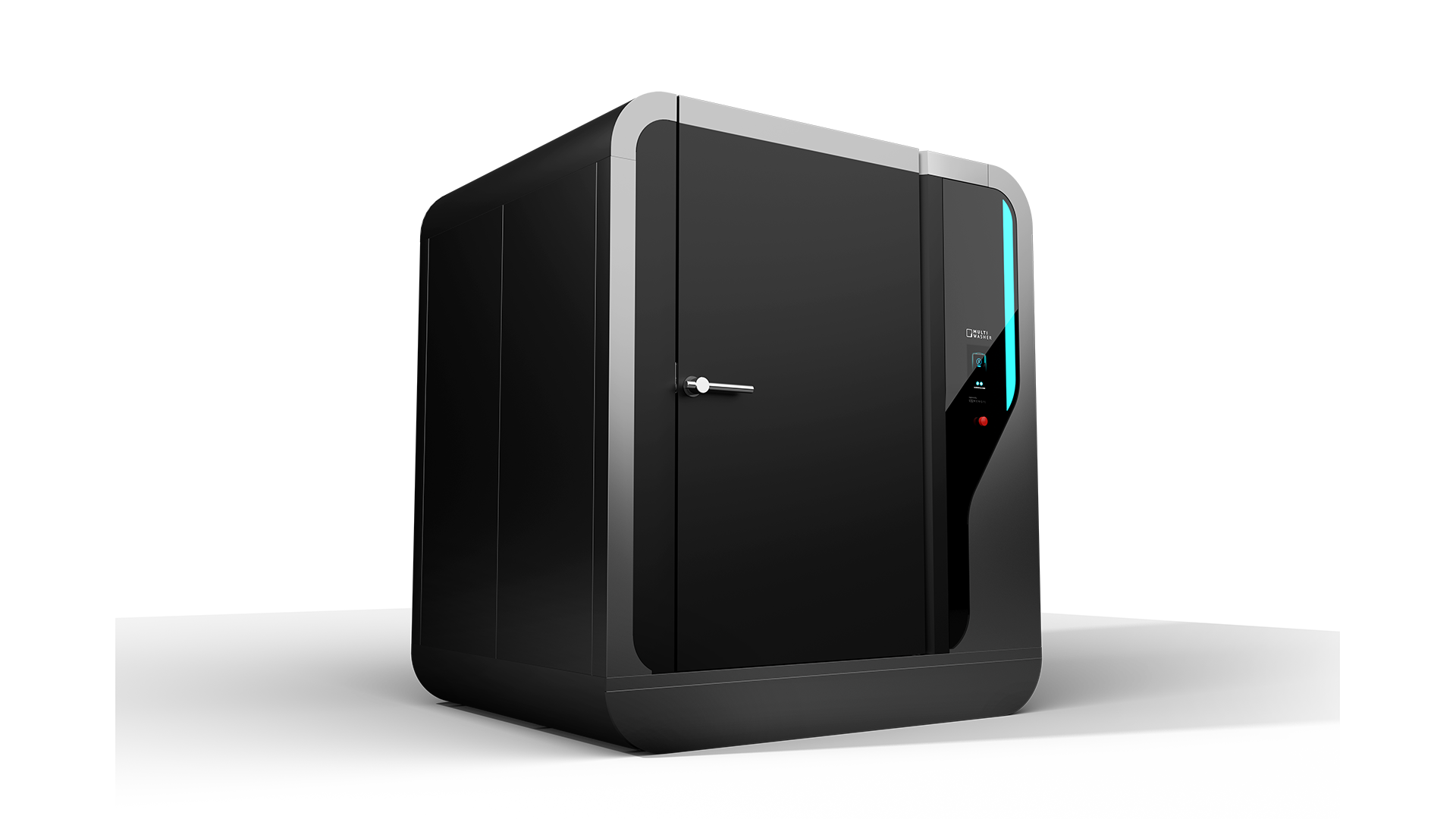
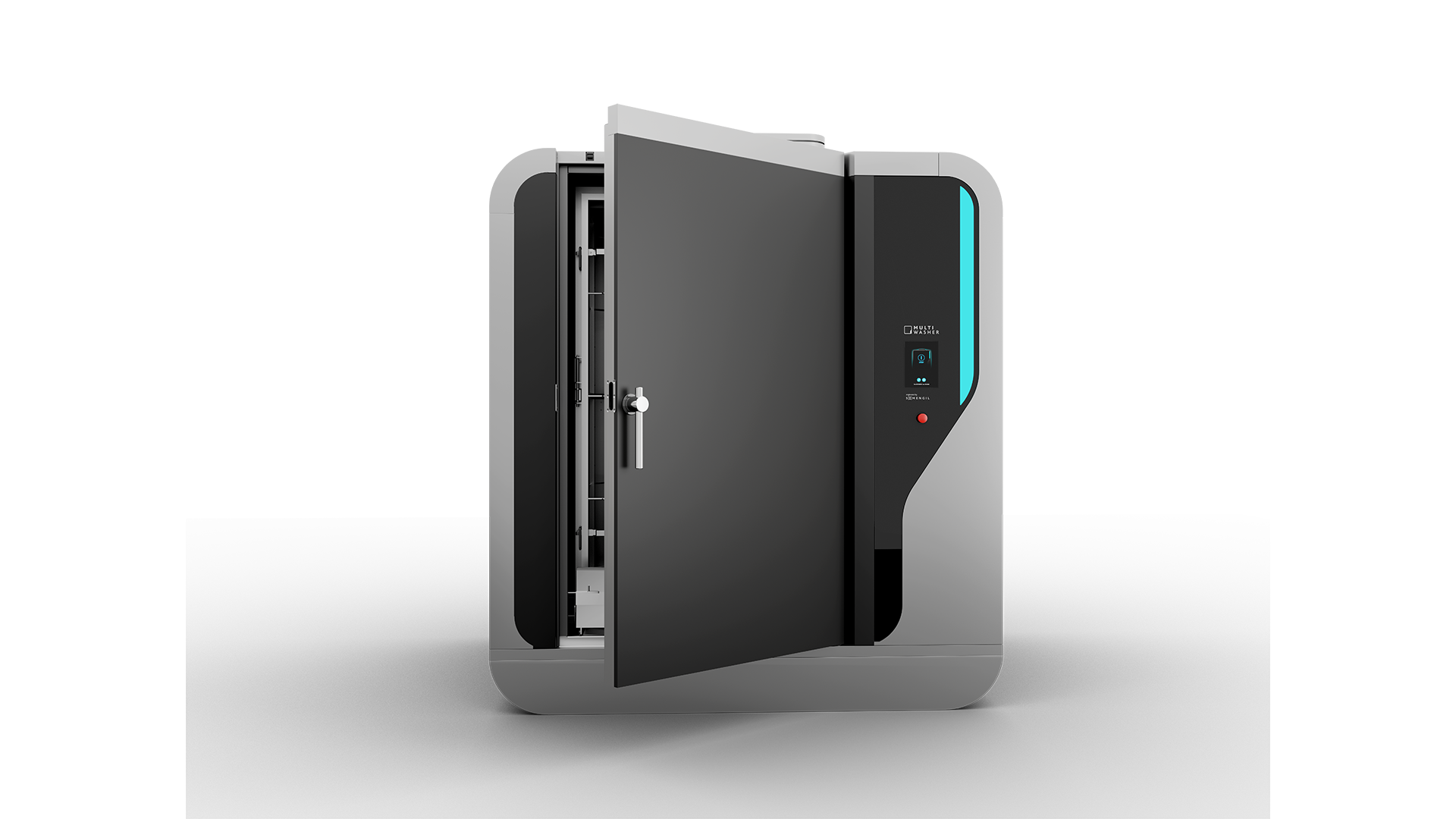
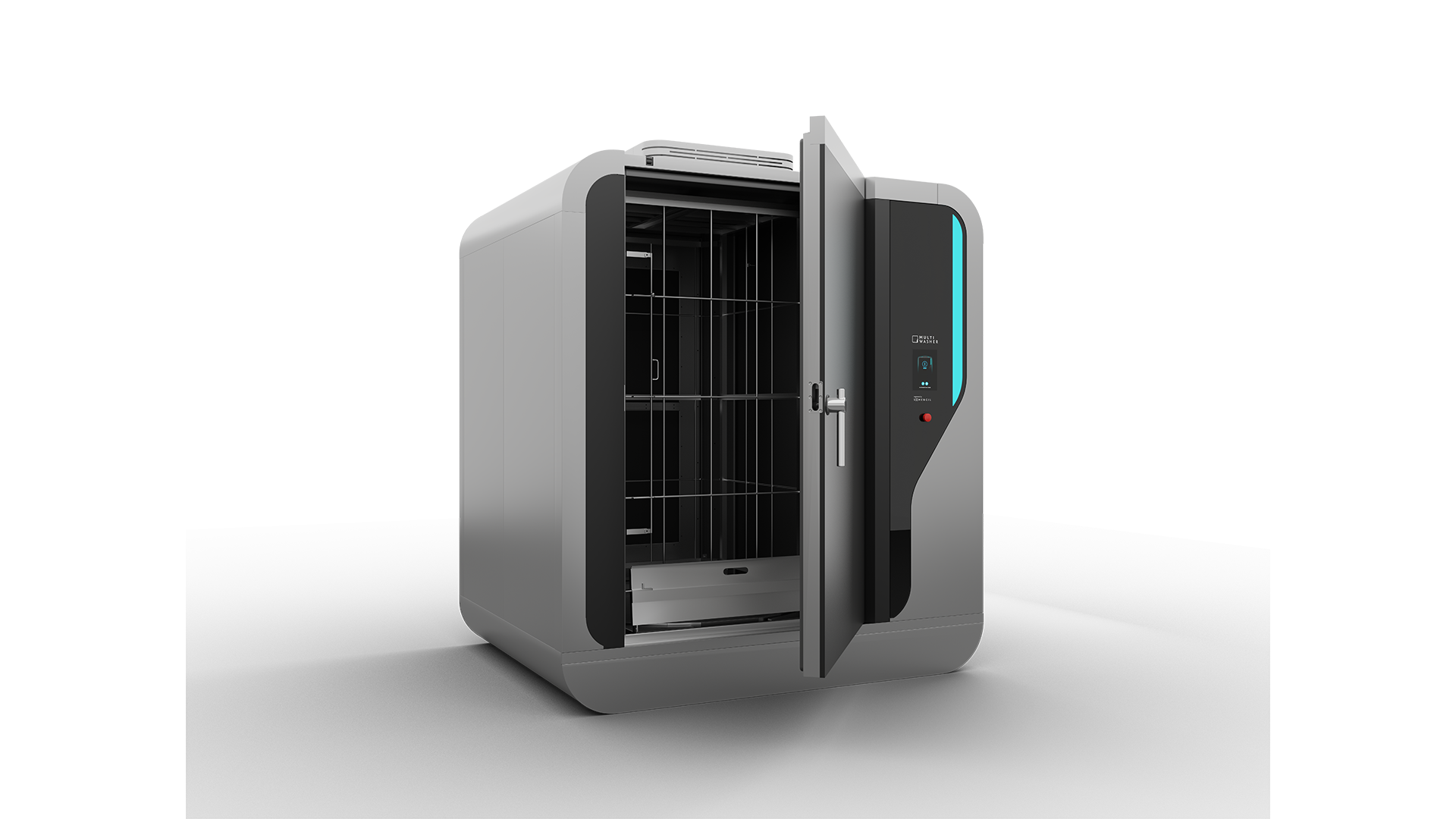
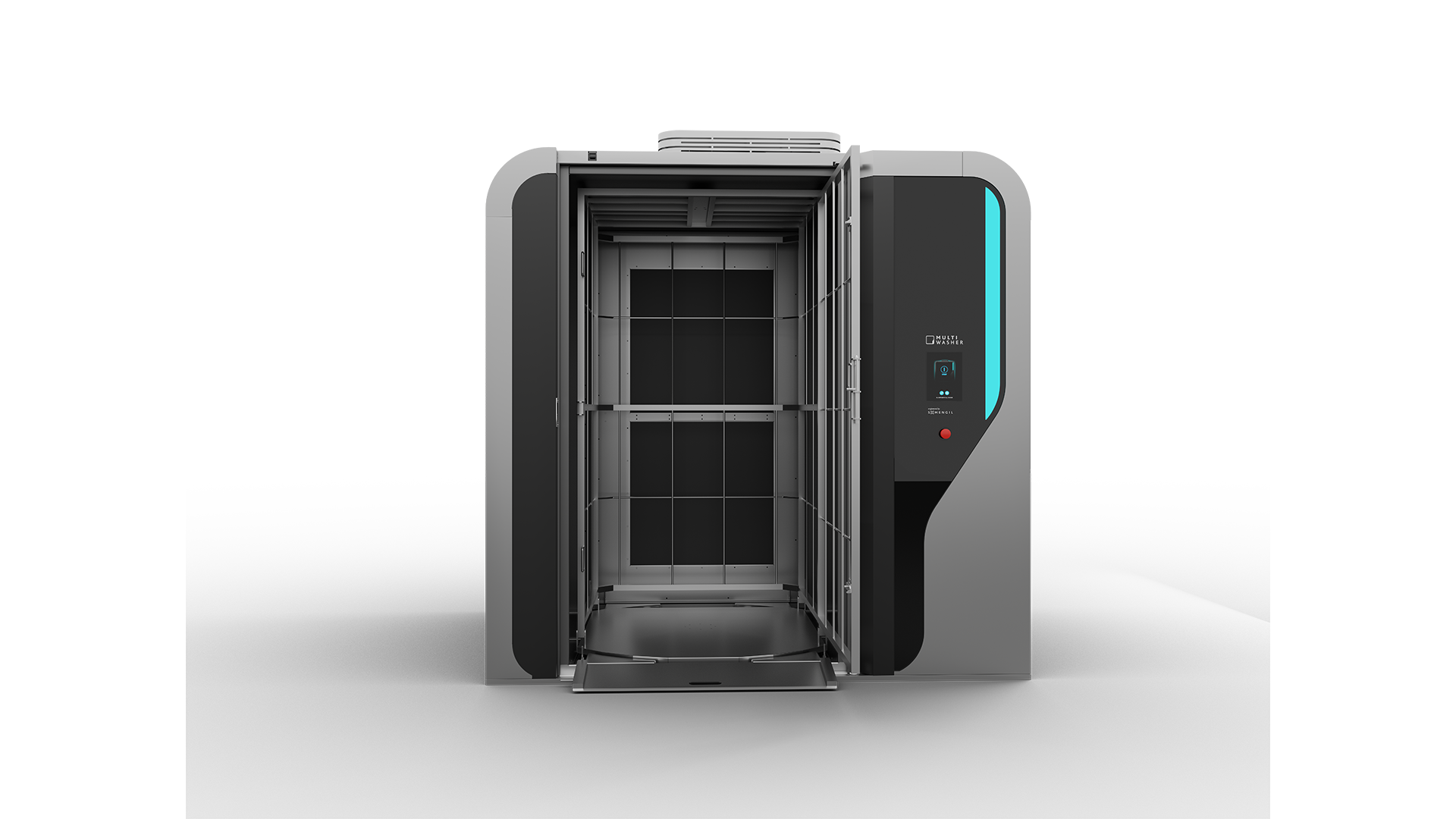
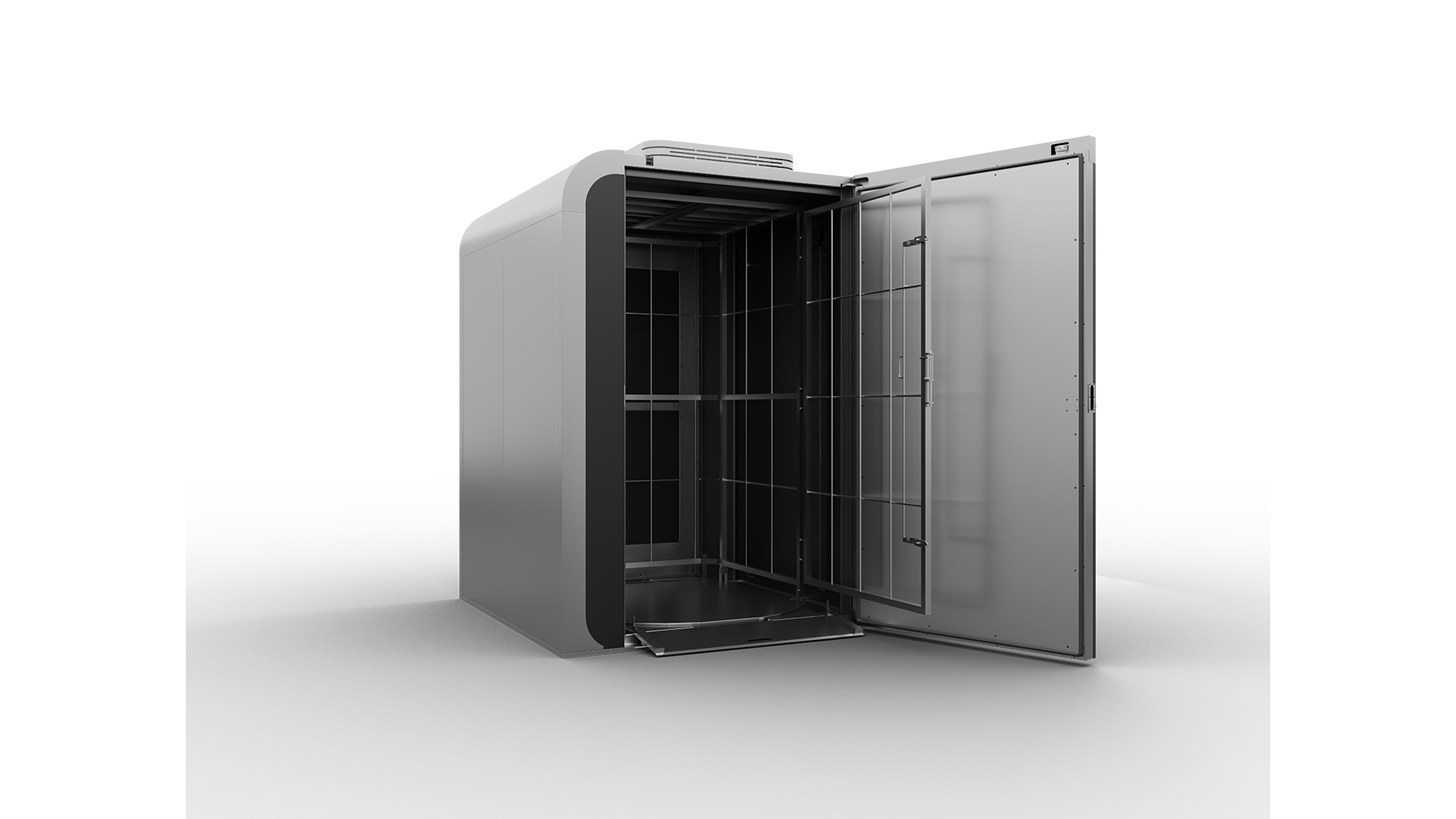
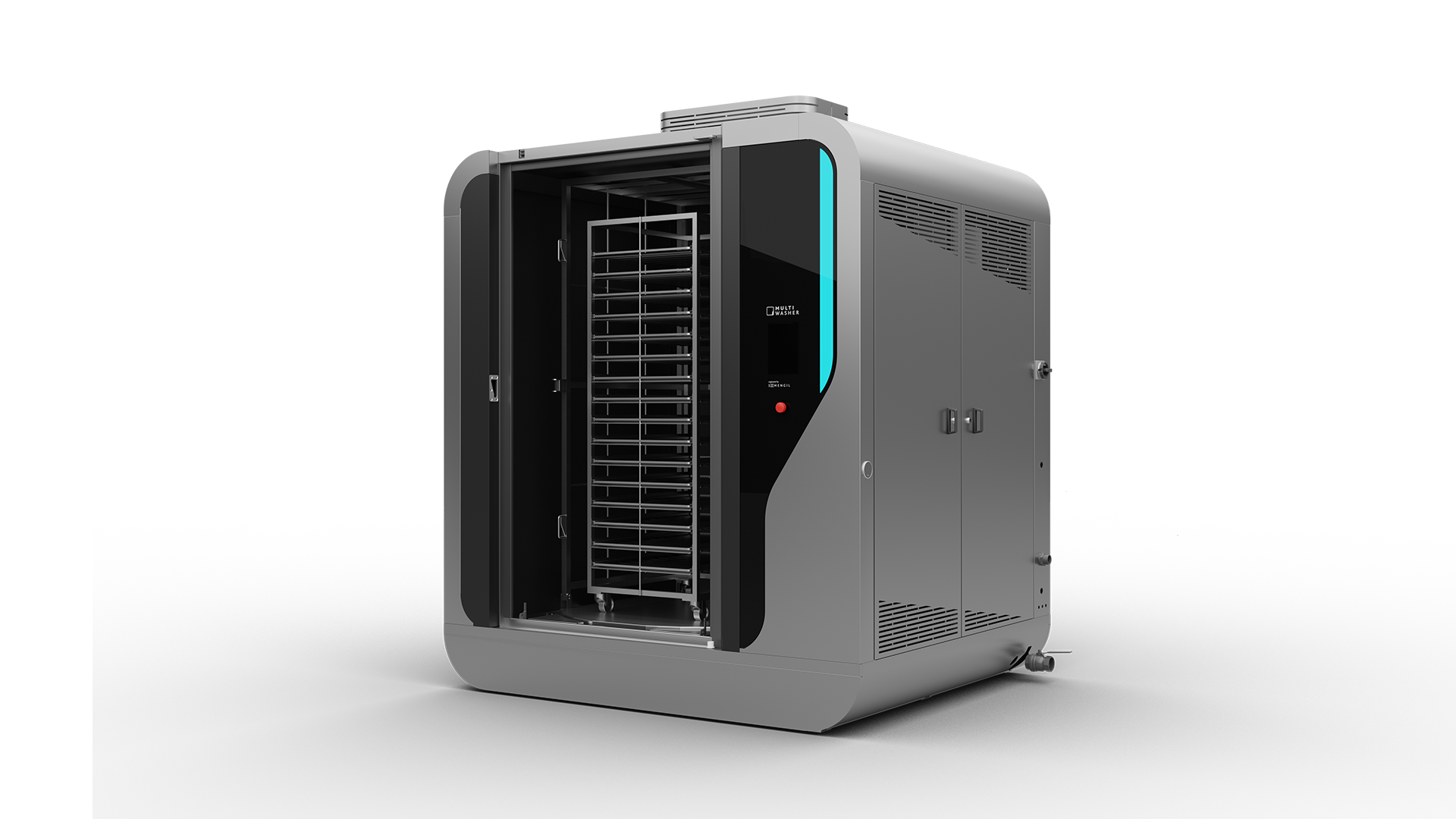
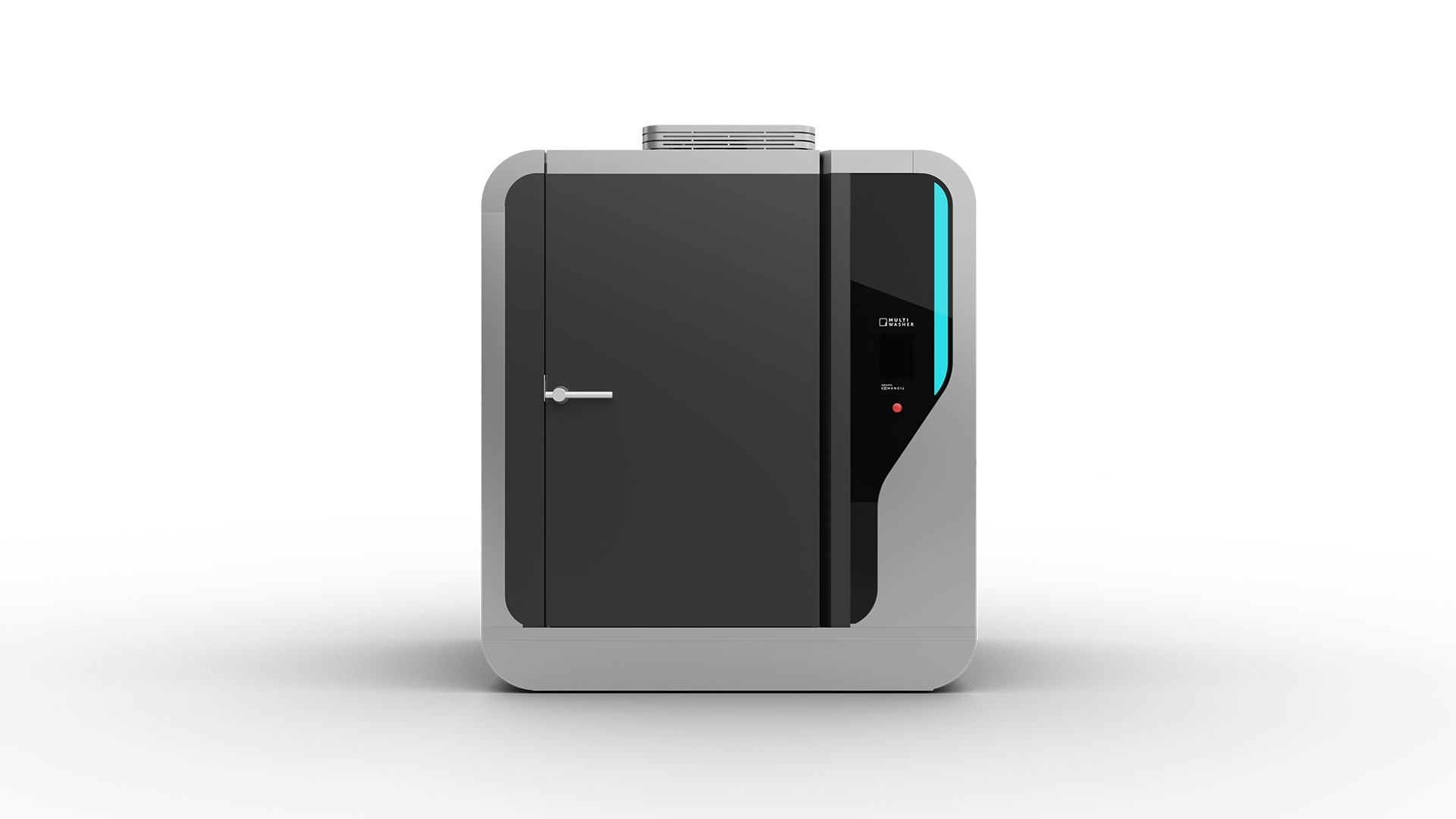
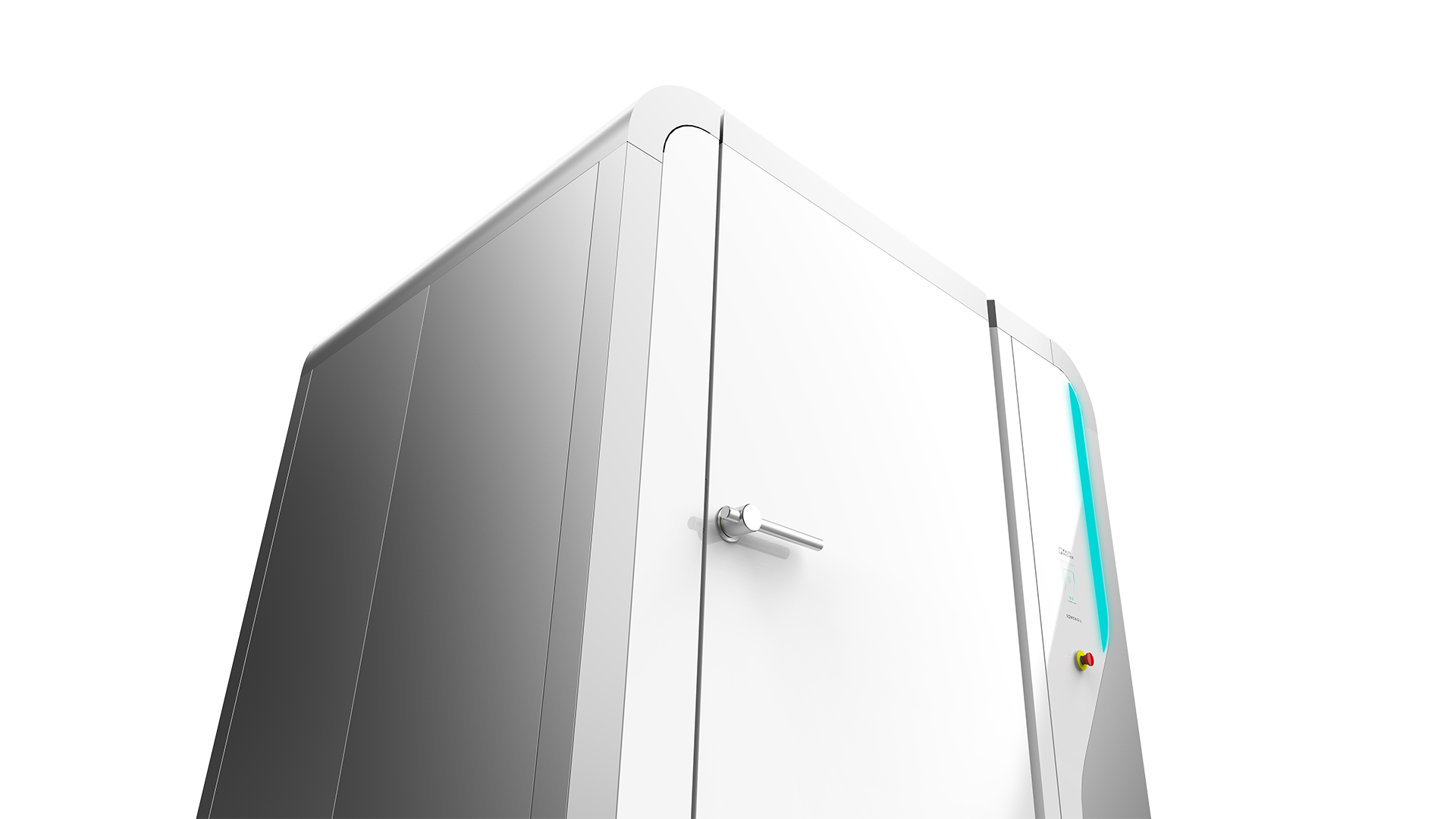
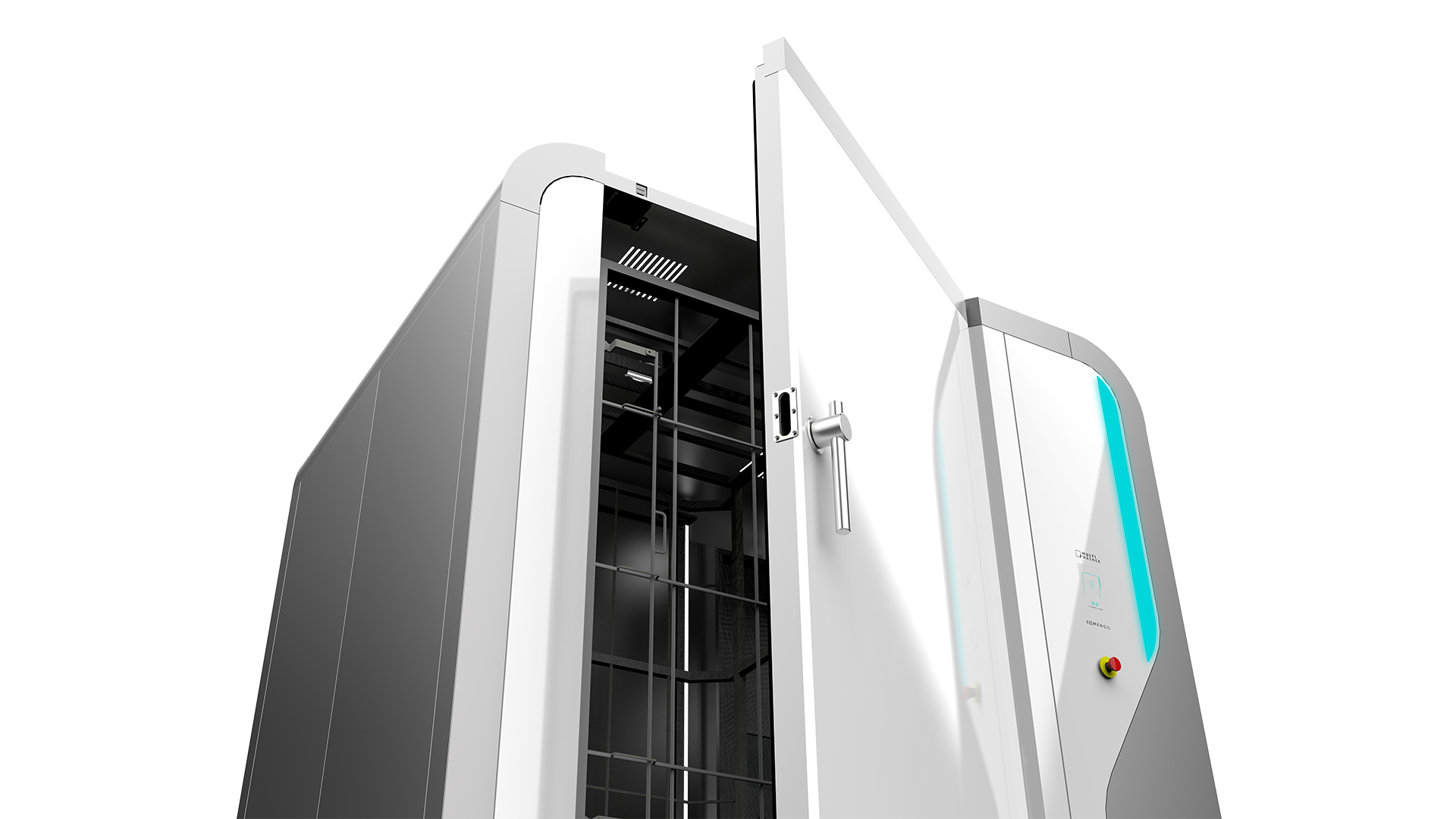
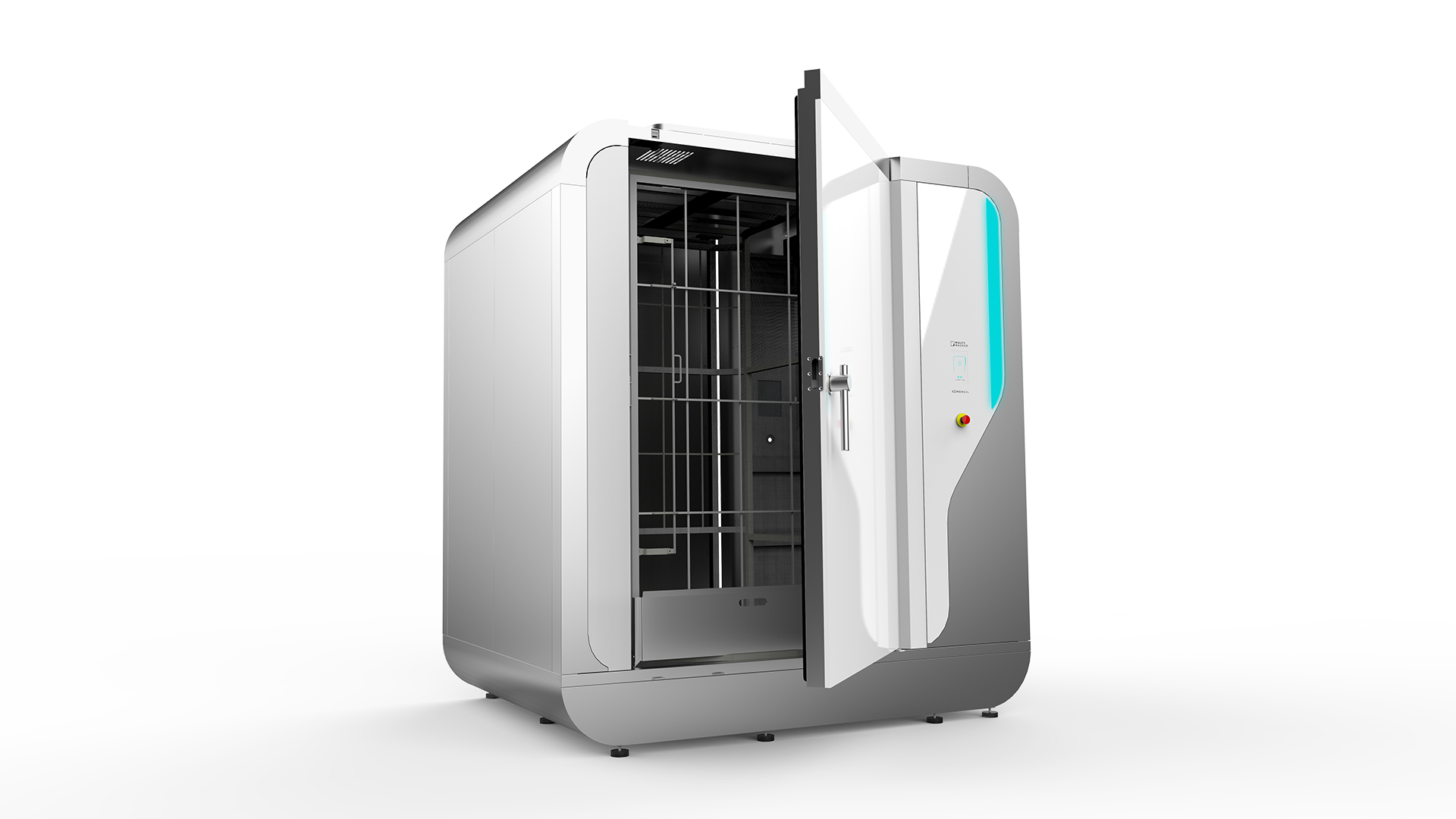
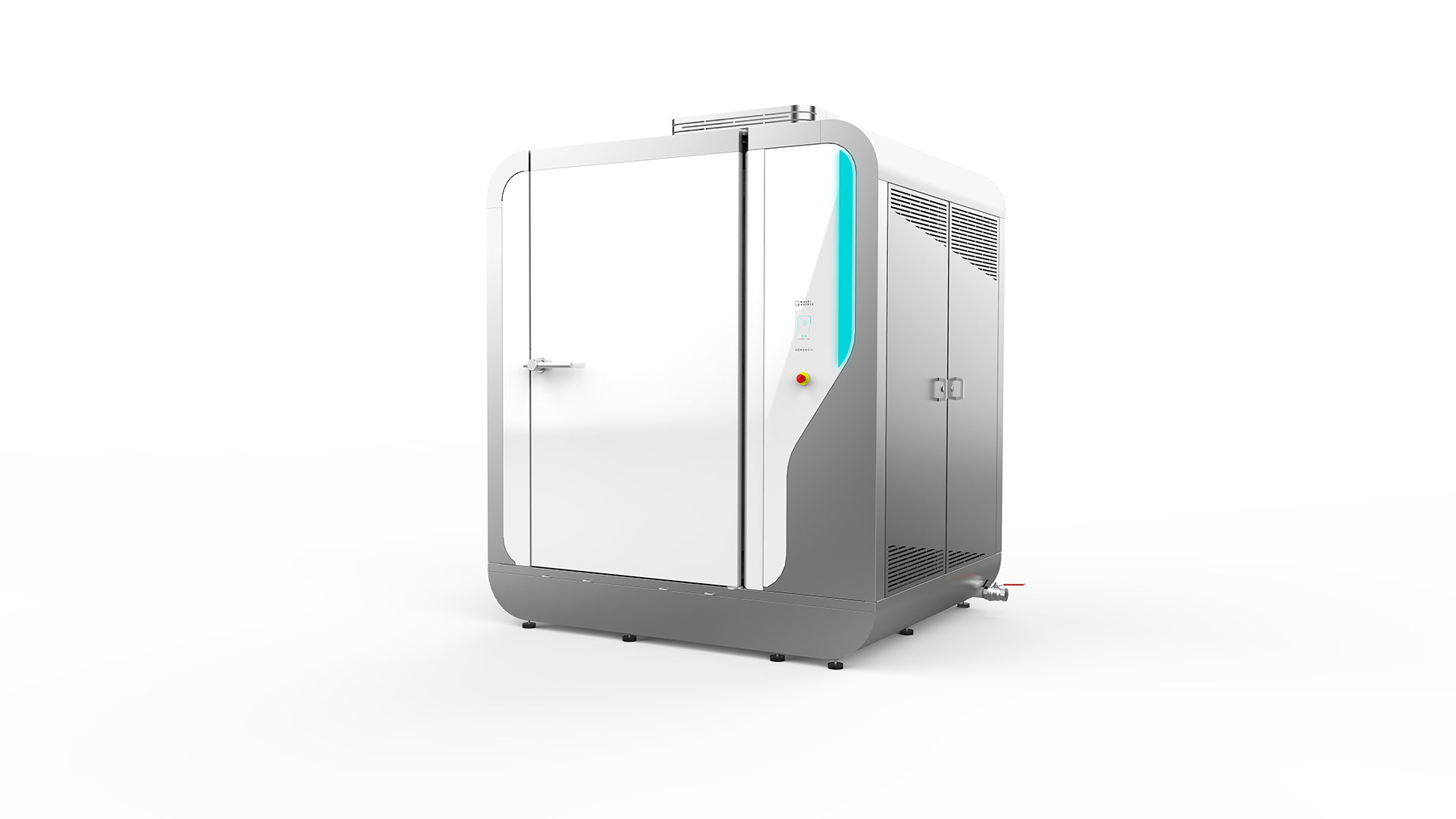
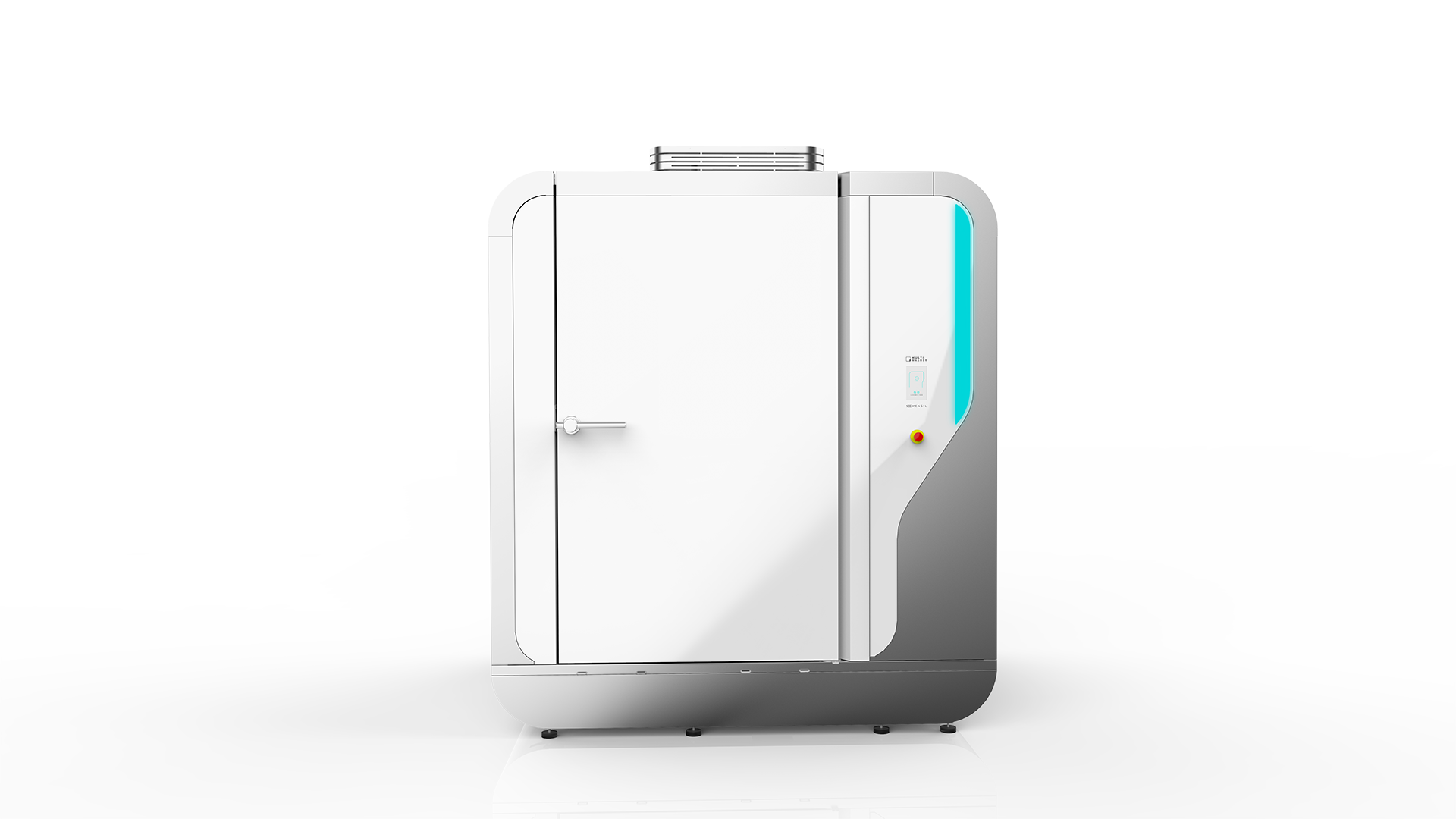
- MultiWasher is an industrial bucket washer that makes washing a predictable, auditable process.
Buckets may seem like a minor detail in a large-scale operation… until they’re not. When hygiene slips or productivity slows, these everyday containers quickly become critical. That’s where an industrial bucket washer step in - not as a background tool, but as an active player in protecting your standards and helping your team work smarter. Discover the real difference they can make in your everyday operations and your budget.
What is an industrial bucket washer?
An industrial bucket washer is a high-performance washing system specifically engineered to wash, rinse, and sanitise large volumes of buckets used in demanding environments. Unlike traditional washing, which can be time-consuming and inconsistent, these machines provide repeatable, thorough results, no matter the residue or volume.
Bucket washers can wash multiple sizes and types of buckets in one cycle, ensuring they’re safe for reuse and free from contaminants.
Industrial bucket washer advantages
Washing buckets may look like a simple task, but doing it properly is anything but. An industrial bucket washer addresses these challenges at the root, bringing control, repeatability, and efficiency into the process.
Consistent hygiene, cycle after cycle
Manual washing inevitably varies from person to person and from shift to shift. Water temperature, contact time, detergent concentration, and even attention to detail can change, increasing the risk of residue build-up or cross-contamination. An industrial bucket washer removes this variability entirely. Each wash follows a validated, repeatable cycle, ensuring every bucket is cleaned to the same standard, every time. This consistency makes it far easier to comply with strict hygiene regulations and pass audits with confidence.
Less water, more efficiency
Industrial bucket washers are designed to optimise every litre of water used. Through recirculation systems, filtration, and precisely controlled spray patterns, they deliver powerful washing results while consuming significantly less water than manual washing. The same applies to detergents and energy: everything is measured, controlled, and used only where it adds value. The result is a process that is more efficient and also more predictable in terms of operating costs.
Longer equipment life span
Buckets that are not washed properly tend to degrade faster. Residue hardens, surfaces wear unevenly, and aggressive manual scrubbing can cause micro-damage over time. Industrial bucket washers apply the right combination of mechanical action, temperature, and chemistry to remove stubborn residues without unnecessary abrasion. By treating buckets more gently and consistently, these systems help extend their usable life, reduce replacement frequency, and protect your investment in handling equipment.
Higher throughput without added labour
As volumes increase, manual washing quickly becomes a bottleneck. An industrial bucket washer allows you to process large numbers of buckets in a continuous, controlled flow, without needing to scale your workforce. This makes output easier to predict, reduces pressure during peak production periods, and helps operations grow without introducing extra complexity on the shop floor.
Improved worker safety and ergonomics
Manual bucket washing often involves repetitive movements, heavy lifting, and prolonged exposure to hot water and chemicals. By automating the process, bucket washers remove much of this physical strain from operators. This improves day-to-day working conditions and reduces the risk of injuries, absenteeism, and long-term musculoskeletal issues.
Easier integration into automated lines
Industrial bucket washers are designed to fit seamlessly into modern production environments. Whether connected to conveyors, buffer systems, or automated handling equipment, they support a smoother, more continuous workflow. This integration reduces manual handling points and helps maintain a steady rhythm across the entire process.
Better control and traceability
Many bucket washers offer programmable cycles, data logging, and parameter monitoring. This gives operations clear visibility over wash conditions such as temperature, cycle time, and detergent usage. In regulated industries, this level of control and traceability is essential for quality assurance, internal reviews, and external audits.
Which companies should consider a bucket washer?
If buckets play a part in your daily operations, a dedicated washer might be exactly what your business needs. Here are a few industries where the impact is particularly strong.
- Food Processing Plants. Buckets are often used to transport ingredients or finished products, which makes hygiene critical. A washer helps you meet strict safety regulations and avoid contamination issues.
- Meat and Poultry Facilities. Fast-paced, high-volume production needs a washing solution that can keep up. Industrial washers help you stay on top of hygiene without slowing down operations.
- Industrial Kitchens and Catering Services. When handling food waste, ingredients, or storage, buckets accumulate dirt fast. A washer offers an easy, reliable way to keep them spotless and ready for safe reuse.
Signs you might need an industrial bucket washer
Buckets move ingredients, hold intermediates, and play a critical role in day-to-day operations. But when washing them starts draining resources or putting hygiene at risk, it’s a clear signal that your setup needs rethinking.
1. Buckets come out “washed enough” but not truly sanitized
If residues or odors linger after washing, manual scrubbing or outdated machines aren’t delivering the hygiene levels regulators demand.
2. More and more time spent washing
When operators are stuck rinsing, scrubbing, and rewashing buckets, productivity takes a hit. Automating the process frees up valuable labor for higher-value tasks.
3. Rising water, energy, or chemical bills
Buckets require frequent washing, and outdated systems can bleed resources. If your utility costs are climbing, it might be due to inefficient washing.
4. Space is tight, but hygiene standards keep climbing
A compact industrial washer designed for buckets can help you maintain compliance and save space without compromising standards.
5. Audits are getting harder to pass
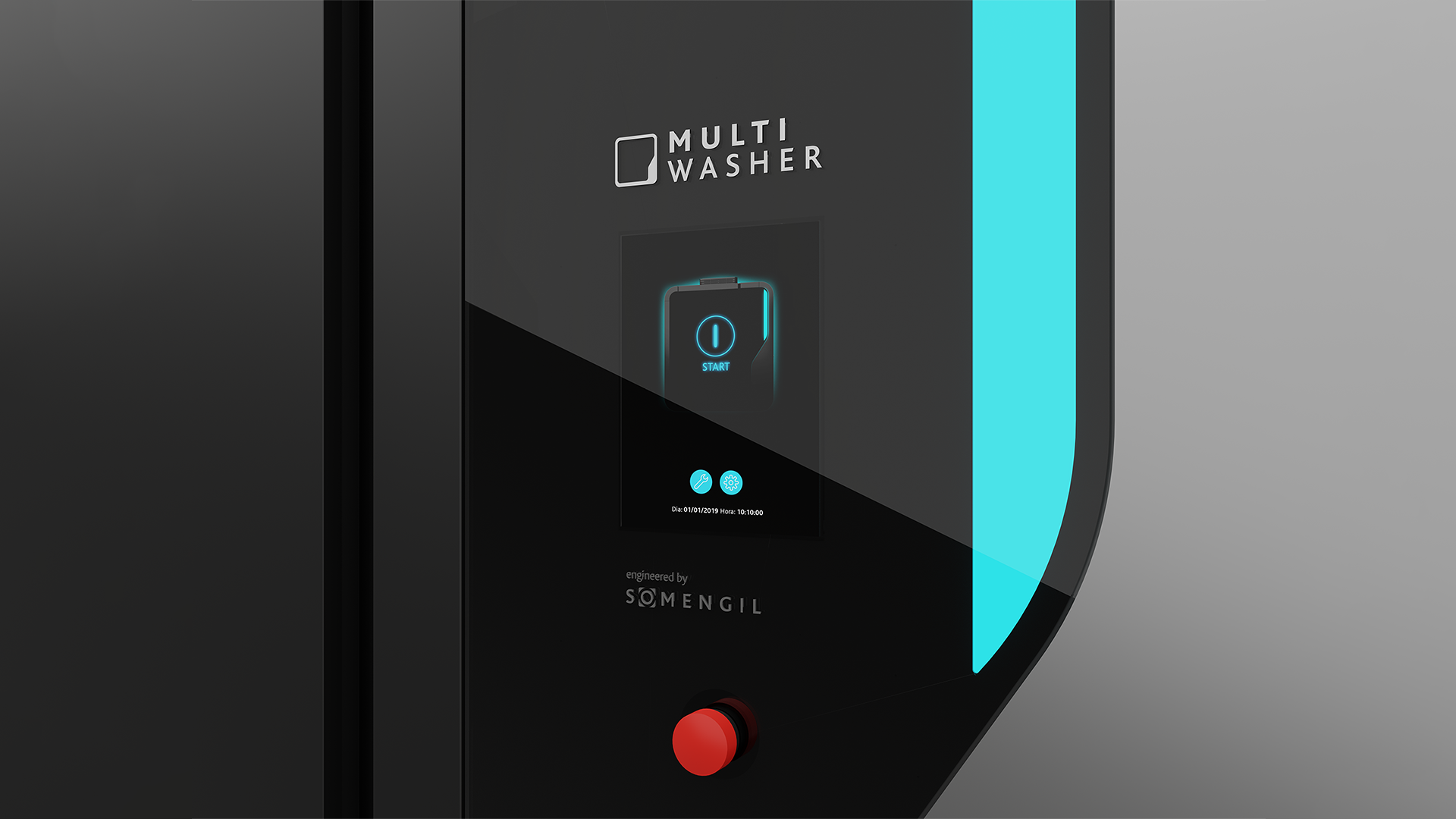
If auditors flag inconsistent washing or poor documentation, that’s a warning sign. Modern washers like MultiWasher provide consistent results and digital traceability to simplify compliance.
6. Growth is exposing blockages
As production scales, more buckets need to be sanitized faster. If your current process can’t keep up, delays and costs will snowball.
How to choose the right industrial bucket washer
Choosing an industrial bucket washer is a long-term operational choice that will influence hygiene levels, labour efficiency, running costs and even how smoothly your production flows.
1. Select a capacity that matches real-world demand
Start with facts. How many buckets do you actually wash per hour on a normal day? And what happens during peak periods? Oversizing drives up investment and operating costs. Undersizing creates bottlenecks, rushed washing and unnecessary hygiene risks.
2. Look beyond speed and focus on effective cycle time
A fast cycle only adds value if it washes properly. Shortcuts in temperature, contact time or mechanical action tend to show up later as rework, failed inspections or contamination risks. Look for optimised wash programmes that balance speed with proven washing performance.
3. Evaluate the variety of buckets you actually use
In most facilities, buckets are far from standardised. Different volumes, shapes, materials and levels of soiling often appear in the same shift. A suitable washer must cope with this variability, whether through adjustable guides, flexible racking, or programmable settings that adapt to different bucket types without manual workarounds.
4. Confirm compliance (and make audits easier)
Meeting hygiene standards is one thing; proving it consistently is another. A well-designed bucket washer supports both. Temperature monitoring, cycle validation, automatic logging and hygienic construction reduce uncertainty and simplify audits.
5. Prioritise water, energy and detergent efficiency
Industrial washing costs add up quickly when volumes increase. Modern bucket washers use recirculation, filtration and precise dosing to reduce water and chemical consumption without compromising results. Energy-efficient designs, including thermal recovery systems, help keep operating costs predictable over the long term.
6. Choose equipment your team will actually enjoy using
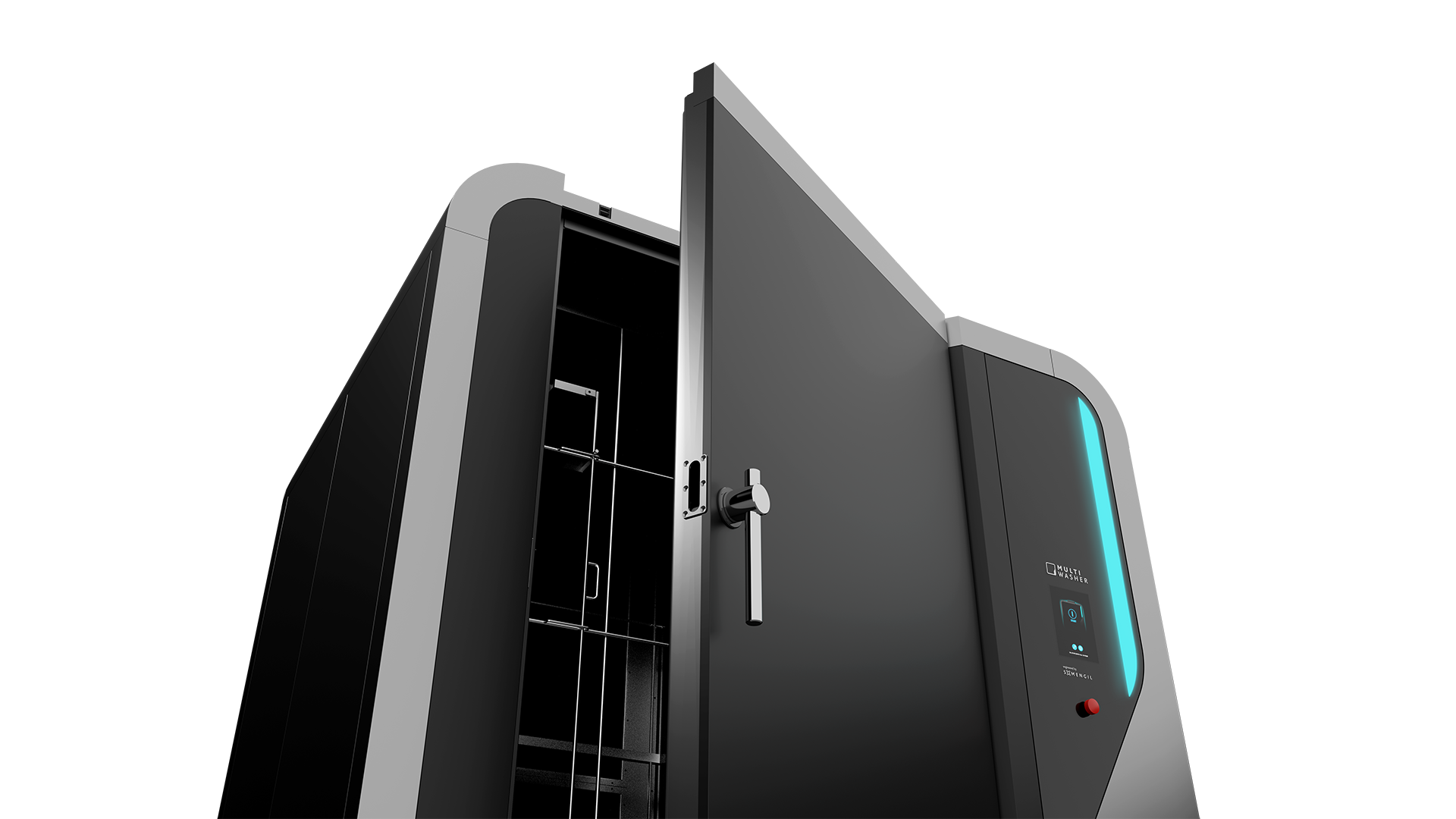
Even the best washer underperforms if it’s awkward to operate. Intuitive interfaces, clear icons, multilingual touchscreens and straightforward programme selection reduce training time and operator error.
7. Assess reliability and ease of maintenance
Downtime during washing operations quickly impacts the rest of the production line. Look closely at build quality, access to critical components, and how easy it is to perform routine maintenance.
8. Consider how the washer fits into your workflow
Will buckets be loaded manually, or via conveyors? Does the washer need to integrate with existing automation or future expansion plans? Thinking about layout, infeed and outfeed flow early on helps avoid costly adjustments later and keeps operations smooth as volumes grow.
9. Think long-term scalability
What works today may not work in three or five years. If production volumes increase or processes change, can the washer adapt? Modular designs, software upgrades or expandable configurations offer flexibility and protect your investment as requirements evolve.
10. Evaluate the supplier
A bucket washer is only as good as the support behind it. Spare parts availability, technical assistance, documentation and upgrade paths matter long after installation. A strong manufacturer acts as a long-term partner, helping you optimise performance rather than just reacting when something goes wrong.
How to maximise the lifespan of your bucket washer
Investing in a high-quality washer is just the start. These tips will help you keep it running at peak performance for years.
- Stick to the maintenance schedule. Skipping daily or weekly maintenance may seem harmless, but buildup can compromise performance and lead to costly repairs. Stick to the routine, and you’ll avoid 90% of the issues before they start.
- Train your team well. The most advanced machine won’t perform if it’s used incorrectly. Clear, simple training ensures better results, fewer errors and a safer work environment. Bonus: your machine lasts longer when it’s treated right.
- Use the right detergent, in the right amount. Too much detergent wastes money and can damage components. Too little won’t wash effectively. Always follow the manufacturer’s guidelines and consider auto-dosing systems to stay consistent.
- Monitor water quality. Hard water or water with high mineral content can cause scaling and blockages over time. If needed, install filtration or softening systems to protect the internal components.
- Keep an eye on filters and nozzles. Regular inspection and washing prevent clogs and maintain consistent water pressure, which is crucial for thorough washing.
- Don’t ignore early warning signs. Unusual noises, longer cycles or inconsistent results usually mean something’s off. Address issues early to avoid downtime or bigger repair bills later on.
FAQs about industrial bucket washer
Here are some of the most common questions about industrial bucket washer.
1. Can an industrial bucket washer adapt to different bucket shapes and materials?
Yes, but it depends on the design. Advanced models like MultiWasher use custom-made trolleys and flexible spray systems that can adapt to a variety of bucket sizes, shapes, and even materials (plastic, stainless steel, etc.). This flexibility prevents companies from having to buy multiple machines for different product lines.
2. How do I evaluate the true cost of ownership of a bucket washer?
Beyond the purchase price, look at long-term variables: water and detergent use, energy consumption, maintenance cycles, and downtime. In some facilities, cutting operating inefficiencies can generate savings that outweigh the initial investment within months.
3. Do bucket washers affect product shelf life?
Yes. Inadequate washing leaves microscopic residues that can accelerate spoilage or contamination. Consistently sanitized buckets help extend product freshness, protect brand reputation, and reduce the likelihood of recalls.
4. What impact can a bucket washer have on audit readiness?
A lot. Food safety auditors often look for documented washing parameters (temperature, cycle length, chemical concentration). Advanced machines like MultiWasher provide digital logs of every wash, giving you traceable proof that standards are being met. This reduces audit stress and strengthens compliance posture.
5. How can bucket washers help with ESG reporting?
Because water and energy usage are measurable, companies can track and report resource savings from efficient washers directly in ESG and sustainability disclosures. For example, reducing water consumption by thousands of liters per year becomes a quantifiable metric to showcase to investors or regulators.
MultiWasher: industrial bucket washer built to last
Buckets might look simple, but in most production lines they carry a heavy load (literally and figuratively). They are constantly in motion, transporting ingredients or storing semi-finished goods. The problem? Every cycle of manual scrubbing or inefficient washing systems eats into your margins, slows down your team, and increases the risk of hygiene lapses.
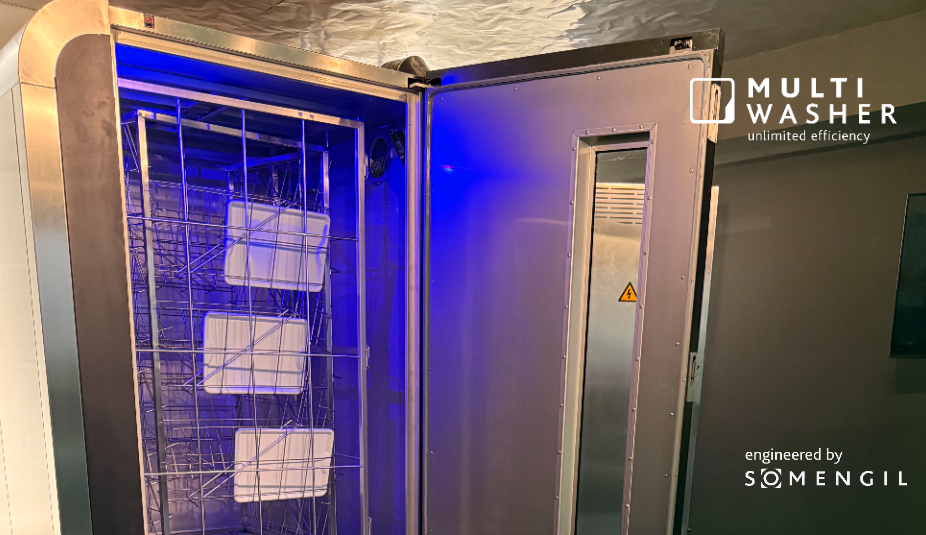
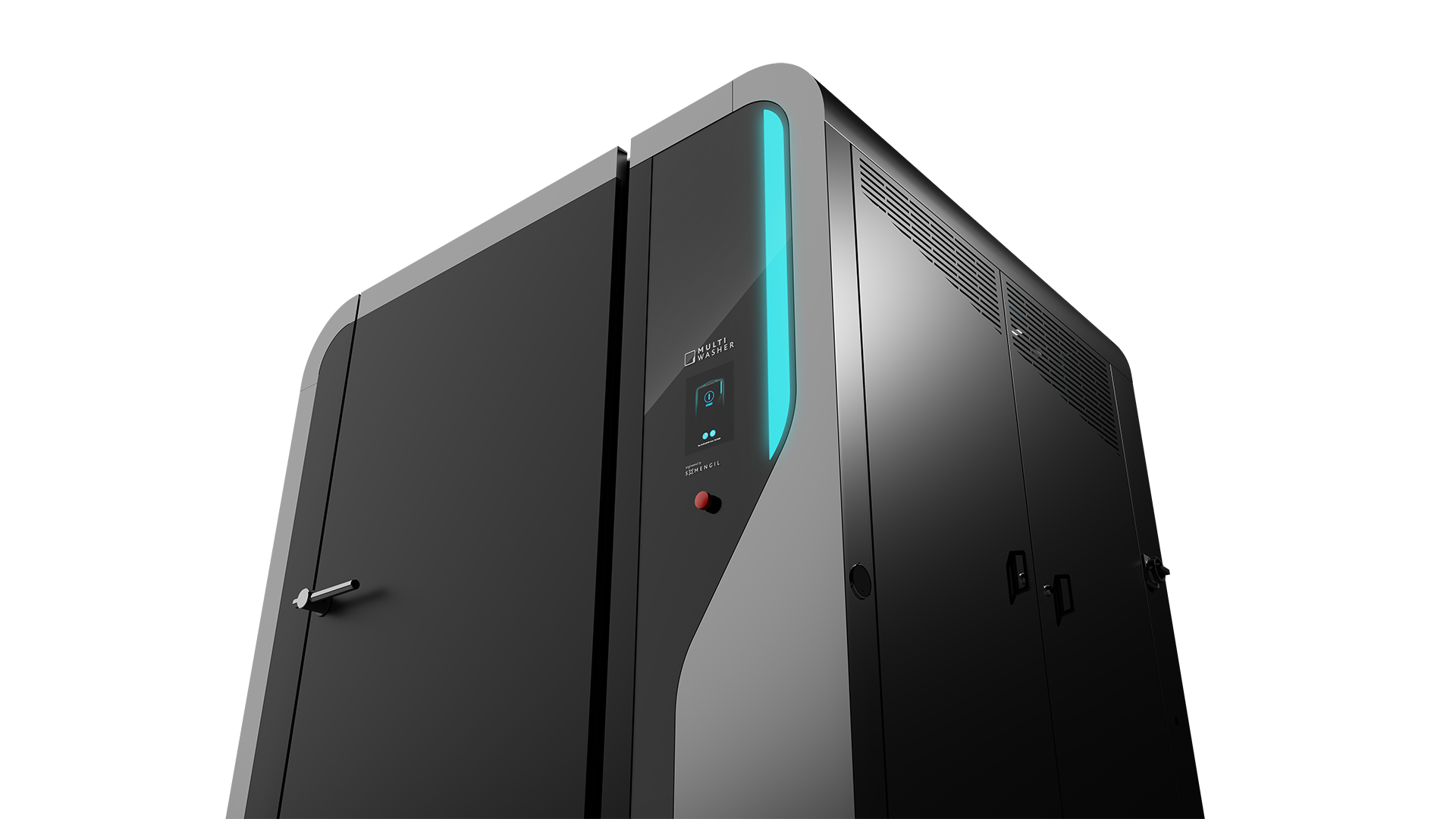
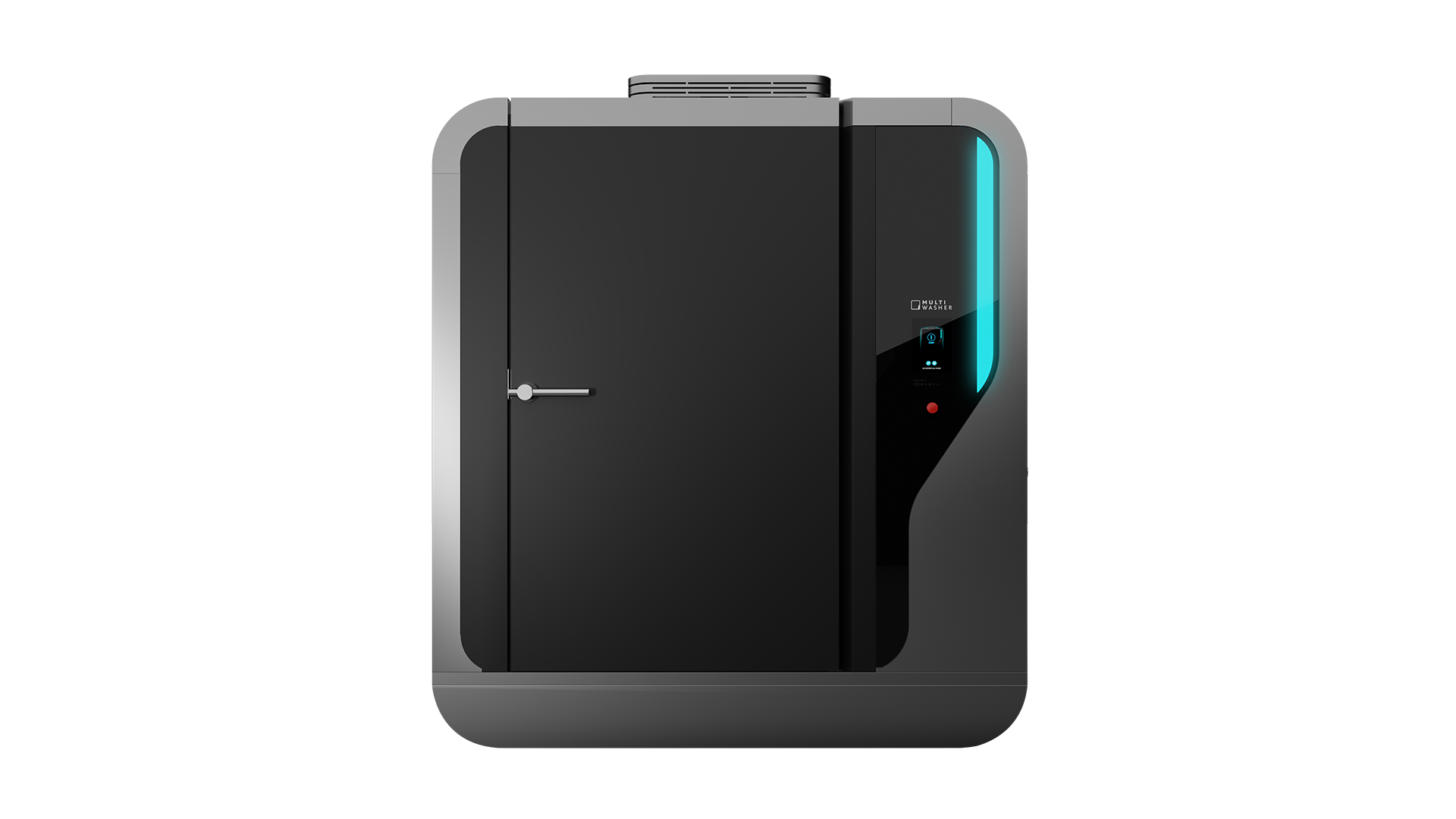
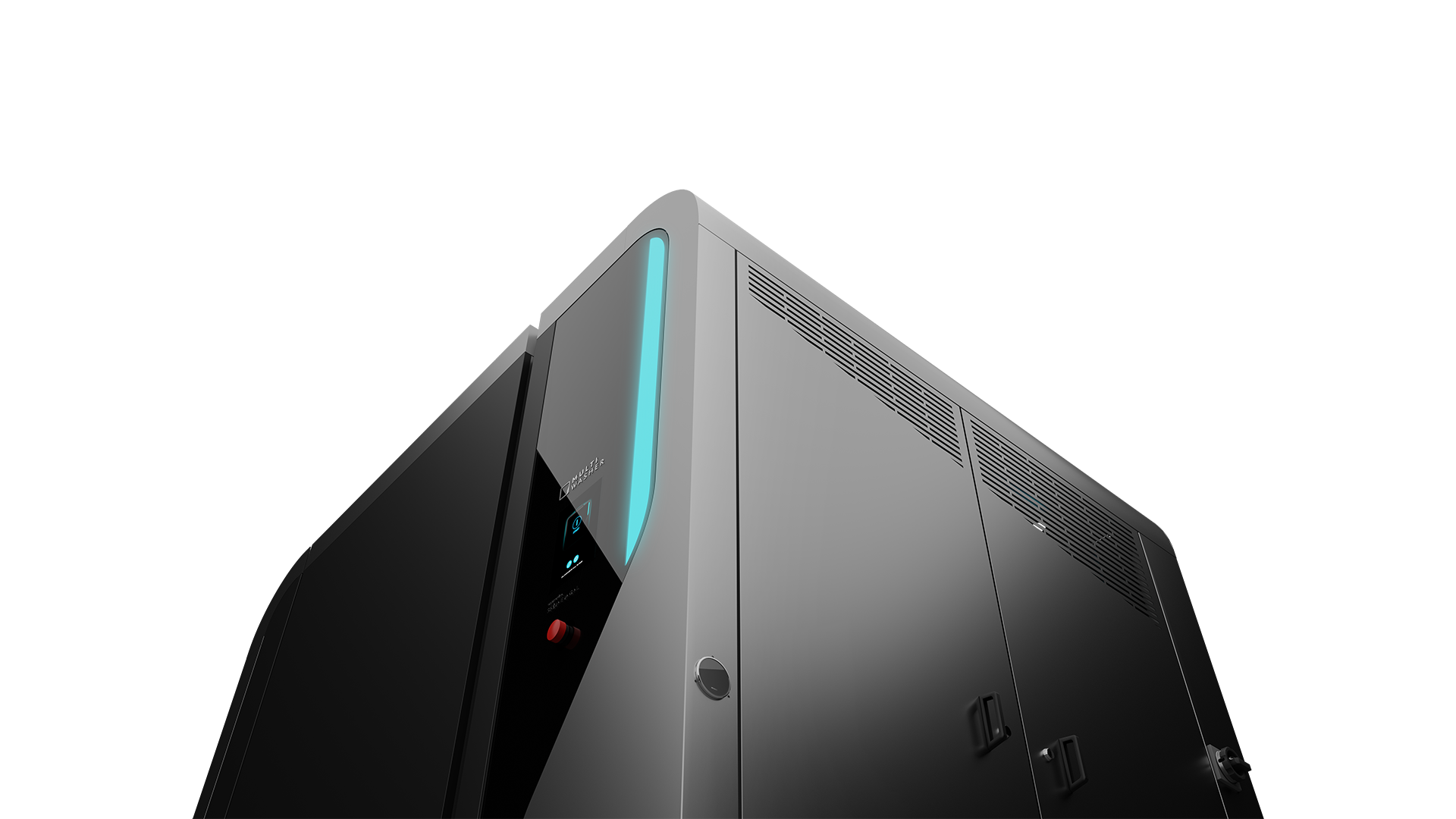
That’s where MultiWasher makes the difference. This industrial bucket washer is a strategic tool for businesses that live and breathe efficiency. Engineered for heavy-duty use, it combines robust construction with intelligent features that adapt to your daily reality.
With customizable washing programs, you control exactly how each cycle runs, like quick turnarounds for lightly used buckets or deep washing for heavily soiled loads. Smart dosing systems cut water and detergent use dramatically, reducing operating costs without compromising hygiene. And because the design is certified to the highest standards, you can count on compliance and spotless results every time.
Want to see how MultiWasher could revamp washing in your plant? Book a webinar and watch it in action. Let’s talk about how it can fit into your reality – because every spotless bucket is one less thing to worry about.
You may also like

Industrial washing / Articles
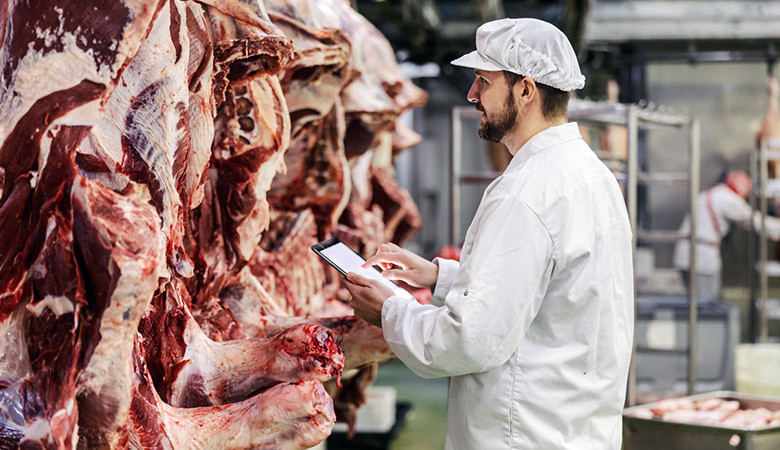
Meat industry washer: your key to safer, smarter meat processing
Learn what meat industry washers are and when they become a critical investment for hygiene and efficiency.
Posted in 2025-09-16




 Portugal
 United Kingdom
 United States
 France
 Spain
Spain Germany
 Romania
 Italy
Italy Czech Republic
 Finland
 Hungary
 Slovakia
 Greece
 Lithuania
 South Korea
 Russia
 Saudi Arabia
 Poland
 Brasil
 Hebrew