Industrial washing / Articles
What are meat drying rack washers and are they right for you?
Discover what a meat drying rack washer is and if it is right for your business.

 16 minutes of reading
2025-07-10 11:24:06
It was 10 minutes past closing time when Carla finally pulled off her gloves. Around her, the rest of the team moved in slow motion, shoulders slumped, faces drawn. The day had been long - one of those days when every order was urgent, every machine needed attention, and every rack seemed heavier than the last.
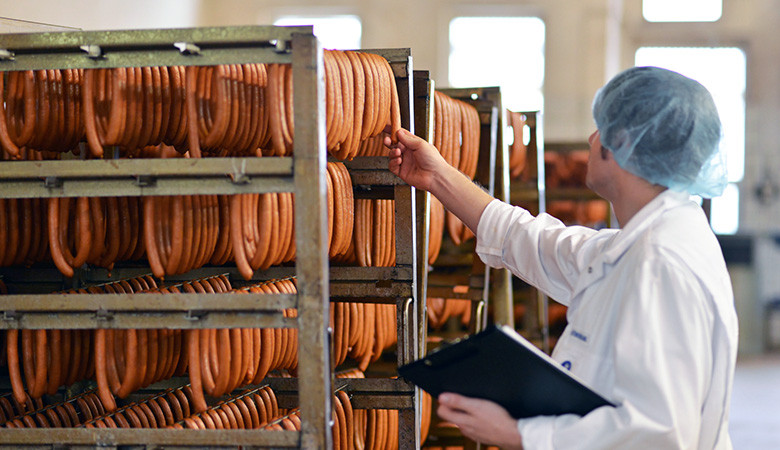
In the corner, the towering stack of meat drying racks waited, each layer a silent reminder that the shift wasn’t really over. Carla sighed. She knew the routine: scrubbing, rinsing, inspecting. Hoping nothing got missed. Wondering if this time, something invisible would slip through - a hidden contamination waiting to become tomorrow’s crisis.
Carla does not exist - but if you’re in the food business, she probably sounds familiar. Because the reality is, no matter how good your team is, manual rack cleaning is time-consuming, inconsistent, and stressful. Discover how a meat drying rack washer can help you reclaim time, protect food safety, and finally take this daily frustration off your plate.
What is a meat drying rack washer?
A meat drying rack washer is a specialized industrial machine designed to wash and sanitize the metal or plastic racks used in meat processing and drying operations. These racks go through intense daily use: exposed to blood, fat, proteins, and extreme temperature variations. That means manual washing or general-purpose washers often aren’t enough to ensure food safety and hygiene compliance.
This washer is built to meet the demands of high-throughput environments, where precision, consistency, and speed matter. It uses high-pressure water jets, controlled temperature cycles and chemical dosing to ensure every surface, corner and crevice is thoroughly washed.
But it goes beyond hygiene. The right washer helps prevent cross contamination, reduces downtime between cycles, extends the lifespan of your racks, and lowers labor costs. All while keeping your facility audit-ready.
Meat drying rack washer advantages
These are the main reasons why investing in the right meat drying rack washer pays off, and fast.
Consistent hygiene with every cycle
You don’t have to blindly rely on manual scrubbing or makeshift washing solutions. A rack washer ensures every rack is washed to the same high standard, every time, without missed spots or risk of human error.
Faster turnaround times
Speed matters in meat processing. These machines are designed for high throughput, drastically cutting the time needed between washing and reusing racks. That means fewer bottlenecks, smoother operations, and less waiting around.
Lower labor and maintenance costs
Manual washing is labor-intensive and draining. Automating the process frees up your team, reduces strain, and helps avoid injury. Plus, washed equipment lasts longer, so you spend less on repairs and replacements.
Reduced risk of contamination
With strict hygiene regulations in the food industry, a single oversight can become a serious liability. Rack washers minimize the risk of cross contamination and help your business stay compliant and trusted.
Lower water and energy consumption
Smartly engineered machines use only what they need. Compared to traditional washing methods, that can mean significant savings on water, energy, and detergent use. Also, a more sustainable operation overall.
Who benefits most from meat drying rack washers?
If your daily operations depend on spotless equipment and strict safety standards, this is where the right washer proves its worth.
Food processing plants
When you’re handling large volumes of meat, there’s no room for residue or downtime. A rack washer ensures every drying rack is disinfected and ready for use: fast, efficient, and compliant with hygiene regulations.
Meat curing and smoking facilities
In facilities where racks are exposed to fats, brine, and smoke residues, manual washing is exhausting and ineffective. A dedicated washer removes buildup that can affect product quality and flavour integrity.
Industrial kitchens and catering companies
For businesses managing multiple batches of food every day, hygiene must be effortless and consistent. Rack washers save valuable labour hours while ensuring every surface meets strict sanitary standards.
Cold storage and logistics operators
Racks used for transporting and storing meat are often overlooked. Yet they’re key contamination points. Regular automated washing helps maintain a controlled, safe environment from storage to shipment.
Food equipment manufacturers
Even during production and testing, keeping racks and components free from grease or particles ensures better performance and safer handling.
Signs you might need a meat drying rack washer
Sometimes, the need for a rack washer doesn’t show up as a hygiene failure. It shows up in lost hours, rising costs, or recurring frustrations. If any of these sound familiar, your operation might be ready for an upgrade.
1. Washing takes longer than production
If your team spends more time washing racks than preparing the next batch, something’s off. A washer automates what’s now eating up valuable labour, freeing your staff to focus on higher-value tasks.
2. Inconsistent washing results
Manual washing rarely delivers the same level of precision twice. Missed corners, residual fat, or uneven drying can all compromise food safety and quality. Rack washers guarantee consistency, every wash, every rack.
3. You’re using more water and detergent than you should
Spiralling utility costs can be a red flag. Industrial washers are engineered to optimise resources, using only the water, energy, and detergent necessary for each cycle.
4. Product contamination or odours keep coming back
Recurring hygiene issues (such as unpleasant smells or unexpected contamination), usually point to inadequate washing of racks and trolleys. Automated systems reach the places hand-washing can’t.
5. Equipment downtime is cutting into profits
Every minute spent waiting for racks to dry or be washed is a minute not spent producing. A rack washer speeds up turnaround times and keeps your operation flowing smoothly.
6. Compliance is getting harder to maintain
Regulatory standards are becoming stricter, and inspections more frequent. If audits have started to raise concerns, an automated washer helps ensure every rack meets hygiene requirements effortlessly.
How to choose the right meat drying rack washer
Here’s what to keep in mind when buying these machines.
Fit the washer into your workflow
A washer isn’t just a standalone machine, it’s part of your production rhythm. Think about where it will sit in your facility and how racks will move to and from it. Is there enough space for staging clean and dirty racks separately? Can operators load it without blocking other processes? Planning the workflow upfront avoids daily headaches and ensures the washer truly speeds things up instead of creating new bottlenecks.
Match capacity to reality
Start with your daily volume. Are you washing a few dozen racks or pushing hundreds through every shift? A machine too small creates a bottleneck. Too large, and you're overpaying on water, chemicals, and energy. Know your peaks, not just your average.
Look for full compatibility with your racks
Not all meat drying racks are made alike. Some are tall, narrow and perforated. Others are bulky and solid. A good washer should adapt to your rack’s size and configuration, with guides, supports and spray angles designed for full coverage, not missed spots.
Prioritize efficiency (not just power)
Brute force is important, but smart engineering is what delivers peace of mind shift after shift. Look for models with water recirculation systems, heat recovery units and smart dosing for detergents. These features reduce operating costs and environmental impact without compromising on hygiene.
Think in terms of labor
A meat drying rack washer should reduce the time your staff spends loading, unloading or manually pre-rinsing. Features like easy-access doors, ergonomic loading trolleys or automated cycles free up people to do more valuable work elsewhere.
Choose food-grade design, built for compliance
You don’t want surprises during inspections. The right washer uses materials like AISI 304 stainless steel, has smooth welds (no microbial hiding spots), and allows full internal visibility for easy cleaning and auditing. Look for CE or NSF compliance. It's peace of mind built-in.
Consider service and spare parts
Ask about lead times for parts, maintenance schedules, and whether remote diagnostics are available. A machine that goes down for days can disrupt your entire production. Reliability and support matter more than bells and whistles.
How to maximize the lifespan of your meat drying rack washer
A meat drying rack washer is a long-term investment in efficiency, hygiene, and peace of mind. To make sure it delivers reliable performance year after year, a bit of care goes a long way.
1. Keep it clean inside and out
Even washers need washing. Regularly cleaning filters, spray arms, and drainage systems prevents buildup that can affect water pressure or leave residues behind. A few minutes of maintenance can save hours of downtime.
2. Follow recommended washing programs
Each machine is designed to perform best within specific parameters. Use the right programs for each load type and material. Overloading or using the wrong cycle can shorten your washer’s lifespan.
3. Train your team properly
Human error is one of the most common causes of avoidable wear. A well-trained team knows how to operate, load, and maintain the washer safely, ensuring consistent results and fewer breakdowns.
4. Schedule preventive maintenance
Don’t wait for something to go wrong. Regular checkups by certified technicians help detect small issues before they turn into costly repairs, extending the life of your equipment and keeping it performing at its best.
5. Use high-quality detergents and water
Cheap chemicals or hard water can corrode parts and leave residues that affect washing quality. Always follow the manufacturer’s guidelines for approved detergents and filtration.
6. Leverage built-in diagnostics
Many modern washers, like MultiWasher, include smart monitoring systems that track usage, efficiency, and potential faults. Use that data; it’s like having an extra pair of eyes on your equipment.
7. Invest in durable materials
If you’re in the market for a new washer, prioritise stainless steel construction and corrosion-resistant components. These small design choices make a big difference in durability, especially in demanding food environments.
Meat drying rack washers: frequently asked questions
Below we answer some of the most common questions about meat drying rack washers.
1. Can rack washers handle both raw and cooked product racks?
Yes, but they should be washed in separate cycles or with configurable hygiene barriers to avoid cross-contamination. Advanced washers allow you to pre-set washing protocols based on contamination risk levels.
2. How much water do modern rack washers really use?
It varies, but high-efficiency systems can use up to 70% less water compared to manual washing, thanks to closed-loop filtration and intelligent spray distribution. That means less waste and lower operating costs.
3. What’s the best way to ensure consistent washing quality?
Monitor cycle validation data, check spray arm pressure regularly, and keep filters clean. In larger facilities, linking the washer to a central monitoring system allows managers to track hygiene KPIs in real time.
4. Are there energy recovery options available?
Yes. MultiWasher can capture and reuse heat from rinse water, significantly cutting down on energy costs. If you run multiple cycles per day, these savings quickly add up.
5. How do I calculate the ROI of a meat drying rack washer?
Consider not just labour and water savings, but also reductions in chemical use, downtime, and rejected batches due to contamination. Many plants achieve payback within 12 to 24 months, depending on throughput.
6. What certifications should I look for when choosing a washer?
Look for EHEDG or equivalent hygiene certifications, CE marking, and ISO 9001 manufacturing standards. These ensure the equipment meets strict hygiene and safety requirements for the food industry.
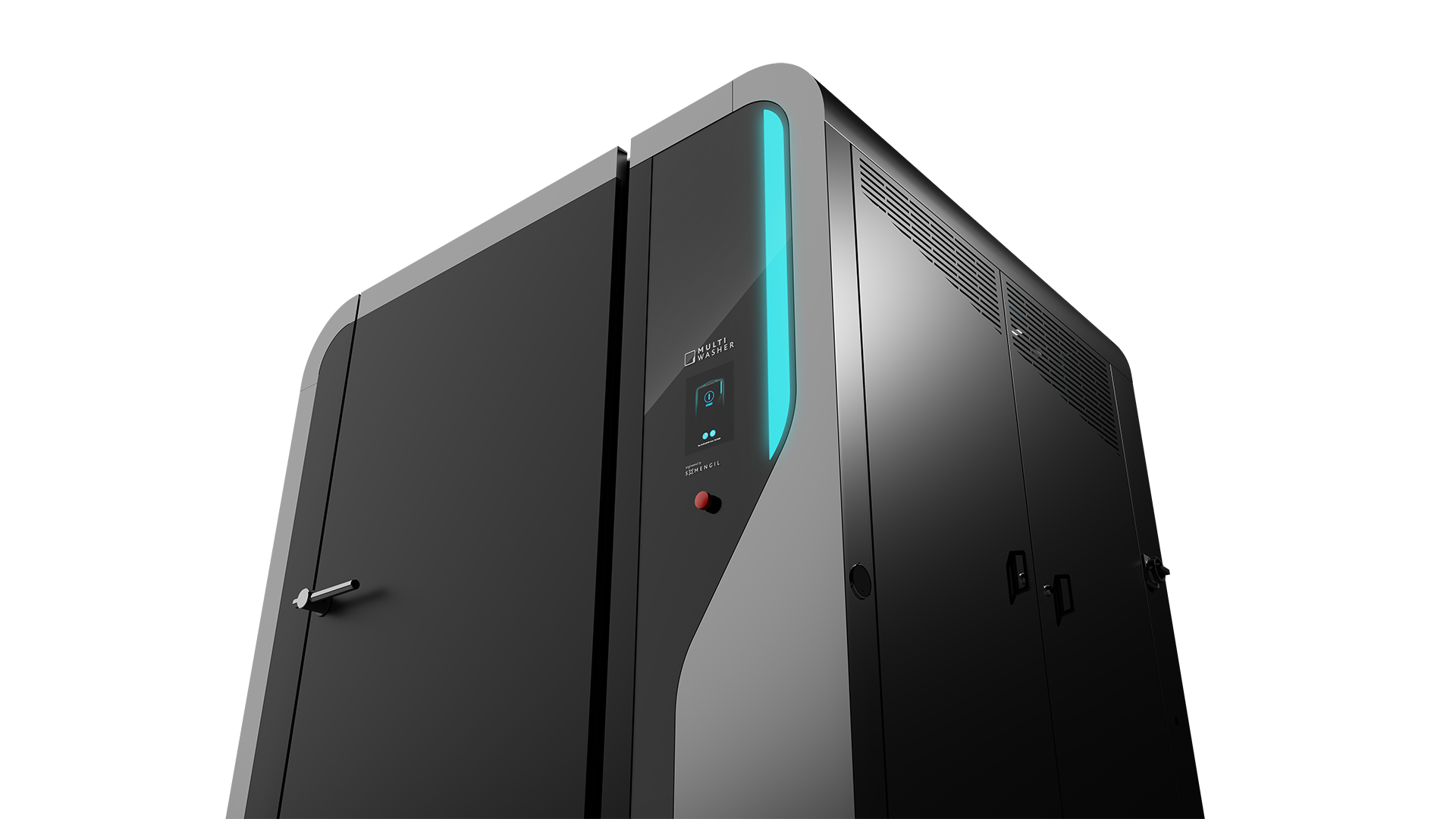
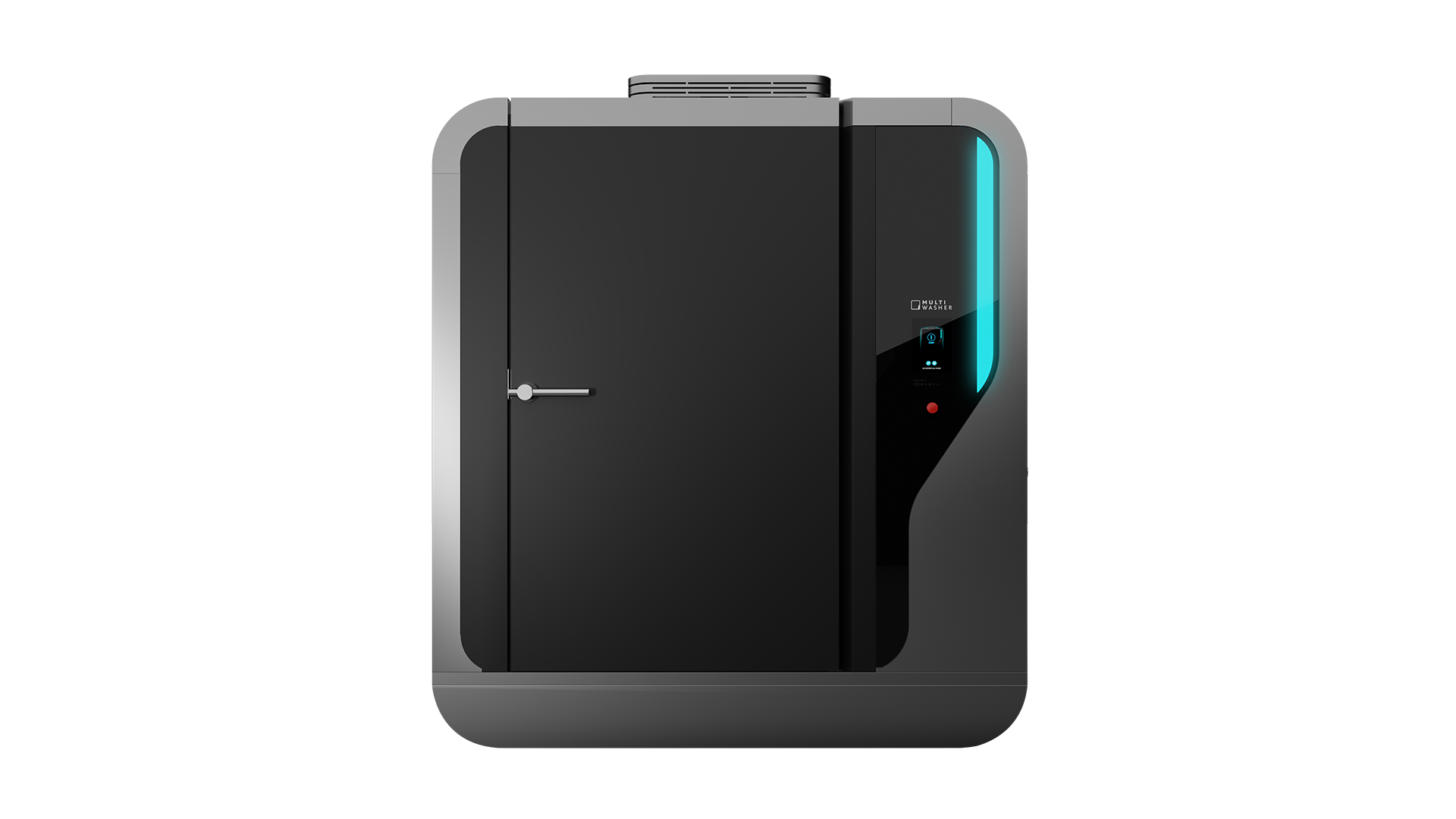
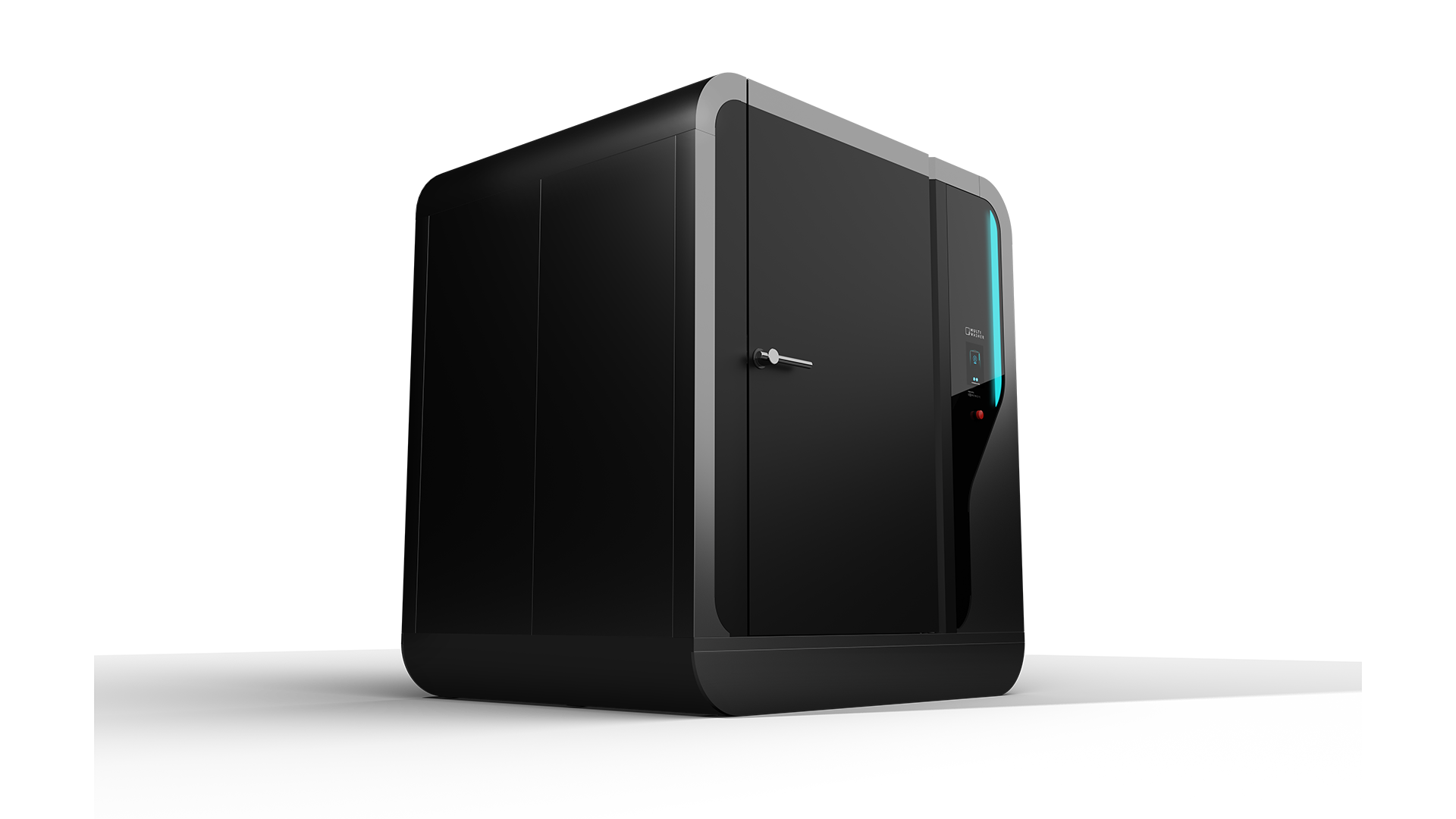
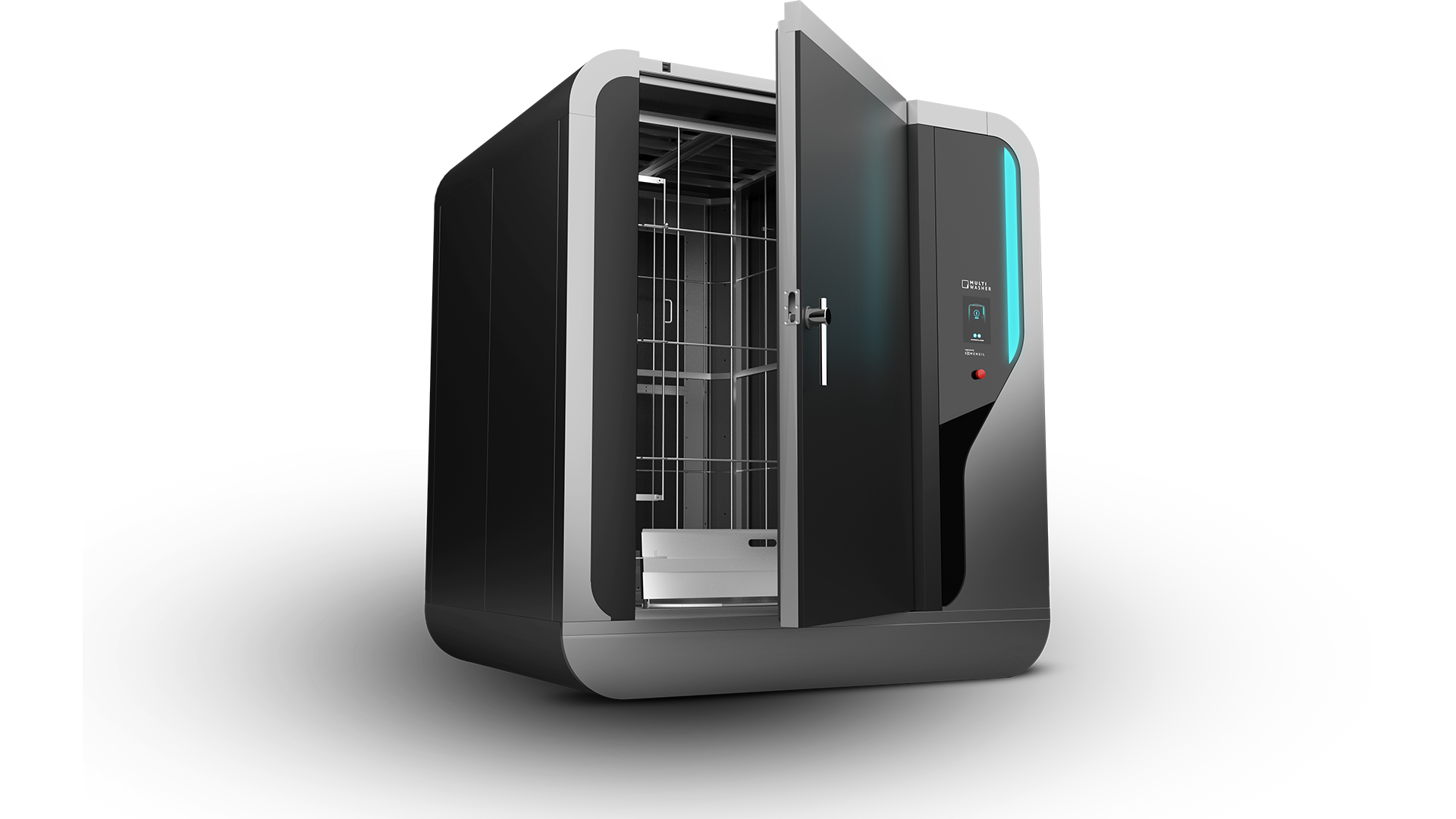
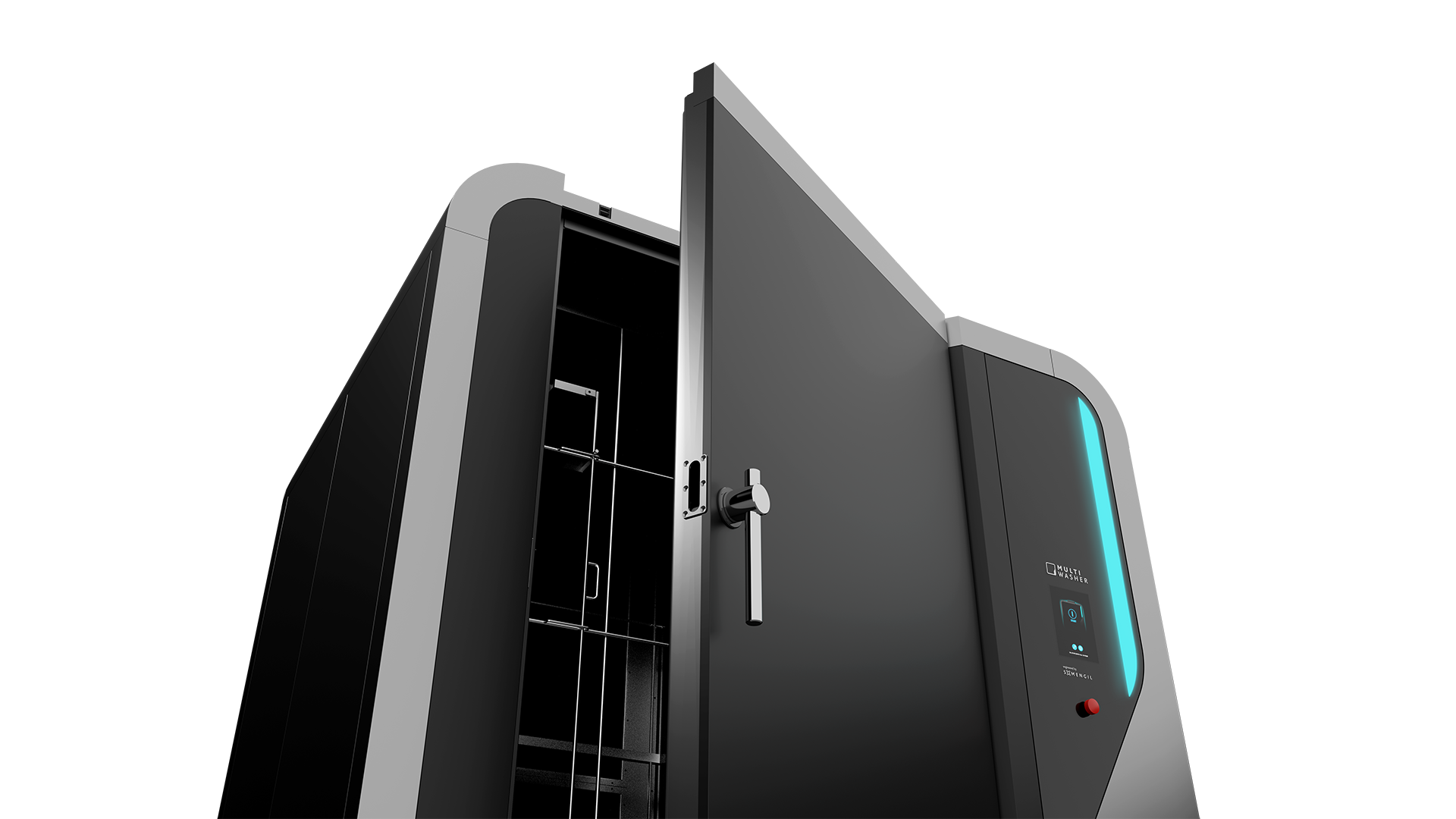
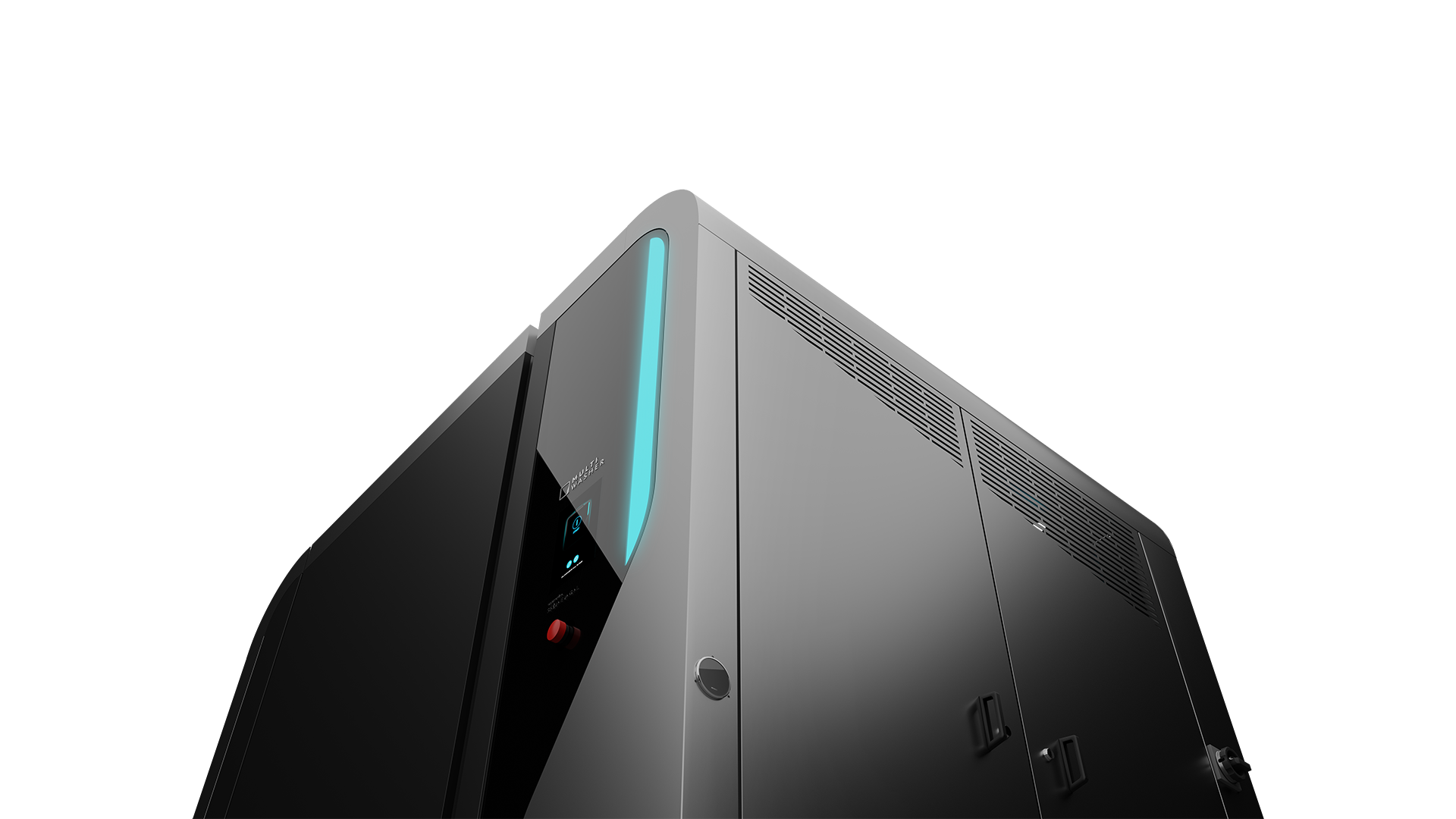
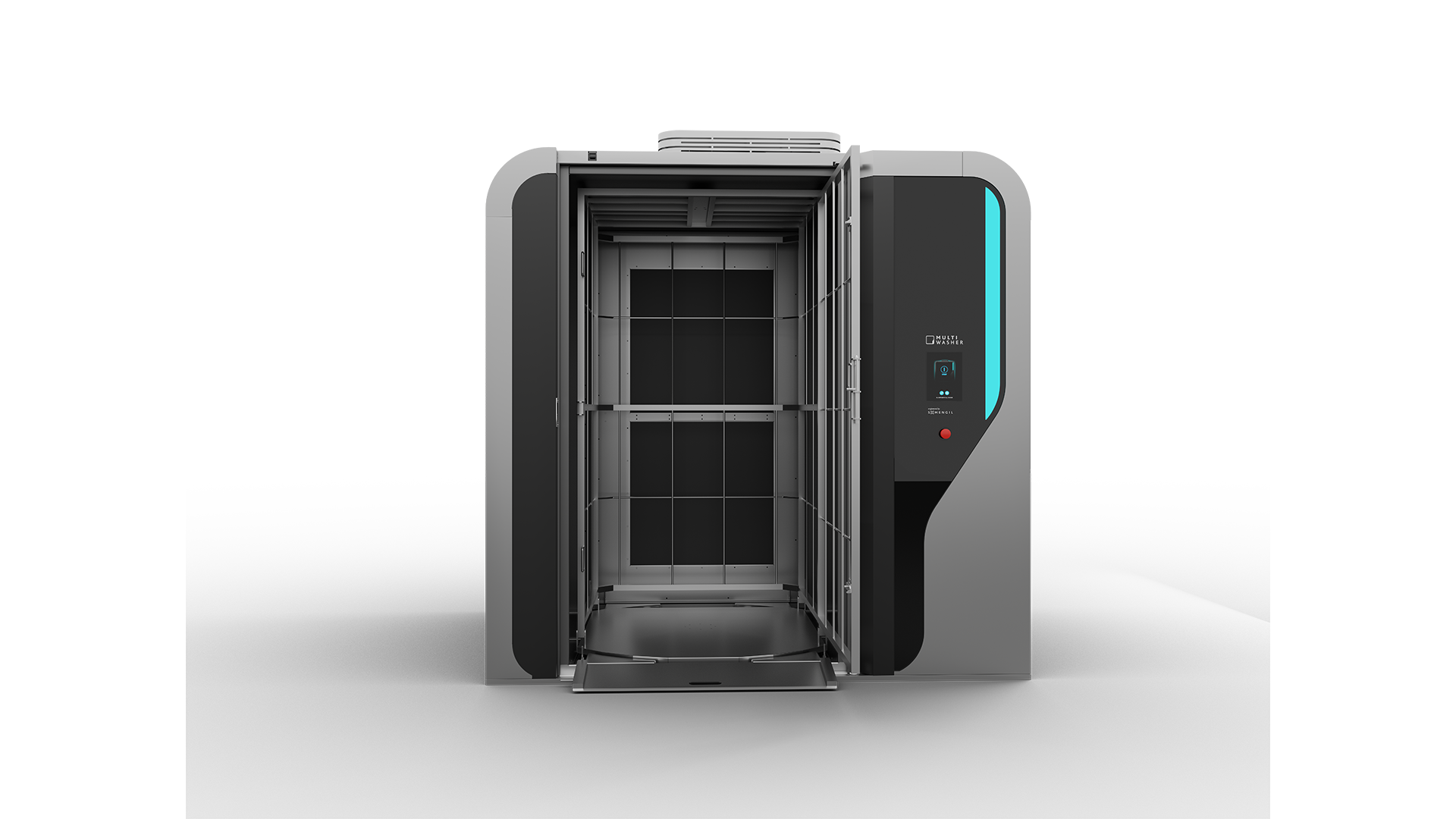
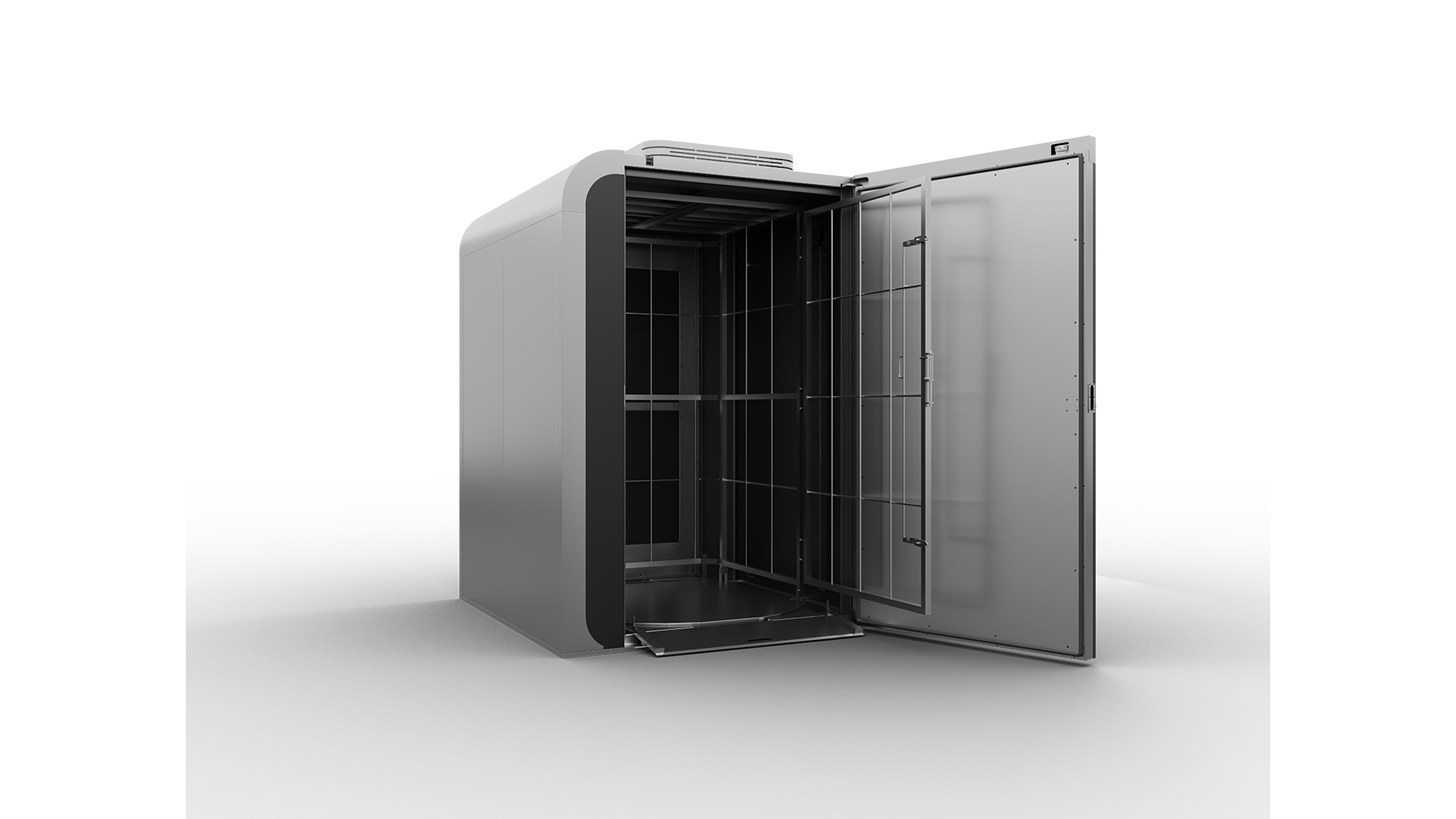
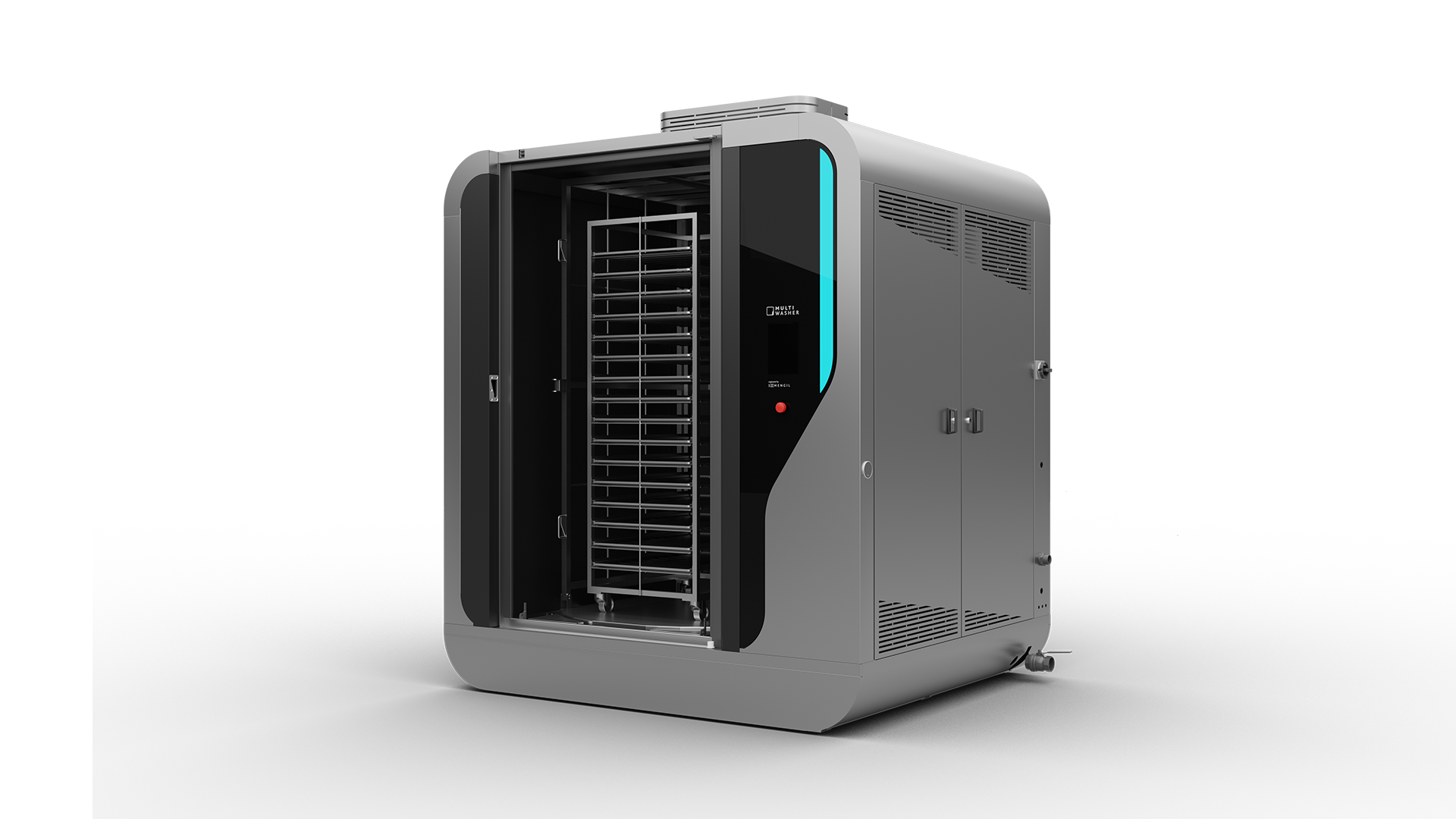
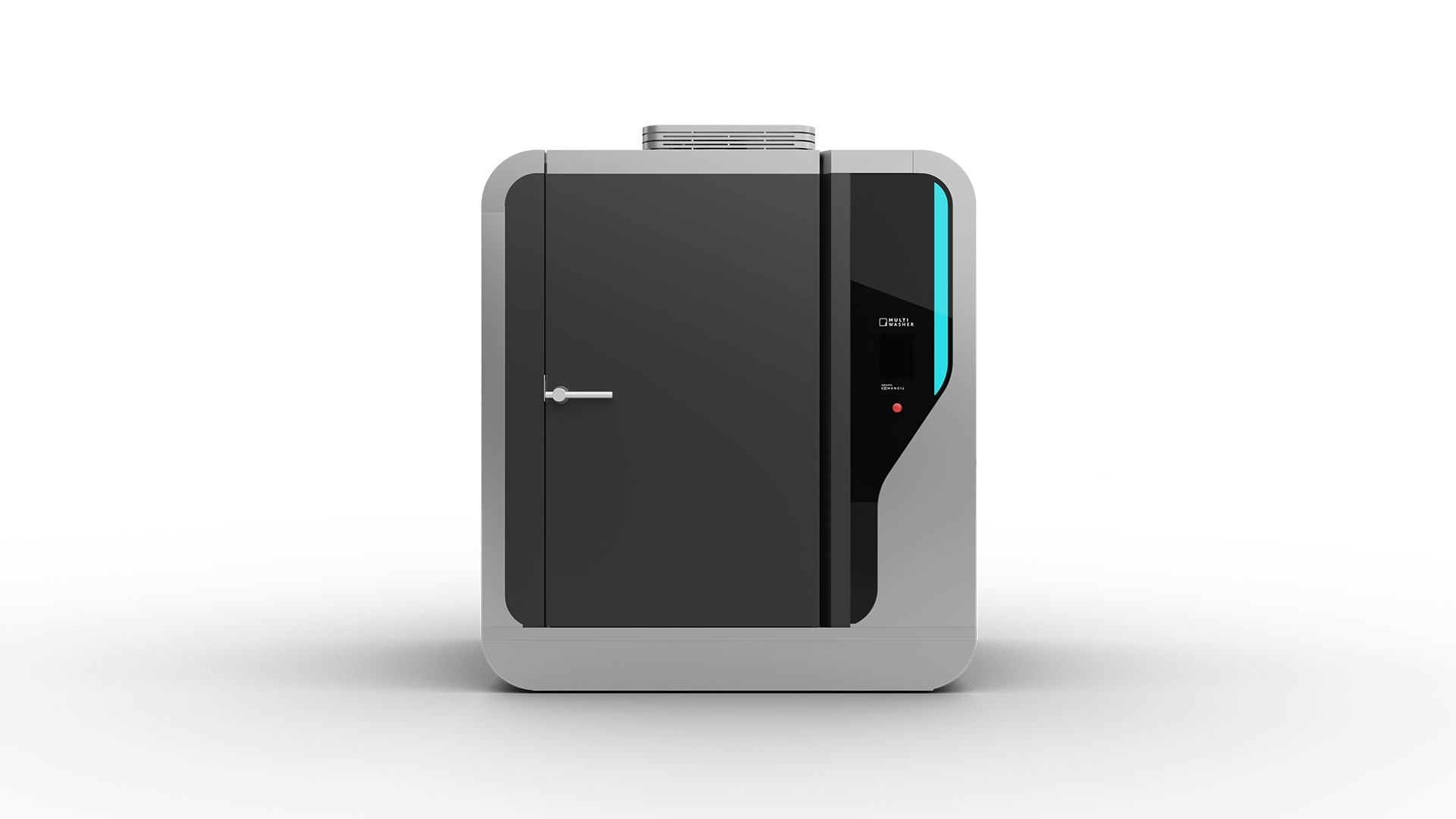
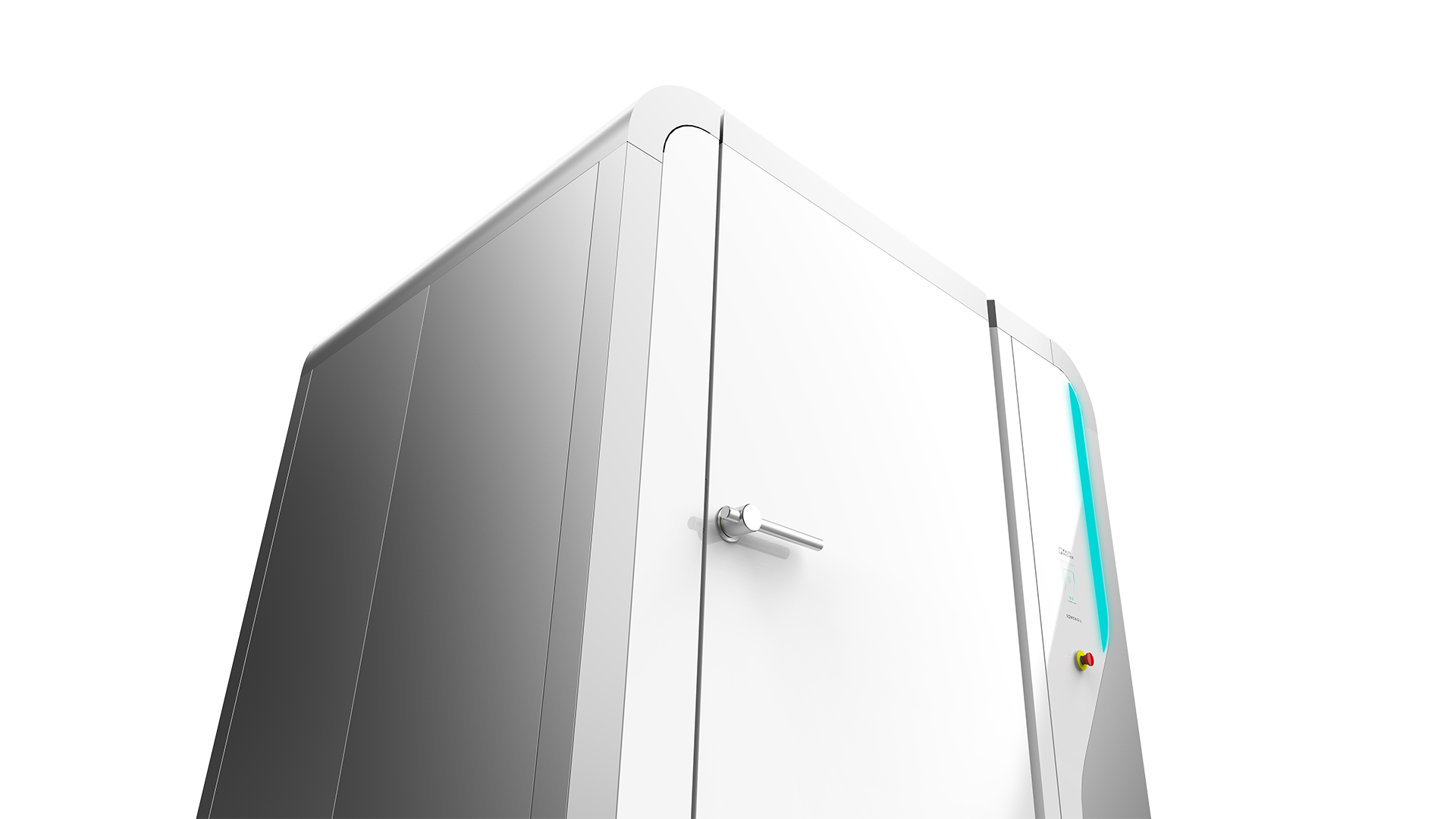
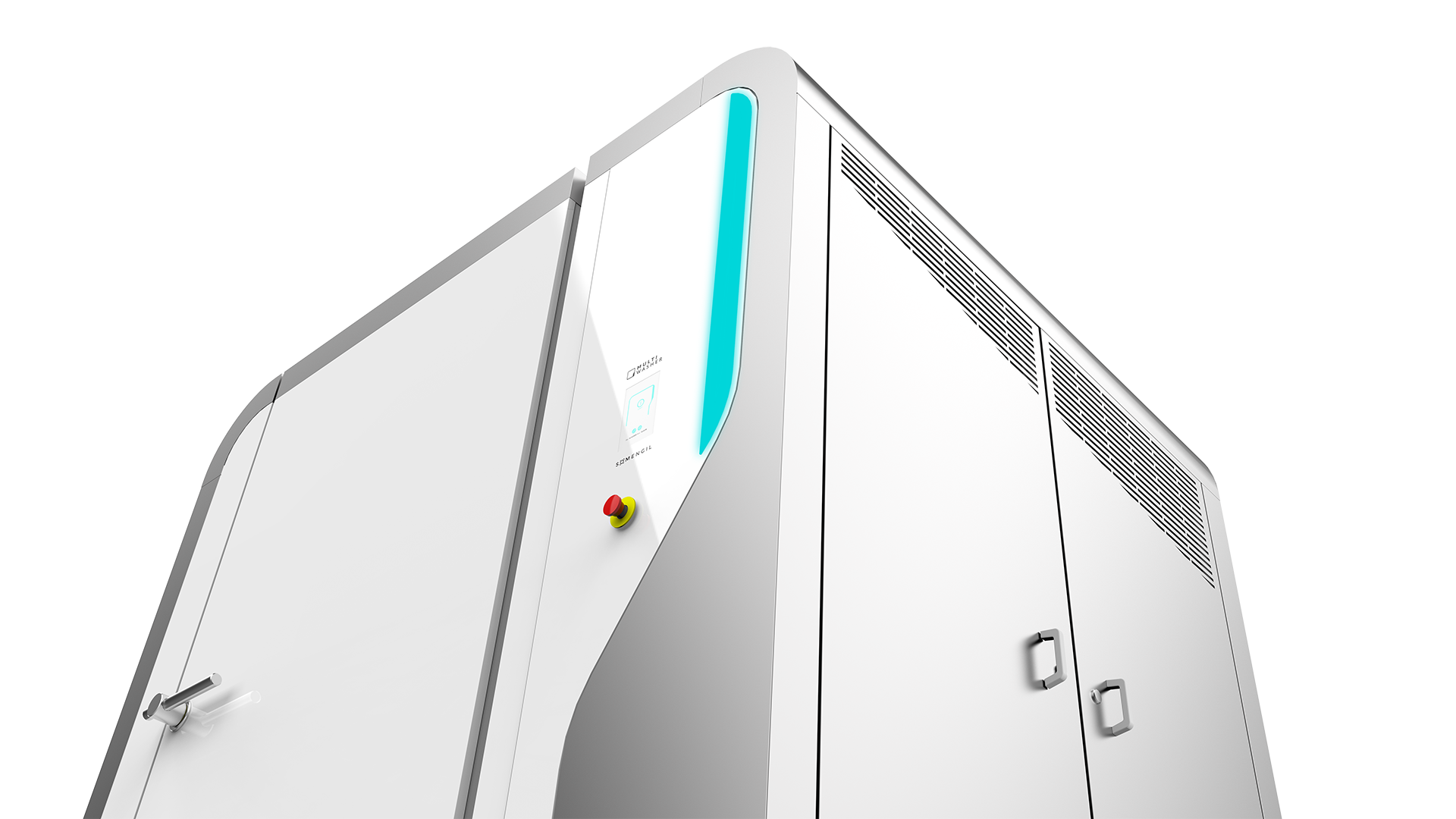
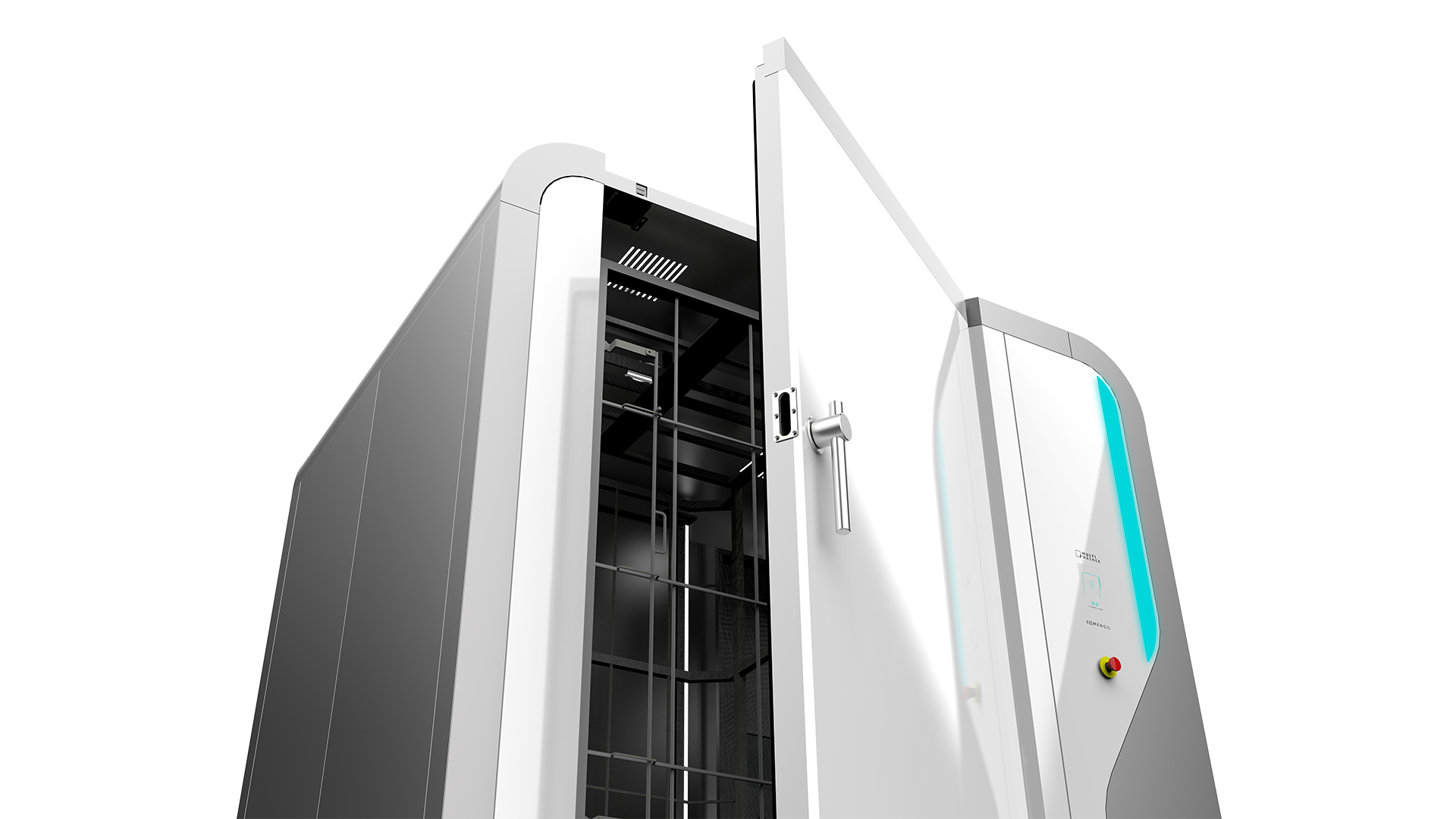
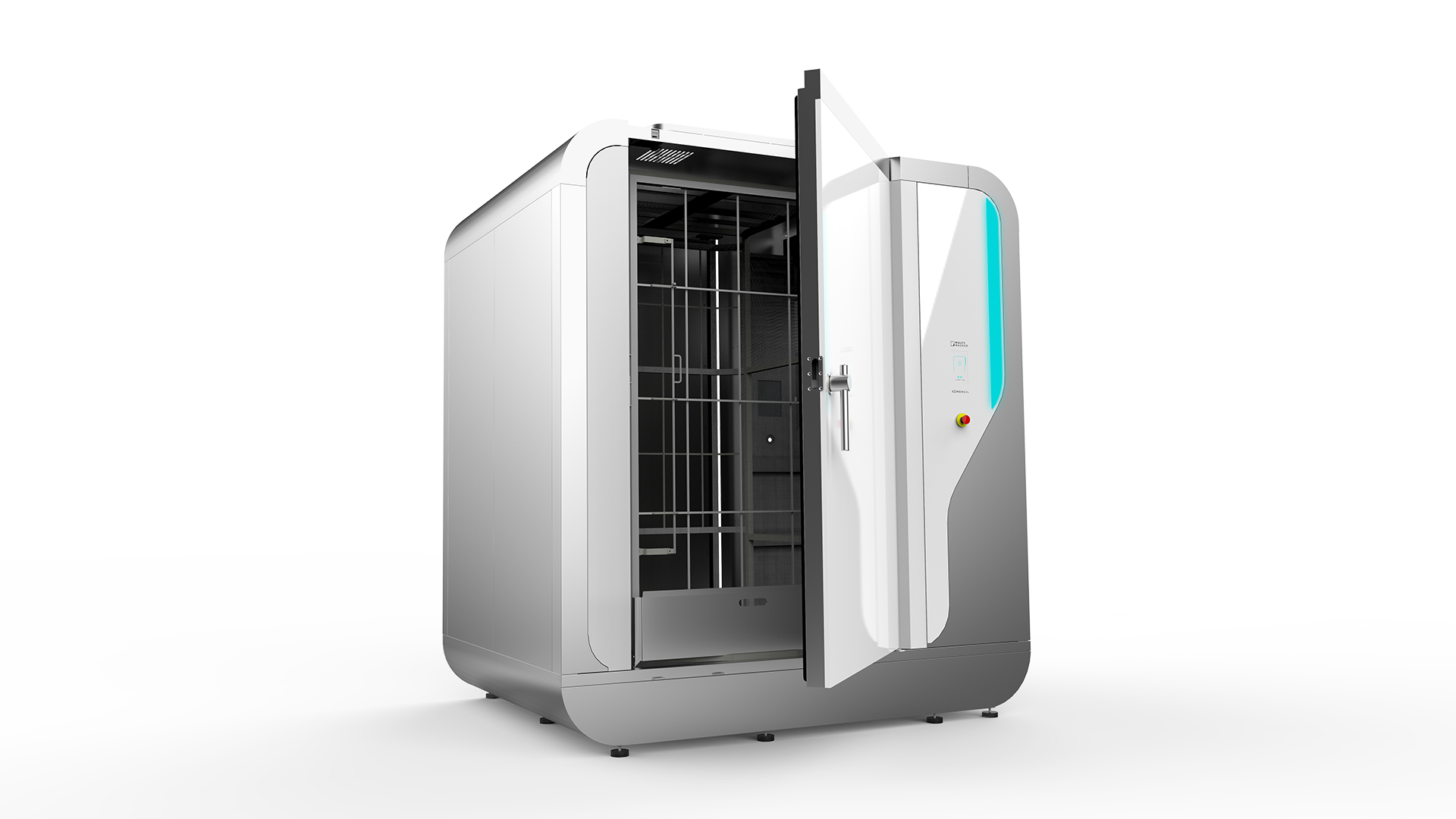
Meet the MultiWasher, the meat drying rack washer your business needs
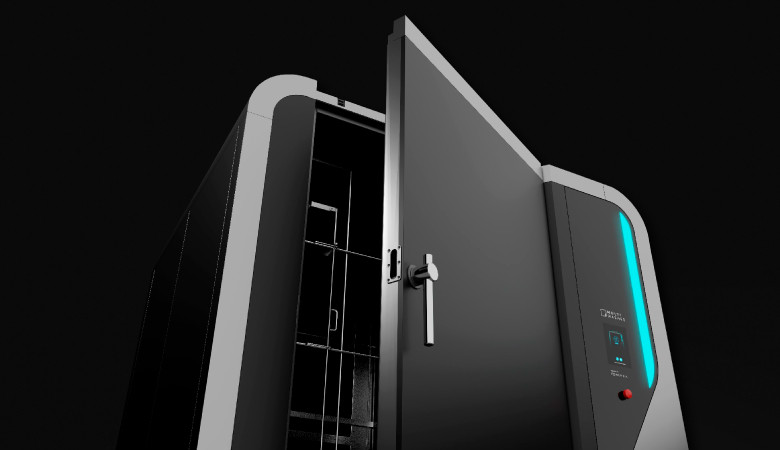
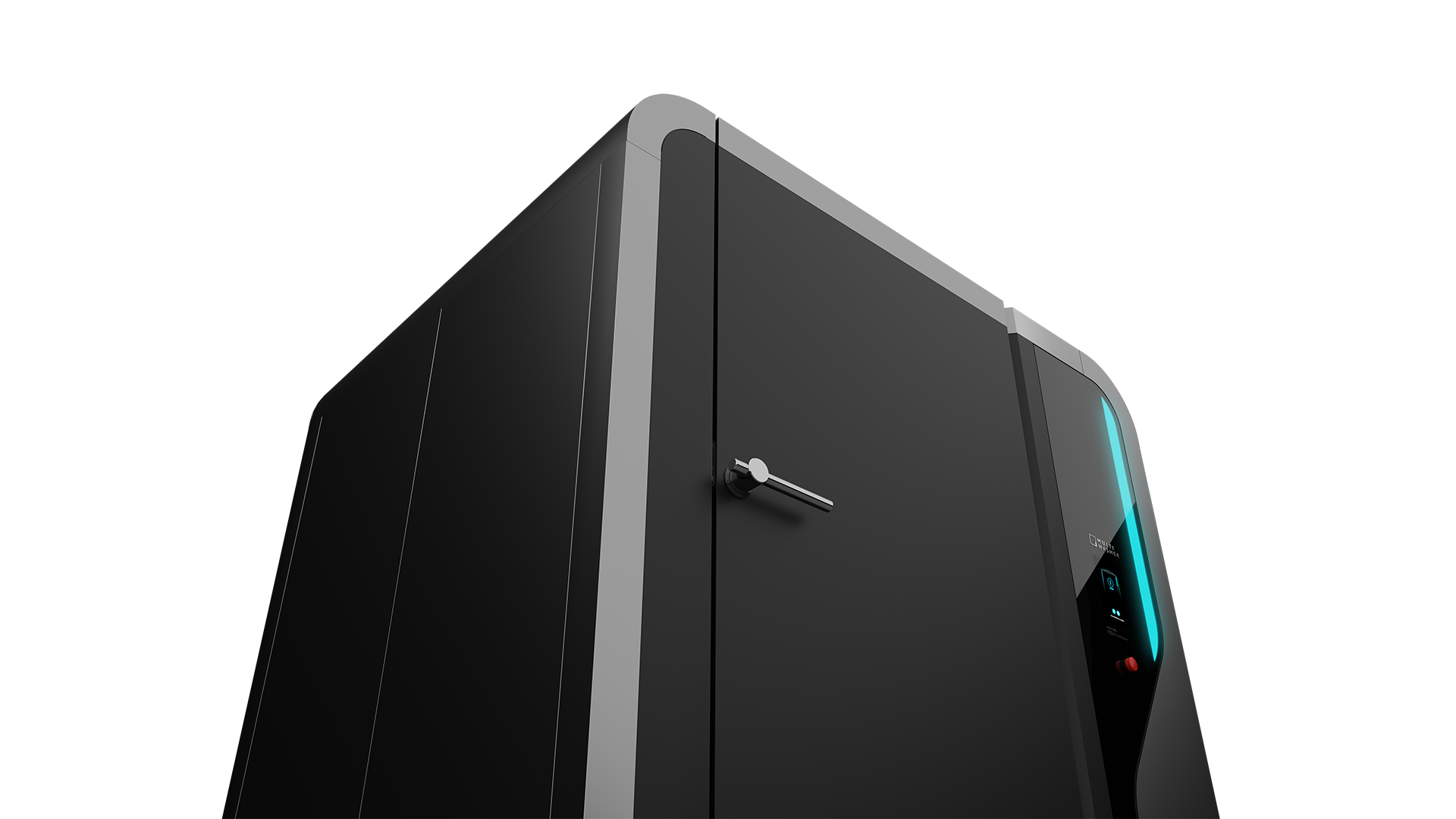
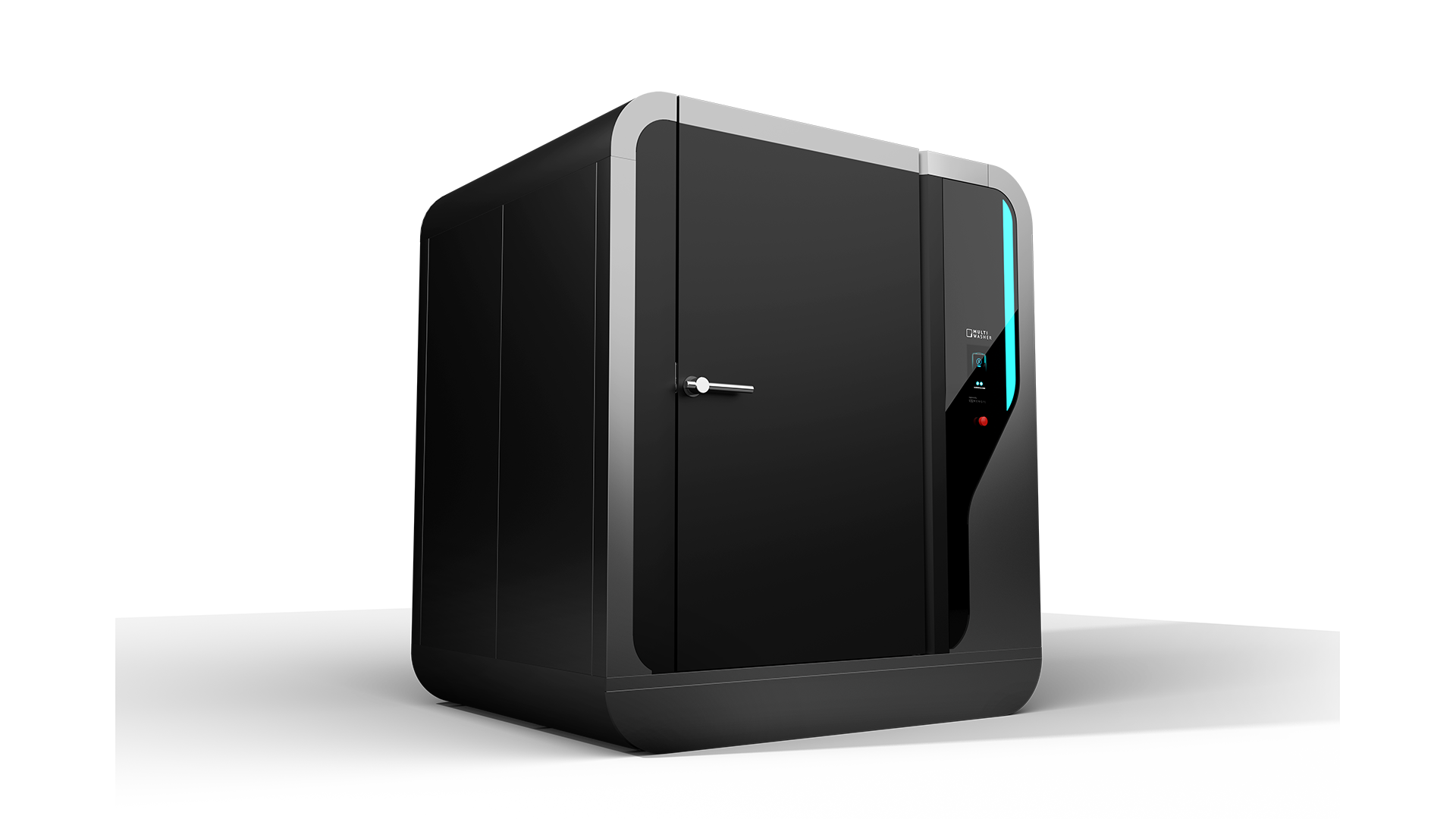
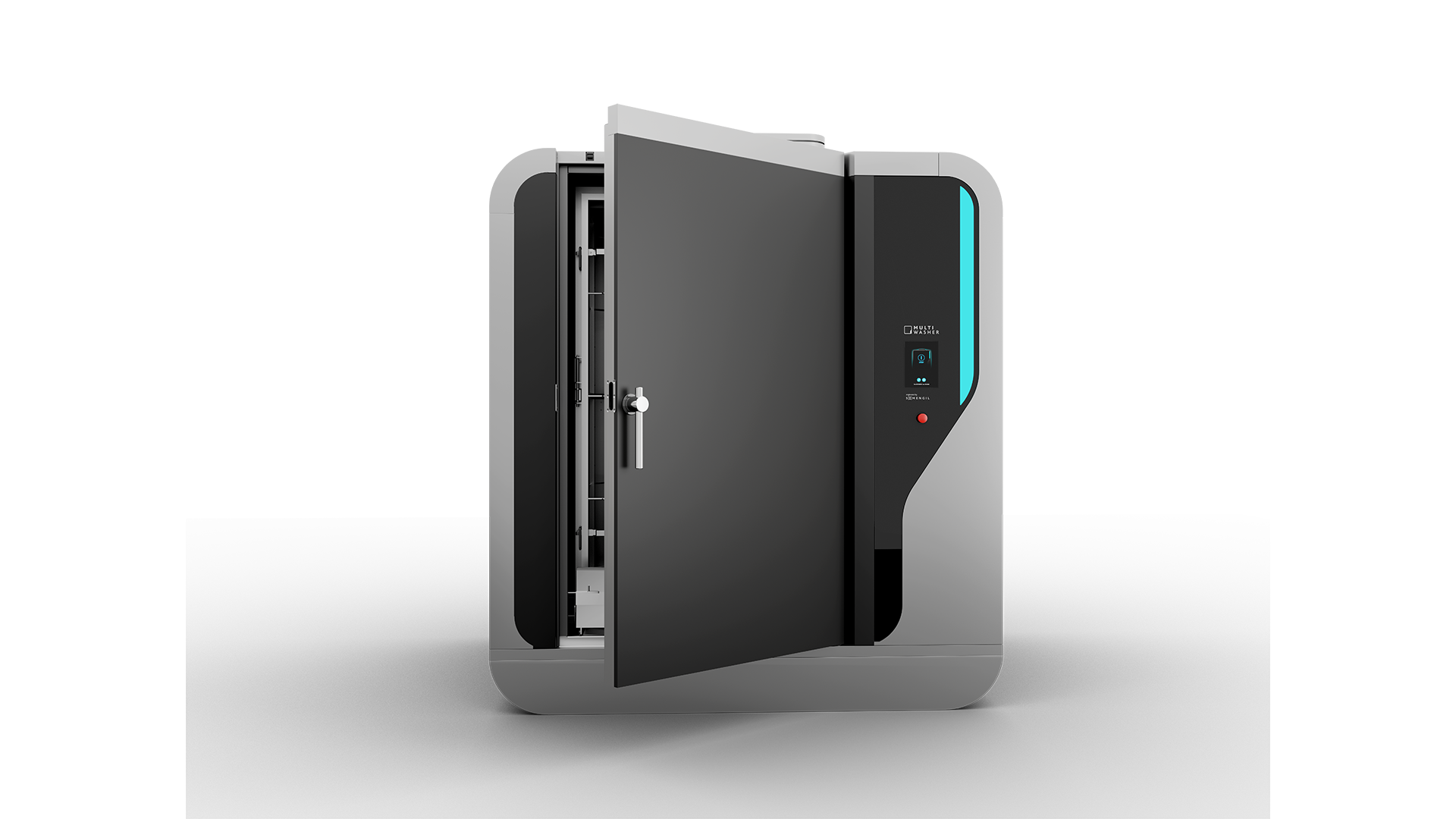
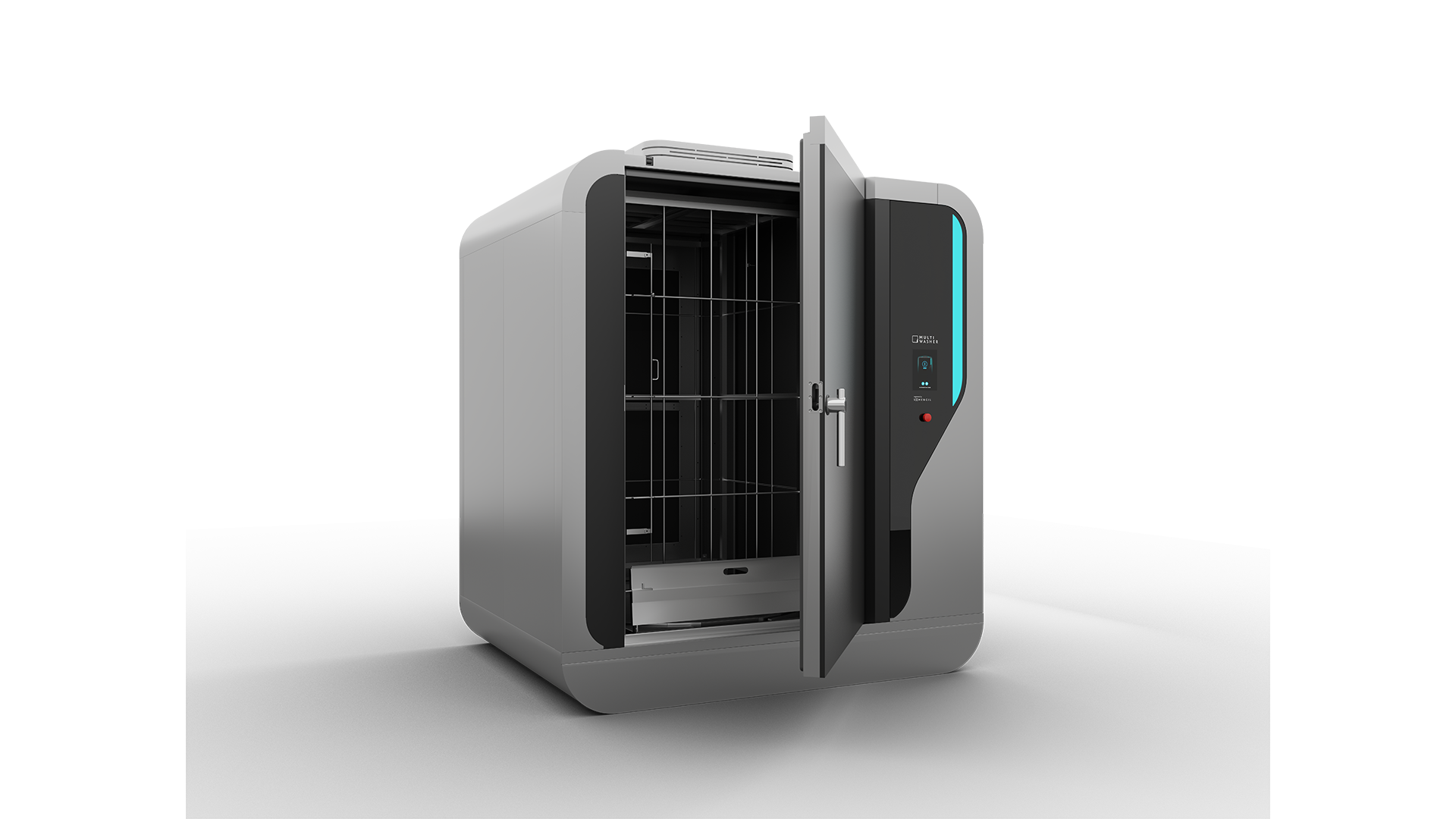
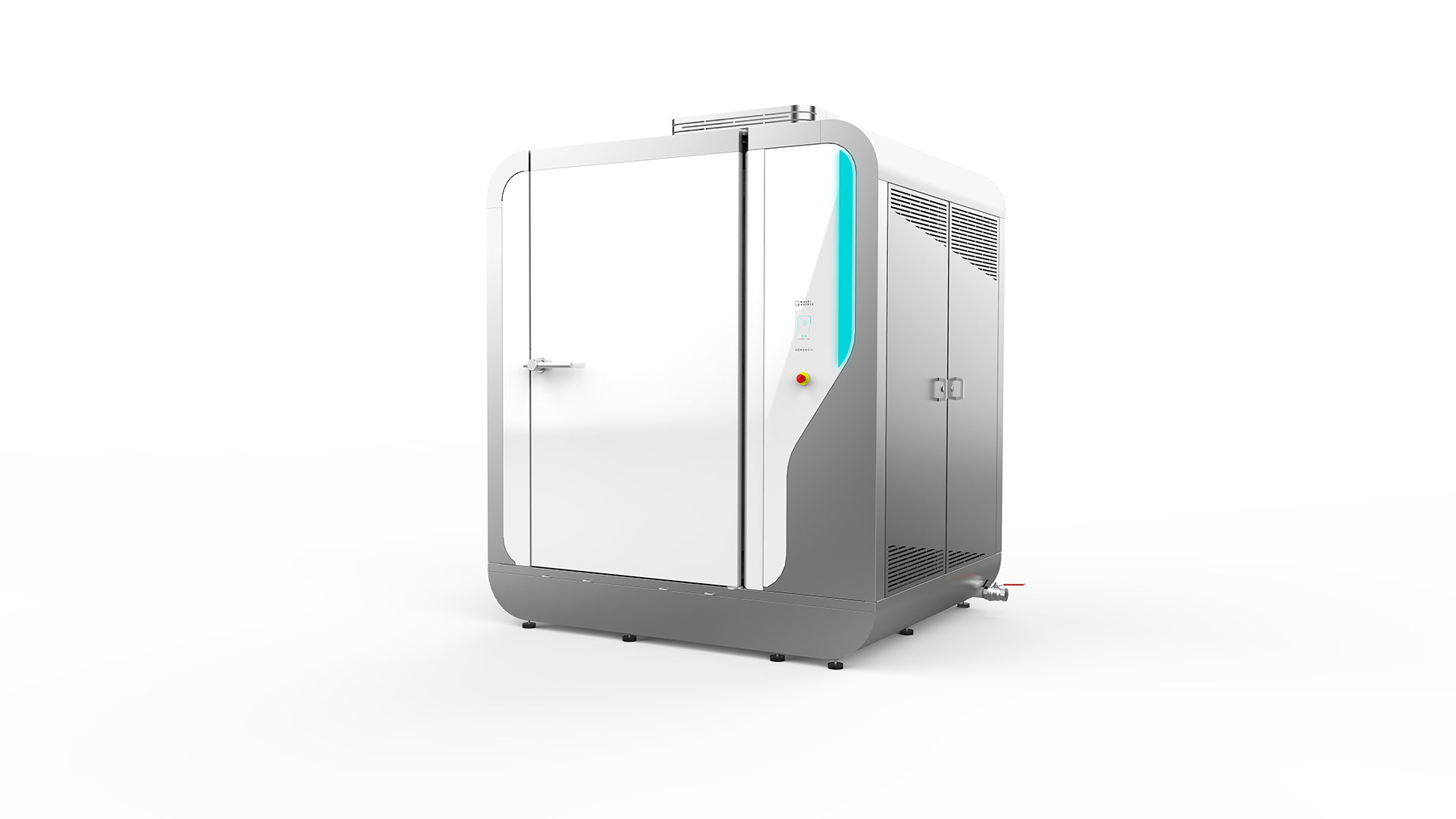
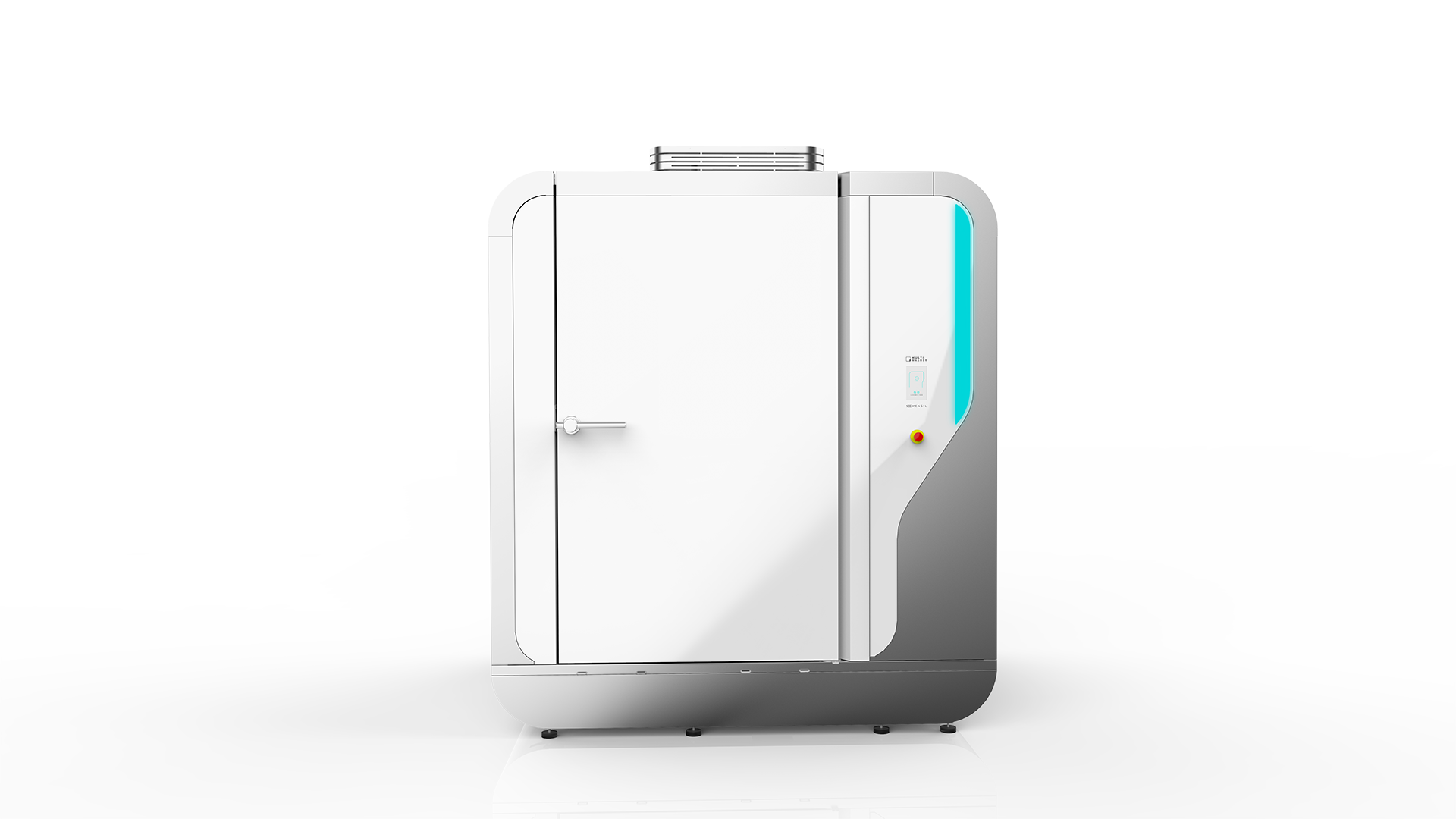
MultiWasher is engineered to handle the toughest washing challenges in meat processing, removing dried residues efficiently without damaging your racks. Its precise combination of pressure, temperature, and targeted spray ensures every corner is spotless, raising your hygiene standards and protecting your brand reputation.
By automating what is usually a time-consuming manual task, MultiWasher saves valuable labor hours and cuts operational costs. Its flexible design adapts smoothly to different facility sizes and workflows, making integration seamless and hassle-free.
Built with durable materials and supported by expert service from Somengil, MultiWasher is a reliable partner that boosts efficiency, safety, and compliance in your daily operations.
Want to see how MultiWasher fits into your operation? Reach out. We’re here to help.
You may also like
Industrial washing / Articles
How to choose cage washers
If you’re not using a cage washer yet, it’s time to level up and let automation take over. Discover how it works and how to choose one.
Posted in 2024-11-29

Industrial washing / Articles
Hotel crockery: the definitive procurement guide
The choice of hotel crockery has implications for customer safety and the efficiency of kitchen crews. These are the most relevant factors to con...
Posted in 2026-08-31
Industrial washing / Articles
Rack washers: what is it, how it works and how to pick one
Discover how rack washers redefine industrial washing with powerful performance, ease of use, and cost-saving benefits. Learn how to choose the r...
Posted in 2024-10-31




 Portugal
 United Kingdom
 United States
 France
 Spain
Spain Germany
 Romania
 Italy
Italy Czech Republic
 Finland
 Hungary
 Slovakia
 Greece
 Lithuania
 South Korea
 Russia
 Saudi Arabia
 Poland
 Brasil
 Hebrew