Industrial washing / Articles
Mean Time to Repair: what is it and how to measure it
Learn how Mean Time to Repair (MTTR) reveals recovery blockages and helps reduce downtime in industrial operations.

 6 minutes of reading
2025-12-19 20:31:28
Think about what happened the last time a machine broke down in your plant. How much time did you spend diagnosing, accessing, cleaning, fixing, testing – all while orders got delayed?
Mean Time to Repair puts a spotlight on that often-overlooked window. It shows how prepared your operation is to recover under pressure, and which design or process choices make recovery harder than it needs to be. Once you start paying attention to MTTR, downtime starts becoming manageable.
What is Mean Time to Repair?
Mean Time to Repair (MTTR) is the average time required to restore equipment to full operation after a failure occurs. It includes diagnosis, intervention, repair or replacement, testing, and restart. In short, MTTR tells you how quickly your operation can recover when something goes wrong.
While Mean Time Between Failures focuses on how often failures happen, MTTR focuses on what happens after they do. Together, they define how disruptive a failure truly is.
How to calculate Mean Time to Repair?
At its core, MTTR answers a simple question: when something fails, how long does it really take to get back to normal? Calculating it correctly requires clarity and consistency more than complex math.
Here’s a simple formula:
Mean Time to Repair = Total Repair Time / Number of Repairs
In practice, this means summing all the time spent restoring equipment after failures and dividing it by the number of repair events.
But to get the full picture, you need to follow a few simple rules:
- Define when repair time starts. Repair time begins the moment the equipment can no longer perform its function, not when a technician arrives. This captures the real operational impact.
- Define when repair time ends. Repair time ends when the equipment is fully operational and ready to resume production, including testing and restart. Partial functionality doesn’t count.
- Include all activities required to restore operation. Mean Time to Repair should reflect reality, so include fault diagnosis, access and disassembly, cleaning, repair or part replacement and reassembly, testing and restart
- Count repair events consistently. One failure followed by multiple interventions still counts as one repair. Avoid inflating the number of repairs with secondary actions.
- Apply the formula. Divide the total repair time by the nu.mber of repair events. The result is your MTTR, typically expressed in hours.
Why Mean Time to Repair matters
When failures happen, the real cost is often not just machine parts– it’s how long it takes to recover. Mean Time to Repair exposes the speed, discipline and readiness of your operation when things don’t go as planned.
It defines how disruptive a failure really is
A short MTTR means that a breakdown is no more of a brief interruption. A long one turns the same fault into lost shifts, delayed orders and mounting operational pressure.
It directly shapes availability and throughput
Even with a strong MTBF, slow recovery erodes uptime. MTTR is often the fastest lever to pull when availability starts slipping.
It reveals friction hidden in design and processes
Long repair times usually point to poor access, excessive contamination or unclear procedures. Mean Time to Repair highlights where systems make recovery harder than it needs to be.
It improves planning under real conditions
Knowing average repair times allows teams to plan buffers, shifts and contingencies more realistically. That reduces last-minute decisions and limits knock-on effects across the line.
It strengthens cost control
Every extra hour of repair time compounds labour, energy and opportunity costs. Lower MTTR helps stabilise Opex by reducing overtime, emergency interventions and unplanned downtime.
Common mistakes teams make with Mean Time to Repair
When measured poorly, Mean Time to Repair creates a false sense of control instead of driving better decisions.
Starting the clock too late
Many teams begin counting repair time only when maintenance starts. This ignores diagnosis delays and coordination gaps that directly extend downtime.
Stopping the clock too early
Stopping the timer before testing and full restart understates the real recovery time is a common mistake. Equipment isn’t available until it can reliably return to production.
Averaging very different failure types
Mixing quick resets with complex mechanical repairs distorts Mean Time to Repair. The result is a number that hides where time is actually being lost.
Treating Mean Time to Repair as a people problem
Long repair times are often blamed on technicians. In reality, design complexity, poor access and contamination usually drive MTTR up.
Reduce your Mean Time to Repair with MultiWasher
Mean Time to Repair becomes truly meaningful when it reflects what recovery looks like in real operating conditions. When you track it properly, you start to see where time is really lost: access that’s more difficult than it should be, residues that slow down diagnosis, or washing processes that add unnecessary complexity every time intervention is needed.
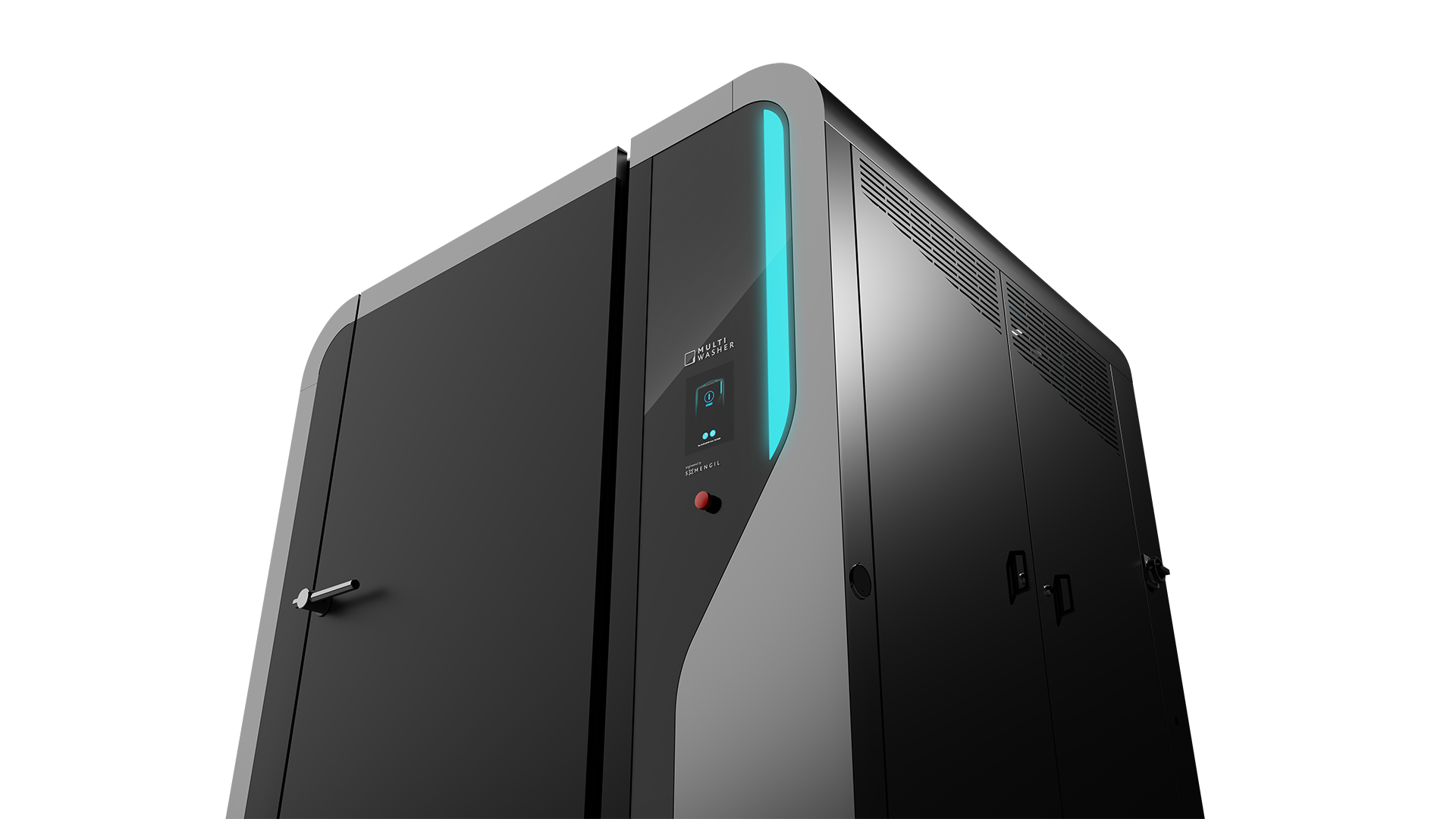
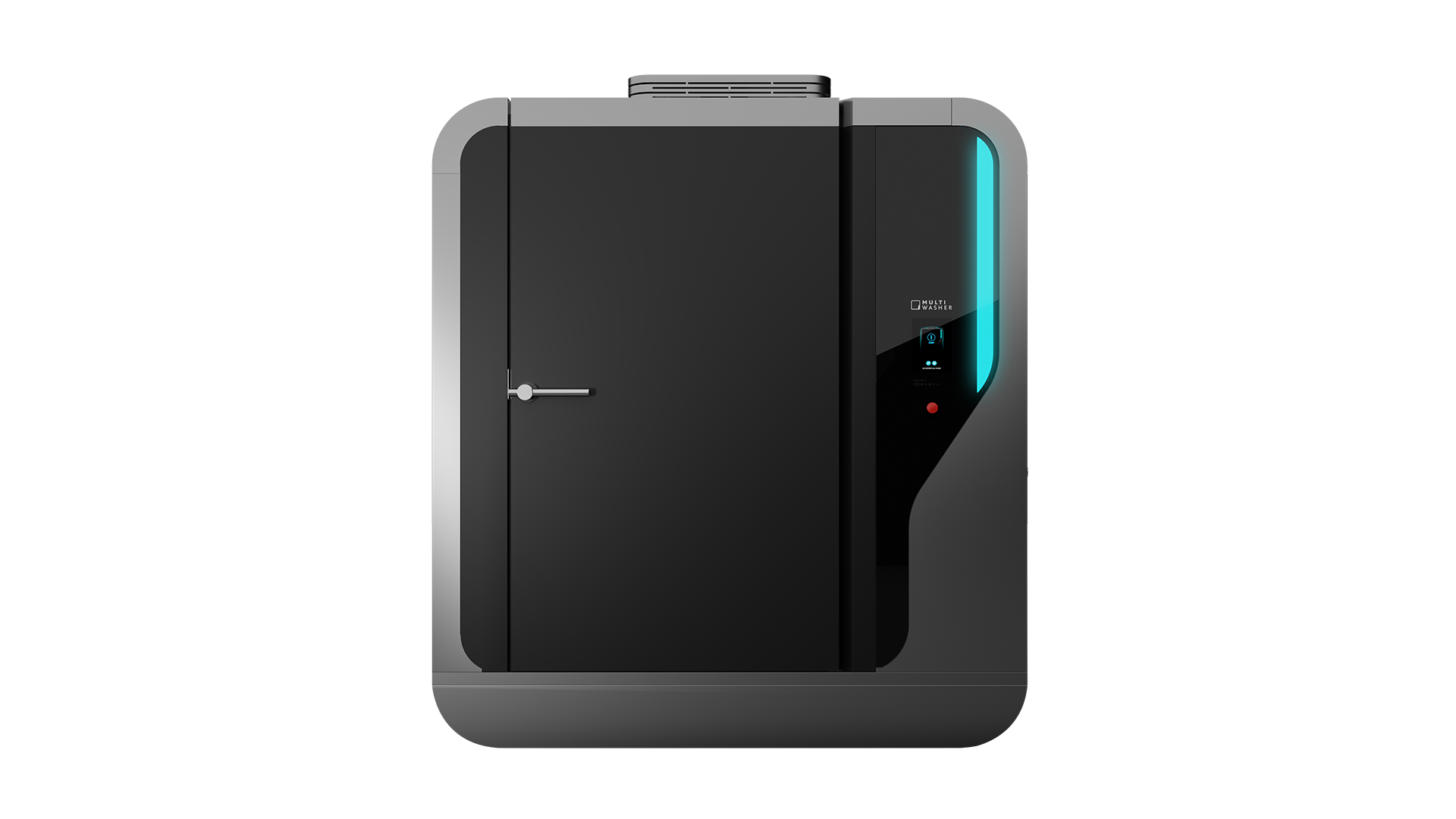
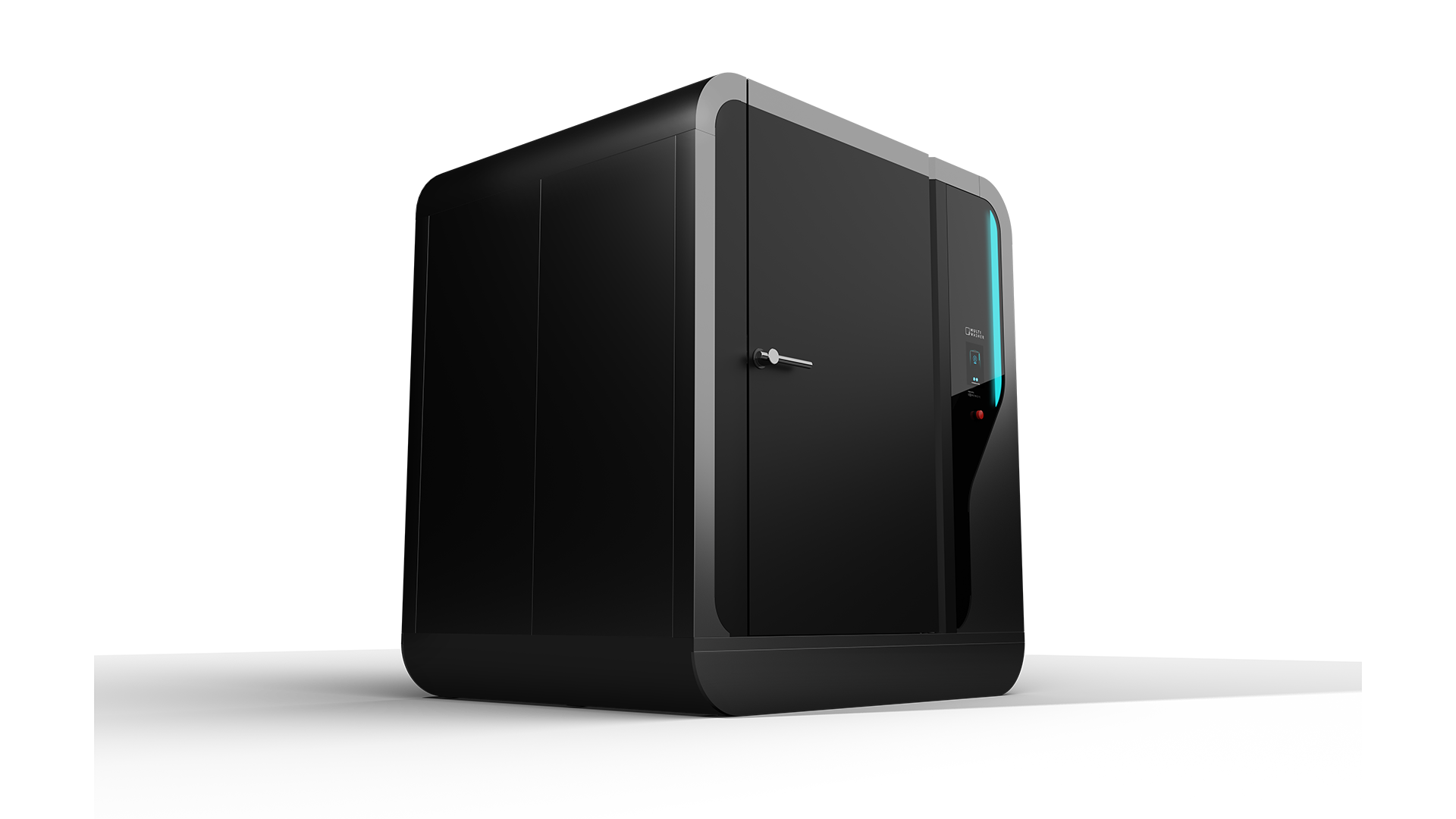
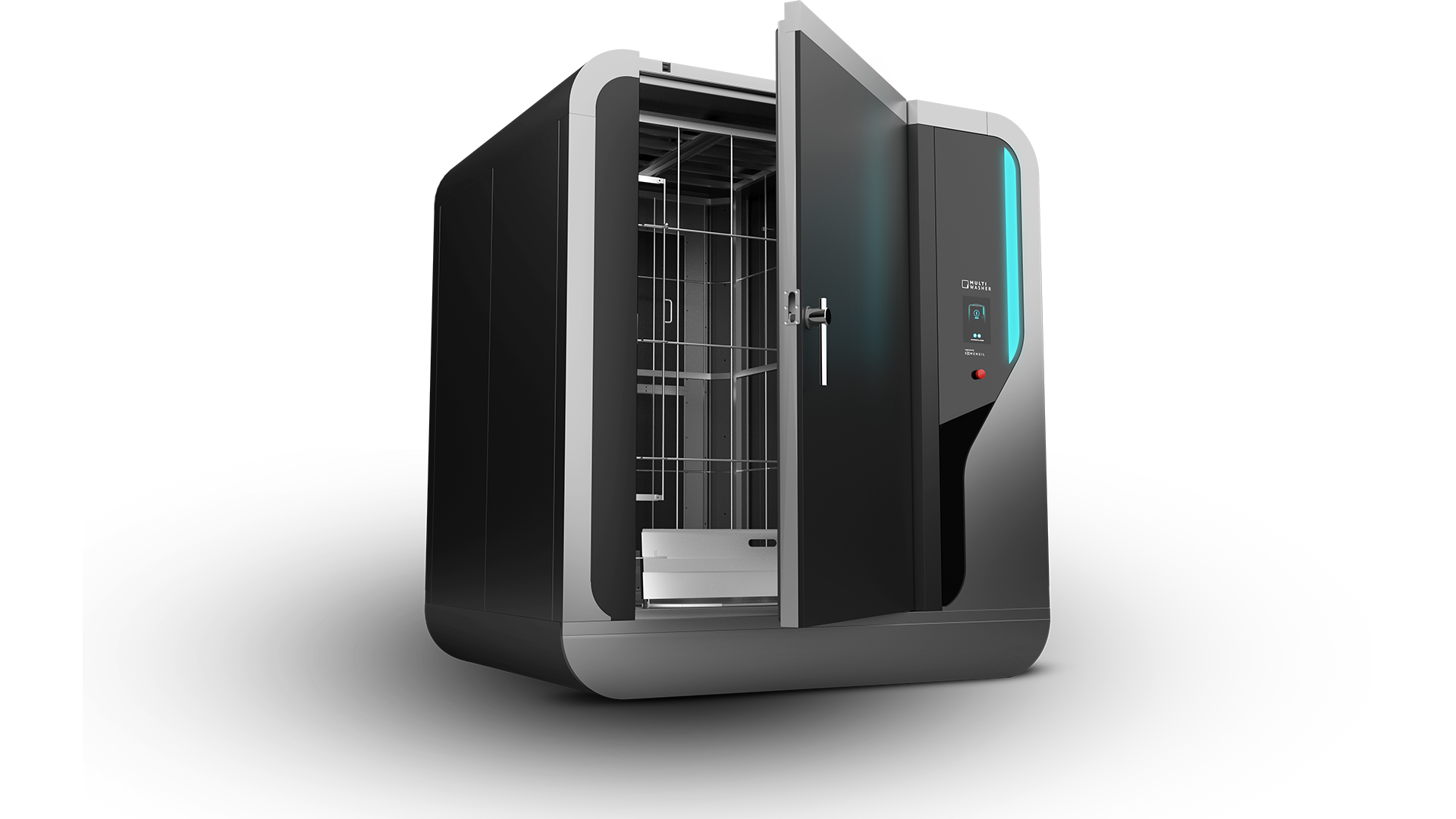
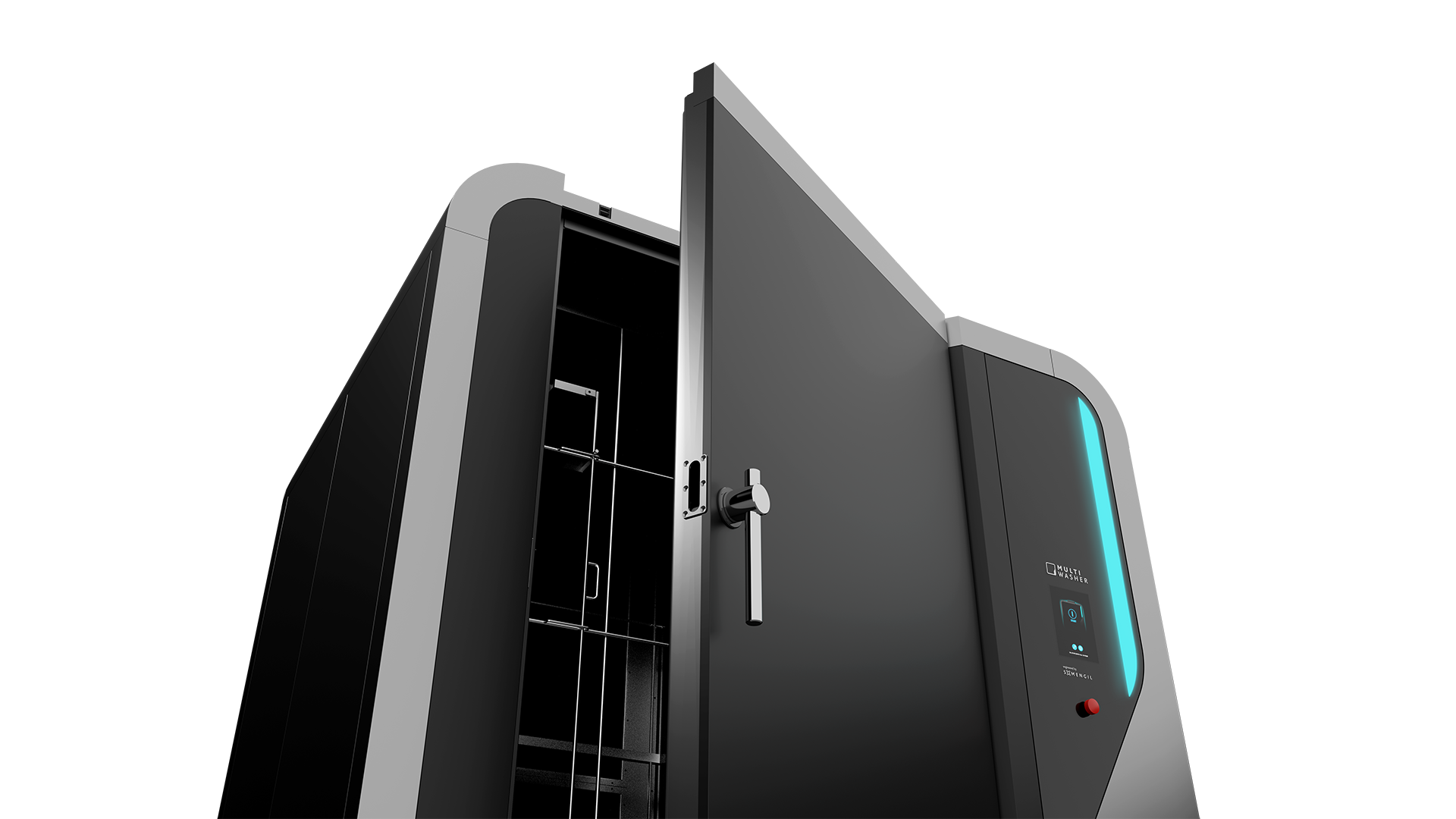
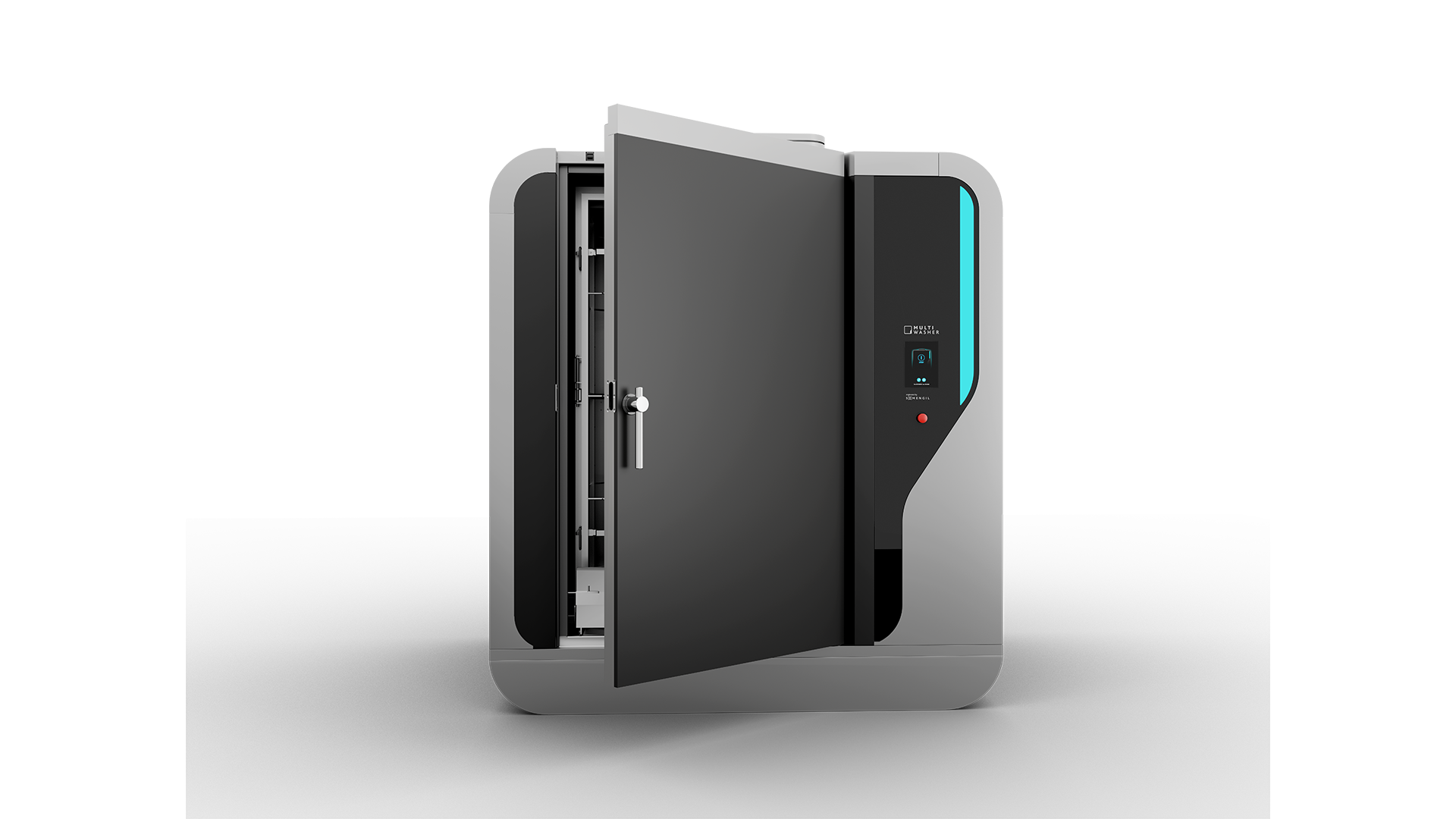
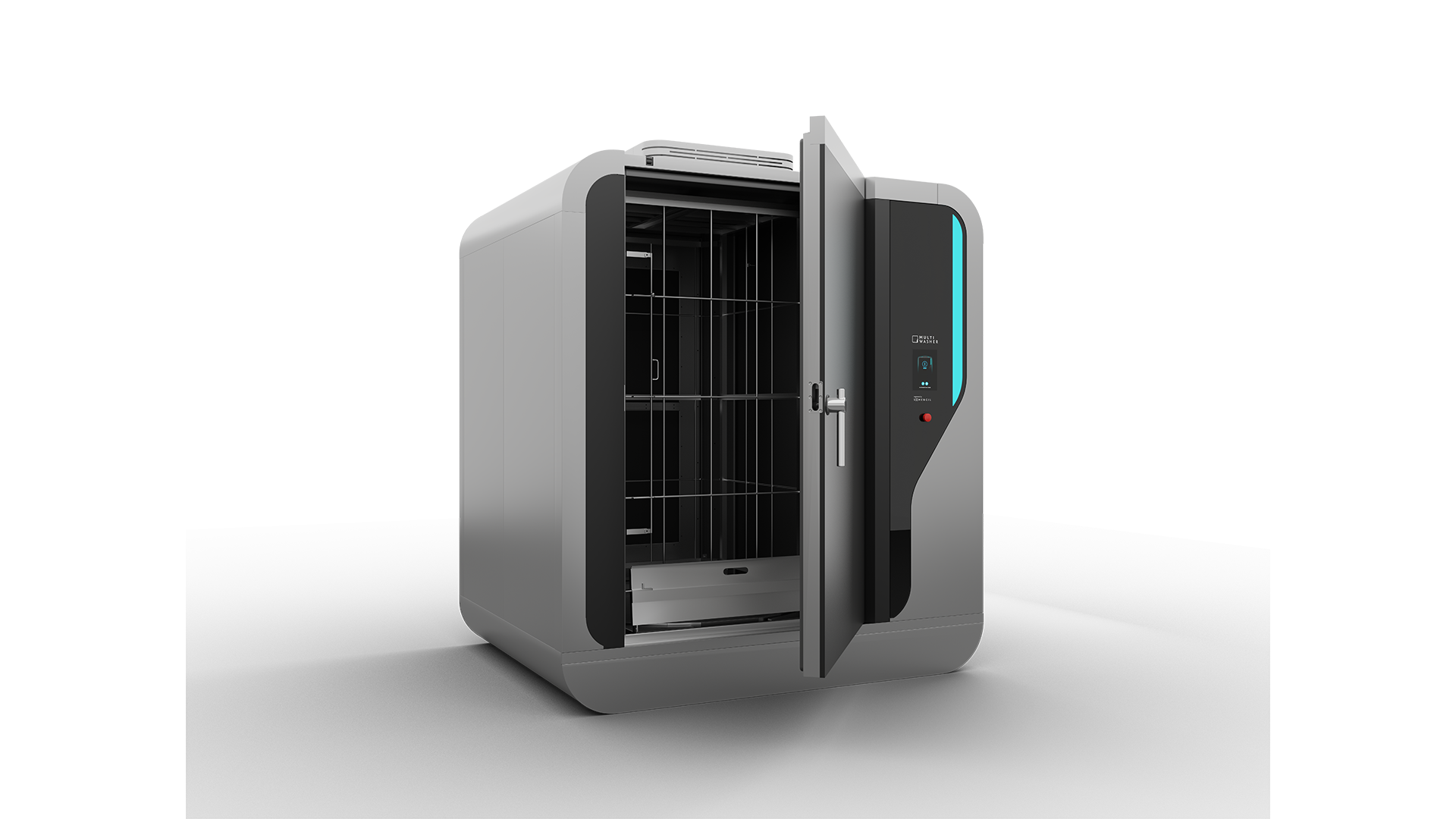
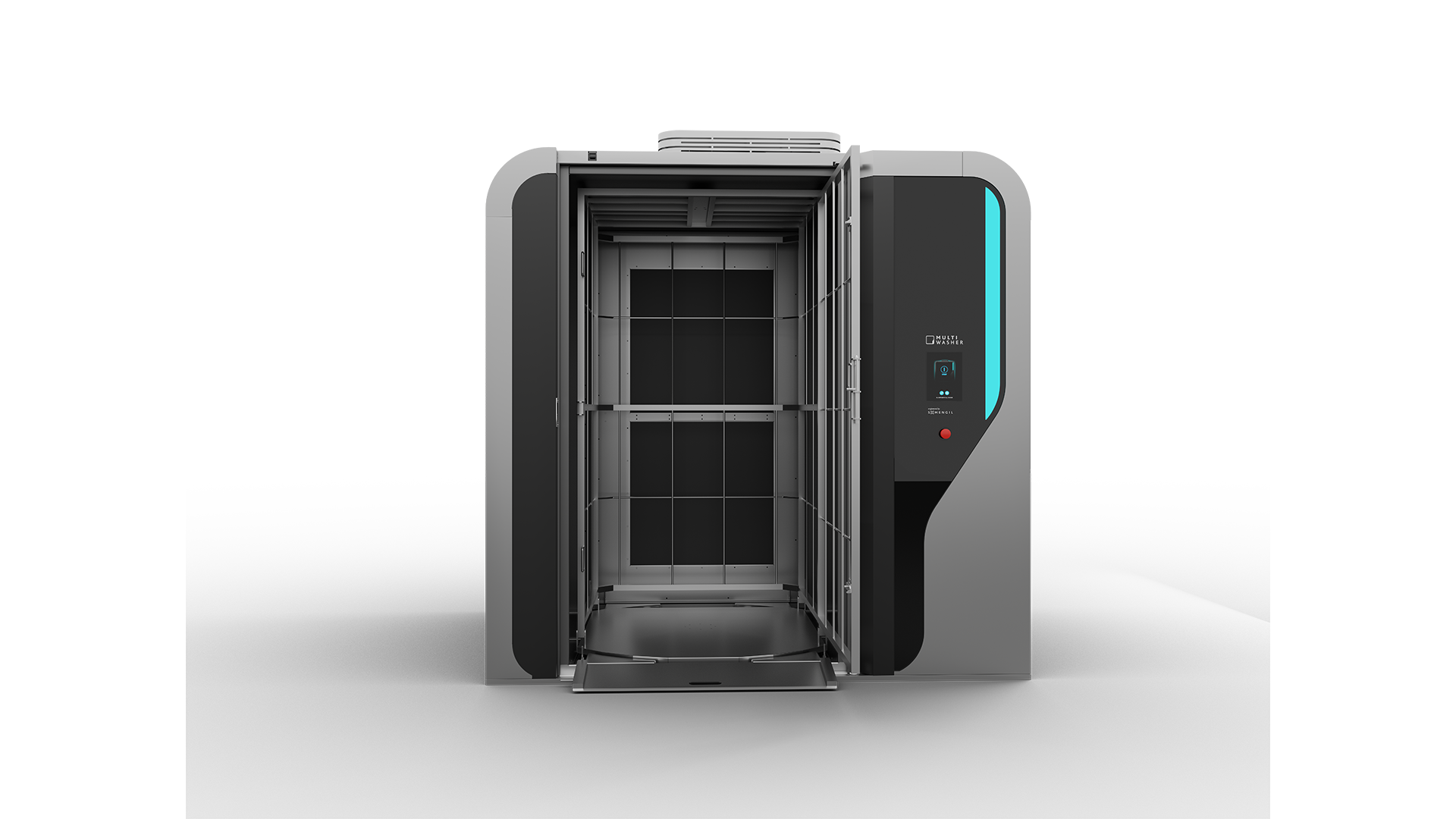
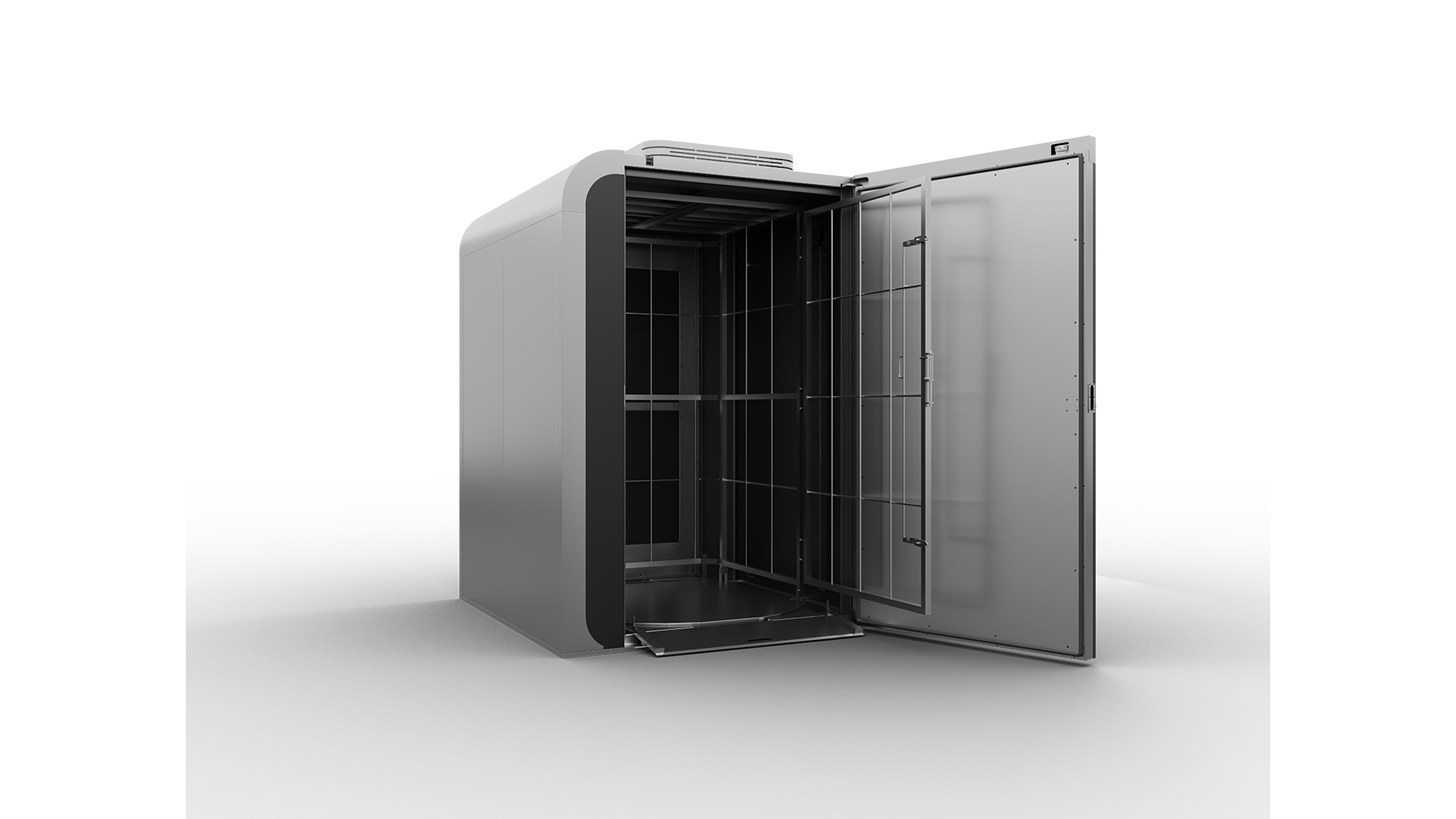
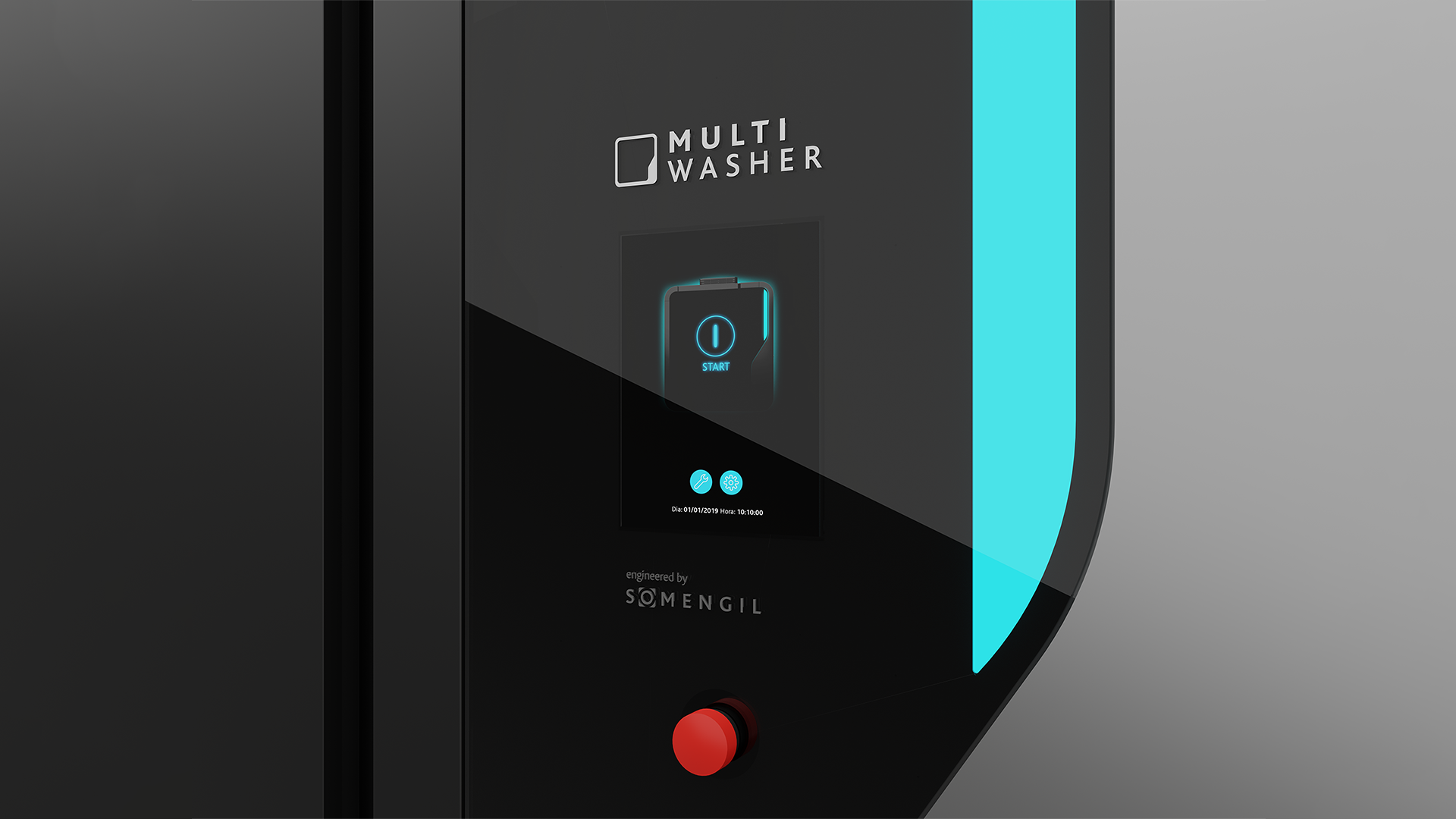
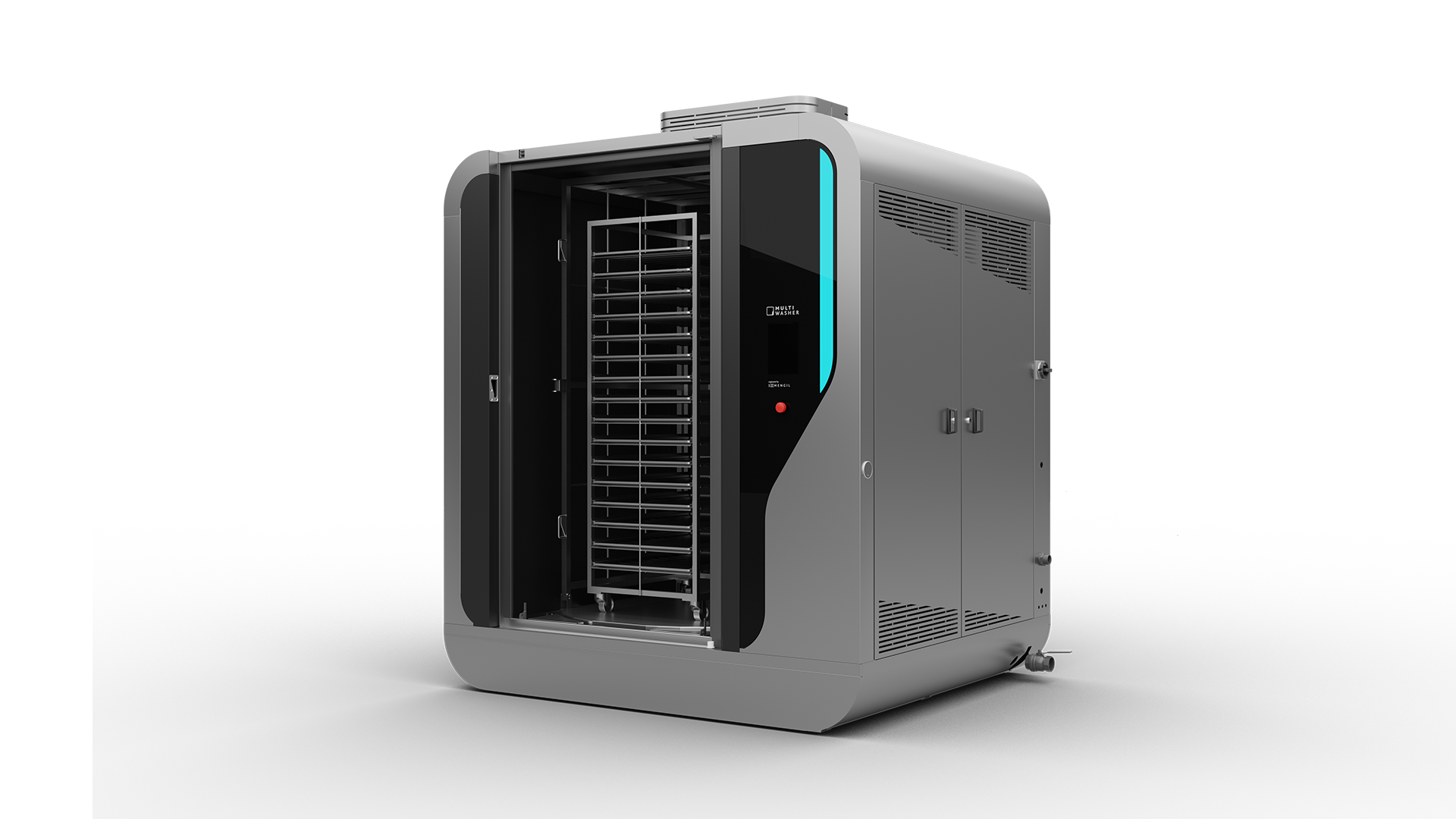
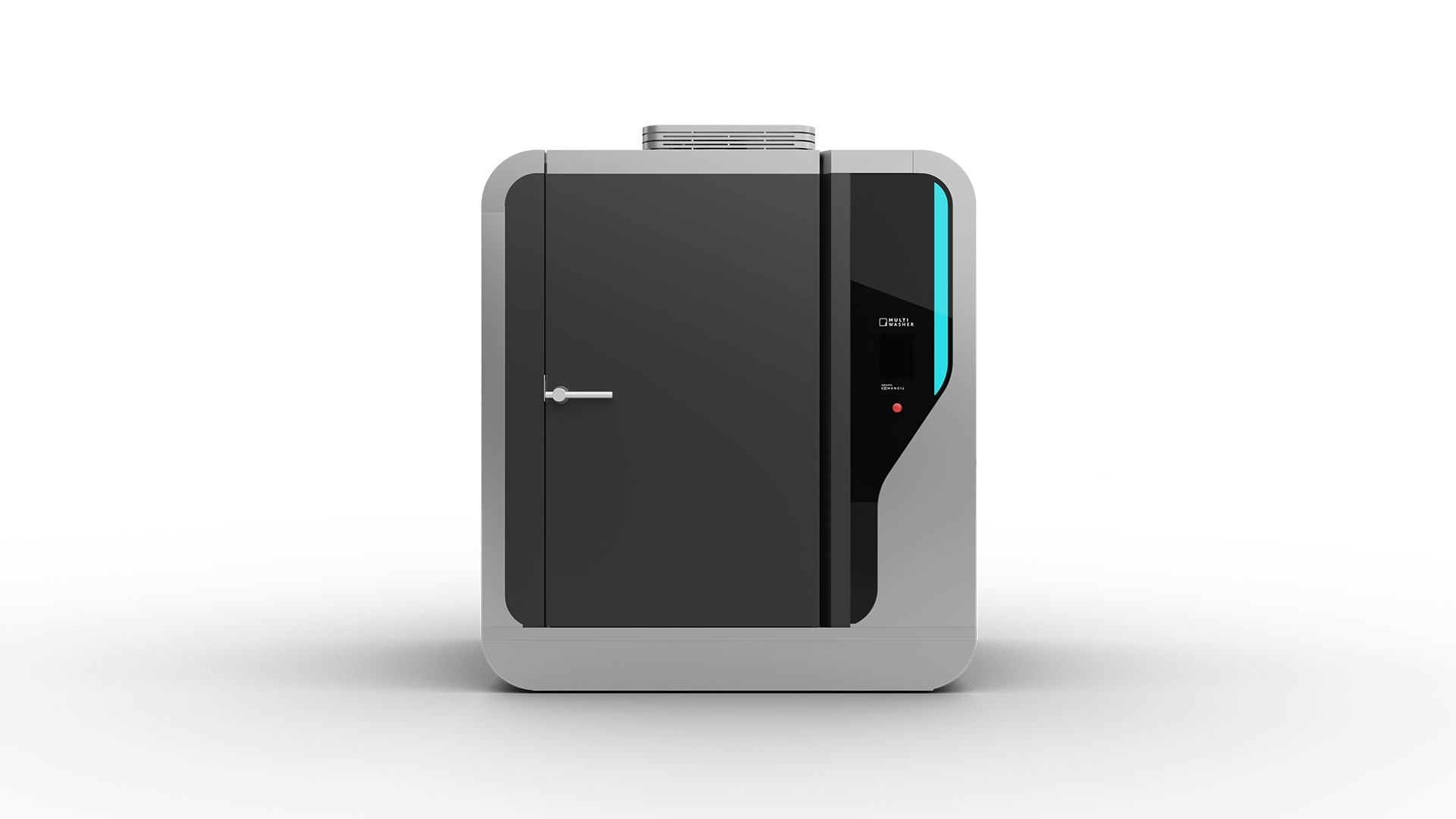
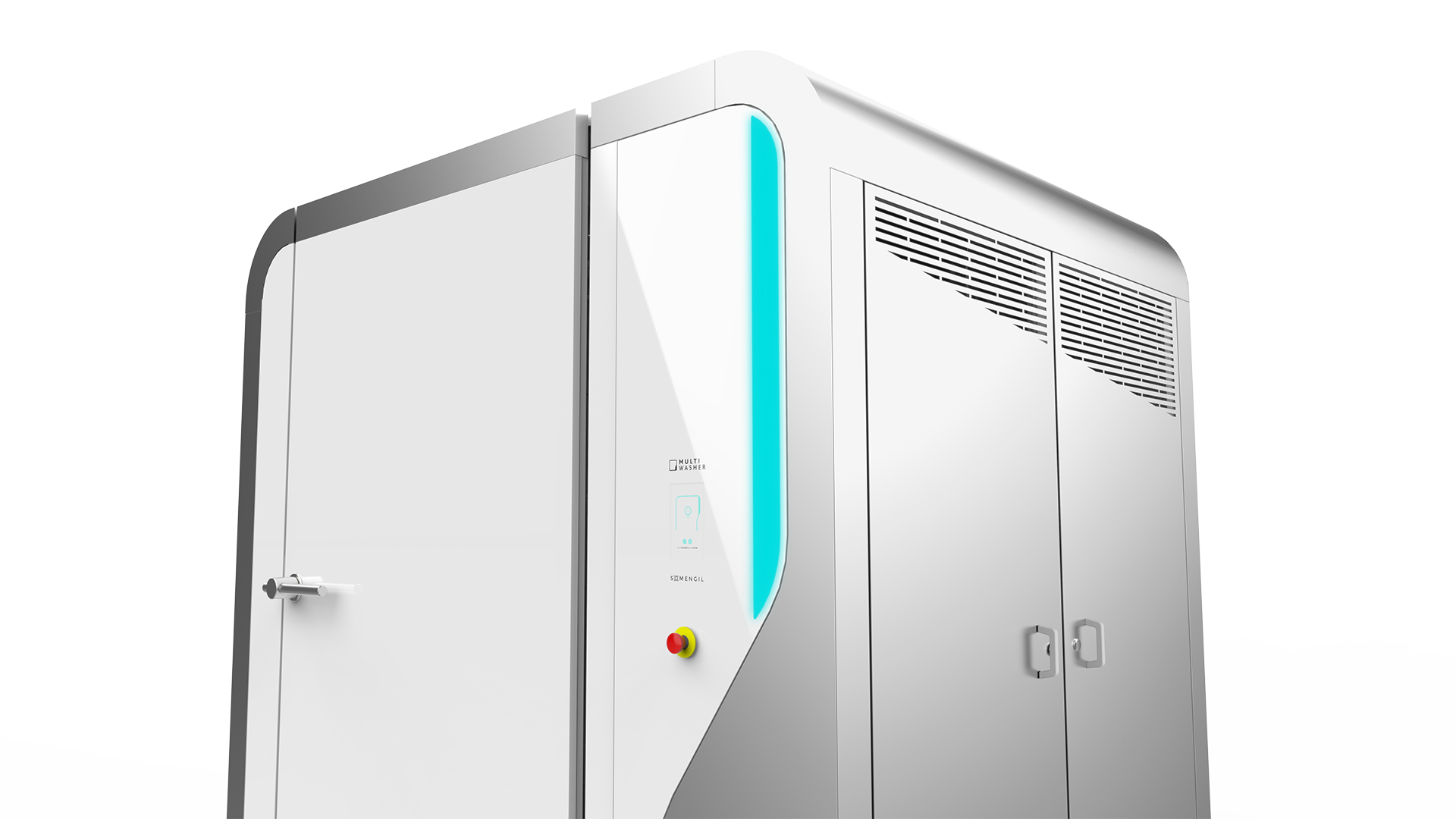
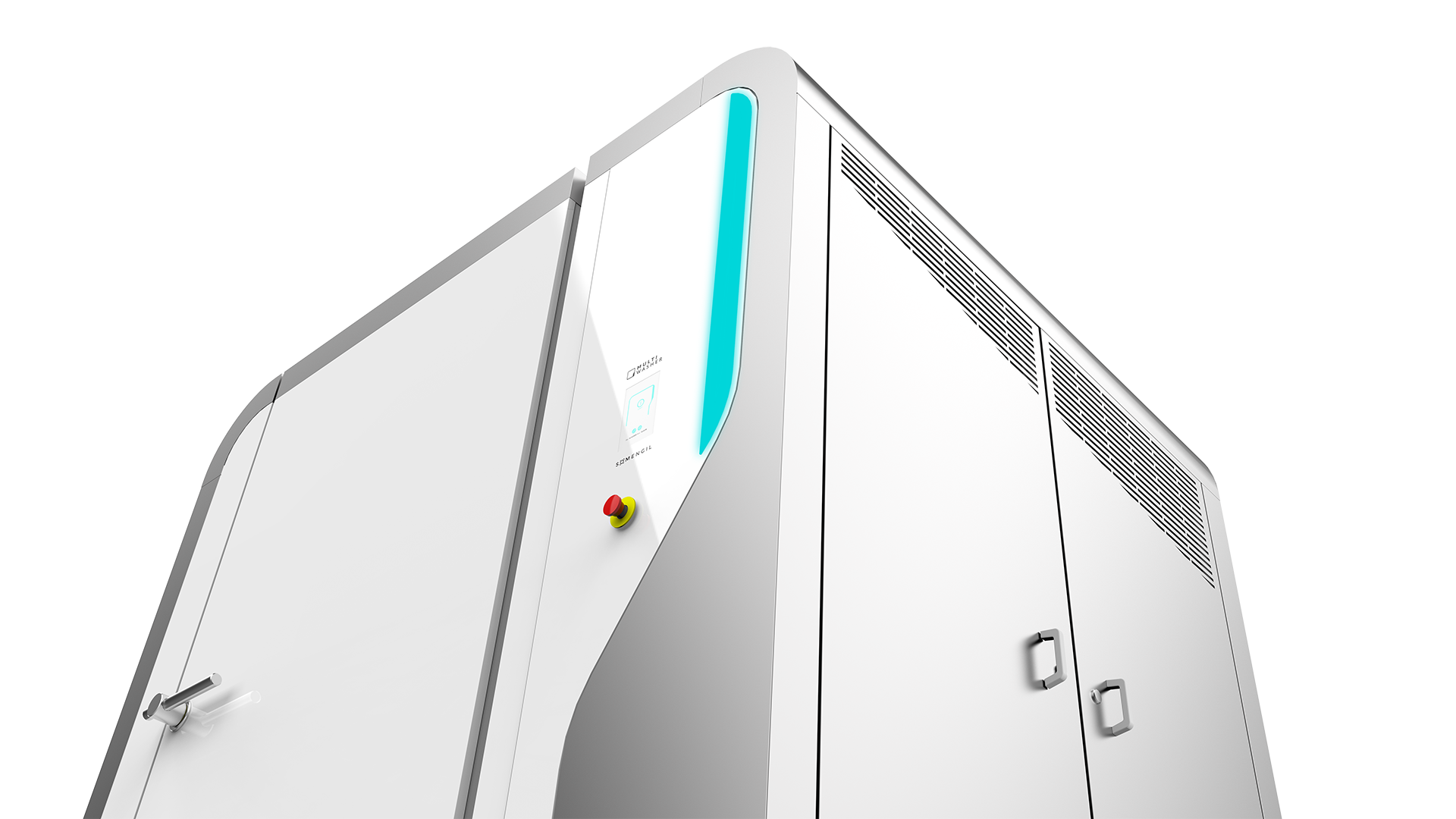
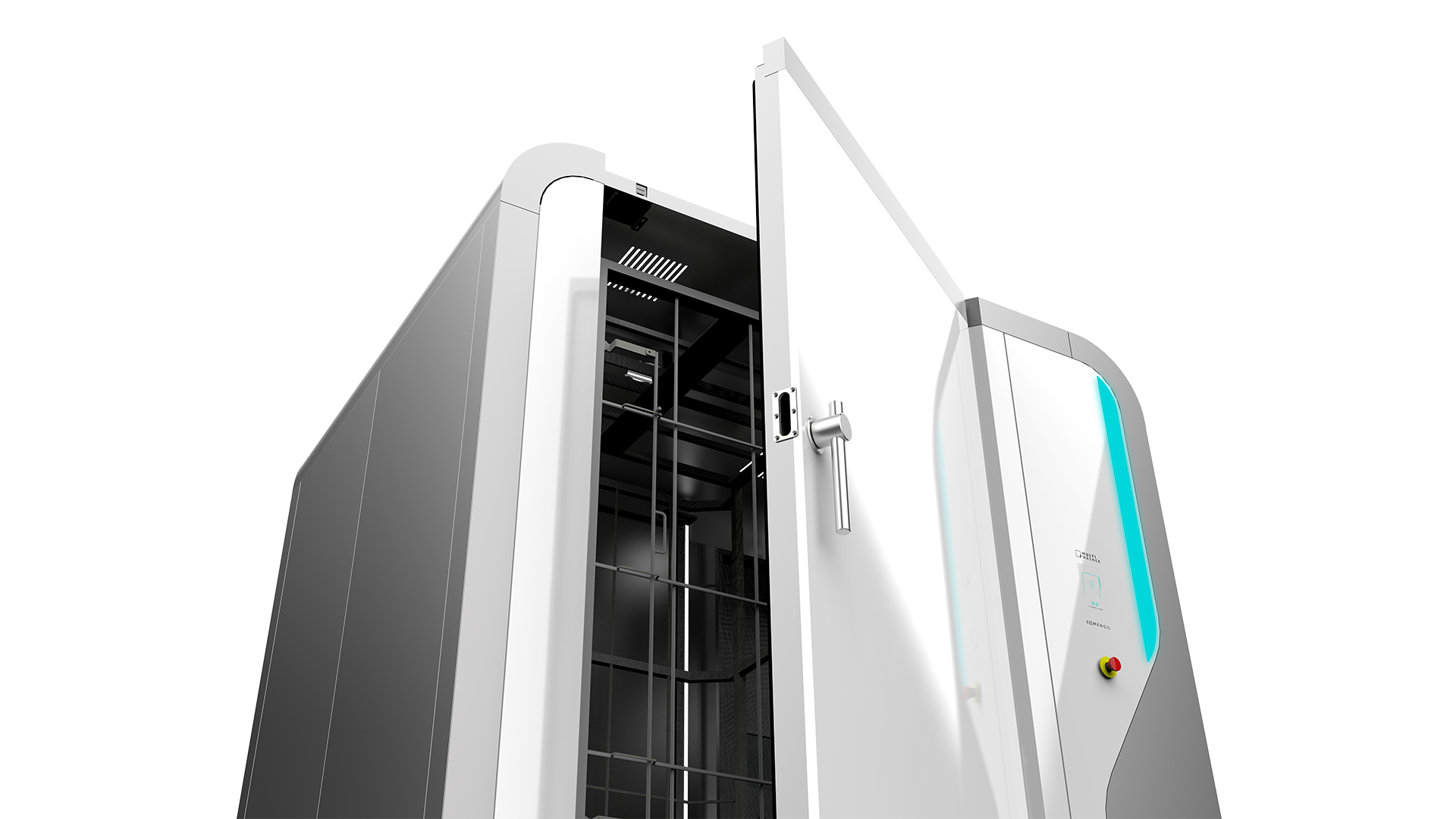
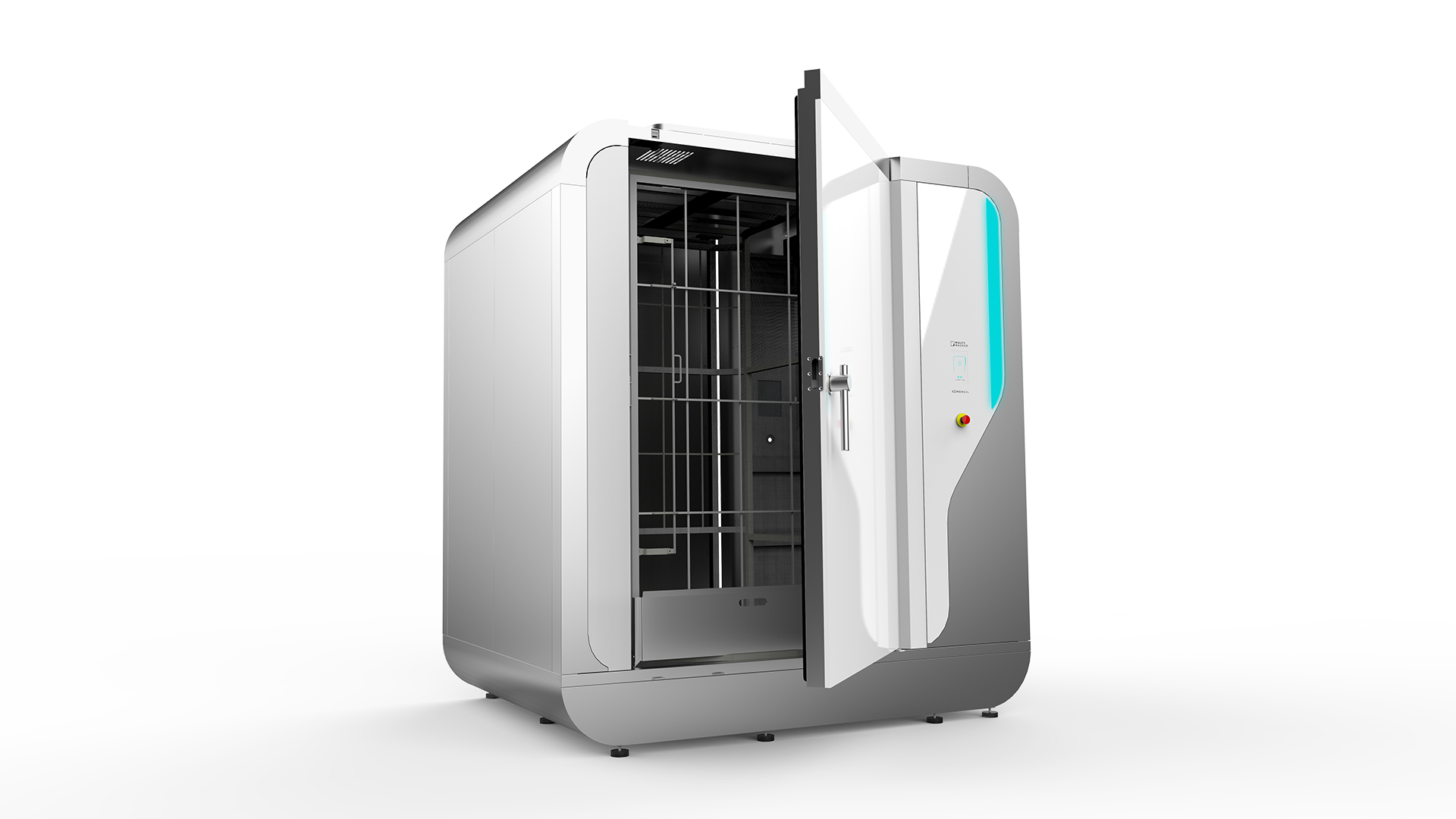
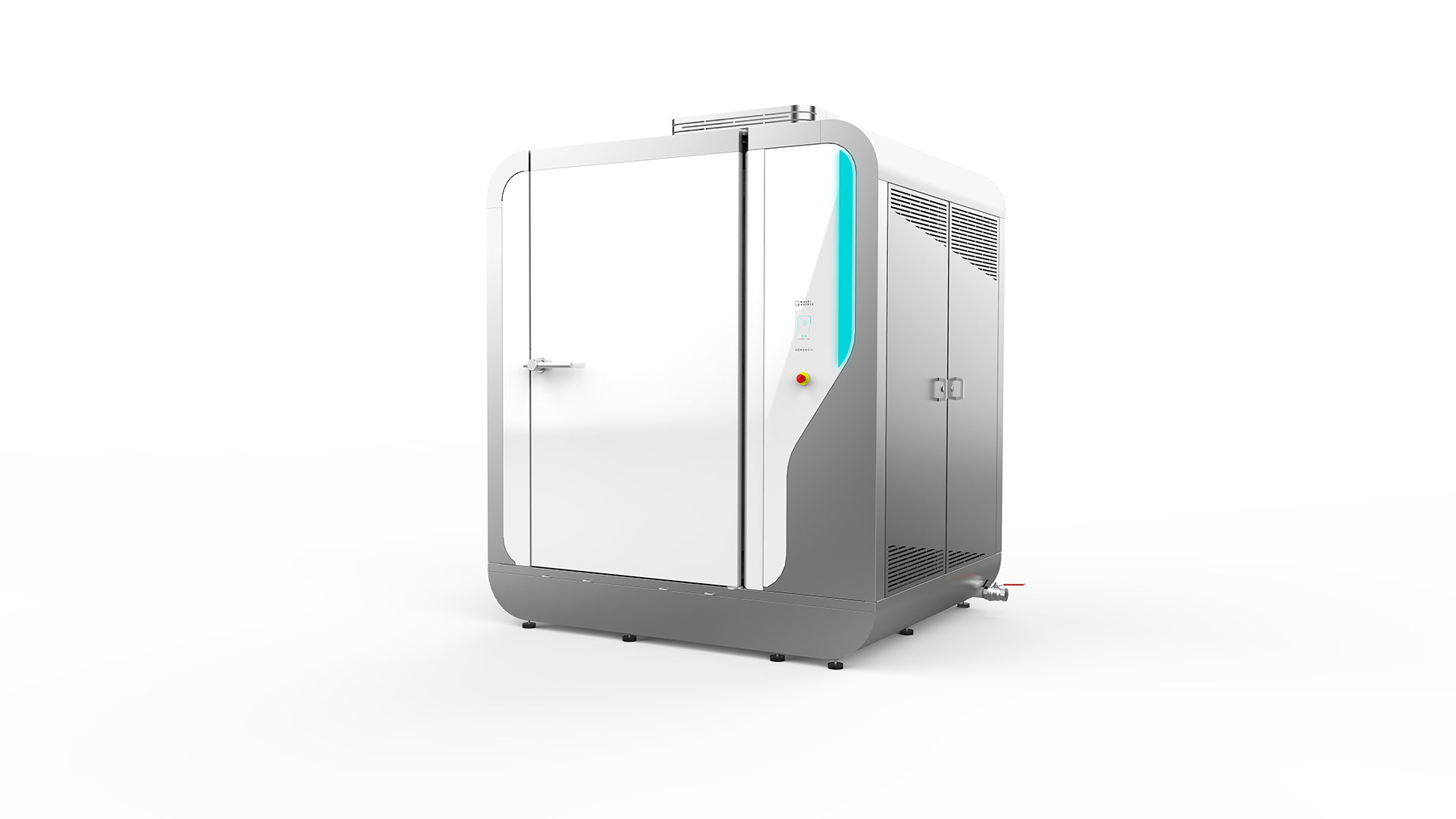
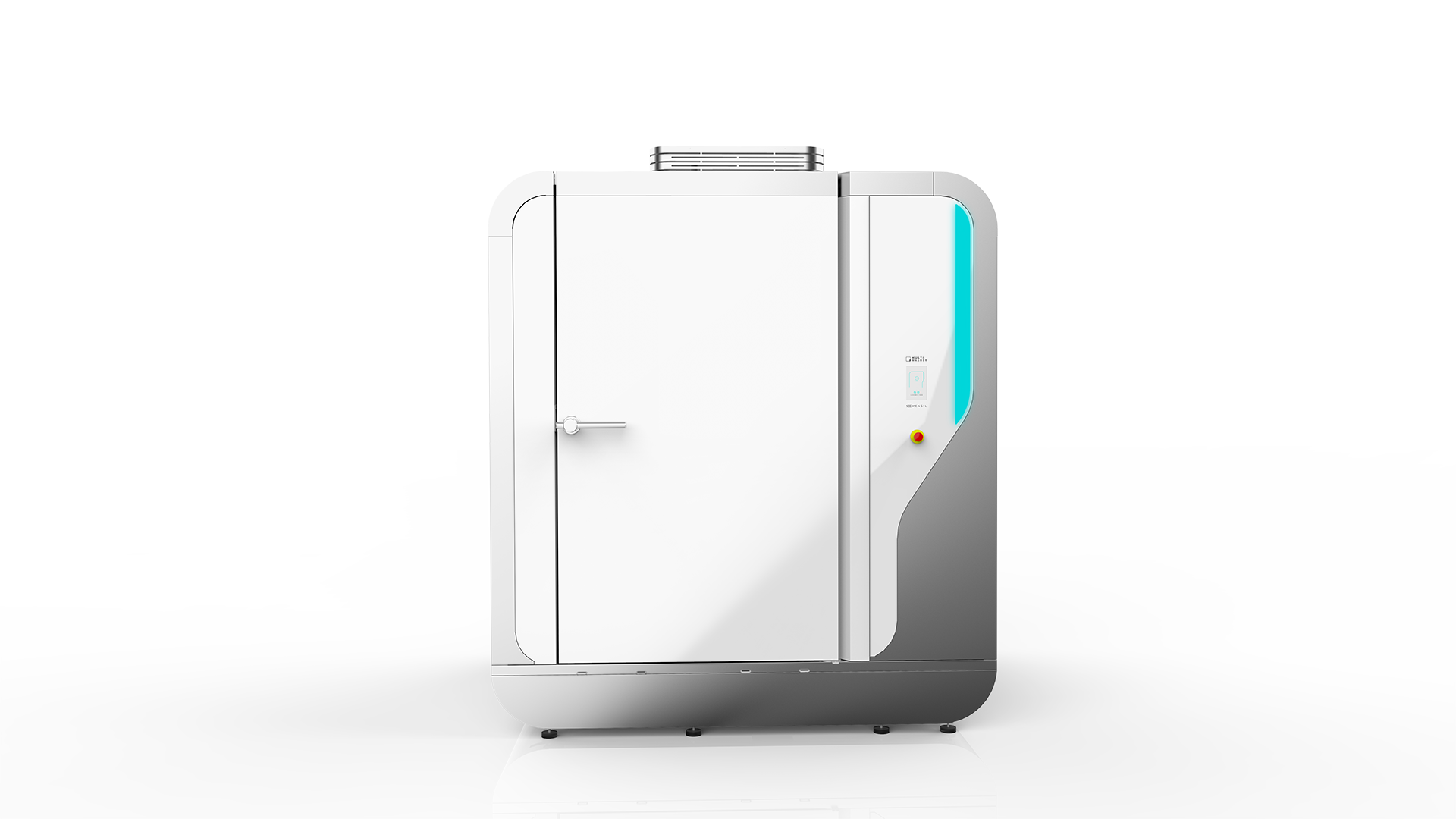
The MultiWasher is a state of the art washing equipment that helps stabilise production processes. If reducing Mean Time to Repair is a priority, reviewing the role your washing stage plays is a sensible place to start. Get in touch to see how the MultiWasher can help shorten recovery times and make downtime easier to manage across your line.
You may also like
Industrial washing / Articles
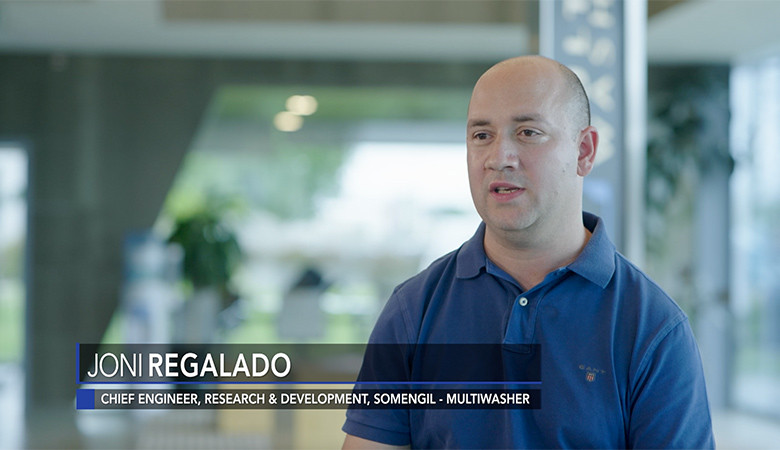
MultiWasher featured in Bloomberg
Bloomberg has highlighted MultiWasher and Somengil as benchmarks in sustainability and efficiency. Find out why.
Posted in 2024-01-02

Industrial washing / Articles
ISO 9001 standard: what it is, requirements, advantages and limitations
It is the most important quality standard, sought-after by companies all over the world. But what does it mean to ISO 9001 certified, and why is...
Posted in 2026-10-09
Industrial washing / Articles
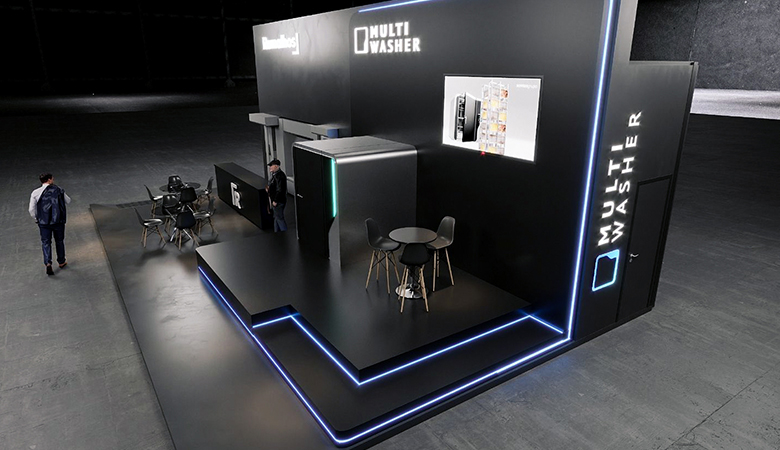
Fispal: A journey to the heart of innovation
Somengil was at Fispal, the largest meeting in the food and beverage sectors in Latin America. Discover the latest news.
Posted in 2023-08-25






 Portugal
 United Kingdom
 United States
 France
 Spain
Spain Germany
 Romania
 Italy
Italy Czech Republic
 Finland
 Hungary
 Slovakia
 Greece
 Lithuania
 South Korea
 Russia
 Saudi Arabia
 Poland
 Brasil
 Hebrew