Industrial washing / Articles
Opex: what is it, why it matters, and how to measure it
Opex is an essential KPI for any investment decision. This is what it means, how to calculate it and how to use it.

 8 minutes of reading
2025-11-13 17:41:09
Every business faces daily decisions about money. Think paying staff, covering utilities, maintaining equipment and keeping software up to date. These day-to-day costs, known as Opex, affect how smoothly operations run, how teams perform, and ultimately, how profitable the business can be. Knowing how to correctly measure and use this KPI can determine the long-term health of any business.
Discover what Opex really is, why it matters, and how managing it well can give businesses both control and flexibility in their daily operations.
What Is Opex
Opex (Operating Expenditure) refers to the ongoing costs required to keep a business functioning on a daily basis.
It includes all regular expenses such as salaries, rent, utilities, maintenance, logistics, and software subscriptions – essentially, the costs that keep the lights on.
Unlike Capex (Capital Expenditure), which relates to long-term investments in physical assets like machinery, vehicles, or buildings, Opex represents the short-term operational expenses that do not result in ownership of a tangible asset. These are typically recurring costs without a defined payback period or depreciation schedule.
To calculate OPEX in your company, use the formula: Opex = COGS + Operating Expenses
Where COGS represents the Cost of Goods Sold (direct costs of production) and Operating Expenses is the total sum of selling, general & administrative costs (e.g., rent, salaries, utilities).
Why Opex matters
Tracking Operating Expenditure (Opex) is essential for any organization. It offers a clear, real-time view of how efficiently resources are used and where improvements can be made.
By monitoring Opex, you can:
- Identify cost efficiency and spot areas draining profitability.
- Make better decisions by prioritising high-value activities.
- Maintain healthy cash flow and support sustainable growth.
- Measure performance consistently across teams and time.
For instance, if Opex rises 15% while revenue grows only 5%, reviewing utilities like water and energy can uncover inefficiencies. Optimising processes or updating equipment cuts costs and strengthens margins and long-term control – a clear proof that tracking Opex can drive smarter, data-backed decisions.
How to improve your Opex
Improving Opex means making resources work smarter. Here’s how to do it in an industrial setting.
1. Reduce resource consumption
Water, energy, and detergents often represent hidden costs. By adopting technologies that optimise water reuse, adjust chemical dosing automatically, and reduce energy peaks, companies can cut consumption without compromising washing results.
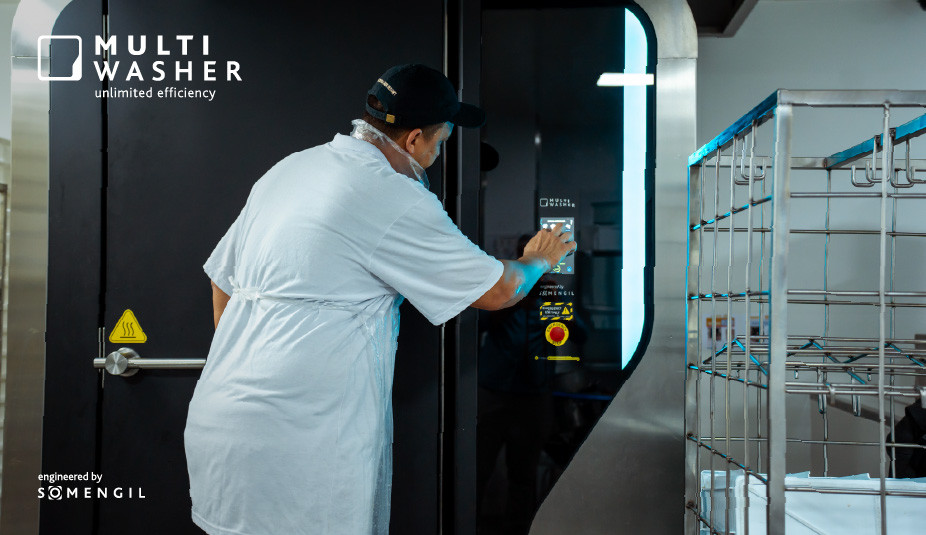
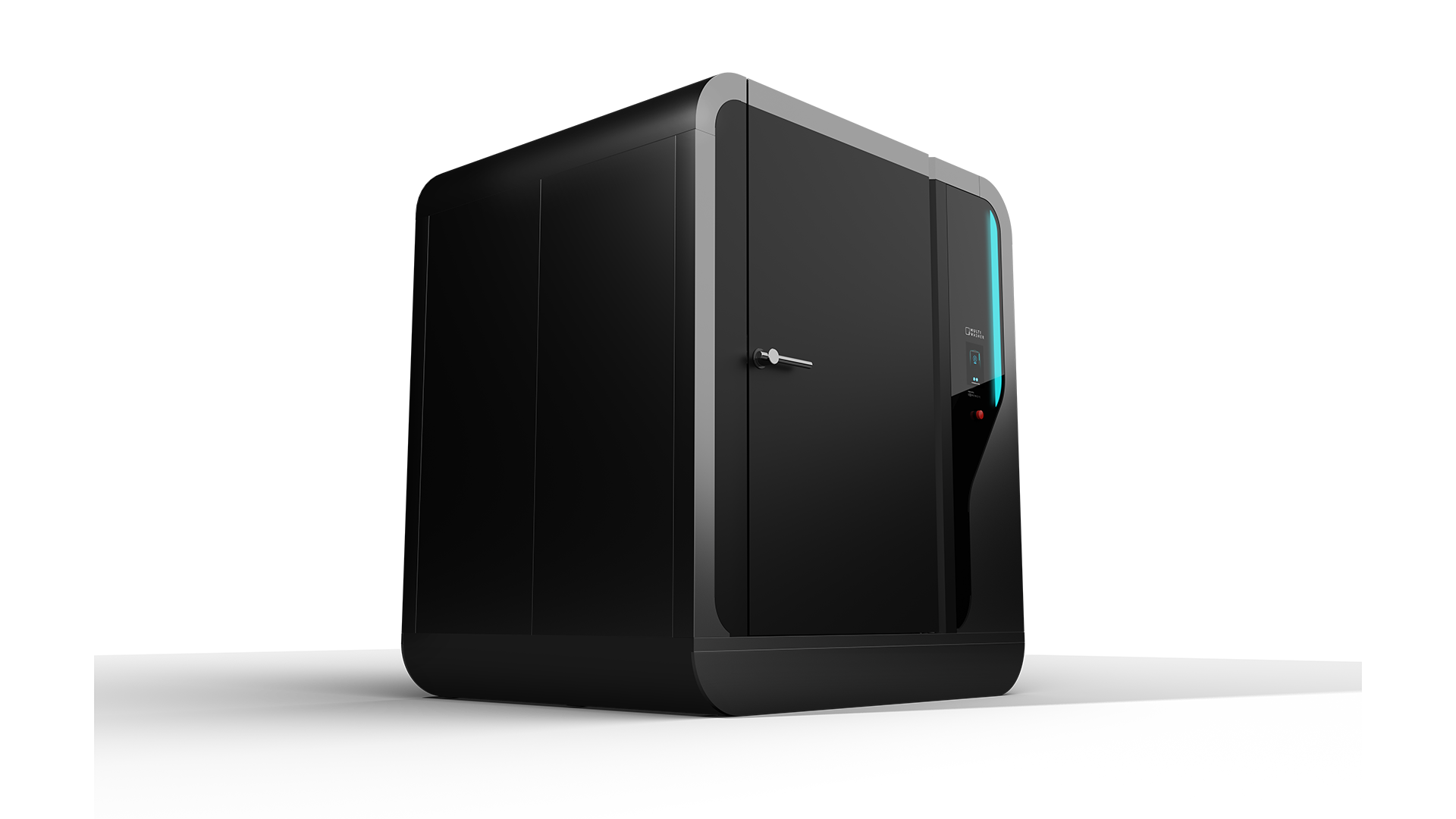
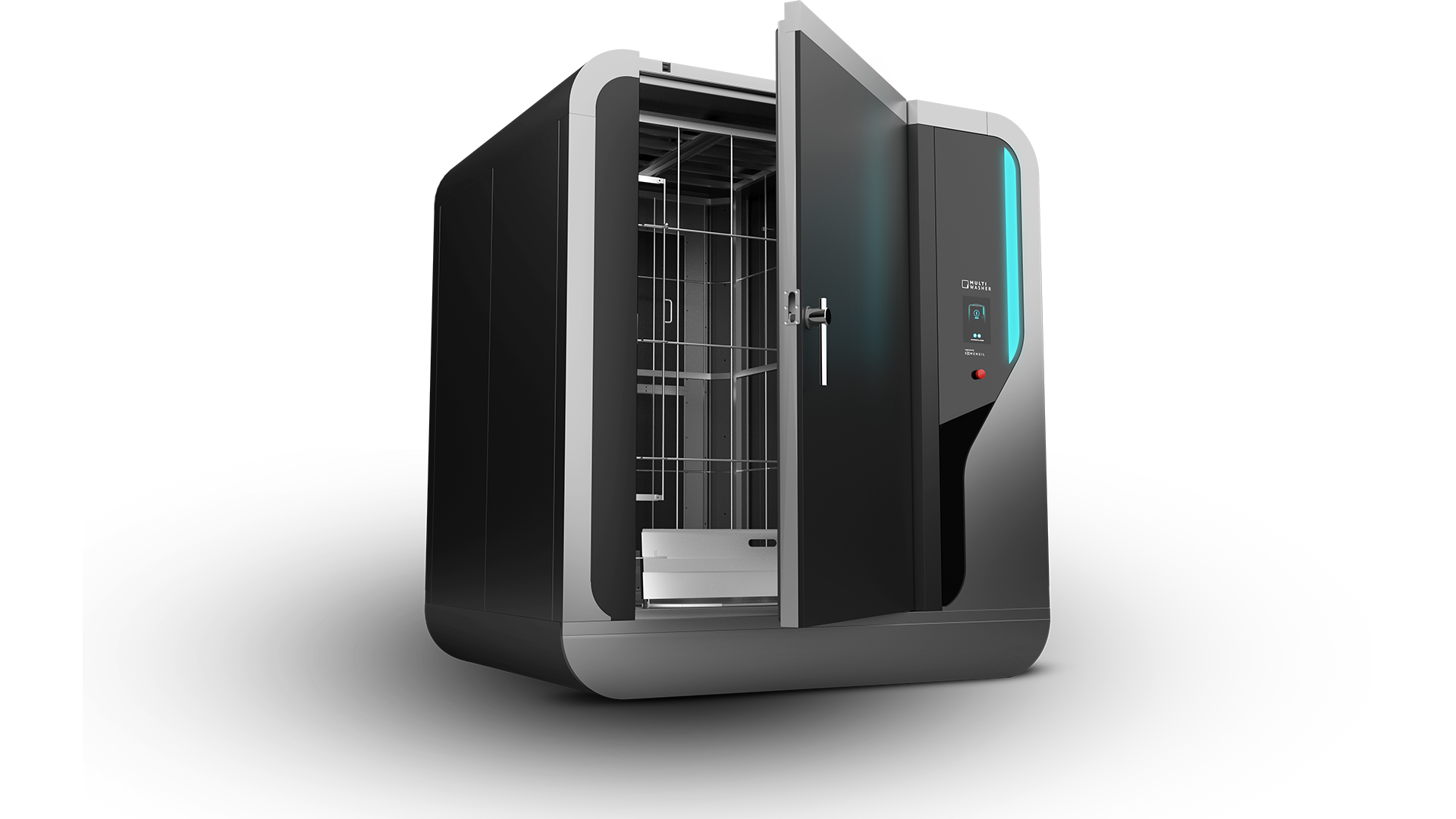
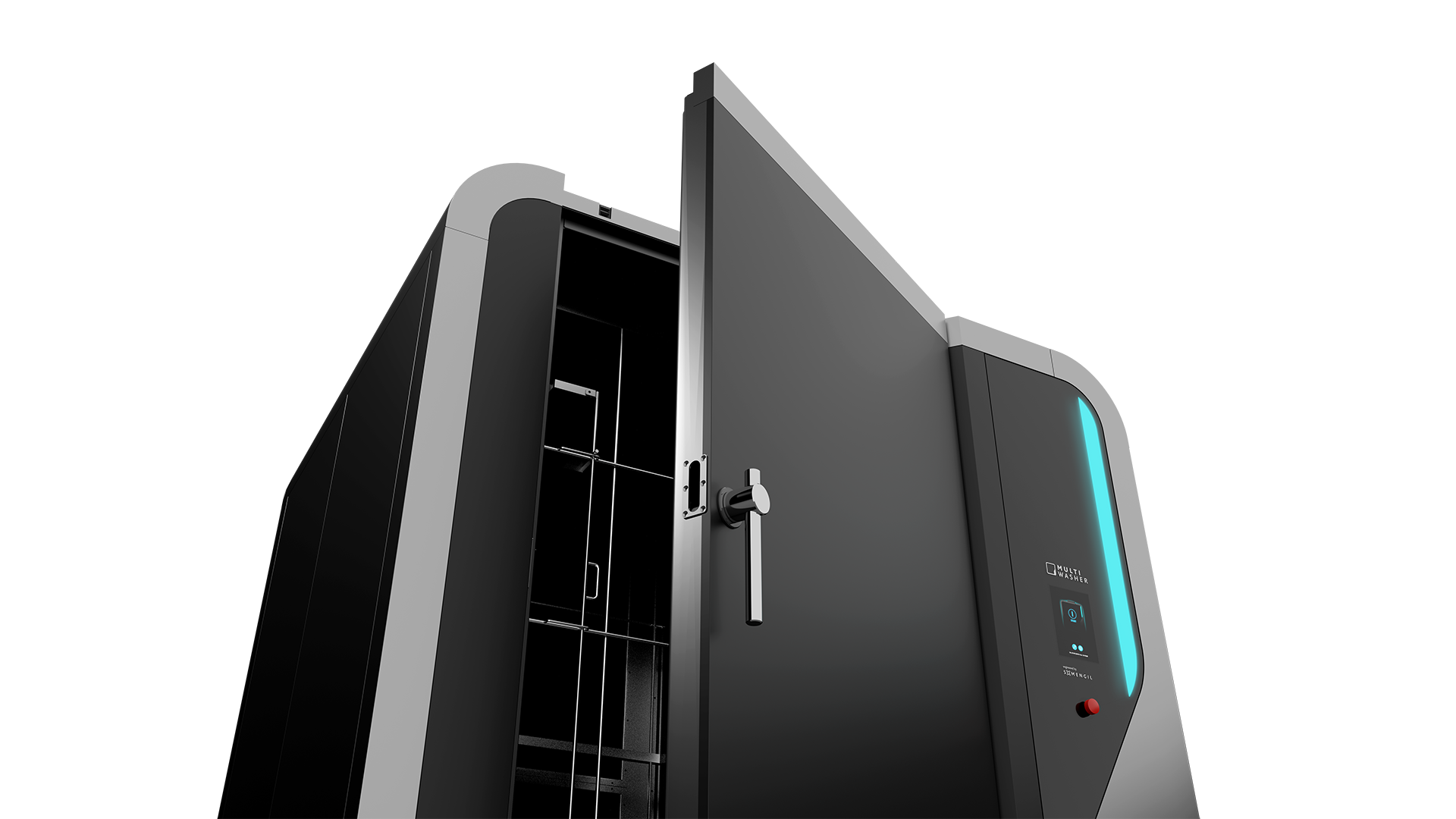
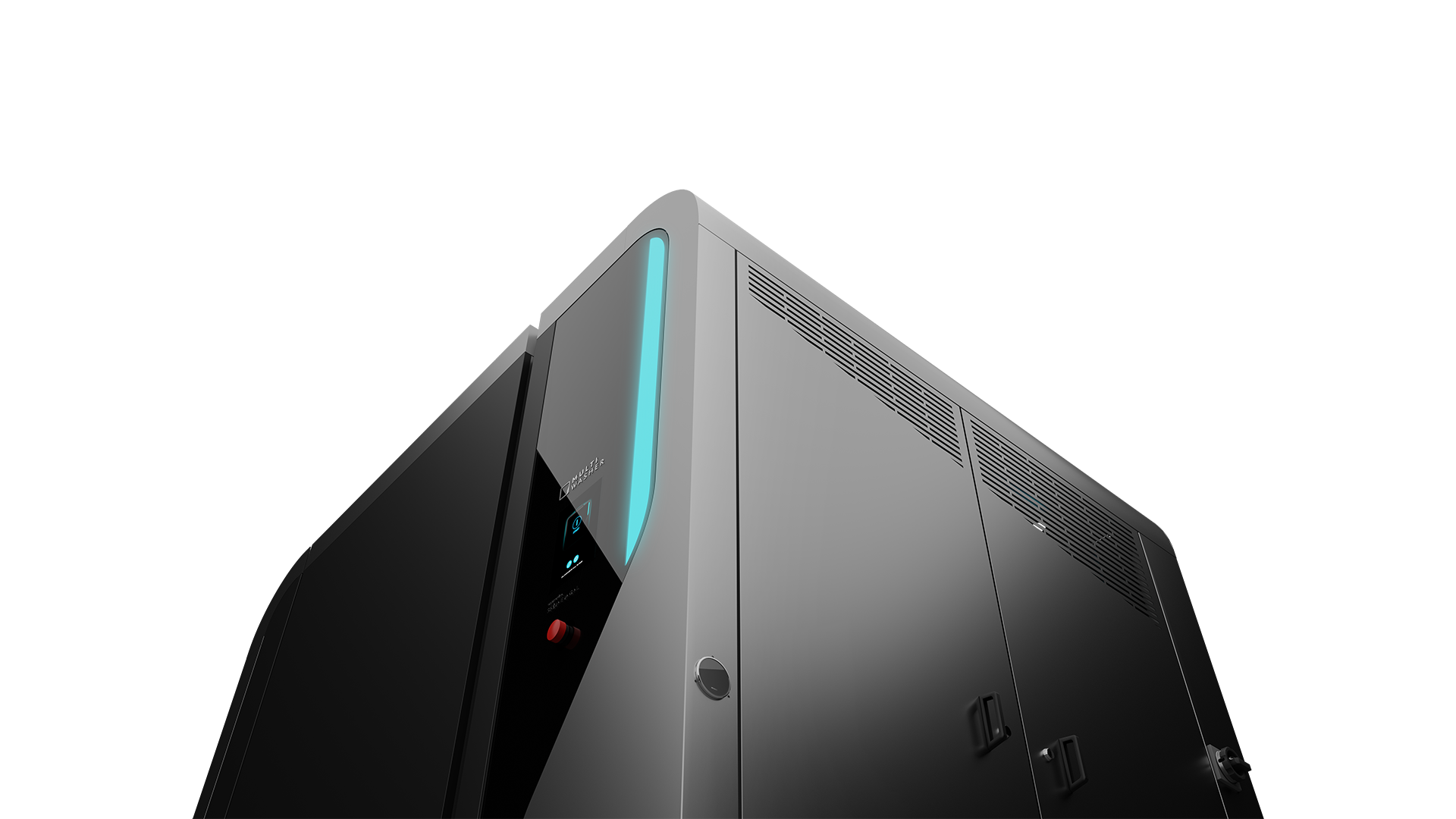
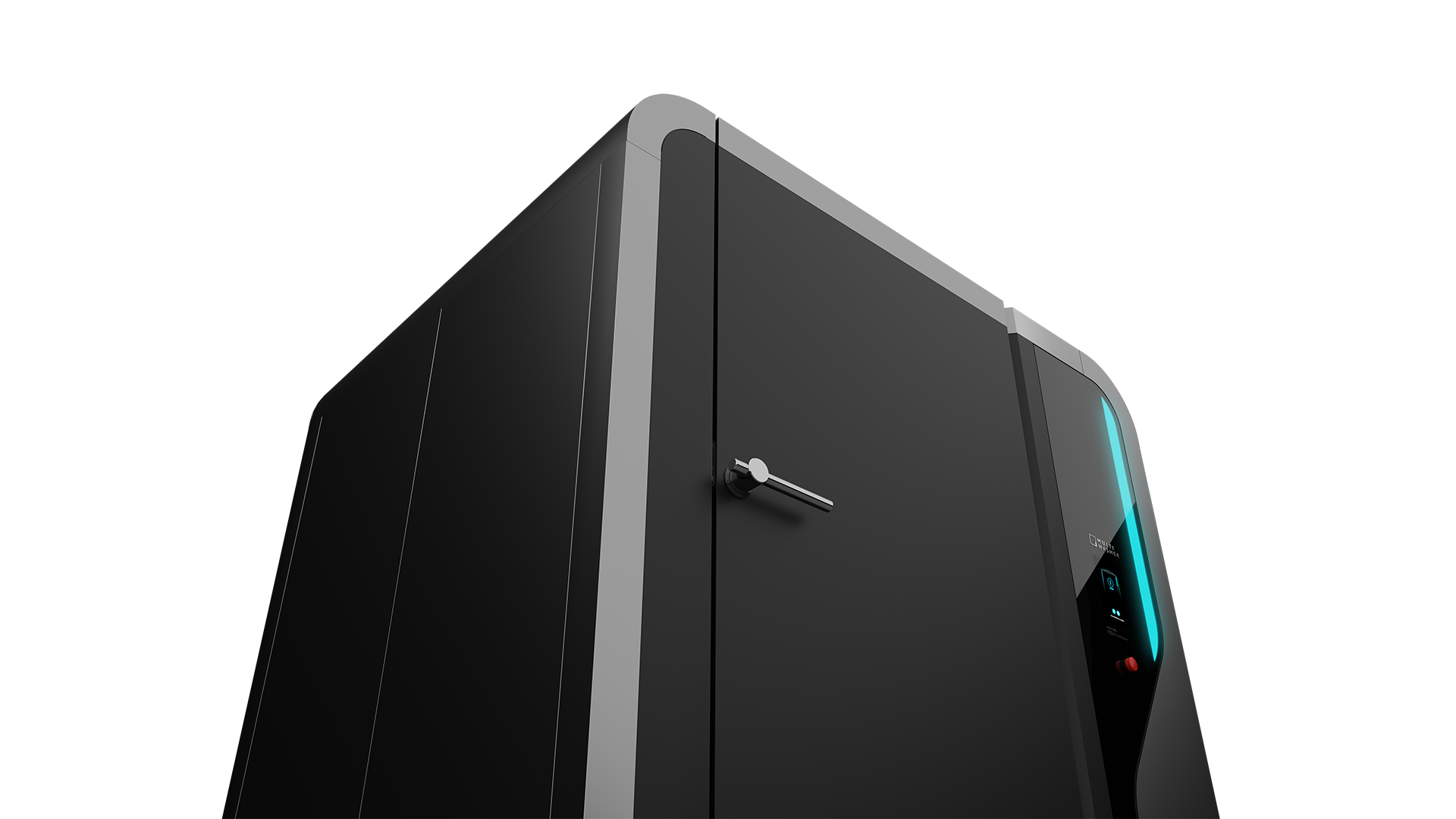
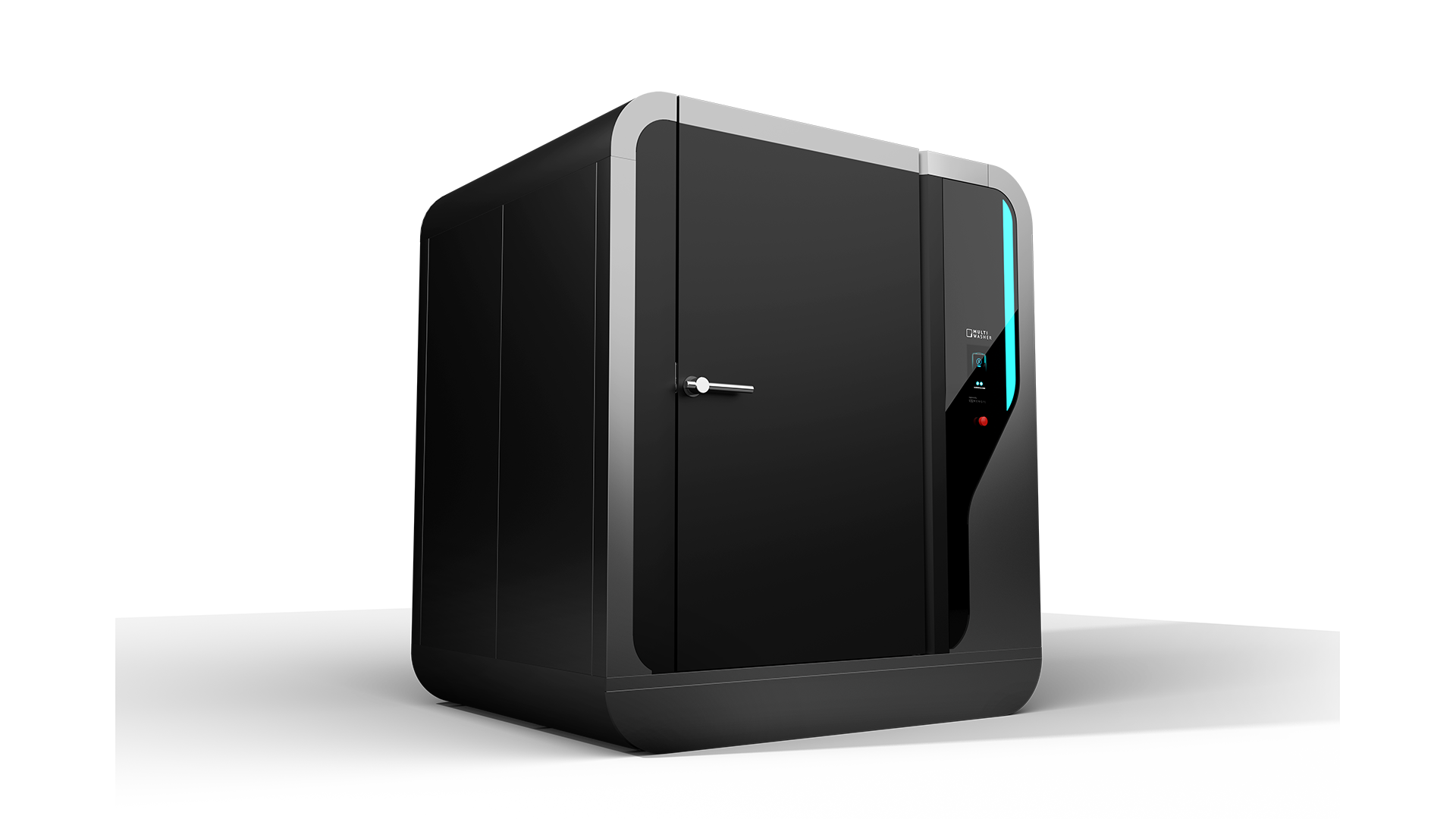
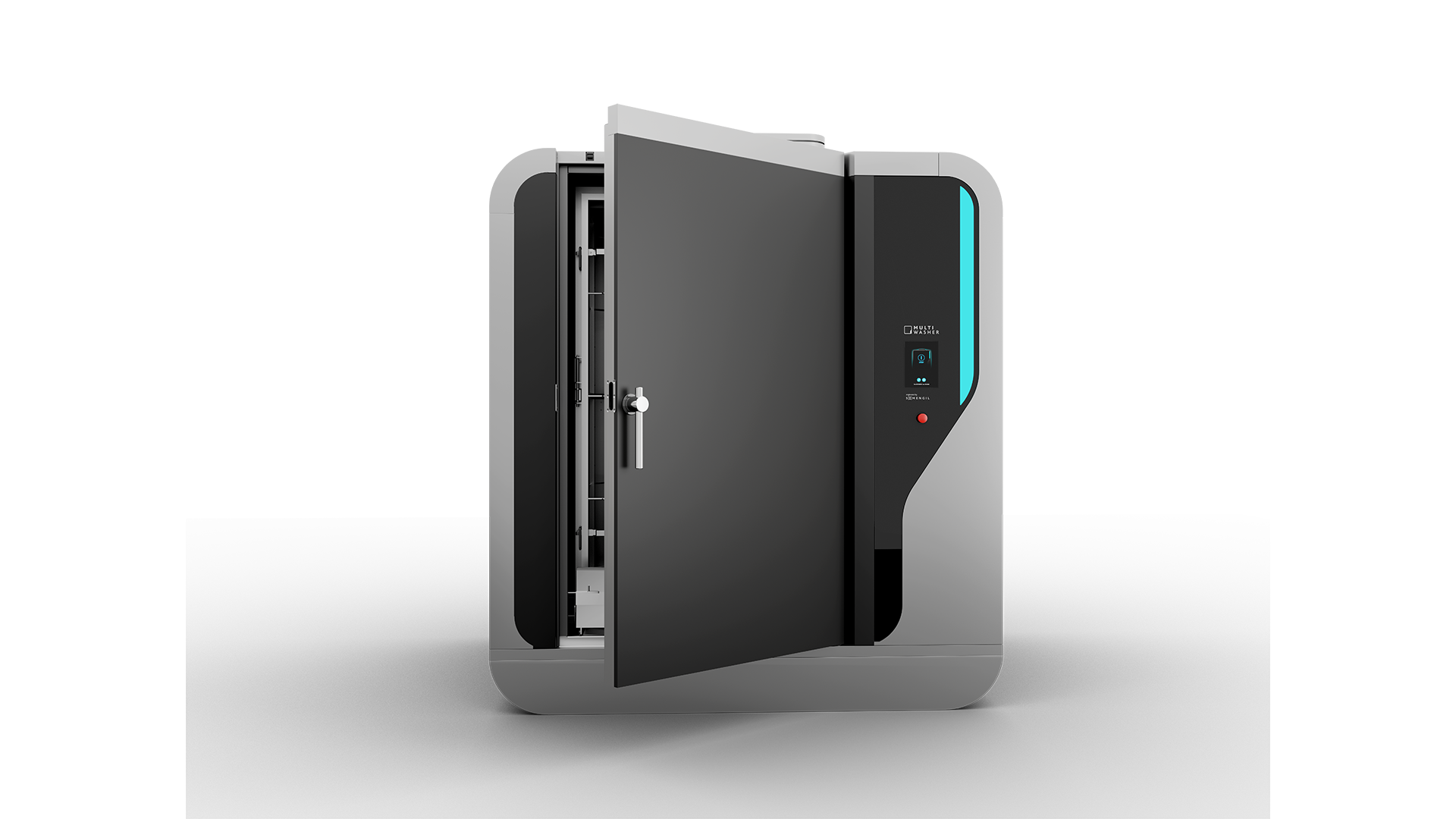
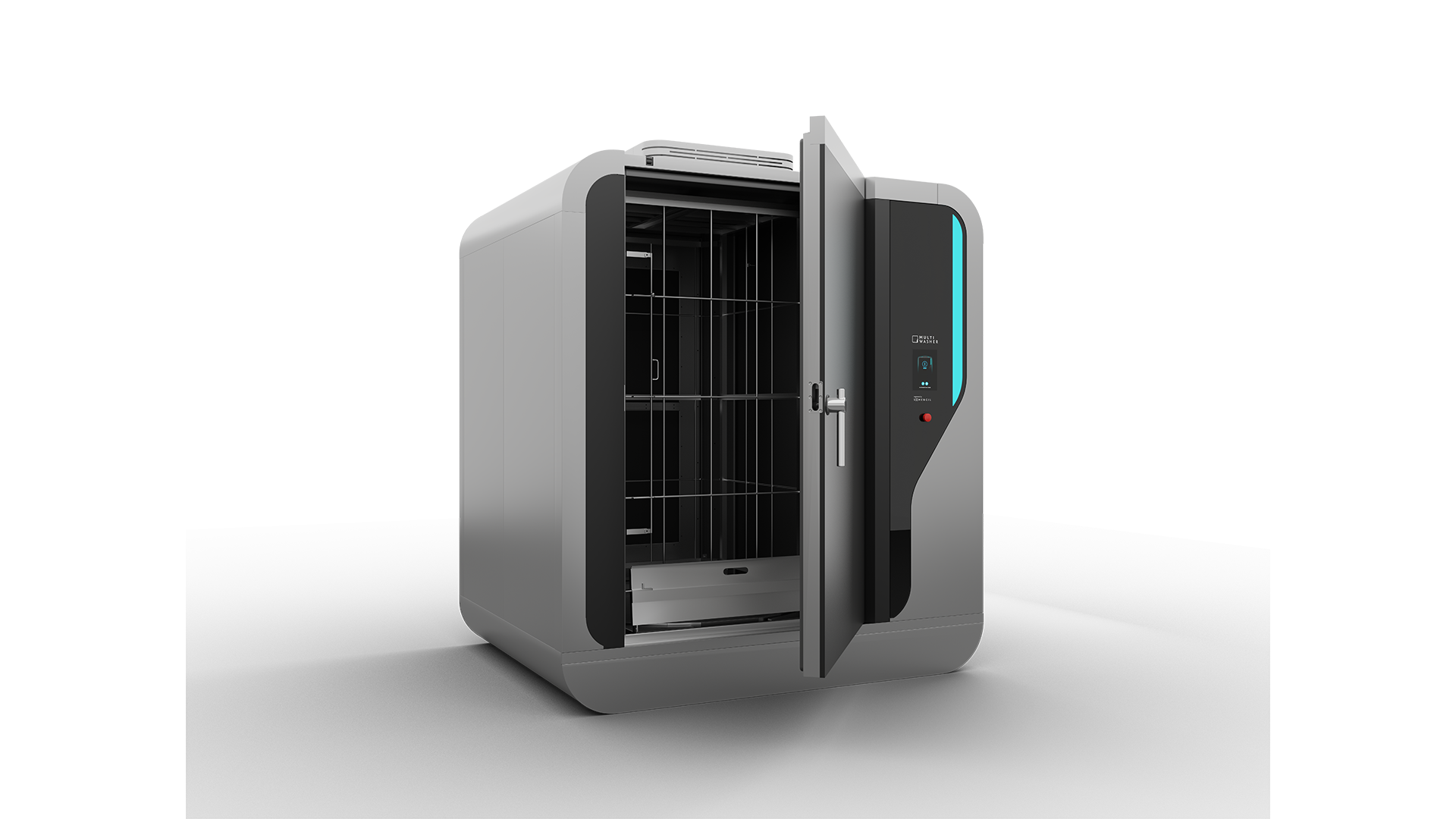
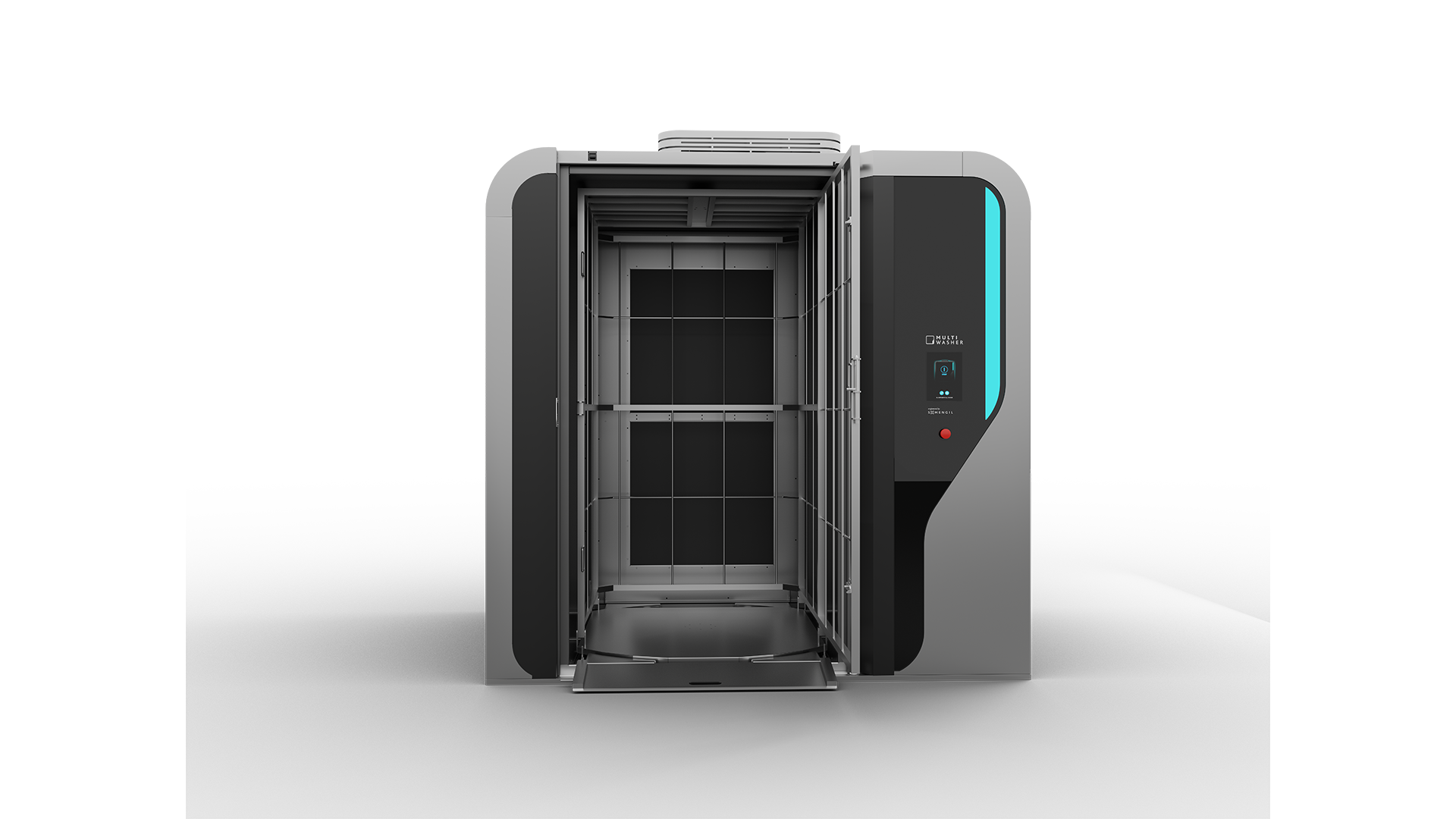
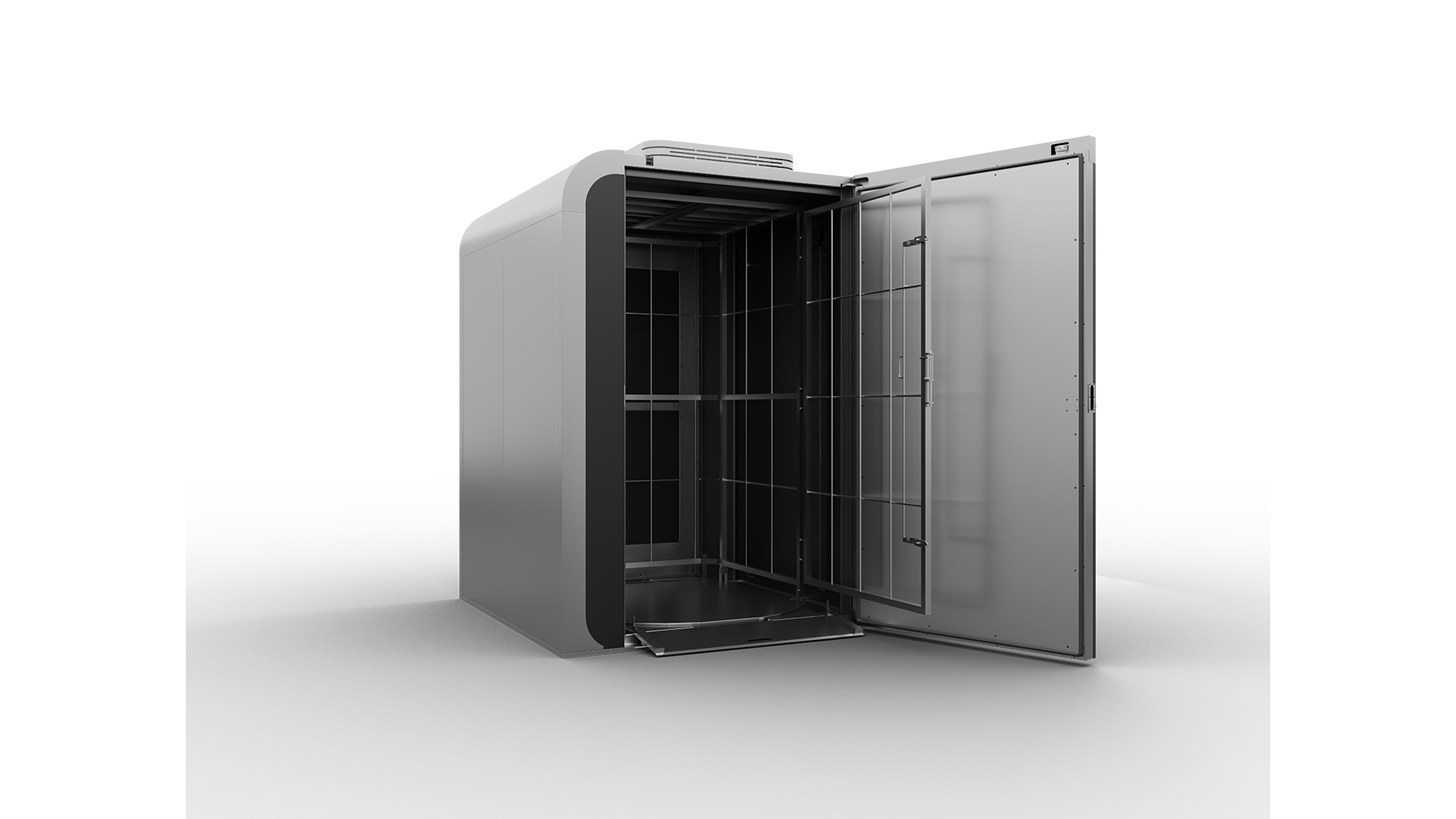
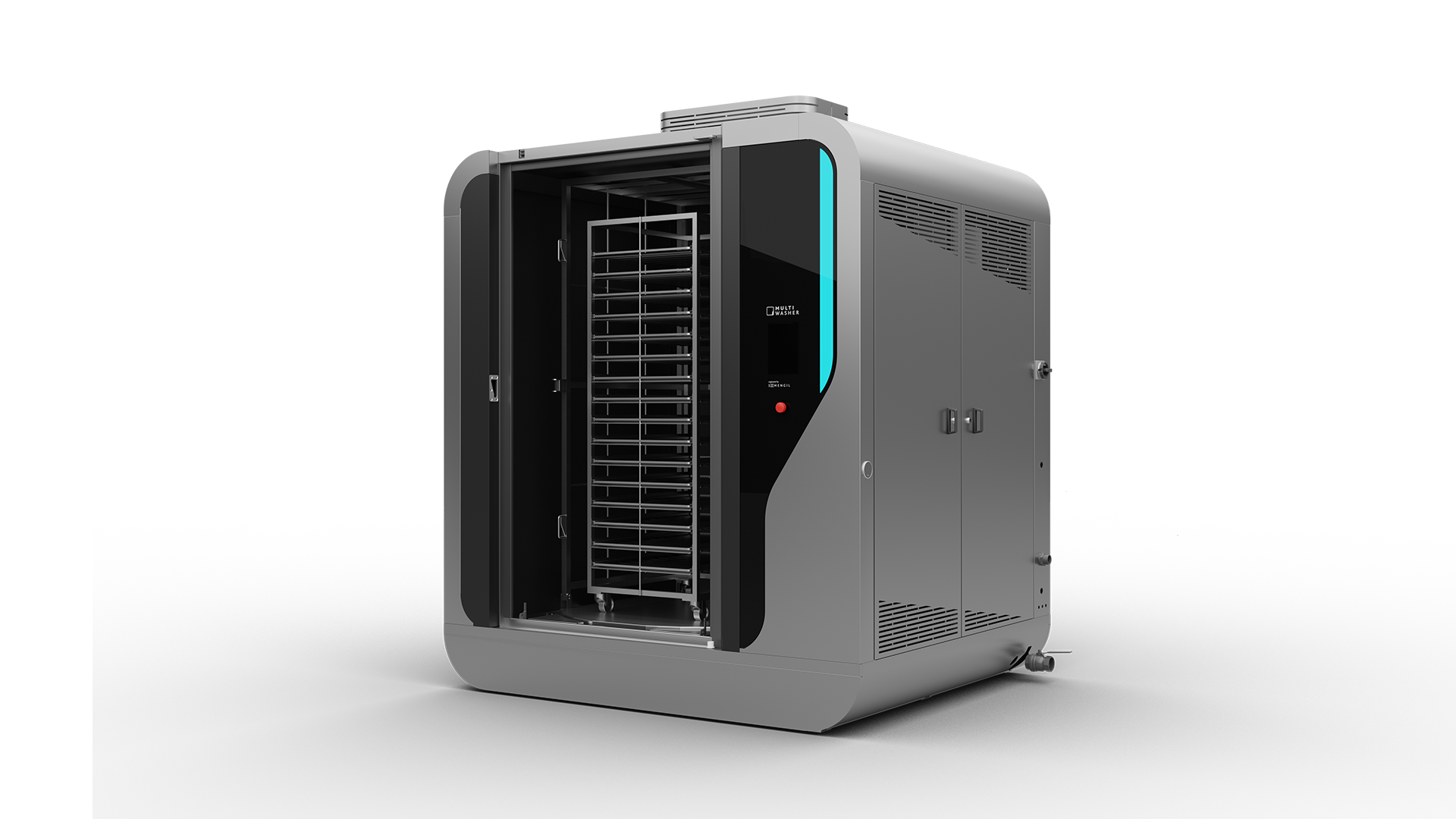
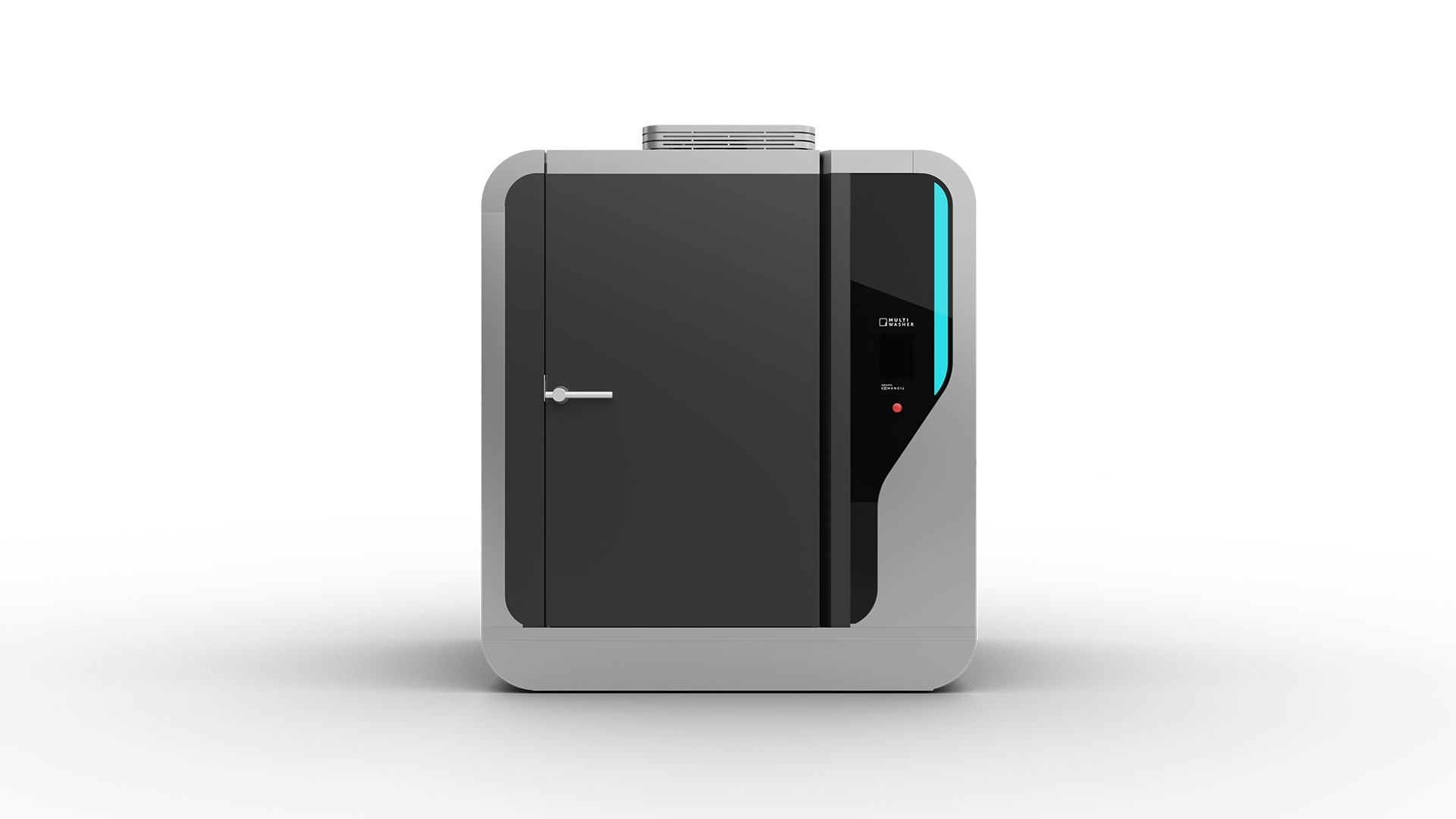
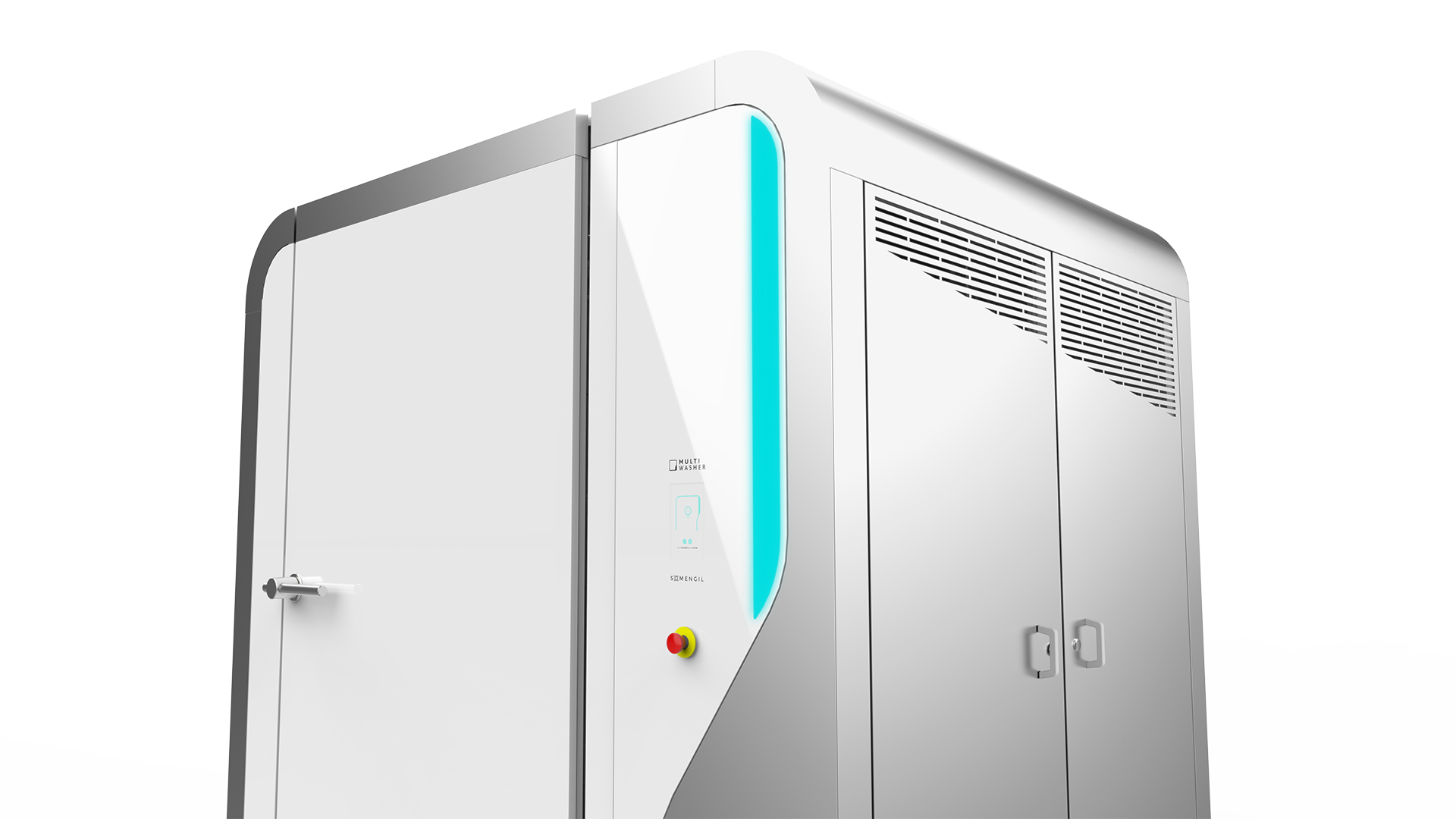
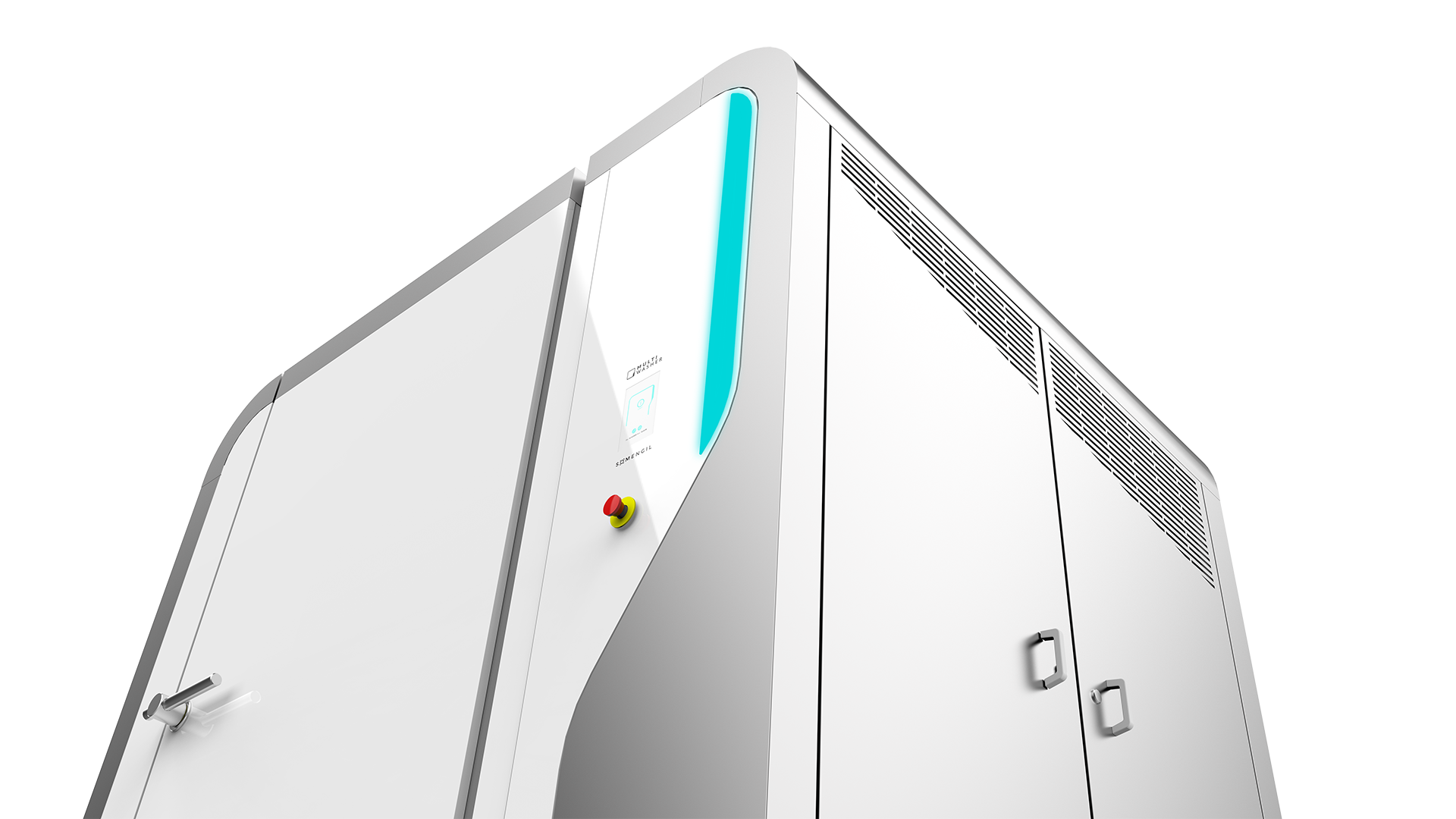
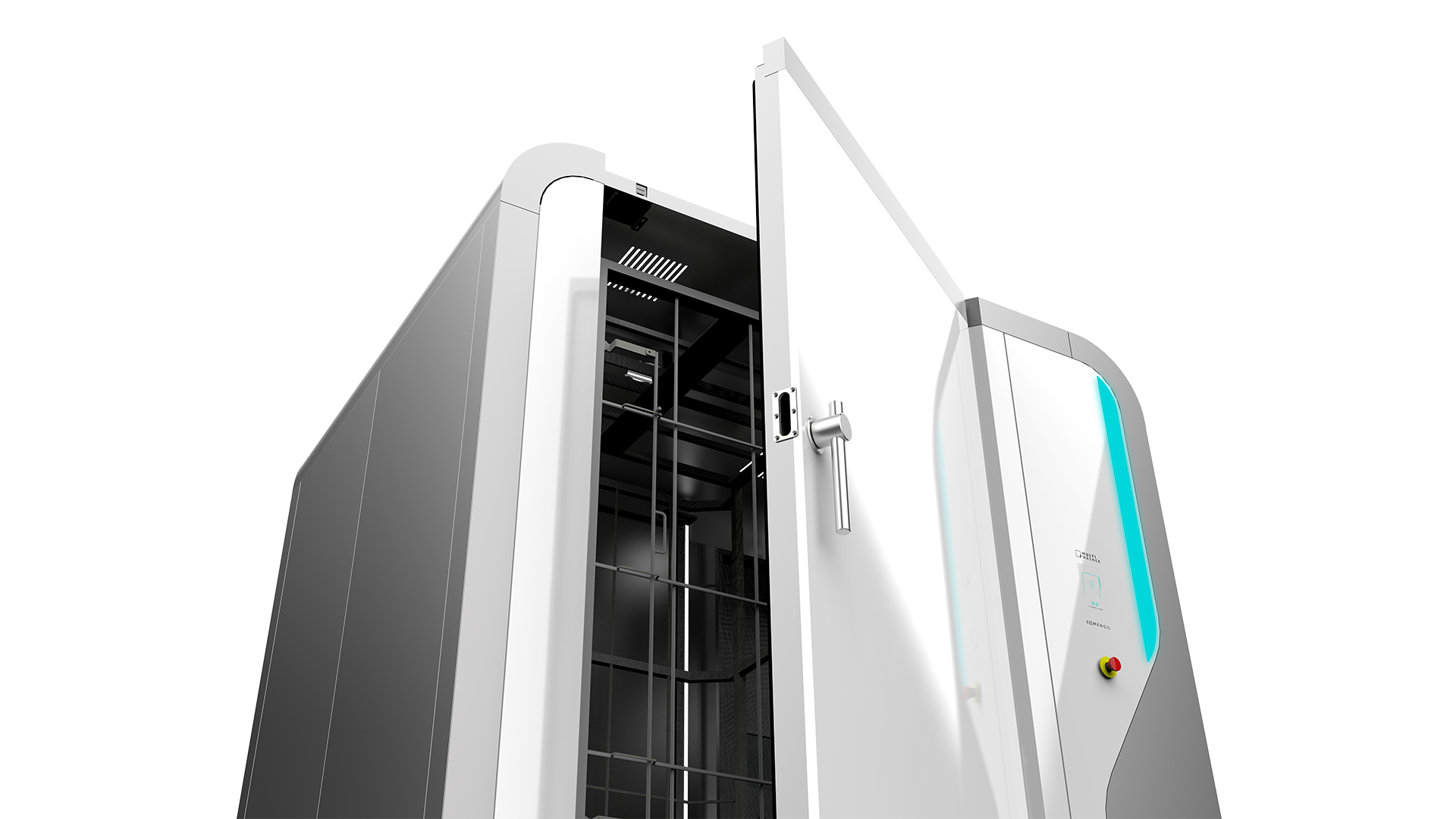
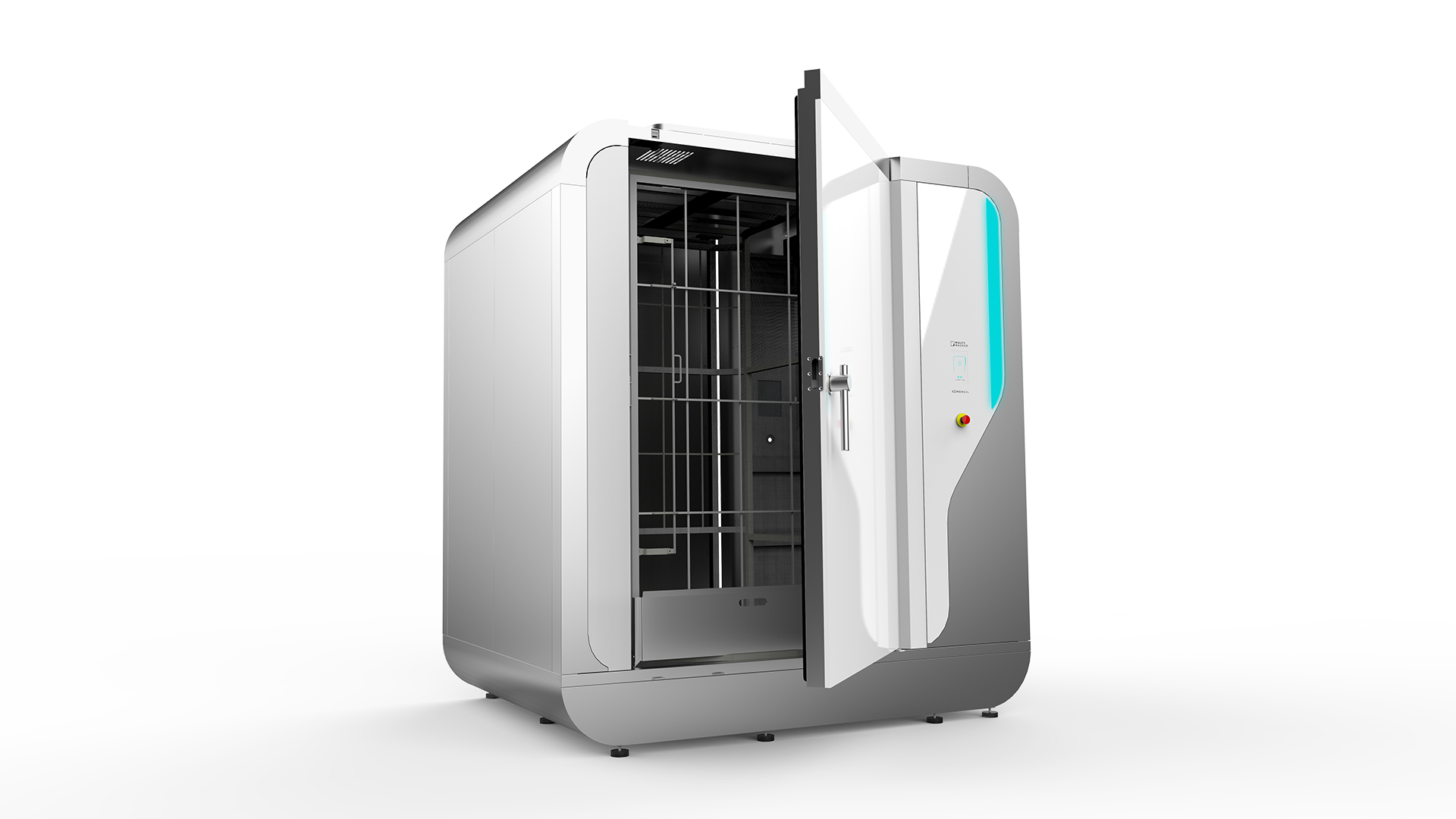
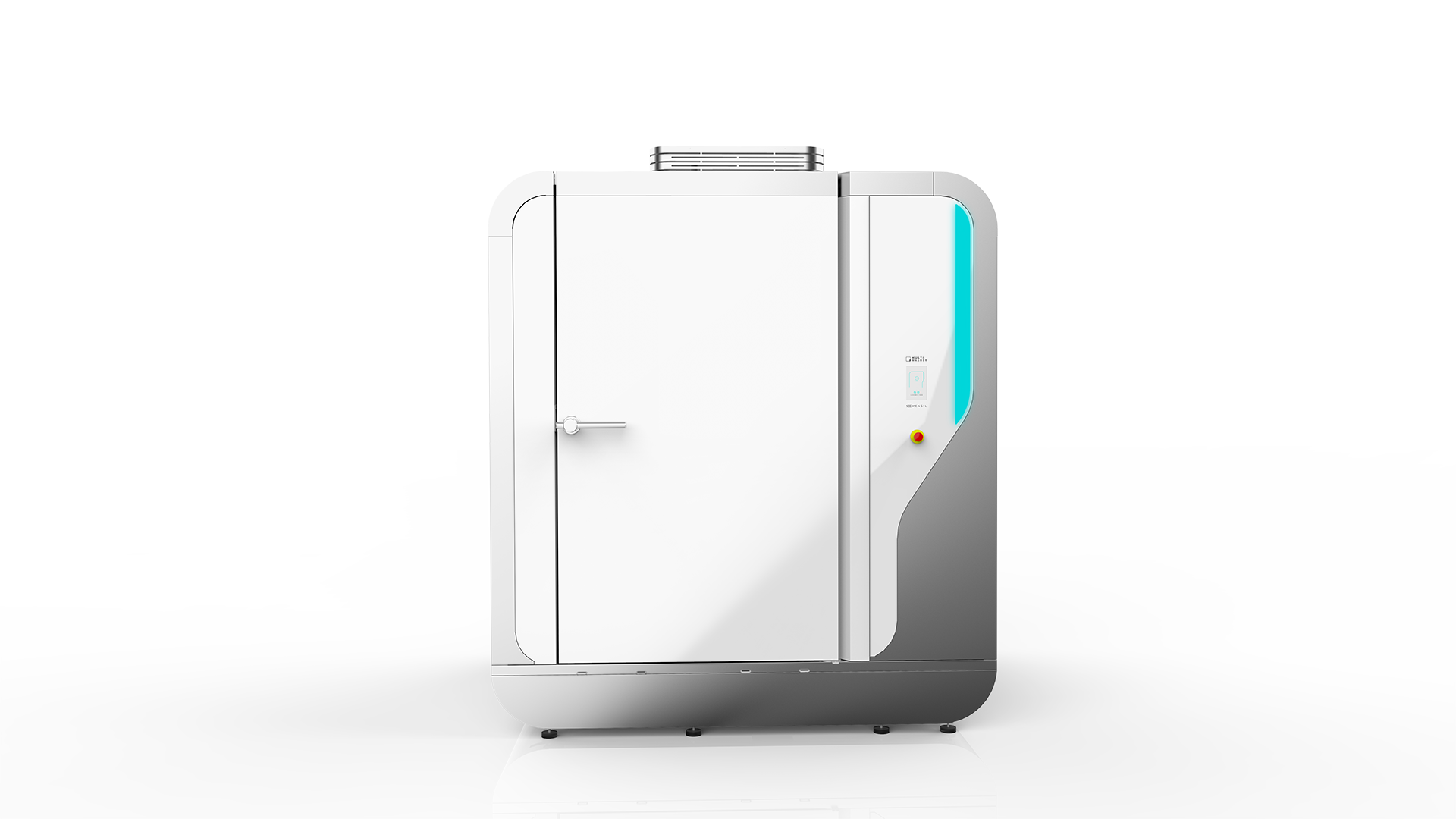
For instance, the MultiWasher systems use high-pressure filtration and smart cycles to reuse water efficiently, delivering consistent results with a fraction of the usual resources. Over a year, this can mean thousands saved, not to mention fewer supply interruptions and less environmental pressure.
2. Optimise process efficiency
Every minute your team spends waiting for a cycle to finish, redoing work, or dealing with equipment downtime adds to your Opex. Streamlining workflows, automating repetitive steps, and reducing manual intervention speeds up operations and lowers labour costs. With shorter cycles and fewer errors, washing becomes a value-adding process instead of a bottleneck.
3. Focus on preventive maintenance
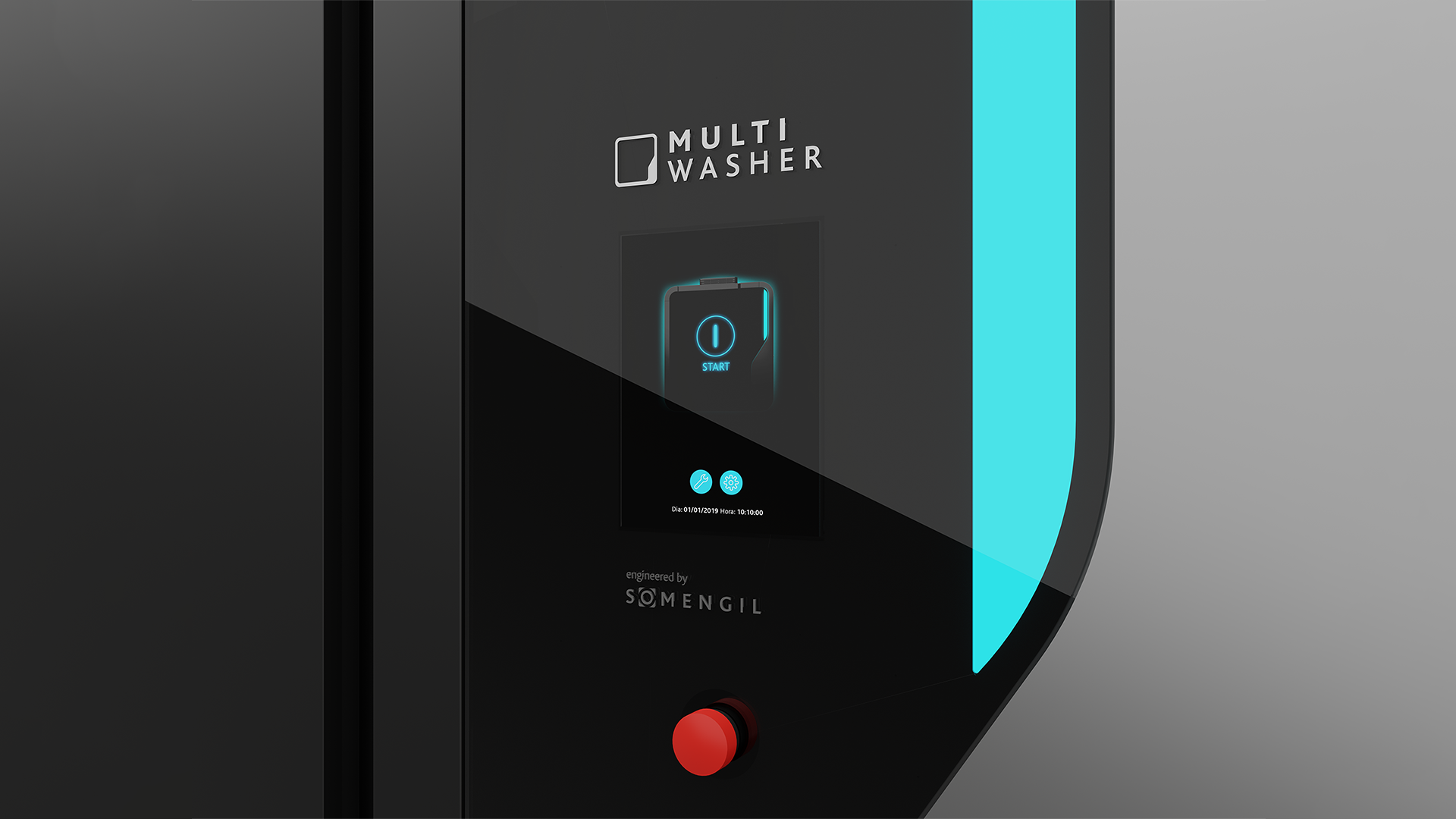
Unplanned downtime is one of the biggest Opex drains. Regular inspections, predictive analytics, and remote monitoring tools help identify issues early, before they escalate. Smart equipment like MultiWasher can alert operators to anomalies in temperature, flow, or pressure, turning maintenance from reactive to proactive.
4. Train your team and standardise operations
People remain at the heart of operational efficiency. Investing in clear procedures, user-friendly technology, and training ensures consistent performance across shifts and locations. When operators understand how to use equipment efficiently, the savings in time, energy, and materials compound every single day.
5. Measure and reinvest savings
Improving Opex is an ongoing process. Track KPIs such as cost per wash cycle, energy per unit produced, or maintenance cost per operating hour. The insights gained should guide further optimisation and investment, whether in automation, better detergents, or energy recovery systems.
Opex vs capex: how to choose when making your next purchase
When it comes to major business decisions, one key question always arises: should you buy (Capex) or rent/subscribe (Opex)?
Capex: the ownership route
Capex (Capital Expenditure) involves acquiring long-term assets, like buying equipment, vehicles, or software licences outright. It means higher upfront costs, but full ownership and control.
Pros:
- Long-term cost efficiency once the asset is paid off.
- Greater control over usage, maintenance, and depreciation schedules.
- Can increase the company’s balance sheet value.
Cons:
- Significant upfront investment that impacts liquidity.
- Assets depreciate and may become obsolete.
- Less flexibility if business needs change.
Opex: the flexibility route
Opex (Operating Expenditure) covers ongoing expenses such as leasing, renting, or subscribing to services. Instead of owning the asset, you pay for its use over time.
Pros:
- Lower initial costs and easier budgeting.
- High flexibility, meaning you can scale up or down as needed.
- Often includes maintenance, upgrades, and support.
Cons:
- No ownership or residual value at the end of the contract.
- Can become more expensive over time if not monitored.
- Ongoing commitments may limit future cost reductions.
How to decide
If your business values stability, long-term ROI, and full control, Capex may be the smarter route. If you prioritise agility, scalability, and lower short-term financial pressure, Opex could fit better.
In many modern operations, the right answer lies in balancing both: investing strategically in core assets (Capex) while leveraging Opex for services that demand flexibility and innovation.
Why Opex makes MultiWasher a smart choice
In industrial operations, Opex is a critical factor that often decides whether a machine earns its place on the factory floor. Finance teams scrutinise all the costs, operations managers track them closely, and procurement compares machines not just on price, but on total cost of ownership.
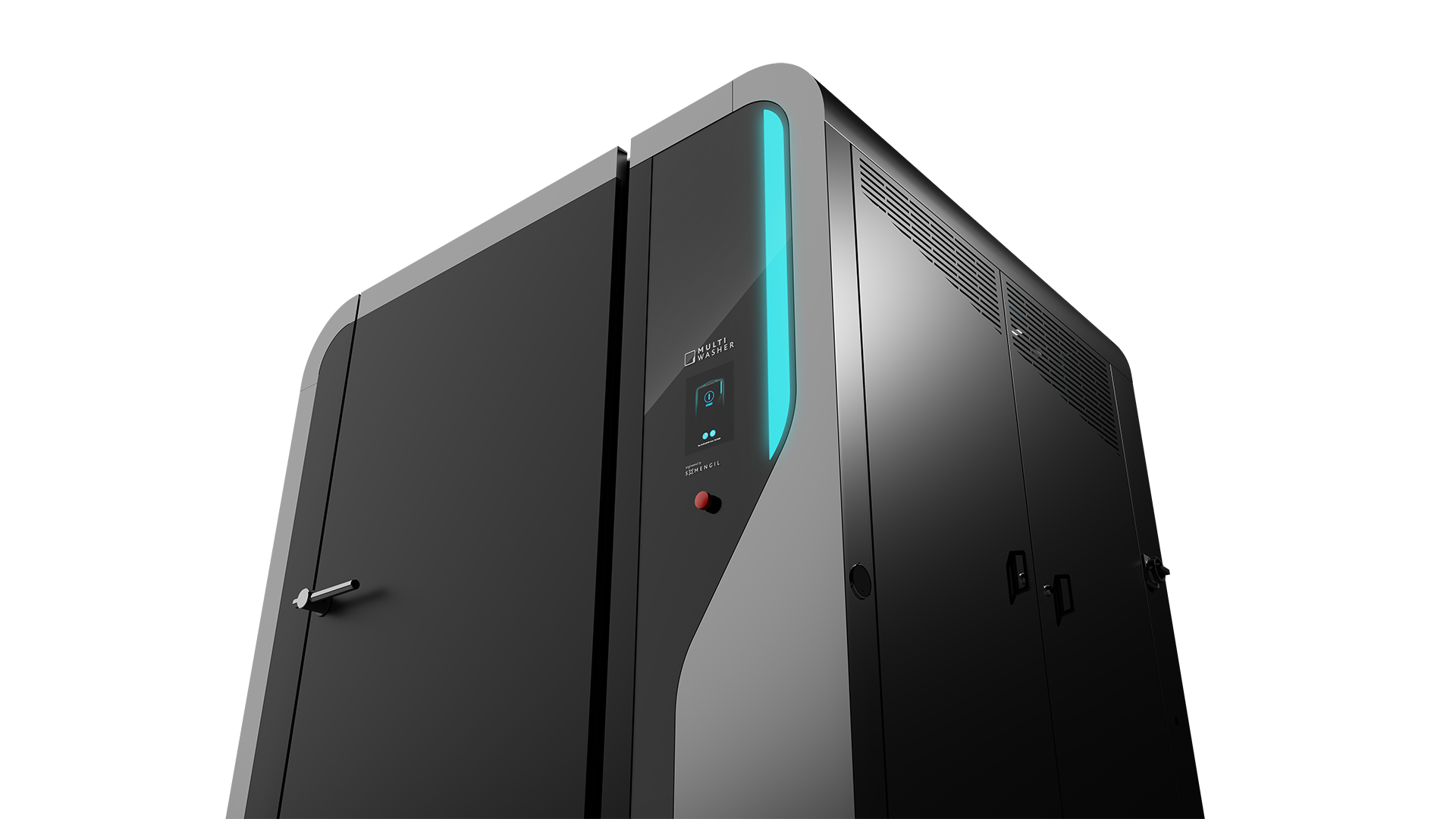
This is where MultiWasher becomes a clear differentiator. Designed with operational efficiency as a priority, it reduces real-world Opex in multiple ways:
- Energy efficiency: MultiWasher’s optimised motors and water recycling systems reduce electricity and water consumption, cutting bills without slowing production.
- Simplified maintenance: Components are modular and accessible, reducing downtime and labour costs, and enabling predictive maintenance scheduling.
- Chemical usage optimisation: Advanced washing cycles minimise detergent requirements while maintaining high hygiene standards.
- Labour savings: Automated processes reduce operator intervention, freeing teams for higher-value tasks.
These improvements can translate directly into quantifiable Opex reductions. A finance director reviewing budgets will see lower energy and maintenance allocations; an operations manager will notice fewer interruptions and smoother throughput. In practice, MultiWasher often pays for itself through operational savings within months.
In short, MultiWasher is an Opex-smart solution. Get in touch to see how it can deliver measurable value from day one.
You may also like

Industrial washing / Articles
Meat industry washer: your key to safer, smarter meat processing
Learn what meat industry washers are and when they become a critical investment for hygiene and efficiency.
Posted in 2025-09-16




 Portugal
 United Kingdom
 United States
 France
 Spain
Spain Germany
 Romania
 Italy
Italy Czech Republic
 Finland
 Hungary
 Slovakia
 Greece
 Lithuania
 South Korea
 Russia
 Saudi Arabia
 Poland
 Brasil
 Hebrew