Management / Articles
FMEA: what it is, what it is used for and how to implement it
FMEA helps companies anticipate failures, assess their effects and prioritise preventive actions.

 6 minutes of reading
2026-10-01 16:37:58
• FMEA is a structured, preventive method for identifying how a product, process or system could fail and what the consequences might be.
• Teams assess each failure mode using three factors: severity, likelihood of occurrence and difficulty of detection. They then prioritise actions according to risk.
• FMEA should have a clear scope, evidence-based ratings, people responsible for actions and a new risk assessment once improvements have been implemented.
FMEA allows you to examine these possibilities before they affect safety, quality, deadlines or costs. Find out what it is and how to use this method.
What is FMEA?
Failure Mode and Effects Analysis (FMEA) is a risk management method used to study processes, systems or products. A structured analysis identifies potential failures, their causes and effects, and corrective actions are taken to prevent them before they occur.
To understand how it works, imagine that your team identifies a potential problem. For example, if the water does not reach the temperature required for effective washing, residues or microorganisms will remain on the utensils. This method requires you to assess the risk based on three factors: severity, likelihood of occurrence and difficulty of detection. These three factors produce the Risk Priority Number (RPN), which helps us determine where to focus our efforts.
What is FMEA used for?
FMEA directs time and resources towards failures with the greatest potential impact. It helps teams to:
• protect employees and customers by identifying safety and hygiene risks in advance;
• prevent defects, contamination, downtime, rework and production delays;
• improve process controls and identify where detection needs to be strengthened;
• document technical knowledge that can be reused in maintenance, training and future projects;
• define priorities, responsibilities and clear evidence for continuous improvement.
How to carry out FMEA step by step
Before rating risks, agree on the scope, process map and assessment criteria.
1. Define the scope and bring the team together
Select a process, product or system. Specify the operating environment and level of detail. Avoid covering the entire factory and form a multidisciplinary team that includes people with technical and operational knowledge relevant to the analysis.
2. Identify failure modes, effects and causes
Identify the potential failure modes that could occur in the process being analysed and determine their causes and effects. At this stage, flowcharts or an Ishikawa diagram can help the team explore possible causes without settling on the first explanation.
“Insufficient washing temperature” would be a failure mode, “residues or microorganisms” would be an effect, and possible causes could include a faulty sensor, an incorrect programme or a problem with water heating.
3. Rate severity, occurrence and detection
Rate the severity, occurrence and detectability of each failure mode using a scale from 1 to 10.
• Severity (S) measures how serious the failure is.
• Occurrence (O) estimates the likelihood or frequency of the failure.
• Difficulty of detection (D) assesses the ability to detect the problem before the failure occurs. A high rating therefore means a low detection capability.
4. Prioritise risks
By combining these three factors, we can calculate the Risk Priority Number (RPN) using the formula: RPN = S × O × D. The result helps us identify which areas should be prioritised when implementing corrective actions.
However, the RPN should not be the only criterion considered. Pay attention to failures with high severity: although they may not occur frequently, they can have a greater impact. It is also important to consider legal or food safety requirements, as well as failure modes with inadequate controls.
Define internal thresholds or an action priority matrix and record why each risk was selected for action.
5. Implement corrective actions
Start by eliminating the cause. If this is not feasible, reduce the frequency by changing the process and strengthening detection capability. The plan should specify the action, the person responsible, the deadline and the expected result. For example, “improve control” is too vague, whereas “install a temperature sensor with an interlock that prevents the cycle from being completed below the specified threshold” is specific.
6. Monitor and review the FMEA
Once the action has been completed, reassess severity, occurrence and difficulty of detection. If the risk remains high despite the actions taken, a new strategy will need to be developed.
Somengil: reducing risk in industrial washing
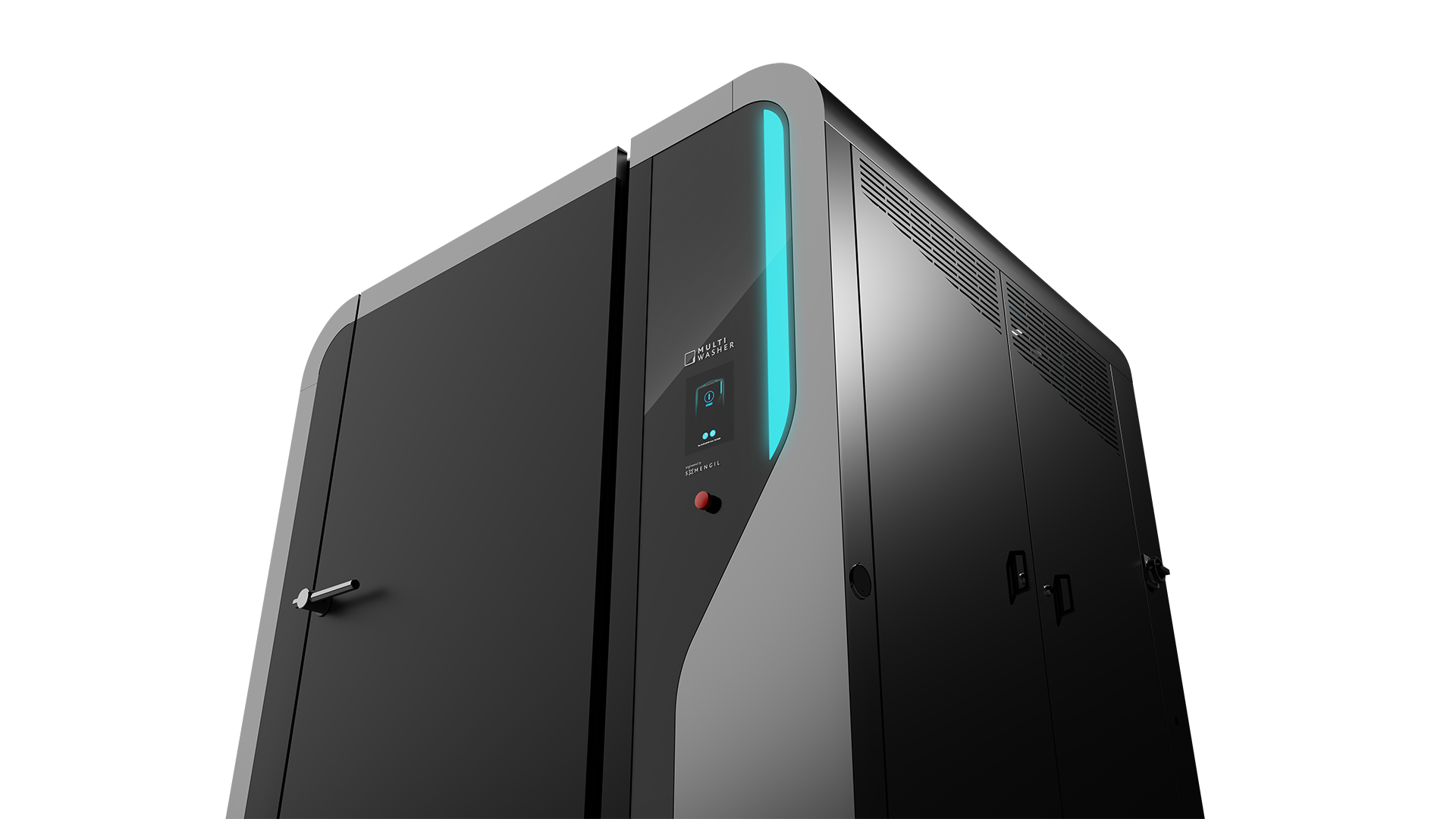
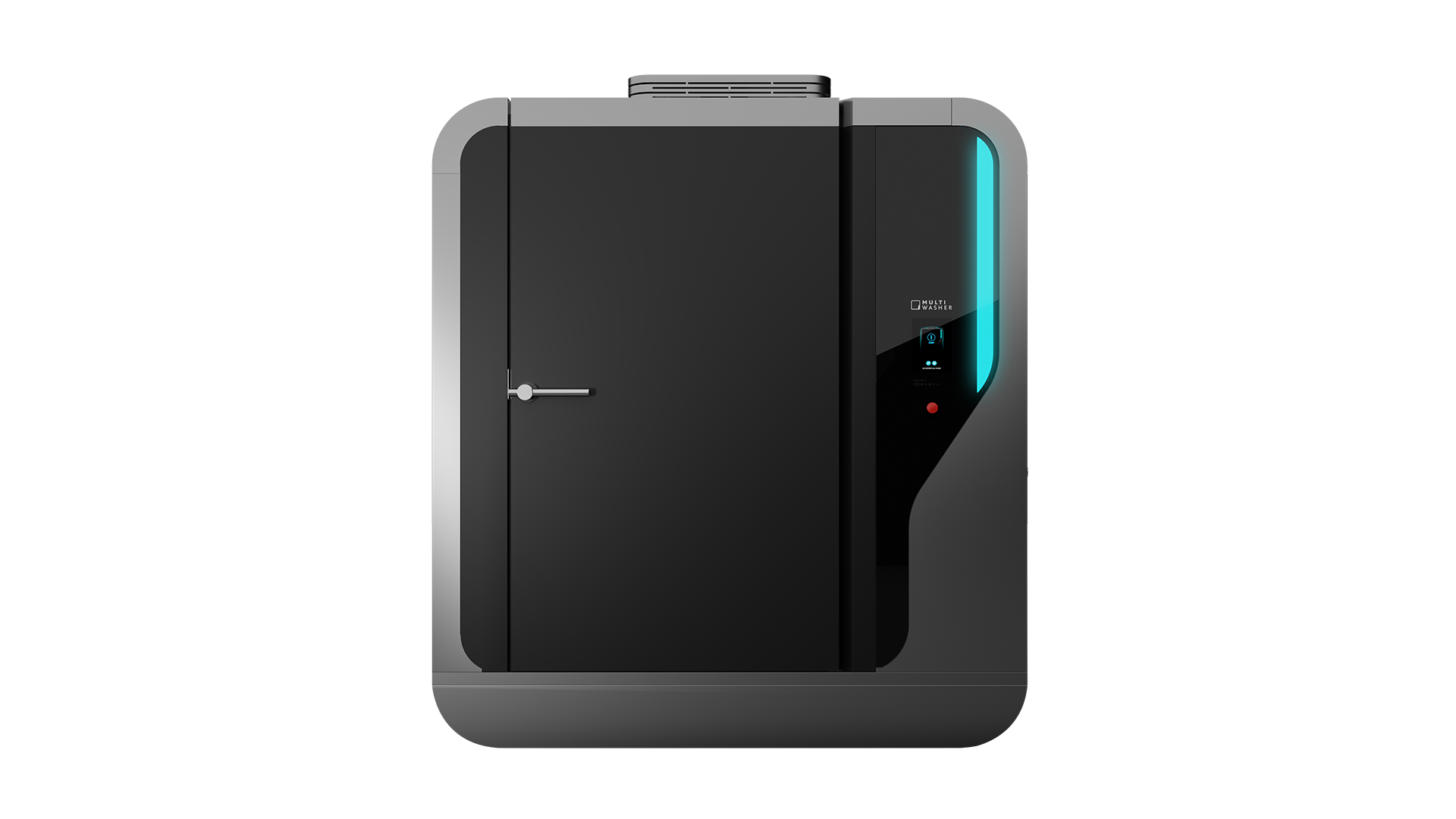
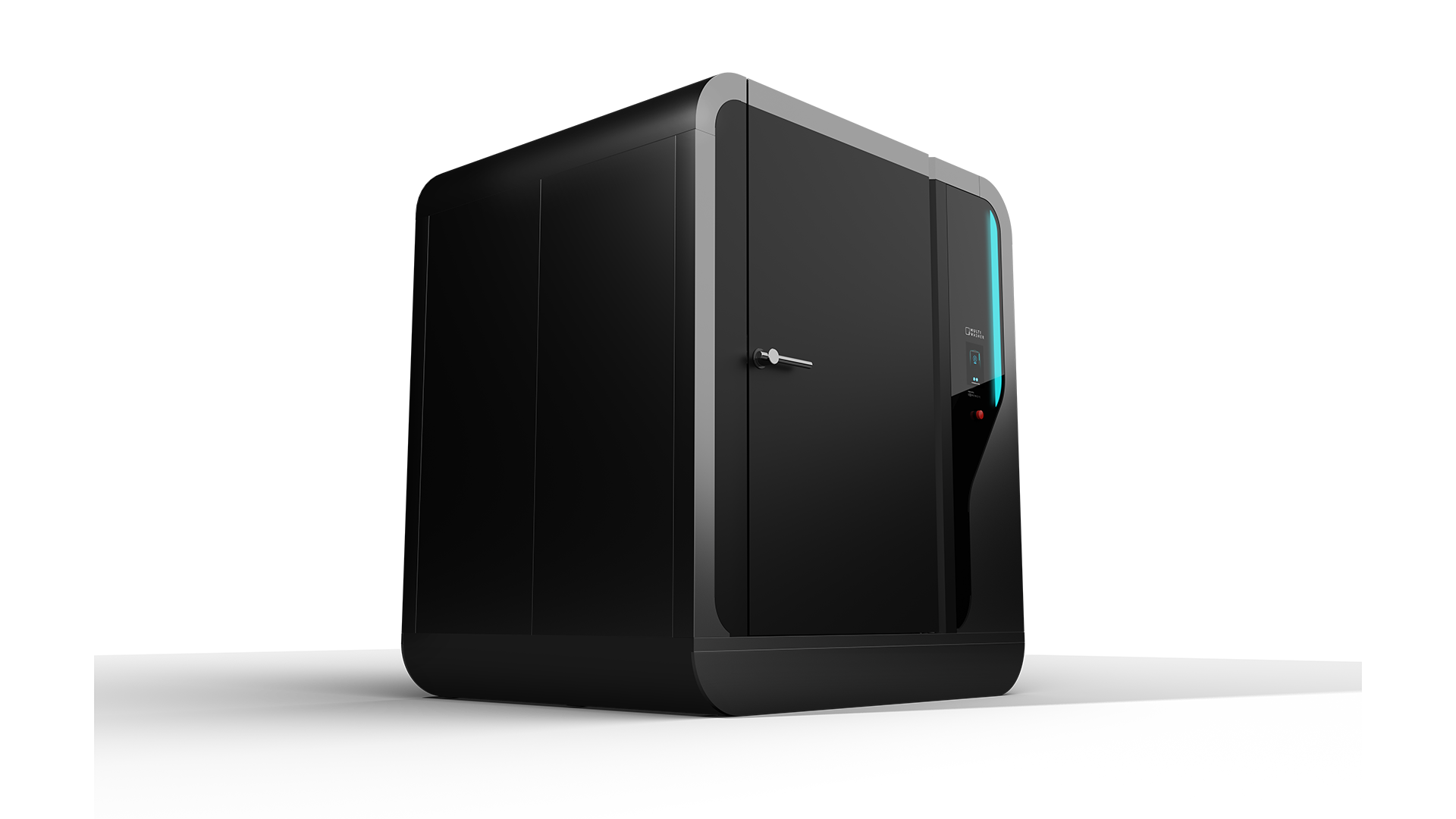
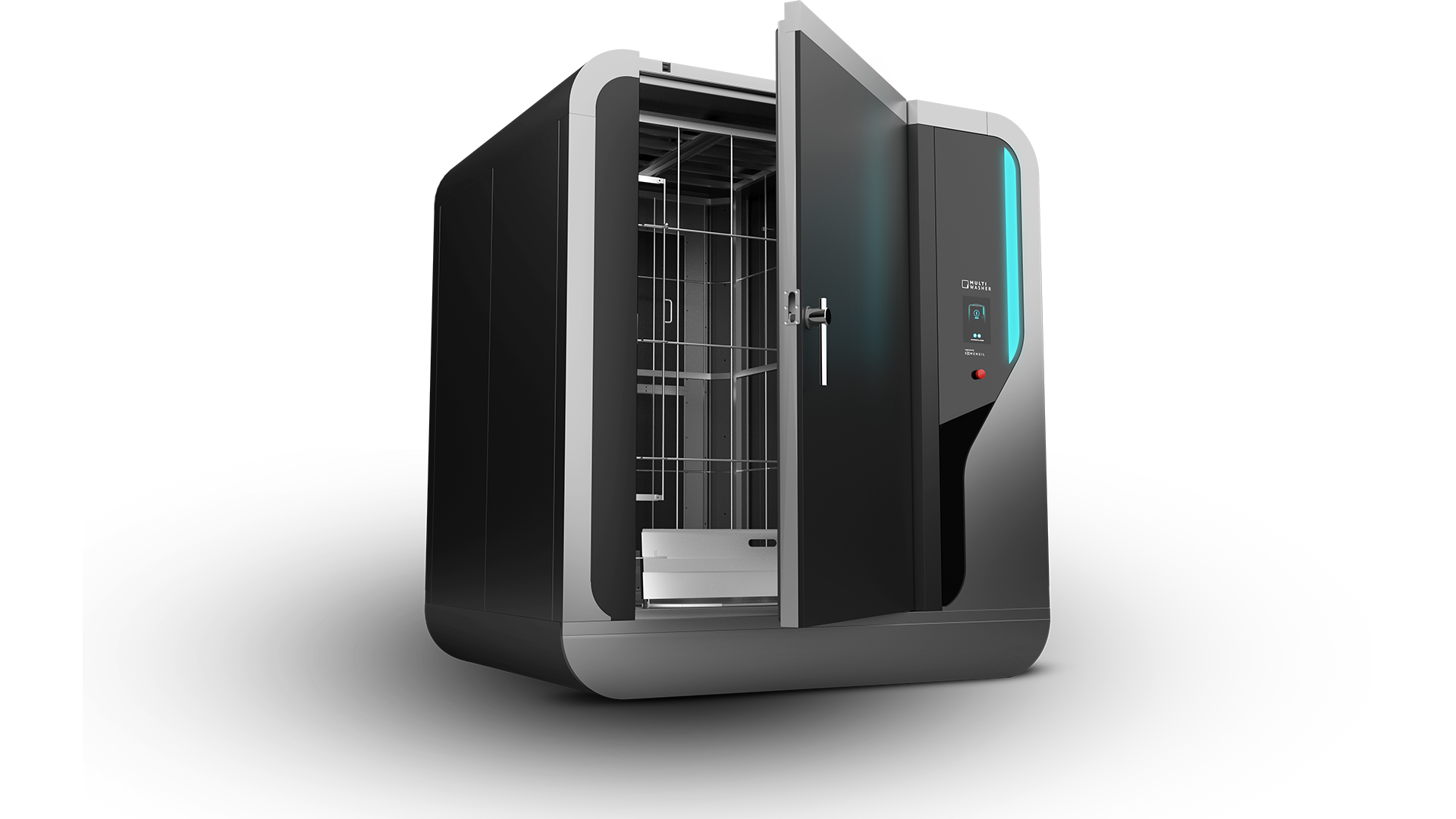
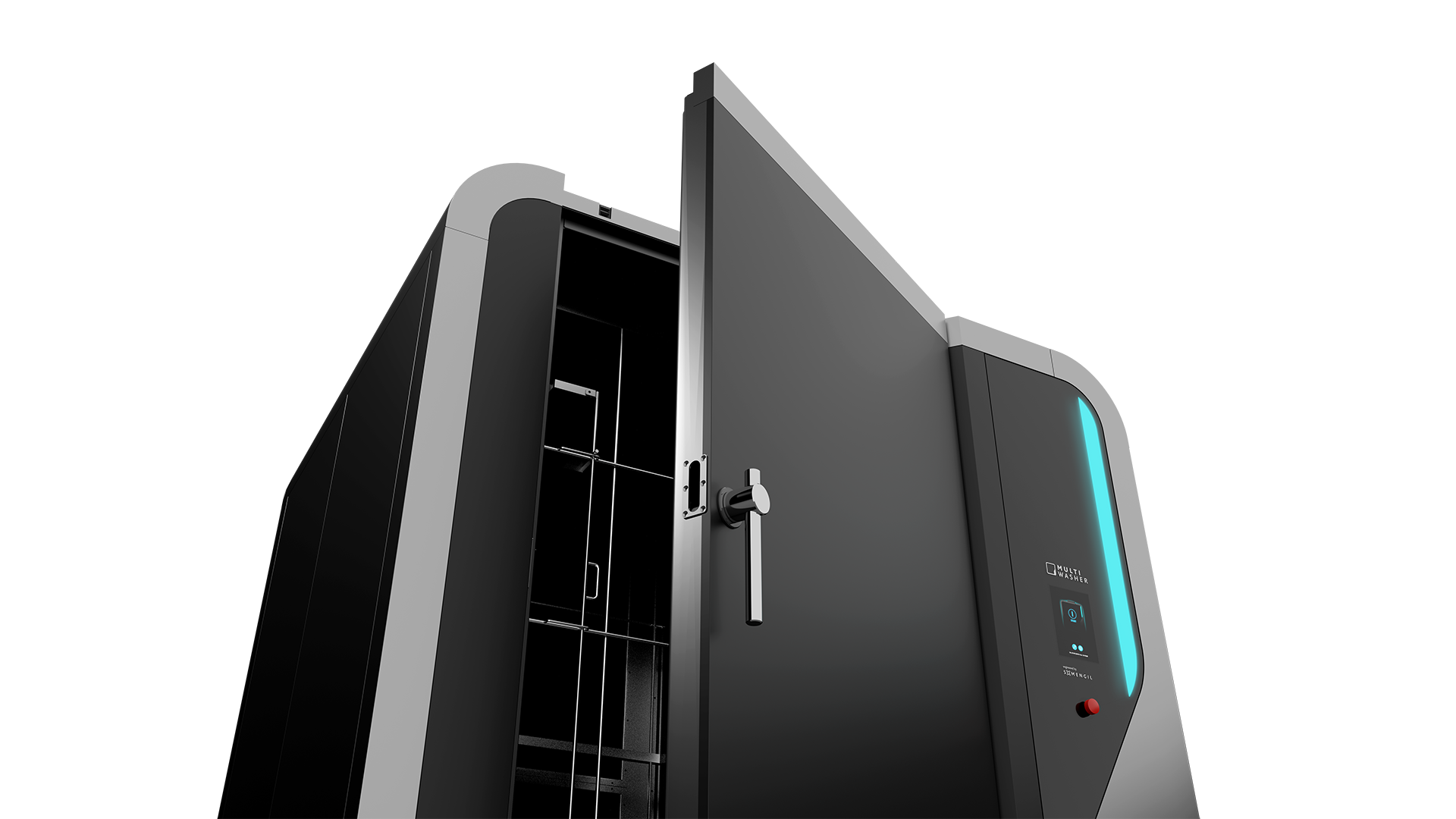
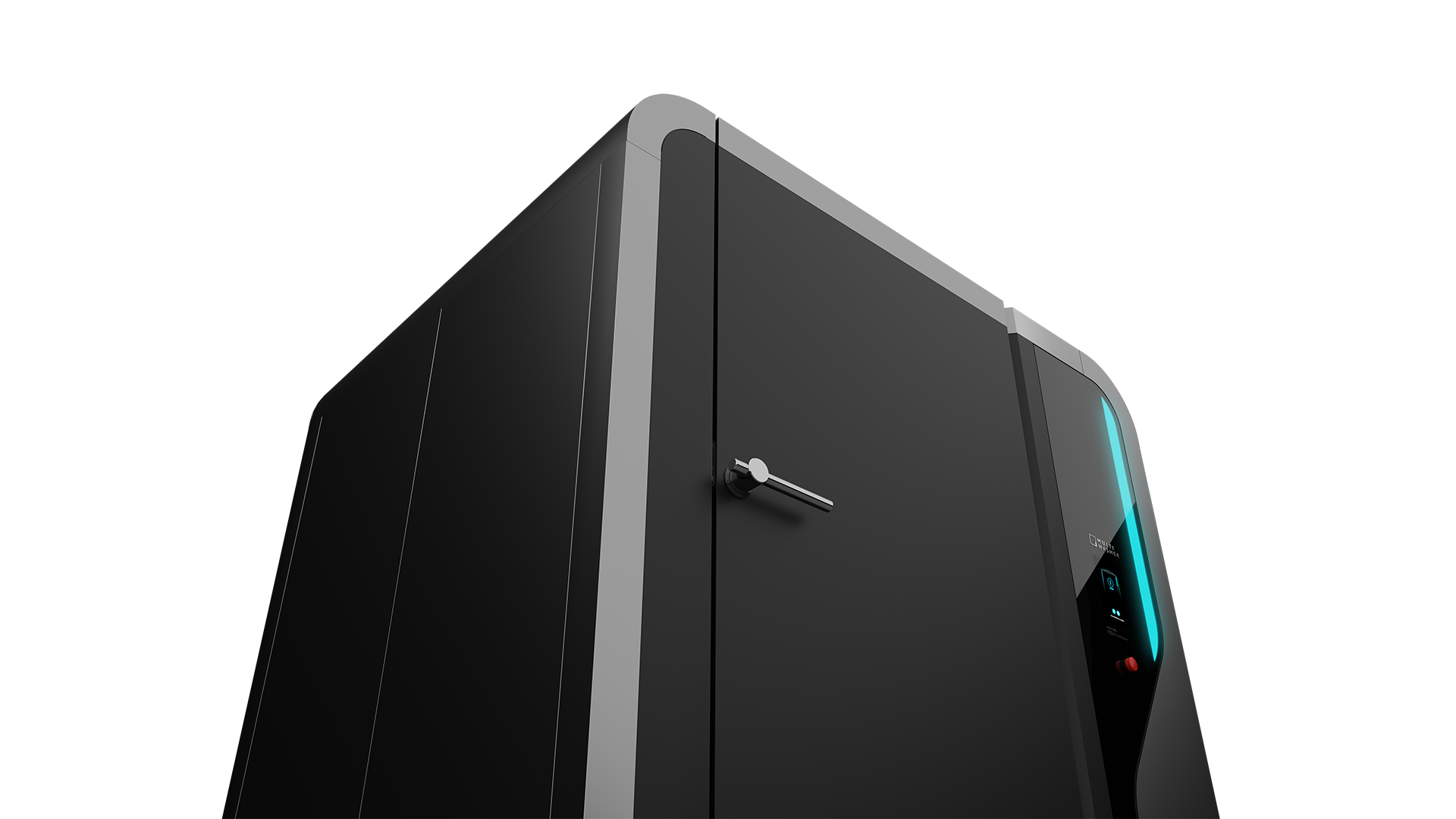
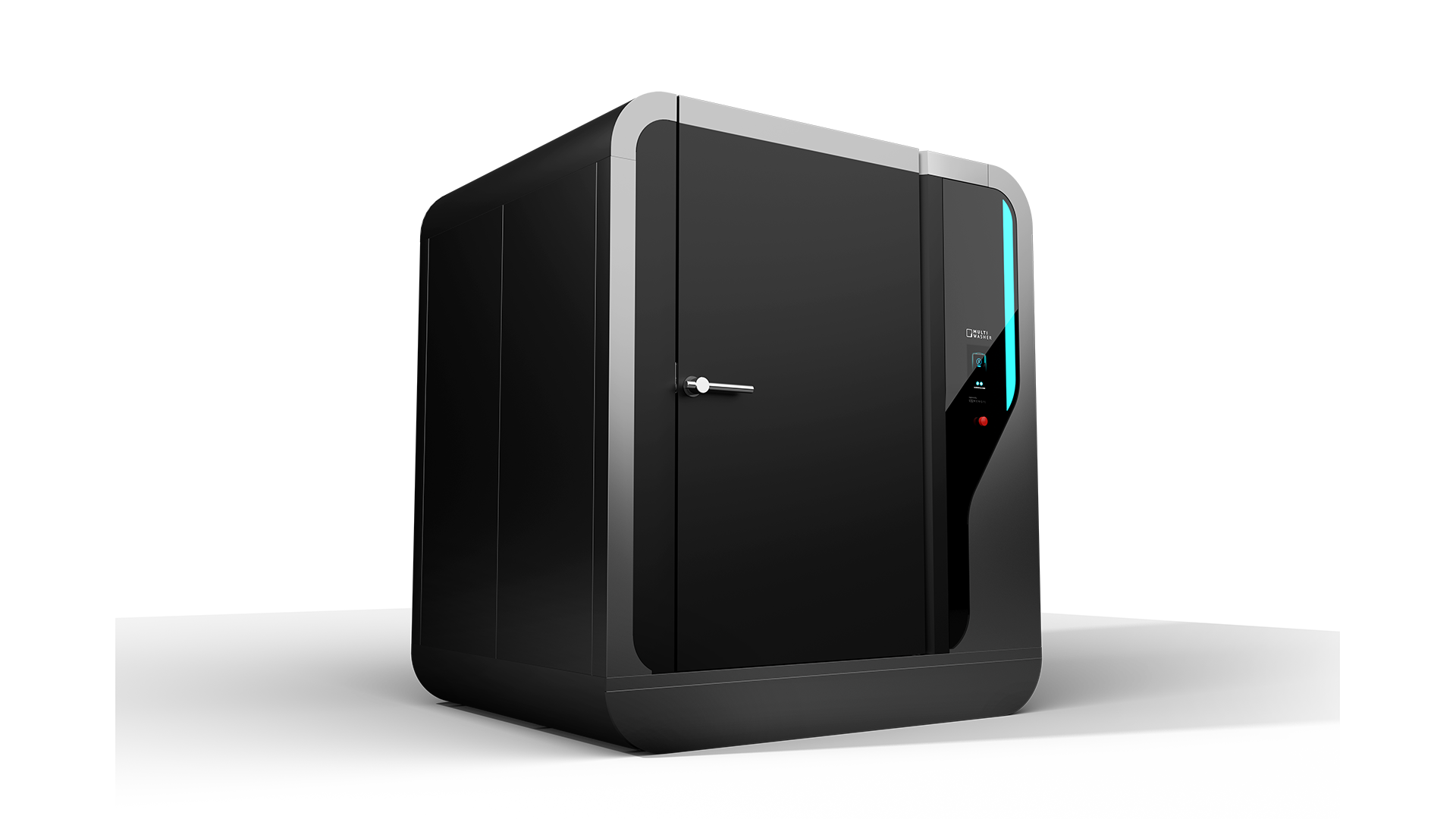
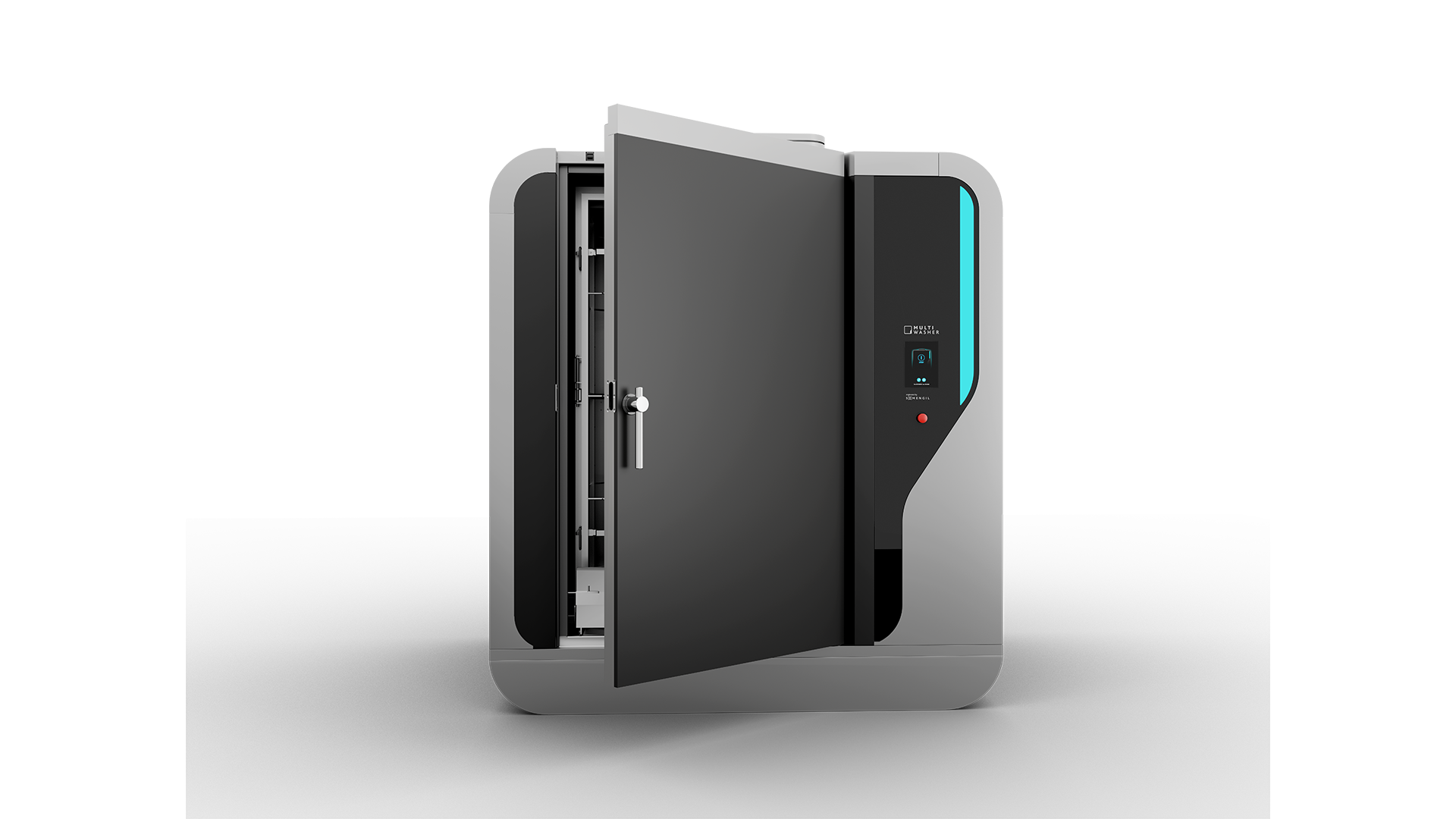
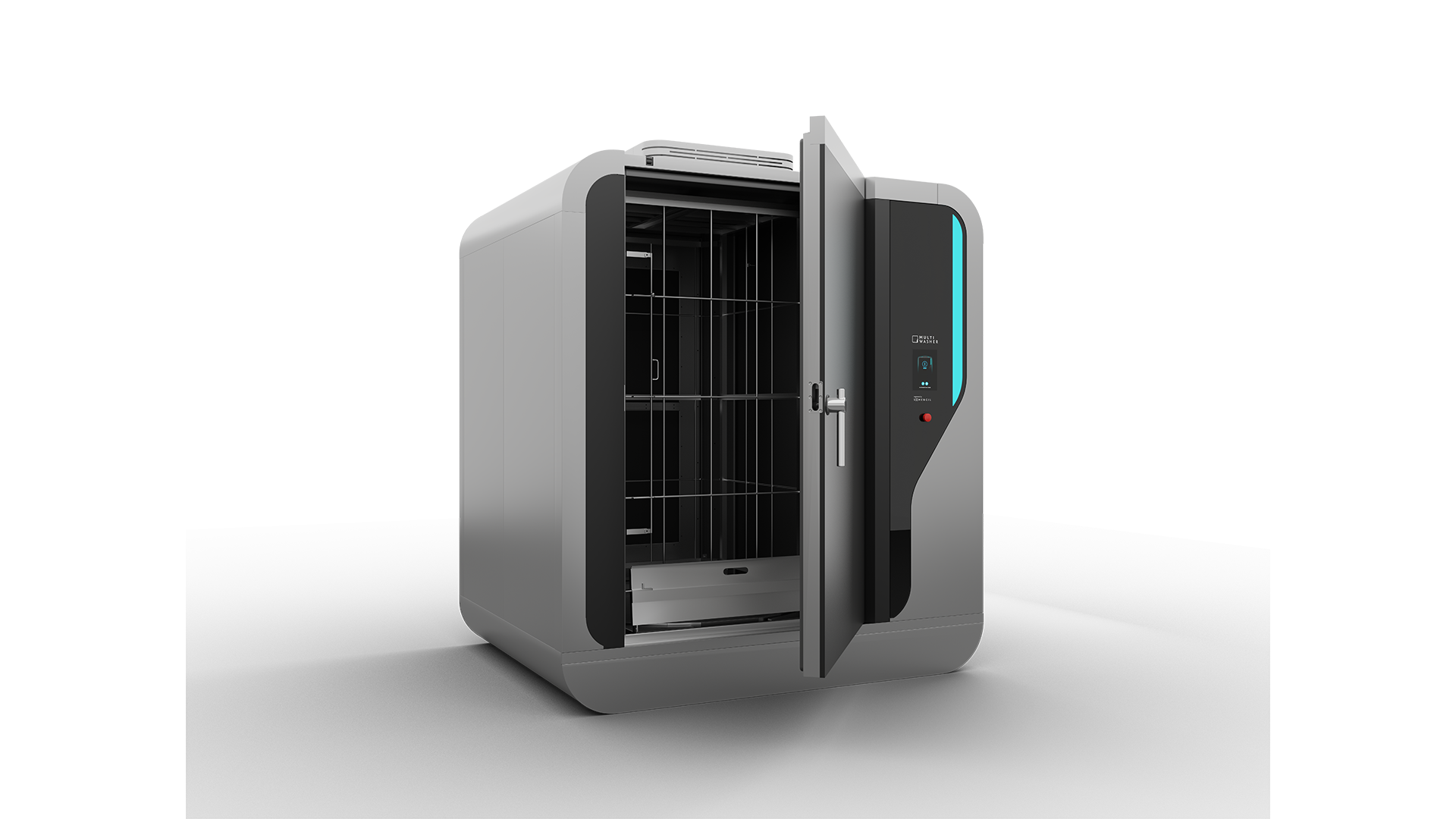
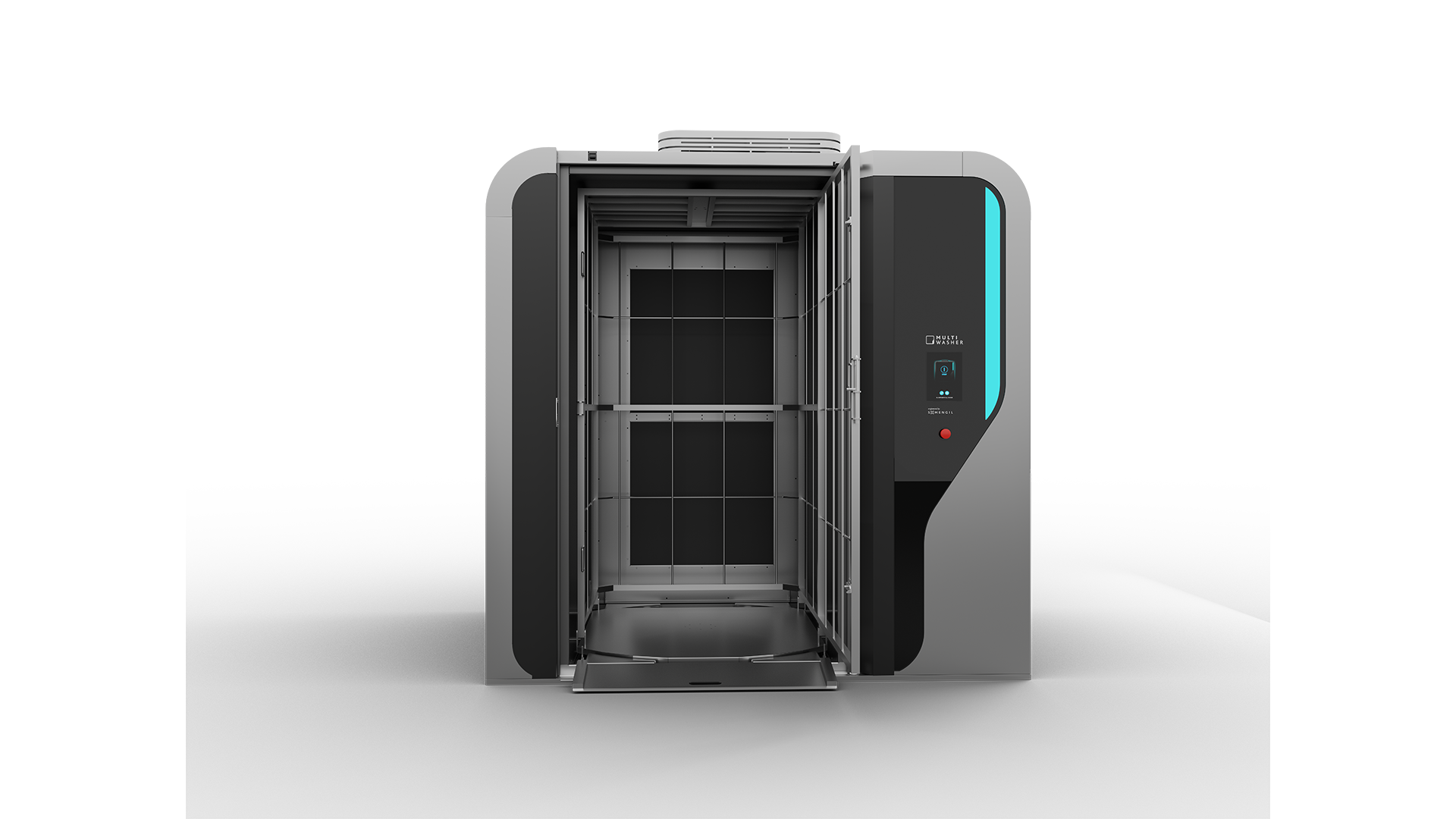
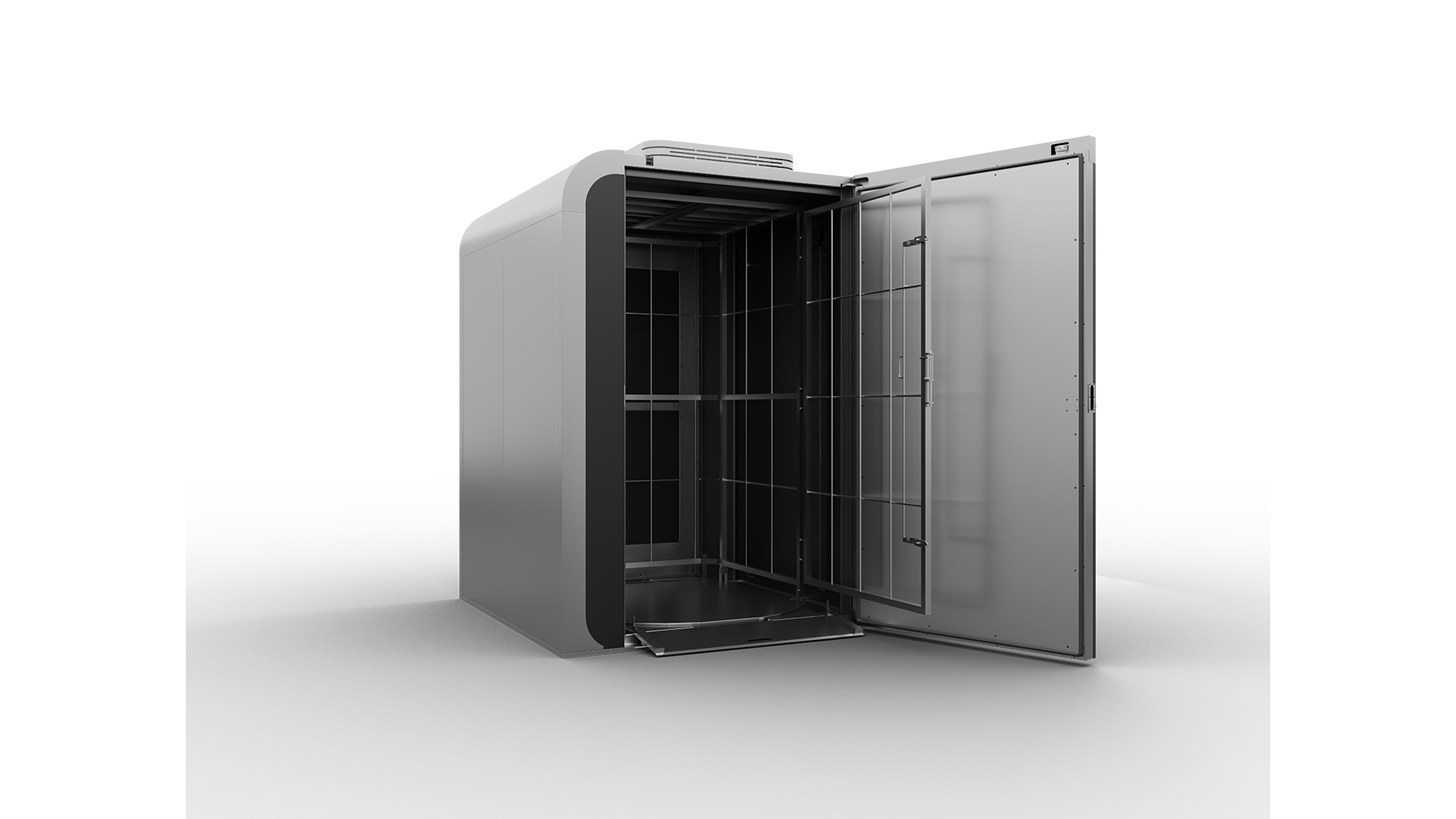
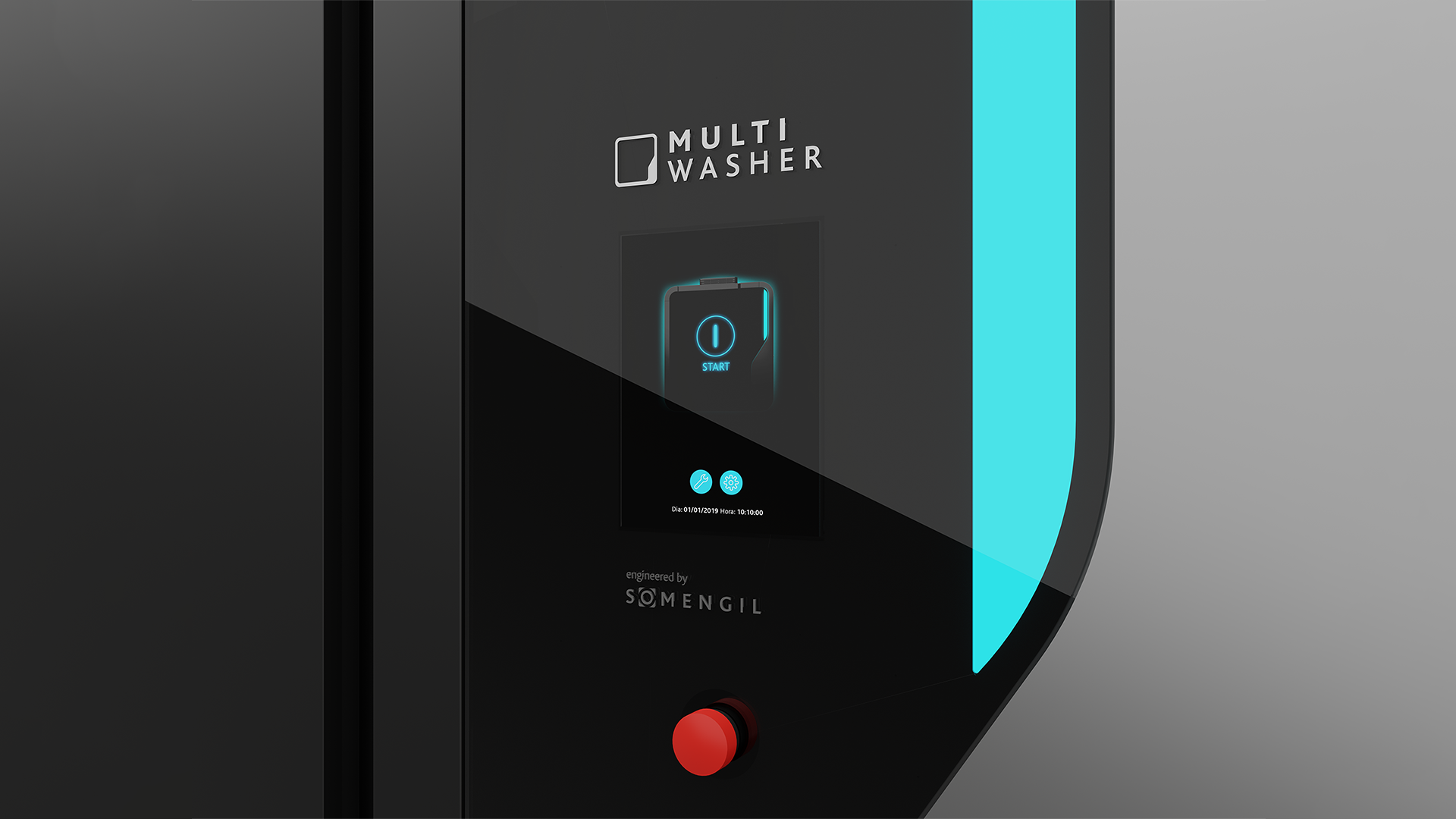
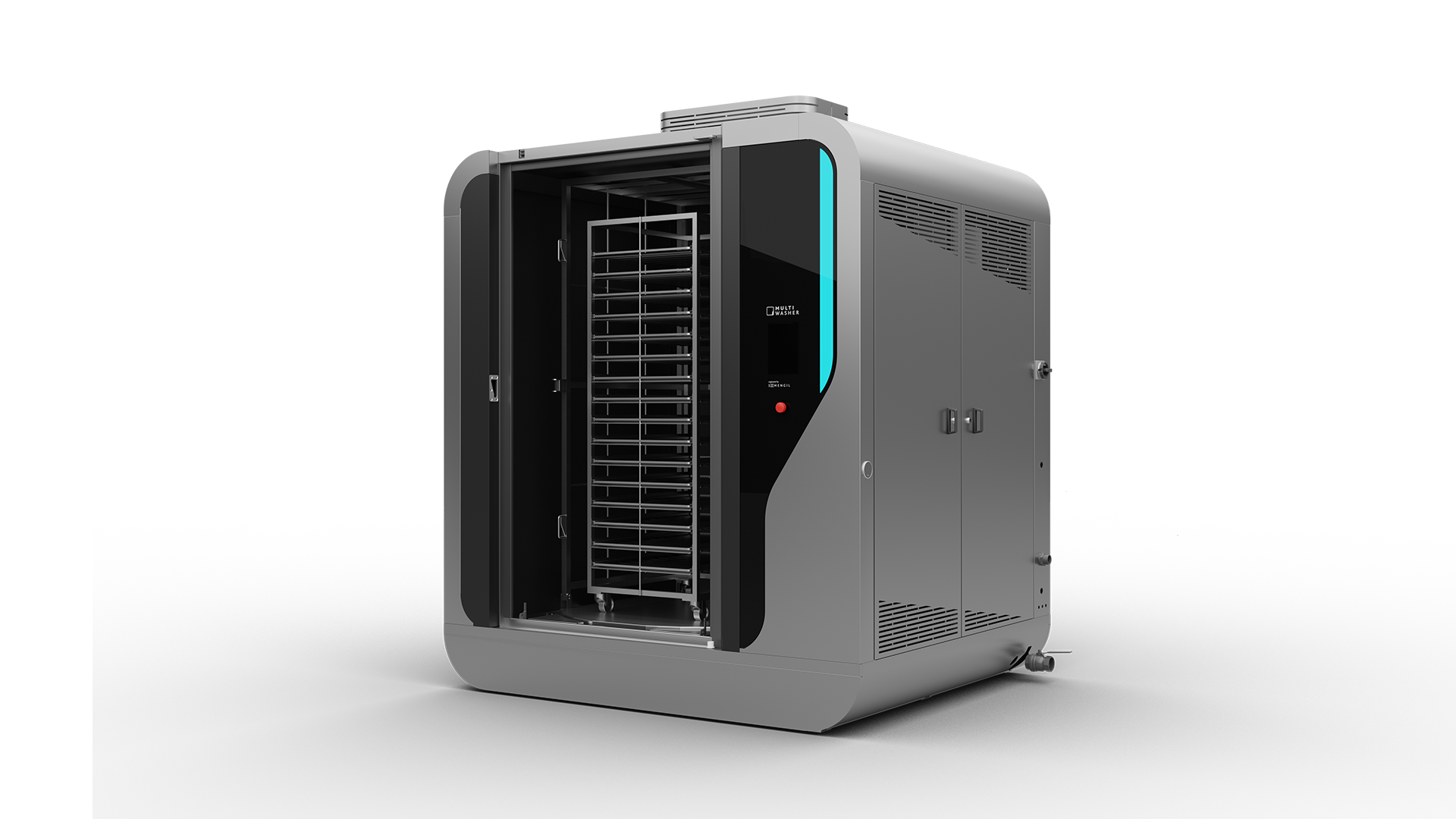
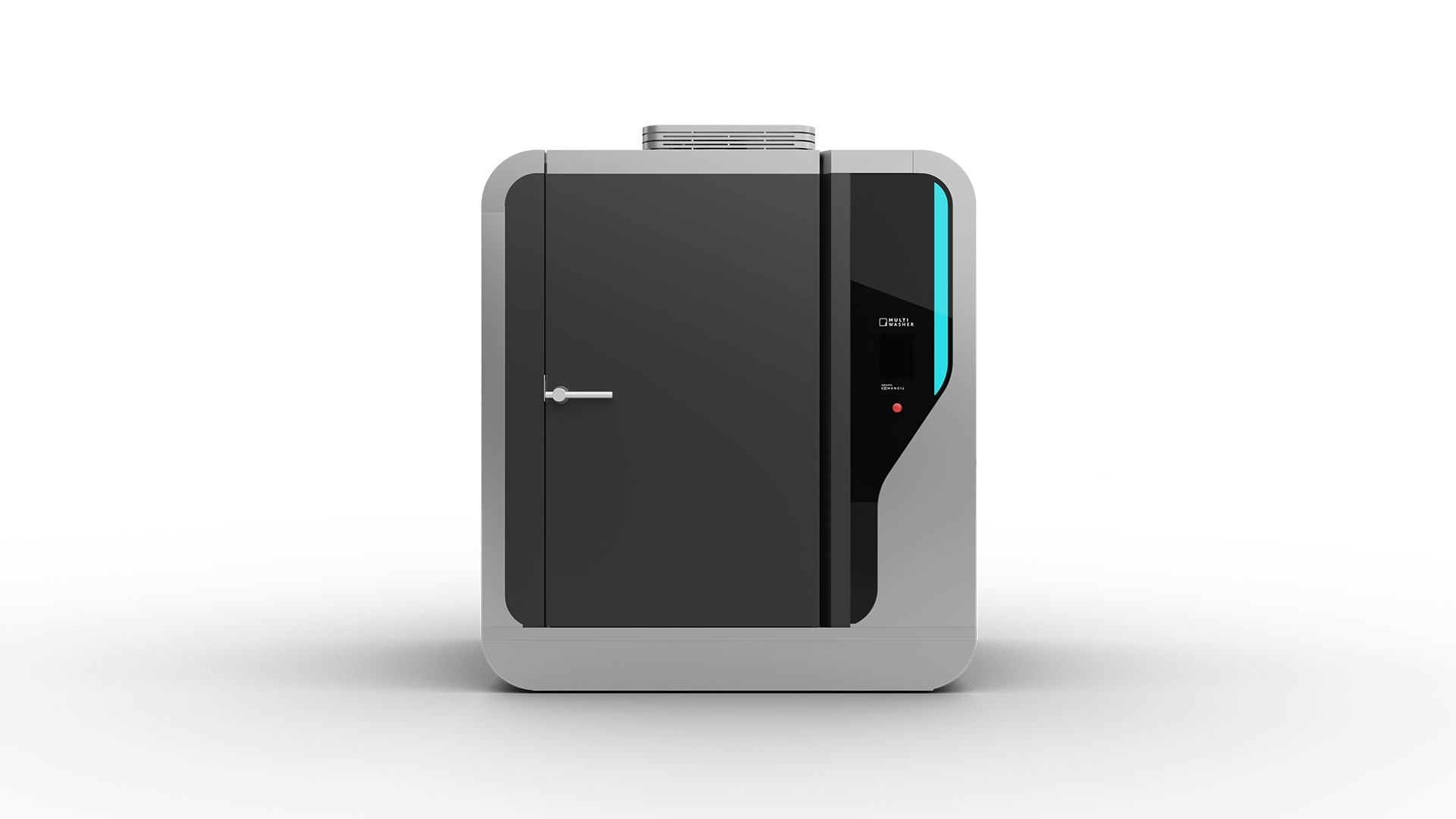
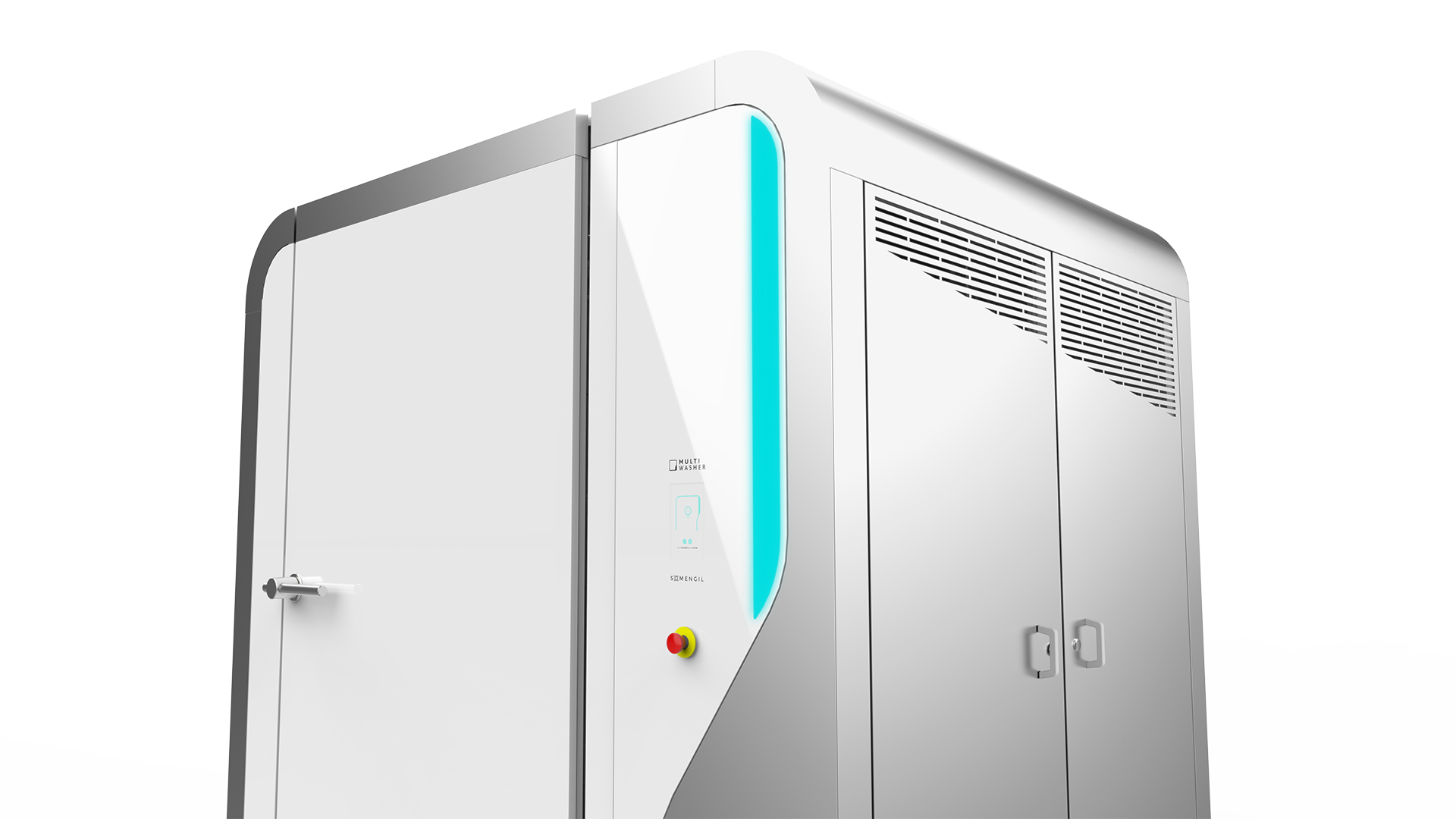
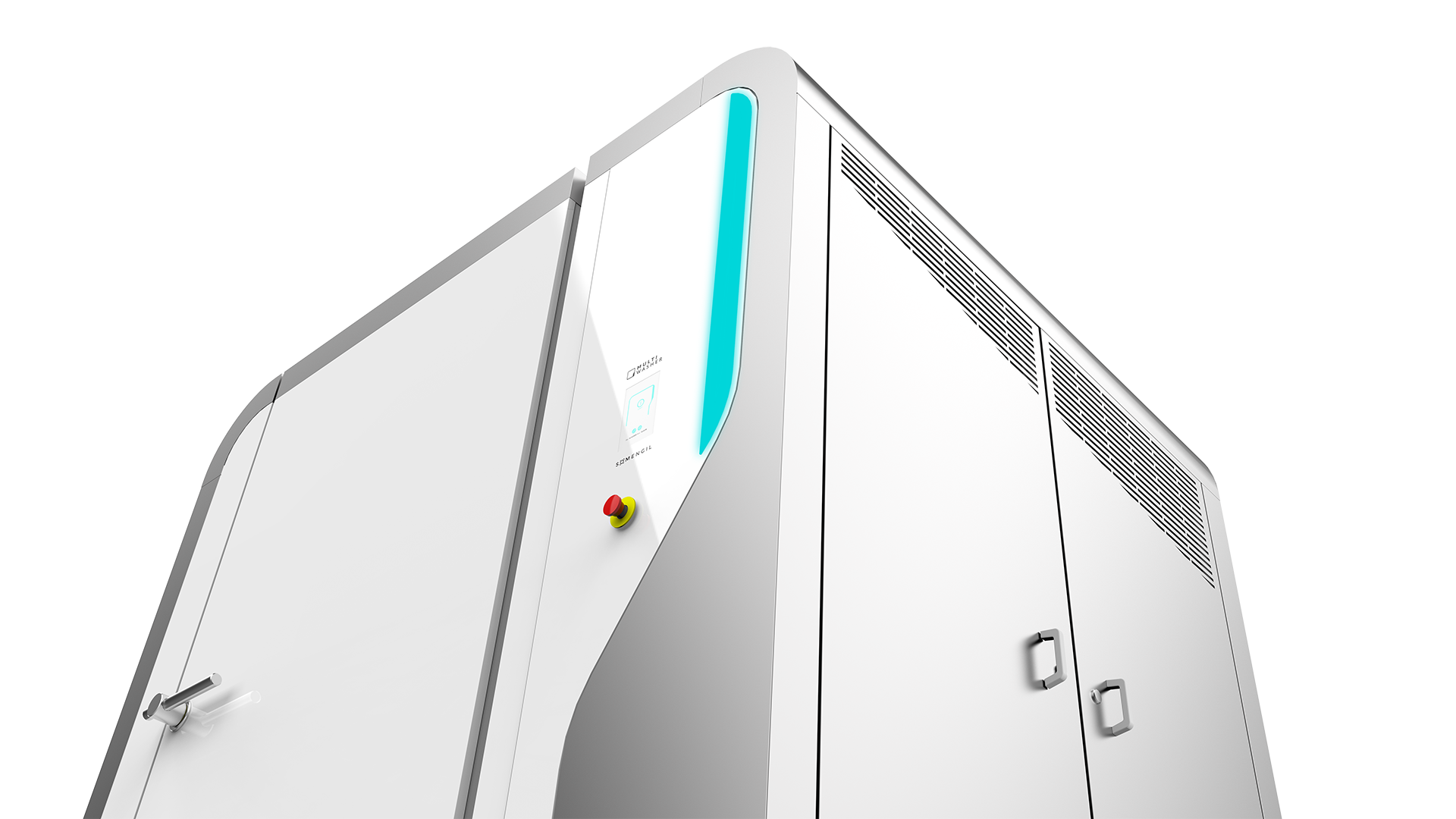
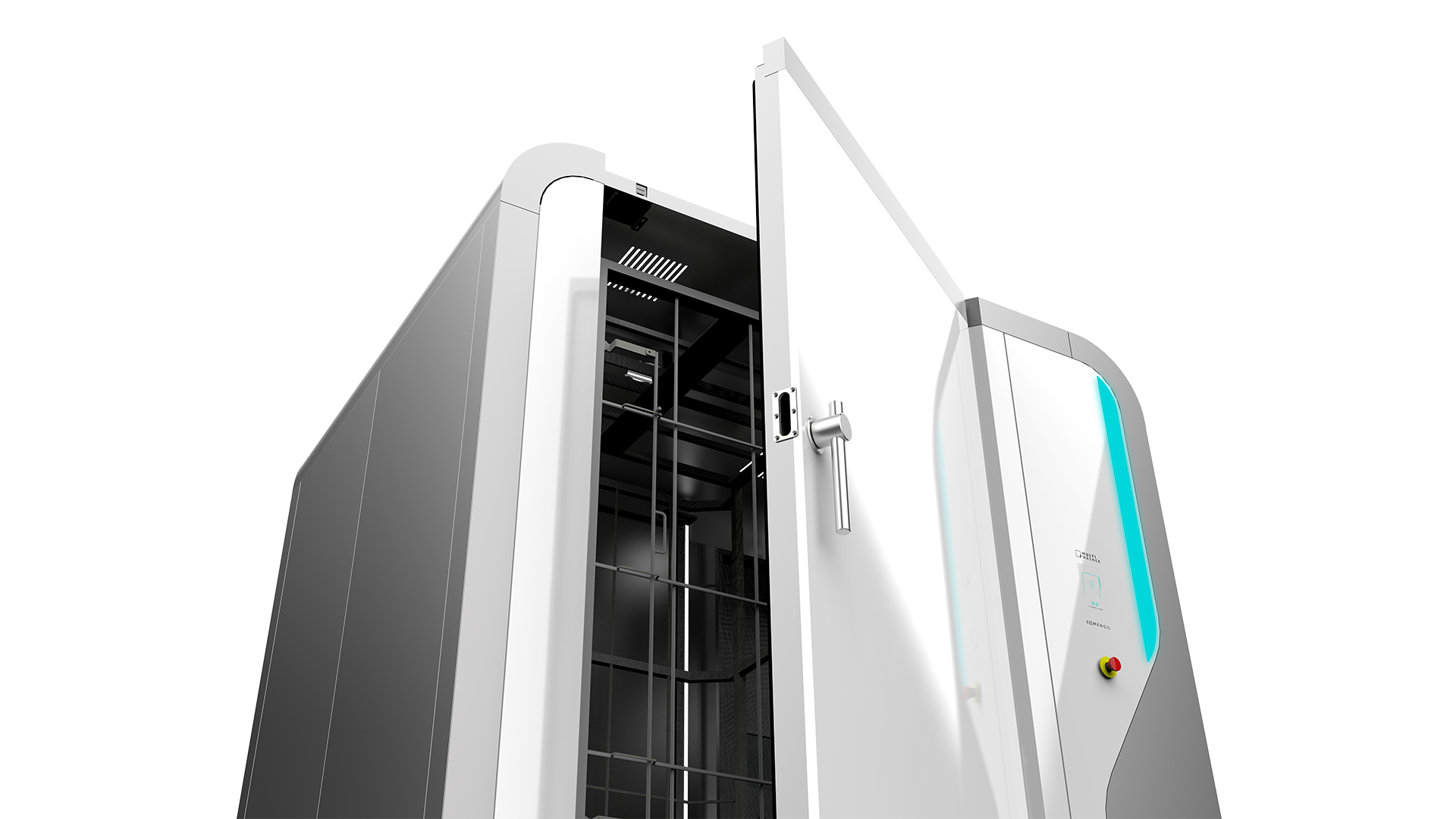
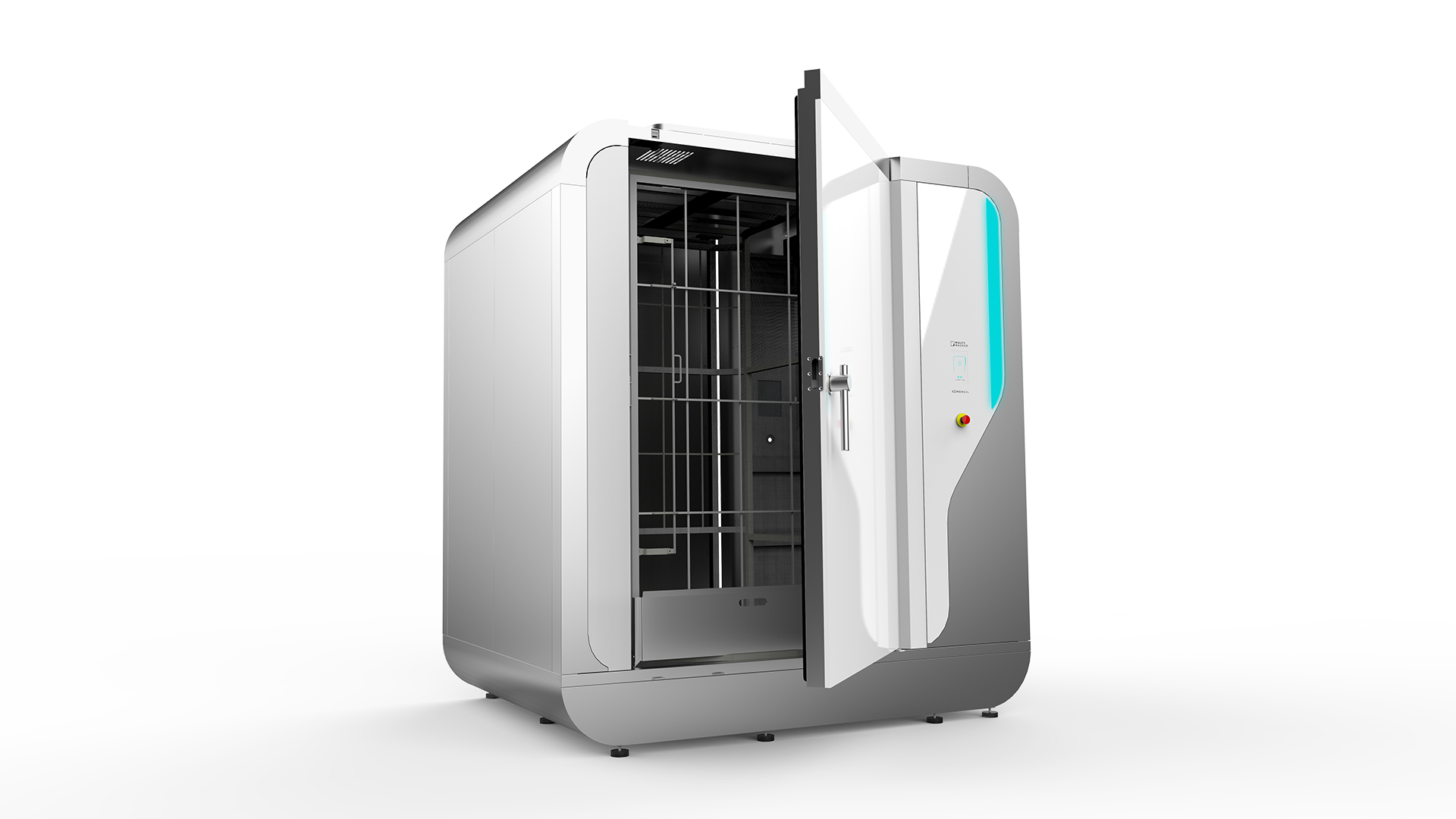
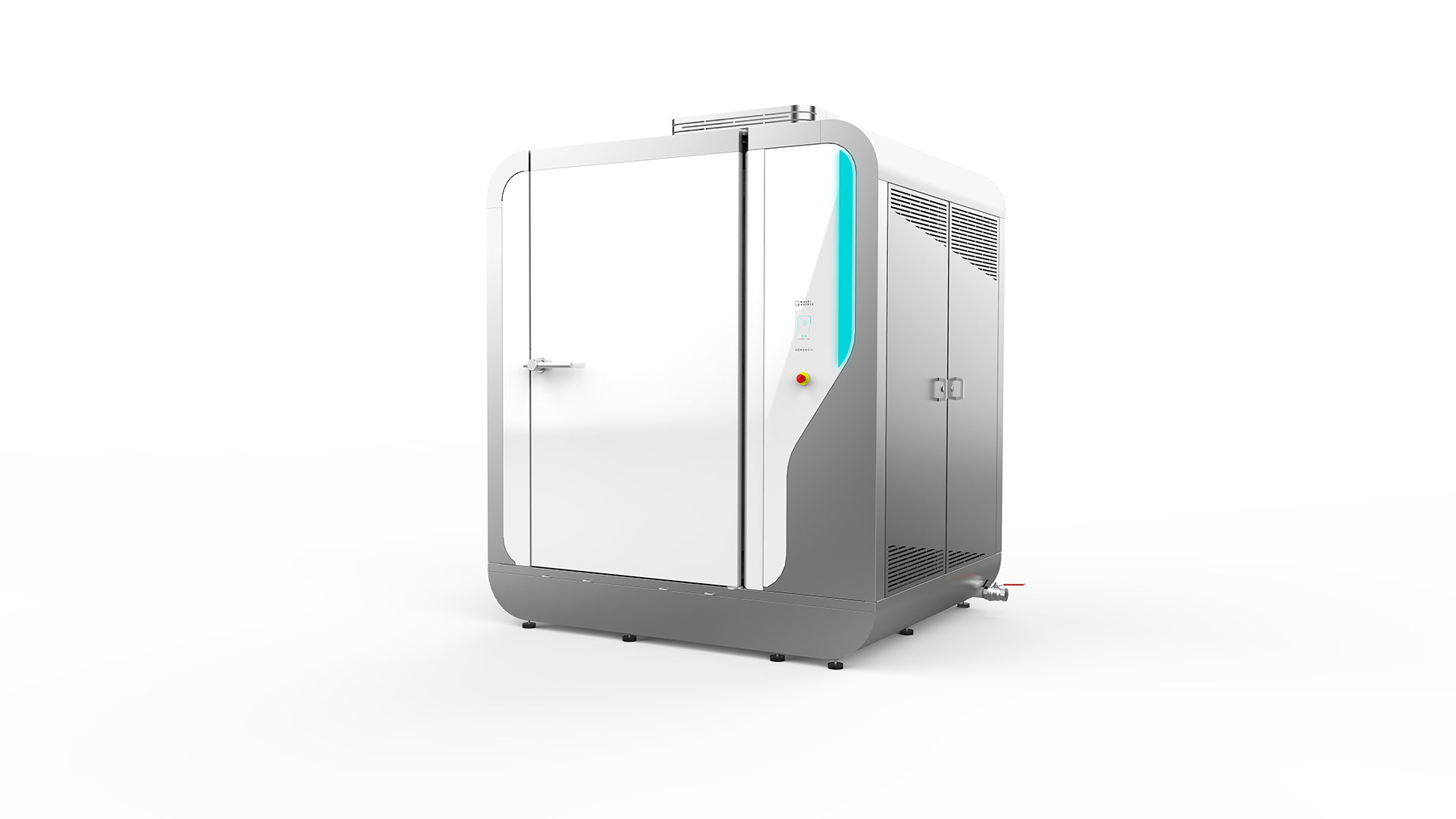
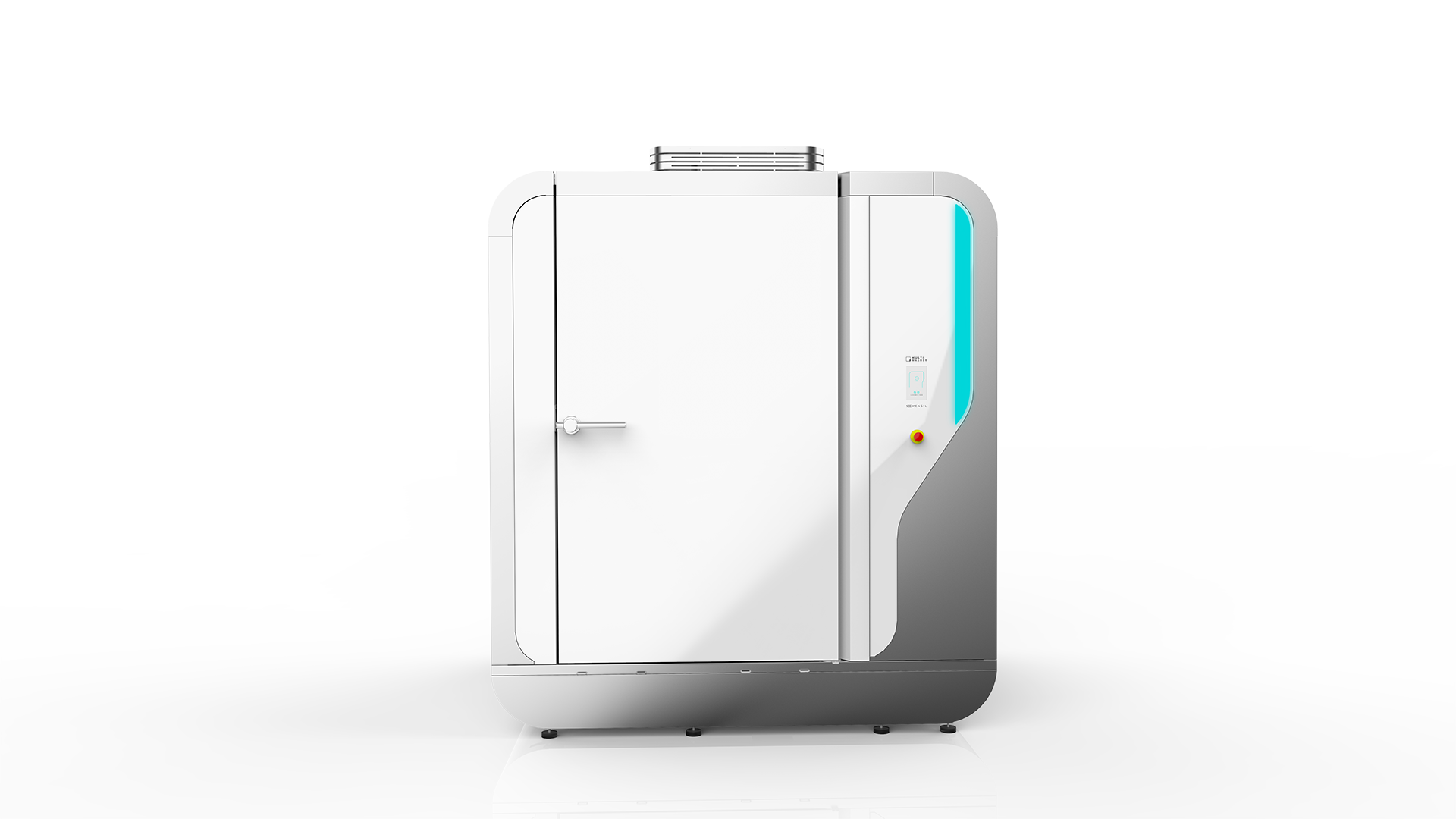
FMEA makes risk visible; effective equipment and well-designed processes help reduce it. Somengil develops the MultiWasher to meet the safety, hygiene, reliability and efficiency requirements of demanding industrial environments.
By studying utensils, workflows and production needs, the team configures a solution that reduces manual handling and ensures consistent results. Talk to our specialists to assess how industrial washing can support your priorities.
Frequently asked questions about FMEA analysis
Find answers to some of the most frequently asked questions about FMEA.
What does FMEA stand for?
Failure Mode and Effects Analysis: a method for anticipating failures and planning preventive actions.
What are the three FMEA ratings?
Severity, occurrence and detection. Multiplying these values gives the Risk Priority Number, or RPN.
Who should take part in an FMEA?
Include people with relevant knowledge of operations, maintenance, engineering, quality and safety.
When should an FMEA be updated?
Update it following changes, incidents, new failure data or evidence that a control is ineffective.
Is a high RPN the only reason to take action?
No. High-severity effects and legal or safety requirements may require action regardless of the RPN.
You may also like

Management / Articles
8 indispensable quality tools
Here are 8 indispensable quality tools to create a culture of continuous improvement.
Posted in 2023-02-09

Management / Articles
Occupational Health and Safety: more relevant than ever?
In an organization, dangers lurk around every corner, even if you can’t see them. This is how Occupational Health and Safety can prevent accident...
Posted in 2022-11-10
Management / Articles
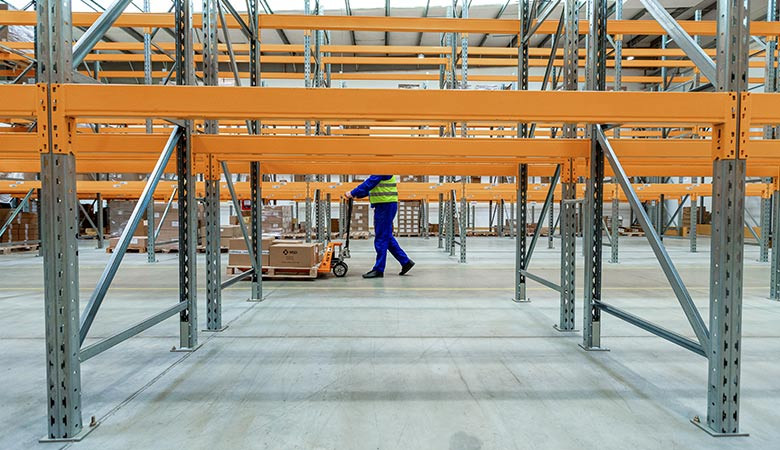
Sweet disposition: the importance of an efficient layout
The design of a business layout seeks to optimize the disposition of people and materials, ensure the efficiency of operations and avoid accident...
Posted in 2021-11-04




 Portugal
 United Kingdom
 United States
 France
 Spain
Spain Germany
 Romania
 Italy
Italy Czech Republic
 Finland
 Hungary
 Slovakia
 Greece
 Lithuania
 South Korea
 Russia
 Saudi Arabia
 Poland
 Brasil
 Hebrew