Industrial washing / Articles
Supply chain management: 8 improvements you can do today
Learn what supply chain management is, why it matters and how to implement it to improve visibility, resilience and cost control.

 8 minutes of reading
2026-09-23 19:11:13
- A supply chain connects every activity needed to move goods, information and funds from suppliers to customers.
- Supply chain management coordinates these activities as one end-to-end system rather than as isolated functions.
- Implementation starts by mapping the current chain, defining KPIs and improving the risks and bottlenecks that matter most.
Supply chain management may sound like something reserved for multinationals with global networks. In practice, every food manufacturer, retailer or catering business has a supply chain - even if it has only a few suppliers, one site and local deliveries. Any company can map how materials, information and products move, identify risks to quality, availability or lead time, and improve one critical stage at a time.
What is a supply chain?
A supply chain is the network involved in creating and delivering a product or service, from raw-material suppliers and manufacturers to warehouses, retailers and customers.
It carries goods, forecasts, orders, stock data, quality records and funds. A disruption at one point can affect lead times, costs, availability and service elsewhere.
What is supply chain management?
Supply chain management (SCM) coordinates these flows from sourcing to delivery and returns. It aligns demand, purchasing, production, inventory, quality and logistics so that the chain performs as one system.
SCM is broader than logistics: it also covers supplier relationships, demand planning, production decisions, traceability, risk and collaboration.
What are the advantages of supply chain management?
For food manufacturers and retailers, better coordination across the supply chain can protect product availability and quality while reducing avoidable cost and waste.
Greater visibility and better decisions
Shared demand, stock, capacity and order data gives teams one basis for decisions.
Lower costs and less waste
Better planning reduces excess stock, expiry, emergency purchases, avoidable transport and idle time.
More reliable customer service
Aligned supply, production and distribution improve on-time delivery and product availability.
Stronger resilience
Mapped dependencies and tested alternatives help the business respond to disruption faster.
Improved quality and traceability
Clear standards and records help teams monitor batches, investigate deviations and isolate problems.
How to implement supply chain management: 8 practical steps
From mapping the current state to simplifying bottlenecks, here are steps you can take today in your plant.
1. Map the current supply chain before changing it
Set a boundary the company can control or influence: for example, from ingredient and packaging suppliers to production, storage and delivery. Follow one product family backwards from customer demand. Record suppliers, processes, stock points, material and information flows, owners, lead times, queues, constraints and known risks.
Use SIPOC to define suppliers, inputs, process, outputs and customers; Value Stream Mapping to expose material and information flows; and SCOR to check the wider Plan, Order, Source, Transform, Fulfill and Return processes. Validate the map with the people doing the work and use supply chain analytics to establish a baseline.
2. Define KPIs and create a measurement rhythm
Choose a maximum of four to six measures tied to the problem. For exemple, track on-time-in-full delivery, forecast accuracy, stockouts, expiry or waste, supplier defects, batch trace time, cold-chain deviations, washing throughput or downtime. For each KPI, set the formula, data source, owner, target and review frequency. Review exceptions weekly and assign actions.
3. Prevent the bullwhip effect with shared demand data
The bullwhip effect occurs when a small change in consumer demand creates progressively larger order changes upstream. In retail and food production, promotions, safety stock and duplicated forecasts can amplify the problem, causing excess perishable stock or unexpected shortages.
To avoid it, compare store sales and online orders with distribution-centre withdrawals and supplier orders. Share promotion calendars, stock levels, waste, returns and production schedules with the relevant partners. When an order spike does not match actual sales, investigate it before increasing production or purchasing.
4. Build long-term partnerships around critical supplies
Score suppliers of ingredients, packaging, cleaning consumables and spare parts on quality, on-time delivery, cold-chain compliance and responsiveness - not price alone. Agree escalation contacts and lead times, while qualifying alternatives for inputs that could stop production.
5. Track batches, temperatures and handling conditions
Link each batch to its supplier, expiry, allergens, process records, location and destination. Use barcodes, RFID or sensors for movements and cold-chain conditions. Include washing records where reusable items affect hygiene, and test how quickly a suspect batch can be isolated.
6. Test sales plans against actual capacity
Combine historical sales with confirmed orders, seasonality, promotions, weather and local events. Then test the plan against ingredient supply, production lines, changeovers, industrial washing, cold storage, picking, transport and shelf life. This exposes constraints before they create waste or missed availability.
7. Identify the bottlenecks that interrupt product flow
Start where delays or errors affect throughput: replenishment, order allocation, batch records, expiry alerts, washing, packaging or maintenance. Configure alerts for low stock, temperature deviations, delayed orders, wash-cycle faults or equipment conditions that require intervention.
8. Prepare scenario-based contingency plans
Create practical responses for supplier interruption, refrigeration failure, contamination, recall, transport delay and industrial washer downtime. For each scenario, define the trigger, decision owner, communication route and approved alternatives, such as backup suppliers, substitute products, spare equipment, external capacity or temporary stock. Test the plan and update it after incidents.
A more efficient supply chain with MultiWasher
Industrial washing is part of supply chain performance: if reusable items are not clean, dry and ready, production can slow down.
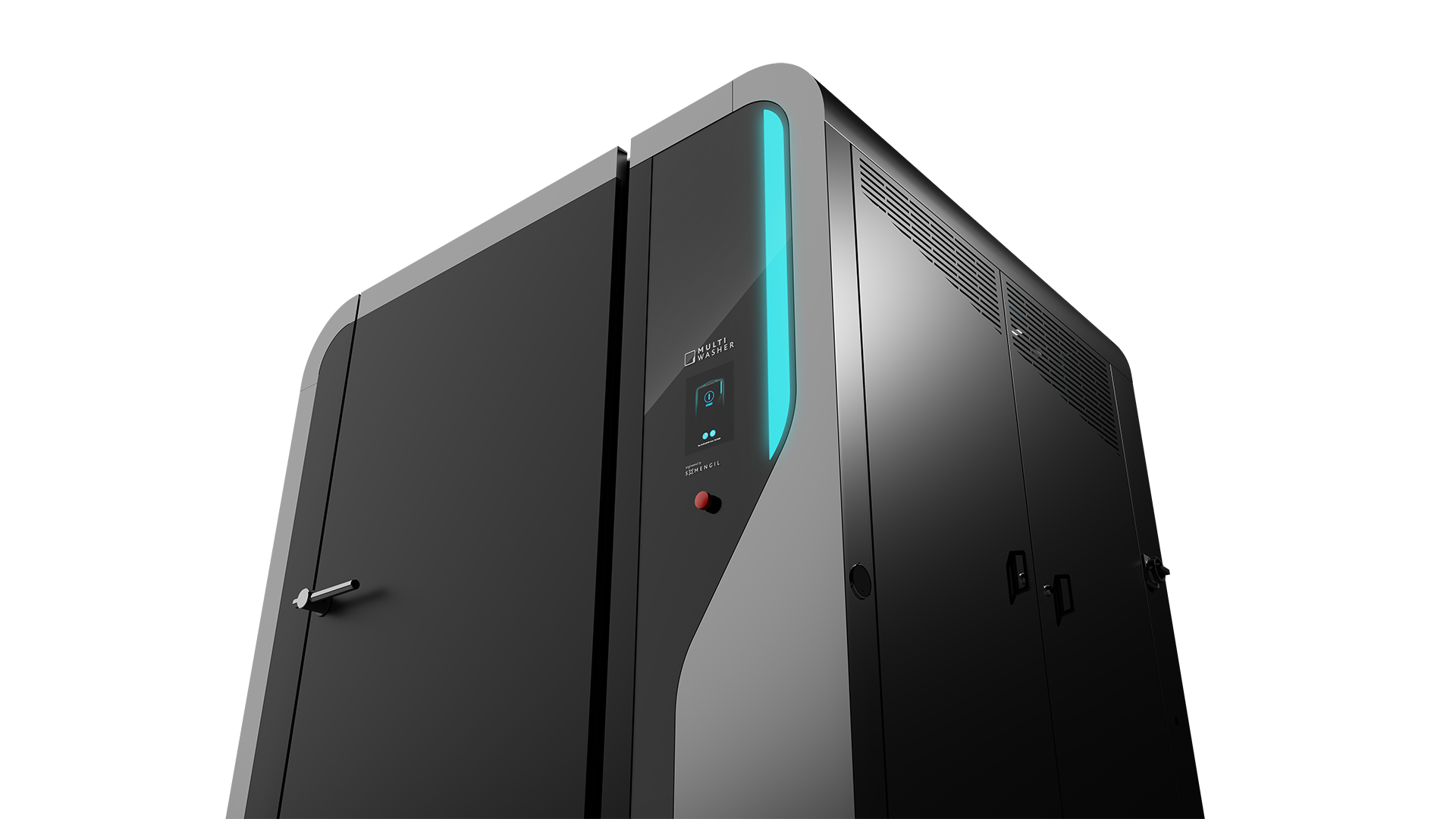
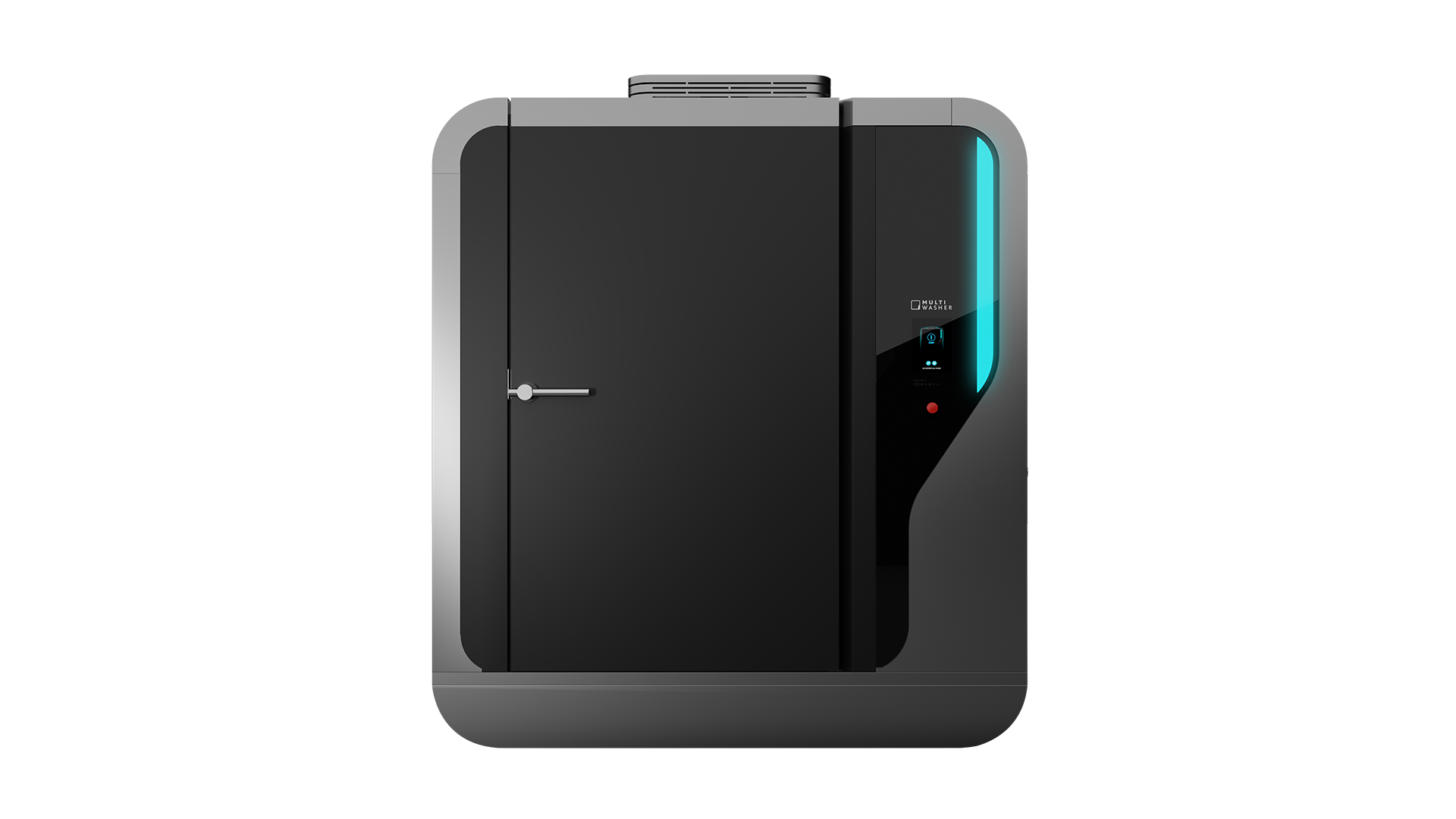
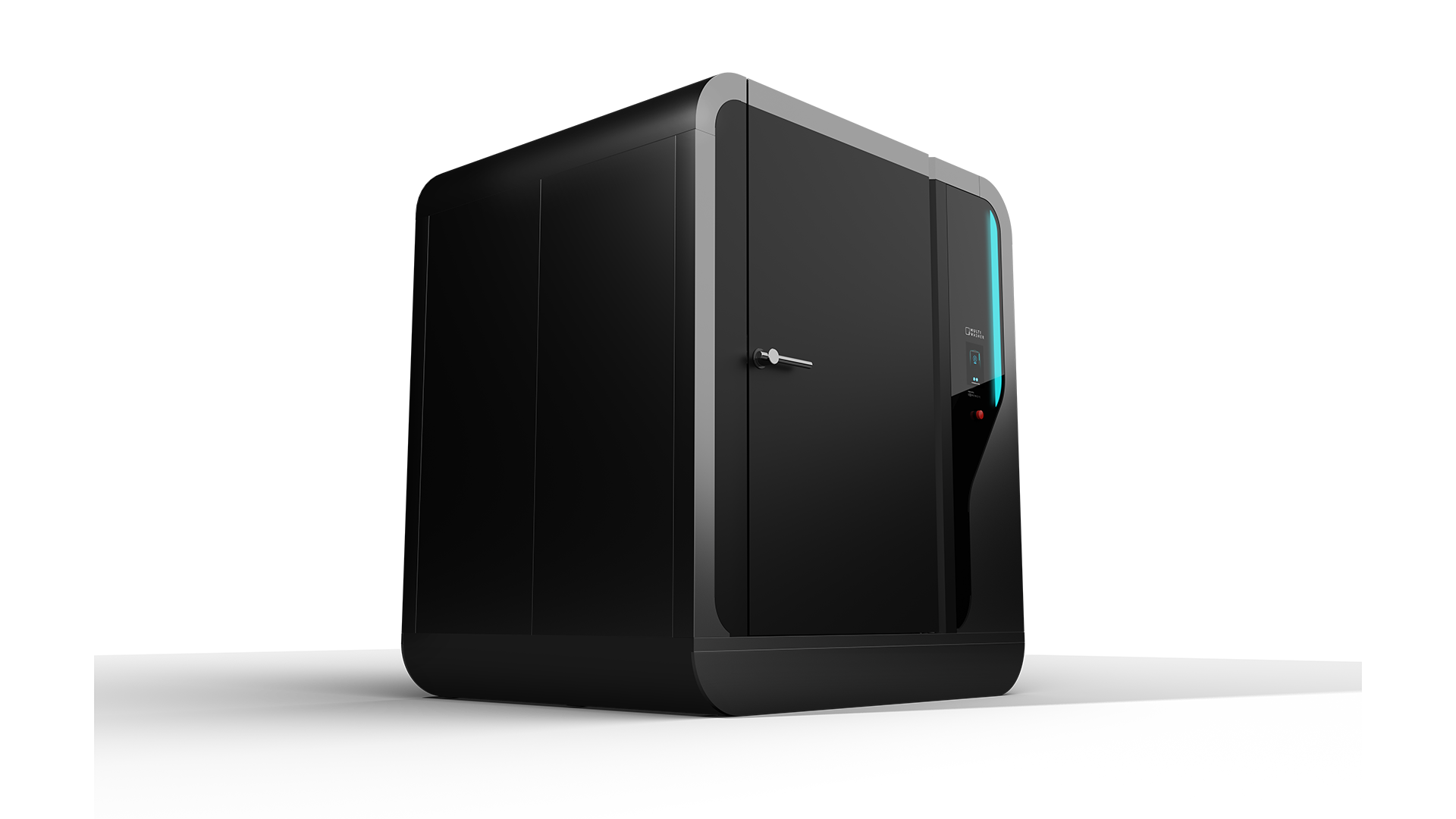
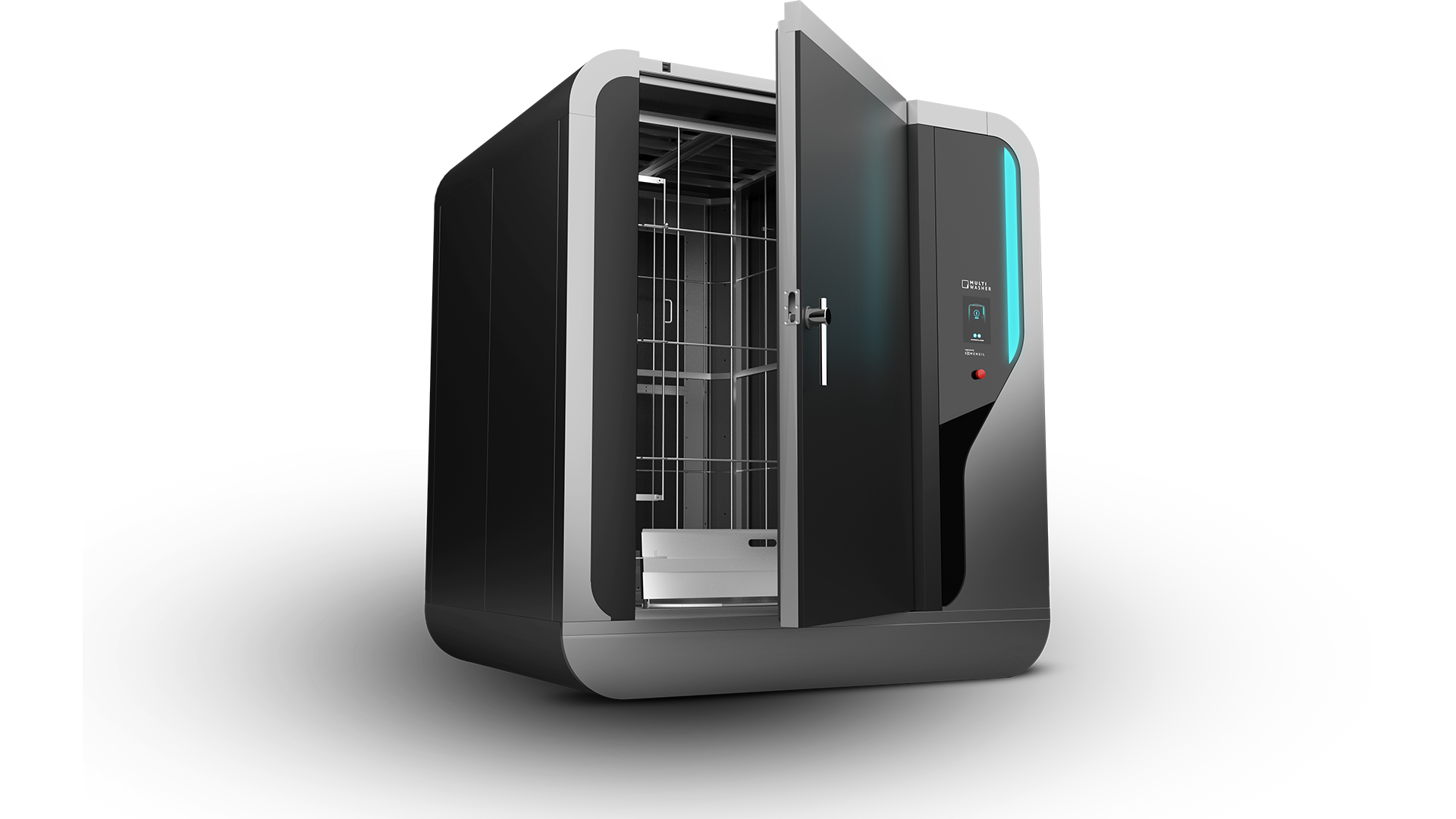
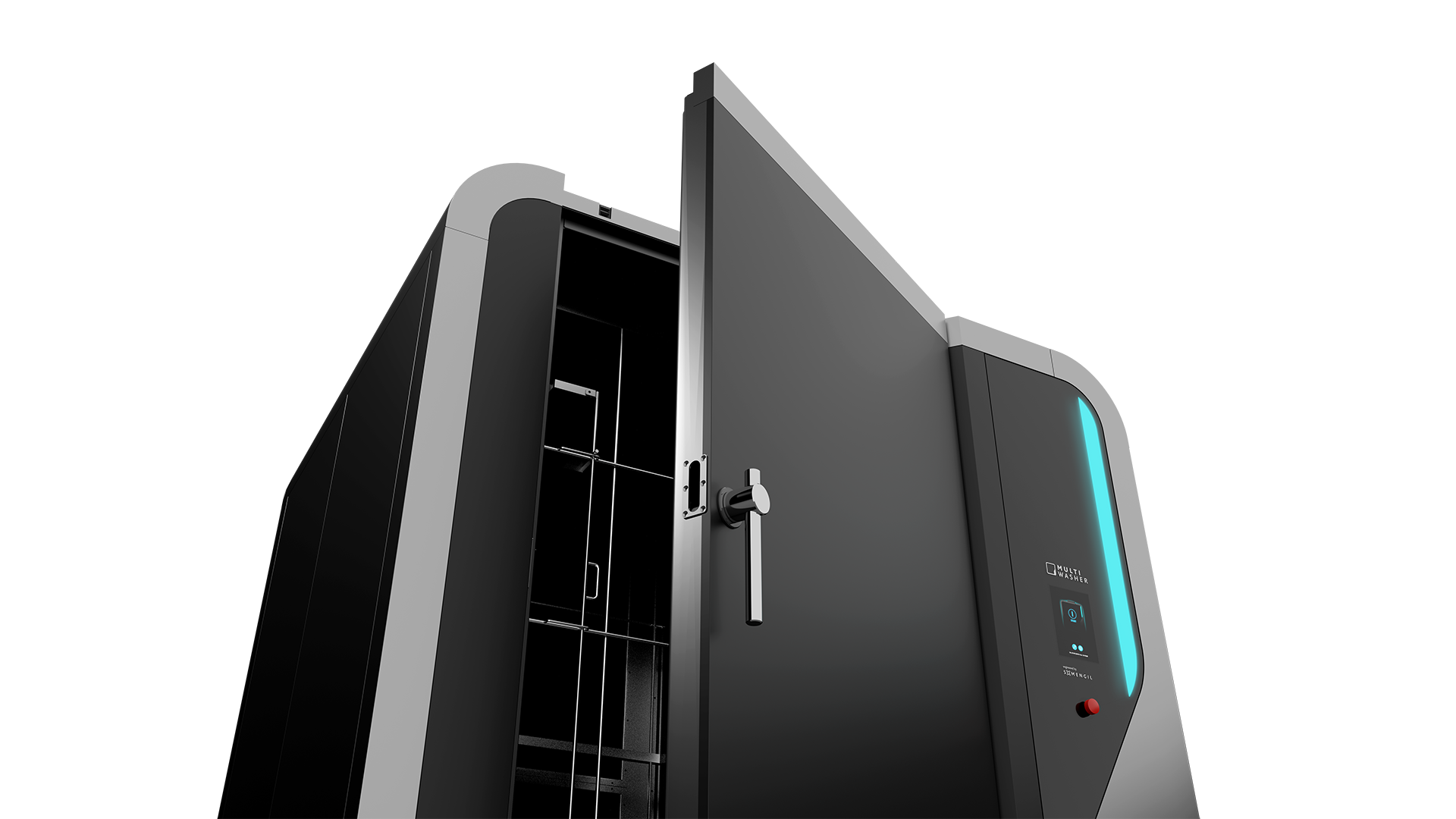
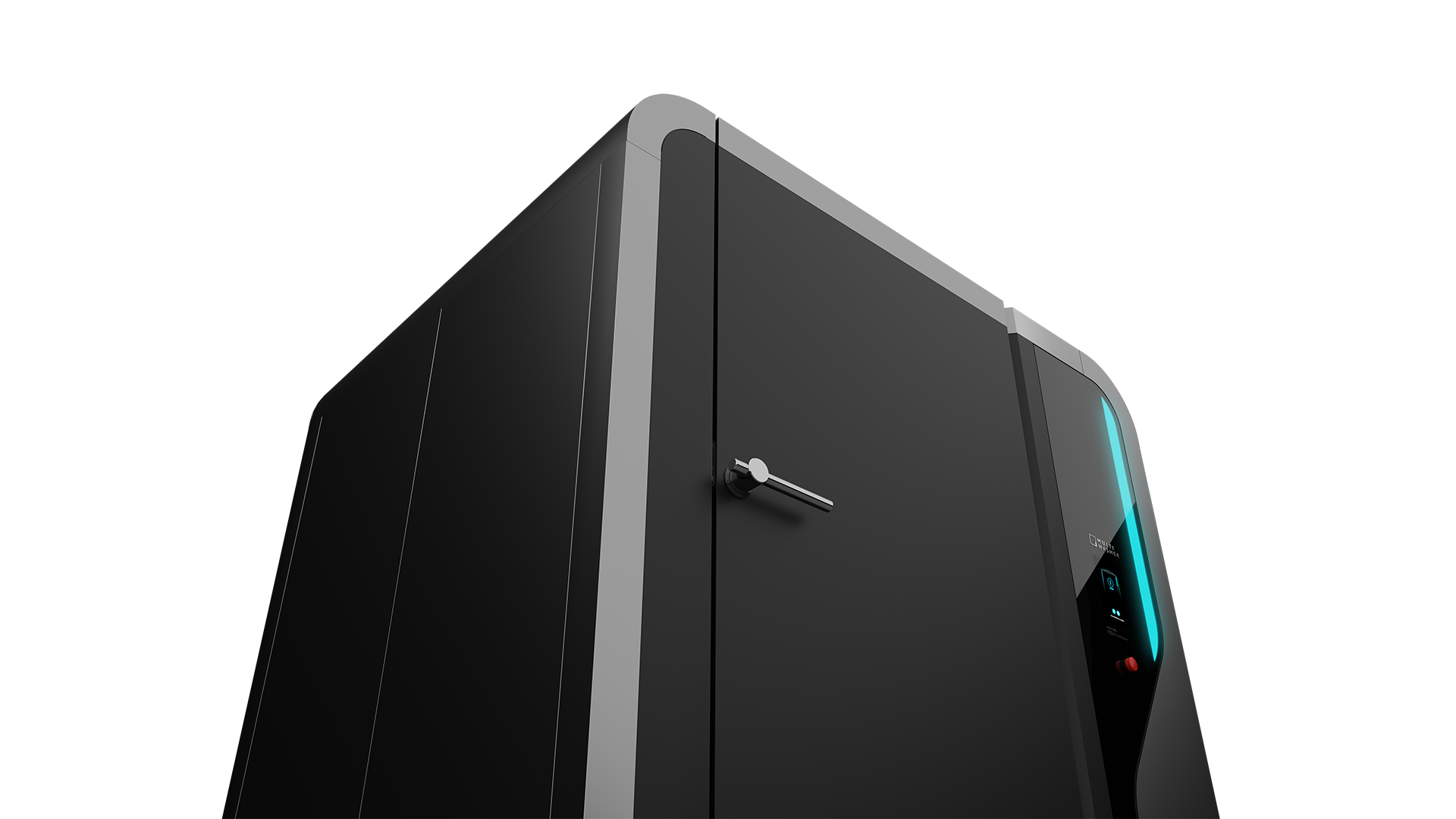
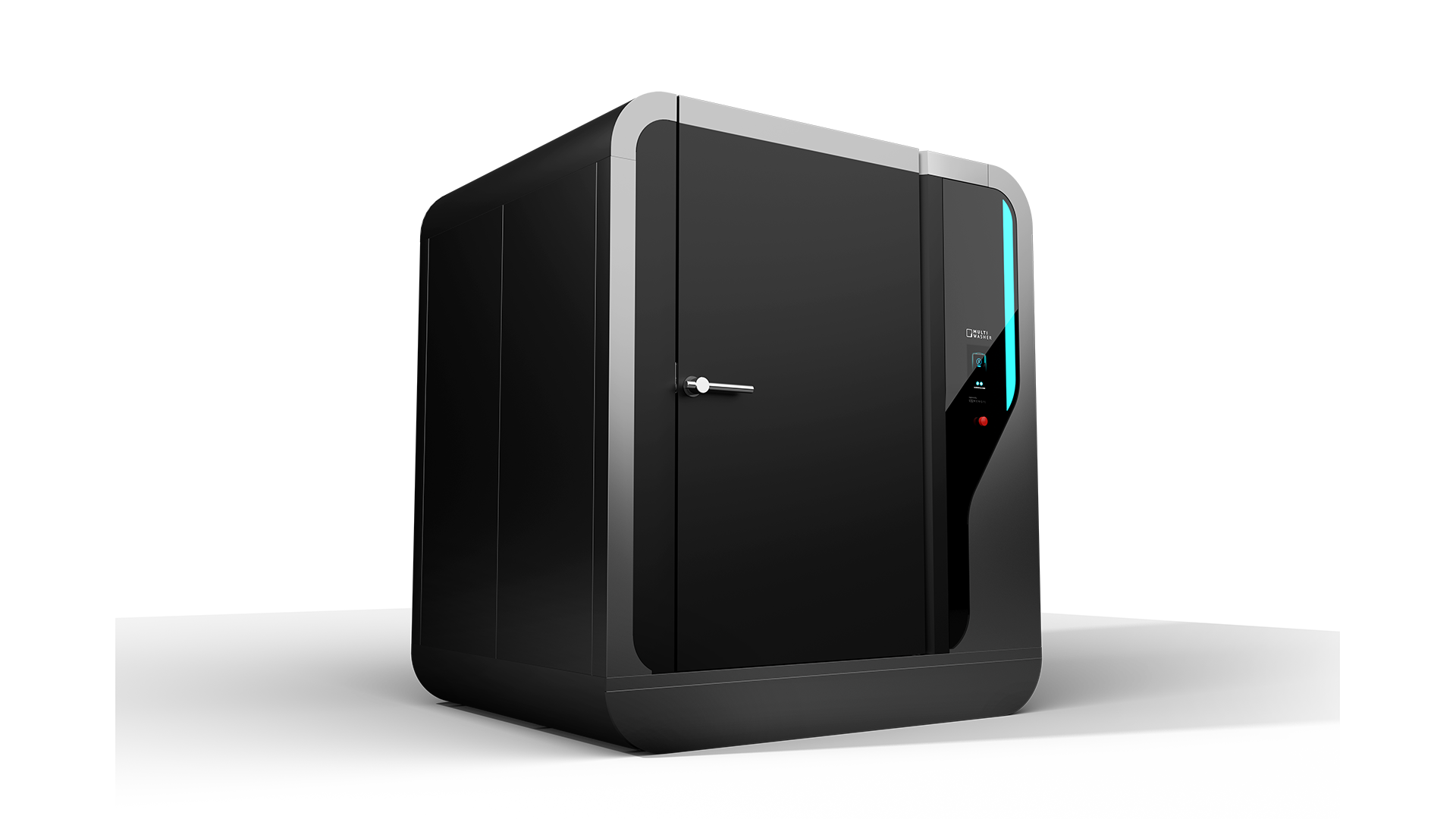
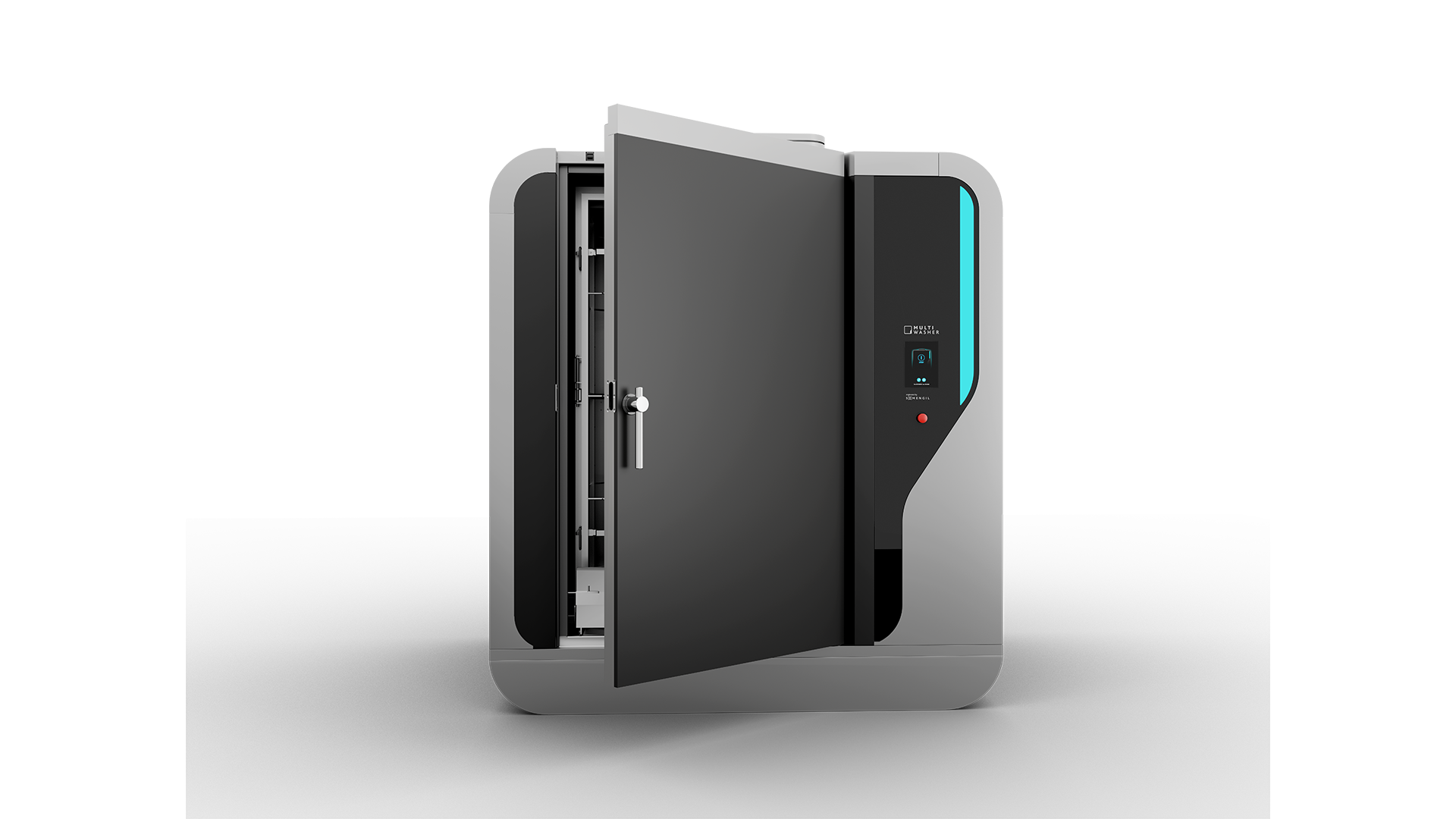
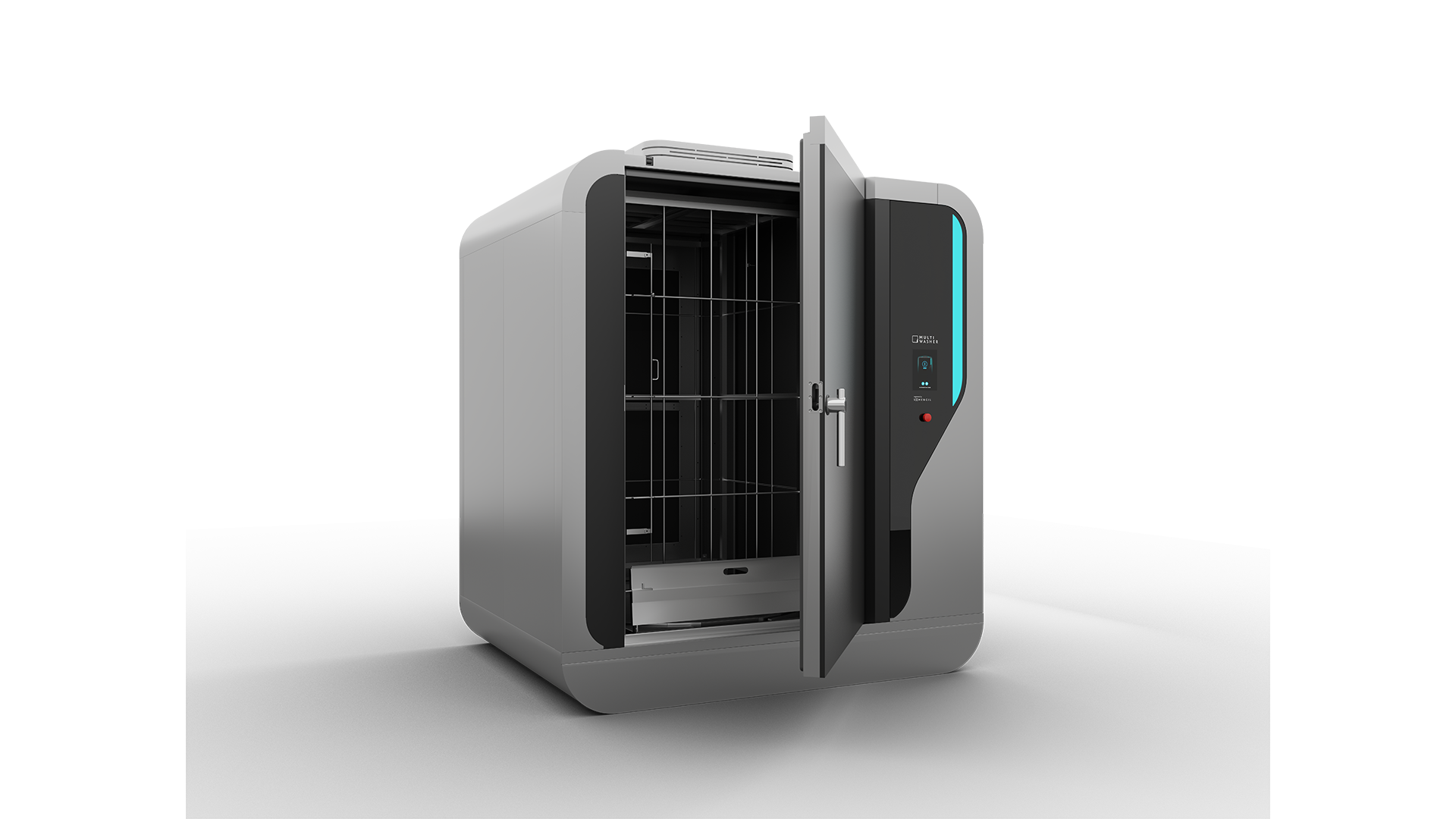
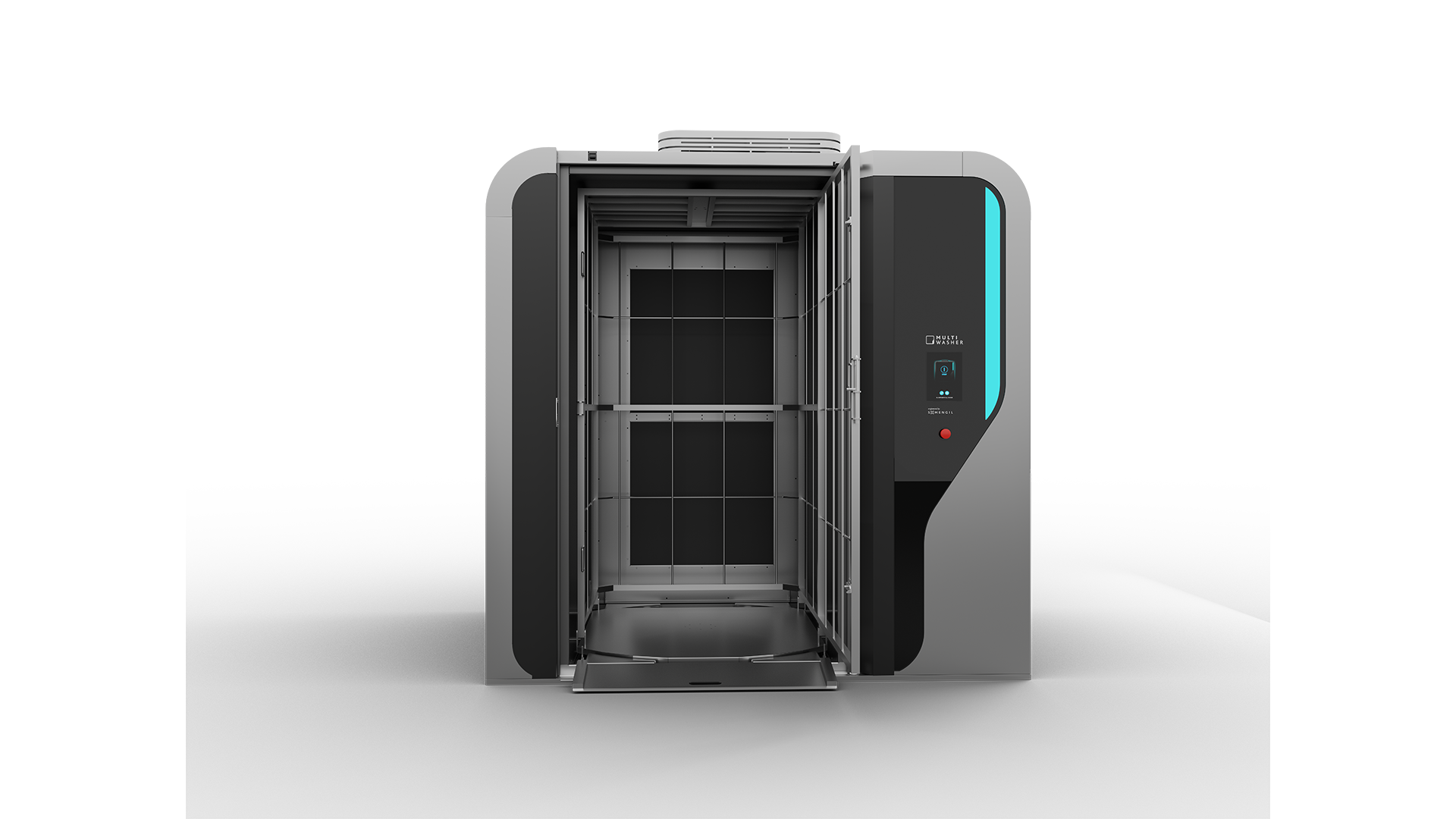
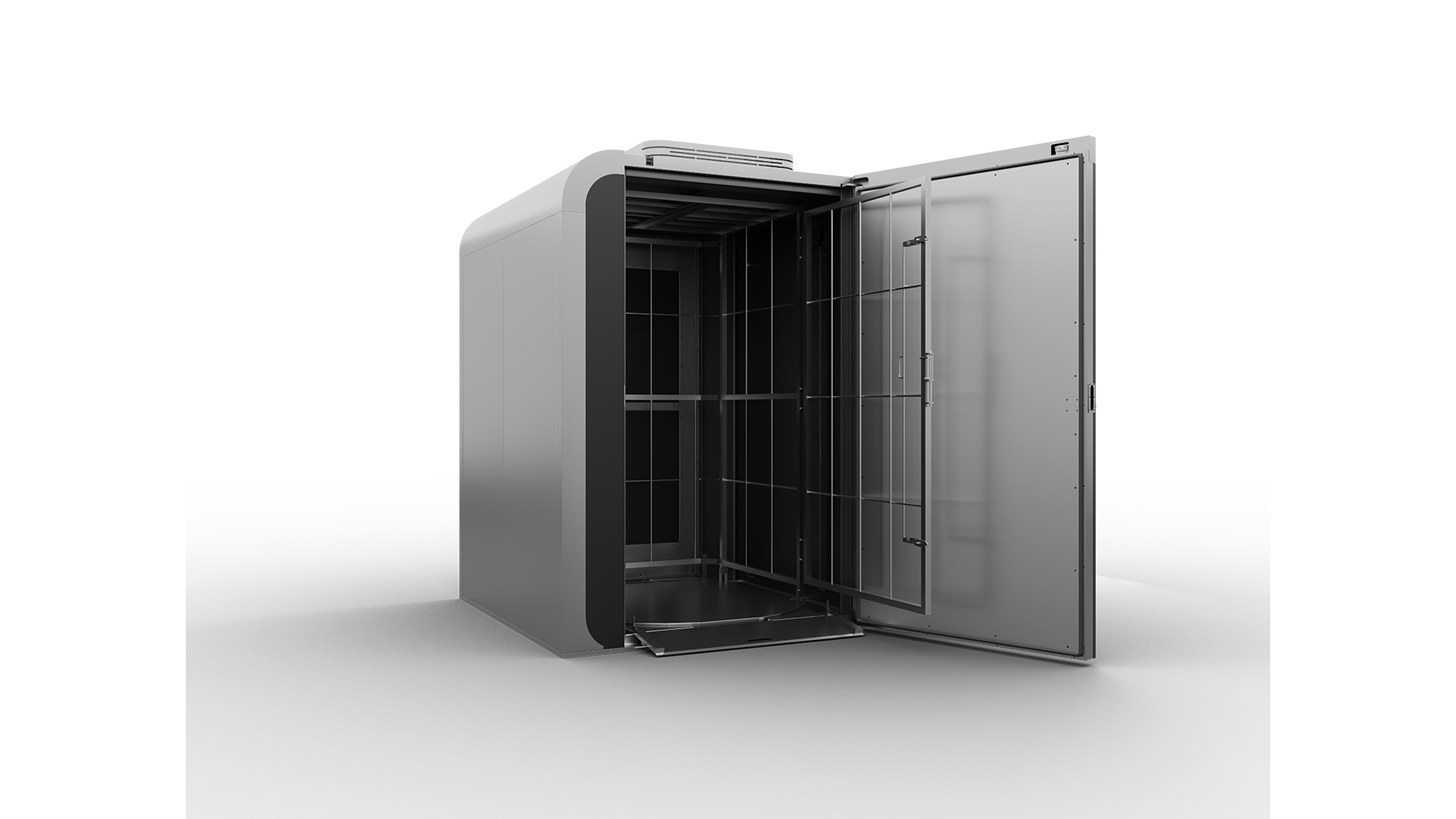
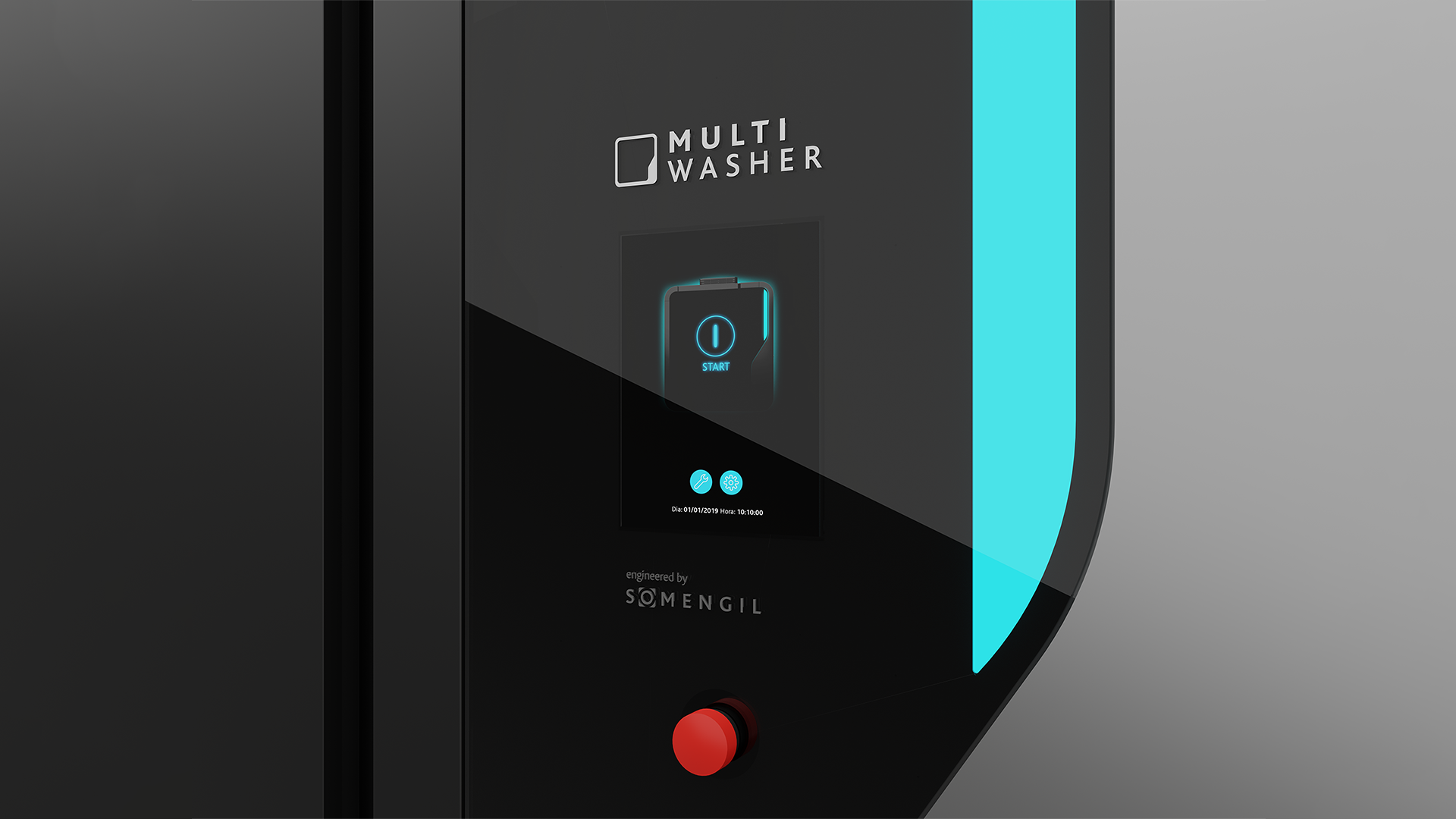
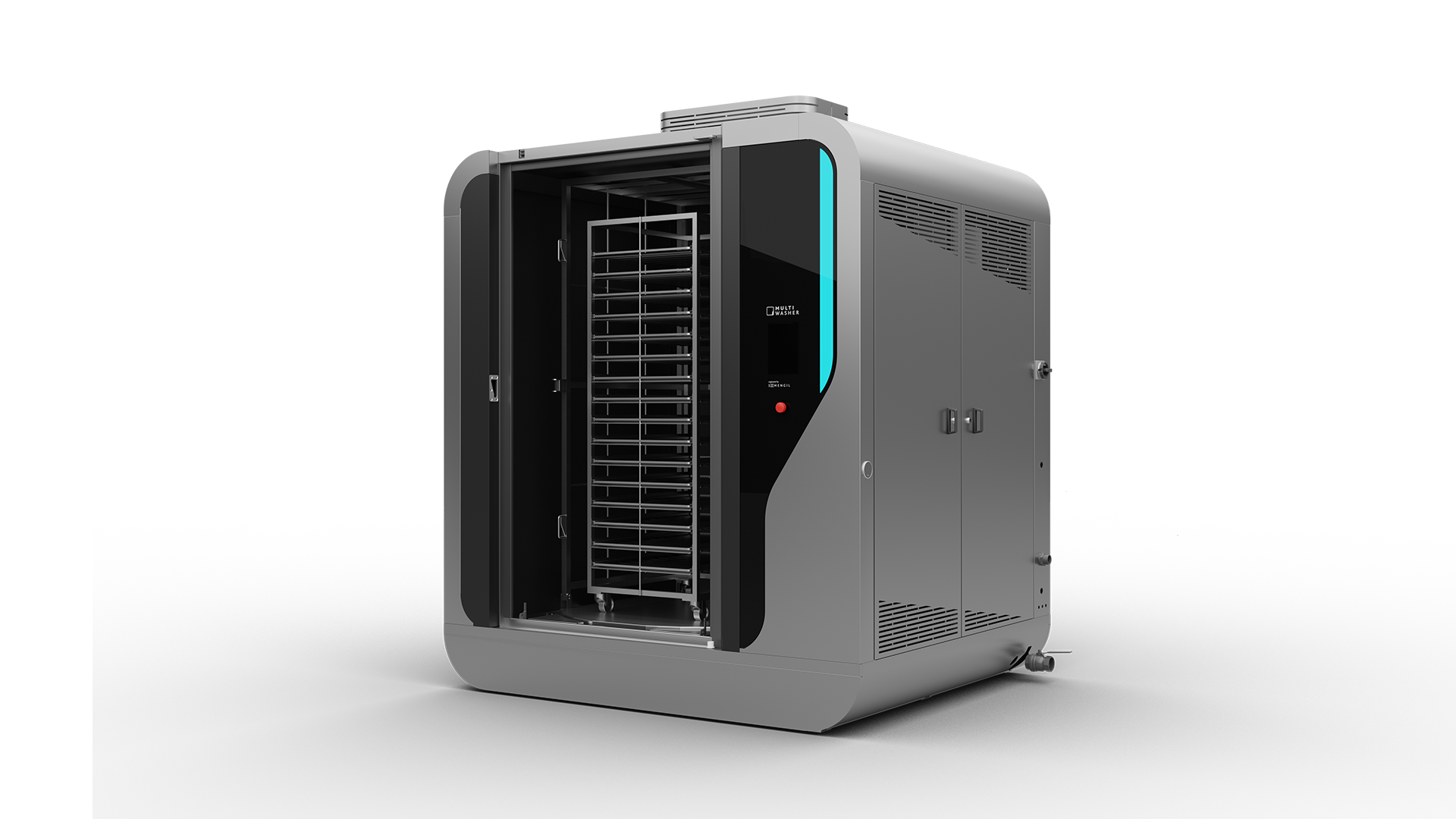
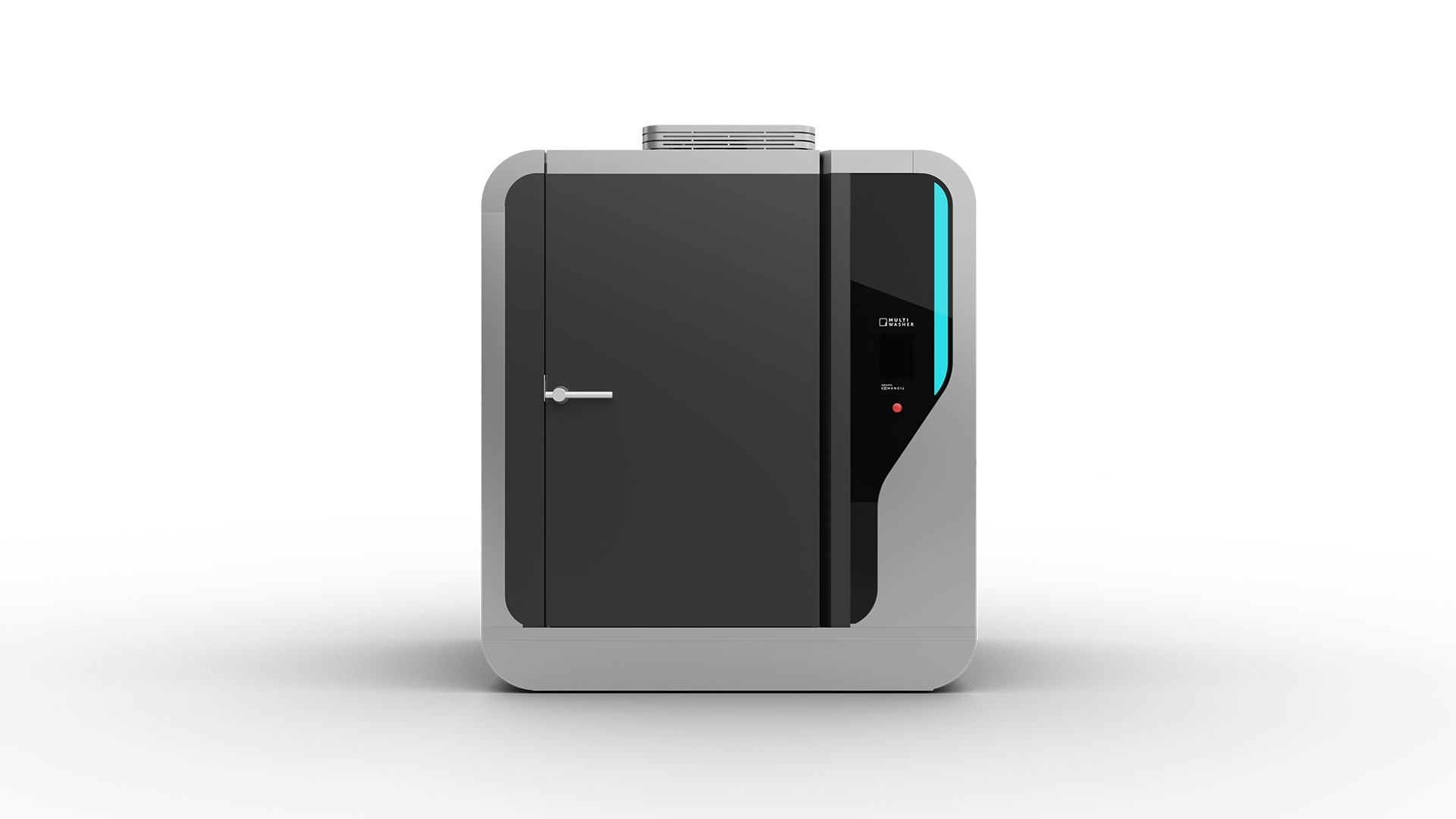
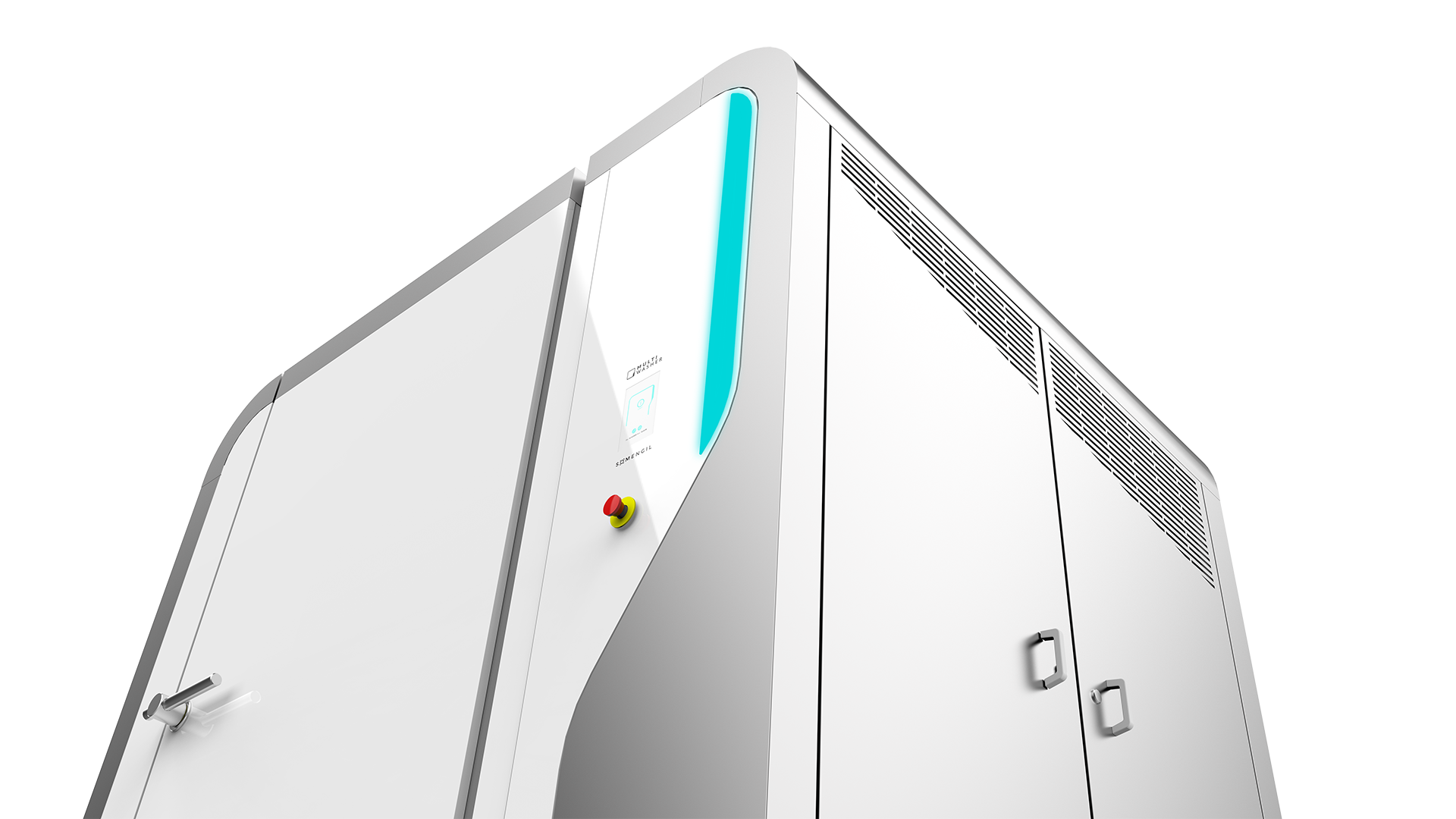
MultiWasher makes this stage more predictable by combining high-volume washing, rinsing and drying in one automated process.
Contact Somengil to evaluate how MultiWasher can support your operation's throughput and hygiene requirements.
FAQ about supply chain management
These answers clarify common questions about the scope, measurement and technology of supply chain management.
Is supply chain management only relevant to large companies?
No. Smaller companies can also benefit from mapping dependencies, improving stock visibility, agreeing supplier standards and planning how to respond to disruption.
Which supply chain KPI should you track?
Select KPI for the current objective. Useful examples include on-time-in-full delivery, forecast accuracy, stockouts, expiry, supplier defects, trace time and downtime.
What technology is used in supply chain management?
Companies may use ERP and planning systems, management tools, barcodes, RFID, sensors, analytics and automation. Technology should solve a defined process or information problem.
You may also like
Industrial washing / Articles
Supply chain management: 8 improvements you can do today
Learn what supply chain management is, why it matters and how to implement it to improve visibility, resilience and cost control.
Posted in 2026-09-23











 Portugal
 United Kingdom
 United States
 France
 Spain
Spain Germany
 Romania
 Italy
Italy Czech Republic
 Finland
 Hungary
 Slovakia
 Greece
 Lithuania
 South Korea
 Russia
 Saudi Arabia
 Poland
 Brasil
 Hebrew