Industrial washing / Articles
Food safety and hygiene: how to improve
Learn why food safety and hygiene fails and how to improve it.
 12 minutes of reading
2026-08-13 12:05:46
- Food safety and hygiene combines safe handling, hygienic design, quality control, traceability and cleaning practices to reduce contamination risks.
- Poor hygiene can lead to recalls, downtime, waste, regulatory action and loss of consumer trust.
- Companies can improve by mapping hazards, strengthening training, separating clean and dirty flows, monitoring KPIs and standardizing washing procedures.
Improving Food Safety and Hygiene requires time, resources and the involvement of everyone who influences the production process. In this article, we look at practical measures companies can take to improve hygiene standards, protect production processes and reduce the risk of contamination.
What is food safety and hygiene?
Food safety is the set of systems, controls and decisions that help ensure food is safe to produce, handle, store, transport and consume. Food hygiene is the practical side of that system: the cleaning, sanitation, personal hygiene, equipment design, process flow and handling practices that prevent contamination. Together, they reduce biological, chemical, physical and allergen risks across the whole food chain.
The cost of poor food safety and hygiene
Poor food safety and hygiene can turn small operational failures into business-critical problems. Contaminated products may lead to rework, recalls, product destruction, regulatory investigations, legal exposure and loss of access to customers or markets.
The indirect cost can be just as damaging. A single incident can reduce consumer confidence, interrupt production, increase audit pressure and make it harder for commercial teams to defend the brand. This is why hygiene investment should be seen as risk prevention and business continuity.
Why food safety and hygiene fails
Food safety and hygiene often fails when controls exist on paper but are not embedded in daily operations.
- Poor hygienic design in products, equipment or process flows.
- Weak hazard analysis and unclear critical control points.
- Incomplete training or inconsistent operator behavior.
- Cross-contamination between clean and dirty areas.
- Manual cleaning processes that vary from shift to shift.
- Incomplete records, traceability or corrective action follow-up.
- Poor alignment with suppliers, distributors or external partners.
How to improve food safety and hygiene
From product design to having a plan-B in case of failure, here’s how to improve food-safety and hygiene.
Design for Hygiene and Food Safety
For several years now, developing food products has gone far beyond the doors of the lab or the conference room. Before committing to producing and marketing a major new product, manufacturers usually present it to small groups of consumers to study reactions on a wide range of subjects such as ease of use, packaging and degree of sensory satisfaction. And before moving on to large-scale marketing, most companies hold pilots in regional or limited markets.
But today's concerns about Food Safety and Hygiene lead many product designers to sit at the drawing table with a different mindset. It is no longer enough for the product to be functional and appealing. It needs to facilitate quality control.
In leading organizations, designers translate product specifications into operational programs to ensure production safety. Quality managers identify the most critical control points when the product is still in an embryonic phase. Food Safety and Hygiene is a major concern from the start, but keeping up with the market’s and regulator’s demands requires modern equipment, robust standards and well-trained staff.
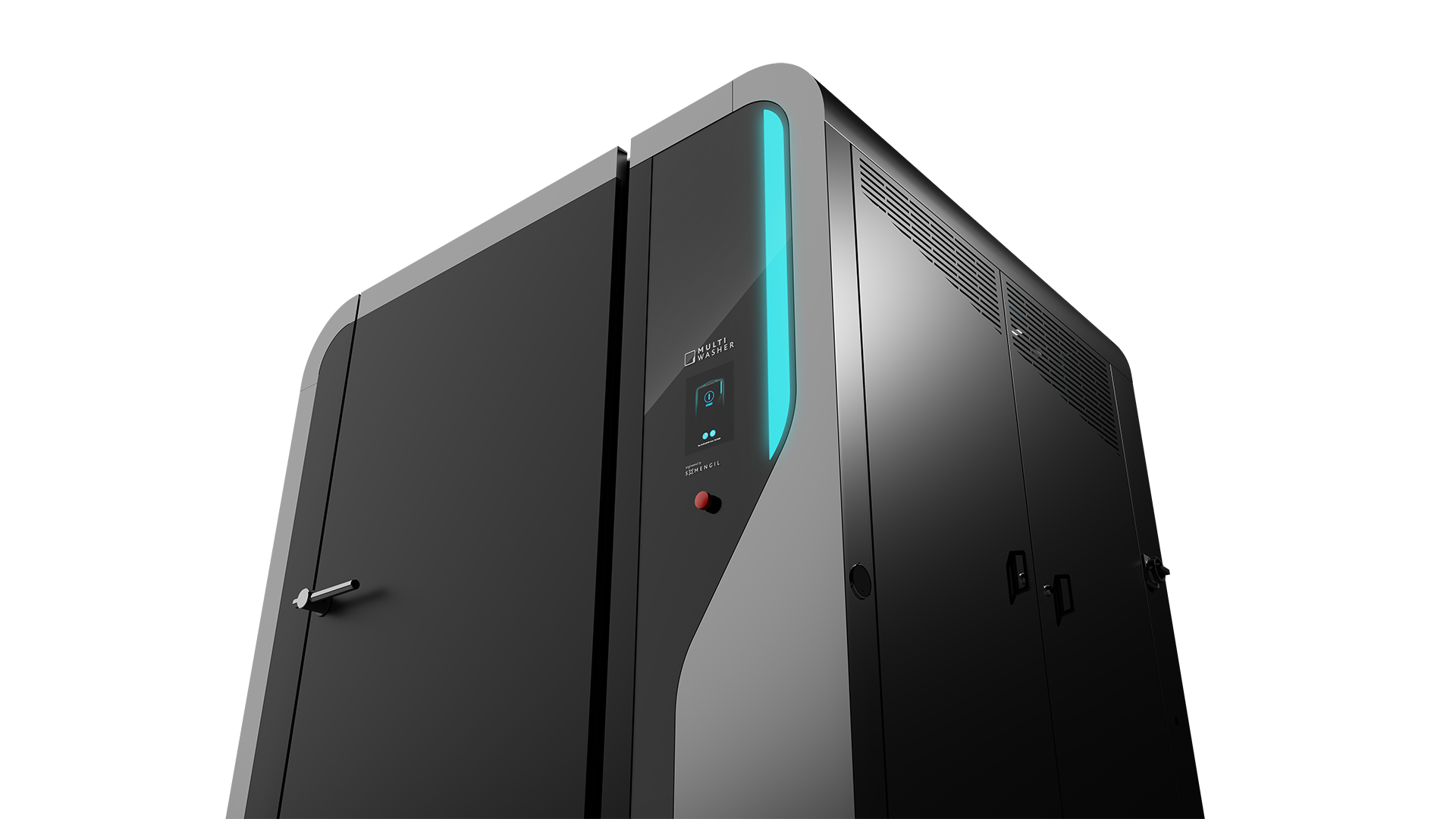
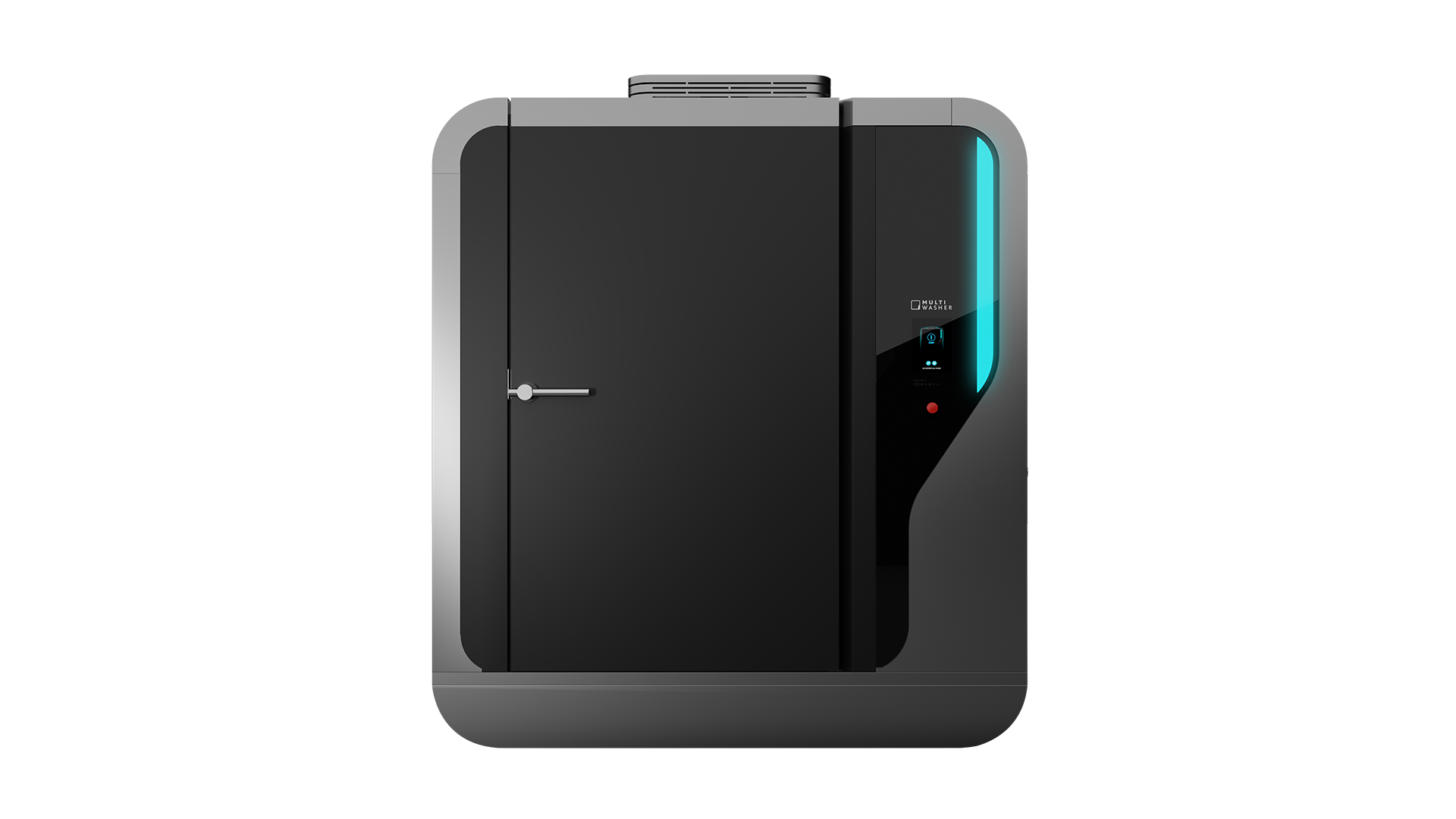
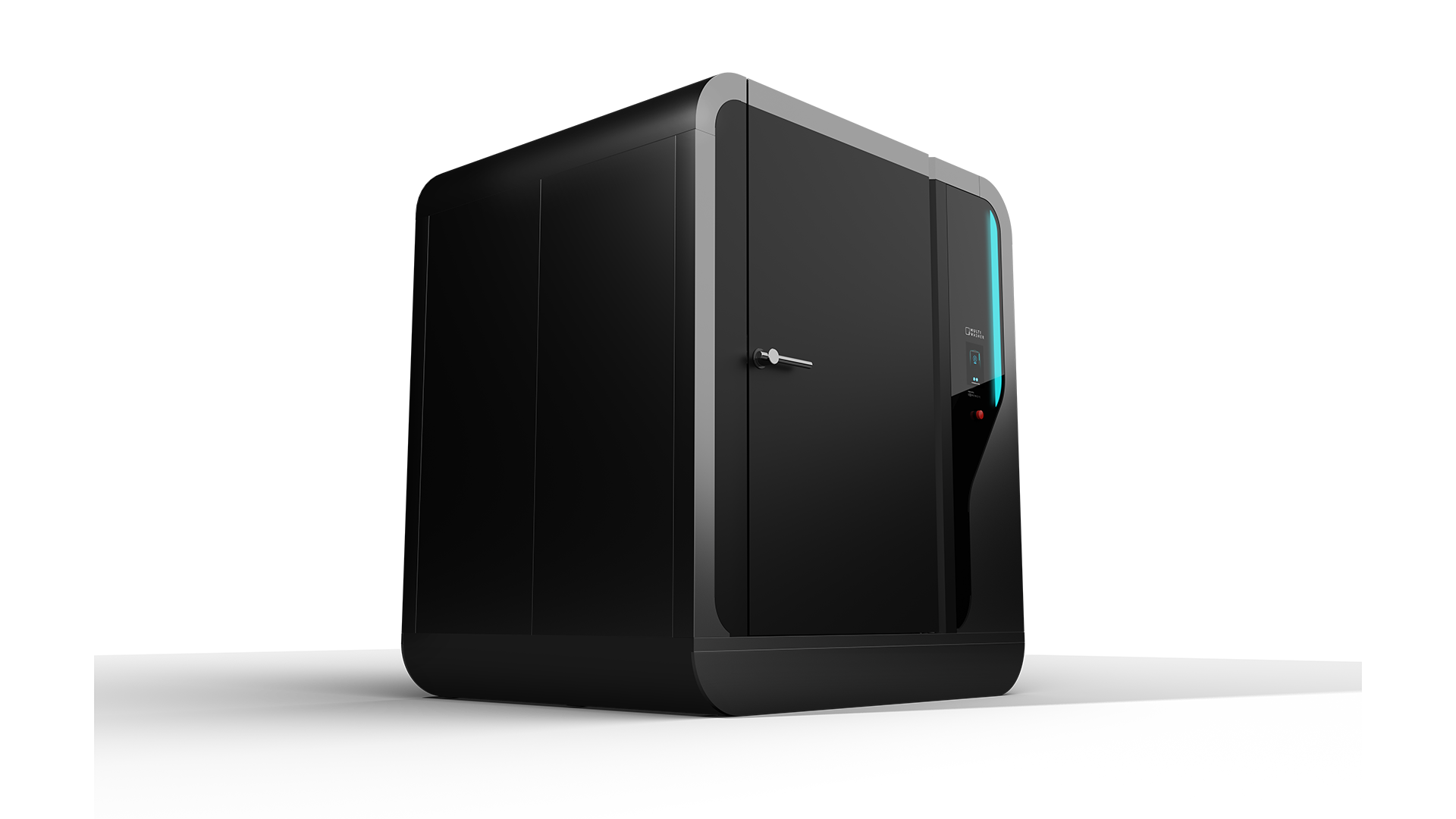
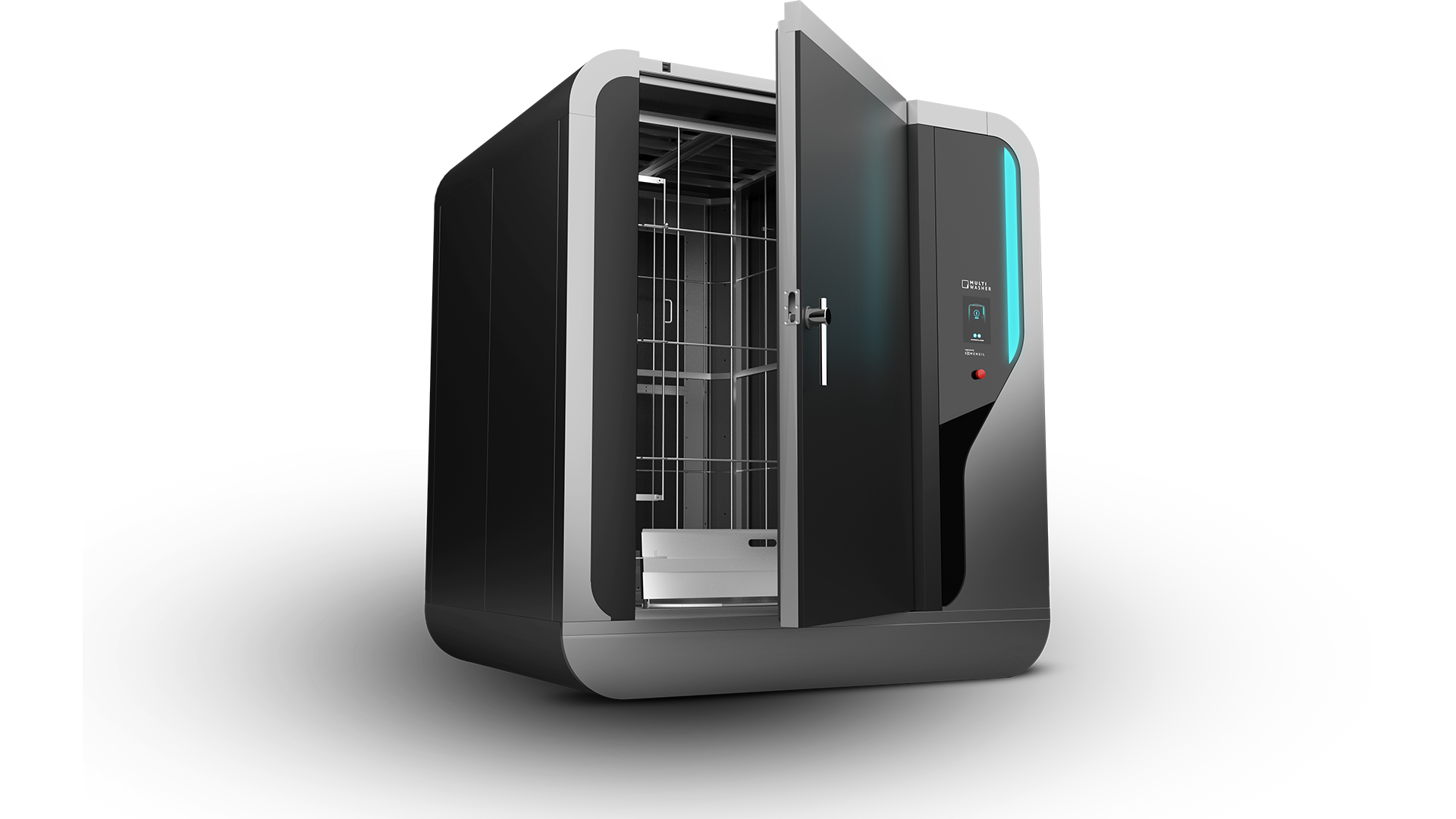
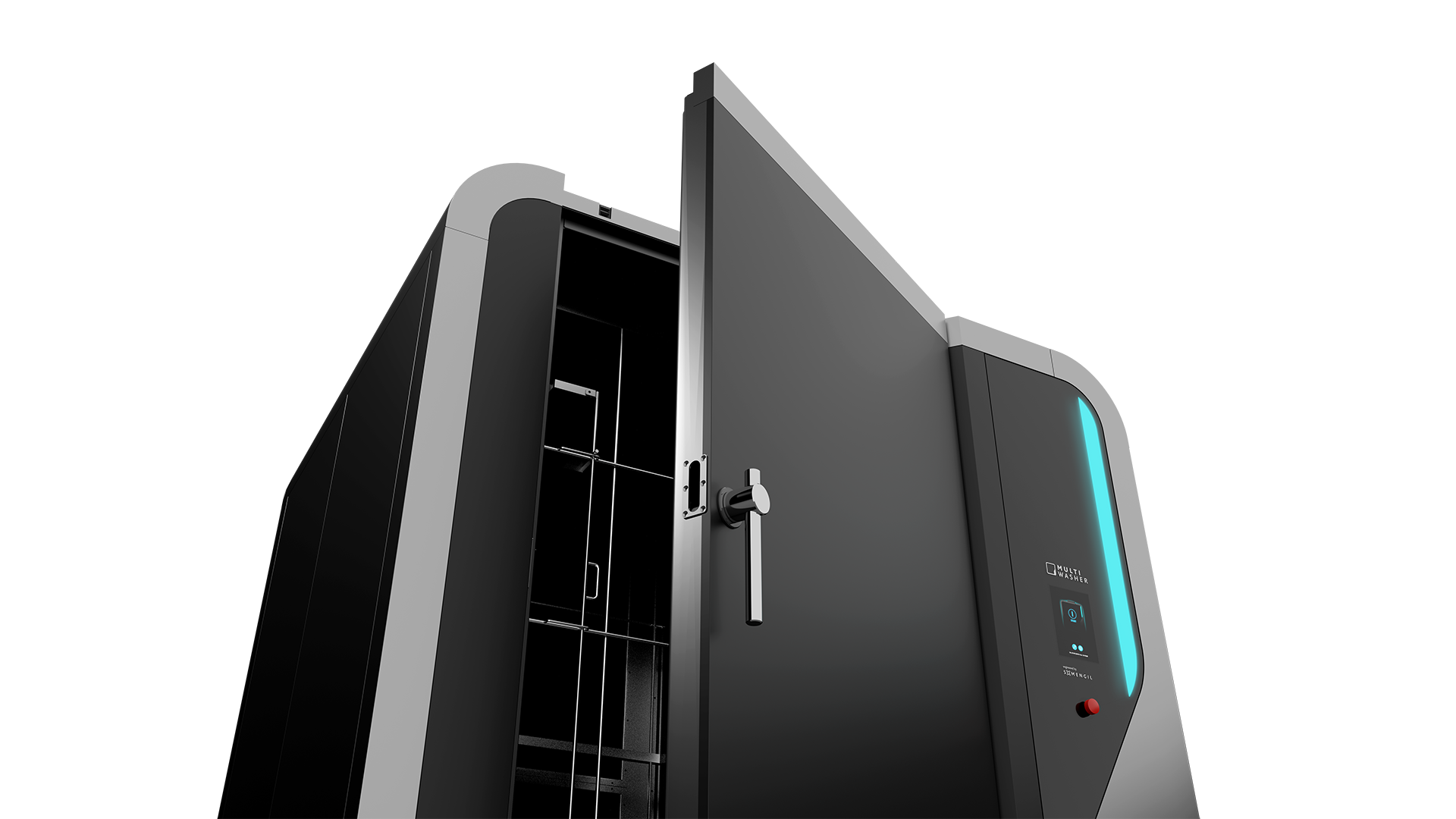
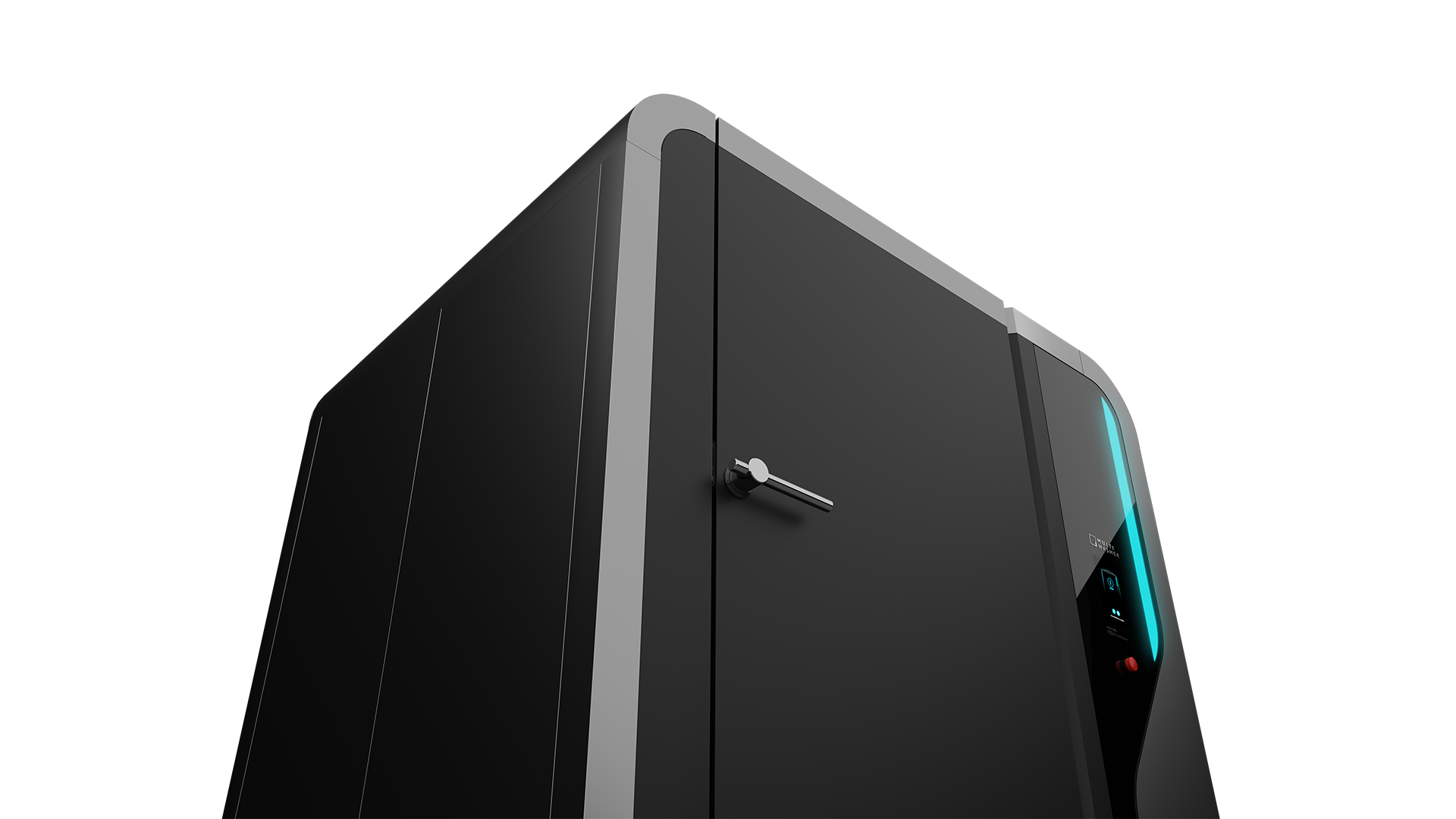
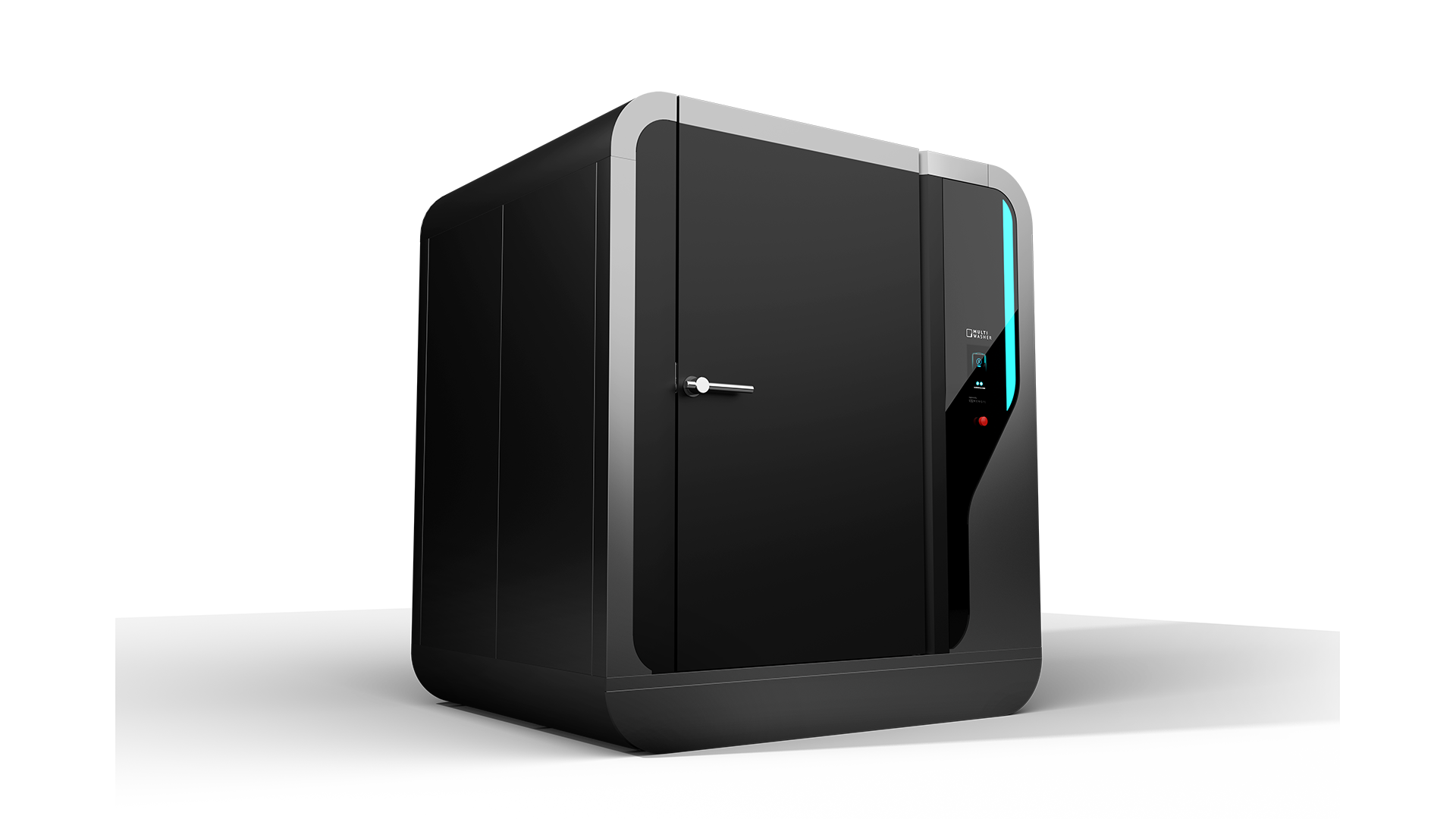
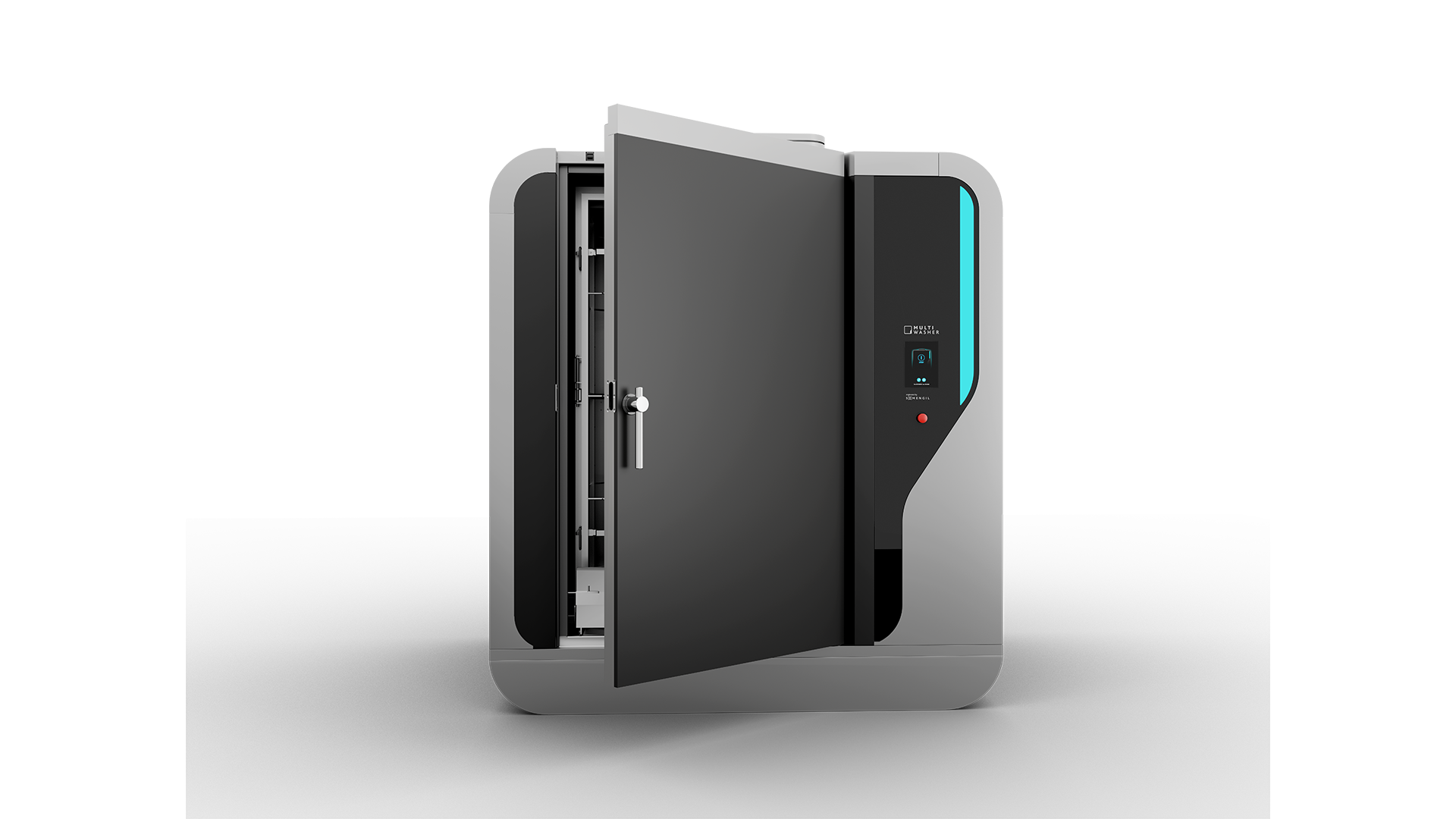
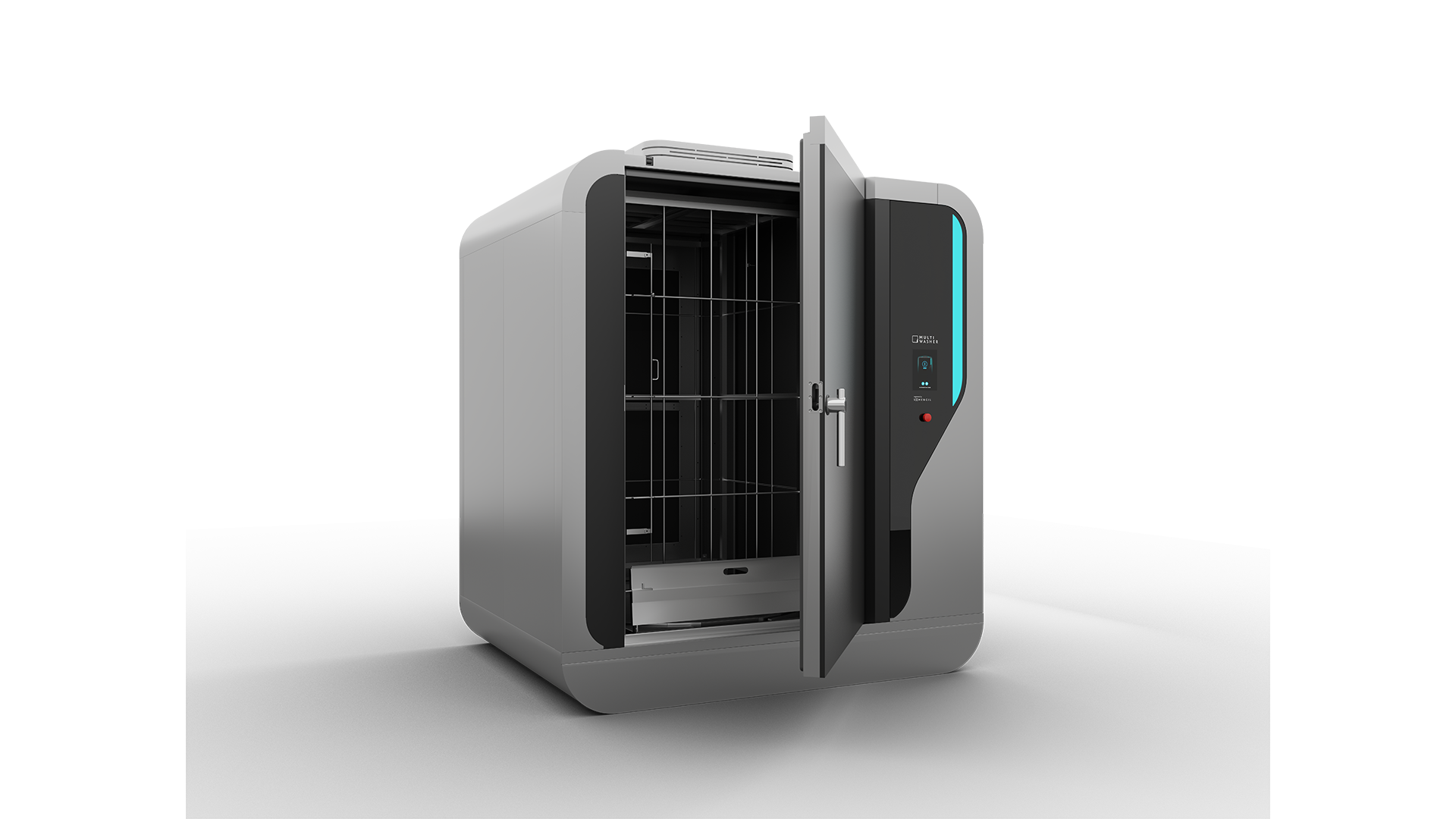
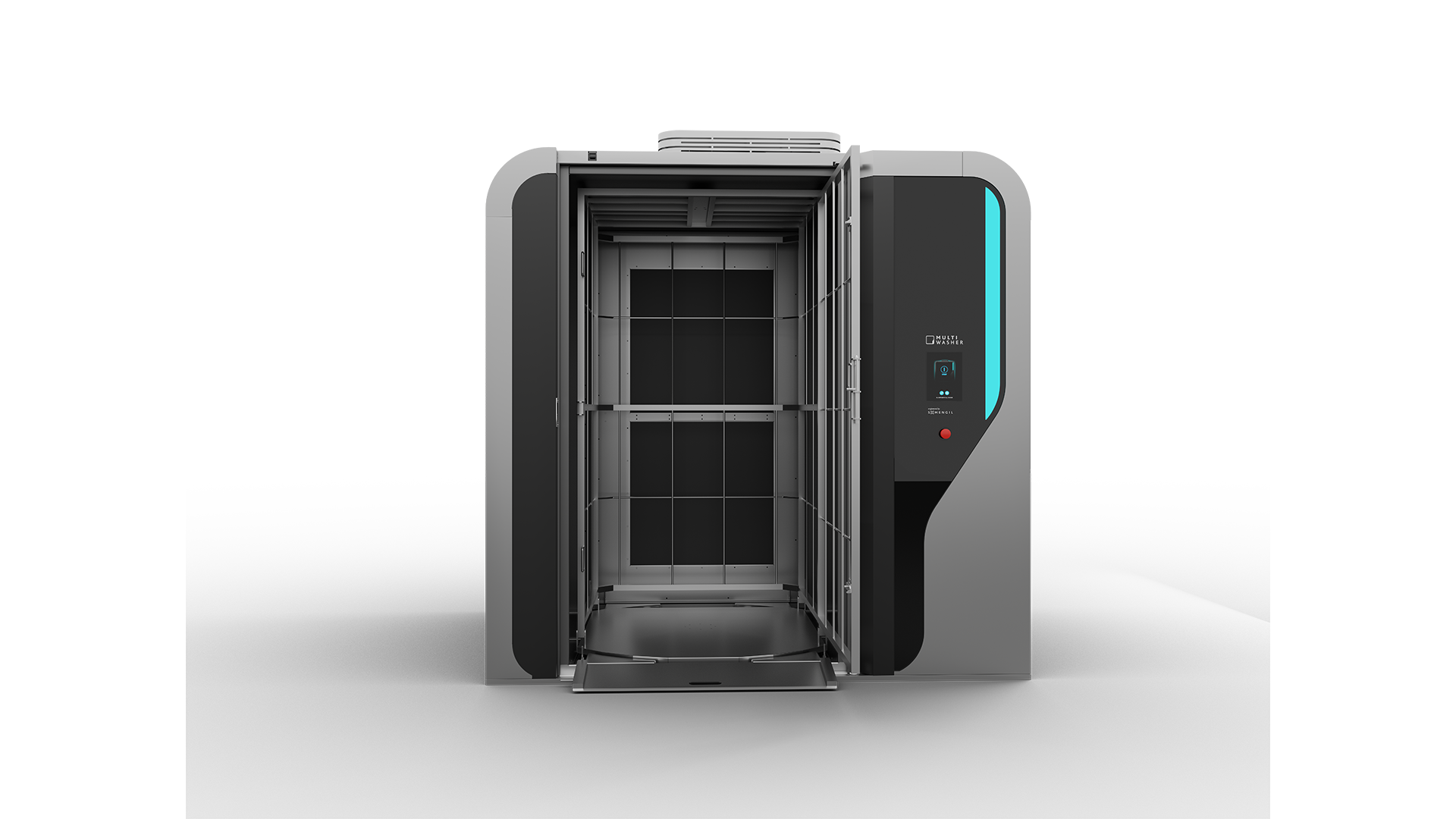
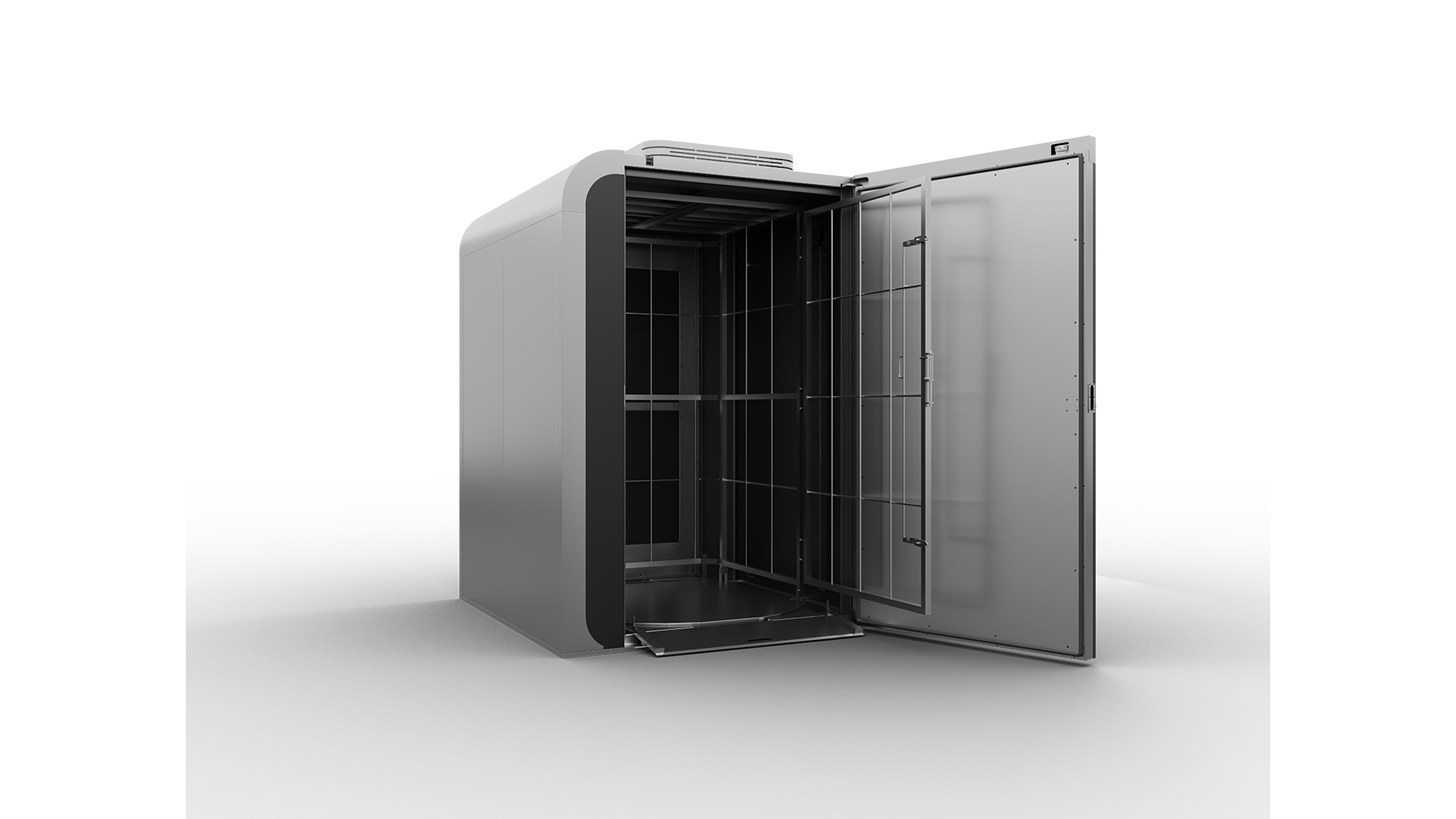
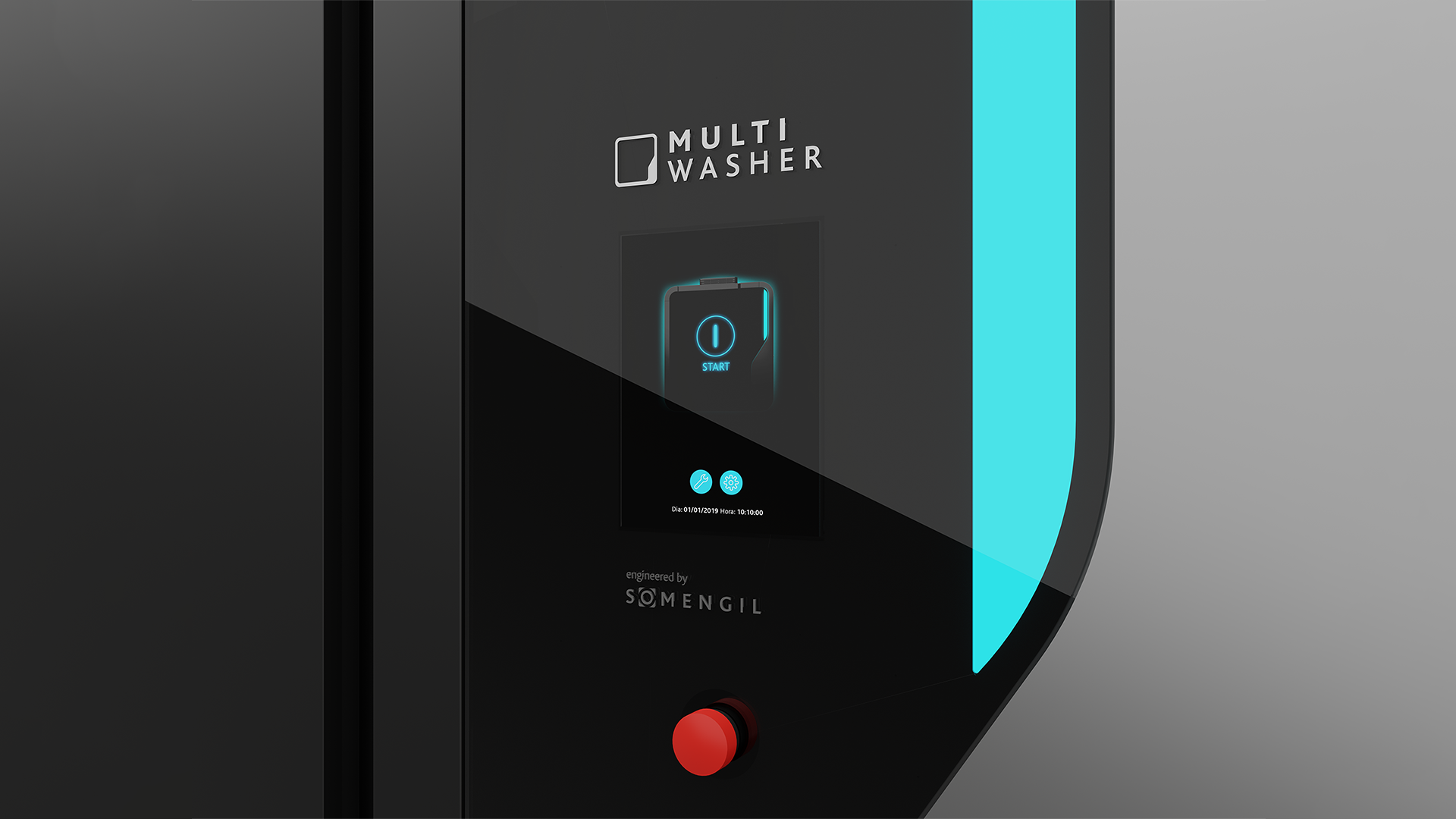
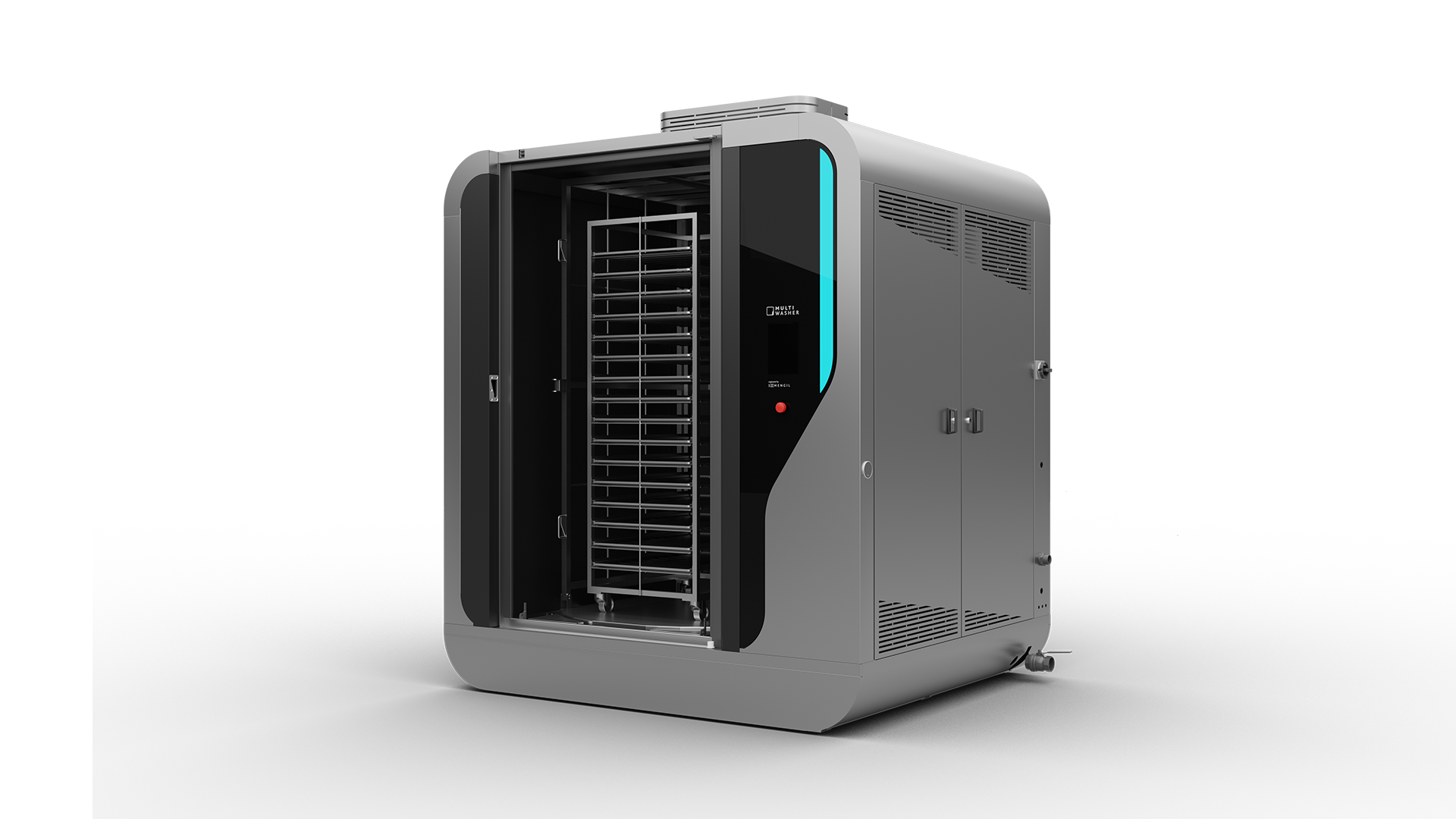
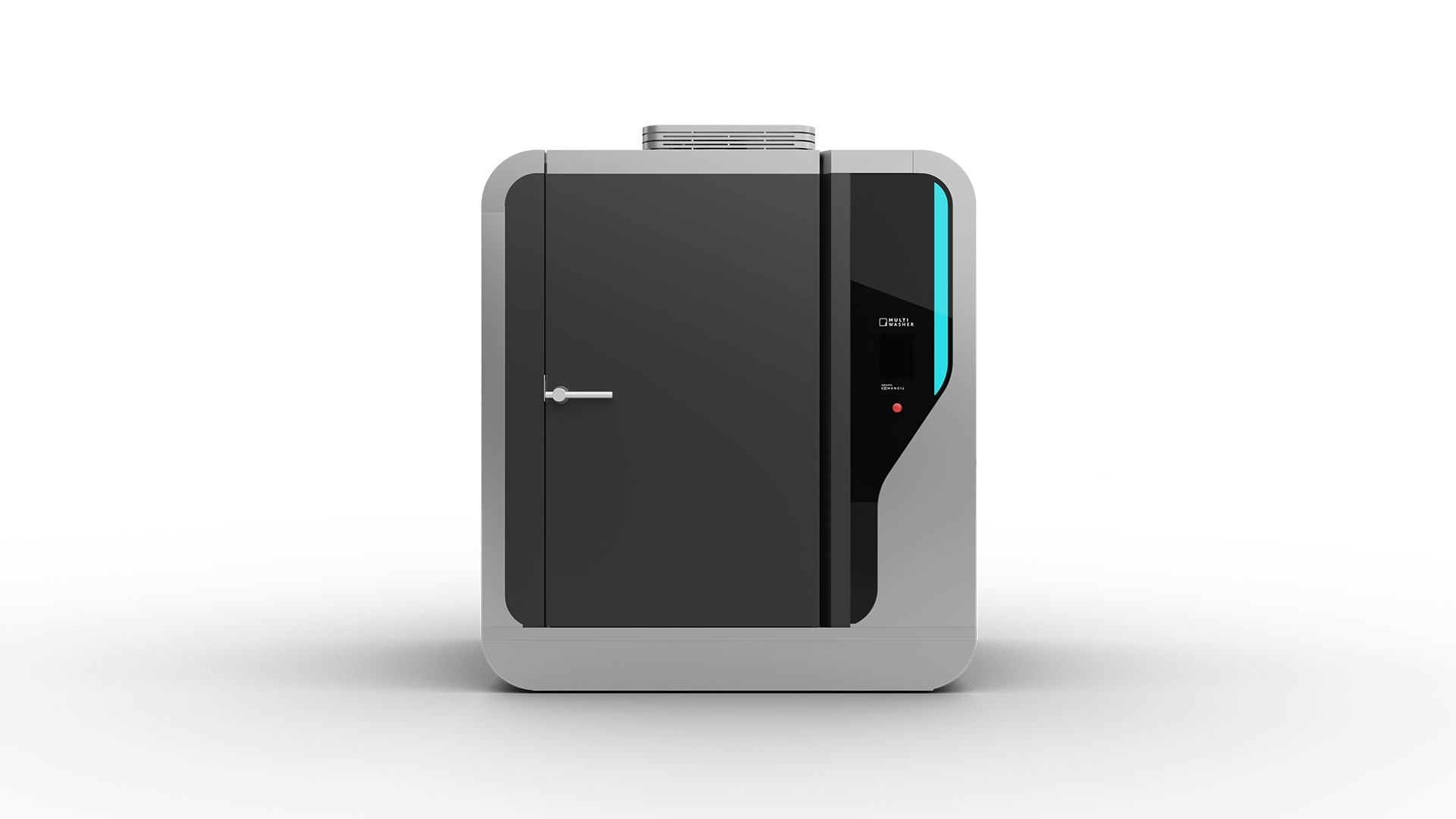
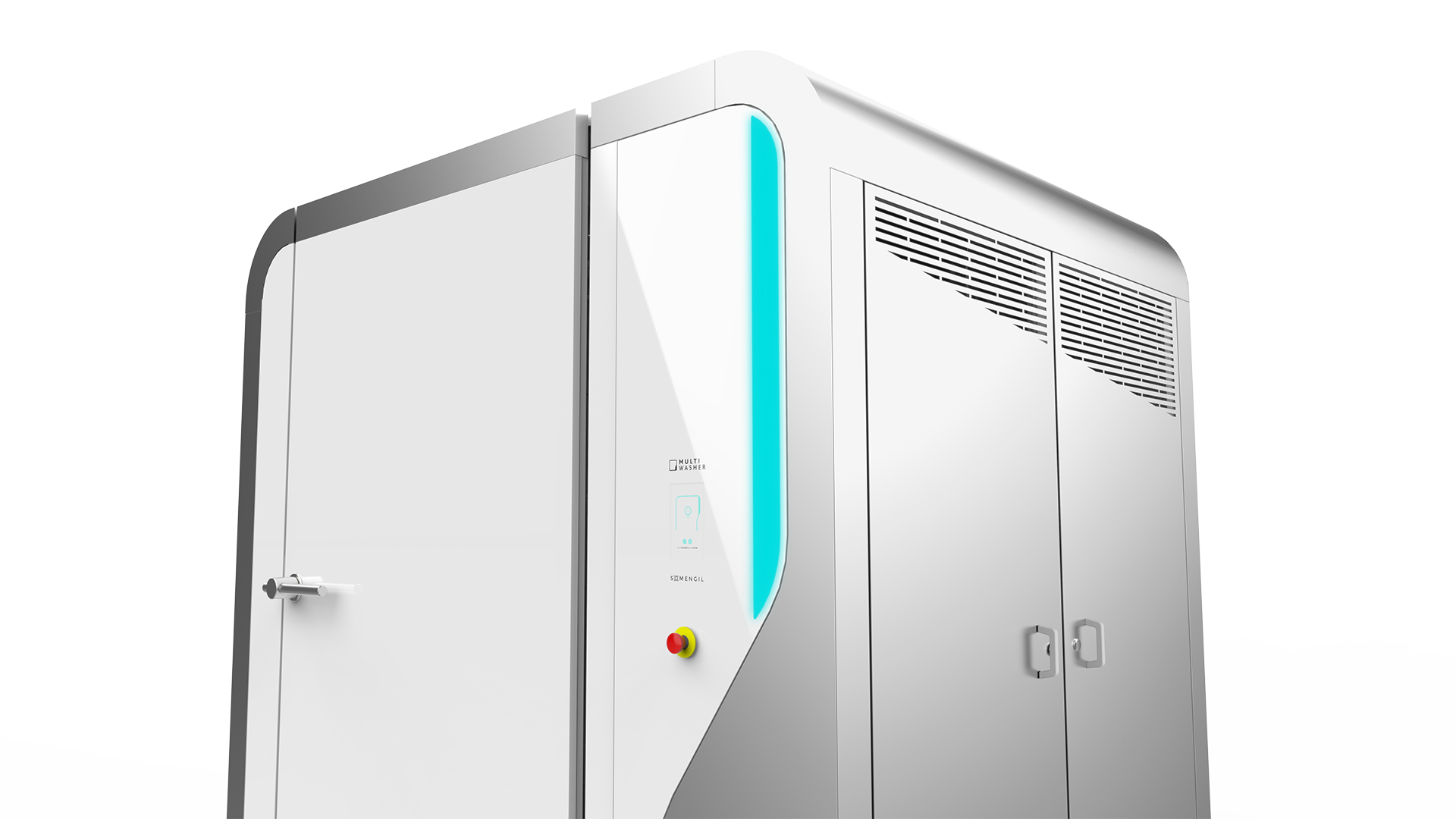
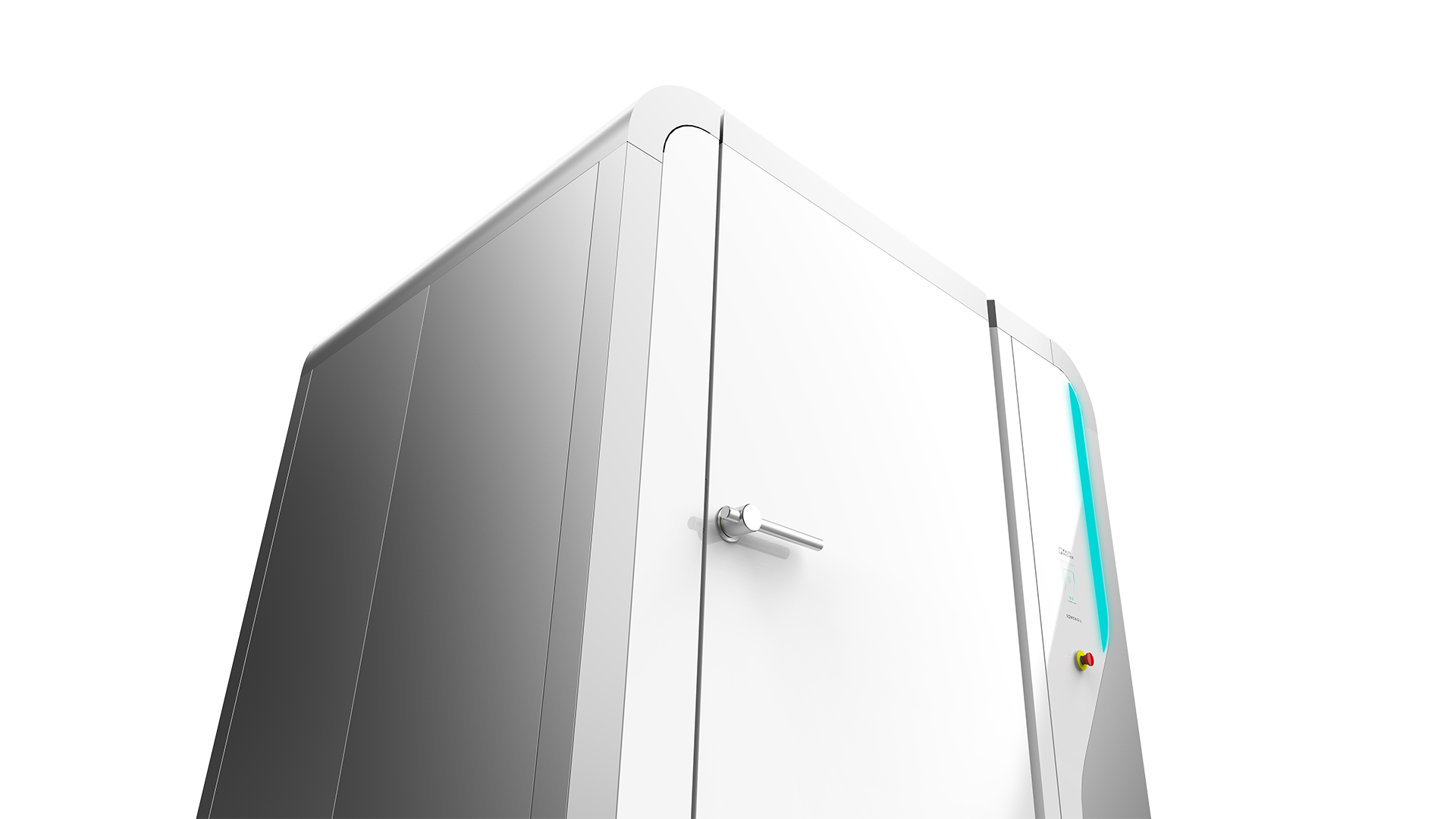
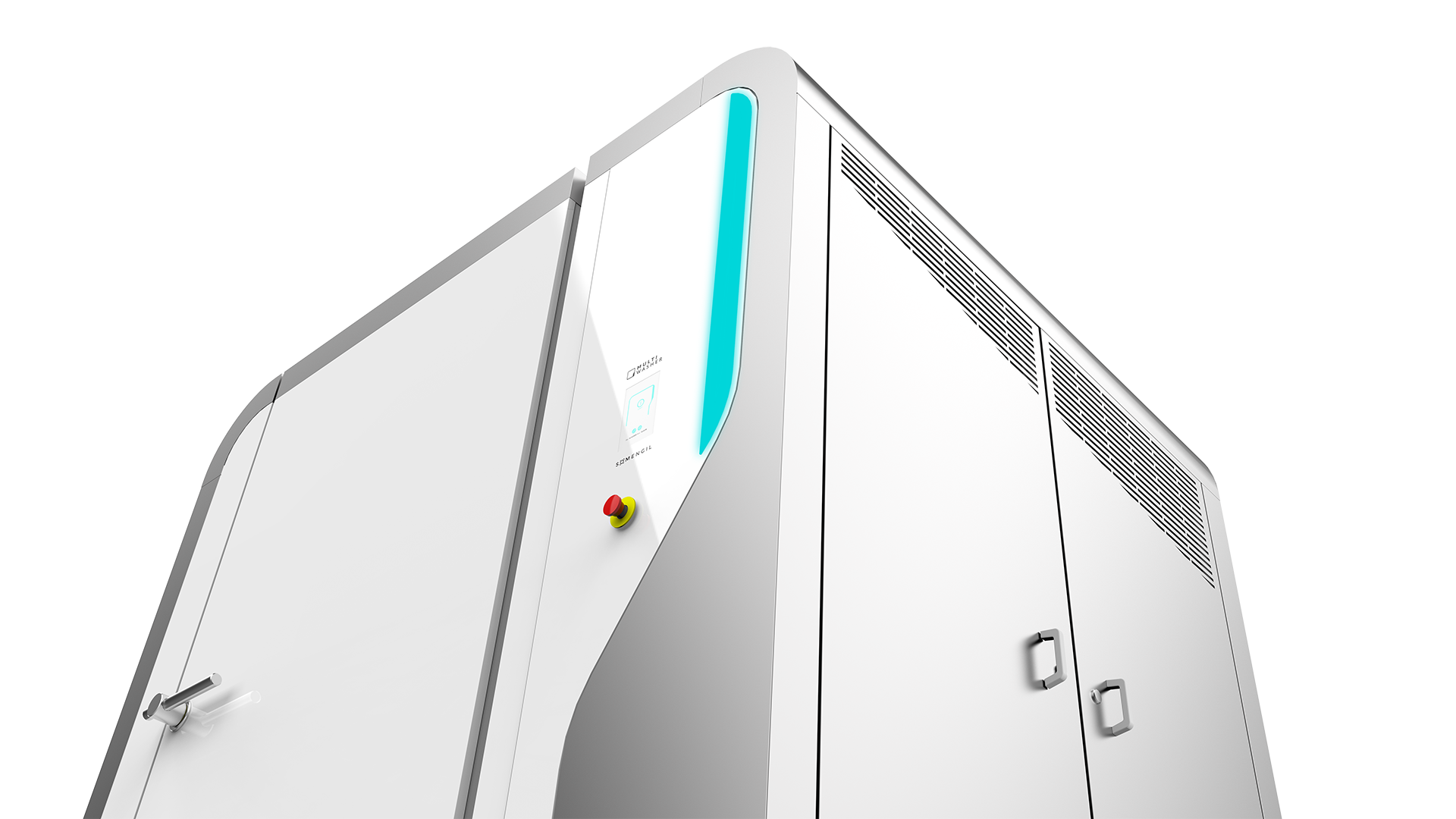
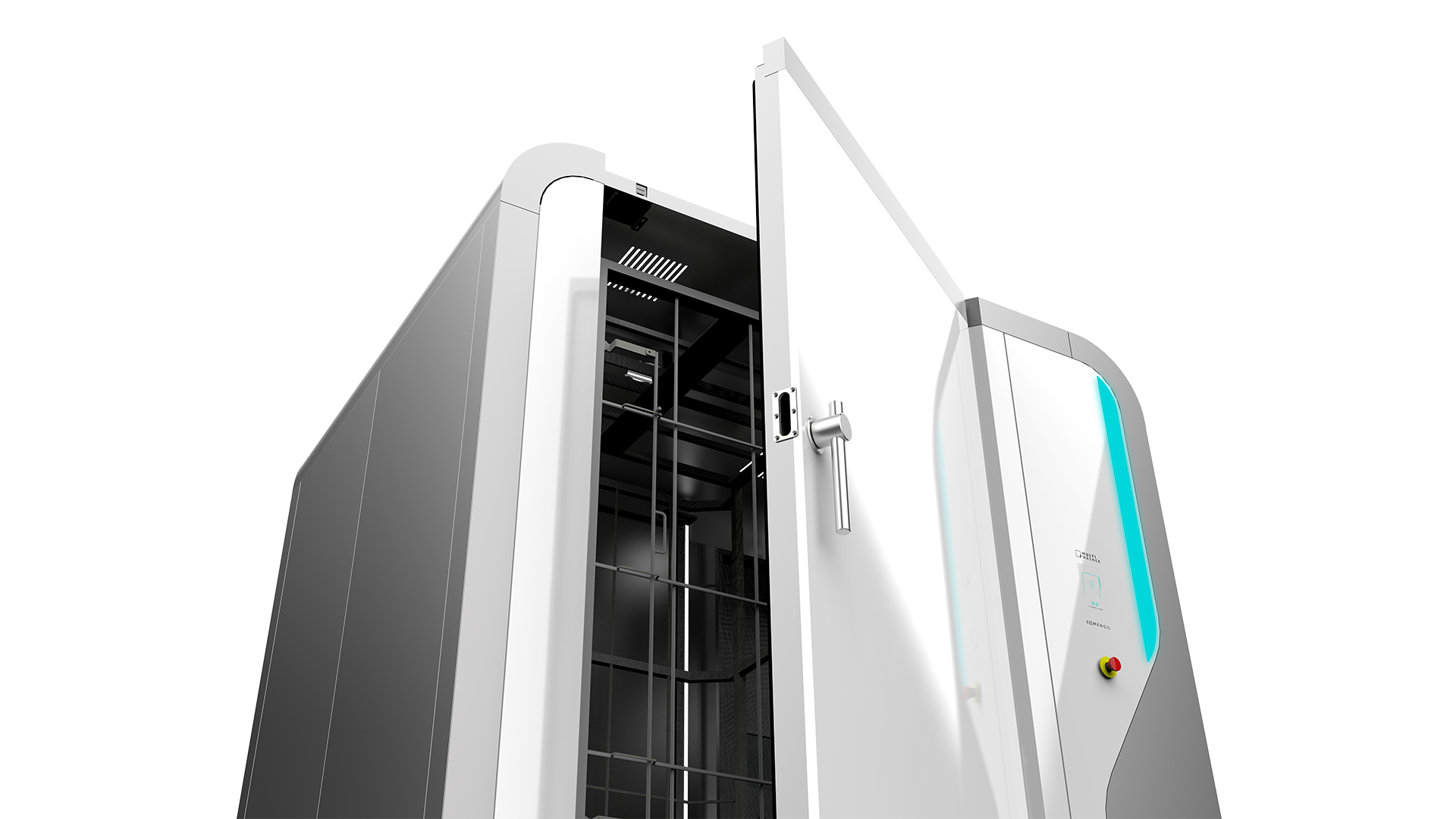
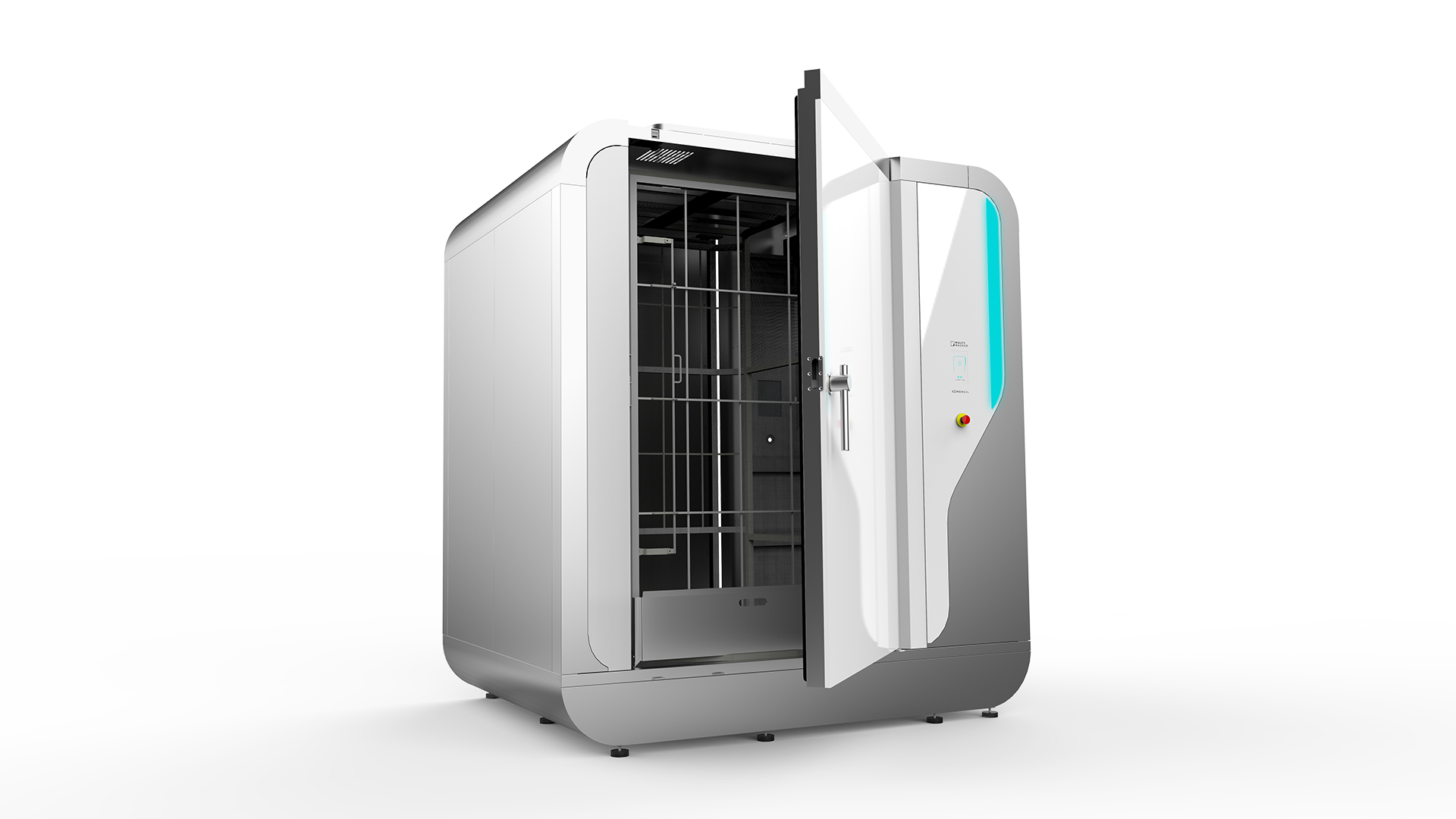
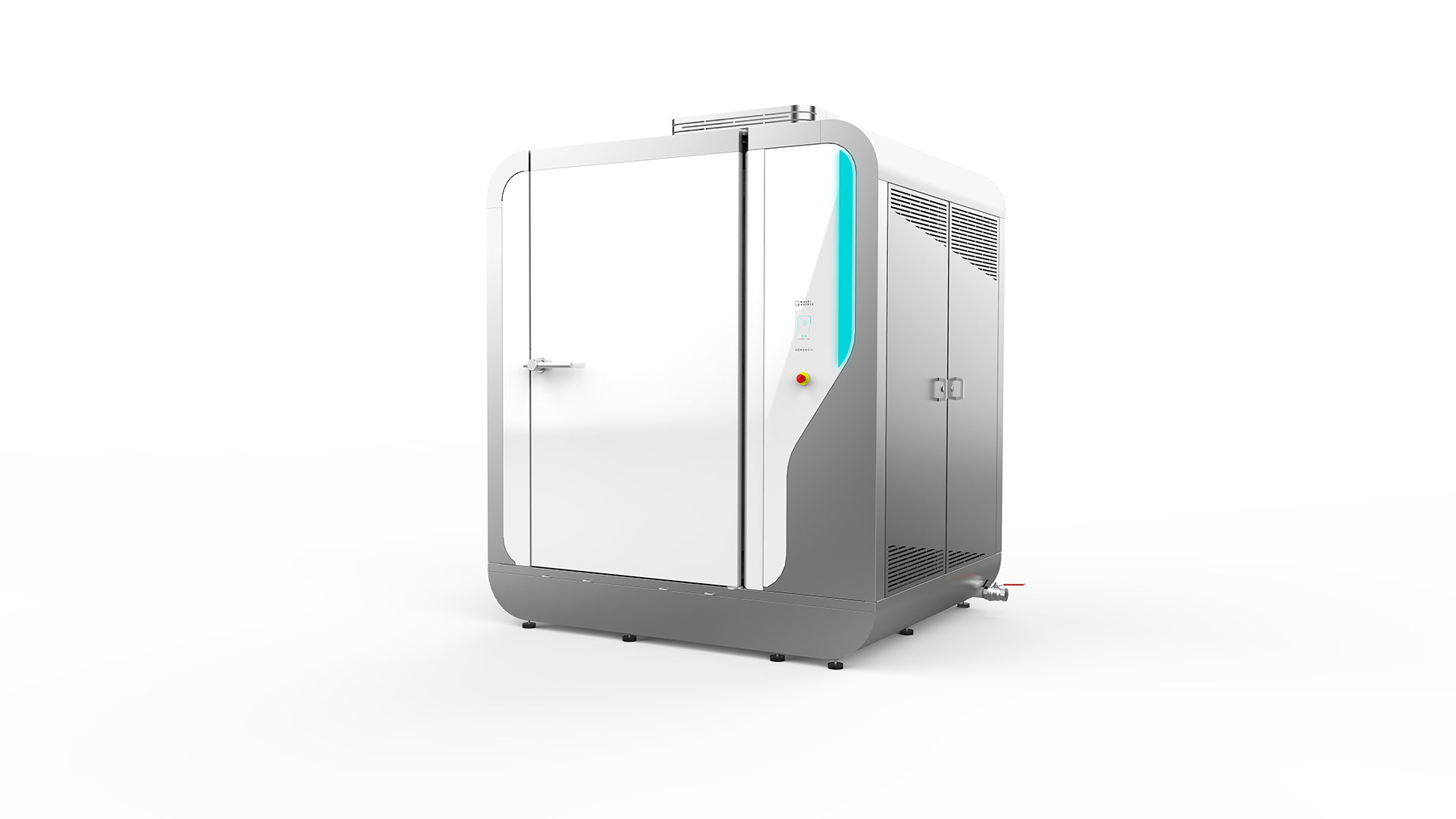
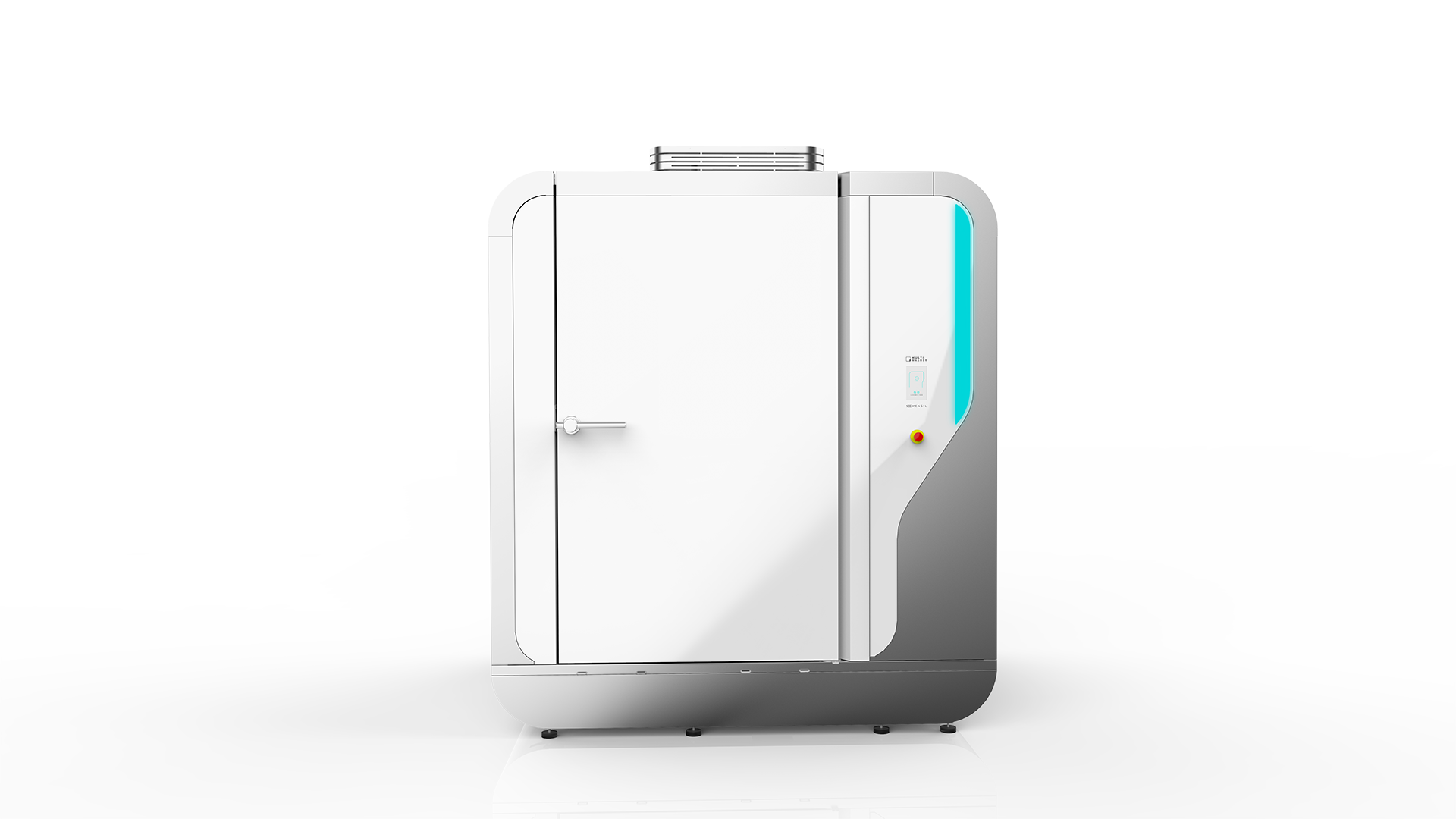
The MultiWasher, our flagship ware washing machine, was developed by specialized engineers to maximize the level of operational efficiency and quality control. It allows companies to save resources (e.g. water and electricity), as well as washing products (e.g. detergent), while ensuring perfect washing and improved food safety and hygiene.
Create a quality control program
More and more, quality managers design control programs using risk analysis techniques, which include the following elements.
- Risk analysis to identify hazards to the consumer and the critical control points along the production chain;
- Key Performance Indicators to assess at each control point and its range of acceptable limits;
- Follow-up procedures for control points and corrective actions;
- Verification procedures to ensure that corrective measures have been taken;
- A simple and visual monitoring system of control points throughout the production chain.
With quality control programs that meet these requirements, it is possible to ensure Food Safety and Hygiene throughout the entire production chain.
Hope for the best, prepare for the worst
The goal of all quality systems is to prevent defective or low-quality products from reaching the market. But sometimes, even the most comprehensive systems fail.
Ensuring Food Safety and Hygiene requires procedures to remove products from the market as soon as possible in case something goes wrong. Hoping for the best and preparing for the worst is the best strategy to protect the health of consumers and the brands’ reputation.
To do this, it is important to ensure production traceability and save records for each production lot, with:
- Identification of supplier, distributor, carrier and customer
- Lot number
- Type and quantity of products
- Transaction and delivery dates
Train everyone involved, even if they are outside the organization
Training is essential in all operating activities, but it is especially important for Food Safety and Hygiene. A simple mistake can cause irreparable damage to consumer confidence.
Those working in food production should be carefully trained to contribute to quality. Training should involve aspects such as:
- Personal hygiene;
- Defect detection;
- Simple maintenance of equipment;
- Workstation cleaning;
- Washing utensils;
- Food preparation and storage;
- Disposal of waste;
- Pest control;
- Consequences of lack of hygiene and food safety.
This training helps everyone understand the importance of food security, while reducing the risk of contamination and disease transmission. Similarly, suppliers and distributors are key elements in quality control. For this reason, they should receive detailed instructions on the parameters and procedures they need to comply with.
Use hygienic zoning and separation
Separate high-risk and low-risk areas, raw and cooked products, allergens, waste flows and clean equipment. Clear zoning reduces cross-contamination risks and makes daily hygiene rules easier for teams to follow.
Validate washing and sanitation routines
Washing plans should define what is washed, how often, by whom and with which method. Visual checks are useful, but validation with tools such as ATP tests, microbiological swabs or documented inspections gives teams stronger evidence that sanitation is working.
Maintain equipment before hygiene risks appear
Preventive maintenance supports food safety by reducing hidden contamination points. Teams should inspect seals, joints, drains, filters, nozzles and hard-to-wash areas regularly, replacing damaged components before they create hygiene failures or production downtime.
Food safety and hygiene: key legislation
In the United States, food safety is regulated through a mix of federal, state and local requirements. For many food businesses, the Federal Food, Drug, and Cosmetic Act and the Food Safety Modernization Act are central: FSMA shifted the system toward prevention, and the Preventive Controls for Human Food rule requires covered facilities to have a food safety plan with hazard analysis and risk-based preventive controls. Meat, poultry and certain egg products are overseen by USDA FSIS, including HACCP-based requirements.
Retail and foodservice hygiene is often governed by state and local rules, with the FDA Food Code used as a model code by jurisdictions. Because requirements depend on product category, location and the company’s role in the supply chain, organizations should map which FDA, USDA/FSIS, state and local obligations apply before designing controls, training, traceability and sanitation procedures.
Food safety and hygiene KPI
Food safety and hygiene KPI should help teams see whether controls are working before problems reach the market. Useful indicators include non-conformance rate, corrective action closure time, environmental swab results, washing verification pass rate, internal audit scores, training completion, recall or near-miss events, customer complaints, and water, energy or detergent consumption per wash cycle.
The goal is to connect operational indicators with risk. KPI should be reviewed regularly, linked to clear owners and thresholds, and used to improve process design, washing routines, equipment performance and team behavior.
FAQ about Food Safety and Hygiene
These are some of the most common questions about improving Food Safety and Hygiene in food production environments.
What is Food Safety and Hygiene?
Food Safety and Hygiene is the set of practices, systems and controls that help ensure food is produced, handled, washed, stored and distributed in a way that protects consumers from contamination and health risks.
Why is hygiene important in food production?
Hygiene is important because small failures can lead to contamination, product recalls, loss of consumer trust and damage to the company’s reputation. It also helps companies comply with regulations and maintain consistent quality.
How can companies reduce contamination risks?
Companies can reduce contamination risks by designing processes for hygiene, identifying critical control points, training teams, separating clean and dirty flows, maintaining traceability and using reliable washing procedures.
What role does equipment play in Food Safety and Hygiene?
Equipment plays a central role because it affects washing quality, maintenance, inspection, operator safety and process efficiency. Machines should be easy to clean and suited to the company’s actual production process.
How can automated washing improve food safety?
Automated washing helps standardize each cycle, reduce manual variation and control key parameters such as temperature, detergent, speed and water use. This supports more consistent hygiene results while improving operational efficiency.
Somengil, your industrial washing partner
At Somengil, we develop state-of-the-art industrial washing machines. MultiWasher allows you to wash everything necessary to ensure Food Safety and Hygiene – from dishes to filters.
With a high degree of automation, it is possible to guarantee a level of hospital washing in every cycle. Washing is done at high temperatures, with a minimum consumption of water, energy and detergent. Thus, the Mulitwasher ensures quality of washing and minimizes the impact on the environment and on workers' health. Schedule a webinar today or contact our team to see the difference.
You may also like
Industrial washing / Articles
Opex: what is it, why it matters, and how to measure it
Opex is an essential KPI for any investment decision. This is what it means, how to calculate it and how to use it.
Posted in 2025-11-13

Industrial washing / Articles
5 key trends from Anuga 2024
We were at Anuga, one of the major fairs in the food sector worldwide. Discover the 5 main trends that will shape the upcoming years.
Posted in 2024-05-07
Industrial washing / Articles
What are antiseptic solutions and why they matter to hospitals
Hospital infections are one of the leading causes of death worldwide. Find out how antiseptic solutions help control this risk.
Posted in 2022-06-02



 Portugal
 United Kingdom
 United States
 France
 Spain
Spain Germany
 Romania
 Italy
Italy Czech Republic
 Finland
 Hungary
 Slovakia
 Greece
 Lithuania
 South Korea
 Russia
 Saudi Arabia
 Poland
 Brasil
 Hebrew