Industrial washing / Articles
FDA Food Code: what every food business should know
Learn what is the FDA Food Code, its role in food safety, compliance steps, and how MultiWasher supports monitoring and audit readiness.
 9 minutes of reading
2026-08-13 11:48:29
- The FDA Food Code provides a science-based framework that helps standardise food safety practices across the entire food industry.
- It plays a key role in inspections, risk prevention, and building trust by ensuring consistent hygiene and operational standards.
- Solutions like the MultiWasher support ongoing compliance through real-time monitoring, detailed records, and efficient, technology-driven processes
In 2015, a wave of E. coli outbreaks shook the U.S. food industry. Dozens of people across multiple states fell ill, leading to widespread investigations by the CDC and the U.S. Food and Drug Administration. In total, the incidents contributed to more than 1,100 reported illnesses over time and ultimately resulted in a $25 million settlement tied to food safety failures and compliance breakdowns.
What made the case particularly striking was the fact that inspectors and investigators repeatedly traced the issue back to critical lapses in food handling, temperature control, and employee practices that should have been prevented under established food safety guidance.
Cases like this highlight how quickly gaps in day-to-day procedures can escalate. To understand the framework designed to prevent exactly these situations, it’s worth taking a closer look at the FDA Food Code and how it shapes food safety standards across the industry. Learn all about it to see how it applies to your operations.
What is FDA Food Code and why is it important?
The FDA Food Code is the foundation of food safety guidance in the United States. Developed by the U.S. Food and Drug Administration, it pulls together the latest science and practical know-how to help businesses keep food safe at every stage, from preparation to service.
The Code helps align food safety practices across different regions and types of businesses. For regulators, it serves as a reliable benchmark. Authorities use it to guide inspections, identify gaps, and ensure that food businesses are meeting the expected standards. For companies, following the Code reinforces trust with customers and helps avoid costly setbacks like fines, shutdowns, or recalls.
Key FDA Food Code requirements for food processing companies
At its core, the Code defines how food should be handled, processed, and controlled to minimize contamination risks and ensure consumer safety.
For food processing companies, several principles stand out:
- Time and temperature control (TCS foods). The Code defines strict requirements for controlling the temperature of perishable foods during storage, processing, and distribution to prevent bacterial growth. This includes items like dairy products, raw and cooked meats, seafood, cooked rice or pasta, and ready-to-eat foods. All these are products where even small temperature deviations can quickly lead to safety risks.
- Prevention of cross-contamination. Clear separation between raw and ready-to-eat products, along with proper equipment sanitation, is essential to avoid contamination during processing.
- Employee hygiene and health controls. Workers must follow strict hygiene practices, including handwashing, protective clothing, and restrictions when ill, to reduce the risk of contaminating food products.
- Cleaning and sanitation procedures. Regular and documented cleaning of equipment, surfaces, and utensils is required to maintain a safe processing environment.
- Facility and equipment design. The layout and materials used in processing facilities must support hygienic operations, allowing for effective cleaning and minimizing contamination risks.
- Traceability and record-keeping. Although more emphasized in other FDA regulations, the Food Code supports the need for proper documentation to track food handling practices and ensure accountability.
A practical roadmap to comply with the FDA Food Code
Putting the FDA Food Code into practice can feel like a lot at first glance. But when you break it down into clear steps, it becomes much more manageable and easier to embed into daily routines.
1. Start with a gap assessment
Begin by comparing your current practices with the applicable version of the Food Code. The goal is to understand where you stand and what needs attention.
2. Define a clear employee health policy
Set up clear, written guidelines for reporting symptoms or illnesses, and create conditions that encourage transparency. Policies only work if people feel safe to follow them.
3. Strengthen allergen controls
Keep labels and menus up to date, train staff on preventing cross-contact, and ensure there’s clear communication around unpackaged foods.
4. Control time and temperature rigorously
Use calibrated tools and, where possible, digital tracking to keep a consistent record of cooking, cooling, and storage temperatures.
5. Standardise washing and sanitising procedures
Define clear procedures for cleaning, disinfecting, and sanitising, and make them easy to follow. Checklists and logs can help ensure nothing is missed, even during busy periods.
6. Select compliant washing and sanitation equipment
An often overlooked aspect of compliance is the choice of washing equipment used for utensils, tools, and food-contact surfaces. The FDA Food Code requires that equipment used for cleaning and sanitizing is capable of consistently achieving the necessary levels of hygiene, particularly in terms of temperature, chemical concentration, and contact time.
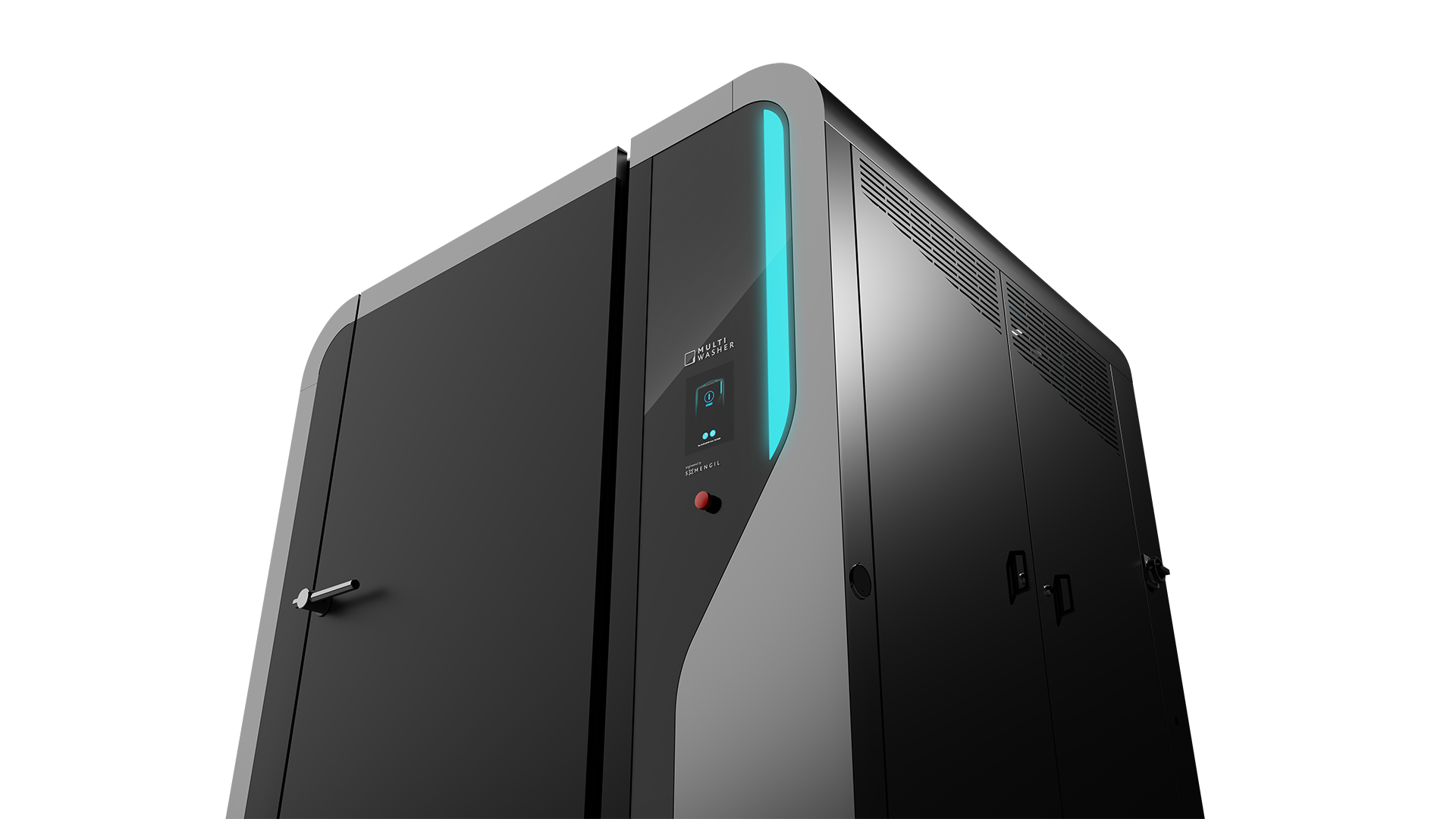
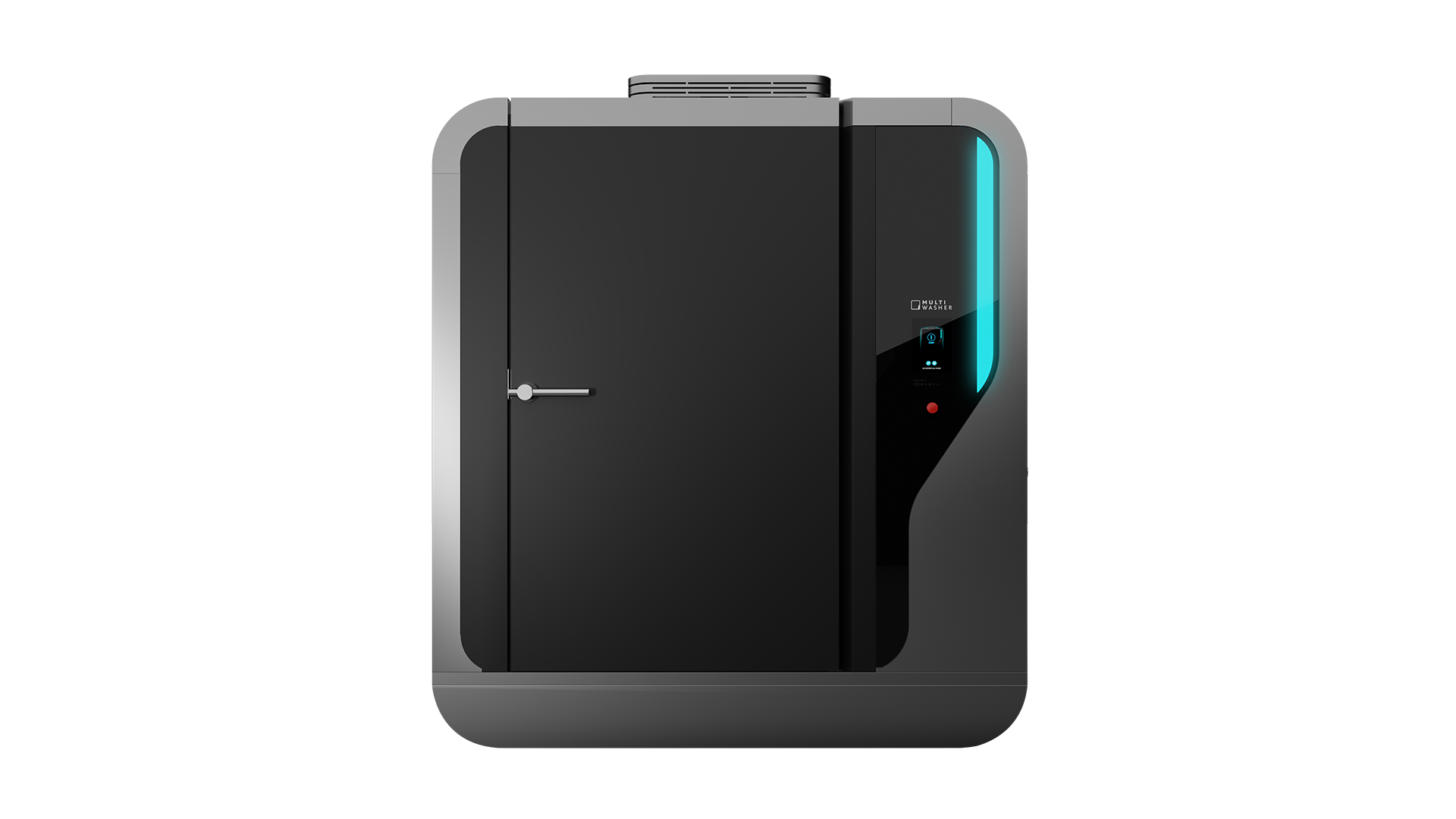
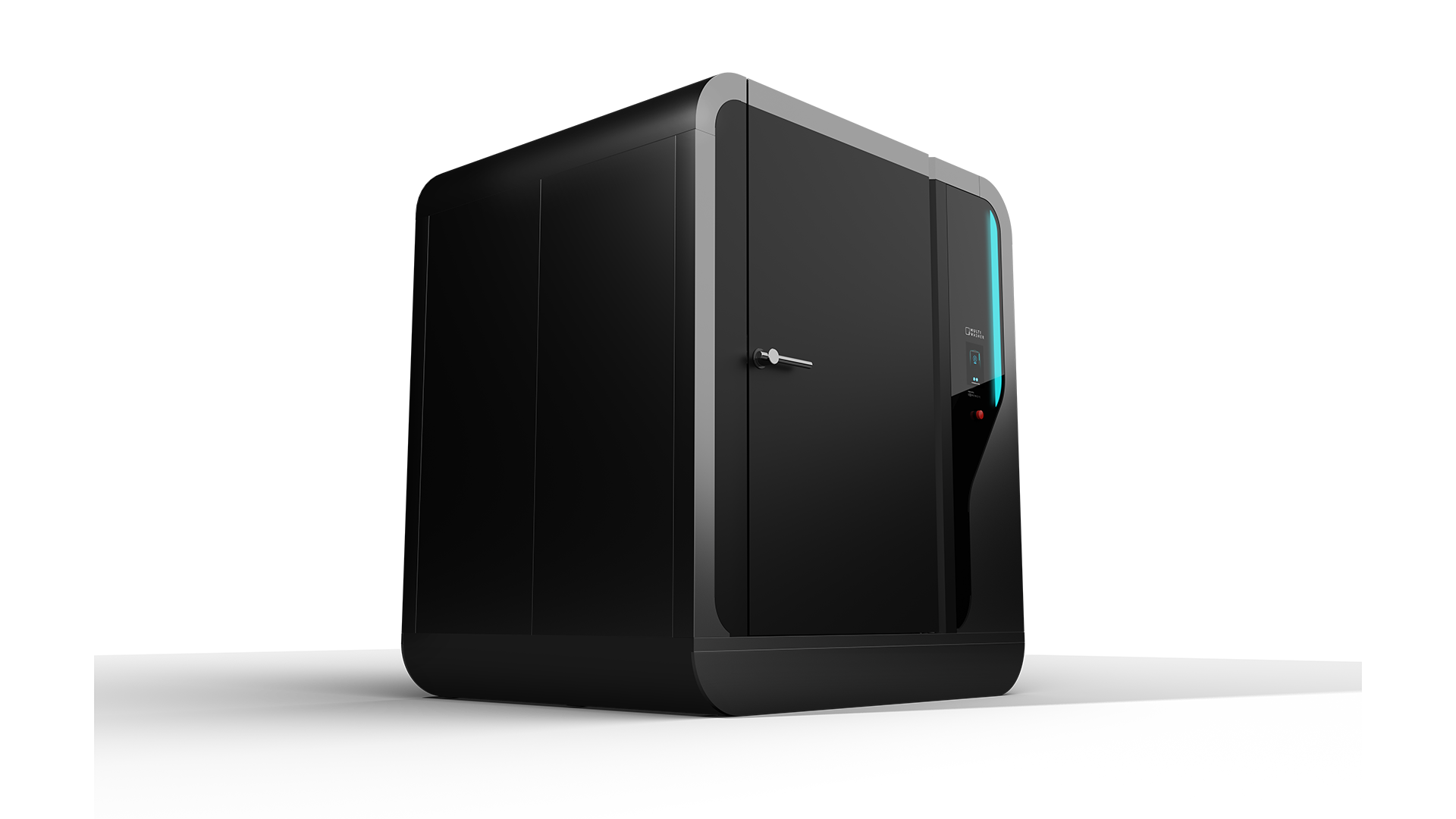
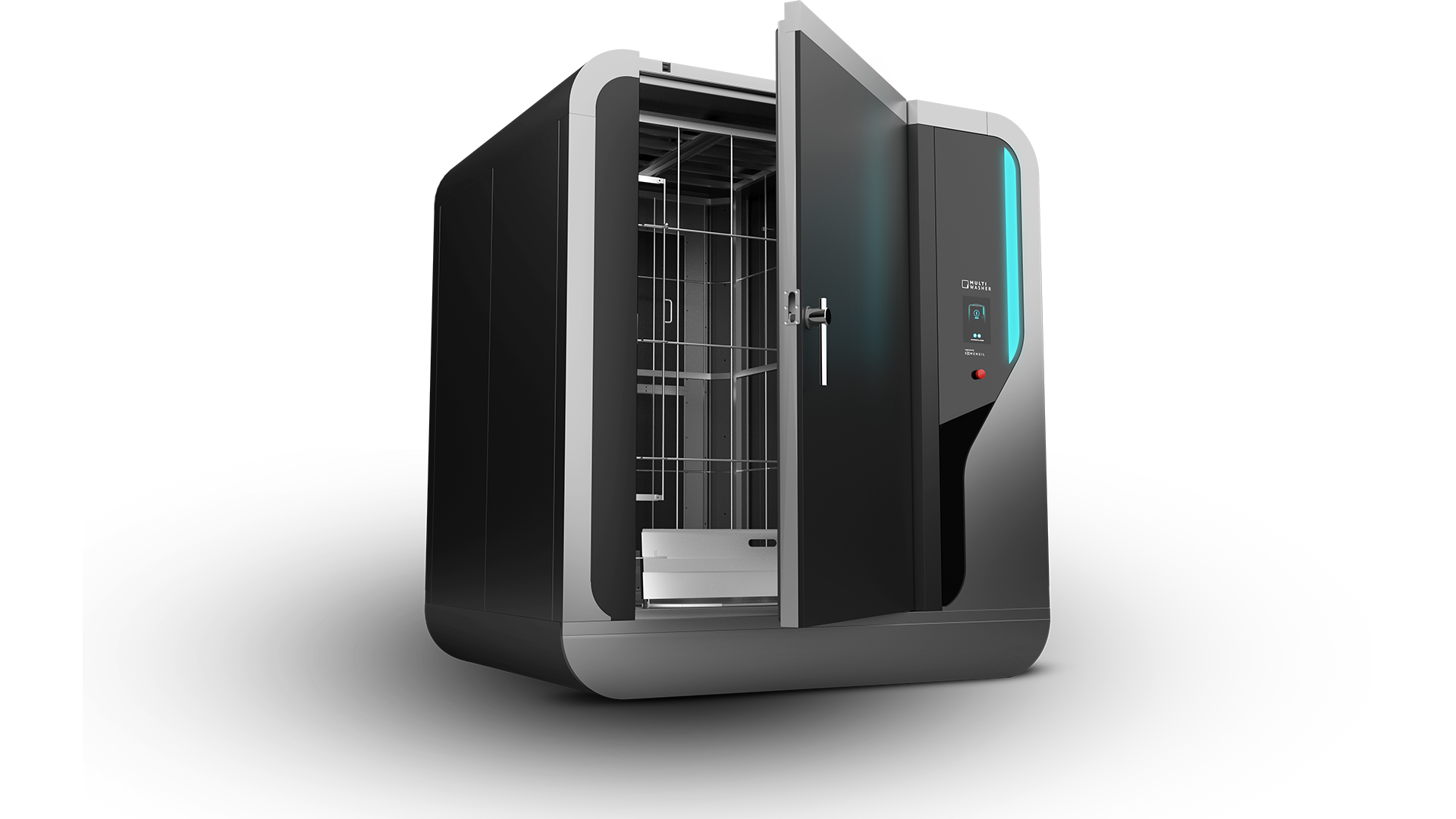
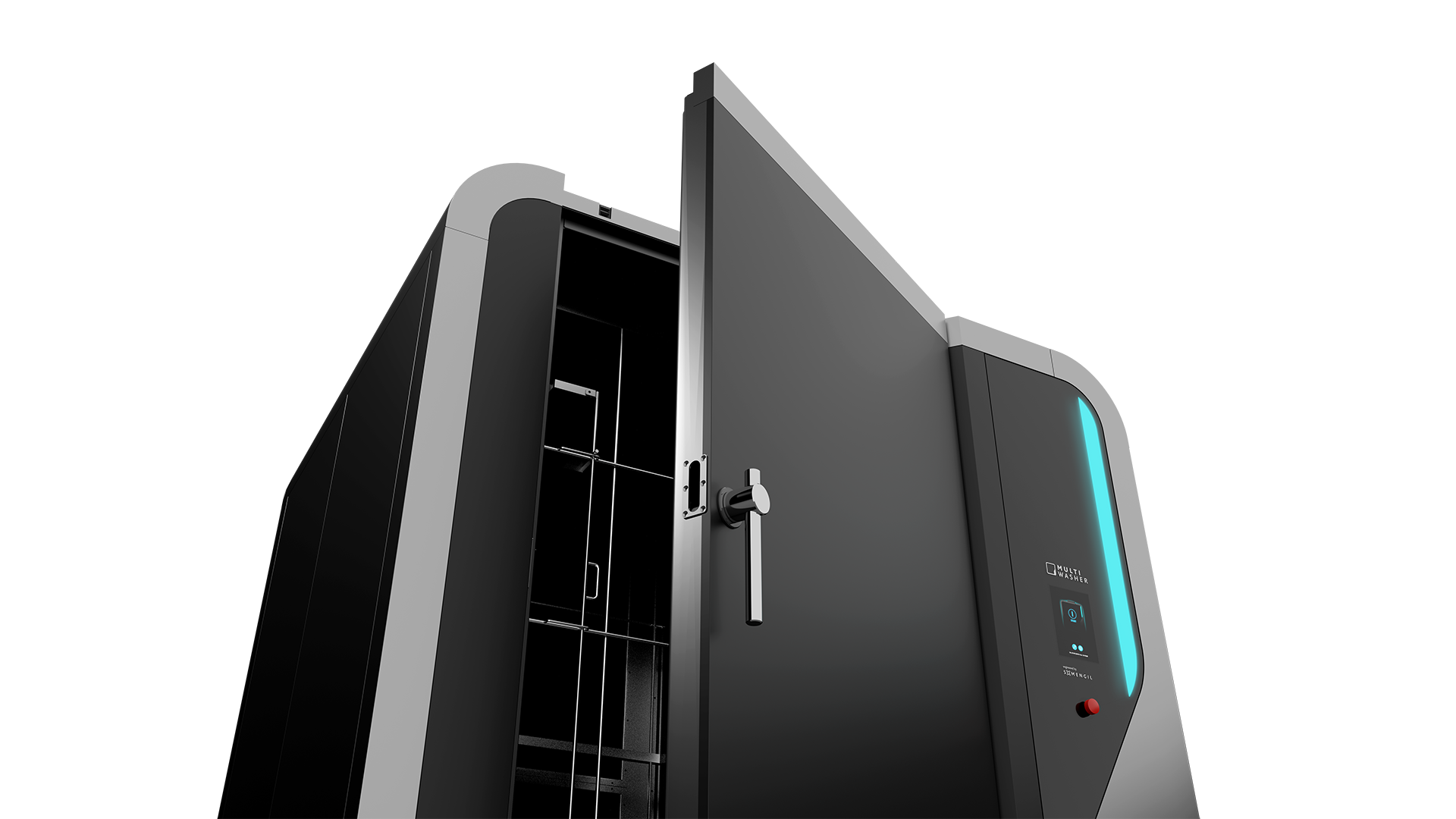
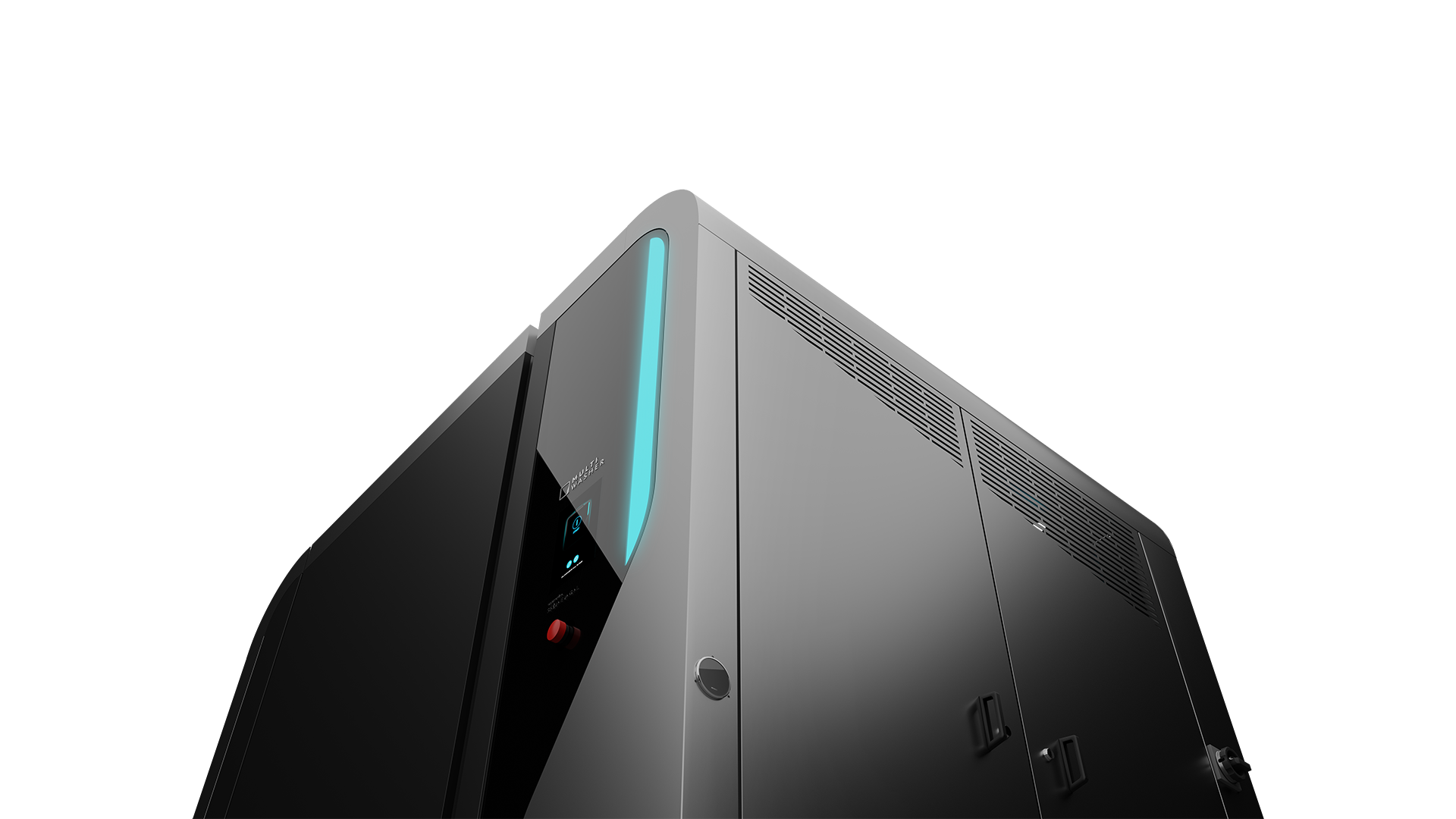
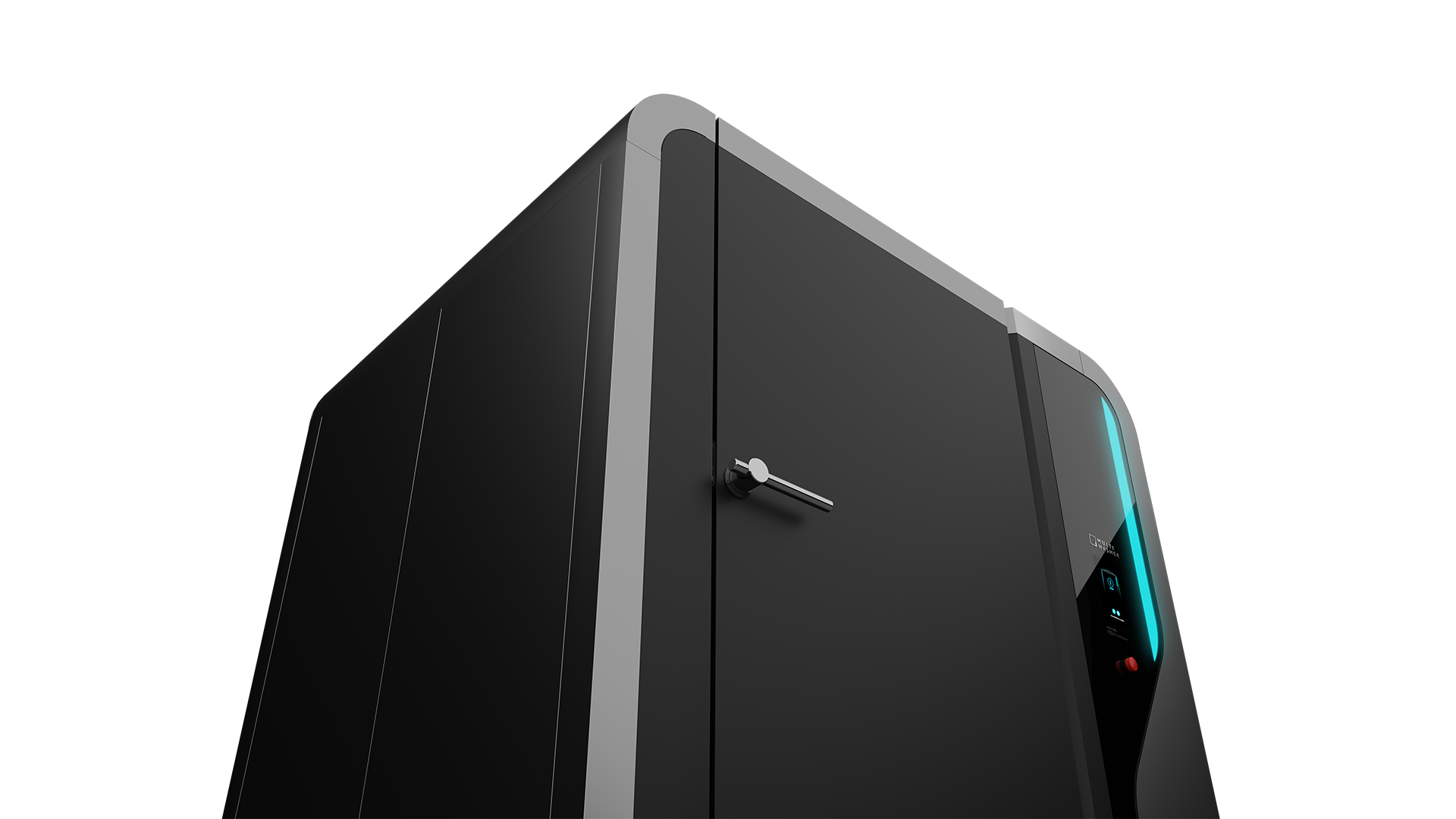
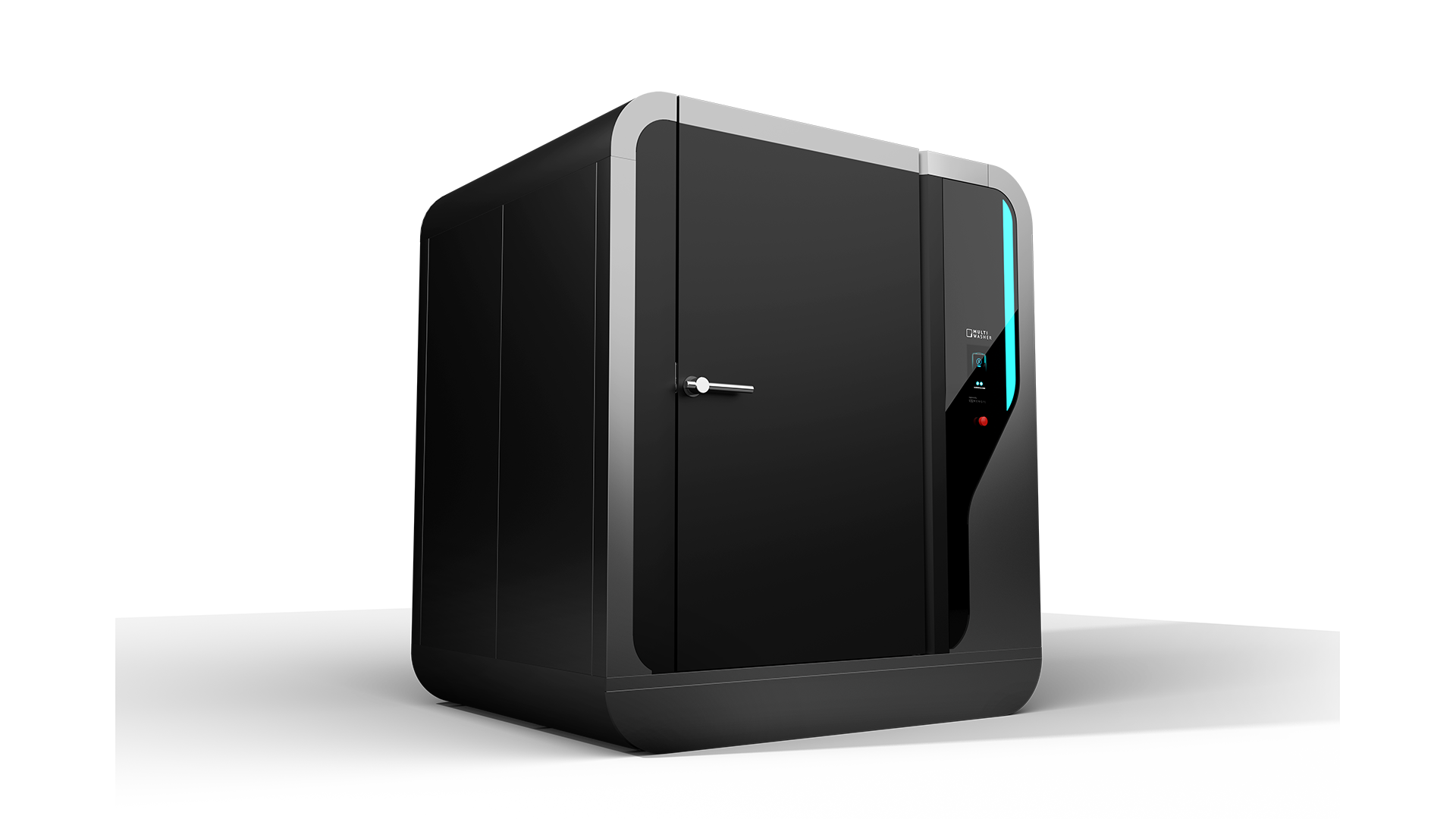
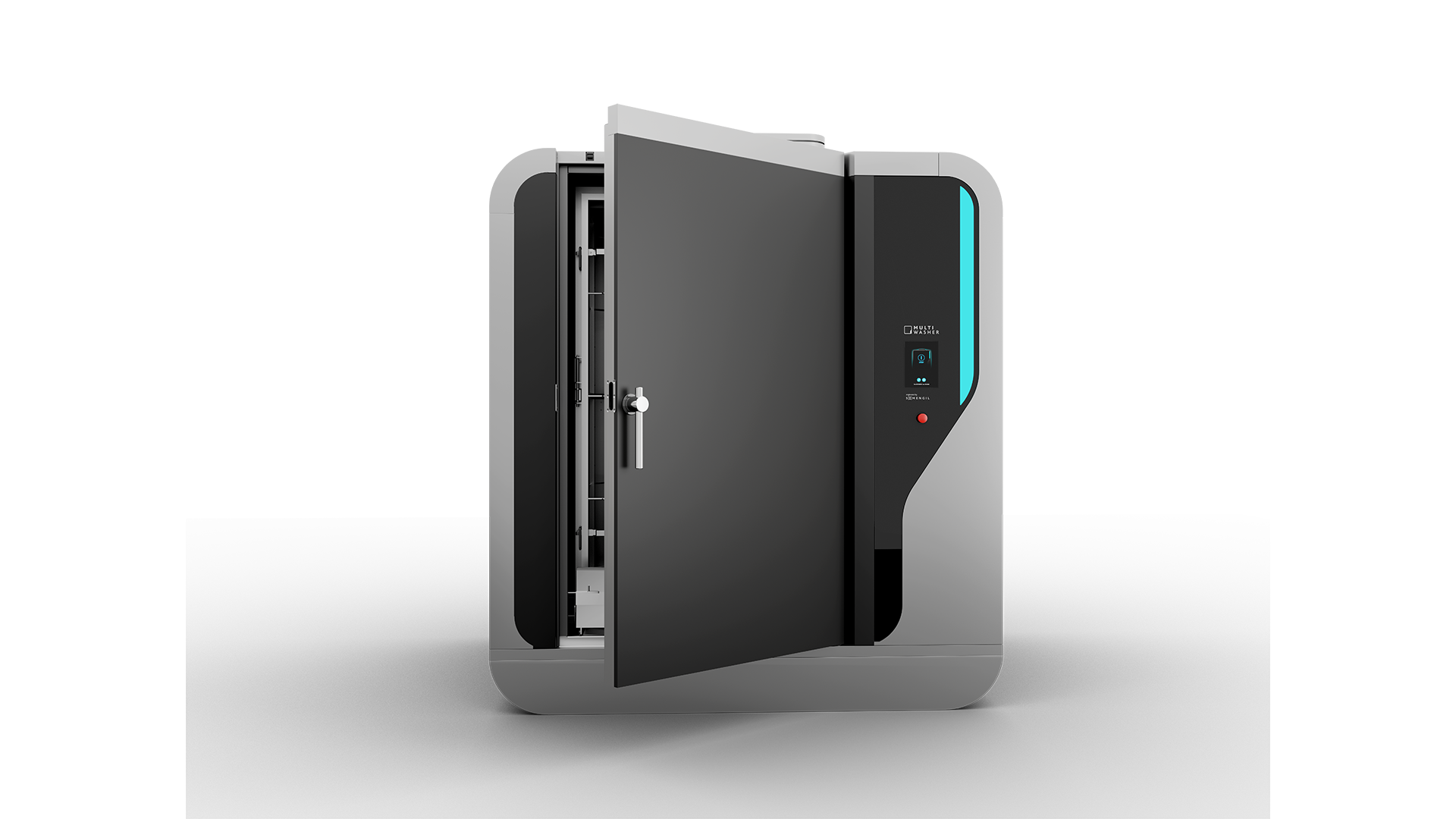
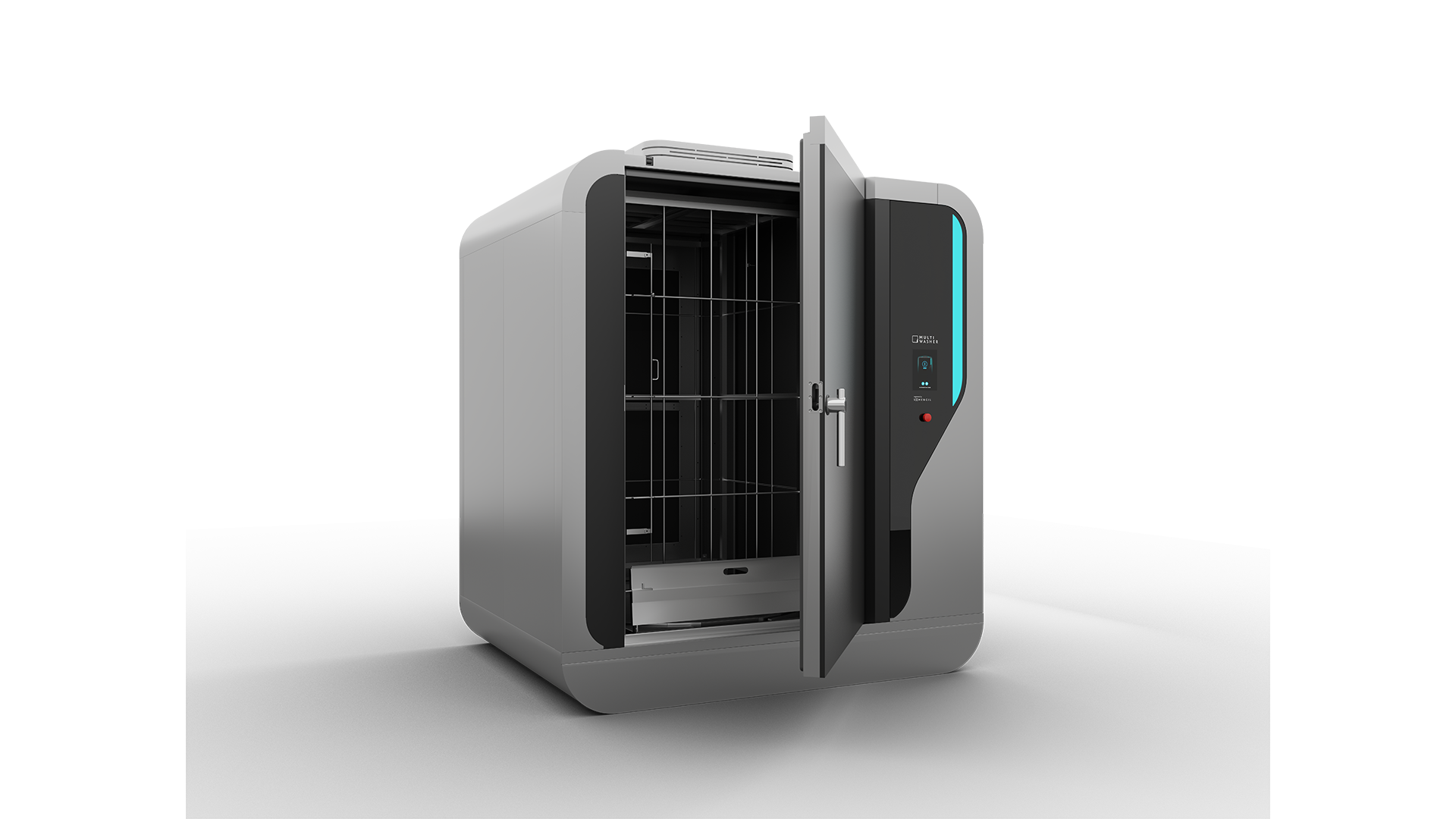
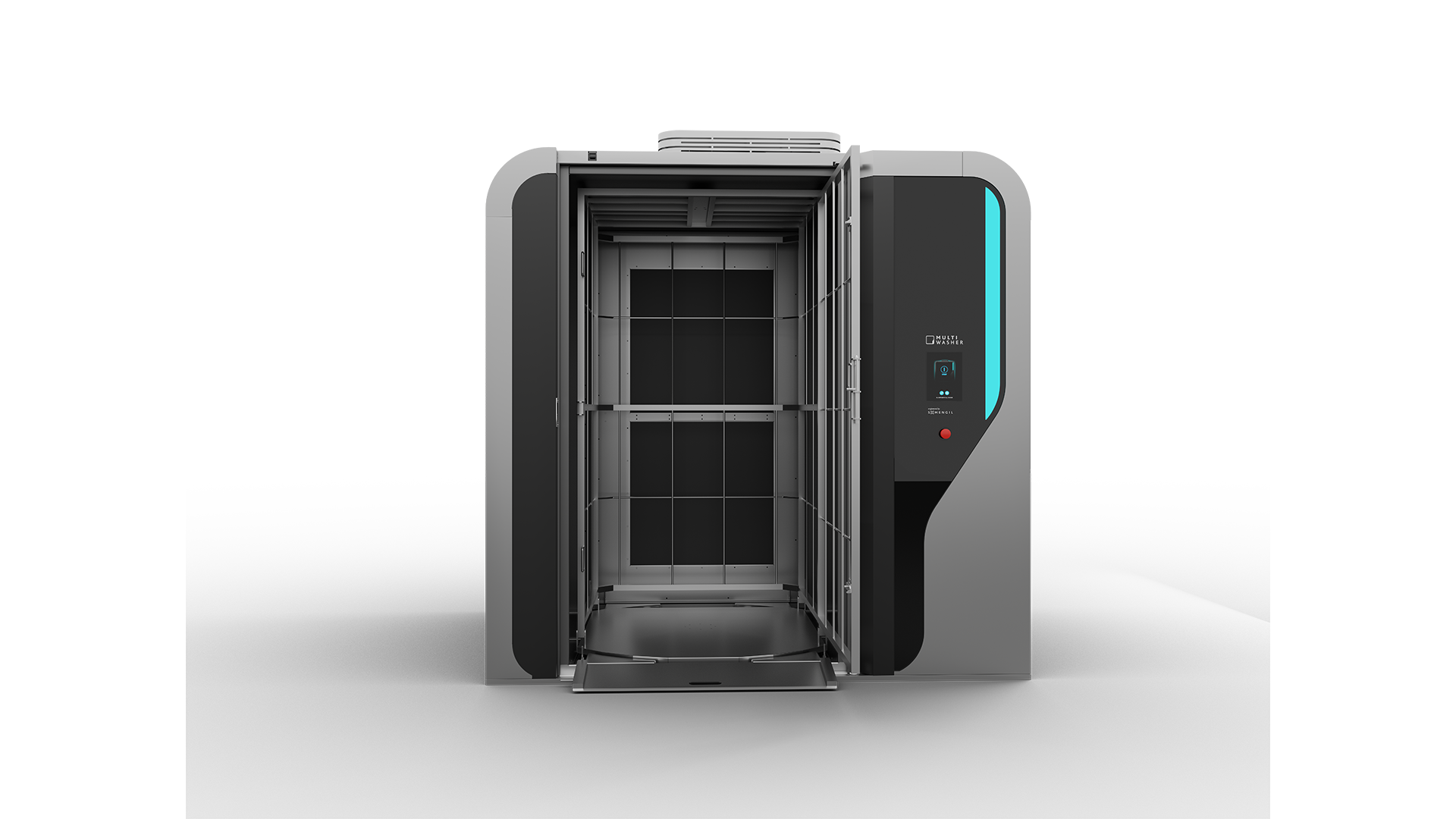
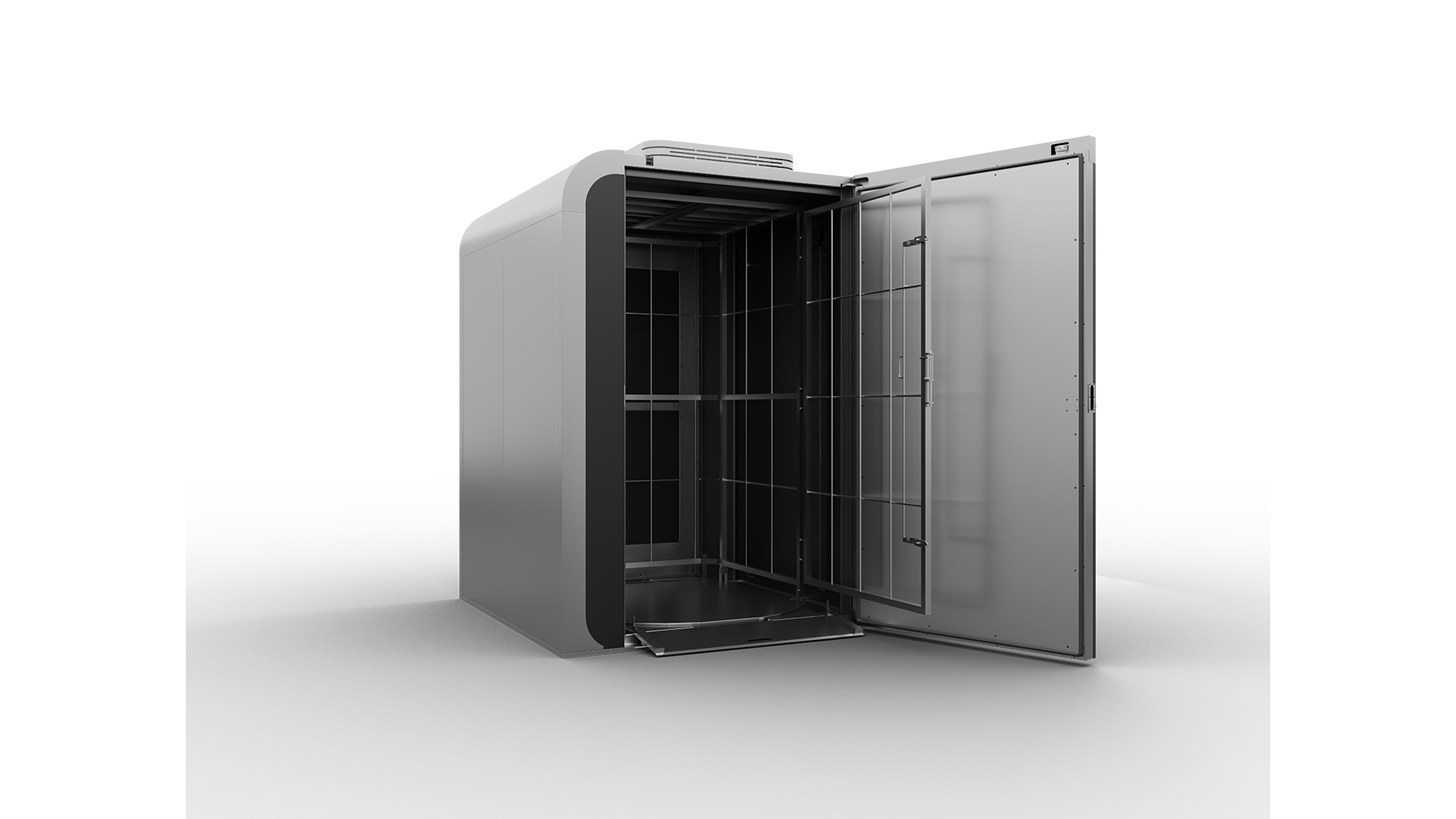
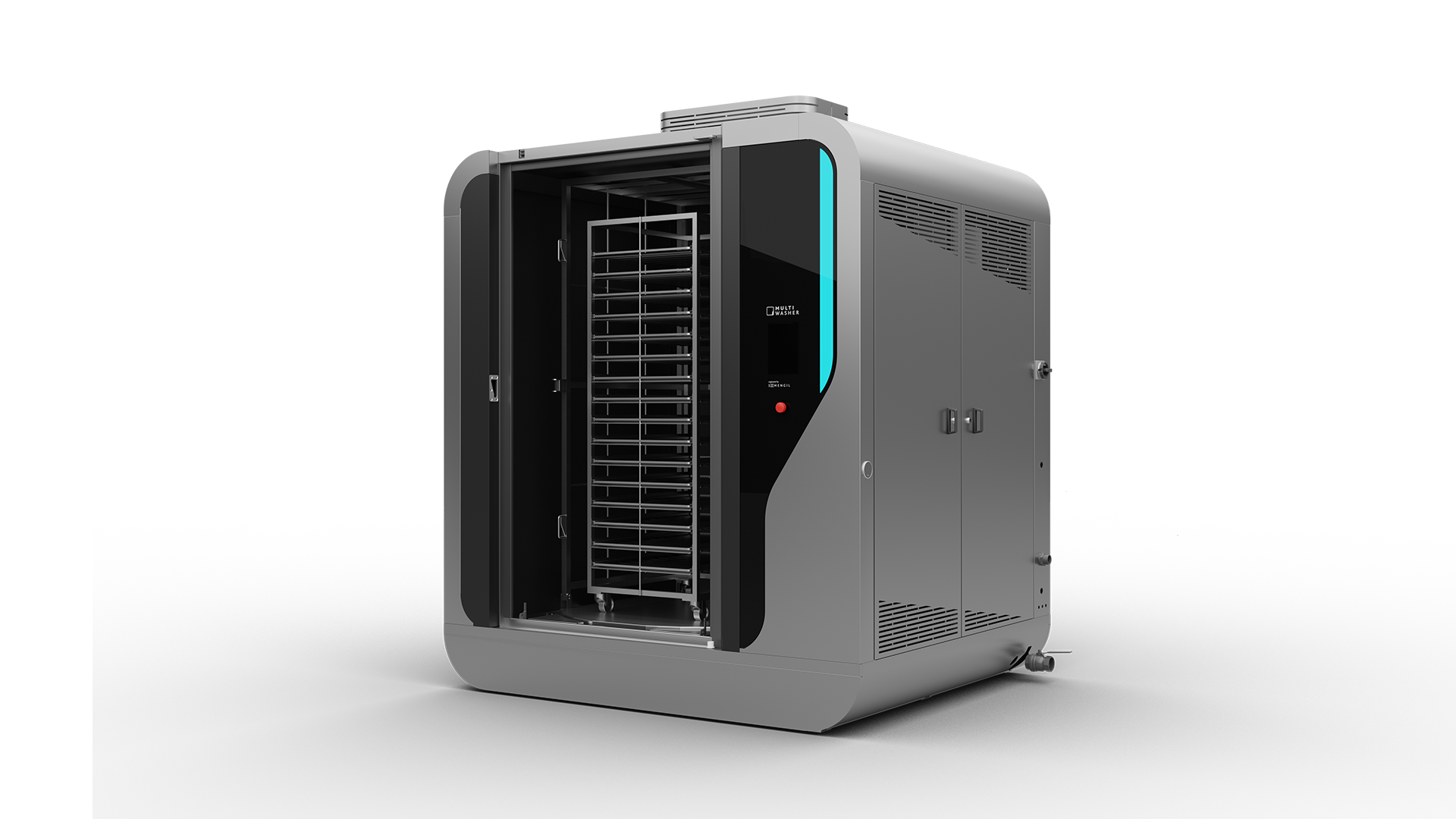
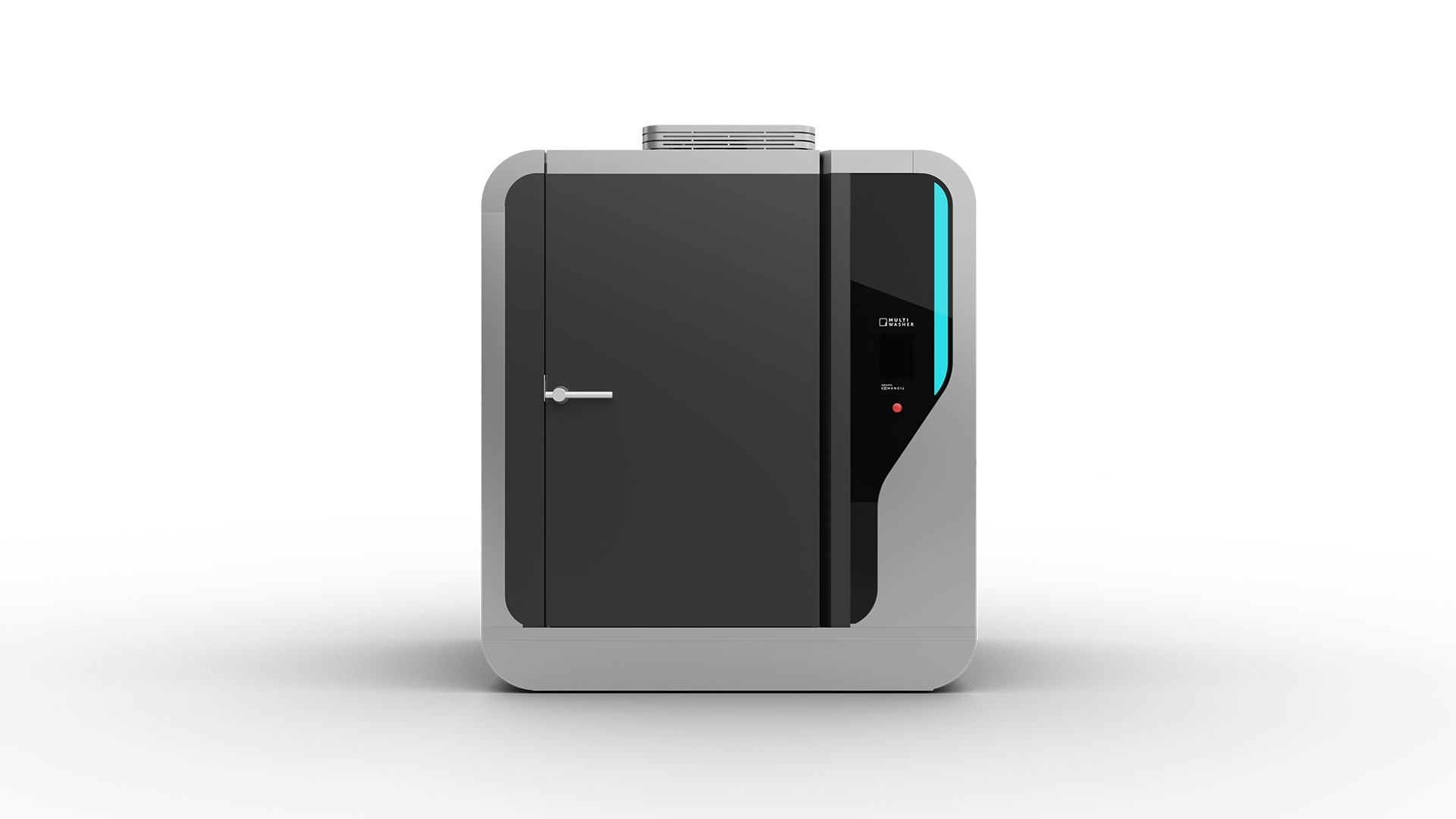
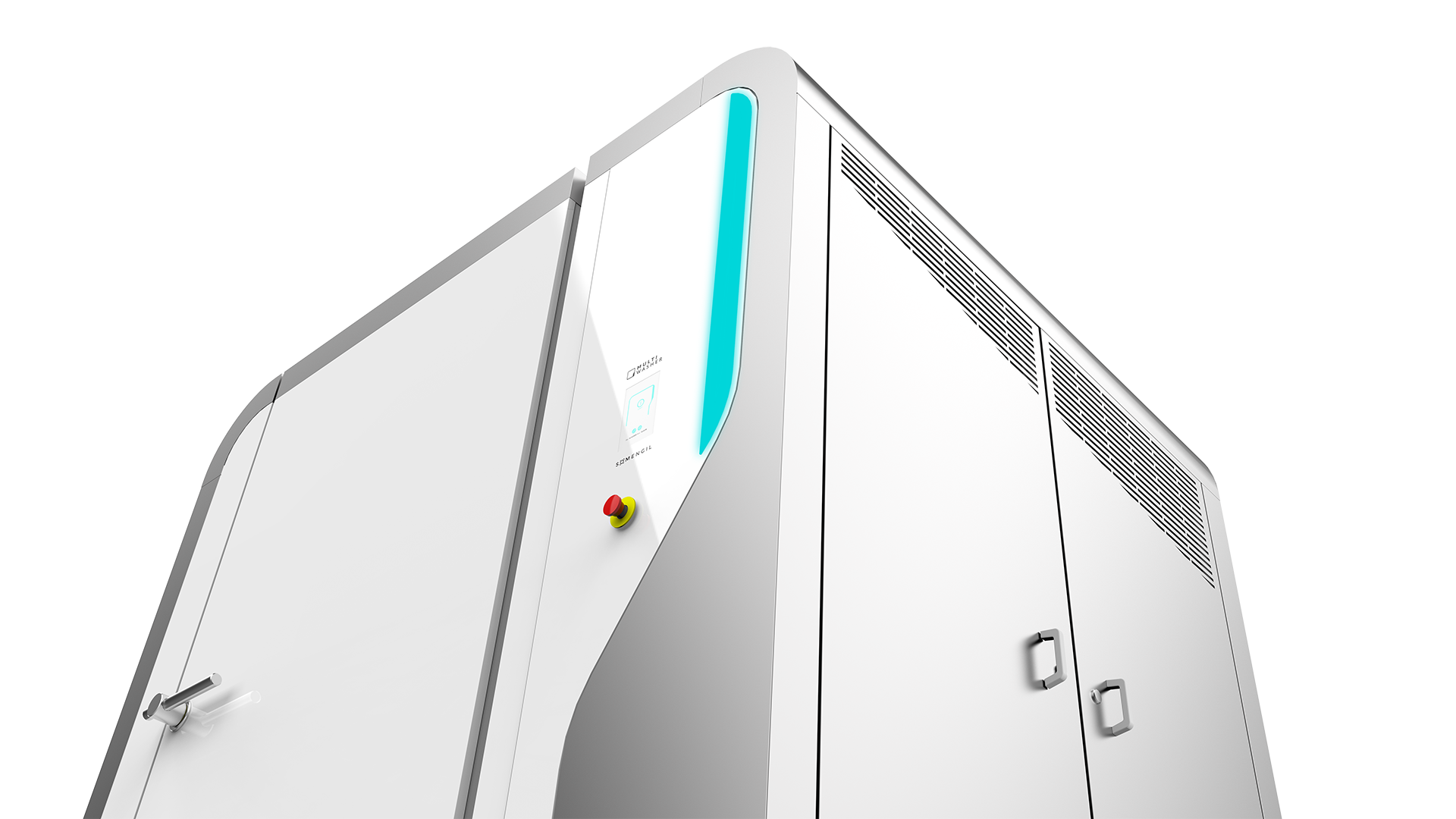
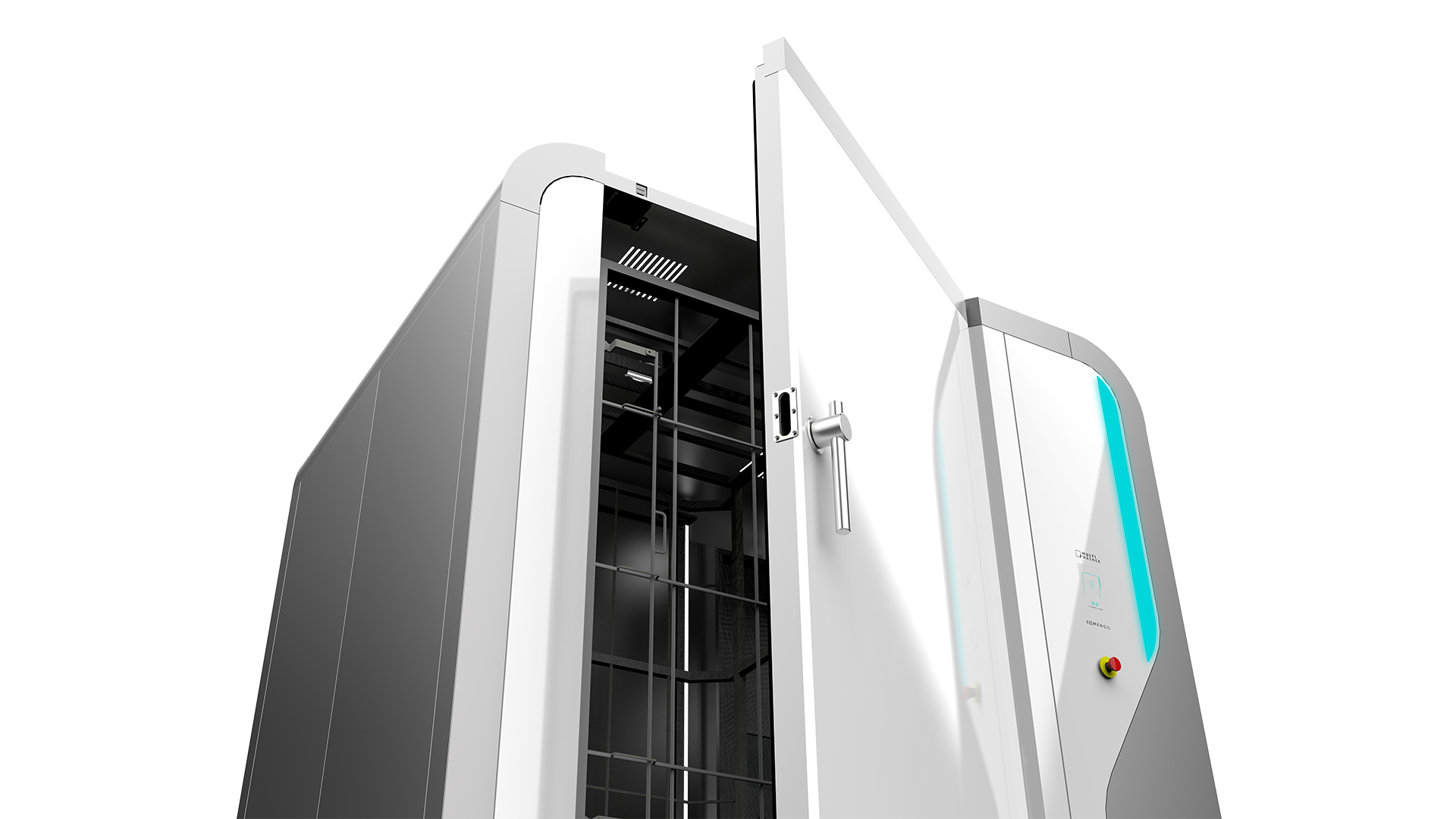
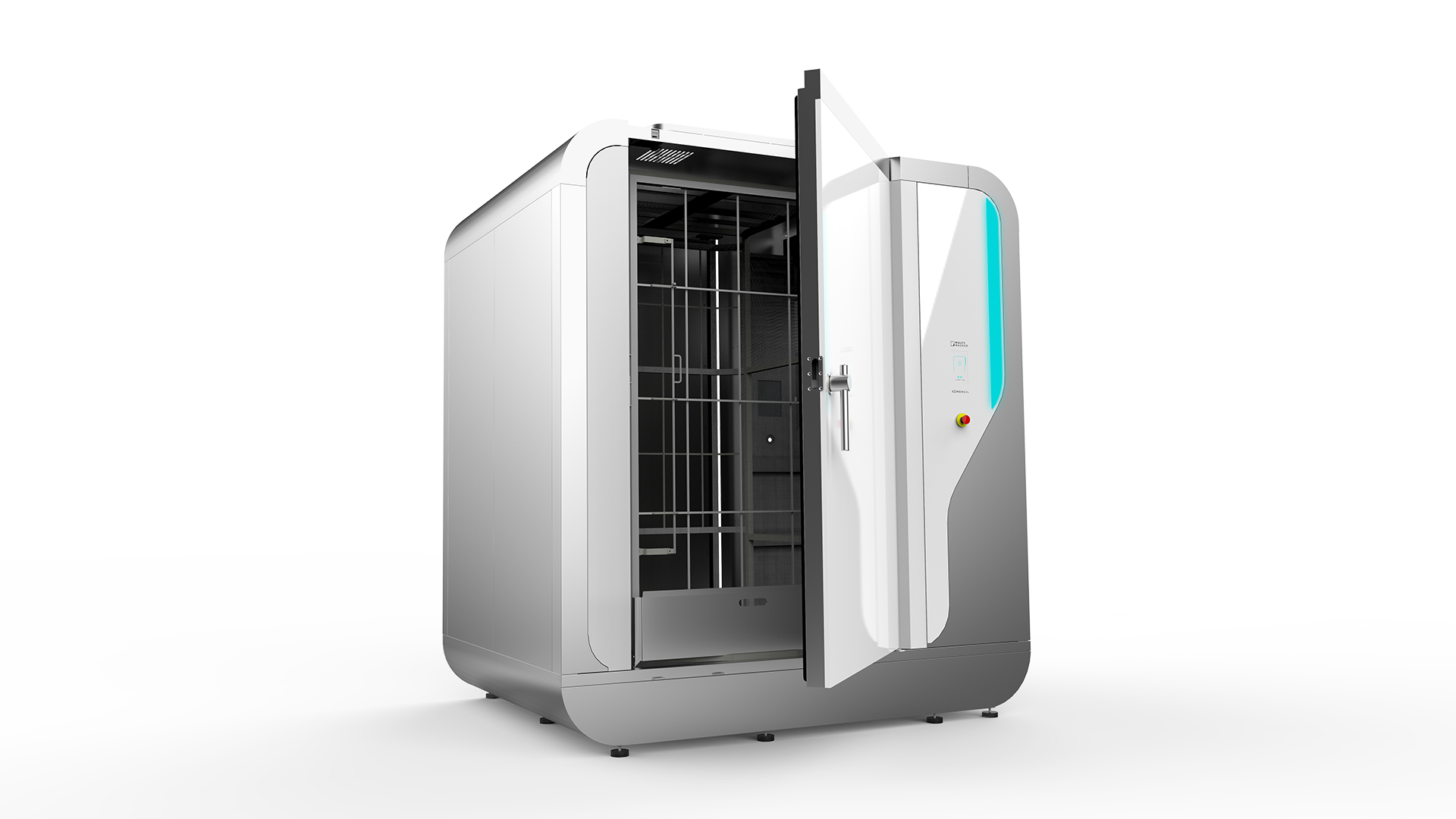
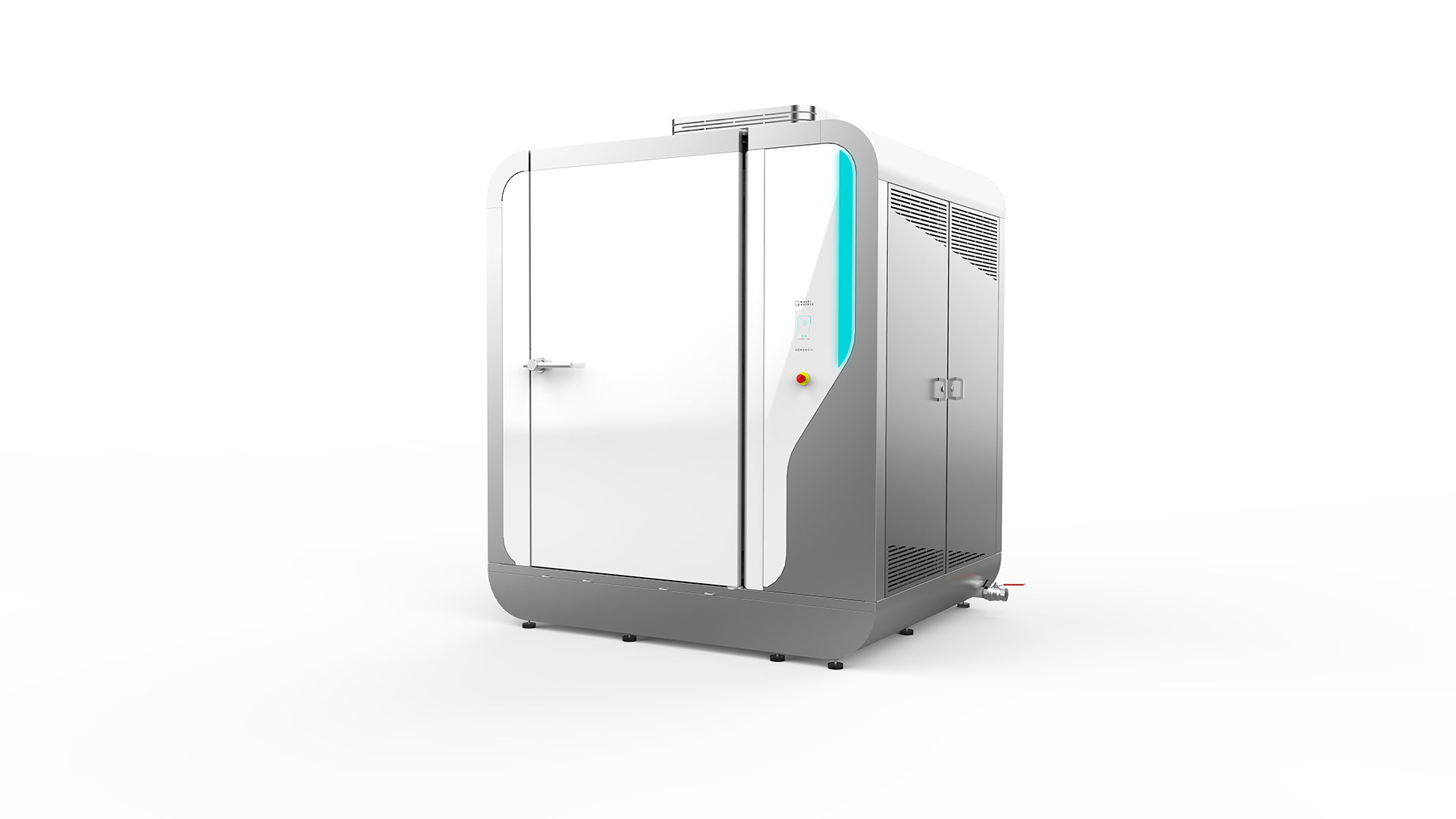
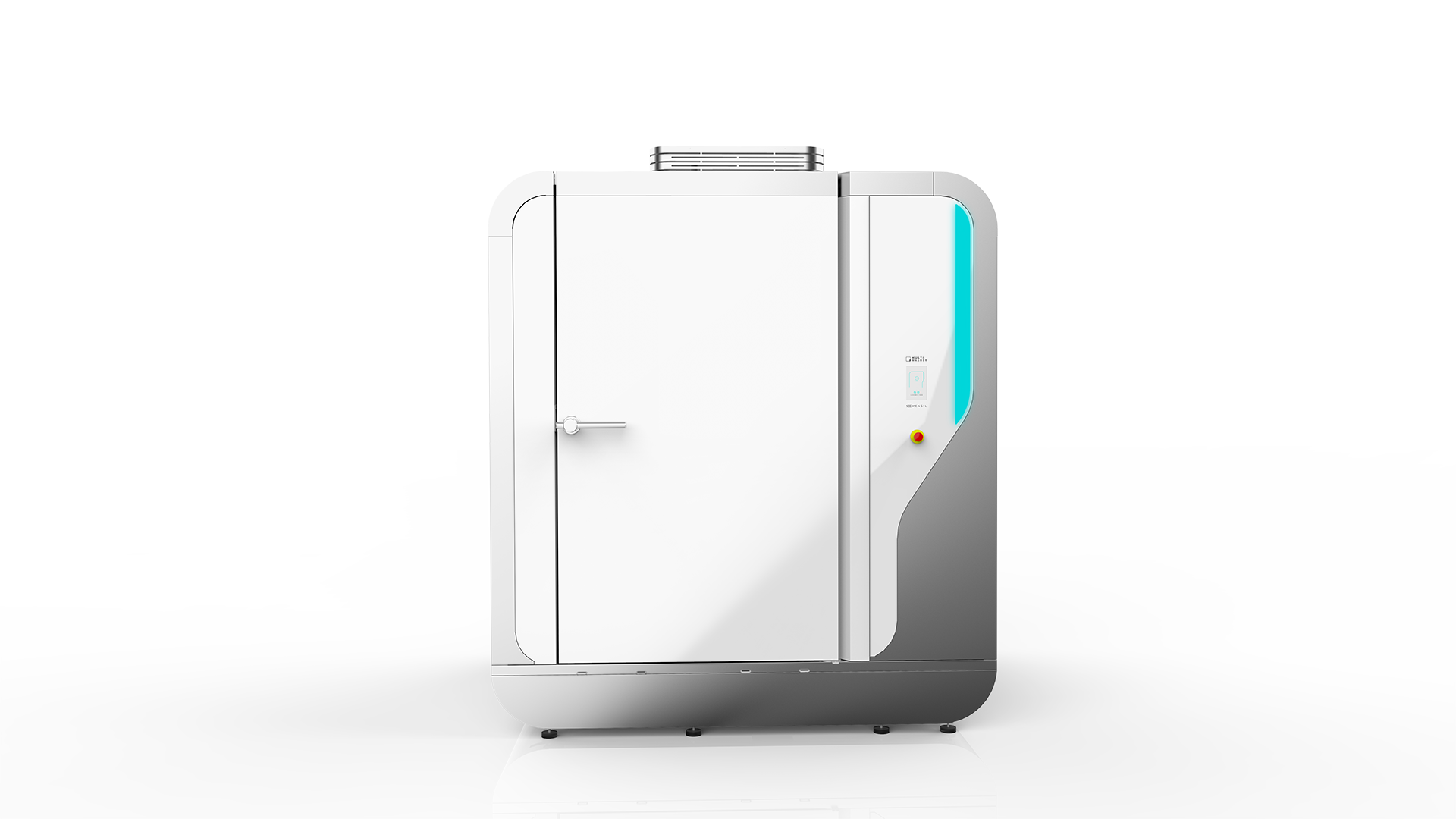
For food processing companies, this means selecting systems that go beyond basic washing and ensure repeatable, validated sanitation cycles. Automated solutions, such as the Multiwasher can help standardize the process by controlling critical parameters like water temperature, detergent dosing, and rinse cycles.
In practice, compliant washing equipment should:
- Achieve the required cleaning and sanitization performance consistently
- Allow control of time, temperature, and chemical concentration
- Be easy to clean and maintain to prevent contamination buildup
- Support documentation or traceability of cleaning cycles, when required
Choosing the right equipment not only helps meet regulatory expectations but also reduces reliance on manual processes, lowering the risk of human error and improving overall food safety.
FAQ about FDA Food Code
Below we answer some of the most commons questions about FDA Food Code.
1. How often is the FDA Food Code updated?
The FDA Food Code is typically revised every four years, with occasional supplements in between. The latest full version was published in 2022, with a 2024 Supplement introducing targeted updates. These revisions reflect new scientific findings, emerging risks, and industry feedback.
2. Do all states have to follow the FDA Food Code?
Not exactly. The Code itself isn’t federal law, so each state or local authority decides whether and how to adopt it.
3. How does the FDA Food Code relate to HACCP systems?
The Food Code and Hazard Analysis and Critical Control Points (HACCP) work hand in hand. While the Code provides broad guidelines, HACCP offers a structured, preventive approach to identifying and controlling specific hazards within a food operation.
FDA Food Code Compliance with MultiWasher
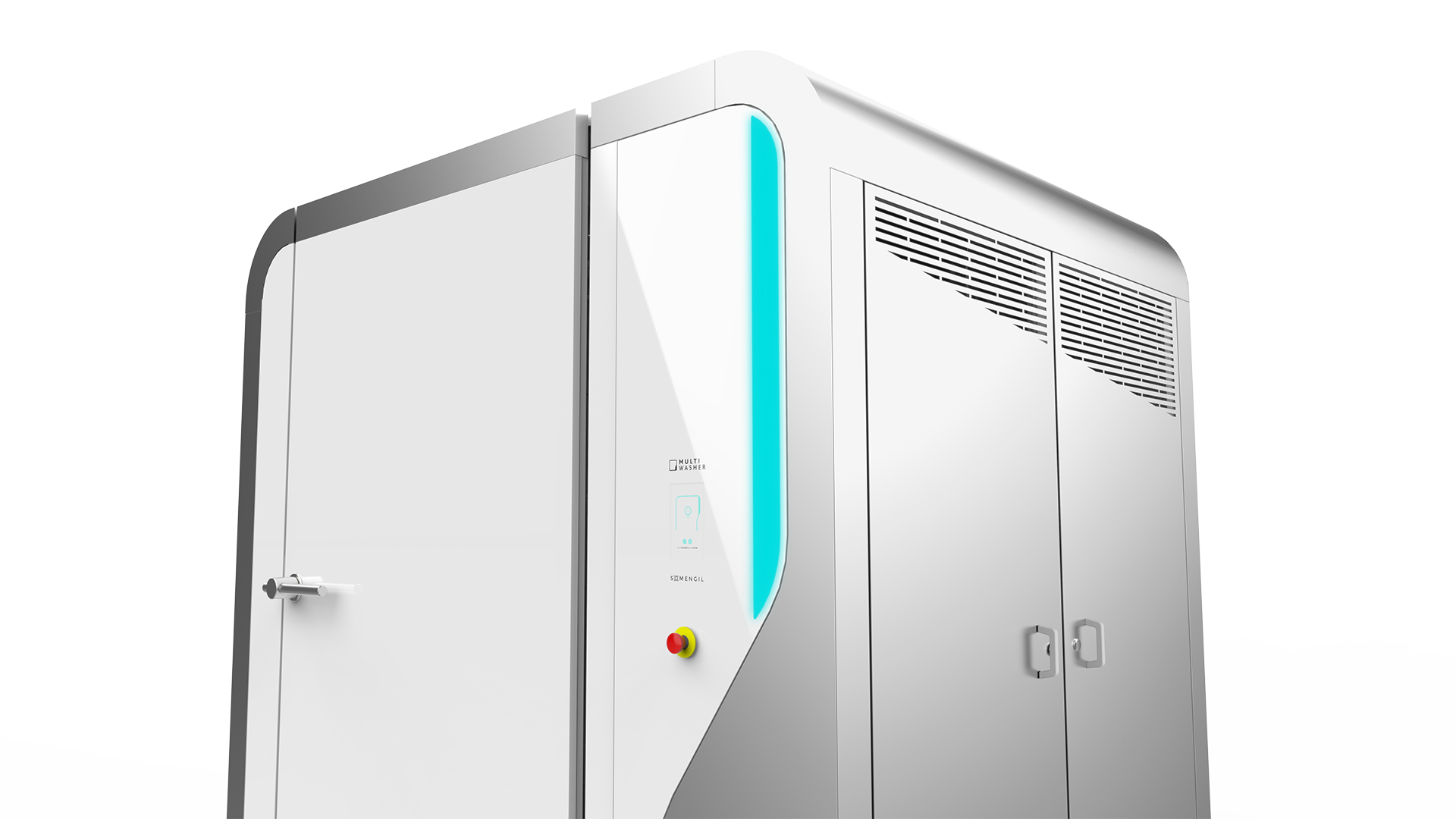
MultiWasher combines advanced engineering with a deep understanding of real operational needs in the food industry. The result is a solution designed for performance and for continuous compliance support.
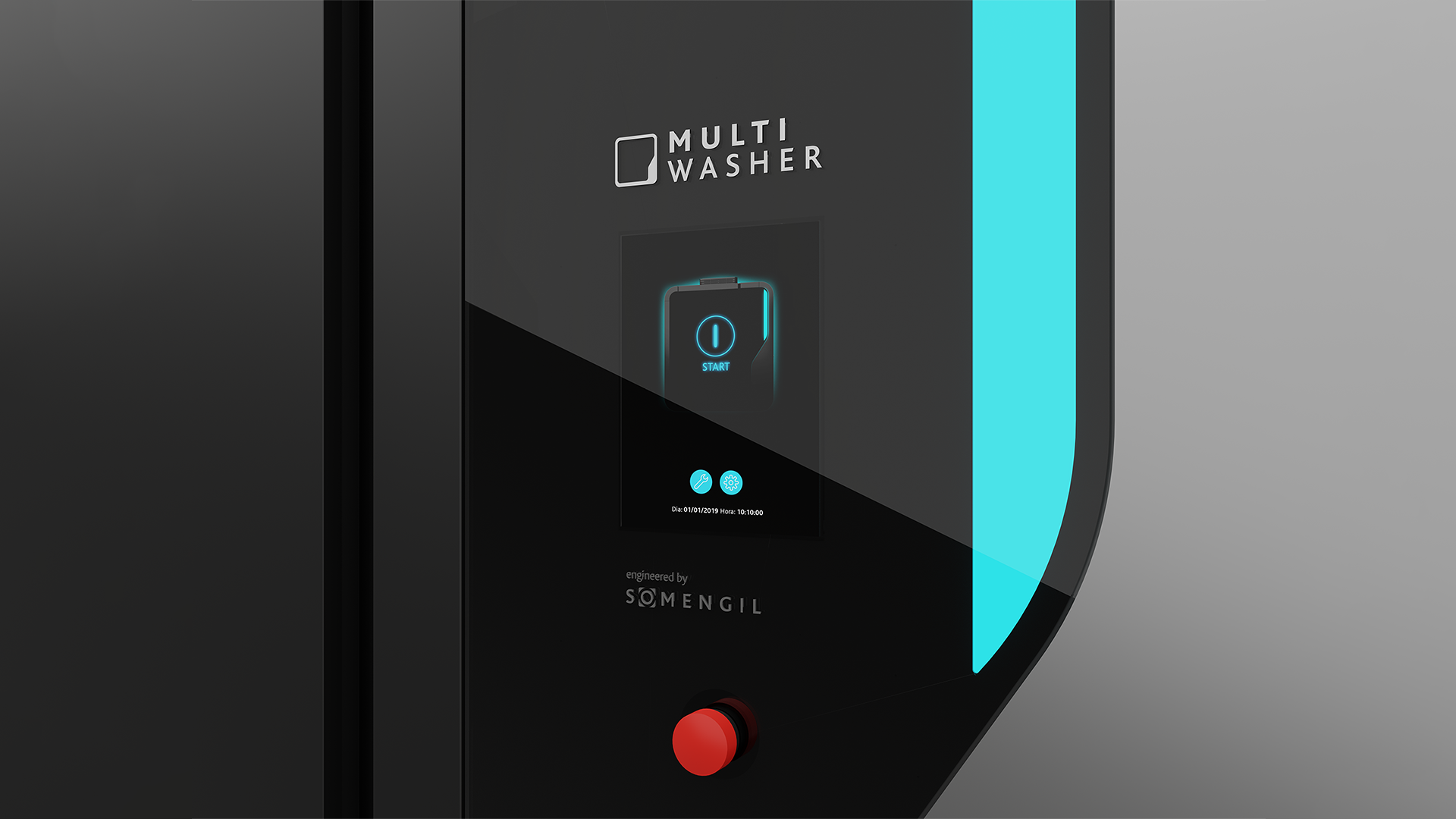
With built-in monitoring and detailed record-keeping (accessible even remotely), operators can track critical processes in real time and maintain clear proof of compliance for audits and inspections. Everything is documented and accessible when it matters most.
If you’d like to explore how it can support your operation, get in touch with our team.
You may also like
Industrial washing / Articles
Message in a bottle: what does waste management mean for companies?
Find out what waste management is, why it’s important and how it can benefit your business.
Posted in 2022-09-22

Industrial washing / Articles
Pre-wash: is it necessary?
Pre-wash removes larger dirt and prepares for a faster wash. But is it really necessary?
Posted in 2023-06-23


 Portugal
 United Kingdom
 United States
 France
 Spain
Spain Germany
 Romania
 Italy
Italy Czech Republic
 Finland
 Hungary
 Slovakia
 Greece
 Lithuania
 South Korea
 Russia
 Saudi Arabia
 Poland
 Brasil
 Hebrew