Industrial washing / Articles
Industrial automation in washing: what is it, benefits, how to do it
Learn how industrial automation in washing can transform your plant, save time and money and ease the burden on your team.
 15 minutes of reading
2026-08-13 11:47:04
- Industrial automation in washing is a core driver of operational performance and safety.
- Automating this area brings consistency and predictability to a process traditionally dependent on manual variation and operator experience.
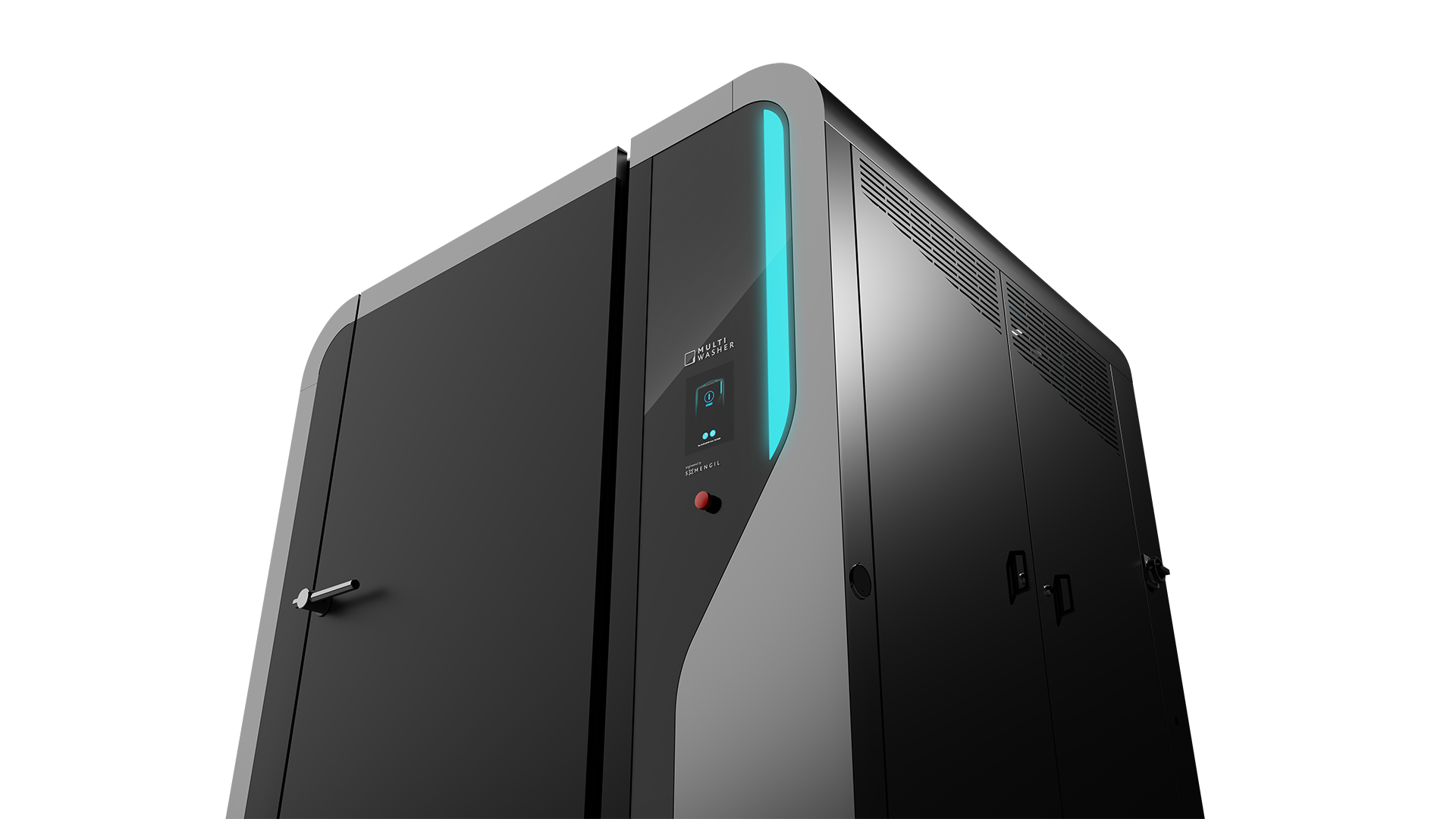
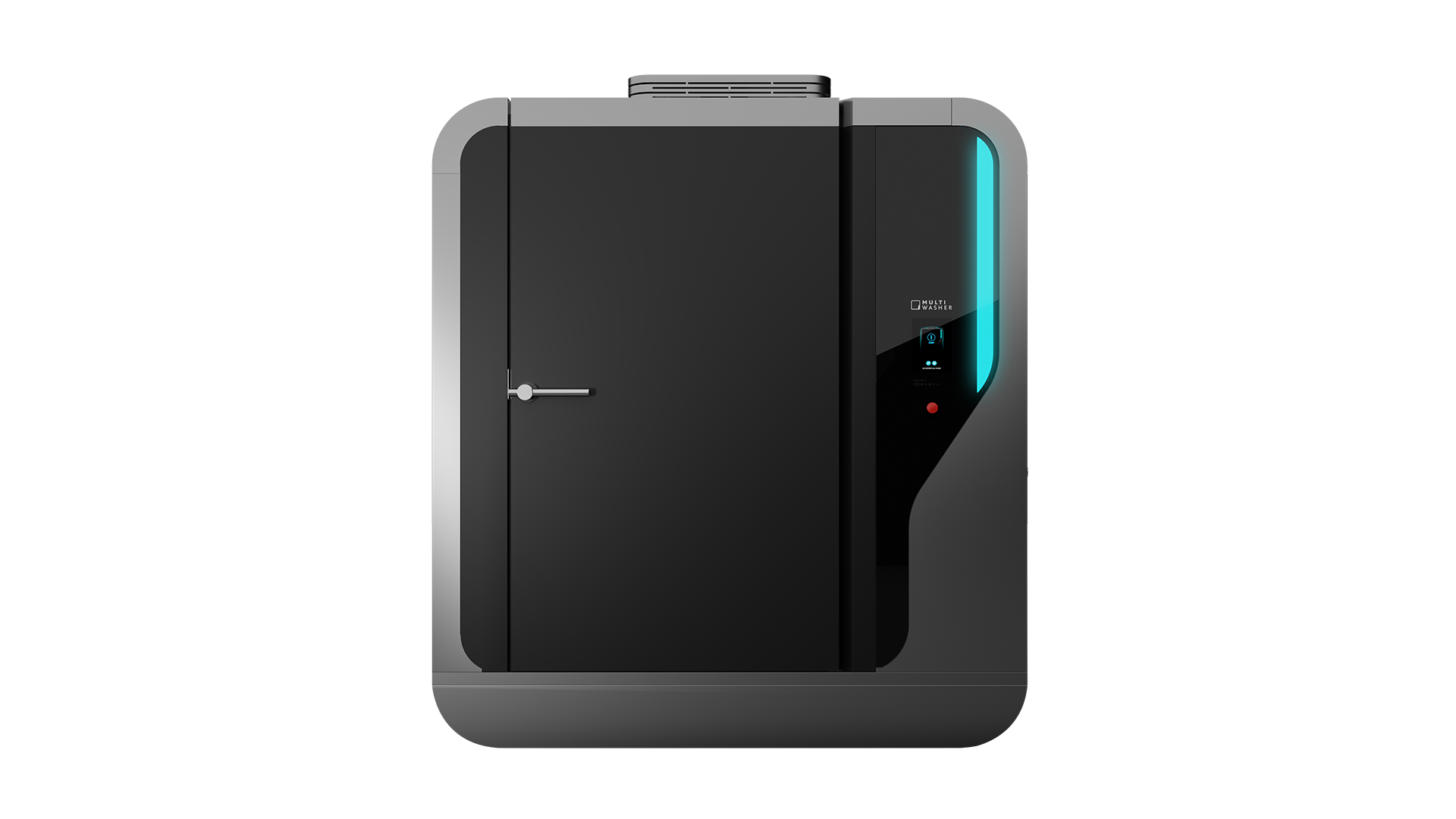
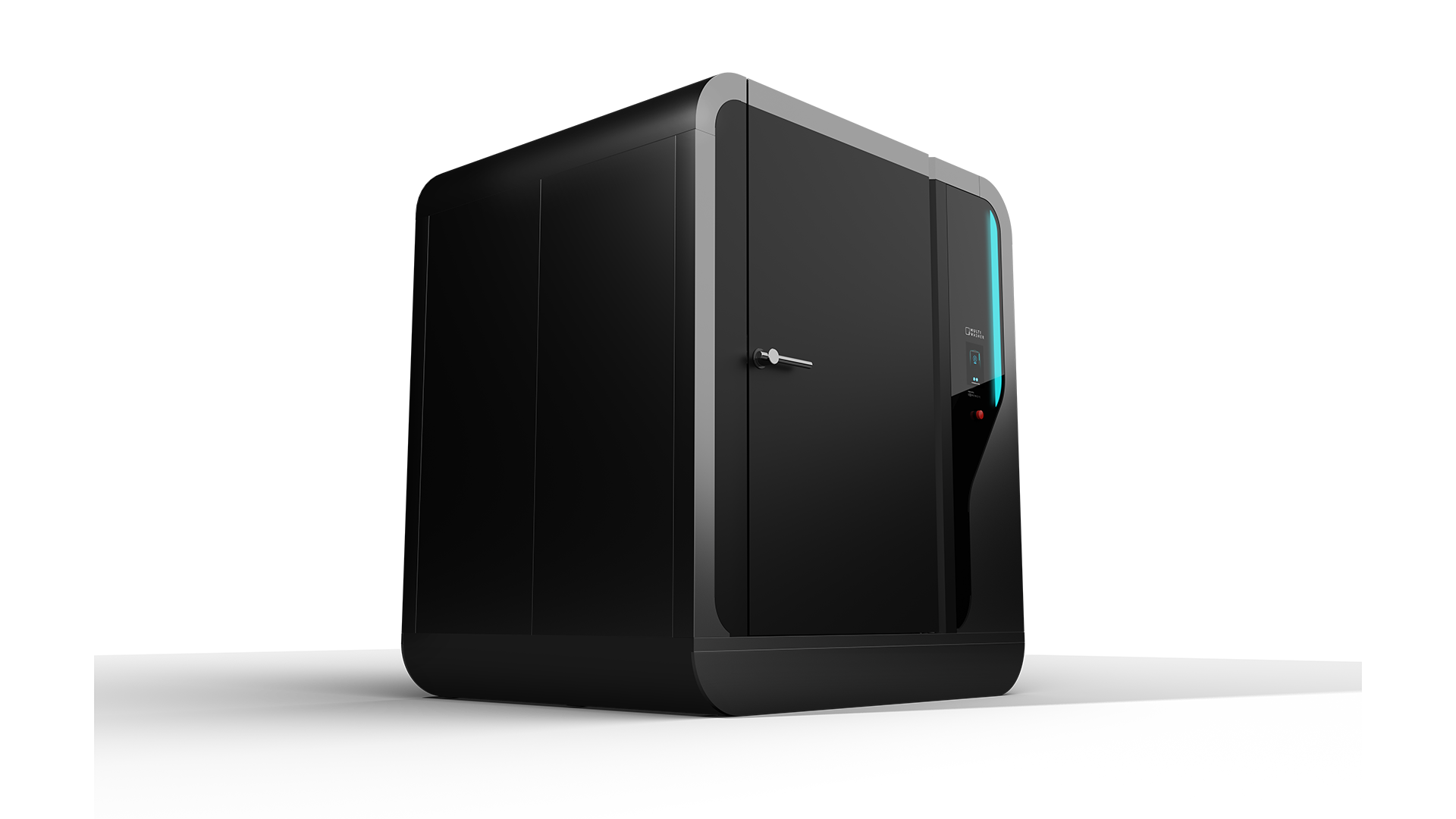
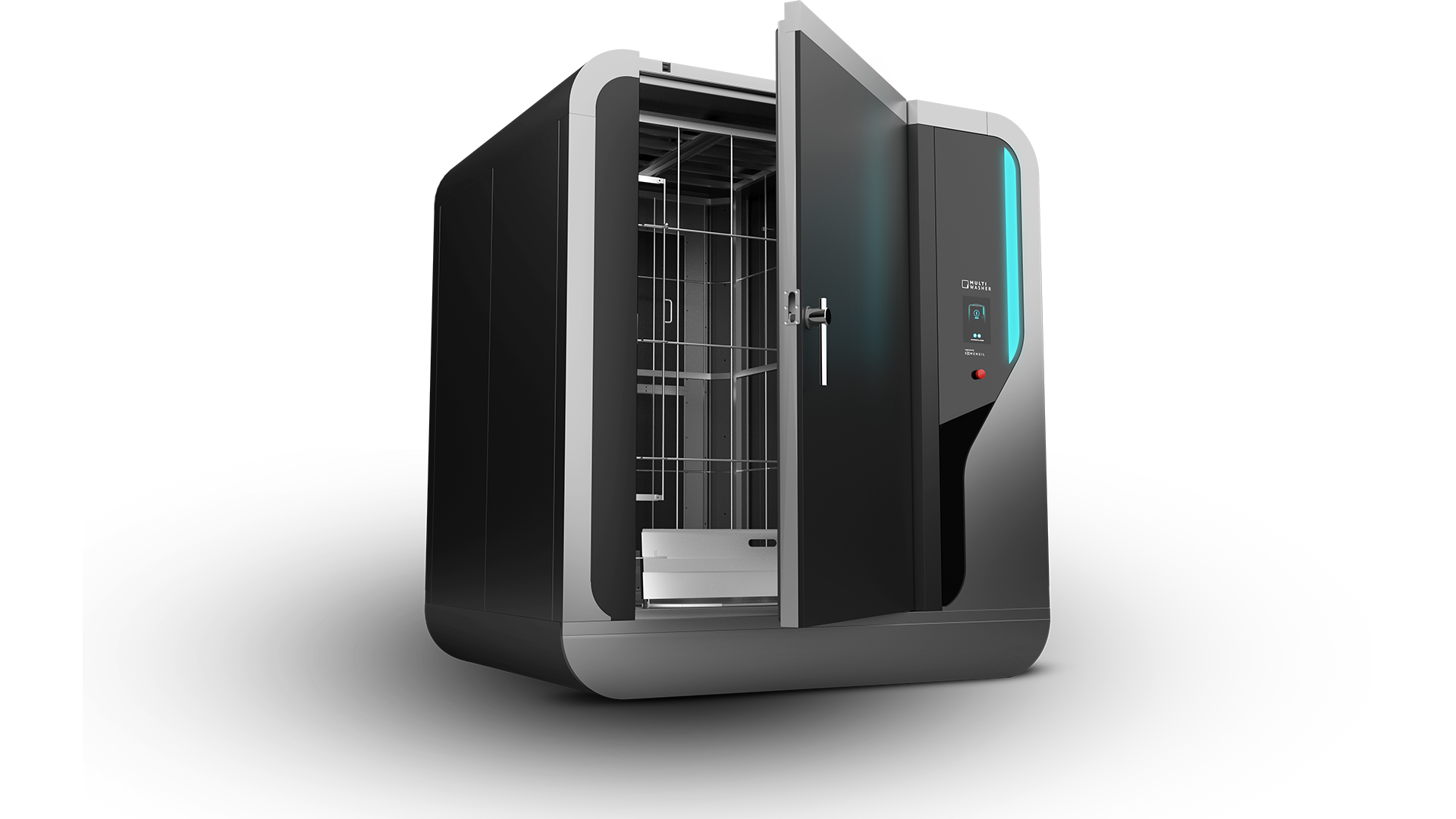
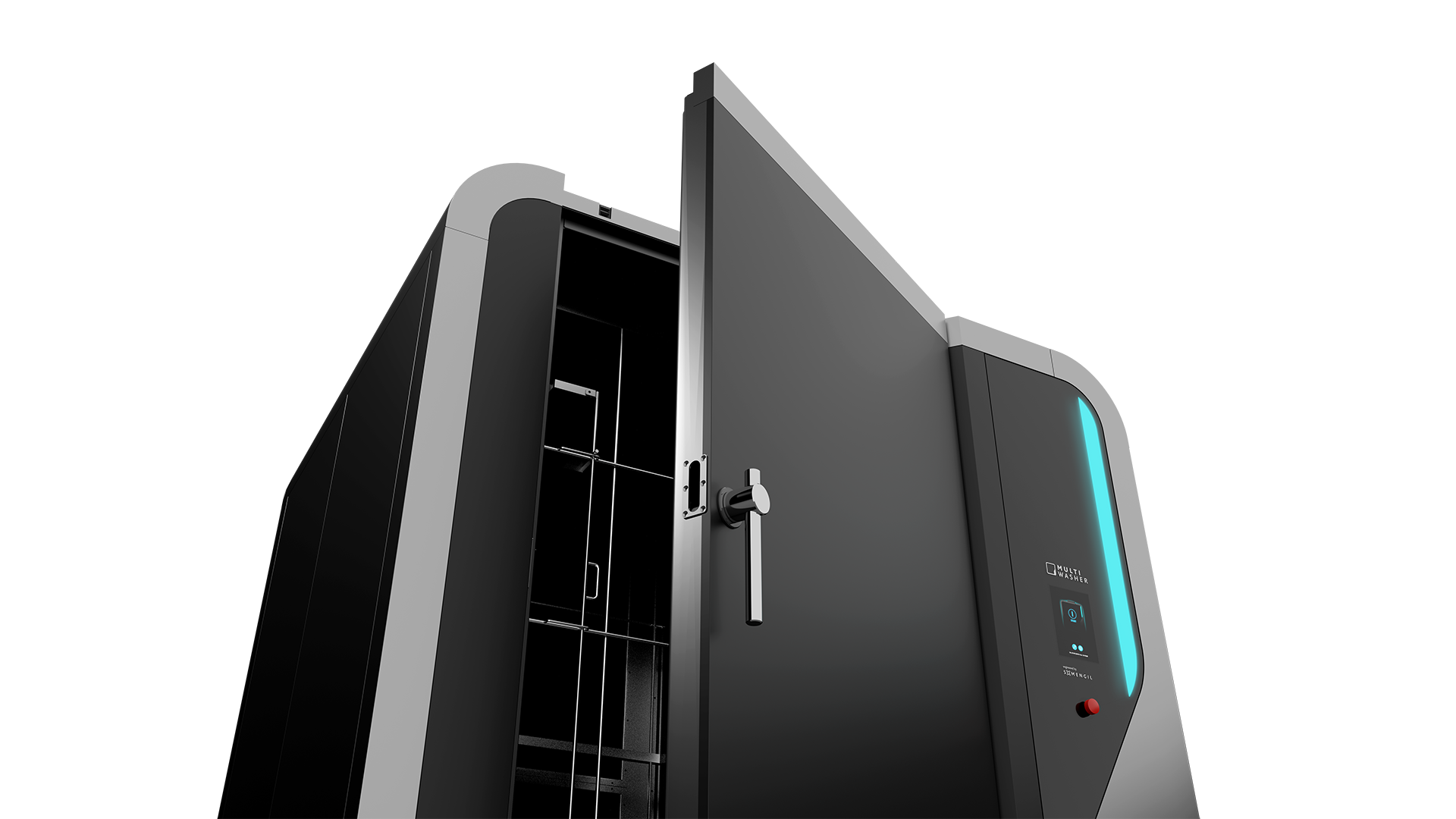
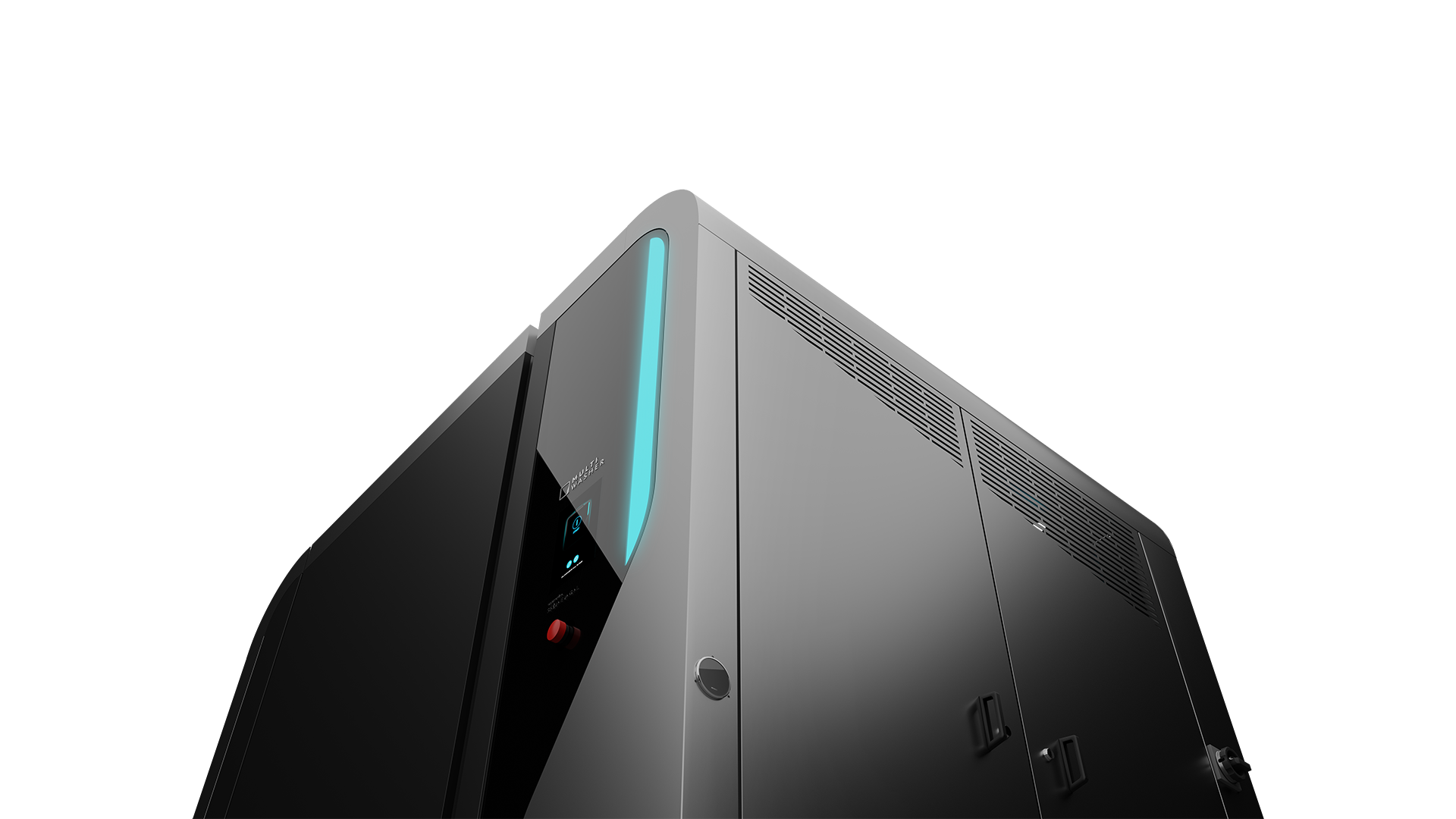
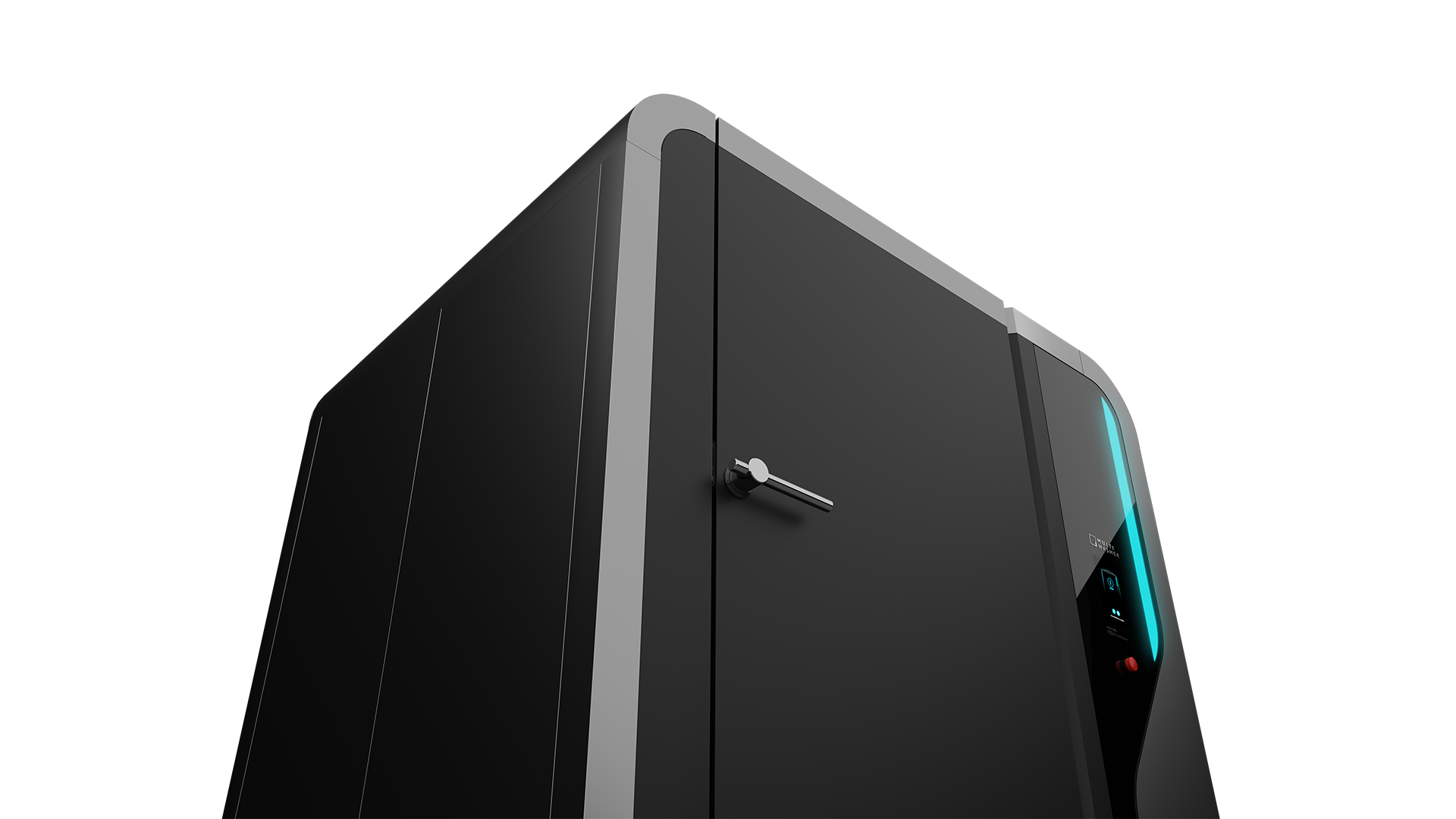
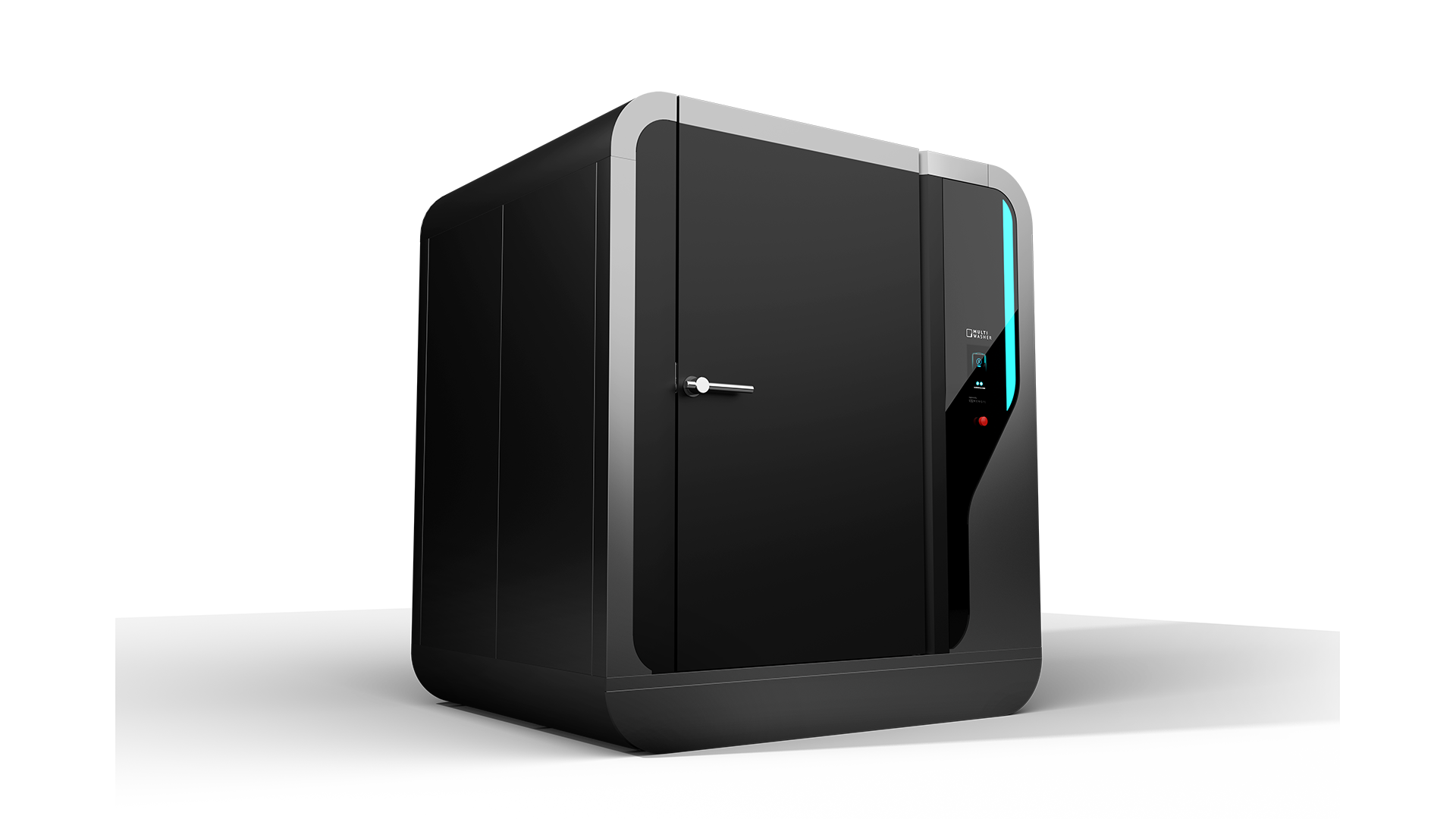
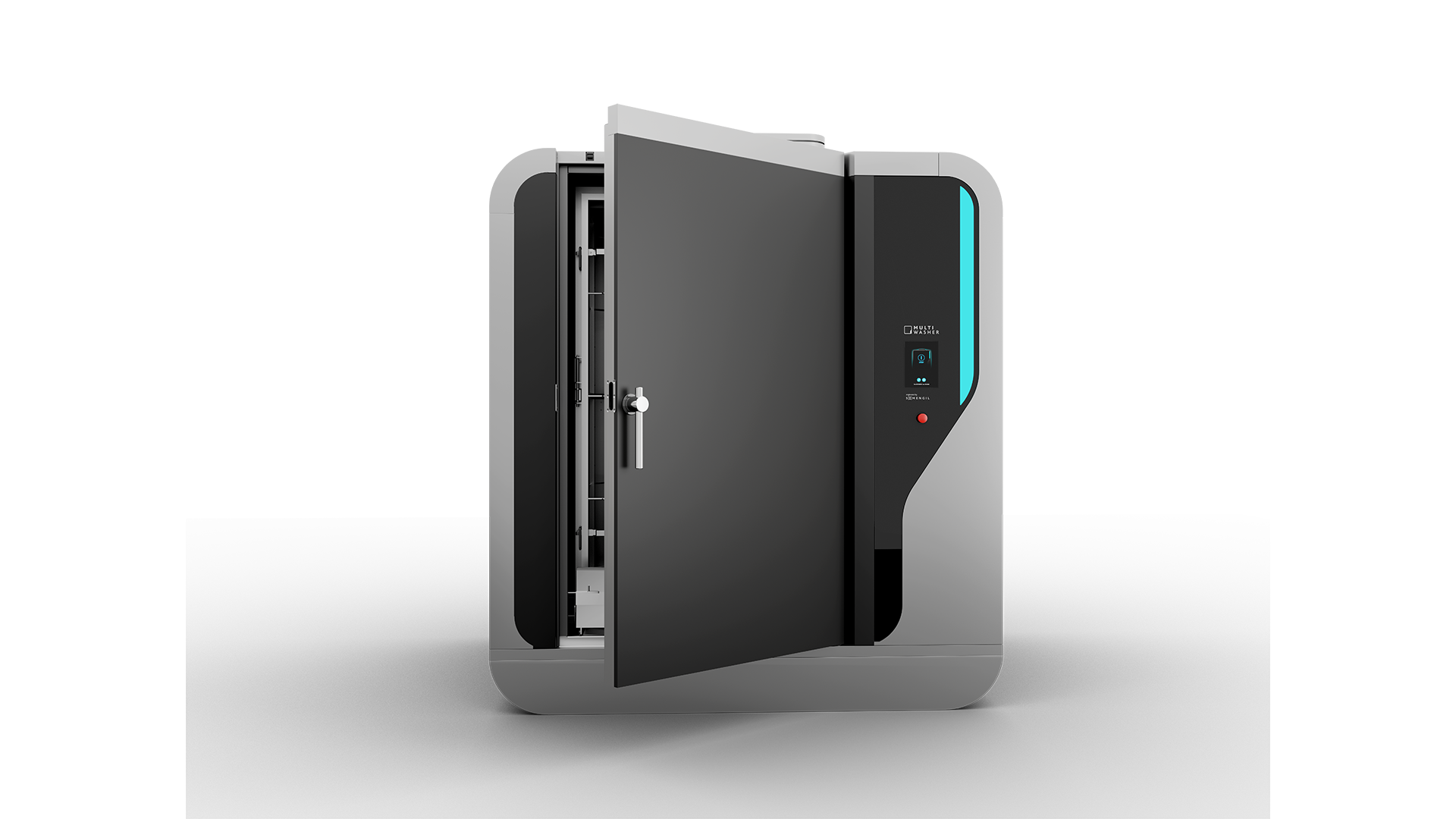
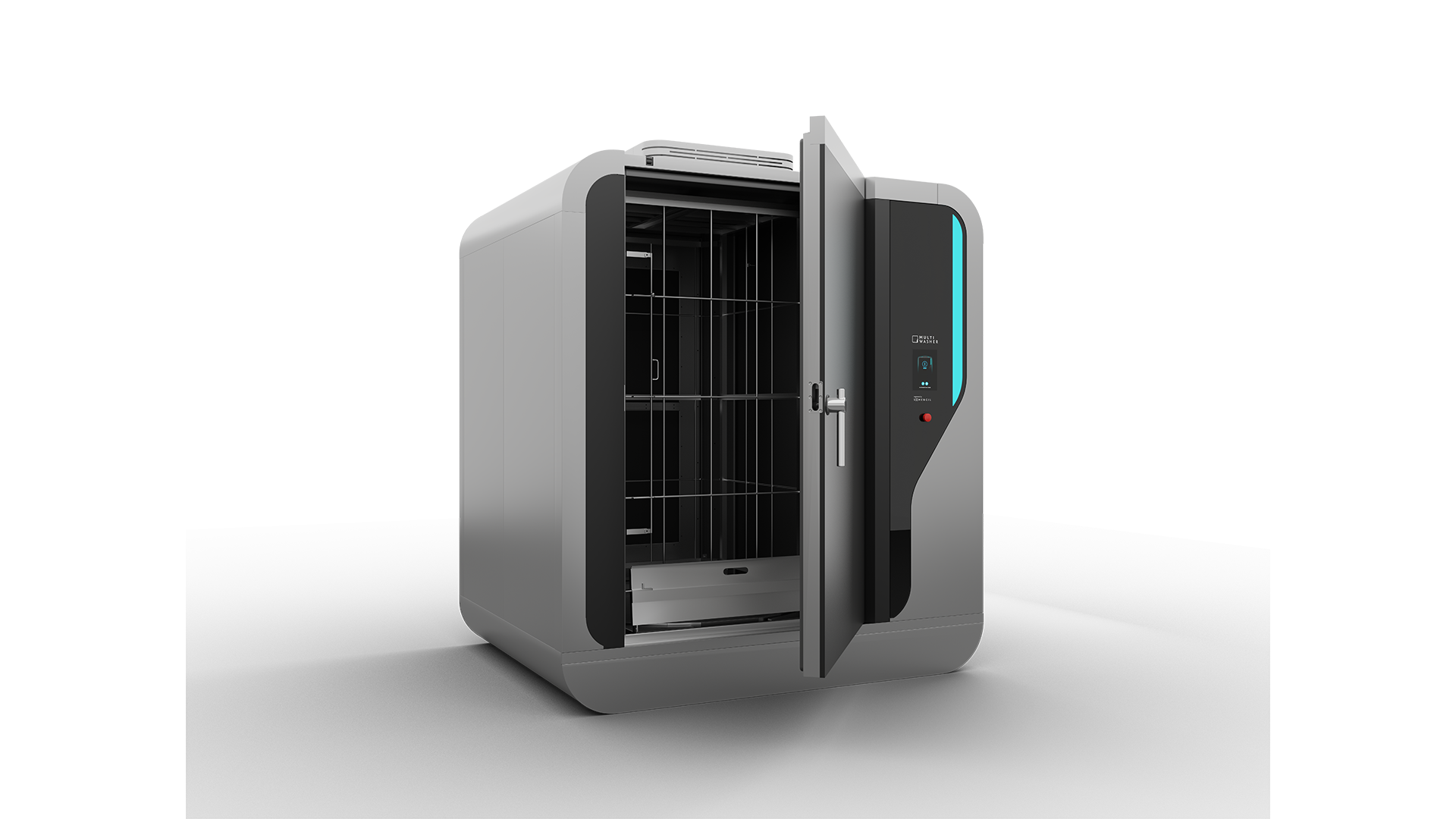
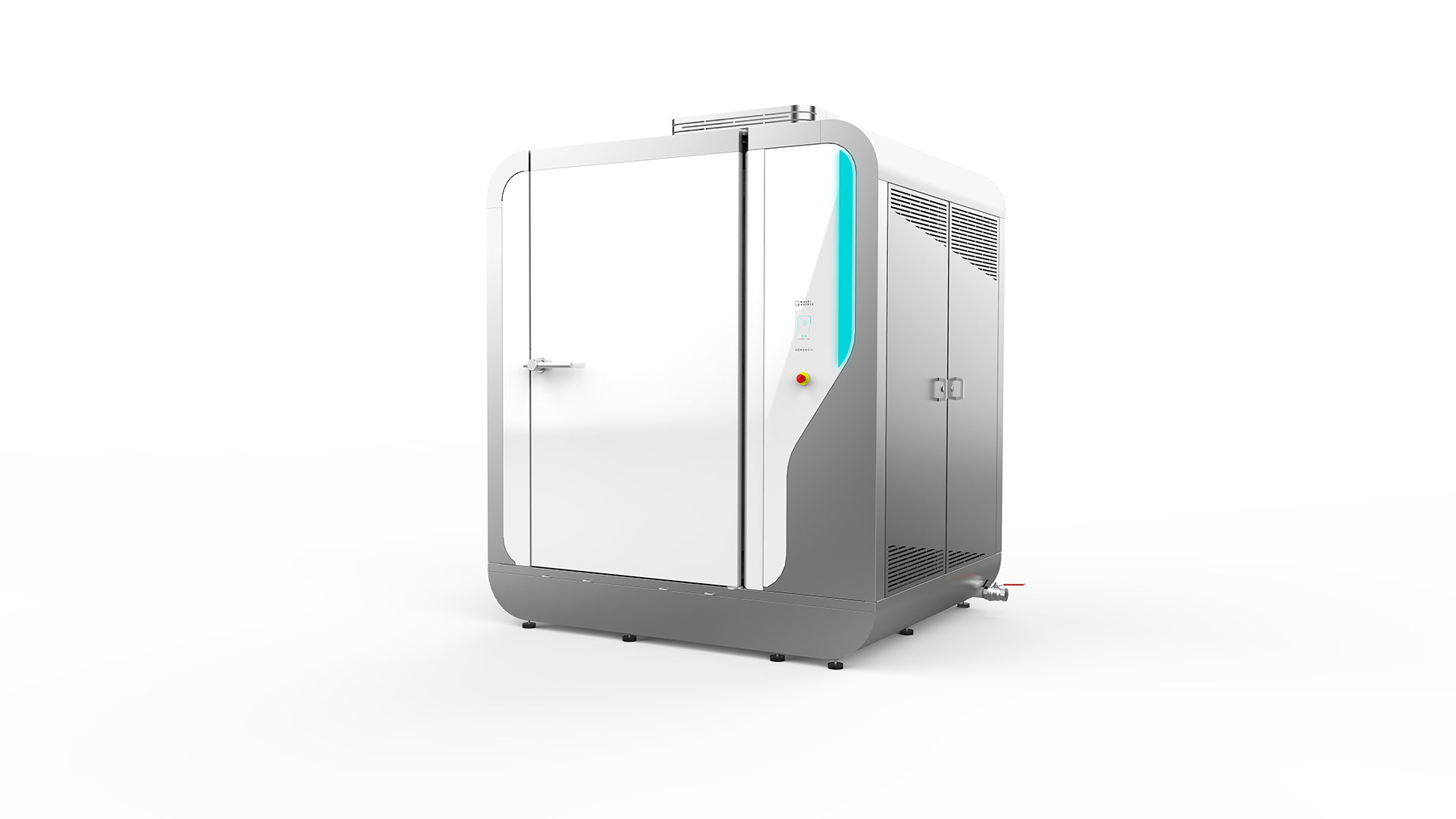
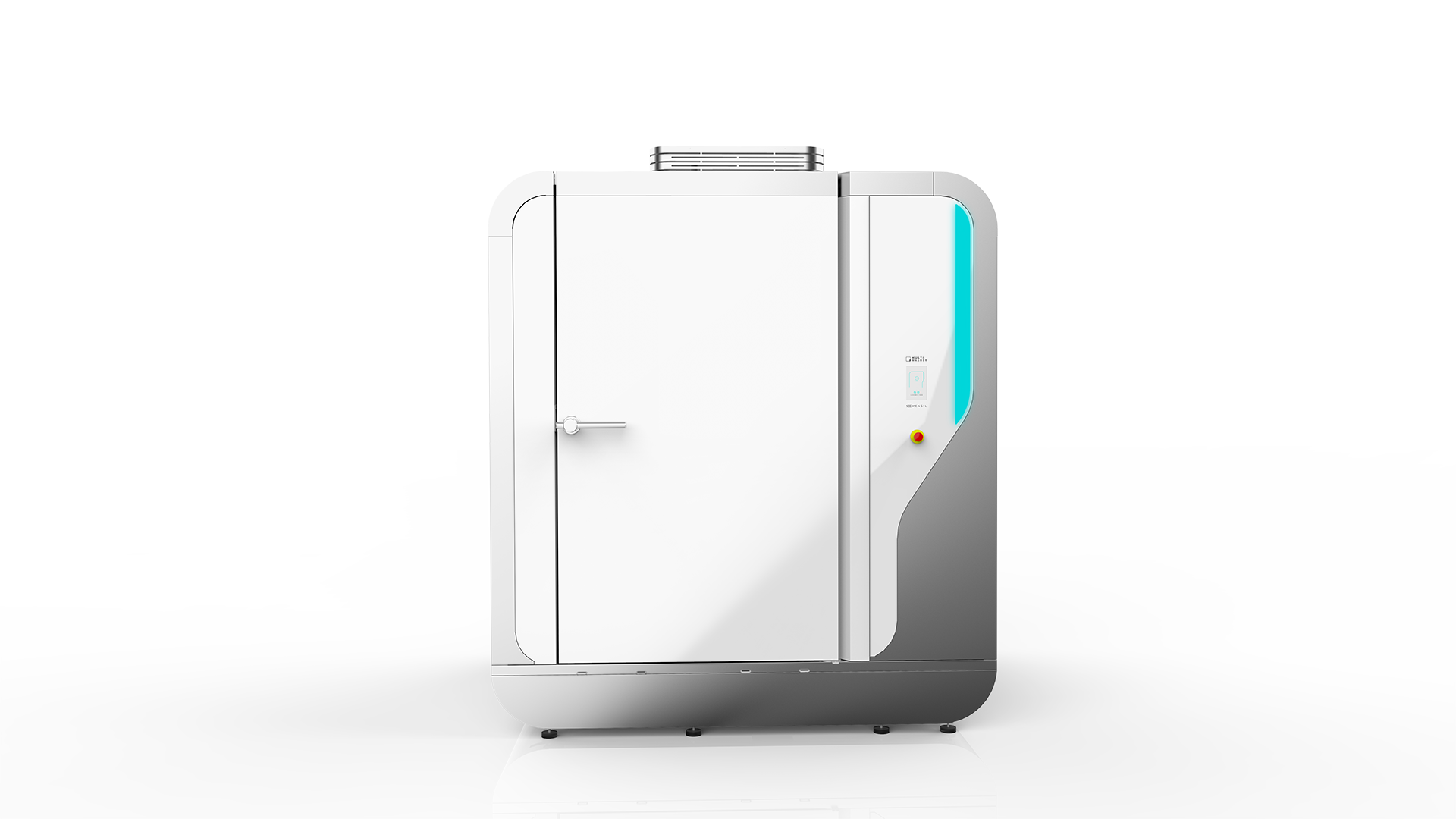
- MultiWasher is a leading industrial washing machine that washes several utensils with a single equipment, saving time and money.
It’s easy to treat washing as a necessary routine rather than a strategic process. Yet, the numbers tell a different story. In sectors like food and beverage, washing operations can account for up to 30% of total energy use and a significant share of water consumption, placing a constant strain on both costs and resources.
At the same time, manual or semi-automated washing introduces inconsistency, extend downtime, and leave room for contamination risks that are difficult to control at scale.
Industrial automation in washing is changing that equation. With sensor-driven systems and fully controlled wash cycles, companies are improving consistency and also reducing downtime by over 30% and dramatically shortening washing times.
So, where are the real gains hiding, and how can industrial washing evolve from a cost centre into a performance driver? That’s what you are about to find out.
What is industrial automation in washing?
Industrial automation in washing refers to the use of machines, sensors, and software to carry out processes with minimal human intervention. Instead of manual washing, systems automatically control variables like water levels, temperature, detergent dosing, and cycle timing. This is commonly used in sectors like food processing or manufacturing, where consistency, efficiency, and hygiene are critical.
By automating these processes, companies can reduce labor costs, improve washing quality, and ensure compliance with strict standards. It also allows for better resource management (using only the necessary amount of water, energy, and chemicals) while providing data and traceability for each cleaning cycle.
Benefits of automation in industrial washing
In industrial washing, efficiency is often measured in output and speed. But the real impact of automation goes deeper than that. It defines how predictable, consistent, and reliable the entire washing process becomes.
Consistent washing quality at scale
Manual and semi-automated washing processes inevitably introduce variation. Automation removes that dependency on individual execution and replaces it with repeatable cycles that deliver the same result every time. This consistency becomes critical in sectors where even small deviations can lead to quality or compliance issues.
Reduced resource consumption
Water, energy, and chemicals are often consumed inefficiently when processes lack control. Automated systems optimise each cycle based on defined parameters, ensuring that resources are used only when and where they are needed. Over time, this reduces unnecessary consumption without compromising performance.
Lower operational downtime
Washing directly affects production flow. Automation reduces cycle variability and improves scheduling accuracy, which means equipment returns to operation faster and with fewer interruptions. This creates a more stable and predictable production rhythm.
Reduced dependency on manual labour
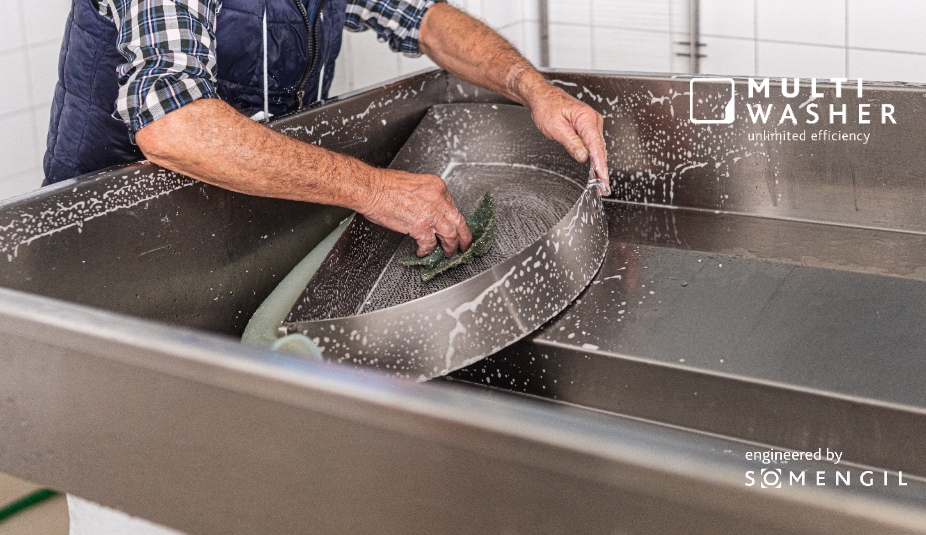
The washing area is often one of the least desirable parts of the operation. It is often associated with heat, humidity, noise, repetitive manual work, and constant exposure to dirt and residue. It is physically demanding, uncomfortable, and rarely seen as a role that adds long-term value, despite being essential to keeping production running.
Automation removes the need for constant manual handling and repetitive washing cycles. It reduces exposure to these conditions and shifts human involvement towards supervision and quality control.
Improved hygiene control and traceability
In regulated environments, proving that hygiene standards were met is as important as the washing itself. Automated systems allow process data to be recorded and monitored, creating a clear record of cycles, parameters, and outcomes that supports audits and internal quality control.
How to achieve industrial automation in washing
Before any equipment enters the equation, industrial washing automation starts with a set of independent decisions that define whether the system will actually perform or simply replicate existing inefficiencies.
1. Understand what you need to wash
The first step is to clearly identify what is being washed, how often, in what volumes, and under which conditions. Trays, crates, trolleys, filters or mixed loads all behave differently, and each one places a different demand on the process. Without this clarity, automation risks being applied to an undefined problem.
2. Define washing logic instead of individual cycles
Most inefficiencies come from variation between operators and shifts, not from the equipment itself. Defining a clear washing logic means grouping similar loads, standardising expectations, and removing unnecessary variation in how cycles are selected or executed. This step creates the foundation for consistency before any automation is introduced.
3. Validate how washing fits into the production flow
Washing sits inside a wider production rhythm. It is essential to understand how it affects timing, bottlenecks, and operator movement across the floor. This includes identifying where delays happen today and how washing connects to upstream and downstream processes. Without this view, automation can easily solve one problem while creating another.
4. Build consistency with pre-configured washing programs
Storing washing parameters provides companies with a significant advantage. Starting the washing process requires just one initial action on the operator’s part and sets off every subroutine in a manner adjusted to the material to be washed. This eliminates the need to set up each wash, reduces human error, and minimizes the waste of water, detergent and energy.
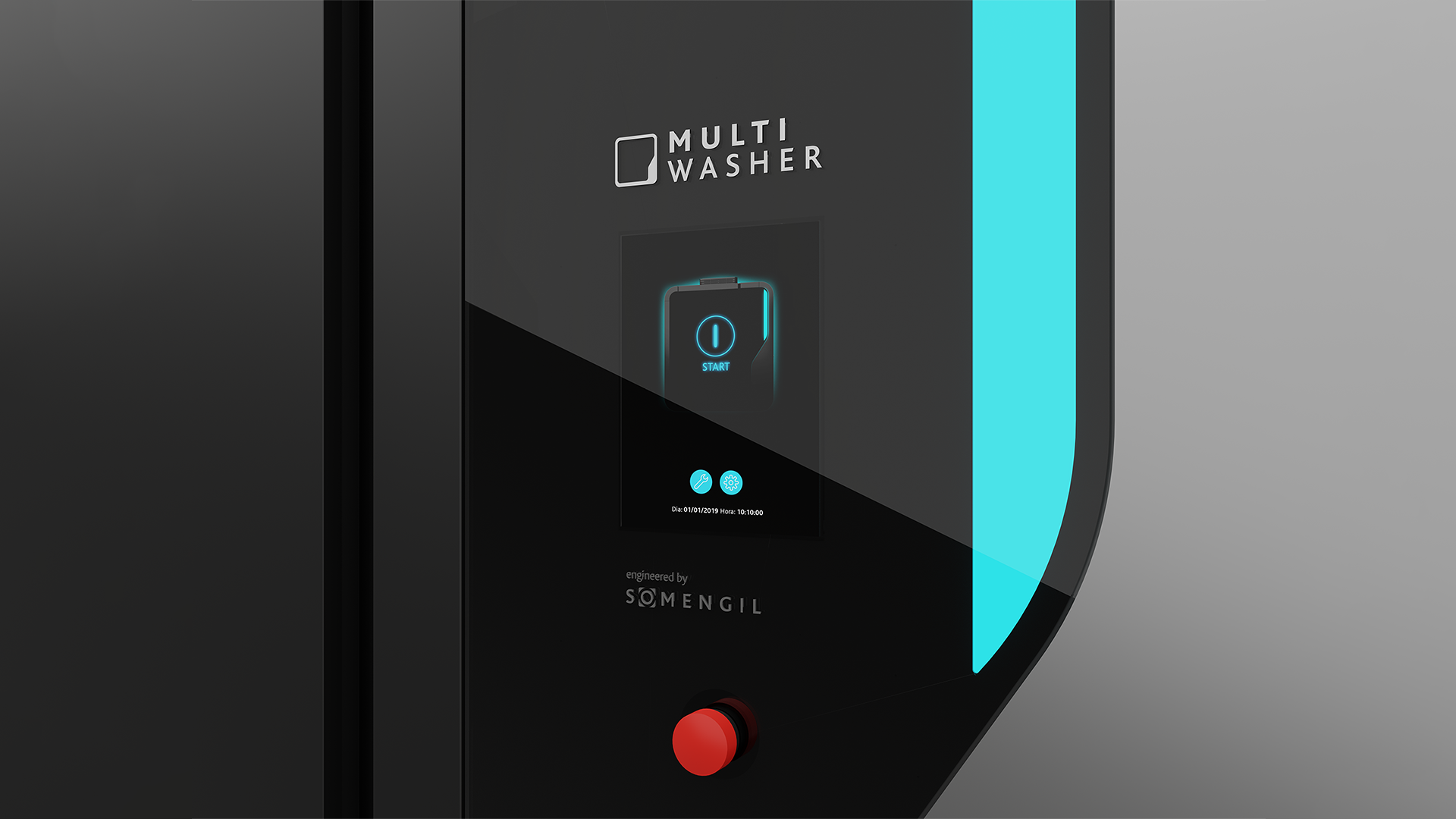
Somengil washing machines, as you’ve seen, have a wide range of programmes available, on an easy-to-use touch screen. You can associate with each program a type of utensil and even an image to make the whole process more intuitive.
For example, you can allocate program 1 to plastic boxes, program 2 to carts, etc. to make the job easier. Or customize each washing program in the most convenient way to your operation. The main washing variables are thus stored to ensure optimized cycles.
5. Remove inefficiencies from loading and unloading
One of the most time-consuming manual processes in washing industrial utensils is the loading and unloading of carts, which usually involves high waiting times. This typically represents operators’ downtime, in addition to the risk of accidents or damage to utensils associated with human handling.
That’s why at Somengil we design customized cart loading and unloading solutions that reduce waits and automate the process.
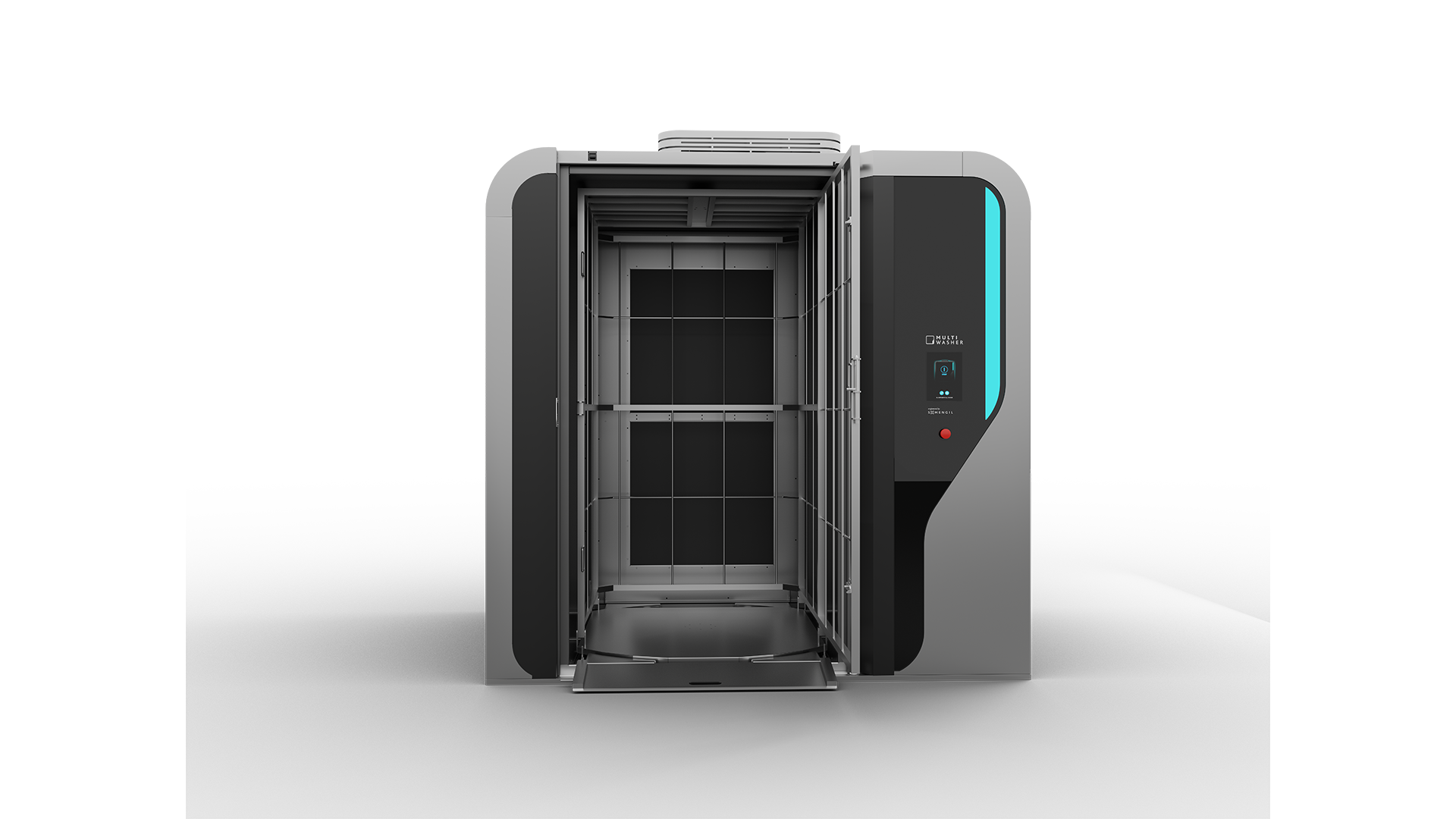
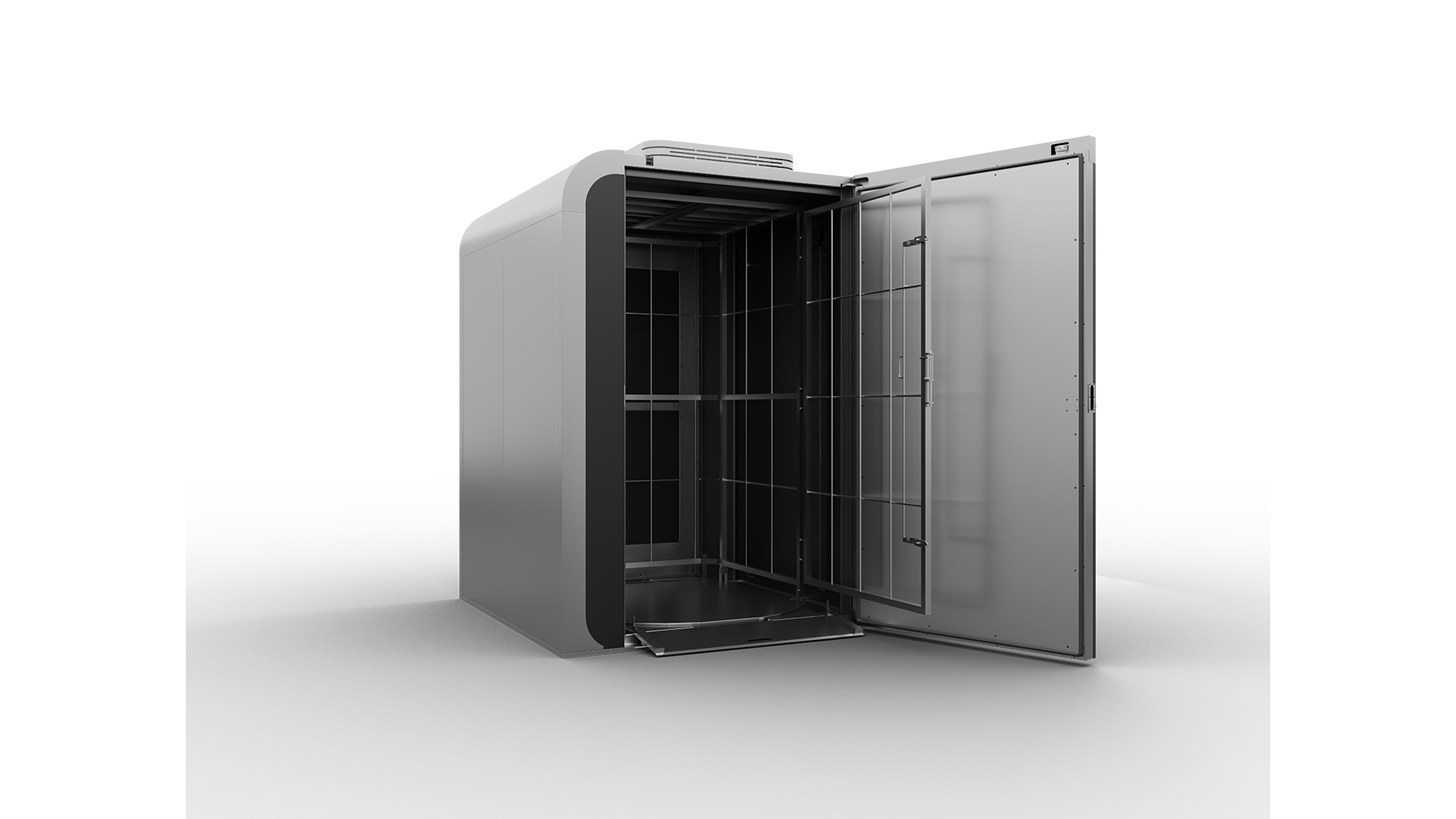
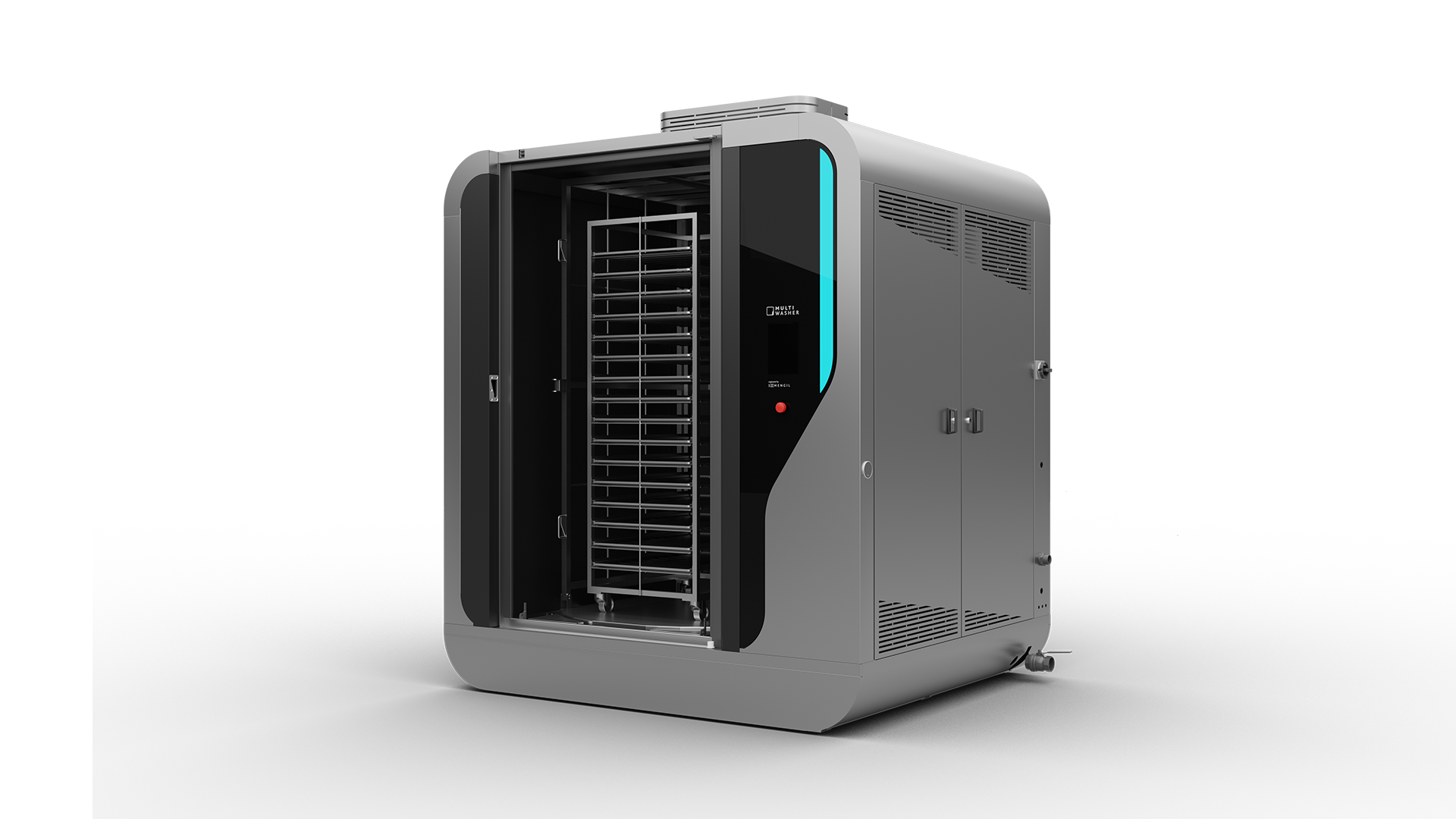
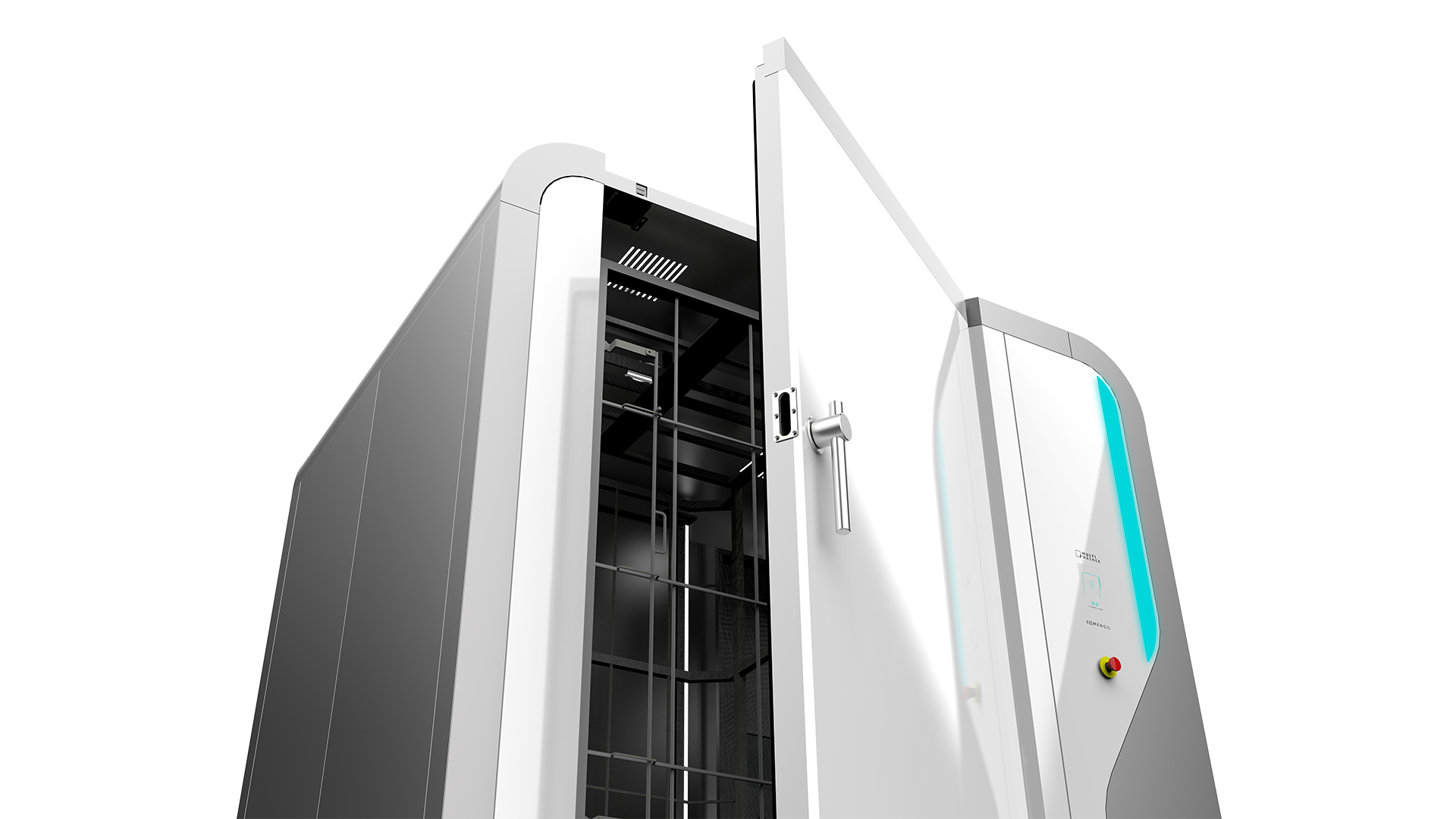
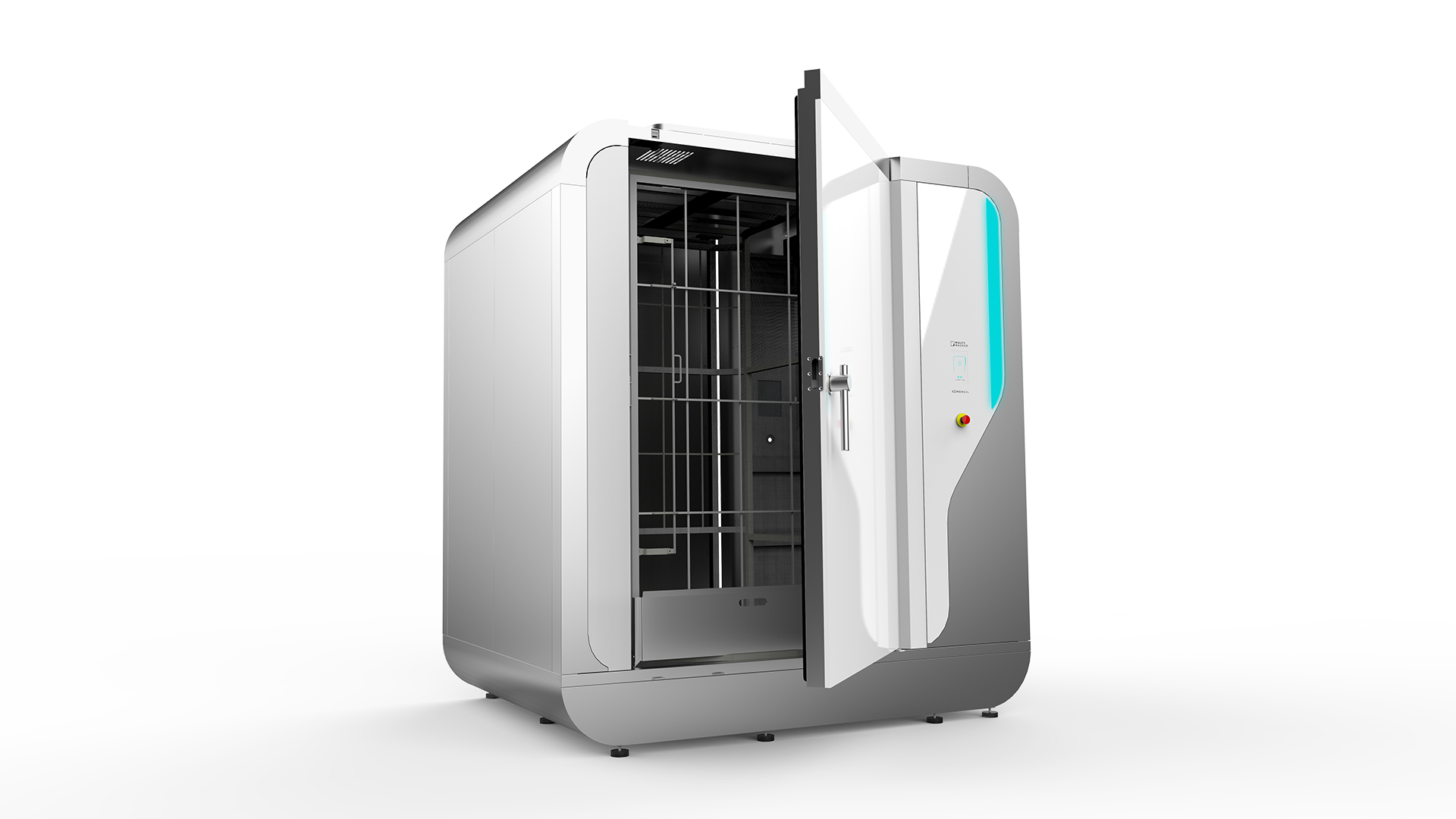
The utensils are easily placed in a cart designed for this purpose, which is easily and quickly shifted into the machine. The operator then selects the specific programme for this wash and, once the washing has been completed, the operator removes the cart with the utensils cleaned, dried and disinfected. Although it requires operator intervention, the process is optimized and simplified to the level of being automated by the human mind.
6. Let the system adapt to each load
One of the biggest challenges of industrial washing is handling very different utensils – say AC filters and food trays in one wash. Often, staff needs to wait until a certain quantity of similar utensils is gathered before initiating the washing cycle, which leads to frictions in the workflow.
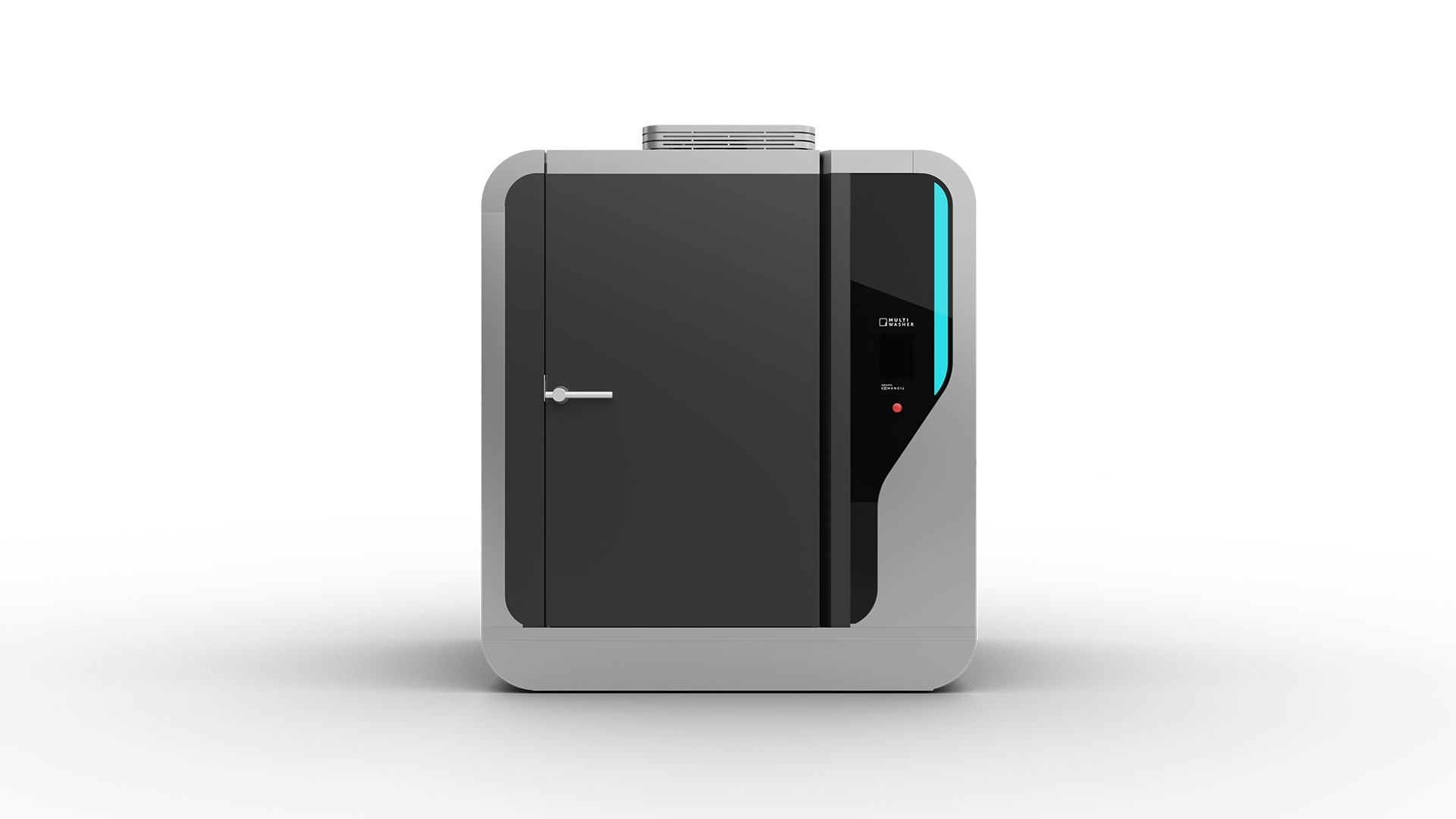
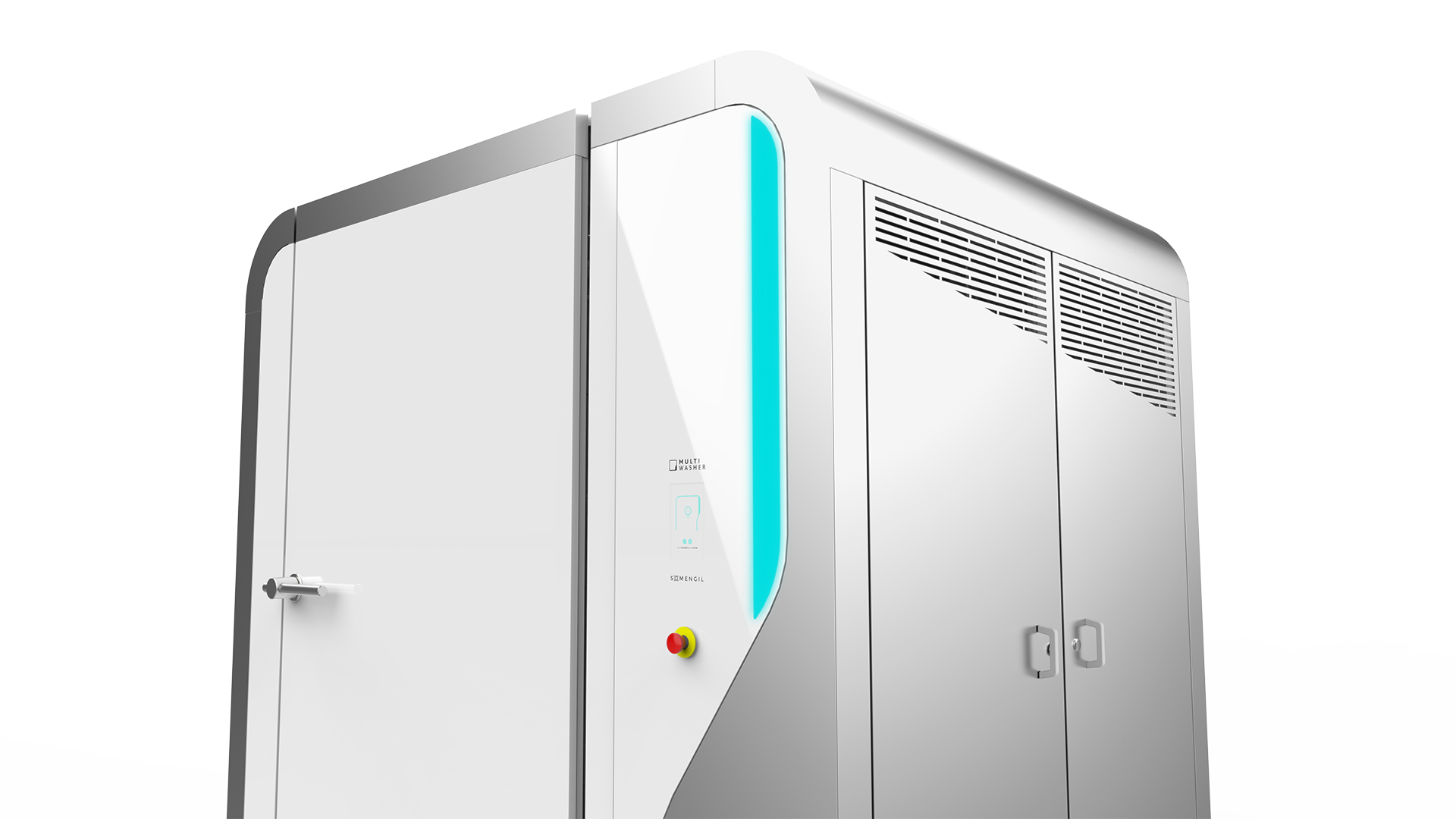
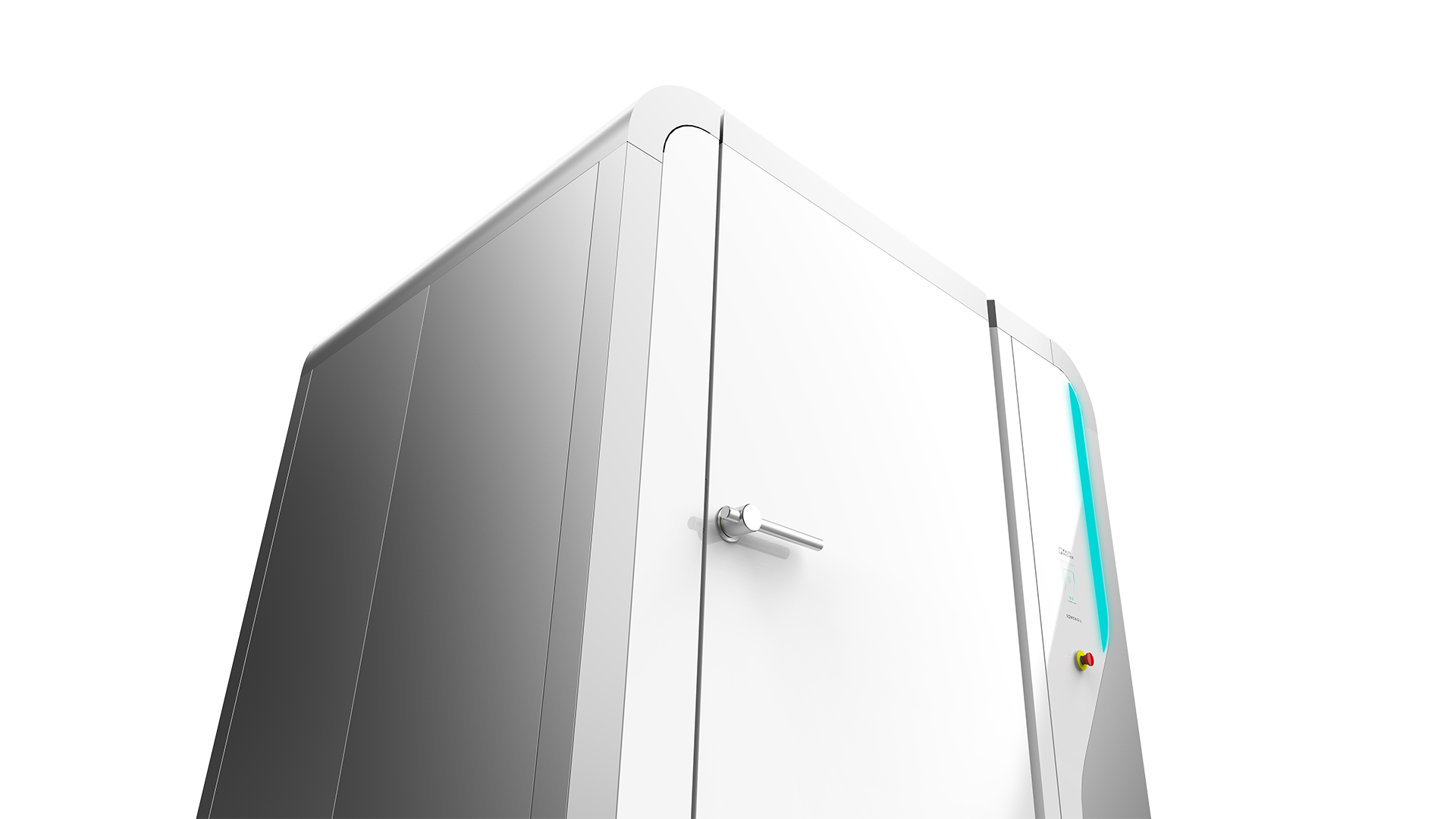
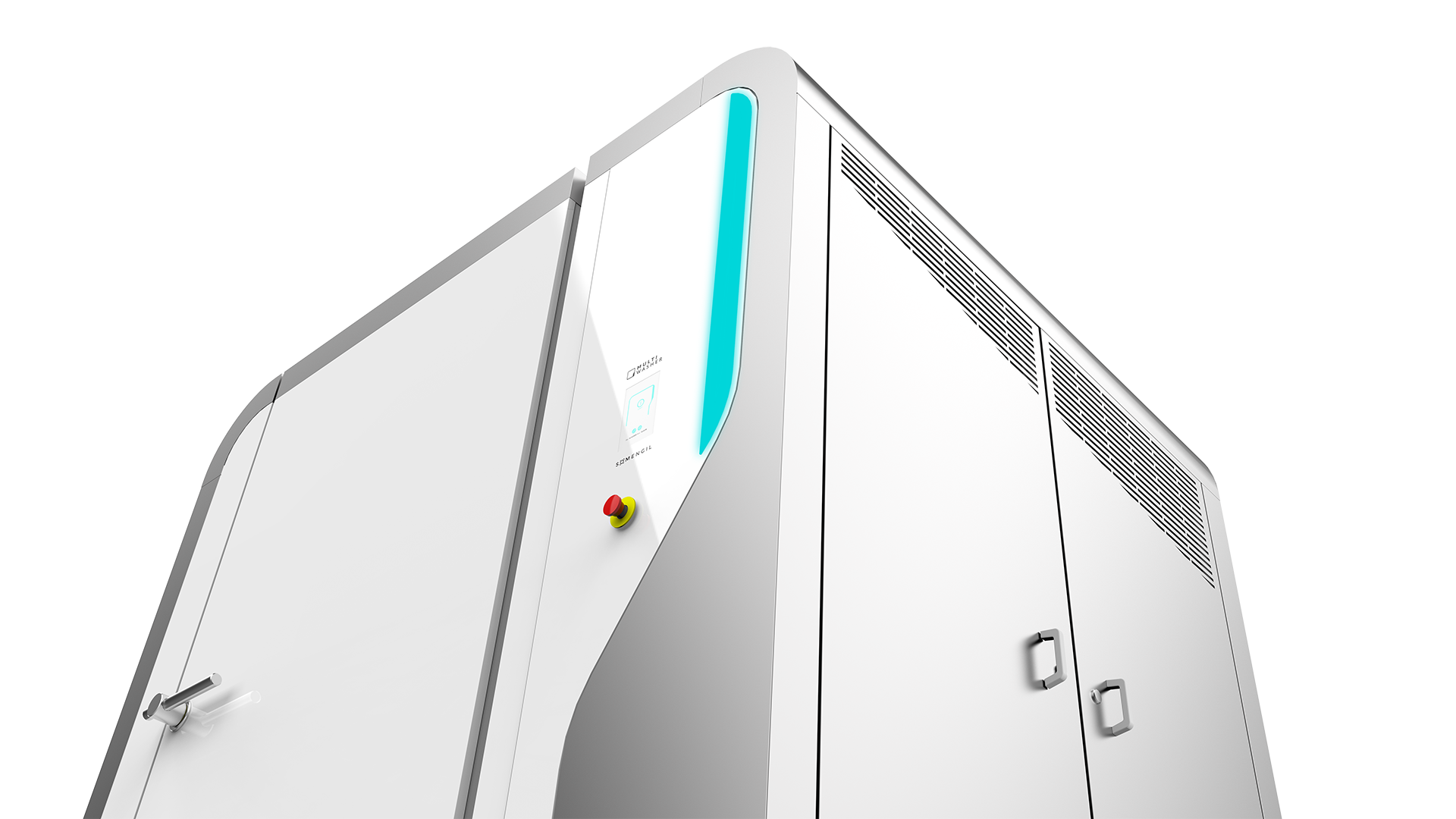
To ensure efficient washing without compromising versatility, at Somengil we have developed the MultiWasher concept. Our industrial washing machine adapts to any type of utensil – be it supermarket carts, pans, trays, dishes and more.
The main washing variables – from water pressure to temperature and cycle duration – are permanently adjusted to the type of utensils in each wash, without human intervention, to ensure the expected result.
7. Use only what each cycle actually needs
Companies require an worrying amount of detergent to keep up with washing need-and even then it may not be enough to wash effectively. In addition to the economic factor, it is important to consider the harmful consequences of this waste for human health and the environment.
MultiWasher automatically adjusts the optimal amounts of detergent and drying for each wash. To do this, it uses an innovative system with two dosifers that work without the operator having to participate in the process.
The drying helps to dry the utensils faster and the detergent is used only in exceptional cases where the high washing temperature (about 90ºC) is not enough. The costs of the operation appreciate it, and so does the planet.
8. Reuse water
Traditional industrial washing machines require continuous water supply throughout every wash cycle. This implies considerable consumption, which is even more worrying today, given the serious situations of drought and lack of drinking water.
MultiWasher tackles this issue directly. This state-of-the-art machine can automatically reuse the washing water between cycles and complete multiple washes with the same water without human intervention. This form of industrial automation has concrete results – MultiWasher saves 2/3 of water when compared to other industrial washing machines.
9. Make data work for you
“You do not improve what you do not measure”, so goes the old management mantra. The same goes for industrial washing. Even when washing cycles are setup and geared towards a specific target, it is only possible to know whether the process is optimized by checking the actual consumption data, be it water, detergent, secant or energy.
With Multiwasher, all washing variables are recorded, which provides important clues on how to improve machine performance in the future. It is possible to notice that washing cycles result in higher consumptions and what are the optimal parameters for each type of utensil. Everything is recorded so that the data can serve as the basis for future optimizations.
FAQ about industrial automation
Below we answer some of the most common questions about industrial automation.
How long does it take to implement an automated industrial washing system?
Implementation timelines vary depending on the complexity of the site and existing workflows. Our process includes an on-site assessment, system configuration, installation, and testing phase. The goal is to ensure the solution integrates into production without disrupting ongoing operations.
Can automated washing systems handle different levels of soiling?
Yes. Industrial washing systems like MultiWasher are designed to adapt to varying levels of residue and contamination. Cycle parameters can be adjusted automatically based on load type and defined washing logic, ensuring consistent results even when soiling conditions are not uniform.
What happens if production requirements change over time?
Automated systems are designed to remain flexible after installation. Programs, cycles, and operational parameters can be updated to reflect changes in production, new utensil types, or different hygiene requirements. This ensures the system evolves alongside the operation.
How is performance monitored after installation?
Performance can be tracked through operational data generated by the system, including cycle efficiency, resource consumption, and consistency of results. In MultiWasher systems, key performance indicators such as savings and efficiency are monitored over time, ensuring that expected results remain aligned with real operational performance.
MultiWasher, industrial automation with a human touch
For us, industrial automation only makes sense with a focus on the operator. That’s why we design our machines to be as ergonomic as possible to facilitate operations and increase productivity. Our engineers design machines to facilitate operator work and prevent people (or processes) from having to adapt to equipment.
Efficiency is essential in any business and industrial automation is one of the most direct ways to achieve it. To achieve this in the washing process, look for an equipment with the possibility of pre-configuring a wide variety of programs, automating the loading and unloading of carts, automatic temperature adjustment, water pressure, amount of detergent and drying, that does the integrated pre-wash and that registers the data of each cycle for future reference. But above all, let it be drawn with the operator in mind.
MultiWasher is an industrial washing machine designed to establish new efficiency standards. Developed by Somengil, this machine saves 2/3 of the water and 70% of the detergent. Explore all the benefits in a custom webinar or get in touch with our team.

Tony Ventura | CEO
Tony Ventura is the CEO of Somengil, leading the company's strategy, growth, and positioning. With a vision focused on sustainability, efficiency, and innovation, he promotes management focused on creating long-term value, operational excellence, and strengthening trust relationships with clients and partners. Under his leadership, Somengil consolidates its competitiveness and ability to execute projects with ambition and rigor.
You may also like
Industrial washing / Articles
Theory of Constraints: the methodology that reveals where efficiency really gets lost
Discover how the Theory of Constraints reveals where efficiency is lost, and how to take control of your operations from start to finish.
Posted in 2025-12-30


 Portugal
 United Kingdom
 United States
 France
 Spain
Spain Germany
 Romania
 Italy
Italy Czech Republic
 Finland
 Hungary
 Slovakia
 Greece
 Lithuania
 South Korea
 Russia
 Saudi Arabia
 Poland
 Brasil
 Hebrew