Management / Articles
5S methodology: what it is, why it matters and how to implement it
5S organizes work through Sort, Set in Order, Shine, Standardize and Sustain.Involve operators, define responsibilities and use visual standards that match everyday tasks.Measure results and follow up on problems to keep improvements working across shifts.
 13 minutes of reading
2026-10-27 12:10:28
Missing tools, cluttered workstations and inconsistent routines can slow down an entire operation. The 5S methodology helps teams organize their workspace and keep it that way. Discover what each step means and how to apply it to build more reliable, efficient working routines.
What is the 5S methodology and why does it matter?
5S is a workplace organization methodology. Its key aim is to achieve a more productive, ergonomic and safe workspace, with less waste and higher quality output. The name derives from five Japanese words, all starting with the letter “S”, which also represent the implementation sequence.
- Seiri (Sorting). In the first step operators go through every tool and utensil in the workplace to select what they actually need to perform a specific task. Everything else is removed;
- Seiton (Set in Order). The motto of this step could not be simpler: “a place for everything, everything in its place”. Set in Order means finding the most suitable space for each utensil, in order to bring the more frequently used tools closer to the user;
- Seiso (Shine). The goal of the third step is to cleanse the equipment and restore each machine and tool to its ideal working conditions;
- Seiketsu (Standardize). Standardization comprises documenting the ideal conditions achieved in the previous three steps so that it is easier to keep the space organized in the future;
- Shitsuke (Sustain). The last step entails creating a new habit of following the rules and norms established for each workspace.
The origin of the 5S methodology is related to Toyota’s Production System (TPS), that transformed the automotive industry–and industrial management–in the mid-20th century. But since its origin, it has expanded to a tremendous variety of sectors, and can be applied in any company, including those in non-industrial fields. This is an essential continuous improvement tool, which allows organizations to streamline key processes.
The 5S methodology creates basic stability in any work environment, makes spotting mistakes easier and thus contributes to operational excellence. Teams can focus on work that effectively adds value, without unnecessary distractions or actions such as searching for materials or information, unnecessary movements or over processing.
Finally, 5S is also an important tool for cultural transformation, allowing operators to take full responsibility for maintaining and improving their work environments.
How to implement 5S practically?
The 5 words that compose the 5S are actually a step-by-step sequence that serves as a guide for swift implementation.
Begin with a manageable pilot area, such as one washing station or tool storage zone. Agree the purpose with the people using it, name a coordinator and take reference photos. This preparation gives the team a shared starting point and makes the result easier to assess. Then, follow the 5S steps.
Seiri (Sorting)
The first step of the 5S, Sorting, requires analyzing everything in the workspace – every tool, material and equipment – to determine what really needs to be there and what can be removed. The entire team should be involved, especially those working on site. Naturally, this can lead to some debate on the value of each object.
For example, imagine that during this step, operators come across a tool they have not used recently, but that they may need in the future. In these cases, one option is the red label method. Staff place red labels on the items in question and store them in a separate area. At the agreed review date, assess whether each item is still needed before deciding to remove it.
Seiton (Set in Order)
After removing unused items, operators can then choose the location of the most important utensils. At this stage, it is necessary to find a logic for storage that works for the reality of each company. For example, it is possible to store according to the frequency of the task, the weight of the tools, the activities that are usually performed together, or even the path the operators usually take.
Frequency of use is one of the most common options. The concept is simple–what is most commonly used, say several times a day, gets placed closer to the operator, usually at arm’s length. What is only used once a week is stored a little further, and so on.
Test the proposed arrangement during real work before fixing labels or storage positions. Check that operators can reach frequently used tools without awkward movements, and that storage does not obstruct access to equipment.
Seiso (Shine)
Cleaning or shining is one of the most neglected–and important–steps of the 5S methodology. Besides basic cleaning, this phase involves restoring conditions of use, which might entail performing maintenance on equipment and machinery. Therefore, it must be planned in advance.
Above all, this stage represents an important cultural shift. People working in the area take an active role in maintaining its condition, alongside any designated cleaning and maintenance teams.
Use cleaning as an opportunity to notice leaks, worn seals, damaged surfaces or unusual residues. Define what operators may inspect and what needs maintenance support. Record abnormalities and assign follow-up actions instead of repeatedly cleaning away the same symptom.
Seiketsu (Standardization)
Standardization is one of the 5S steps that generates greater resistance–but it is critical to ensure that the previous work was not in vain. Once the first three steps are complete, the difference will be noticeable. Every bit of clutter is now gone. The workspace looks and feels more organized and clean. Equipment is in good working order.
But how can teams keep it that way? Standardization systematizes the ideal workplace environment and turns one-off efforts into habits. To create a 5S standard, assign regular tasks, create schedules and instructions for these activities to become routines. Establishing these operational procedures is critical to avoid regressing to the initial situation.
The adage that “a picture is worth a thousand words” applies here perfectly. One of the simplest forms of standardization is simply placing photos of the desired state workplace. Alternatively, checklists are very useful, and pinpoint what to do (and when) to keep each workplace organized.
A useful standard states who does the task, when it happens, what equipment or materials are needed and what an acceptable result looks like. Include the action to take when the standard cannot be met. Keep current instructions at the point of use and remove obsolete versions so different shifts follow the same method.
Shitsuke (Sustain)
The last step of the 5S is also the hardest to achieve–and never quite finished. With 5S procedures in place, it is now necessary to create the discipline to keep them running. That means making 5S checks and improvements routine. As in any continuous improvement project, to maintain discipline everyone needs to be involved, every day, in every area of the company. Therefore, the entire team — from leadership to operators — must take part.
Each day, 5S becomes more embedded in the organization’s culture. And when 5S methodology is sustained over time, that’s when companies will notice continued positive results.
Build brief checks into shift handovers and review recurring findings with the team. If utensils repeatedly appear in the wrong location, investigate whether the storage arrangement is practical. Update the standard when a better method is agreed, train affected colleagues and verify that the change works during normal production.
How can you measure 5S results?
Choose a few measures that reflect the problem you want to solve. Useful KPIs include:
- Time spent finding and returning frequently used tools.
- Number of items outside their assigned storage positions.
- Delays caused by missing utensils, racks or cleaning materials.
- Percentage of agreed 5S actions completed by their due date.
A checklist score can show whether standards are followed, but it should not replace operational evidence. If scores improve while searching time stays unchanged, investigate whether the standard addresses the real problem.
Which mistakes should you avoid?
Treating 5S as a one-off cleanup leaves the last two steps unfinished. Other common mistakes include designing storage without operator input, keeping instructions that no longer match the process and focusing on appearance while ignoring recurring disruptions.
Avoid using audits only to assign scores or blame individuals. Ask why the standard is difficult to follow, agree a practical correction and check it again. Leaders should provide the time, training and resources needed to maintain the workspace, including during busy periods.
MultiWasher, technology to implement 5S
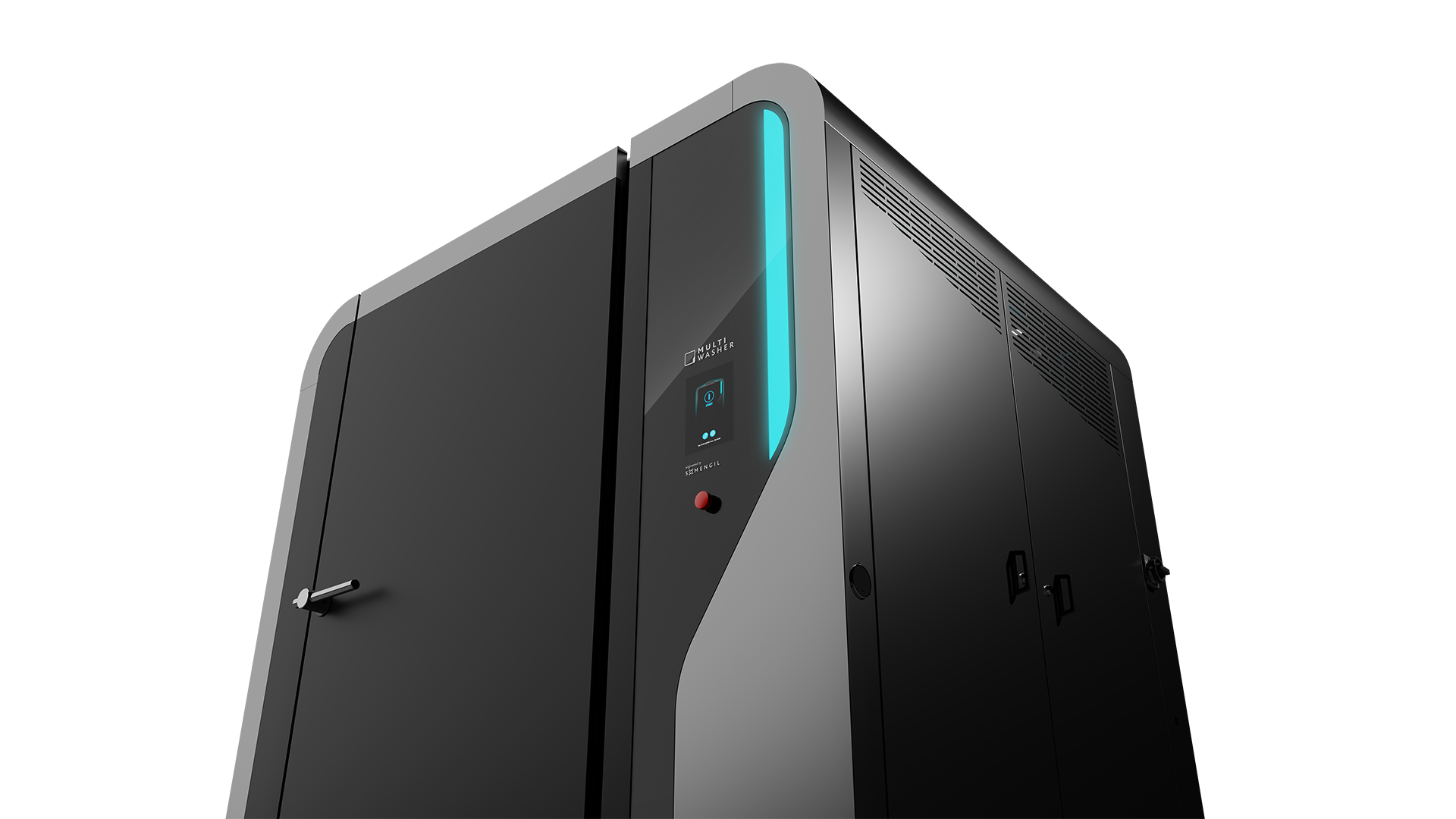
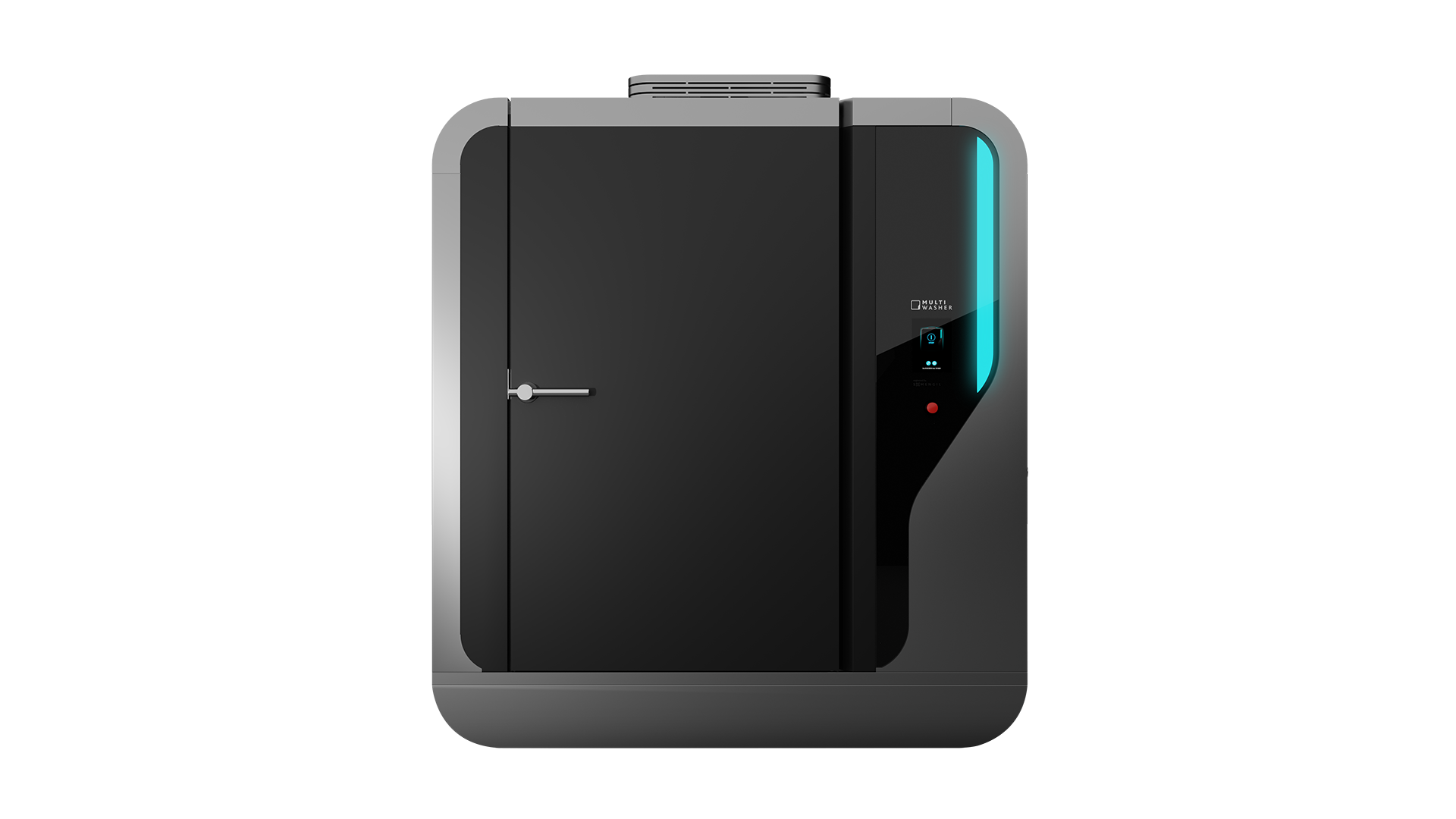
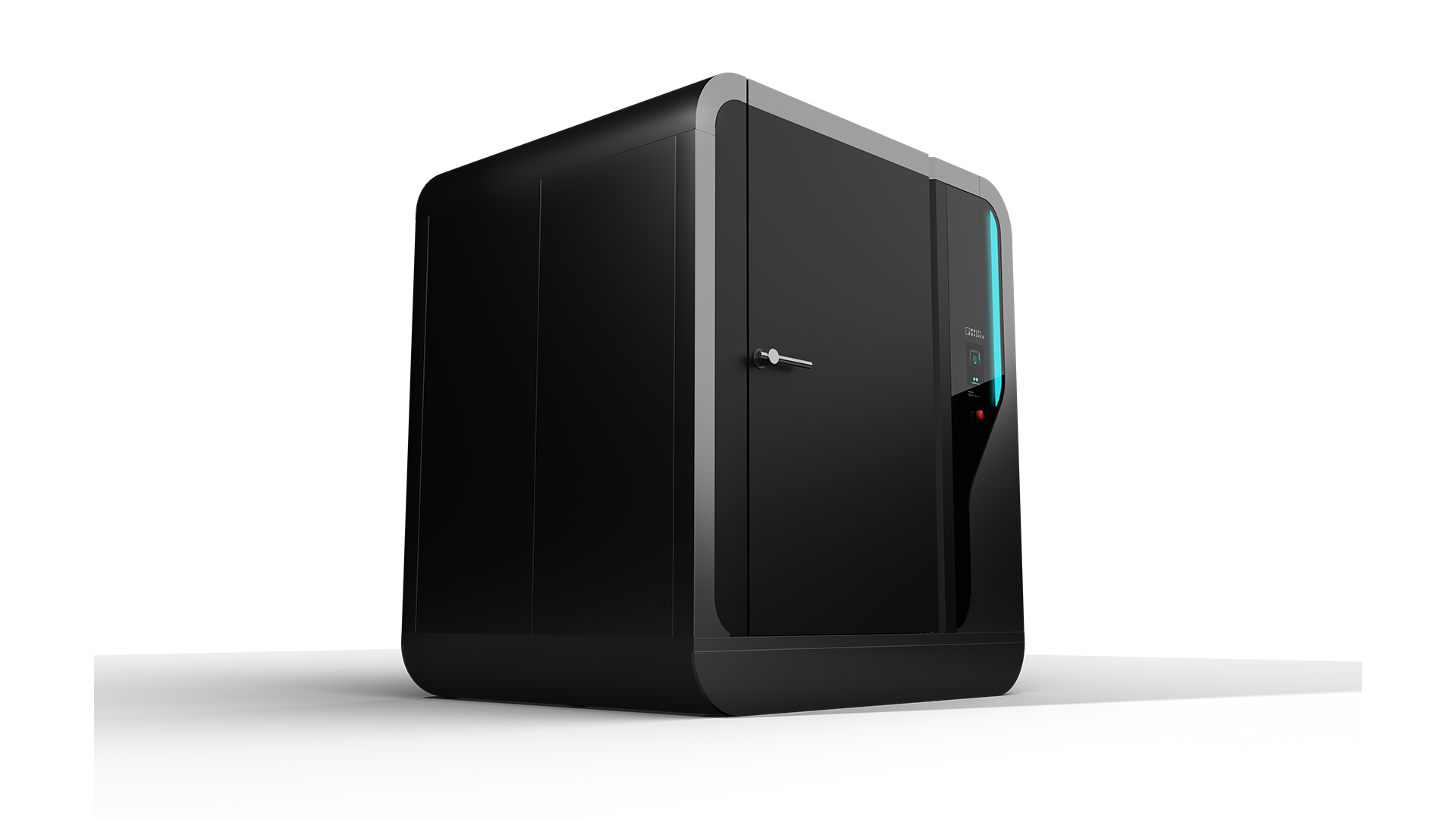
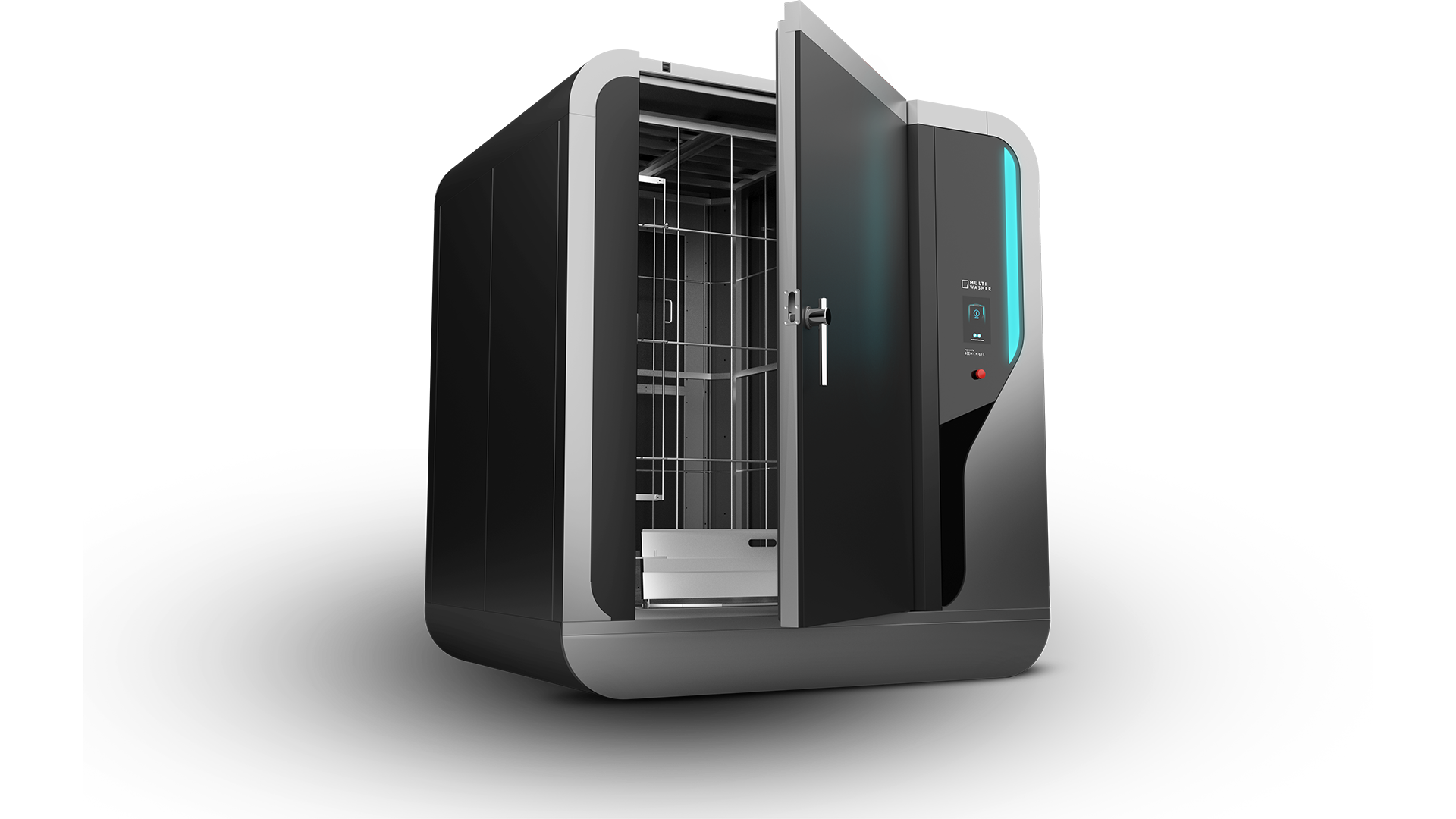
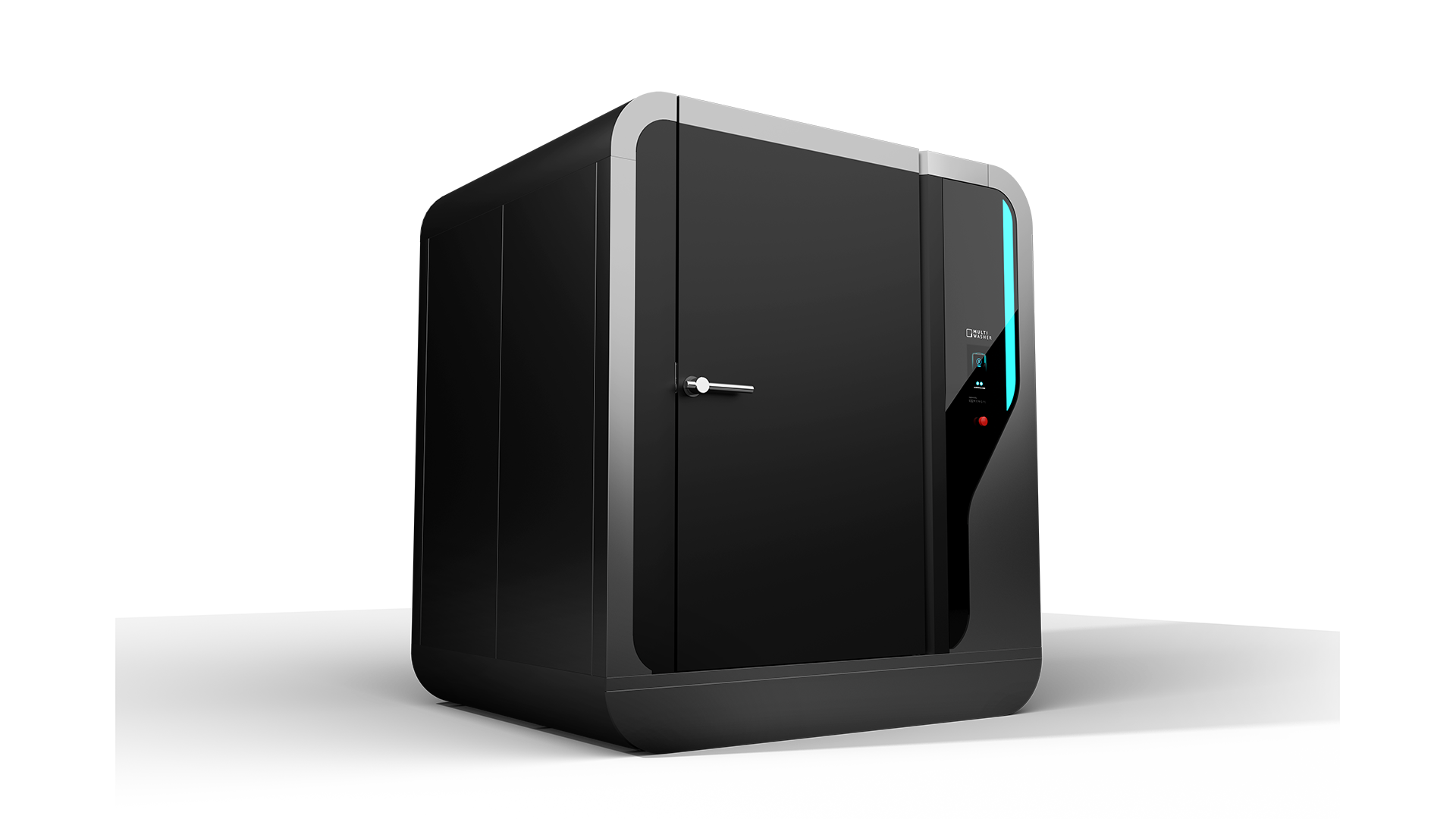
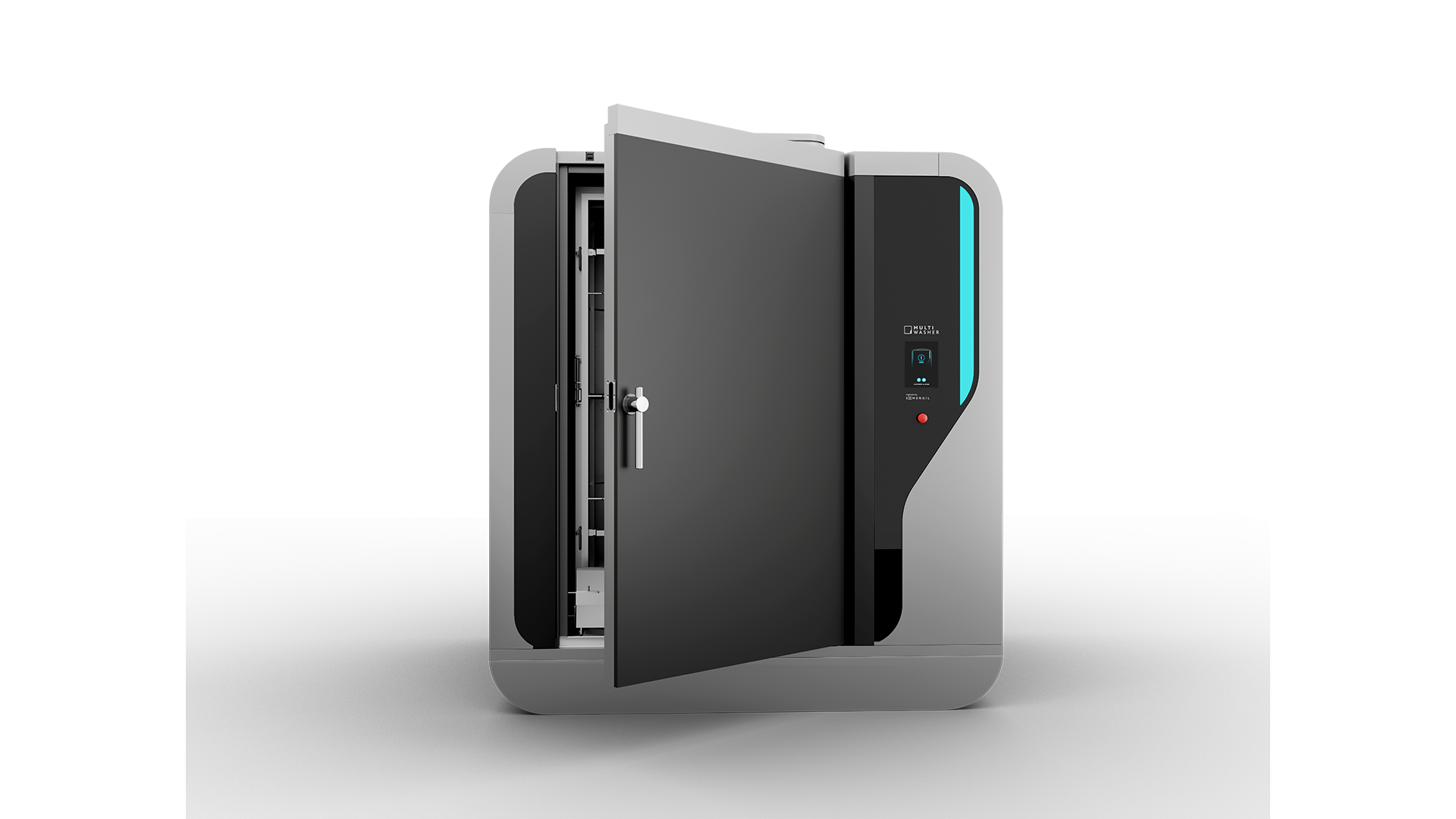
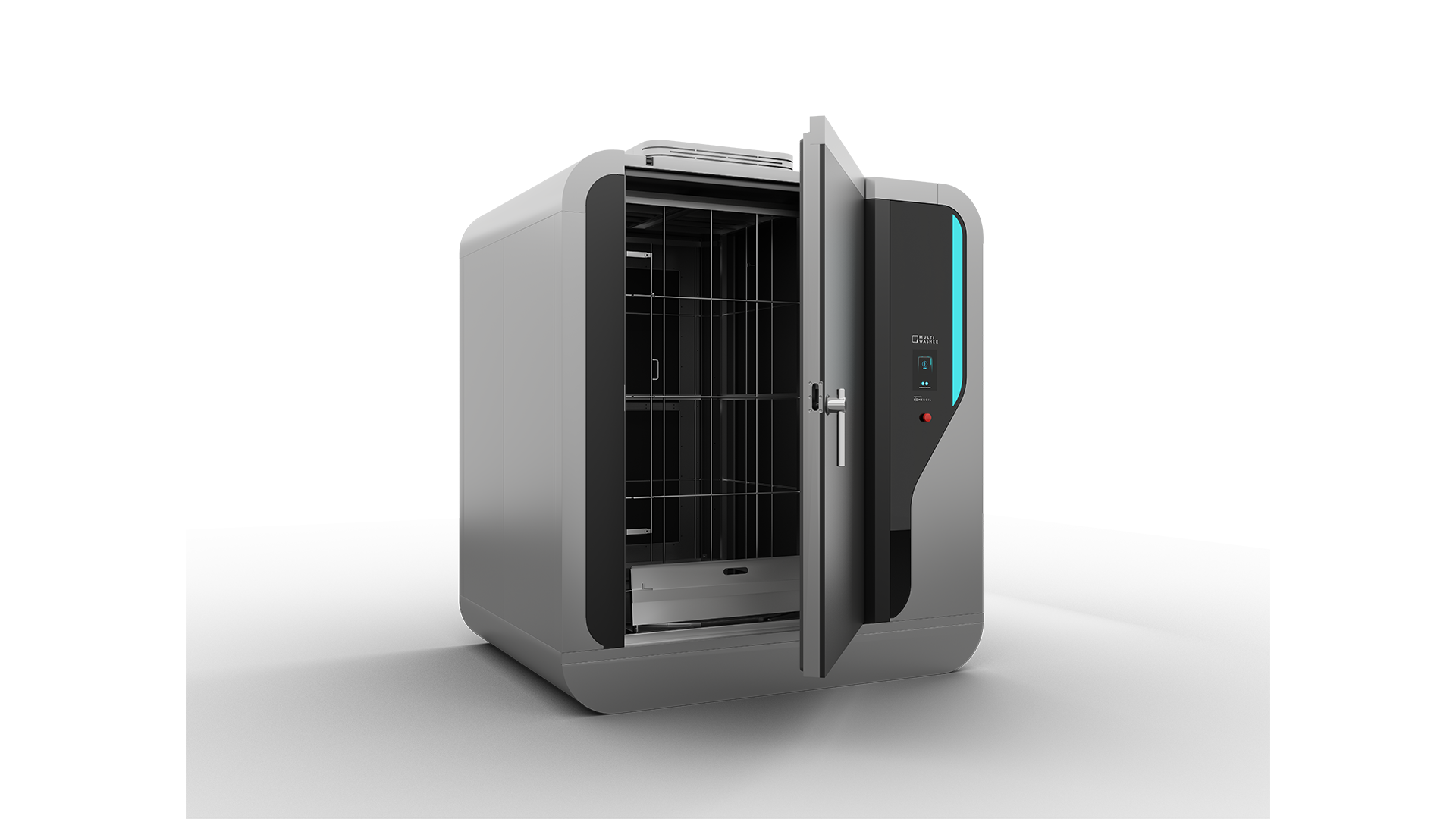
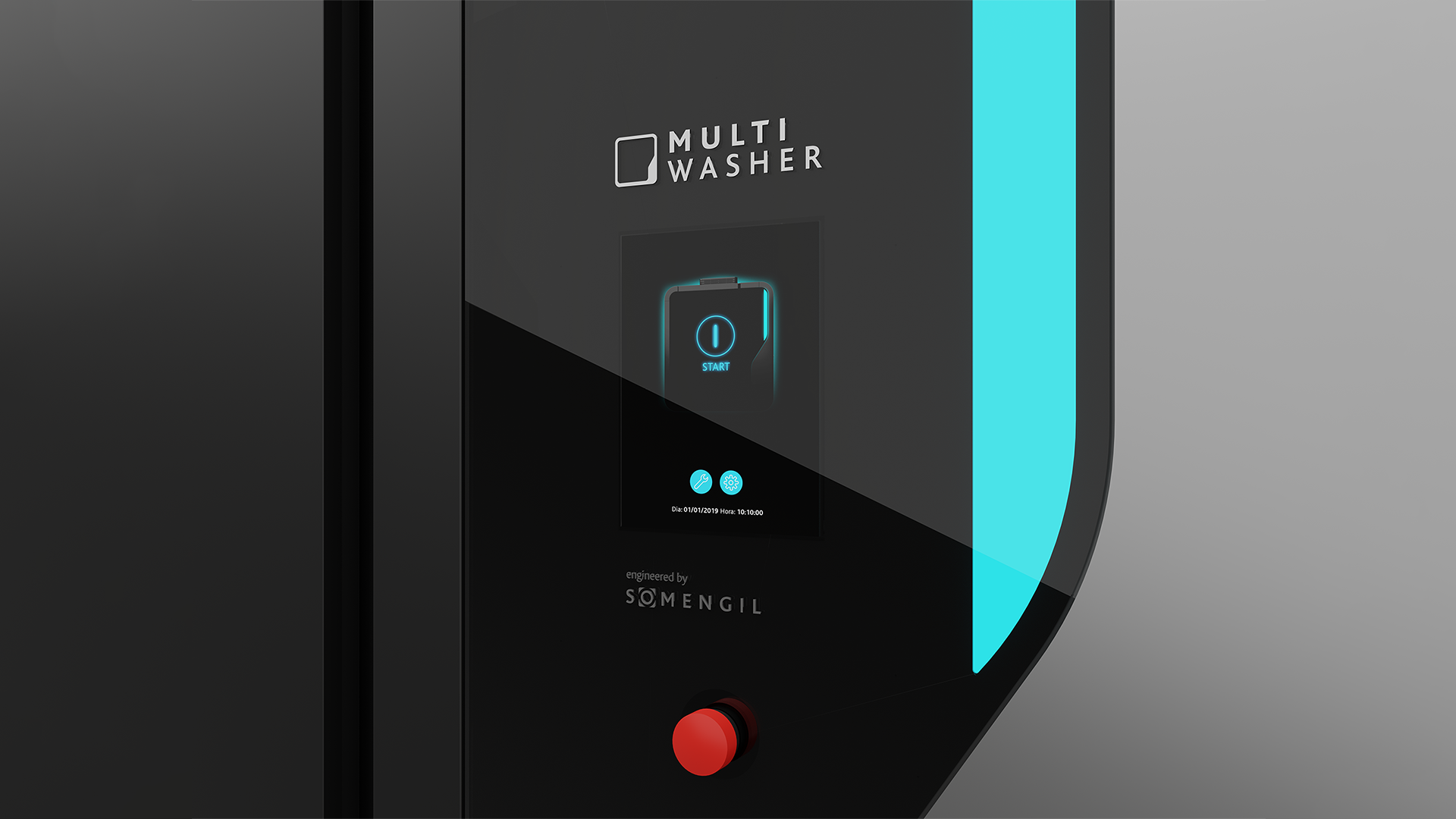
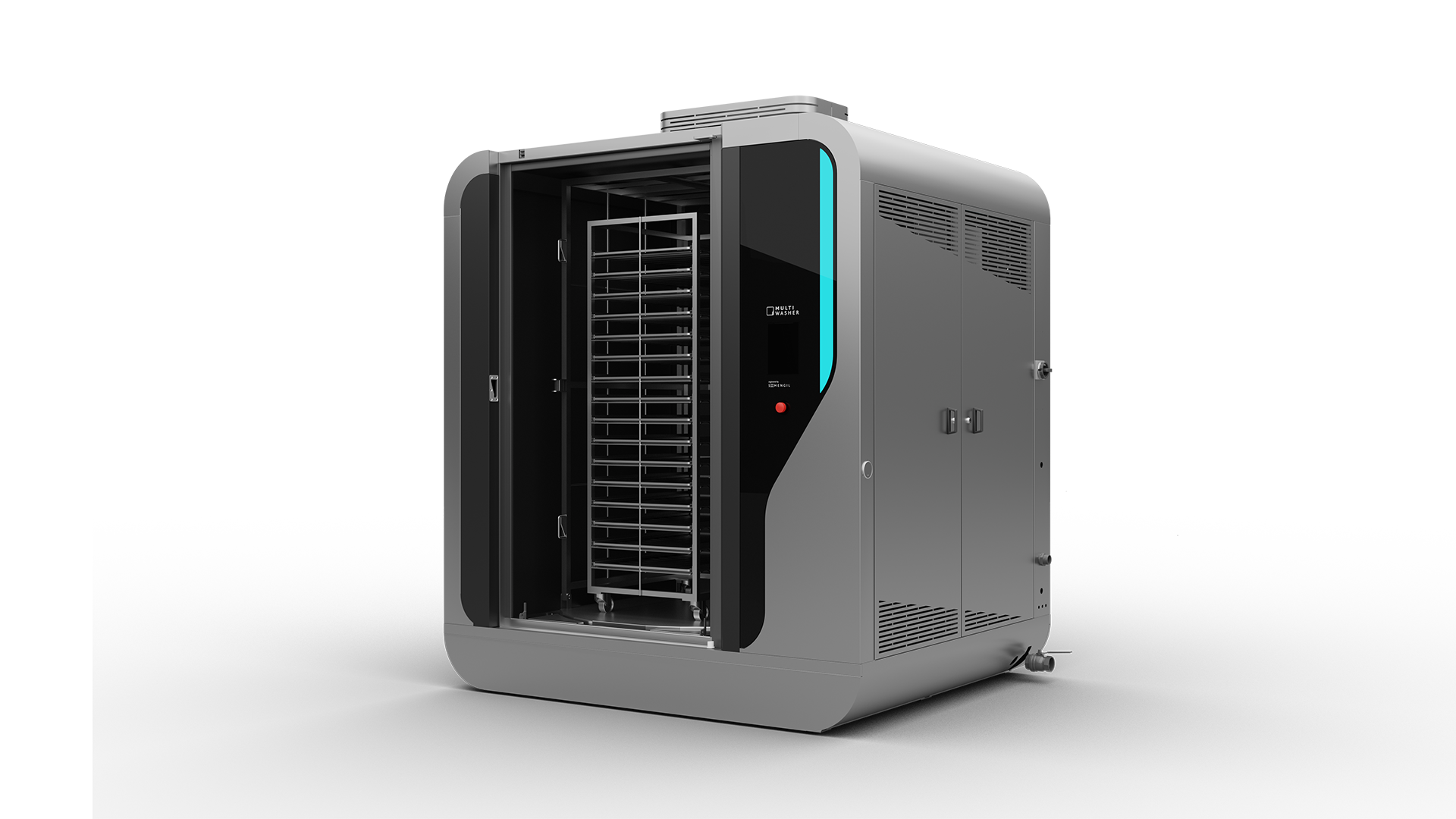
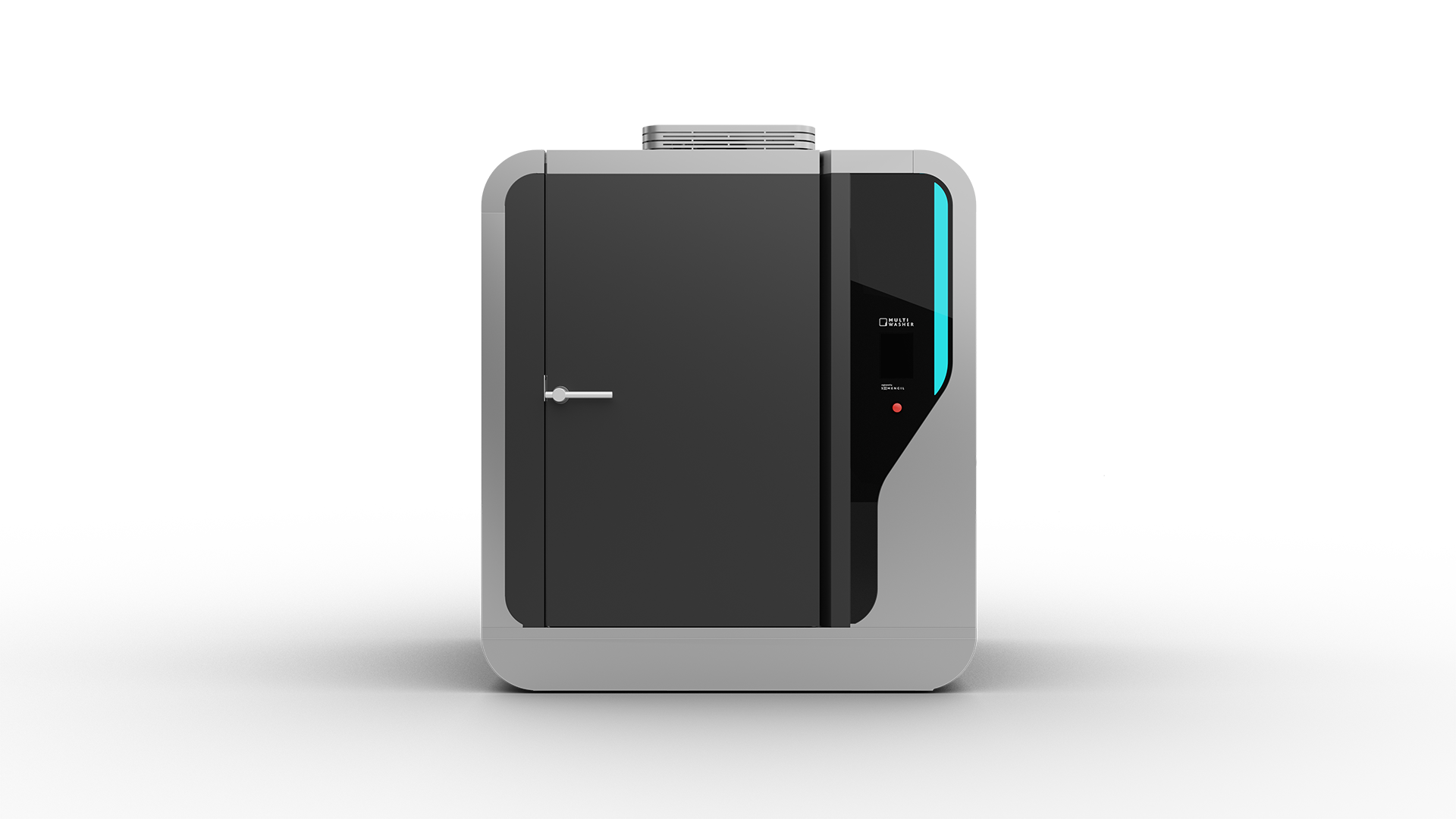
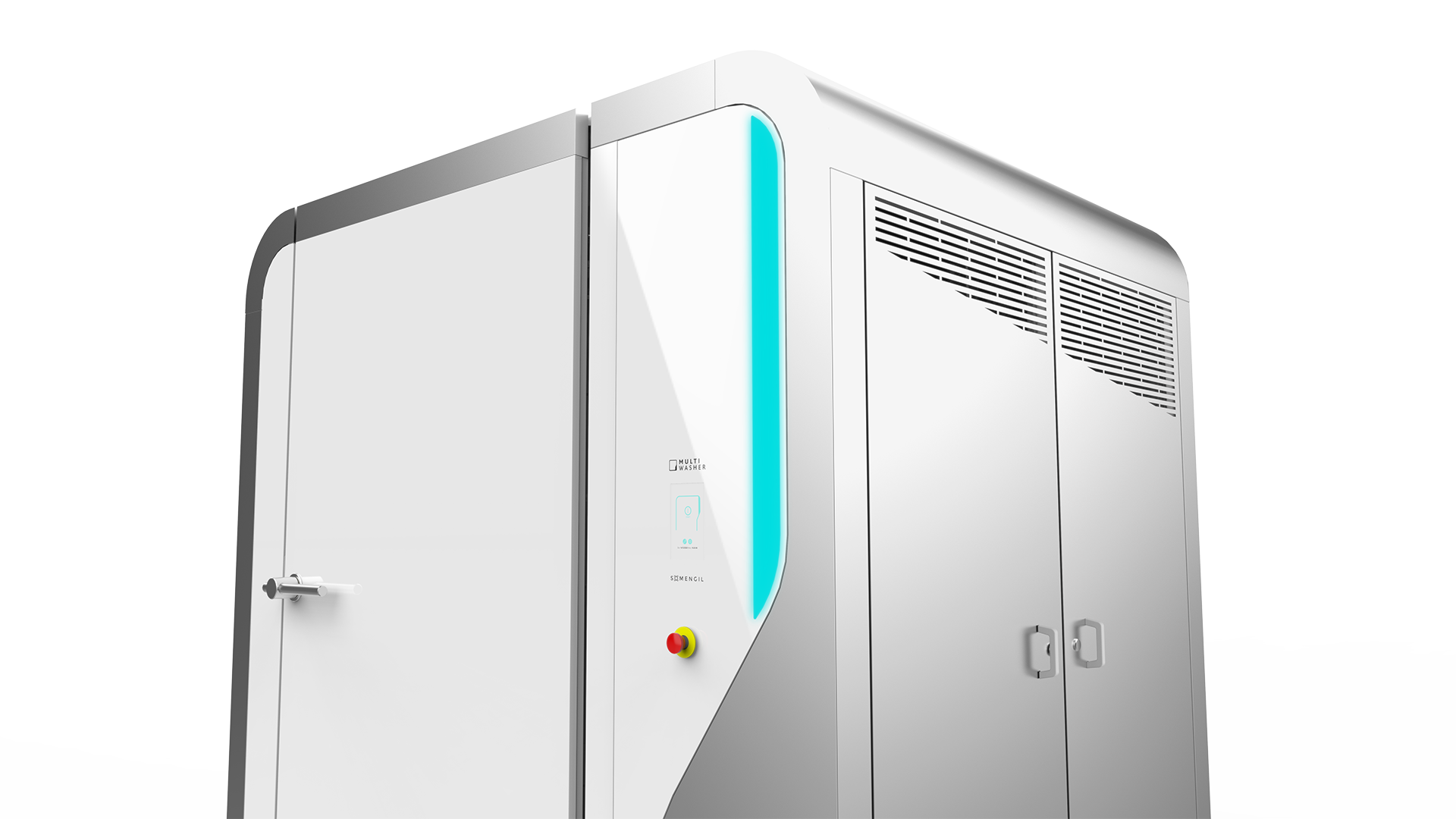
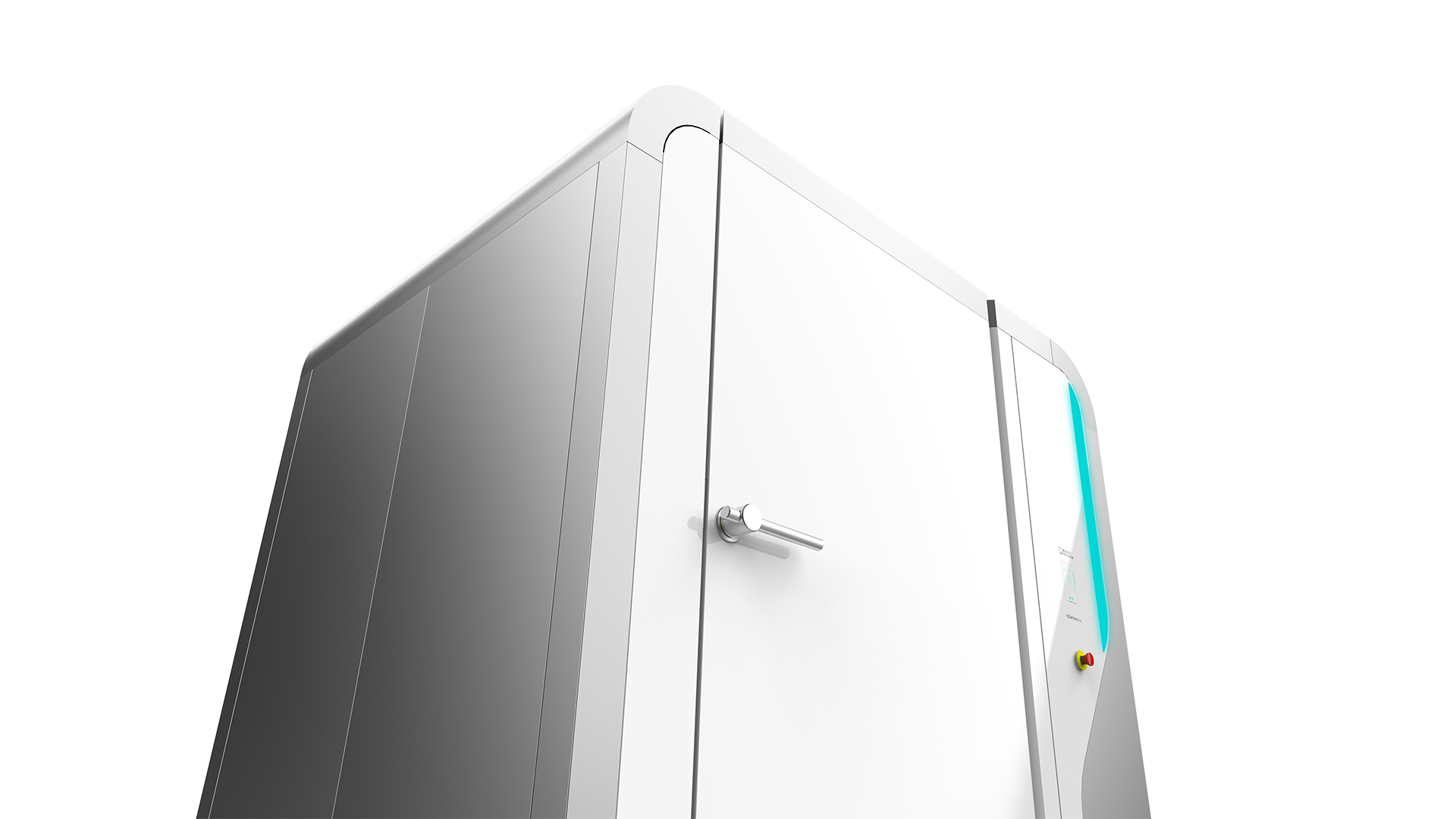
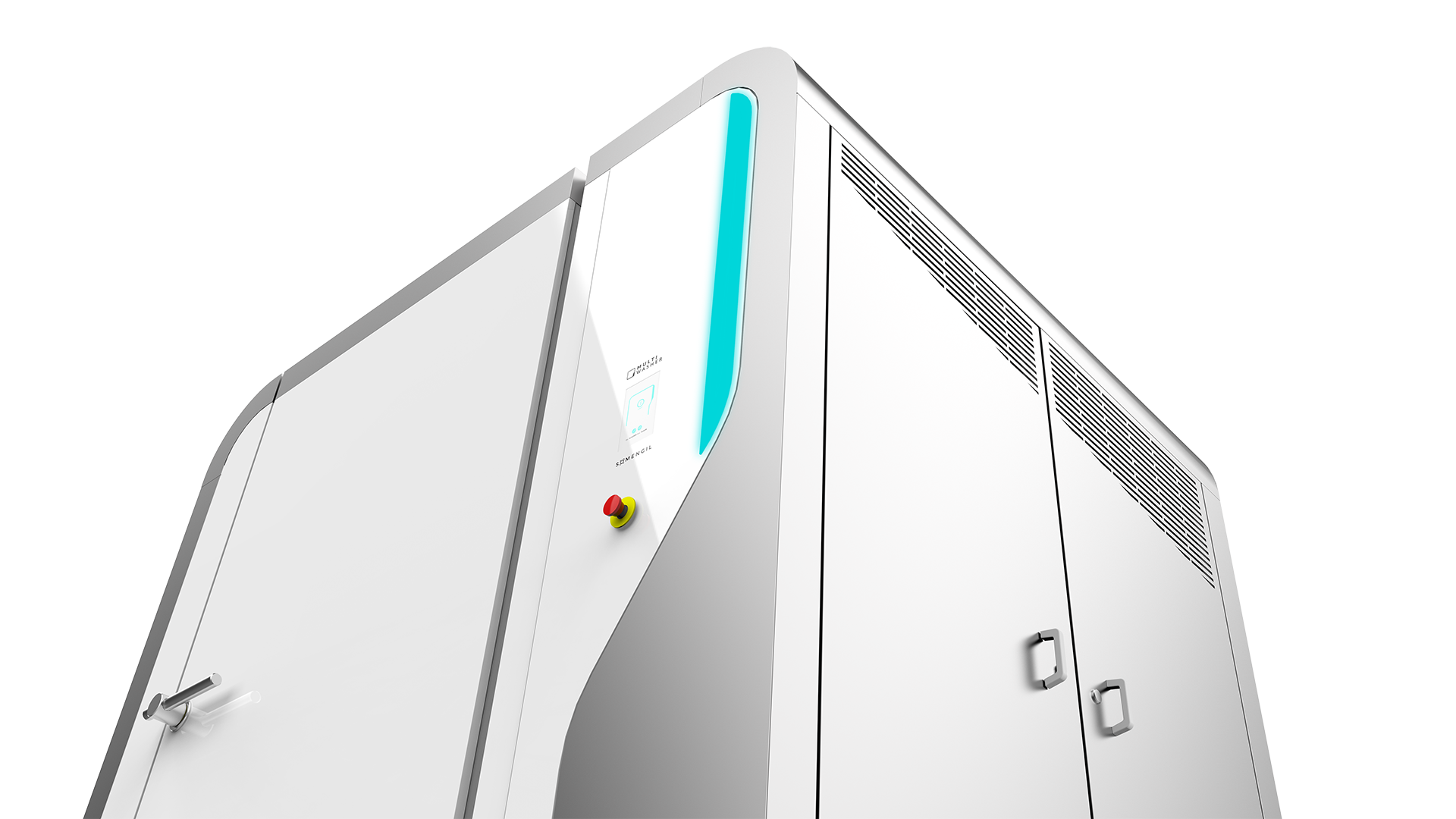
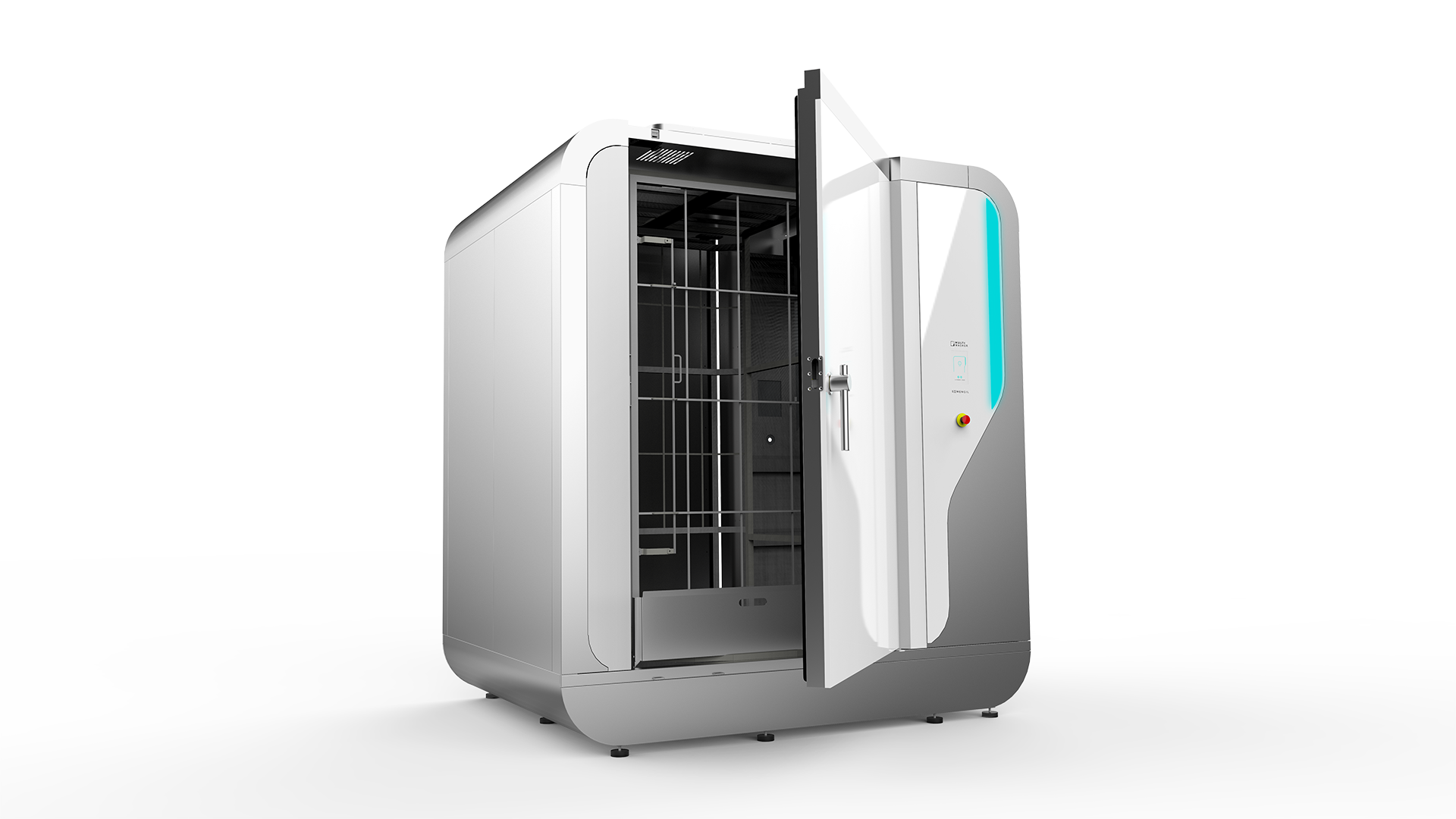
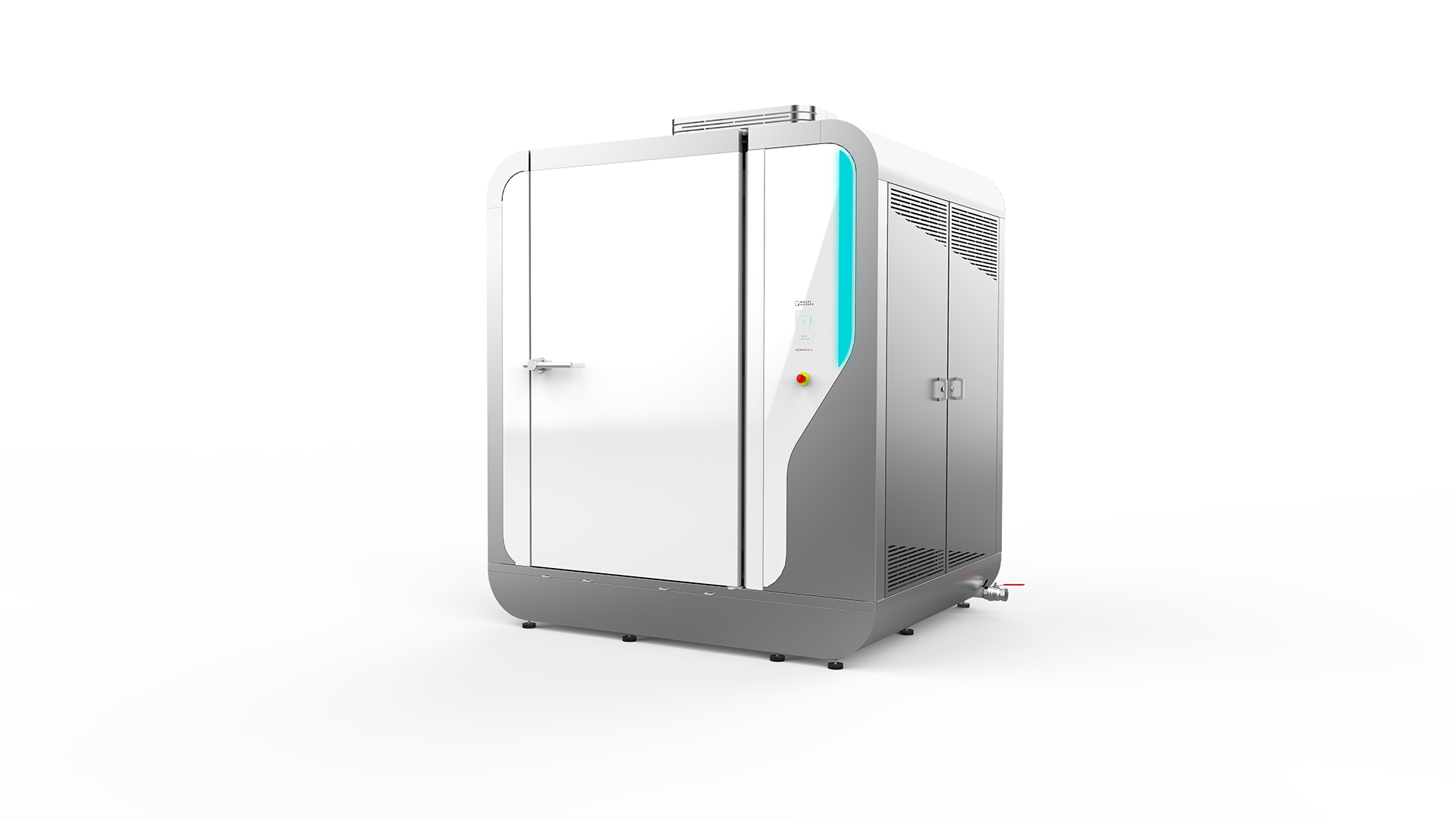
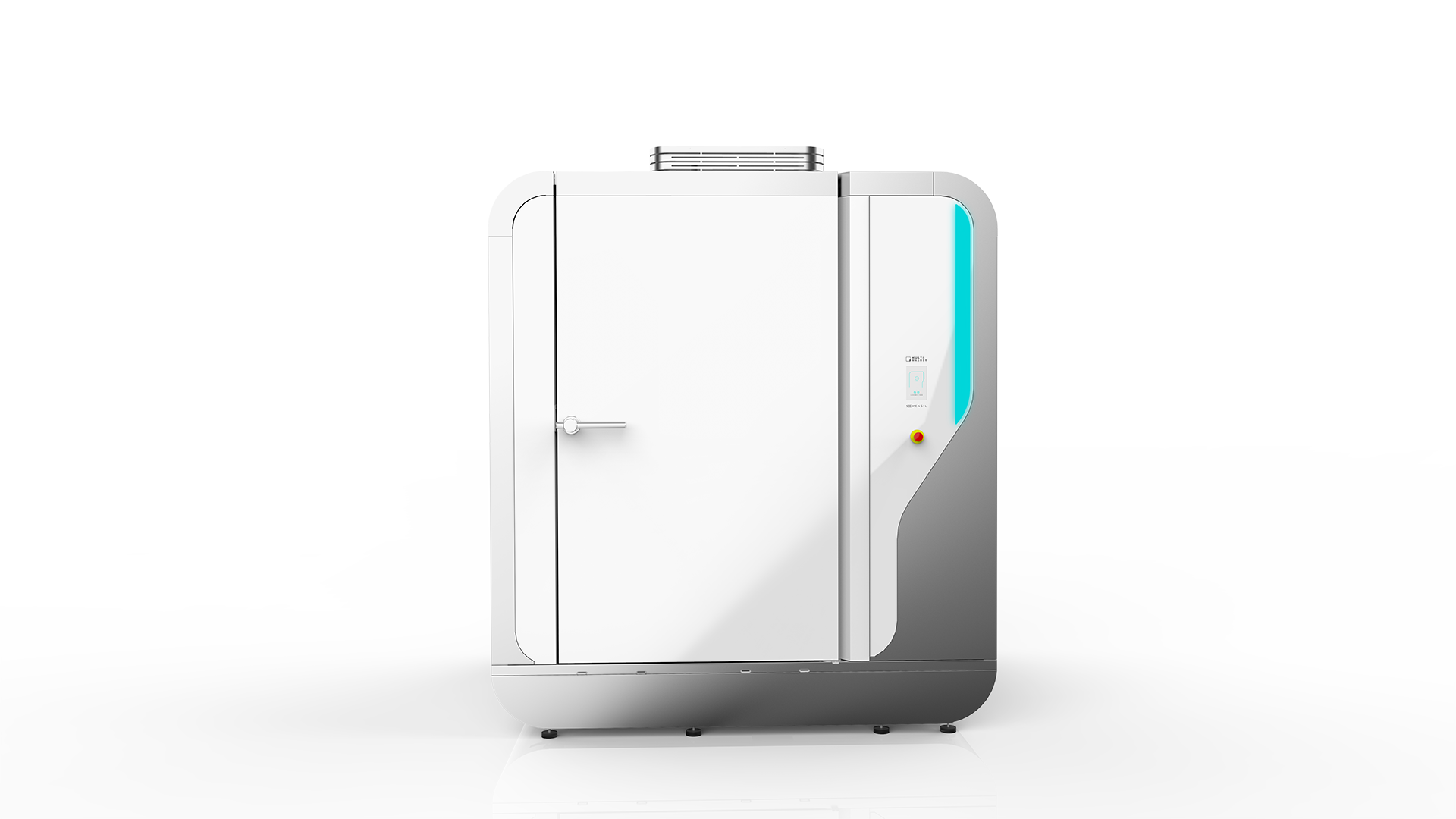
MultiWasher is the state-of-the-art industrial washing machine developed by Somengil. Its washing programs combine controlled parameters to meet the requirements of suitable loads, with attention to detergent, water and energy use.
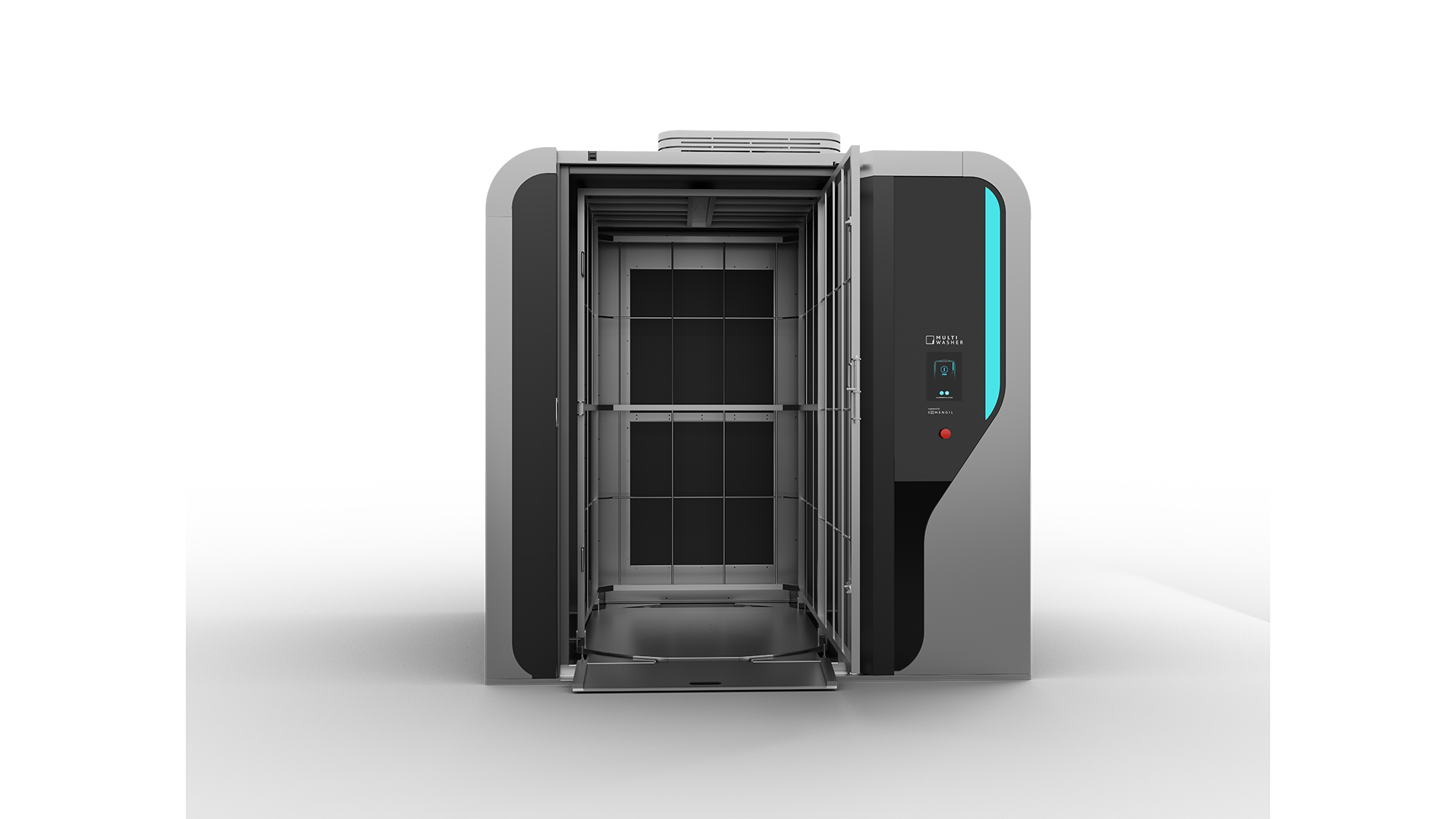
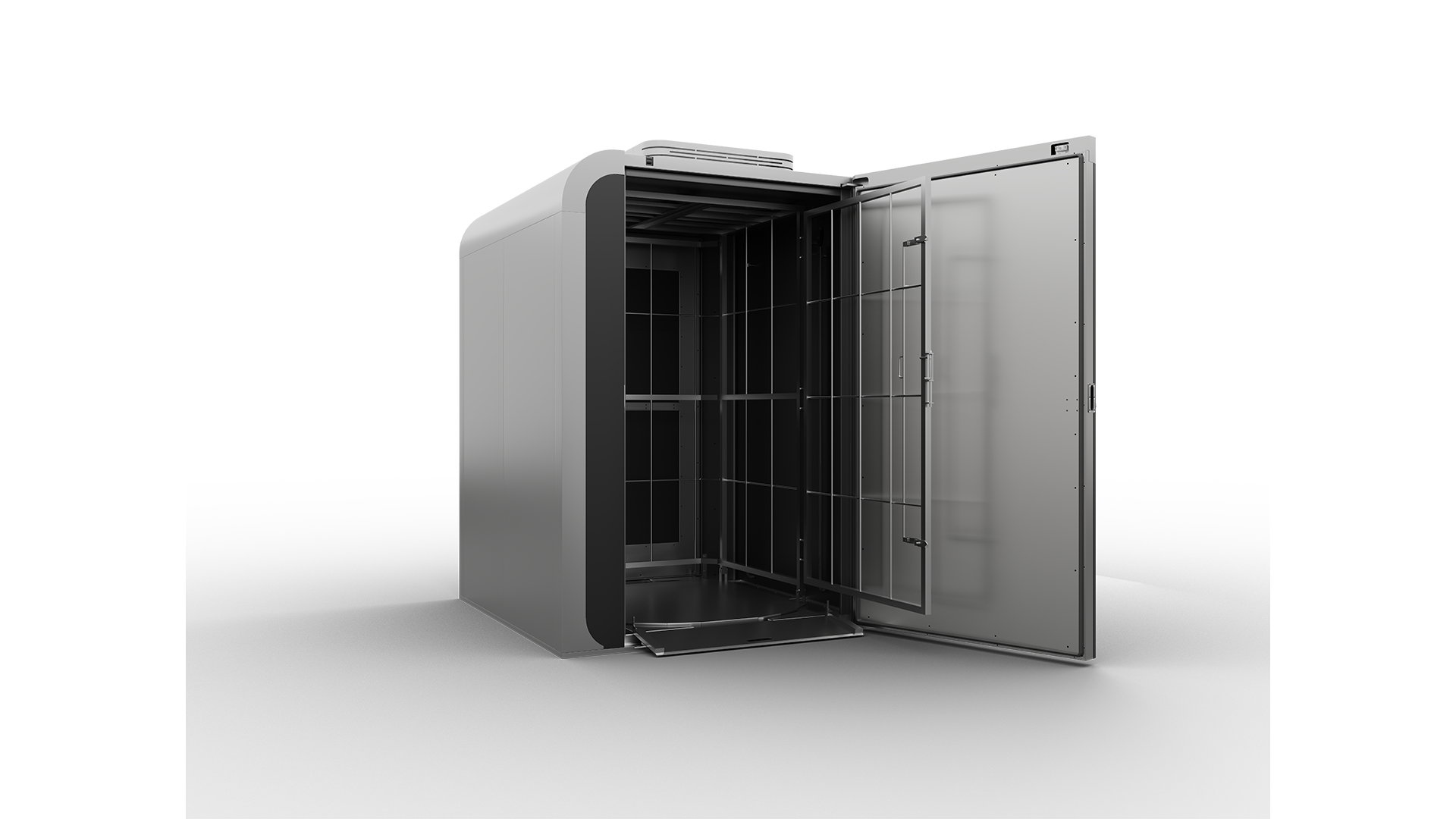
It is also ergonomic equipment that can support the implementation of 5S in washing operations. For example, operators do not have to load and unload each utensil individually, as on a traditional machine. Instead, staff can use custom carts or trays, which are washed with the machine, to minimize repetitive travel with weights.
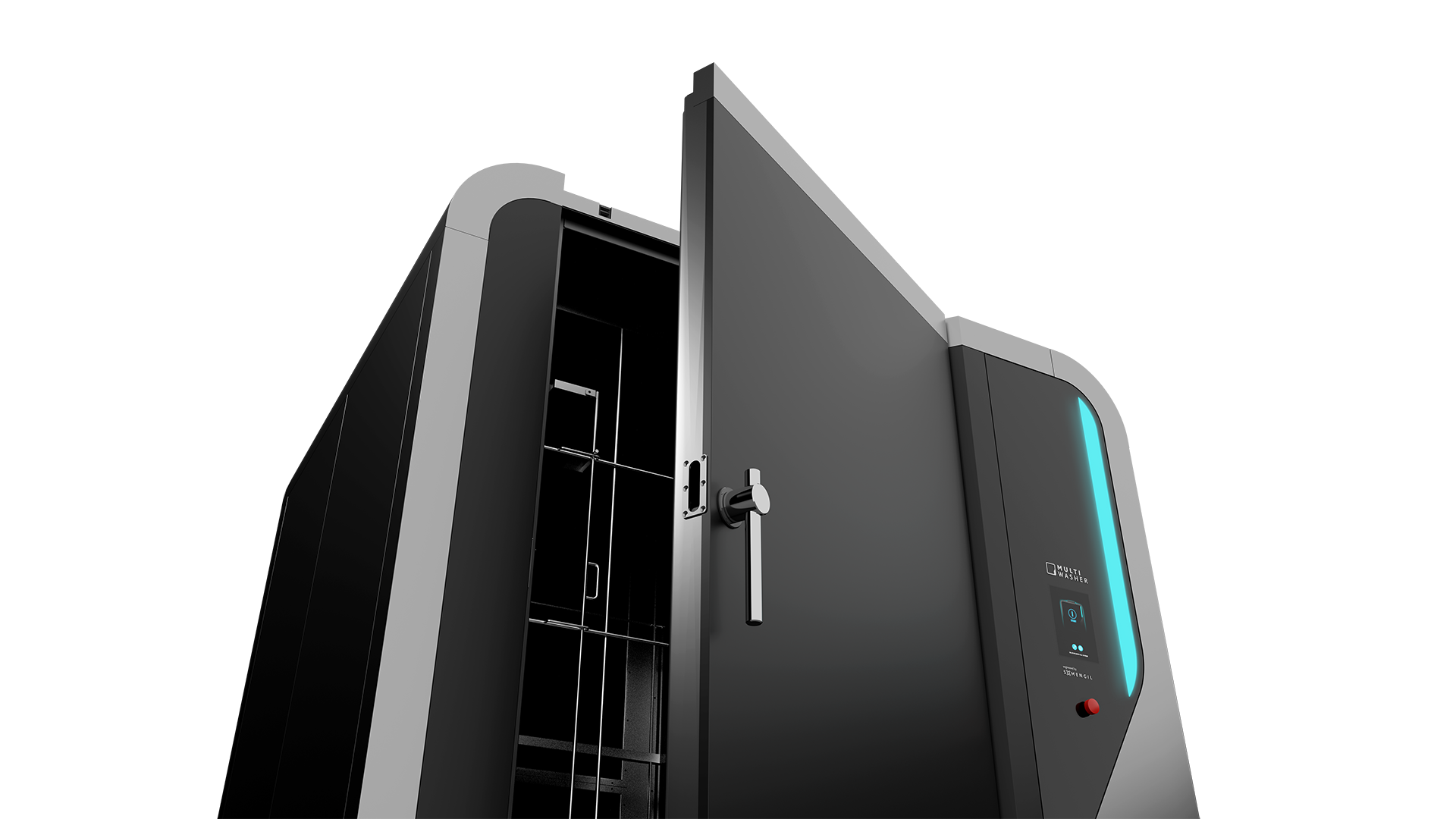
Employees can configure washing parameters conveniently in an intuitive dashboard and at eye level. Washing cycles are underway with just a few clicks.
But the fundamental difference of the MultiWasher is that it is the machine that adapts to people and processes, not the other way around. Before each commissioning, we study how the equipment will fit into the existing workflow to increase productivity and minimize ergonomic risks. Contact Somengil to discuss your washing process.
FAQs about the 5S methodology
These answers clarify common questions before starting a 5S project.
What does 5S stand for?
The five Japanese terms are Seiri, Seiton, Seiso, Seiketsu and Shitsuke. In English, they are usually translated as Sort, Set in Order, Shine, Standardize and Sustain.
Is 5S only about cleaning?
No. Cleaning is one part of the method. 5S also addresses what belongs in the workspace, where it should be kept and how teams maintain and improve agreed standards.
How long does it take to implement 5S?
The initial work depends on the area’s size, condition and complexity. A pilot can establish the method, but sustaining it requires ongoing checks, training and adjustments rather than a single completion date.
Can 5S be used outside manufacturing?
Yes. The same principles can organize warehouses, offices and digital workspaces. For example, teams can remove obsolete files, agree naming conventions and maintain one accessible version of each current instruction.
You may also like
Management / Articles
Six Sigma: Searching for the Perfect Process
Achieving (near) 100% accuracy is the goal of the Six Sigma method. Find out what it is and how to apply it.
Posted in 2022-12-29

Management / Articles
FMEA: what it is, what it is used for and how to implement it
FMEA helps companies anticipate failures, assess their effects and prioritise preventive actions.
Posted in 2026-10-27

Management / Articles
Supply chain analytics explained: what it is and why it matters
How to leverage Supply chain Analytics to plan and implement a more reliable process.
Posted in 2024-07-03





 Portugal
 United Kingdom
 United States
 France
 Spain
 Germany
 Romania
 Italy
 Czech Republic
 Finland
 Hungary
 Slovakia
 Greece
 Lithuania
 South Korea
 Russia
 Saudi Arabia
 Poland
 Brasil
 Hebrew