Management / Articles
Total Quality Management (TQM): what is it, why it matters, how to use it
TQM or Total Quality Management is the methodology in which mistakes are both enemy and ally. Find out what it means and how it can help fend off uncertainty.

 14 minutes of reading
2026-08-13 11:50:45
- Unplanned downtime costs manufacturers trillions every year, making quality management and operational resilience more critical than ever.
- Total Quality Management extends far beyond production, connecting every department and process to the final customer experience.
- MultiWasher can help standardize industrial washing and bring TQM to an overlooked area in most businesses.
To err is human. Only those who dare to fail can achieve greatness. Without errors, there is no evolution. There are several rationalizations to help explain problems and look at the bright side when they happen. However, consequences do exist.
Unplanned machine downtime alone costs the world’s 500 largest manufacturers an estimated $1.4 to $1.5 trillion every year, representing around 11% of their annual revenue. This reality has pushed businesses to rethink how they manage quality, processes, and continuous improvement. And that’s exactly where Total Quality Management (TQM) becomes increasingly relevant.
TQM or Total Quality Management, is a concept that dates back to the 60’s and has since helped companies in various areas and geographies assert themselves as market leaders, even in social and political contexts of great uncertainty. But after all, what exactly does it mean and how can it be implemented in a practical way?
What is TQM?
TQM or Total Quality Management is a methodology that aims to ensure the quality of products and services throughout the value chain. Until a final product is effectively delivered to the customer, there are many processing points on a route that can be long and complex – ordering, storing raw materials, producing, inspecting or delivering are some of the most common steps. Any failure during this cycle compromises the quality of the product and the customer experience. This means that all departments influence the final product, not just production or operations.
This is the essence of TQM: prioritizing quality throughout the entire end-to-end process. It goes beyond the production floor and covers a broader management of people and organizations, steering everyone who works with the company, including suppliers, towards excellence.
Coca-Cola is a fan, having implemented a sweeping TQM program. They test water, gas and even sugar to ensure that productivity (as well as safety) standards are met. The bottling process features automatic sterilization of bottles at high temperatures aided by specially design cleaning agents.
Benefits of Total Quality Management
When implemented consistently, TQM helps create stronger processes, happier customers, and more resilient businesses in the long run.
Higher customer satisfaction
At its core, TQM revolves around the customer experience. By continuously collecting feedback, refining processes, and improving consistency, companies become better equipped to meet (and exceed) customer expectations. The result is greater trust, stronger relationships, and higher customer loyalty over time.
More efficient operations
TQM encourages businesses to analyse workflows closely, identify inefficiencies, and eliminate unnecessary steps. This often leads to fewer delays, less waste, lower operational costs, and smoother day-to-day operations.
Stronger employee engagement
People play a central role in TQM. Employees are encouraged to participate in decision-making, share ideas, and contribute to improvements across the organisation. This creates a stronger sense of ownership and collaboration, while also helping teams feel more connected to the company’s goals.
Better long-term competitiveness
Companies that embrace continuous improvement are naturally more adaptable. TQM helps businesses respond faster to market changes, evolving customer expectations, and operational challenges. Over time, this ability to improve consistently becomes a significant competitive advantage.
How to implement TQM?
There is no magic formula for implementing TQM. Each approach and system will be unique, but there are some general principles that should guide implementation.
1. Redefine the concept of quality
The concept of quality, as understood by TQM, is no longer limited to the quality of raw materials and finished goods. A quality product satisfies customers and exceeds their expectations. It solves a problem, is easy to use and provides such a remarkable experience that compels customers to repeat and recommend it. Also, TQM requires companies to quantify quality, meaning the overall customer experience.
2. Ask customers for feedback
The only way a company can know if it is satisfying customers or not is… asking. Create structured processes to ask your customers for feedback, so you can identify what is most important to them and use that information as a benchmark in your strategy. Don’t assume, ask – and do it periodically. What is important to customers today will be very different in a few years.
3. Develop an improvement plan
Based on feedback received from customers, develop an improvement plan. This plan should be realistic, with specific goals, dates, and responsibilities. Once improvements are implemented, give customers some time to see the changes in effect.
4. Ask customers for feedback (again)
Make new feedback requests to customers to verify that the improvement plan is working. Their needs and expectations change over time, so it is important to be in permanent harmony with the customer’s preferences.
5. Manage flows, not departments
Production, maintenance, inspection, logistics. Traditional functions in any company that usually work in isolated silos. TQM provides a different approach, organized by processes rather than departments. Say an organization produces multiple product families. Under TQM, each family would be an autonomous management unit, with all the different functions necessary to deliver these products with quality. It is a matter of accountability: when the final quality has a single owner, with autonomy to change the process from start to finish, there is greater pressure to ensure the end result.
6. Stop to solve problems
You have probably heard this one before. A problem occurs causing the production line to stop. The pressure to resume operations makes solving the underlying root-cause secondary. As a result, the root cause of problems is never properly identified and addressed–causing the problem to reappear. One of the founding principles of TQM is that operators can stop the line to identify the reason for the failure and resolve the problem – or ask for help. Yes, the cost is high at the moment, but in the long run, such actions minimize the number of interruptions.
7. Value mistakes
According to TQM, each mistake hides opportunities for improvement. Therefore, errors should be carefully analyzed and studied – and the people who make or detect them called in to take part in the solution, rather than reprimanded. Apply this motto: “blame the process, not the person”, scrutinize the points of the process more error-prone and promote a culture in which it is okay to share problems.
8. Turn every employee into a quality inspector
TQM needs to become part of the company’s mindset. That only happens when employees understand how their work influences the customer experience, whether they are on the factory floor, in customer support, finance, or logistics.
Encourage teams to contribute ideas, challenge inefficient routines, and suggest improvements without layers of bureaucracy slowing them down. The people closest to the work often spot issues and opportunities long before leadership does. When employees feel heard and trusted, quality becomes a shared responsibility.
9. Use data to guide decisions
If you want to improve quality consistently, you need visibility into what is actually happening across processes. That means tracking performance indicators, identifying recurring issues, and measuring the impact of improvements over time.
Which processes generate the most delays? Where do defects happen more frequently? Which customer complaints appear again and again? Data helps companies move to proactive improvement, and that is where TQM becomes truly powerful.
10. Make continuous improvement part of the culture
One of the biggest misconceptions about TQM is thinking it is a one-time initiative. It is an ongoing commitment to improving products, services, processes, and customer experiences over time.
Markets evolve. Customer expectations shift. Technologies change. Companies that treat quality as a static goal eventually fall behind. The organizations that succeed with TQM are the ones that continuously question how things can be done better, faster, smarter, or more efficiently.
Sometimes the improvements will be groundbreaking. More often, they will be small adjustments that compound over time. But that is exactly the point: continuous improvement is rarely about dramatic reinvention. It is about building a culture where progress never stops.
FAQs about TQM
Below we answer some of the most common questions about TQM.
Is TQM only suitable for large companies?
Not at all. While TQM is often associated with large manufacturers, its principles can be applied by businesses of any size. In fact, smaller companies often have an advantage because communication flows faster and changes can be implemented more quickly. Any organisation that wants to improve consistency and customer satisfaction can benefit from TQM.
How long does it take to see results from TQM?
TQM is a long-term strategy rather than a quick fix. Some improvements, such as reduced waste or fewer operational errors, may become visible within a few months. However, deeper cultural changes, like stronger collaboration, accountability, and continuous improvement, usually take longer to mature. The companies that gain the most value from TQM are typically the ones that stay committed over time.
What industries benefit the most from TQM?
TQM is especially valuable in industries where consistency, safety, and compliance are critical. Manufacturing, food processing, pharmaceuticals, healthcare, automotive, and logistics are some of the sectors where TQM is most commonly applied. However, the methodology is flexible enough to support service-based businesses as well, particularly those focused on customer experience and operational efficiency.
Somengil and the commitment to TQM
Investing in a TQM system can be challenging, but in the medium and long term, it puts companies at a higher competitive level. Doing so requires the right equipment, inspired by the same quality standards.
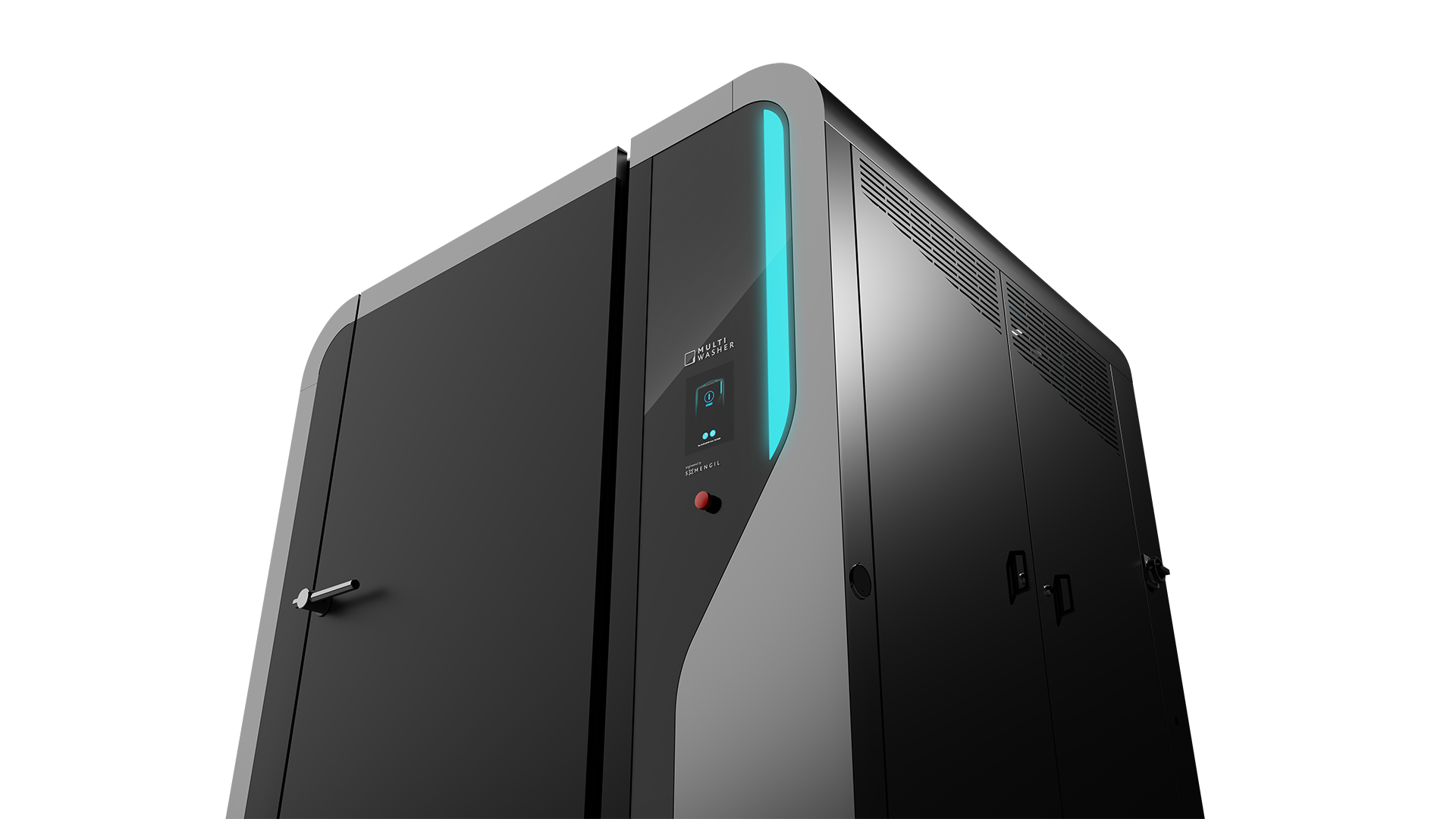
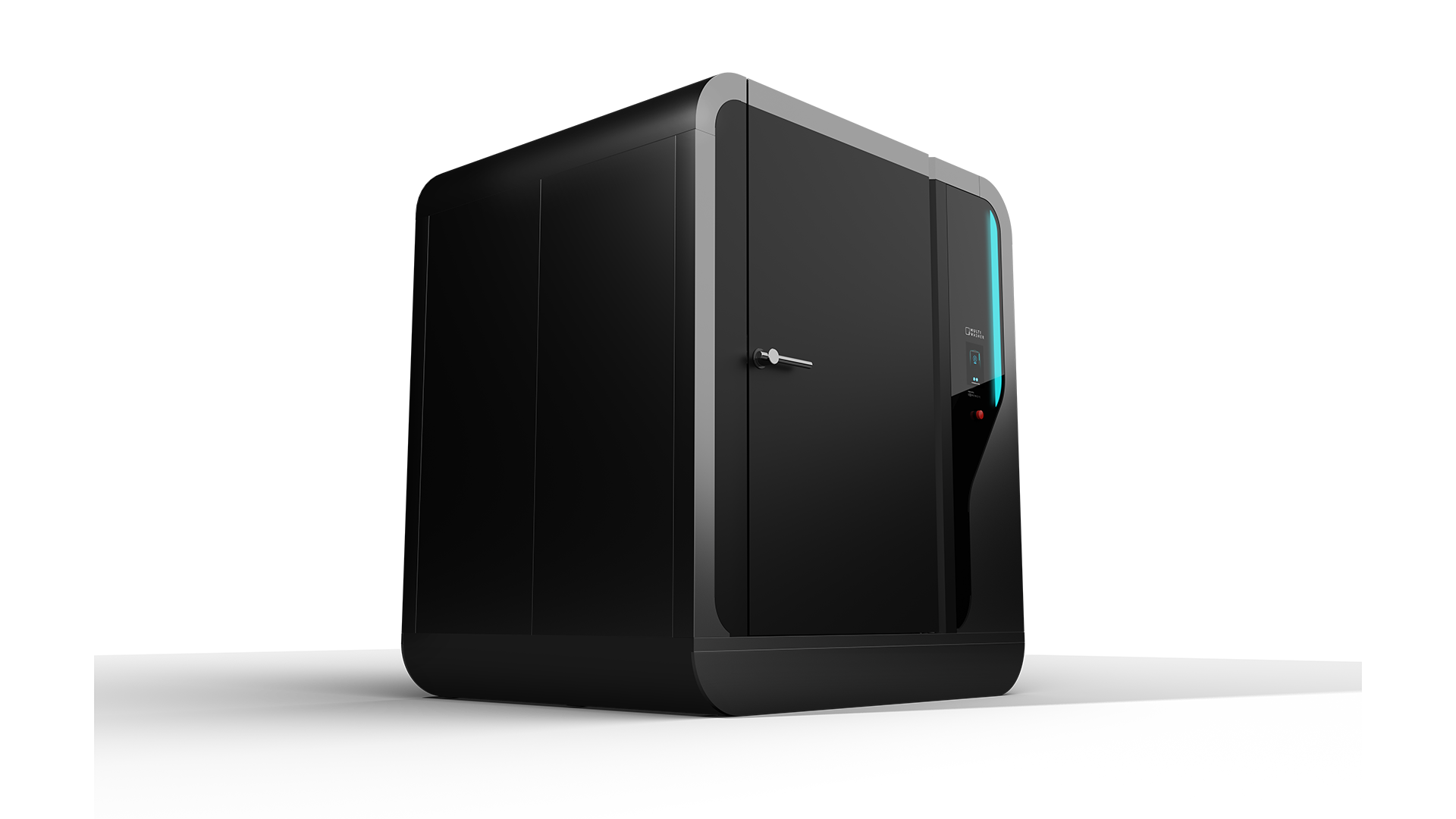
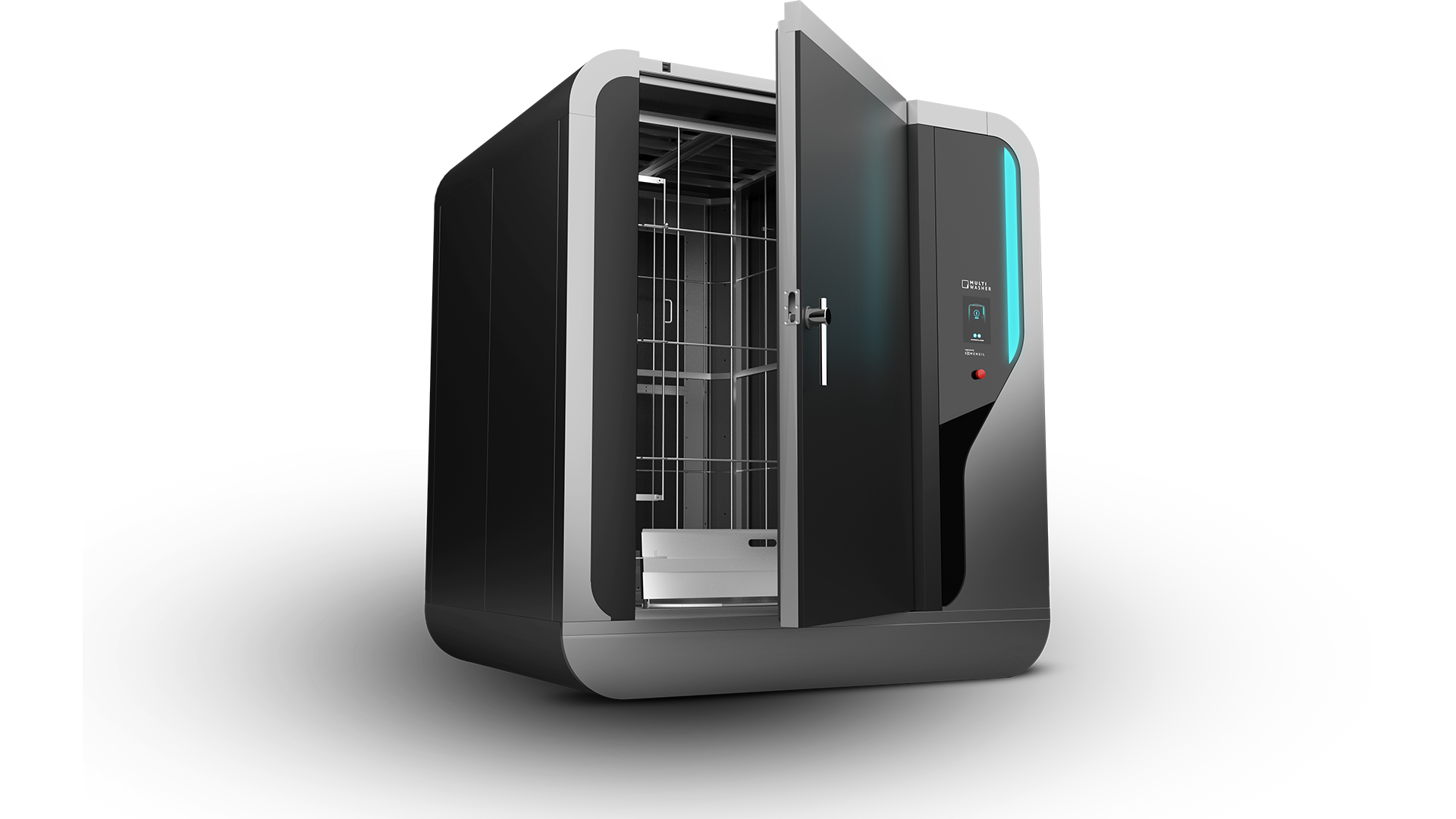
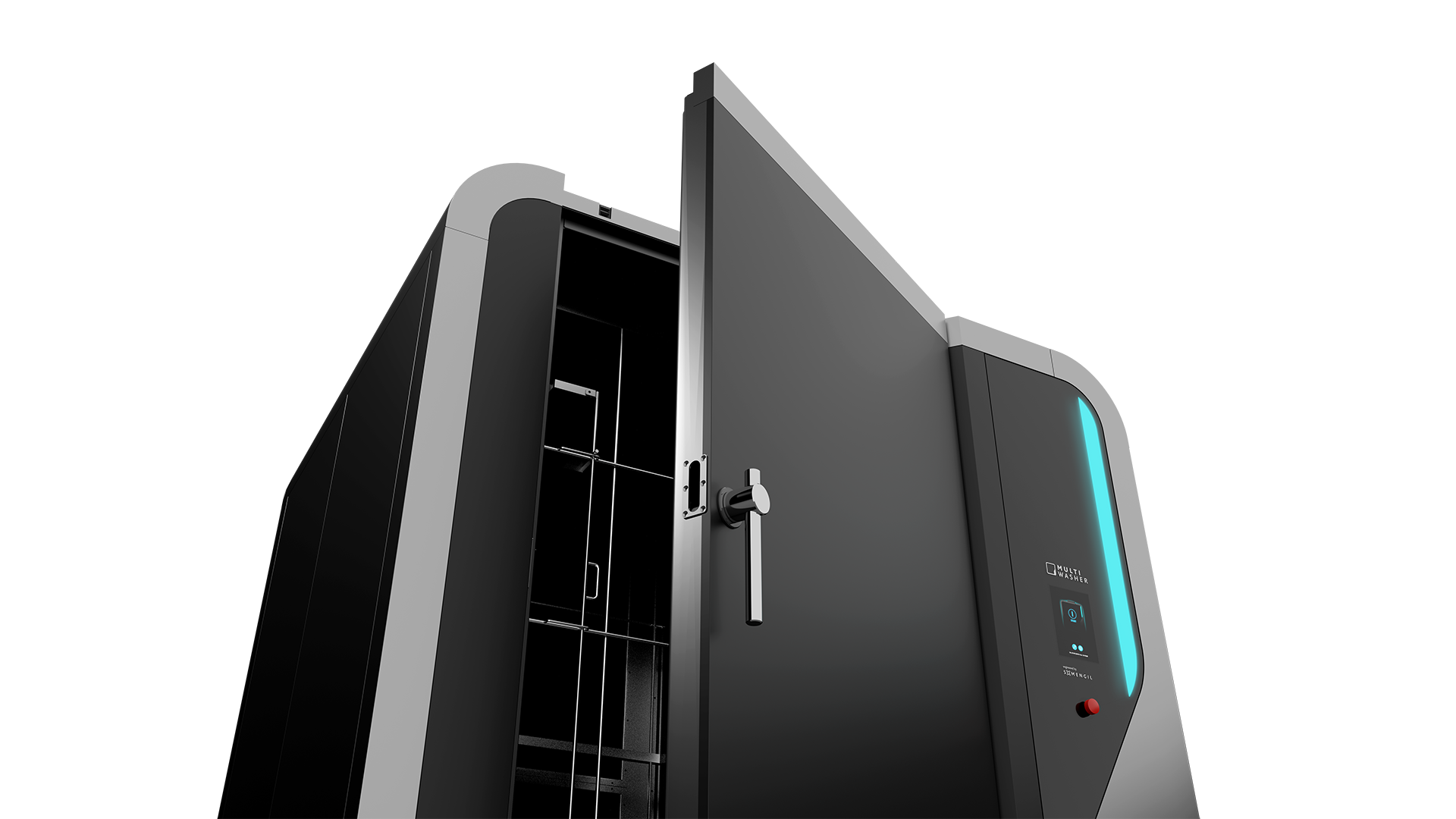
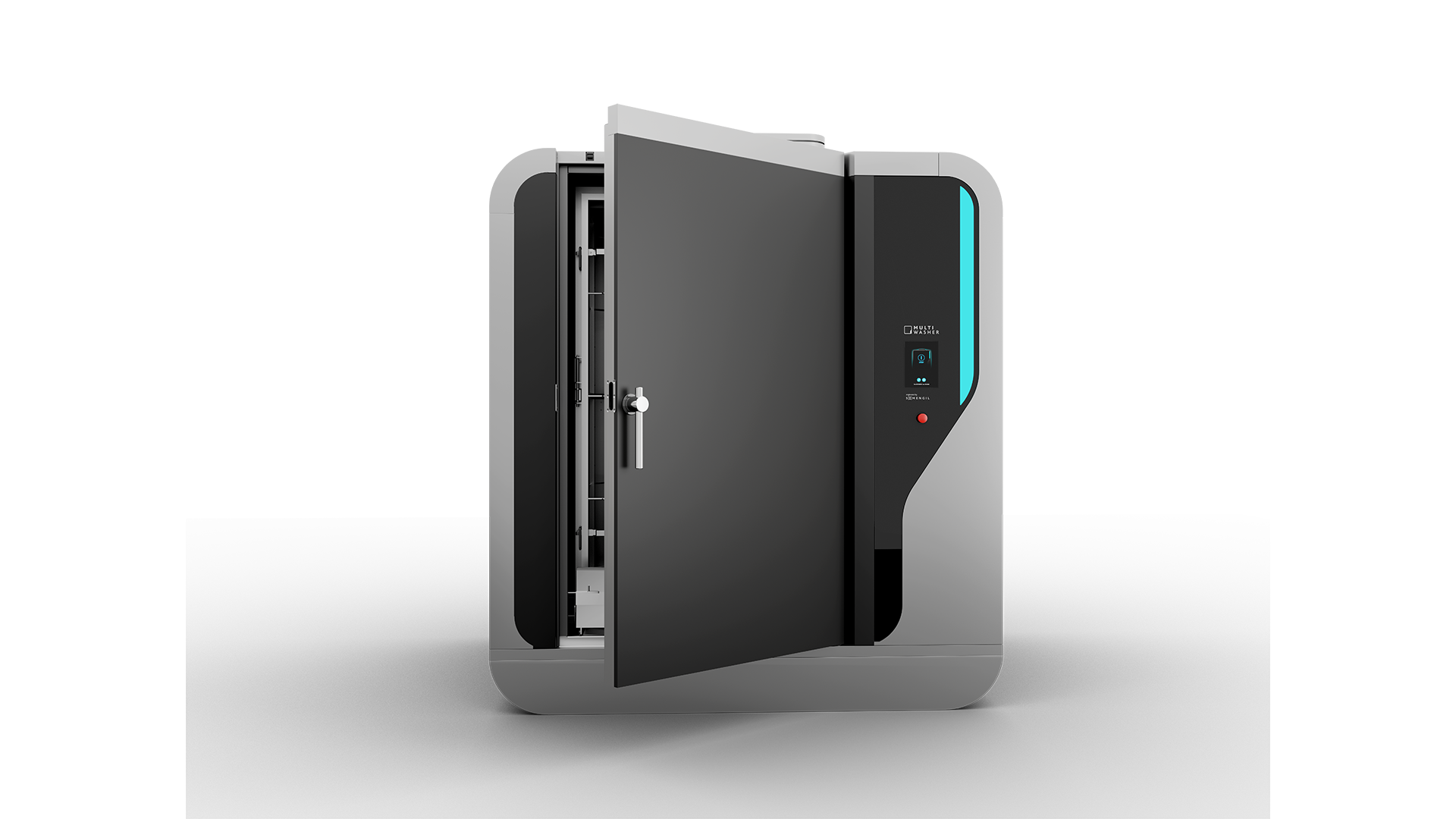
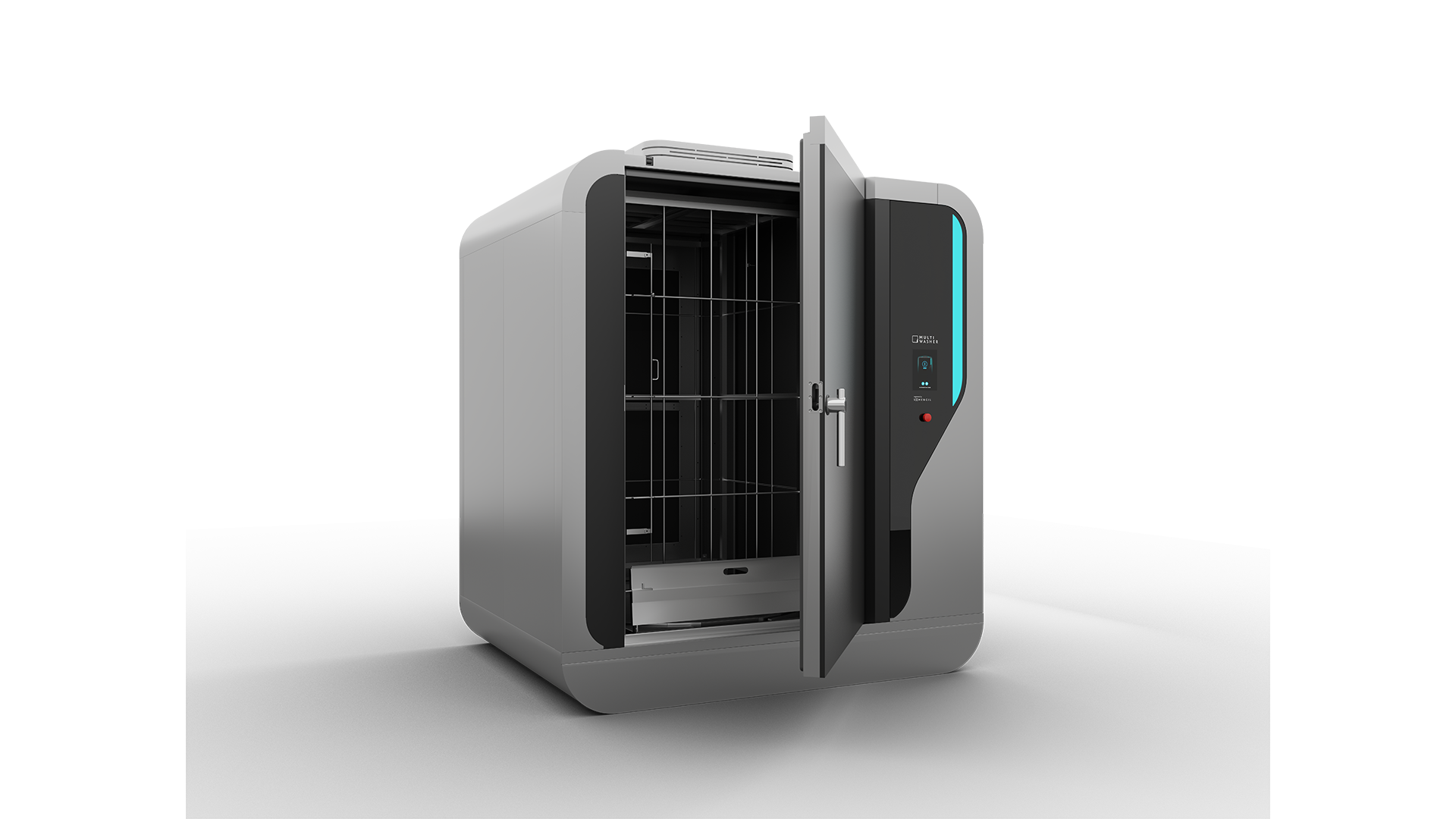
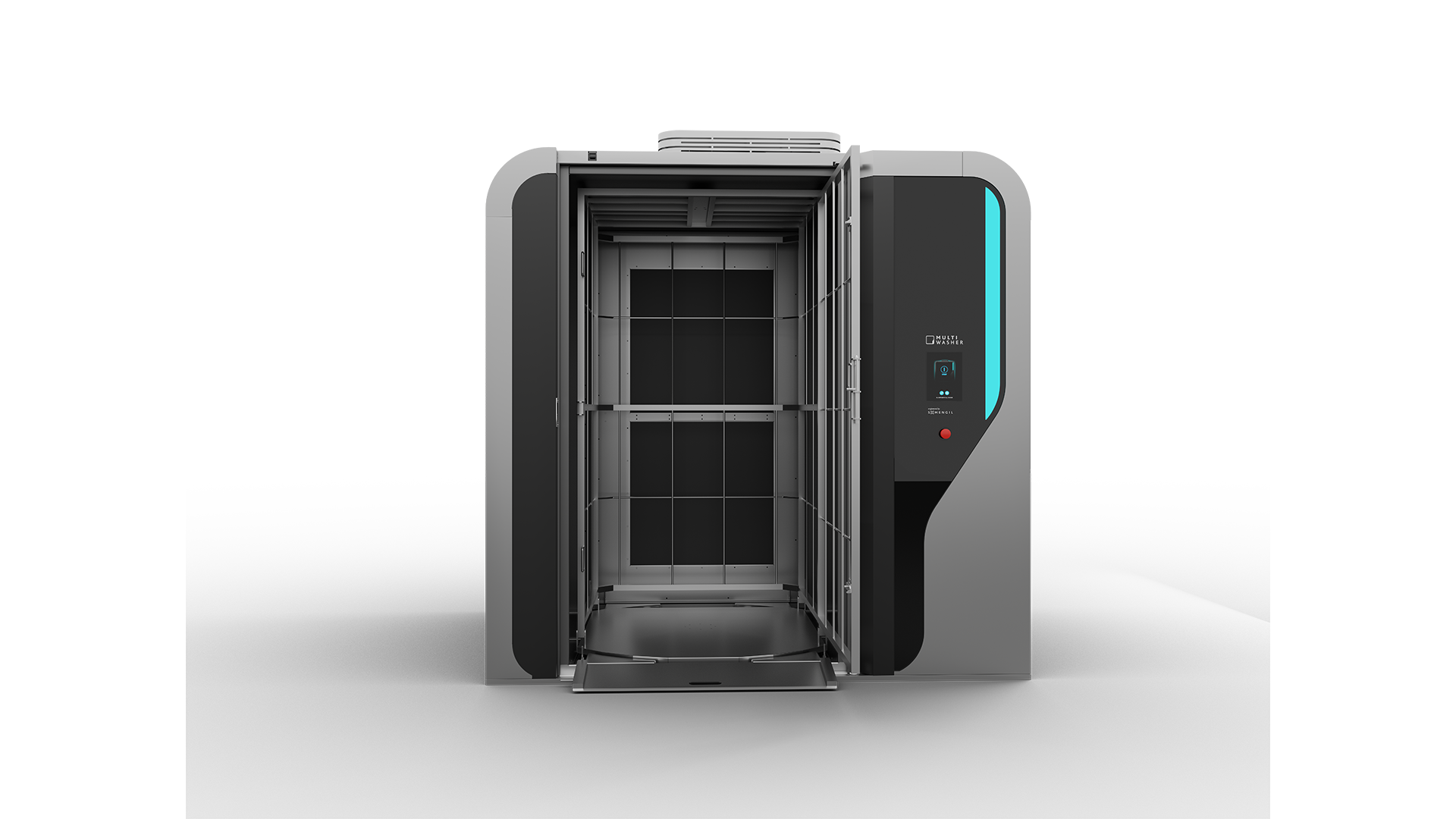
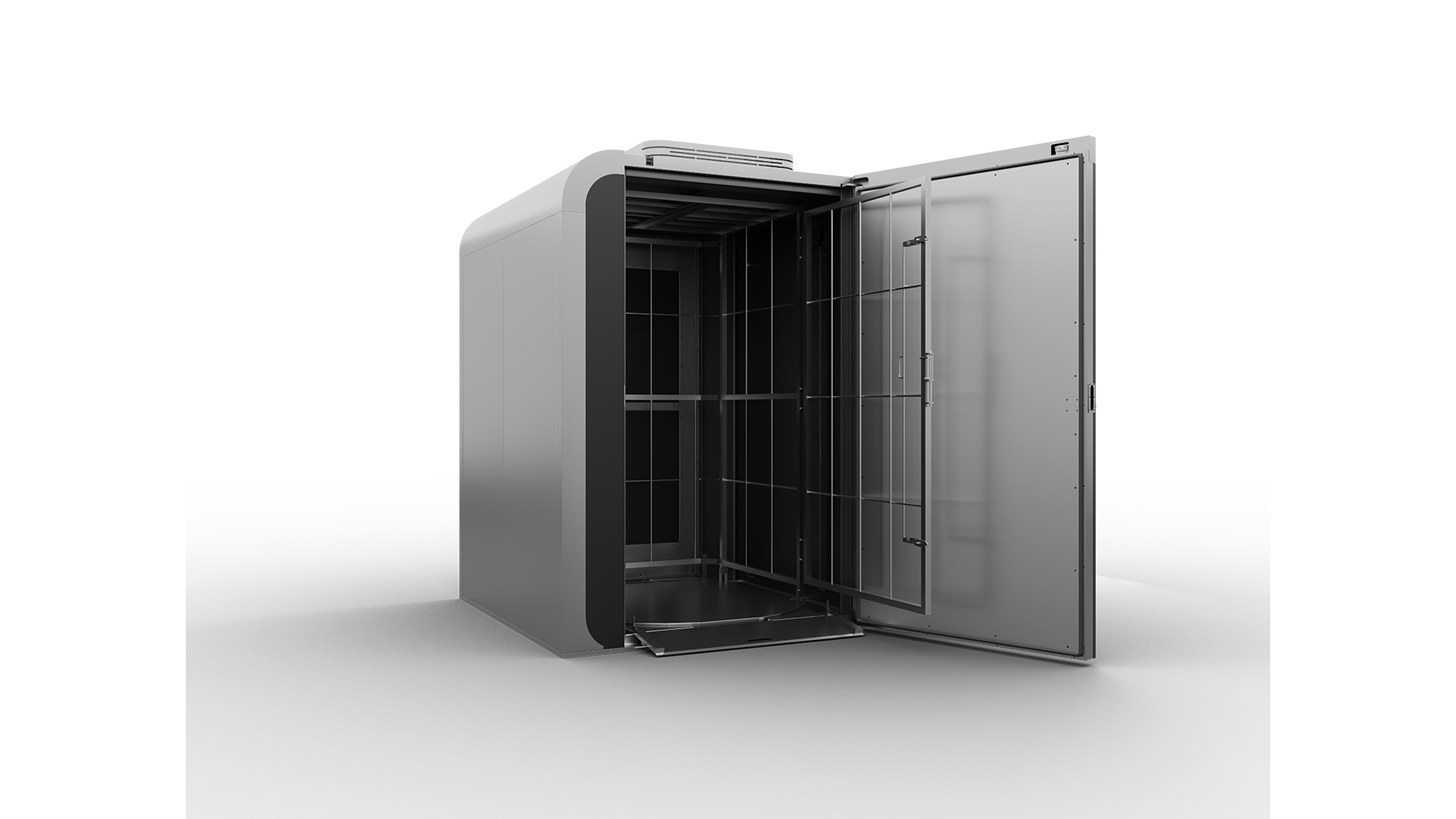
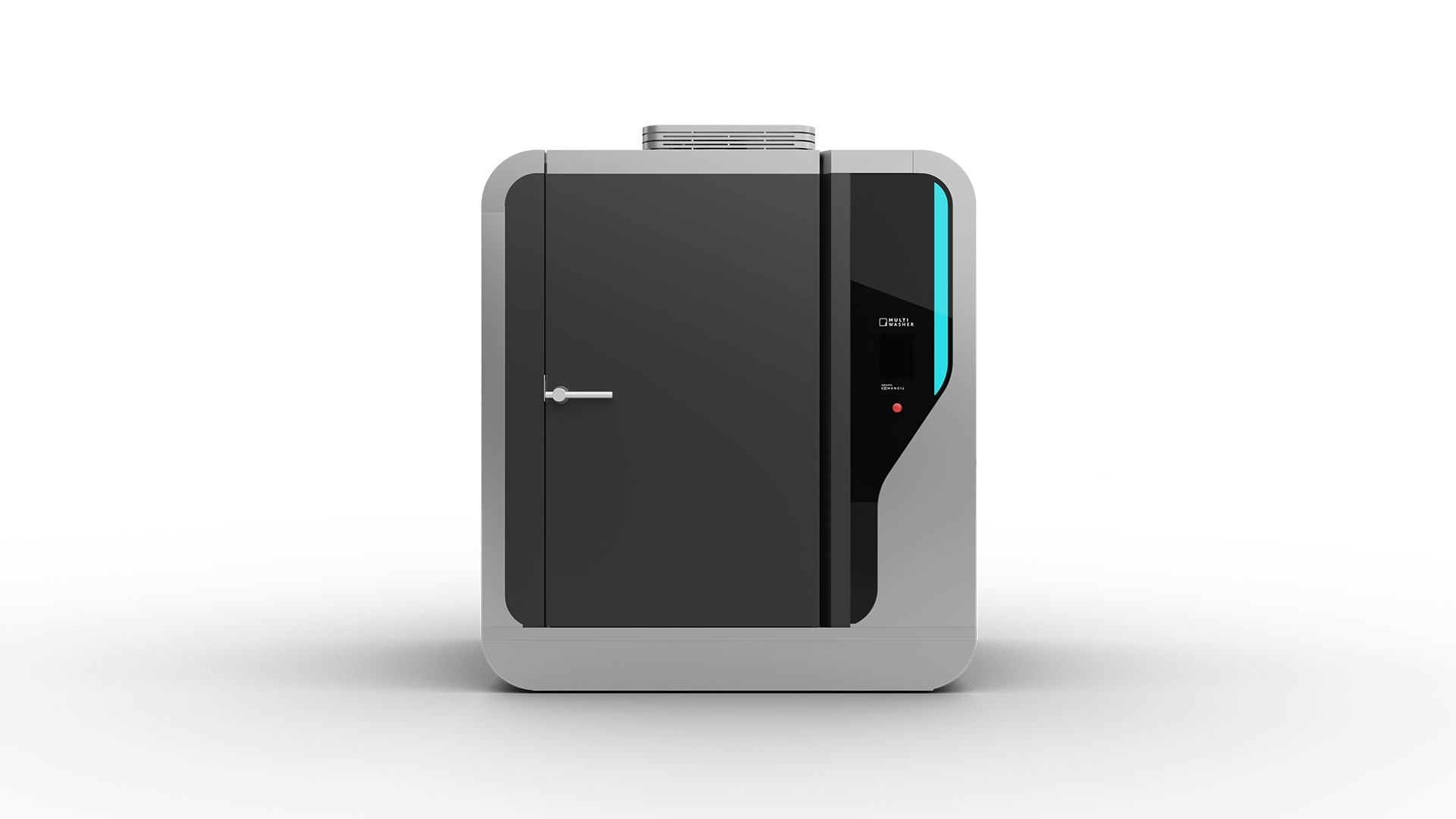
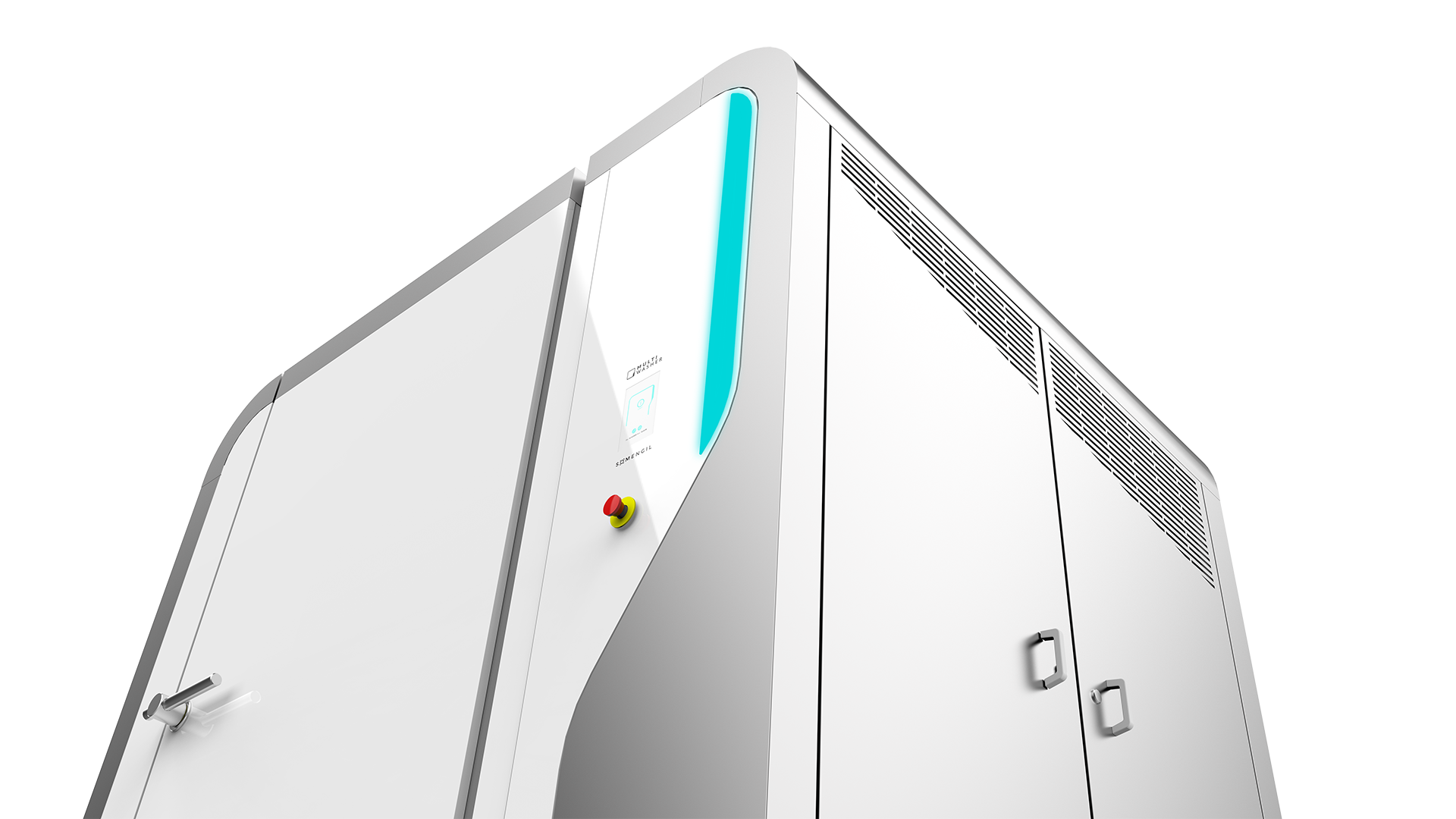
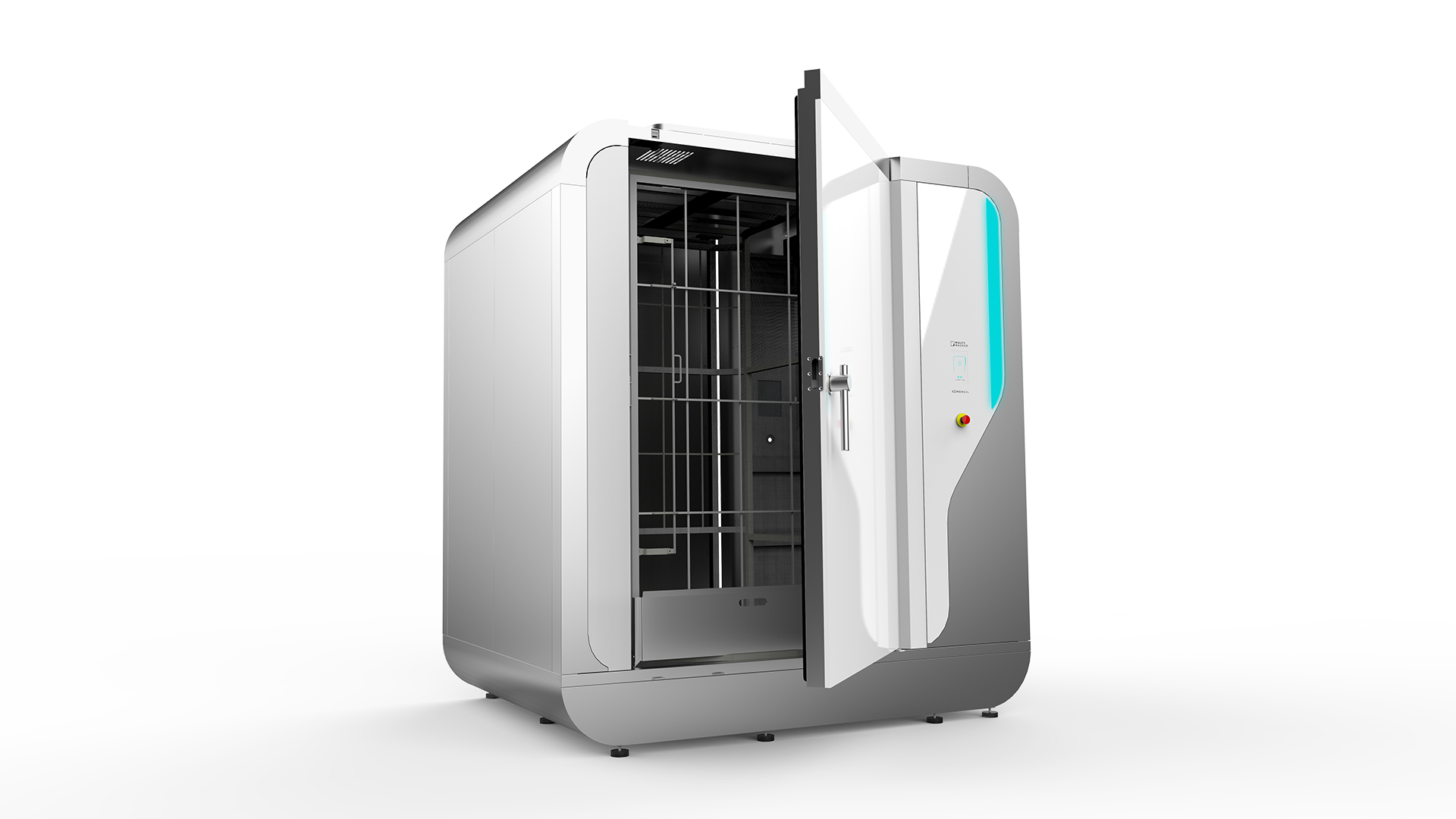
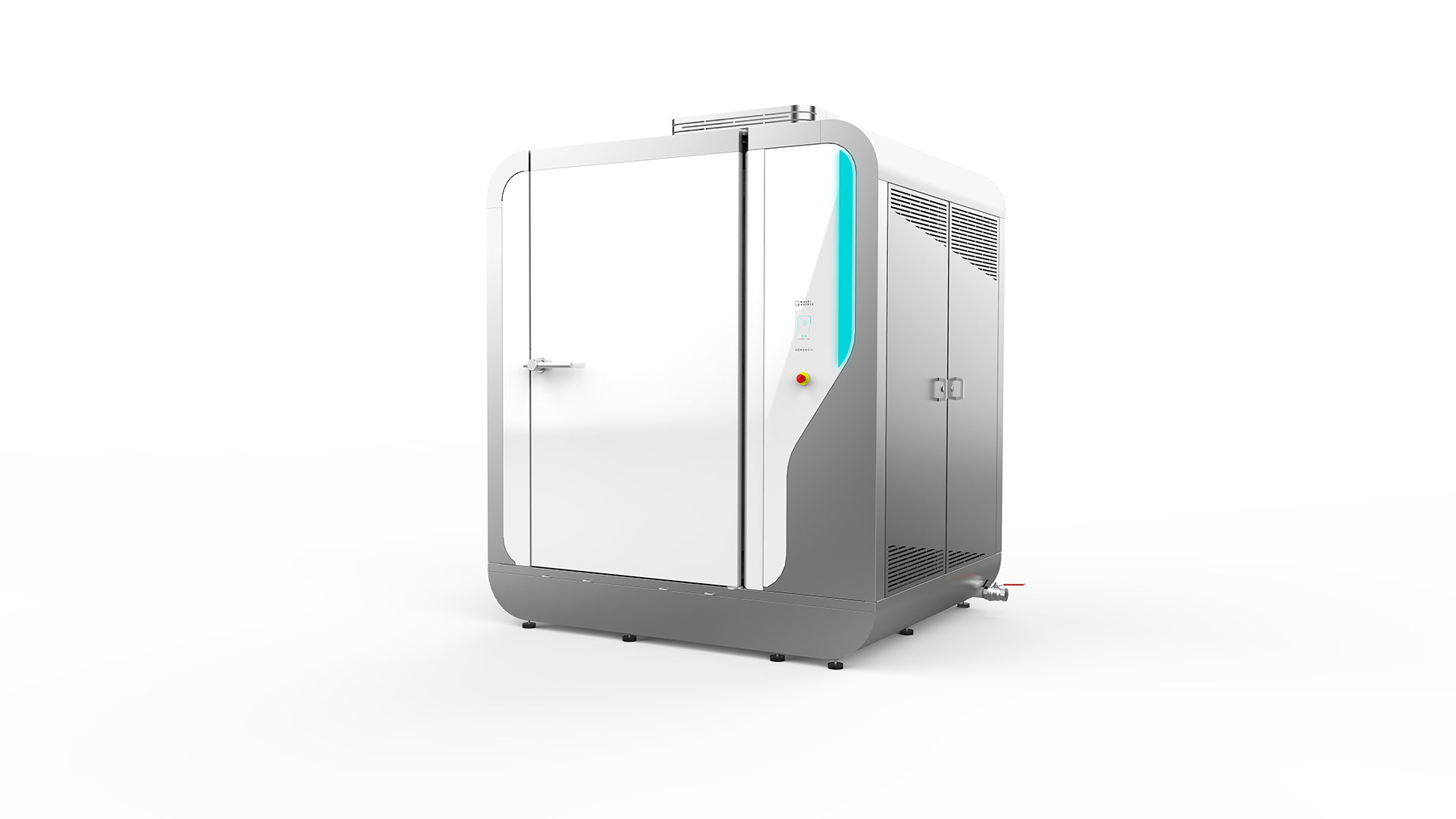
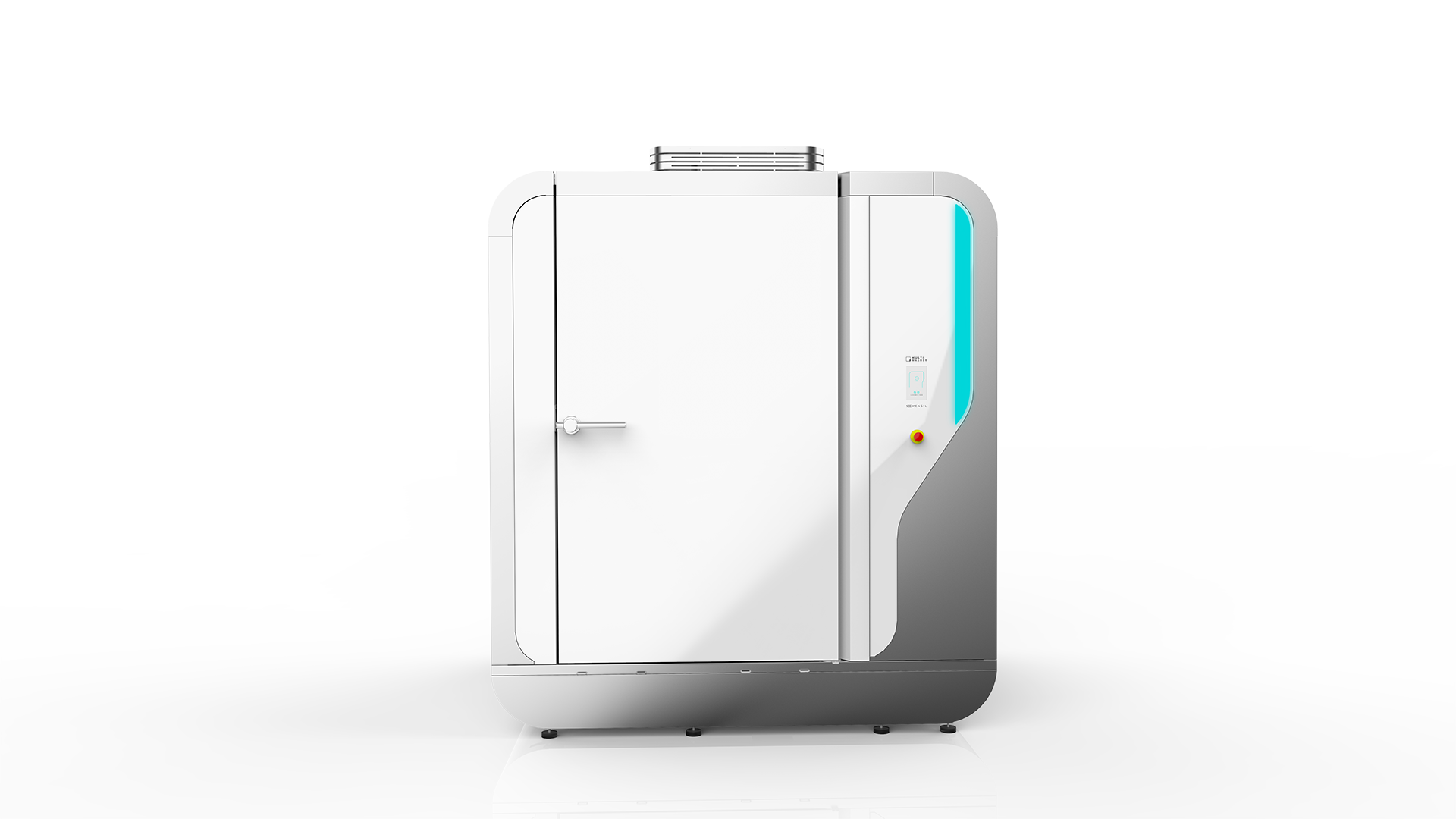
For industrial washing, you can count on MultiWasher, the most technologically advanced cleaning solution of any type of utensils, used by quality pioneers worldwide. In this equipment, they find the high performance they need to elevate the quality of industrial washing. This is especially important for businesses where washing success is a critical success factor, such as food or healthcare. Schedule a webinar to see the impact and difference of this machine.

MÁRIO FRAGOSO
Quality Manager | Somengil
Mário Fragoso is responsible for the Integrated Quality and Environmental Management System. With a focus on continuous improvement and prevention, he works across departments with teams and partners to ensure high standards of execution, control, and compliance, thereby strengthening confidence in and the credibility of the equipment developed by Somengil.
You may also like
Management / Articles
Industry 4.0: what is and what it really means for companies
Industry 4.0 opened the flood gates to disruptive innovation. But what does it really mean for companies?
Posted in 2022-09-15

Management / Articles
“In the future, we will talk about continuous improvement, not Quality”
We talked to Mário Fragoso, Somengil’s Quality Manager, about what is next for Quality and how it will continue to develop and shape companies.
Posted in 2022-07-07

Management / Articles
10 essential Quality KPIs (and how to improve them)
These are 10 essential quality KPIs every company should track, how to measure them, and what to do to improve them.
Posted in 2023-03-09











 Portugal
 United Kingdom
 United States
 France
 Spain
Spain Germany
 Romania
 Italy
Italy Czech Republic
 Finland
 Hungary
 Slovakia
 Greece
 Lithuania
 South Korea
 Russia
 Saudi Arabia
 Poland
 Brasil
 Hebrew