Management / Articles
12 indispensable quality tools
Quality tools help teams investigate problems, prevent failures and monitor performance.Combine structured methods with reliable data and clearly assigned actions.Select tools according to the problem and verify whether improvements last.

 10 minutes of reading
2026-10-27 10:21:55
What is “Quality”? According to the classic definition, a product “has” quality if a series of pre-established standards or requirements are met. For decades, producing fewer than “x” defects, achieving deviations of less than “y” millimeters, or registering fewer than “z” failures – that was quality.
Today, Quality is more than the result of internal processes and is not just measured at the end of the production line. The concern with quality management now extends far beyond production – it is present at all stages, from development to industrialization, and encompasses all processes and areas of the organization.
Such a broad scope requires a new toolbox. Here are 12 quality tools to foster a continuous improvement culture and deliver a quality experience to your customers.
12 quality tools for continuous improvement
From the classic PDCA or Ishikawa diagram to the FMEA or six-sigma, here are 12 quality tools every manager should know about.
1. PDCA: a quality tool to manage improvement opportunities
PDCA stands for “Plan, Do, Check, Act,” and is a very useful tool when managing improvement opportunities – whether it’s because a production parameter needs to be revised or invoicing is very time-consuming. The four letters designate a different stage of implementation, since an action is defined until it is implemented.
- “Plan”: once the problem is defined, the team plans an improvement, assigns an owner and sets a completion date.
- “Do”: means testing the change, preferably on a small scale.
- “Check”: means comparing the results with the target.
- “Act”: means standardizing what worked or revising the approach and starting another cycle.
The PDCA cycle supports continuous improvement through repeated testing and learning. It can be used within Kaizen, the broader practice of involving people in ongoing improvement; the two terms are not interchangeable.
2. 8D: to deal with complex problems
The 8D Methodology is a quality tool that addresses the root causes of problems through 8 structured steps – from planning to celebrating success. The focus is on identifying the root causes and implementing quick-wins, followed by long-term measures to prevent the problem from occurring again.
By providing a structured roadmap, the 8D Methodology prevents these recurrences and acts as a guide for the entire company to deal with problems.
3. Ishikawa Diagram: to root out the main causes of problems
The Ishikawa Diagram is a quality tool that uses a fishbone-inspired graphic design to list the root causes of complex problems. This visual representation makes it easy to prioritize the most important root causes and organize them into 6 categories, also known as 6Ms of production – Manpower, Method, Machine, Material, Milieu and Measurement.
The graphical format is a powerful visual aid for uncovering the root causes of a problem while ensuring that none is forgotten. It is also an excellent tool to use in brainstorming sessions.
4. 5W2H Method: to summarize any problem
The 5W2H Method is a quality tool that brings together 7 standard questions to describe a problem or a project. “What, Why, Where, When, Who, How, and How much” prompt simple answers presented in a single-sheet template for the entire team to follow.
5W2H can help summarize, communicate, and solve any kind of problem. Its power of synthesis forces the team to focus only on what is essential, even in complex situations. The answers should be short and focused so that the resulting activity map is clear.
5. DMAIC method: to approach issues in a standard way
The DMAIC method is a quality tool with 5 well-defined steps for solving problems in a structured way. According to its acronym, they are Define, Measure, Analyze, Improve, and Control. This process should be repeated until the desired improvement is achieved.
6. 5S Methodology: to make the workplace more productive
The 5S Methodology aims to make work spaces more productive, ergonomic, and safer, with less waste and higher quality. The name comes from five Japanese terms that begin with the letter “S” and represent the 5 steps needed to achieve a lean work area. The five steps are Sort, Set in order, Shine, Standardize and Sustain.
The 5S reorganization allows teams to focus on the work that adds value, without unnecessary distractions – such as searching for materials or information – movements or effort. The result is a more pleasant, safe, and efficient workplace. Find out in this article how to easily apply these 5 steps in your company.
7. FMEA analysis: to anticipate risks
FMEA or “Failure Mode and Effects Analysis” is a quality tool that allows you to anticipate possible failures before they occur. It is used to identify and prioritize risks in each process and then define actions to prevent them from occurring or to resolve them immediately if they happen. This method is critical to avoid problems or mitigate their effects, particularly in critical processes or equipment. More than a quality tool, it is also a risk management assessment.
8. Six Sigma: to reduce failure rates to a minimum
The goal of the Six Sigma method is to achieve (near) 100% accuracy. To do so, Six Sigma seeks a quality standard that can always be reproduced, reducing variations in processes, and providing a final product with consistent quality. This way, teams aim to meet product requirements consistently while minimizing waste, even when products are manufactured by different operators or at different times.
Six Sigma is often associated with a benchmark of 3.4 defects per million opportunities. This is a performance benchmark, not an entry requirement for using the method. Learn more about this quality tool.
9. Pareto charts: to focus improvement efforts
A Pareto chart ranks problem categories by frequency, cost or another selected measure. The familiar 80/20 relationship is a guide, not a guaranteed split: priorities should come from your data. Address safety-critical issues even when they occur less frequently.
10. Check sheets: to collect reliable data
A check sheet records observations using predefined categories. Operators can tally by shift and reason, creating evidence for a Pareto chart or a deeper investigation. Unlike a checklist confirming completed tasks, it collects data for analysis. Agree definitions, observation periods and recording responsibilities so everyone captures comparable information.
11. Histograms: to understand process variation
A histogram groups numerical measurements into intervals to show their distribution. A histogram shows how values are distributed, but does not preserve their sequence over time.
12. Control charts: to monitor process stability
A control chart plots a measure over time against statistically calculated limits. It helps distinguish routine variation from signals that warrant investigation. Control limits describe process behavior; they are not customer specifications or hygiene acceptance limits. Select a chart appropriate to the data, establish a reliable baseline and agree how the team should respond to an unusual signal.
Somengil brings continuous improvement to industrial washing
In conclusion, these are quality tools worth knowing. Many are complementary, so you don’t need to choose one over the others. According to the reality of each company, these tools can be used together to help develop a culture of continuous improvement. Investing in quality tools also means having the right equipment.
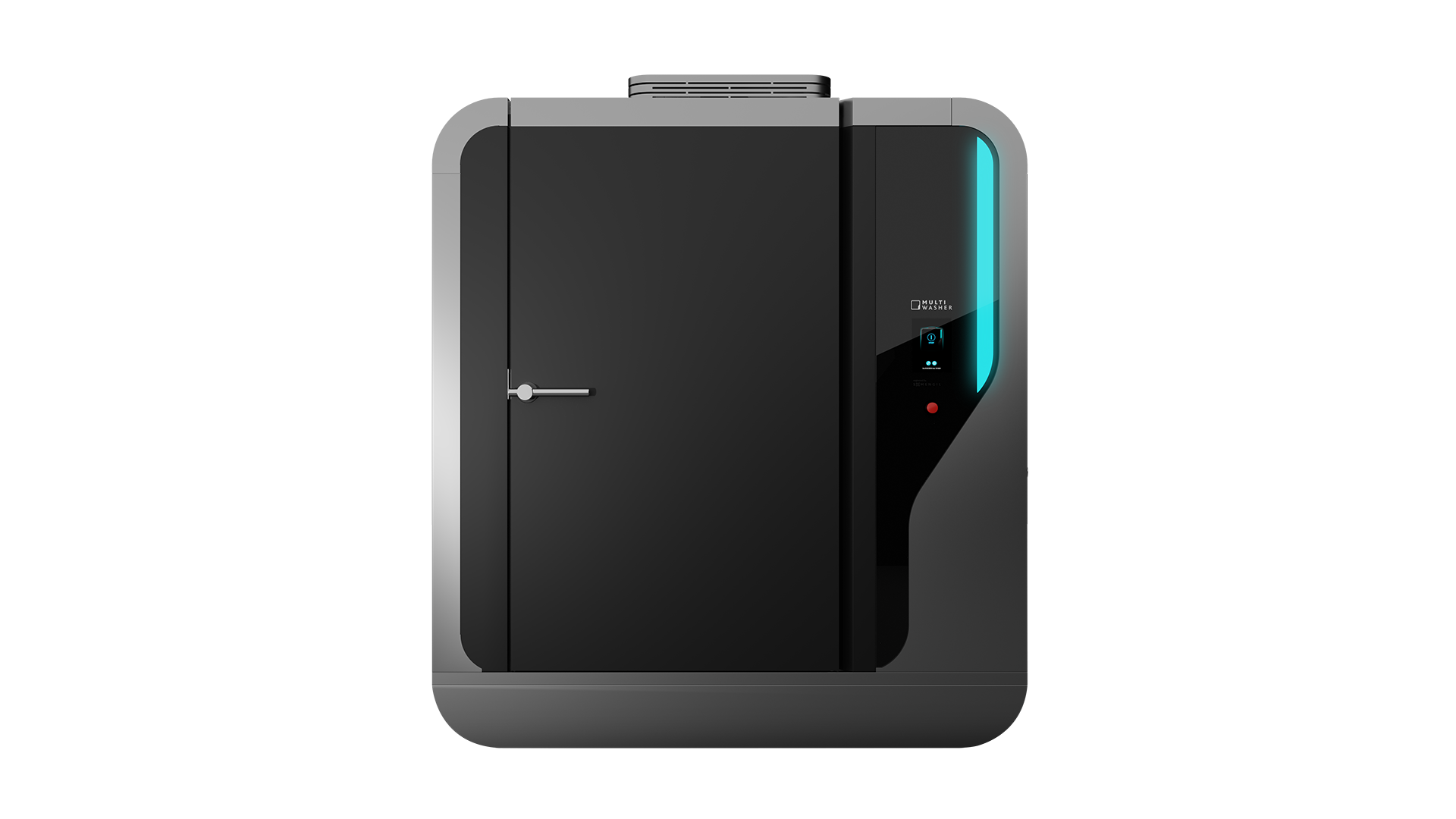
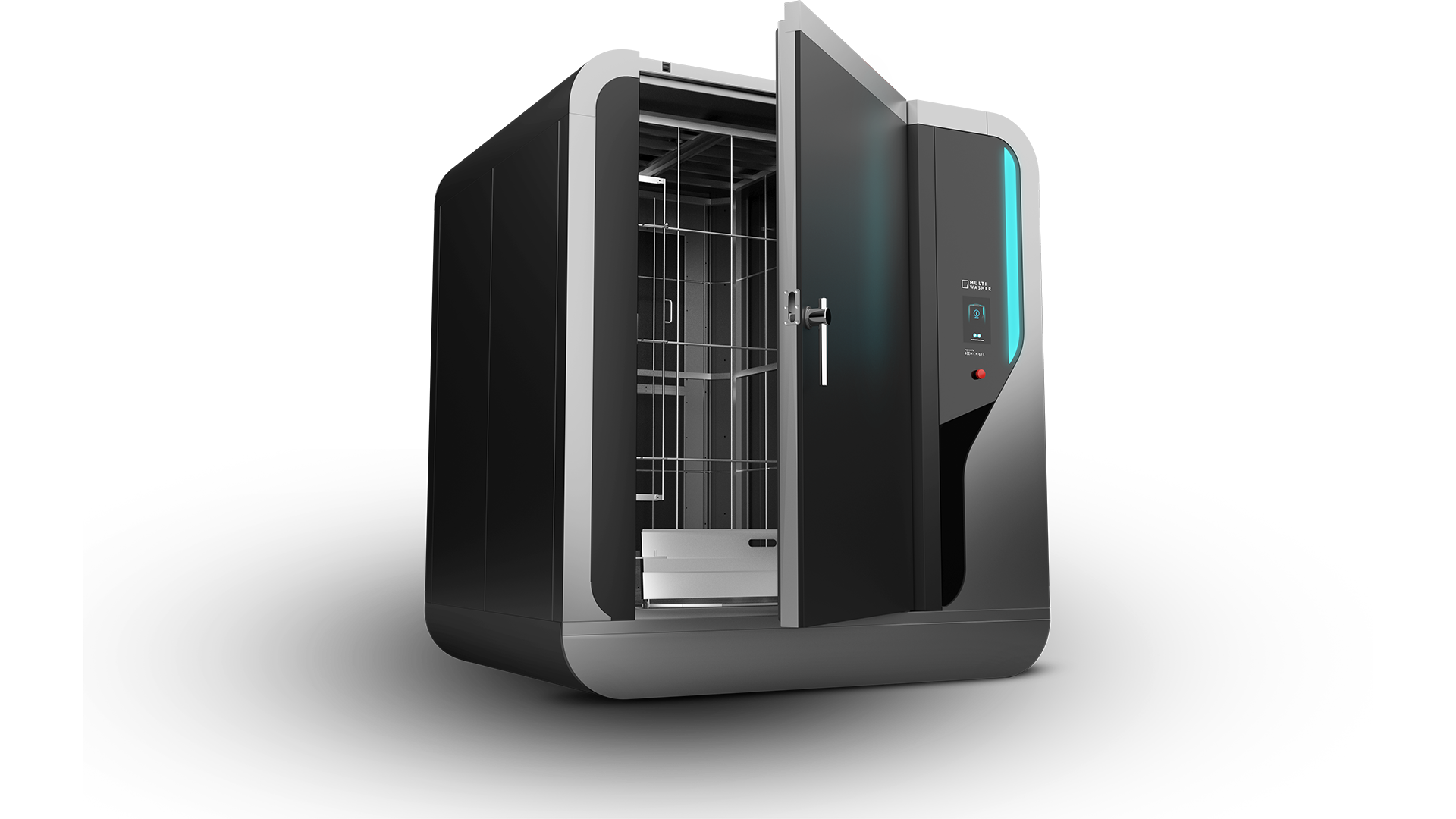
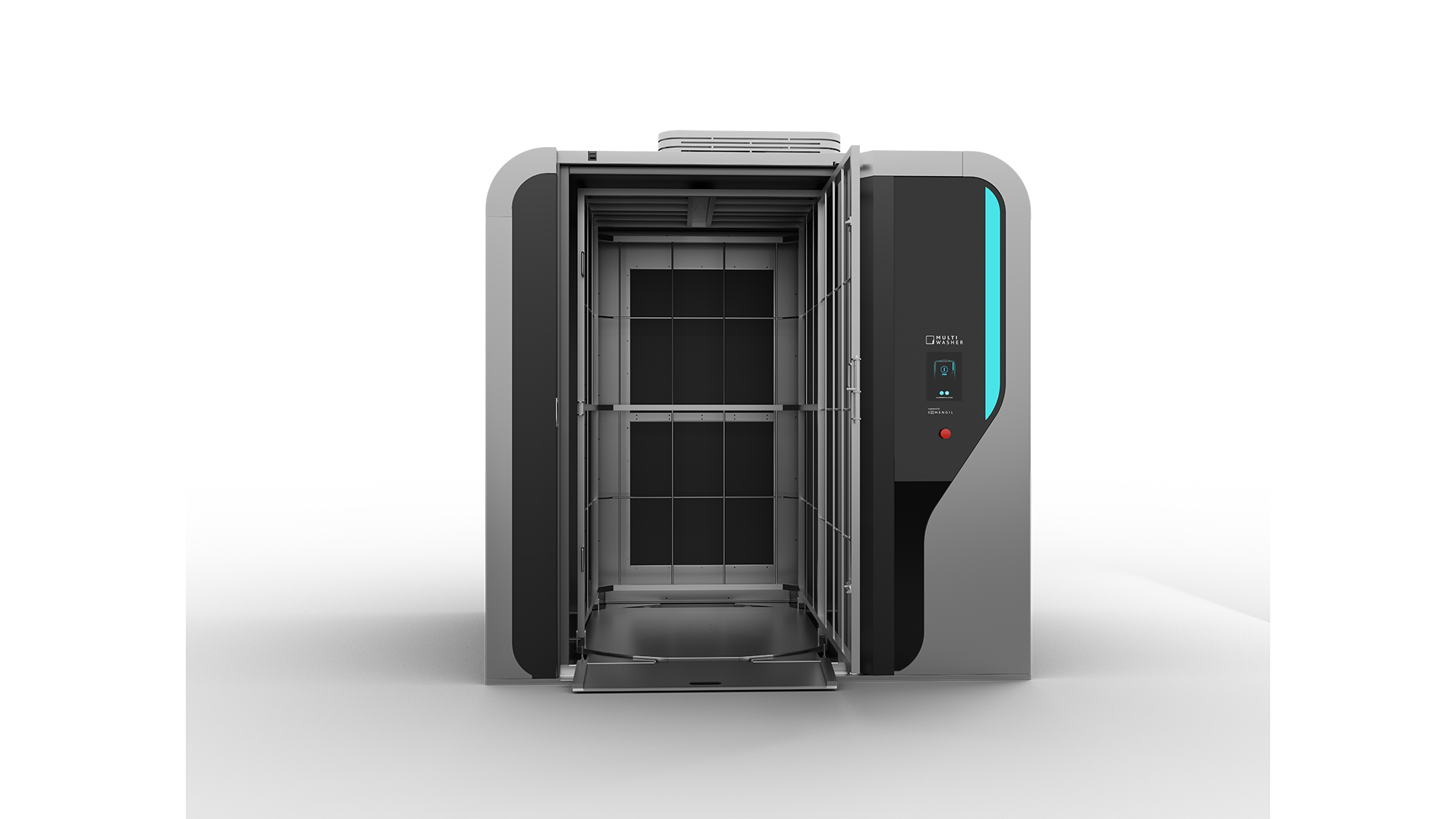
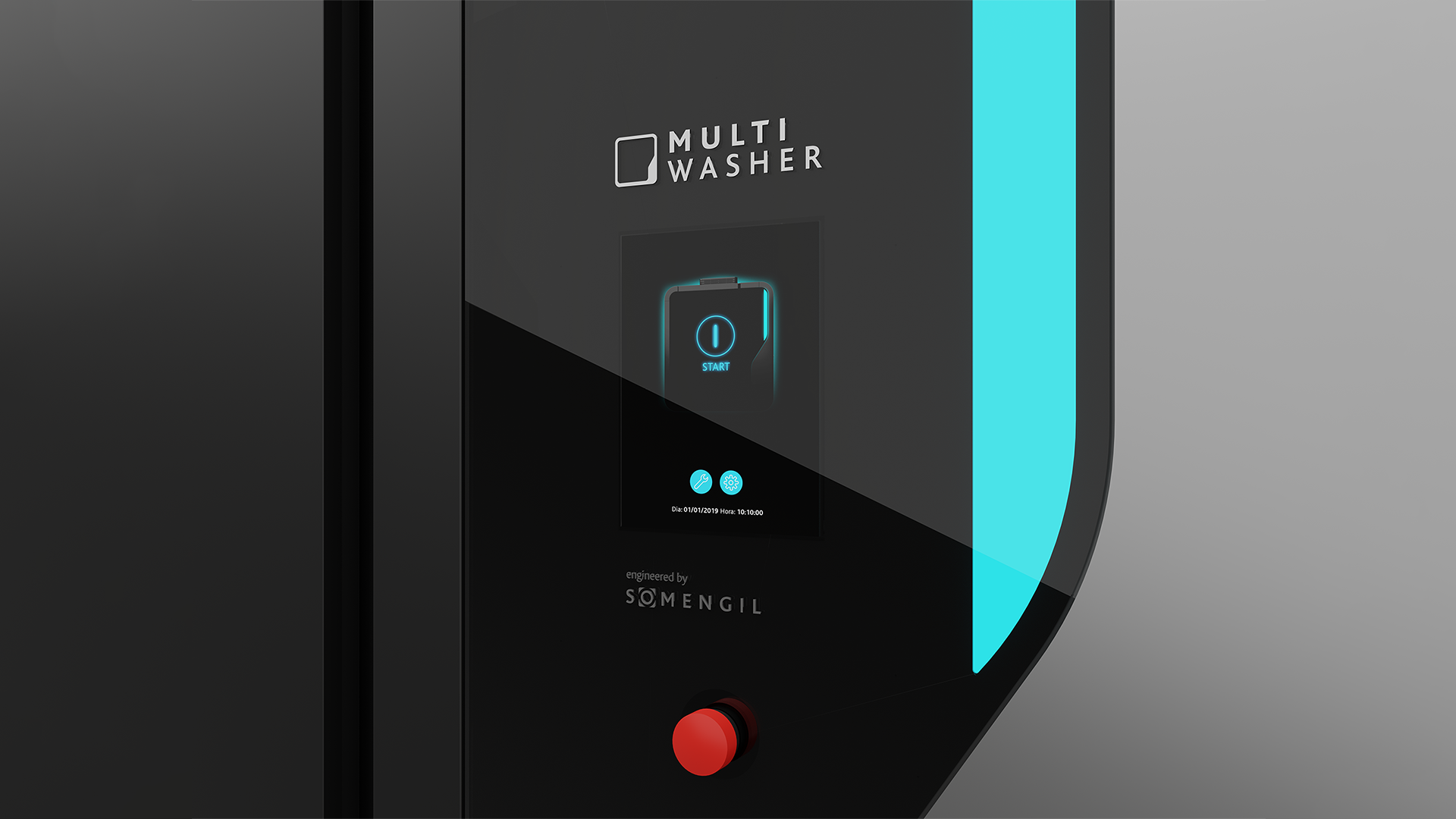
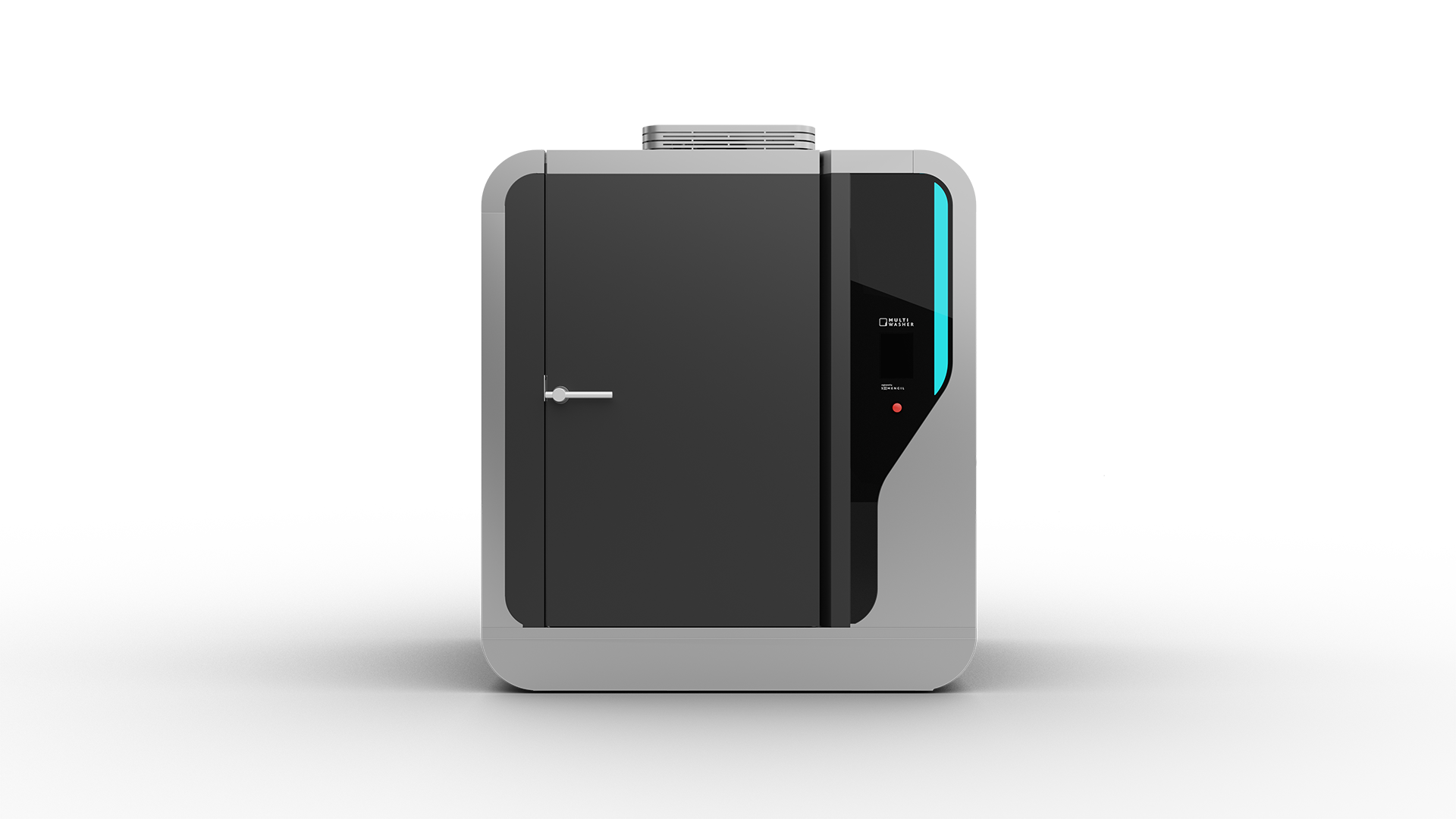
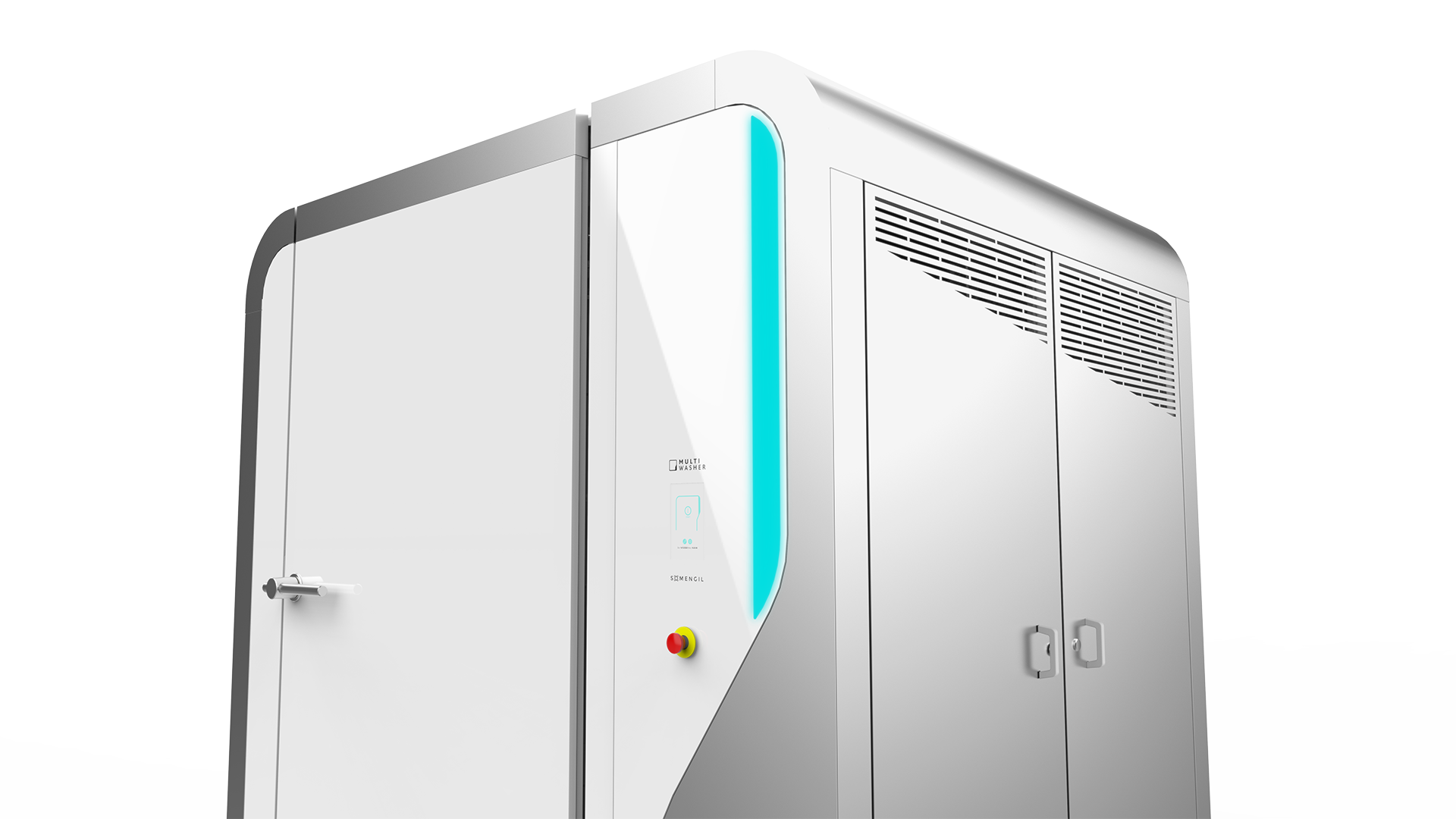
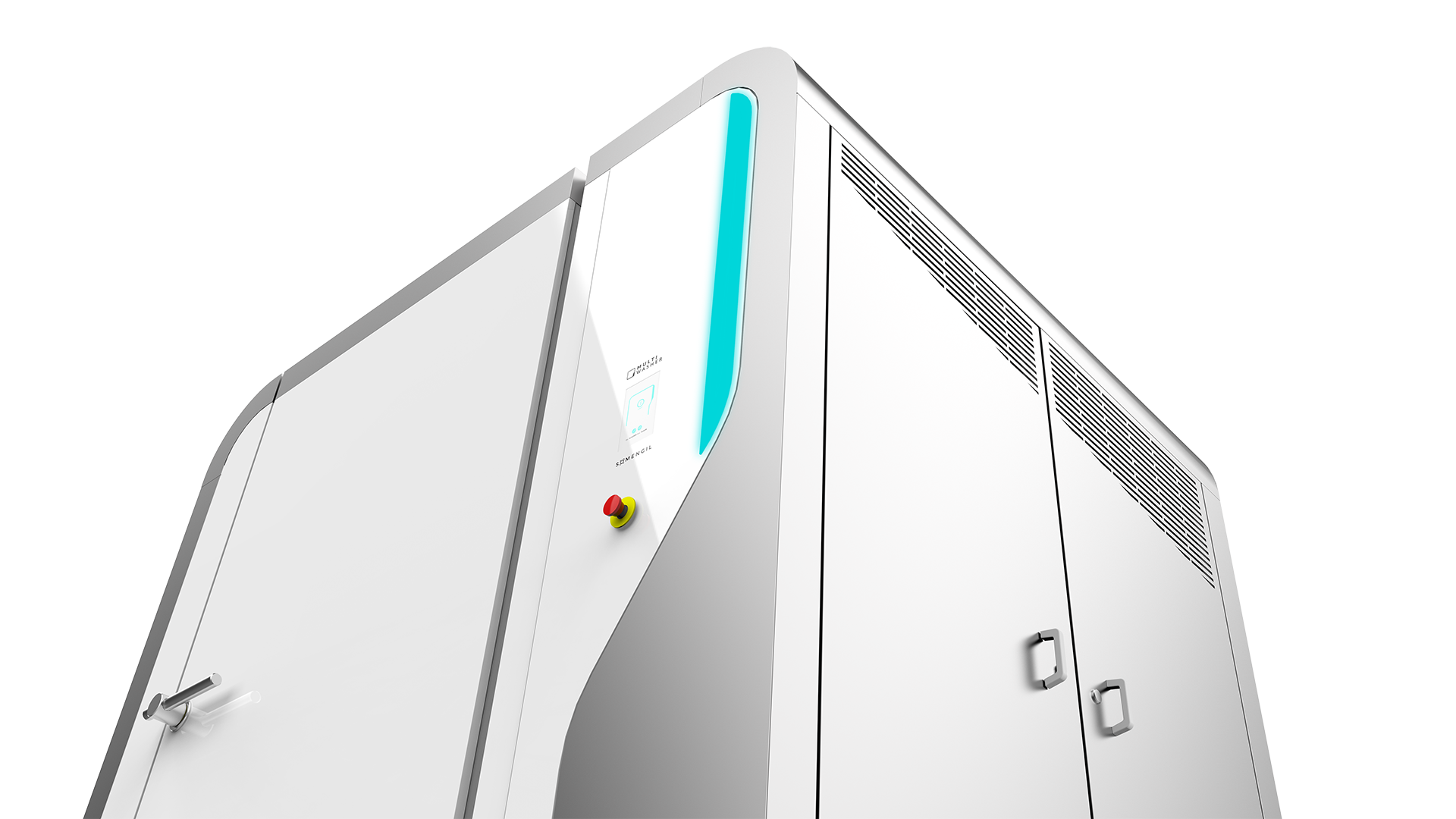
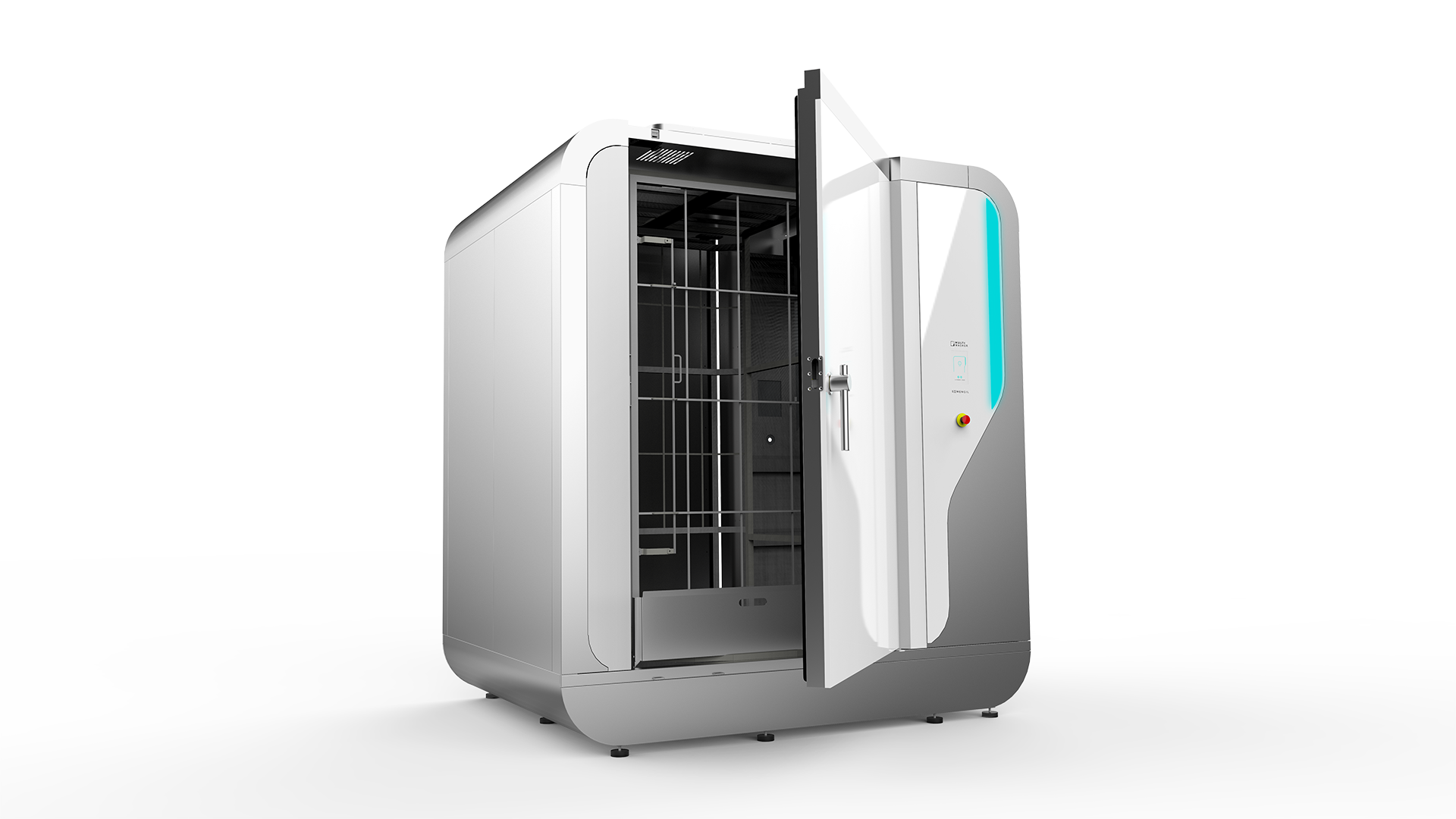
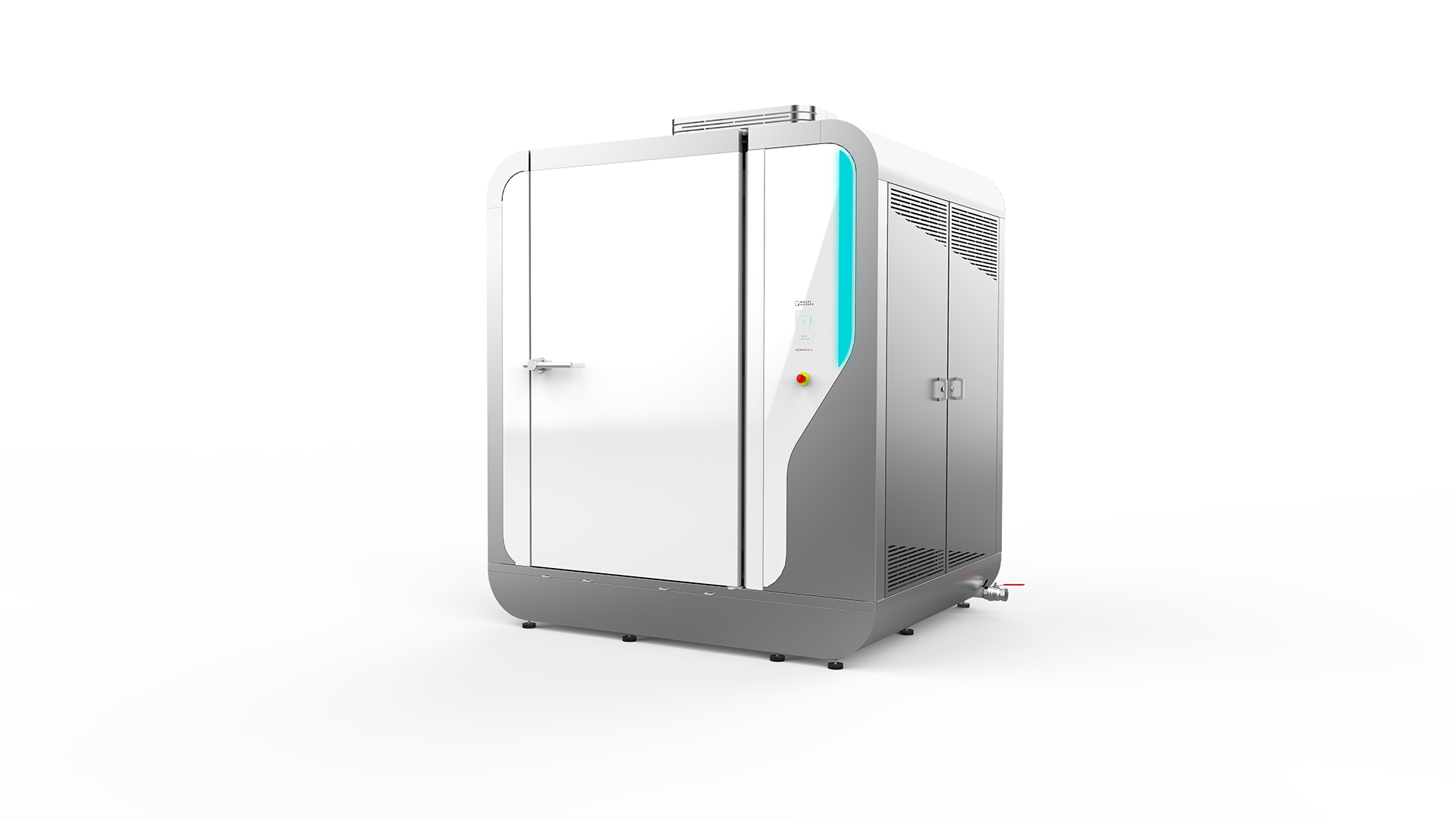
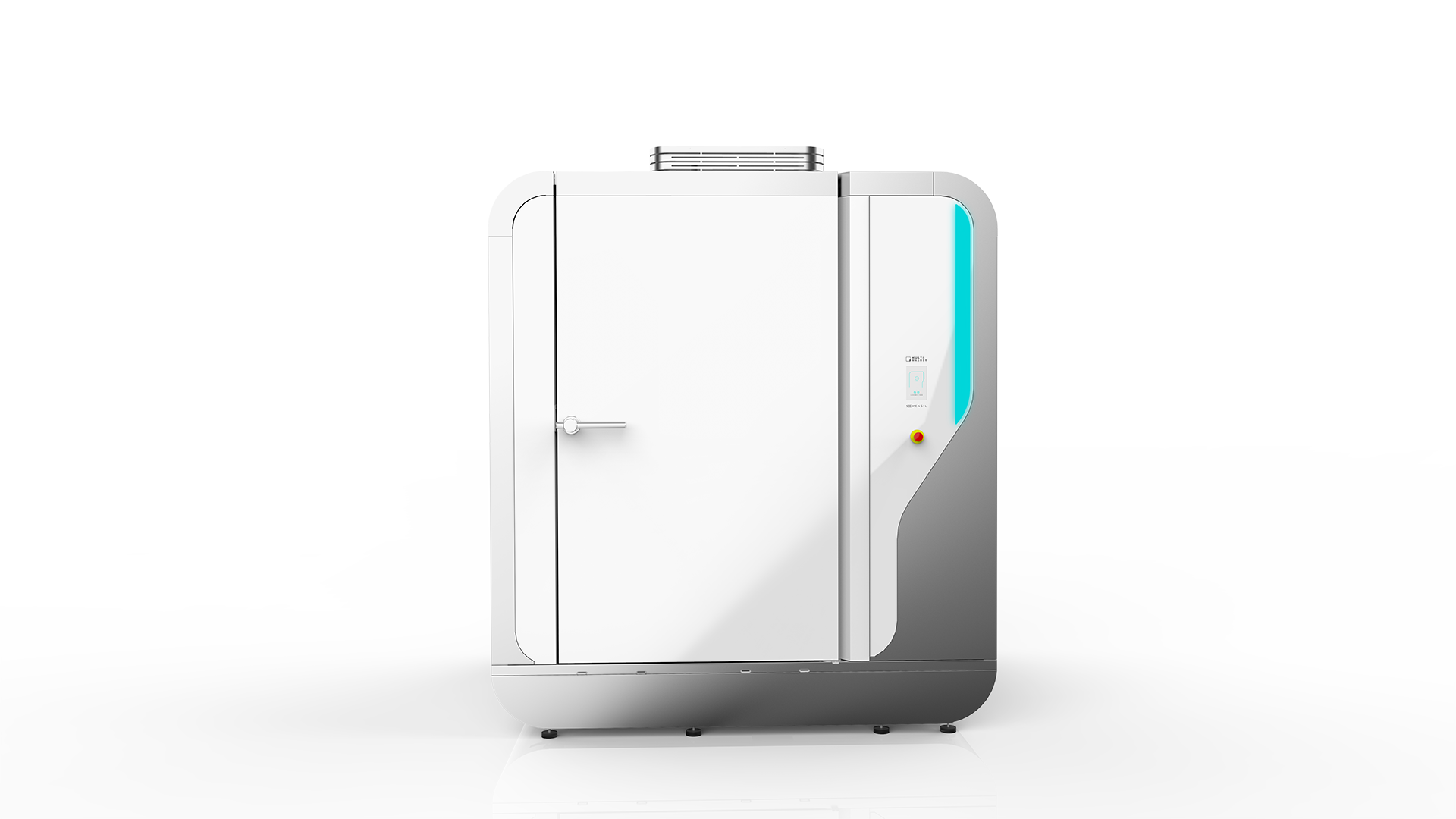
In the specific case of industrial washing, the MultiWasher is an advanced solution for demanding industrial washing applications. In addition, this machine is designed with sustainability, ergonomics, and performance in mind. Contact Somengil to arrange a demonstration and see for yourself the impact that the MultiWasher can have on the quality of your processes.
FAQs about quality tools
These answers help teams select and apply the right tools.
What are the seven basic quality tools?
These commonly include cause-and-effect diagrams, check sheets, control charts, histograms, Pareto charts, scatter diagrams and stratification.
Which quality tool should you use first?
Choose according to the question. Use check sheets when evidence is missing, Pareto to prioritize issues and Ishikawa to investigate possible causes. PDCA helps organize an improvement trial.
Can small businesses use quality tools?
Yes. Start with a clearly defined problem and a simple recording method. Complex software is not required for a check sheet, a fishbone diagram or a practical action plan.
How do you know whether a quality tool has worked?
Compare the relevant measure before and after the action under similar conditions. Confirm that the gain lasts, document the new method and assign someone to monitor performance.
You may also like

Management / Articles
6 productivity KPI to track every day
Productivity KPIs are the pulsing heartbeat of innovative companies. Here are 6 that you should track every day.
Posted in 2023-03-16

Management / Articles
“Multiwasher is tailor made to our clients’ needs”
Davide Sturla, Area Manager at Somengil, worked with food and healthcare organizations facing the brunt of the pandemic. Now, he shares his secre...
Posted in 2022-05-12

Management / Articles
What is predictive maintenance?
Learn what predictive maintenance is, how it works, and how it can reduce downtime and extend equipment lifespan.
Posted in 2026-08-13














 Portugal
 United Kingdom
 United States
 France
 Spain
 Germany
 Romania
 Italy
 Czech Republic
 Finland
 Hungary
 Slovakia
 Greece
 Lithuania
 South Korea
 Russia
 Saudi Arabia
 Poland
 Brasil
 Hebrew