Management / Articles
What is predictive maintenance?
Learn what predictive maintenance is, how it works, and how it can reduce downtime and extend equipment lifespan.

 10 minutes of reading
2026-08-13 12:06:22
- Predictive maintenance uses data, sensors and predictive algorithms to anticipate equipment failures before they happen.
- It helps companies reduce unplanned downtime, lower maintenance costs, improve quality control, extend equipment lifespan and make operations safer and more sustainable.
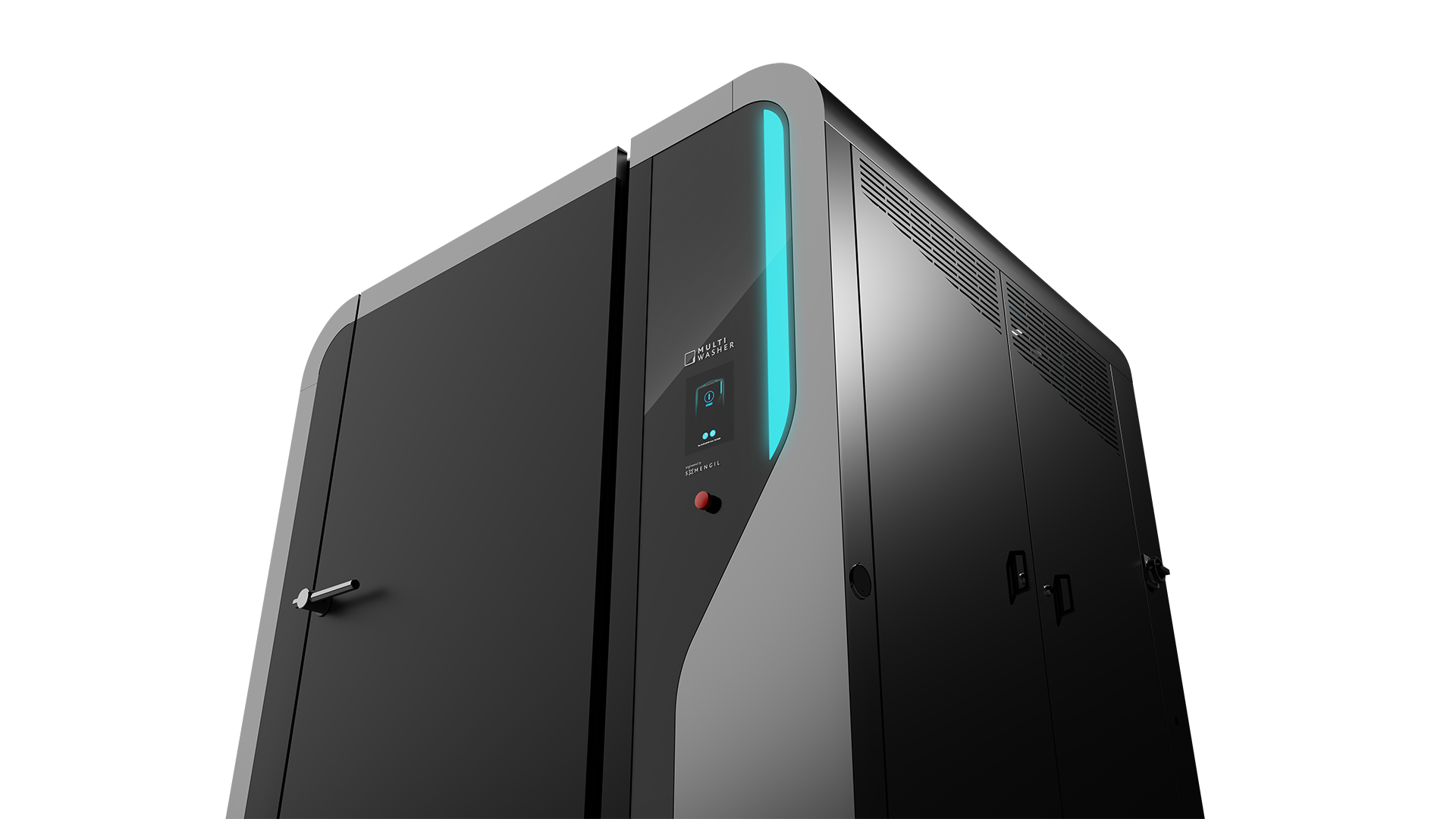
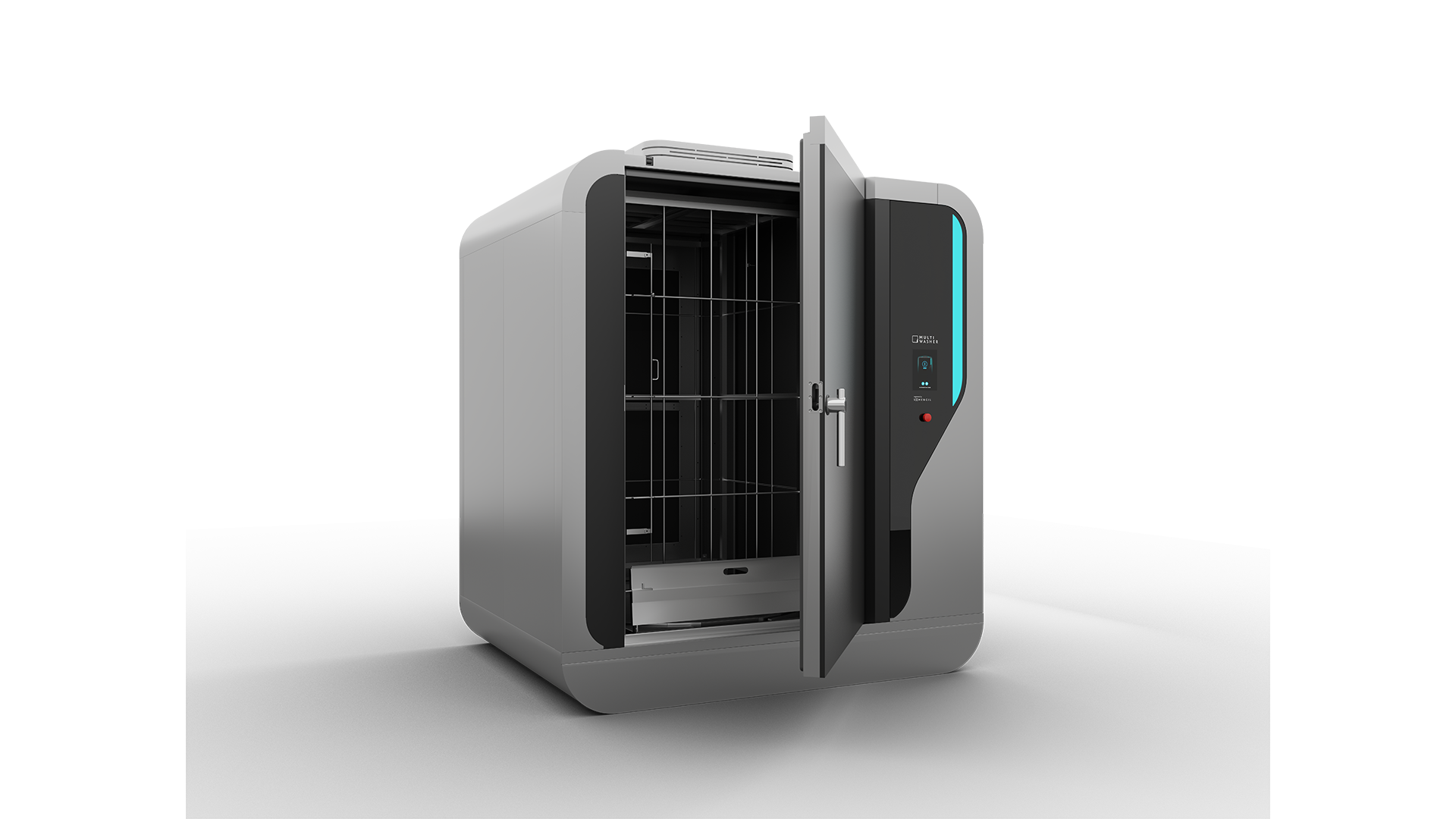
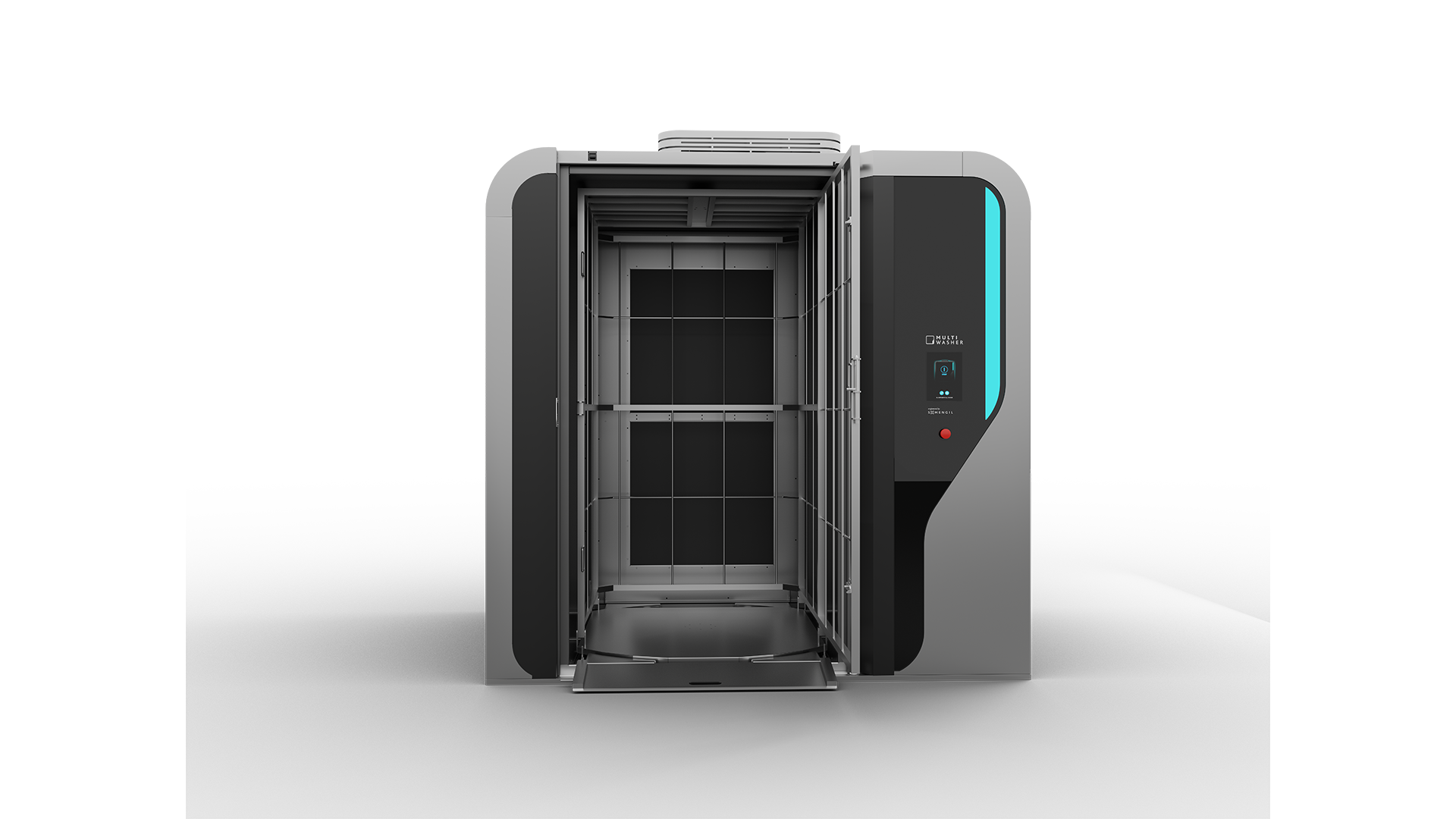
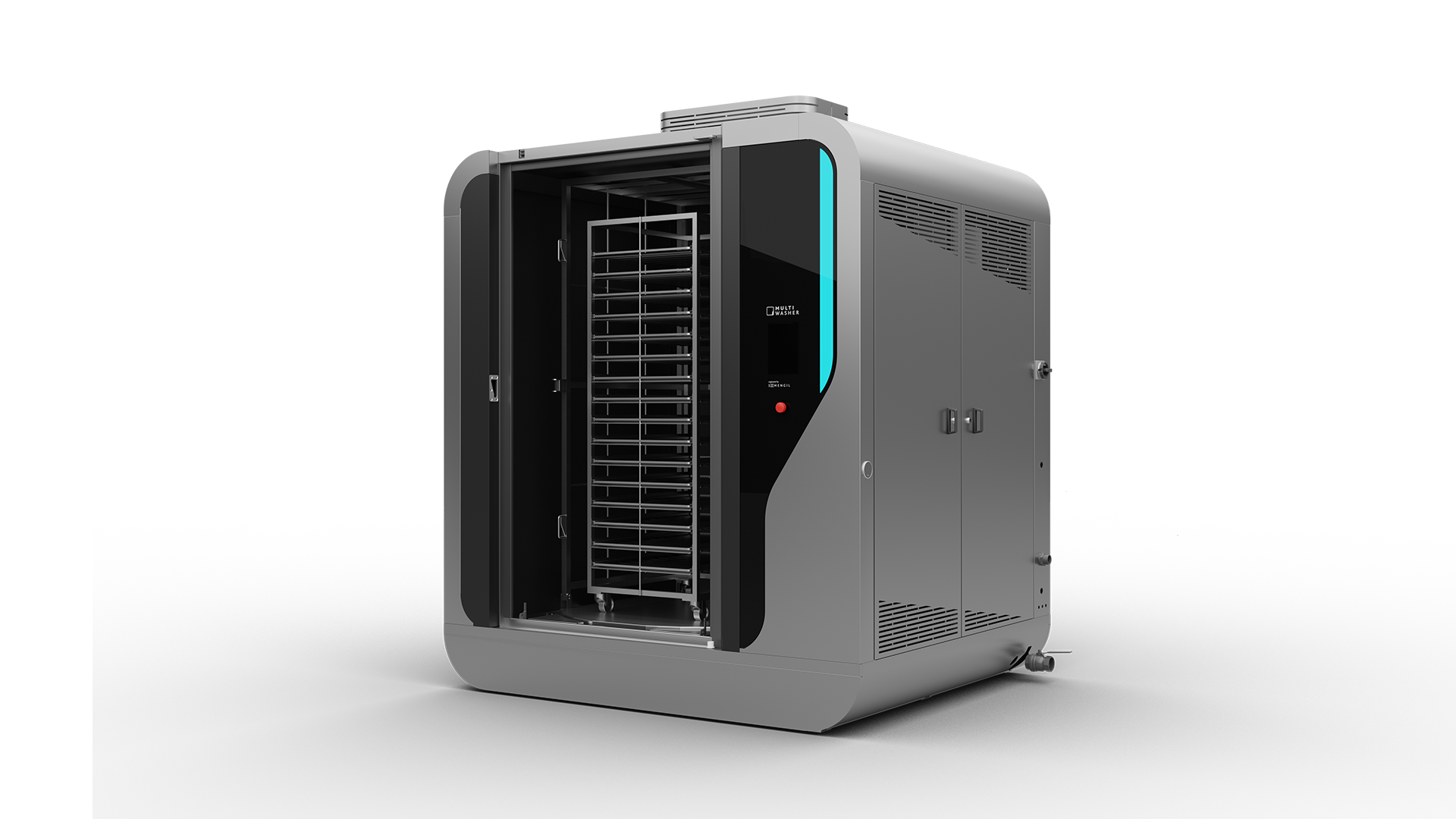
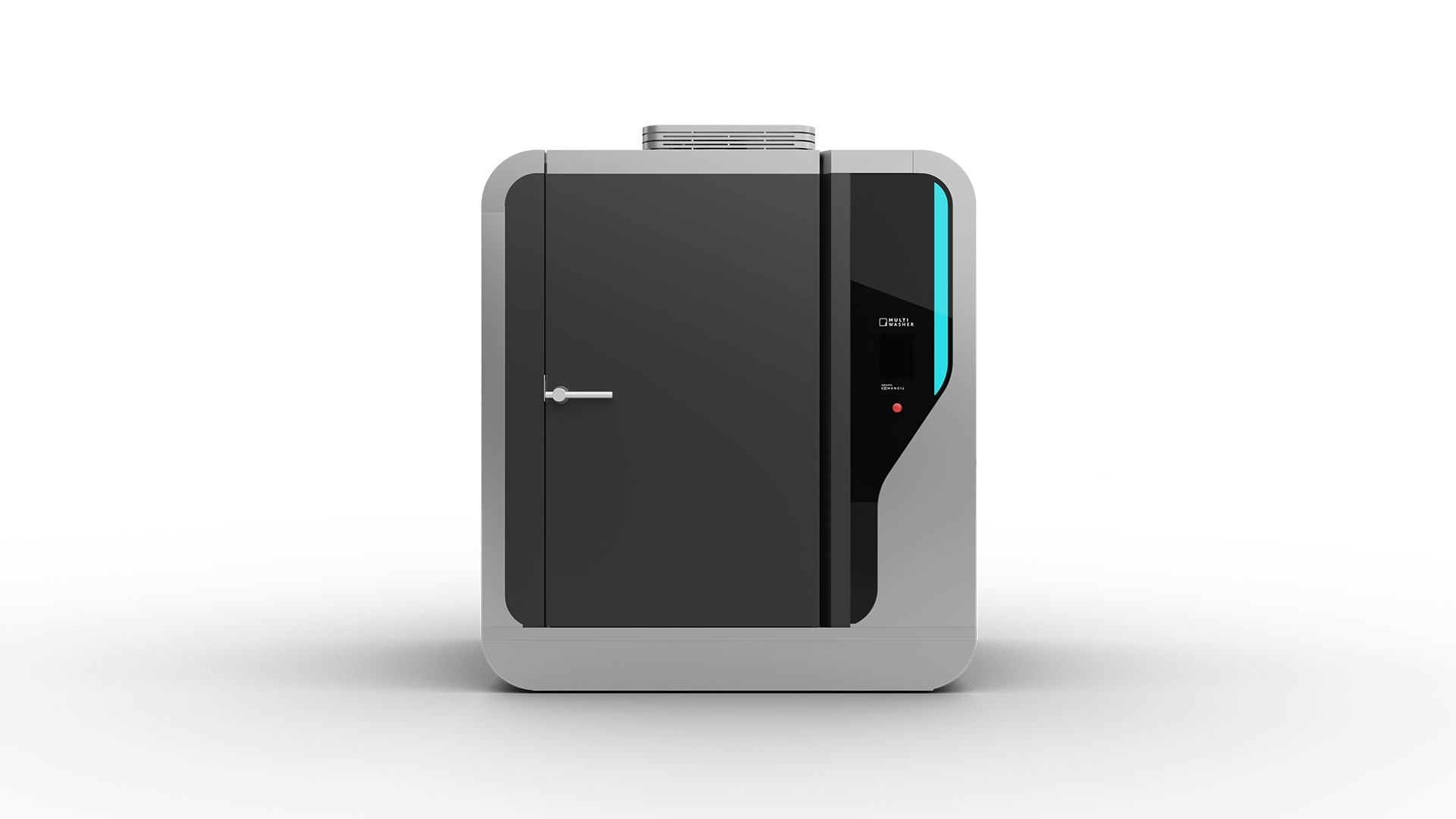
- Modern industrial washing, such as MultiWasher, can collect cycle data (including temperature, water, detergent and energy) to support more proactive maintenance decisions.
When will your company's most important equipment fail? With the right information, you do not need a crystal ball to predict the future.
Predictive maintenance allows companies to plan for critical equipment failures based on data. Instead of waiting for machines to stop unexpectedly, teams can monitor performance, identify warning signs and intervene before the problem affects production.
In this article, we explain what predictive maintenance is, how it works, its main benefits and how equipment such as MultiWasher can support a more proactive approach to maintenance.
What is predictive maintenance?
Predictive maintenance is a proactive maintenance strategy that aims to prevent critical equipment failures. Based on data collected and predictive algorithms, it empowers businesses to anticipate problems that would otherwise cause long and unplanned stoppages.
Predictive maintenance has the potential to increase team productivity, enhance efficiency, reduce maintenance costs and improve customer service. From printers to aircraft to industrial washing machines such as the MultiWasher, virtually every type of equipment can benefit from predictive maintenance.
Wear is inevitable. Without the right tools, keeping these machines healthy is difficult. Advances in digital technology, machine learning and cloud computing are now creating a new approach to maintenance, making it easier to predict and prevent failures before they happen.
Benefits of predictive maintenance
Predictive maintenance uses data and intelligent systems to recognize failures before they happen. As a result, companies can generate savings, improve customer service and increase the planning capacity of their maintenance teams.
1. Predictive maintenance decreases unscheduled downtime
By detecting faults before they happen, maintenance teams can intervene and replace components at risk in a controlled manner, avoiding longer production stops to fix unexpected problems.
2. Predictive maintenance saves business costs
The cost of unplanned downtime in manufacturing now averages $260,000 per hour across all sectors. But predictive maintenance doesn’t just reduce downtime. It also saves energy and water, and cuts maintenance costs.
Unscheduled stops are longer and more costly than those planned by the maintenance team. In addition, predictive maintenance can detect when a component is not working as efficiently as it should. In these cases, maintenance staff can act to restore these components to achieve optimal productivity levels.
3. Predictive maintenance improves quality control
Modern quality control programs should be designed with risk analysis techniques in mind. Predictive maintenance tracks key risk indicators and detects when a data point is outside the acceptable range, helping ensure quality throughout the production chain.
4. Predictive maintenance improves customer service
Unplanned stops often have consequences for customers. By improving production stability, predictive maintenance helps reduce delays and protect service levels.
5. Predictive maintenance increases equipment lifespan
By monitoring equipment condition and acting before failure, companies can maintain critical machines for longer and delay large investments in new equipment.
6. Predictive maintenance is environmentally friendly
Equipment that works in its most efficient state is cheaper to operate and has a lower environmental impact. Predictive maintenance can help detect leaks or consumption levels that are higher than expected.
7. Predictive maintenance impacts safety
Because many incidents occur during machine shutdown and startup, predicting and managing downtime more efficiently can help protect operators and reduce operational risk.
How to implement predictive maintenance
A predictive maintenance programme should not start with software. It should start with a management decision: which assets create the highest operational, financial or safety risk if they fail? The first objective is to prove value on a limited set of critical equipment, then scale with confidence.
1. Prioritize the right equipment
Start with machines that are expensive to stop, difficult to repair, essential to delivery deadlines or important for safety and quality. For each asset, estimate the cost of downtime, the frequency of failures and the impact on customers, operators and production planning.
2. Define failure modes and KPIs
Before choosing sensors or dashboards, define what you want to prevent. List the most common failures, their symptoms and their consequences. Then connect the project to clear KPIs, such as fewer unplanned stops, shorter repair time, lower maintenance cost, lower water or energy consumption, and longer equipment lifespan.
3. Choose the variables to monitor
Select data that can reveal early signs of abnormal operation. Depending on the equipment, this may include temperature, vibration, humidity, pressure, water consumption, detergent use, cycle duration or energy consumption. For MultiWasher, cycle data such as temperature, water, detergent and energy can help identify deviations from expected performance.
4. Establish baselines and alert rules
Managers need a clear definition of normal operation before teams can detect abnormal behaviour. Use historical data, manufacturer recommendations and maintenance expertise to set benchmarks. Then create simple alert rules that explain what deviation triggered the alert, how urgent it is and who should act.
5. Define the maintenance response
An alert only creates value if it leads to action. For each type of warning, define the next step: inspect, adjust settings, clean, replace a component, schedule downtime or escalate to technical support. This avoids confusion and makes predictive maintenance part of the daily maintenance routine.
6. Pilot, measure and train teams
Run the first implementation as a controlled pilot. Compare results with the previous maintenance approach and measure downtime, costs, response time and false alerts. Involve maintenance managers, operators and technical teams early, so they understand the data, trust the alerts and know how to respond.
7. Scale and improve continuously
Once the pilot proves value, extend the model to other machines, production lines or sites. Review alerts regularly, update benchmarks and refine procedures as more data becomes available. Predictive maintenance is not a one-off project; it is a continuous improvement process supported by data.
AI and predictive maintenance: from fixed rules to smarter decisions
Traditional predictive maintenance often depends on predefined thresholds: if temperature, vibration or humidity passes a certain limit, the system creates an alert. These rules are useful, especially when the process is well known, but they can miss weak signals or create false alarms when conditions change.
Next-generation predictive maintenance adds AI to this logic. Instead of only checking whether one variable breaks a rule, AI models can analyse many signals at once, learn normal behaviour for each machine and detect small patterns that may indicate early degradation.
For managers, the value is not just prediction. AI can help prioritise which alerts matter, estimate failure risk, suggest the best moment to intervene and support better maintenance planning. In practice, the strongest approach is often hybrid: clear rules for critical safety limits, combined with AI models that learn from data and improve decisions over time.
FAQs about predictive maintenance
These are some of the most common questions about predictive maintenance and how it can help companies improve equipment performance.
What is the main purpose of predictive maintenance?
The main purpose is to prevent unplanned downtime by identifying warning signs early and allowing maintenance teams to intervene before a failure affects production.
What kind of data is used in predictive maintenance?
Predictive maintenance can use data such as vibration, temperature, humidity, consumption levels, cycle performance and other operating variables collected by sensors or connected equipment.
Is predictive maintenance only for large industrial equipment?
No. It can be applied to many types of equipment, from printers and vehicles to aircraft, production machines and industrial washing systems.
How can MultiWasher support predictive maintenance?
MultiWasher can record variables such as temperature, water, detergent and energy during each wash cycle, helping teams identify deviations from standard operation and act before issues become failures.
MultiWasher, prepared for the future of maintenance
Maintenance is on its way to a new era. Instead of reacting when a component fails to work, maintenance managers of the future must act before a failure forces the machine to stop. In addition, continuous data analysis provides a much more accurate picture of installations: operational errors or incorrect settings become something of the past in this scenario. And if they do occur, they can be quickly recognized and fixed.
Contact our team or schedule a webinar to see the power of data in action.
You may also like

Management / Articles
5 environmental and safety regulations that every company should know about
Environmental and safety regulations protect companies and the environment. Discover 5 that every organization should know about.
Posted in 2024-03-08

Management / Articles
How to create an efficient action plan
Any project needs an action plan to succeed. Discover how this tool can help turn vision into reality.
Posted in 2023-01-19

Management / Articles
“We achieved every goal we set last year “
New markets, partners and innovations. Tony Ventura, CEO of Somengil, recaps last year and sets his sights on the future – of Somengil and the wa...
Posted in 2022-02-24



















 Portugal
 United Kingdom
 United States
 France
 Spain
Spain Germany
 Romania
 Italy
Italy Czech Republic
 Finland
 Hungary
 Slovakia
 Greece
 Lithuania
 South Korea
 Russia
 Saudi Arabia
 Poland
 Brasil
 Hebrew