Health / Articles
Overcoming occupational diseases: common illnesses and how to prevent them
Occupational diseases affect millions of employees around the world and have a profound impact on society and businesses. These are some of the most common diseases and how to avoid them.
 17 minutes of reading
2026-09-17 02:40:17
• Occupational diseases are health problems caused or aggravated by workplace conditions and can create significant human, operational and financial costs.
• Common occupational diseases include hearing loss, infectious diseases, asthma, musculoskeletal disorders and skin diseases.
• Prevention depends on safer processes, appropriate protective equipment, good ergonomics, air-quality control, reduced chemical exposure and industrial washing solutions designed to limit operator contact with hazards.
Occupational diseases rarely start with a dramatic accident. They often develop quietly, through repeated exposure to noise, chemicals, contaminated materials, poor air quality or physically demanding tasks. By the time symptoms become visible, the employee may already have been exposed for months or years.
The consequences affect both people and operations. An occupational incident can cost an employer around $42,000 per worker when medical expenses, lost productivity, equipment damage and administrative costs are considered. Prevention therefore needs to begin before illness appears.
The most effective strategy is to reduce hazards at the source and design safer processes around the people who perform them. From ergonomics and air quality to hygiene and industrial washing, small operational choices can make a difference. Here are common occupational diseases and practical measures companies can use to help prevent them effectively.
What are occupational diseases and what is their impact?
The term occupational disease refers to health problems produced or aggravated by the conditions of the work environment. Occupational diseases meet two criteria:
- A strong relationship between the disease, the work environment and work activity;
- The frequency of the disease among the exposed population is much higher than in the general population.
In the US alone, the medical costs associated with occupational diseases total $67million per year. A significant amount, but largely exceeded by indirect costs, resulting from lost sales, administrative expenses, vehicle and equipment damage and worker compensation. The total cost amounts to about $ 250 billion / year, a value higher than the treatment of all forms of cancer - combined.
Occupational diseases unevenly affect different countries in the world. In Poland, for example, overall costs with occupational diseases account for 10.4% of GDP, the country where this rate is highest. The Netherlands has the highest total cost per employee, of around €75,000. Globally and in the EU, occupational diseases absorb around 4% of GDP.
This is a problem on a planetary scale, but the solutions are necessarily local and depend on each company.
What are the most common occupational diseases?
Hearing loss and asthma are some of the most common occupational diseases. Musculoskeletal, skin and infectious diseases are close runner ups. There are ways to prevent them, with the right training, processes and equipment.
Hearing loss
Hearing loss is the most common professional disease in the world: approximately 18% of the working population is exposed to dangerous noise levels. Hearing loss knows no boundaries regarding industries and can affect workers, both young and elderly. What makes the fight against this disease especially challenging is that it sets in without pain or obvious physical symptoms. But, once installed, this professional disease is irreversible and has serious consequences for the employee, for the family and for the employer:
- Reduced quality of life because of social isolation;
- Impaired communication with family members, friends and co-workers;
- Increase in accidents because of reduced ability to monitor the work environment information, such as warning signs or equipment sounds;
- Loss of productivity.
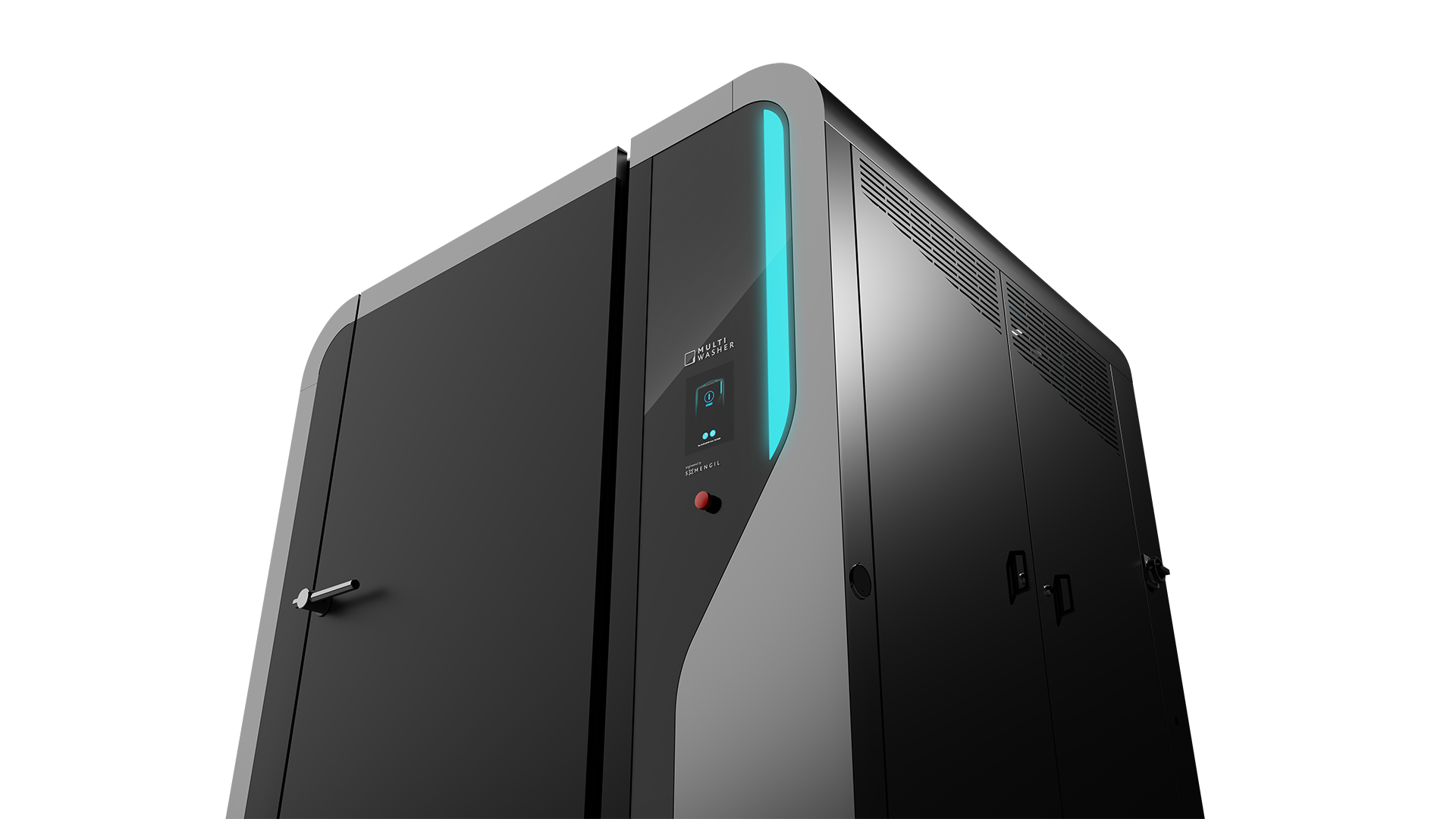
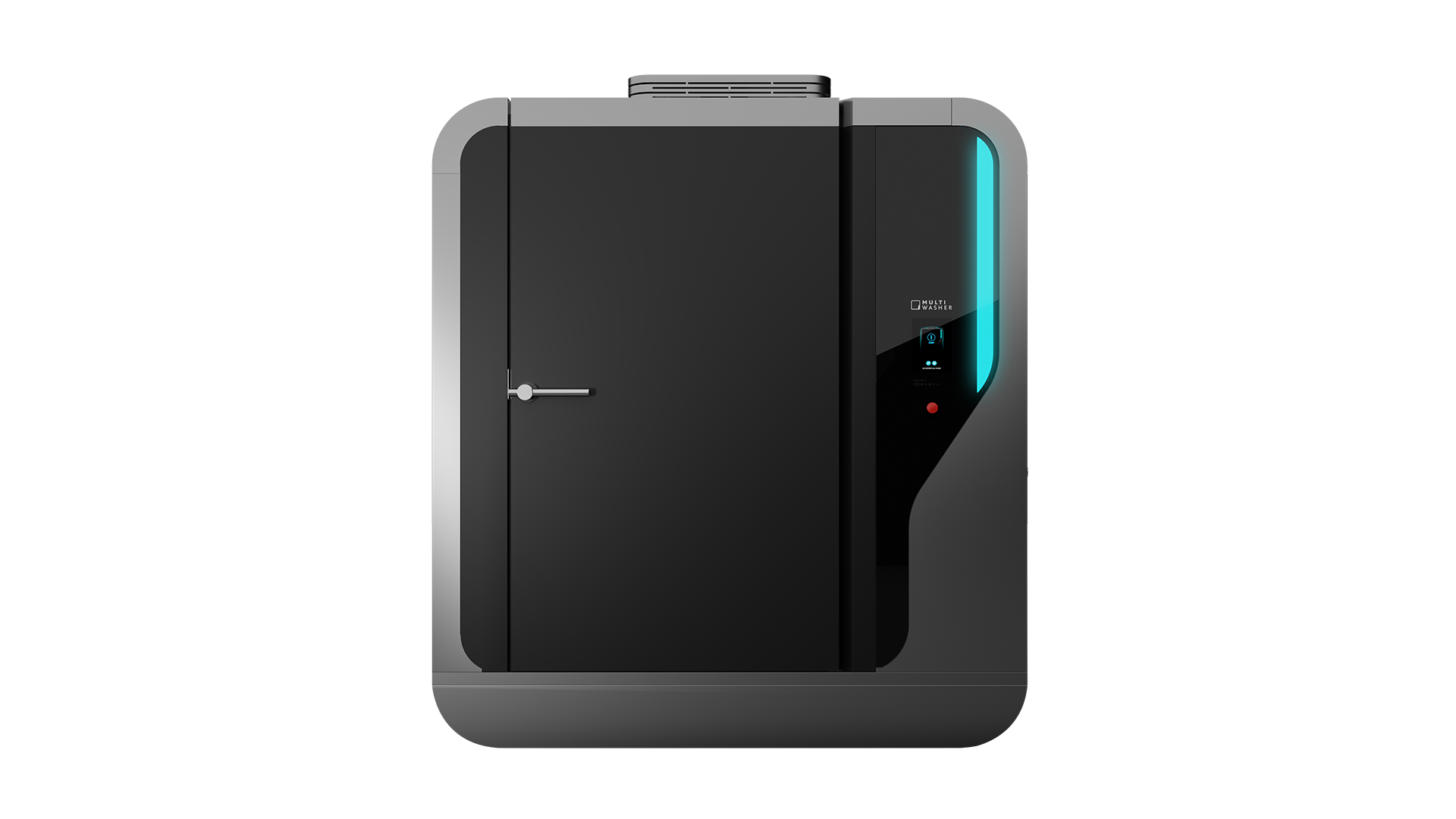
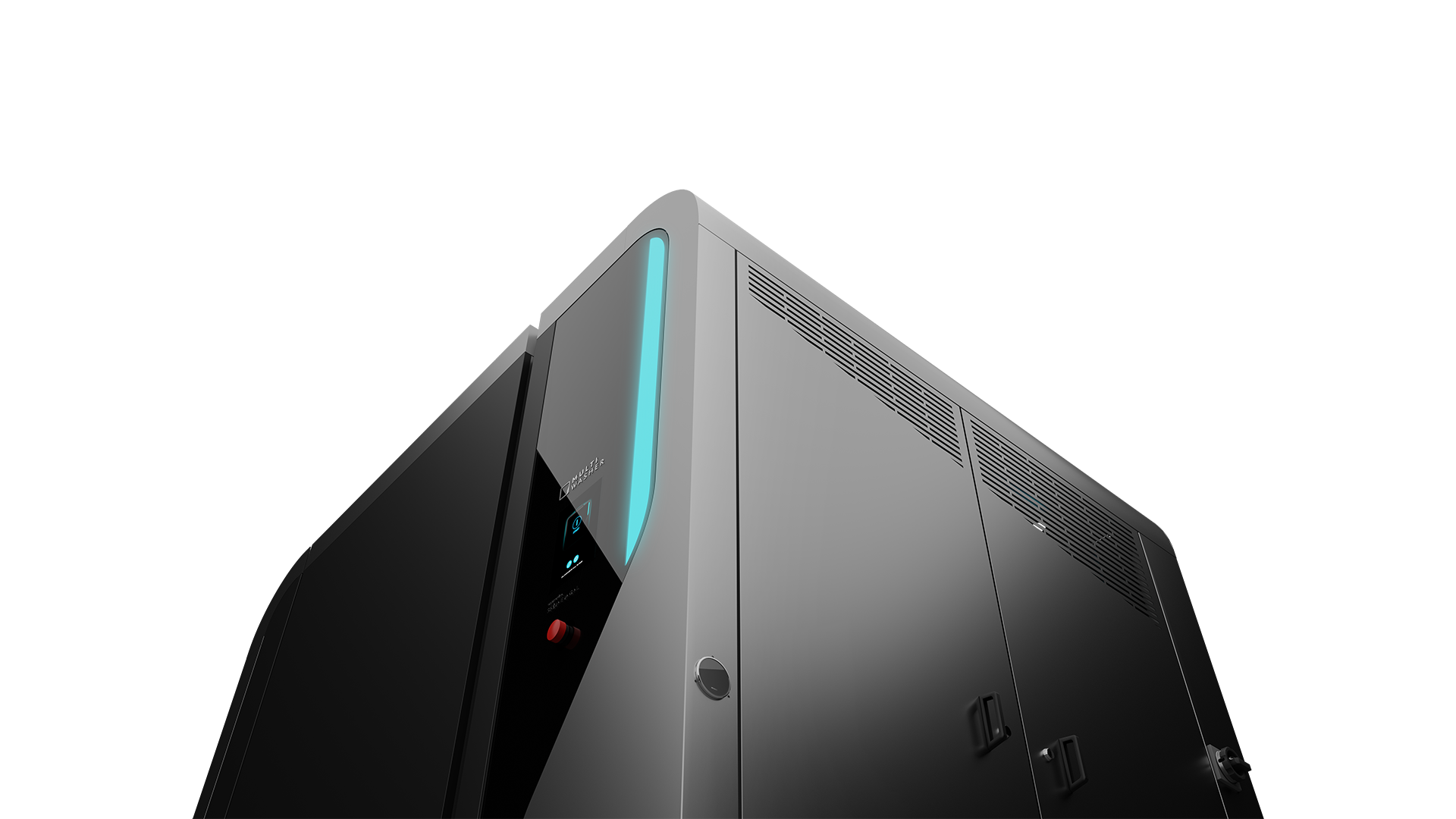
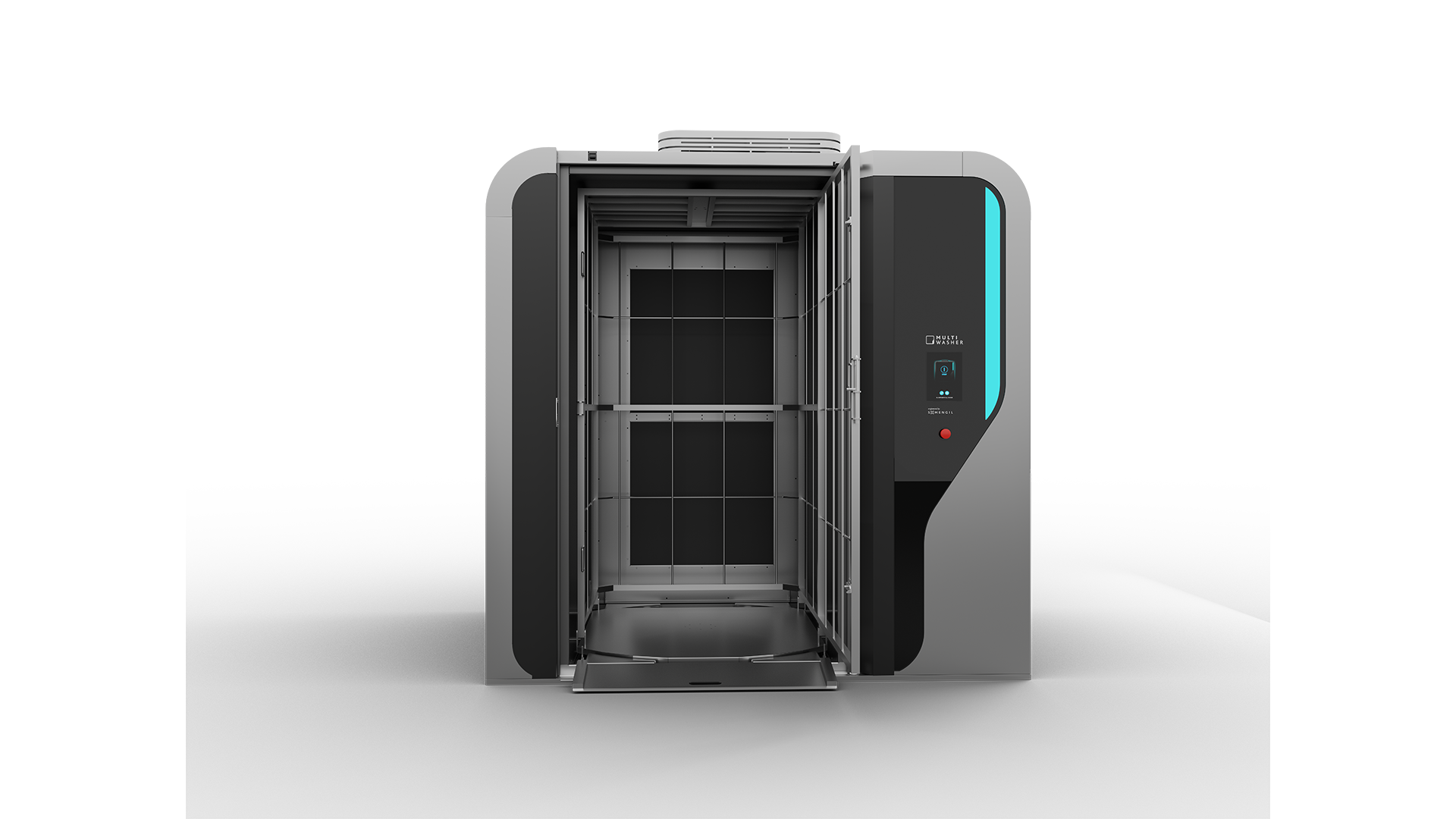
How to prevent this occupational disease: Promote a quiet workspace. The Multiwasher is a state-of-the-art industrial washing machine whose noise output complies with the latest legislation. Besides modern and quiet equipment, it is important to use the appropriate protective equipment and raise awareness amongst the team.
Infectious diseases
In the first half of 2021 alone, the Center for Disease Control (CDC) detected an outbreak of E.Coli, 4 cases of Salmonella and another of Listeria in the U.S.. And all over the world, the reappearance of infectious diseases has devastating consequences.
Restaurants, hotels, hospitals, pharmaceuticals, retailers and food catering and processing companies play a decisive role because of the direct contact with food or medicines. For example, healthcare professionals are at risk of contracting tuberculosis, hepatitis B and C and HIV when working with infectious material, or by contact with patients.
How to prevent the spread of infectious diseases: there an array of ways. First, with regular microbiological analyzes of water. Second, wash utensils in a closed circuit with no intervention and direct contact with the worker. Third, prefer equipments that wash with high temperatures such as the MultiWasher.
Asthma
Asthma is the most prevalent occupational disease in industrialized countries in industrialized countries, accounting for approximately 15% of new cases of asthma in adults. This professional disease results in approximately 38,000 deaths per year.
Most cases are caused by sensitizing substances, such as chemicals, which cause allergies. One example is the chromium, used in leather products such as shoes, gloves and bags to provide more flexibility. However, when this element comes in contact with skin, it may cause an allergic reaction. Since the EU restricted the use of chromium in 2014, 11 000 new cases of allergy have been avoided every year.
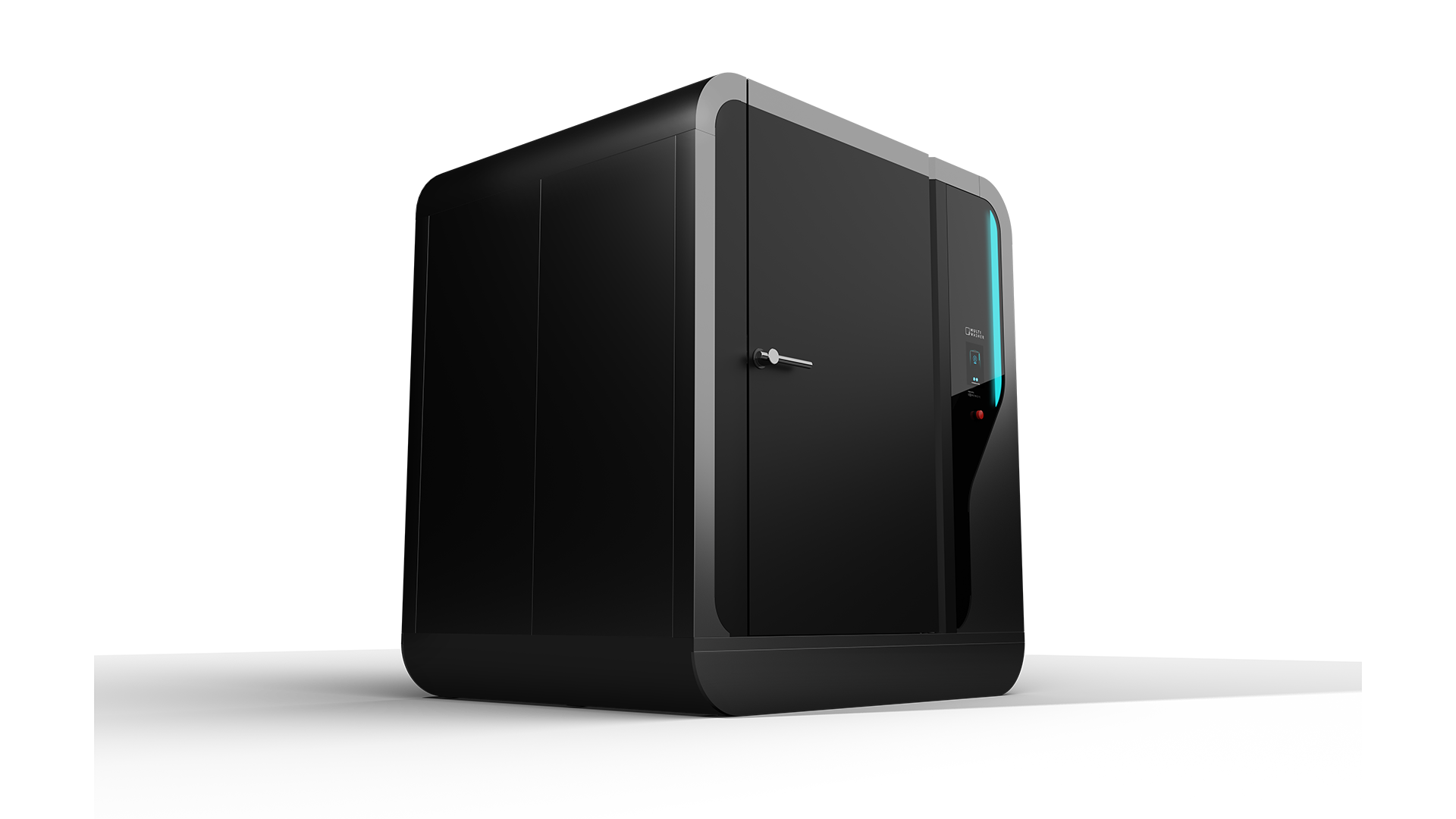
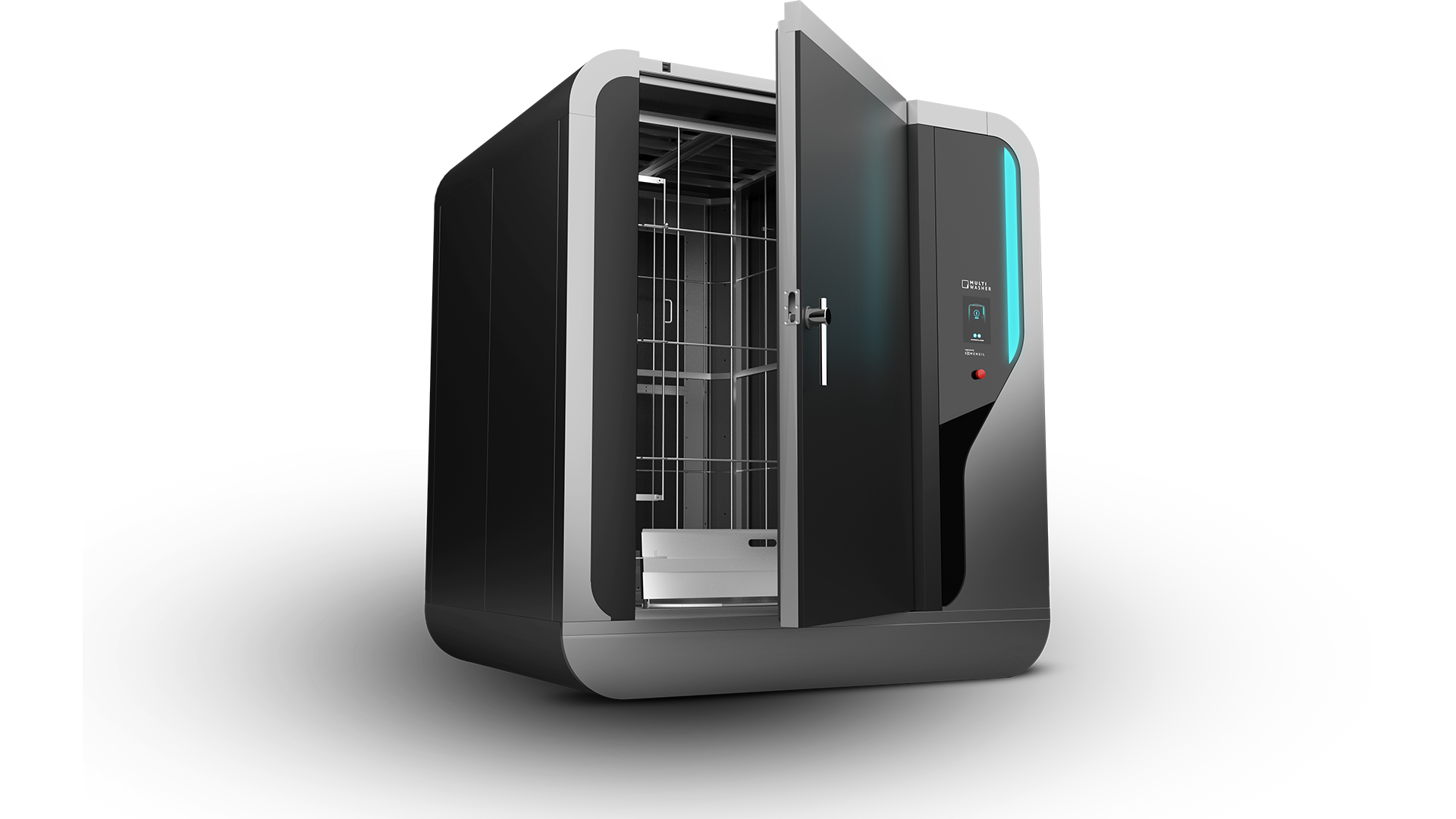
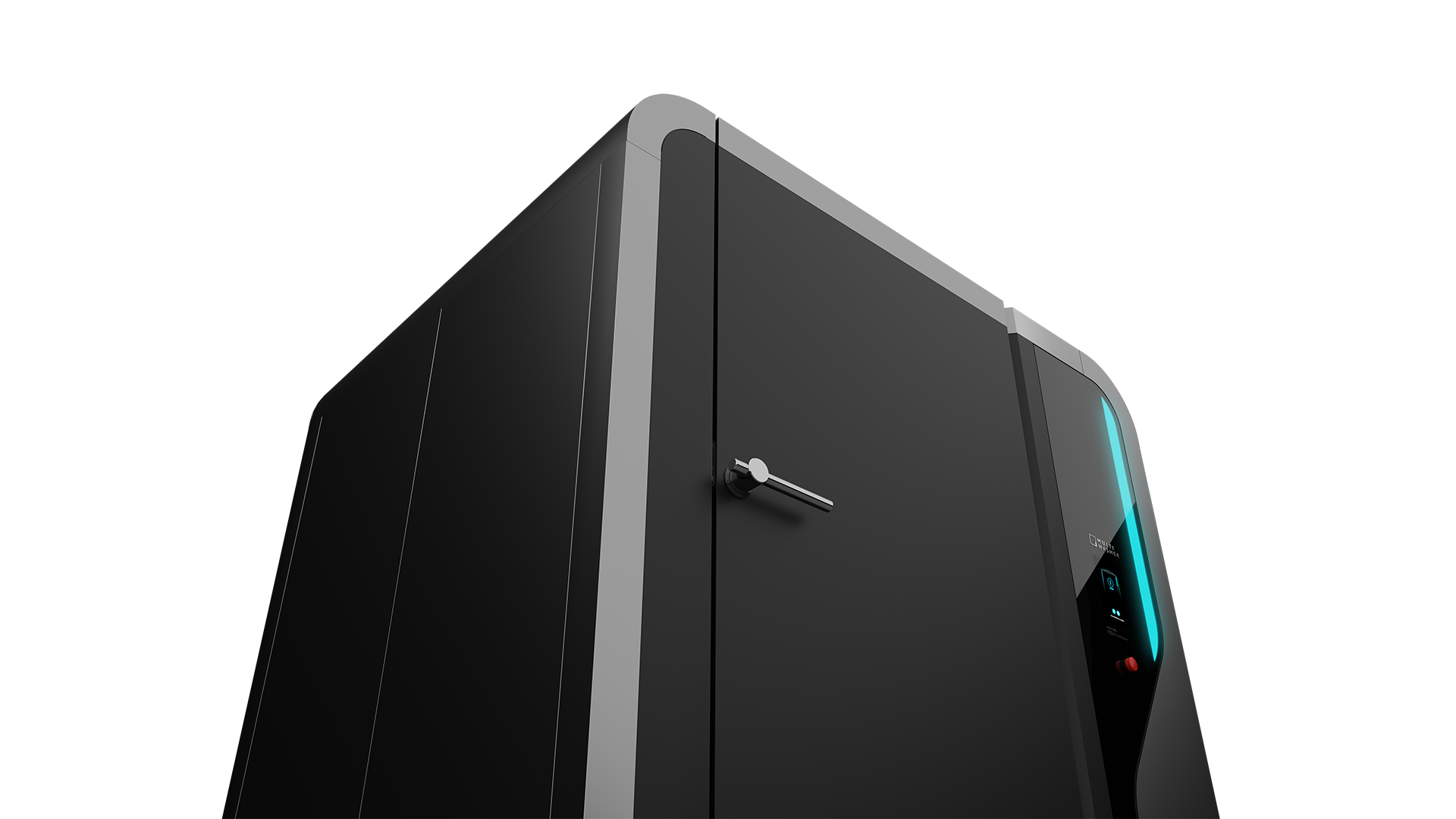
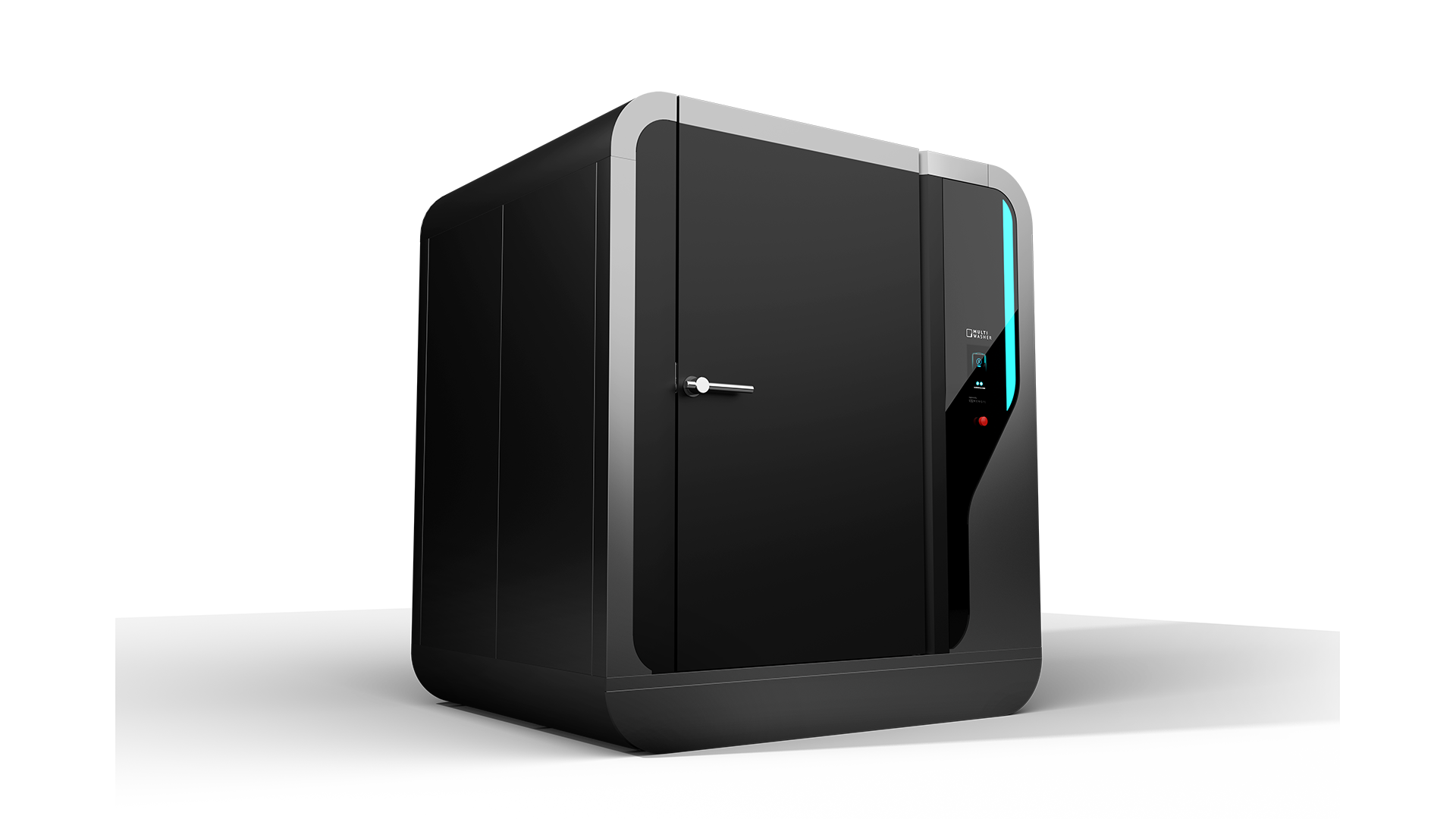
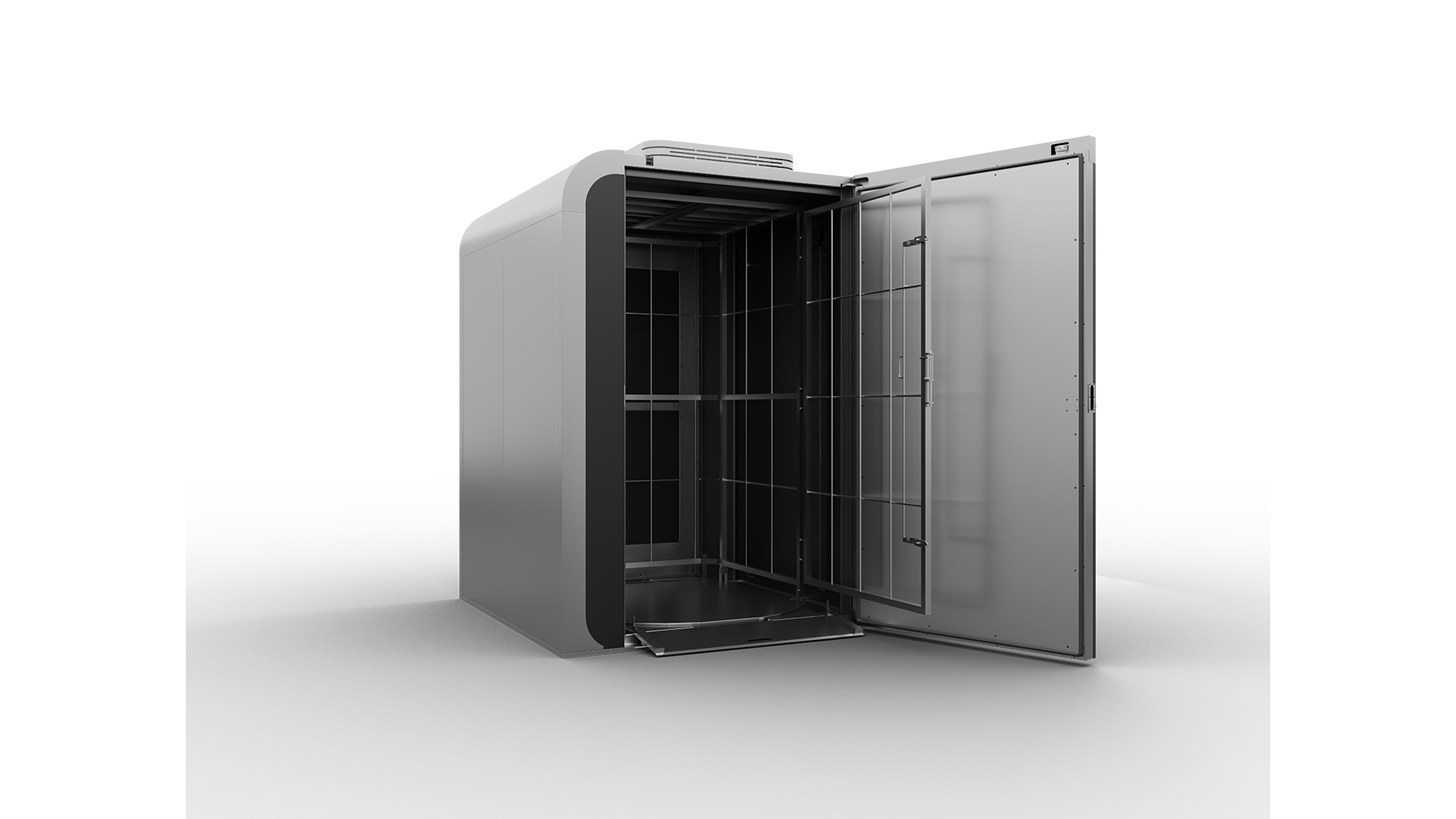
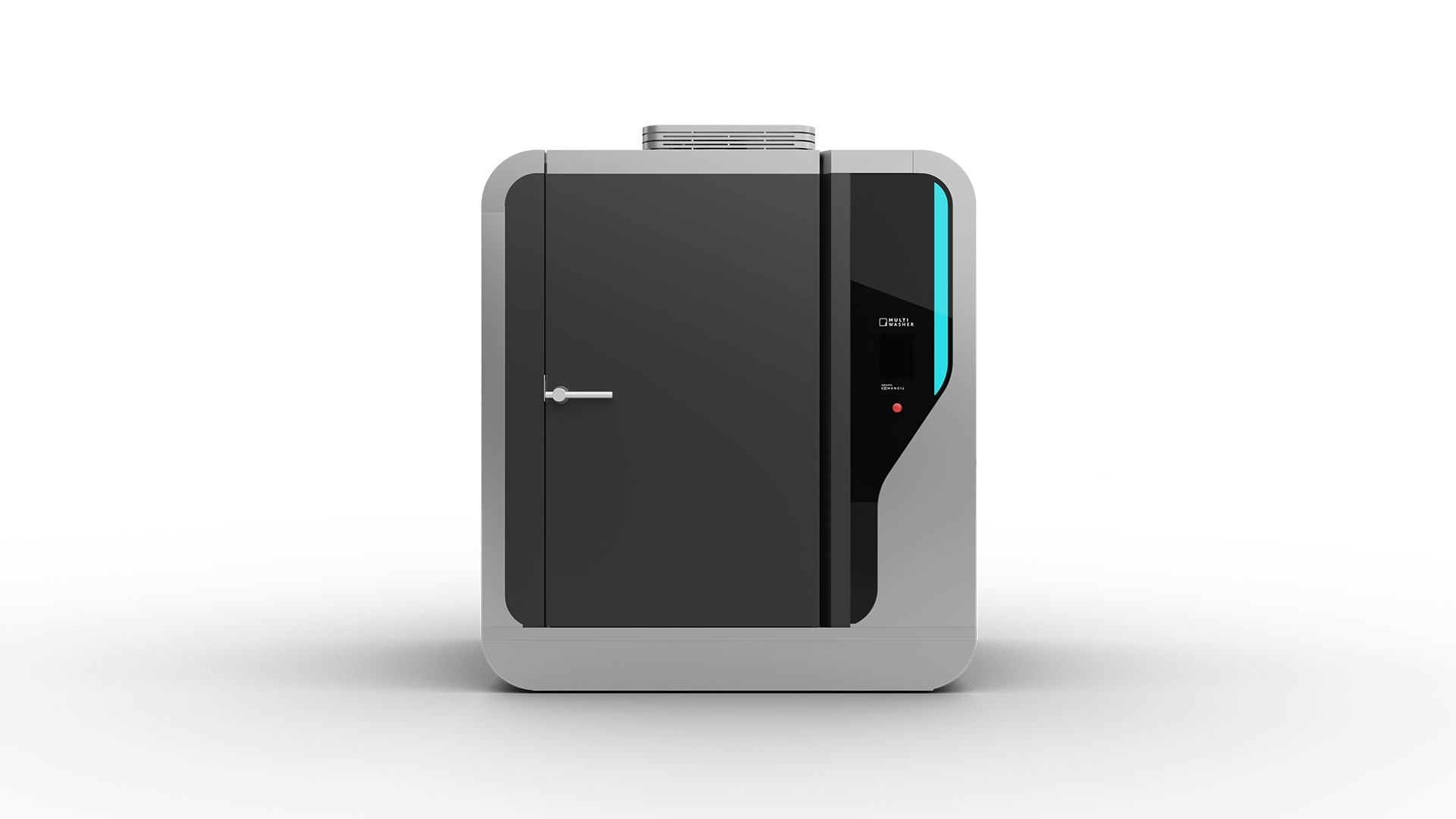
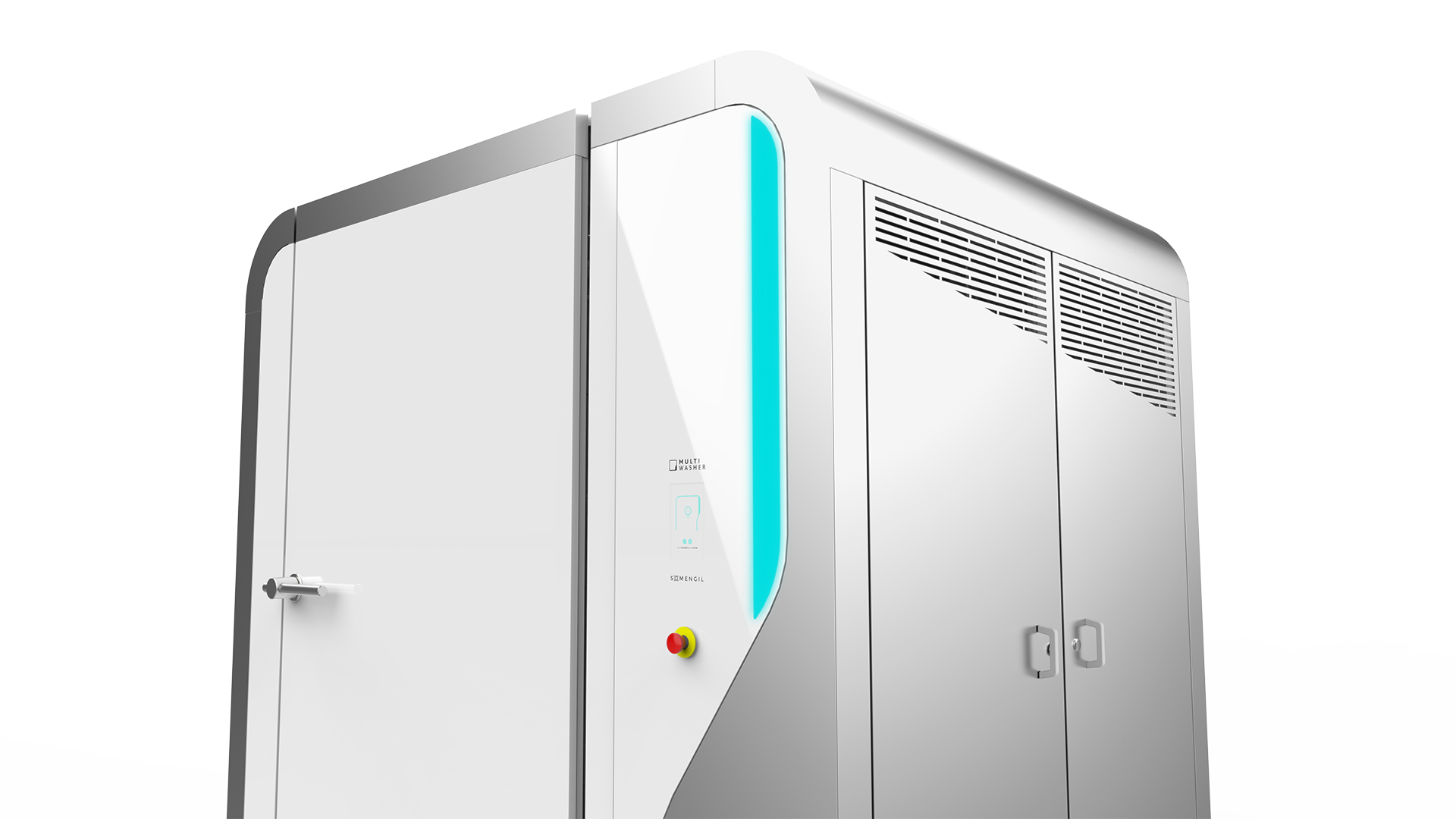
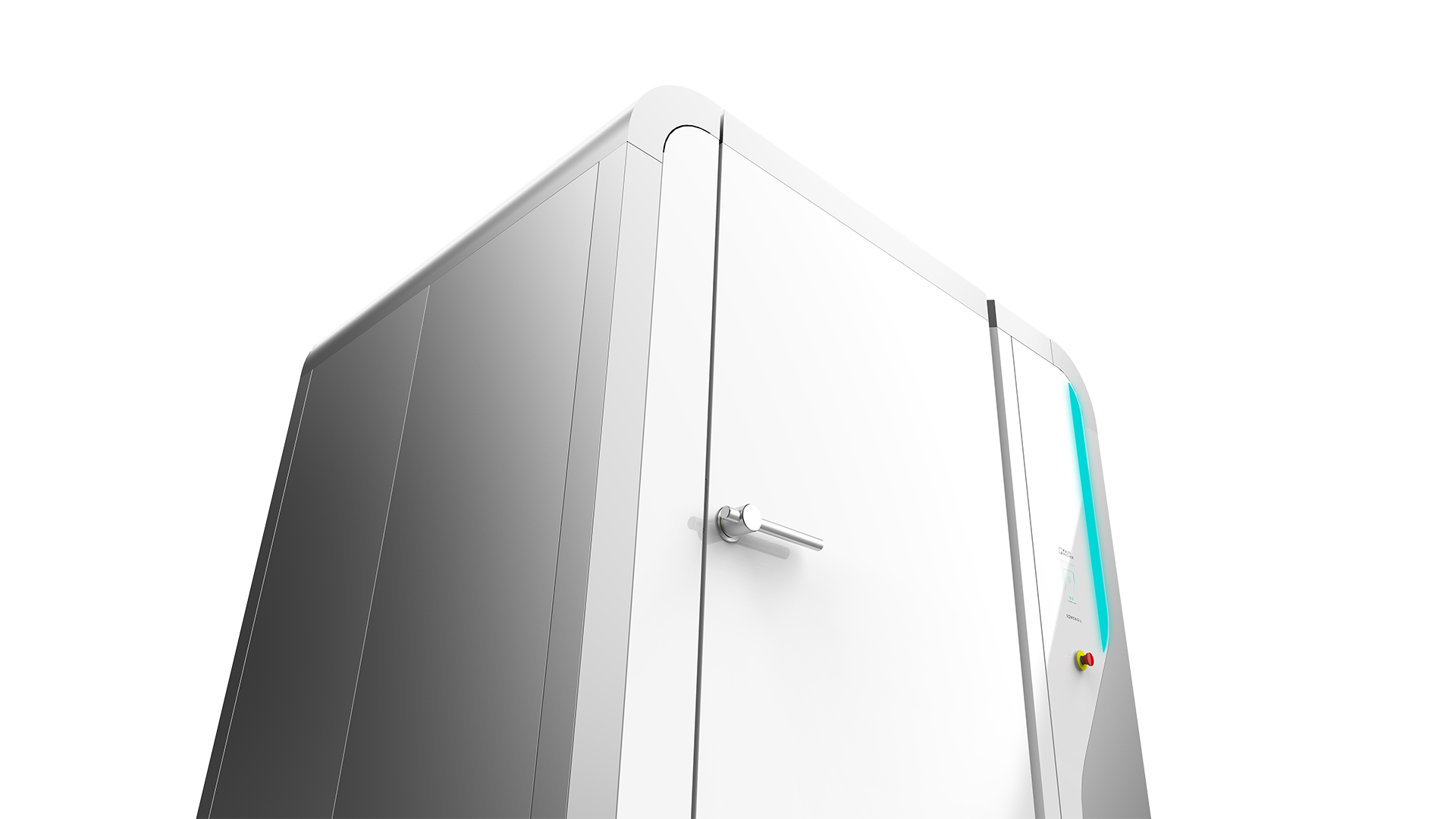
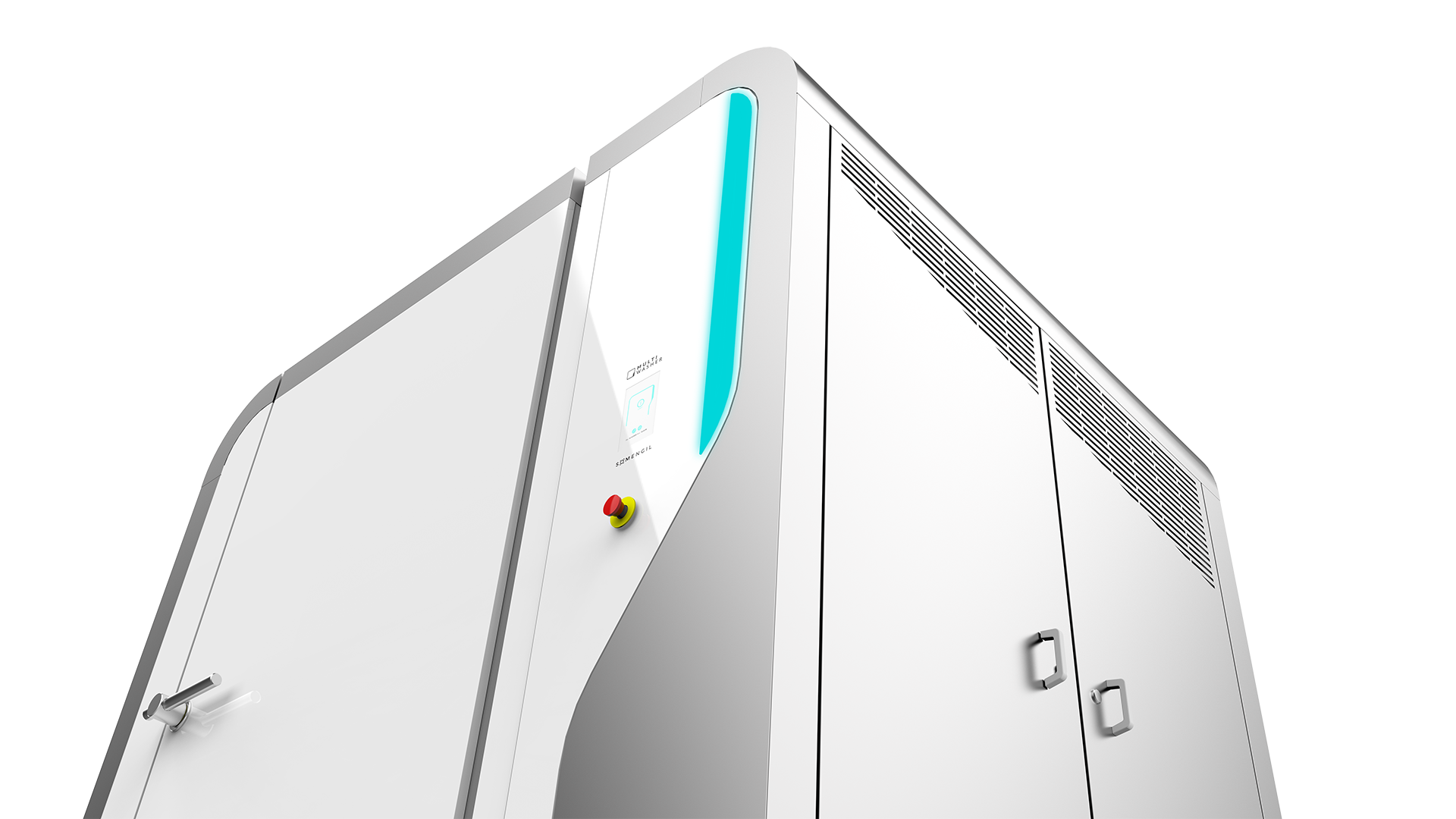
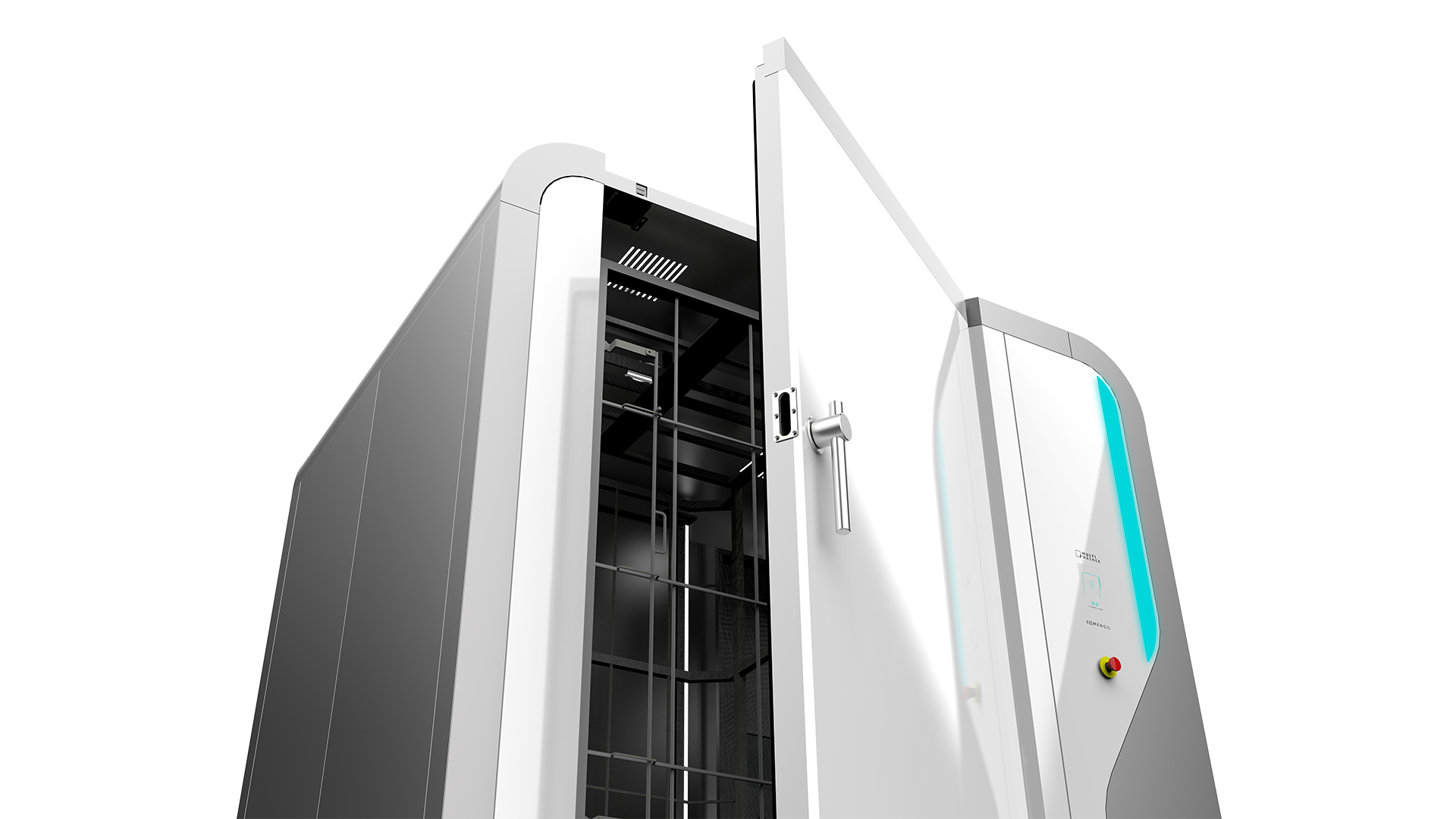
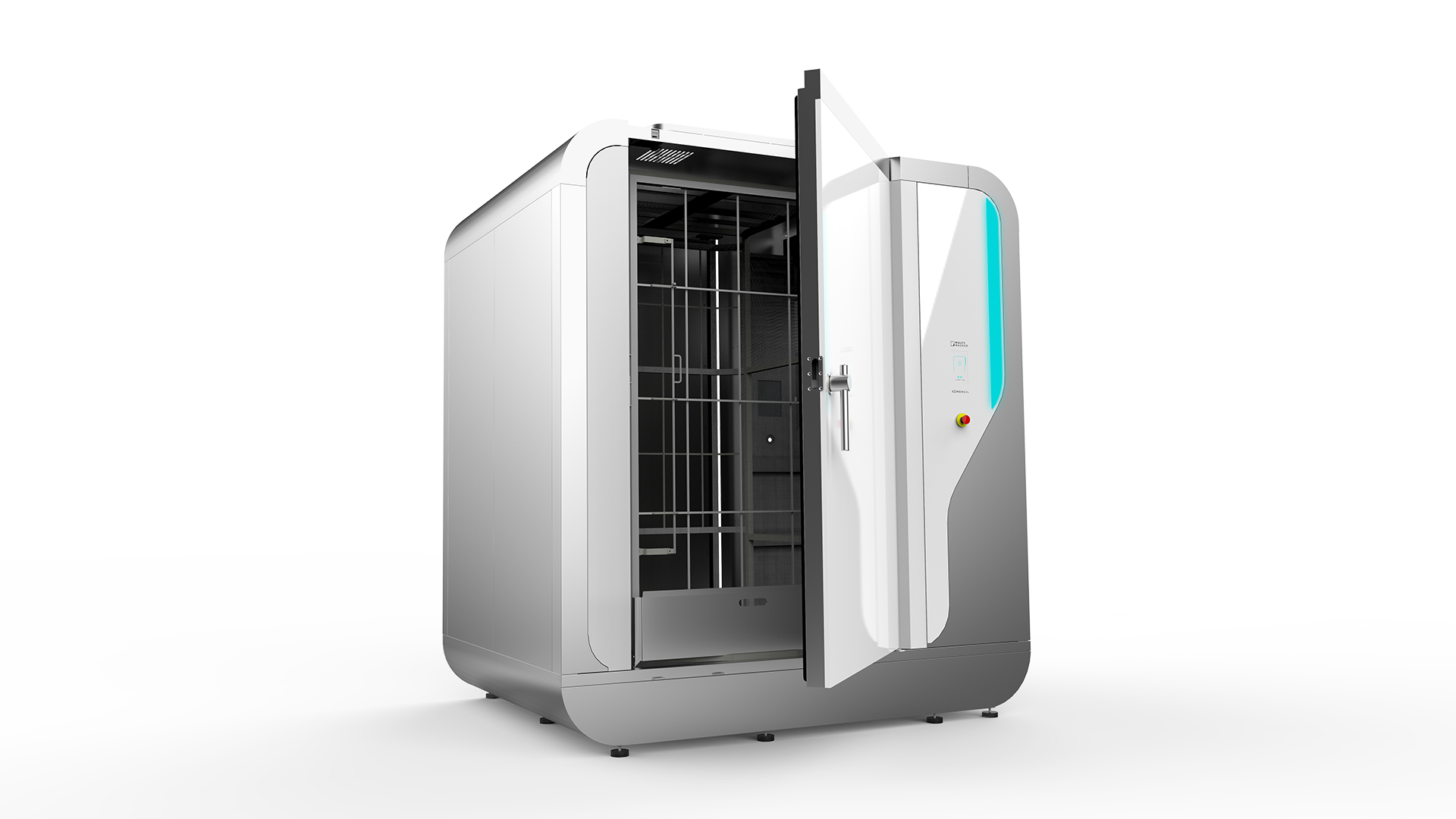
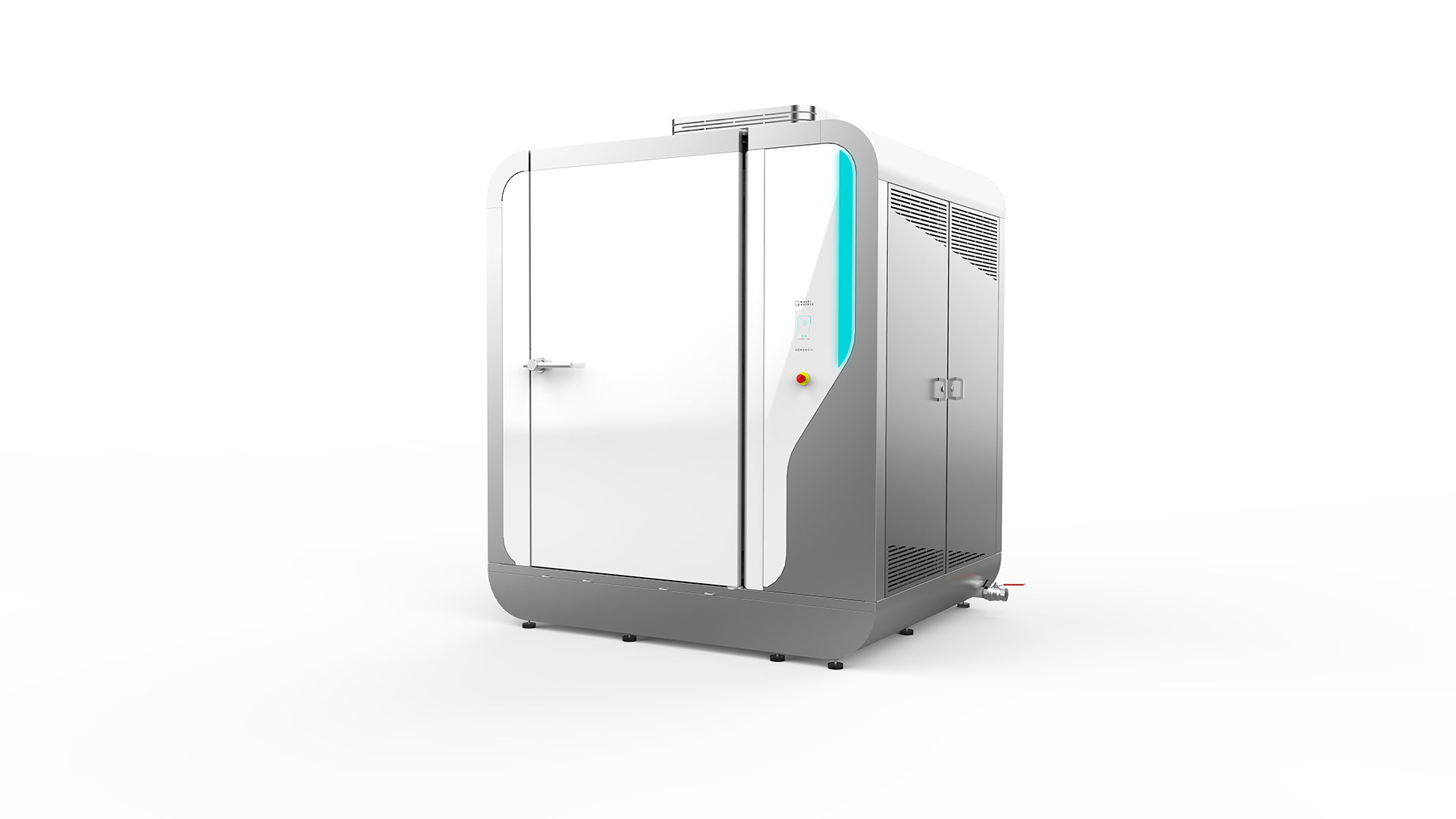
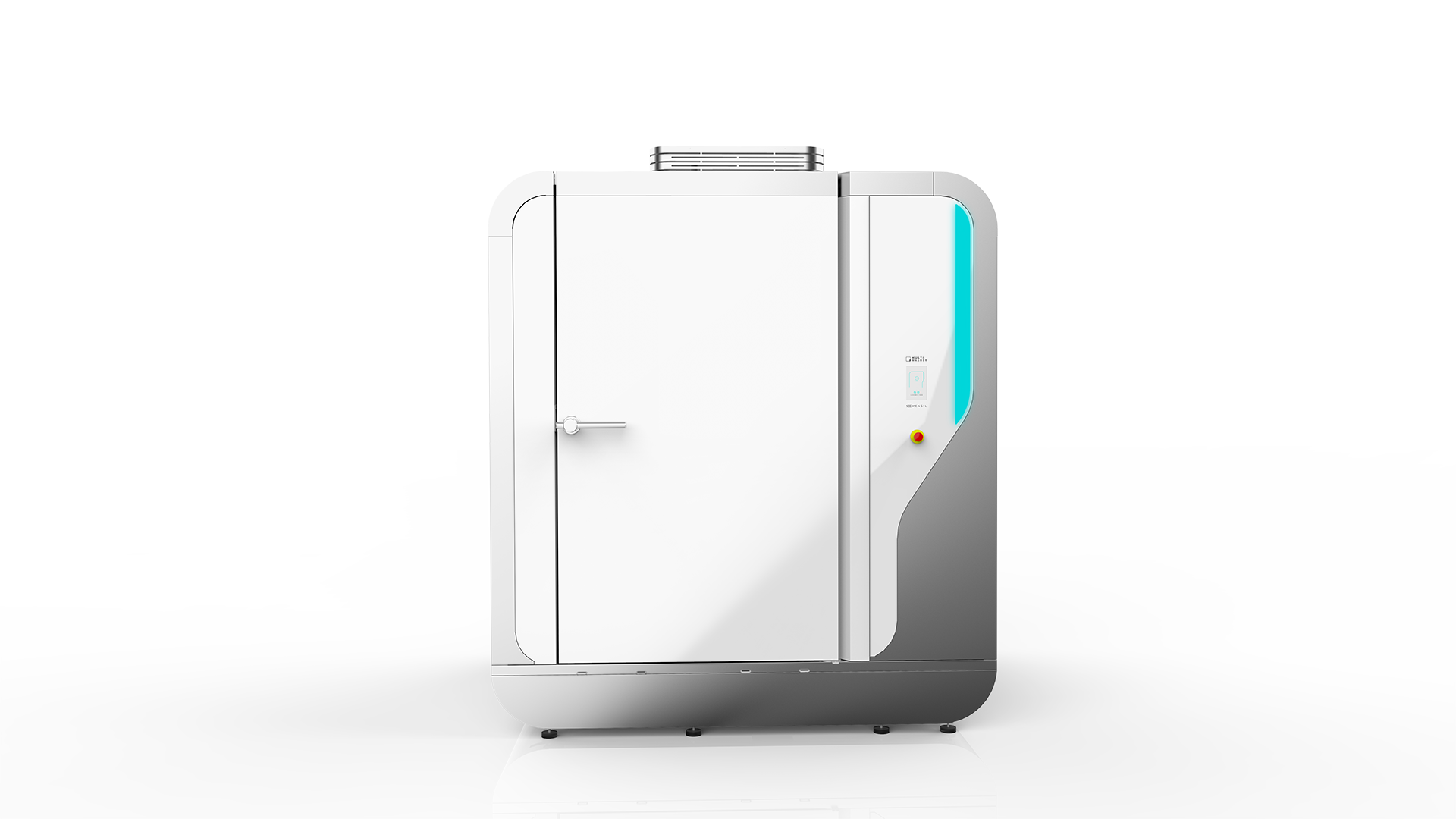
How to prevent: with an added concern for indoor air quality in offices and factories. Measure air quality frequently and replace old polluting equipment. For example, in the washing area, many equipments emit particles when operators open the washing machine doors after each cycle. At Somengil, we have long identified this risk to public health, and designed the Multiwasher in a closed cabinet concept. This eliminates the danger of indoor air contamination and reduces the risk of occupational diseases.
Musculoskeletal diseases
Musculoskeletal diseases are prevalent in most workplaces, and account for 43% of all work accidents. They can give rise to carpal tunnel syndrome, tendinitis or back pain. Back pain, in particular, is one of the most pervasive musculoskeletal problems in the world, accounting for 27% of all non-fatal occupational diseases. It is also one of the most expensive problems: on average, a claim for compensation costs twice as much as with other occupational diseases.
These professional diseases develop over time and are difficult to detect. They can be caused by repetitive movements, inadequate posture, moving heavy loads or infrequent breaks.
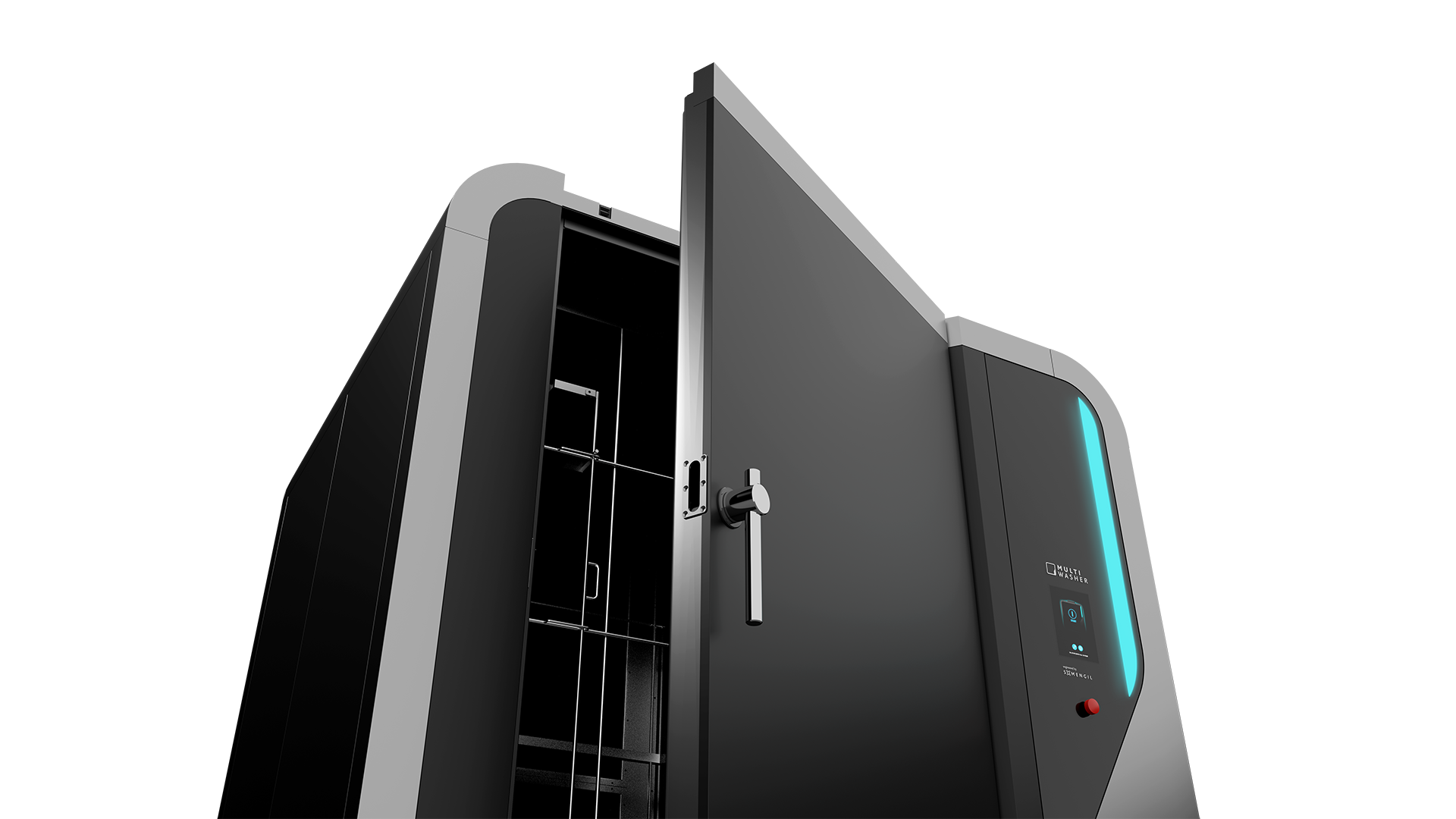
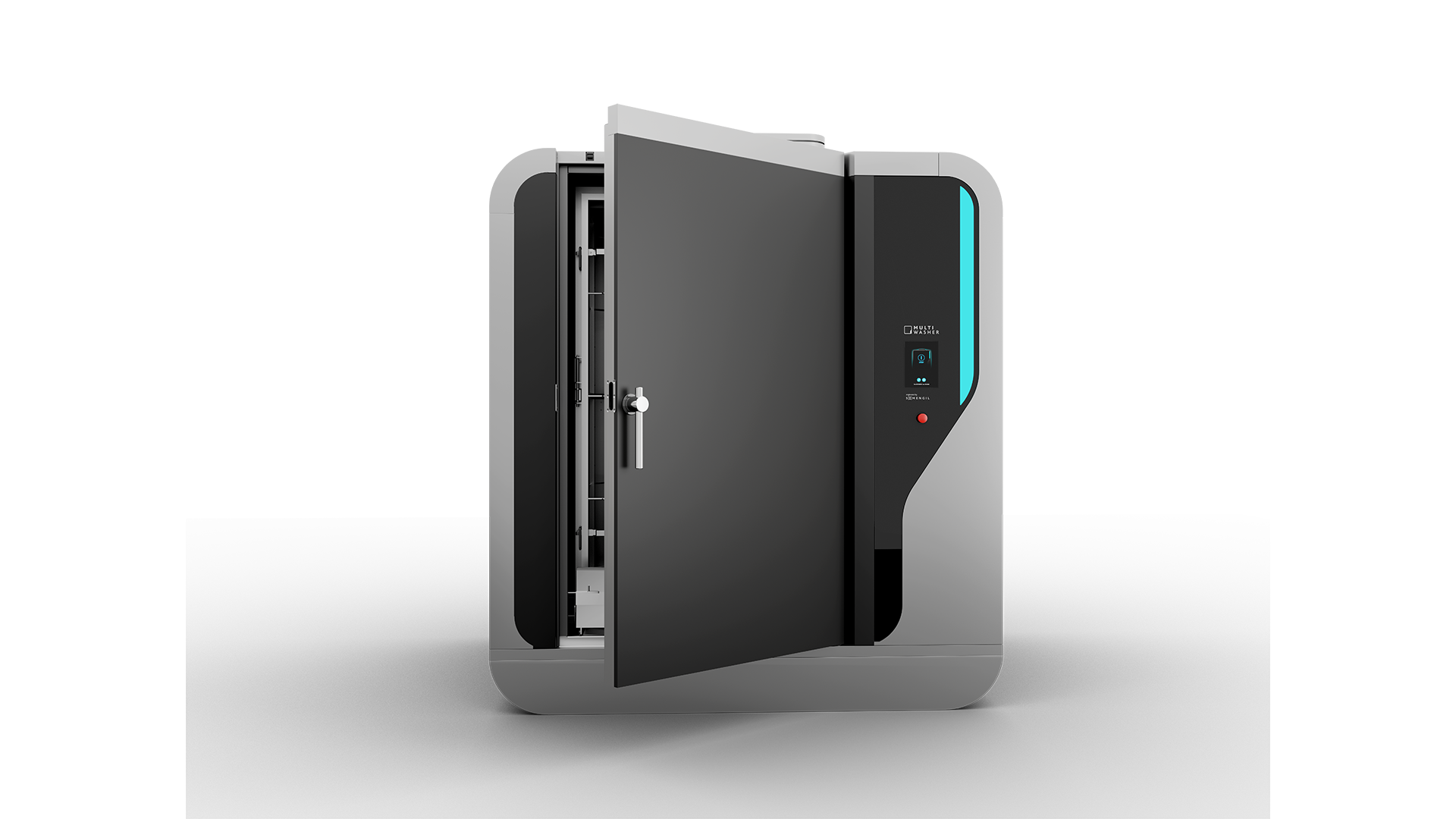
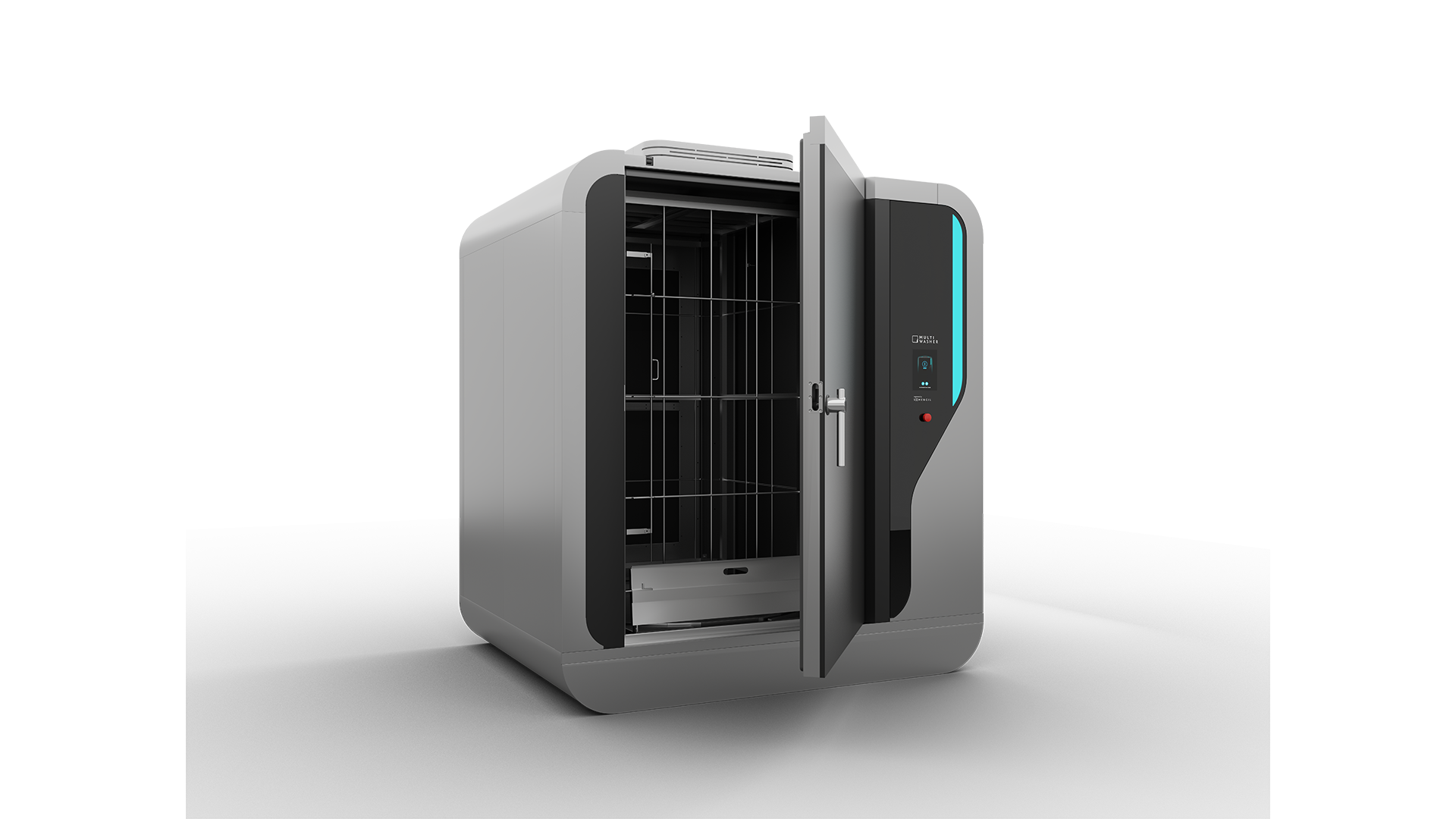
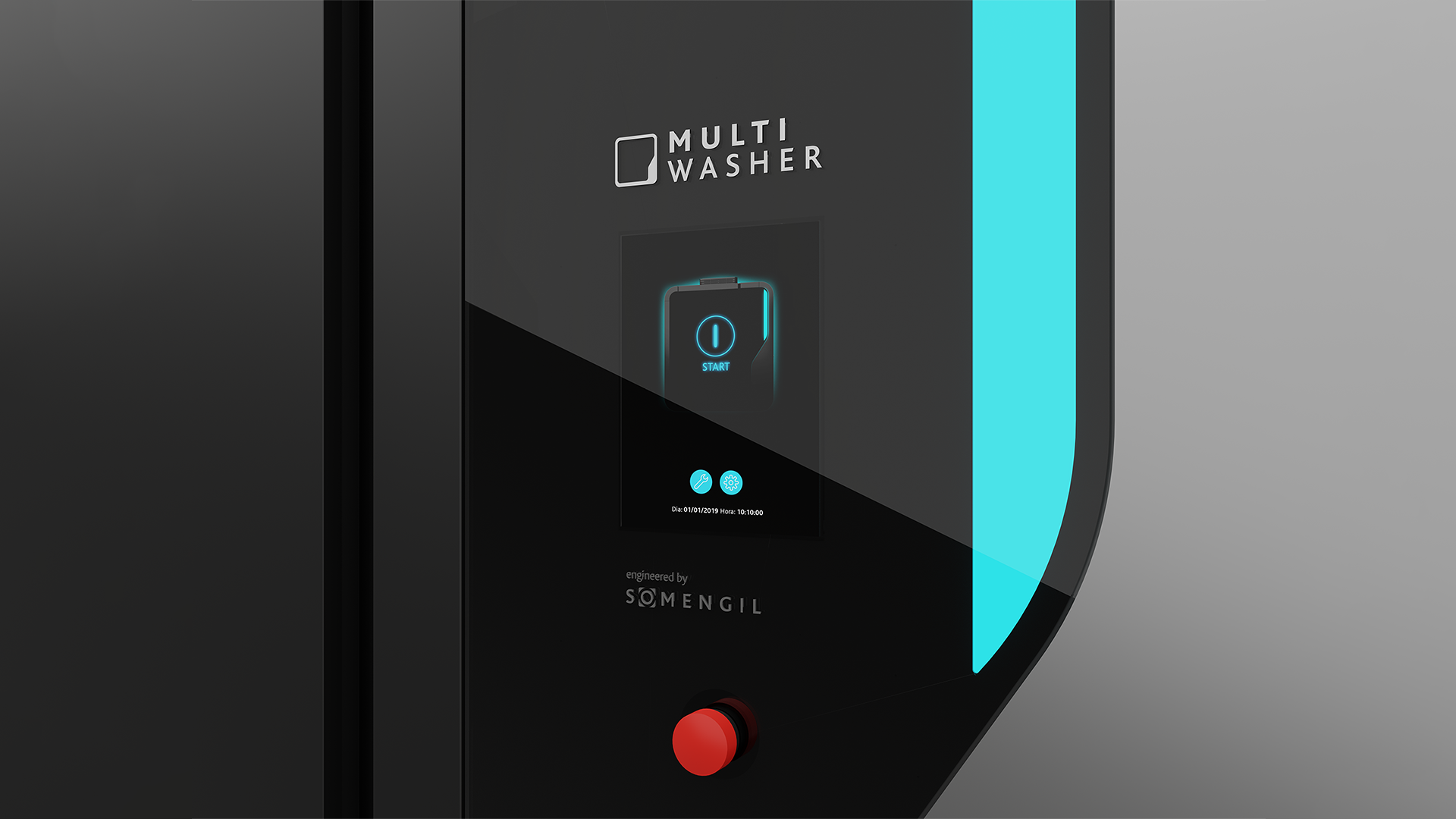
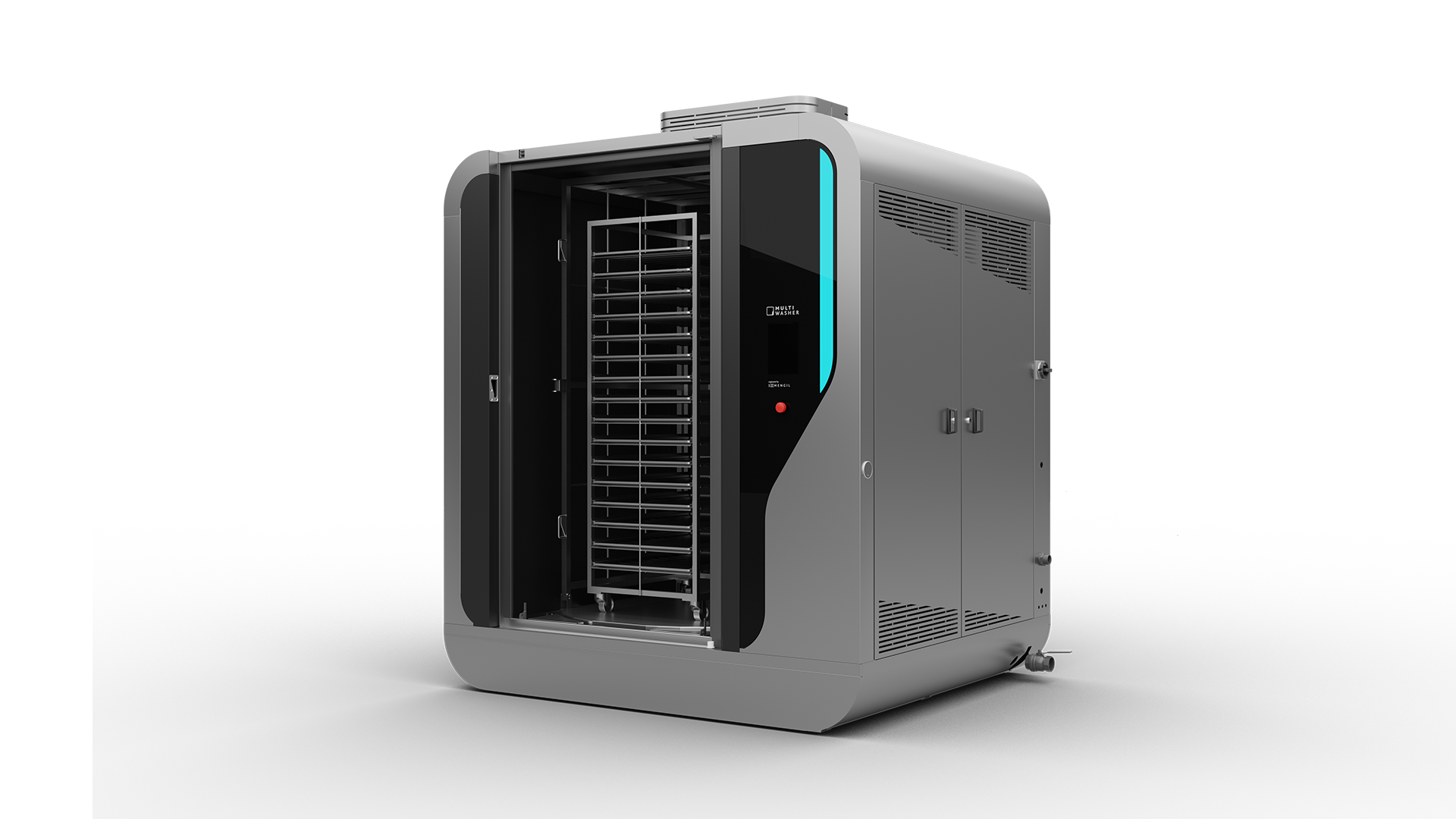
How to prevent: with equipment that favors ergonomics at work. Ergonomics is the science of adapting work to the person who performs it, an essential factor for obtaining a productive and safe workspace. Taking this into account, at Somengil, we study the client’s workflow before each installation. The MultiWasher has a control panel placed at the worker's eye line, completely adapted to the ergonomic level. In addition, it allows staff to wash entire cars with utensils, so that the operator does not have to load and unload each part individually. There is no need for individual efforts, inadequate loading postures or extensive task repetition. This way, companies save time and avoid professional diseases.
Skin diseases
Many workers are exposed to chemicals at work that do not exist at home or elsewhere. Rashes, infections, eczema, dermatitis and other allergies are some of the most common occupational diseases, enhanced by prolonged exposure to such chemicals.
How to prevent: reduce the consumption of detergents and other chemicals, which has been growing at an alarming rate all over the world. This is especially relevant in the washing area, which usually consumes large amounts of chemicals. Alternatively, prefer equipment that reaches high temperatures and therefore requires less detergent. The MultiWasher washes utensils at over 85ºC, and complies with safety standards: it prevents the worker from coming into direct contact with water and detergent. Finally, this equipment uses ecological detergents that do not use harmful chemicals such as phosphates.
How to prevent occupational diseases
Preventing occupational diseases requires more than reacting when symptoms appear. The most effective approach is to identify where workers are exposed to noise, biological agents, poor air quality, repetitive movements or chemicals, and then redesign the process to reduce that exposure. In washing areas, this is especially relevant because several of these risks can exist at the same time.
Assess exposure at the source
Map where employees encounter noise, chemicals, contaminated surfaces, heat, vapour, repetitive movements or heavy loads. Prioritize changes that remove or isolate the hazard before relying only on procedures or protective equipment. This makes prevention part of process design rather than an additional task for the operator.
Reduce noise exposure
Start by identifying noisy equipment and tasks, then reduce exposure at the source whenever possible. Choose quieter equipment, maintain machines correctly and organize workflows so employees spend less time close to unnecessary noise. Protective equipment and team awareness remain important, but prevention is stronger when the process itself generates less noise. MultiWasher was designed to comply with applicable noise legislation, helping companies create a quieter washing area.
Control biological contamination
Limit the opportunities for employees to come into direct contact with contaminated utensils, water or residues. Regular microbiological analysis of water can support hygiene control, while closed washing processes reduce manual intervention. MultiWasher washes and disinfects utensils in a closed process and works at high temperatures, helping companies reduce direct handling during washing and improve consistency in sanitation.
Improve indoor air quality
Monitor air quality in areas where heat, moisture, chemicals or particles may accumulate, and review equipment that releases vapour or residues into the workplace. Ventilation is important, but equipment design also matters. The MultiWasher uses a closed-cabinet concept, reducing the need to open the equipment during the washing process and helping limit the release of particles into the surrounding work area.
Design ergonomic workflows
Adapt workstations and processes to the people using them. Avoid unnecessary bending, repetitive lifting and individual handling of every utensil when the same task can be performed in batches. Somengil studies the customer's workflow before installation, and MultiWasher places the control panel at the operator's eye level. It can also wash complete trolleys of utensils, reducing repeated loading and unloading movements and helping make the washing process more ergonomic.
Minimize chemical exposure
Review which detergents and chemicals are used, how much is required and where workers may come into contact with them. Higher-temperature washing can reduce dependence on detergent, while closed systems can help keep water and chemicals away from operators. MultiWasher is designed to prevent direct worker contact with water and detergent during the cycle. Somengil also uses ecological detergents without phosphates.
Automate repetitive washing tasks
Manual washing can combine repetitive movements, contact with chemicals, contaminated residues and variable results. Where appropriate, mechanizing the process can reduce the amount of direct handling required. MultiWasher is designed to wash a high volume of utensils in one cycle and can eliminate pre-washing and manual drying steps, reducing repetitive washing tasks while standardizing the process.
Maintain equipment proactively
Keep washing and production equipment in the condition it was designed to operate. Preventive maintenance can help avoid abnormal noise, leaks, inefficient dosing, excessive heat or other deviations that may increase worker exposure. Regular inspections also make it easier to correct small issues before they become persistent workplace risks.
Train teams and review risks
Equipment alone cannot prevent occupational diseases. Employees need clear procedures, appropriate protective equipment and training to recognize risks and use machinery correctly. Review incidents, symptoms, exposure points and working methods regularly, especially when new products, equipment or processes are introduced. Prevention should be treated as a continuous improvement process: identify the risk, reduce exposure, verify the result and adjust the process when necessary.
Somengil, tackling occupational diseases together
We have created Multiwasher with the needs of our customers in mind, in food service, catering, hospital and pharmaceutical sectors. Across the board, there is a common concern to contribute to a more sustainable future–from the environmental standpoint and that of business results and employer health. The Multiwasher is our contribution to the development of industry and to a future in which occupational diseases are a part of the past. Contact us and see the difference, or schedule a webinar.
FAQs about occupational diseases
These are some of the most common questions about occupational diseases and workplace prevention.
What is an occupational disease?
It is a health problem produced or aggravated by workplace conditions, with a strong relationship to the work environment or activity and a higher frequency among exposed workers.
What are some common occupational diseases?
The article highlights hearing loss, infectious diseases, asthma, musculoskeletal diseases and skin diseases.
How can companies help prevent occupational diseases?
Prevention can include quieter equipment, protective equipment, microbiological water analysis, closed washing systems, indoor air-quality monitoring, ergonomic processes and reduced exposure to chemicals.
How can industrial washing affect worker health?
Industrial washing can influence noise, air quality, ergonomics, contact with chemicals and exposure to water or detergent. Equipment designed around closed processes and ergonomic operation can help reduce these risks.
You may also like
Health / Articles
Hospital Hygiene: 5 good practices that promote patient health
Hospital hygiene has a direct influence on patients’ health and recovery. Find out how to promote it with these 5 best practices.
Posted in 2022-04-07

Health / Articles
Hospital disinfection: the unlikely protagonist
Hospital disinfection is essential for the healthcare ecosystem, but it is only visible during a crisis. Find out exactly what this concept means...
Posted in 2022-03-03

Health / Articles
Food disinfectants: what are they, why they are important and how to pick one
Every year, food contamination causes over 400,000 deaths worldwide. Can food disinfectants help your company fend them off?
Posted in 2022-08-04


 Portugal
 United Kingdom
 United States
 France
 Spain
Spain Germany
 Romania
 Italy
Italy Czech Republic
 Finland
 Hungary
 Slovakia
 Greece
 Lithuania
 South Korea
 Russia
 Saudi Arabia
 Poland
 Brasil
 Hebrew