Industrial washing / Articles
ISO 9001 standard: what it is, requirements, advantages and how to get certified (2026)
What is ISO 9001 and how can your company get certified? Explore the requirements, benefits and practical steps, including the 2026 update.

 10 minutes of reading
2026-10-14 21:31:16
- ISO 9001 defines requirements for an effective quality management system.
- Certification is voluntary and requires an independent assessment of the organisation’s system.
- Preparation involves defining the scope, mapping processes, implementing controls, auditing the system and addressing gaps.
Worldwide, over one million organizations are ISO 9001 certified. Synonymous with demanding norms, robust processes, qualified teams and top equipment, it is by far the most sought-after quality standard. But what does it mean – and is it worth it?
What is the ISO 9001 Standard?
ISO 9001 is the international standard that sets requirements for a quality management system. A QMS connects the processes, people, resources and information an organisation uses to deliver products or services consistently and improve them over time. It applies to organisations of any size and sector.
The standard sets outcomes and management requirements rather than prescribing one operating method. It focuses on understanding customer needs, controlling processes, assessing performance and acting on evidence.
An organisation can apply ISO 9001 without seeking certification. When it does seek certification, an independent body audits its QMS against the standard; ISO itself does not issue certificates.
Published on 16 September 2026, ISO 9001:2026 is the current sixth edition. According to ISO, it clarifies requirements, gives greater attention to quality culture and leadership, and addresses risks and opportunities separately. If you are certified to the previous edition should discuss the transition timetable with their certification body.
What are the advantages of ISO 9001?
ISO 9001 Standard is not academic. It is a valuable resource for business management and involves real benefits.
Increased revenue
Many companies require their suppliers to be ISO 9001 certified to apply for new contracts. Any business without it could lose sales. In addition, this certification is a strong indicator that management values the quality of its processes, which helps to win more contracts and establish new partnerships.
Increased customer confidence
Customers are looking for quality, as much as a fair price. Some may even be ready to pay a premium for what they perceive to be an added layer of verification. Dubious quality casts a long shadow with direct consequences for consumer trust. The ISO 9001 Standard provides security and confidence that companies comply with quality requirements.
International recognition
ISO 9001 certification is international in scope, and so are its benefits for businesses. It is a way to open doors to negotiate with any type of company anywhere in the world. Although each country has its own version of ISO 9001, the certification obtained in one country is valid worldwide and has international recognition. Thus, businesses looking to expand to other countries should put in the effort to get this certification.
Consumer satisfaction
The ISO 9001 certification forces companies to rethink their processes with the customer at the center. It is a way to meet expectations, needs and interests of customers. A company that follows these principles will win over internal and external customers and pave the way for recurring business.
Better positioning in the market
Getting ISO 9001 certification is no small feat. There is a long list of requirements to be met, processes to be reviewed, and training. Therefore, companies that are certified prove to the market their commitment to continuous improvement. The message of responsibility may provide a competitive advantage and bring your business to the same level as other companies around the world that follow the same quality standards.
How can your company prepare for ISO 9001 certification?
Each certification route is different, but these are the 7 steps most companies will encounter.
1. Set the scope and understand your context
Define which sites, products, services and activities the quality management system will cover. Identify customers, regulators, suppliers and other relevant interested parties, then record the requirements that affect your ability to deliver consistently. Consider internal factors, such as skills and capacity, and external factors, such as changes in demand or applicable rules. A clear scope prevents the audit from being based on assumptions about parts of the business that are outside the system.
2. Map processes and assess the gaps
Follow a typical customer request from the first specification to delivery and after-sales support. Show who owns each stage, which information passes between teams and where a mistake could affect the result. Compare what people actually do with the standard’s requirements and with existing procedures.
3. Commit leadership and plan measurable objectives
Senior management must take responsibility for the system, establish a quality policy and ensure that roles and resources are clear. Decide how results will be measured, who will review them and what action will follow a missed target. Plan how to address risks and pursue opportunities, then revisit those decisions as the organisation changes.
4. Provide support and control operations
Make sure employees have the competence, instructions, equipment and information needed for their work. Keep documented information that is necessary to operate and demonstrate the system, with current versions available where people use them. Define checks for purchasing, production, service delivery and any outsourced activities that affect quality.
5. Measure results and respond to problems
Collect evidence from process checks, customer feedback, complaints and nonconformities. Choose indicators that reveal whether objectives are being achieved, not merely how much activity took place; our guide to quality KPIs can help with that choice. When a problem occurs, contain its effects, investigate the cause, make a proportionate correction and check that it worked. Keep a record of the decision and its result. This turns a recurring issue into a reason to improve the process instead of repeating the same inspection.
Imagine that a washing cycle repeatedly falls below a required temperature. The team should identify affected loads, check the sensor and heating system, review maintenance and operator records, and decide whether the utensils need to be washed again. Once the cause is corrected, monitor subsequent cycles to confirm stable results.
6. Audit internally and review the system
Once the processes have been operating long enough to generate evidence, conduct internal audits covering the scope of the system. Auditors should assess work objectively and report gaps clearly. Management then reviews audit findings, performance, customer feedback, changes in context and the resources needed. Agree actions, owners and deadlines, and verify completion. A management review should lead to decisions that teams can use, rather than serve as a meeting held solely to satisfy a requirement.
7. Arrange independent certification
Choose a certification body and confirm its competence, the scope to be assessed, the audit plan and the evidence it expects. The external audit evaluates the implemented system, including whether employees follow the processes described. Address any nonconformities through the body’s process and verify that corrective actions are effective. Certification is issued by the independent body, not ISO. Once certified, keep monitoring, improving and undergoing the assessments required by the certification cycle.
Somengil, excellence certified
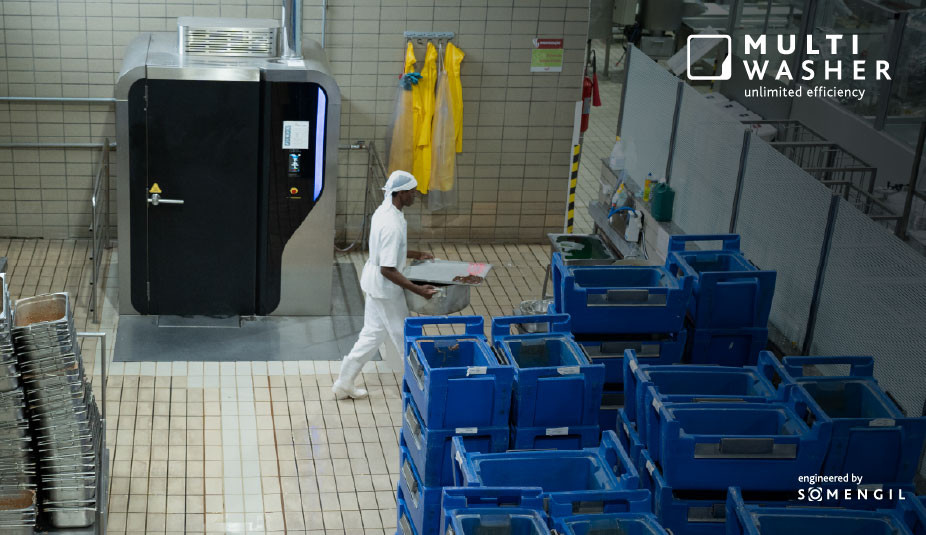
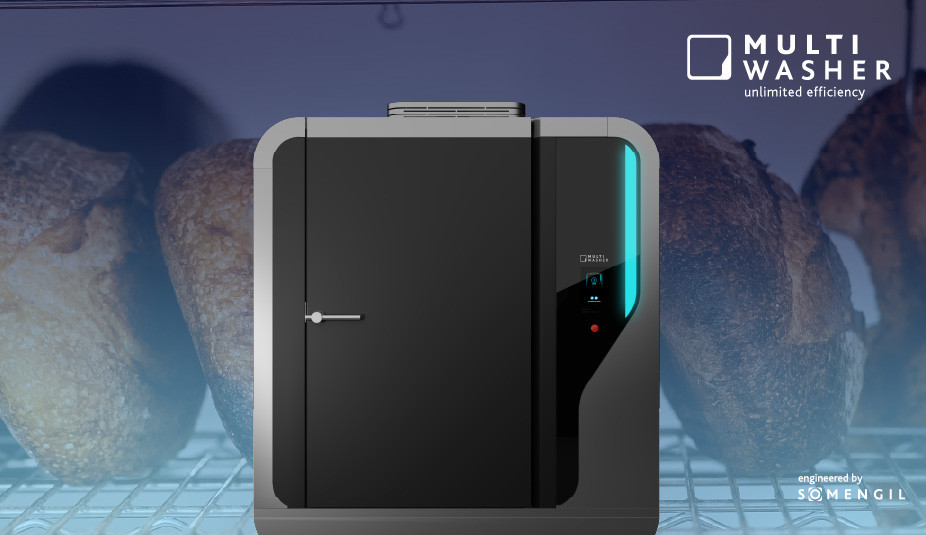
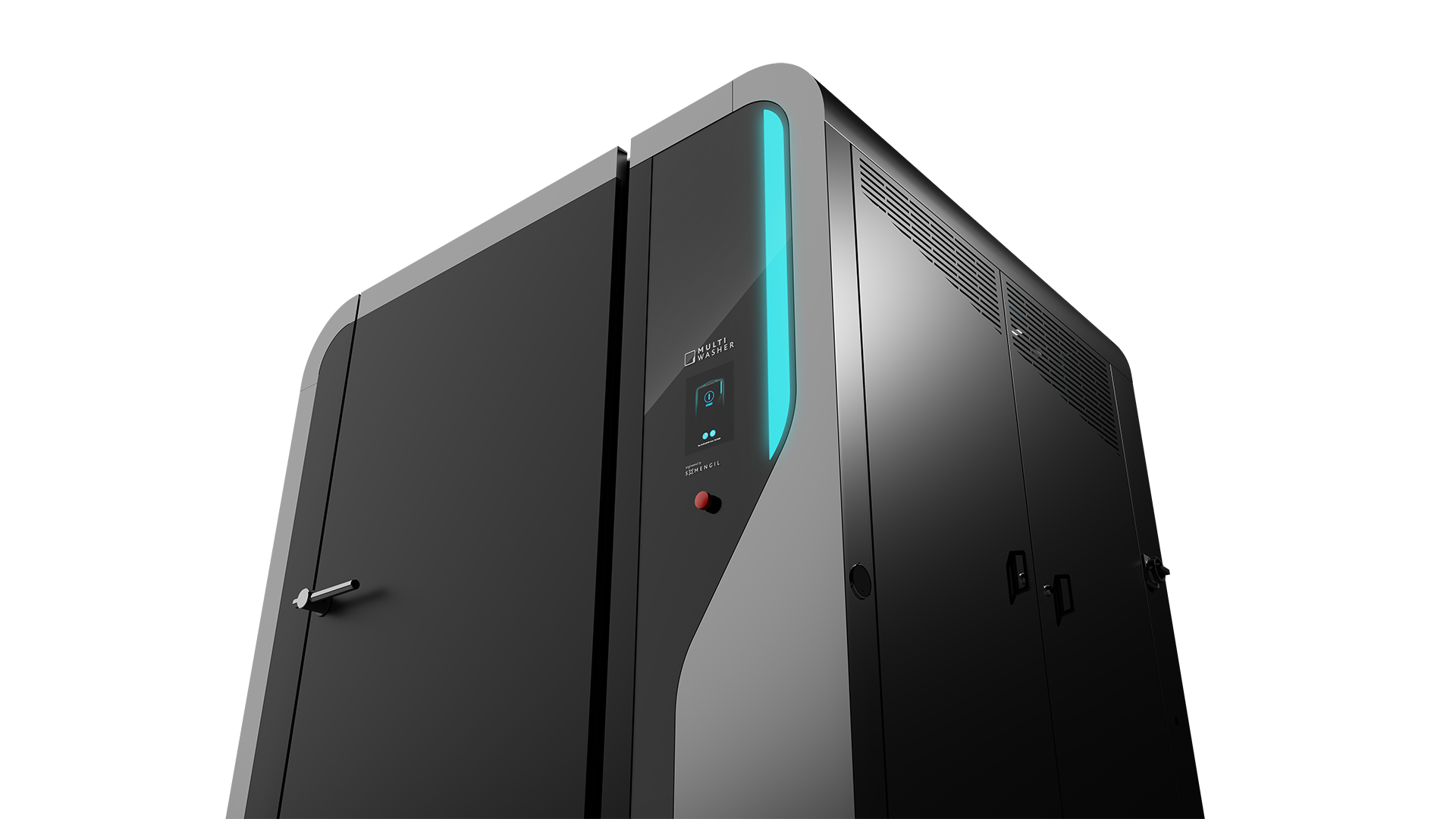
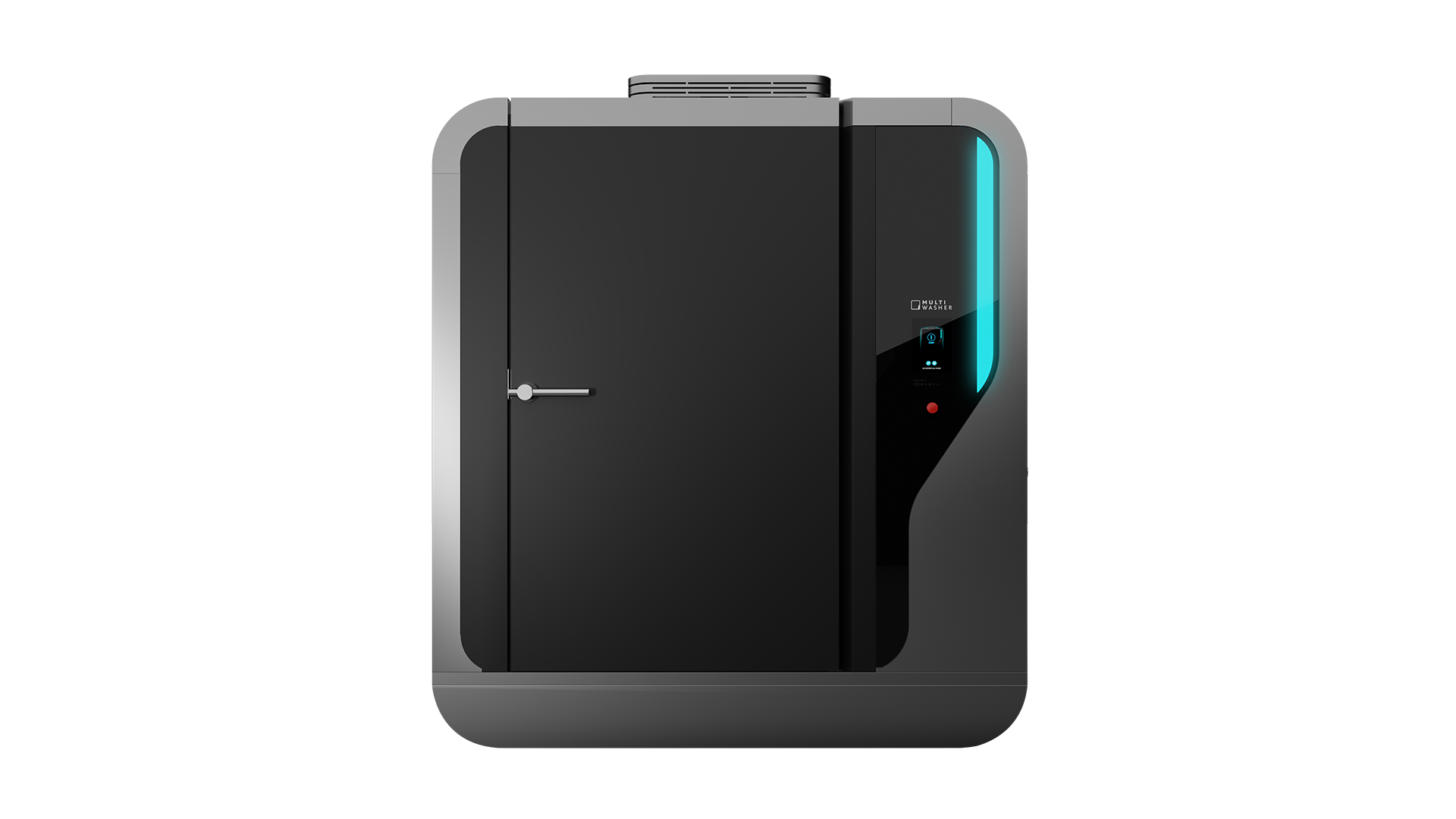
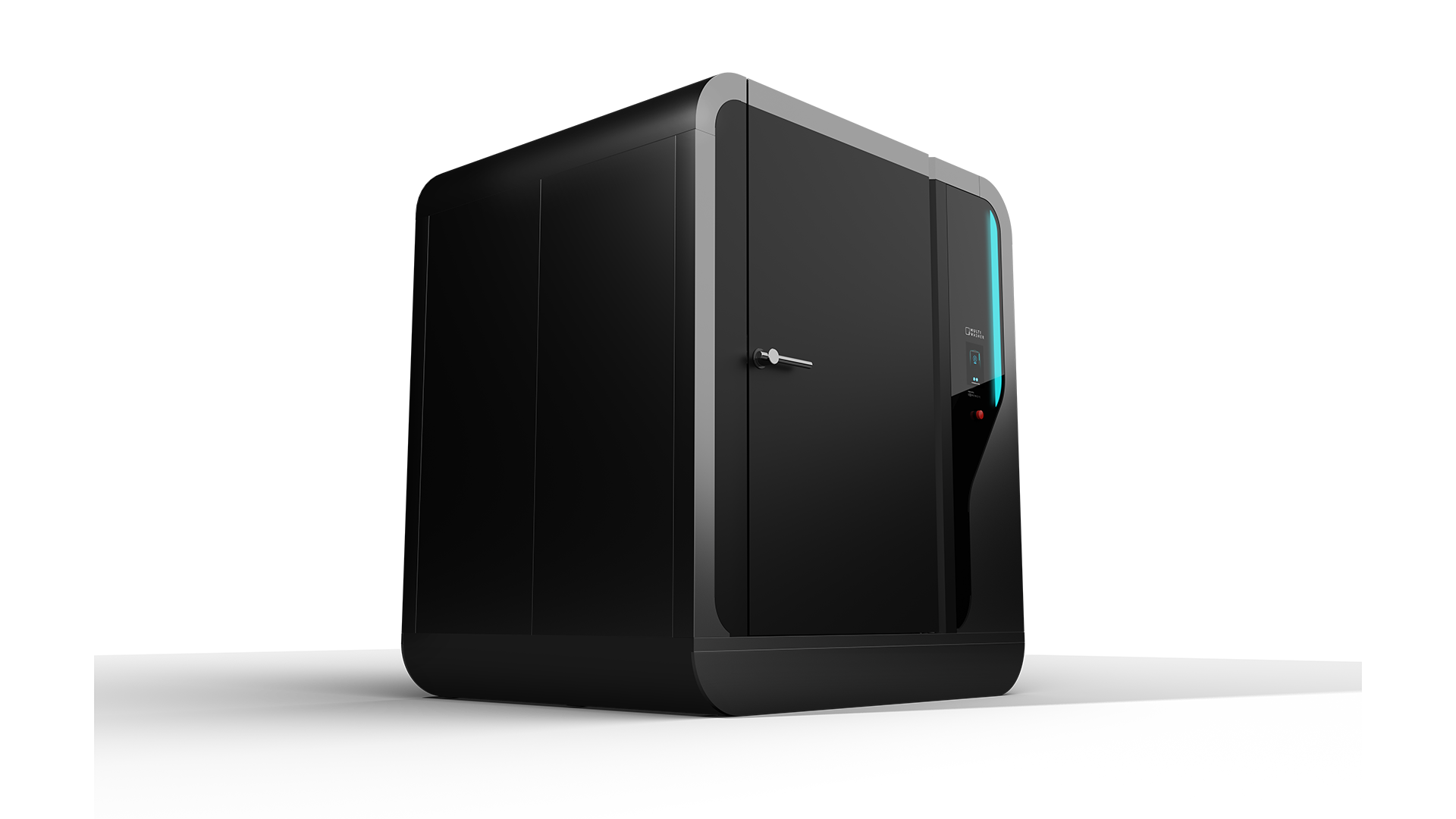
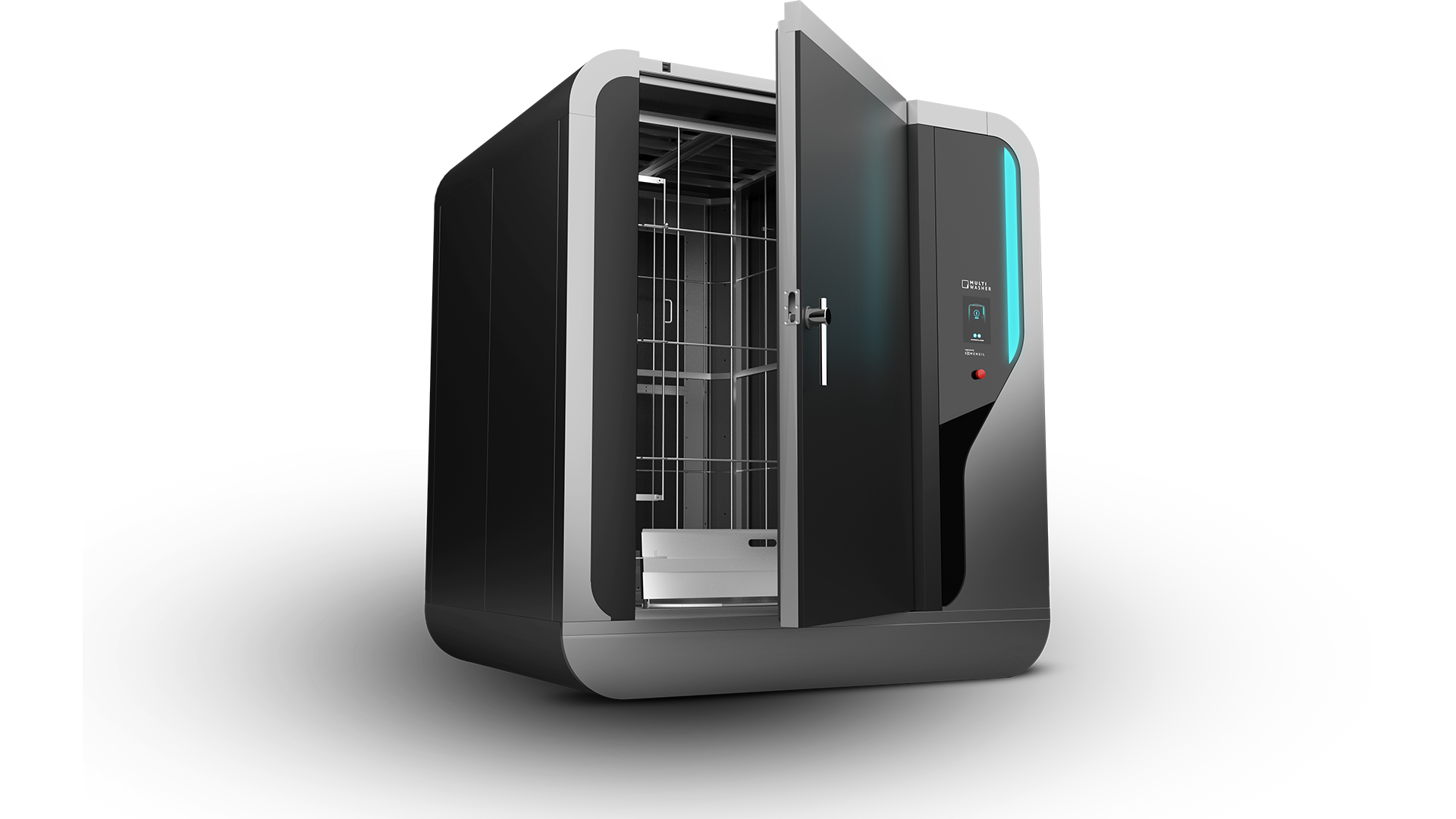
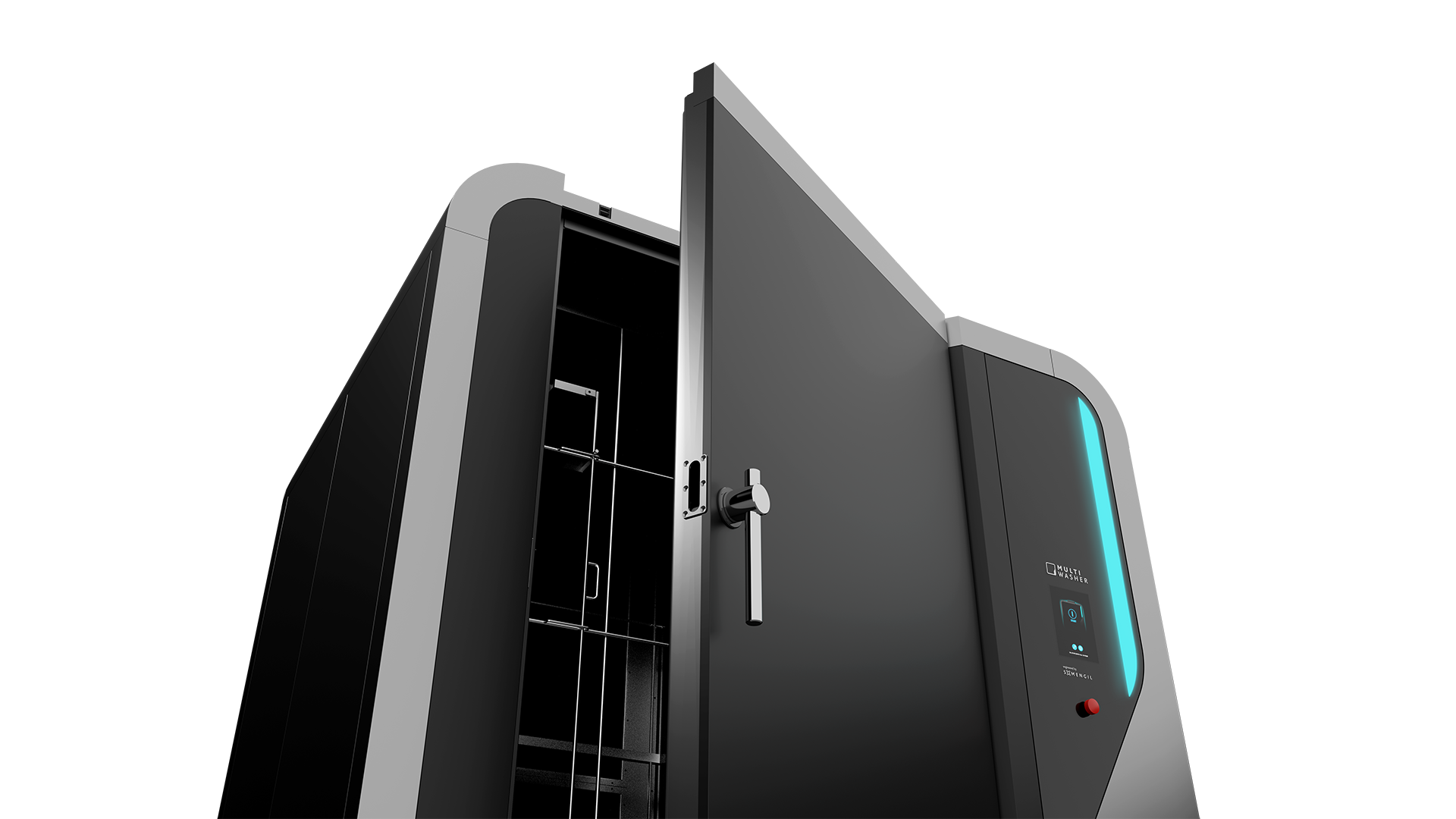
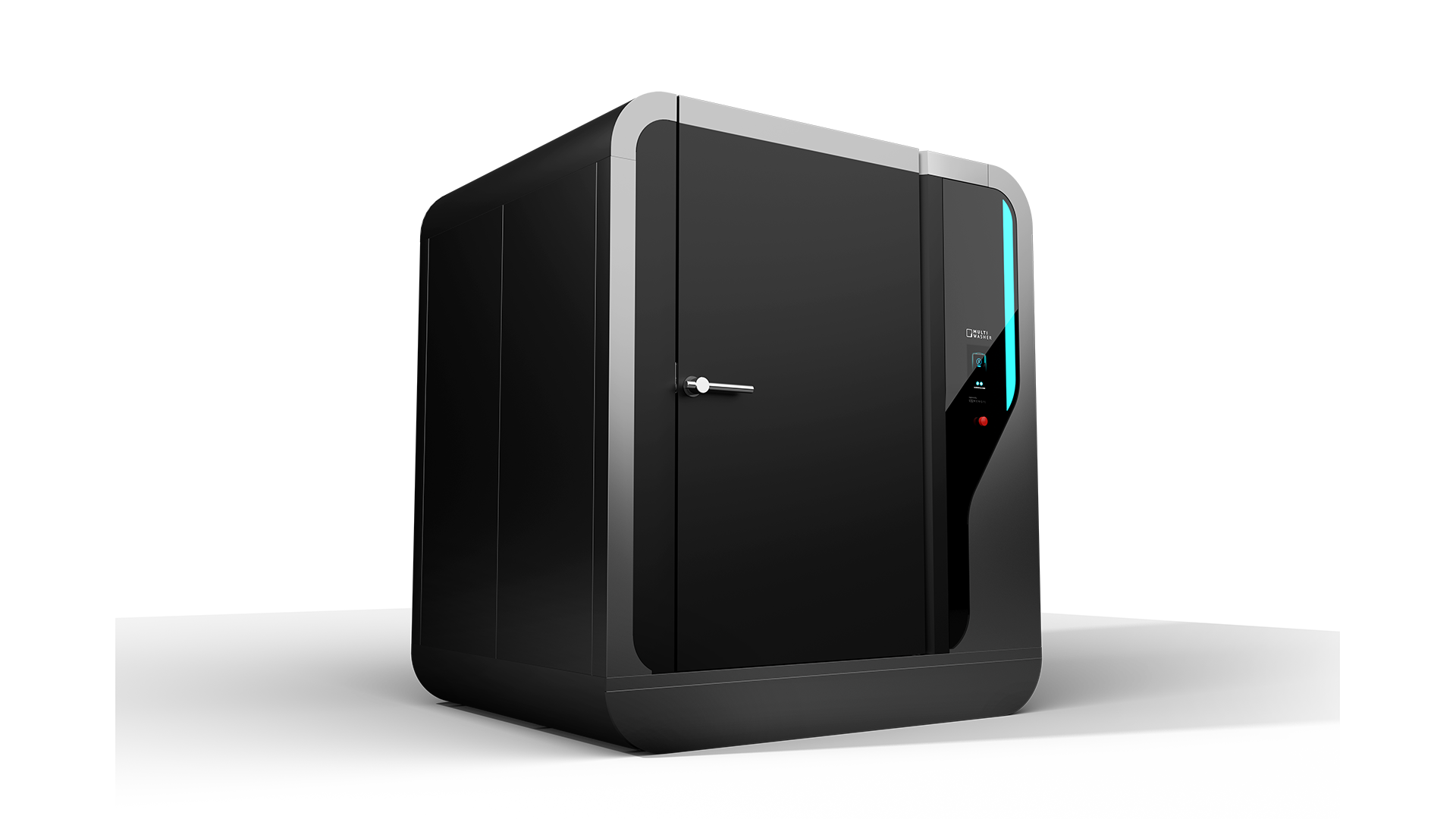
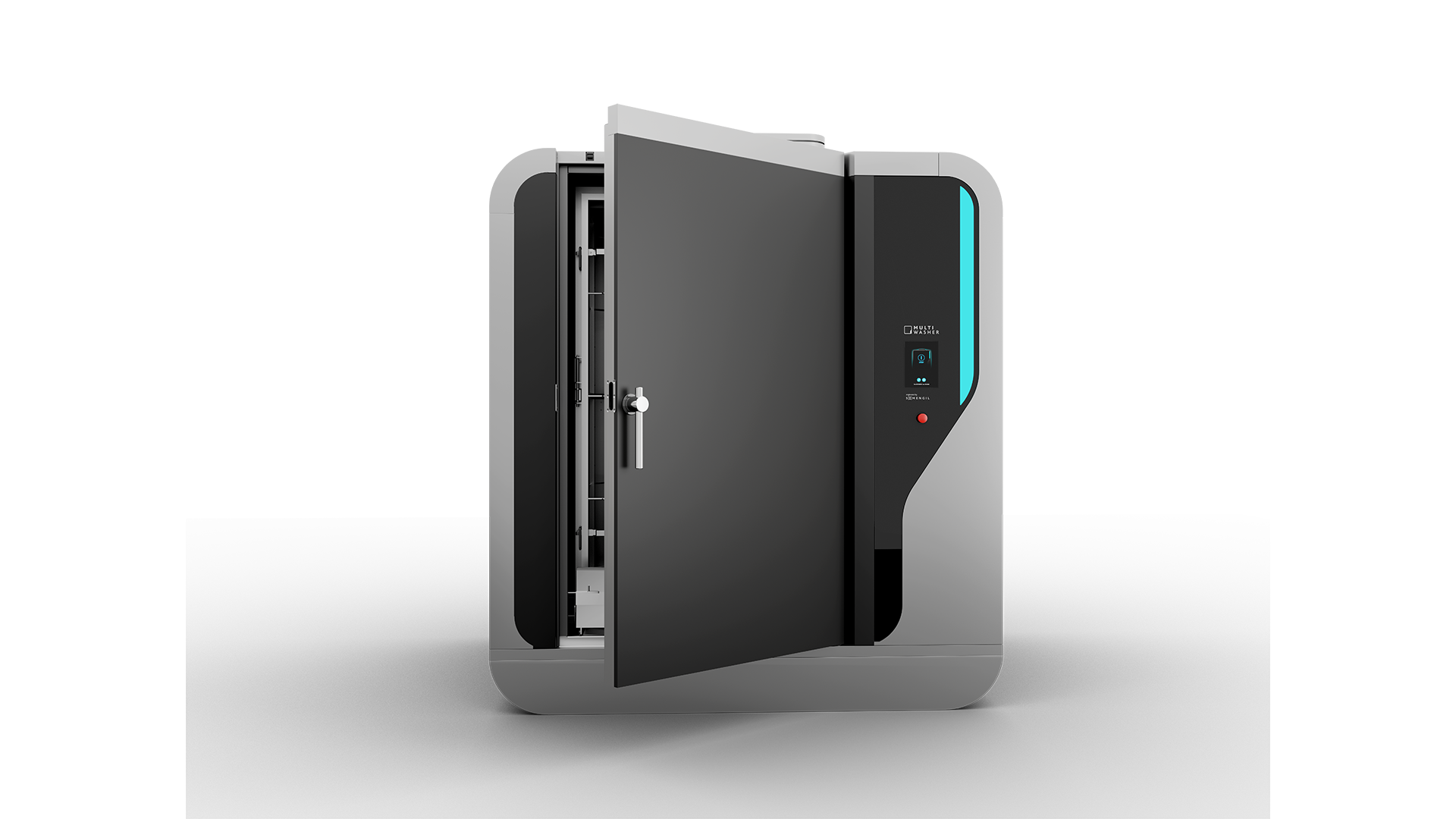
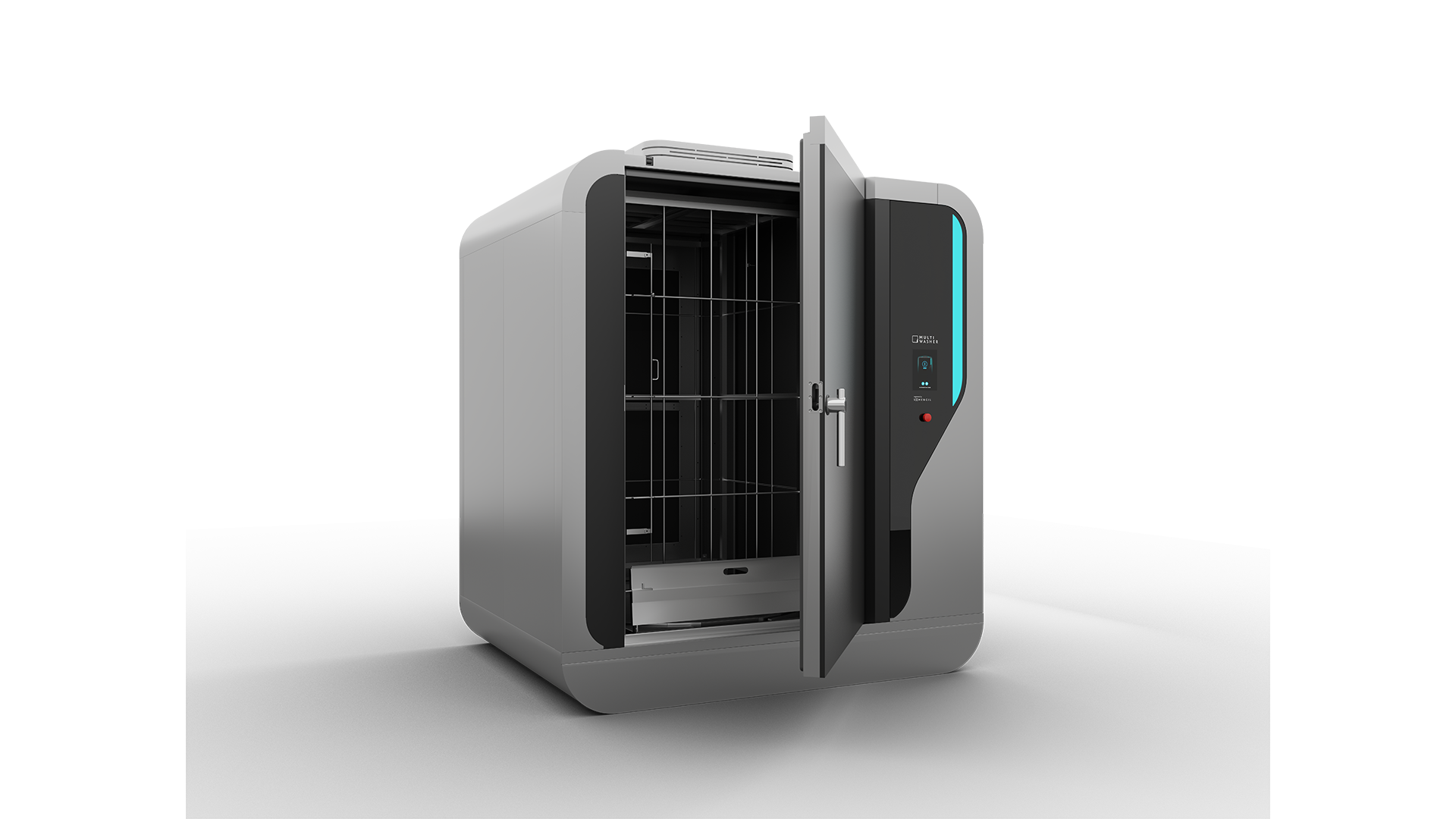
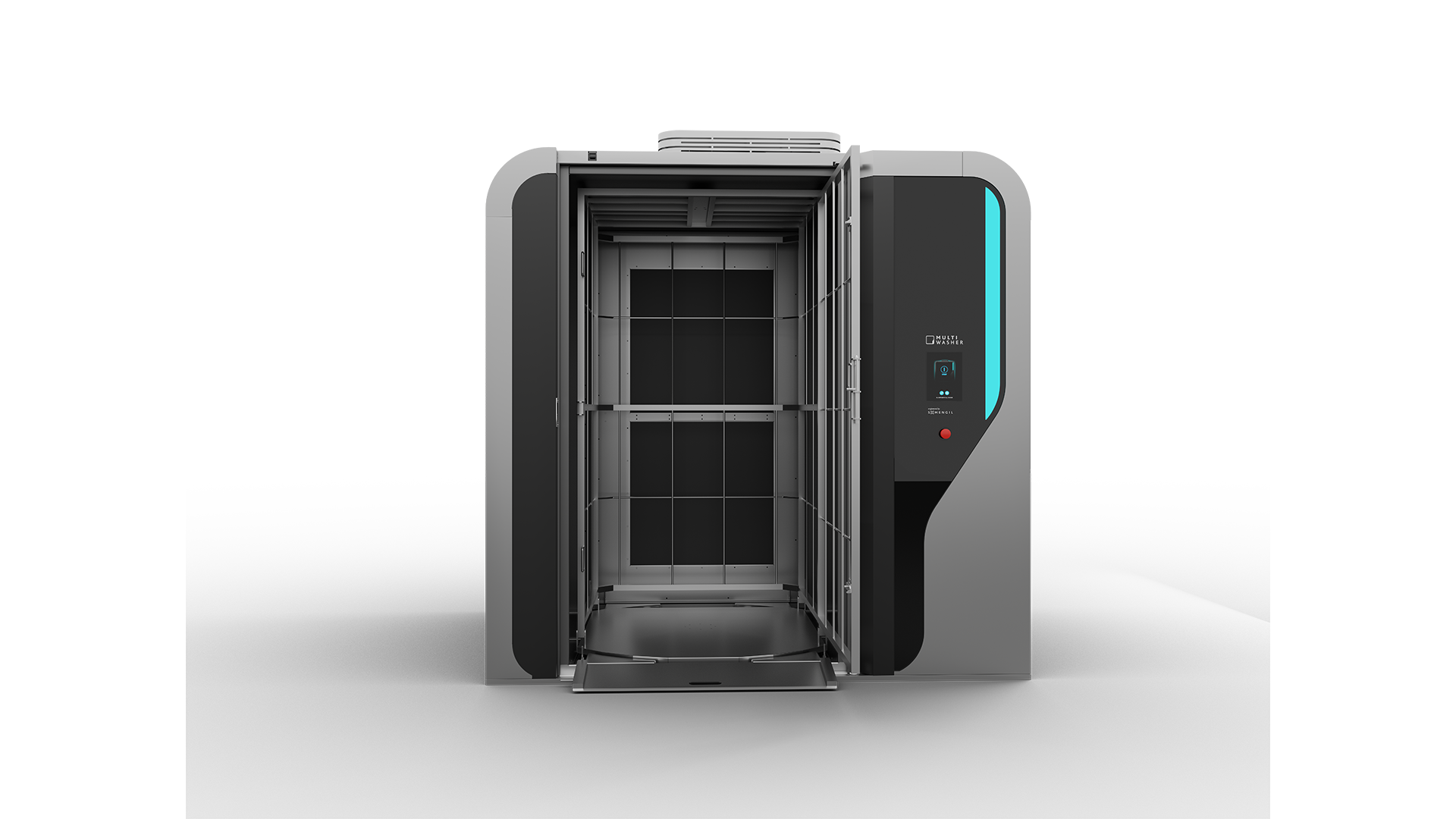
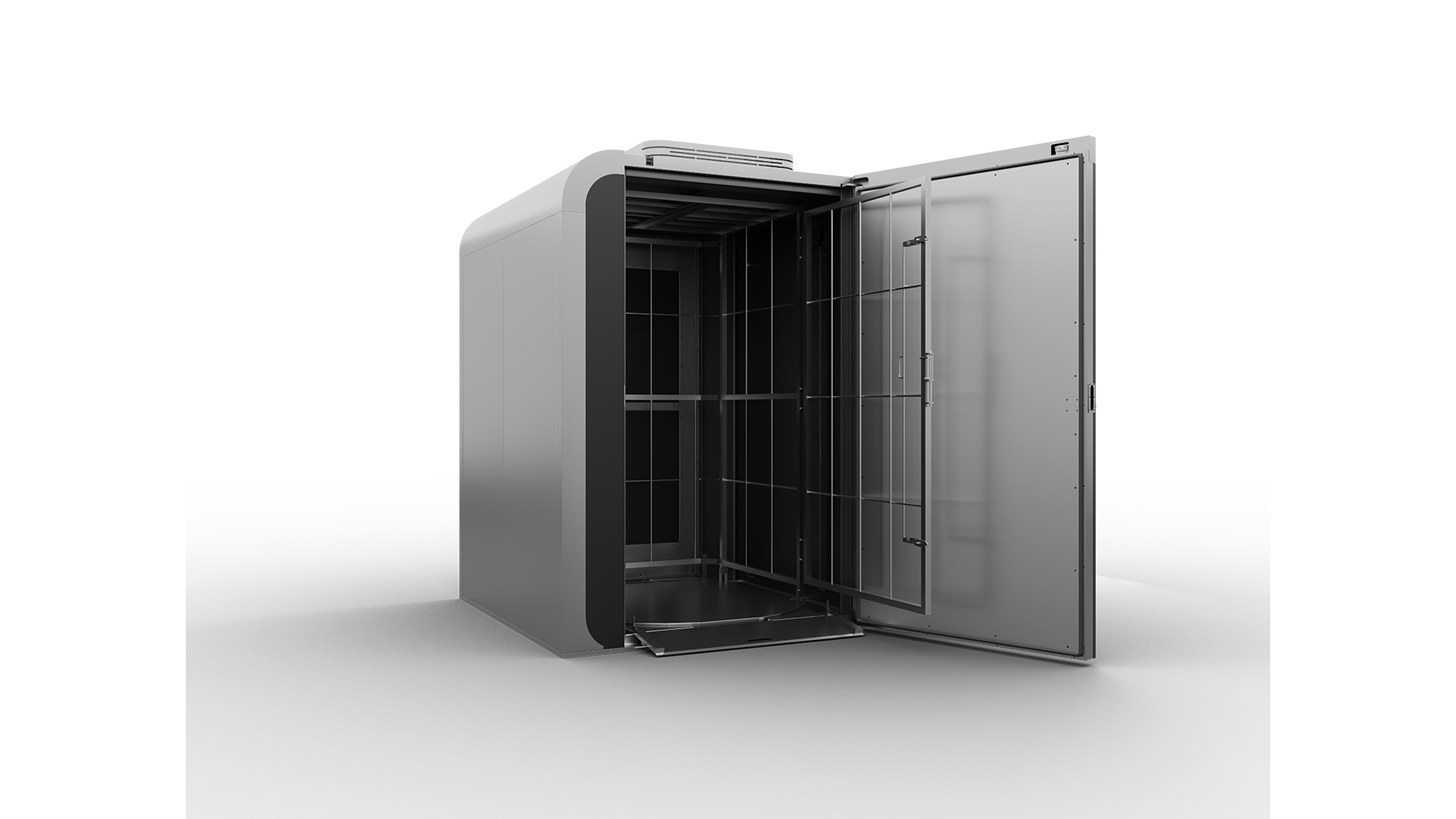
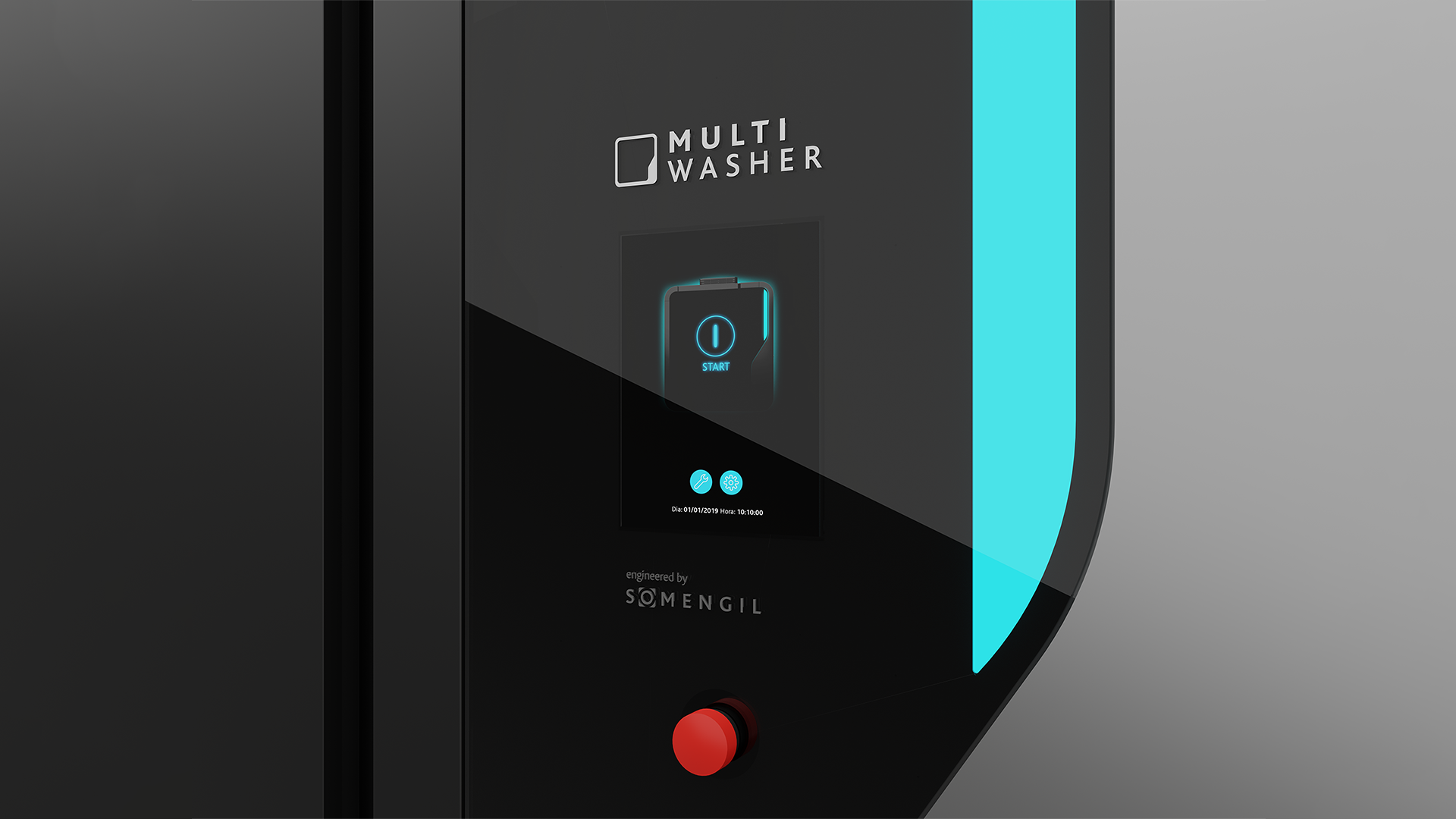
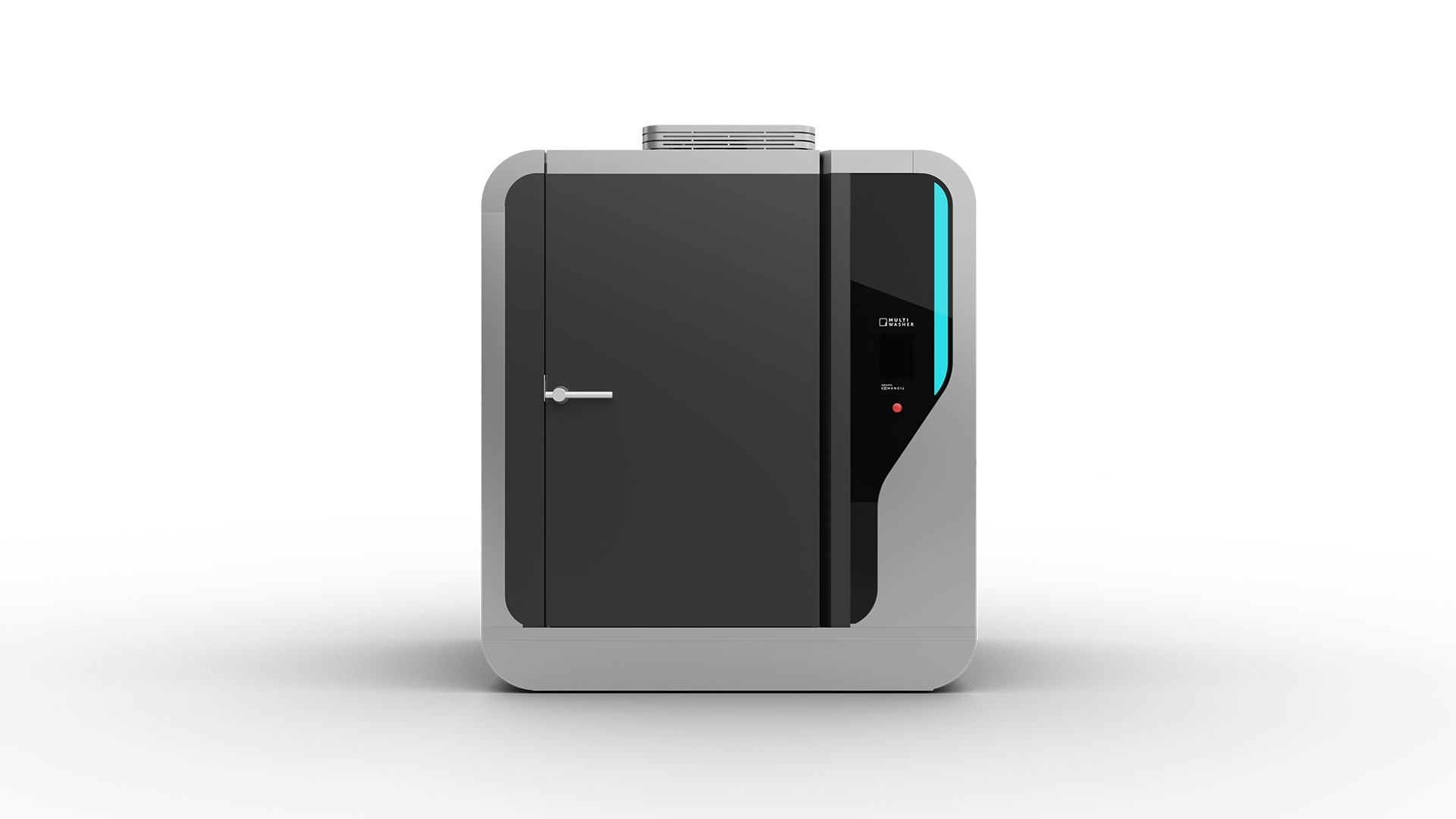
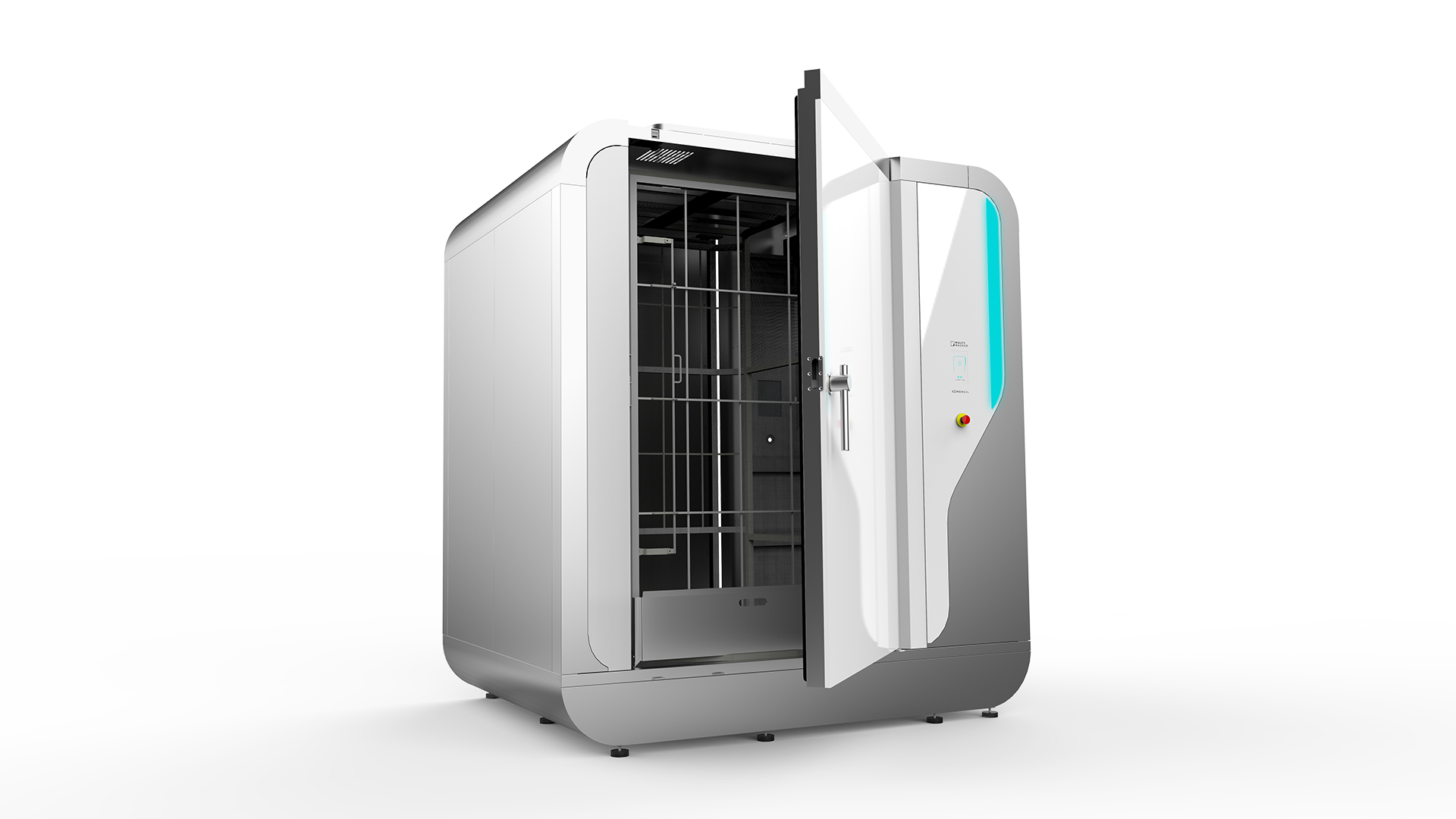
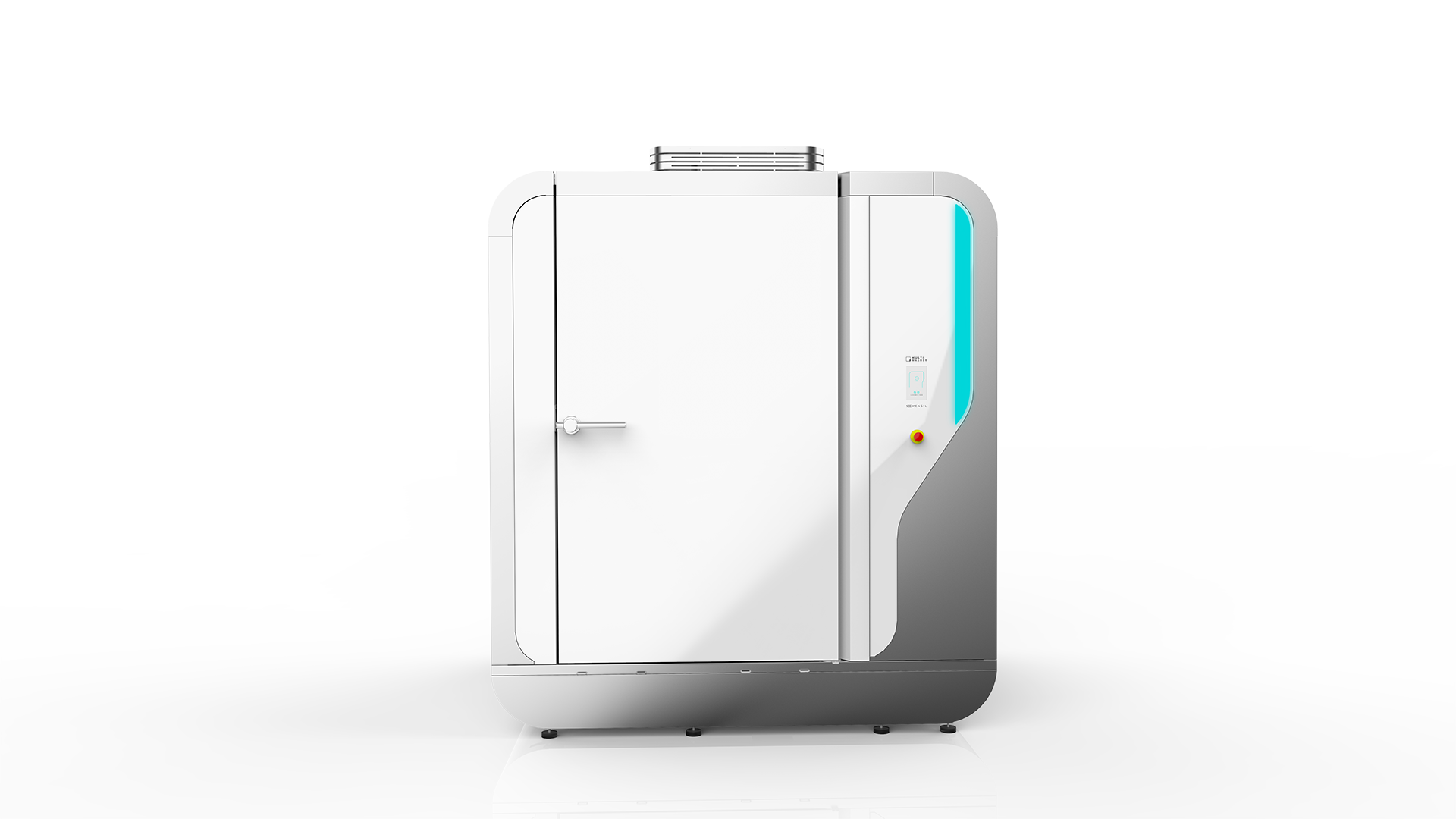
Quality and operational excellence–this is what you can expect from Somengil, which has been ISO 9001 certified since 2010. MultiWasher, an industrial washing machine, results from the continuous improvement of our processes, and the latest technology at the service of industrial washing.
This machine is designed for top performance, in efficiency, ergonomics and design. The MultiWasher allows you to sanitize every utensil, with 2/3 less water than other industrial washing solutions, and with 70% less detergent while still delivering a perfect wash. Schedule a demonstration to prove the washing performance of the MultiWasher.
FAQs about ISO 9001 certification
These answers cover the questions most often raised before an assessment.
Is certification mandatory?
No. Organisations may apply the standard without certification, although a customer or tender may request it.
Who issues the certificate?
An independent certification body, not ISO, assesses the quality management system and issues the certificate.
How long does certification take?
It depends on the organisation’s size, scope and starting point. The time needed to implement and test the system often matters more than the audit itself.
You may also like

Industrial washing / Articles
What are meat drying rack washers and are they right for you?
Discover what a meat drying rack washer is and if it is right for your business.
Posted in 2025-07-10










 Portugal
 United Kingdom
 United States
 France
 Spain
Spain Germany
 Romania
 Italy
Italy Czech Republic
 Finland
 Hungary
 Slovakia
 Greece
 Lithuania
 South Korea
 Russia
 Saudi Arabia
 Poland
 Brasil
 Hebrew