Industrial washing / Articles
OEE in washing: what it means, how to calculate, how to improve
OEE is an essential metric to ensure equipment efficiency. But what does it mean, and how can managers use it to improve performance on the shop-floor?

 17 minutes of reading
2026-08-13 11:54:09
- In industrial washing, small losses such as micro stops, inefficient setups or repeated wash cycles accumulate and affect operational costs and equipment performance.
- OEE enables industrial washing operations to reduce downtime, improve washing quality and increase productivity.
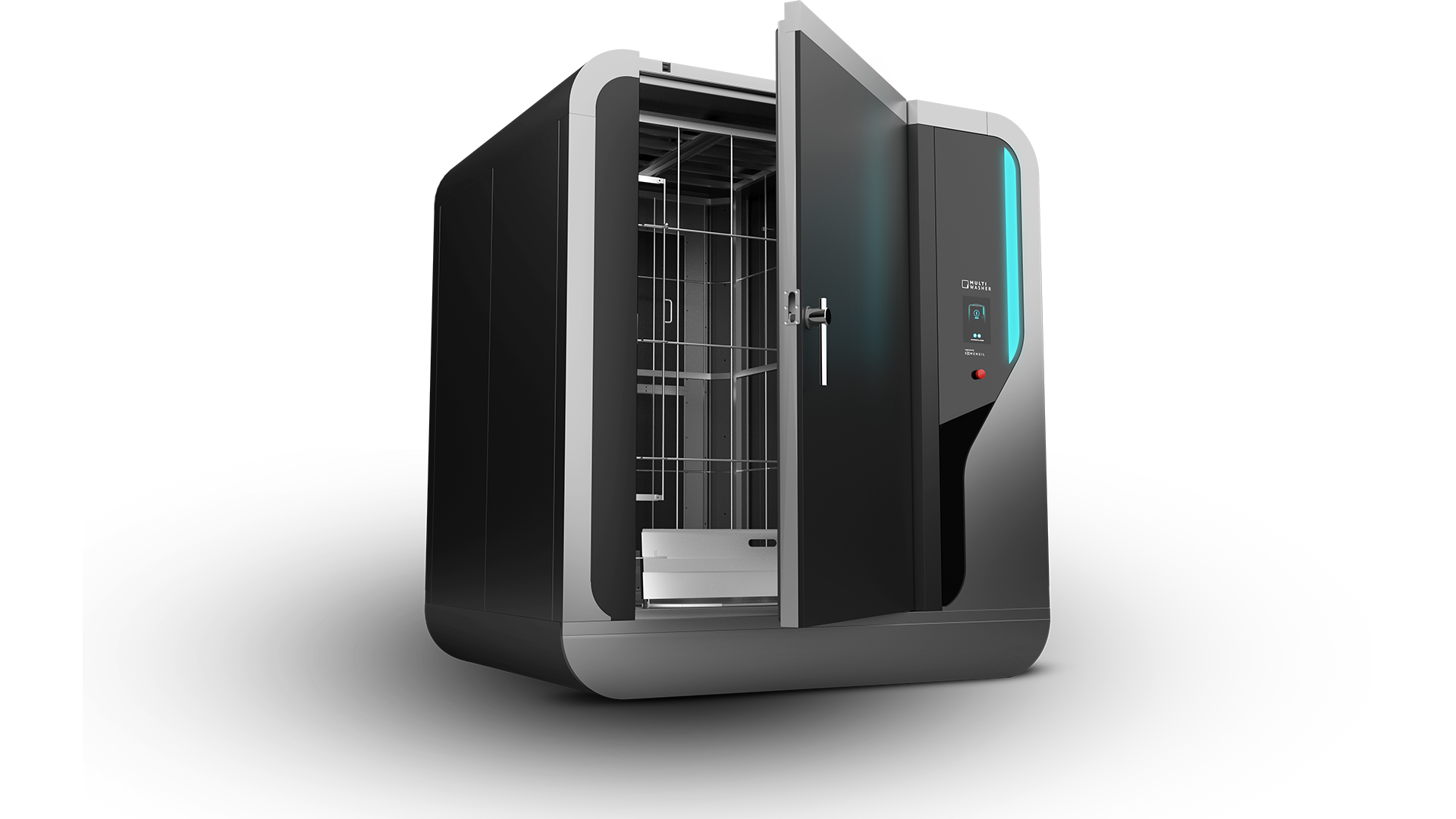
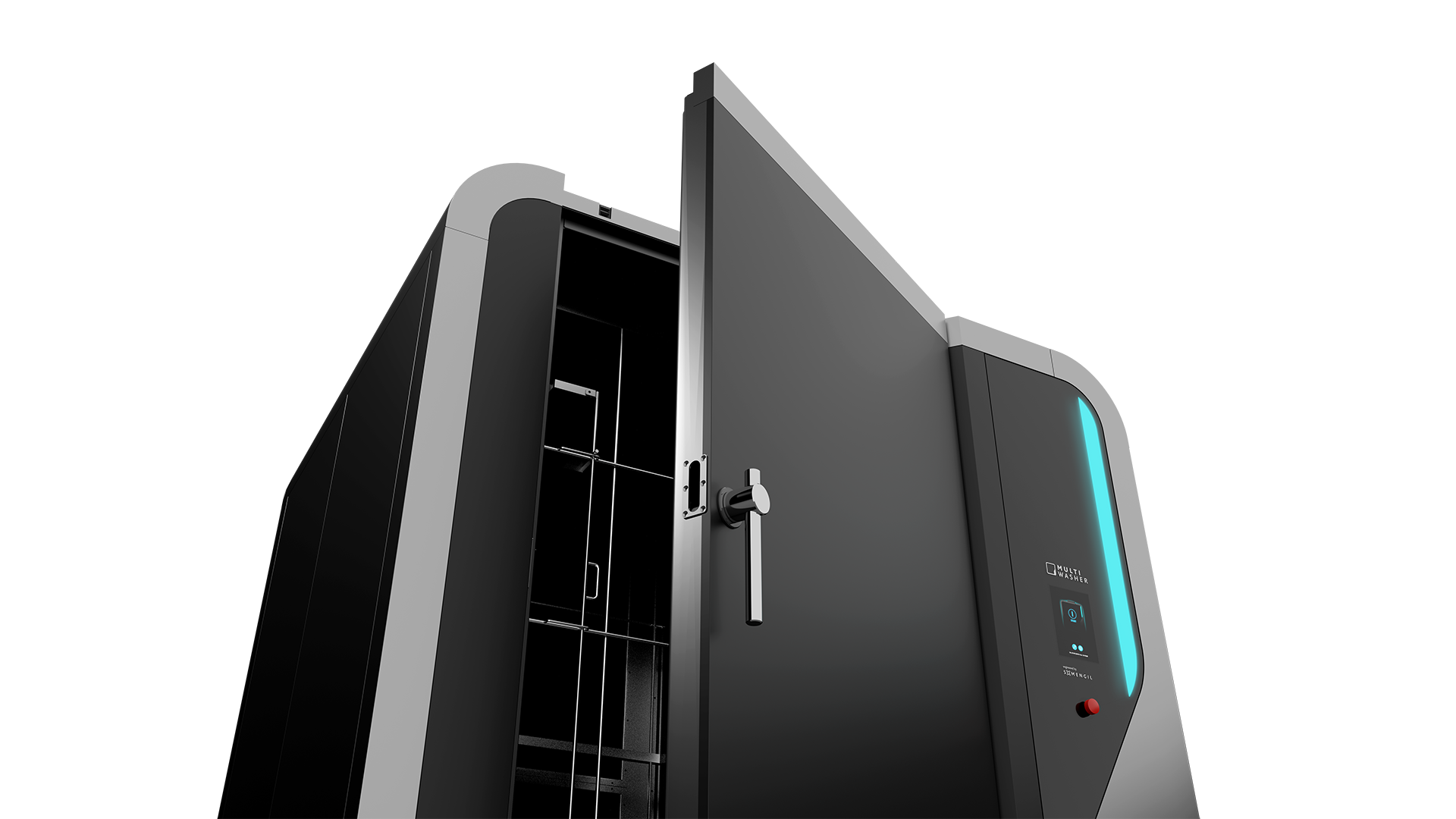
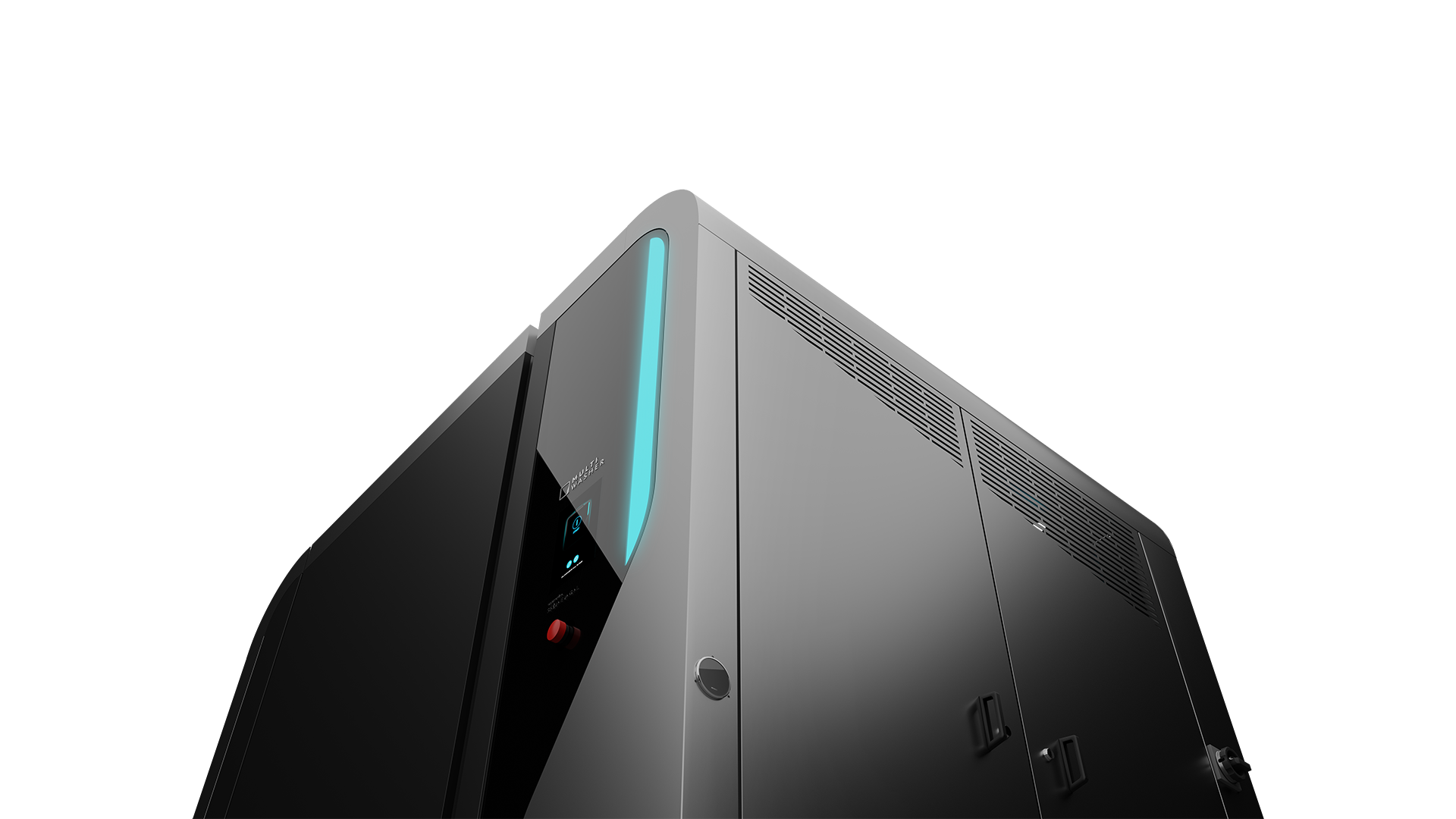
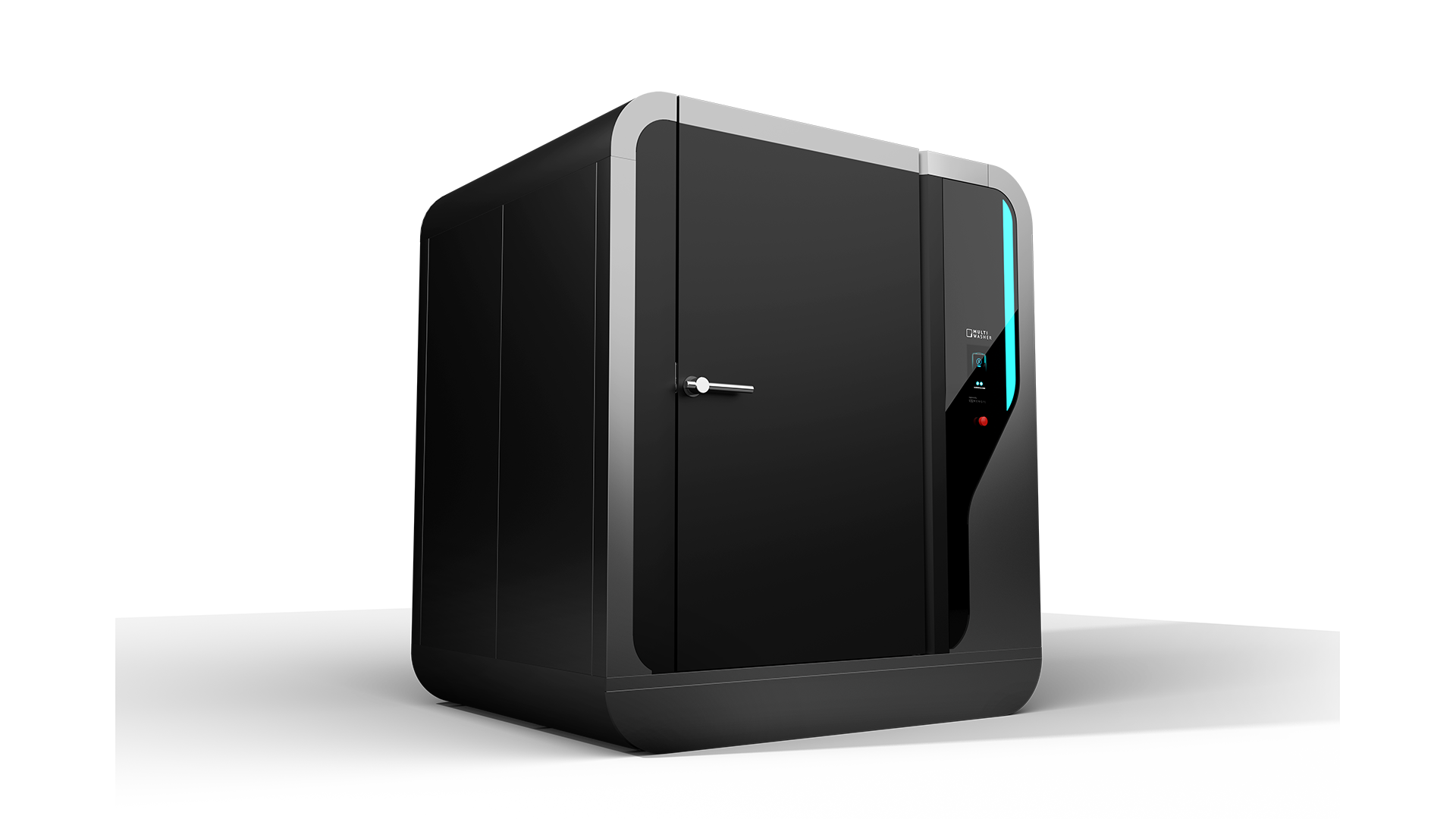
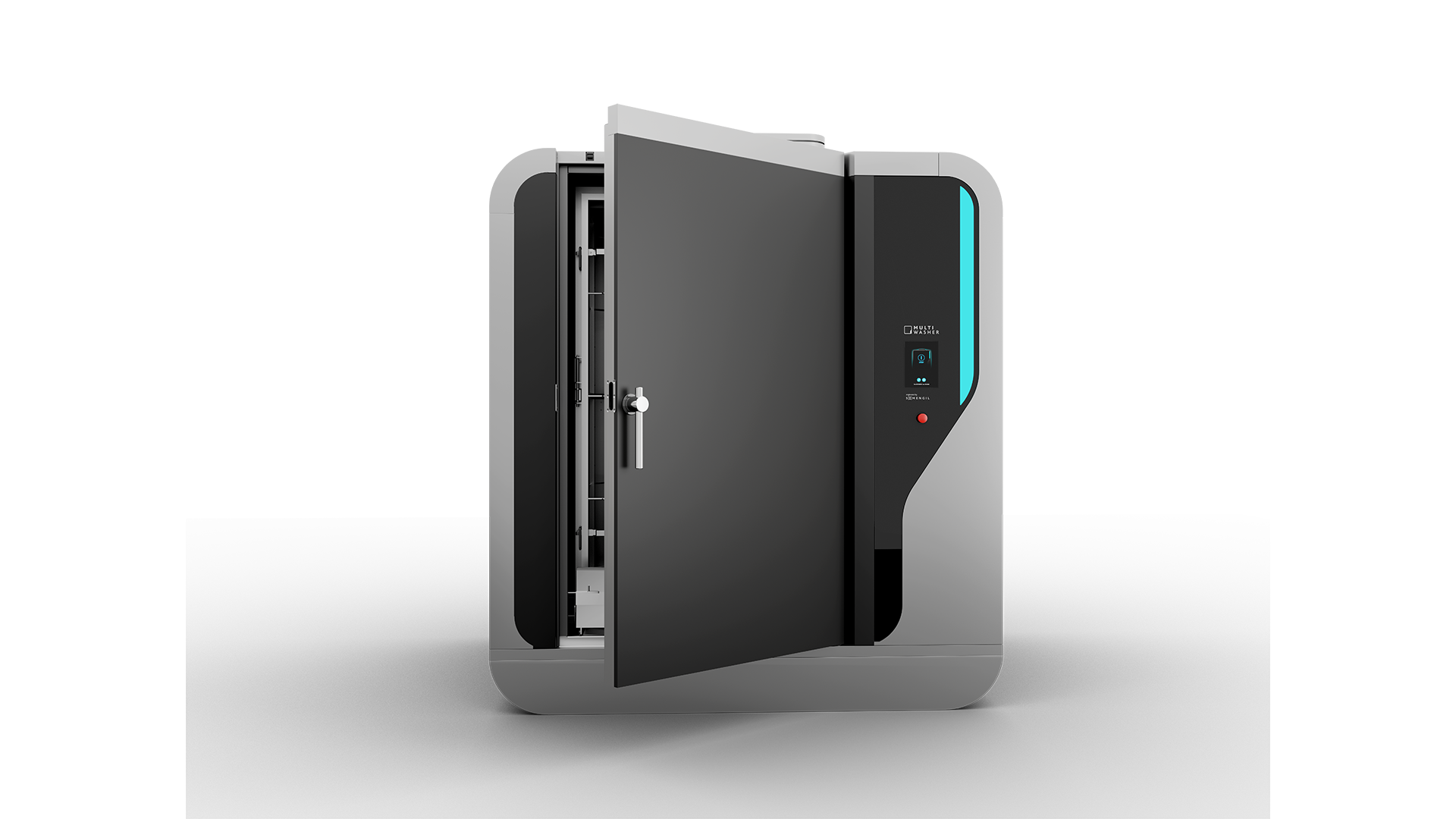
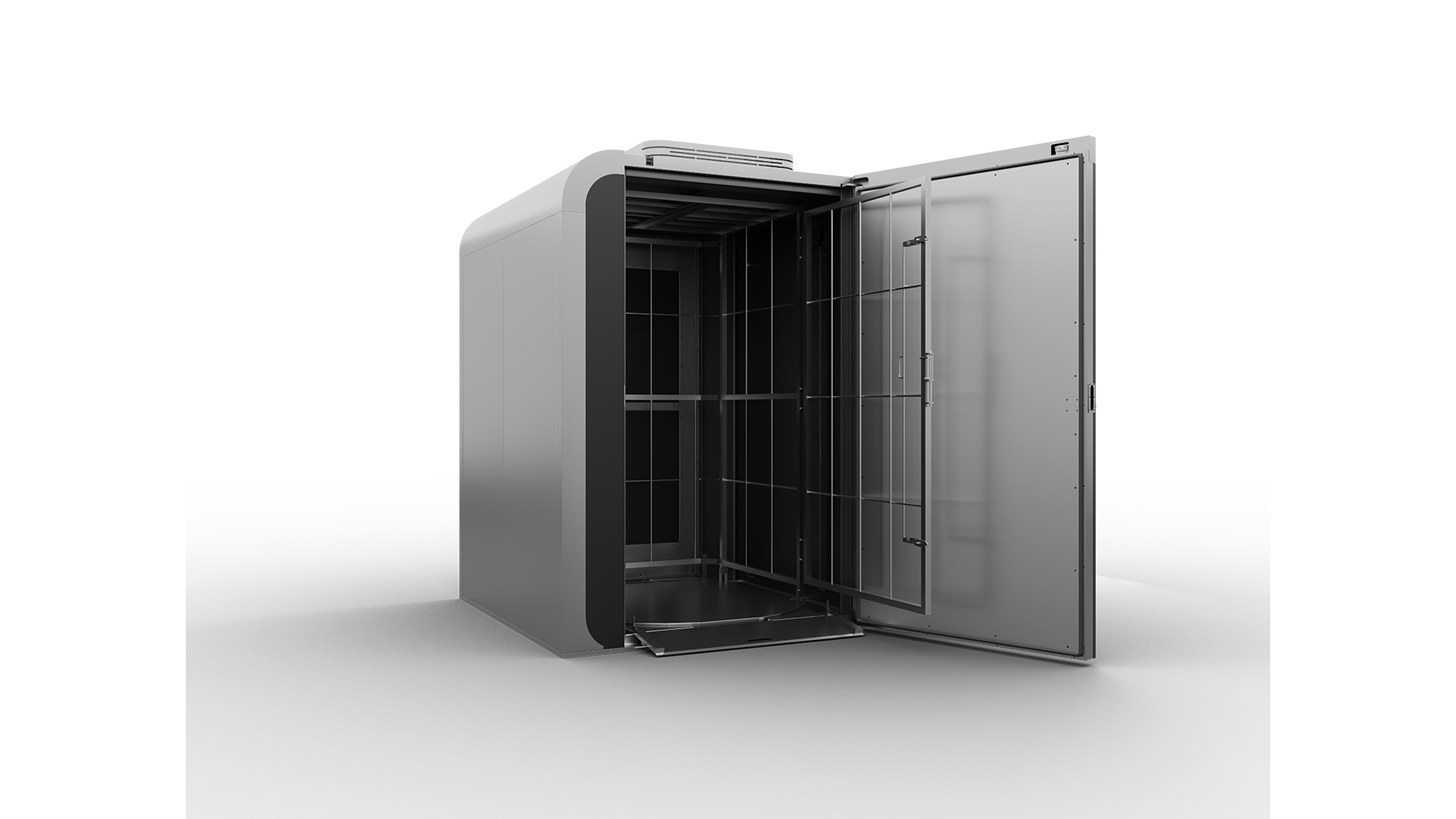
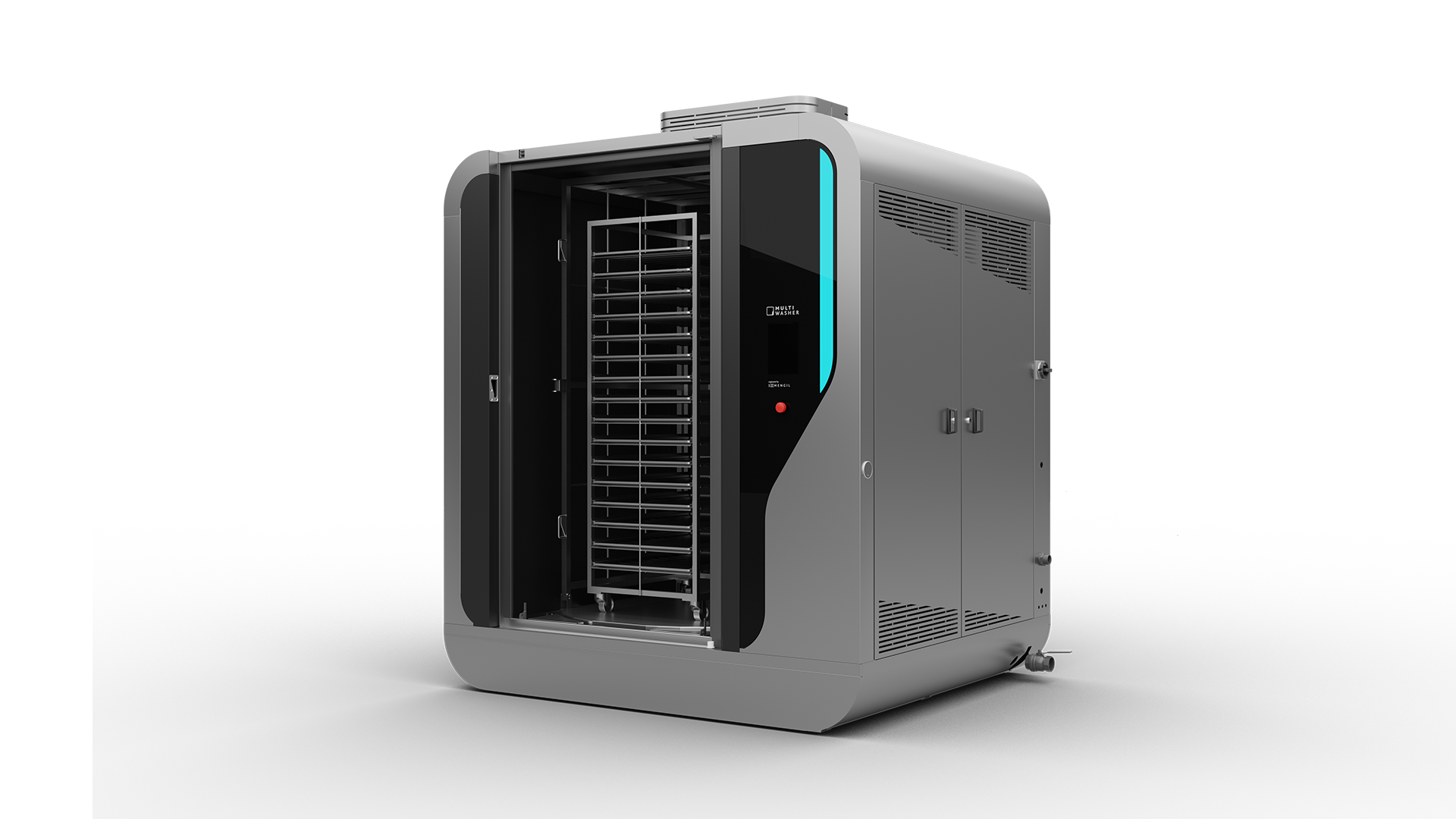
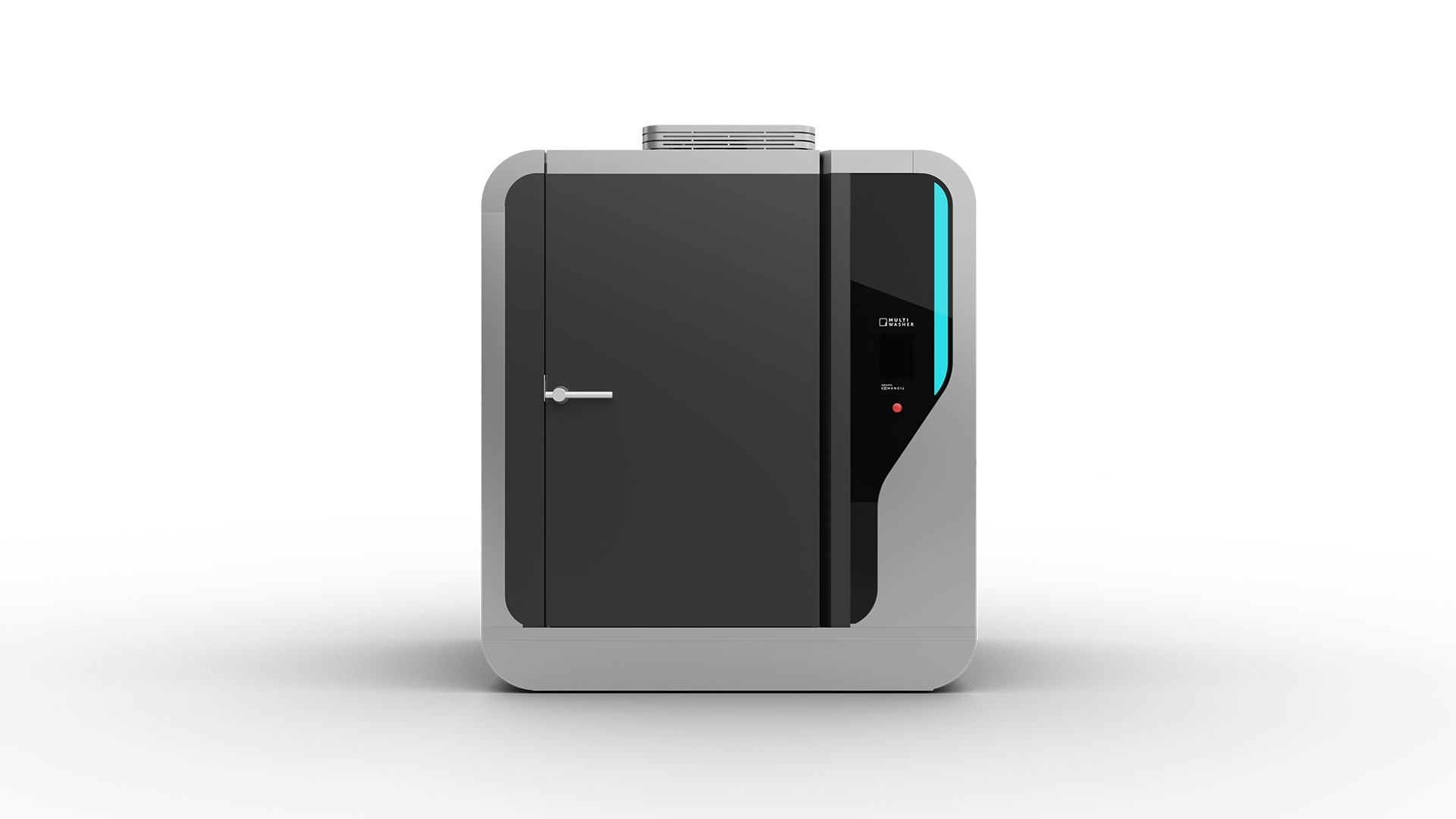
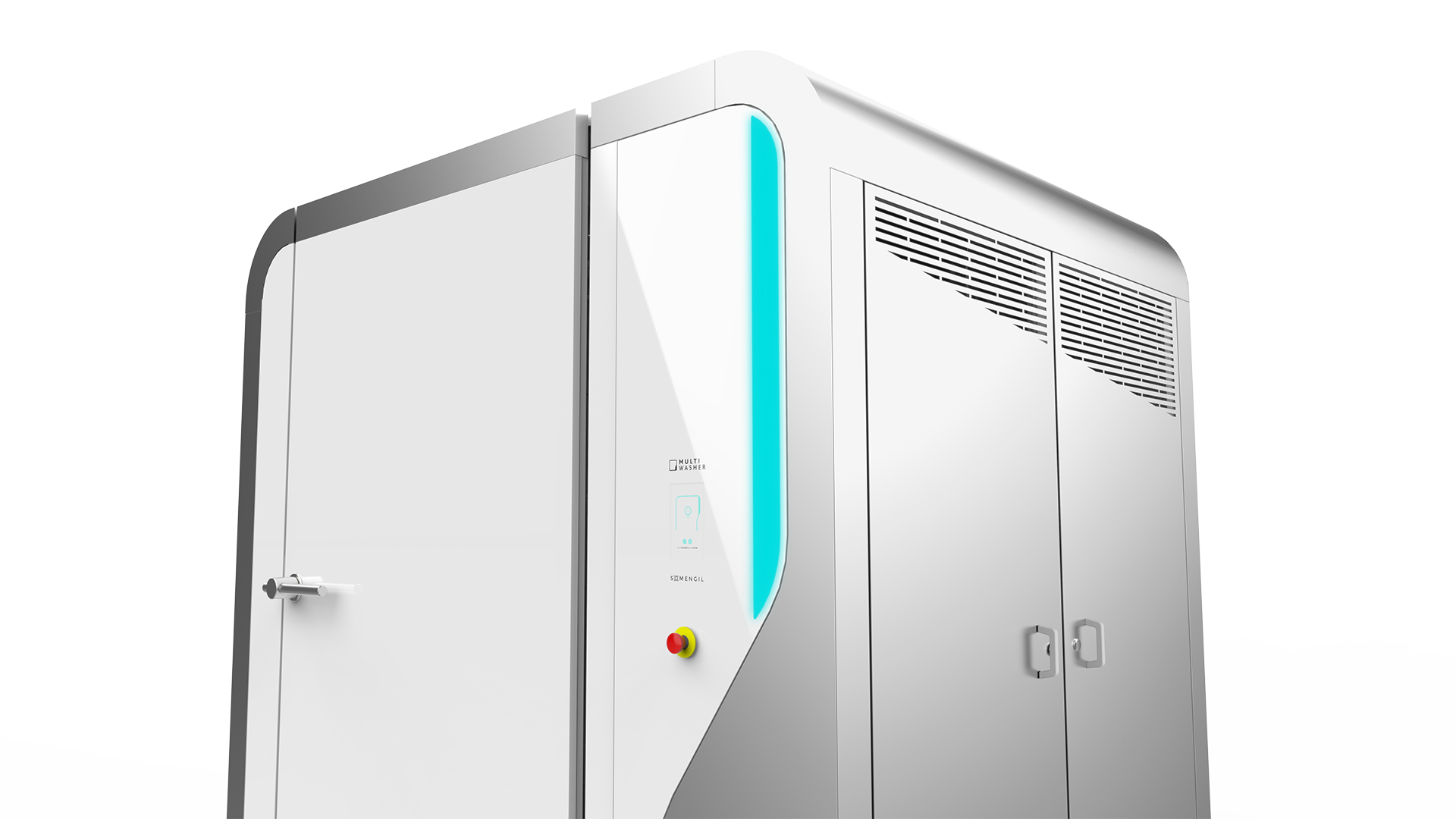
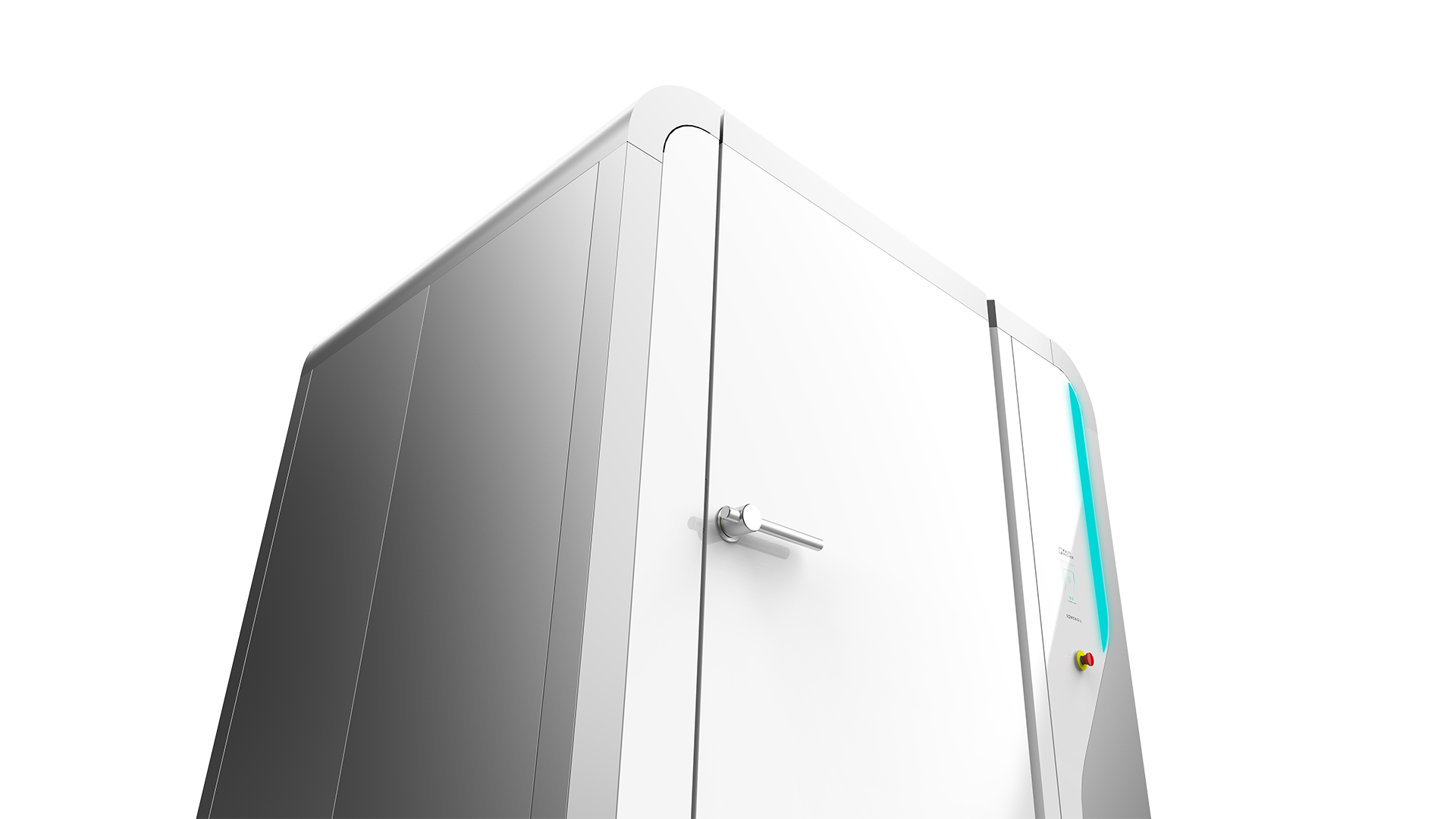
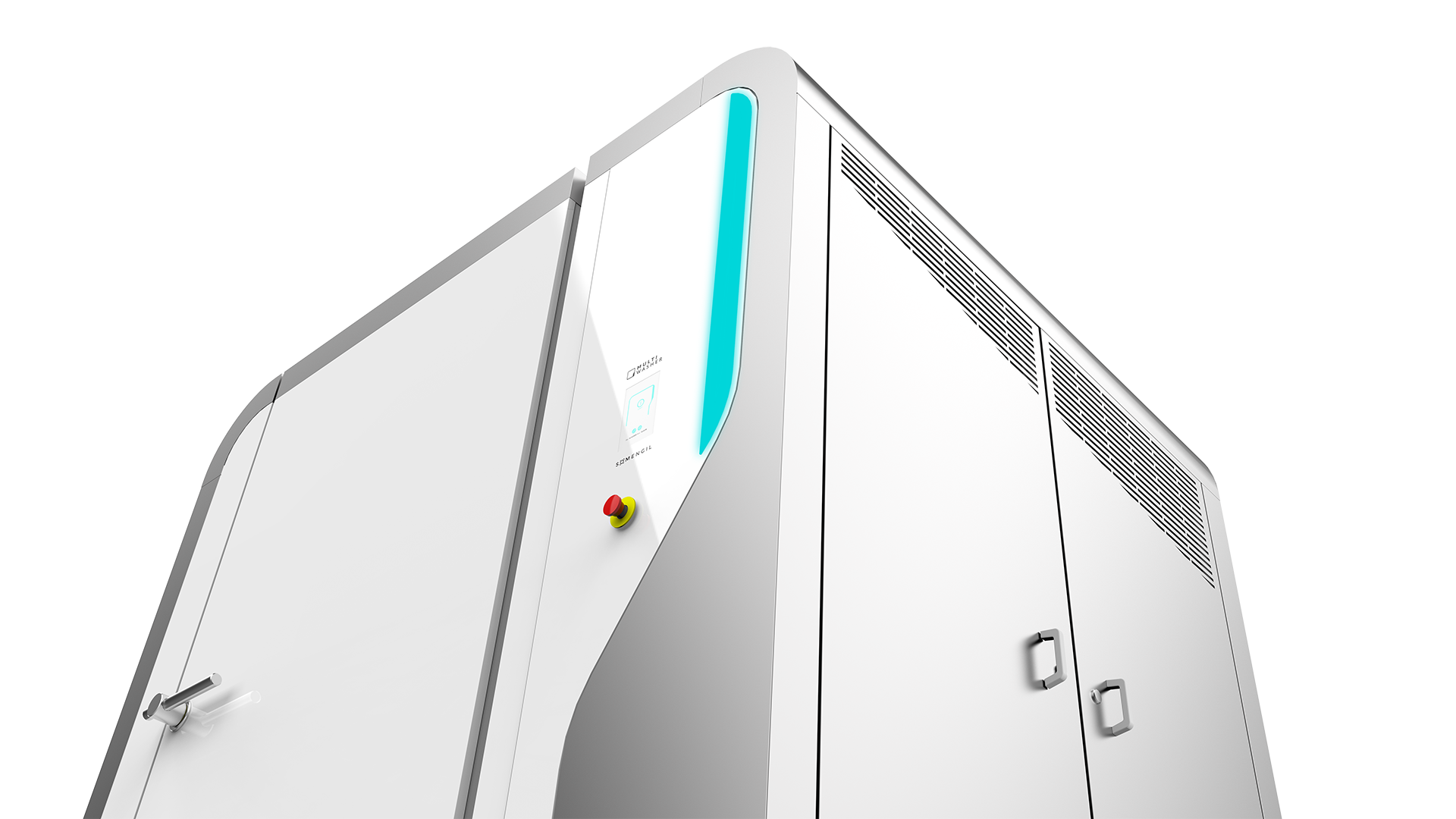
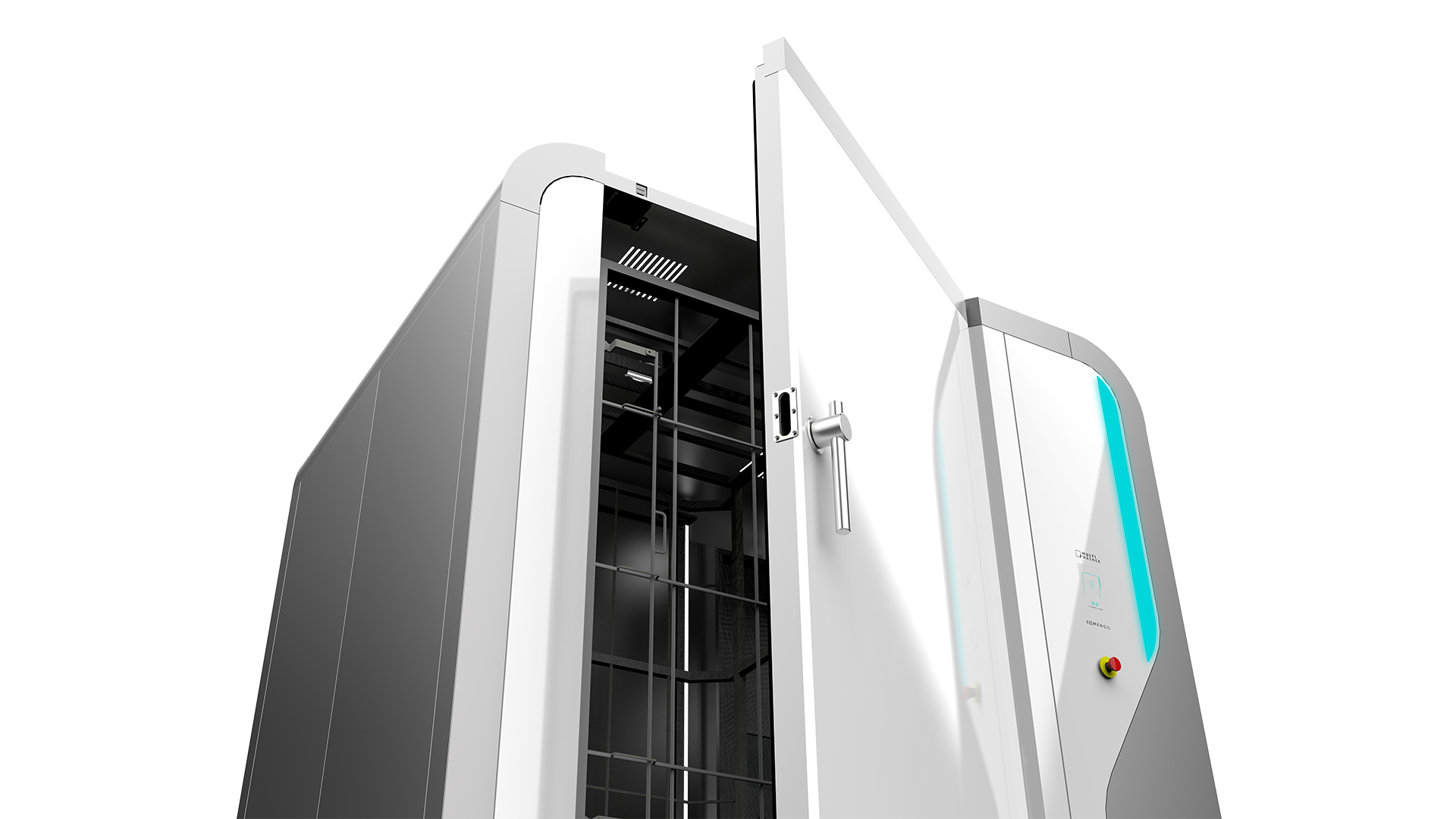
- MultiWasher is a leading washing equipment that allows companies to improve their overall OEE.
A production line can look busy and still be losing money. Minor stops, slower-than-expected cycles, rework, scrap, changeovers, and unplanned downtime often hide in plain sight - until they appear in missed targets, rising costs, or frustrated teams. OEE or Overall Equipment Efficiency helps bring those losses into focus by showing how much of your planned production time is actually being converted into good, sellable output.
What is OEE?
OEE or Overall Equipment Efficiency is an efficiency metric, used in industrial companies to evaluate the performance of a machine, work cell or plant. Calculating the OEE is relatively easy - simply divide “productive” time by the total duration of a shift. In this formula, “productive” means only the time when the machine is operating at the expected quality and speed.
The higher that percentage, the more efficient the equipment. But to take advantage of this indicator, it is necessary to dive deeper and understand the elements that compose the OEE.
Why measure the OEE?
The major advantage of the OEE is that it divides production losses into three categories: availability, performance and quality. In this way, it is possible to identify areas that need improving such as:
- Scheduled stops, such as maintenance;
- Unscheduled stops, such as breakdowns;
- Micro stops, typically below 5 minutes, such as those caused by machine configurations and which are often not even recorded by operators;
- Setups, the setup time of new operating programs;
- Substandard operating speeds, when the machine operates at a speed lower than recommended by the manufacturer;
- Quality failures, whenever the final output does not meet quality standards or fails inspection.
Together, these losses form a single metric called OEE, an indicator that provides a complete picture of efficiency. The OEE allows companies to measure, compare and improve the performance of machines, work cells, production lines and even entire factories.
In a washing equipment, as in any other machine, measuring the OEE is recommendable as a starting point for improvements. This is often the first step to make this process more efficient and sustainable.
How to measure OEE in washing?
Applied to washing, the OEE represents the percentage of time the machine is washing the utensils at the pace set by the manufacturer (without loss of speed), without interruptions (without loss of time per stop) and with the expected quality.
For example, if a washing machine operated during the 8 hours of a shift at the optimal cycle speed and with excellent washing quality, the OEE will be 100%. But if it only worked for 4 hours, then the OEE is 50%. And if during those 4 hours it operated at half the standard speed, the OEE falls to 25%. If, in addition, the machine failed to wash half the components properly, the final OEE would be 12.5%.
A simpler way to calculate the OEE, but that offers less detail, would be to divide the actual number of utensils correctly washed by the theoretical total. For example, if an industrial washing machine can wash 700 utensils per hour, but is actually only able to wash 70, then the OEE is 10%. But this more simplistic form does not identify where the losses are and therefore offers less information to act on.
Whatever the calculation method, the OEE provides a standard metric for measuring, comparing and improving equipment efficiency. Therefore, methodologies such as Lean, Six Sigma and Total Productive Maintenance (TPM) typically employ it as a benchmark.
What are the reference values for the OEE?
A 100% OEE is the equivalent of perfect production: it means a machine only produces (or washes) pieces without defects as quickly as possible and without downtime. An 85% OEE is considered world-class for discrete (or piece-by-piece) production, including washing. For many companies, it is an appropriate long-term goal. An OEE of 60% is very common in discrete production, but shows that there is room for improvement.
However, we advise caution using OEE benchmarks, as not all companies use the same calculation formula. It is common for managers to exclude the scheduled maintenance time of the calculation, because they do not consider it a loss. However, the most "purist" formula includes all these elements in the calculation.
How to improve OEE in washing?
Improving the OEE results in a more efficient, cost-effective and environmentally friendly process. These are some ways to achieve it.
Collect real-time data
The first step to improving the OEE is to collect data. For testing, operators can collect the data themselves. But in the long run and with the goal of continuous improvement, most organizations benefit from equipment that measures the OEE in real time.
The washing equipment must be able to record all washing parameters (including speed), output of each cycle, operating and stoppage time (including micro stops). As such, machines can automatically calculate the OEE, send alerts when values fall below the standard, and trigger help chains that notify support teams, even without operator intervention.
Compare internal and external performance benchmarks
With the collected data, it is possible to measure, compare, analyze, identify the root causes of a low OEE and define an action plan.
As an example, availability losses (the downtime) on a specific machine could be higher than the organization average. Or it could be the case that the parameters introduced by the operators are not suitable for the type of utensils to be washed.
From here, maintenance can design specific improvements for that machine on that indicator, rather than trying to implement generic measures. The diagnosis work is simpler with benchmarks between machines and departments, but also with industry best practices.
Reduce setups
The setup is the activity of preparing for the next wash cycle. It starts when the previous cycle slows down and is only complete when the next wash achieves cruising speed. It involves a physical part (preparation of utensils) and another digital part (program configuration).
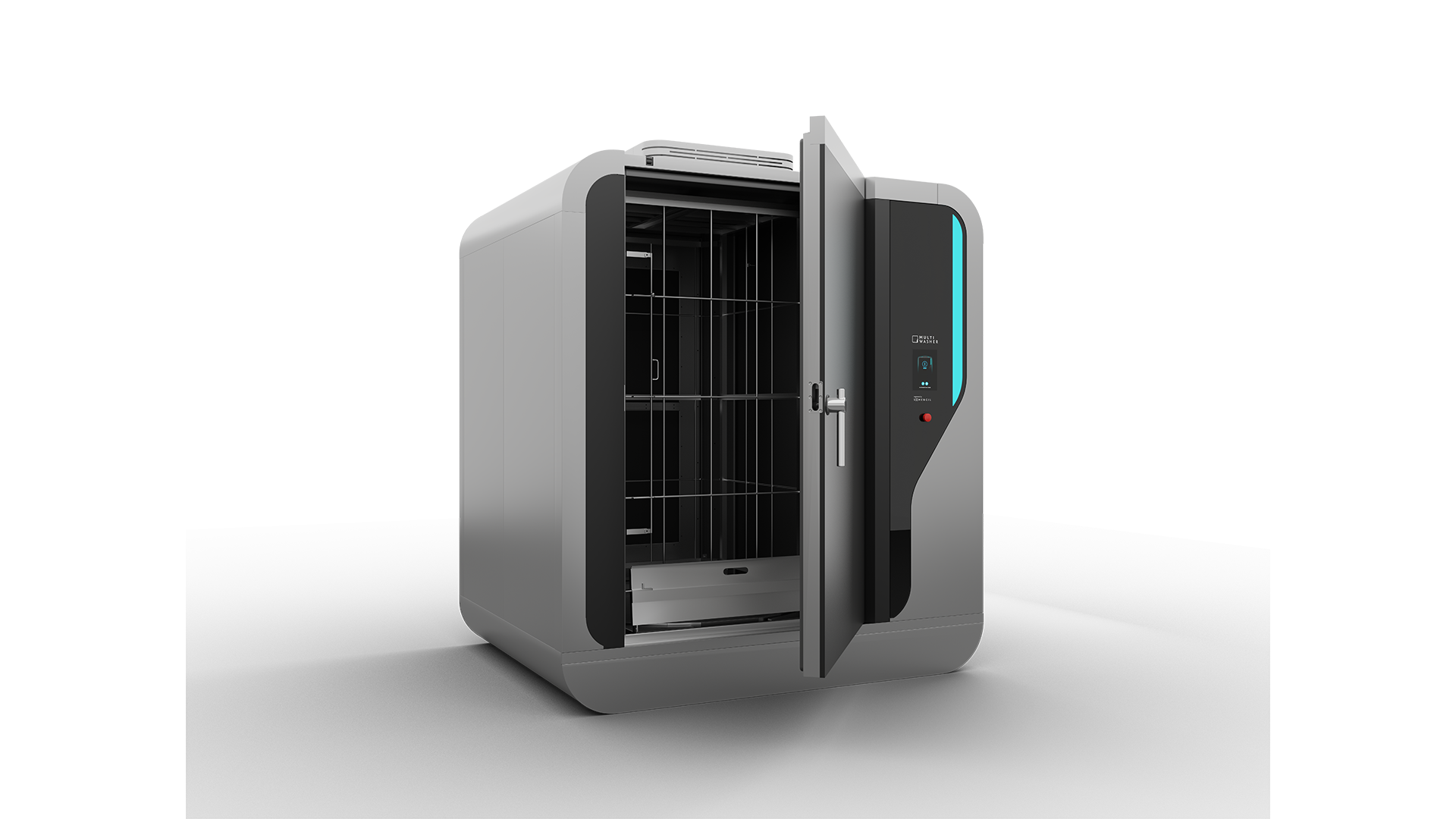
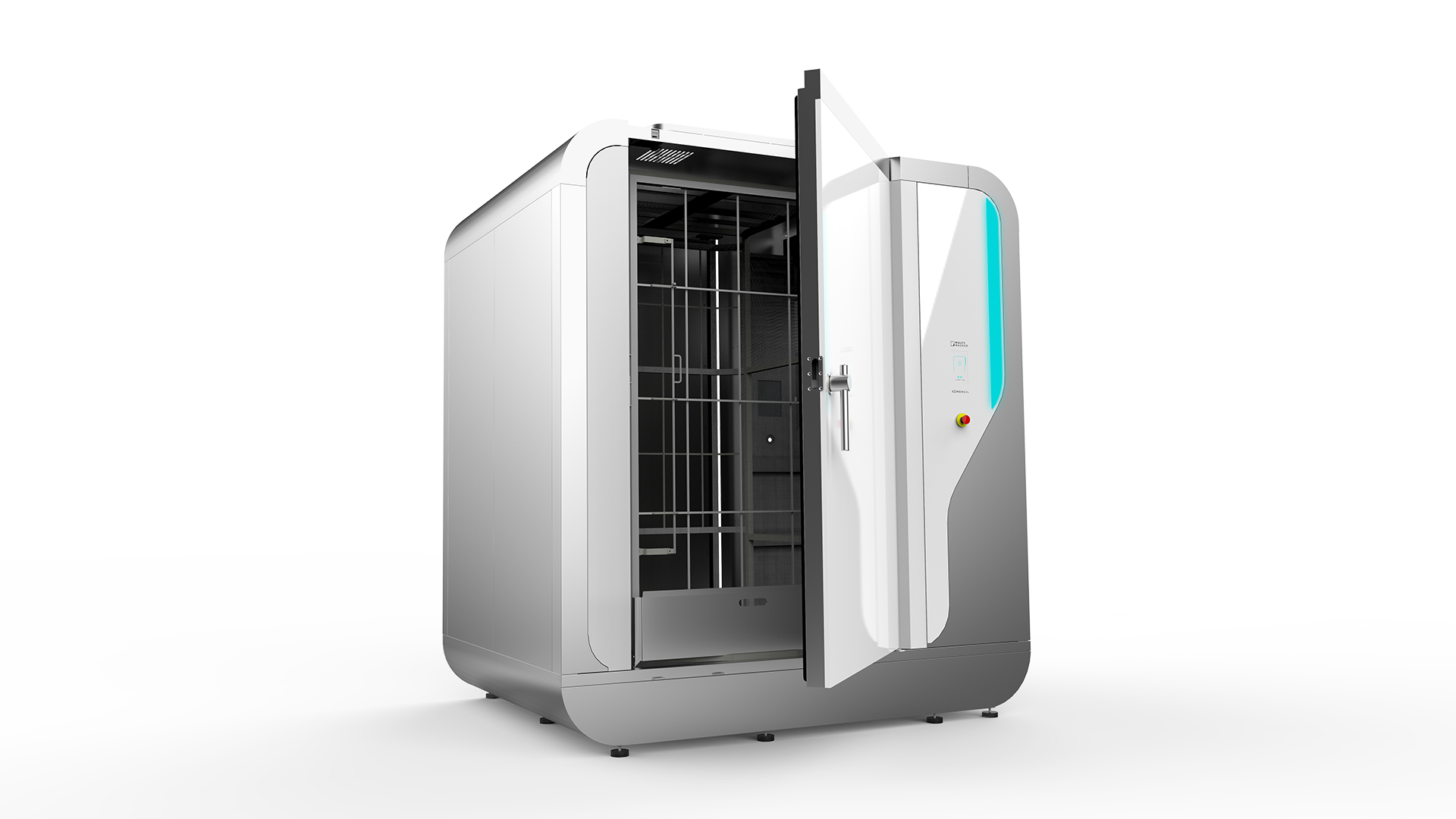
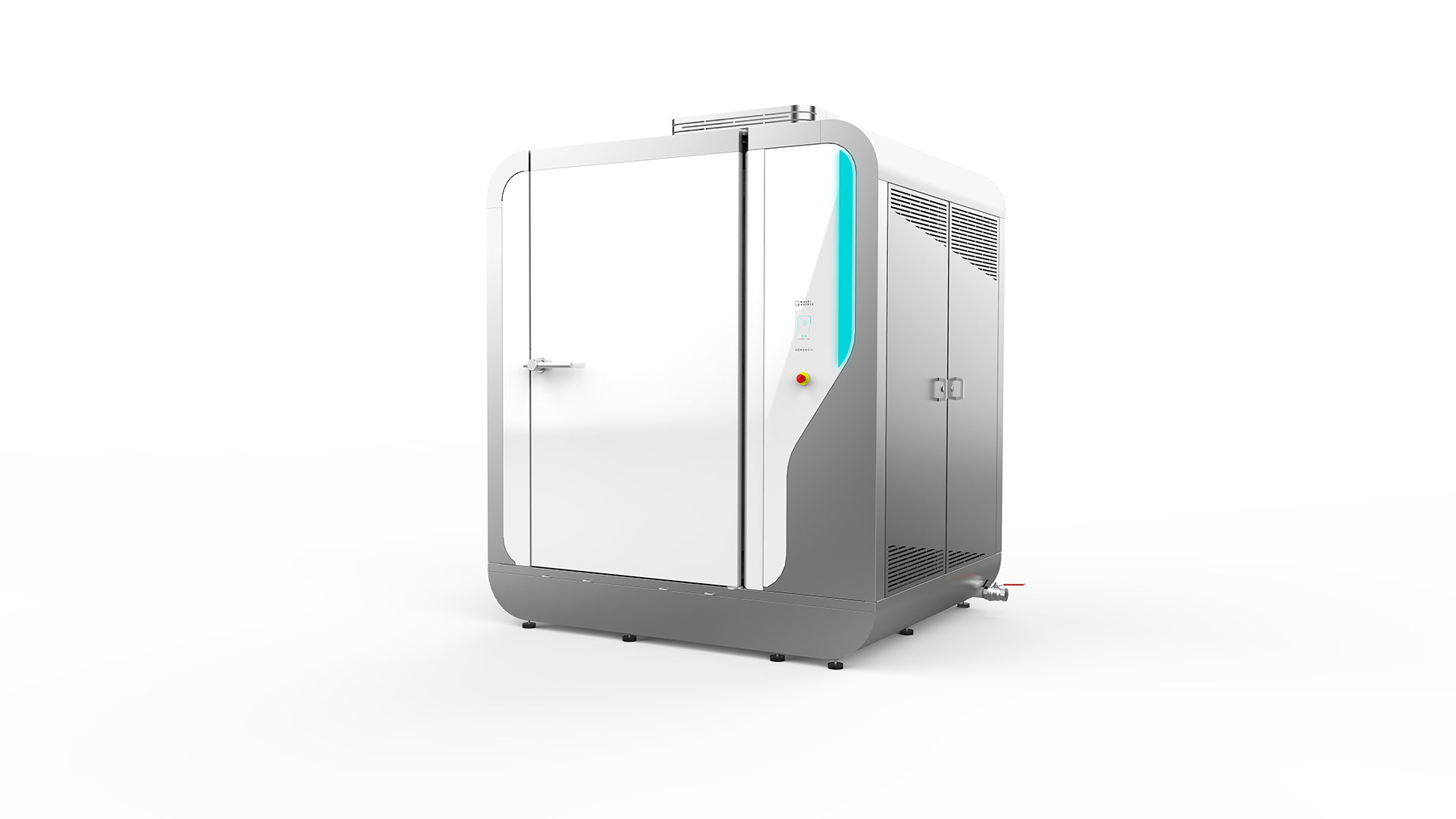
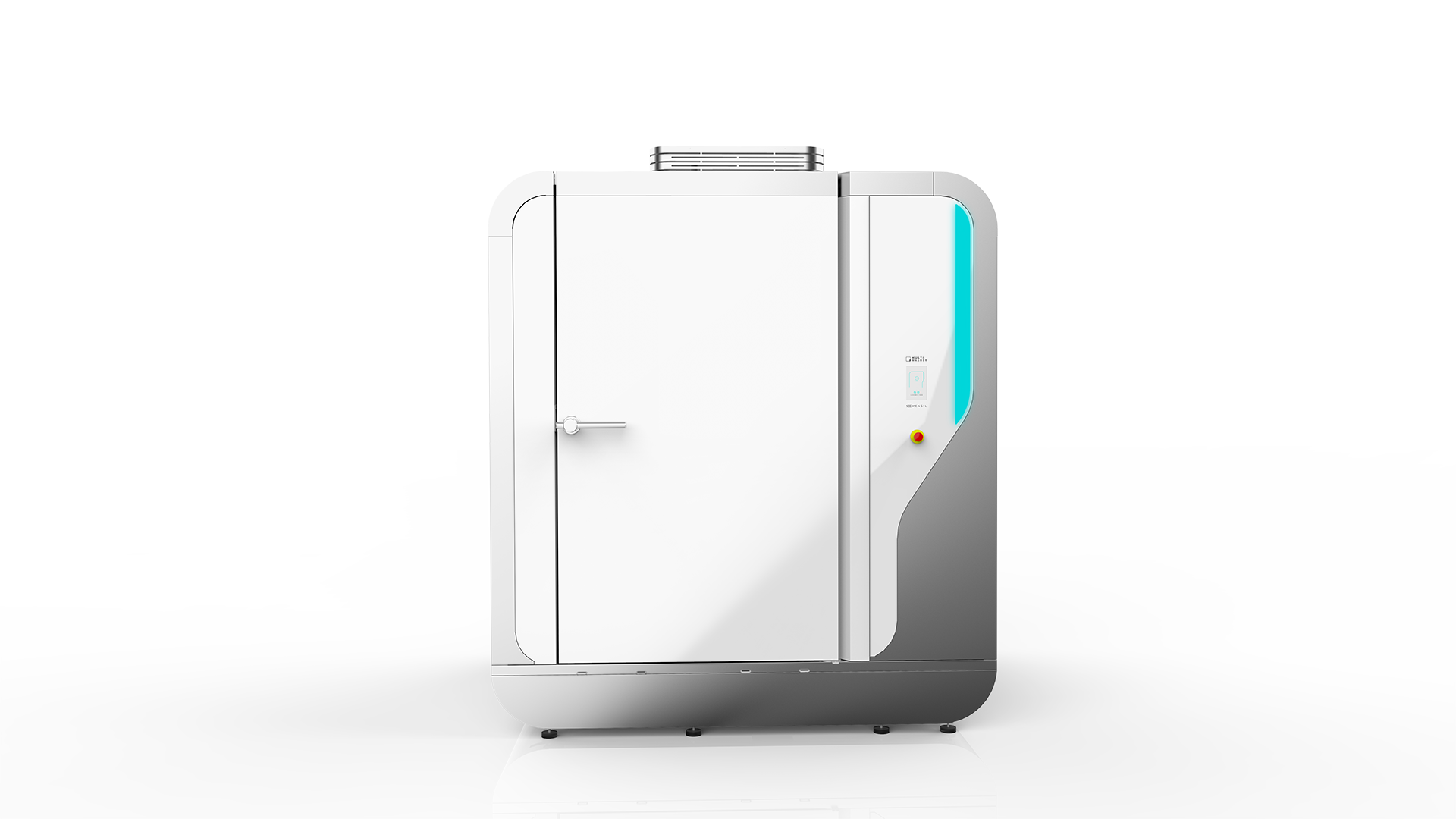
In a domestic washing machine, setup would be the time to take out clean dishes, load the dirty ones and program a new cycle. But industrial washing machines, such as Multiwasher, speed up setup times in two ways:
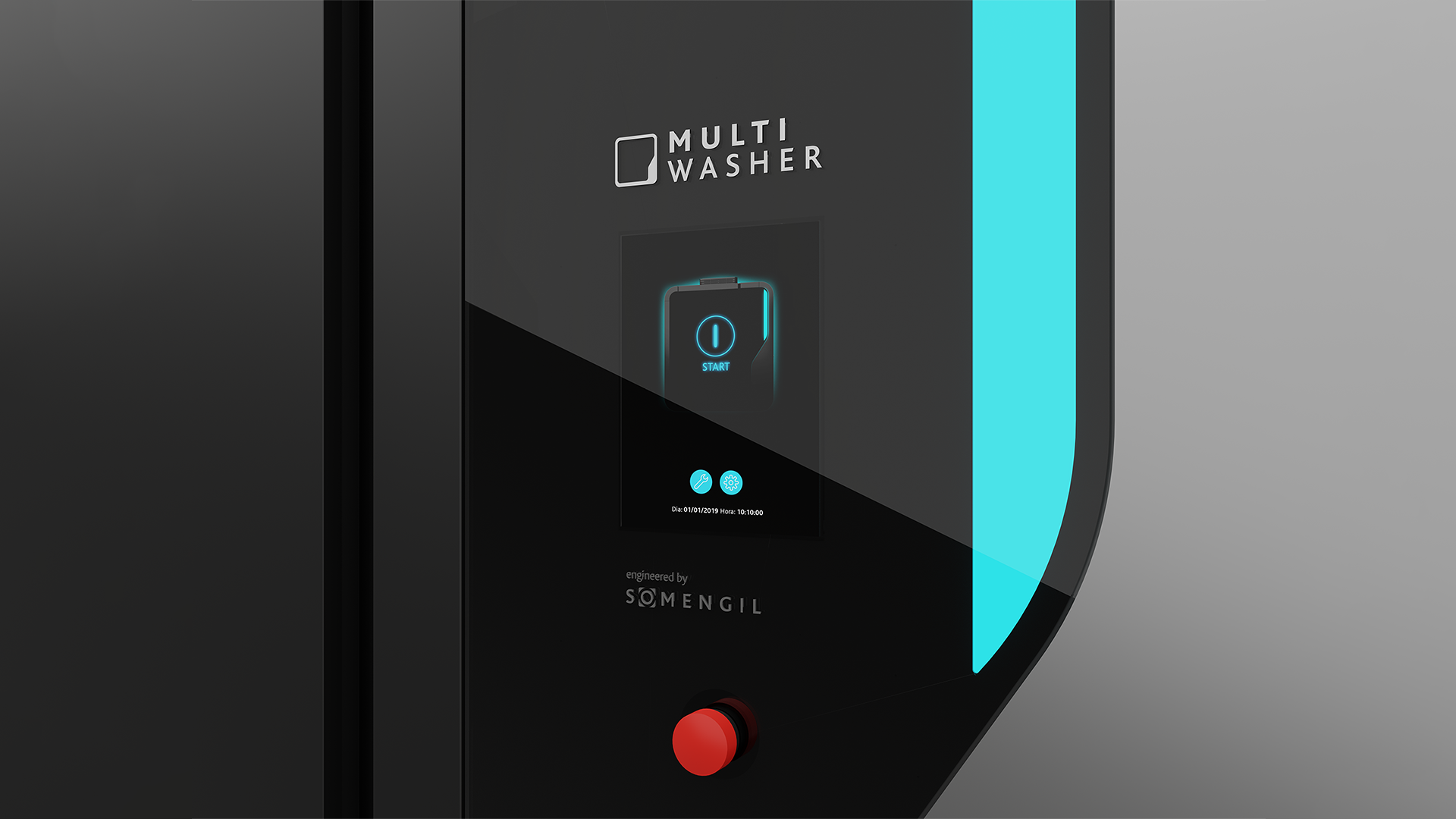
- An intuitive dashboard pre-records up to 20 programs. To start a new wash cycle, the operator simply has to choose from a control panel and click. These machines save all settings and parameters (temperature, cycle time, detergent concentration, etc.), which reduces setup time and ensures optimal washing;
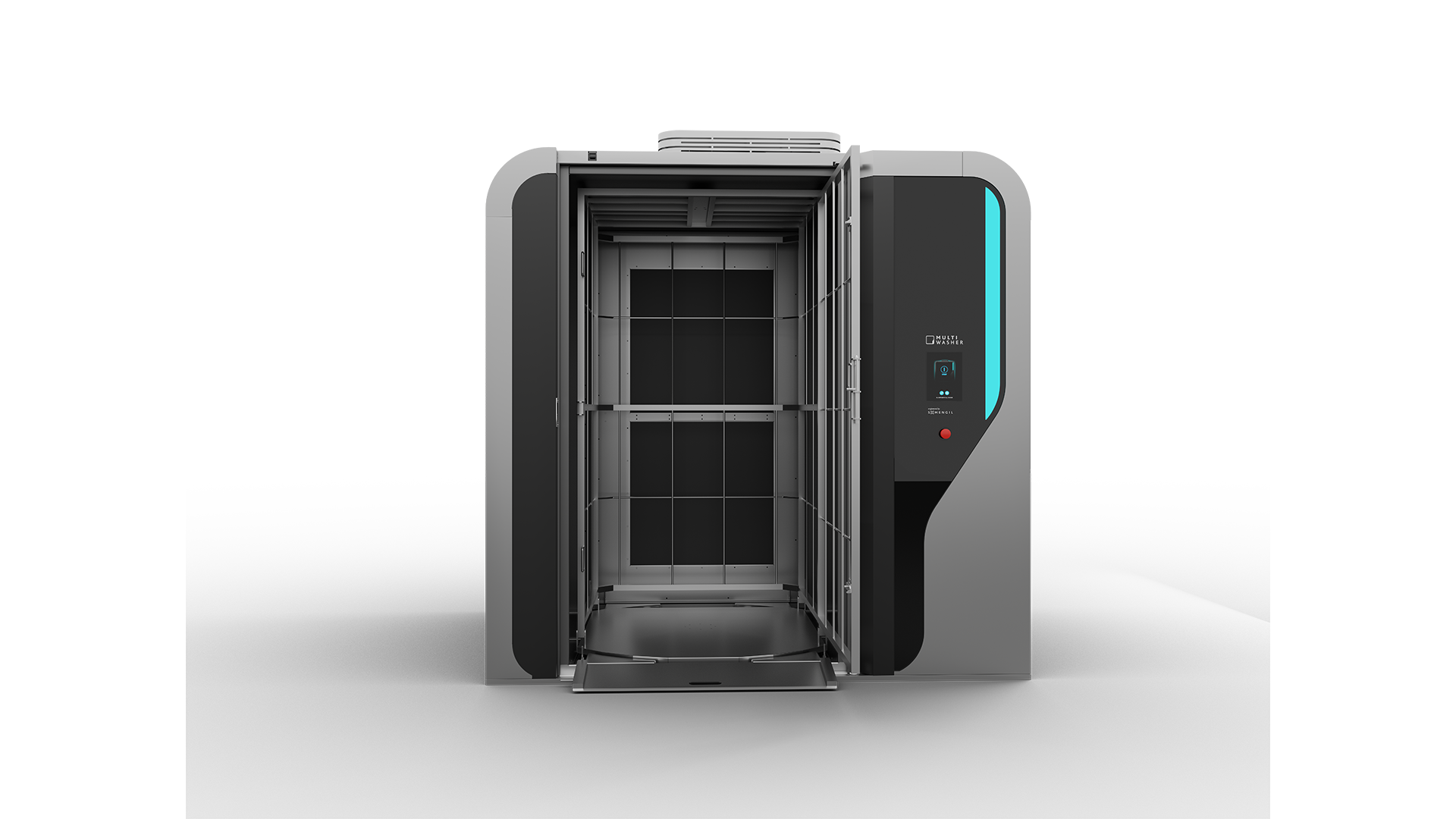
- Using two cars, the Multiwasher’s operators can load and unload utensils while the cycle takes place.
Standardize wash programs
Standardized wash programs help reduce variability between cycles and ensure that each load follows the most suitable parameters.
This consistency improves washing quality and prevents unnecessary rework, which has a direct impact on OEE performance. It also simplifies operator training and makes it easier to maintain the same standards across different shifts or departments.
Modern washing equipment allows organizations to create dedicated programs for specific utensils, materials or industries. This ensures every cycle is optimized for both hygiene and efficiency, without wasting water, chemicals or energy.
Improve washing quality
The OEE suffers whenever the washing machine cannot clean an item properly. Therefore, improving washing quality is essential to make production processes more cost-effective and environmentally friendly, while reducing water and energy consumption.
Using a luminometer, a device that measures the amount of light generated by ATP (adenosine triphosphate) and AMP (adenosine monophosphate), it is possible to evaluate the hygiene level achieved after each washing cycle. ATP is the primary molecule present in all living organisms, while AMP is derived from ATP during biological and processing activities such as heat treatment and fermentation. By measuring both ATP and AMP through ATP cycling technology, the system provides enhanced sensitivity and a more reliable indication of organic residues and microbial contamination. The lower the amount of light detected, expressed in Relative Light Units (RLU), the cleaner the utensil or surface is.
Reference RLU values vary according to the industry, the type of equipment, and the criticality of the application. In the Food industry, acceptable limits depend on the specific utensil or surface being tested. For example, cutting boards and refrigerator interiors may accept values up to 500 RLU, while more contamination-prone utensils such as kitchen counters, knives, stainless steel vats, or colanders should remain below 200 RLU. Results above these limits indicate insufficient cleaning and the potential presence of organic residues.
In Healthcare, hygiene requirements are significantly stricter. According to guidelines for reusable medical instruments and devices, 100 RLU is the maximum acceptable value for critical items such as stainless-steel instruments, biopsy ports, suction channels, air and water channels, and dialysis bloodline couplers. Swab tests are performed on the most contamination-prone areas, including joints, corners, channels, and surfaces frequently touched by hand. Other hospital surfaces, such as door handles, nurse call buttons, switches, bedsides, and overhead tables, may have higher acceptable limits depending on their use and risk level.
At Somengil, MultiWasher is designed to consistently achieve these demanding hygiene standards, by validating cleaning performance through ATP and AMP measurement.
Optimize loading capacity
Incorrect loading is one of the most common causes of poor washing performance. Overloading the machine can compromise washing quality, while underloading reduces productivity and increases operational costs.
Optimizing loading capacity ensures each cycle processes the maximum number of utensils without affecting hygiene standards. Proper organization inside the machine also improves water and detergent distribution, resulting in more consistent cleaning results.
When operators understand the ideal loading patterns for different utensils and washing programs, the equipment performs more efficiently and avoids unnecessary repeat cycles.
Reduce micro stops
Micro stops are one of the most difficult factors to record and, therefore, to improve. They happen whenever the machine stops because of an unforeseen reason, such as a minor malfunction or change. By definition, they take less than 5 minutes, but the accumulation of these minor interruptions at the end of a shift, day, year impairs the performance of the machine.
Proper preventive maintenance helps minimize micro stops and avoid unexpected downtime. A structured maintenance plan makes it possible to identify wear, leaks, calibration issues or component degradation before they become serious problems. When micro stops occur, the response speed is essential, so the devices must be ergonomic and intuitive. Finally, training operators in simple maintenance tasks – minor repairs and replacements – avoids the use of specialized teams, who usually take precious time to reach the site.
At Somengil, we design our equipment to simplify operator interventions. For example, a visual system of lights shows the state of the operation. It is also possible to load and unload the machine while maintaining a correct posture and all information is available on one easy-to-use Human Machine Interface.
Monitor energy and water consumption
Energy and water consumption have a direct impact on operational efficiency and sustainability goals. Monitoring these indicators allows organizations to identify inefficient cycles, excessive resource usage or deviations from expected performance.
Advanced washing systems can provide detailed reports on water, electricity and detergent consumption for each cycle. With this information, managers can compare performance between machines, departments or production periods and identify opportunities for improvement.
Reducing resource consumption without compromising washing quality contributes to a more cost-effective process and supports environmental targets at the same time.
Simplify operator interaction
Complex interfaces and difficult workflows increase the probability of errors and slow down operations. Washing equipment should be designed to simplify operator interaction and support faster decision-making on the production floor.
Clear dashboards, intuitive controls and visual alerts help operators understand the machine status immediately and respond quickly whenever intervention is required. This reduces delays, minimizes operational mistakes and improves response times during interruptions.
Simplified interaction is especially important in high-demand environments where multiple wash cycles take place throughout the day. Faster and more intuitive processes contribute directly to higher availability and performance levels.
FAQ about OEE
Below we answer some of the most commons questions about OEE.
What is the difference between OEE and machine efficiency?
OEE combines availability, performance and quality into a single metric, while machine efficiency usually focuses only on speed or output.
Can OEE be applied to single washing machines or only full production lines?
OEE can be applied at any level, from a single washing machine to an entire washing department or facility.
How often should OEE be reviewed in industrial washing operations?
OEE should be reviewed continuously or at least daily to allow fast identification of losses and quick corrective action.
OEE and Somengil, unlimited efficiency
Efficiency is more than cost reductions. It is a state of fluidity in the processes in which all participants, people and machines are in perfect harmony. We work continuously to remove all obstacles to uninterrupted, efficient and high-quality washing.
As a result, the OEE of our equipments is much higher than household washing solutions–which are hampered by many manual tasks—and that of other industrial options–that do not achieve the same washing quality, the same level of data logging or such fast setups. Schedule a custom webinar for your operations and find out what OEE could be.

JONI REGALADO
Director of Engineering | Somengil
Joni Regalado leads Somengil’s Engineering department, overseeing technical planning, multidisciplinary coordination, and the efficient execution of projects. With an approach focused on innovation and operational excellence, he monitors all phases of technical development, ensuring robust, sustainable construction solutions that meet the highest standards of quality and safety.
You may also like

Industrial washing / Articles
Resource management in industrial washing: what is it and how to do it right
Learn what resource management is, why it matters, and how to improve efficiency, reduce costs, and optimize resources in industrial operations.
Posted in 2026-08-13

Industrial washing / Articles
5 contaminants that may be creeping into your company
Contaminants have the power to destroy reputations, shutter businesses, and cost lives overnight. Discover how to protect yours before it’s too l...
Posted in 2025-03-13


 Portugal
 United Kingdom
 United States
 France
 Spain
Spain Germany
 Romania
 Italy
Italy Czech Republic
 Finland
 Hungary
 Slovakia
 Greece
 Lithuania
 South Korea
 Russia
 Saudi Arabia
 Poland
 Brasil
 Hebrew