Health / Articles
Hazard Communication Standard: A Practical Guide to Safer Chemical Use
OSHA's Hazard Communication Standard helps workers identify chemical hazards and handle chemicals safely.Labels, accessible Safety Data Sheets and practical training are the core of hazard communication.Map chemicals to tasks and exposure, then turn controls into clear work instructions.
 8 minutes of reading
2026-11-16 21:05:17
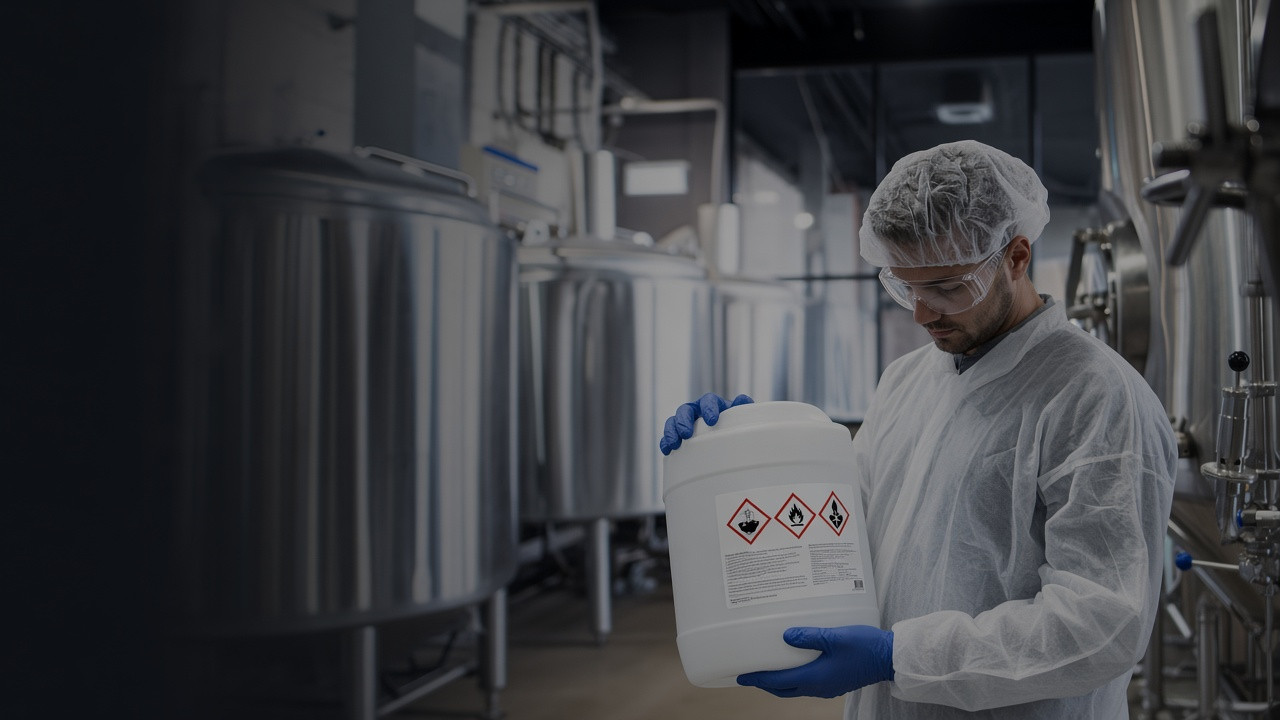
During a spill cleanup, a maintenance worker reaches for a detergent drum and finds its label damaged.
Is the product corrosive? What protection does this task require? Until those answers are clear, a routine cleanup becomes a moment of uncertainty. The U.S. Occupational Safety and Health Administration (OSHA) sets the Hazard Communication Standard (HCS) to help workers get the information they need to handle chemicals safely.
What is the Hazard Communication Standard?
The HCS is an OSHA rule that helps workers understand chemical hazards in their workplace. It applies when workers could be exposed to a hazardous chemical during their regular tasks or in a foreseeable emergency.
The HCS gives workers a consistent way to find out what chemicals are present, what hazards they pose and how to handle them. For food, pharmaceutical and healthcare operations, that can include cleaning and sanitising products, descalers, lubricants and maintenance chemicals.
| Hazard class or concept | Examples and meaning |
|---|---|
| Physical hazards | Flammable or explosive chemicals, chemicals under pressure, oxidizers and chemicals that react with water. |
| Health hazards | Acute toxicity; skin or eye corrosion or irritation; sensitisation; genetic damage; cancer; reproductive toxicity; organ effects; aspiration. |
| Other covered hazards | Simple asphyxiants, combustible dust, pyrophoric gases and hazards not otherwise classified. |
| Task-specific risk | Depends on exposure and controls; a hazard class describes a chemical’s properties, not the likelihood of harm in a particular task. |
Why does it matter?
Workers need to know what a chemical can do before they use it. Clear labels, accessible Safety Data Sheets (where chemical information is stored) and practical training help them choose precautions and respond safely if a spill or exposure occurs.
Tony Ventura explains in an ECO interview that the Multiwasher uses less detergent, water and energy. Its washing process manages inputs such as detergent, water, pressure and time, making resource use part of a repeatable industrial wash.
How to build a workplace chemical hazard communication standard
Start with the chemicals and tasks employees actually face. For each one, connect hazard information to applicable requirements, clear visual identification, safe work instructions and practical training.
1. Identify chemicals and exposure scenarios
Build an inventory of hazardous chemicals, using the same product identifier shown on each label and Safety Data Sheet (SDS). Record where each chemical is used, who may be exposed and how exposure could occur during normal work or a foreseeable emergency.
Use the supplier’s label to identify physical and health hazards, then map them to the tasks, areas and people affected. A hazard describes what a chemical can do; the task and exposure determine how the risk must be controlled.
2. Check the requirements that apply to each hazard
Use OSHA’s HCS as the communication baseline for U.S. workplaces. Then check whether the chemical, exposure, process or industry brings other safety requirements into scope.
| U.S. HCS requirement | Practical check |
|---|---|
| Written programme | Does it describe how the workplace manages its hazardous-chemical list, labels, SDS access and employee information and training? |
| Chemical list | Is each hazardous chemical recorded using the product identifier shown on its label and SDS? |
| Container labels | Are shipped containers labelled, and are workplace containers labelled or covered by an OSHA-permitted alternative method? |
| Safety Data Sheets | Can employees readily access the matching SDS during every shift? |
| Training | Are employees informed and trained before assignment and when a new hazard enters their work area? |
| Non-routine tasks and contractors | Are non-routine hazards covered, and are other employers on site told about relevant chemicals and precautions? |
3. Make the chemical and its hazards easy to identify
Keep supplier labels legible. Label workplace containers with the product identifier and hazard information. Keep the matching work standards readily accessible during every shift and show workers how to retrieve them. Colour codes or signs can help people spot a hazard, but they should point back to the chemical’s label and detailed information.
4. Turn controls into task-specific work instructions
Write clear steps for receiving, transferring or diluting, using, storing and disposing of each product. State the required controls and protective equipment, what to check before work, and what to do after a spill, leak or unexpected exposure.
Include non-routine jobs and hazards from unlabelled pipes. At sites with contractors, explain how they will receive relevant operating procedures, precautions and information about the workplace labelling system.
5. Train people and keep the system current
Train employees before they are first assigned to work with hazardous chemicals and whenever a new hazard they have not learned about enters their work area. OSHA describes the requirement as “effective information and training” on the chemicals people encounter at work. Explain how to:
- recognise releases,
- read labels,
- find and use SDSs,
- follow work practices
- respond to emergencies.
Make hazard information part of the process with the Multiwasher
A hazard communication programme works when chemical information is part of everyday routines: receiving deliveries, checking labels, storing products, preparing solutions, maintenance and spill response.
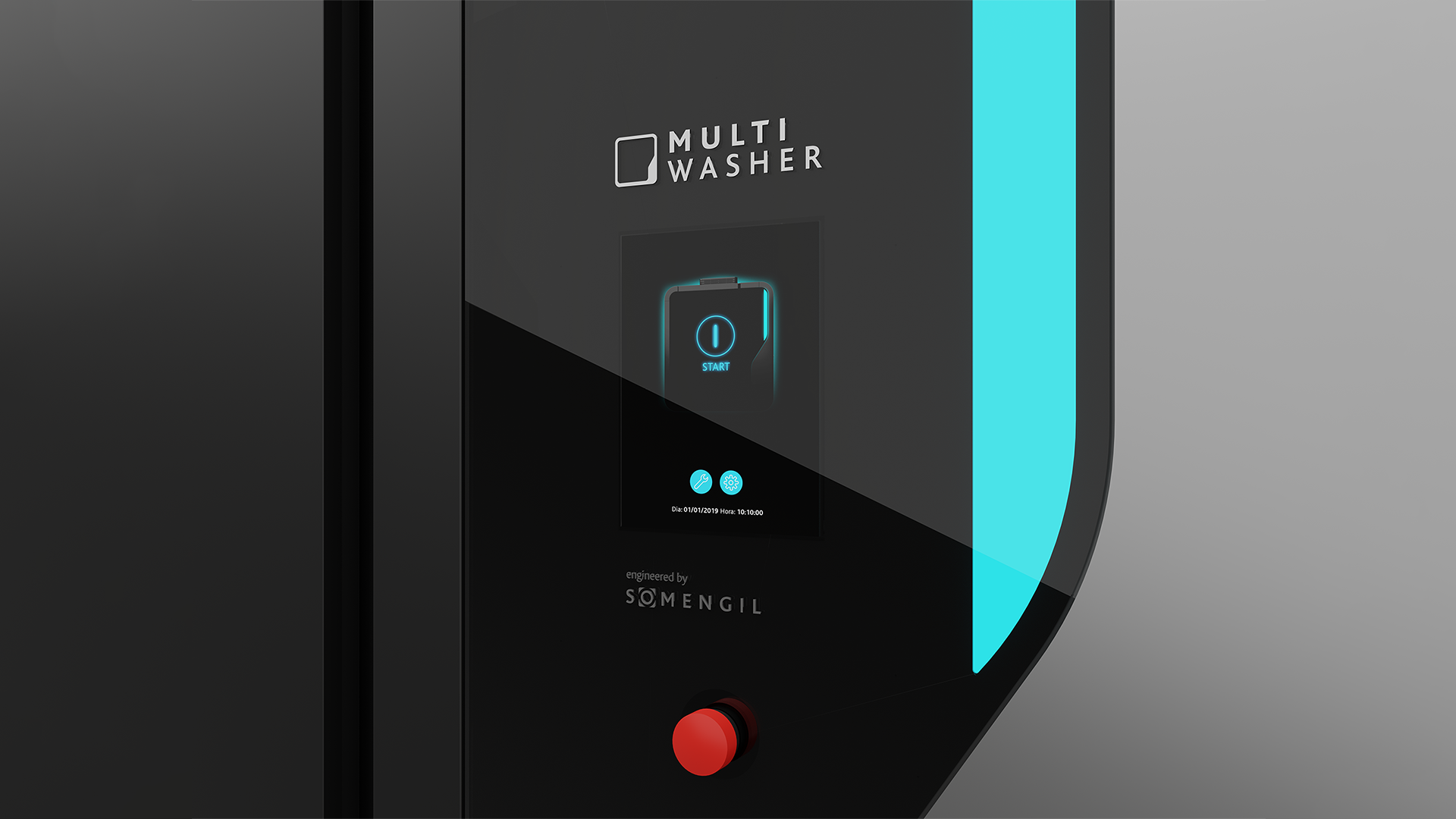
Somengil’s Multiwasher is an industrial washing machine for businesses that need to manage chemical use and meet hygiene and workplace compliance requirements. Designed for food production, catering, retail and logistics, it washes utensils, tools and equipment in industrial settings.
FAQs about the Hazard Communication Standard
These quick answers explain where the HCS applies and cover labels, employee training and Safety Data Sheets.
Where does the Hazard Communication Standard apply?
In the United States, OSHA’s Hazard Communication Standard applies to hazardous chemicals present in a workplace when employees may be exposed under normal conditions of use or in a foreseeable emergency. It is a U.S. standard; workplaces elsewhere must check local requirements.
What types of businesses does the Hazard Communication Standard apply to?
OSHA’s Hazard Communication Standard (HCS) covers U.S. employers across sectors. The scope can include factories, construction companies, commercial cleaning and maintenance firms, food processors, healthcare providers and laboratories.
What information must a shipped-container label show?
It must identify the product and supplier and show the signal word, hazard statements, pictograms and precautionary statements.
When must employees receive HCS training?
Before they are first assigned to work with hazardous chemicals, and when a new chemical hazard is introduced into their work area.
Must Safety Data Sheets be available during every shift?
Yes. Employees must be able to access the required SDS information during each shift. Electronic access is allowed if it does not delay access.
You may also like

Health / Articles
Food disinfectants: what are they, why they are important and how to pick one
Every year, food contamination causes over 400,000 deaths worldwide. Can food disinfectants help your company fend them off?
Posted in 2022-08-04

Health / Articles
Hospital Hygiene: 5 good practices that promote patient health
Hospital hygiene has a direct influence on patients’ health and recovery. Find out how to promote it with these 5 best practices.
Posted in 2022-04-07

Health / Articles
Hospital disinfection: the unlikely protagonist
Hospital disinfection is essential for the healthcare ecosystem, but it is only visible during a crisis. Find out exactly what this concept means...
Posted in 2022-03-03























 Portugal
 United Kingdom
 United States
 France
 Spain
 Germany
 Romania
 Italy
 Czech Republic
 Finland
 Hungary
 Slovakia
 Greece
 Lithuania
 South Korea
 Russia
 Saudi Arabia
 Poland
 Brasil
 Hebrew