Industrial washing / Articles
How to improve quality control through industrial washing
Learn how industrial washing improves quality control by reducing contamination risks, standardizing washing processes, monitoring KPIs, and supporting consistent production results.
 11 minutes of reading
2026-08-13 11:54:51
- Quality control is an essential business process that helps companies prevent defects, reduce costs, improve consistency, and achieve higher production standards.
- Efficient industrial washing supports quality control by ensuring utensils, tools, trays, filters, and production parts are properly cleaned, disinfected, and ready for safe reuse.
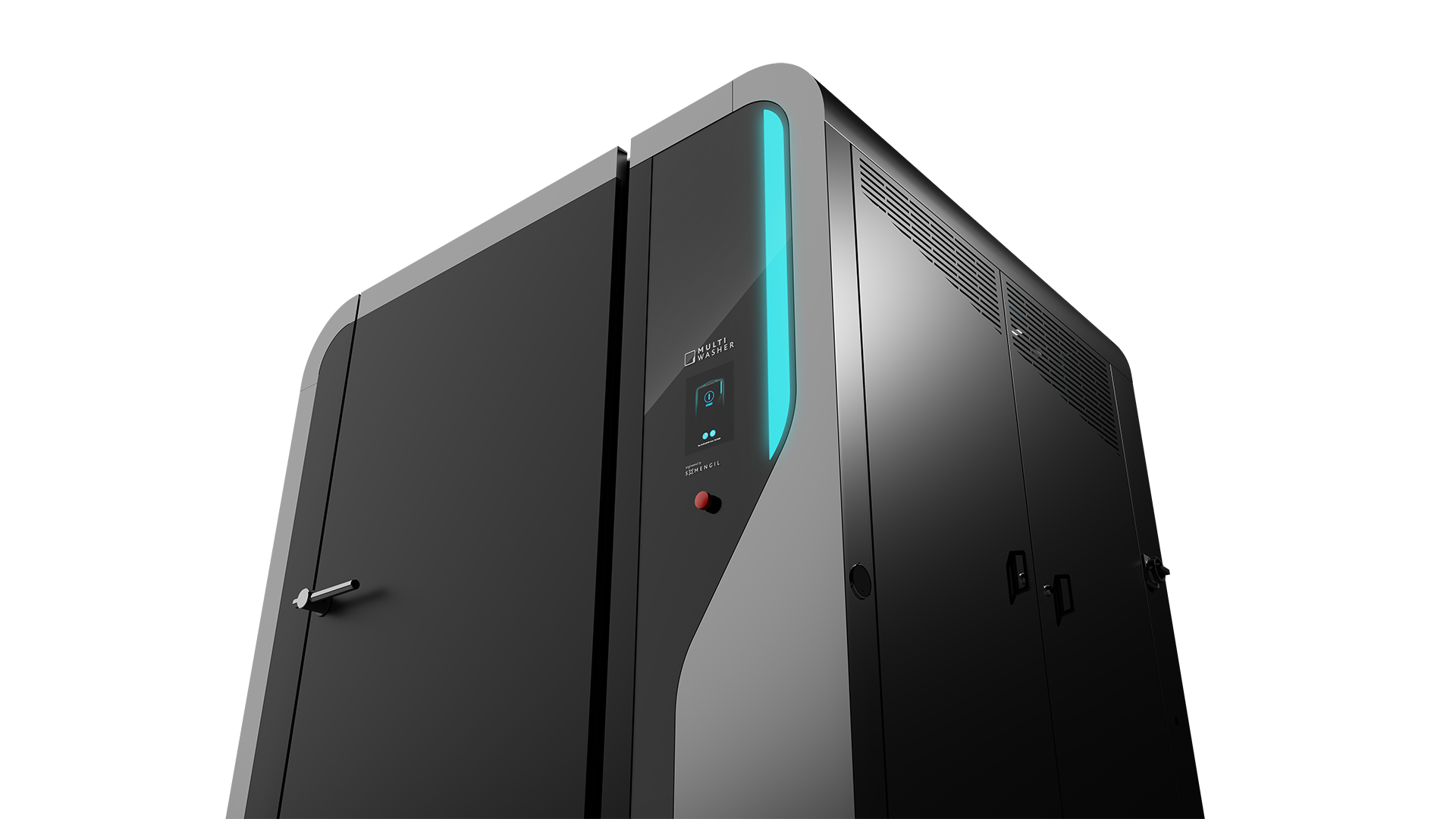
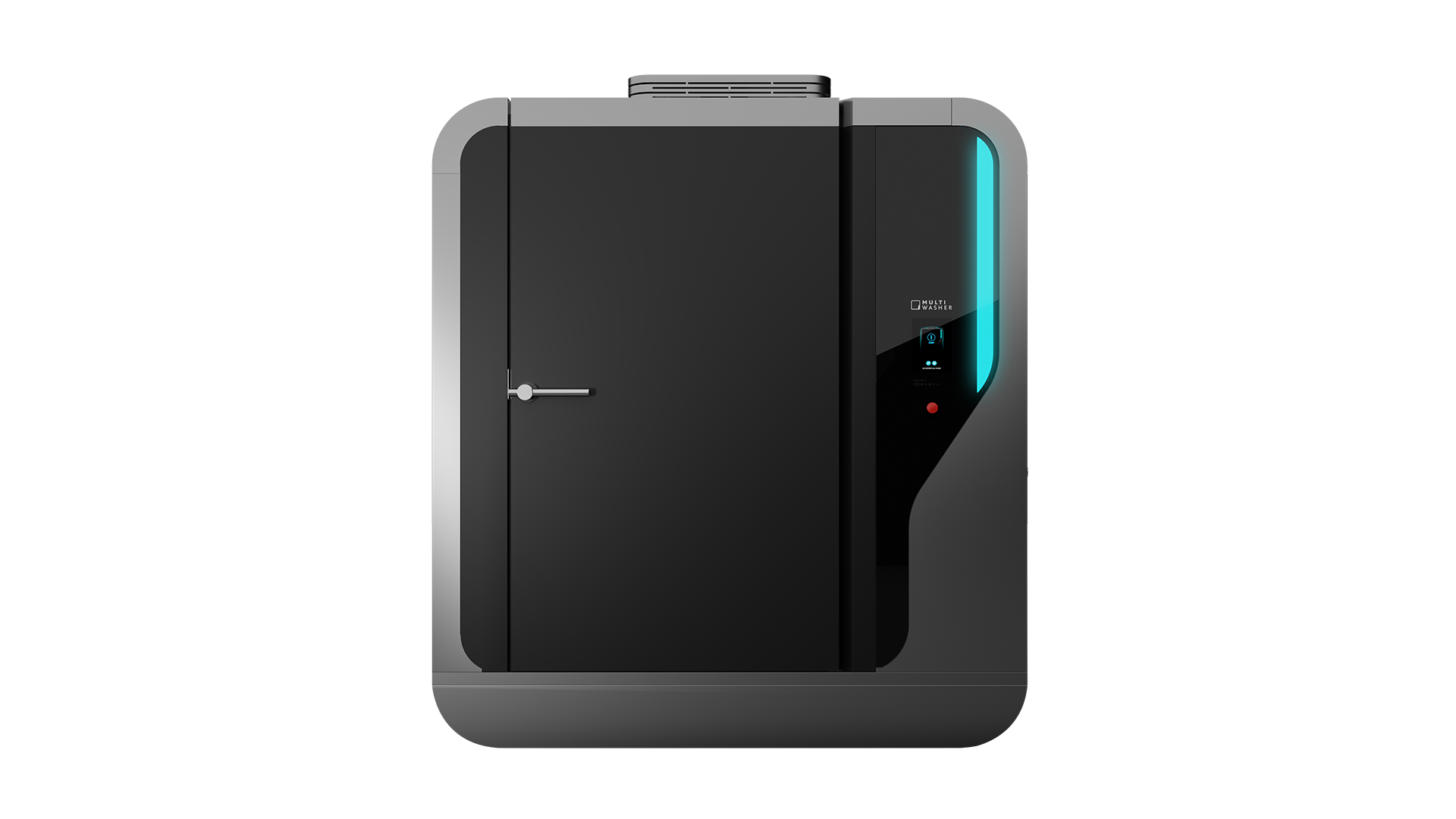
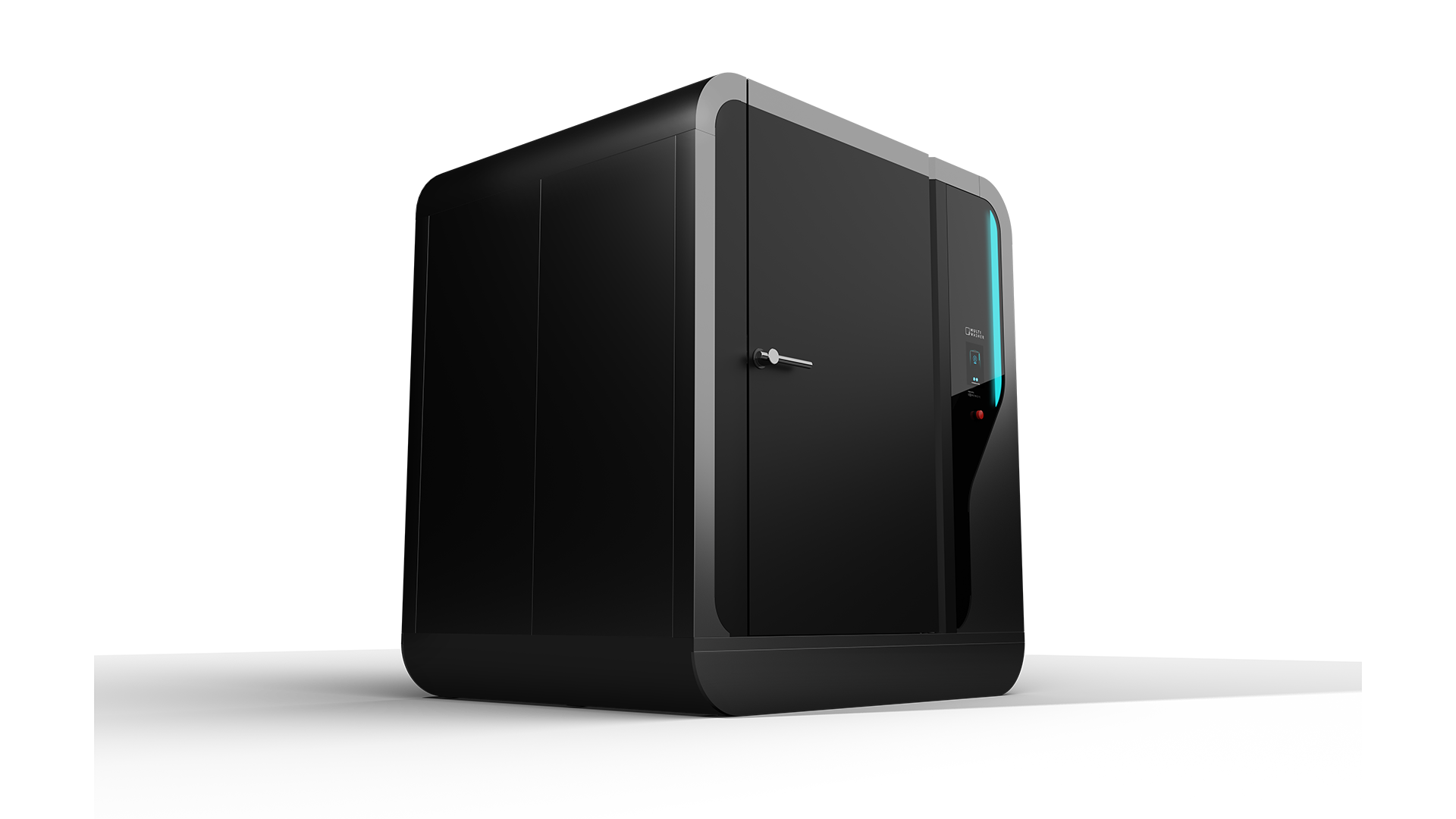
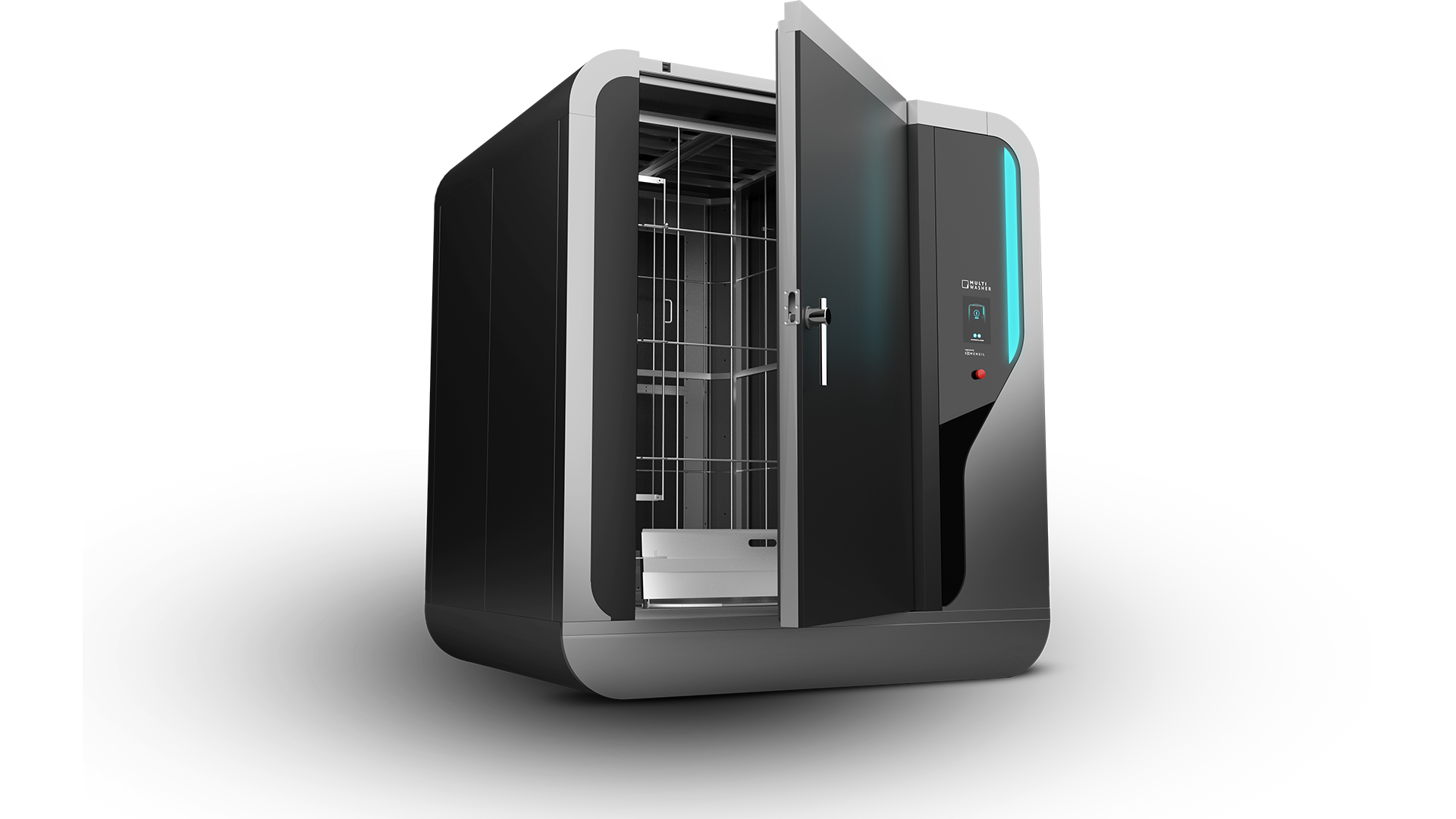
- The MultiWasher helps companies standardize washing results through high-temperature washing, automation, decarbonization, ergonomic operation, and recording of key washing parameters.
Quality control is one of the foundations of a reliable production process. It does not depend only on final inspections, but on every decision, procedure, tool, utensil, and surface that can affect the quality of the final product.
However, it still raises several questions: what does quality control really involve, how can companies implement it effectively, and why do some quality systems fail despite good intentions?
In this article, we examine what quality control entails, how to build a more reliable process, and why industrial washing plays a key role in achieving consistent results.
What is quality control
Quality control is the set of processes used to ensure that a product, service, or operation meets defined standards. In an industrial context, it involves checking raw materials, monitoring production steps, testing finished products, and identifying deviations before they affect customers or the business.
More than a final inspection, quality control is a continuous activity. It helps companies detect problems early, reduce waste, avoid rework, and keep production results consistent. For this to happen, teams need clear procedures, trained employees, reliable data, and measurable standards.
Benefits of quality control
A strong quality-control process helps companies detect problems before they reach the final product. By identifying deviations early, teams can reduce waste, avoid rework, prevent contamination risks, and keep production results more consistent.
Quality control also supports better decision-making. When companies monitor processes, collect data, and follow clear standards, they can understand where problems come from and act before they become recurring issues. Over time, this leads to fewer non-conformities, lower operating costs, stronger audit performance, and greater confidence in the final product.
Why does quality control fail?
There are 6 major causes for a company to report low quality rates.
1. Lack of adequate training
Quality should be the 2nd priority in a company after safety and should cover all levels of the organization and every employee. Because of this, it is important to reinforce training so that each person knows how to identify, report and solve problems.
2. Lack of communication
Lack of communication ensures low-quality endures. To avoid it, production and quality teams should analyze and identify the root cause of errors together.
3. Inability to integrate functions
Quality issues affect the entire company, regardless of the department that originated them. Therefore, more and more companies adopt an organization by flow or process, to the detriment of functions or departments. In this logic, there is a responsible for the global view of each flow that can see all the stages of a given industrial process.
4. Lack of KPI
“If You Can’t Measure It, You Can’t Manage It”. Implementing a quality control system involves collecting data and having the ability to detect deviations in a timely manner.
5. Absence of standards
What is quality? You cannot answer this question without working standards. Managers should start by defining what a "good" process looks like and ensure that everyone knows it.
6. Lack of incentives to improve
It is easy to monitor and reward employees for meeting deadlines or productivity indexes, but the best companies place special emphasis on meeting quality standards. Offering incentives for those who meet these standards encourages the team and sets the stage for long-term results.
Quality control KPIs for industrial washing
To improve quality control in washing, companies need to measure the right indicators. KPIs help teams understand whether washing processes are consistent, efficient, and aligned with hygiene and production requirements. They also make it easier to detect deviations, compare results over time, and identify opportunities for improvement.
Rewash rate
The rewash rate measures how often utensils, trays, filters, tools, or parts need to be washed again because the first cycle did not achieve the expected result. A high rewash rate may indicate incorrect loading, unsuitable washing parameters, excessive residue, or equipment issues.
Detergent, water, and energy consumption
Monitoring consumption helps companies evaluate the efficiency of the washing process. Unexpected increases may point to rewash problems, incorrect dosing, inefficient cycles, or equipment maintenance needs.
Audit findings related to washing
This KPI tracks non-conformities or observations identified during internal, customer, or regulatory audits. It helps companies understand whether washing procedures, records, training, and results meet required quality standards.
Production delays caused by unavailable clean items
This indicator measures how often production is delayed because utensils, trays, tools, filters, or parts are not cleaned and ready on time. It connects washing performance directly to production efficiency and planning.
How to improve quality control with industrial washing
Improving quality control requires more than checking products at the end of the production line. It depends on clear standards, consistent procedures, trained teams, and reliable data at every stage of the process. The goal is to detect risks early, prevent defects, and make quality part of daily operations.
Define clear quality standards
Quality must be measurable. Companies should define what an acceptable product, process, or result looks like, including tolerances, hygiene requirements, safety criteria, and performance expectations.
Train teams regularly
Quality control depends on people as much as procedures. Employees should know how to identify problems, follow standards, report deviations, and understand how their work affects the final product.
Make washing results consistent across shifts
Manual washing often depends on the operator, available time, water temperature, detergent use, and technique. Industrial washing equipment helps standardize the process by applying controlled cycles, temperatures, washing times, and mechanical action. This makes the final result more consistent, regardless of who is operating the machine.
Control the parameters that affect quality
Quality control depends on measurable conditions. In washing, key parameters include temperature, cycle duration, detergent dosage, water pressure, load organization, and rinsing effectiveness. When these variables are controlled, teams can reduce variation and ensure that washing follows the same standard every time.
Standardize washing processes
Utensils, tools, trays, filters, and machine parts can directly affect product quality. Standardized washing procedures help reduce contamination risks, remove residues, and ensure that results are consistent across shifts and operators.
Improve communication between teams
Quality issues often involve more than one department. Production, maintenance, washing, and quality teams should share information, investigate root causes together, and agree on corrective actions.
Support continuous improvement with washing data
When washing is measured, it can be improved. Data on rewash rates, cycle compliance, downtime, detergent use, water consumption, and audit findings helps teams identify recurring issues, adjust procedures, train operators, and optimize the washing process over time.
FAQ about quality control
Here are some of the most common questions on quality control.
How does washing affect quality control?
Washing affects quality because utensils, trays, filters, tools, and machine parts can carry residues, fats, bacteria, allergens, or other contaminants. If washing is inconsistent, it can compromise the final product and increase the risk of non-conformities.
Why is automated industrial washing better than manual washing?
Automated industrial washing helps standardize key parameters such as time, temperature, detergent use, and cycle type. This reduces dependence on manual technique and makes washing results more consistent and easier to monitor.
How can companies make washing part of their quality-control process?
Companies can define washing standards, train operators, monitor washing cycles, inspect cleaned items, record key parameters, and include washing results in quality KPIs and internal audits.
Improving quality control starts at washing
It is not possible to have high-quality indices without adequate utensils.
Here’s how MultiWasher can help:
- High temperature washing ensures the hygiene and desinfection of utensils and eliminates bacteria or reduces their concentration to acceptable levels;
- When washing at high temperatures, the amount of detergent required is reduced, which could otherwise be deposited in the final product;
- The most advanced equipment allows an advanced washing mode with decarbonization, which eliminates residual fats, and can wash all kinds of utensils–from industrial filters dishes and trays, without forgetting tools and parts;
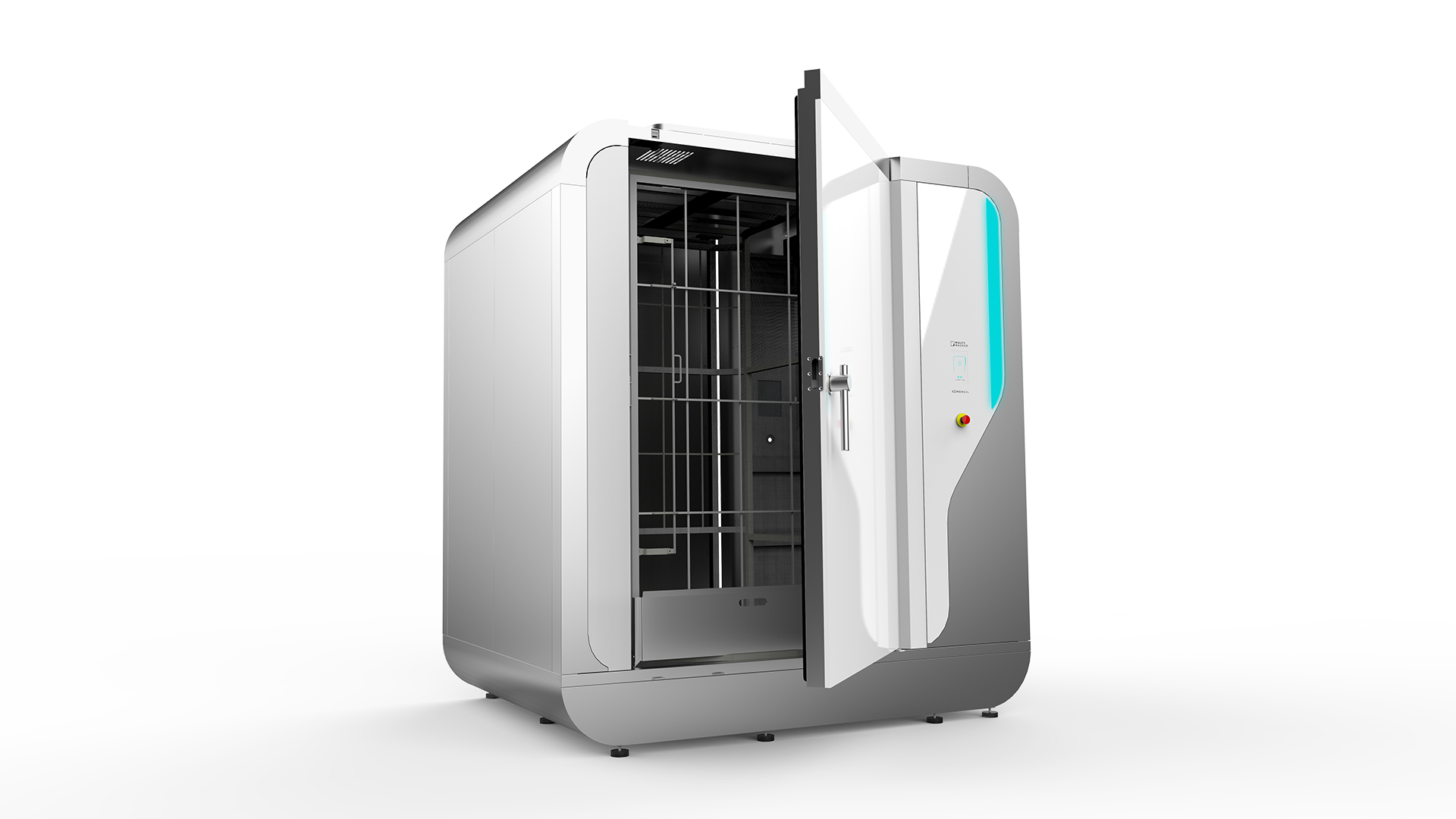
- Ergonomic washing machines adapt to the process and the operator, which simplifies their use;
- The level of automation of the latest machines ensures a consistent result in all washes and reduces human intervention;
- Recording washing parameters (such as cycle time, temperature and detergent) is the first step towards optimizing the process and adapting the wash to quality requirements.
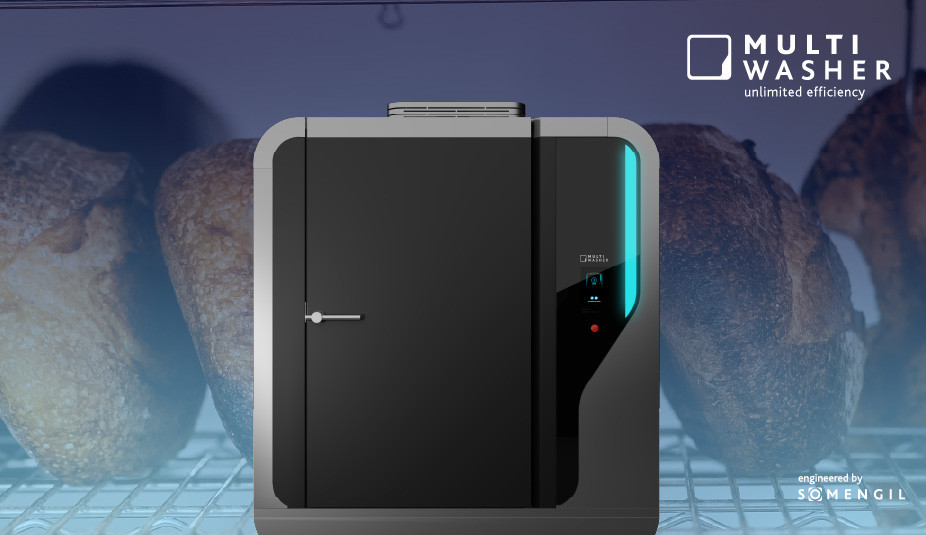
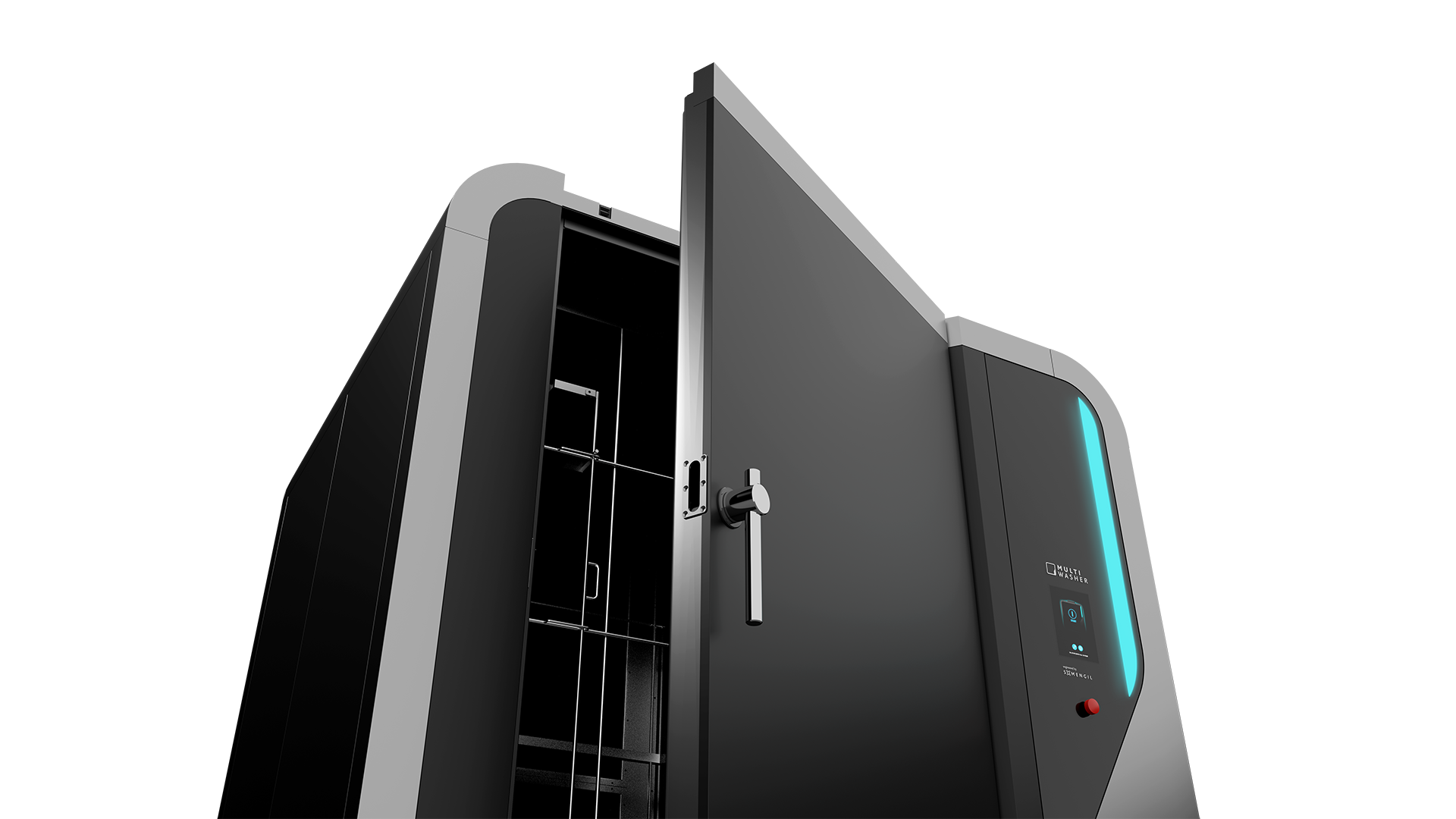
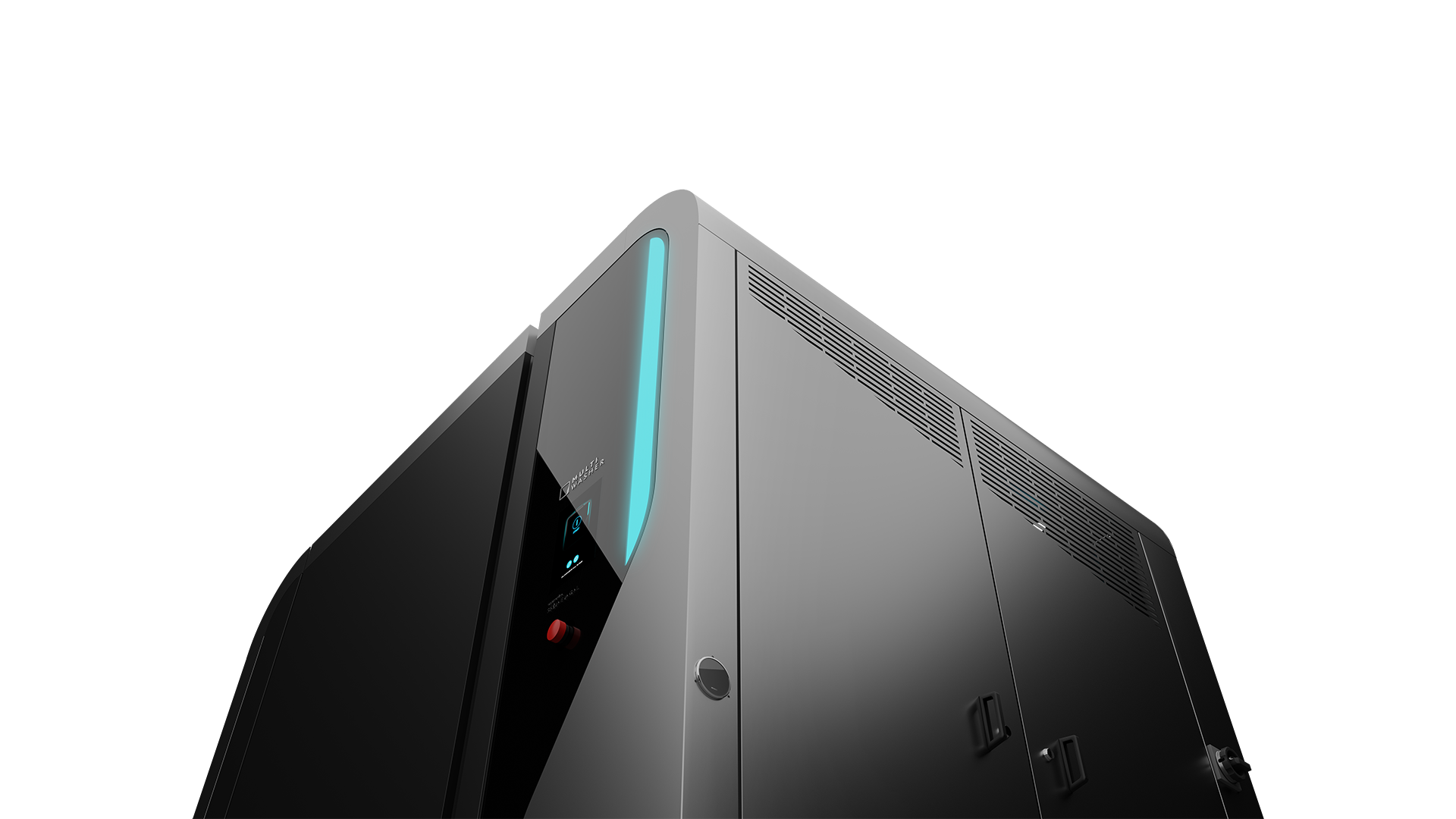
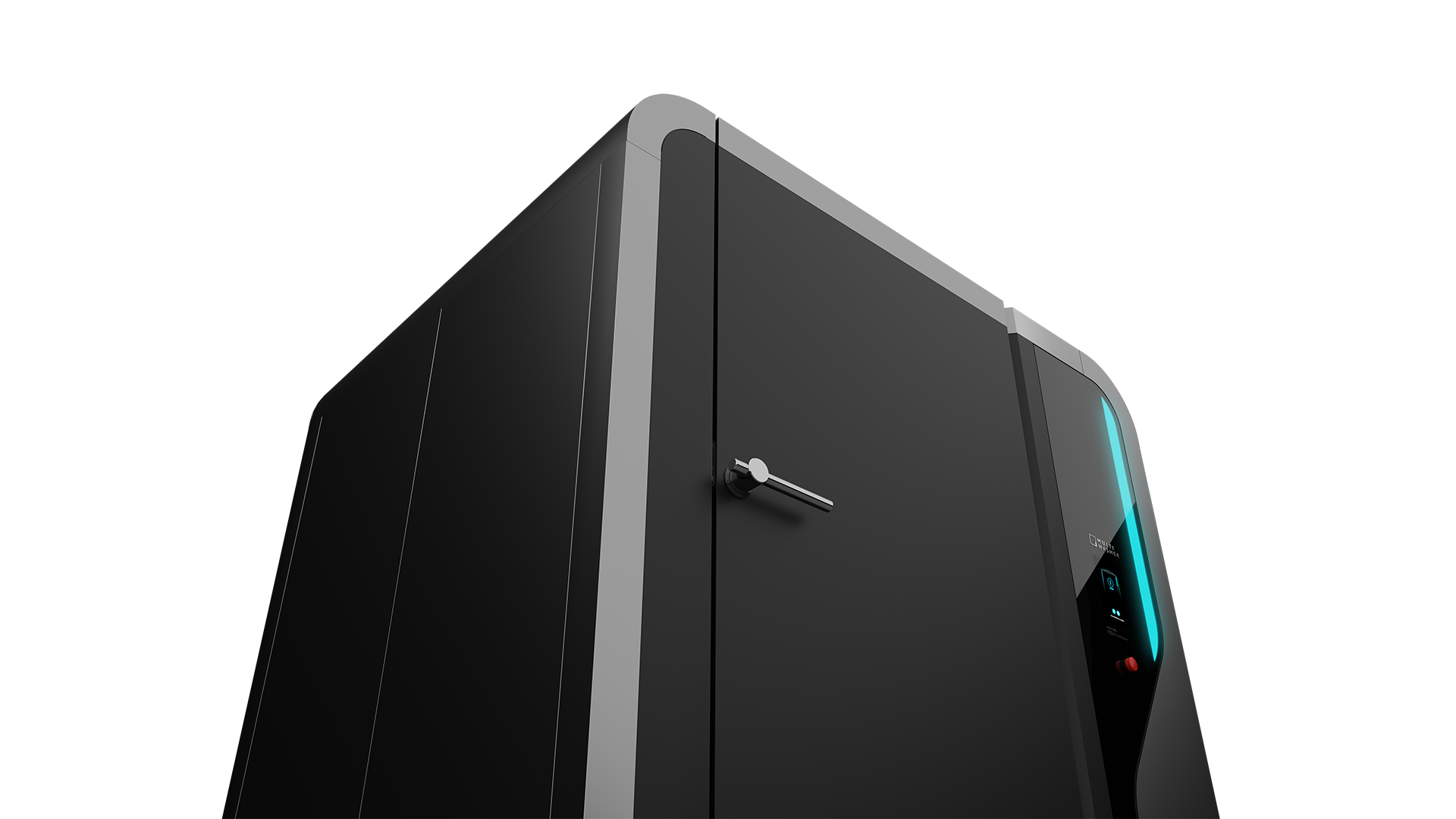
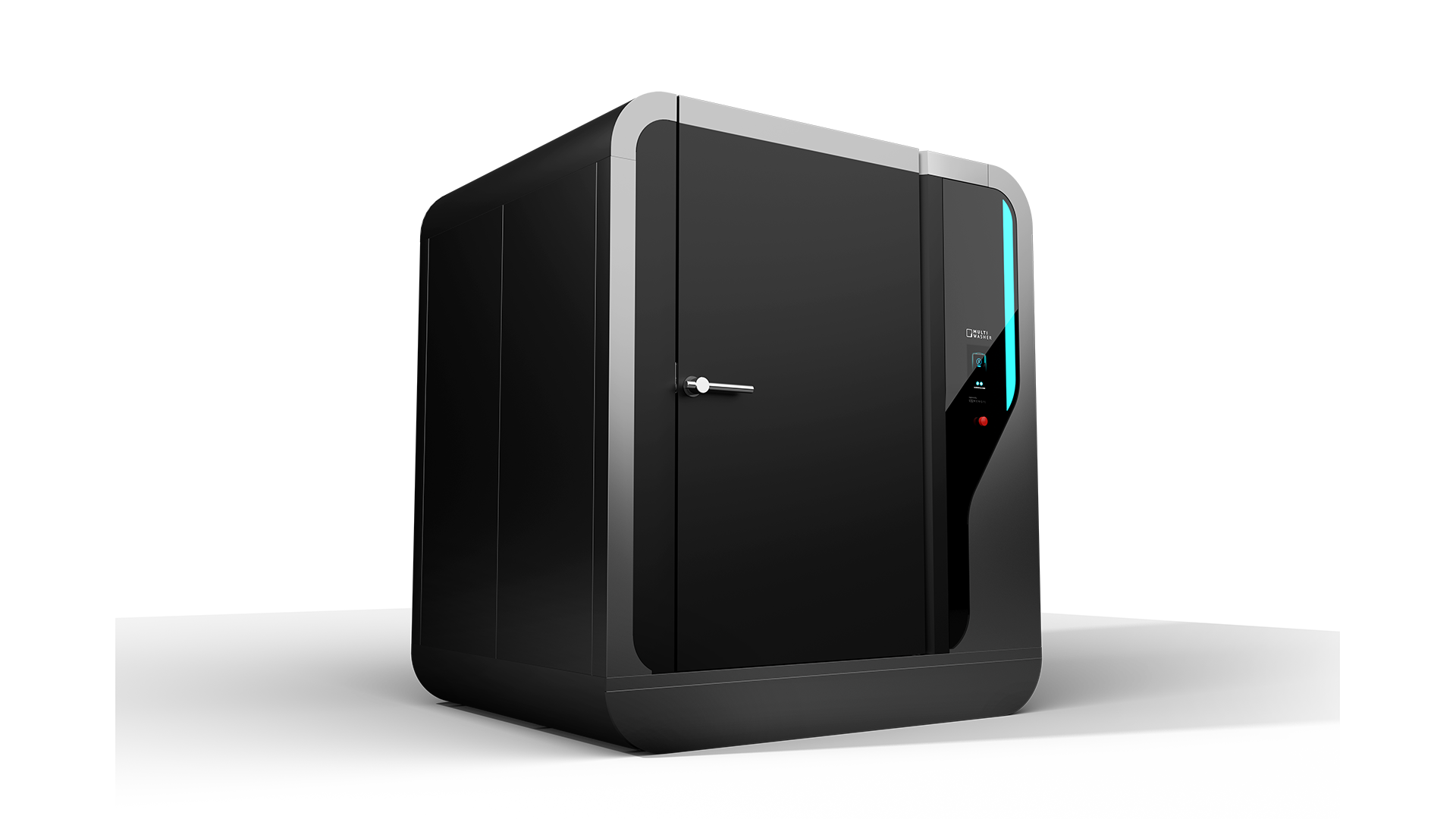
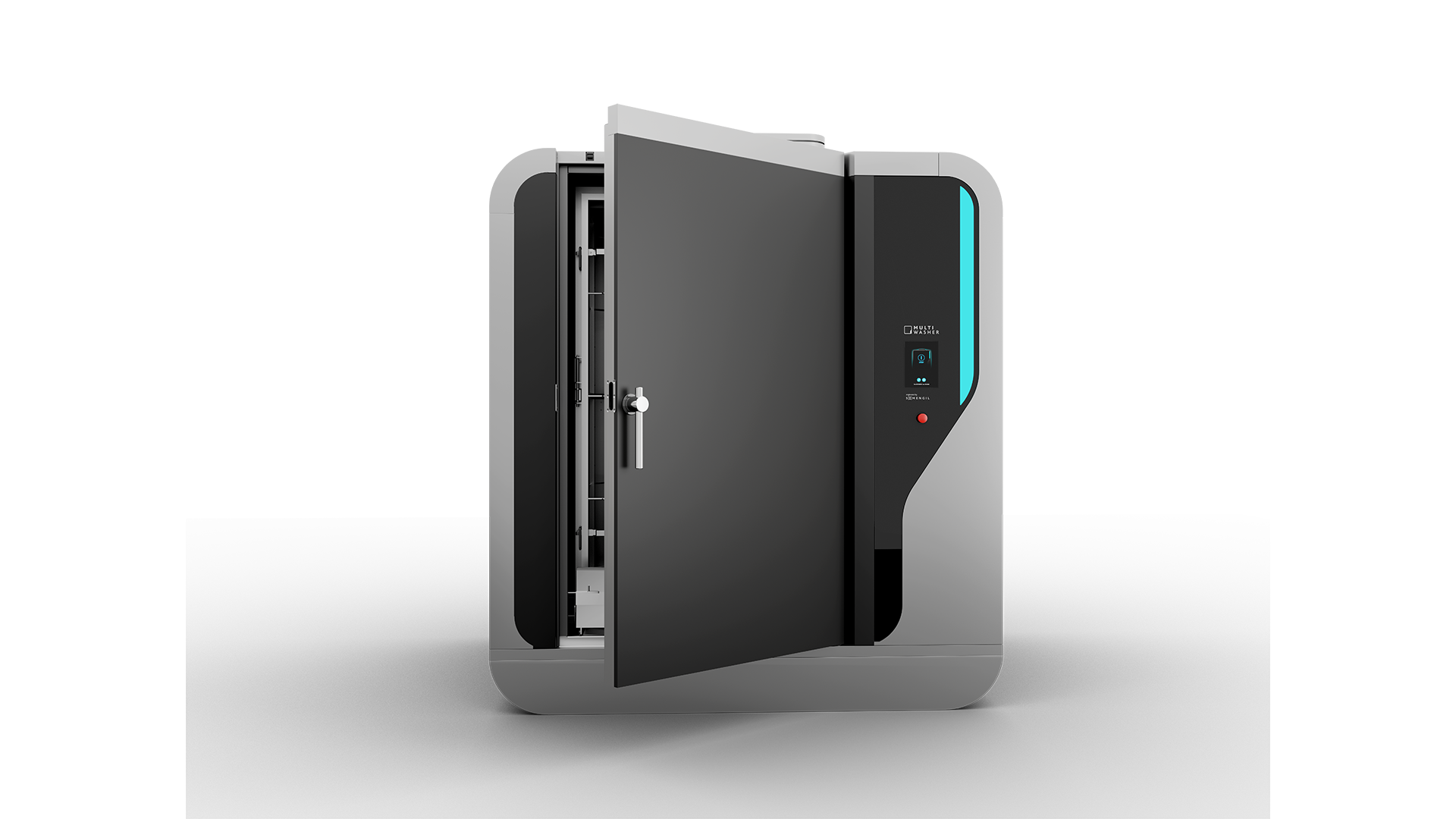
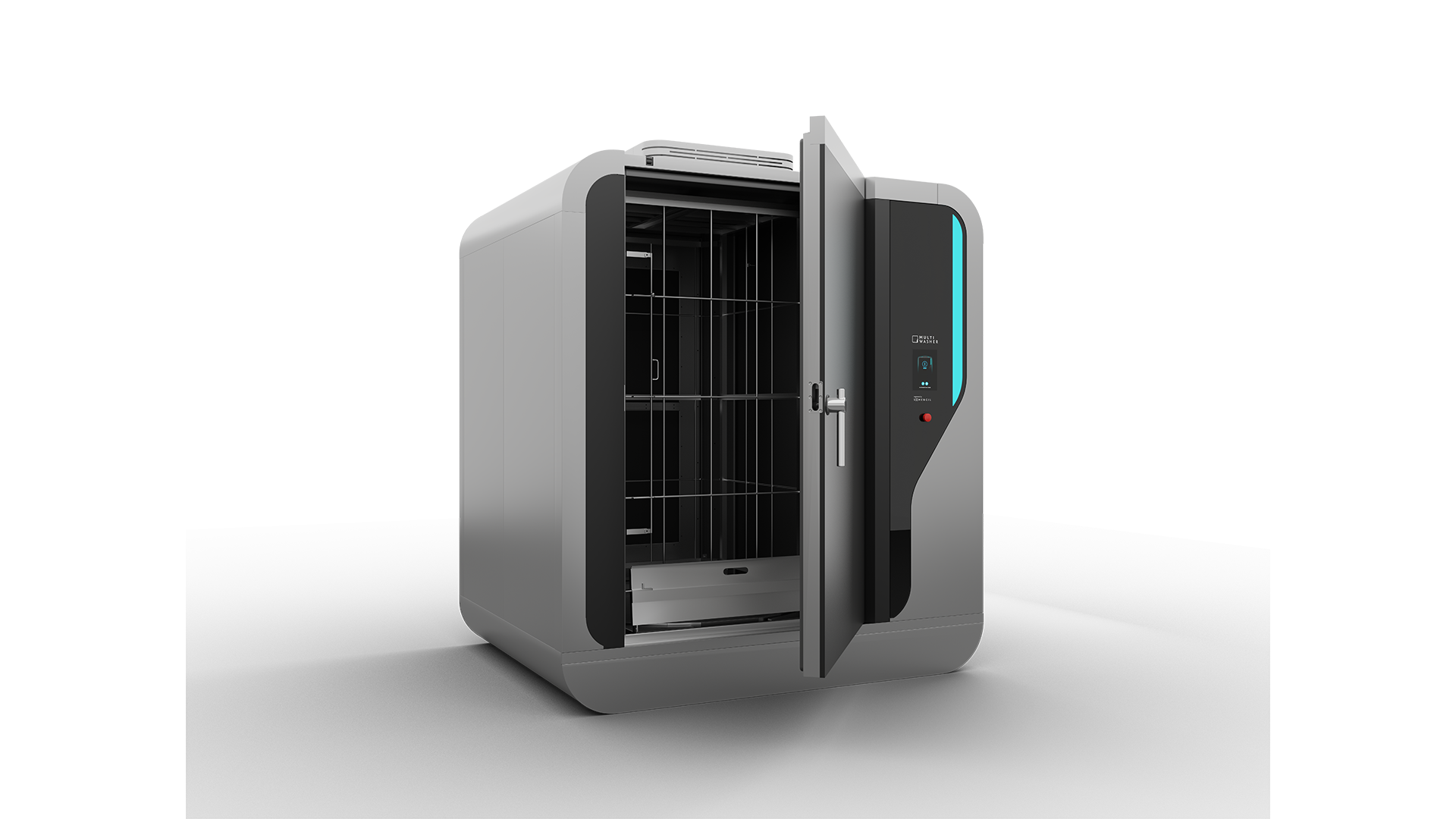
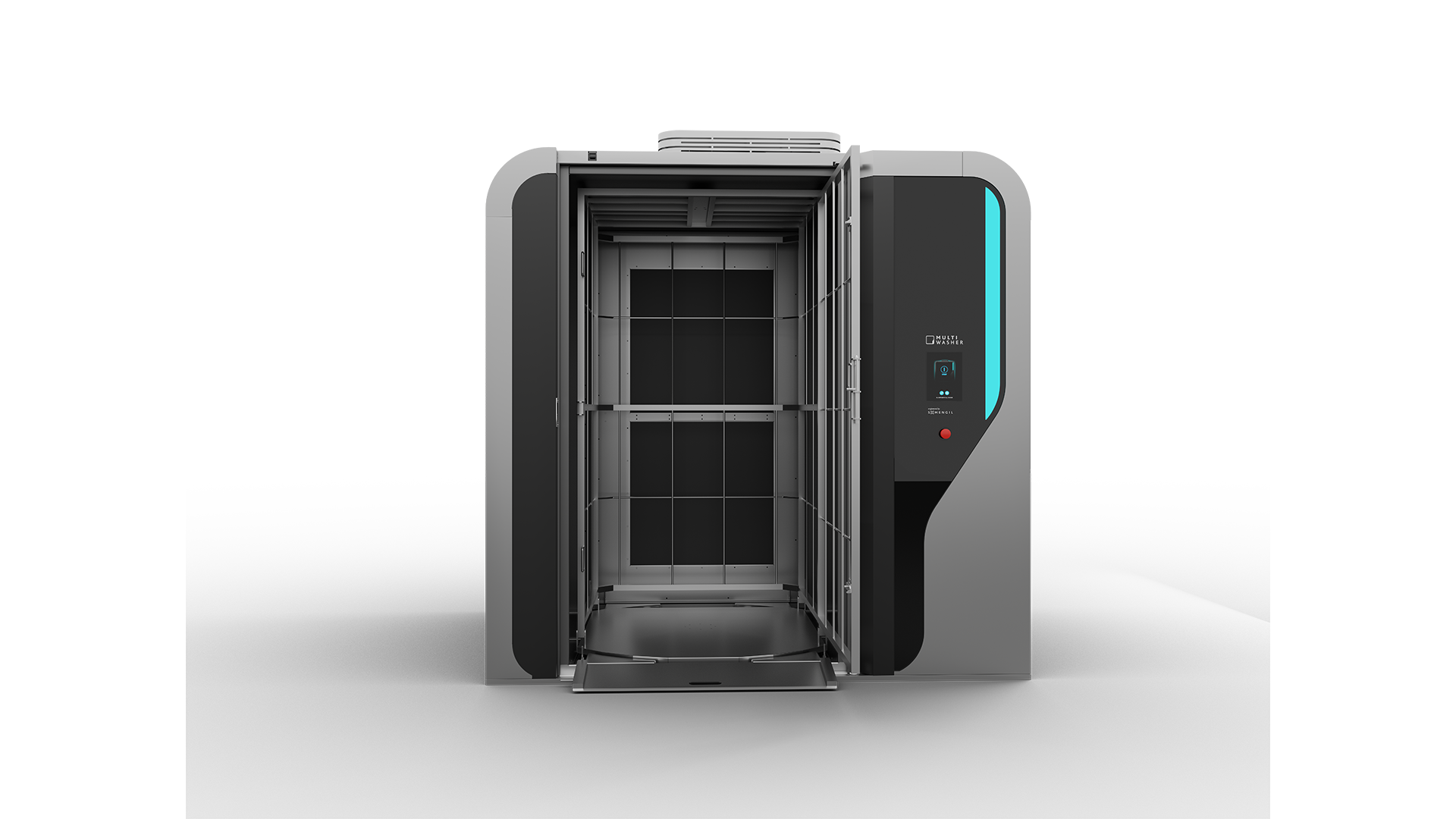
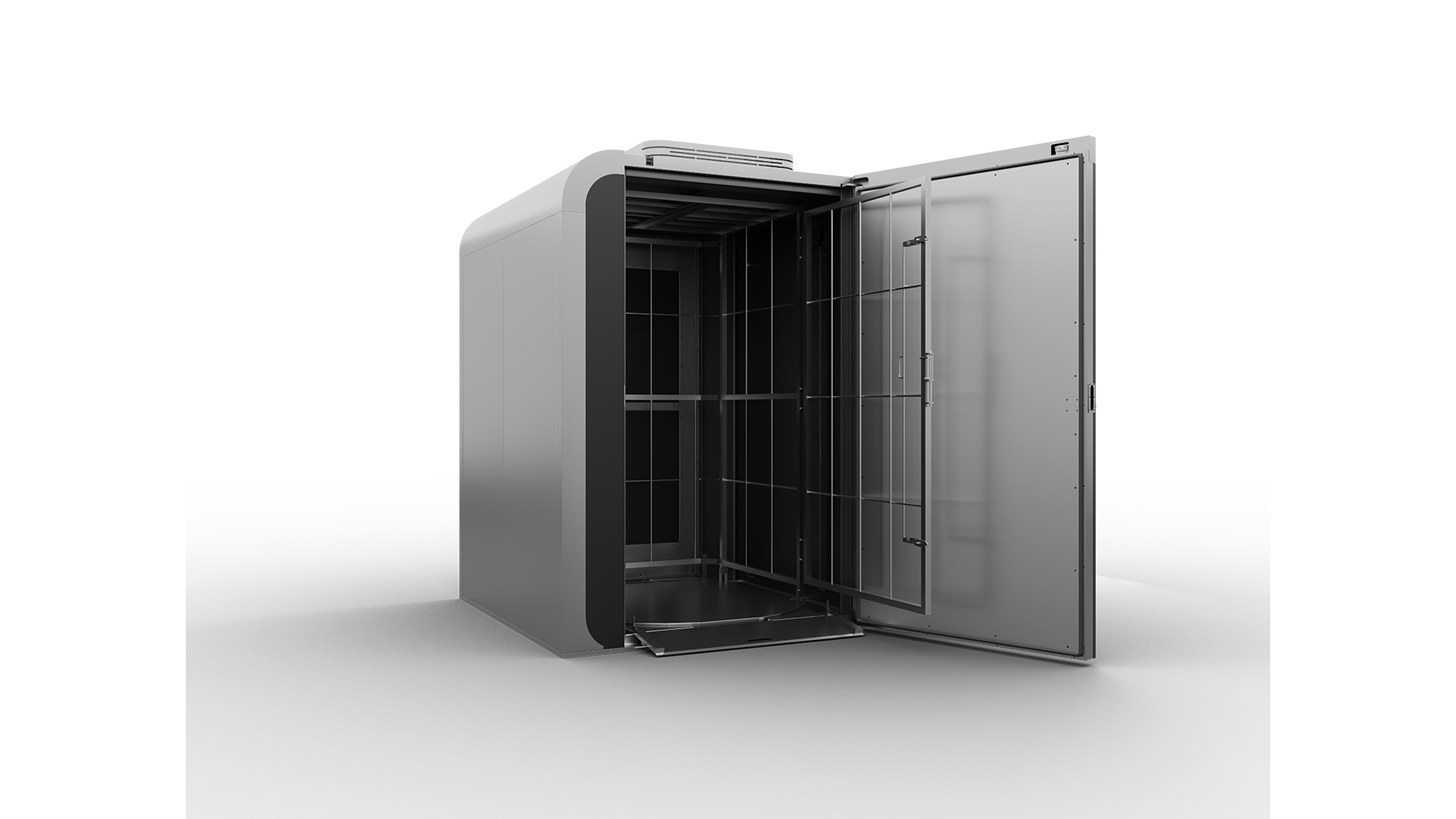
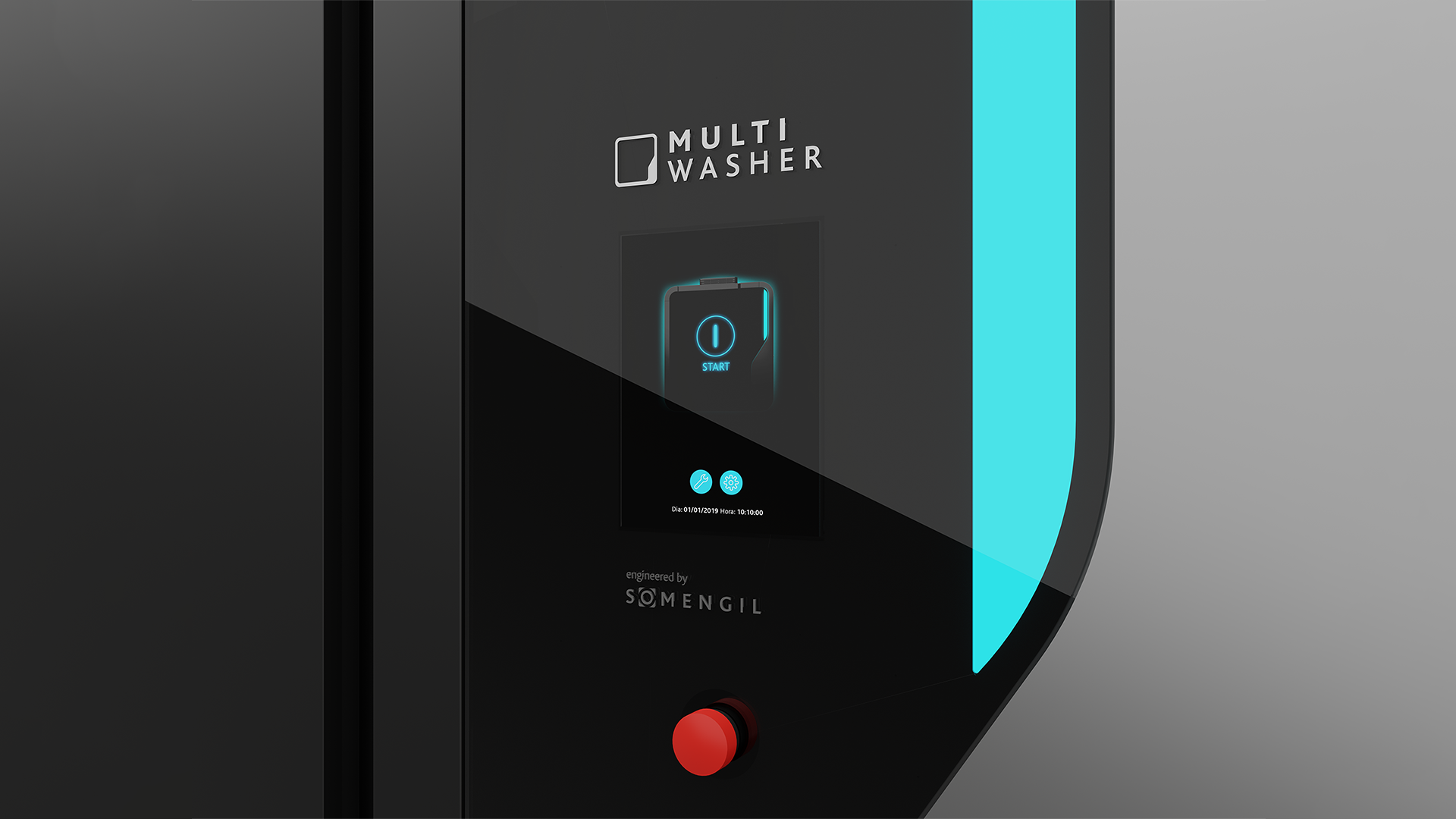
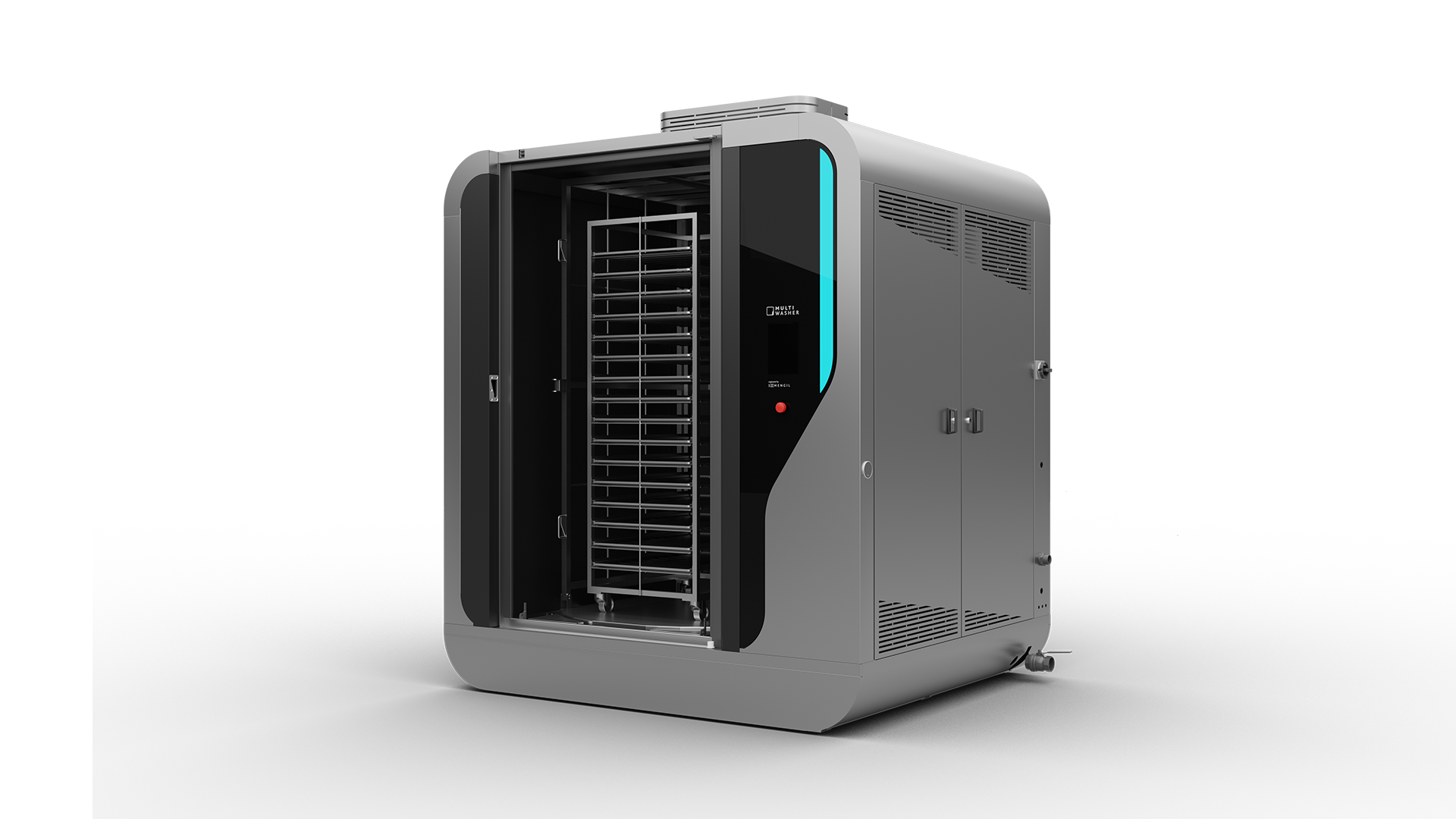
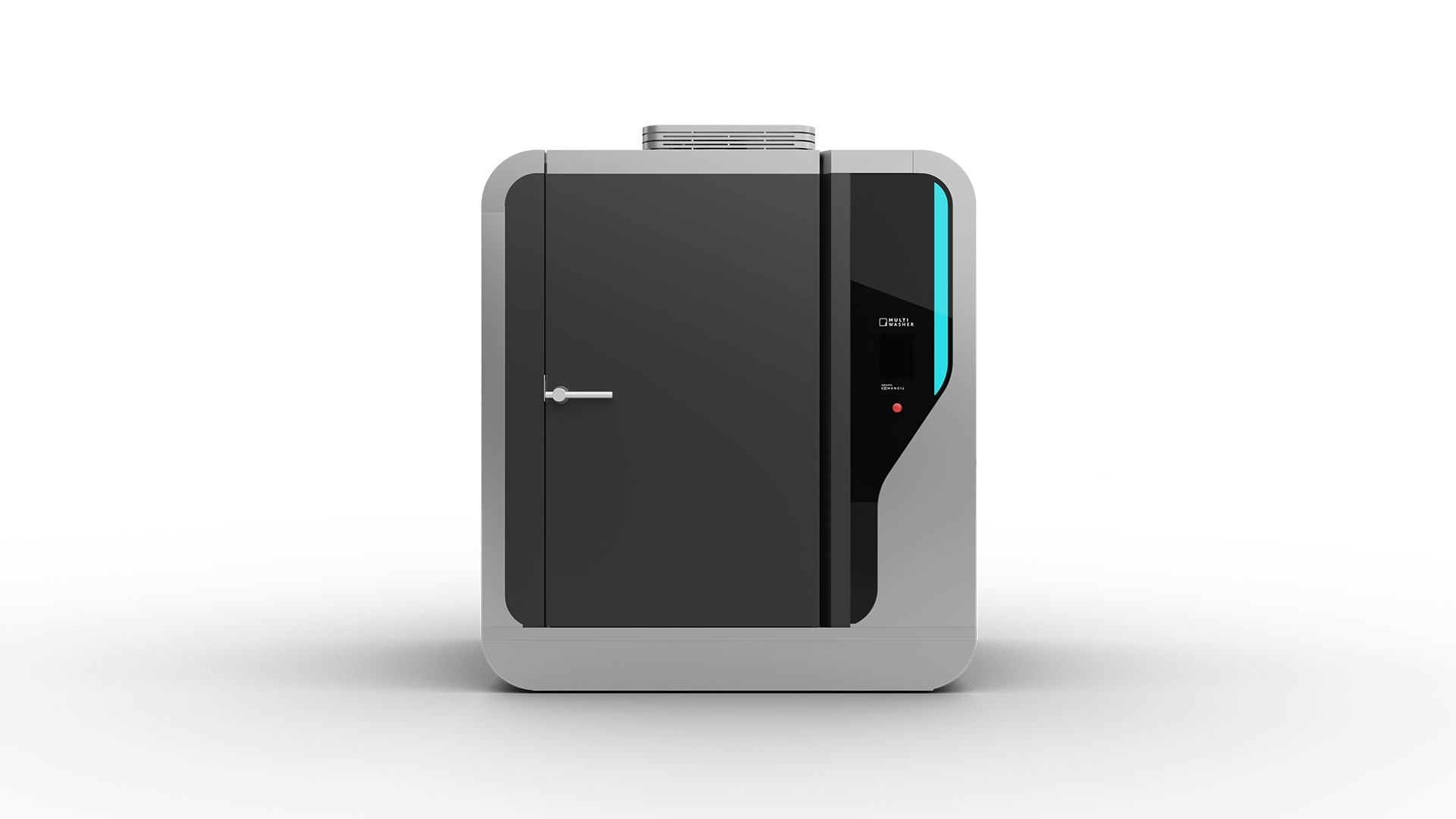
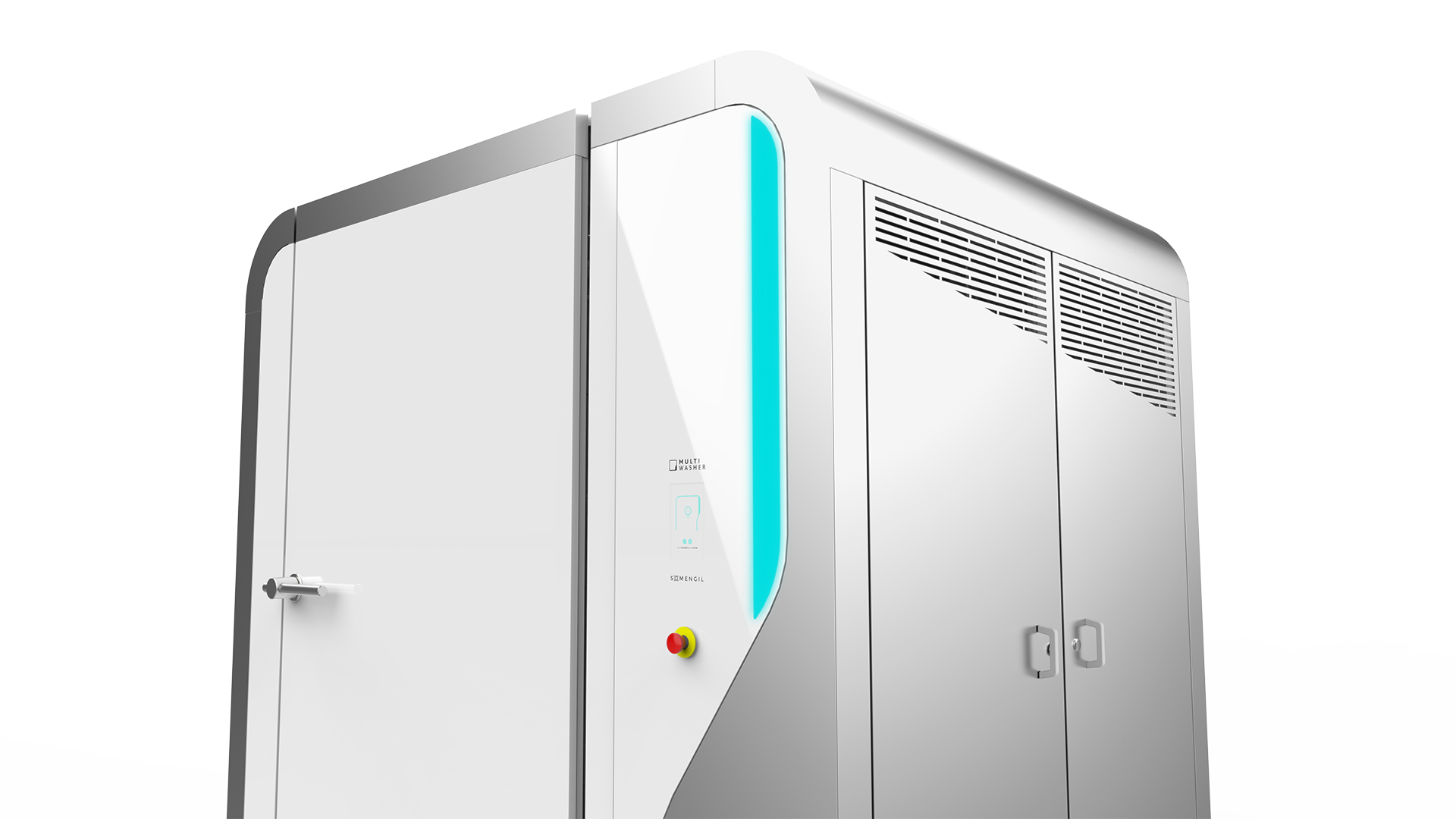
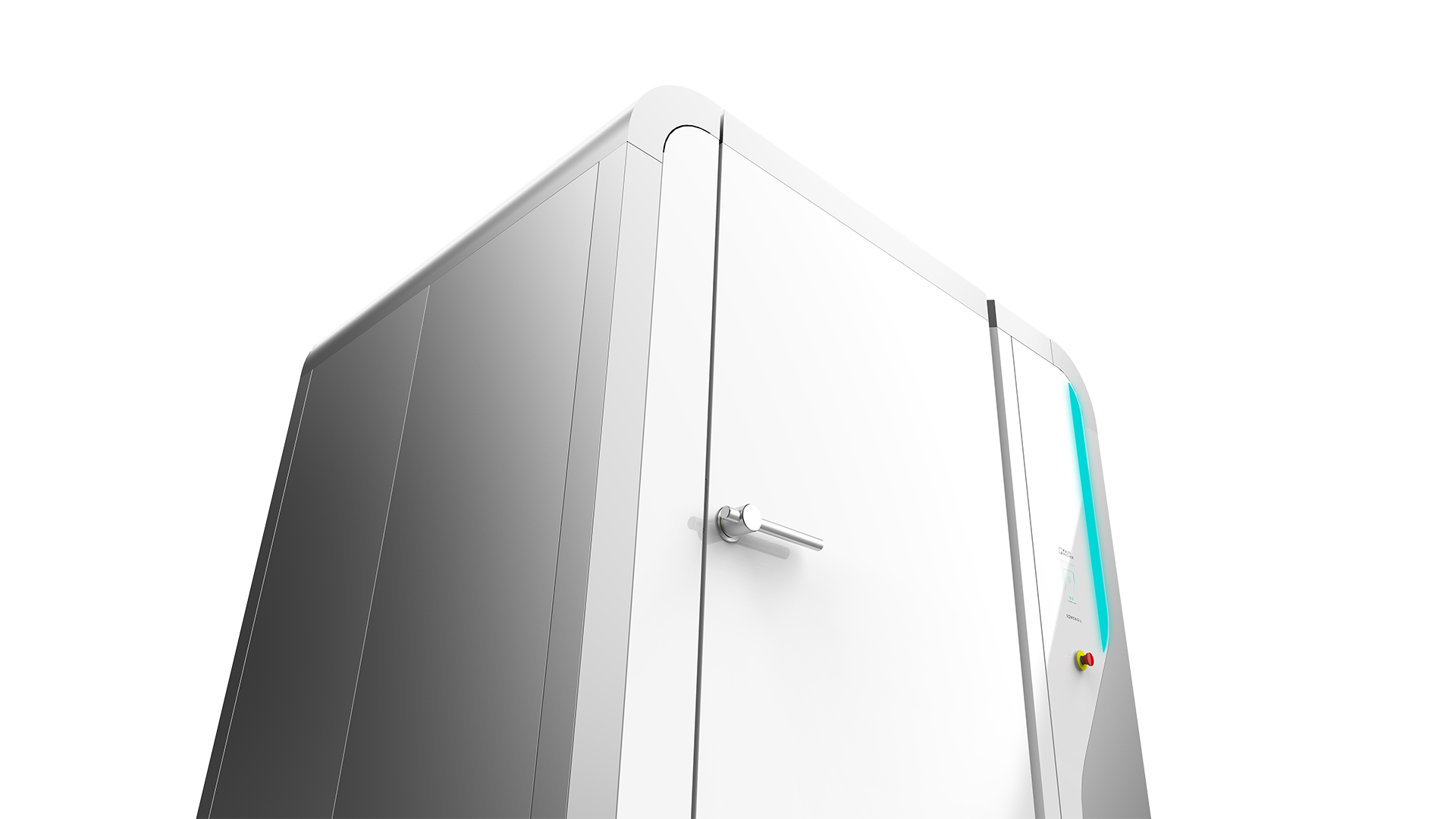
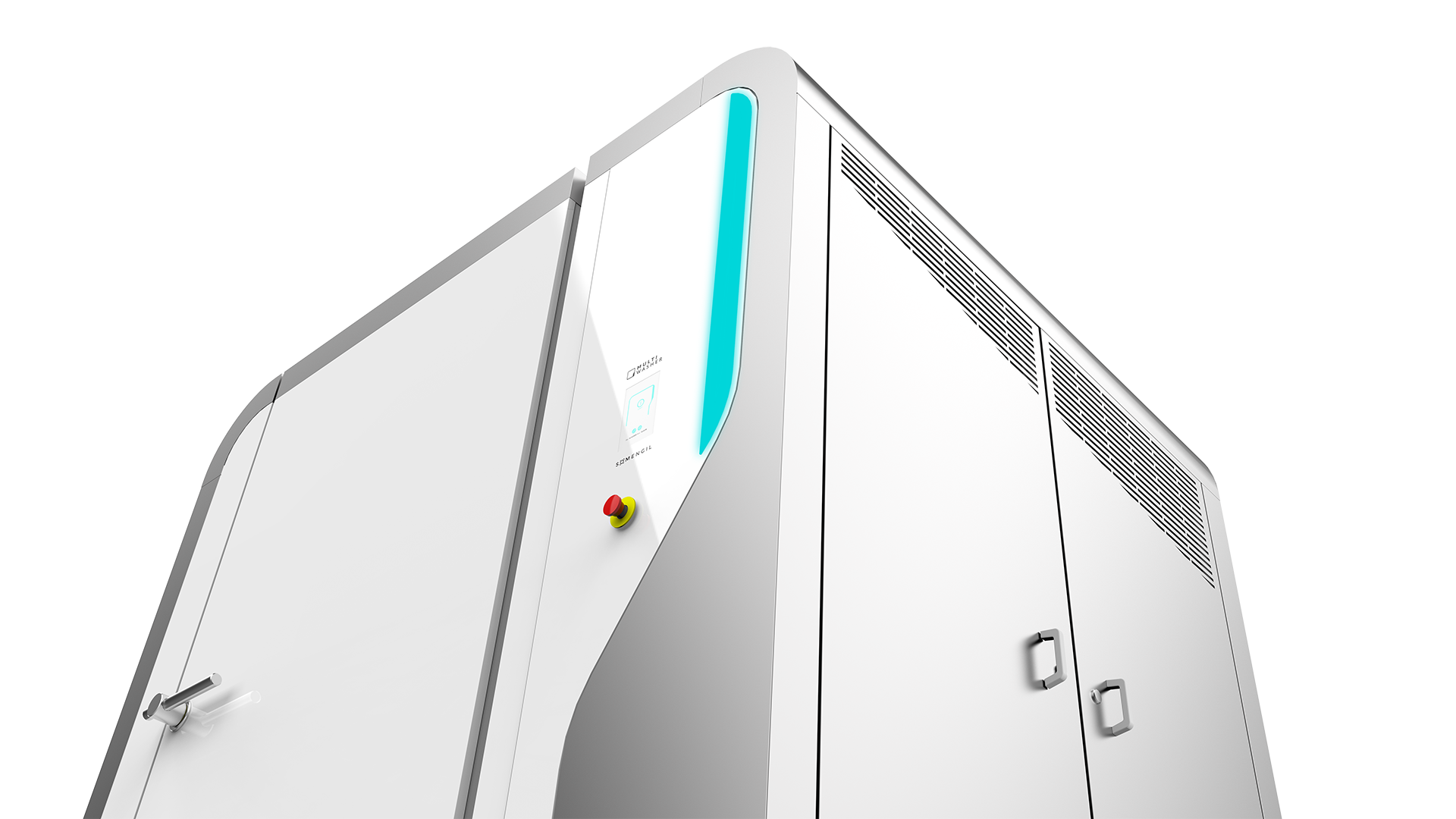
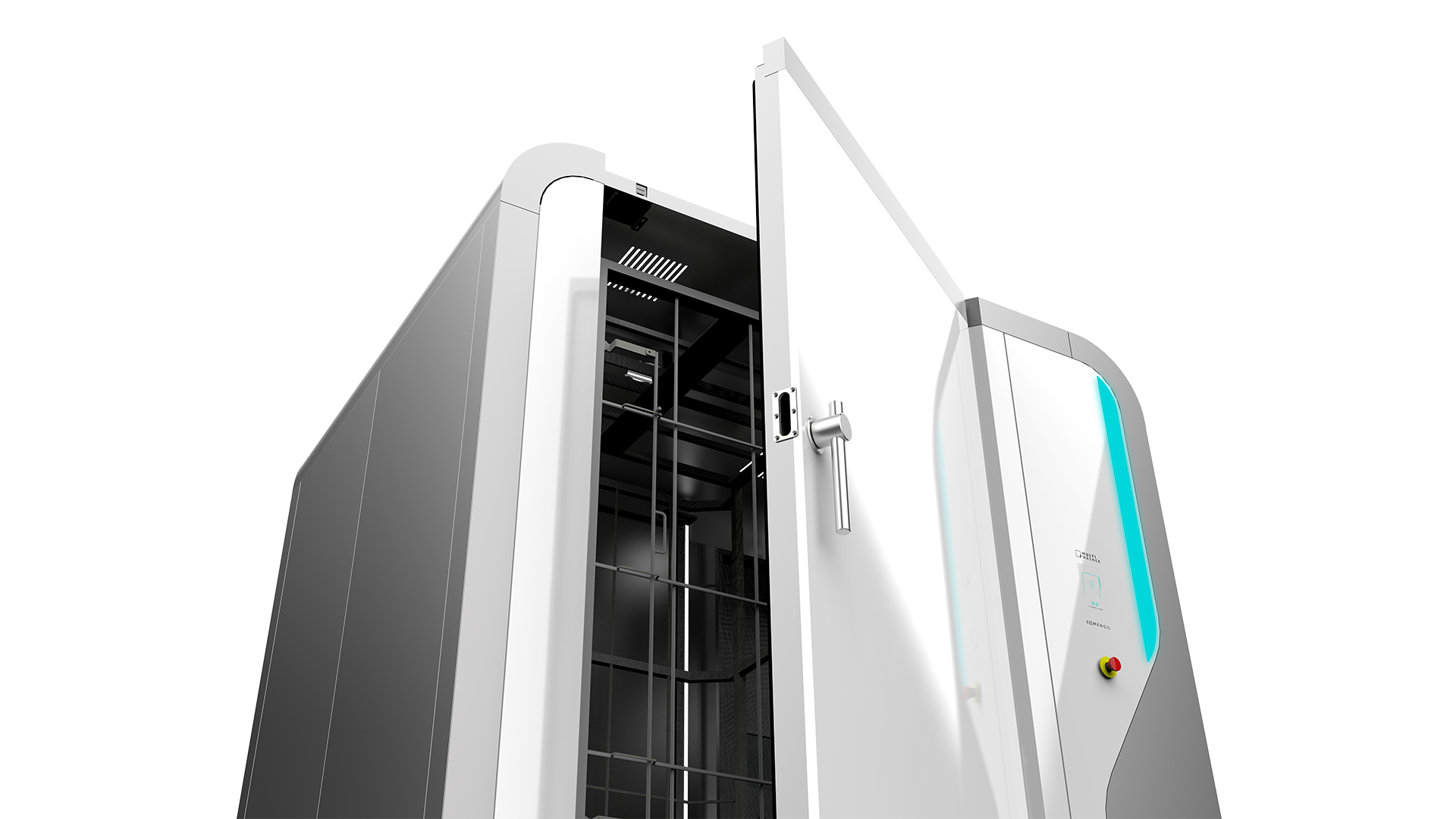
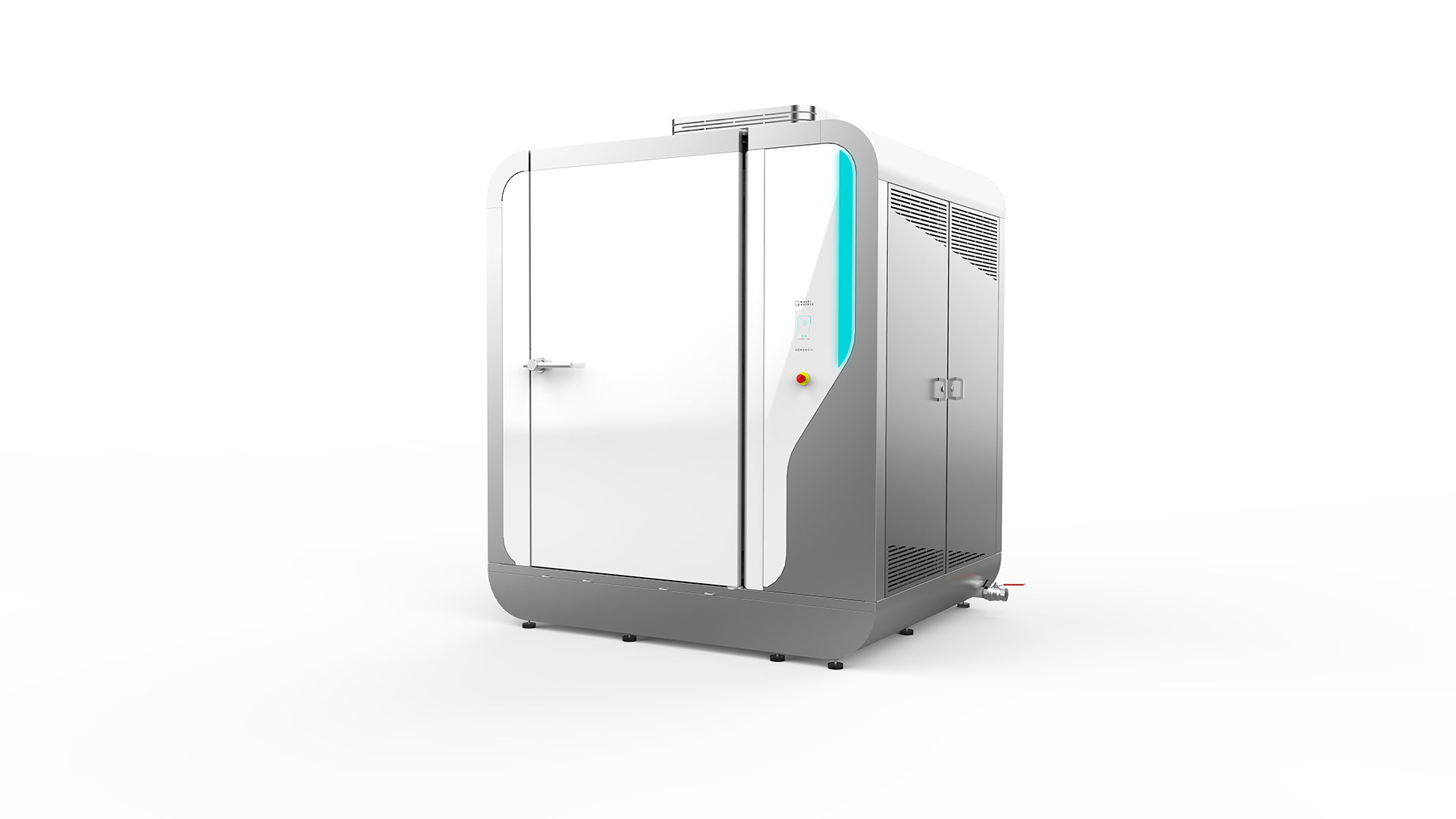
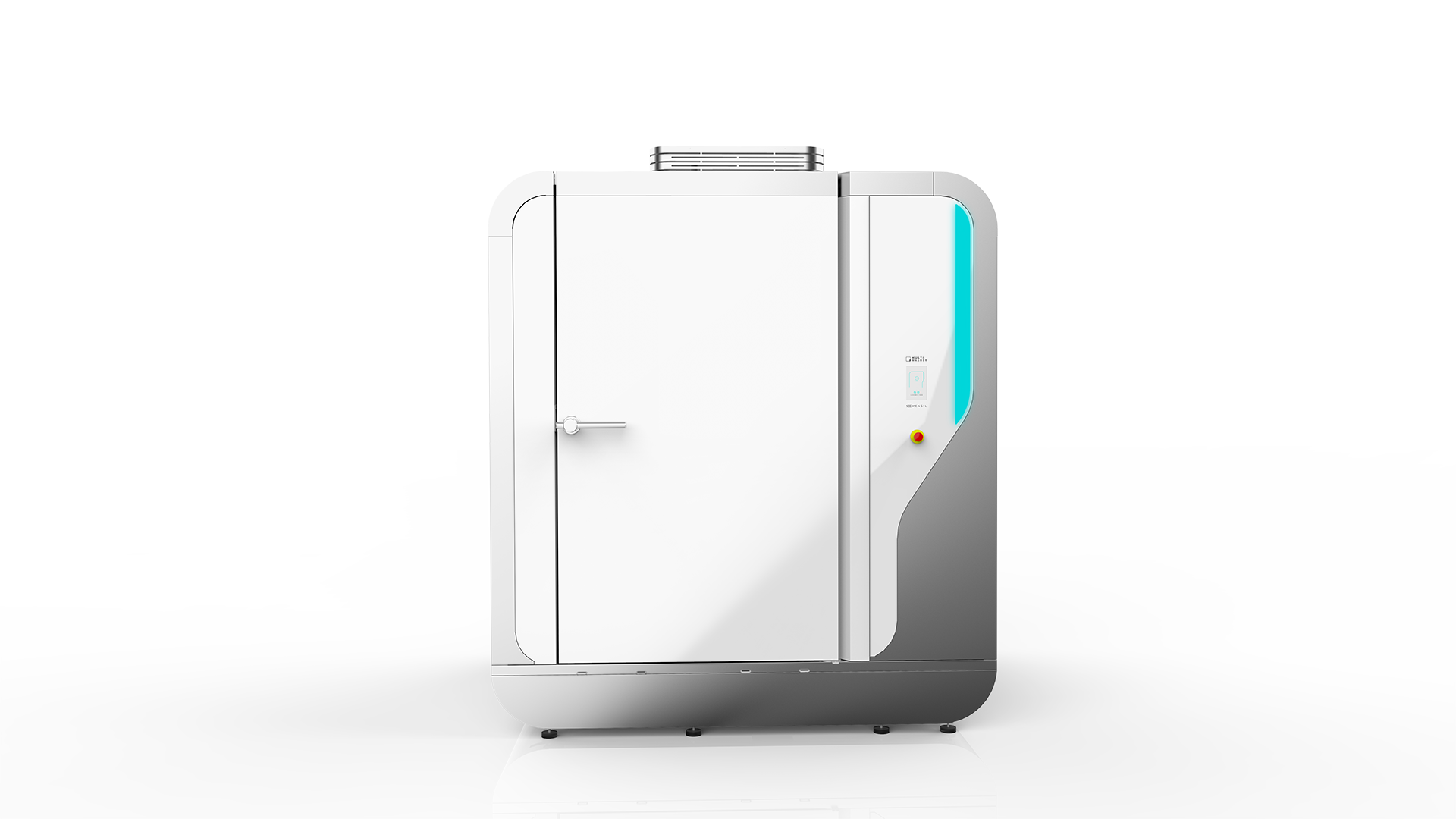
MultiWasher is a high-performance industrial washing machine developed by Somengil for companies that prioritize quality in their processes. Schedule a webinar to see the difference, or contact our team.
You may also like
Industrial washing / Articles
Message in a bottle: what does waste management mean for companies?
Find out what waste management is, why it’s important and how it can benefit your business.
Posted in 2022-09-22


 Portugal
 United Kingdom
 United States
 France
 Spain
Spain Germany
 Romania
 Italy
Italy Czech Republic
 Finland
 Hungary
 Slovakia
 Greece
 Lithuania
 South Korea
 Russia
 Saudi Arabia
 Poland
 Brasil
 Hebrew