Industrial washing / Articles
Why are food industry washing costs so high? (and what to do about it)
Food industry washing costs are soaring. Discover why they add up to and what you can do to cut waste.

 7 minutes of reading
2025-09-23 17:53:01
Every day, an average-sized food plant can wash thousands of crates, trays, and tools. Between water usage, energy for heating and pumping, detergent, and labor, costs quietly pile up, sometimes without anyone noticing until the bills, audits, or environmental reports ring alarm bells. With the food and agribusiness sector already accounting for 70% of freshwater withdrawals, inefficient washing is expensive and unsustainable.
Discover where food industry washing costs come from, why they’re often underestimated, and what leading companies are doing to turn them into measurable savings.
How much does food industry washing really cost?
Washing may look straightforward, but without tracking and optimization, costs can quietly eat into margins and efficiency. Here’s where the money really goes to:
1. Water usage and treatment costs
Over-rinsing, oversized loads, and inefficient cycles add up fast. To put it in perspective, producing enough food for a family of four for just one day requires around 25,000 litres of water. Now imagine what a mid-sized food plant uses in its daily washing operations. Even small efficiency gains can translate into meaningful savings, both financially and environmentally.
2. Energy costs for heating, pumping, and drying
Food processing is among the most energy-intensive manufacturing sectors, with heating, pumping, and drying making up a large share of consumption. Energy alone represents 5-10% of total production expenses. Running at full power for half loads, relying on long high-temperature cycles, or repeating washes can silently inflate costs far beyond what most managers expect.
3. Chemicals and detergents
Chemicals are non-negotiable for hygiene, but poor dosing is expensive. Too much causes residue, re-washes, and faster wear on equipment; too little risks contamination and regulatory fines. Real-world results show that optimized dosing can trim costs by 30%.
4. Labor and operational inefficiencies
Staff time spent pre-rinsing, monitoring, or fixing mistakes adds up. Inconsistent training and manual corrections slow throughput. Standardizing processes quickly frees up both time and money.
5. Maintenance, downtime, and equipment wear
Clogged filters, worn nozzles, and neglected sensors burn more water, energy, and chemicals. Worse, unplanned breakdowns slow production and shorten equipment lifespan.
How to cut food industry washing costs
Targeted changes can generate major savings while making operations more efficient and sustainable. Here are the strategies that industry leaders are implementing today.
1. Run a washing-cost audit first
Before making changes, measure your current costs. Use meters and timers to track water, energy, detergent, and labour over a 7-day period, then calculate unit costs. This gives you a clear baseline for the real cost per washed tray, crate, or utensil, and shows where savings are possible.
2. Cut water use first
Water may be cheap per litre, but volumes are high, so even small efficiencies add up. Installing recirculation and filtration, flow-restricting nozzles, and adjusting cycles can save 40–60% in water use, reducing annual costs by thousands while maintaining wash quality.
3. Slice energy consumption
Heating water is one of the largest energy drains in washing. By recovering heat from wastewater, optimising temperature settings, and insulating tanks, companies can cut energy use, lowering both costs and environmental impact.
4. Cut chemical spend and dosing errors
Over-dosing detergent wastes money without improving hygiene. Automatic dosing systems, concentrated chemistries, and compatibility audits can reduce chemical use, cutting daily spend significantly while ensuring consistent washing results.
5. Reclaim labour hours
Labour often makes up the biggest share of washing costs. Automating heavy tasks, improving ergonomics, and redesigning workflows can cut manual wash time, freeing staff for higher-value work.
6. Right-size cycles and loads
Running half-loads wastes water, energy, chemicals, and time. Standardising load sizes, using modular racking, and quick pre-sorting can increase efficiency, ensuring every cycle delivers maximum value.
7. Use data to run continuous improvement
Sustainable savings come from ongoing measurement. Tracking daily KPIs like water, energy, detergent, and labour per unit, and running A/B cycle tests, helps identify leaner processes that still meet hygiene standards, driving continuous efficiency gains.
8. Provide maintenance & training
Regular checks and staff training prevent hidden losses. Fixing worn nozzles, maintaining pumps and heaters, and teaching operators best practices avoids rework, shortens cycles, and improves resource efficiency.
How much can you save in food industry washing costs?
Imagine a mid-sized facility looking at its washing costs. In a conservative, illustrative scenario, the daily baseline could include around 10,000 litres of water ($20), 100 kWh of energy ($15), five litres of detergent ($50), and two full-time employees dedicated to washing ($240). Together, this adds up to roughly $325 per day, or about $81,250 per year assuming 250 working days.
Now, if that same facility implemented a mix of improvements – such as recirculating water, optimising temperatures, automating detergent dosing, and streamlining labour – the potential combined savings could look like this: 60% less water, 30% less energy, 70% less detergent, and 50% less labour. That would reduce daily costs by about $171.50, equivalent to $42,875 saved annually. On these assumptions, even a $50,000 investment in equipment upgrades would pay for itself in roughly 14 months.
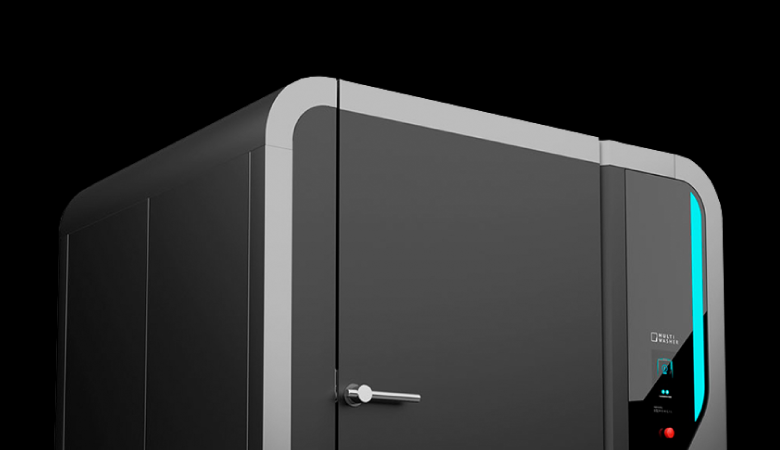
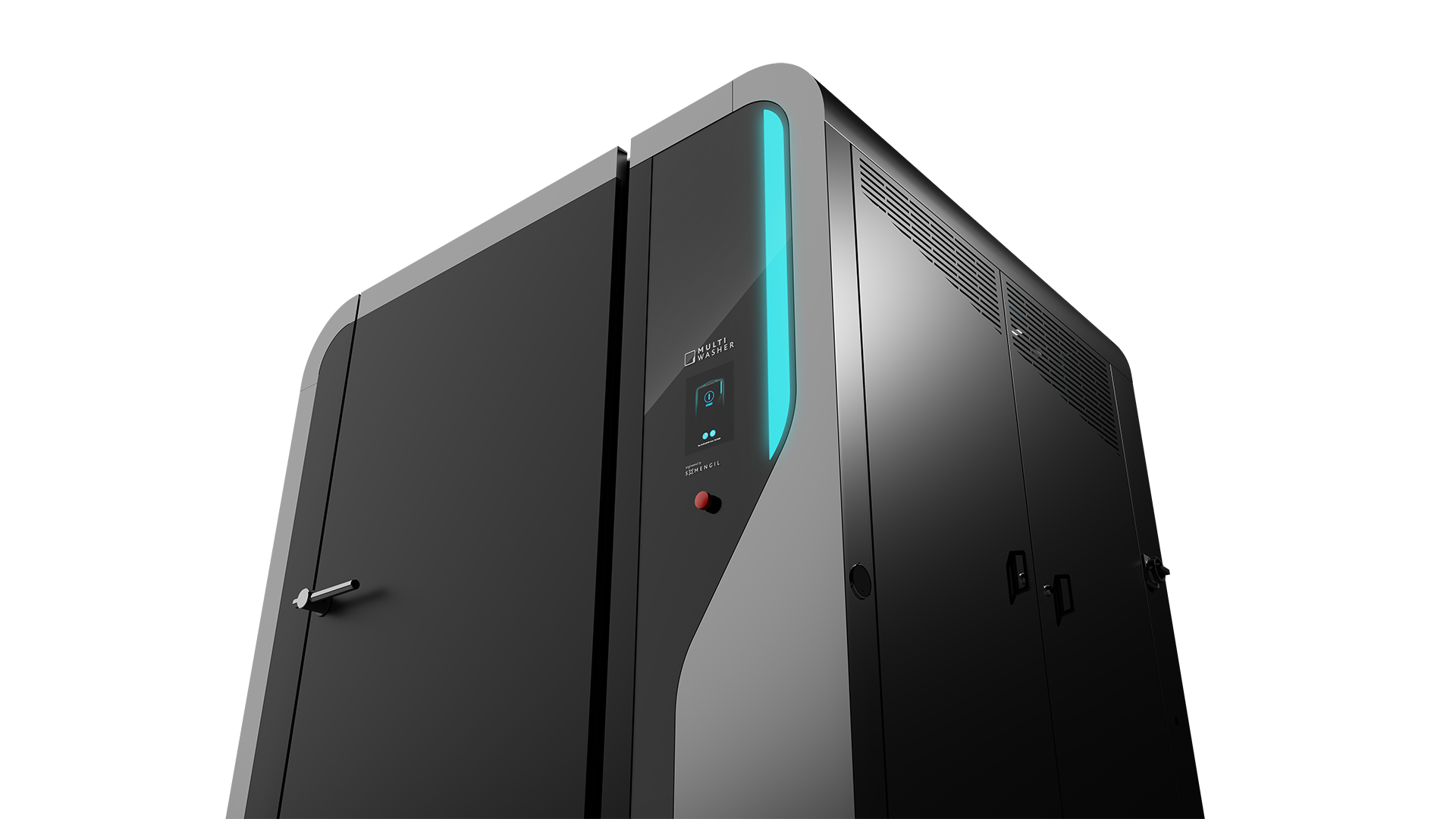
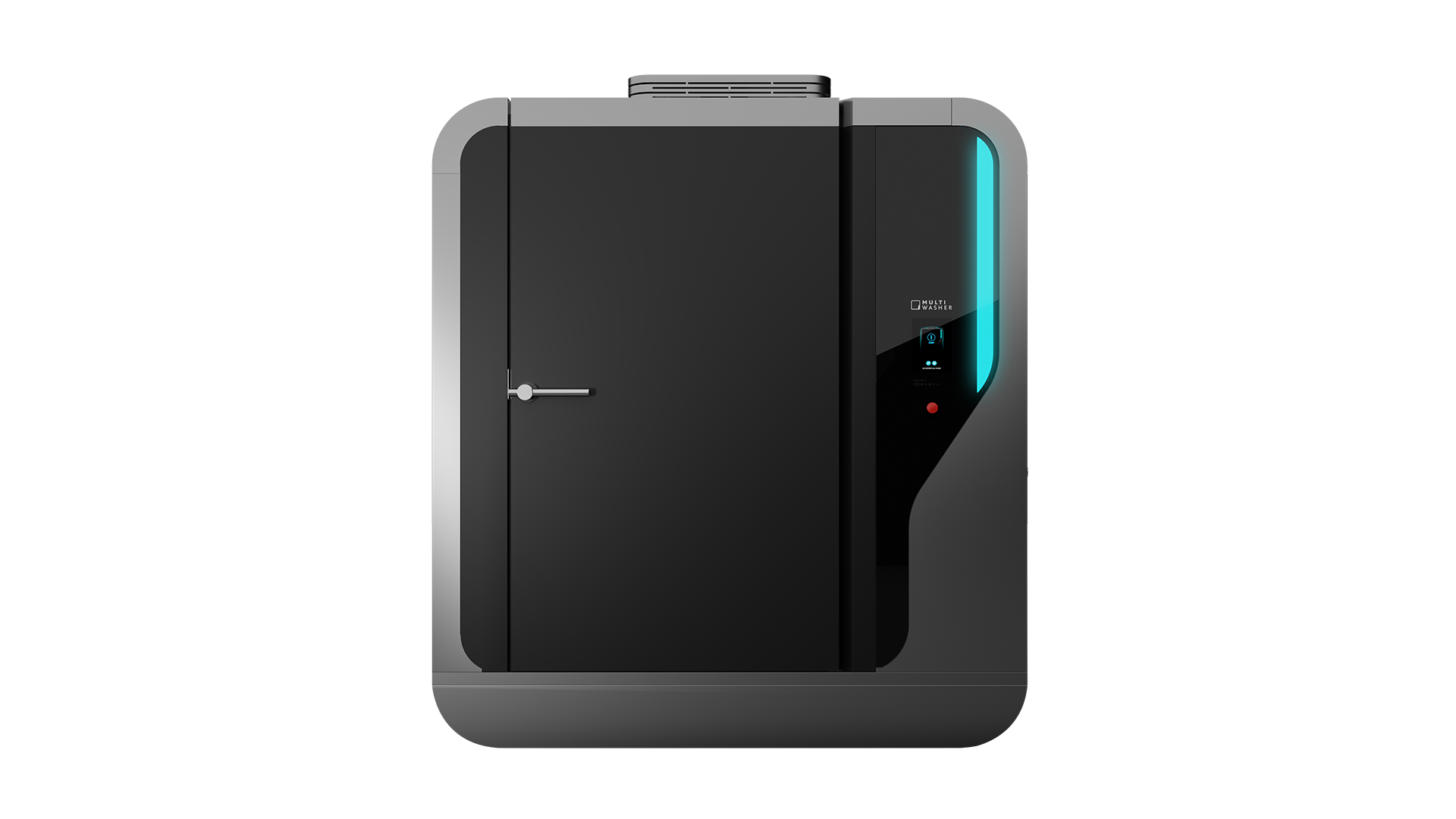
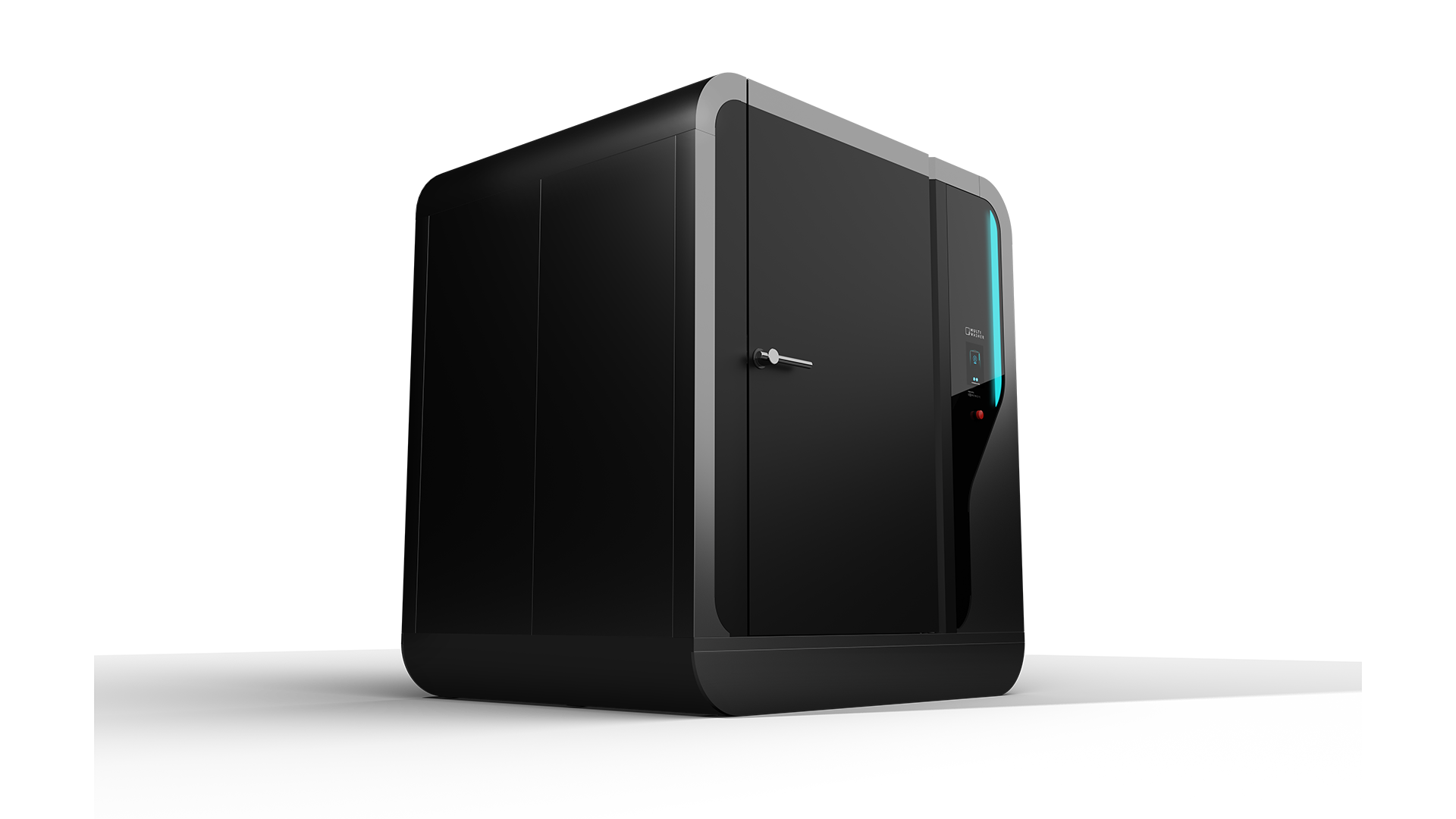
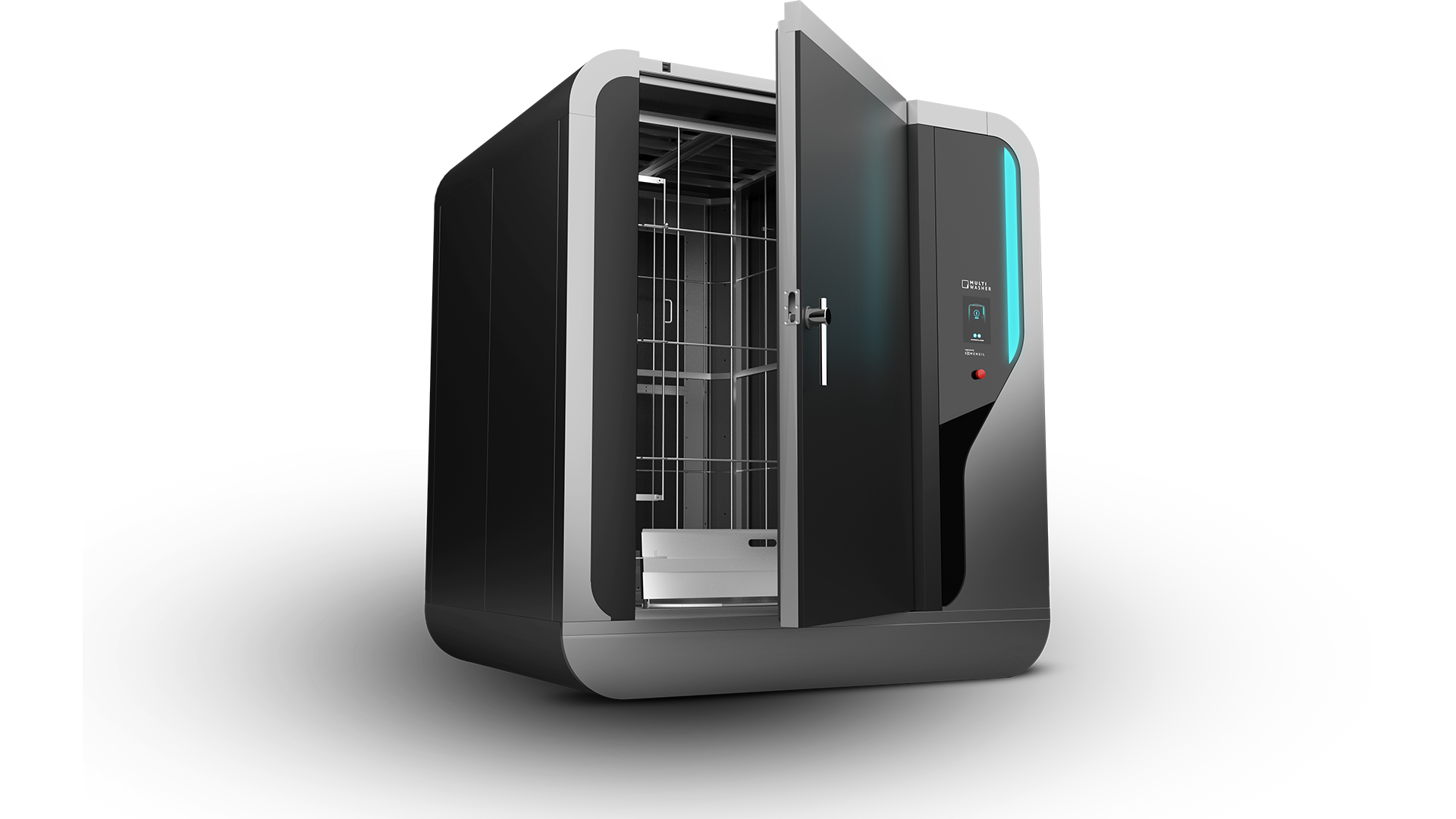
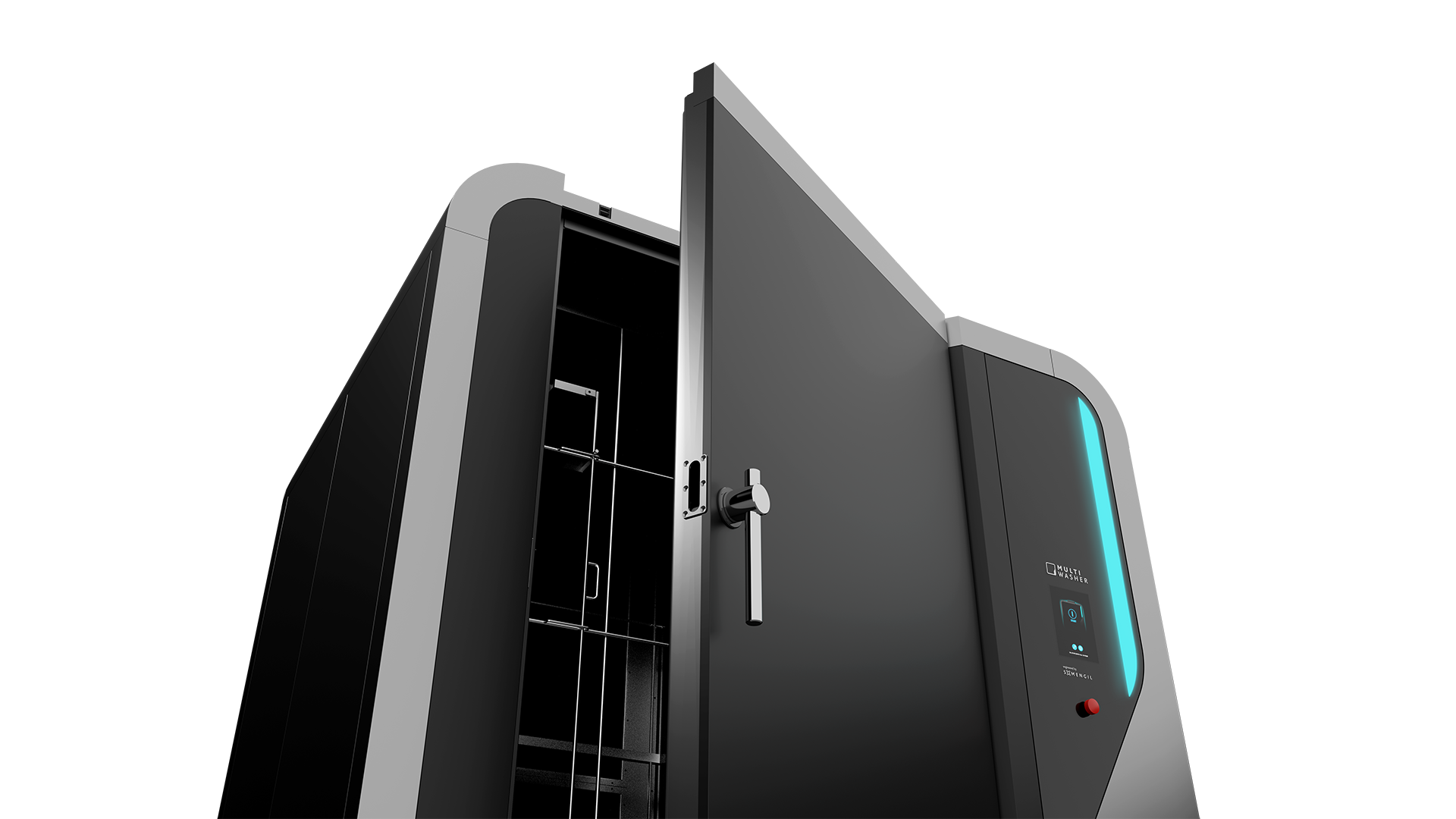
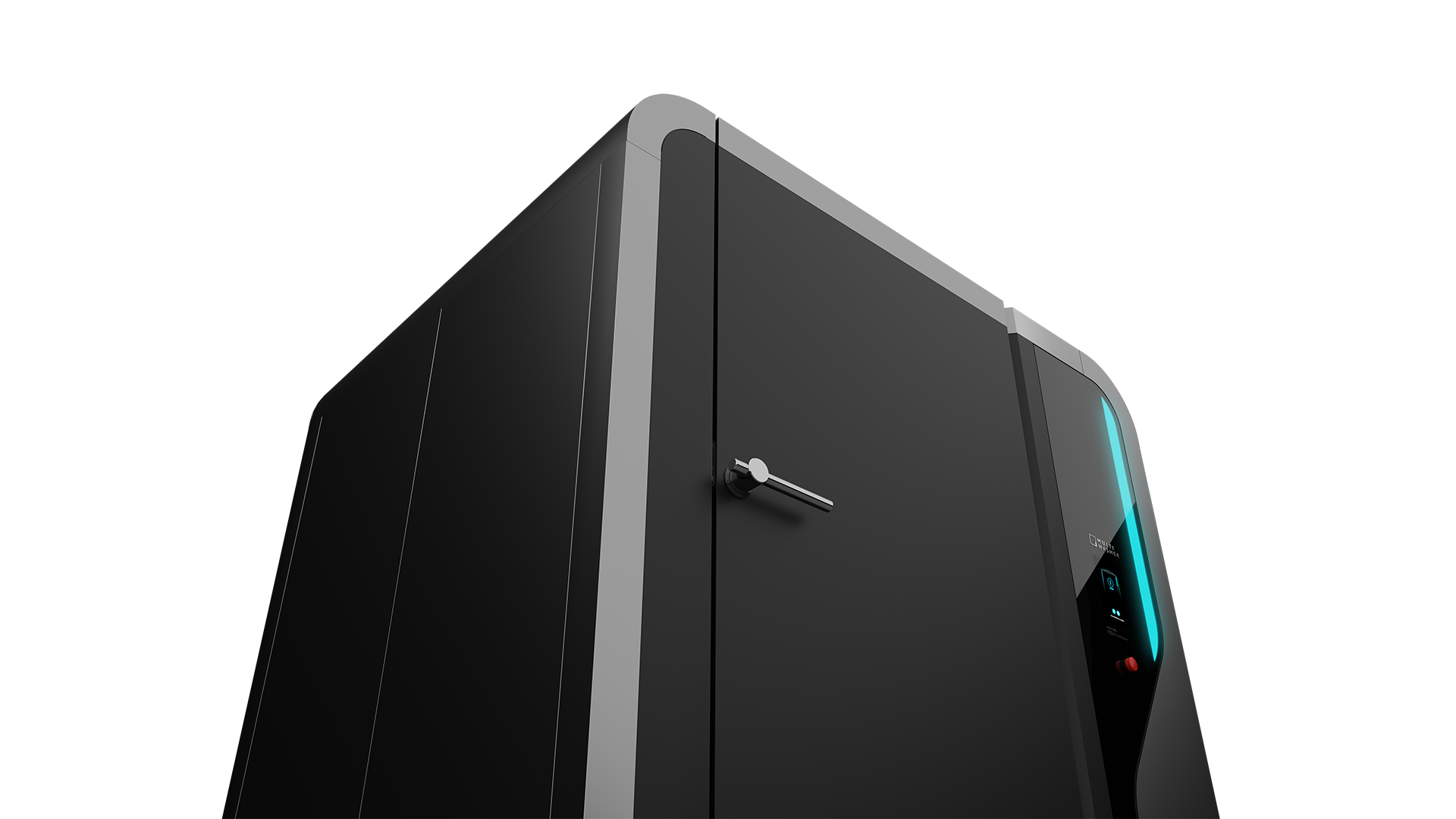
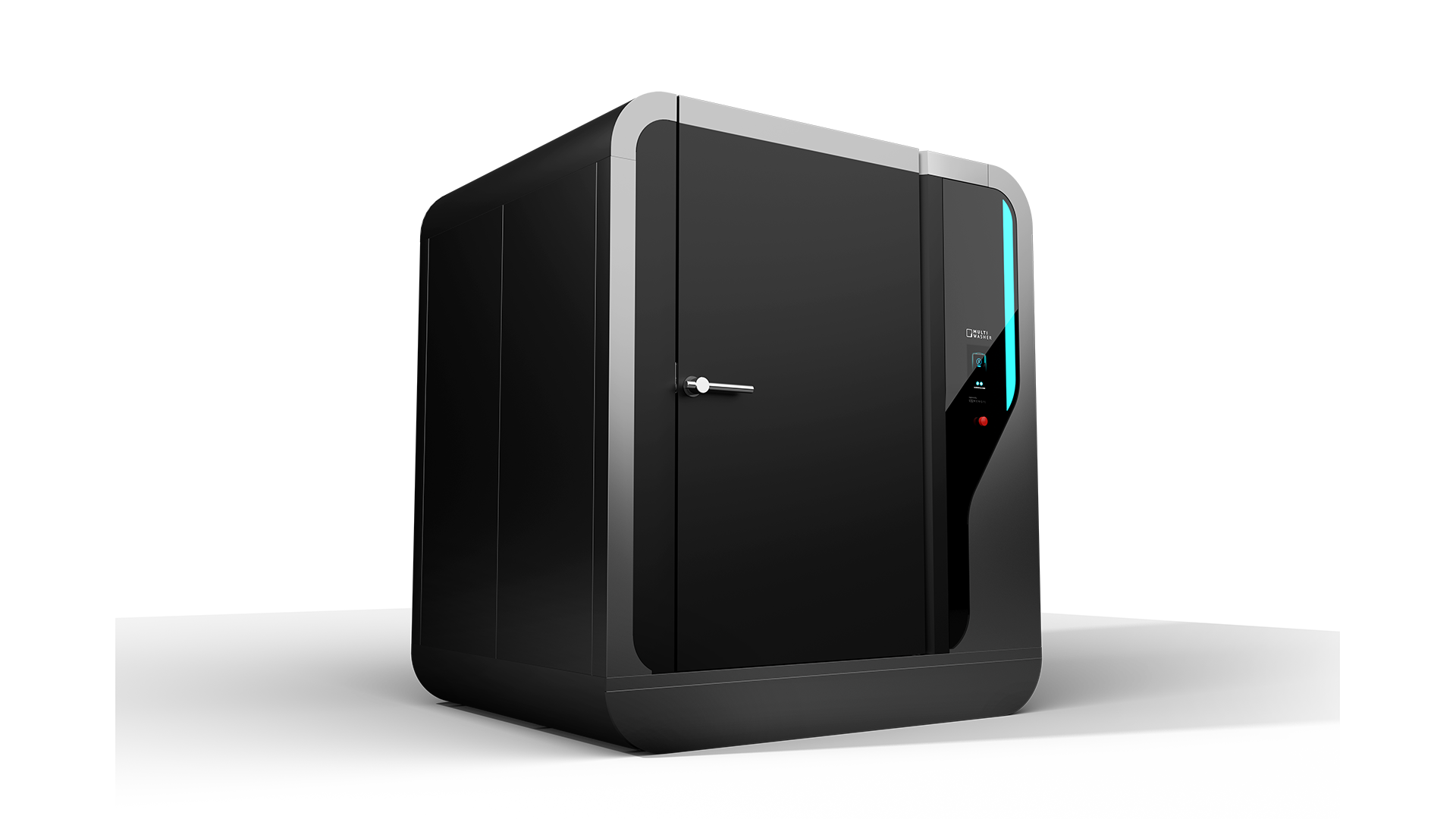
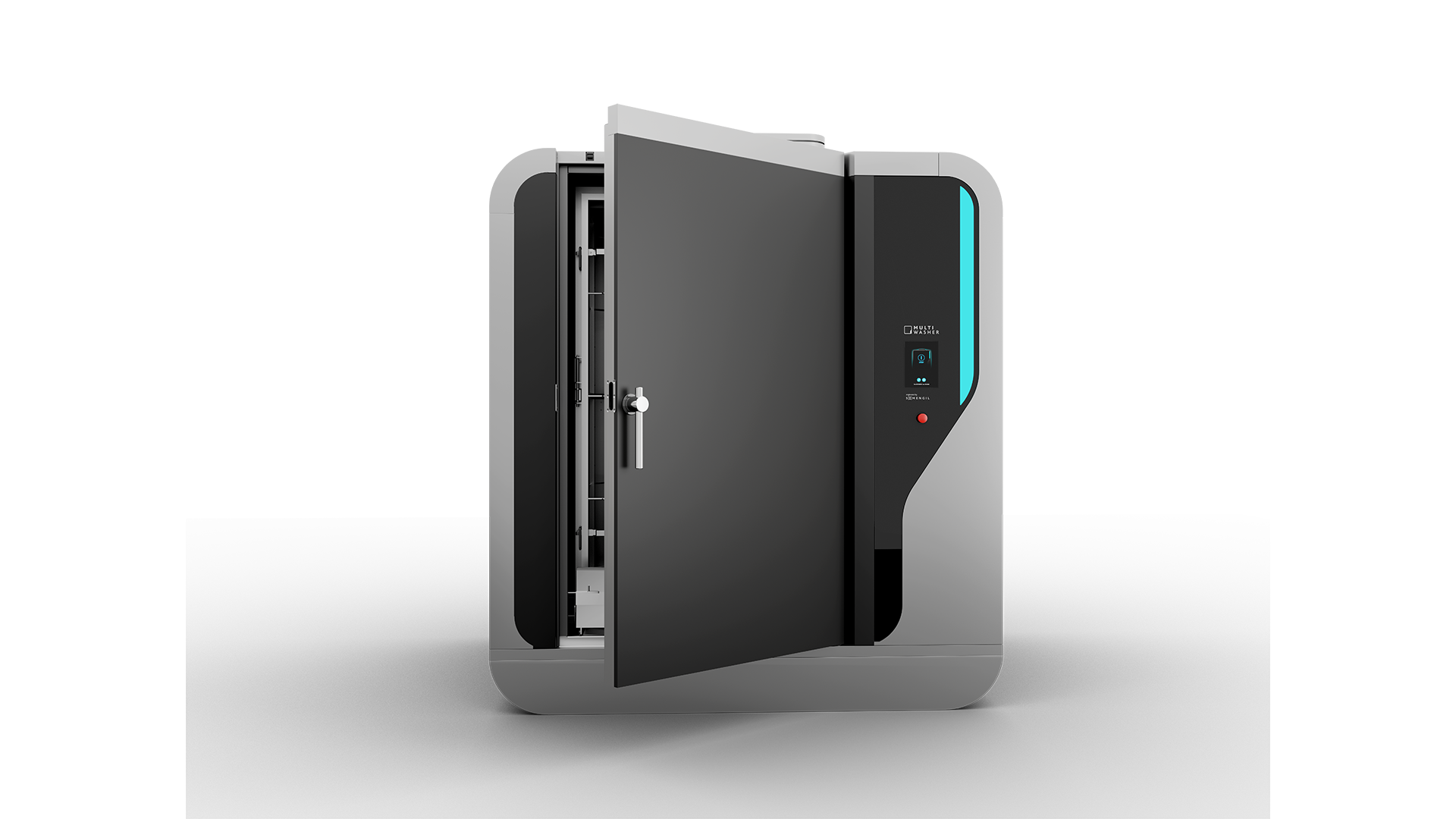
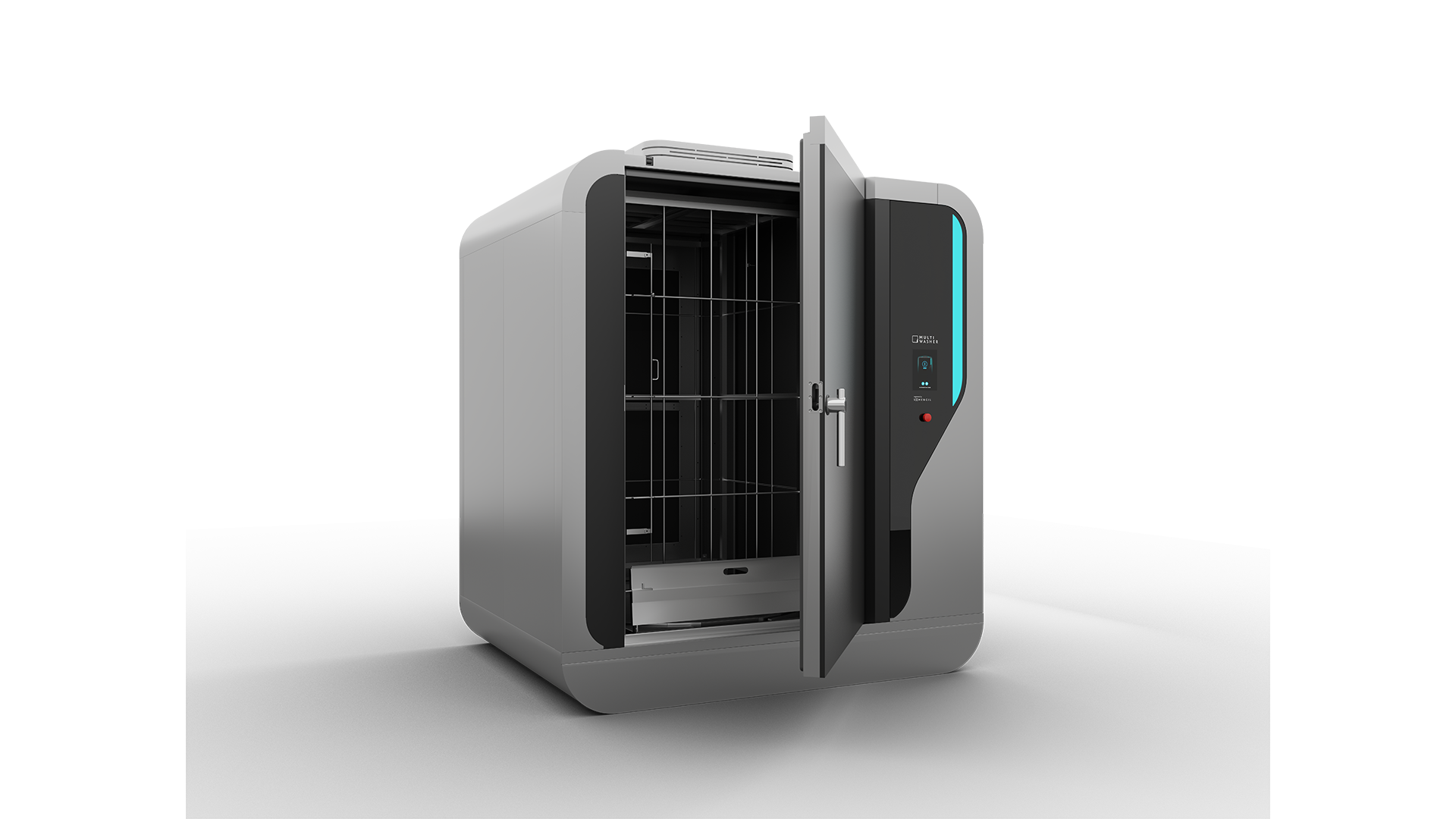
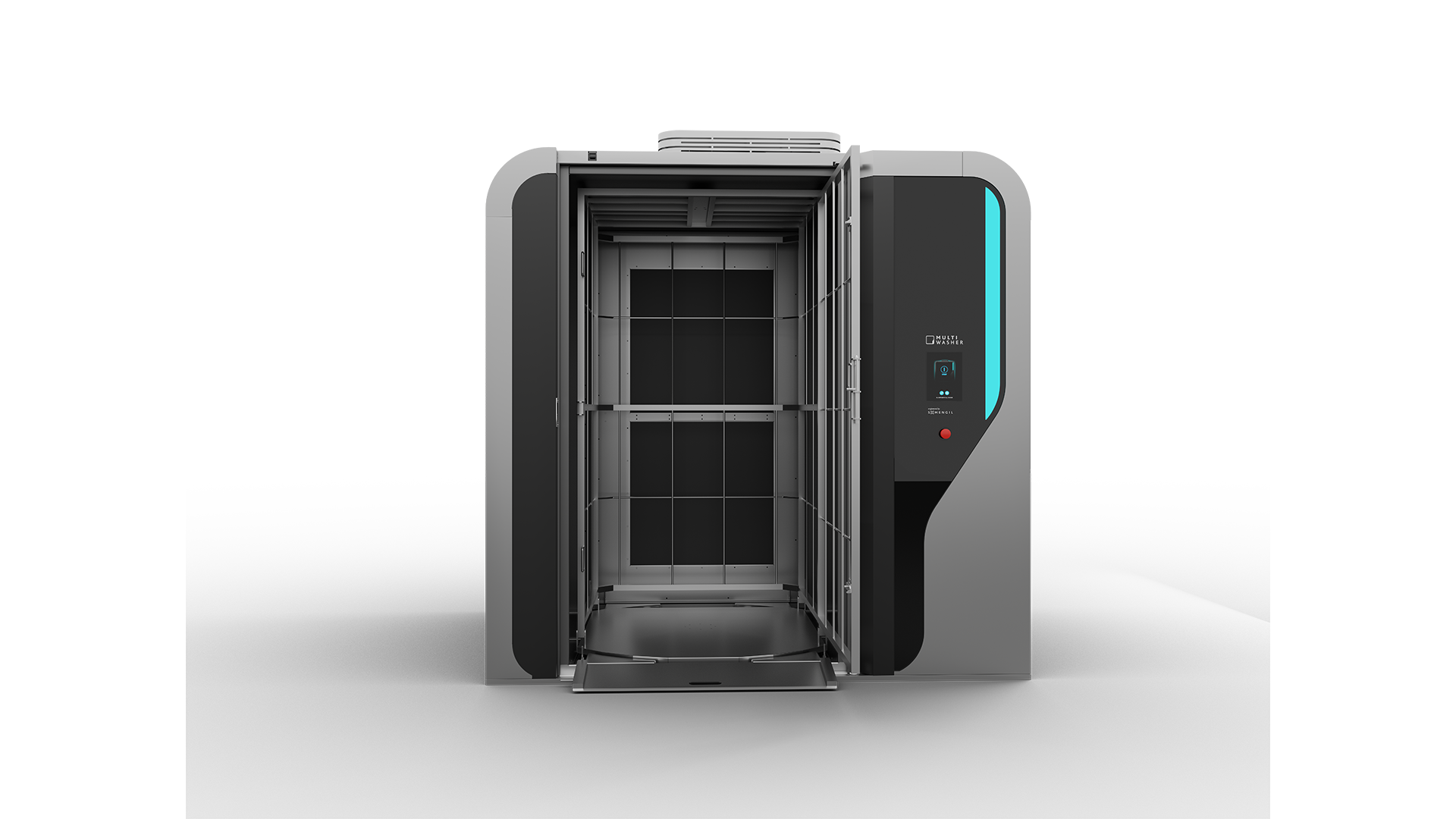
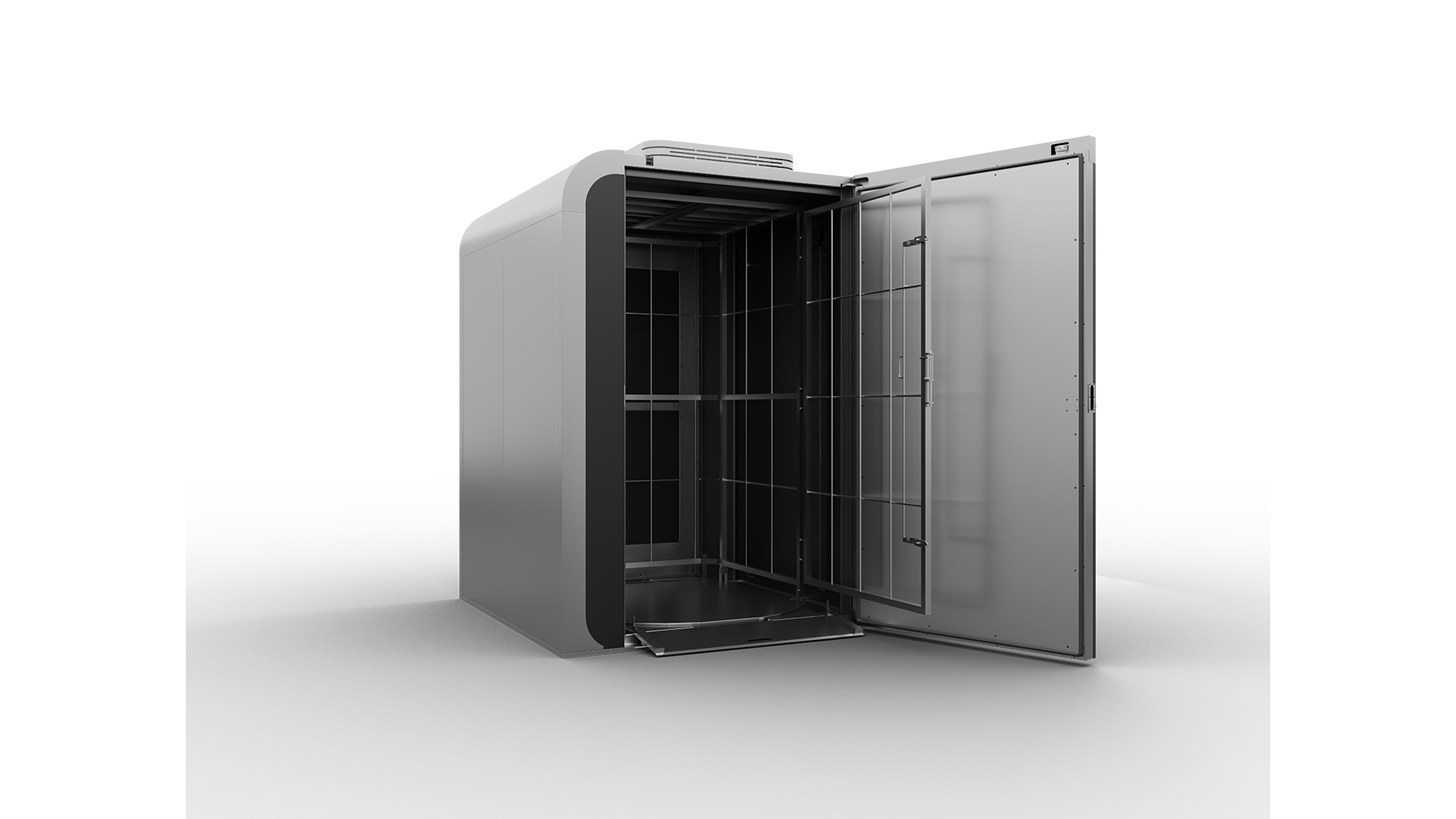
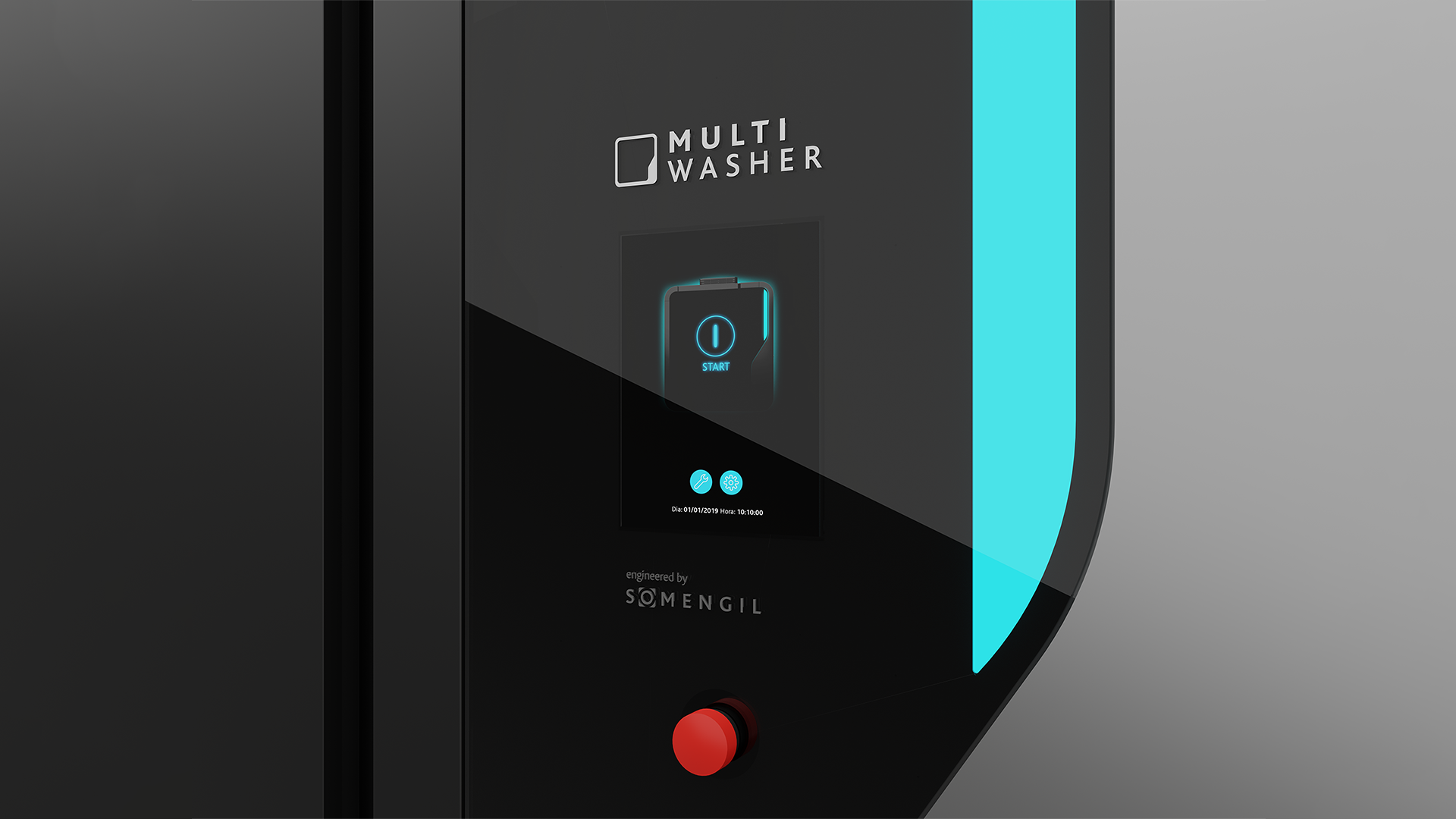
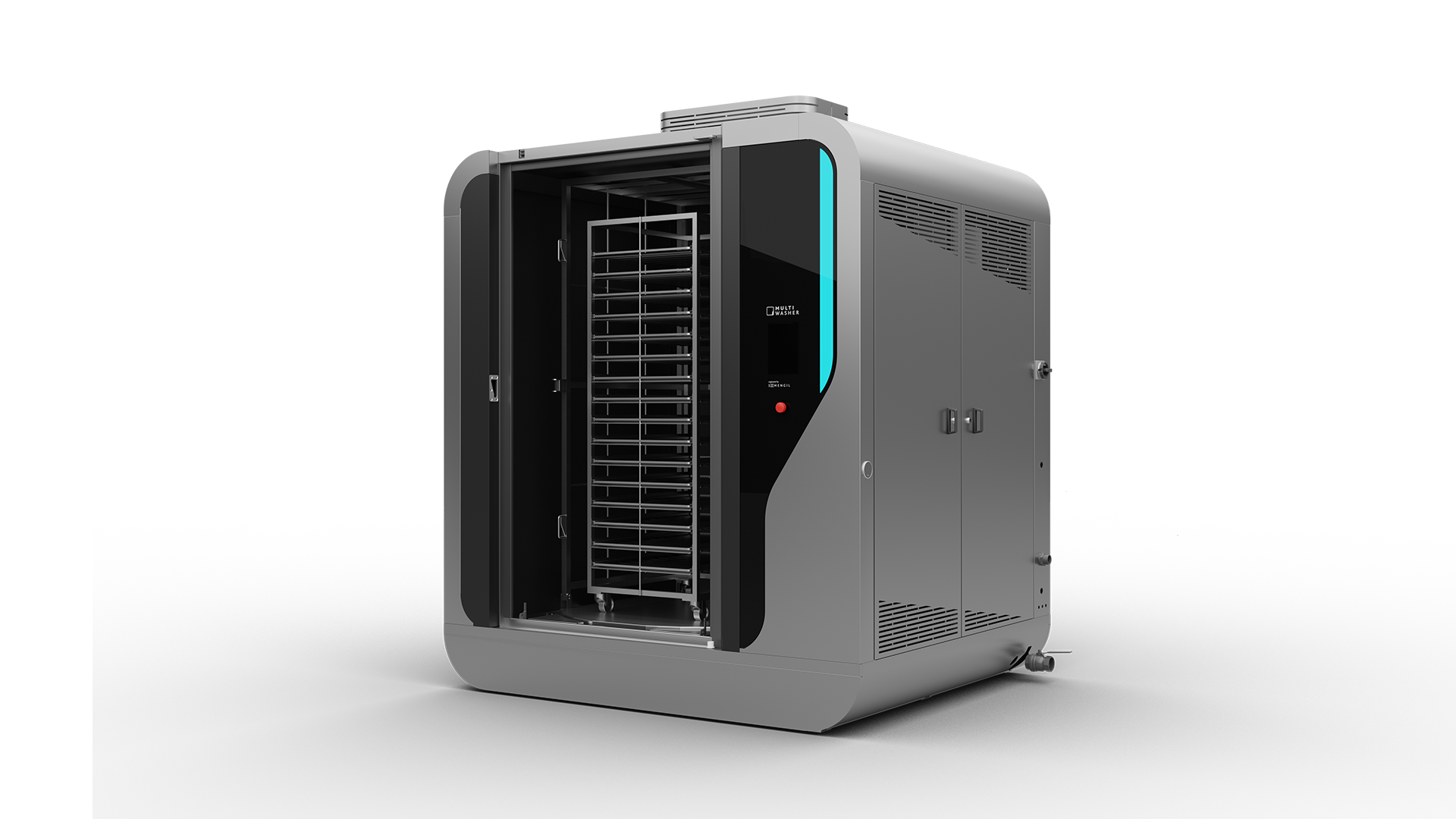
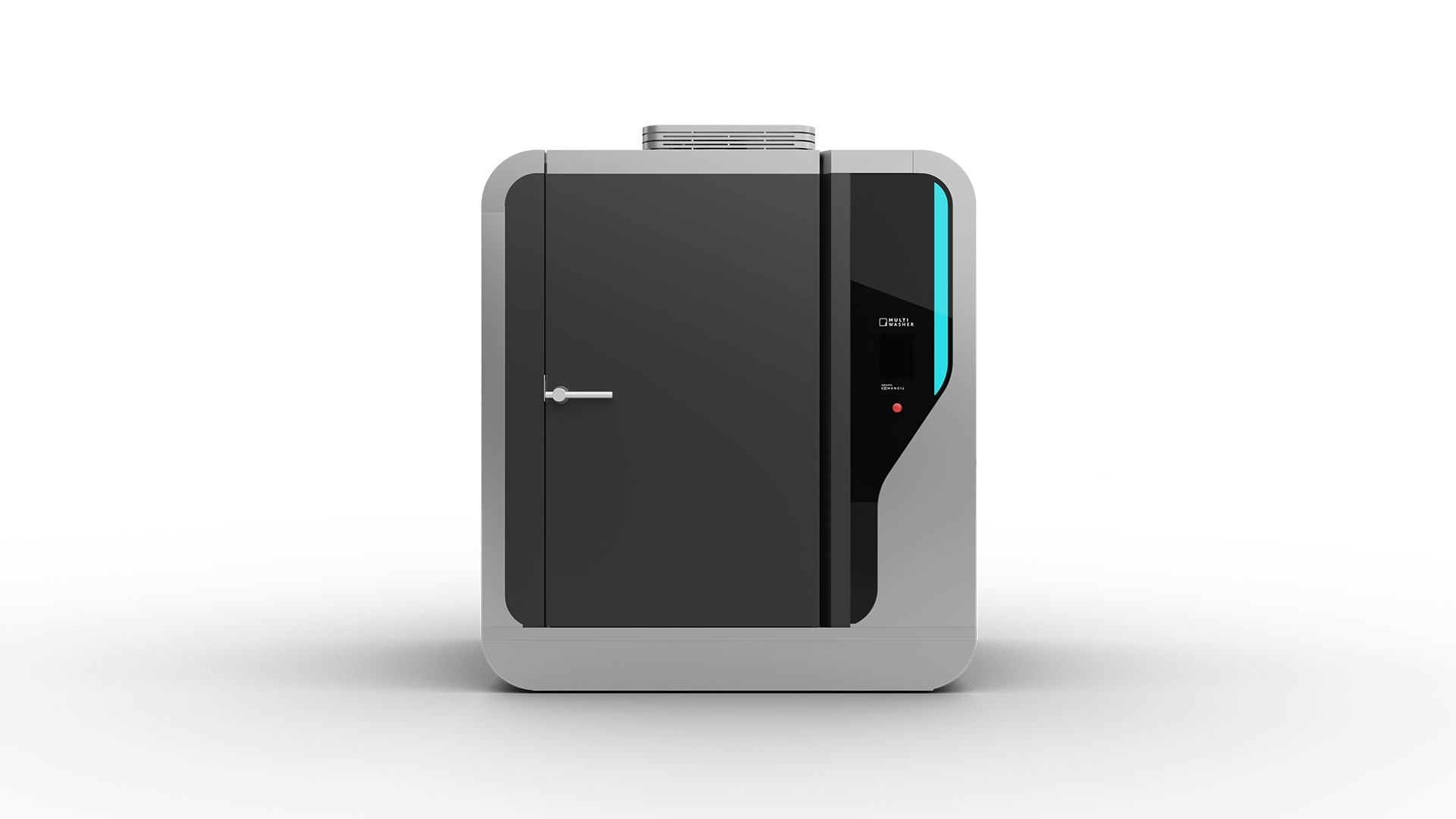
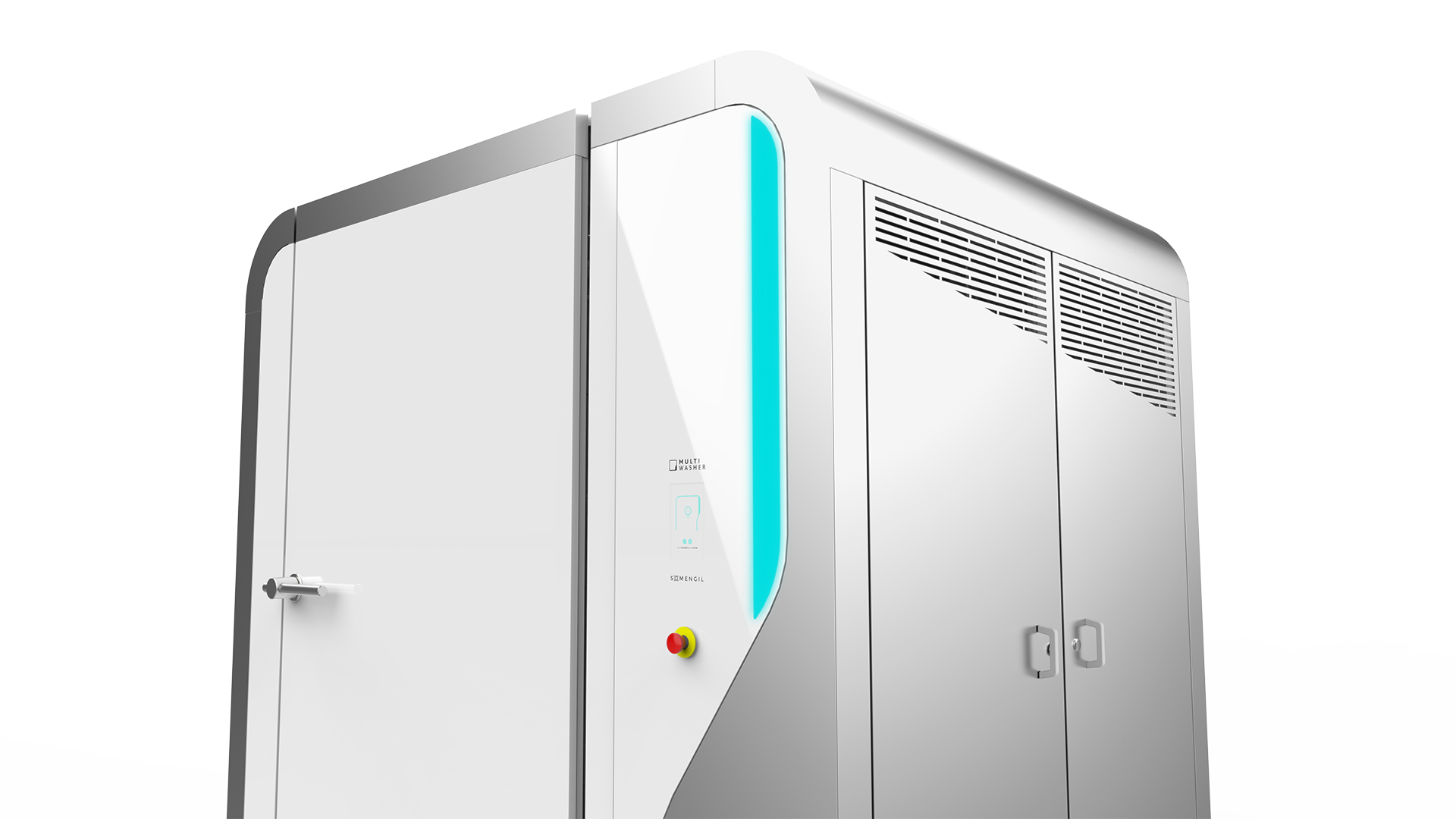
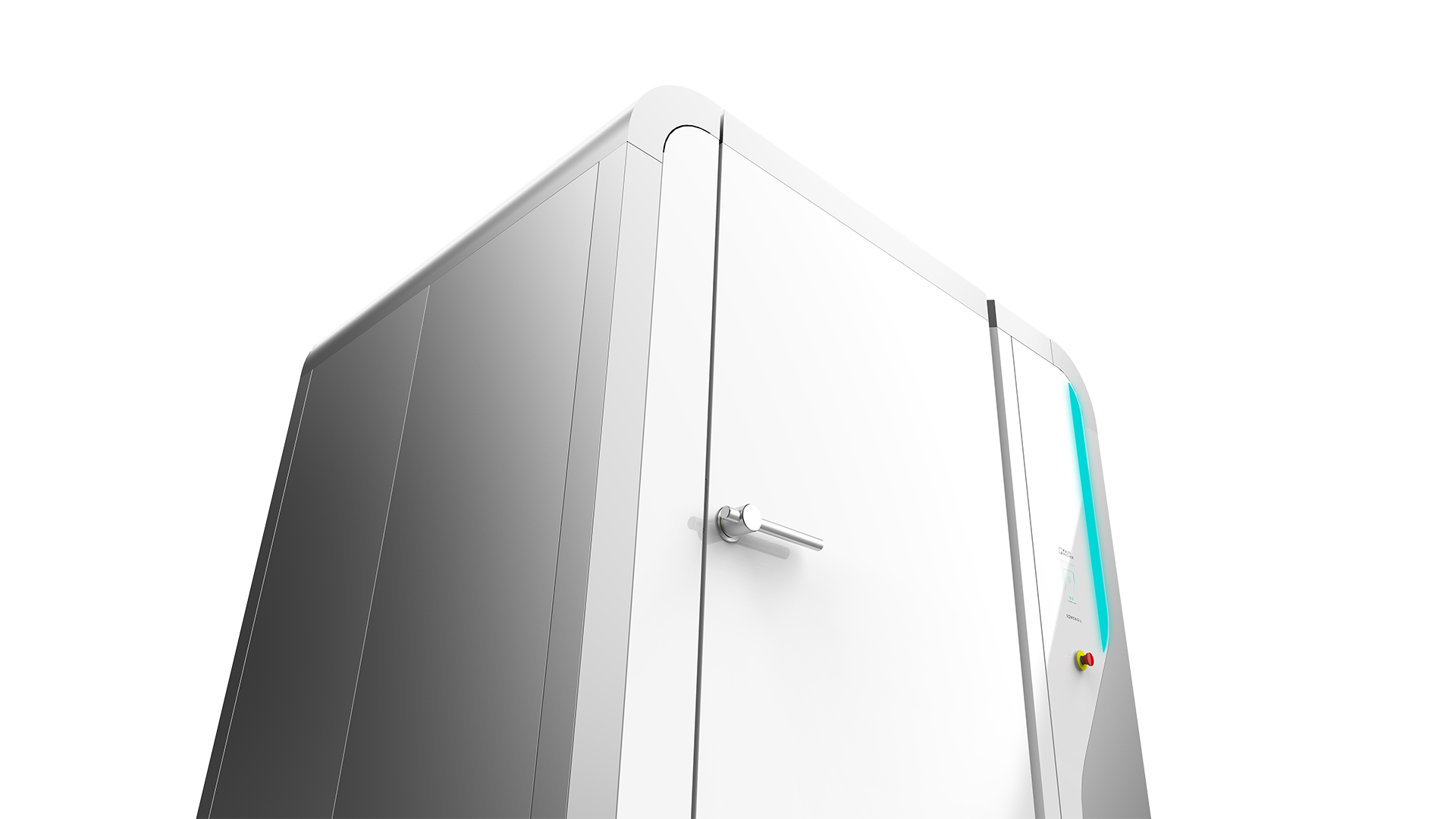
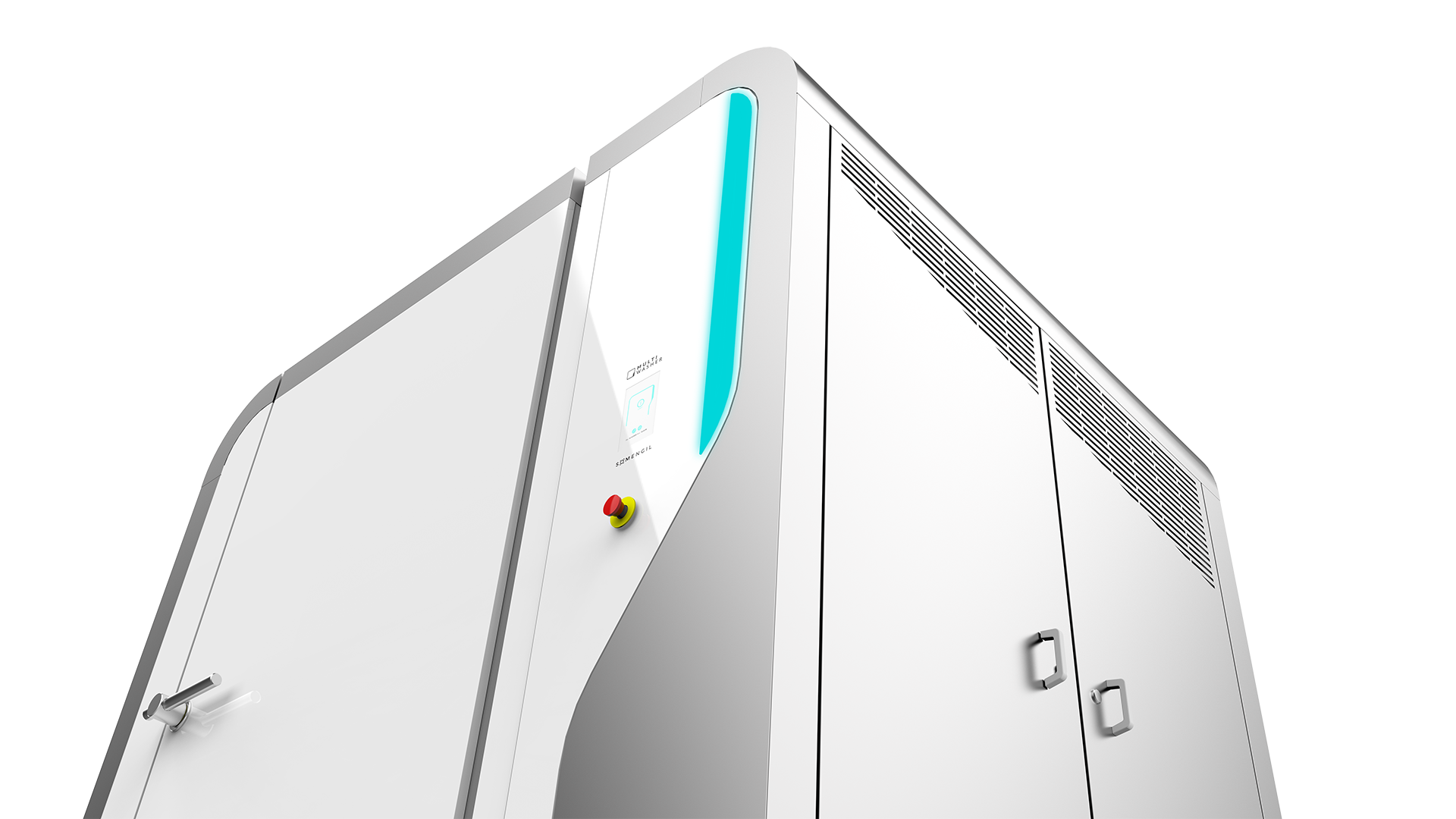
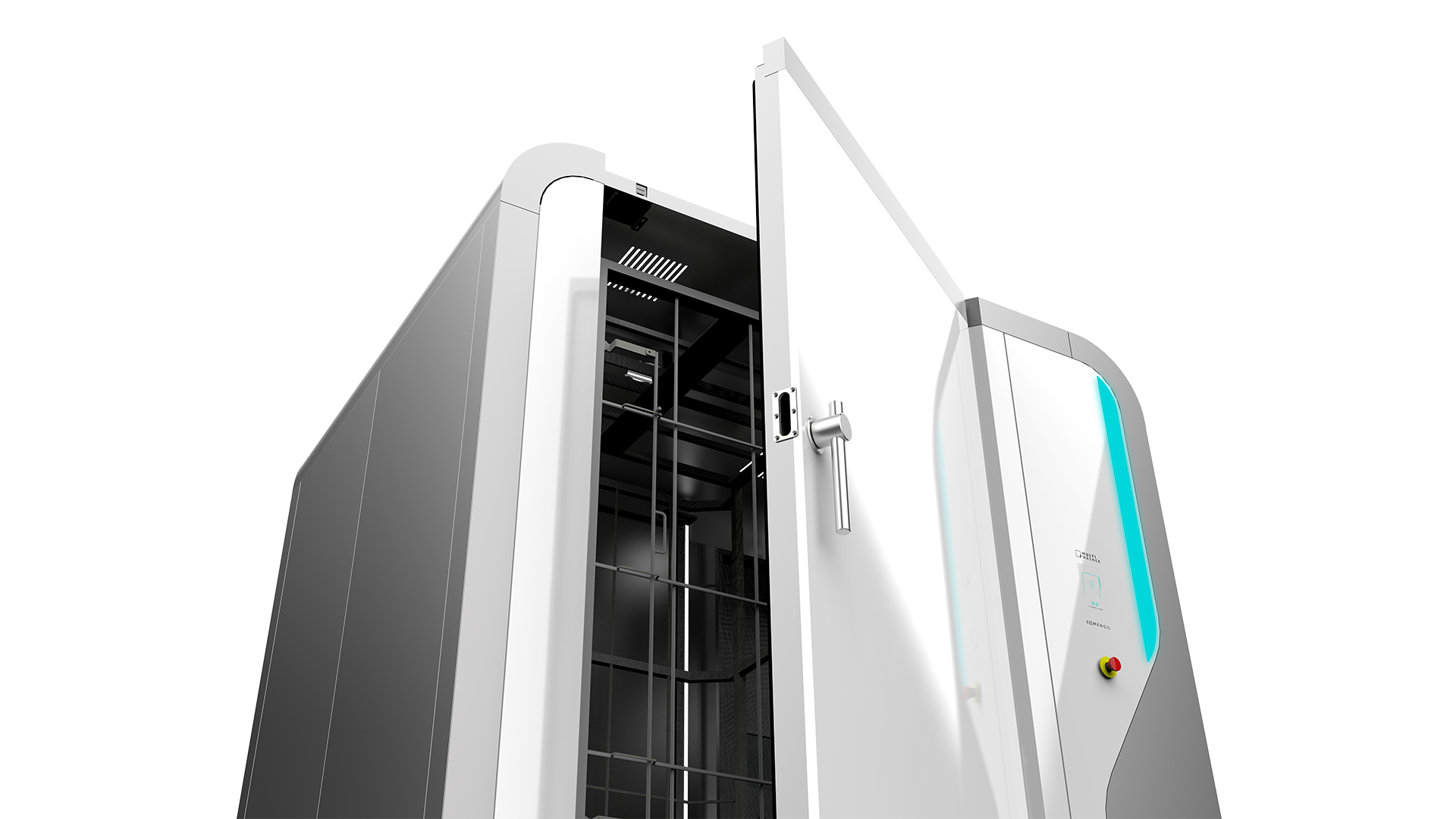
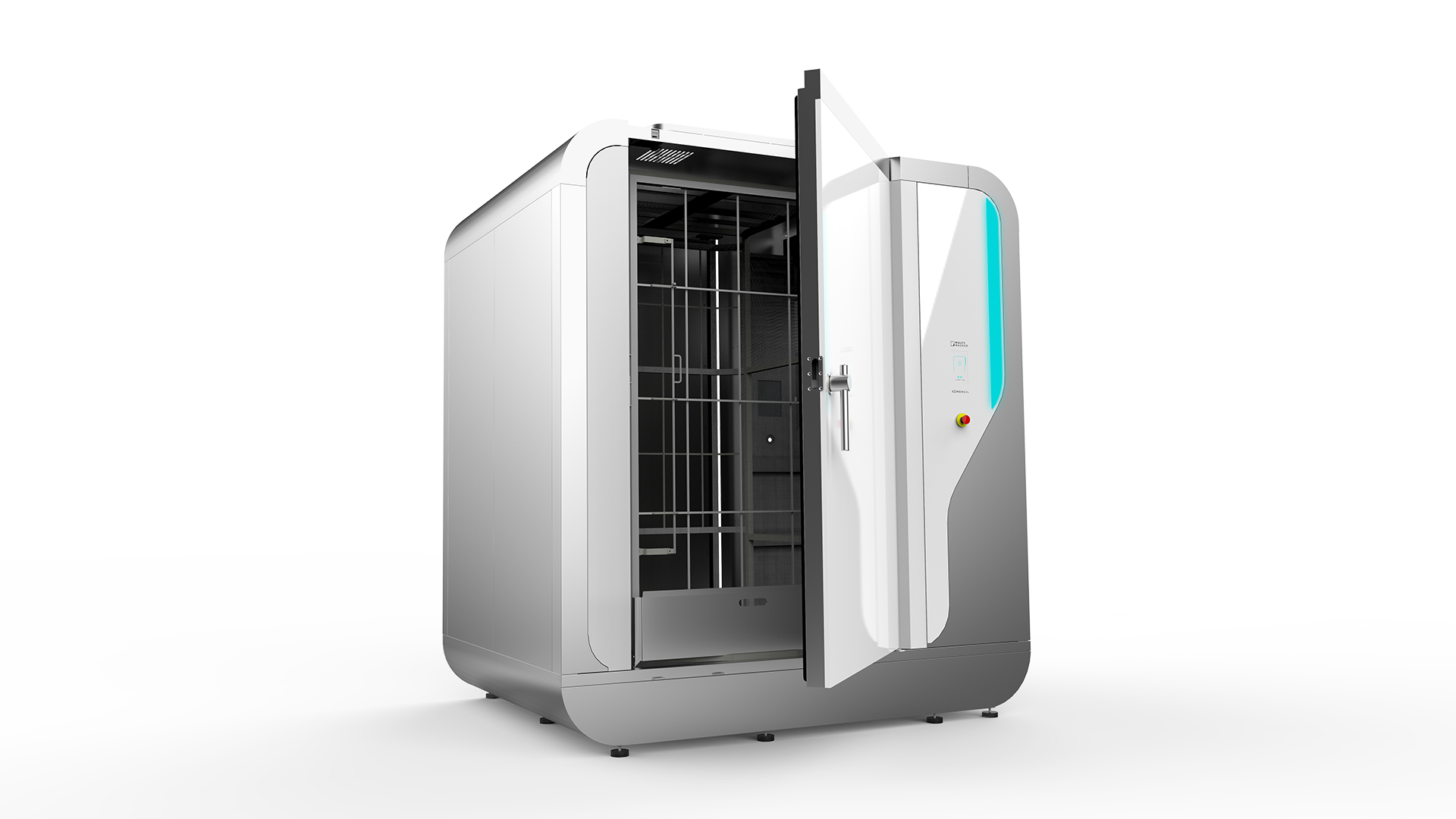
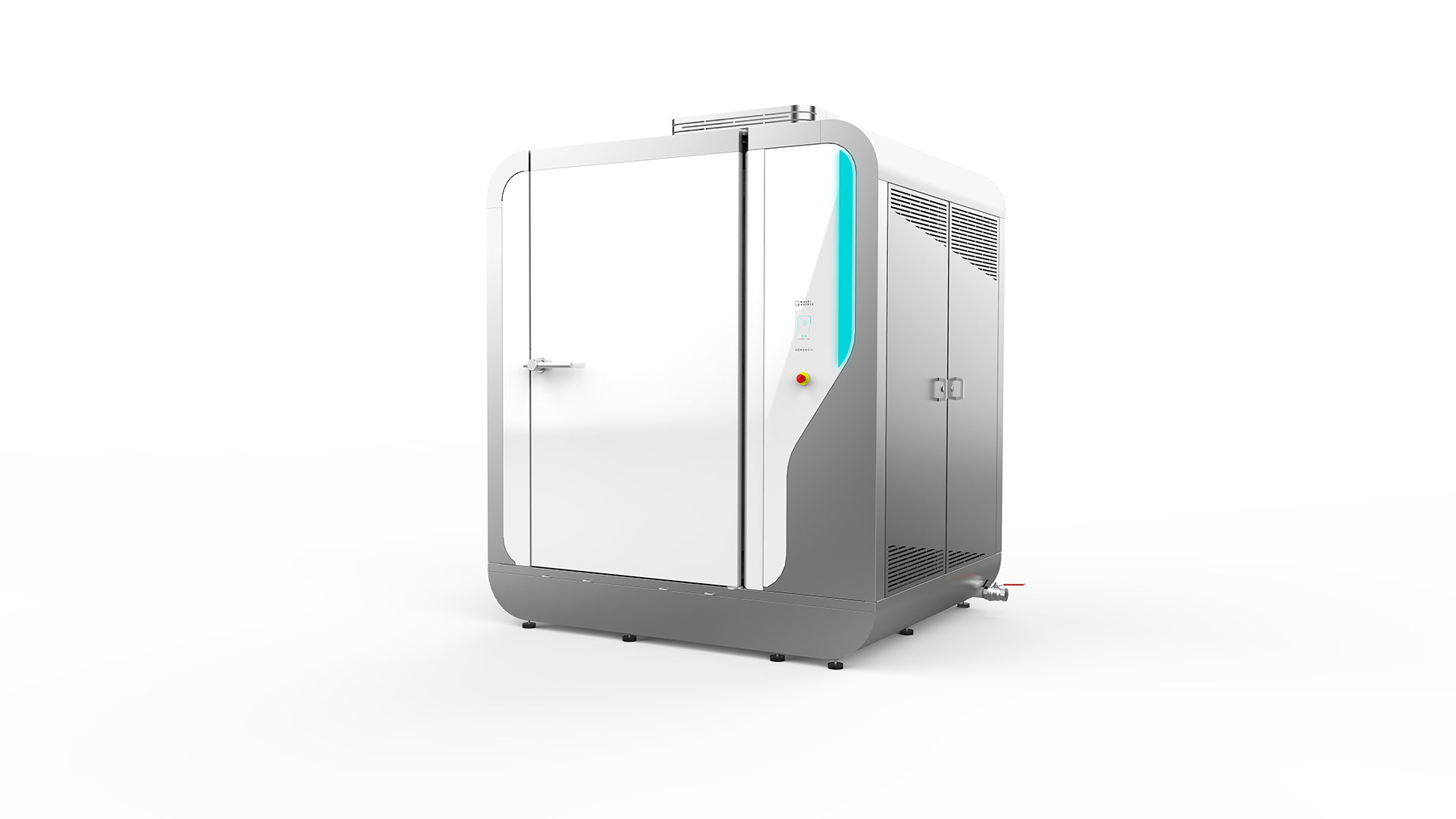
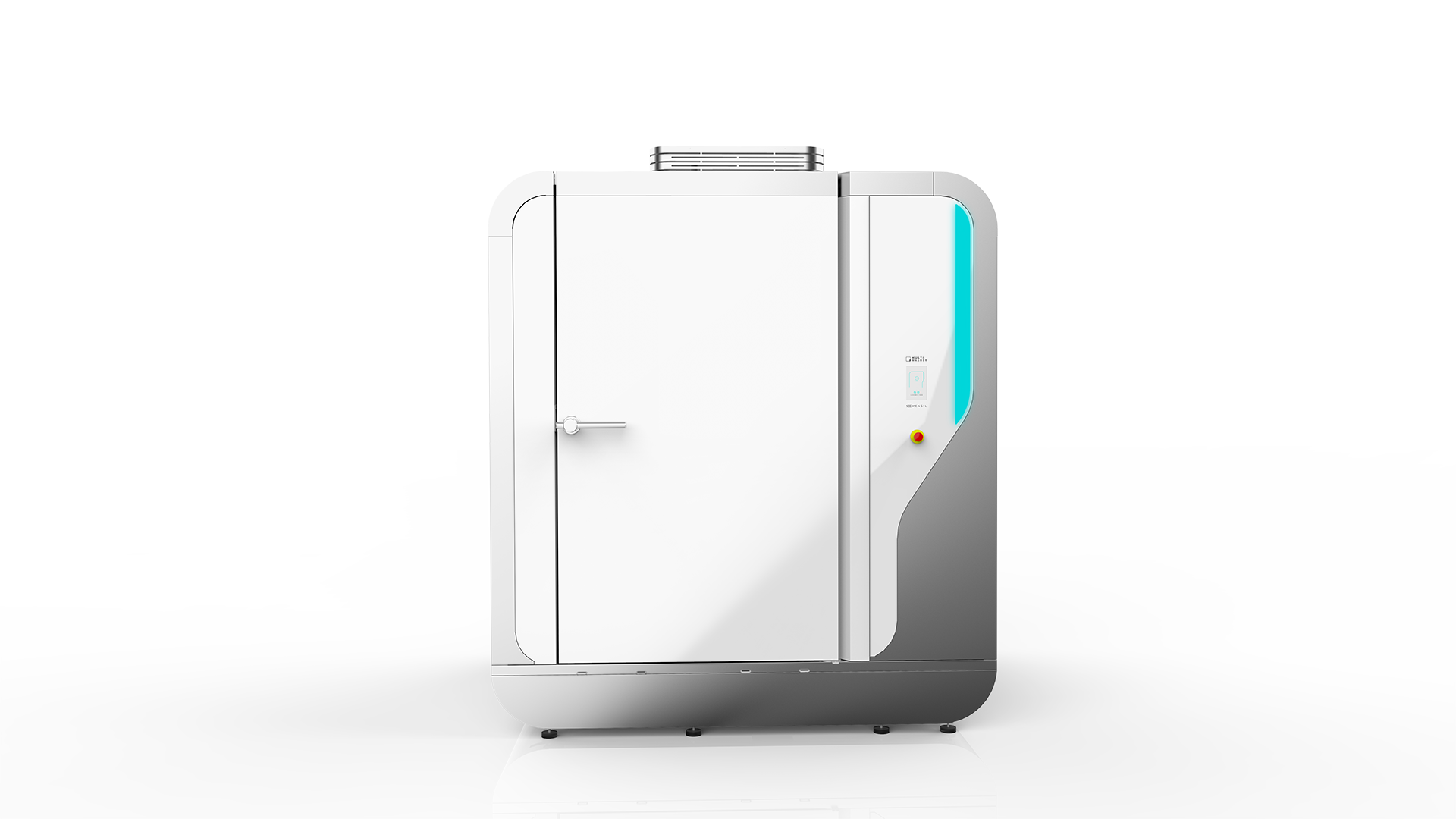
MultiWasher, cutting food industry washing costs
Saving on food industry washing costs is possible, but keeping results consistent is the real challenge. MultiWasher was built for that.
With smart sensors, it monitors water, energy, and detergent in real time, adjusting every cycle to load and soil level. Plants report savings of up to 66% water, 70% detergent, and 30% energy without compromising hygiene.
It standardizes every wash, removing operator variability, cutting re-washes, and freeing staff for higher-value tasks. Managers get full visibility on performance, while built-in alerts and easy maintenance extend machine life and reduce downtime.
For companies serious about efficiency, hygiene, and long-term savings, MultiWasher makes the numbers visible, controllable, and measurable. Get in touch.
You may also like

Industrial washing / Articles
Resource management in industrial washing: what is it and how to do it right
Learn what resource management is, why it matters, and how to improve efficiency, reduce costs, and optimize resources in industrial operations.
Posted in 2026-08-13

Industrial washing / Articles
Industrial washer: how to select the right one for your business
Industrial washing machines are decisive for increasing the efficiency of washing processes. This is what to consider when choosing this equipmen...
Posted in 2021-08-10



 Portugal
 United Kingdom
 United States
 France
 Spain
Spain Germany
 Romania
 Italy
Italy Czech Republic
 Finland
 Hungary
 Slovakia
 Greece
 Lithuania
 South Korea
 Russia
 Saudi Arabia
 Poland
 Brasil
 Hebrew