Industrial washing / Articles
Industrial washing efficiency: what is it and how to improve it
Discover how to evaluate, optimize, and control industrial washing efficiency while improving performance and hygiene standards.

 7 minutes of reading
2025-08-21 17:01:36
Washing processes are rarely questioned. They run in the background, cycle after cycle, day after day, assumed to be working as intended. But Industrial washing efficiency is far more complex than it seems. It involves a delicate balance of time, temperature, chemical use, mechanical action, and water consumption - all of which directly impact product quality, energy usage, and operational costs. When overlooked, inefficiencies can accumulate silently, leading to increased downtime, higher utility bills, and compromised hygiene. In this guide, we’ll explore what industrial washing efficiency truly means, why it matters, and how you can improve it.
What is industrial washing efficiency, really?
At its core, industrial washing efficiency refers to how well your washing system performs relative to the resources it consumes: water, energy, chemicals, time, and labor. It's achieving high-level, consistent washing results while minimizing waste and unnecessary strain on equipment and personnel.
But efficiency in this context is more than that. It’s a balance of four factors:
- Effectiveness. Are items washed to the required sanitary or functional standards?
- Resource usage. How much water, energy, and detergent are used per cycle?
- Cycle optimization. Is the machine calibrated for the load and type of items being washed?
- Operational integration. How well does the washing process support the overall production timeline?
Why industrial washing efficiency matters
The consequences of poor washing efficiency are rarely immediate, but they are cumulative, and often expensive.
Operational disruption
Unwashed equipment or materials can disrupt production lines, create delays, or even trigger shutdowns due to safety concerns. A single error in sanitation can ripple through an entire facility.
Escalating utility costs
Washing systems that are not optimized often consume 20-40% more water and energy than necessary. Multiply that over hundreds of cycles per week, and you’re looking at significant hidden costs annually.
Chemical waste
Overdosing detergents doesn't equal better washing. It often leads to residue, rewash cycles, and faster wear on equipment and materials. Under-dosing creates hygiene risks. Both are symptoms of an inefficient system.
Wear and tear
Machines running longer than necessary or with incorrect configurations degrade faster. Maintenance needs increase, downtime becomes more frequent, and lifespan shortens. All because the system isn’t working smart.
Regulatory and quality risks
In regulated industries like food, healthcare, or pharma, inefficient washing doesn’t just affect margins. It threatens compliance. Repeated failures to meet hygiene standards can lead to fines, product recalls, or loss of certification.
How to evaluate industrial washing efficiency
Knowing that something could be more efficient is one thing. Proving it (and knowing where to act) is another. Here’s how to do it properly:
1. Measure resource consumption per cycle
Start with the basics:
- Water usage (litres per wash cycle)
- Energy consumption (kWh per load)
- Chemical dosage (ml per cycle or per item washed)
2. Track cycle times vs. throughput needs
Are your washing cycles aligned with your operational pace? If washing is causing bottlenecks, that’s a sign of inefficiency, even if the machine is “working.” On the flip side, too-short cycles that lead to rewashed items indicate poor calibration or over-optimistic cycle programming.
Map the cycle duration against:
- Average load size
- Type of materials
- Required hygiene level
And then ask: is this setup the right one for my daily reality?
3. Monitor rewash rates
Rewashed items are a direct cost (extra time, extra resources, extra labor) and often go unreported unless manually tracked. Every time a tray, bin, or component is sent through the washer twice, that’s a visible marker of inefficiency.
Track:
- How often rewash happens
- Why it happens (staining, residue, failed inspection?)
- Which items or shifts it’s most associated with
High rewash frequency often reveals bigger issues: machine calibration, inappropriate washing programs, or human error in loading.
4. Review maintenance and downtime logs
Frequent breakdowns, extended washing procedures, or machine resets point to a system under strain. Keep track of:
- Unplanned downtime
- Washing and descaling frequency
- Filter replacements and sensor errors
How to improve industrial washing efficiency
Once you’ve measured where things stand, the next step is to act. Here’s where to focus:
1. Match the right washing program to the right load
Many facilities run all loads on default settings “just to be safe.” This practice wastes water, energy, and chemicals. Build a clear matrix of item types and ideal wash settings, and train staff to follow it.
2. Automate what can be automated
Modern industrial washers offer programmable cycles, auto-dosing, load detection, and data logging. If you’re not using these features, you’re losing efficiency potential daily. Look for machines that:
- Adjust resource use based on load size
- Auto-dose detergents with precision
- Allow remote monitoring or cycle analytics
- Offer maintenance alerts before failures happen
3. Optimize load configuration
Poorly loaded items reduce washing effectiveness, leading to rewashes and higher consumption.
Common inefficiencies include:
- Overlapping items blocking water jets
- Stacking containers that trap debris
- Underloading machines, wasting an entire cycle’s worth of energy and water
4. Maintain equipment (proactively)
Efficiency means usage and also condition.
- Clean filters regularly
- Descale according to schedule
- Check spray arms and nozzles for clogs or wear
- Calibrate temperature and pressure sensors
5. Use the right chemicals, at the right dosage
More detergent doesn’t equal better washing. In fact, it often leads to residue build-up, material degradation or need for extra rinse cycles. Work with suppliers to optimize detergent selection and concentration. Consider biodegradable or low-foam formulations tailored to your water quality and item type.
6. Monitor, measure, improve (continuously)
Seasonal changes, staff turnover, production shifts: these all affect how your system performs. Set regular checkpoints to:
- Review consumption data
- Analyze rewash incidents
- Adjust wash programs
- Update SOPs (standard operating procedures)
How MultiWasher helps you take control of industrial washing efficiency
Once you understand the cost of inefficiency, the next question is: what is the smartest and most reliable way to solve the problem?
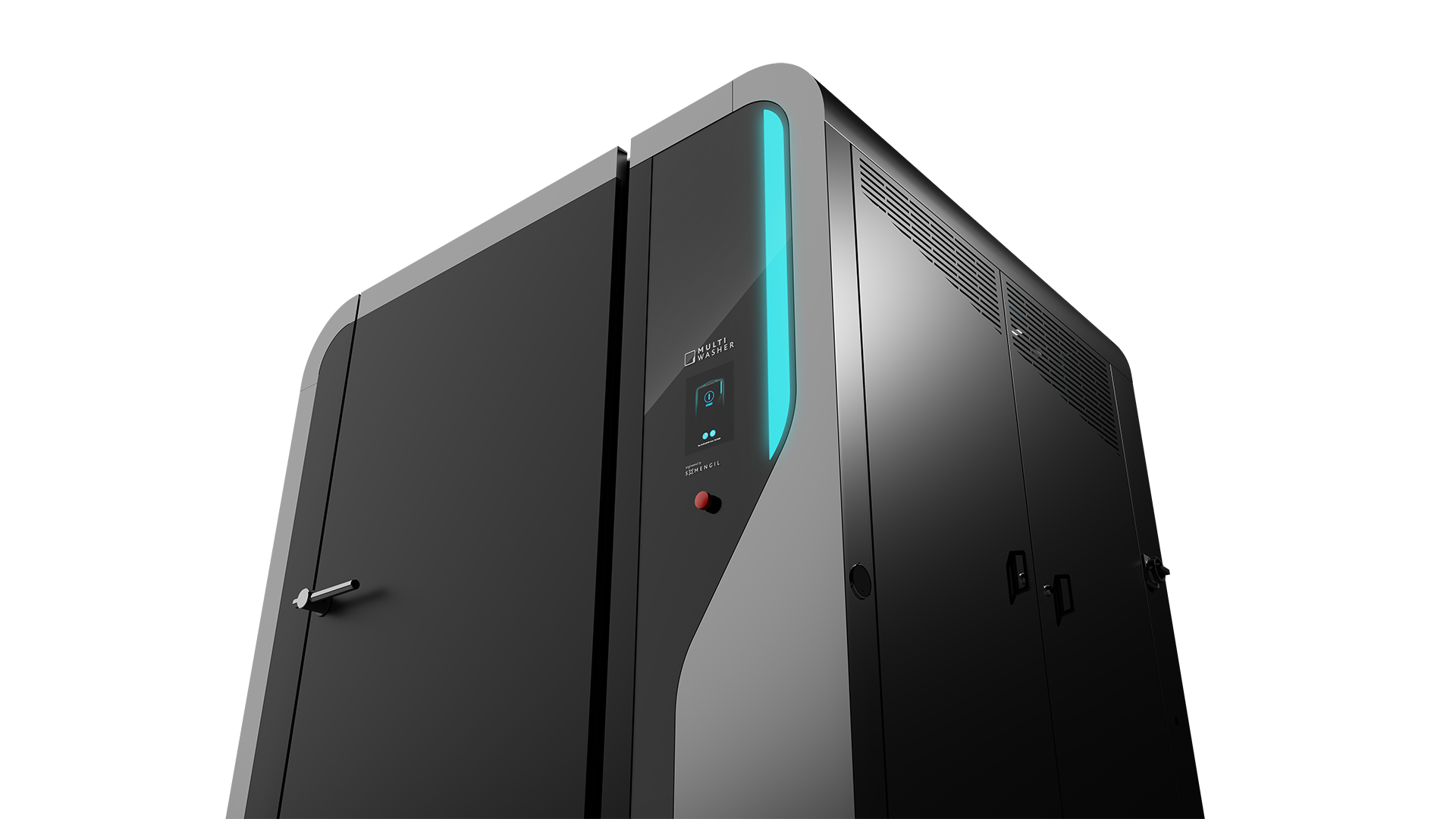
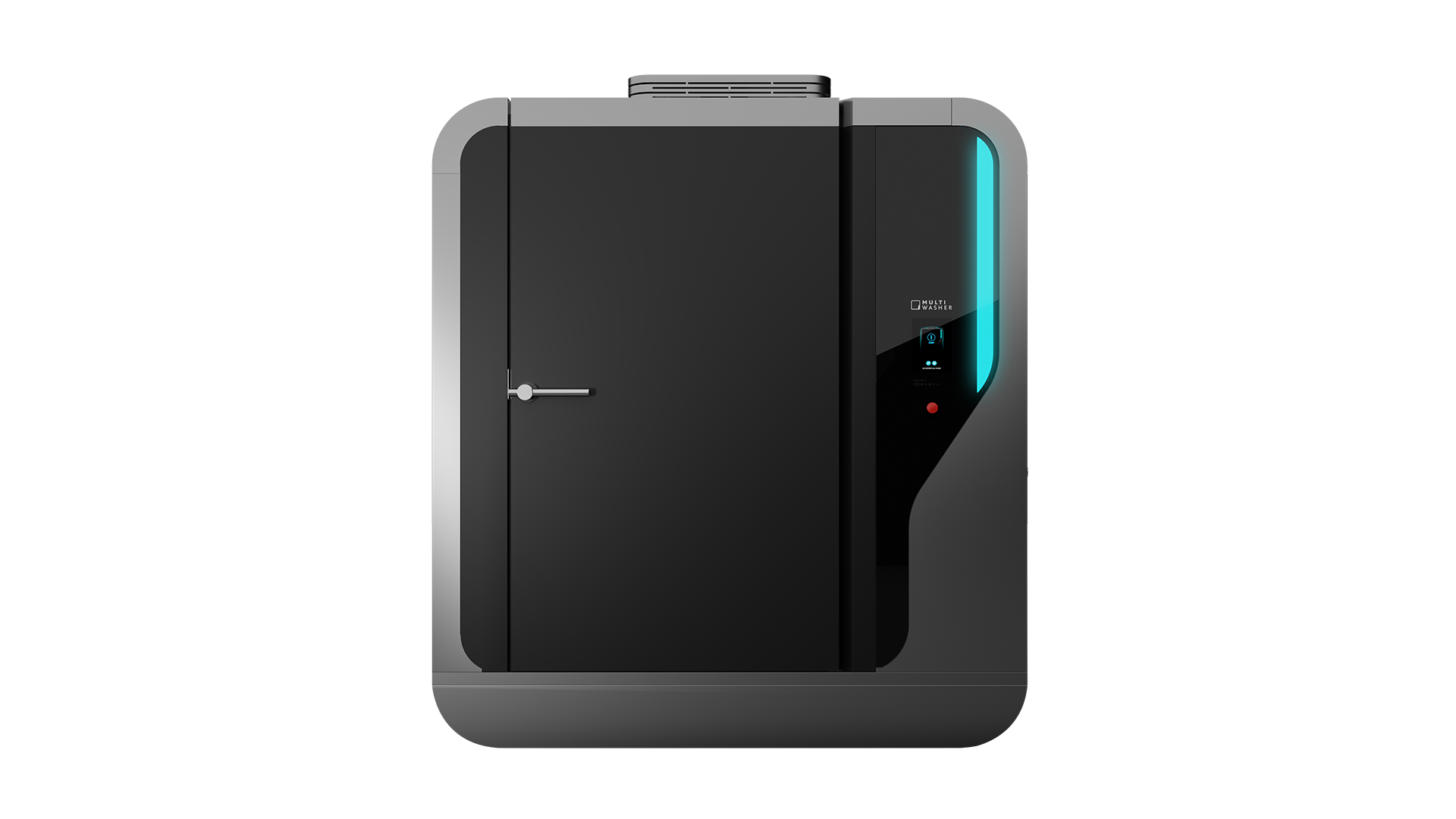
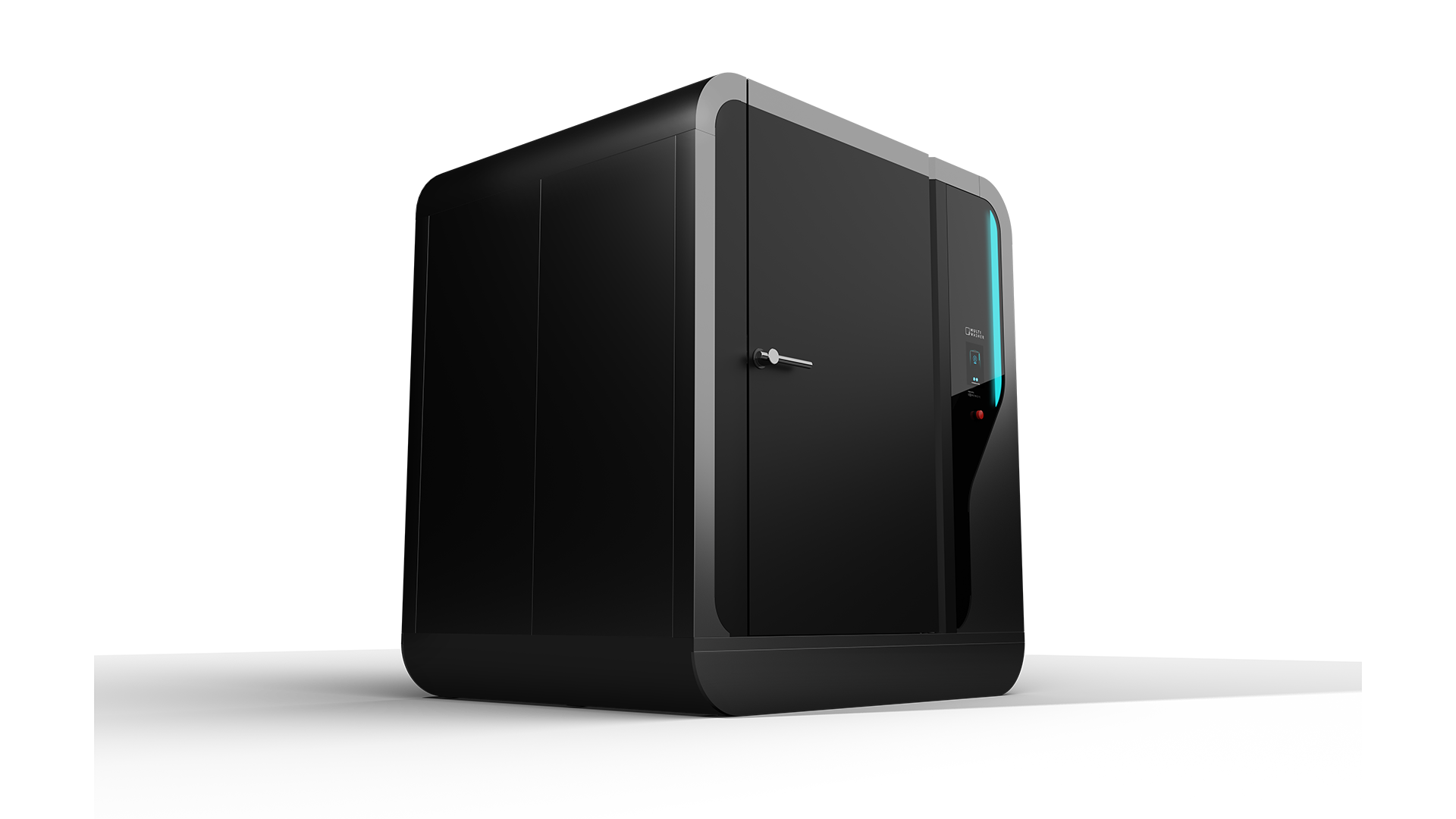
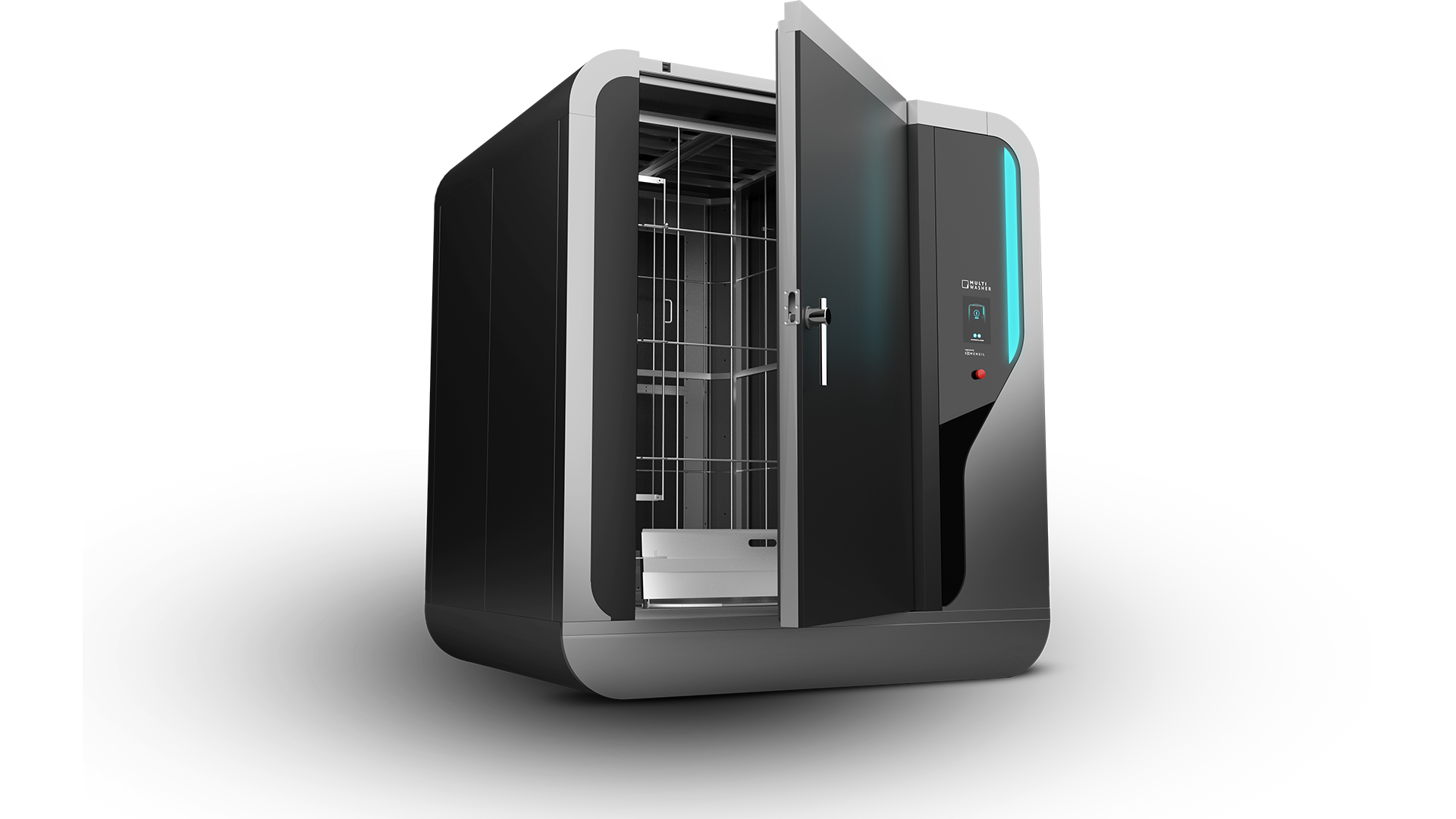
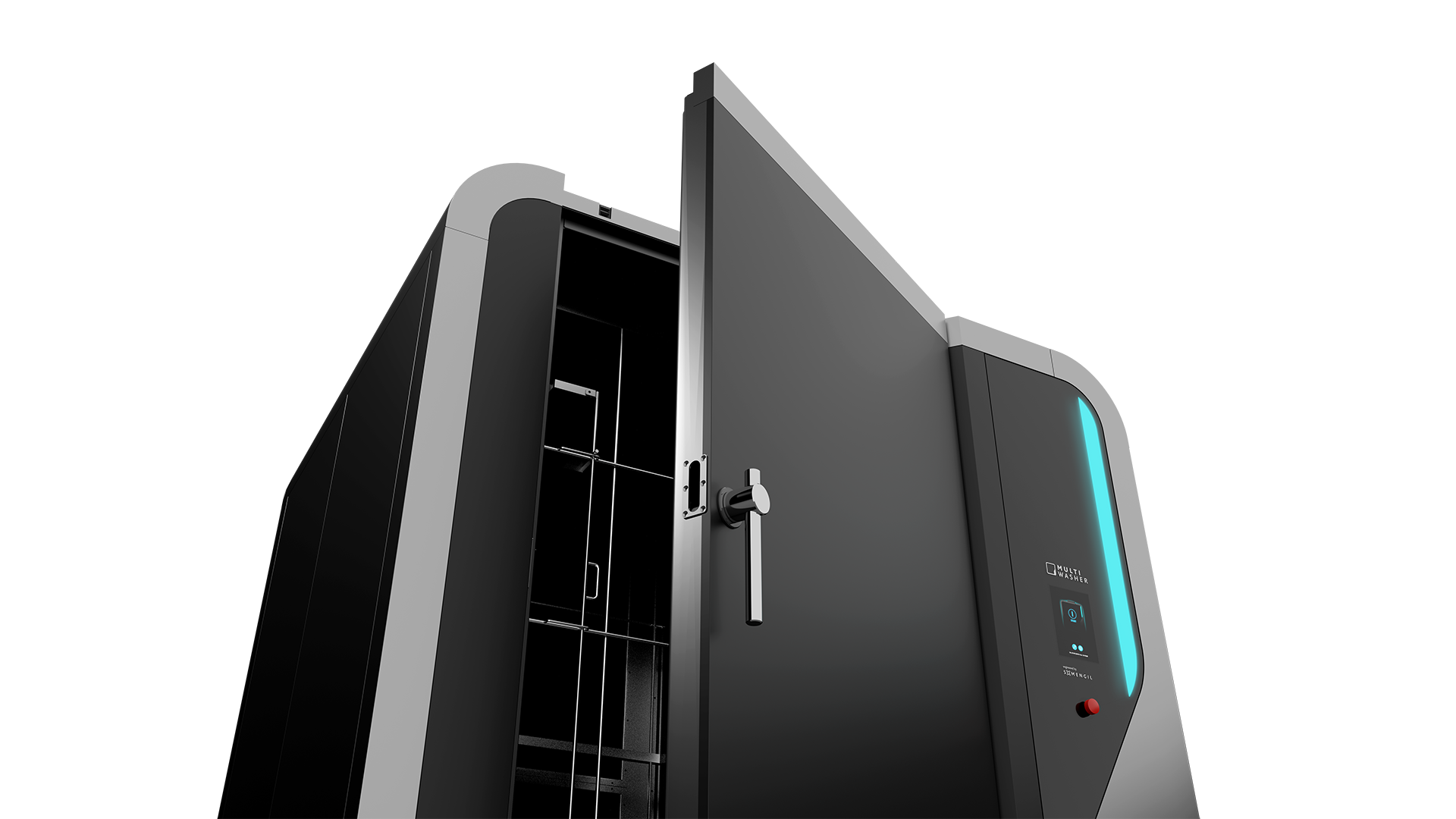
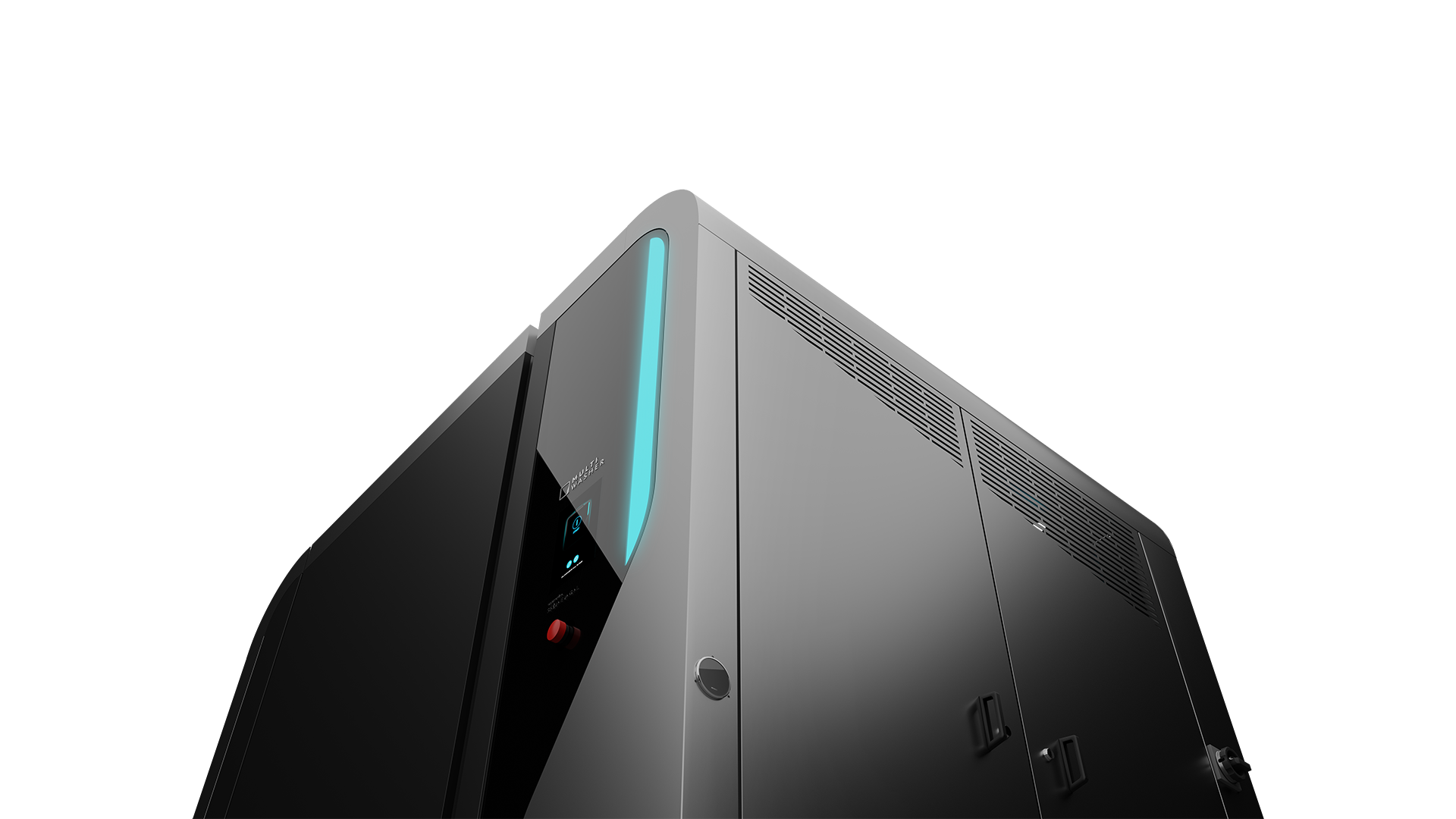
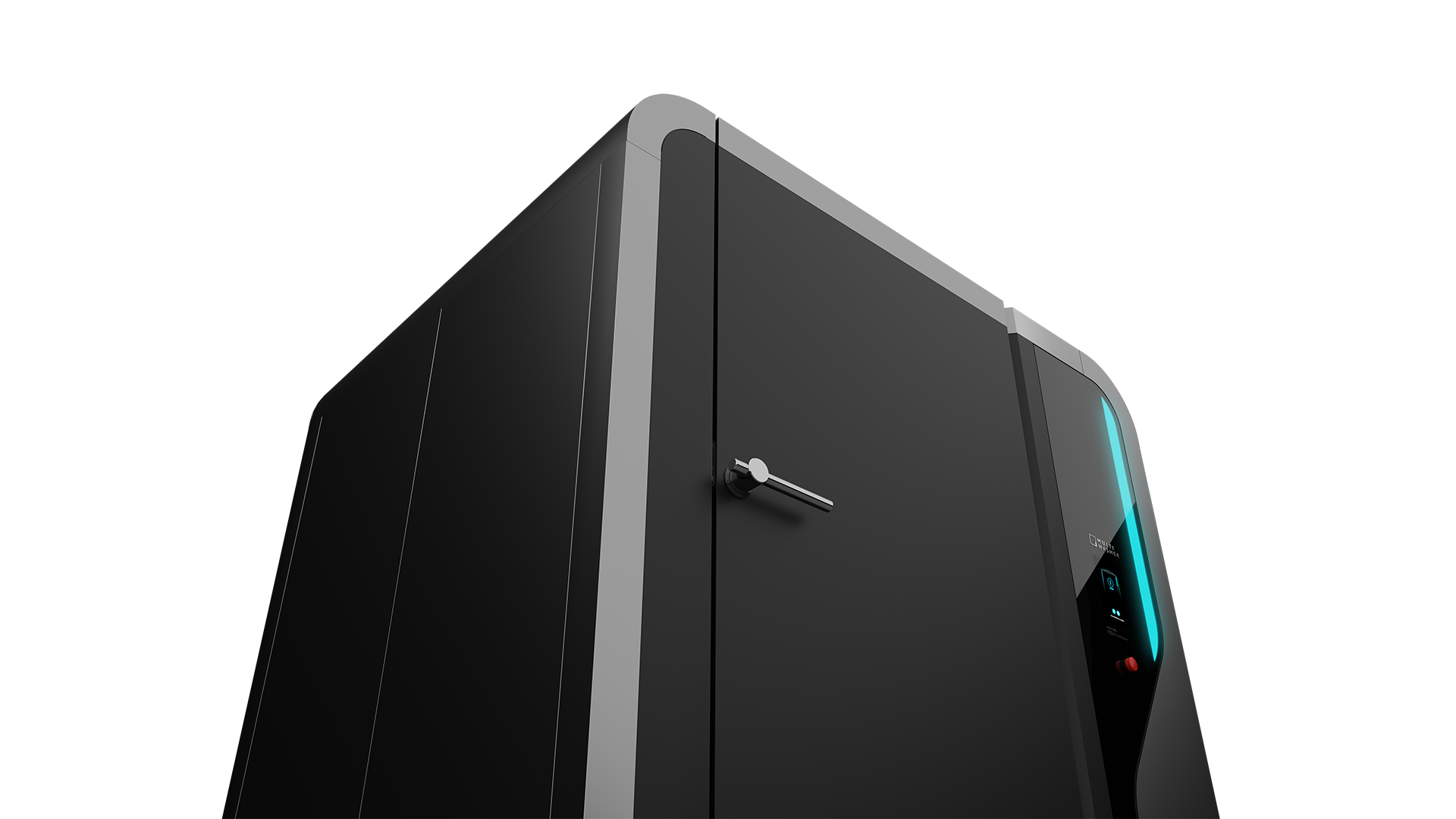
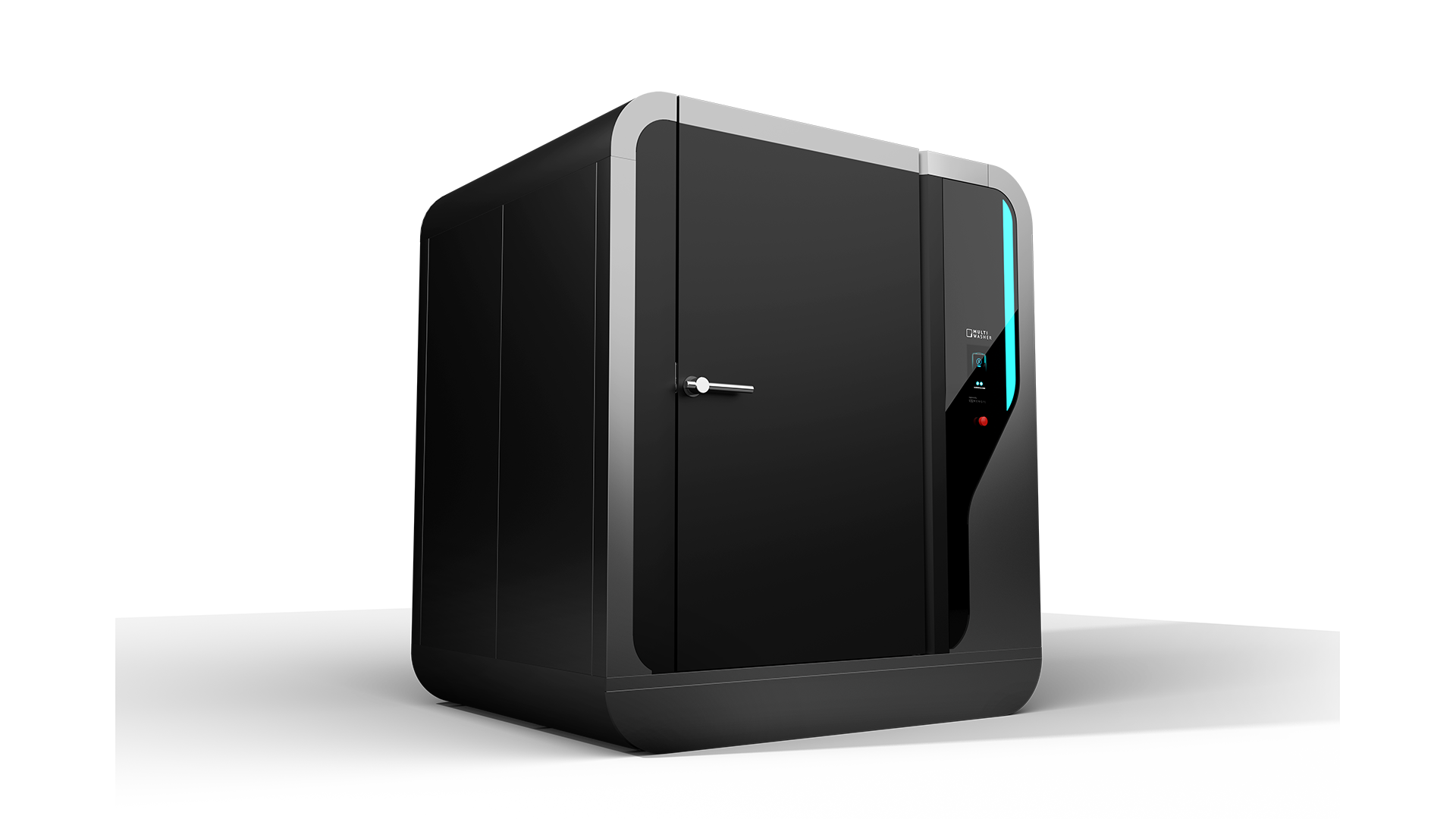
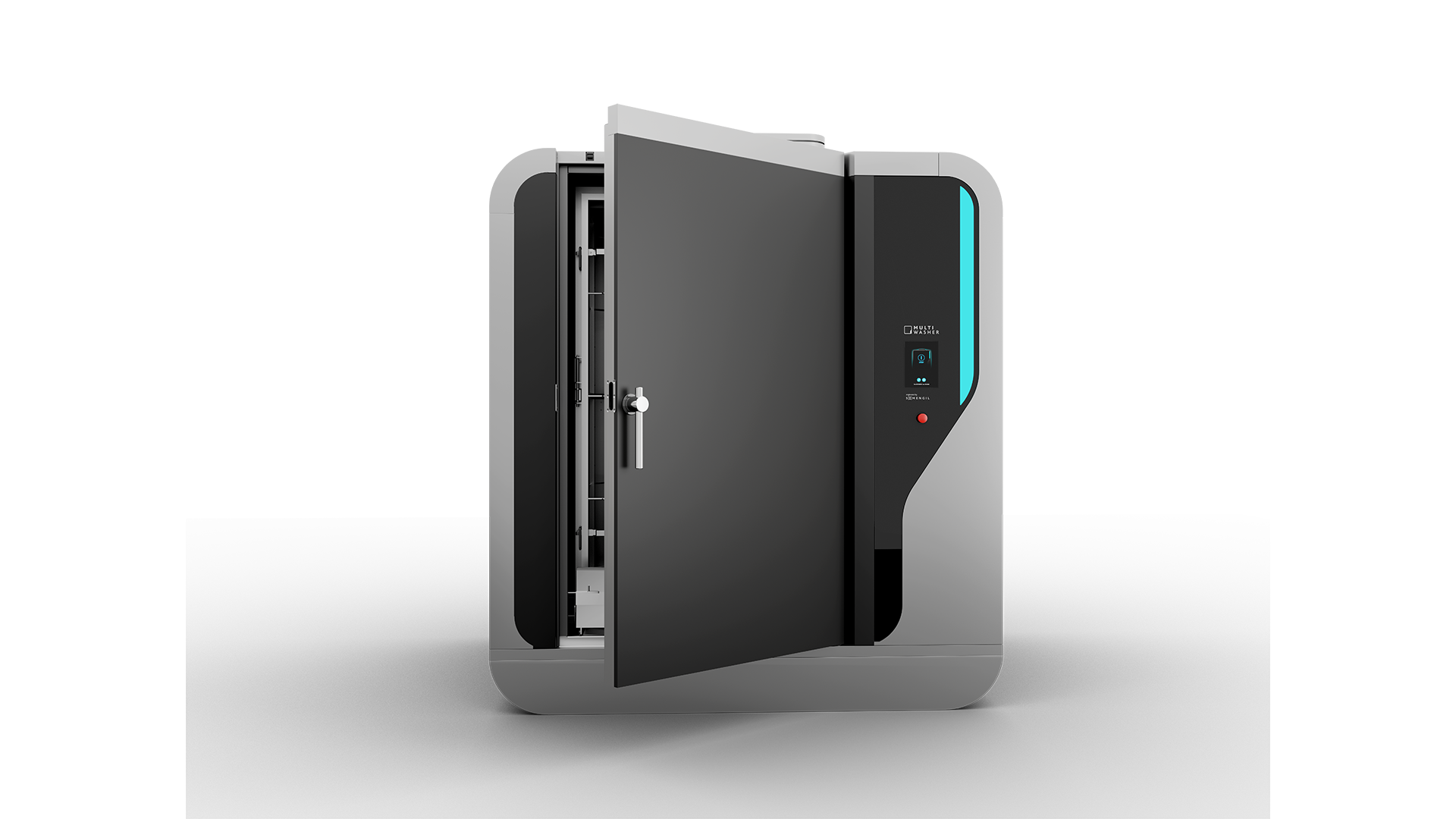
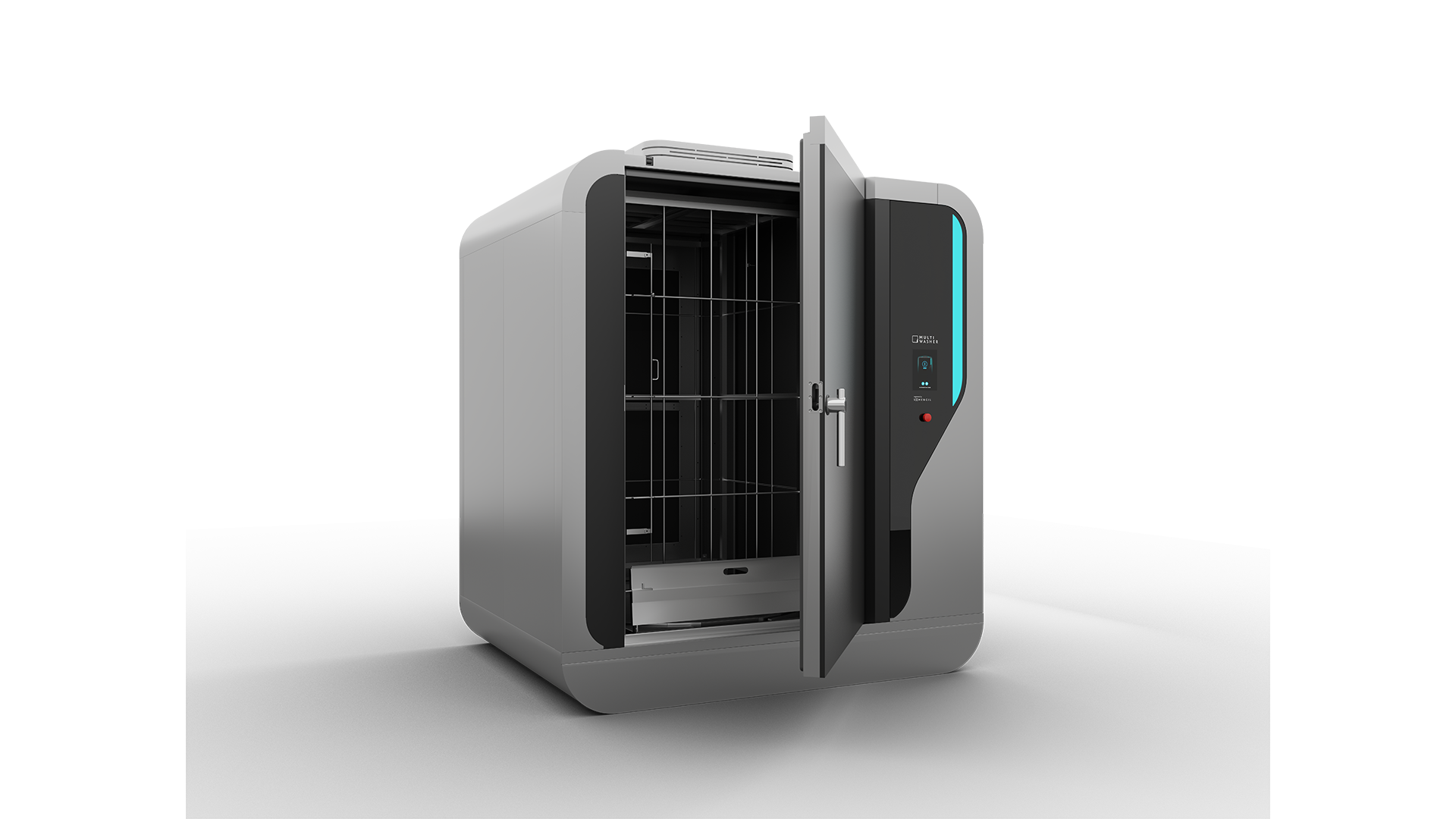
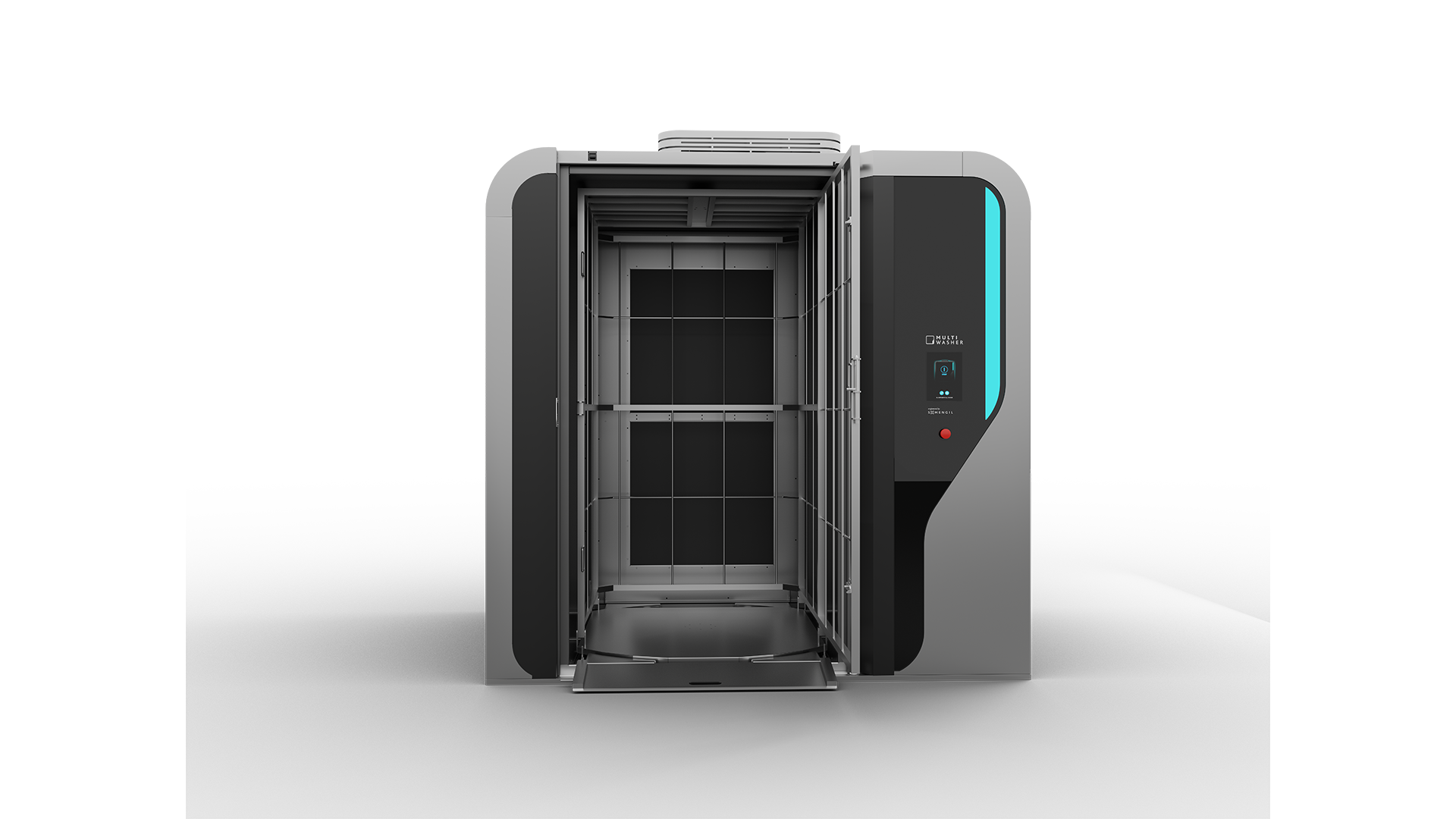
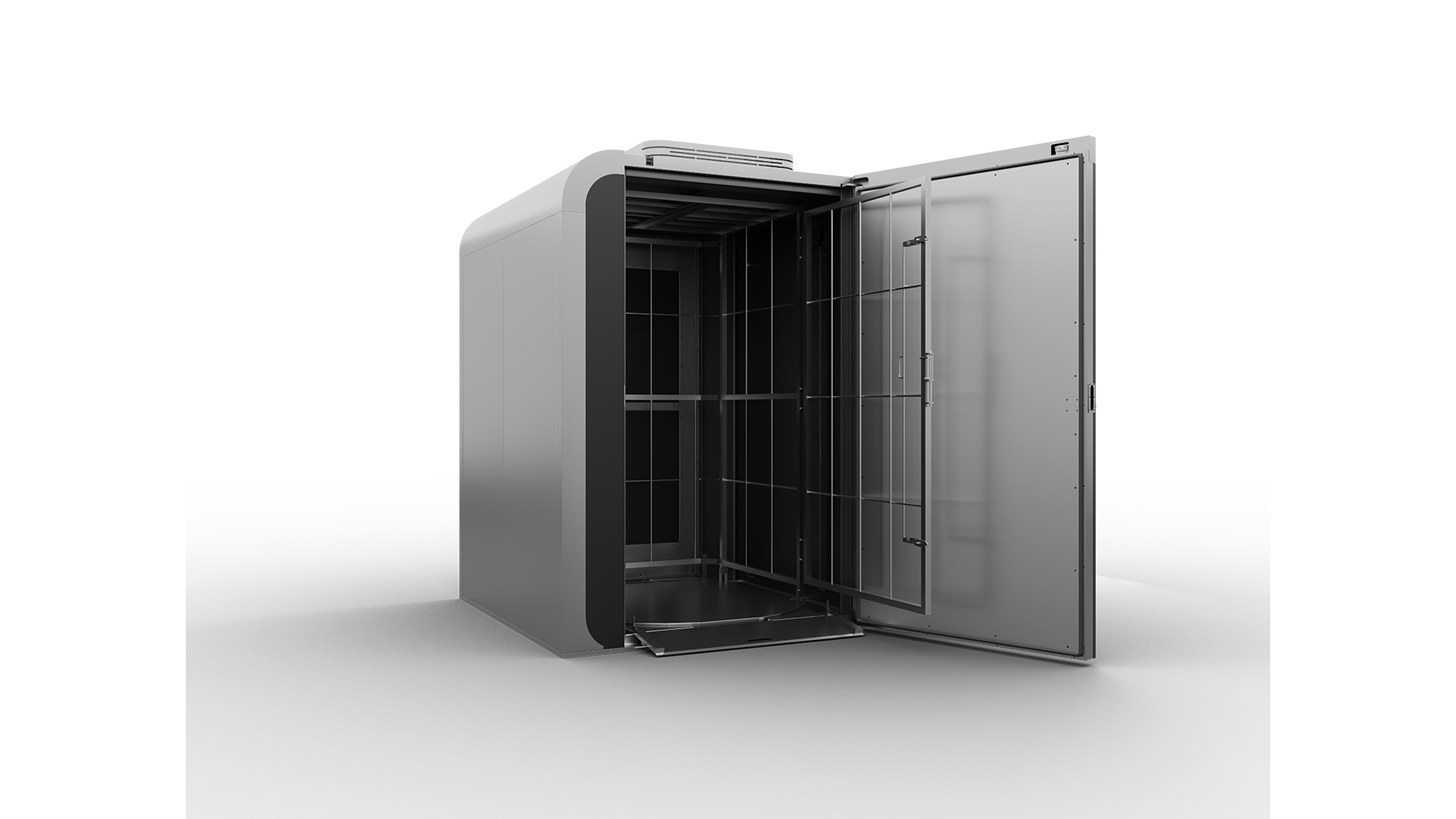
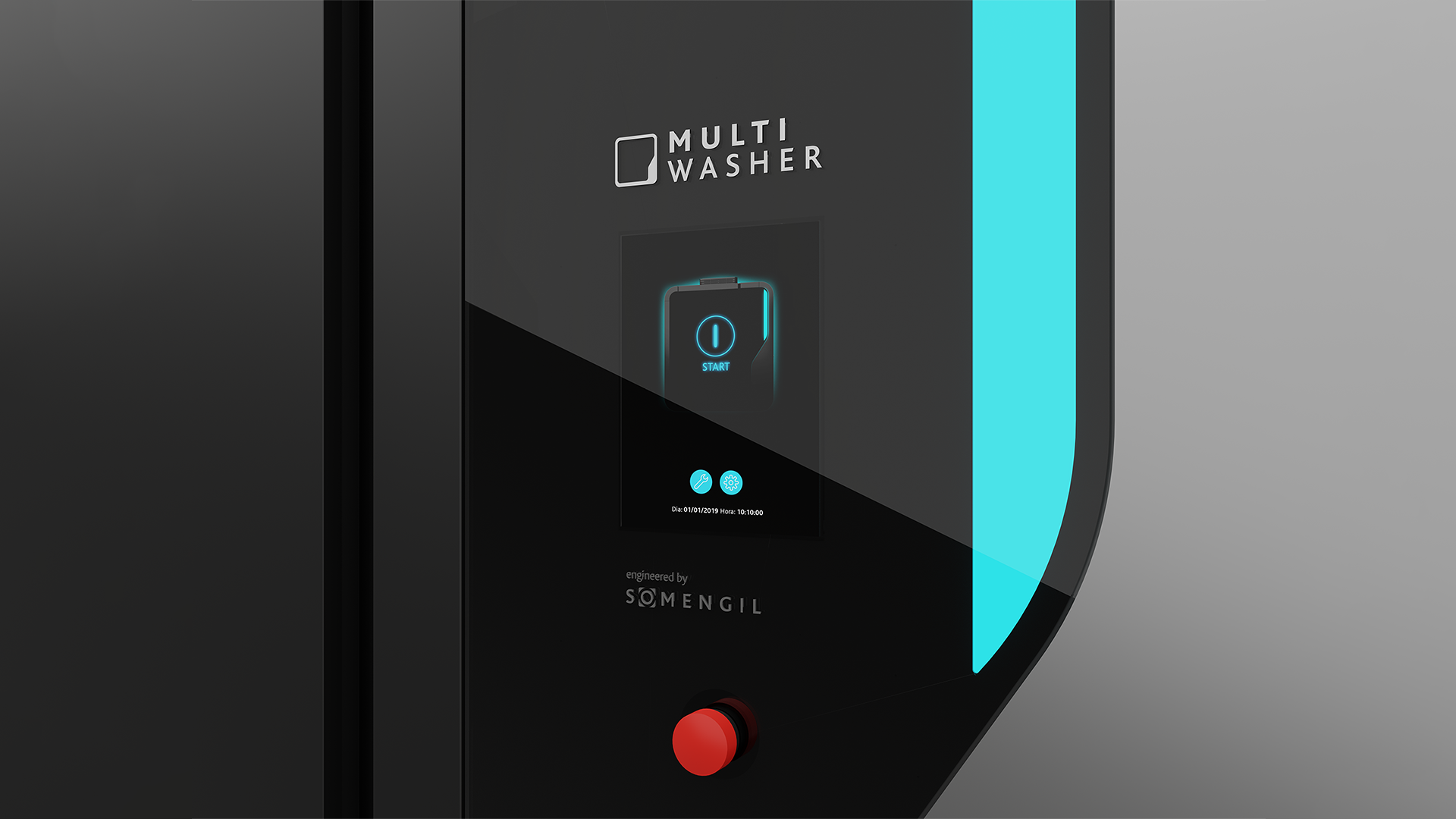
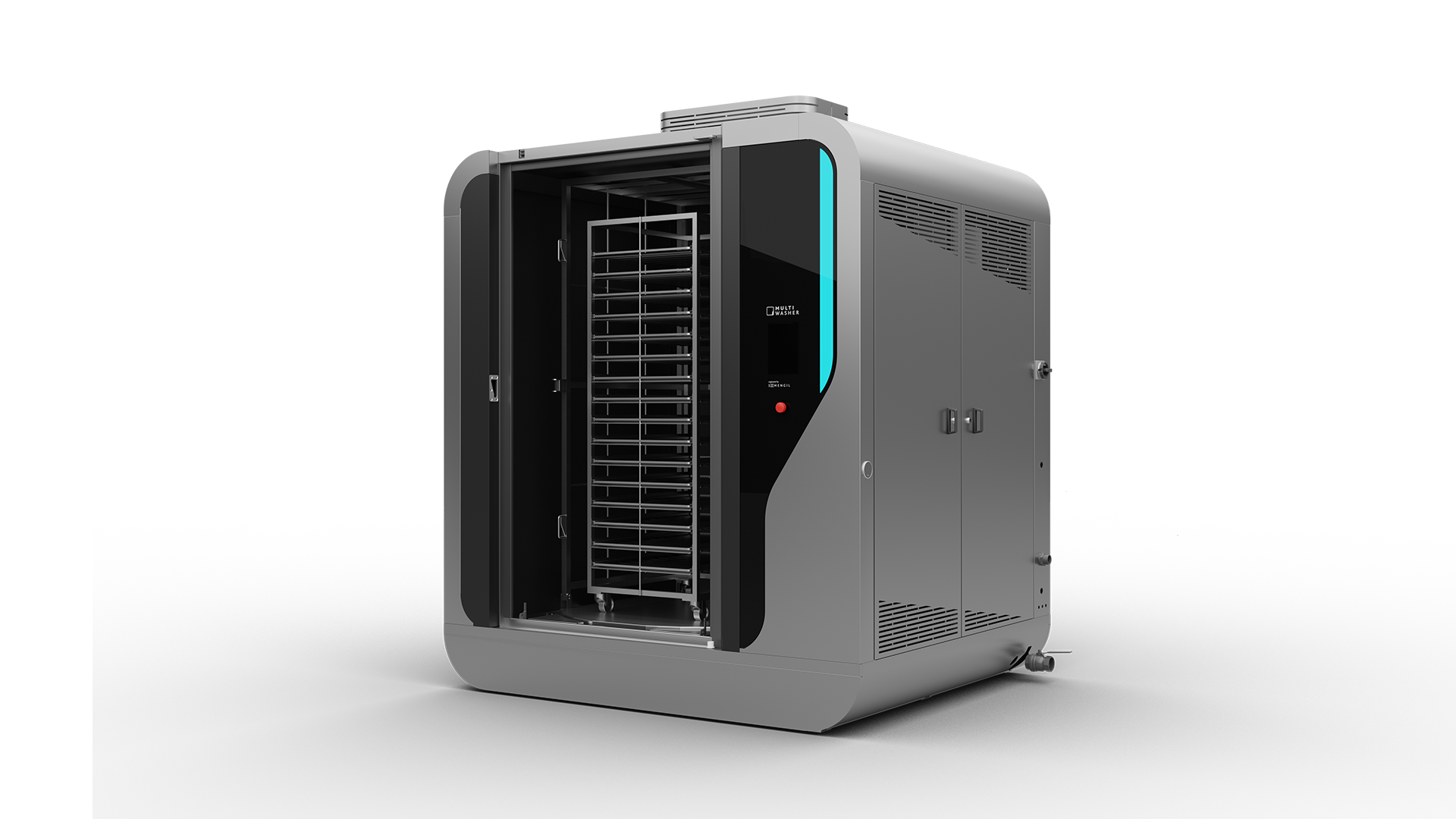
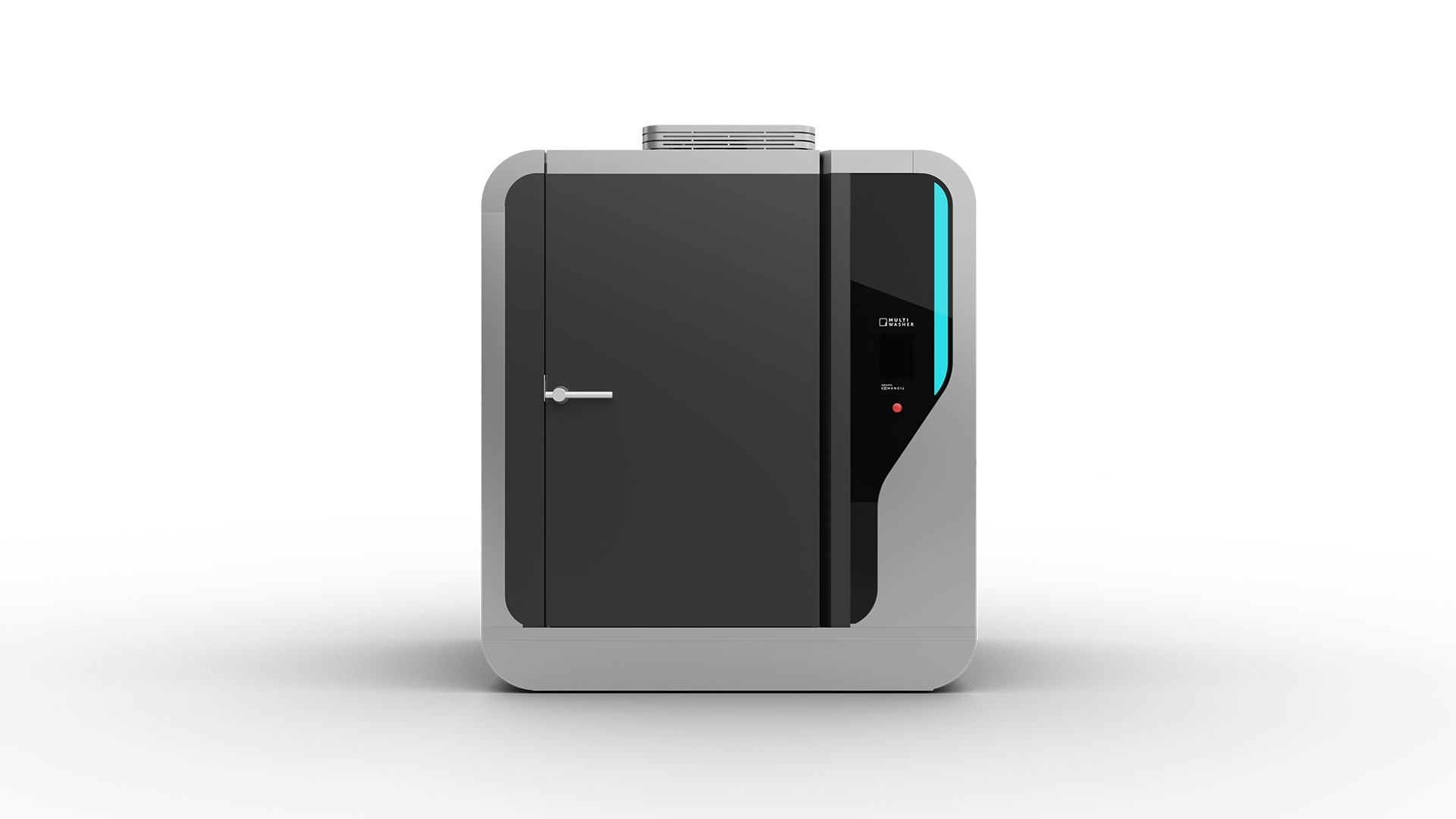
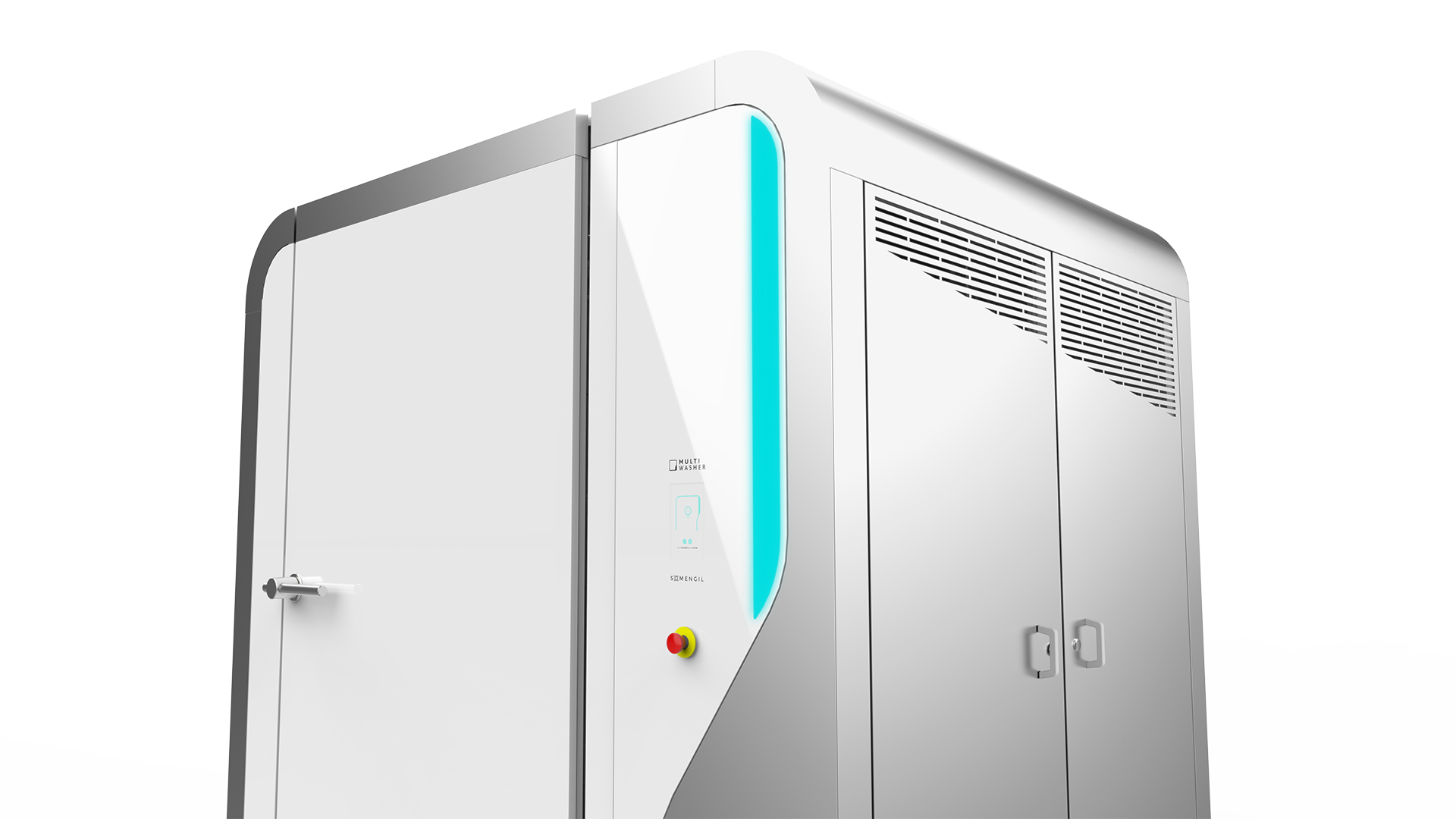
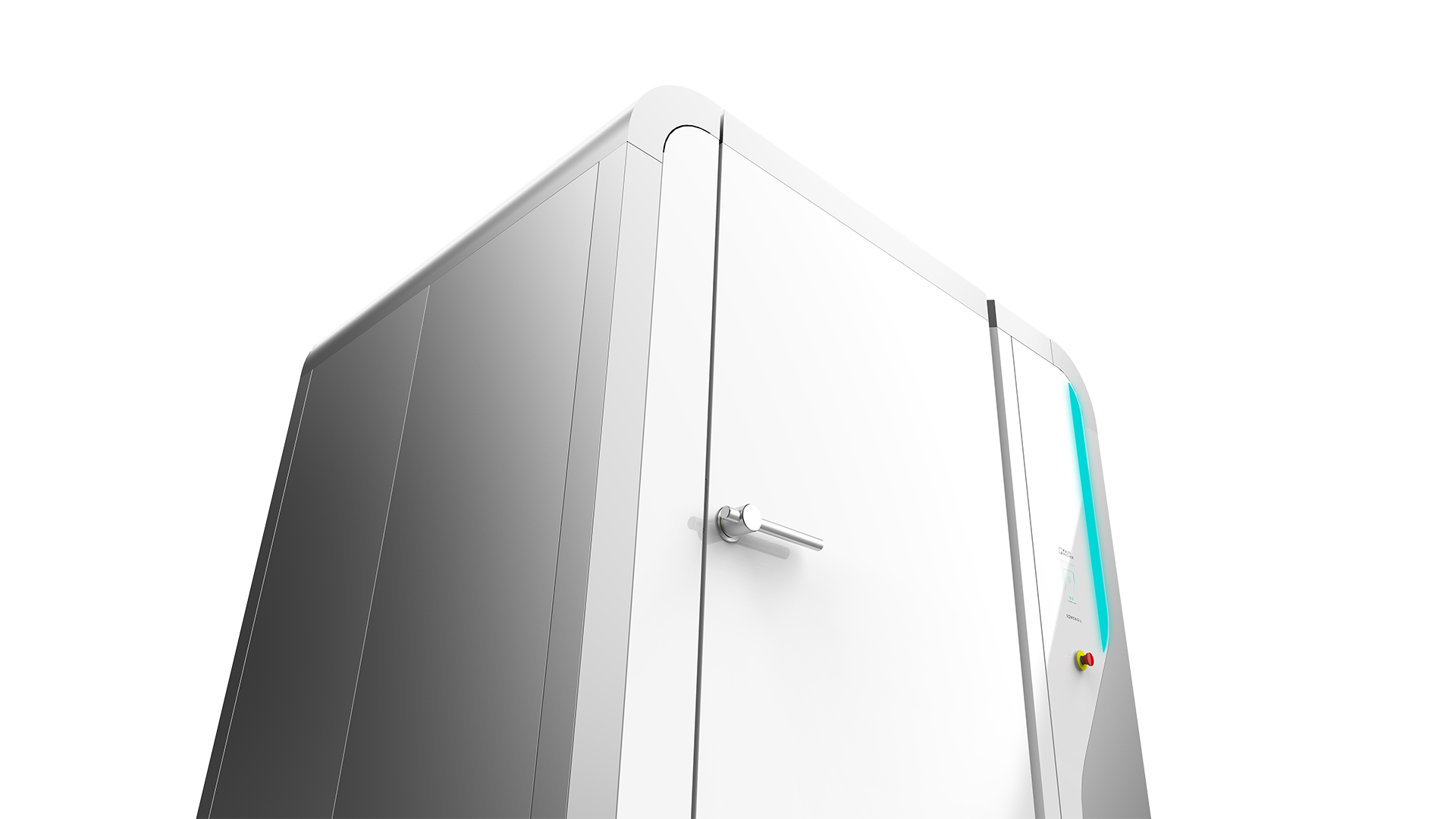
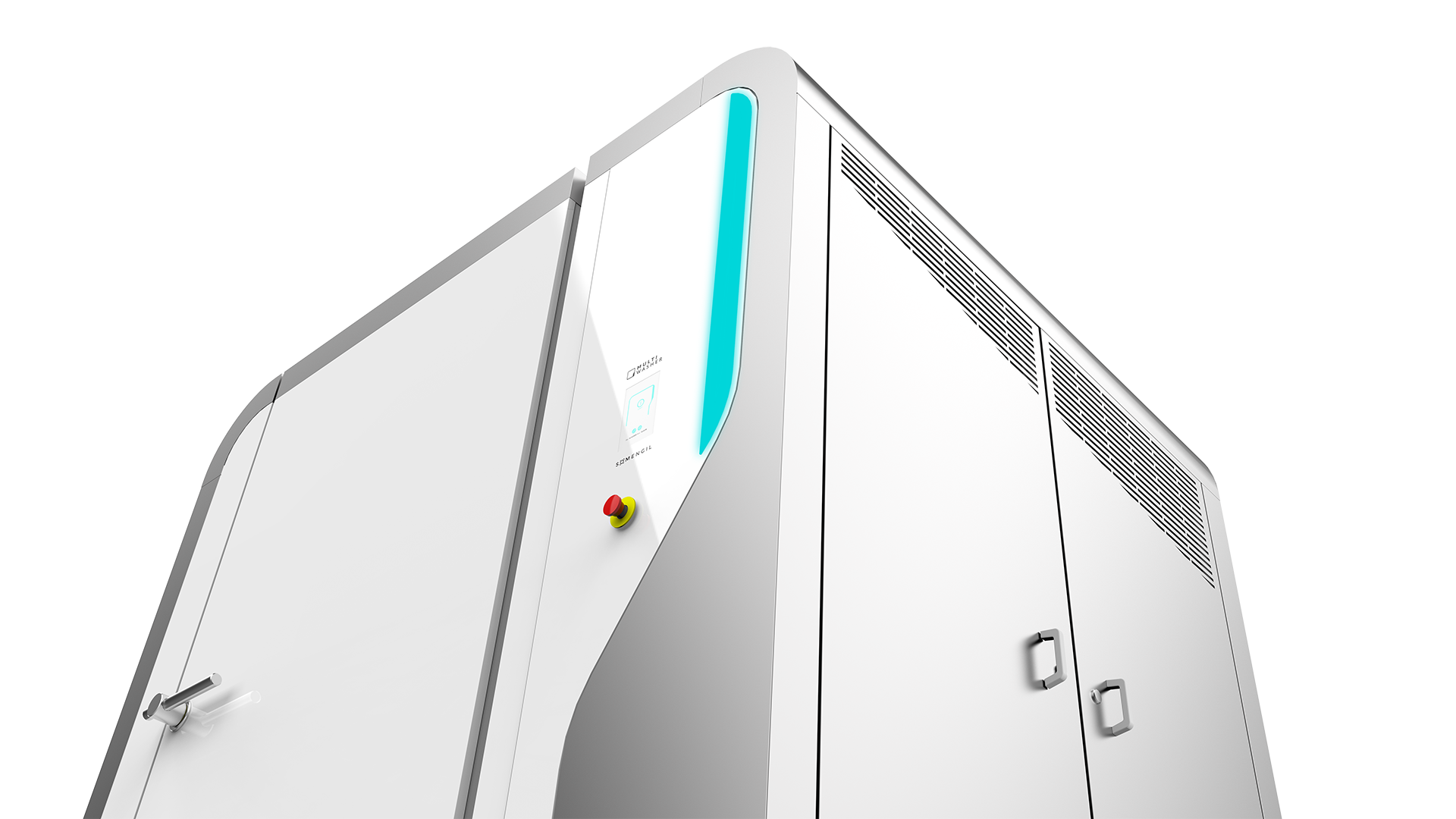
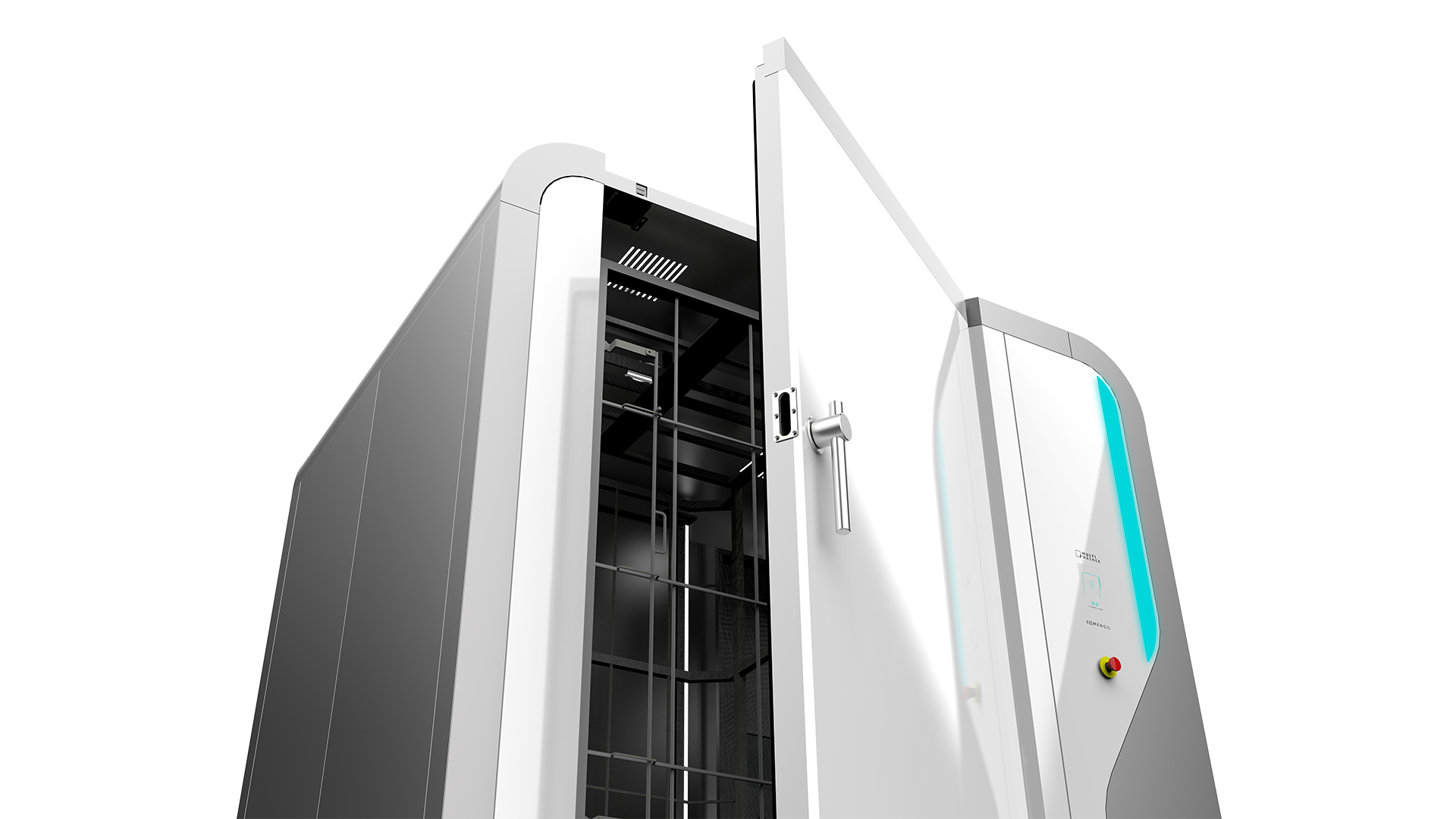
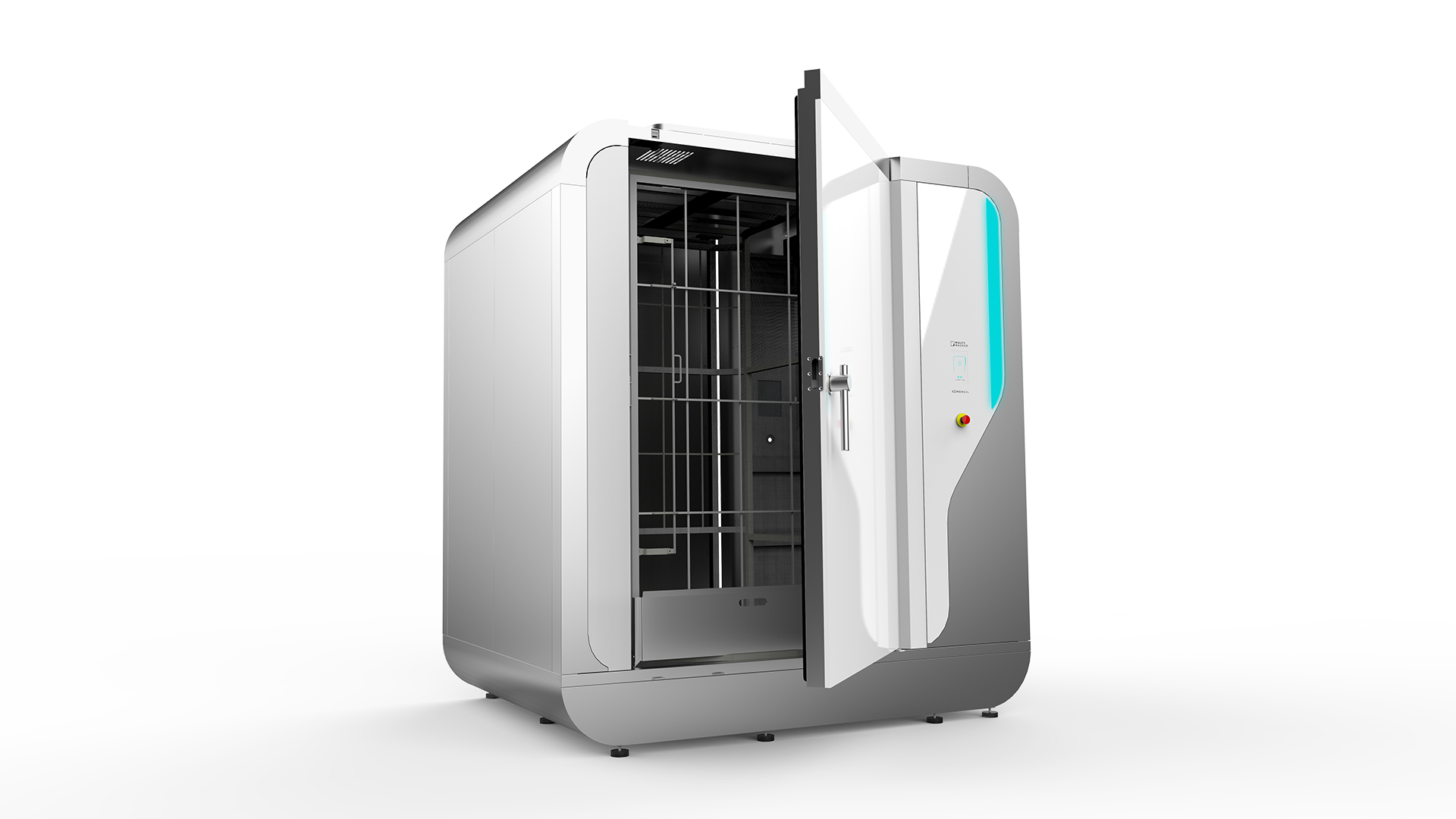
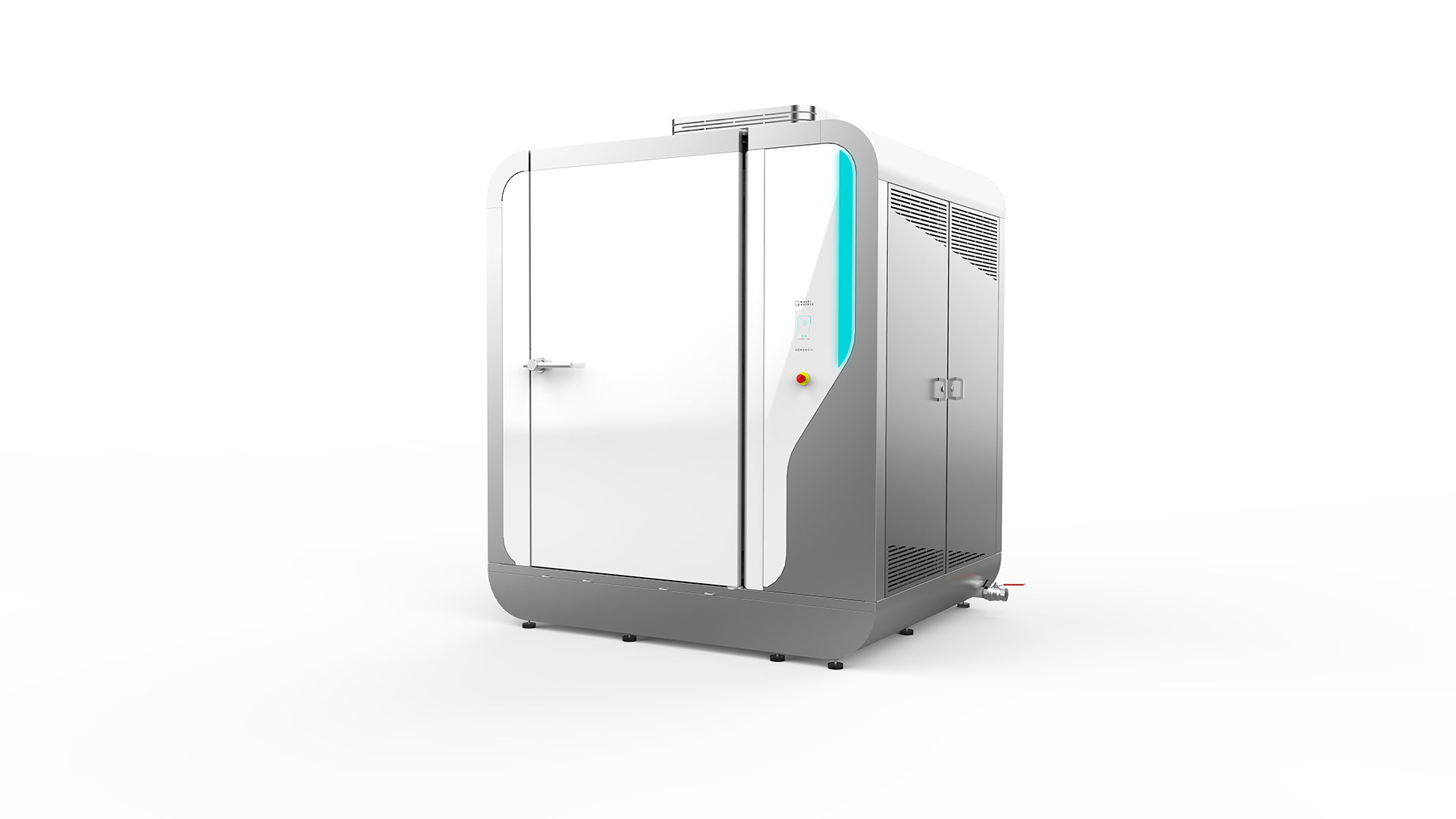
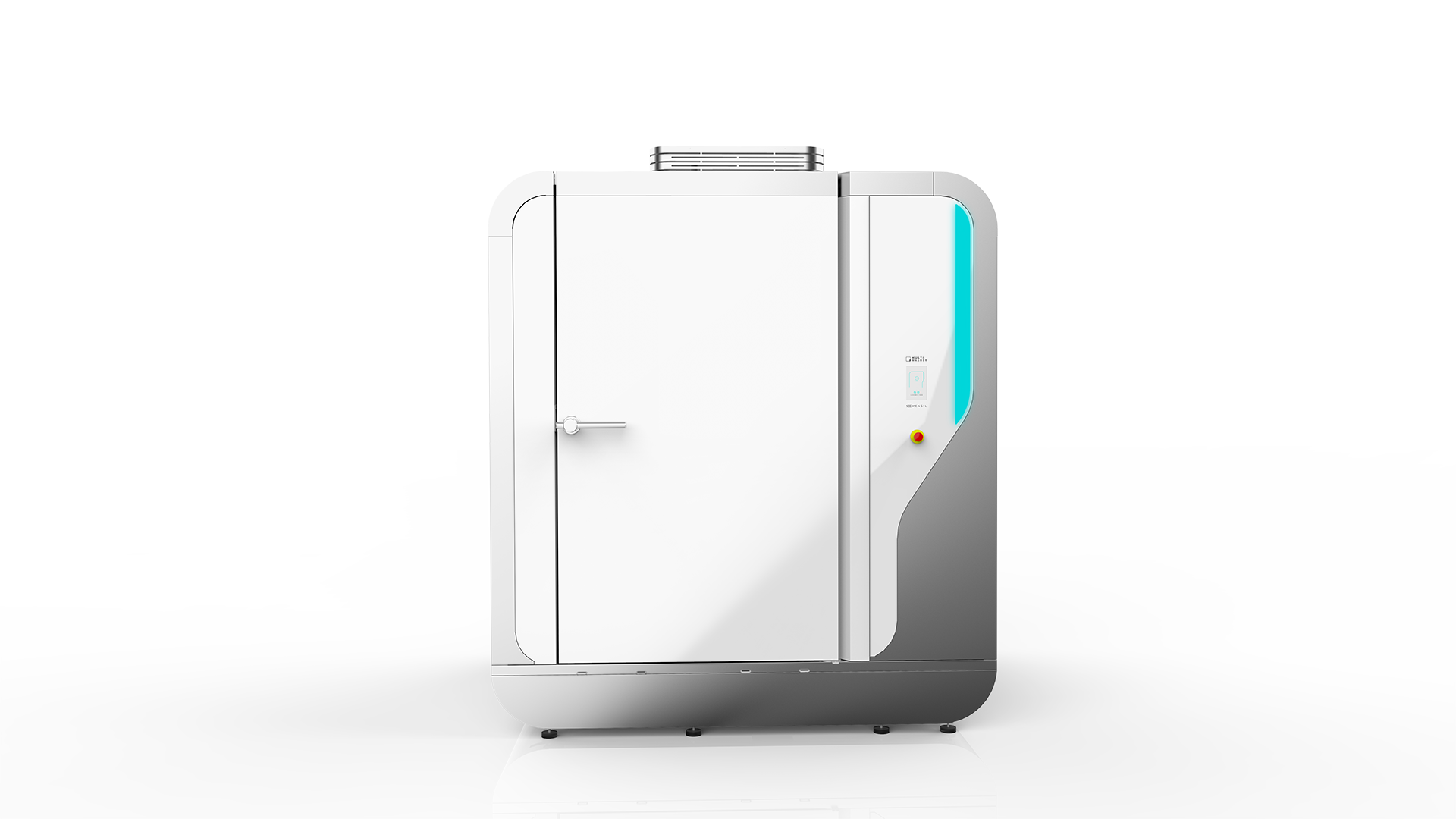
MultiWasher is an industrial washing machine designed to optimize every part of your washing process. With built-in sensors and intelligent monitoring, it tracks water, energy, and detergent use in real time, giving you total visibility and control.
Because it's fully programmable and traceable, MultiWasher standardizes processes across shifts and teams, reducing human error and improving hygiene reliability. It’s also built for easy maintenance, with smart alerts and self-diagnostics that minimize downtime. Get in touch.
You may also like



Industrial washing / Articles
Meat industry washer: your key to safer, smarter meat processing
Learn what meat industry washers are and when they become a critical investment for hygiene and efficiency.
Posted in 2025-09-16


 Portugal
 United Kingdom
 United States
 France
 Spain
Spain Germany
 Romania
 Italy
Italy Czech Republic
 Finland
 Hungary
 Slovakia
 Greece
 Lithuania
 South Korea
 Russia
 Saudi Arabia
 Poland
 Brasil
 Hebrew