Industrial washing / Articles
What is a frozen food washer and why it matters
Equipment washing is often overlooked in frozen food plants. Discover how the right frozen food washer protects hygiene, flow and operational efficiency.
 9 minutes of reading
2026-01-16 18:02:24
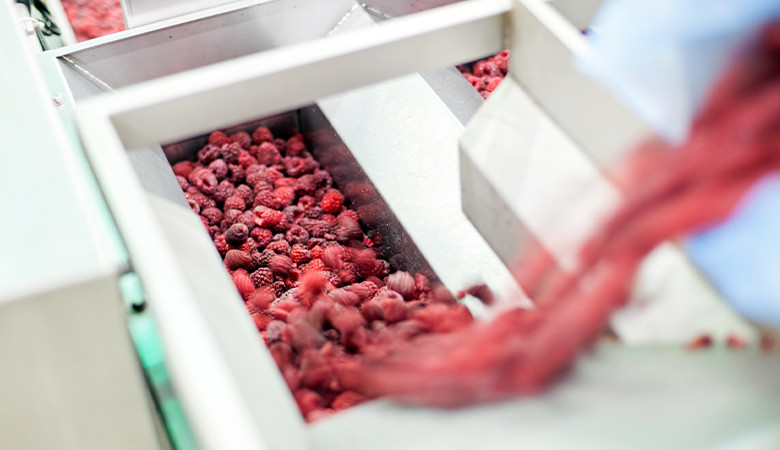
Frozen food processors face a constant balancing act: strict hygiene standards, fragile products, and high-throughput demands - a tall order for traditional washing systems. This is where specialized frozen food washers come in, delivering effective cleaning without compromising product integrity, safety, or yield.
However, as with any highly specialized equipment, choosing the frozen food washer is not straightforward. The good news? By focusing on a few essential criteria, you can confidently select a washer that truly fits your operation. Here’s what to consider.
What is a frozen food washer?
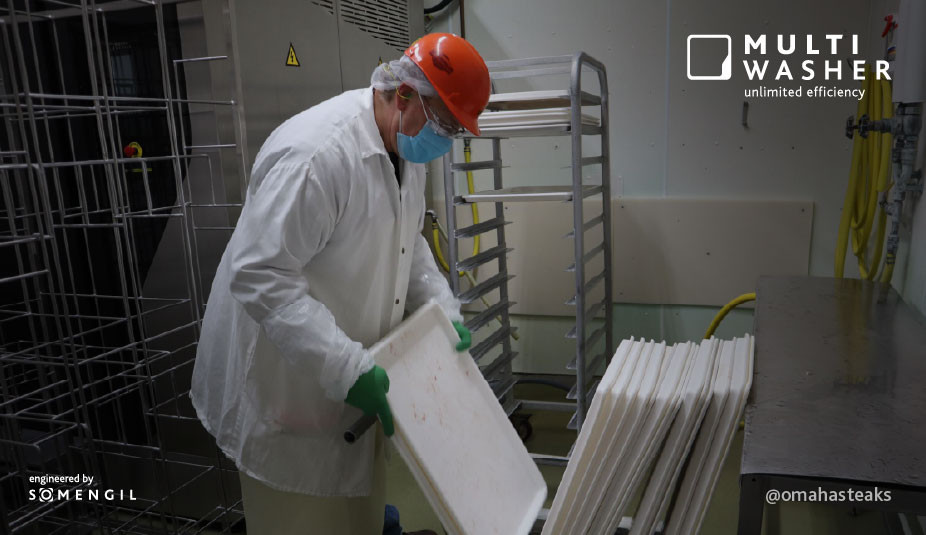
A frozen food washer is a critical piece of equipment in food processing operations that handle products such as vegetables, fruits, seafood, or ready-to-cook ingredients. Its role is simple in concept, but decisive in practice: to wash everything that touches it, like trays, trolleys, bins, moulds, and all utensils that move between freezing, processing, and packaging areas.
Unlike standard industrial washers, a frozen food washer is designed to handle the specific challenges of cold environments. Metal trays can be coated with frost, trolleys carry sticky residues, and utensils may require high-temperature sanitation without causing damage or corrosion. The machine removes residues, ice buildup, and contaminants while respecting the materials and structural integrity of each item.
In real production environments, washing equipment is often an overlooked but critical step. Upstream, raw or partially processed products must be handled safely. Downstream, packaging and final product hygiene rely on washed, sanitized equipment. The frozen food washer bridges these stages, ensuring utensils and tools are ready for use, supporting hygiene standards, and keeping the line moving efficiently.
Benefits of frozen food washers
A well-designed frozen food washer brings tangible advantages across the entire processing line.
Consistent hygiene without stress
Every tray, trolley, and utensil comes out reliably washed, reducing the worry of contamination and keeping your hygiene standards solid.
Equipment stays in shape
Gentle yet thorough washing protects trays, trolleys, and tools from damage. That means fewer replacements and less downtime.
Predictable line flow
When your washing step is reliable, the rest of the line runs smoother. No surprises, no last-minute firefighting.
Less waste, more efficiency
Minimizing wear and tear keeps utensils usable longer and reduces interruptions, helping production hit targets every day.
Confidence in audits and inspections
Traceable, repeatable washing routines give you peace of mind during inspections. You know your washing processes are consistent, and everyone can see it.
Limitations of frozen food washers
Even the best industrial washer has its hurdles. Trays, trolleys, bins, and utensils vary in size, shape, and fragility, and each type reacts differently to water flow, temperature, and mechanical action. Without careful adjustment, some items may not be fully washed, while others risk damage. That can create uneven hygiene and add hidden stress to the production line.
Maintaining the washer itself is equally critical. Ice buildup, residue, and mechanical wear can quickly reduce performance, turning a stabilising step into a source of delays and unplanned downtime. Regular maintenance, careful monitoring of water and energy use, and proactive component checks are essential to keep operations running smoothly. In high-volume frozen food plants, overlooking these details can ripple through the line, affecting both efficiency and product safety.
How to choose the right frozen food washer
Choosing a frozen food washer is an operational commitment designed to stabilise the process, protect equipment, and ensure consistent conditions before products move further down the line. That means thinking in terms of process control.
1. Start by mapping what actually needs to be washed
Before looking at machines, take a step back and look at your floor. What items are moving through your washing area every day? Trays, racks, trolleys, containers, tools, and often in different sizes, materials, or levels of soiling. The washer must reflect this reality. Capacity, chamber size, loading method, and cycle configuration should be driven by what you wash daily.
2. Define the required hygiene level
In frozen food processing, hygiene is a compliance issue. Different utensils and equipment may require different levels of sanitation depending on where they sit in the process. Understanding regulatory requirements and internal hygiene standards helps determine washing temperatures, chemicals, and cycle intensity. A washer should support these standards consistently, without forcing workarounds.
3. Look closely at water and energy efficiency
Washers run often, sometimes continuously. Energy and water consumption quickly become operational costs that are hard to ignore. Machines designed for efficiency (with adjustable cycles, optimised spray systems, and controlled heating) reduce consumption without sacrificing results. Lower resource use goes beyond sustainability targets. It directly affects operating margins.
For example, comparing water usage per cycle gives a clearer picture of long-term impact than generic “eco” labels. Washers that deliver consistent washing with less water per cycle reduce costs, simplify wastewater management, and support more predictable operations.
4. Evaluate water reuse and filtration capabilities
Modern frozen food washers increasingly integrate filtration and water reuse systems. These technologies allow water to be reused across stages of the cycle without compromising hygiene. Over time, this can significantly reduce water consumption and operational costs, especially in high-throughput plants where washing is constant.
5. Assess energy efficiency in real operating conditions
Features like variable-speed motors, intelligent sensors, and optimised heating systems adapt energy use to actual load conditions. This matters in environments where loads vary throughout the day. Efficient machines respond to reality instead of running every cycle at full intensity.
6. Analyse cycle time and operational rhythm
Washing speed directly affects equipment availability. Long or inflexible cycles can create hidden blockages, forcing operations to stock extra utensils or slow down production. Washers with adjustable cycle times allow teams to match washing intensity to actual soil levels.
7. Pay attention to maintenance and daily usability
In cold, wet environments, equipment that is difficult to maintain quickly becomes a problem. Easy access to components, smooth surfaces, and straightforward cleaning routines reduce downtime and maintenance effort. Just as important is reliable technical support. When something stops, response time matters.
8. Think beyond purchase price and consider total cost of ownership
The initial investment is only part of the story. Water, energy, chemicals, maintenance, spare parts, and lifespan all shape the true cost of a washer. Evaluating total cost of ownership helps avoid decisions that look attractive upfront but become expensive over time.
9. Plan for growth and operational change
Production volumes change. Product lines evolve. Hygiene requirements tighten. Choosing a washer with flexibility (whether in capacity, configuration, or upgrade options) protects your investment and avoids premature replacement as the operation grows.
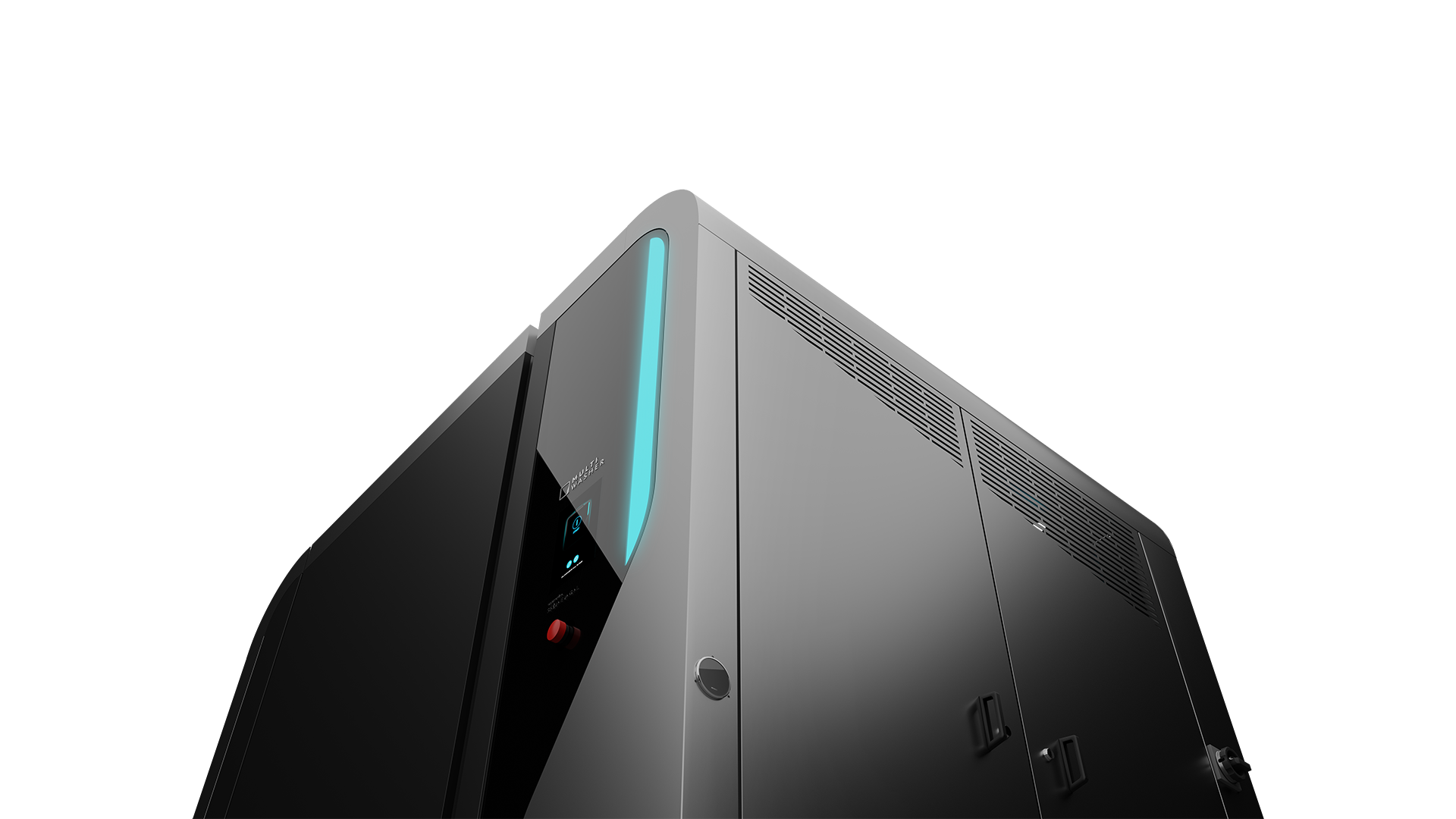
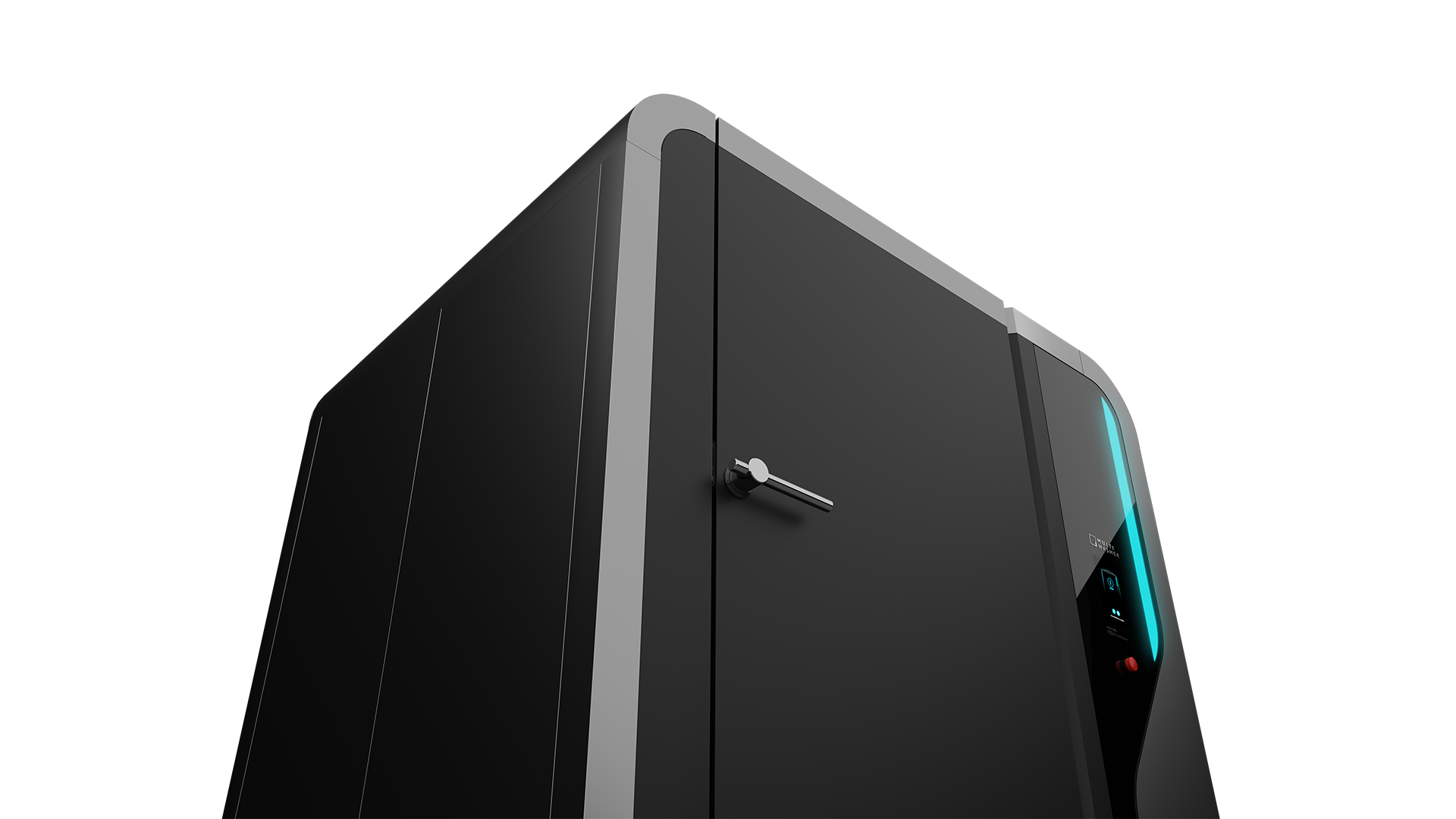
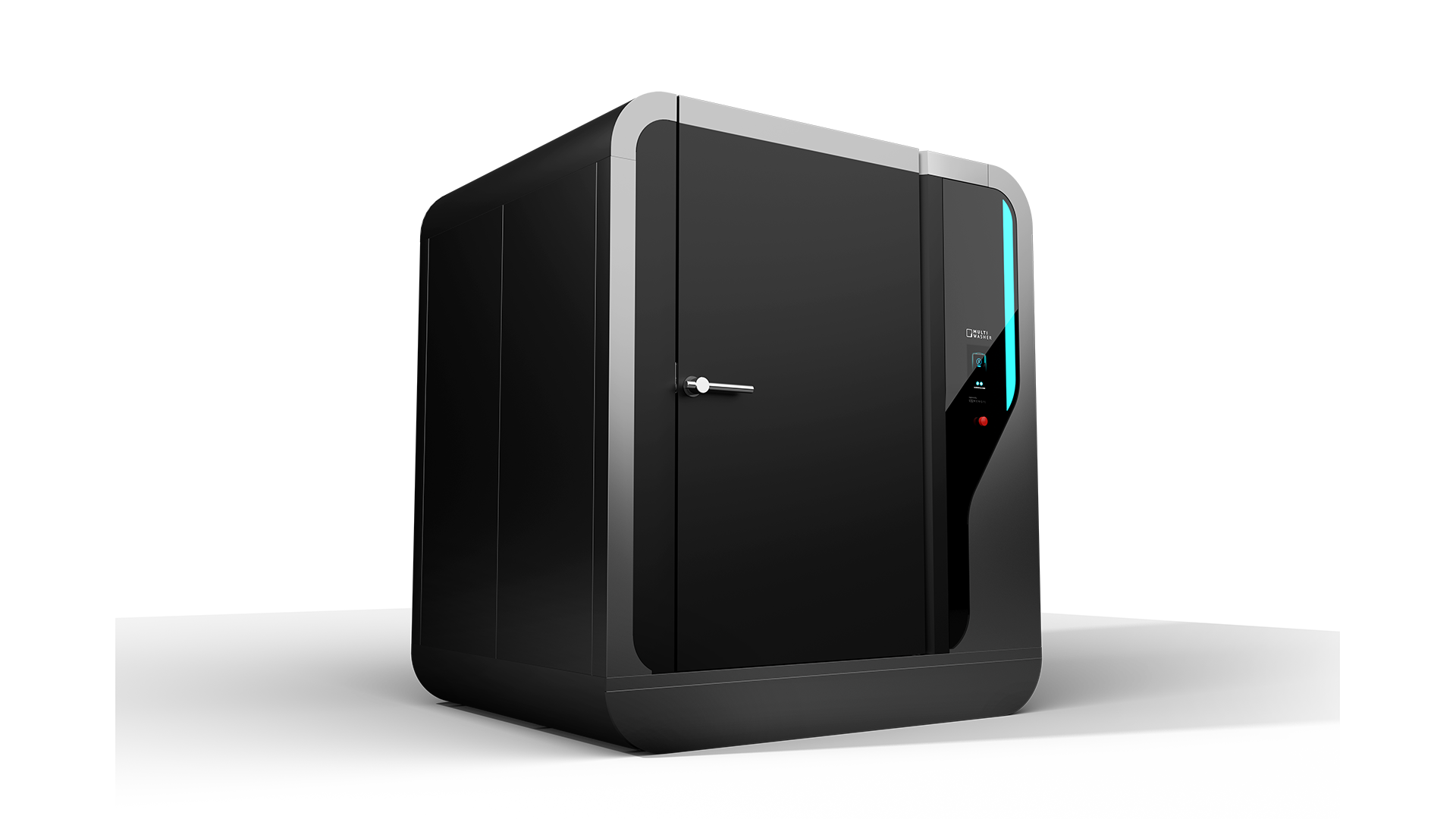
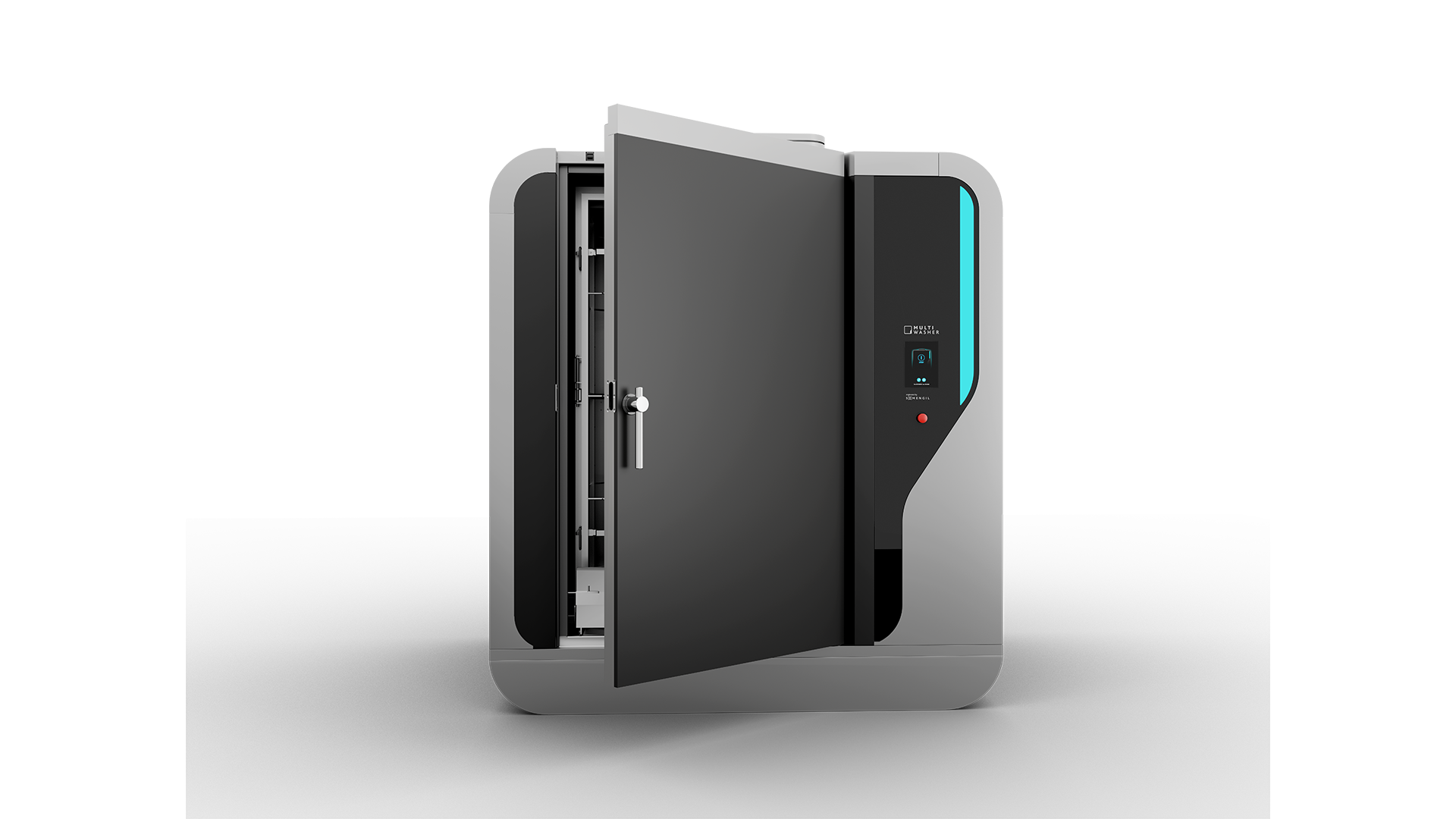
Why MultiWasher is a strong fit for frozen food processing environments
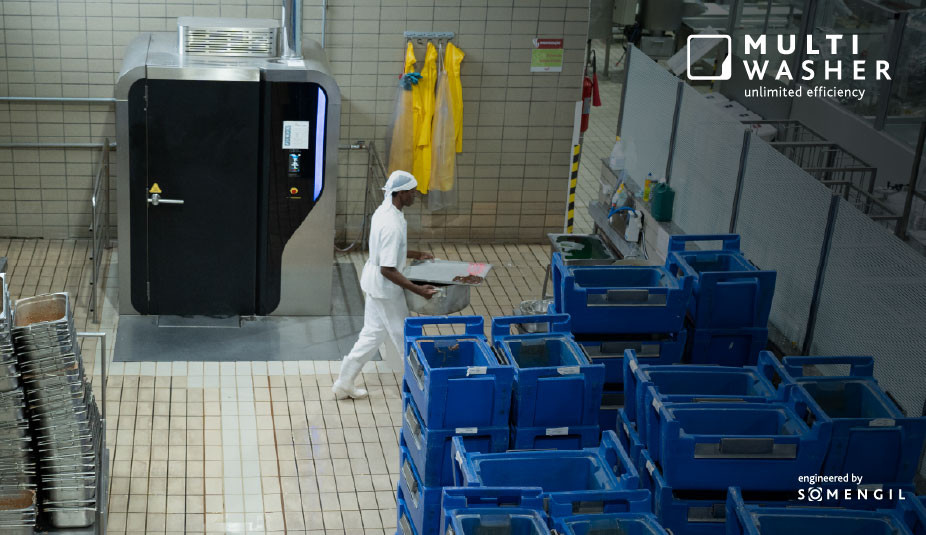
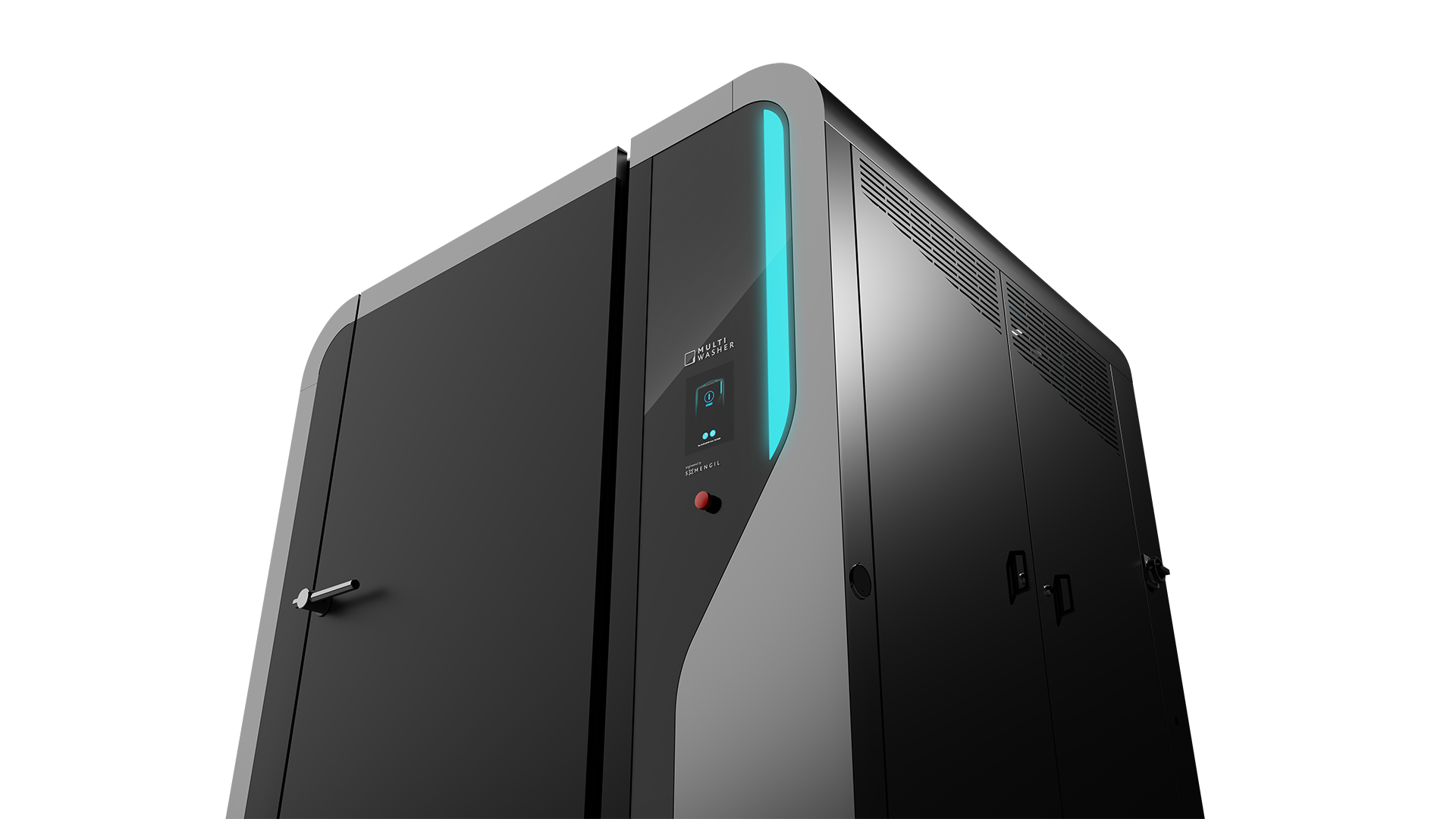
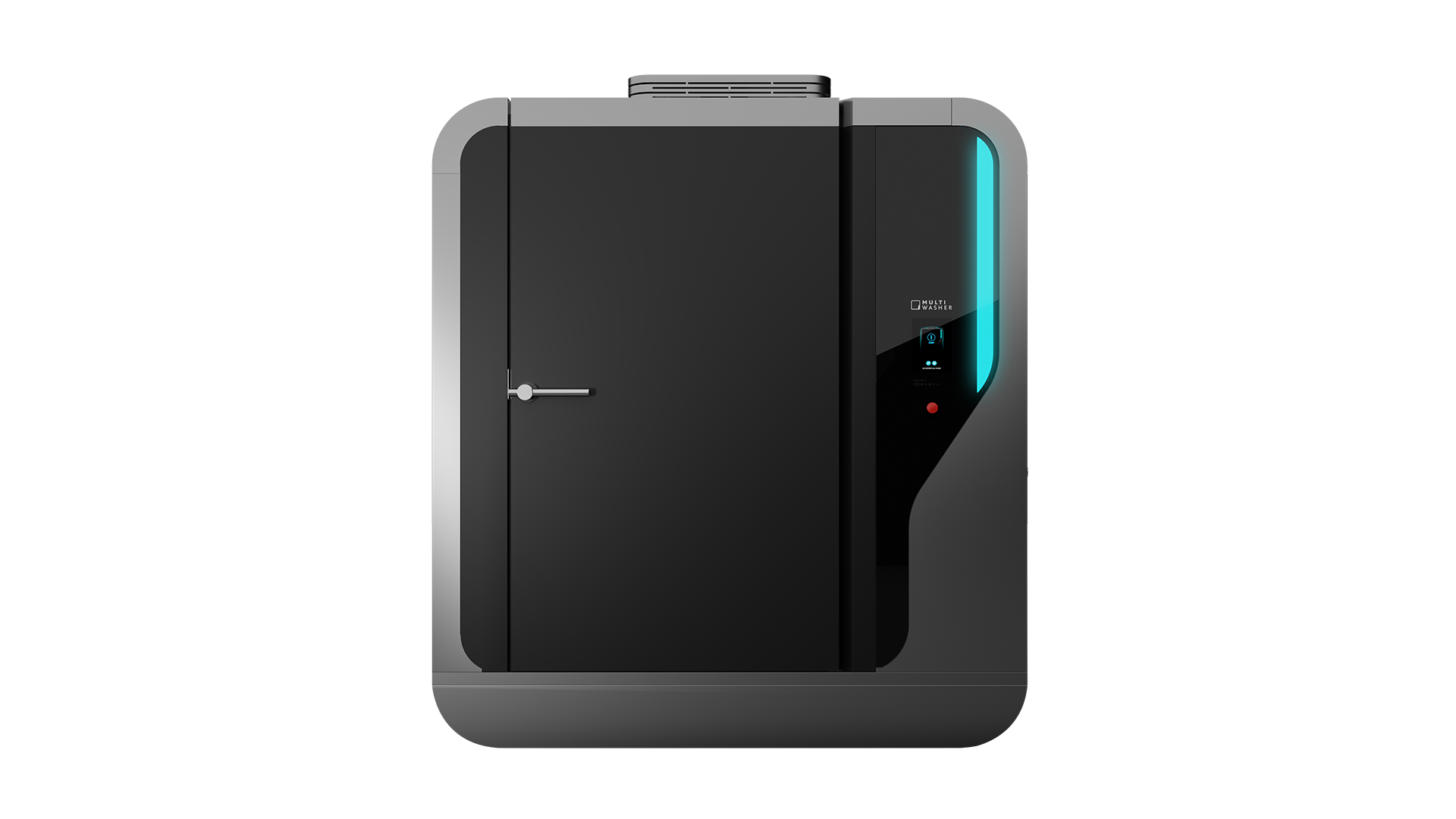
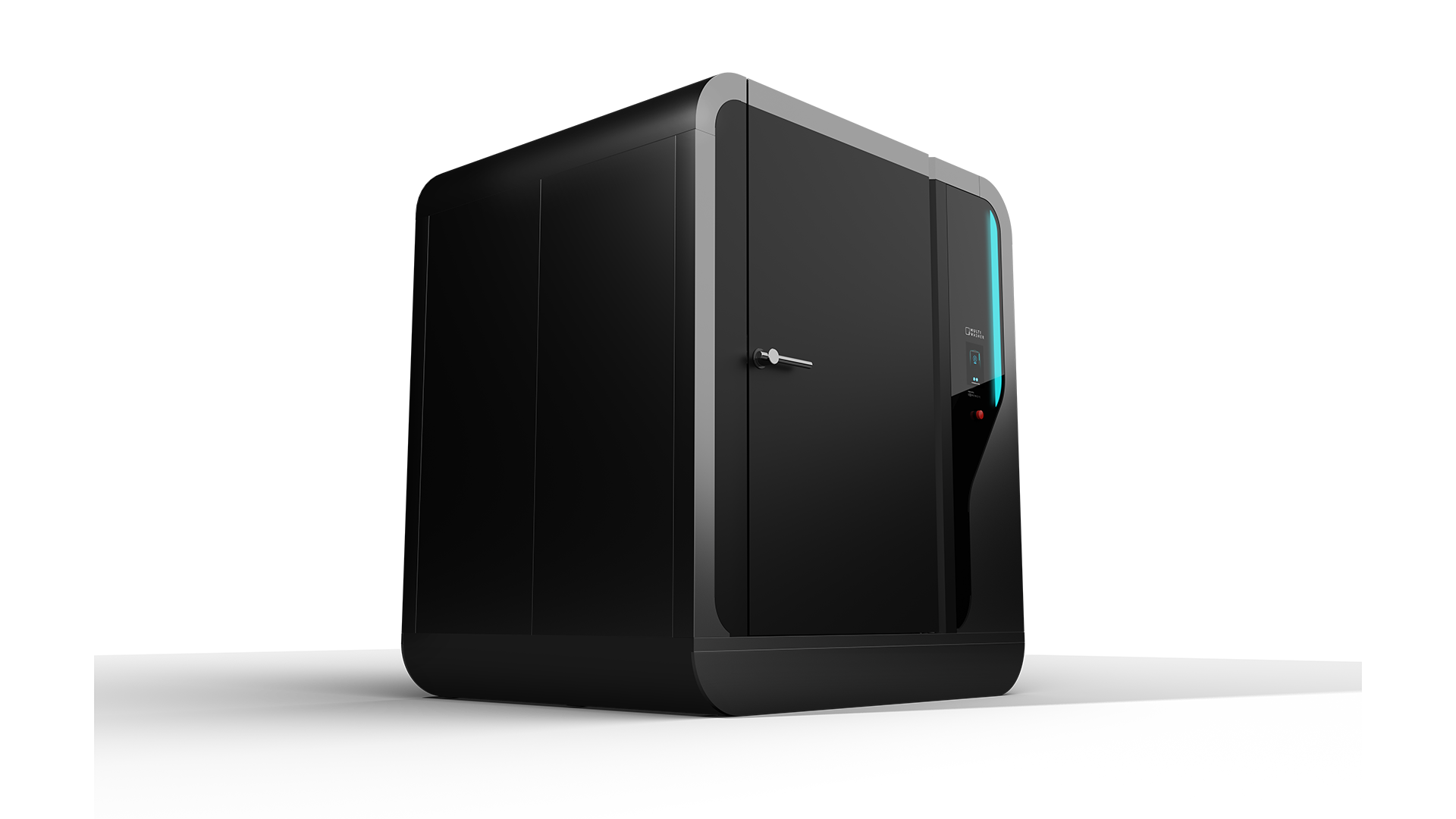
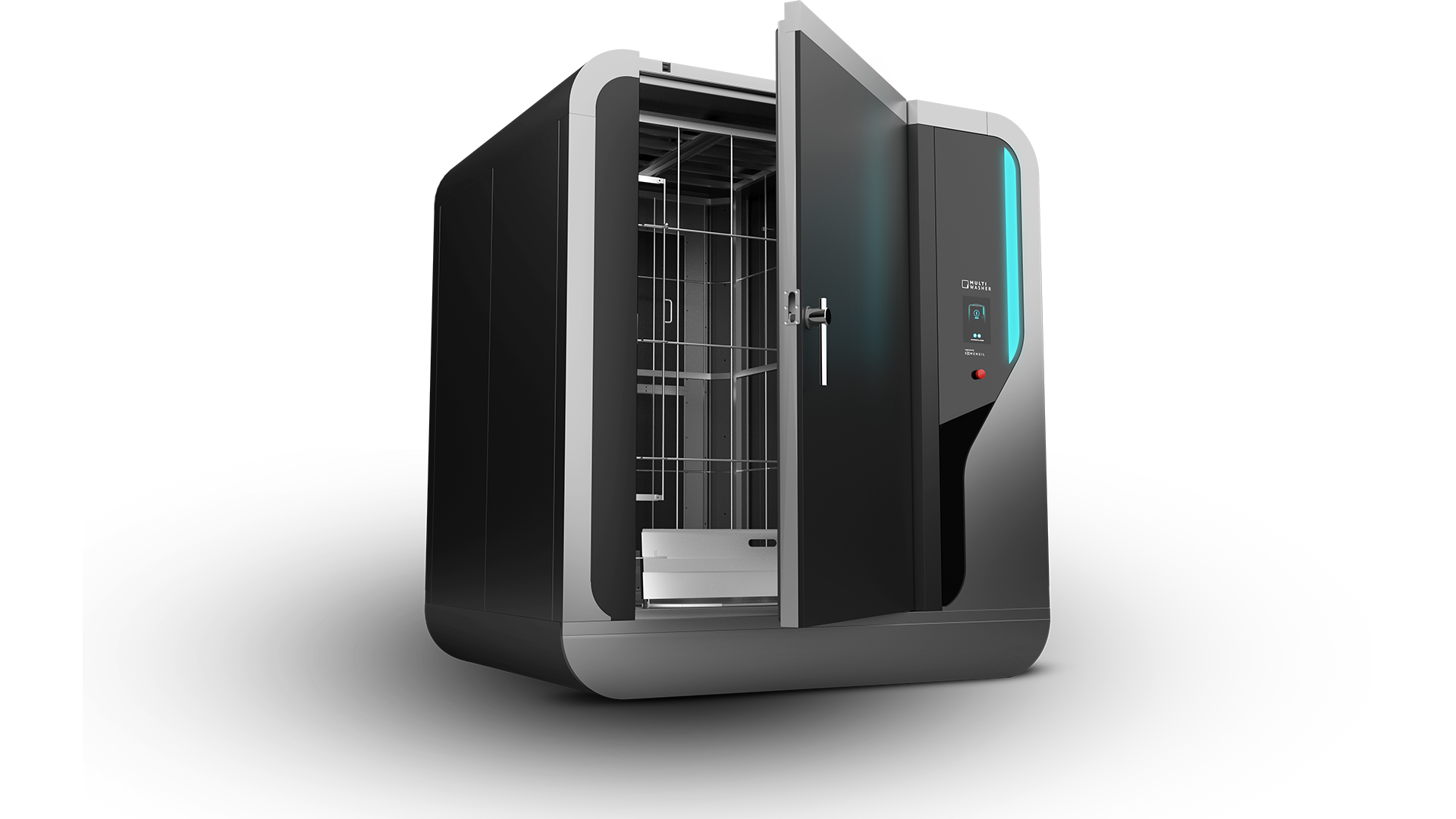
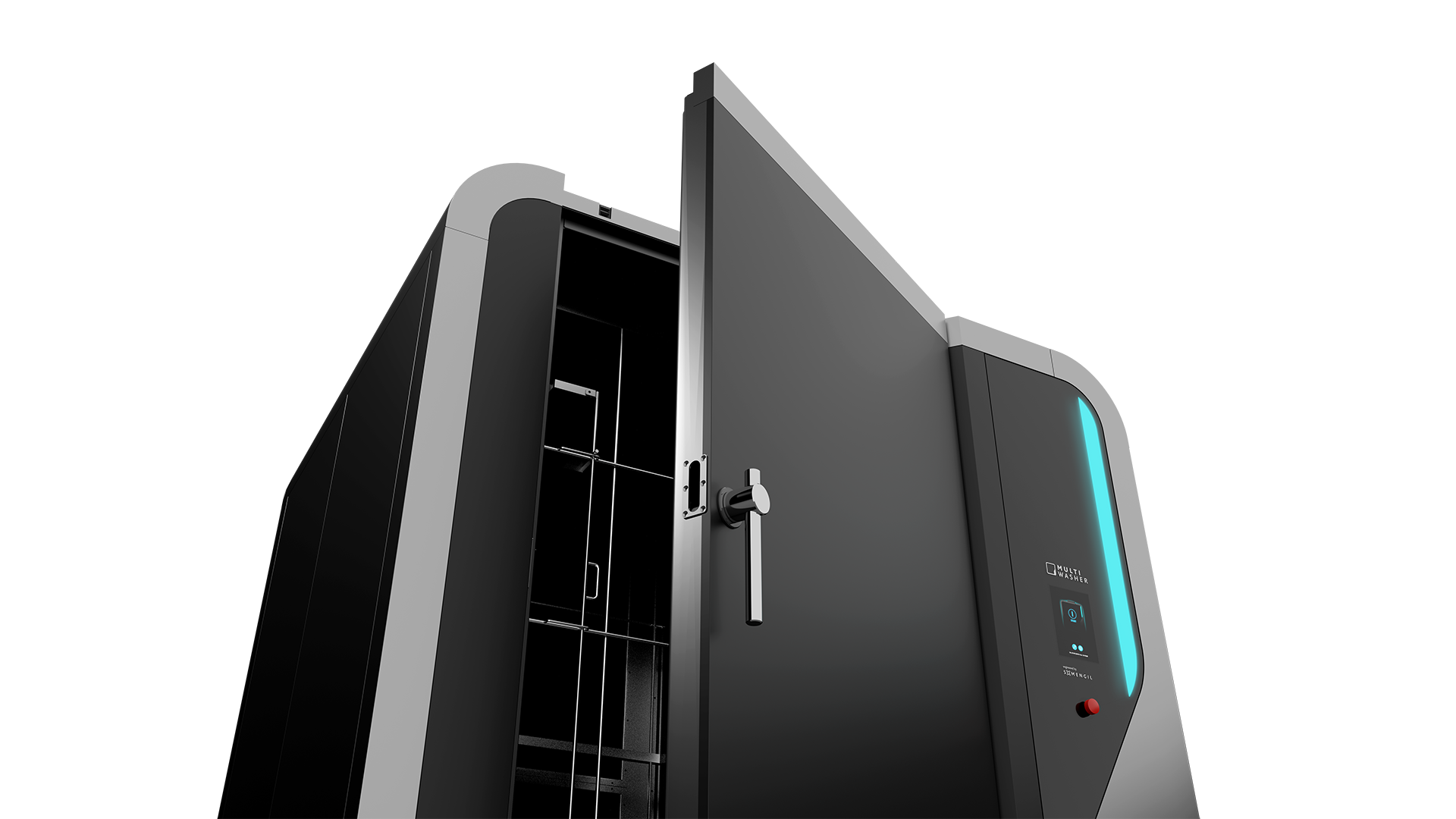
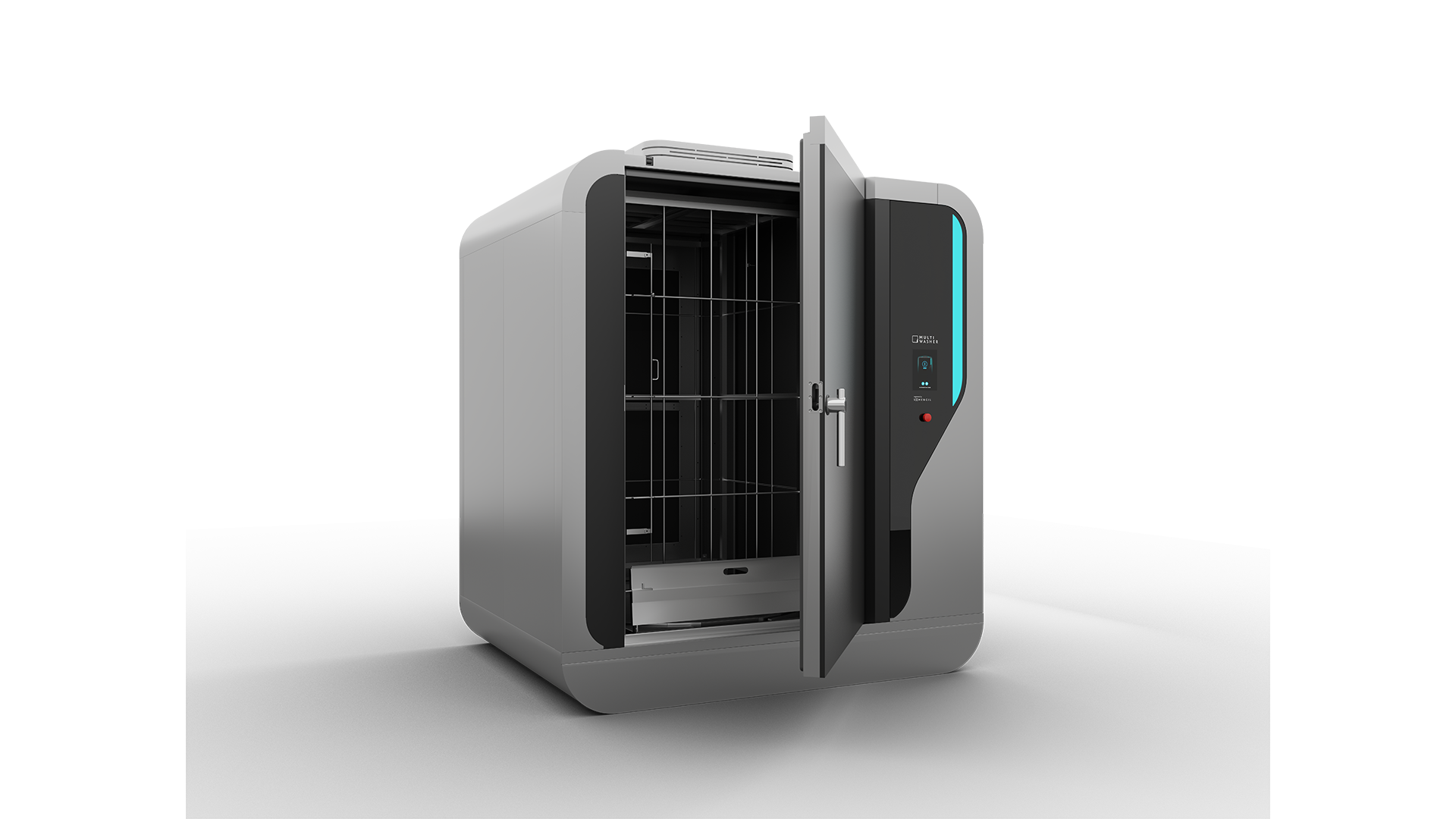
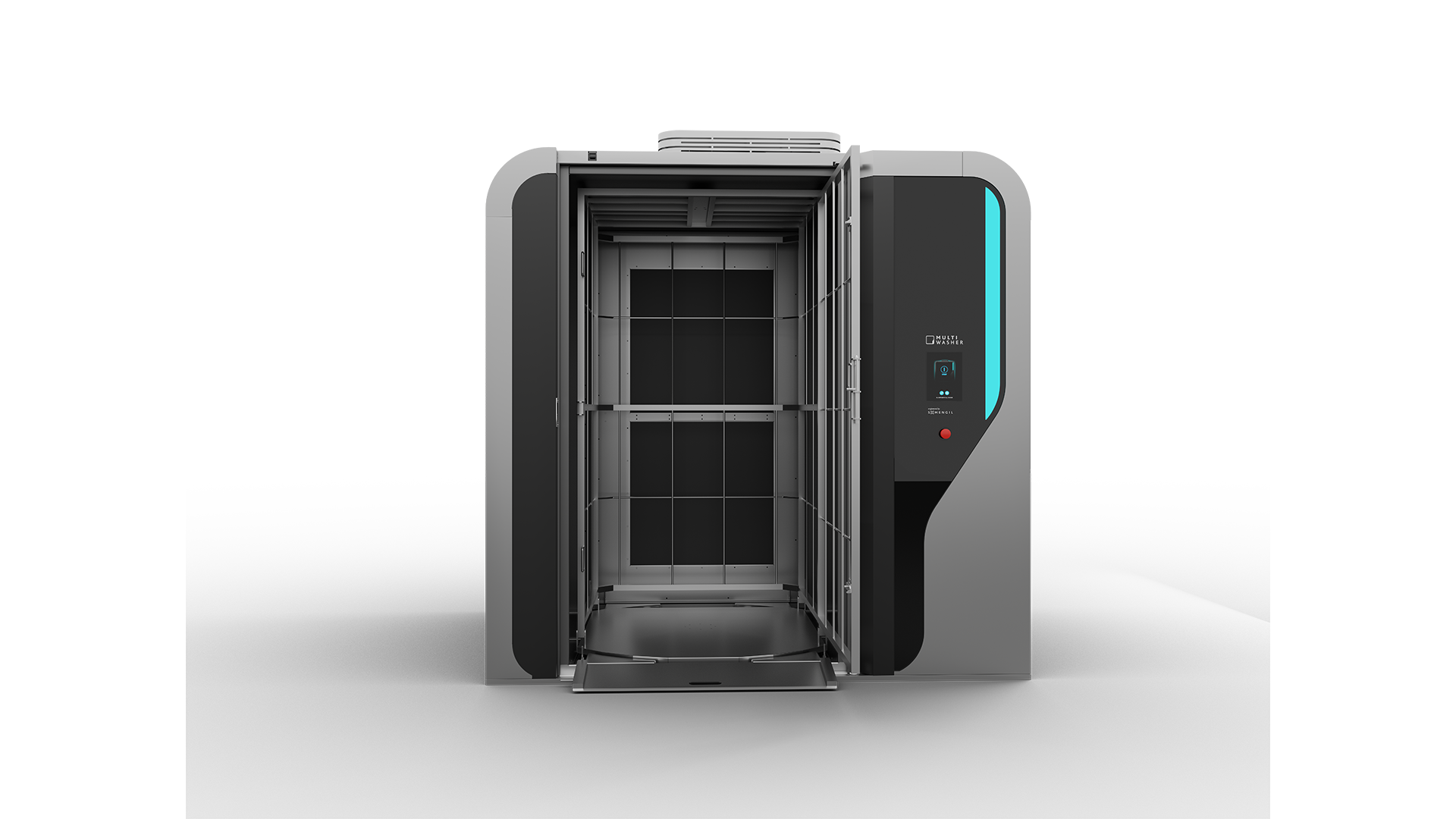
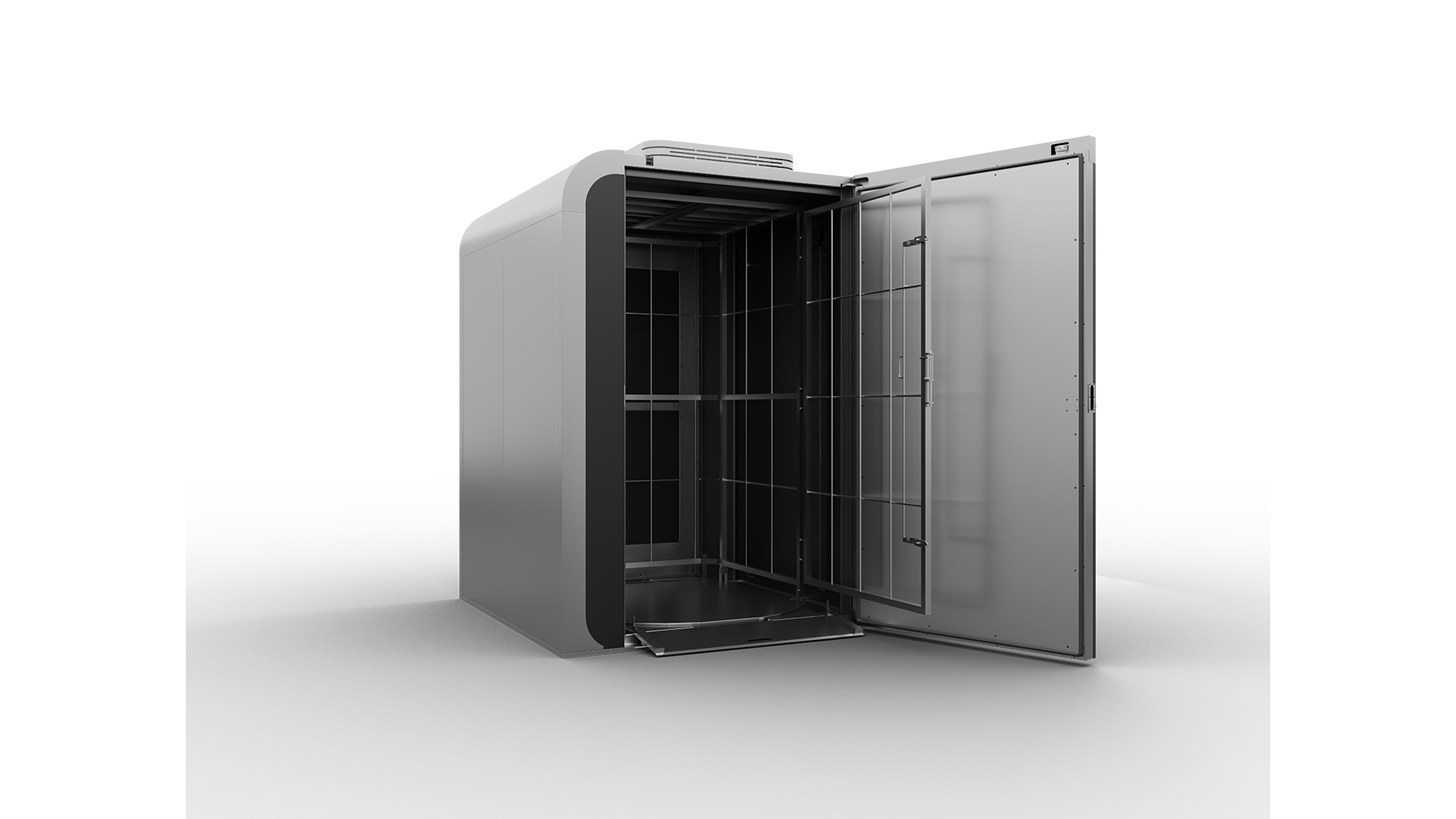
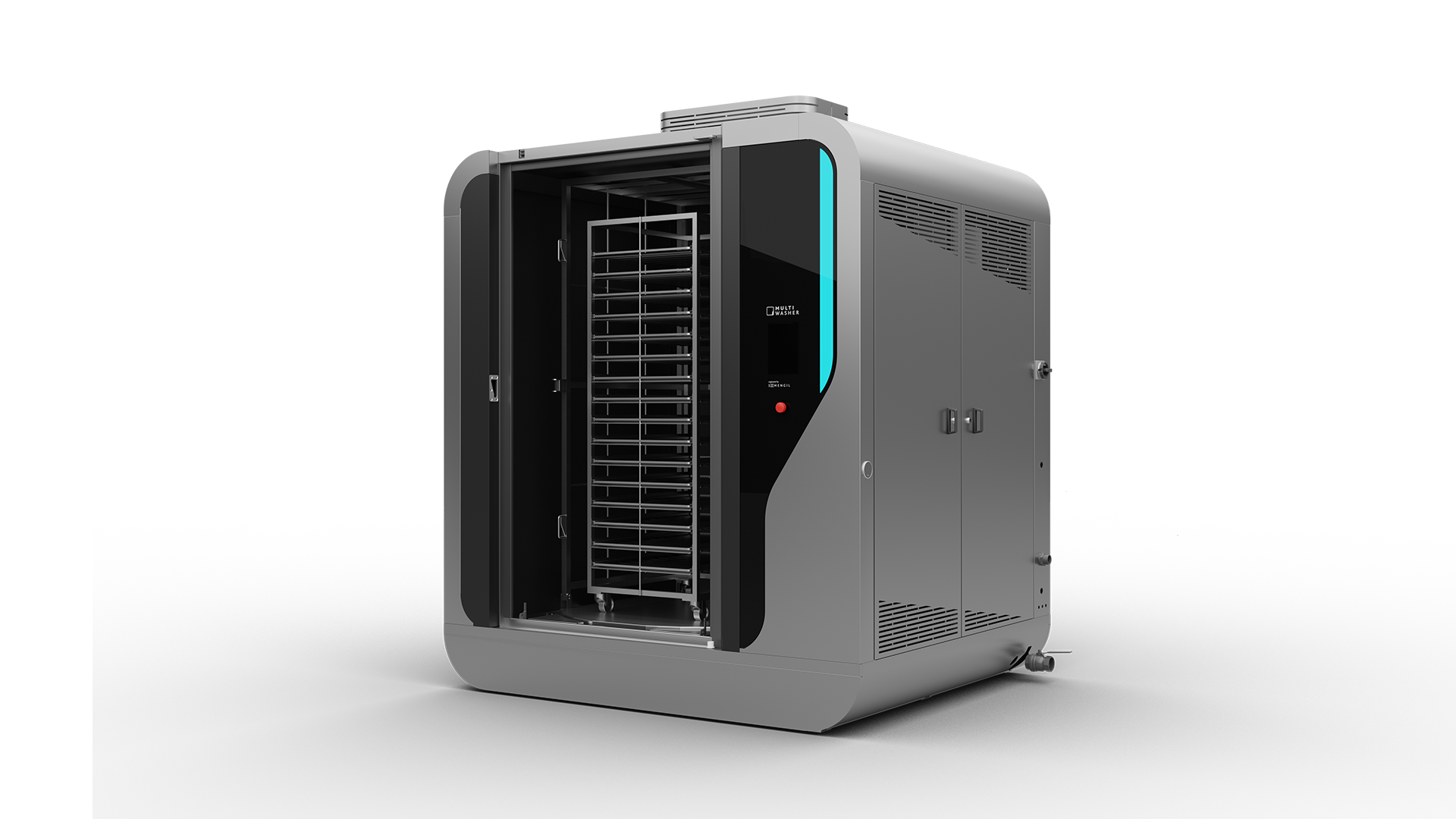
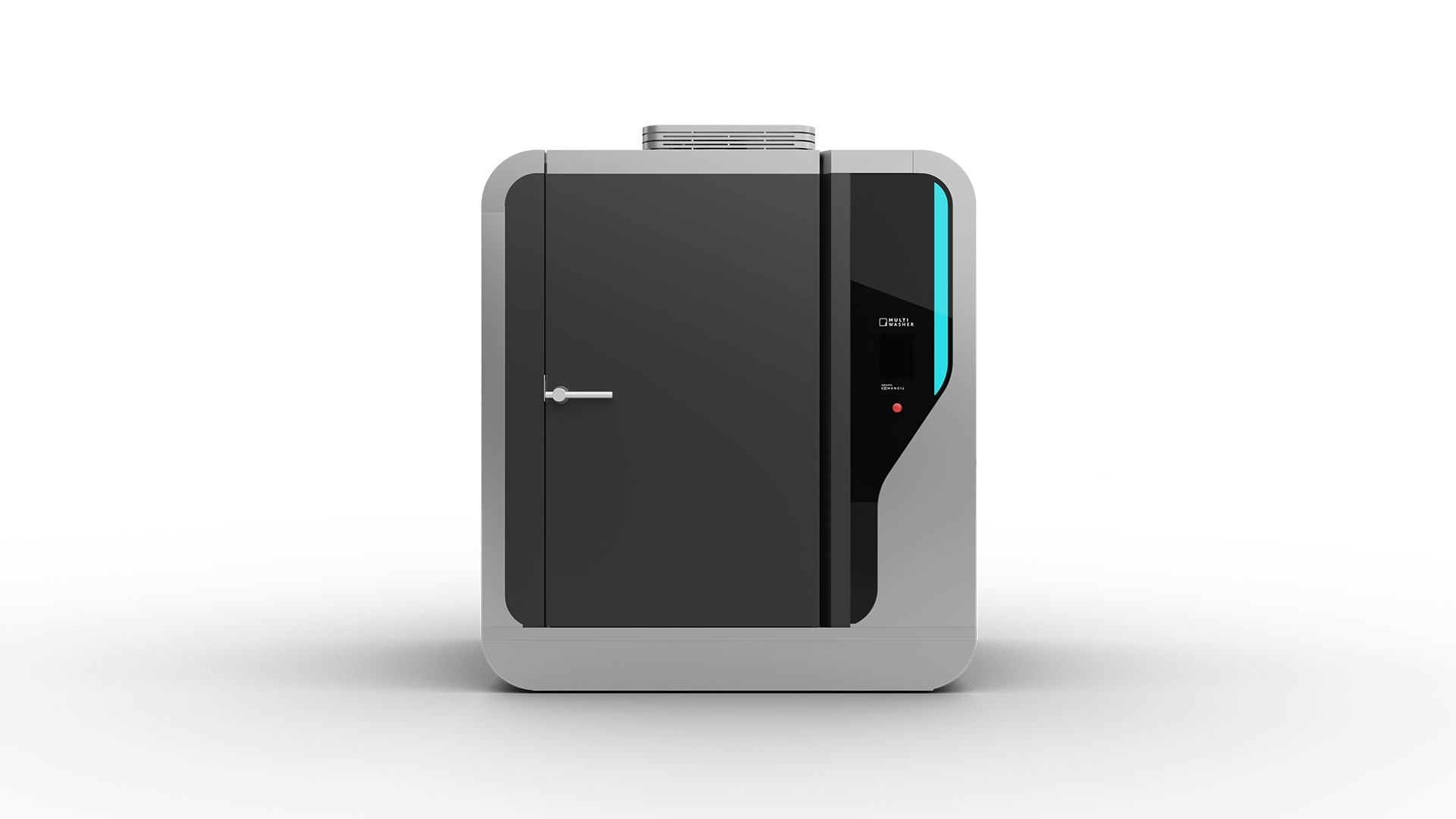
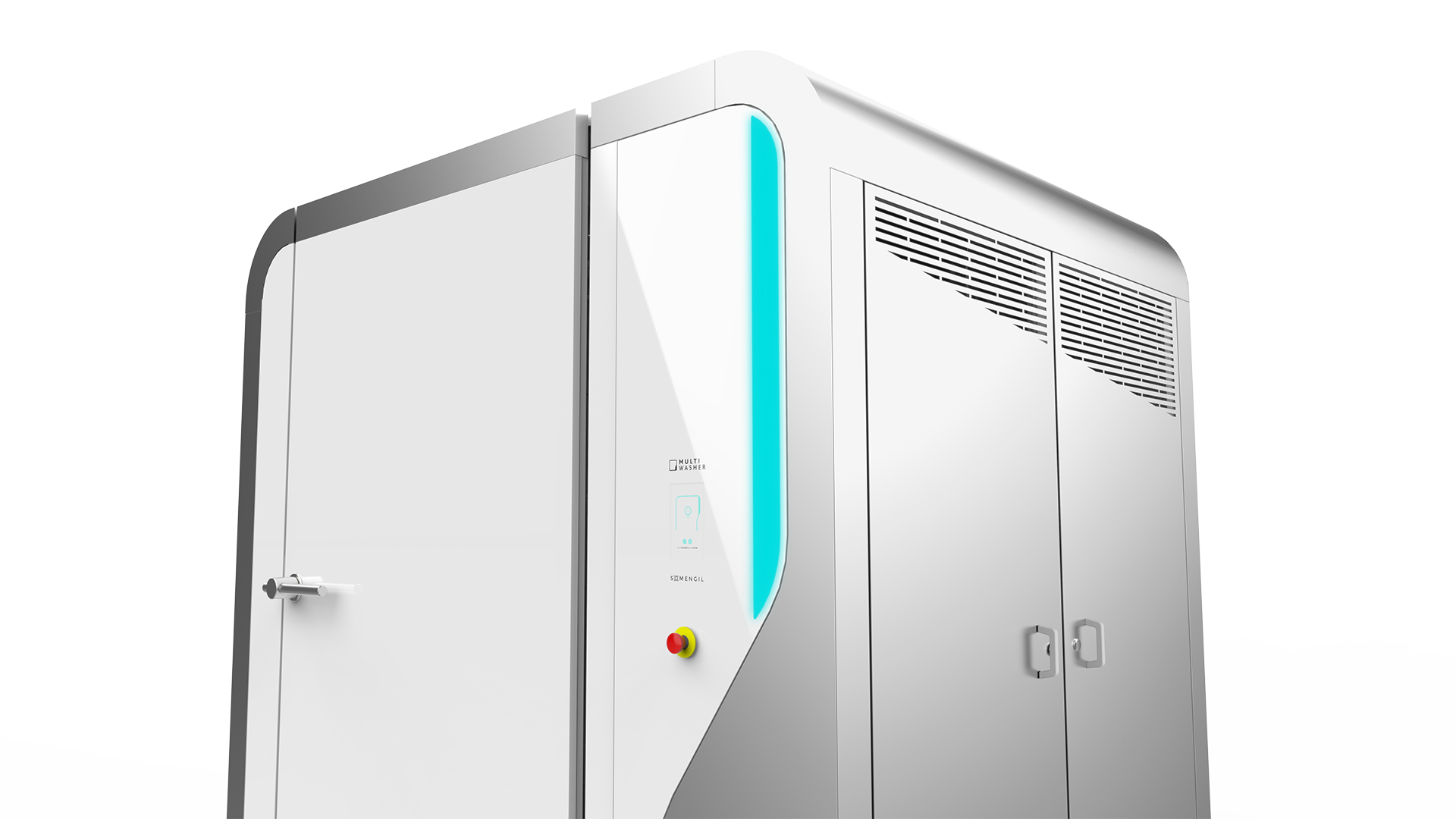
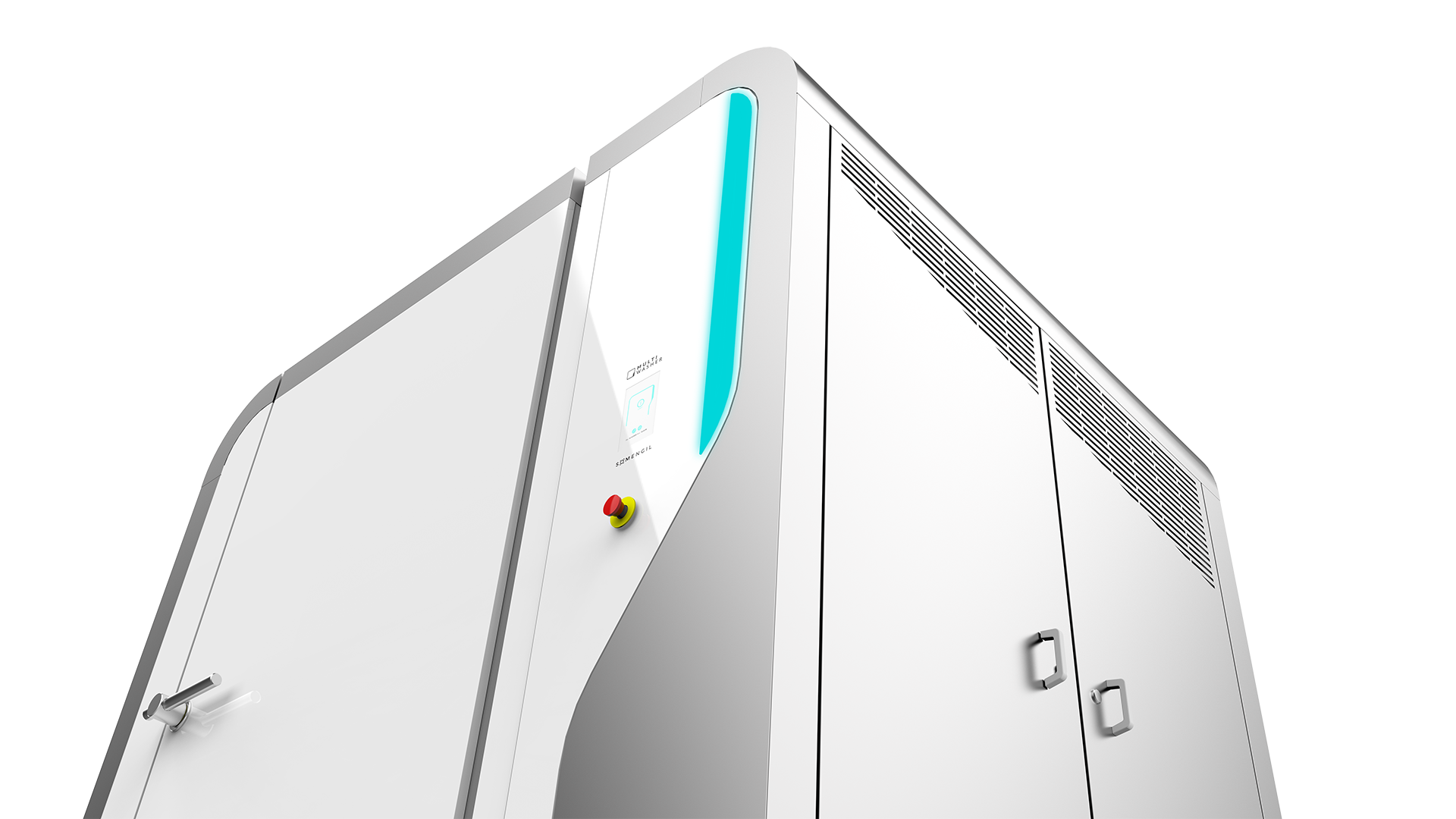
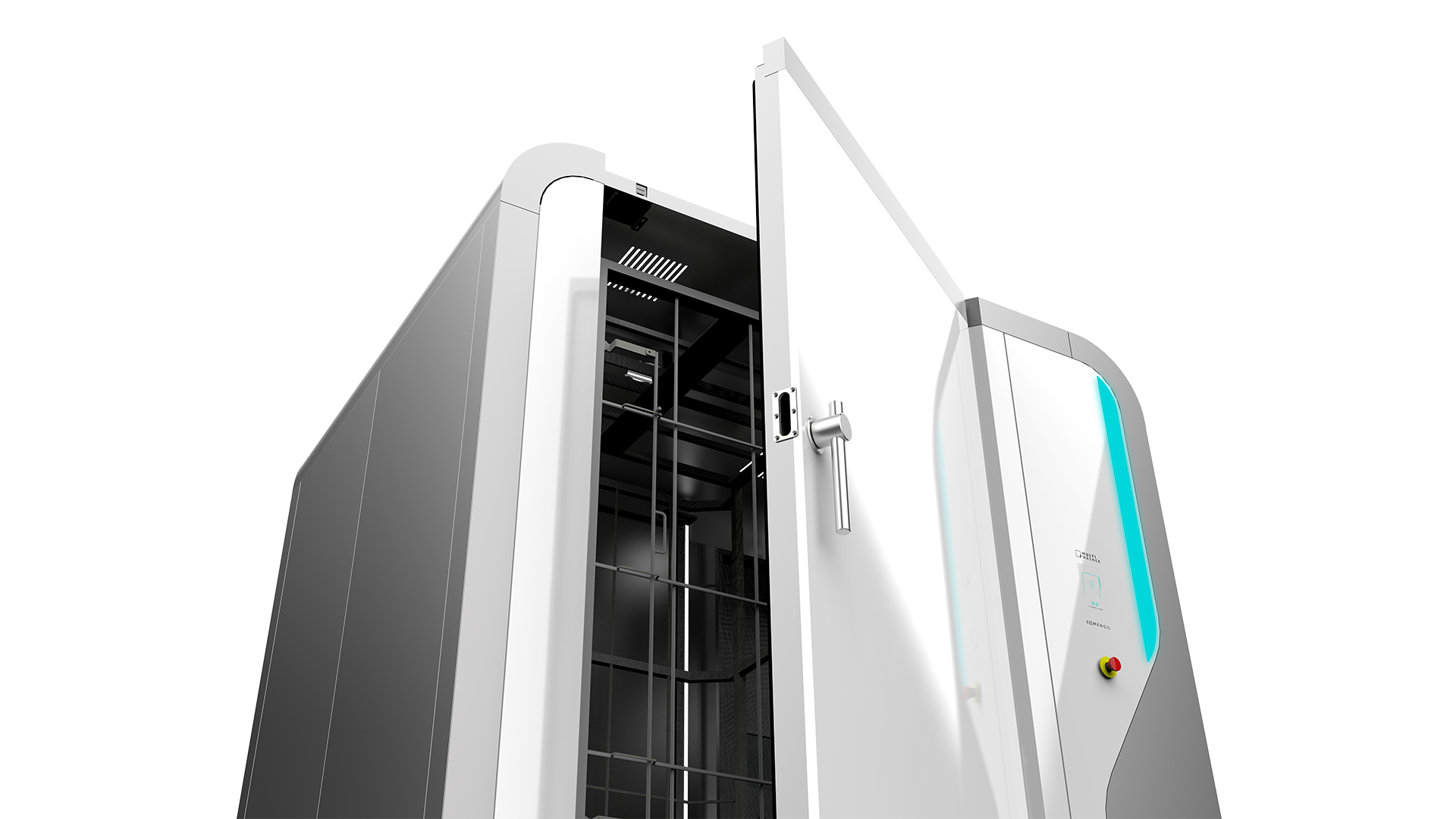
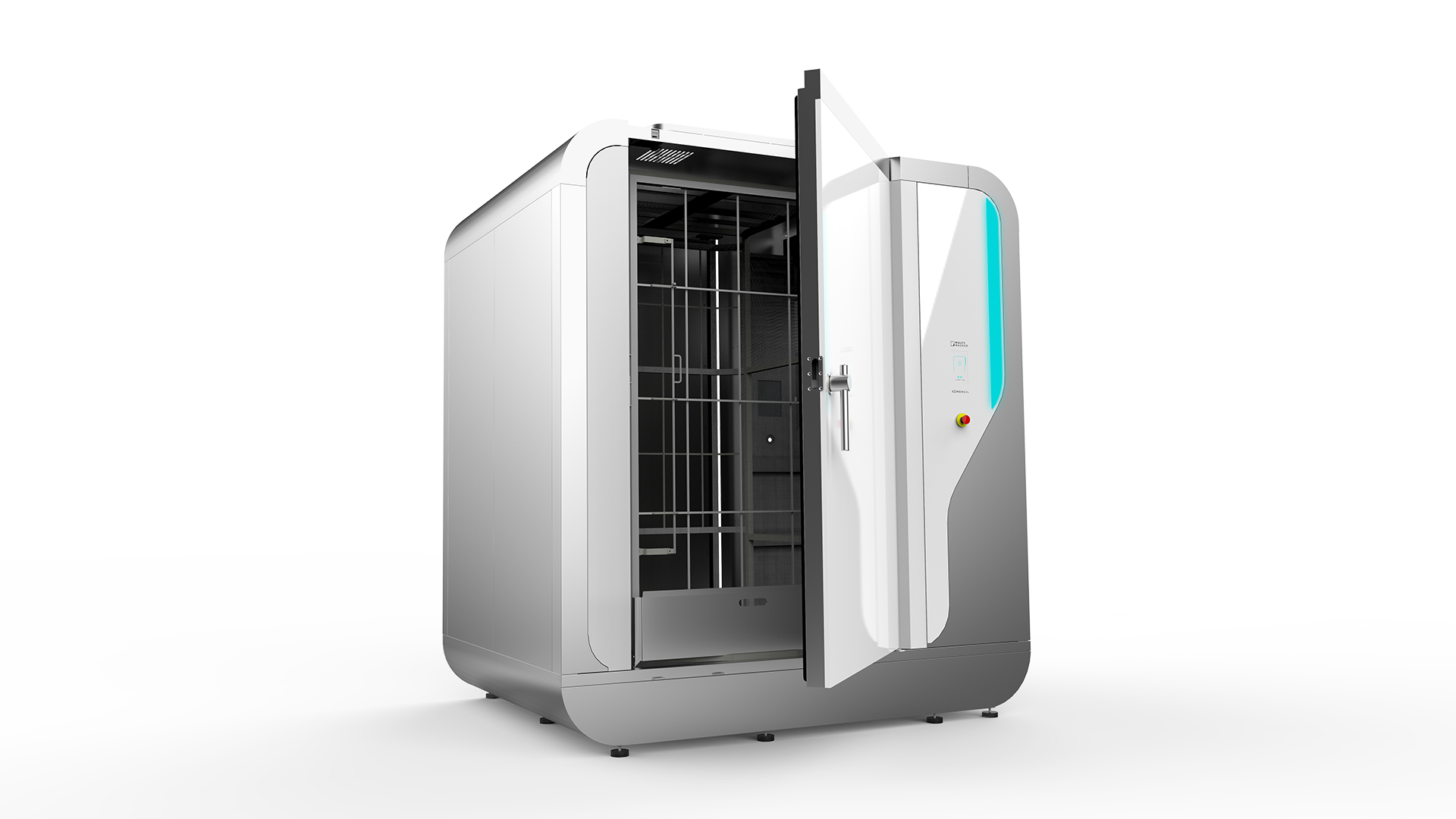
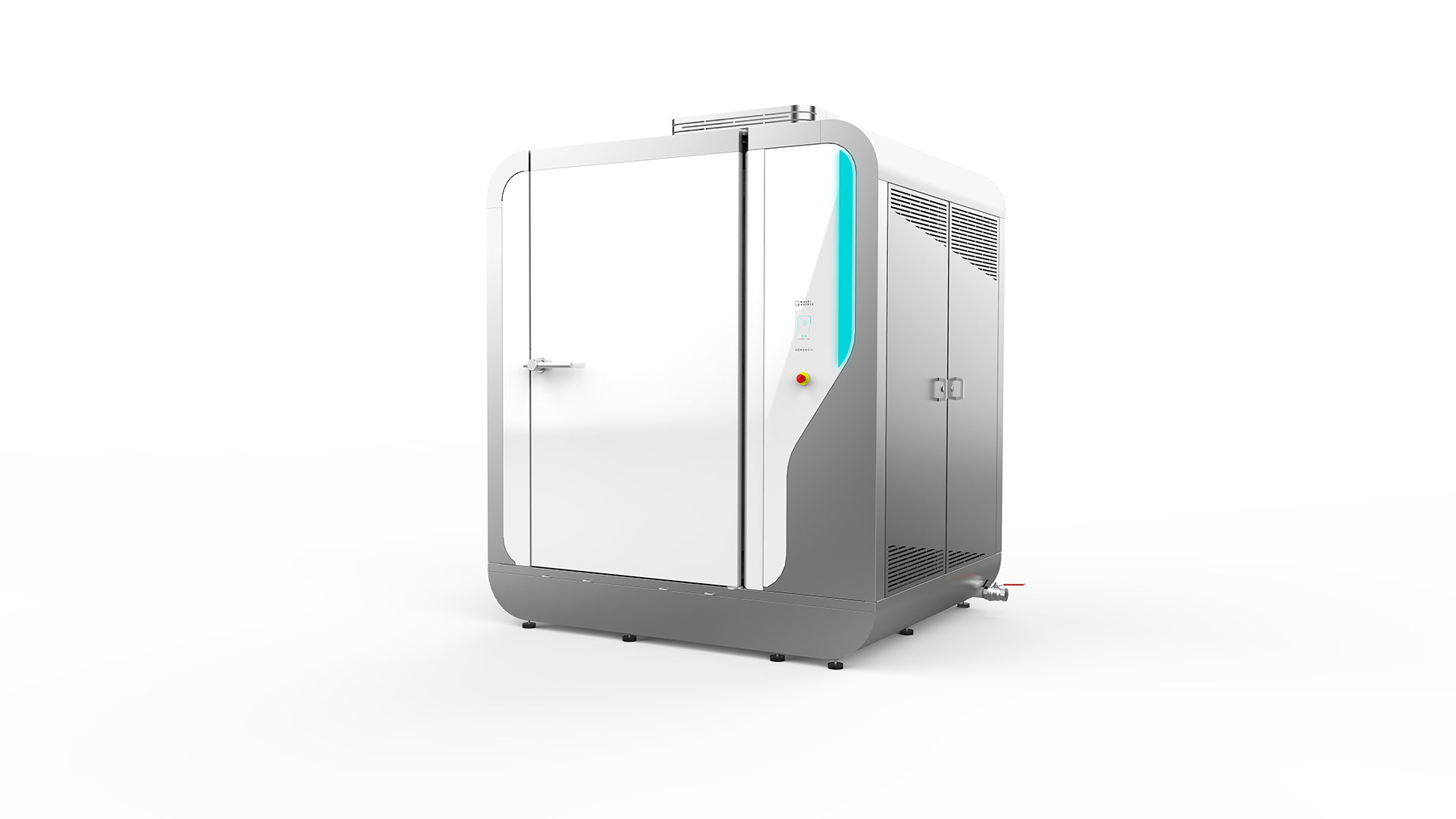
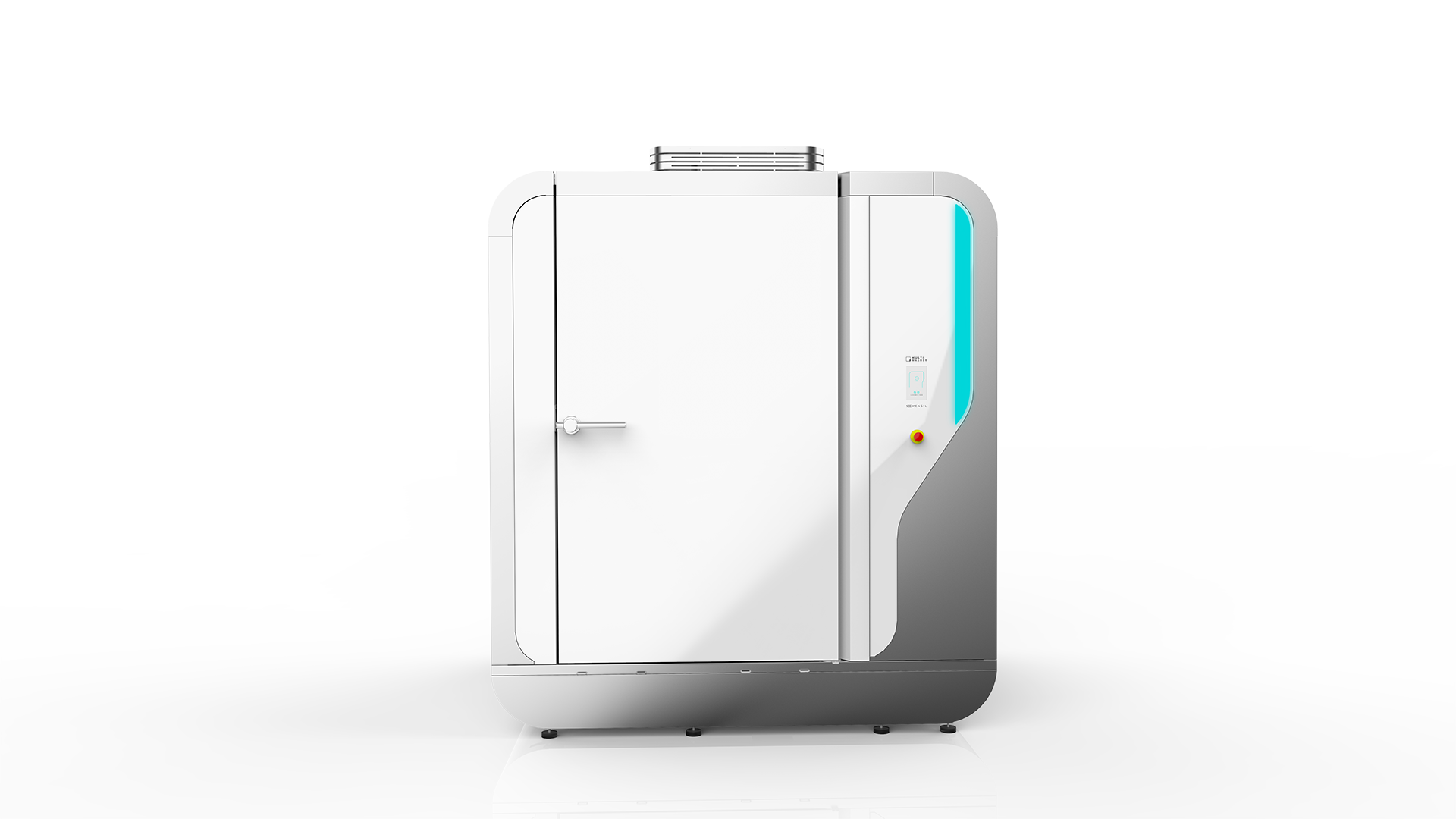
In frozen food plants, efficiency is all about flow, and MultiWasher fits naturally into that logic. It handles a wide range of items (trays, trolleys, bins, and utensils), reducing the need for multiple machines and simplifying washing across the plant.
Its flexibility is a major advantage. Adjustable cycles, temperatures, and loading options allow it to manage different levels of soiling without overprocessing, keeping equipment ready even during peak hours.
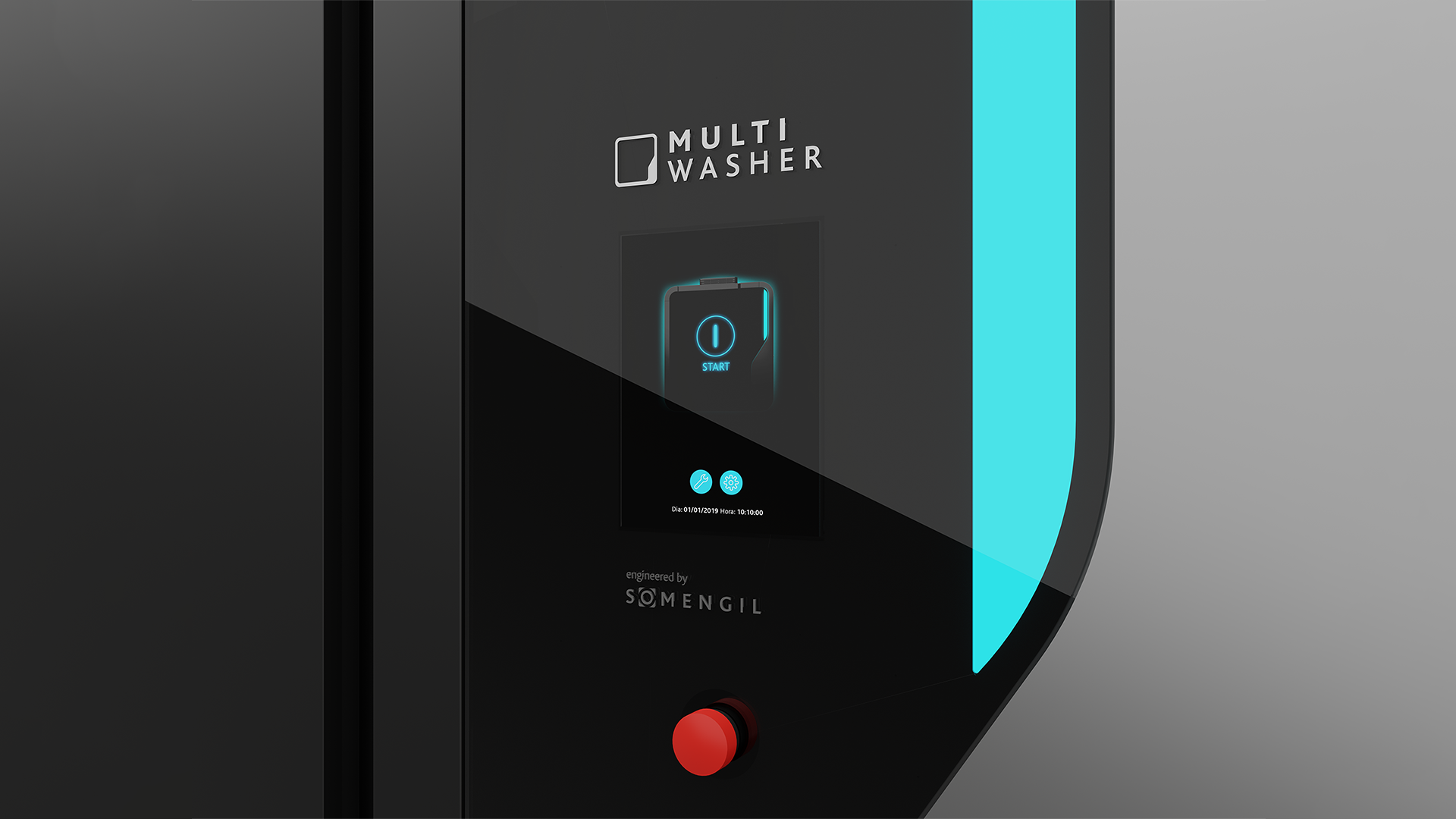
With lower water usage, optimised energy management, and predictable performance, MultiWasher turns washing into a reliable, repeatable step that supports hygiene, protects equipment, and keeps the line moving smoothly. Get in touch and see for yourself how MultiWasher is exactly what high-performing frozen food plants need.



 Portugal
 United Kingdom
 United States
 France
 Spain
Spain Germany
 Romania
 Italy
Italy Czech Republic
 Finland
 Hungary
 Slovakia
 Greece
 Lithuania
 South Korea
 Russia
 Saudi Arabia
 Poland
 Brasil
 Hebrew