Industrial washing / Articles
Theory of Constraints: the methodology that reveals where efficiency really gets lost
Discover how the Theory of Constraints reveals where efficiency is lost, and how to take control of your operations from start to finish.

 9 minutes of reading
2025-12-30 15:04:00
Think about the last time your washing line didn’t run as planned. Staff were rushing, schedules shifted, and output just didn’t meet expectations. You fixed one problem, only to see another pop up moments later. It’s frustrating, familiar, and painfully real for anyone managing operations.
The Theory of Constraints offers a different approach: instead of guessing where issues are, it shows exactly which part of your process is holding everything back, and gives you a clear path to improve it. By focusing on what really limits performance, you can make your operations more predictable and more efficient, step by step. Discover what is limiting your performance and start fixing what really matters.
What is the Theory of Constraints?
The Theory of Constraints is a management methodology built around a simple but powerful idea: every system is limited by at least one constraint. No matter how complex an operation looks, there’s always a weakest link quietly setting the pace for everything else.
Developed by Eliyahu M. Goldratt, the Theory of Constraints helps organisations stop guessing where efficiency problems might be and start identifying where performance is actually being capped. Instead of spreading effort across dozens of improvements, it asks a sharper question: what is the one thing that, if improved, would unlock the biggest gains right now?
The real advantages of the Theory of Constraints
Theory of Constraints is doing what actually works, where it counts. When applied well, it changes how decisions are made, how teams align, and how results show up on the floor and on the balance sheet.
Clear priorities in complex operations
Theory of Constraints pinpoints what truly limits performance. Teams know exactly where to focus their time and energy, especially when everything feels urgent.
Faster, more visible performance gains
By concentrating improvements on the constraint, results tend to appear quickly. Shorter lead times, higher throughput, and fewer bottlenecks become early wins that build momentum and credibility.
Better use of existing assets
Theory of Constraints frequently reveals that capacity isn’t the real issue. Alignment is. Many organisations unlock significant gains without new investments, simply by ensuring critical resources spend more time doing value-adding work.
More flow
When the constraint is managed deliberately, work stops piling up in the wrong places. This reduces last-minute interventions, expediting, and constant schedule changes, making daily operations calmer and more predictable.
Decisions grounded in system impact
Theory of Constraints reframes decision-making around one key question: does this improve overall throughput? That shift helps leaders avoid local optimisations that look good in isolation but slow the system as a whole.
A practical path to continuous improvement
Theory of Constraints creates a repeatable improvement cycle that evolves with the operation. One constraint at a time, always grounded in real-world conditions.
Examples of constraints in industrial washing
In industrial washing, constraints rarely announce themselves. They show up as delays, workarounds and “temporary” fixes that become permanent. Below are some of the most common ones, recognisable to anyone who works close to the operation.
Limited washer capacity at peak times
When incoming volumes exceed what the washer can handle, everything upstream slows down. Pallets, bins or containers start queuing, shifts get extended, and priorities change on the fly. Even if the rest of the line has spare capacity, throughput is capped by how many units the washer can process per hour.
Long or inconsistent wash cycles
Wash programmes that are longer than necessary (or vary from load to load) create unpredictability. Planning becomes harder, output fluctuates, and downstream processes wait. Often, the issue isn’t standards, but a lack of optimisation or standardisation in cycle settings.
Manual loading and unloading
When operators spend excessive time loading, unloading or repositioning items, the washer sits idle more than it should. This human–machine imbalance is a classic constraint: the equipment has capacity, but it can’t be used continuously.
Drying as an afterthought
Washing may be fast, but if drying takes too long (or happens off-line) washed items accumulate without being usable. The result is space congestion, double handling and pressure to release items before they’re fully dry, increasing risk and rework.
Downtime caused by reactive maintenance
Unexpected stops due to blocked nozzles, pump failures or sensor faults instantly turn the washer into the system constraint. Without preventive or predictive maintenance, availability drops, and throughput follows.
Changeovers between formats or contamination levels
Switching between different pallet sizes, containers or hygiene requirements often means reconfiguring or resetting programmes. If these changeovers are frequent and poorly managed, they erode productive time.
Shortage of trained operators
Even with automated systems, a lack of trained staff can limit output. When only a few people know how to adjust programmes, troubleshoot alarms or perform basic checks, the operation slows whenever they’re unavailable.
Applying the Theory of Constraints: a practical, step-by-step approach
The goal is to improve the one point that truly limits performance and then repeat the process with discipline.
1. Identify the real constraint
Start by observing where work consistently queues, waits or slows down. Look for the step that dictates the pace of the entire operation, not the one that causes the most noise. Data helps, but so do people on the floor. They usually know exactly where time is being lost.
2. Validate it with flow
Confirm the constraint by tracking throughput, waiting time and utilisation across the process. The true constraint is the point where demand exceeds capacity most often. If improving another area doesn’t increase output, you’re looking in the wrong place.
3. Exploit the constraint fully
Make sure the constraint works only on value-adding tasks and as continuously as possible. Eliminate idle time, unnecessary changeovers, rework and micro-stoppages. Small adjustments here often deliver disproportionate gains.
4. Align everything else to support it
Adjust upstream and downstream processes to protect the constraint. This may mean slowing down non-critical steps, changing schedules, or releasing work differently. It can feel counterintuitive, but the goal is system flow, not local efficiency.
5. Protect the constraint from disruption
Prioritise maintenance, quality checks and operator availability at the constraint. A few minutes of downtime here can cost hours elsewhere. Treat it like the heartbeat of the operation, because it is.
6. Increase the constraint’s capacity deliberately
Only after exploitation and alignment should you consider adding capacity. This could involve parallel processing, automation, tooling changes or targeted investment. The decision is now informed.
7. Measure success through throughput
Shift performance reviews away from utilisation and local KPIs. Focus on output, lead time and stability. If throughput increases without chaos, the step worked.
8. Re-evaluate and repeat the process
Once the constraint is broken, another will emerge. You may think it’s a setback, but it’s progress. Return to the first step and apply the same logic again, keeping improvement focused and continuous.
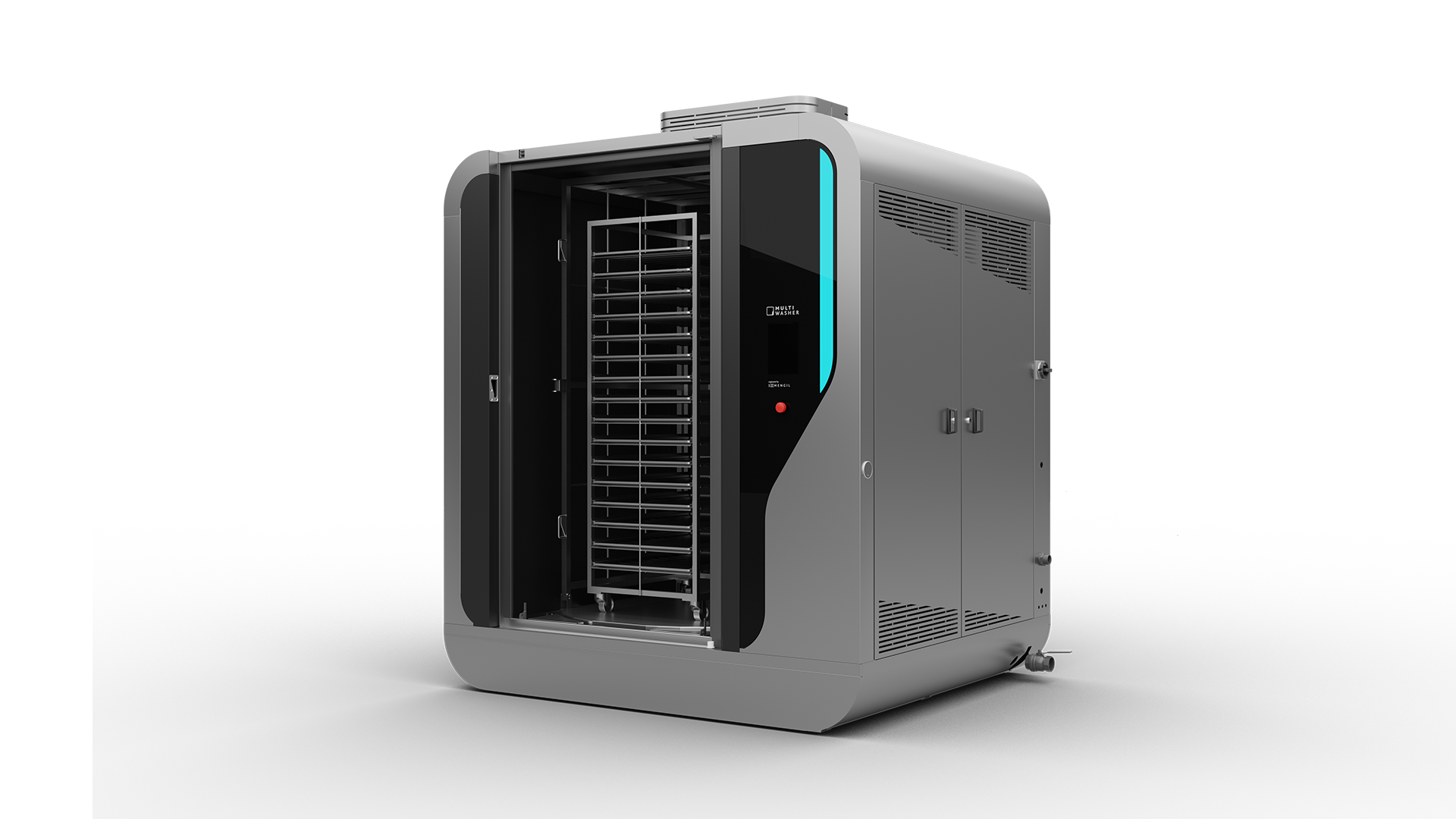
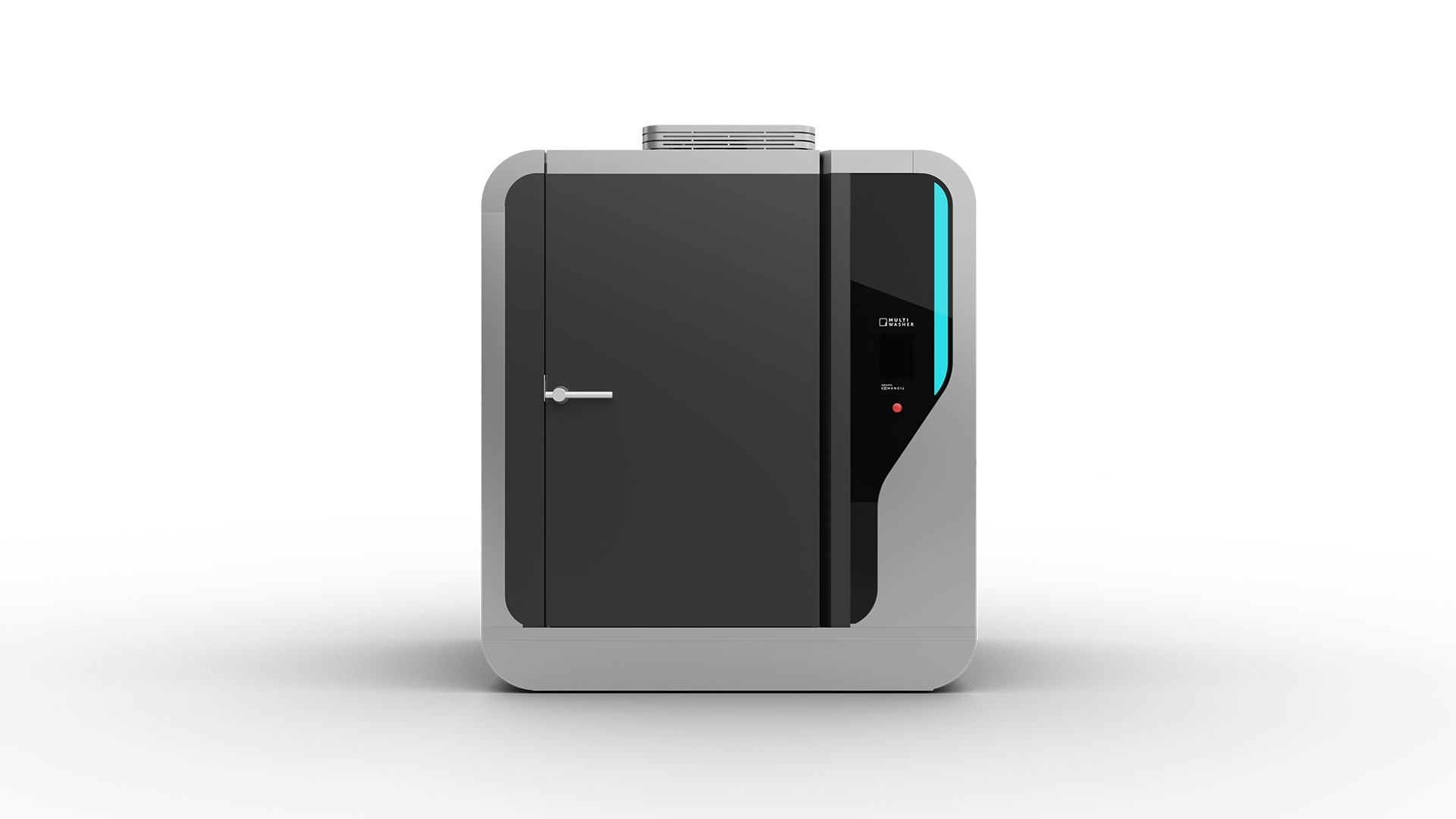
MultiWasher as your efficiency enabler
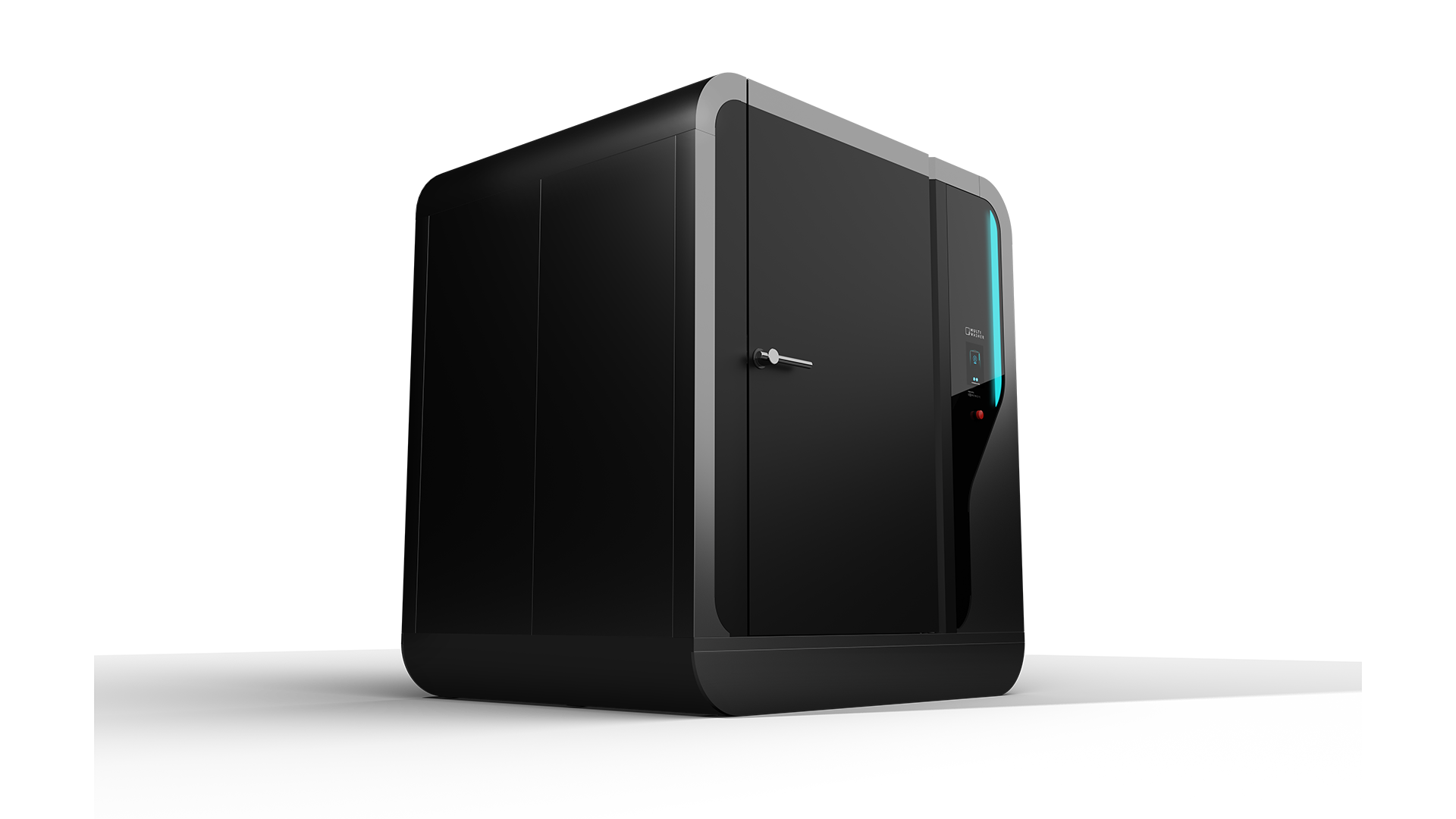
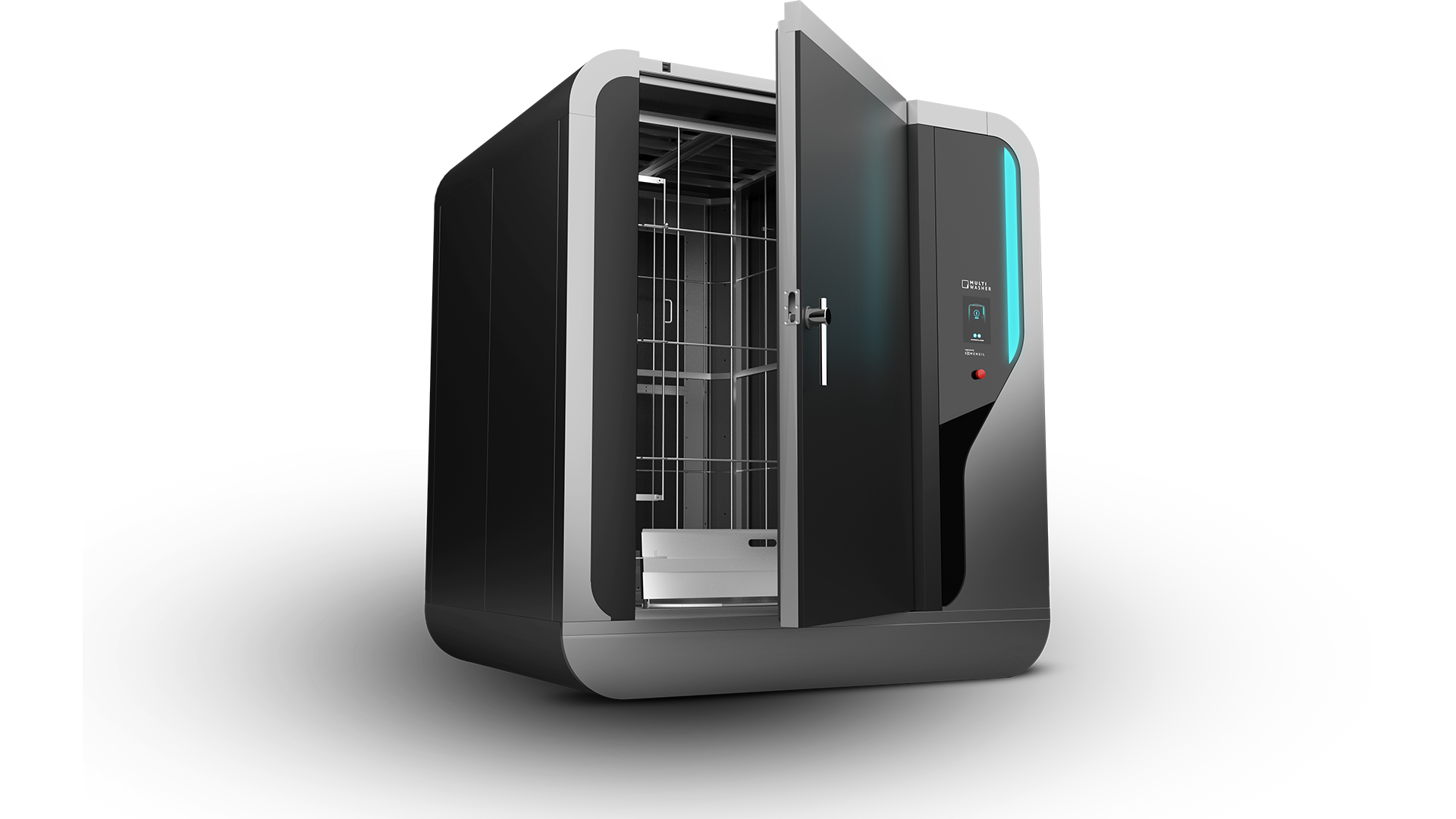
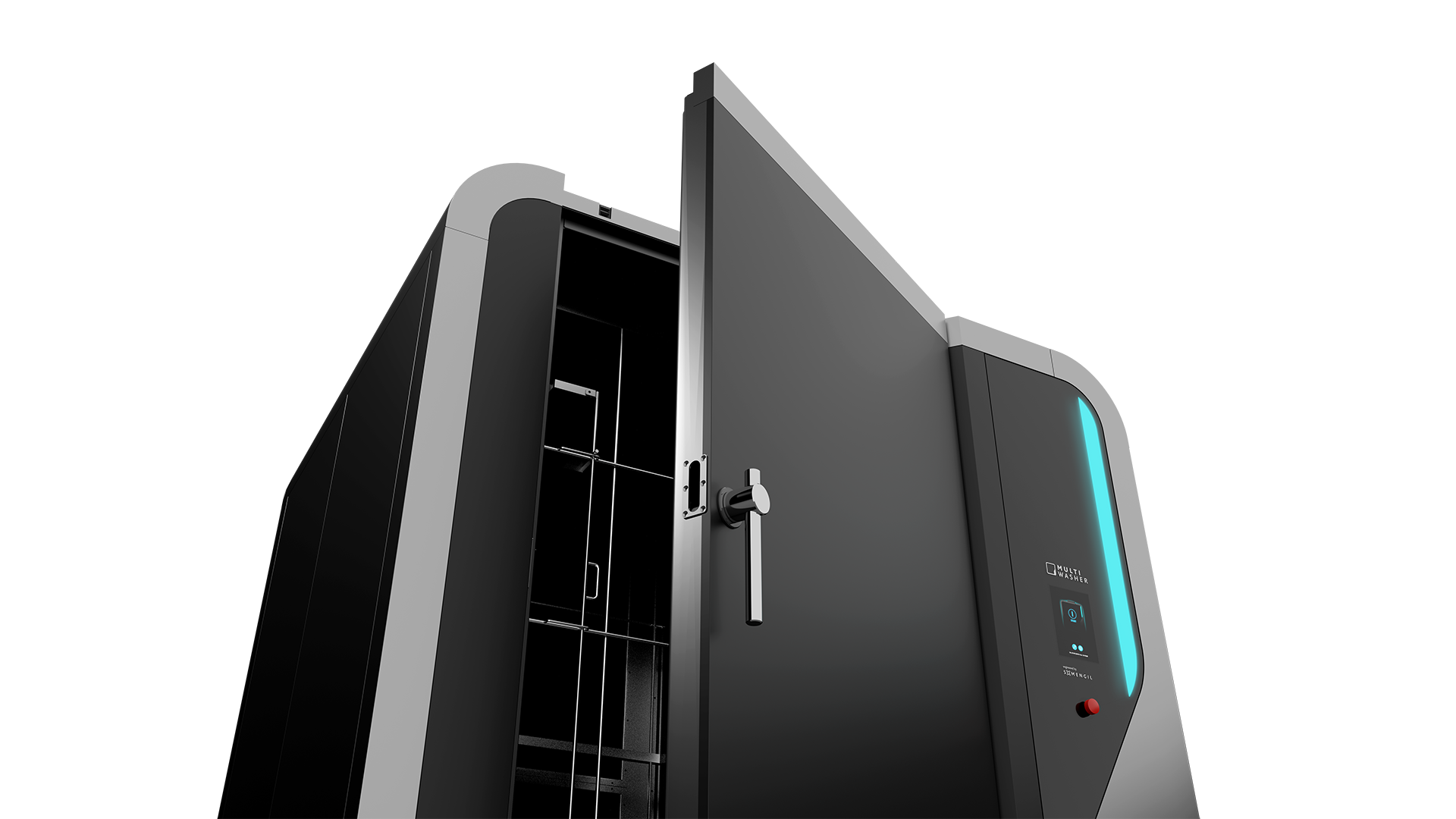
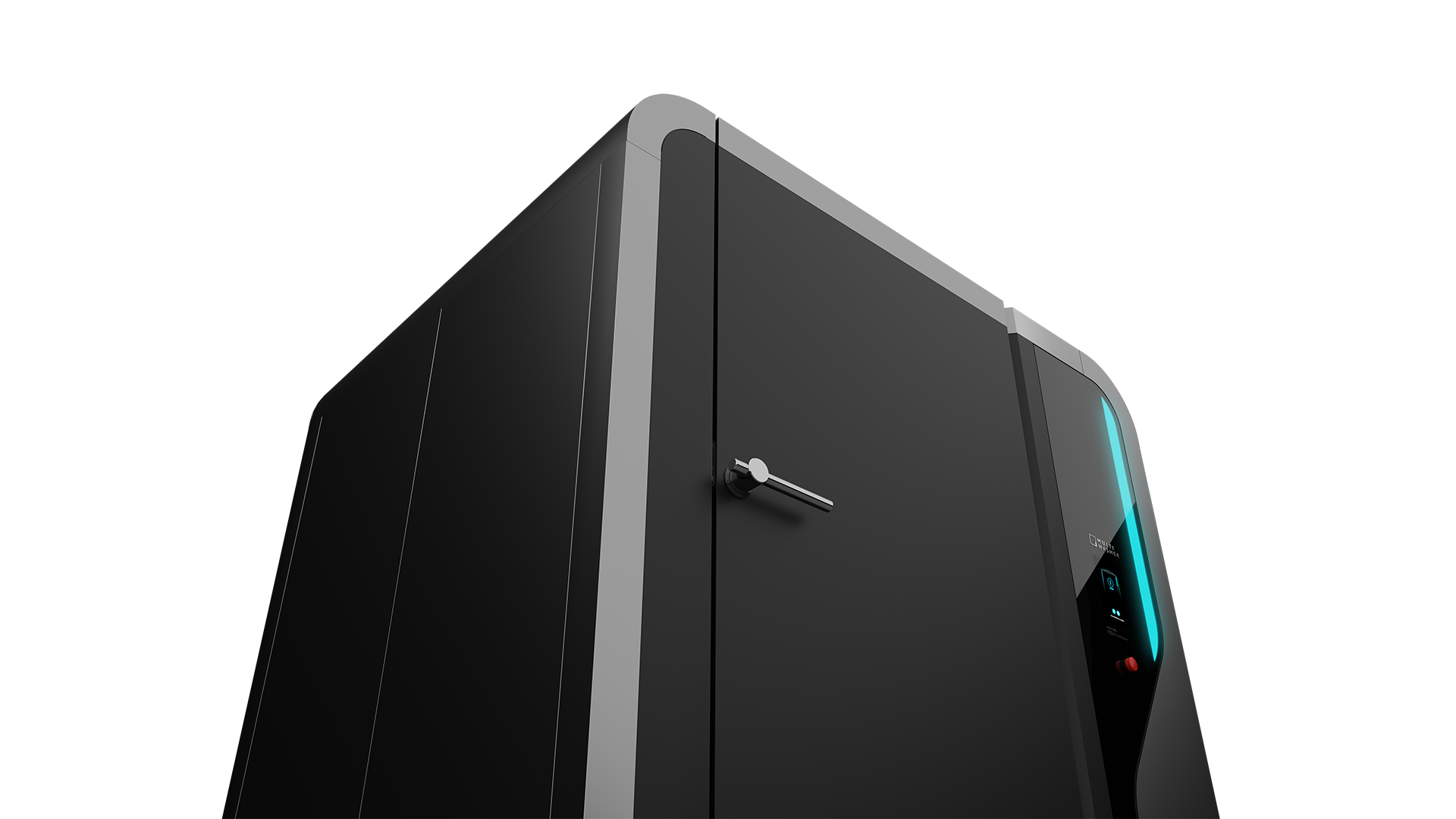
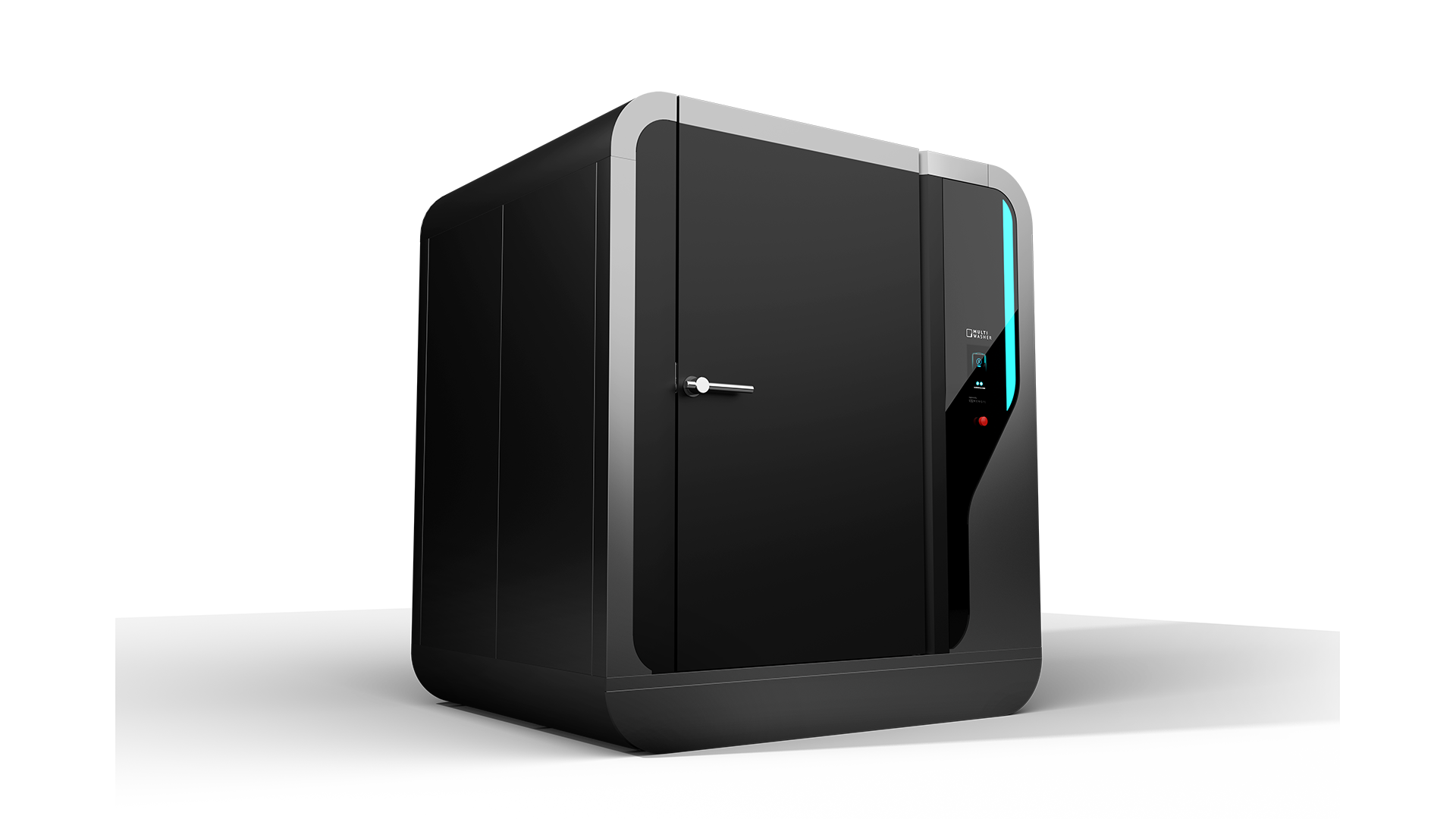
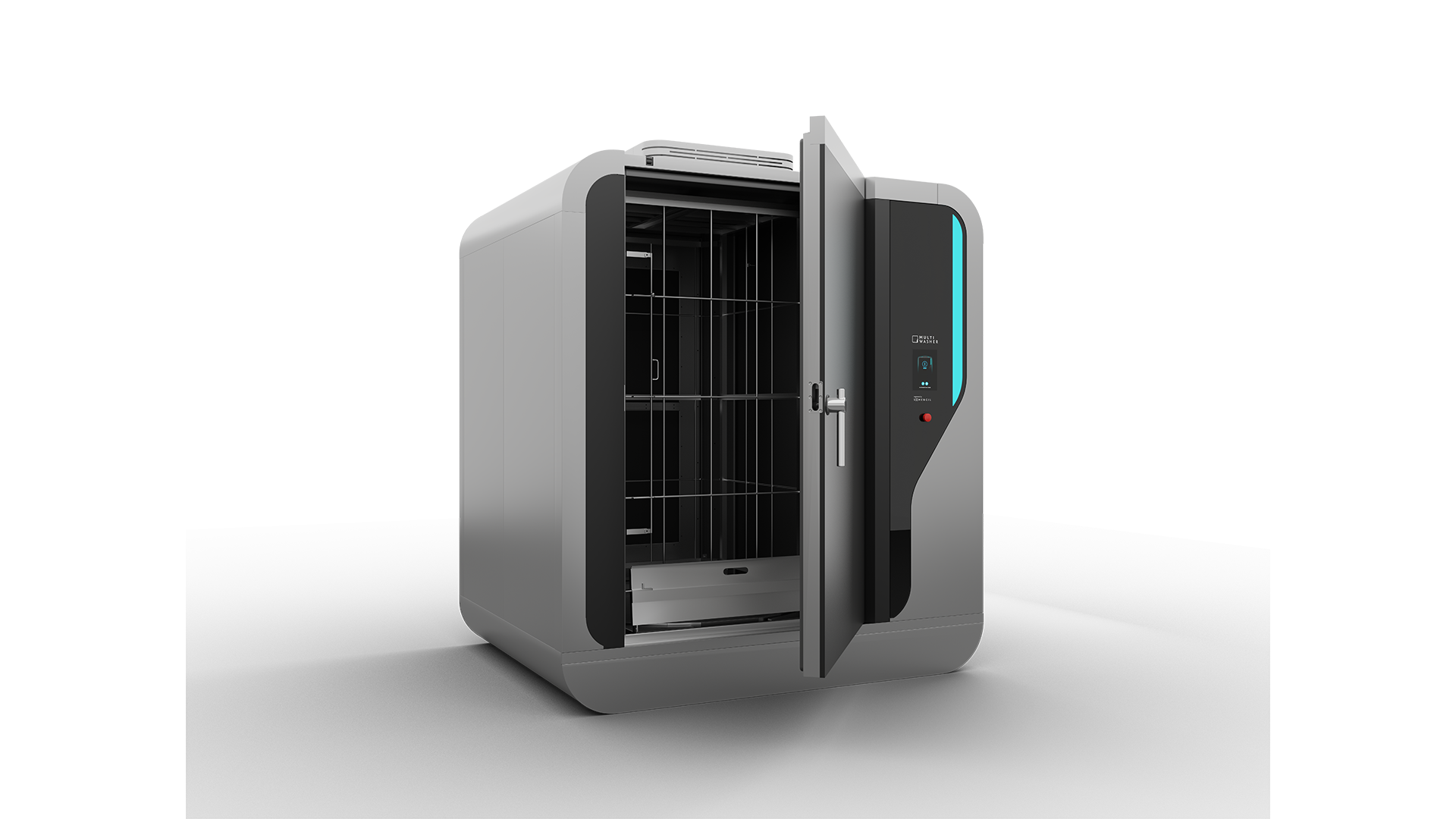
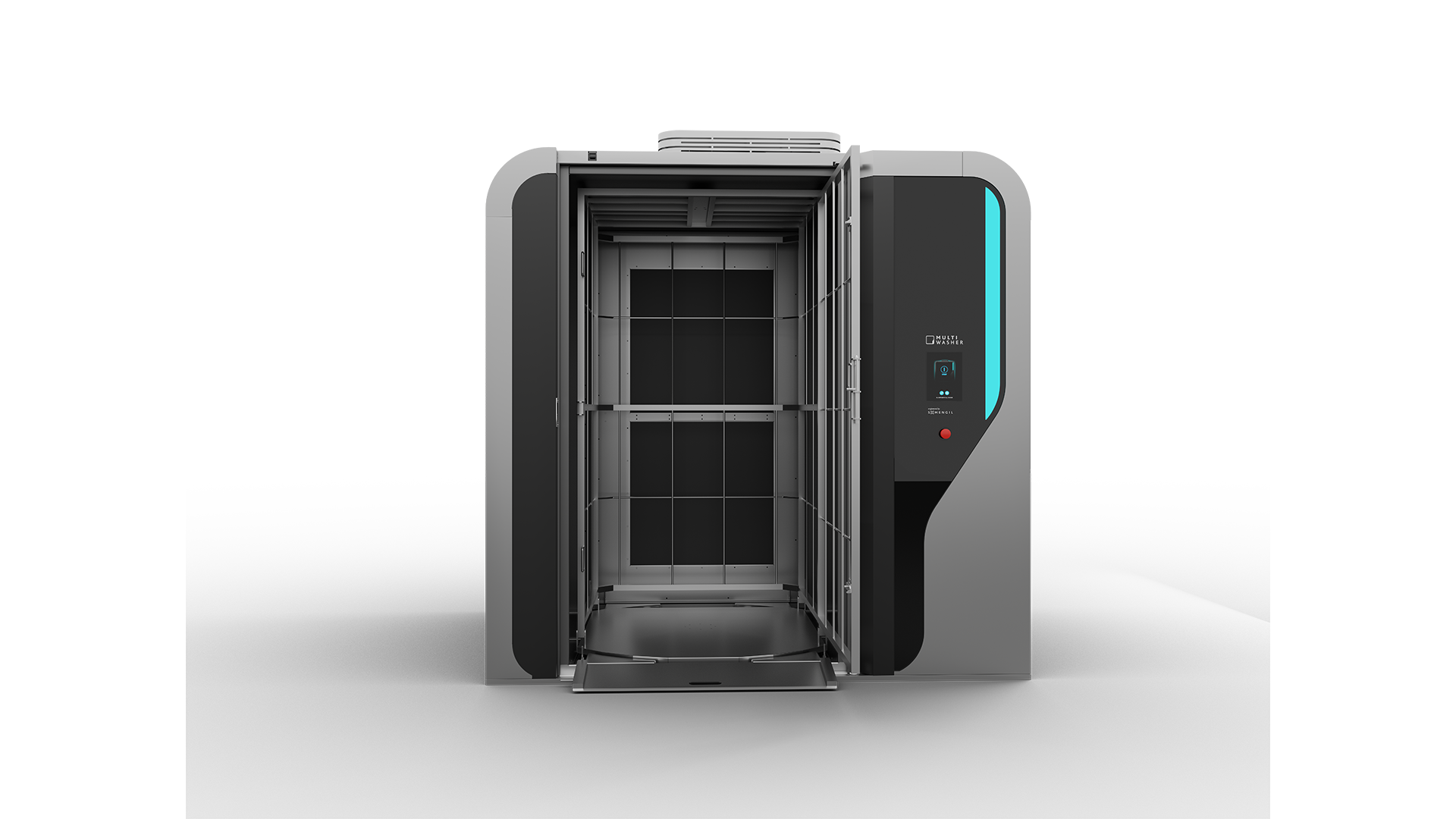
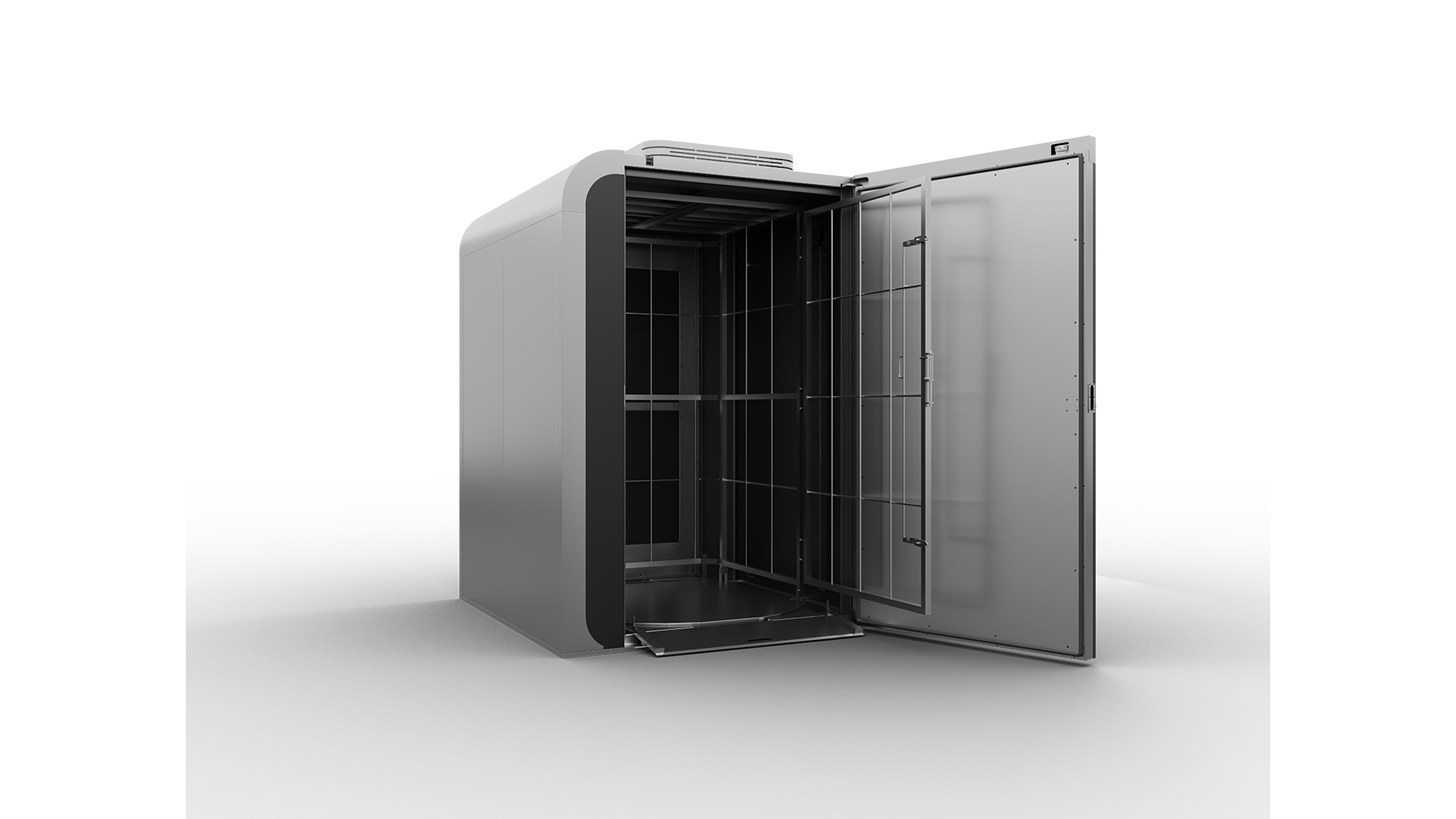
The Theory of Constraints shows where efficiency is being lost, but the MultiWasher takes it a step further. With its intelligent monitoring, automated alerts, and data-driven insights, it ensures the constraint is controlled before it slows down your operation.
Its features, like real-time monitoring, predictive maintenance alerts, consistent cycle performance, and precise control over wash parameters help prevent common tailbacks, such as overloading, long cycles or drying delays. This means your production flow remains predictable and optimised. Get in touch and make sure that potential constraints never turn into actual delays.
You may also like


Industrial washing / Articles
Trolley washer: how to choose the best one for your business
Save time, water and energy with the right trolley washer for your business. This is what to keep in mind.
Posted in 2024-10-17

Industrial washing / Articles
Tony Ventura in an exclusive interview
New challenges, emerging technologies and a planet that needs everyone’s input.
Posted in 2023-08-04














 Portugal
 United Kingdom
 United States
 France
 Spain
Spain Germany
 Romania
 Italy
Italy Czech Republic
 Finland
 Hungary
 Slovakia
 Greece
 Lithuania
 South Korea
 Russia
 Saudi Arabia
 Poland
 Brasil
 Hebrew