Industrial washing / Articles
Meat industry washer: your key to safer, smarter meat processing
Learn what meat industry washers are and when they become a critical investment for hygiene and efficiency.
 8 minutes of reading
2025-09-16 14:09:31
You don’t expect catastrophe to walk through the doors of a deli. In the spring of 2024, the Boar’s Head plant in Jarratt, Virginia, became ground zero for a brutal listeria outbreak that claimed ten lives and hospitalized scores more. Inspectors later revealed that meat residue, mold, blocked drains, and staff hygiene lapses had become the norm, not the exception. This horror story is a stark reminder of what’s really at stake when you talk about meat industry washers. Discover signs you may need a meat industry washer and how to choose the perfect fit for your operations.
What is a meat industry washer?
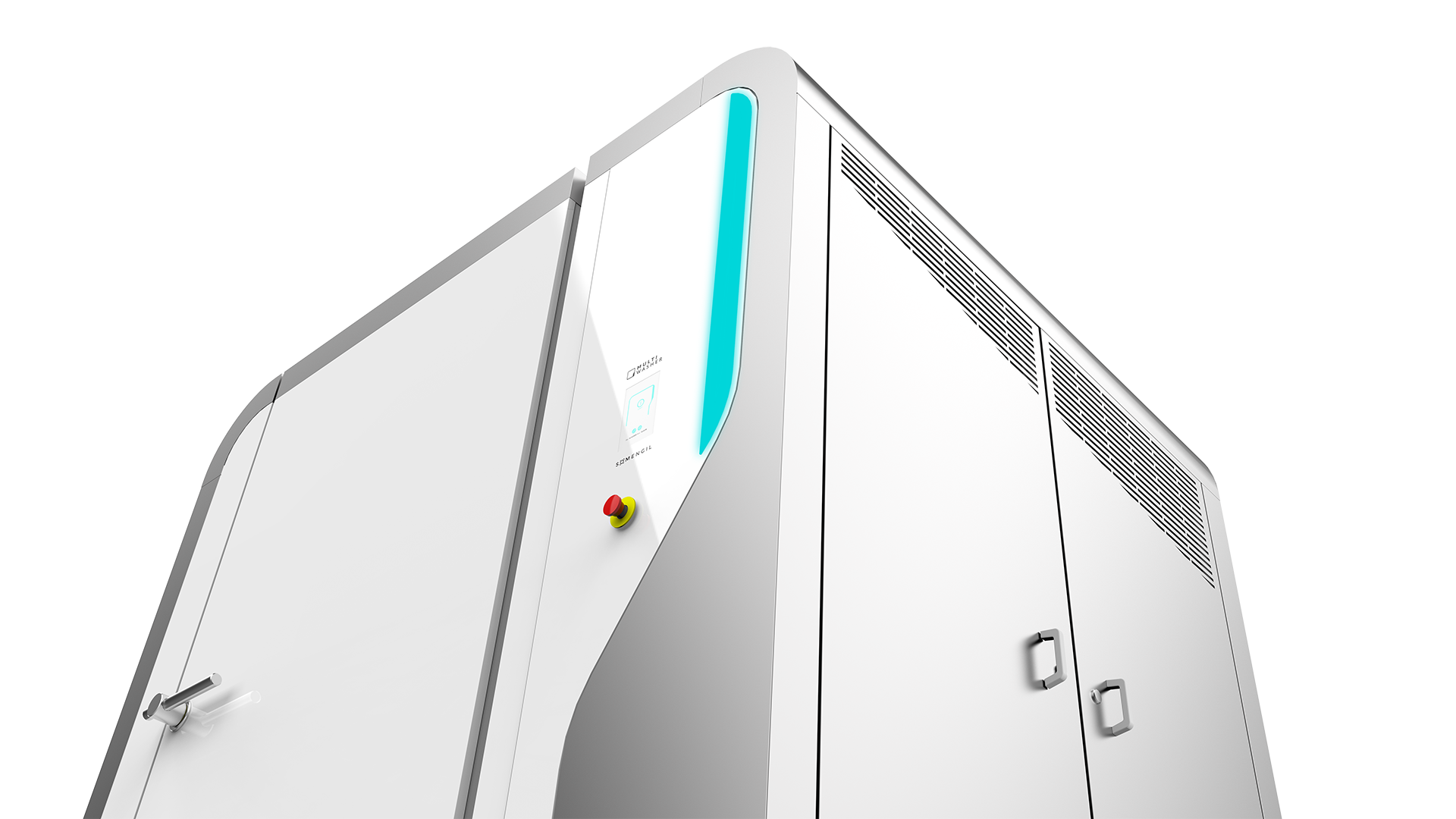
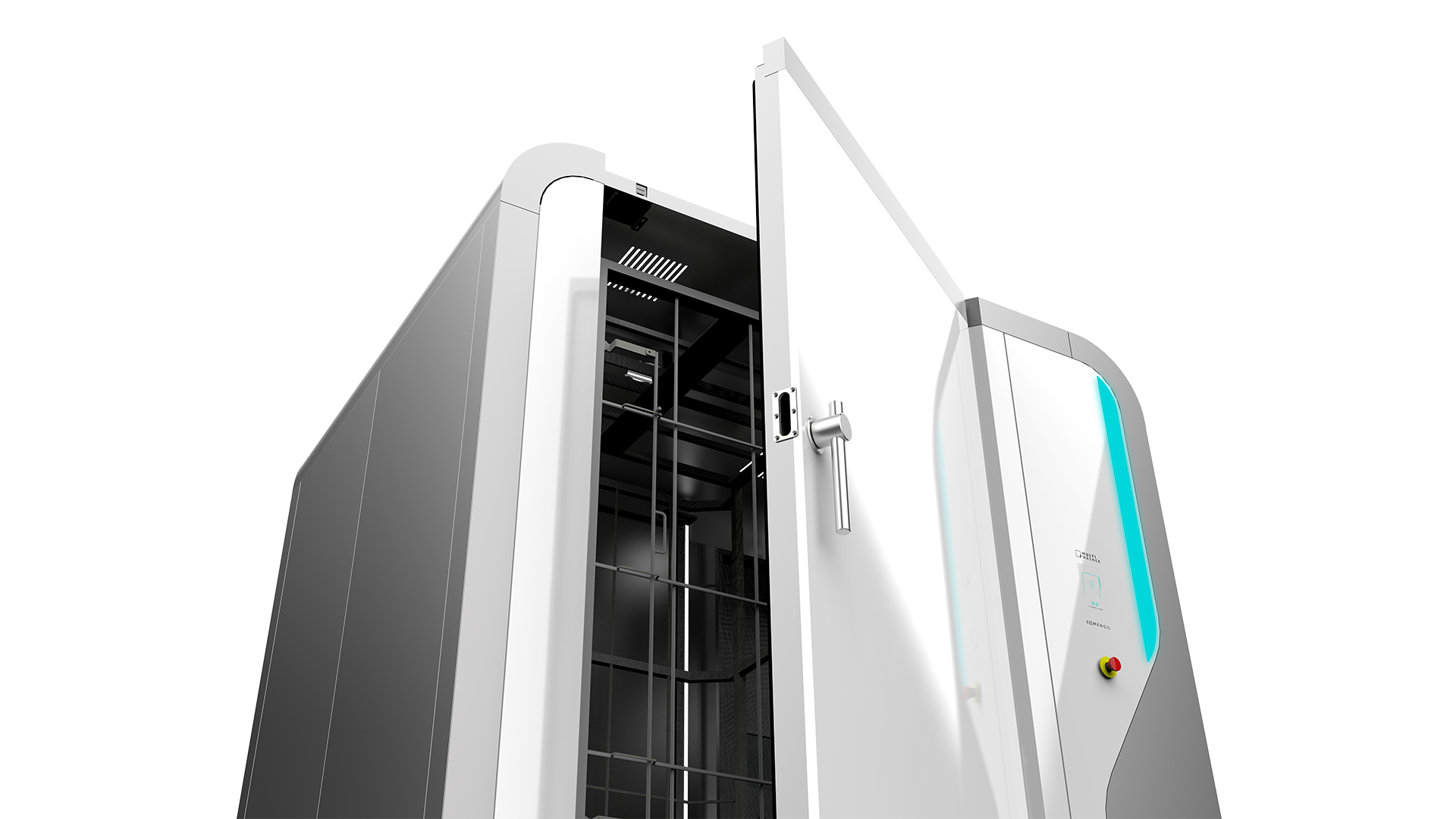
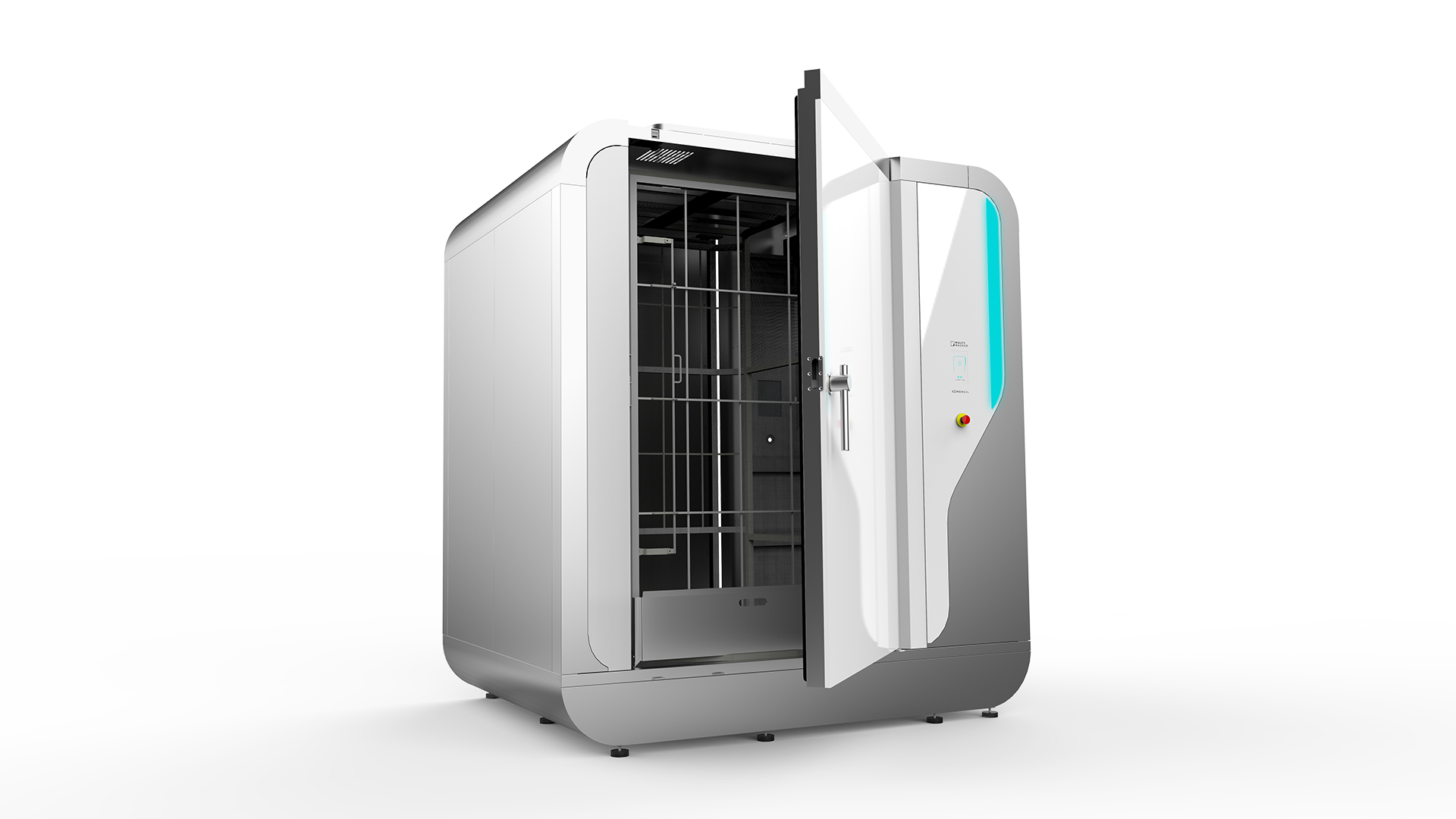
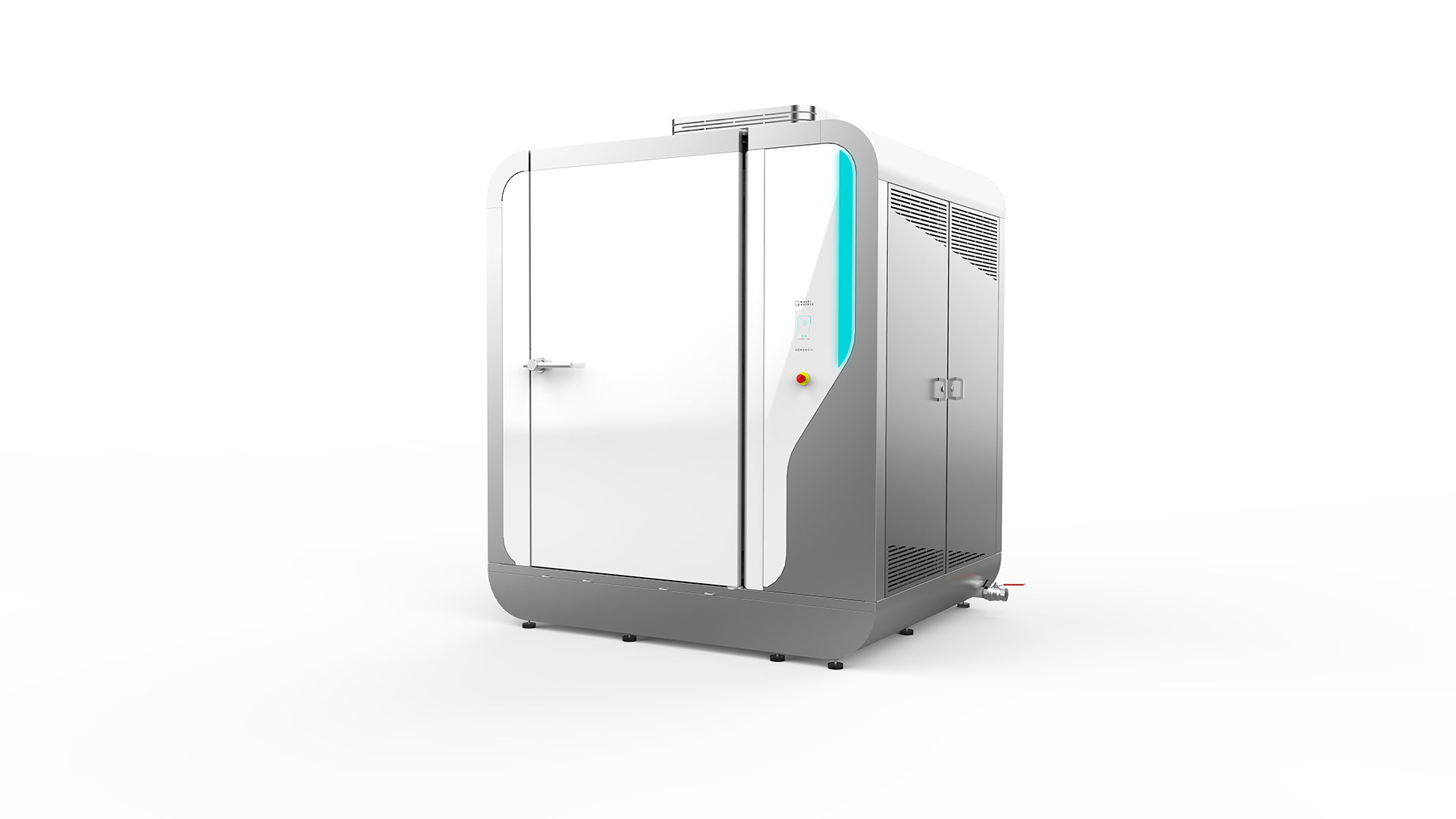
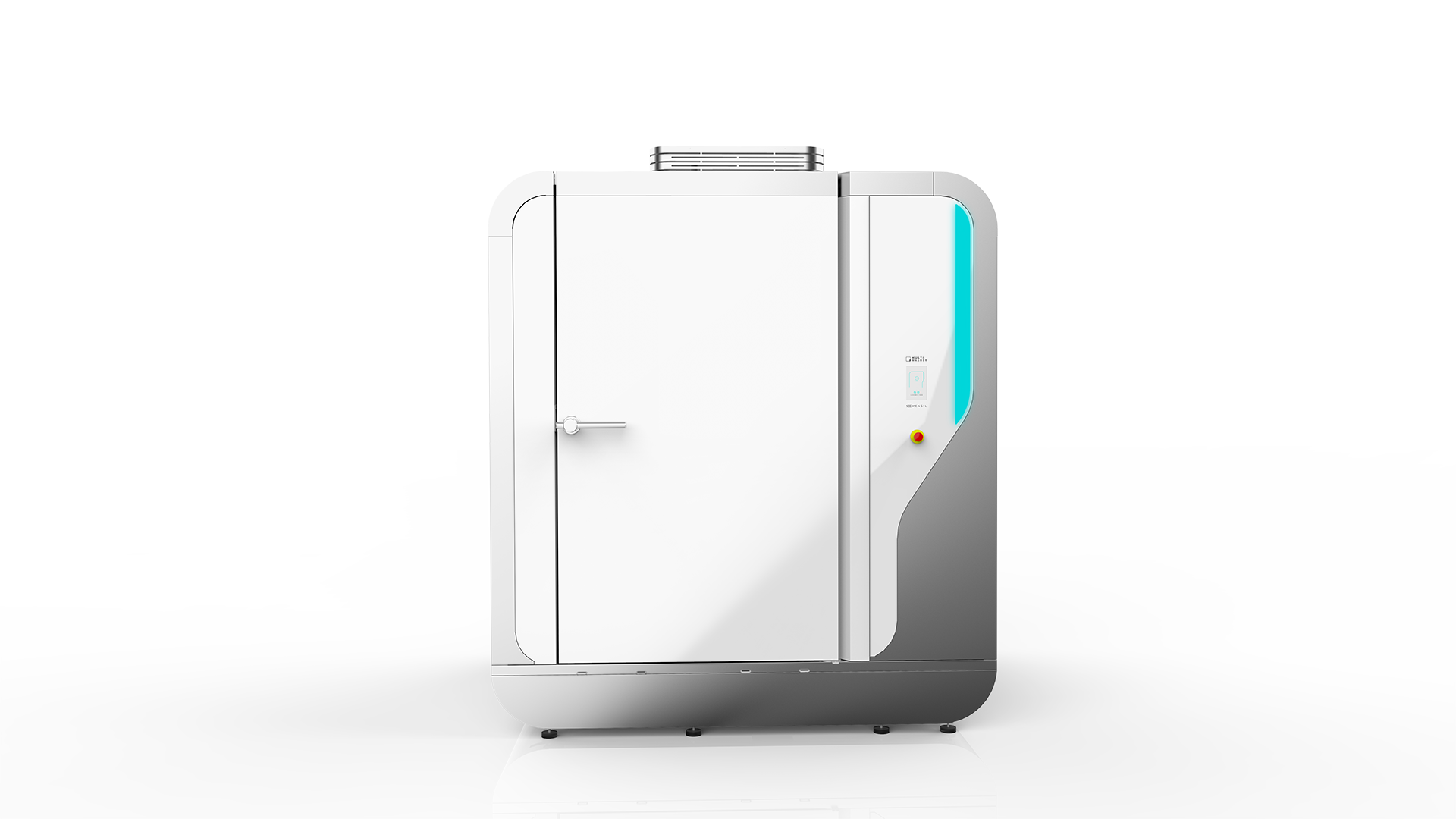
Simply put, a meat industry washer is a specialized industrial washing system designed to sanitize equipment, trays, knives, hooks, containers, and other tools used in meat processing.
Unlike standard washing methods, these machines use calibrated wash cycles, high temperatures, and automated processes to eliminate bacteria and reduce human error. The result is consistent, validated hygiene across every wash, which is something manual methods can’t guarantee.
Advantages of meat industry washers
The real power of a meat industry washer lies in its ability to turn hygiene from a weak point into a competitive advantage.
1. Hygiene you can prove
It’s not enough to say you wash. It must stand up to audits and inspections. Washers provide documented, repeatable results that align with strict industry hygiene standards.
2. Efficiency that pays back
Automated washing drastically cuts labour hours while saving up to two-thirds of the water and 70% of detergents compared to traditional washing. That’s less manual scrubbing, fewer re-washes, and lower bills.
3. Protection against risks
Every contaminated batch threatens recalls, fines, or worse. Washers minimize that risk by eliminating pathogens at the source, before they can spread through your production line.
Signs you might need a meat industry washer
If any of these signs sound familiar, it could be time to consider a dedicated washer.
1. Hygiene results that feel uncertain
If you’re never fully confident equipment is 100% sanitized, neither will auditors or customers. That constant doubt is a clear sign you need consistency and traceability that only automated washing cycles can guarantee.
2. Washing takes too long
When more hours are spent scrubbing than producing, your operation is bleeding efficiency. A washer transforms washing from a time drain into a streamlined process.
3. Rising costs in water, detergent, and labour
Manual methods are slow and wasteful. If water bills, chemical use, or overtime hours keep climbing, a washer can cut those costs drastically while improving results.
4. Equipment wearing out too fast
Excessive scrubbing, harsh chemicals, and inconsistent washing shorten the lifespan of tools, trays, and containers. Washers protect your investment with cycles that are thorough on bacteria but gentle on materials.
Choosing the right meat industry washer: what to look for before you buy
How do you know which washer is right for your operation? Let’s break it down into practical steps.
1. Match capacity to reality
Don’t just think about today’s needs. Consider your peak production periods and future growth. A washer that feels “big enough” now may become a bottleneck in two years. Always choose with scalability in mind.
2. Check hygiene validation standards
Look for machines that reach high temperatures and are designed to eliminate pathogens effectively. Ask suppliers about their certification process.
3. Prioritize resource efficiency
A washer should save water, energy, and detergent without compromising performance. Advanced filtration, smart dosing, and heat recovery systems can reduce costs dramatically over time. Remember: lower operational costs are just as important as the purchase price.
4. Evaluate ergonomics and usability
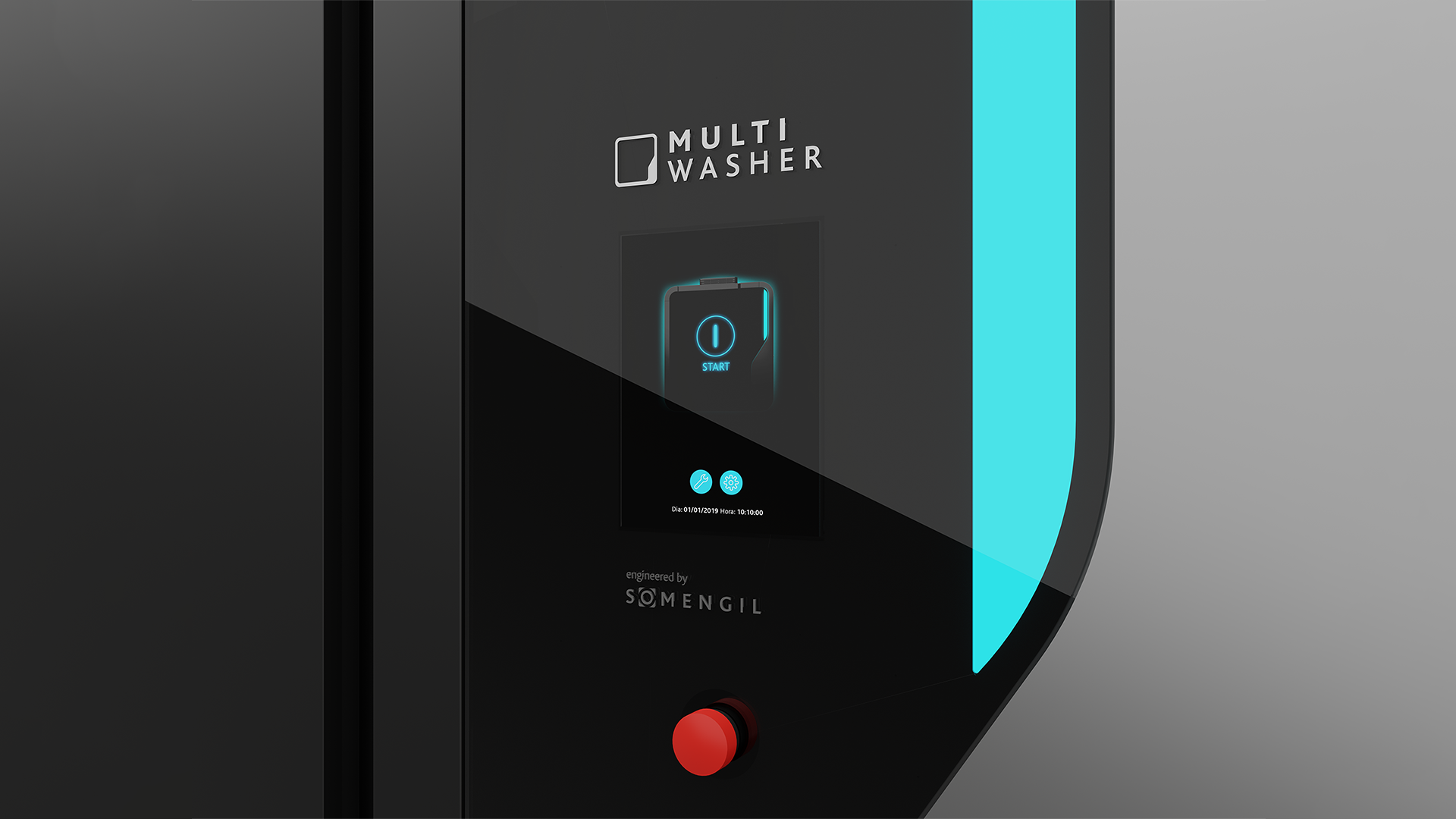
Your team will use this machine every day. Intuitive controls, easy loading systems, and ergonomic design reduce human error and improve productivity. A washer that frustrates operators will always underperform.
5. Calculate the Total Cost of Ownership (TCO)
The purchase price is only part of the story. Energy, water, chemicals, spare parts, and downtime all add up. Evaluating the total cost of ownership over 5–10 years paints a clearer picture of real value.
6. Test service and support
Even the most advanced washer will need maintenance. Before buying, check the manufacturer’s service network, spare parts availability, and response times. Good after-sales support is the safety net you’ll thank yourself for later.
FAQs on meat industry washers
Below we answer the most common questions about meat industry washers.
1. How do washers influence product shelf life?
A properly calibrated washer reduces cross-contamination risks that can accelerate spoilage. Washer tools and containers mean fresher meat for longer, which extends shelf life and reduces waste down the supply chain.
2. Can a meat industry washer adapt to different types of carts and loads?
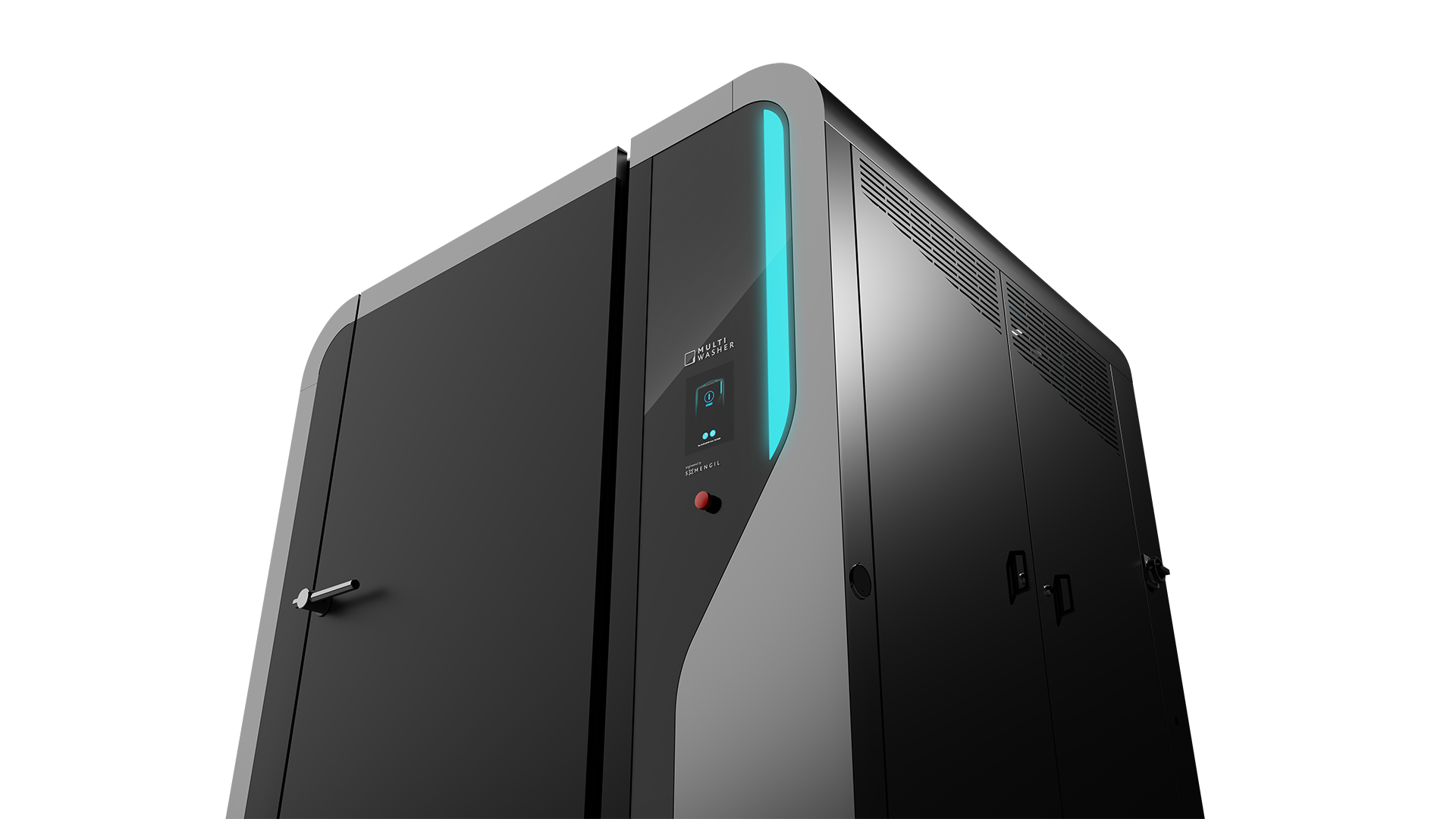
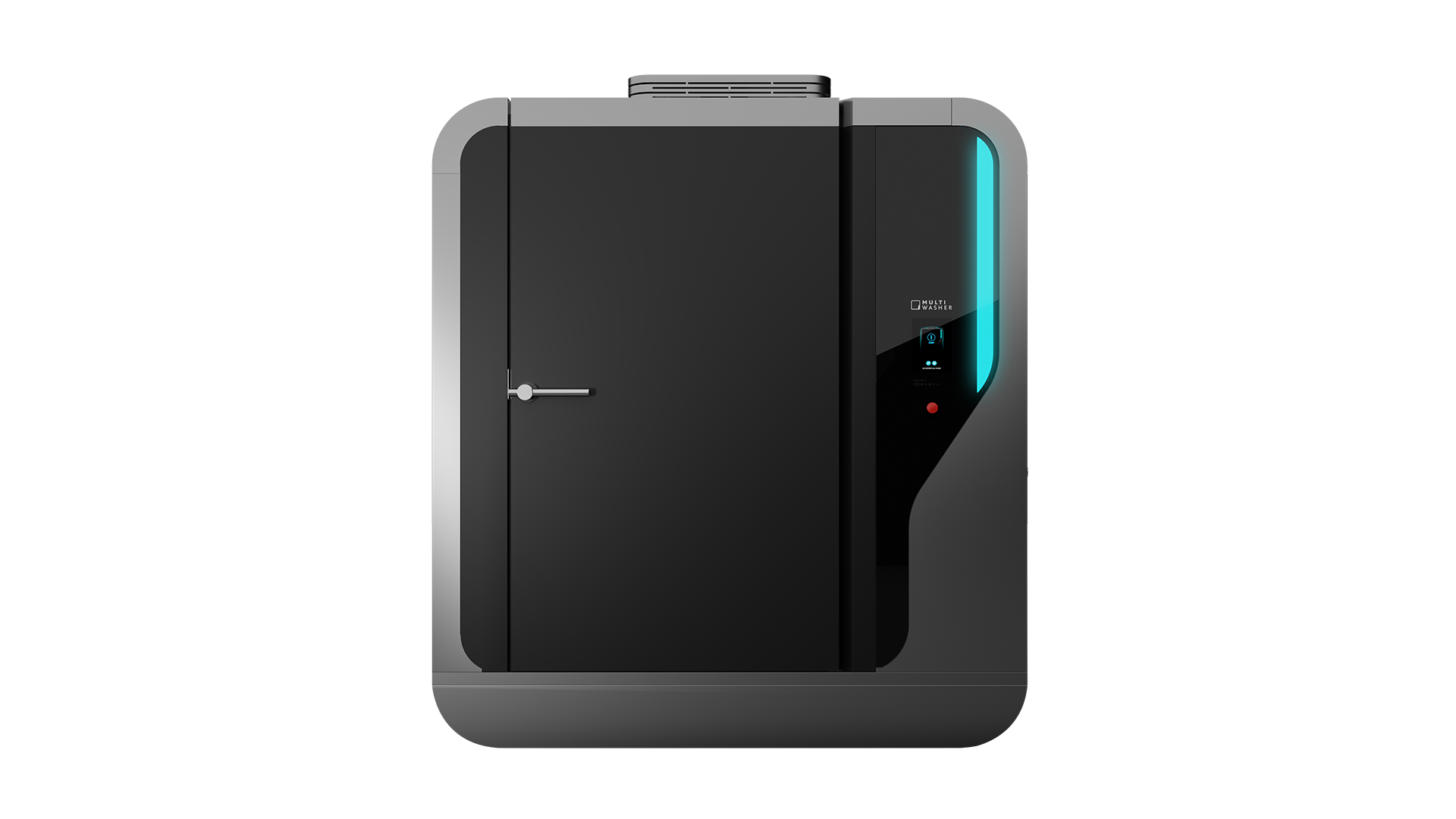
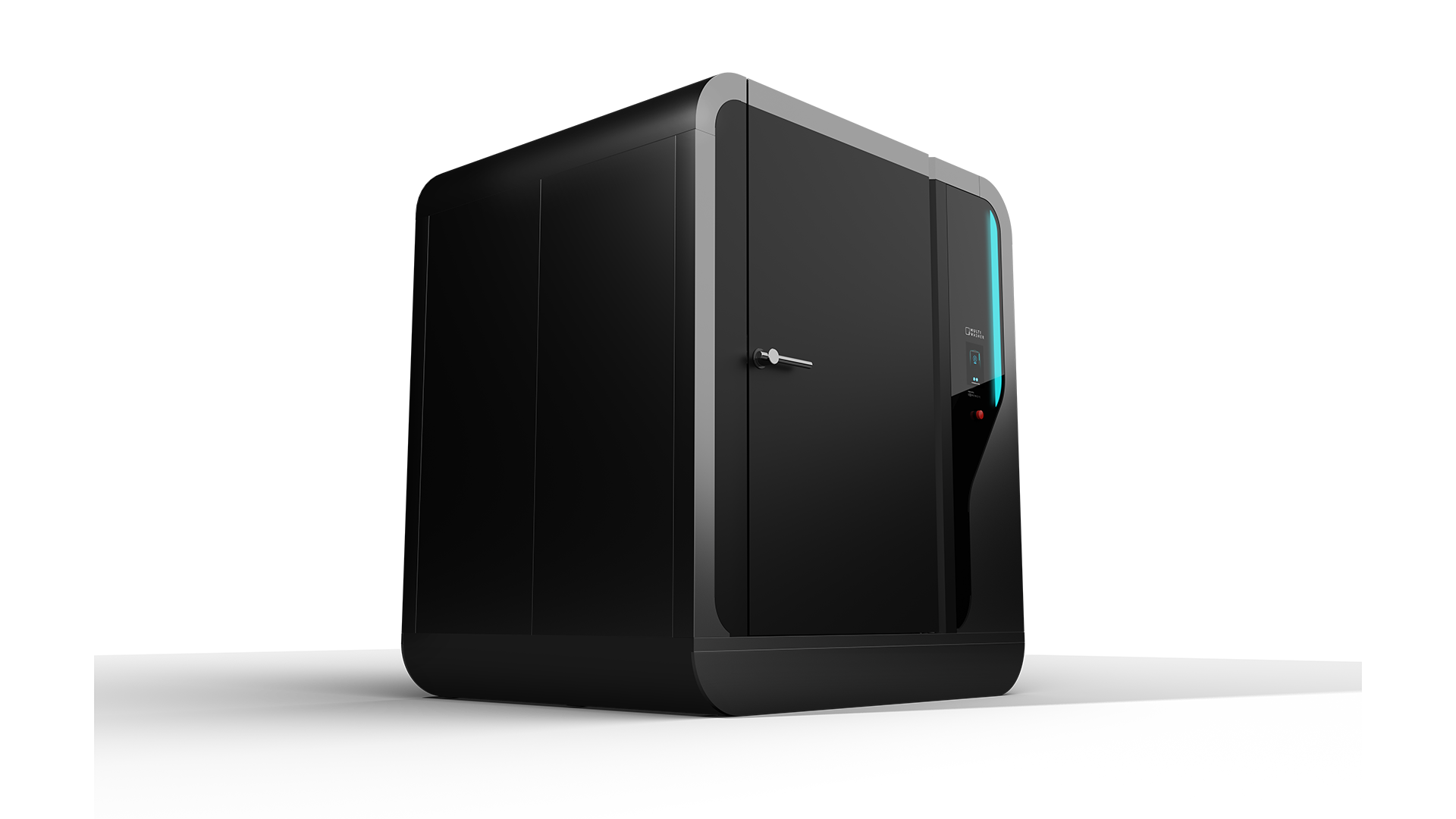
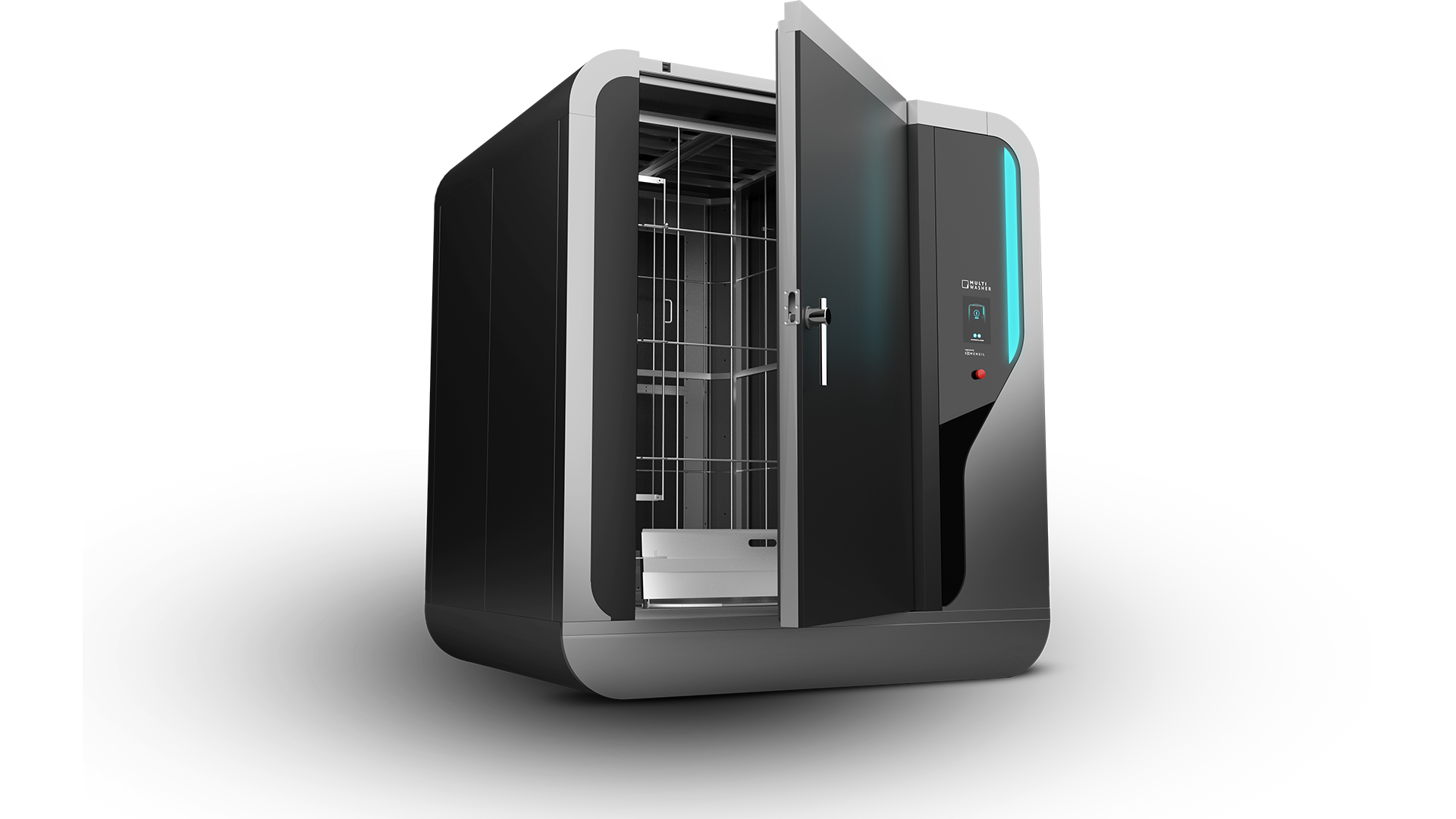
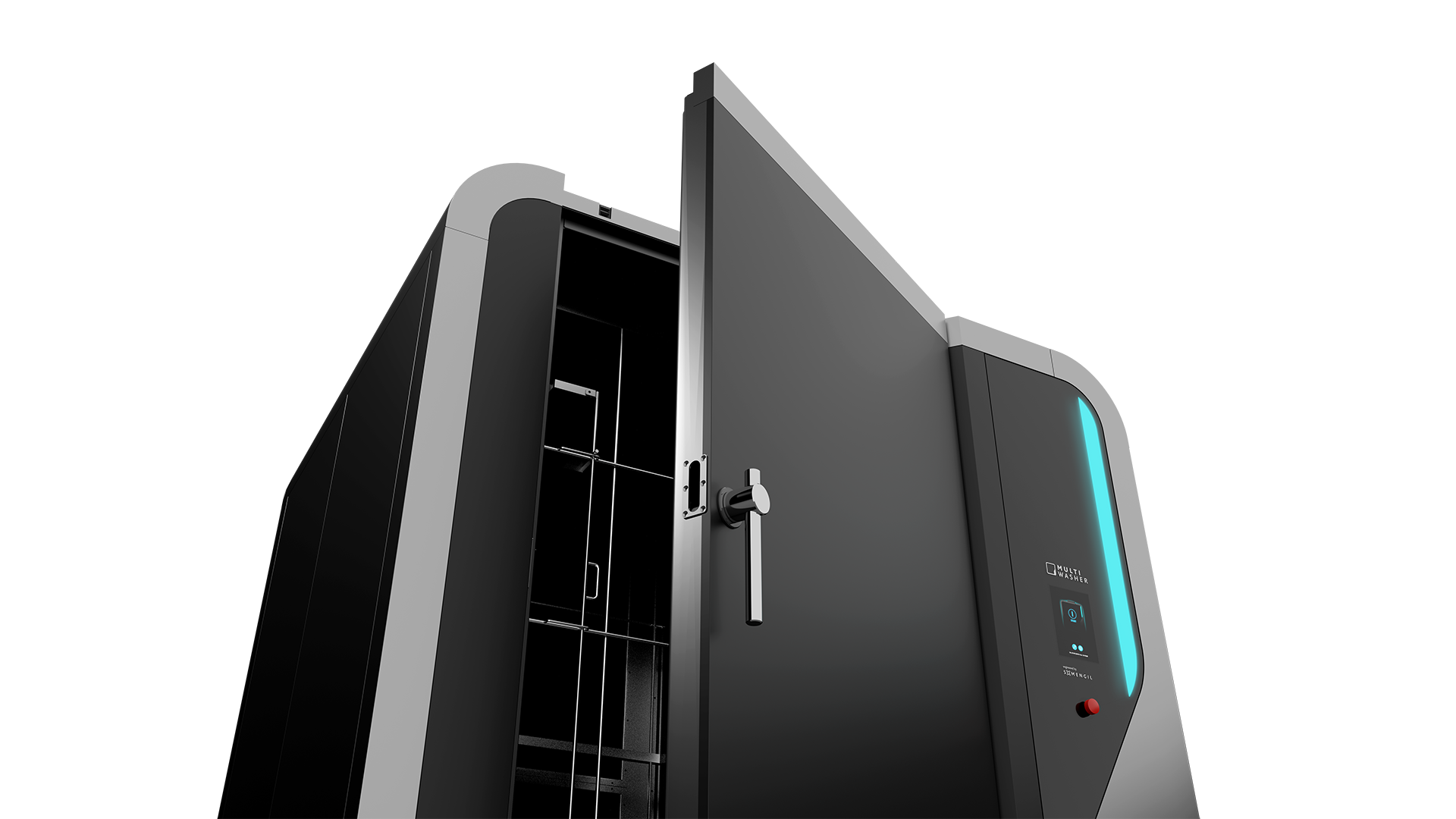
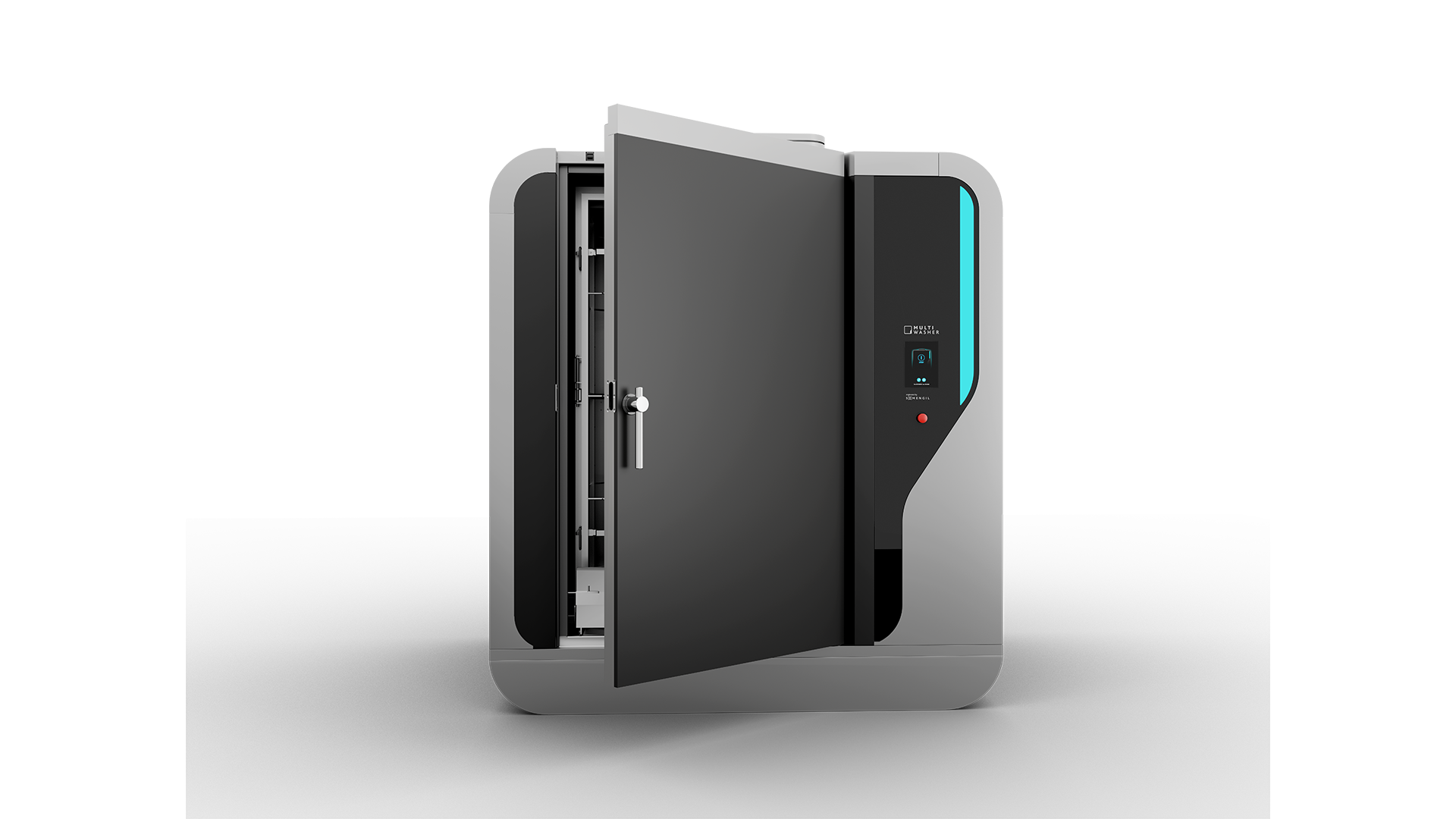
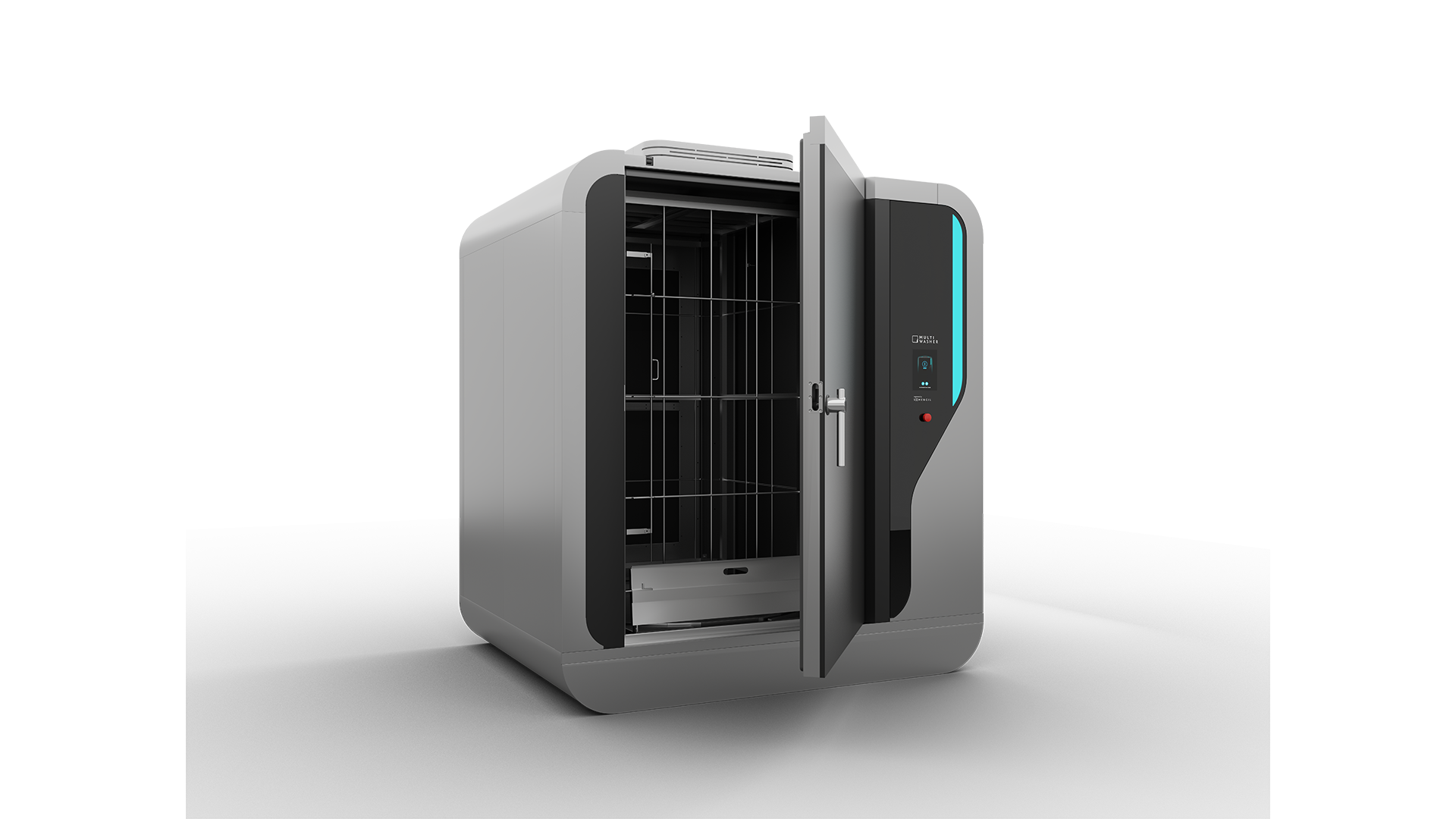
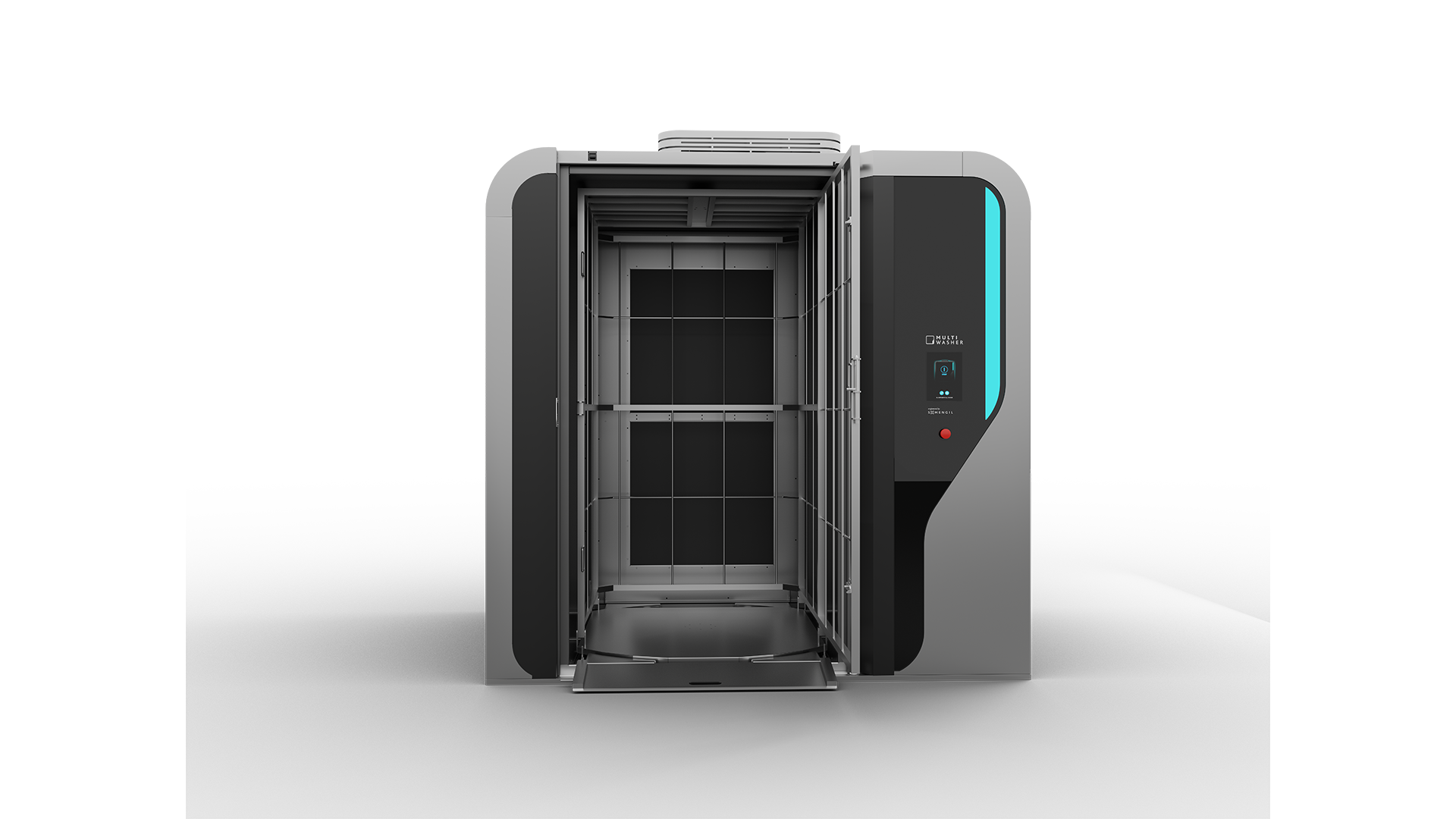
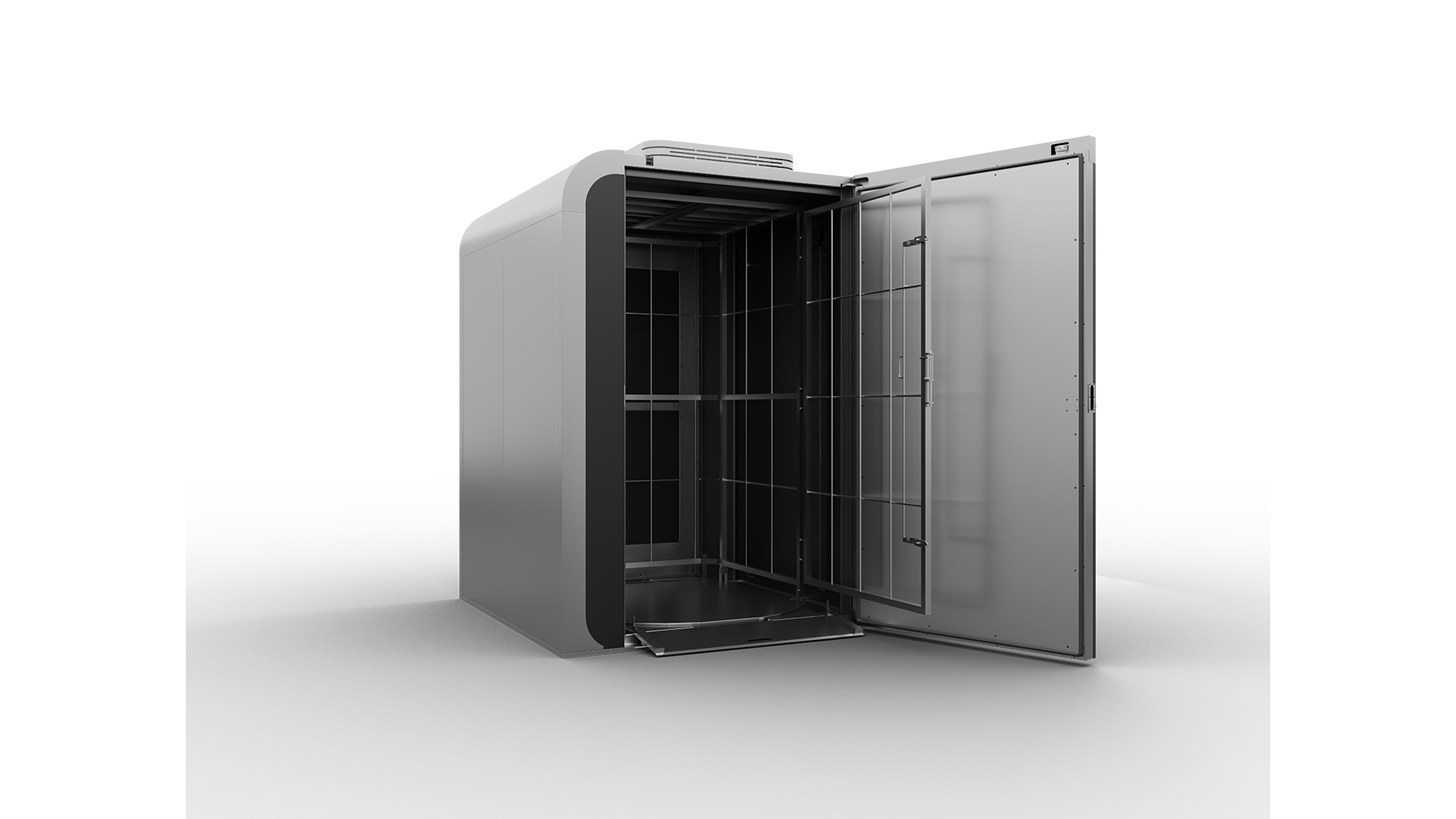
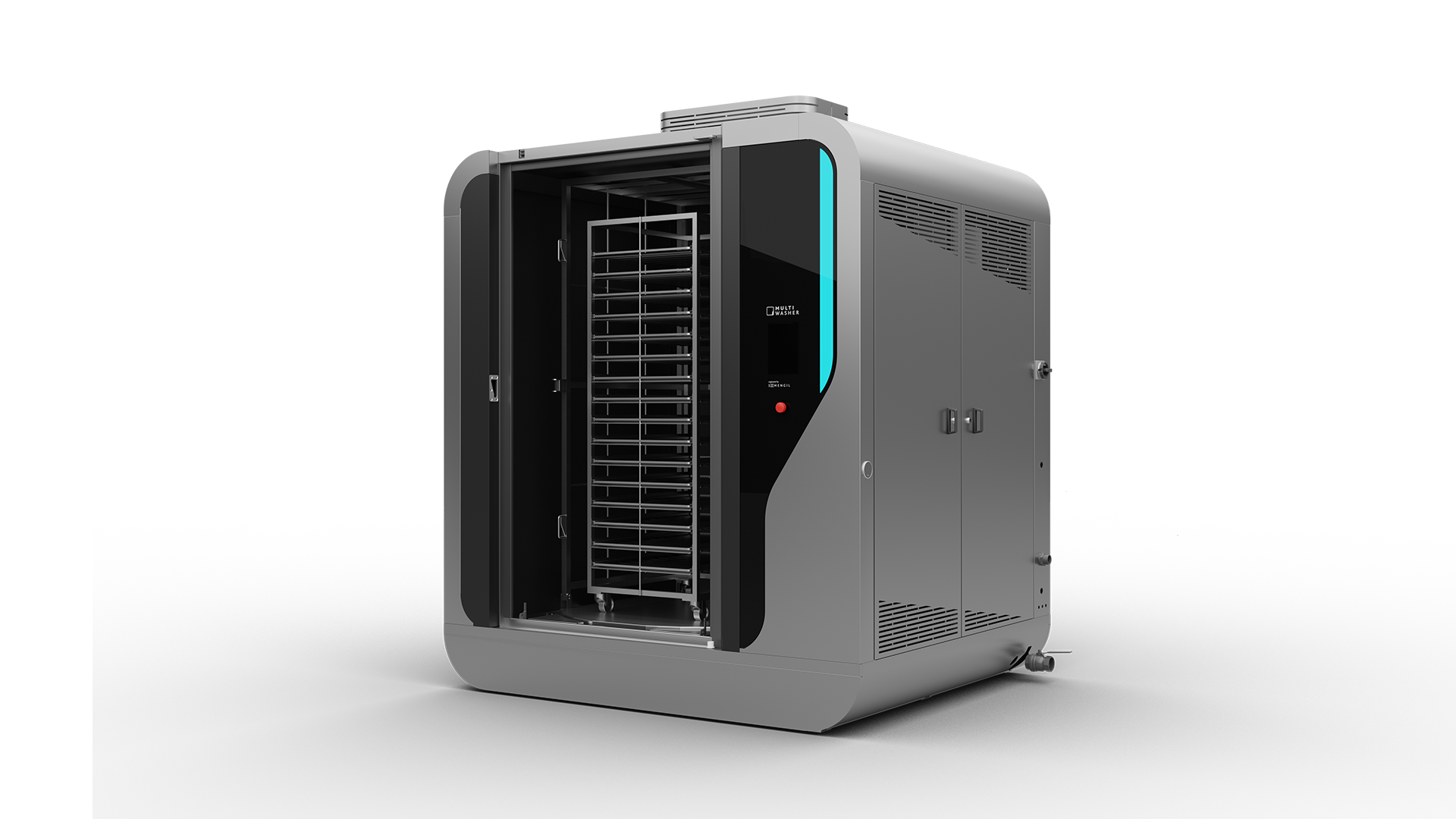
Absolutely. MultiWasher is designed to offer maximum flexibility: we can provide custom carts tailored to the items you need to wash, allowing the machine to handle almost any size or type of tray, container, or utensil. This ensures thorough washing without compromising workflow, no matter the variety of items your operation requires.
3. What role do meat industry washers play in meeting export requirements?
Export markets, especially the EU, US, and Asia, impose stricter hygiene standards than many domestic markets. Using washers with traceable, validated cycles makes it easier to pass inspections, secure certifications, and expand into more profitable markets.
4. How do I calculate the environmental ROI of a washer?
Look beyond utility bills. A washer that saves thousands of litres of water per day also reduces wastewater treatment costs, chemical disposal, and your facility’s carbon footprint. These savings can open doors to sustainability-linked financing or tax incentives.
MultiWasher: the smart choice for meat industry hygiene
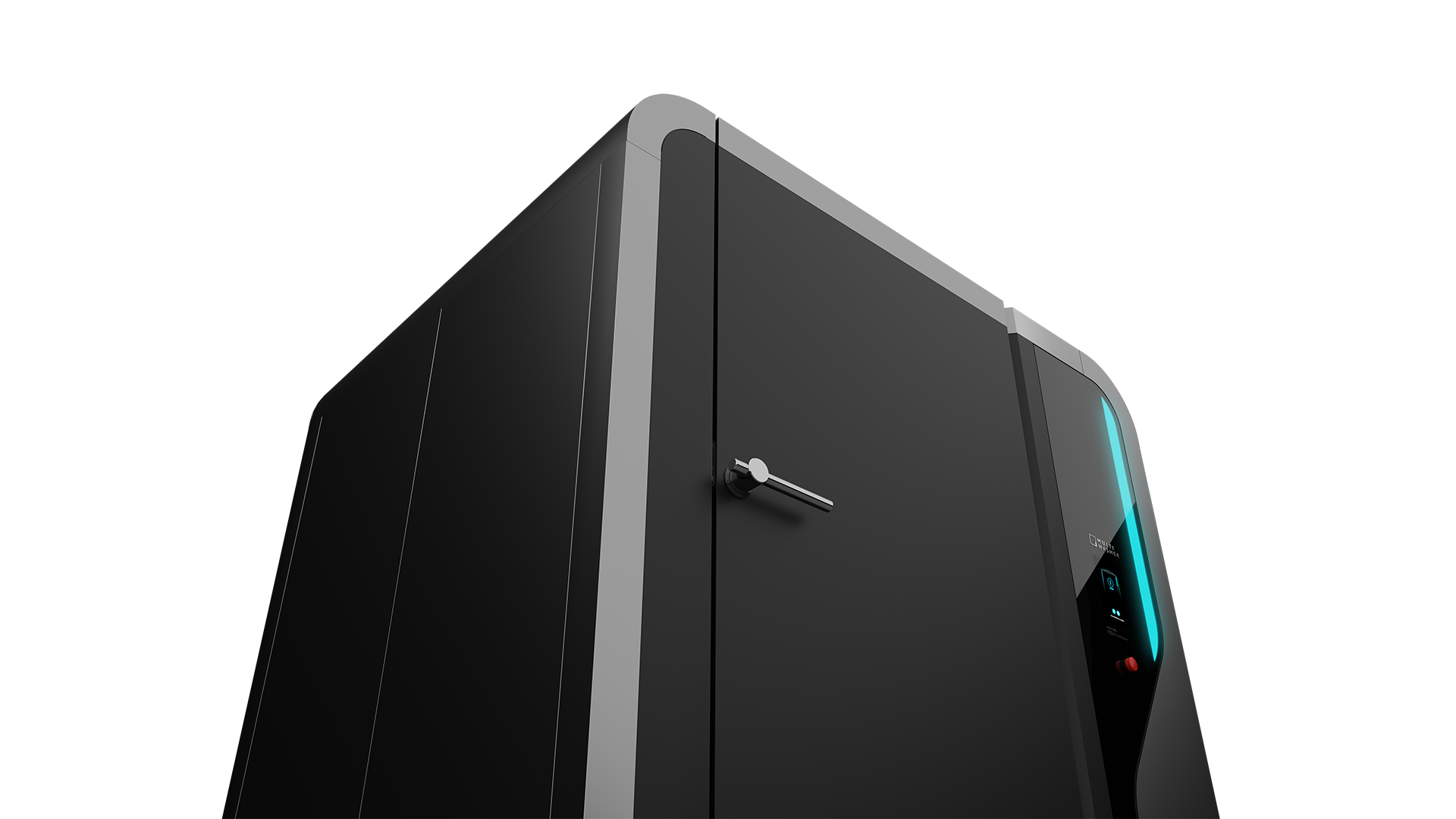
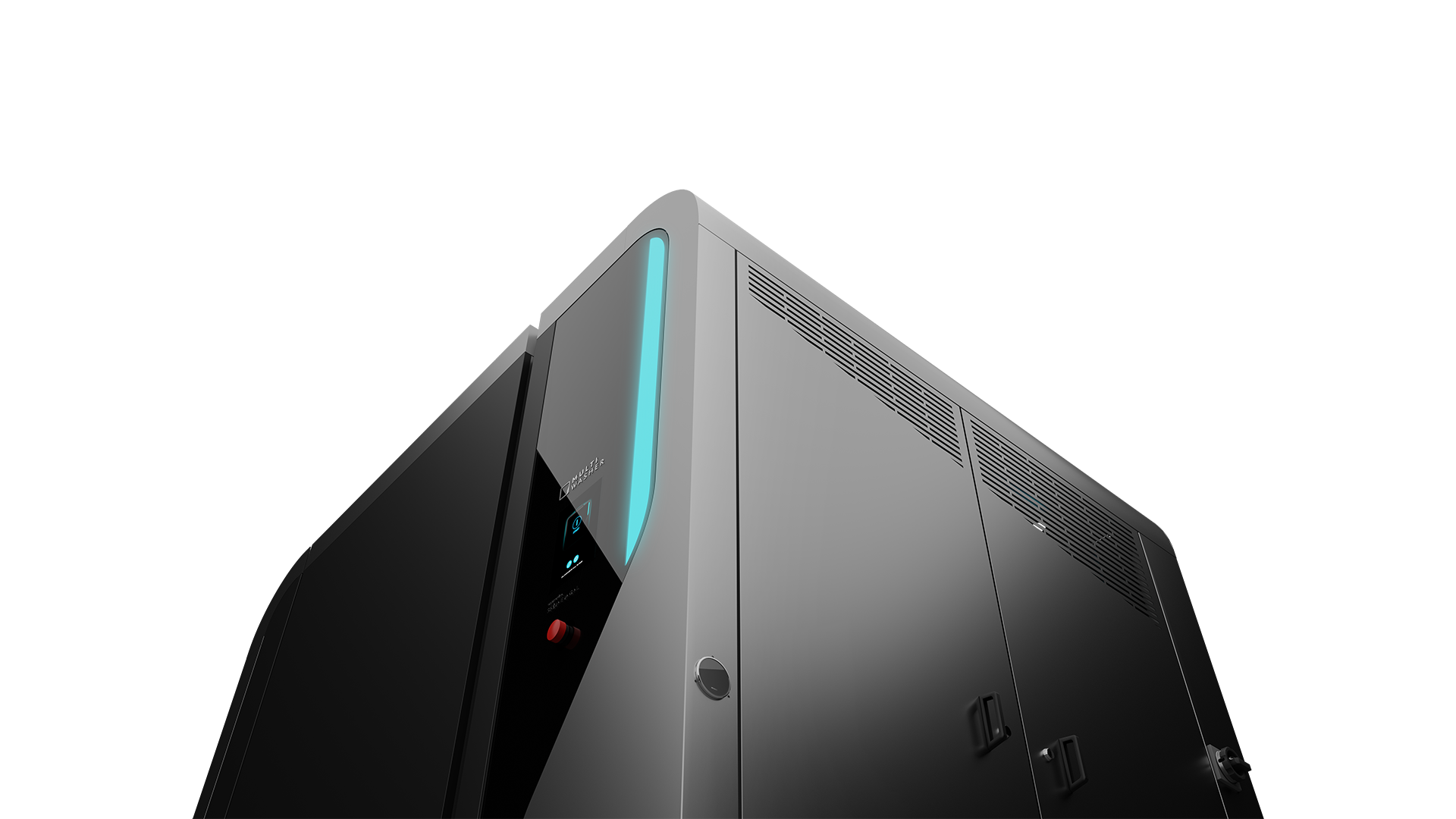
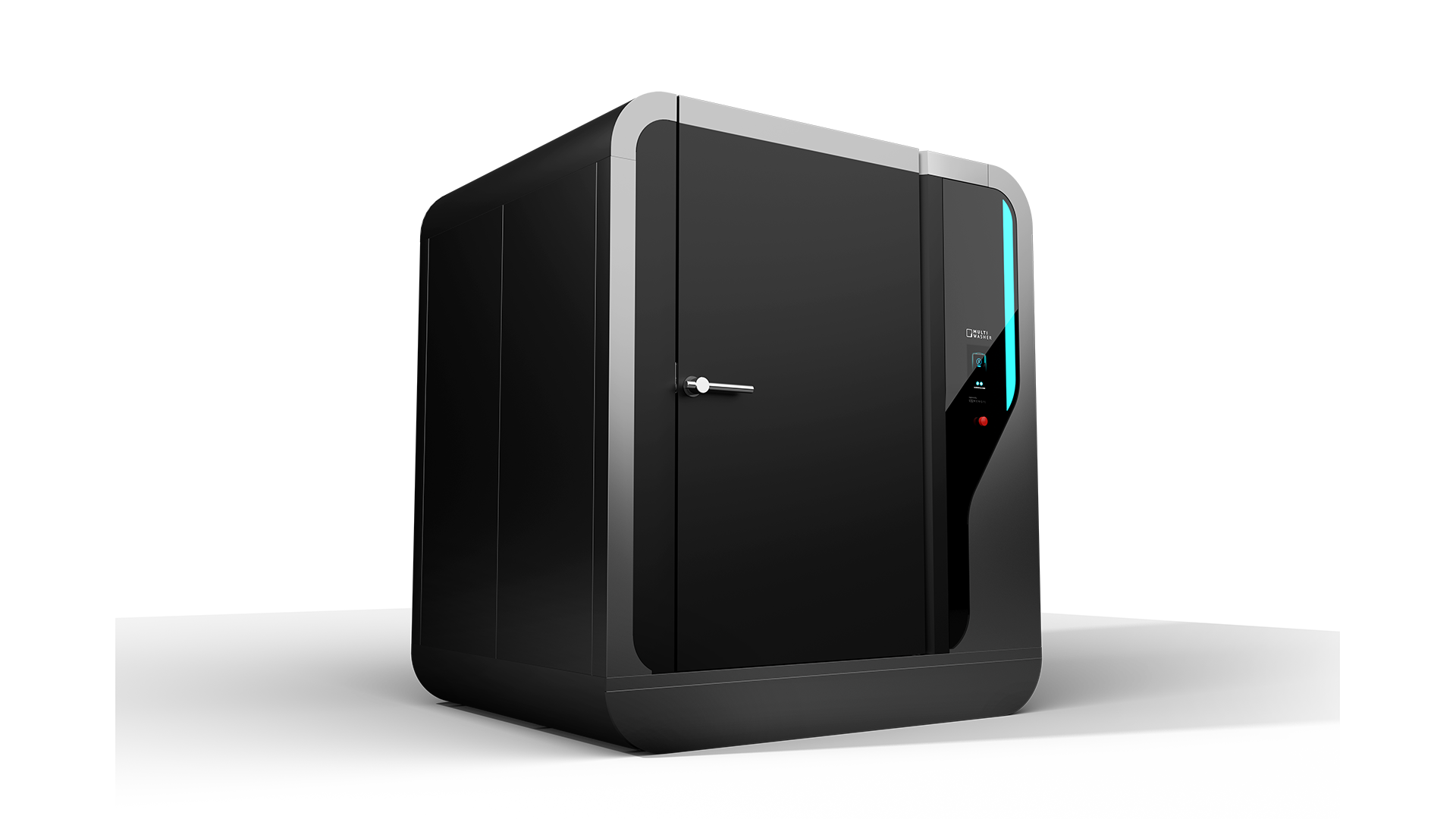
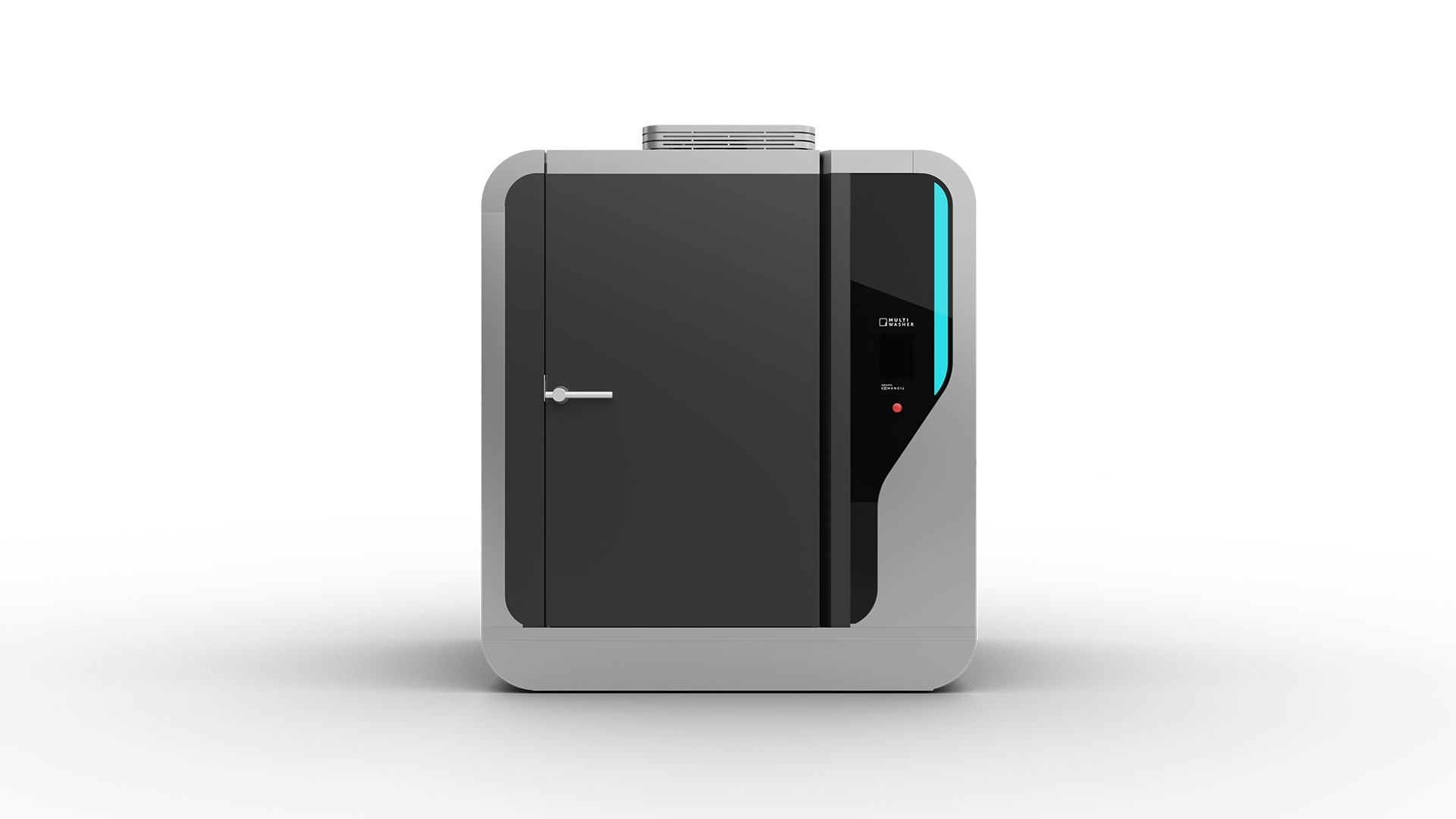
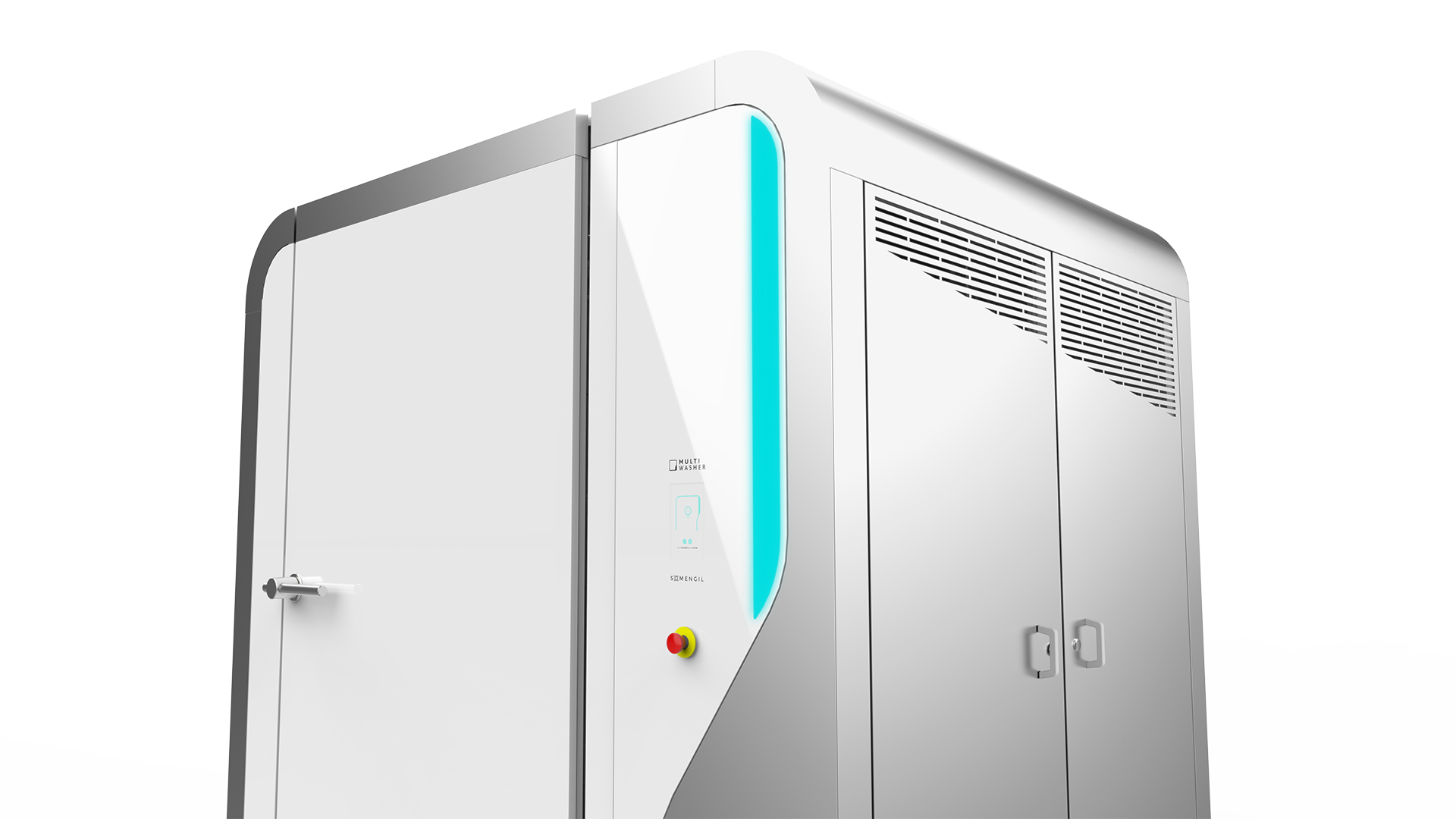
When it comes to keeping your operations sanitized, efficient, and compliant, MultiWasher stands out because it optimizes every cycle for maximum hygiene, minimal waste, and total operational control.
The risks of outdated or manual washing are real. MultiWasher offers a smart, future-proof solution: fully automated, precise, and built to meet the toughest meat industry standards. Simply put, it’s peace of mind engineered into your workflow.
Don’t wait for a near-miss or audit warning to rethink your washing process. Discover how MultiWasher can streamline your operations, reduce waste, and give you peace of mind. Contact our team today.
You may also like
Industrial washing / Articles
Fish industry: complete guide to choose washing solutions
Find out how to choose the best washing solution for fish industry.
Posted in 2023-09-29

Industrial washing / Articles
5 contaminants that may be creeping into your company
Contaminants have the power to destroy reputations, shutter businesses, and cost lives overnight. Discover how to protect yours before it’s too l...
Posted in 2025-03-13
Industrial washing / Articles
Saving water: 5 tips to apply in your operations
Despite repeated warnings, water consumption continues to grow at an unstoppable rate. Even on the face of increasing prices, tariffs and taxes,...
Posted in 2021-06-30



 Portugal
 United Kingdom
 United States
 France
 Spain
Spain Germany
 Romania
 Italy
Italy Czech Republic
 Finland
 Hungary
 Slovakia
 Greece
 Lithuania
 South Korea
 Russia
 Saudi Arabia
 Poland
 Brasil
 Hebrew