Industrial washing / Articles
6 essential manufacturing KPI and how to improve them
Learn which manufacturing KPI matter most and how they improve production performance.

 7 minutes of reading
2026-08-13 11:49:41
- Manufacturing KPI reveal what’s really happening behind day-to-day production, beyond what the shop floor immediately shows.
- When used correctly, these KPI bridge the gap between what’s happening and what’s being seen.
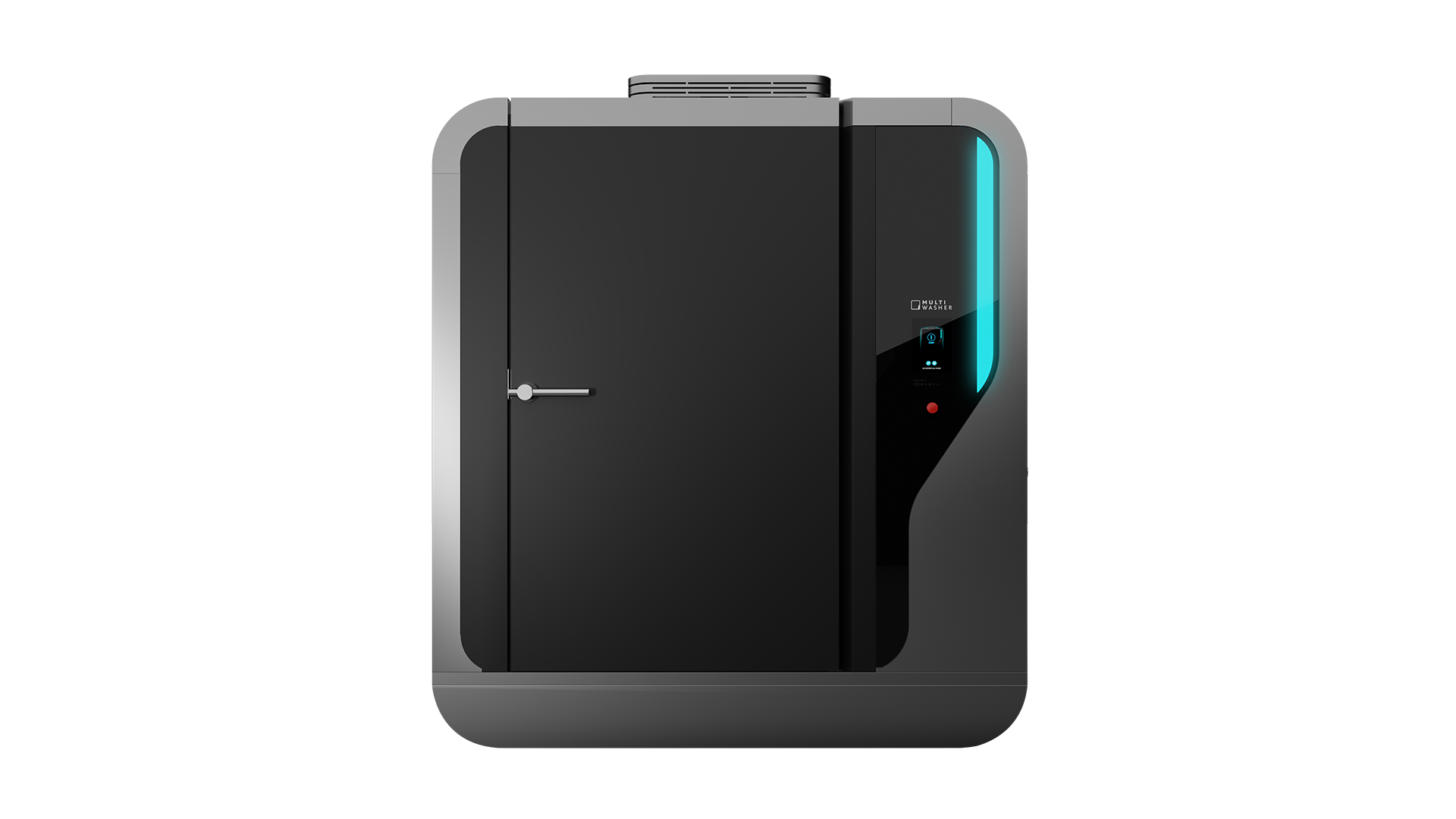
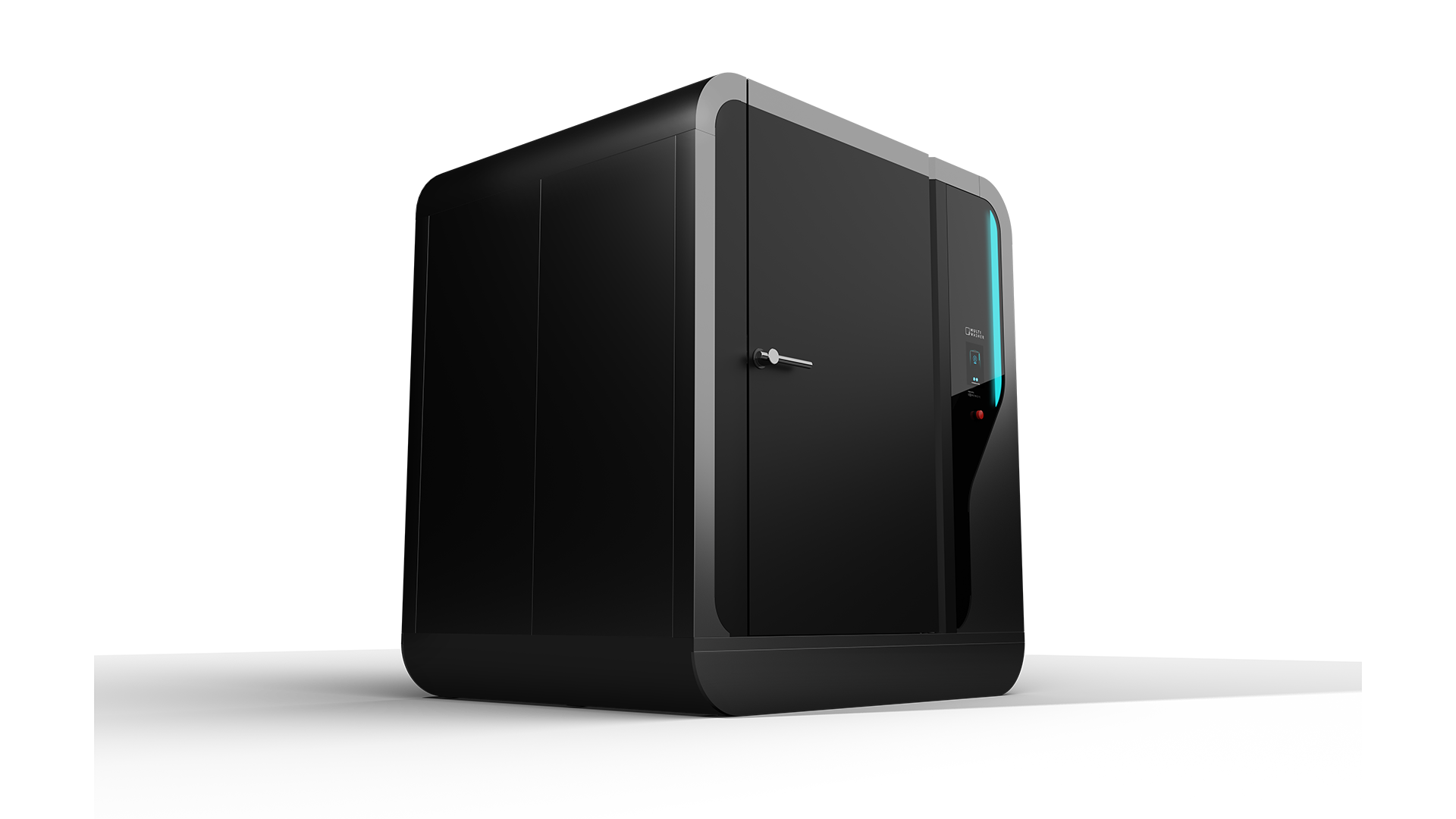
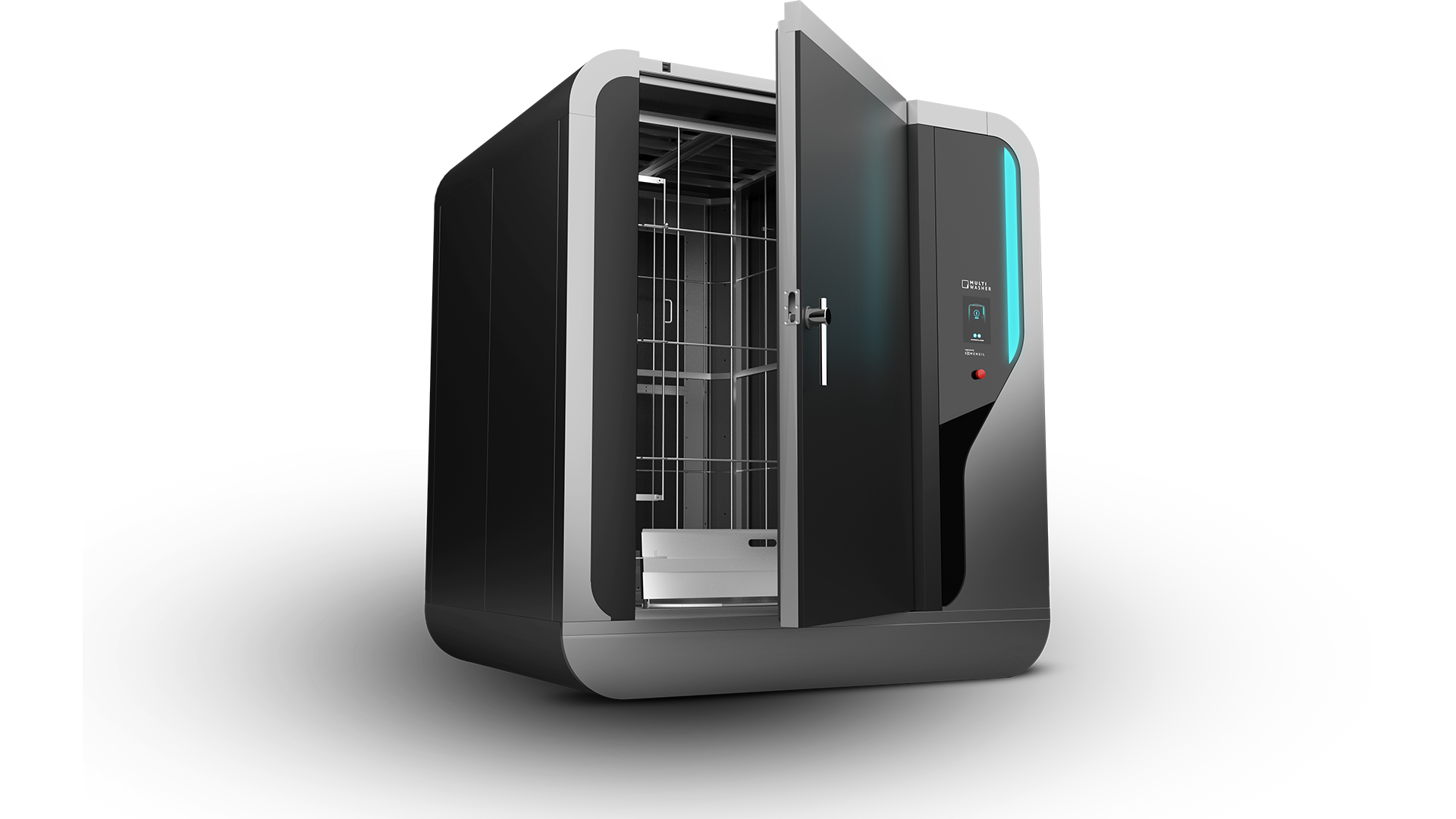
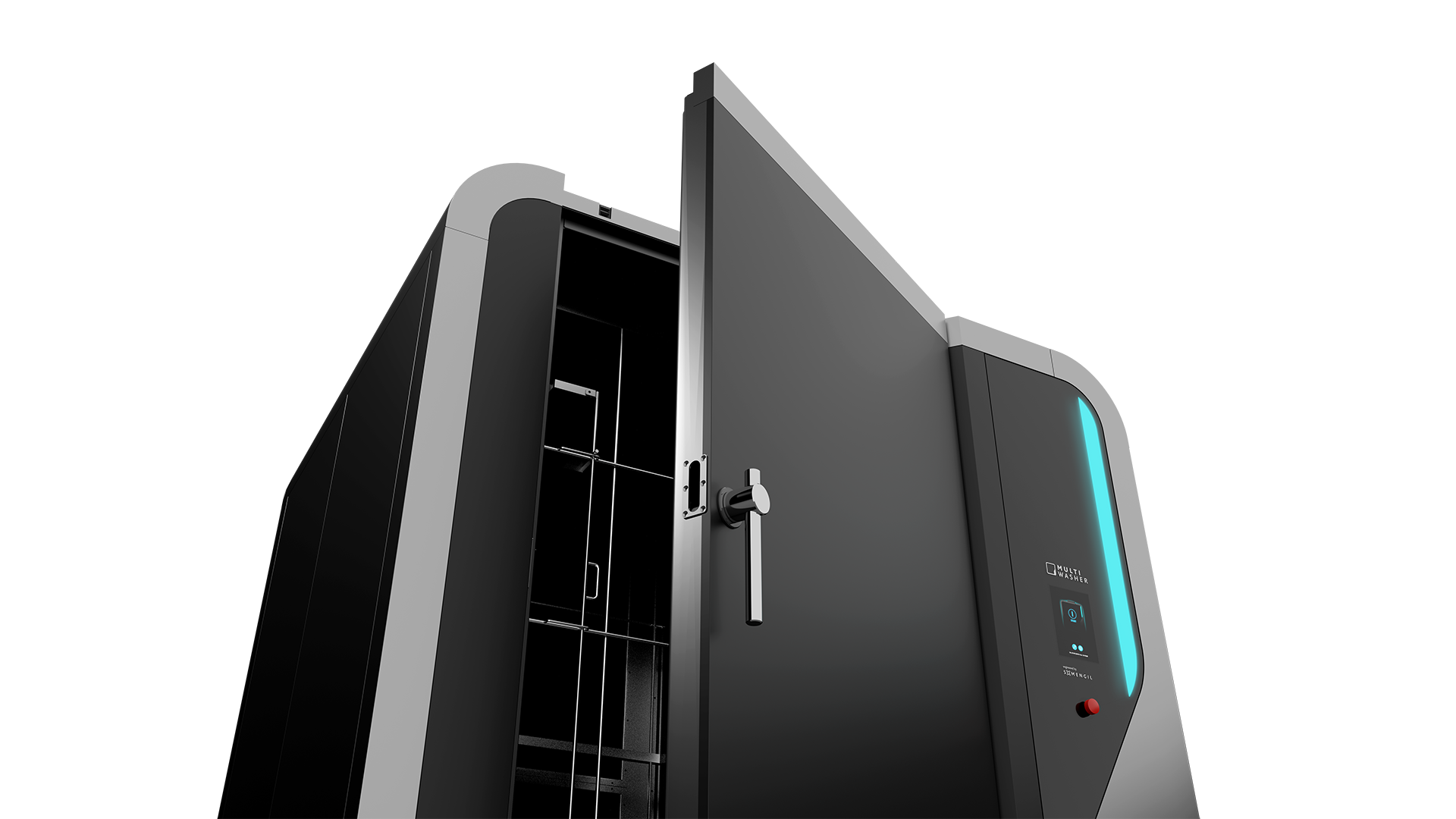
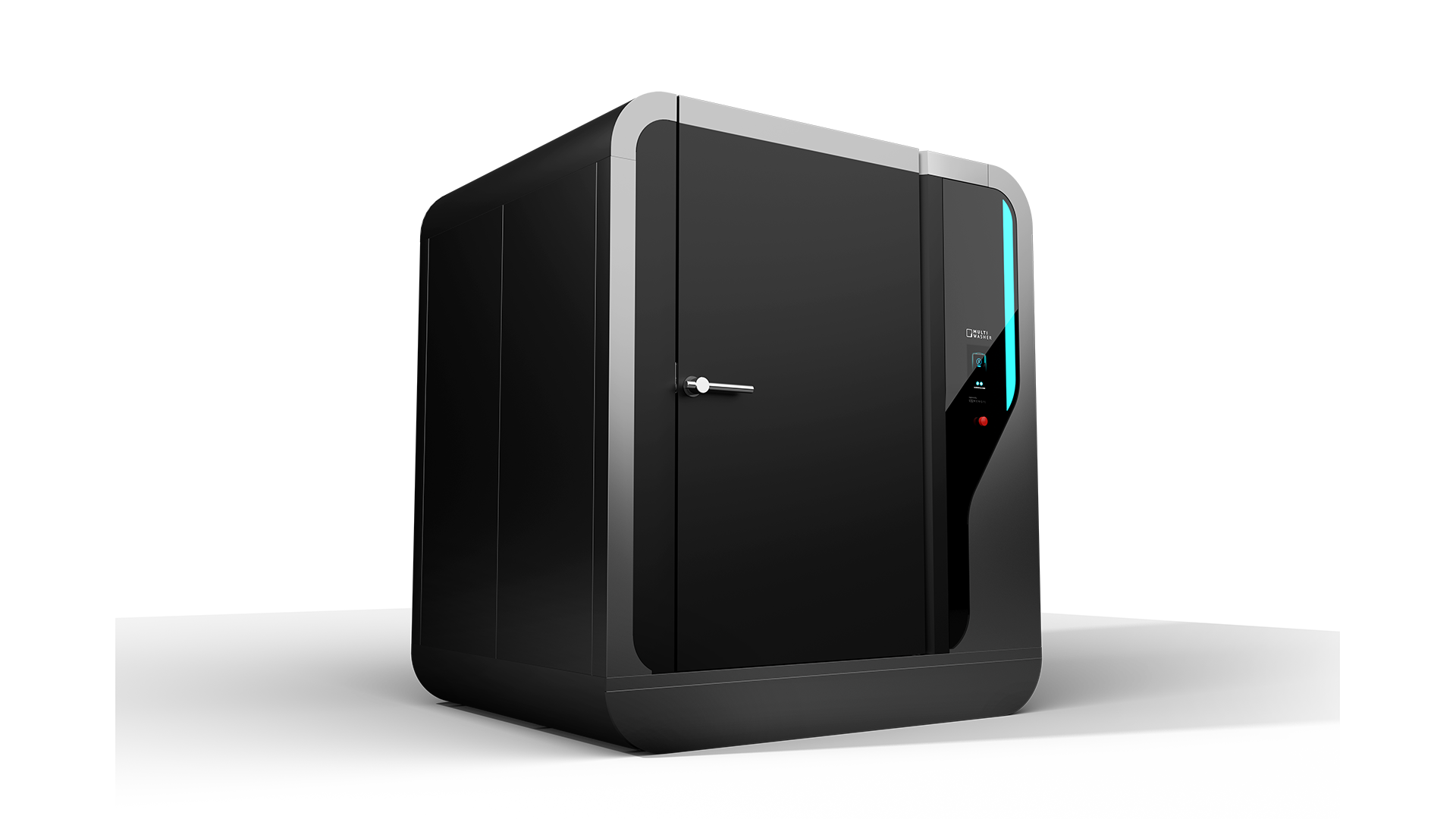
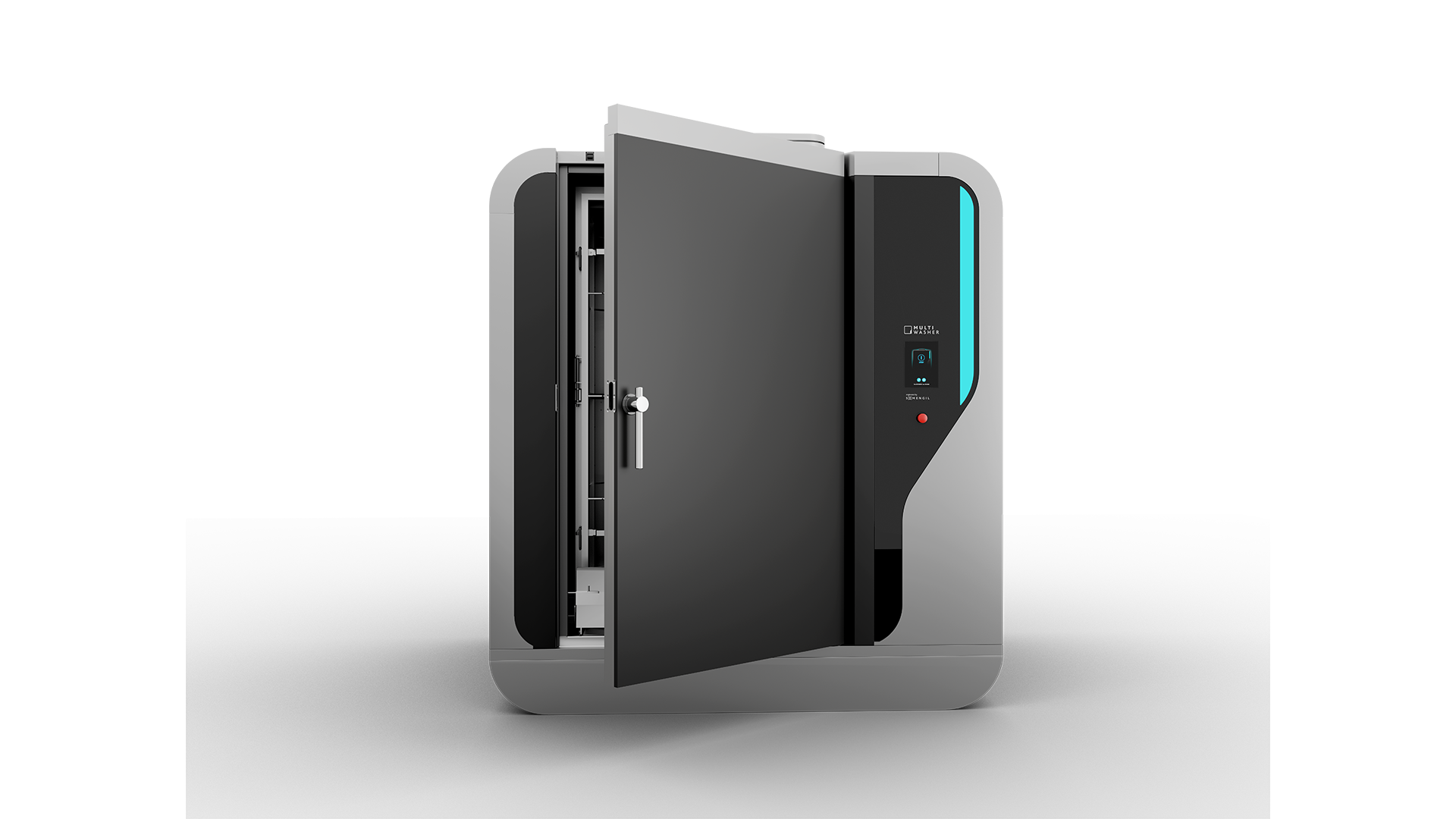
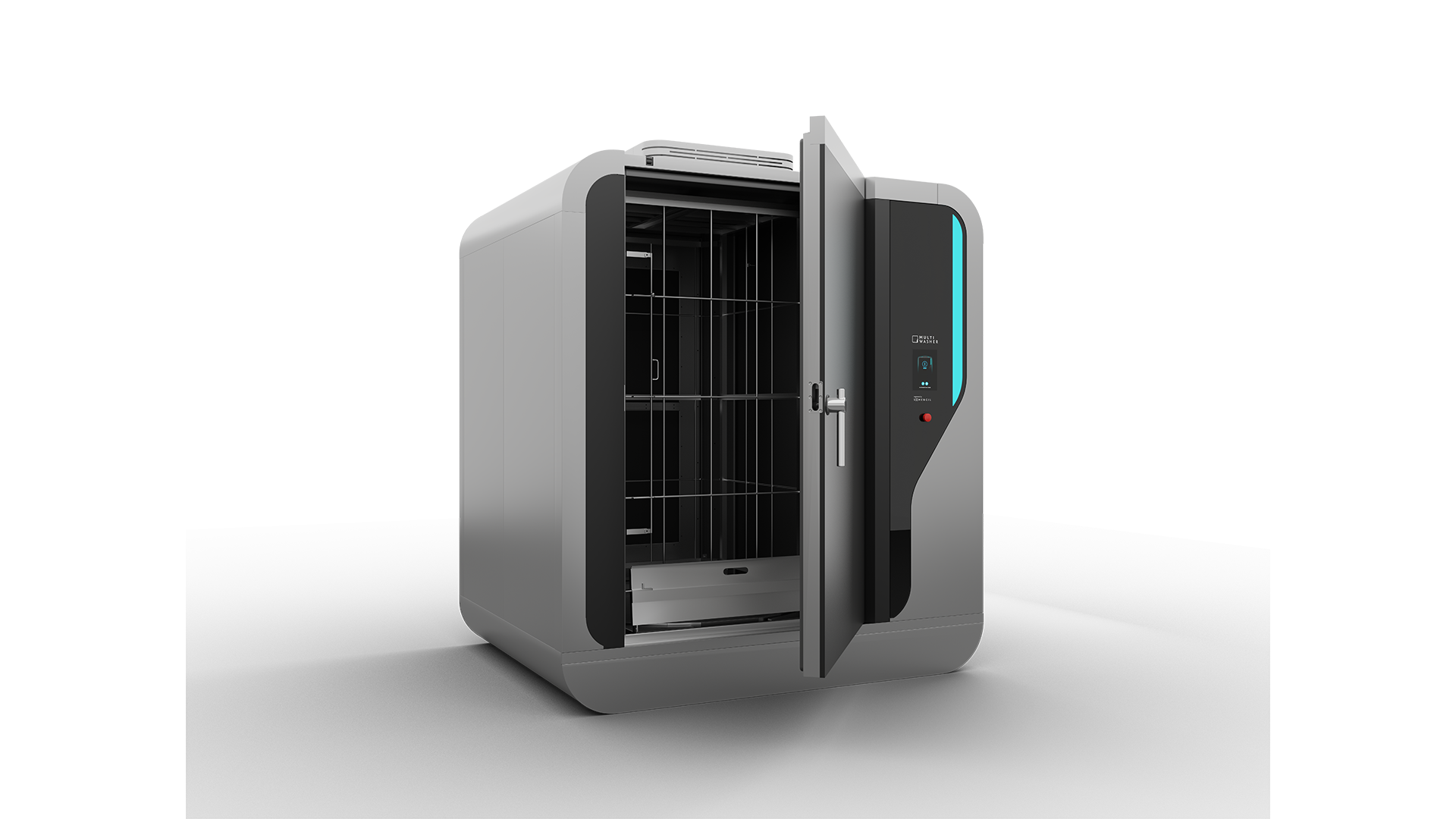
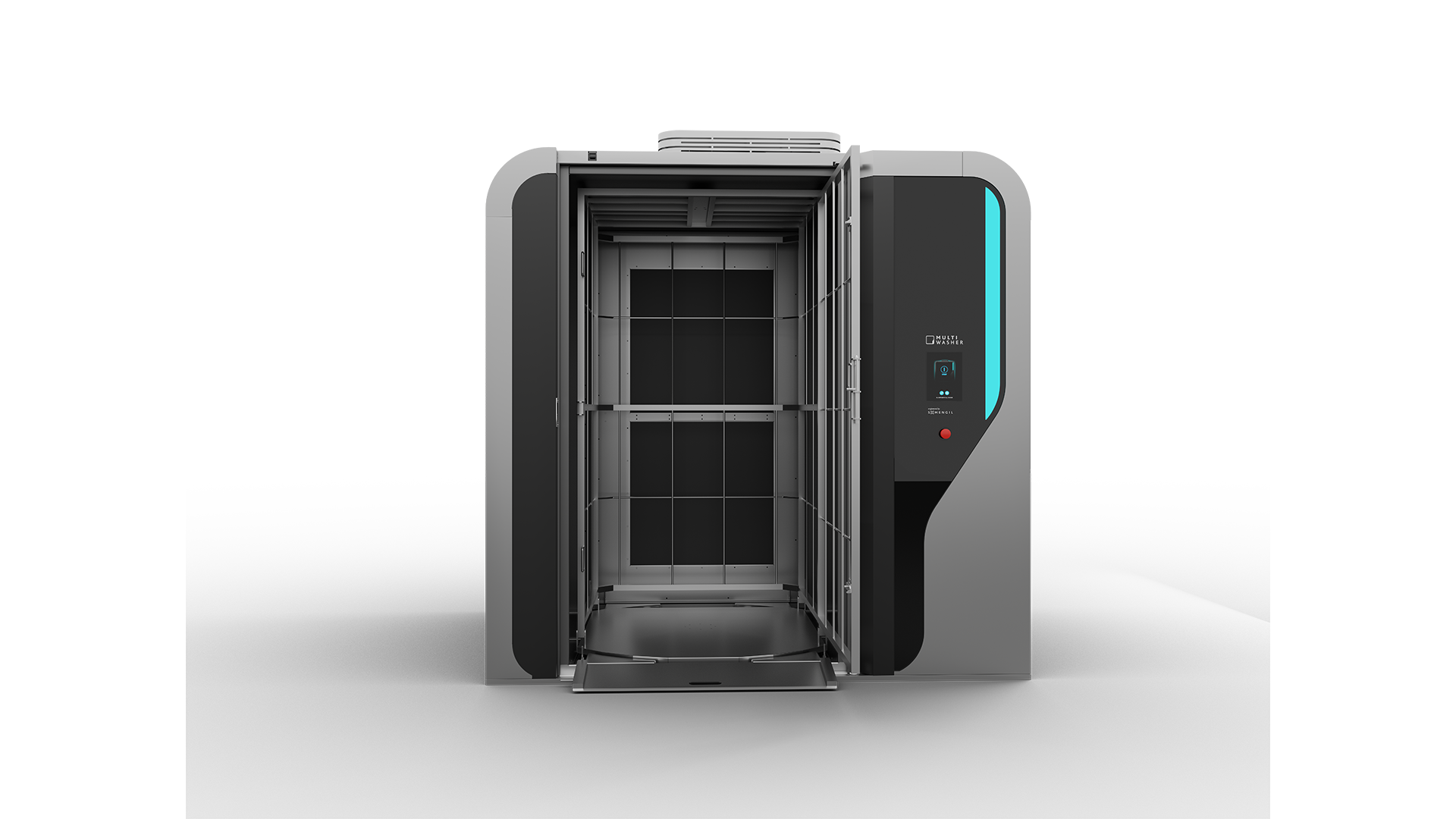
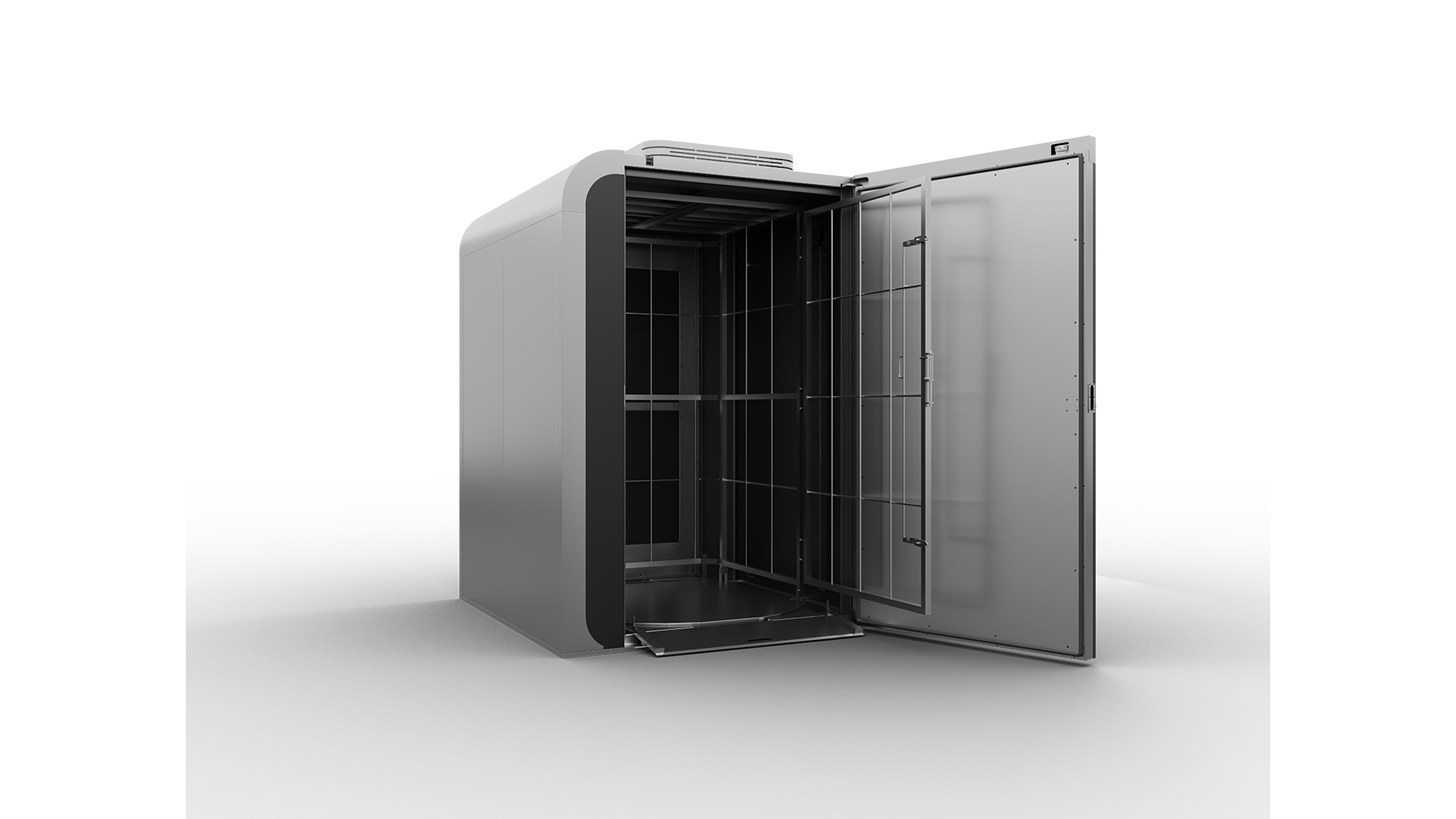
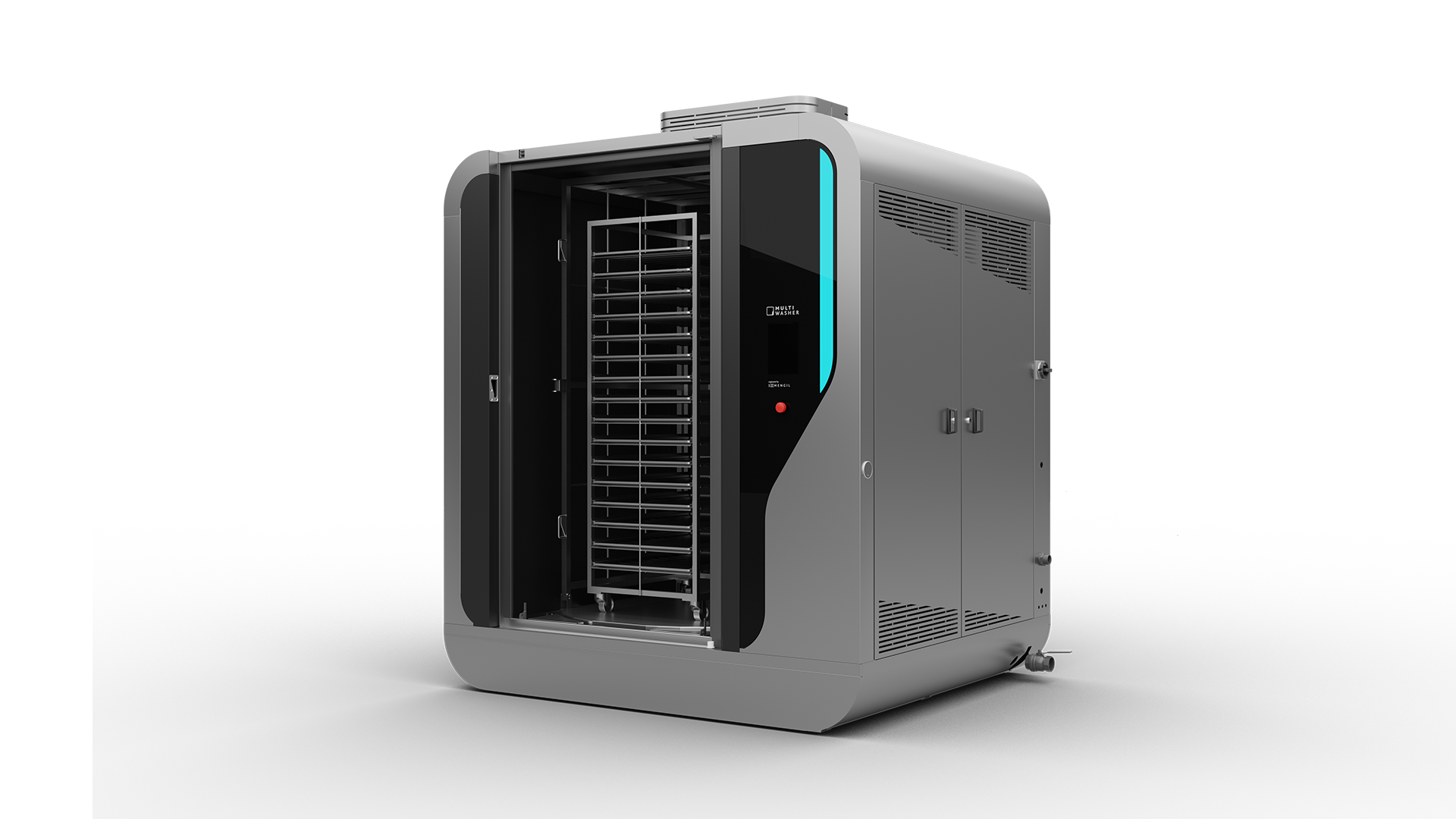
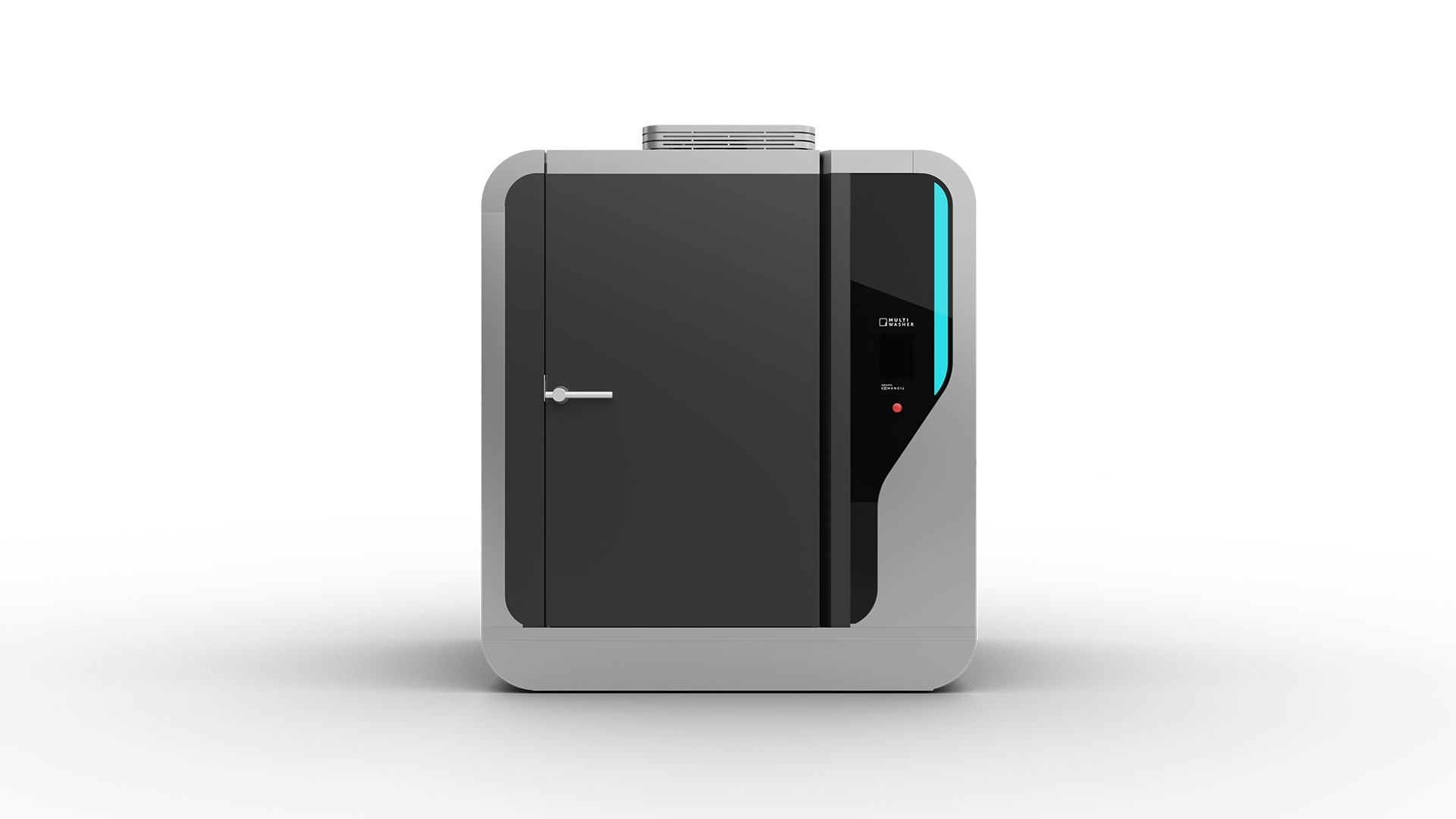
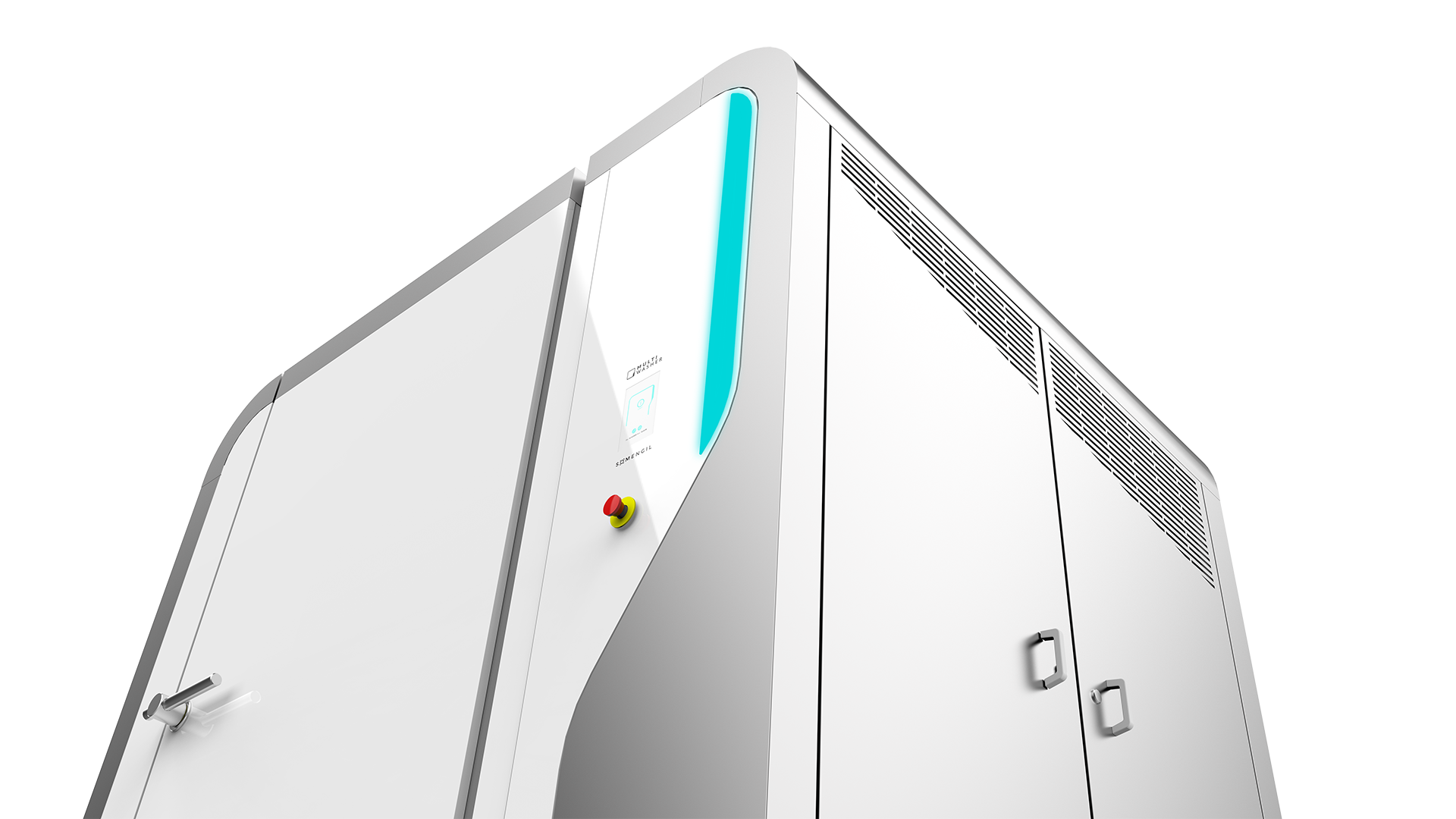
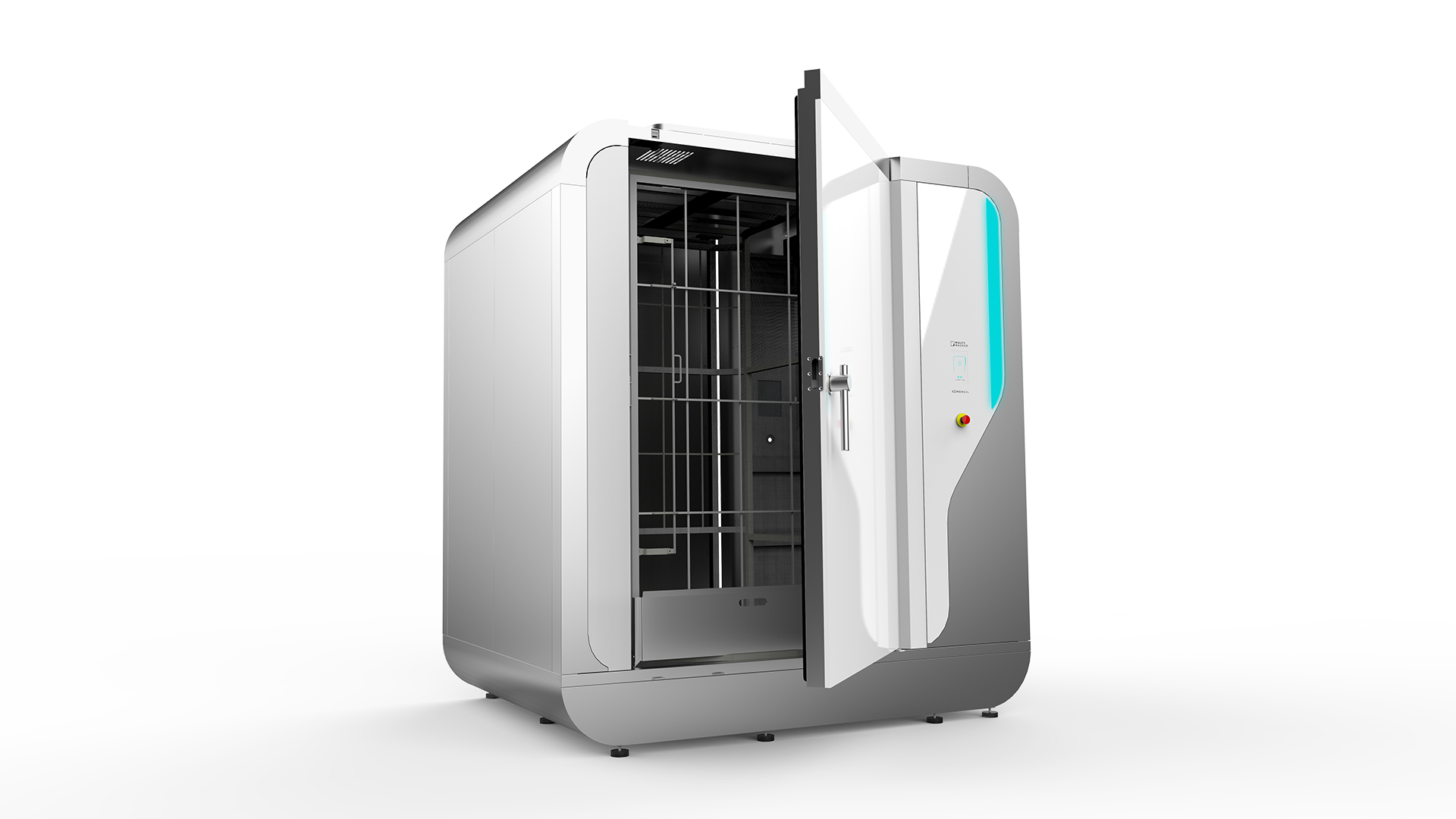
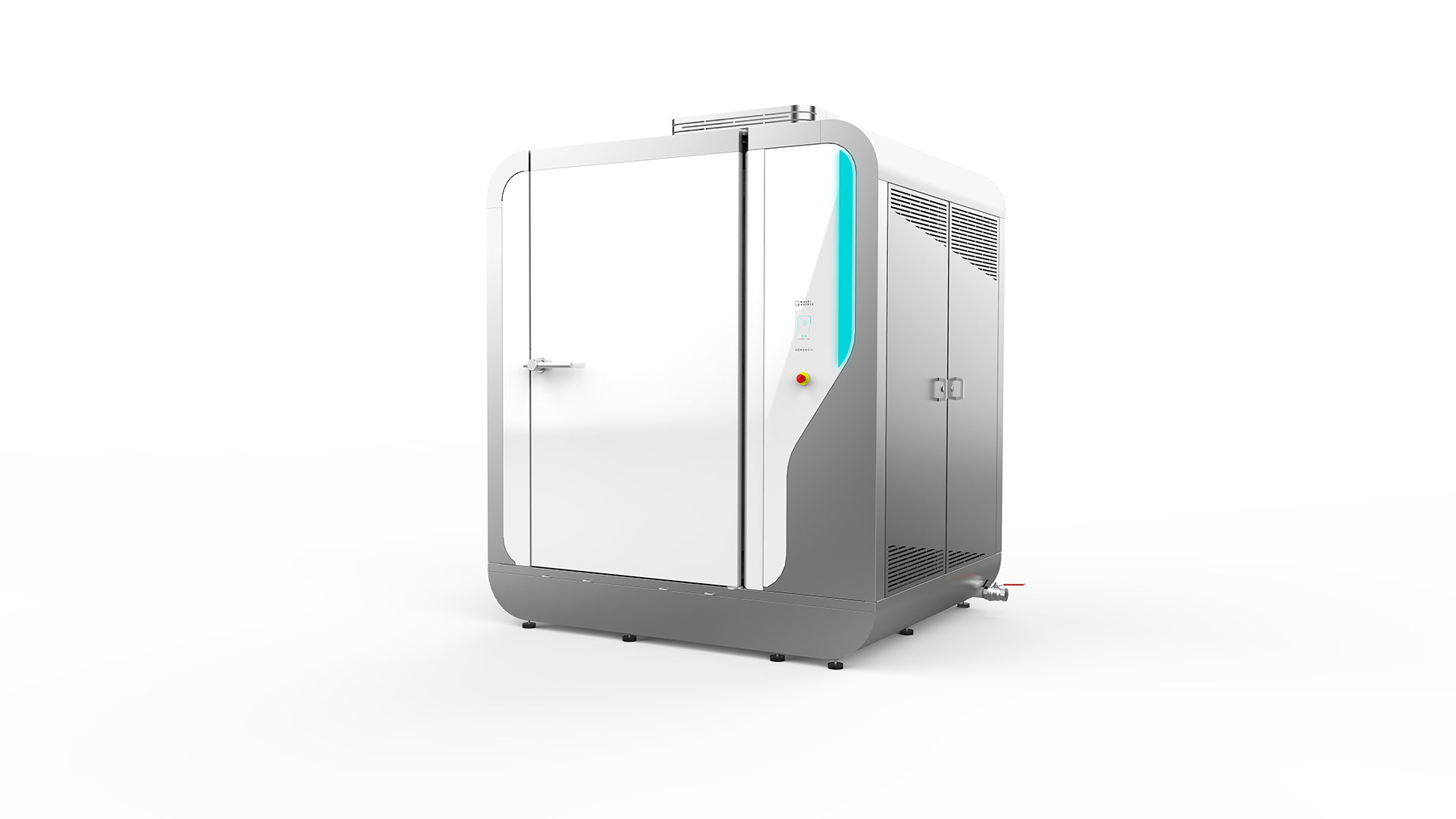
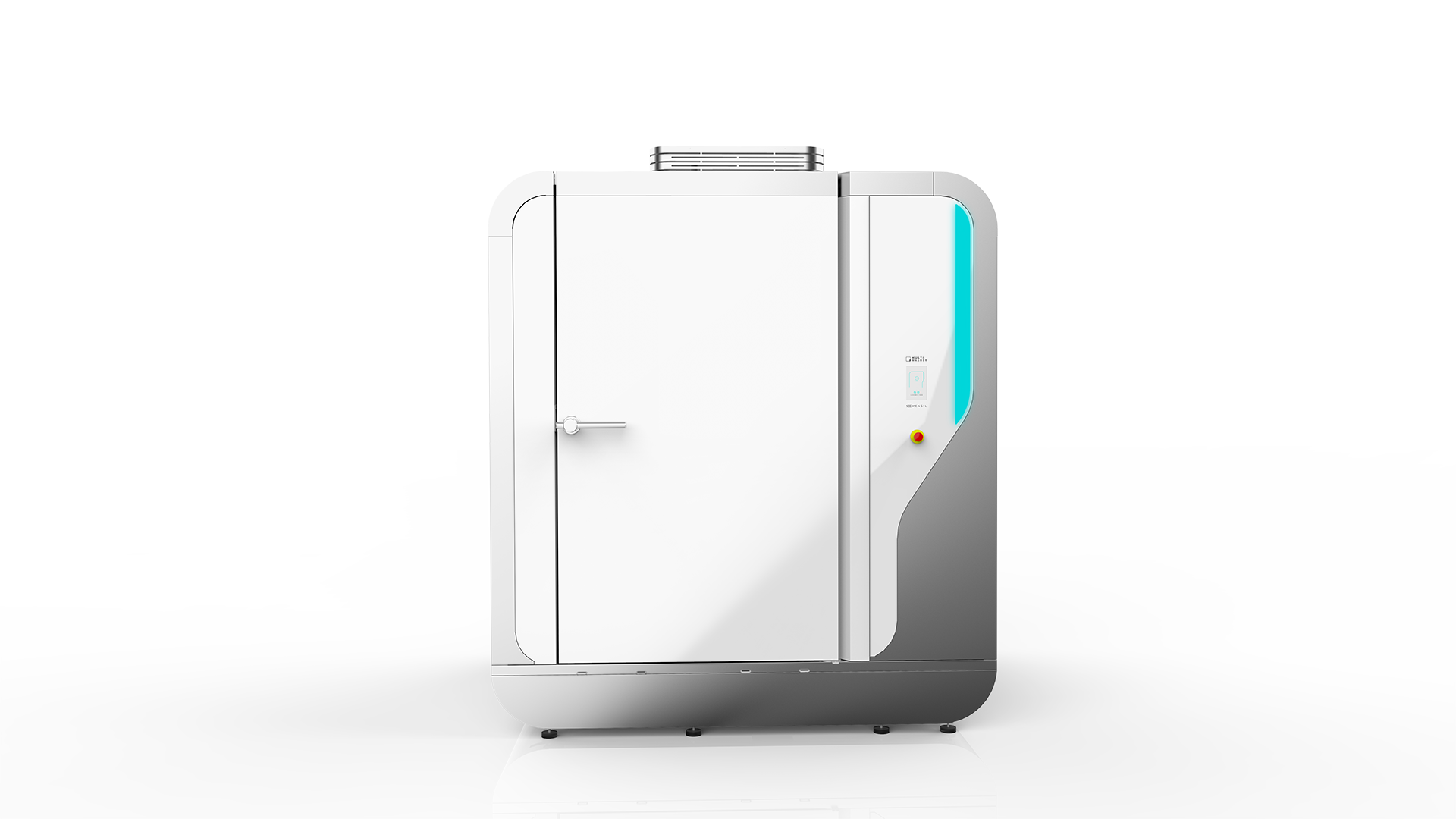
- With solutions such as the MultiWasher, it is possible to act directly on some of these indicators, improving the consistency of industrial washing processes and optimizing water, energy, and detergent consumption.
Tracking production KPI is essential to understand where operations are gaining efficiency and where they are losing time, quality, or responsiveness.
Indicators such as OEE, cycle time, First Pass Yield, downtime rate, waste rate, and on-time delivery help turn production data into concrete decisions.
In this article, we bring together six essential production KPI and explain how each one can help identify opportunities for improvement in the production process.
1. Overall Equipment Effectiveness (OEE)
Overall Equipment Effectiveness helps manufacturers understand what’s really happening on the factory floor by combining availability, performance, and quality into a single metric. Instead of looking at downtime, speed, or defects separately, OEE shows how all three interact.
And that’s where things get interesting. A machine that rarely stops but constantly produces defective parts is not efficient. Neither is equipment running perfectly but below the expected production speed. OEE exposes those losses that eat into productivity over time.
What makes this KPI so valuable is that teams start identifying exactly where efficiency is being lost. Sometimes the issue is a recurring micro-stop nobody noticed. Sometimes it’s changeovers taking longer than expected. Sometimes quality checks are creating bottlenecks further down the line.
2. Production Cycle Time
Cycle time is the time required to complete a unit, task, or production stage, from the moment the process starts to the moment it ends. For example, if a line takes 5 minutes to transform raw material into a finished product, the cycle time for that product is 5 minutes. Tracking this indicator helps understand whether production is running at the expected pace and where there may be delays, bottlenecks, or opportunities for improvement.
Long cycle times rarely result from a single obvious problem. In most cases, they are the consequence of small interruptions that accumulate throughout the process. Waiting for materials. Repeated approvals. Equipment adjustments. Unclear handovers between teams. Small delays that, individually, may seem harmless, but together, slow everything down.
Better planning, clearer communication, optimized layouts, or smarter scheduling can significantly reduce cycle times without increasing pressure on teams.
3. First Pass Yield (FPY)
Few things are more frustrating in manufacturing than doing the same work twice.
That’s essentially what First Pass Yield measures: how often products are manufactured correctly the first time, without requiring rework, repairs, or adjustments.
It’s one of the clearest indicators of process stability because it reflects far more than quality control alone. A low FPY usually signals deeper operational friction somewhere in the process.
Sometimes the problem is inconsistent machine calibration. Sometimes operators are following slightly different procedures. Or materials arriving from suppliers vary more than expected. And occasionally, the process itself simply leaves too much room for error.
4. Downtime Rate
Unplanned downtime has a way of affecting far more than the machine that stopped working.
One unexpected breakdown can quickly disrupt schedules, delay shipments, create pressure across teams, and leave operators waiting while production targets drift further away. Even short interruptions can have a ripple effect across the entire operation.
Downtime rate measures how much production time is lost due to equipment failures or operational interruptions, but the real value comes from understanding why those interruptions happen repeatedly.
5. Scrap Rate
Most manufacturers accept that some waste is unavoidable. But when scrap levels start creeping up, the impact reaches further than many businesses expect.
Scrap rate measures how much material or production output is lost due to defects, damage, or unusable products. On the surface, it’s a quality metric. In practice, it’s often a direct reflection of how controlled and consistent operations really are.
We could be talking about unstable production settings, too much variation between batches, or inconsistent handling procedures.
What makes scrap particularly frustrating is how quickly costs accumulate. Material waste is obvious, but the other losses are often larger: machine time, labor hours, energy consumption, production delays, and additional quality checks.
6. On-Time Delivery Rate
Customers rarely see the complexity behind manufacturing operations. What they notice is whether products arrive when promised. That’s why on-time delivery rate matters so much.
It measures how consistently orders are delivered according to schedule, but in reality, it reflects the health of the entire operation. Production planning, inventory management, supplier reliability, logistics, maintenance, forecasting. Everything influences this KPI in some way.
What makes this KPI particularly important is the trust factor attached to it. Customers can tolerate occasional problems. What becomes difficult is unpredictability.
FAQ about manufacturing KPI
Here are a few common questions businesses often ask when evaluating and improving operational performance.
Which manufacturing KPI are the most important?
That depends on the business itself. However, KPI like OEE, First Pass Yield, Production Cycle Time, and On-Time Delivery Rate are among the most widely used because they provide a strong overview of efficiency, quality, and operational reliability.
How many KPI should a manufacturer track?
More isn’t always better. Tracking too many KPI can make it harder to focus on what actually matters. Most manufacturers benefit more from a smaller group of highly relevant metrics that directly support operational goals.
Should KPI targets change over time?
Absolutely. As operations evolve, targets should reflect new production realities, business priorities, and improvement goals. Static KPI targets can quickly become outdated.
Manufacturing KPI and MultiWasher: improving performance with the right equipment
Manufacturing KPI give businesses a clearer view of production efficiency and opportunities for improvement. But achieving consistent results also depends on having reliable equipment capable of supporting productivity and process quality day after day.
With solutions like MultiWasher, Somengil helps food manufacturers improve industrial washing performance while optimizing water, energy, and detergent consumption.
If you’re looking to make your production process run better, start with a conversation. Get in touch.
You may also like


Industrial washing / Articles
What are antiseptic solutions and why they matter to hospitals
Hospital infections are one of the leading causes of death worldwide. Find out how antiseptic solutions help control this risk.
Posted in 2022-06-02

Industrial washing / Articles
What are meat drying rack washers and are they right for you?
Discover what a meat drying rack washer is and if it is right for your business.
Posted in 2025-07-10








 Portugal
 United Kingdom
 United States
 France
 Spain
Spain Germany
 Romania
 Italy
Italy Czech Republic
 Finland
 Hungary
 Slovakia
 Greece
 Lithuania
 South Korea
 Russia
 Saudi Arabia
 Poland
 Brasil
 Hebrew