Industrial washing / Articles
Resource management in industrial washing: what is it and how to do it right
Learn what resource management is, why it matters, and how to improve efficiency, reduce costs, and optimize resources in industrial operations.

 8 minutes of reading
2026-08-13 12:04:57
- Resource management is the process of allocating people, money, equipment, facilities, knowledge, and technology to achieve organizational objectives.
- Effective resource management helps companies reduce costs, improve productivity, minimize waste, support sustainability, and build long-term resilience.
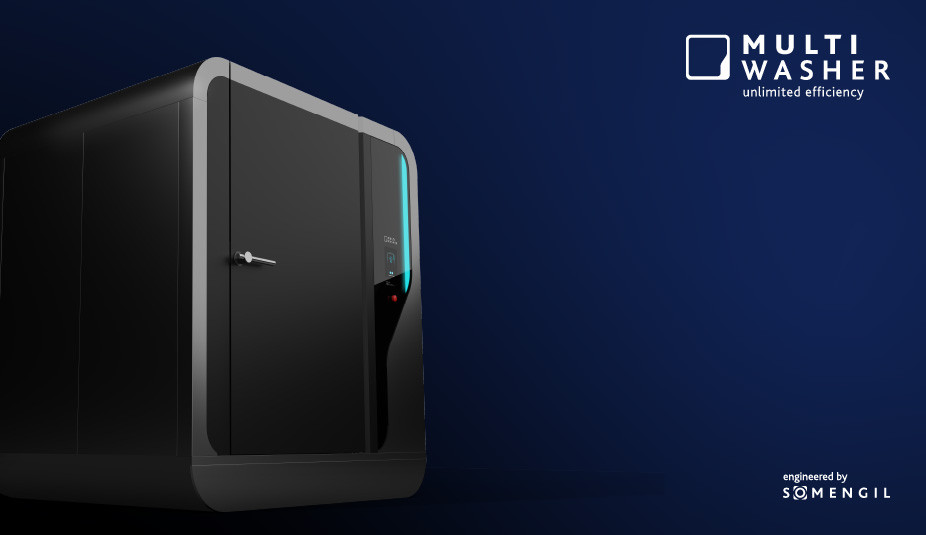
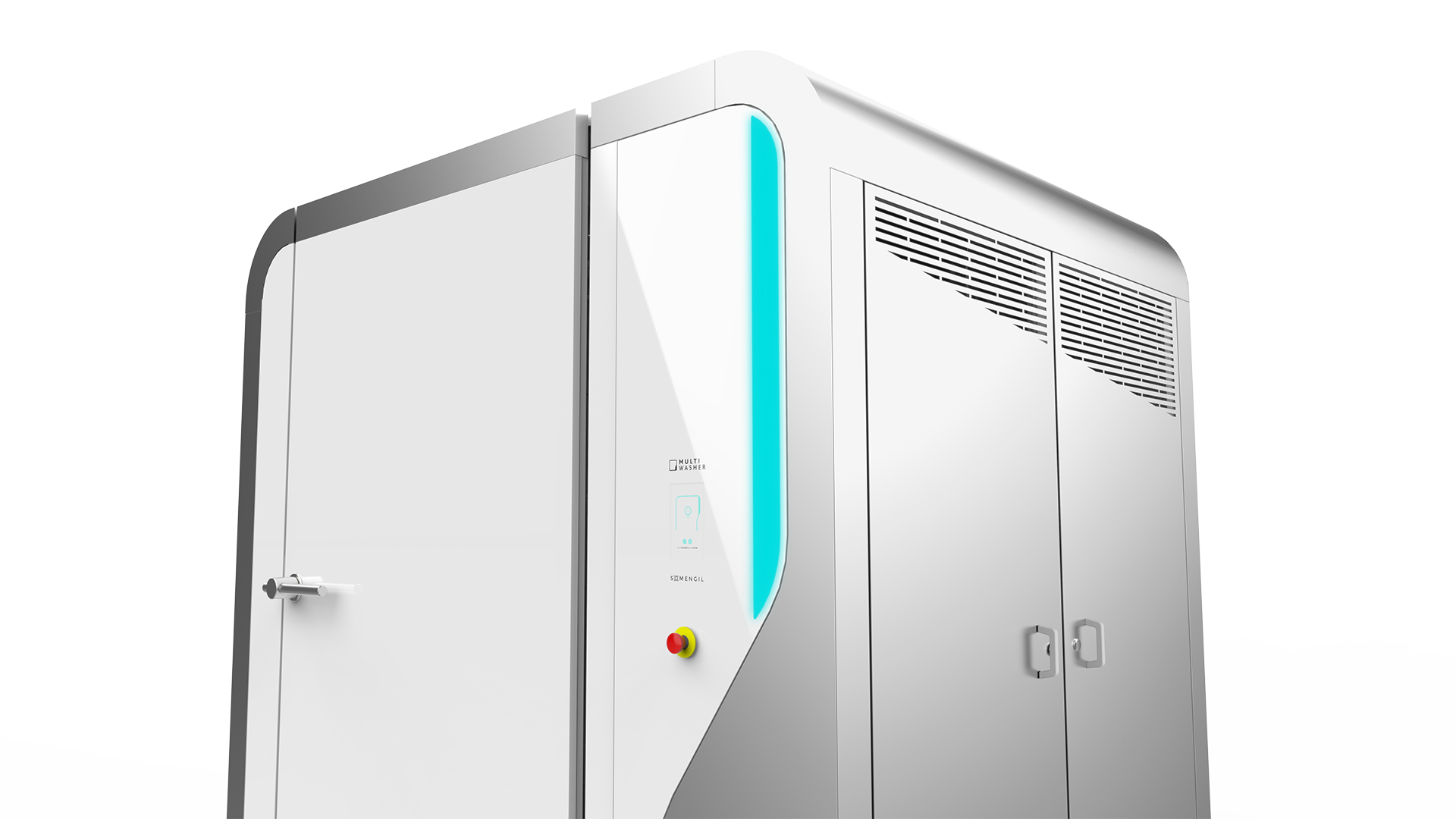
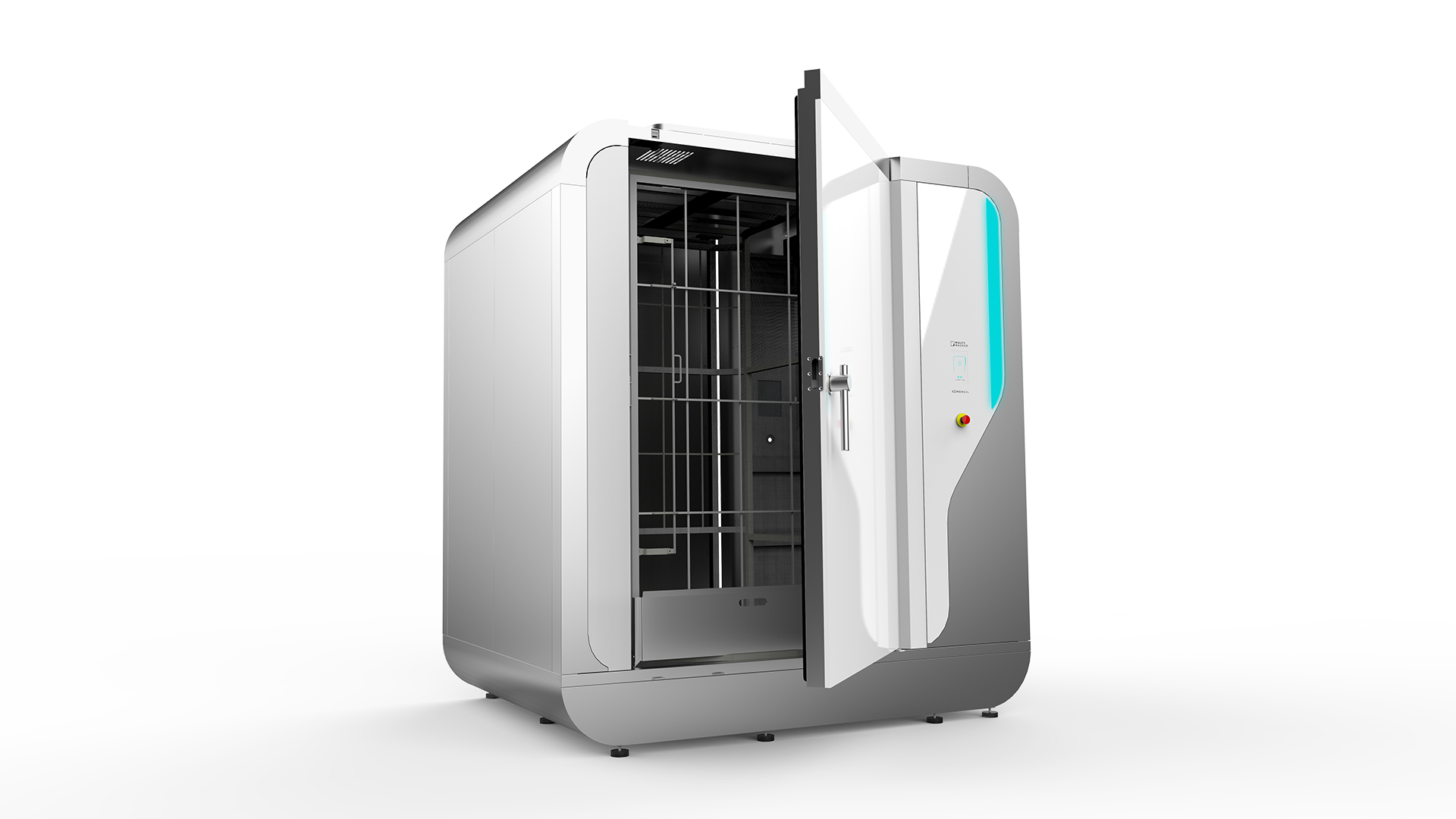
- In industrial washing, technologies such as MultiWasher can help optimize water, energy, detergent, cycle time, and equipment performance.
In industrial environments, every resource matters. Water, energy, detergent, labour, equipment capacity, floor space, and time all have a direct impact on operating costs, production efficiency, and sustainability performance.
That is why resource management is more than a planning exercise. It is the ability to understand how resources are used, where waste occurs, and how processes can be improved without compromising quality, hygiene, or output.
In this article, we explain what resource management is, why it matters, and how it can be applied to industrial washing processes.
What is resource management and why it matters?
Resource management is the process of allocating available resources to achieve organizational objectives. These resources can include human resources (employees), financial resources, physical resources (equipment, facilities), and intangible resources (knowledge, technology).
Resource management matters because every resource used inefficiently has a direct impact on cost, productivity, quality, and sustainability. In industrial environments, poor resource management can lead to excessive water and energy consumption, underused equipment, production delays, repeated work, higher labour costs, and unnecessary waste.
Main resources to manage in a washing process
In industrial washing, resource management is not an abstract concept. It is directly connected to the resources consumed, the time required, the people involved, and the consistency of the final result. Managing these resources well helps reduce costs, improve hygiene standards, and increase the efficiency of the entire production flow.
The main resources to monitor include:
- Water: one of the most important resources in any washing process. Reducing water consumption per cycle can have a direct impact on operating costs and sustainability goals.
- Energy: industrial washing requires energy to heat water, run pumps, power equipment, and maintain the correct washing conditions. Energy use should be monitored per cycle, per shift, or per item washed.
- Detergent and chemicals: using too much detergent increases costs and may create unnecessary waste, while using too little can compromise washing quality. The goal is to dose only what is needed for each cycle.
- Labour: operators spend time loading, unloading, moving utensils, checking results, and repeating washes when results are not consistent. Better ergonomics and automation can reduce manual effort.
- Time: cycle time, waiting time, rewash time, and downtime all affect productivity. A washing process that takes too long can become a bottleneck for the entire plant.
- Space: washing areas often compete with production, storage, and logistics space. A more compact and versatile washing setup can help improve plant layout and workflow.
- Equipment capacity: machines should match the real volume and variety of utensils that need to be washed. If capacity is too low, production may wait for clean items; if it is too high, resources may be wasted.
- Data: without reliable data, it is difficult to understand how many resources are being used, where inefficiencies occur, or which improvements have the greatest impact.
Resource management: how to do it in industrial washing
Improving resource management in industrial washing starts with understanding how the current process works and where the main inefficiencies are. From there, companies can define measurable goals, adjust equipment and processes, and monitor results over time.
Map the current washing process
Start by identifying what is washed, how often, by whom, and with which equipment. Include utensils, trays, boxes, pallets, racks, trolleys, filters, or any other items that are part of the production flow.
Measure current consumption
Collect data on water, energy, detergent, labour hours, cycle time, rewash rate, downtime, and items washed per hour. This creates a baseline that makes it possible to compare results after improvements are implemented.
Identify bottlenecks and waste
Look for moments where resources are being wasted or where the washing process slows down production. Common examples include long cycle times, repeated rewashes, manual handling, poor loading practices, unavailable clean utensils, or excessive detergent use.
Match washing cycles to real needs
Not every cycle requires the same washing intensity. Adjusting cycles according to the type of utensil, soil level, hygiene requirement, and production context helps avoid unnecessary consumption while maintaining consistent results.
Standardize loading and operating procedures
Resource efficiency also depends on how the machine is used. Clear operating procedures, correct loading methods, and trained operators help reduce variation between shifts and improve washing consistency.
Monitor performance with the right KPIs
Use practical indicators such as water per cycle, energy per wash, detergent consumption, items washed per hour, rewash rate, downtime, cycle compliance, and cost per washed item. These KPIs help teams understand whether the process is improving.
Use data to support continuous improvement
Resource management should not be a one-time exercise. With regular monitoring, companies can detect deviations, compare shifts, anticipate maintenance needs, and make better decisions about equipment, processes, and investments.
Choose equipment designed for efficiency
The right washing equipment can make resource management easier. A versatile industrial washing machine that adapts to different utensils and washing needs can reduce water, energy, detergent, labour, space, and time while supporting more consistent results.
FAQs about resource management
Here are some of the most common questions about resource management.
What are the main types of resources in a company?
The main types of resources include human resources, financial resources, physical resources, and intangible resources such as knowledge, technology, data, and intellectual property.
How can companies improve resource management?
Companies can improve resource management by optimizing inventory, reducing energy and water consumption, improving processes, reducing waste, collaborating with suppliers, and investing in efficient technologies and equipment.
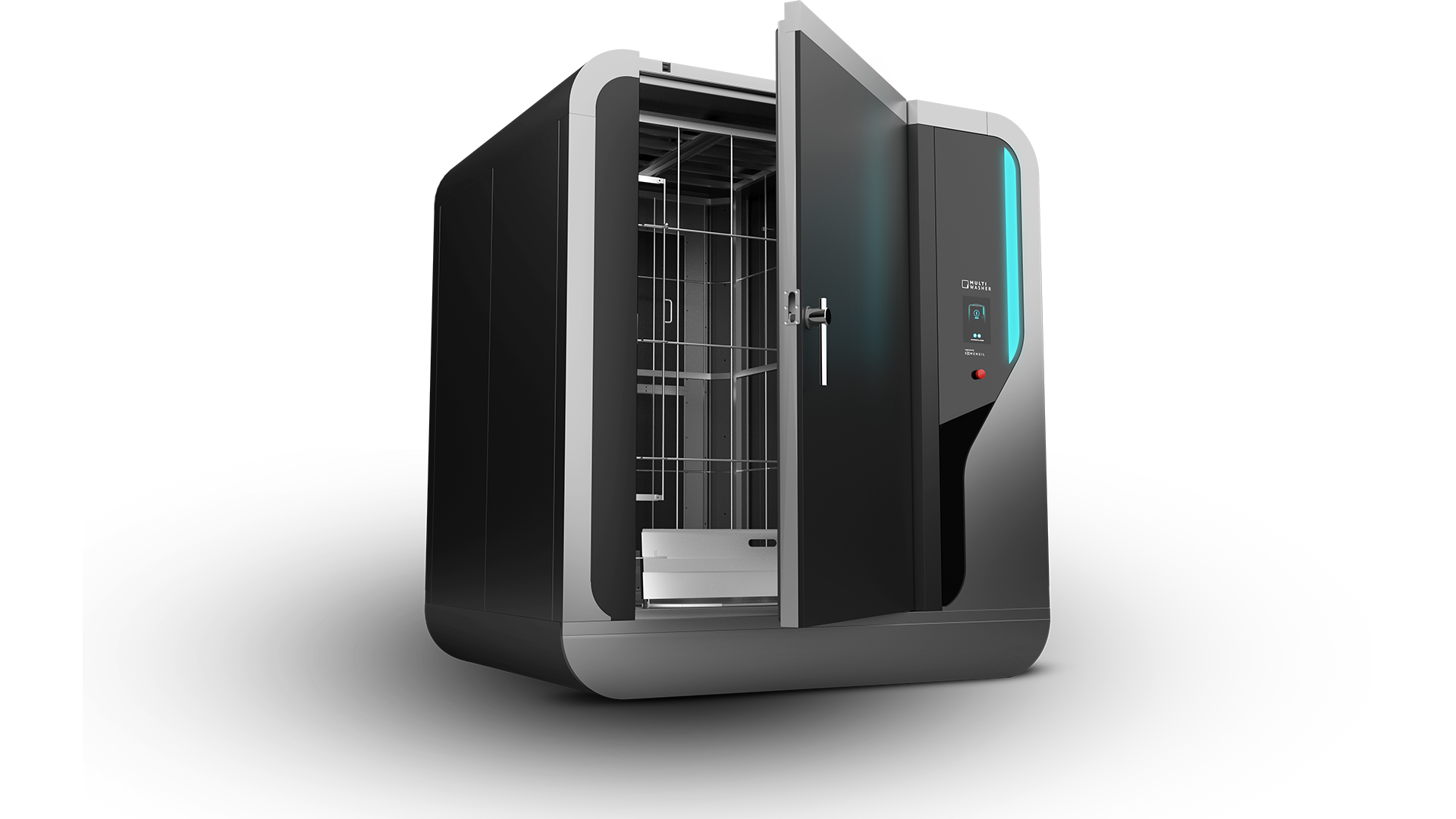
How does MultiWasher support resource management?
MultiWasher helps optimize resource use in industrial washing by reducing water, energy, and detergent consumption, adapting washing cycles, improving efficiency, and supporting more sustainable washing operations.
MultiWasher, the ultimate technology for resource management
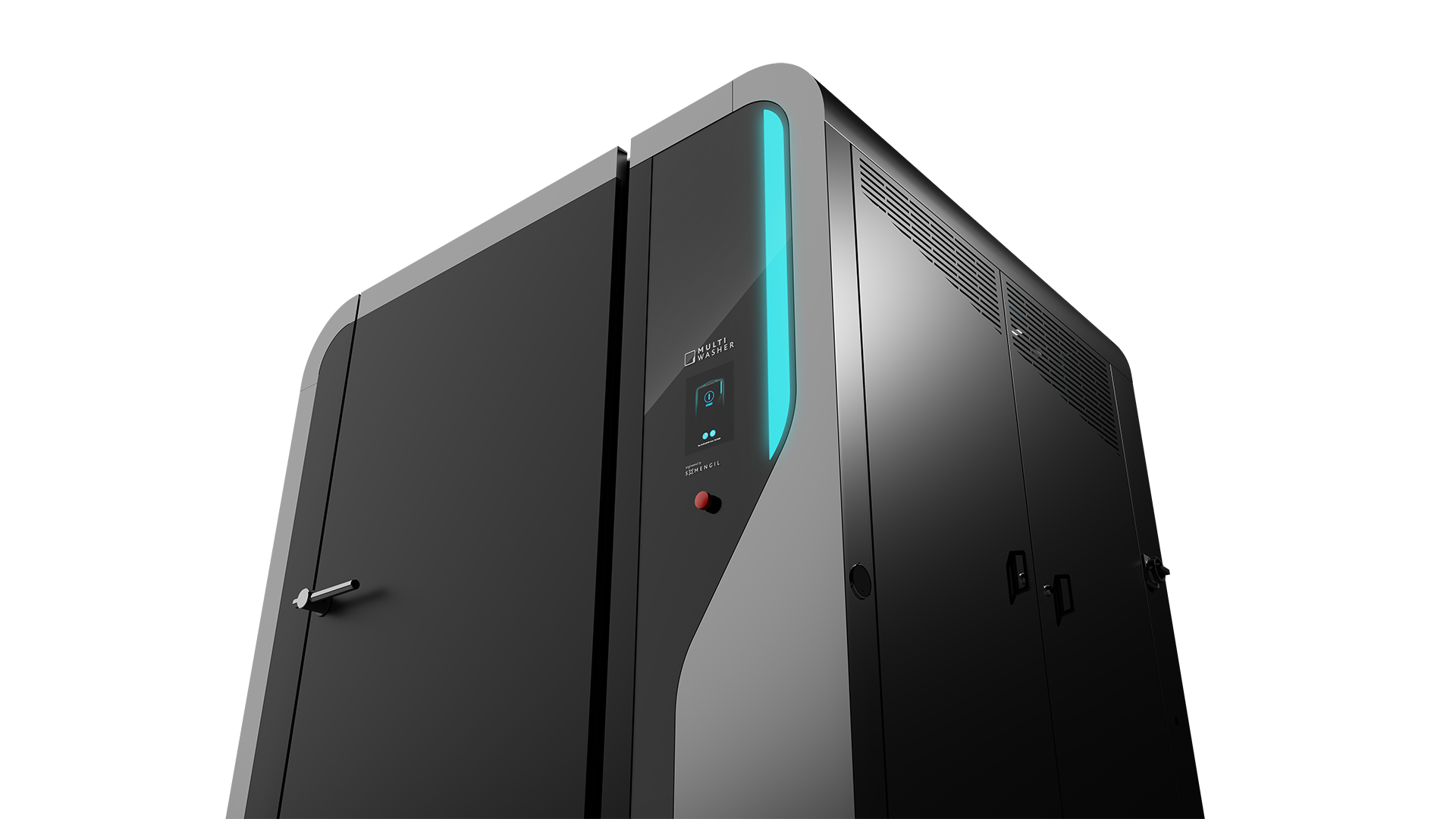
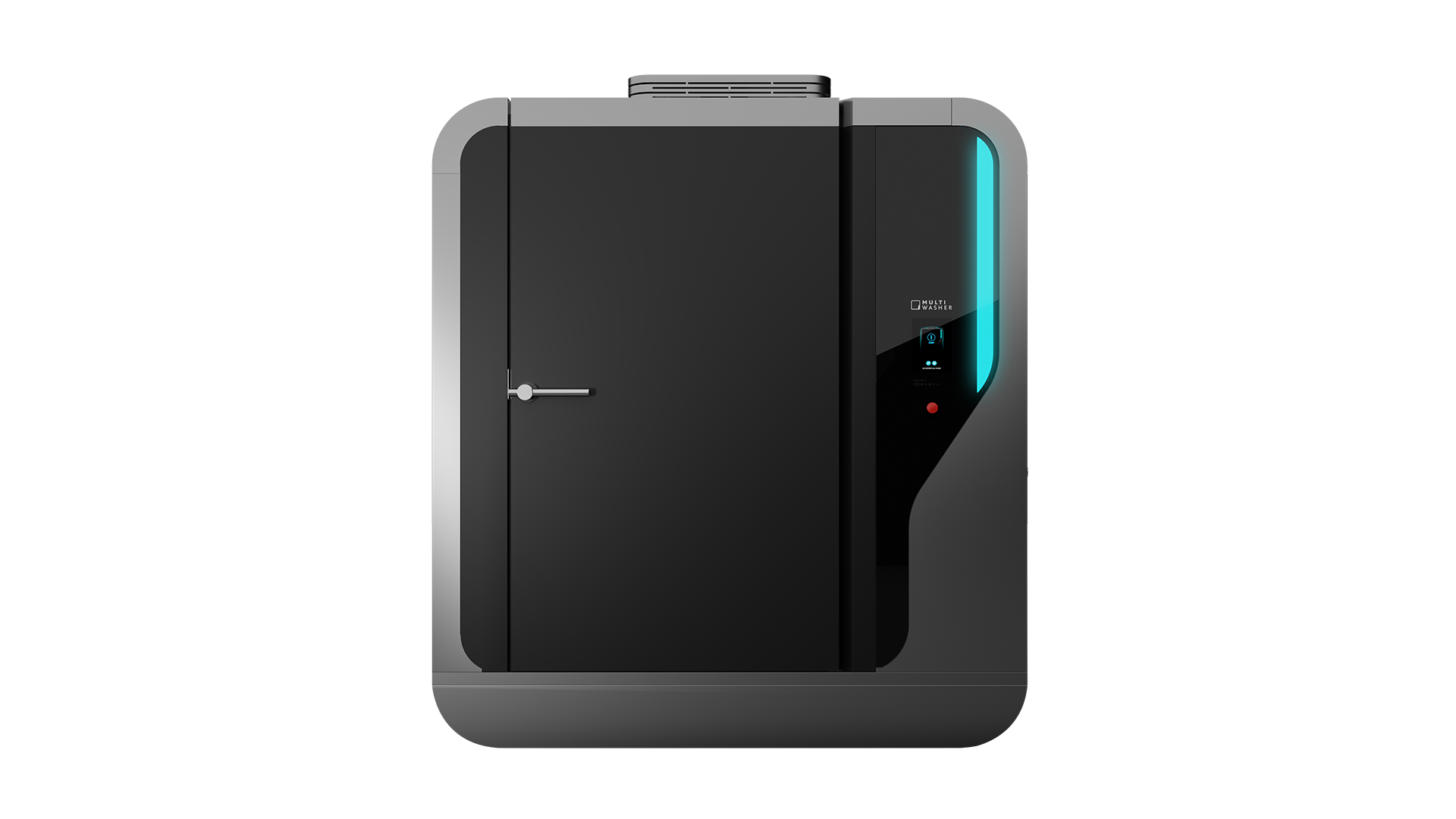
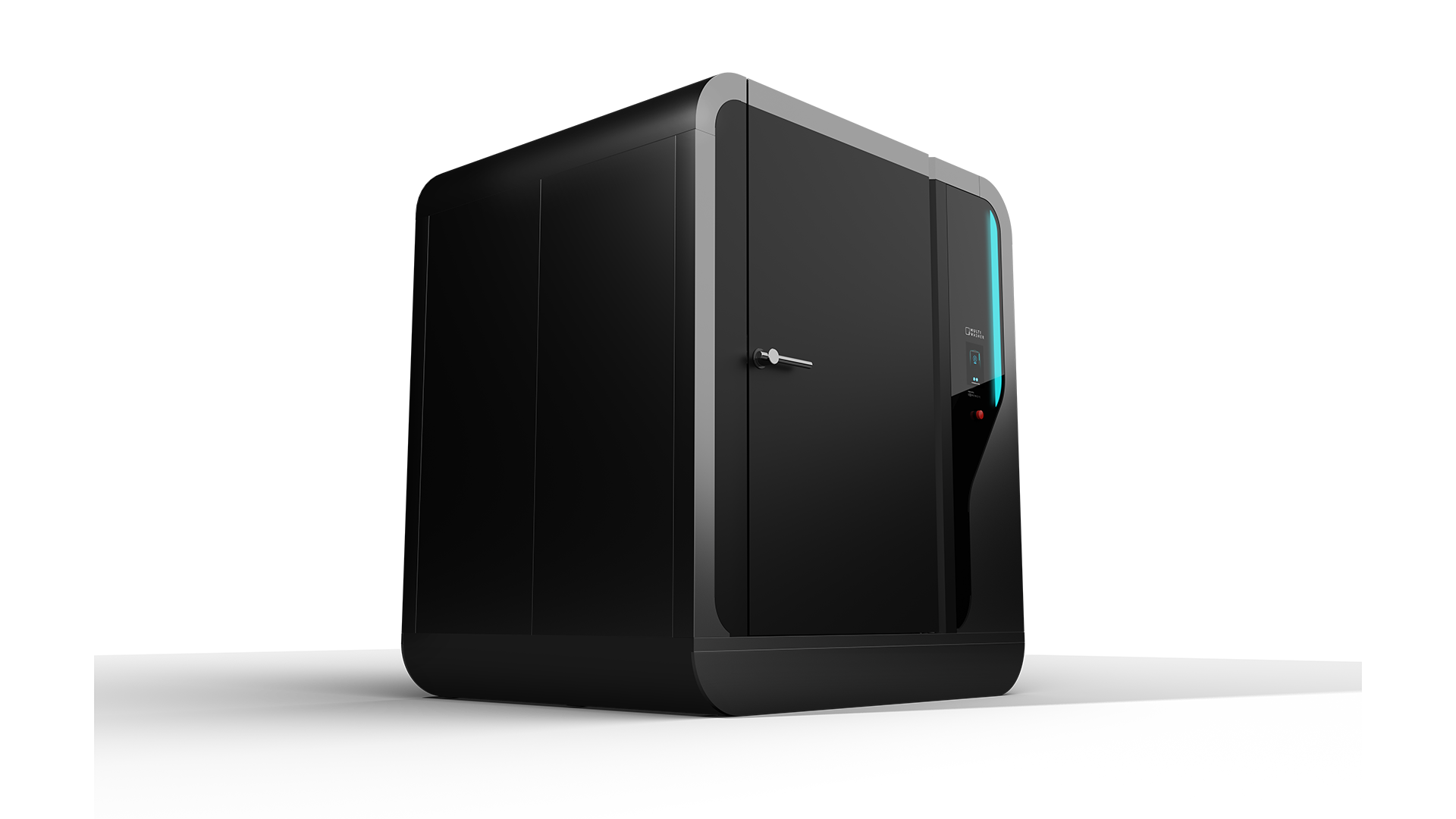
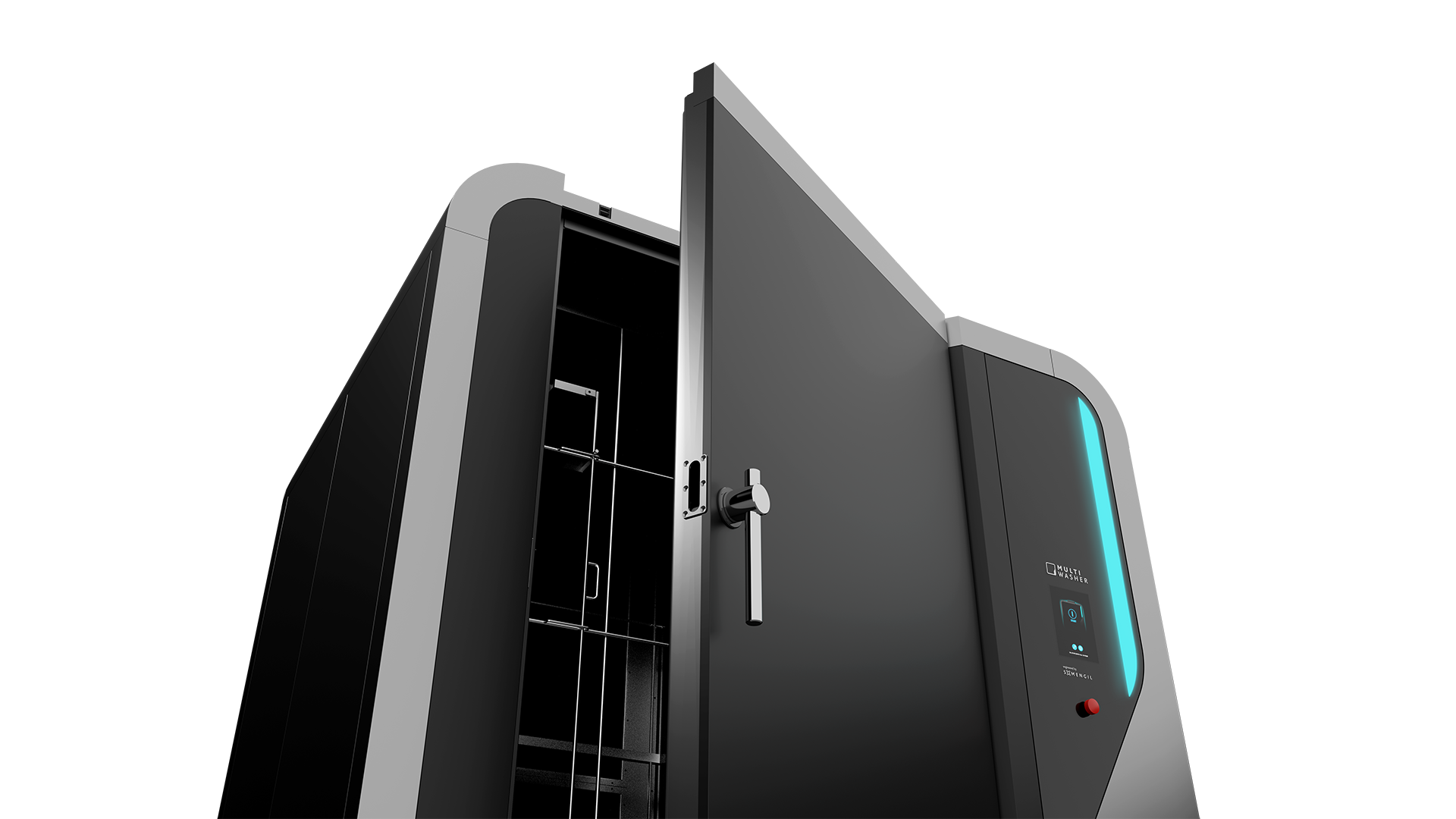
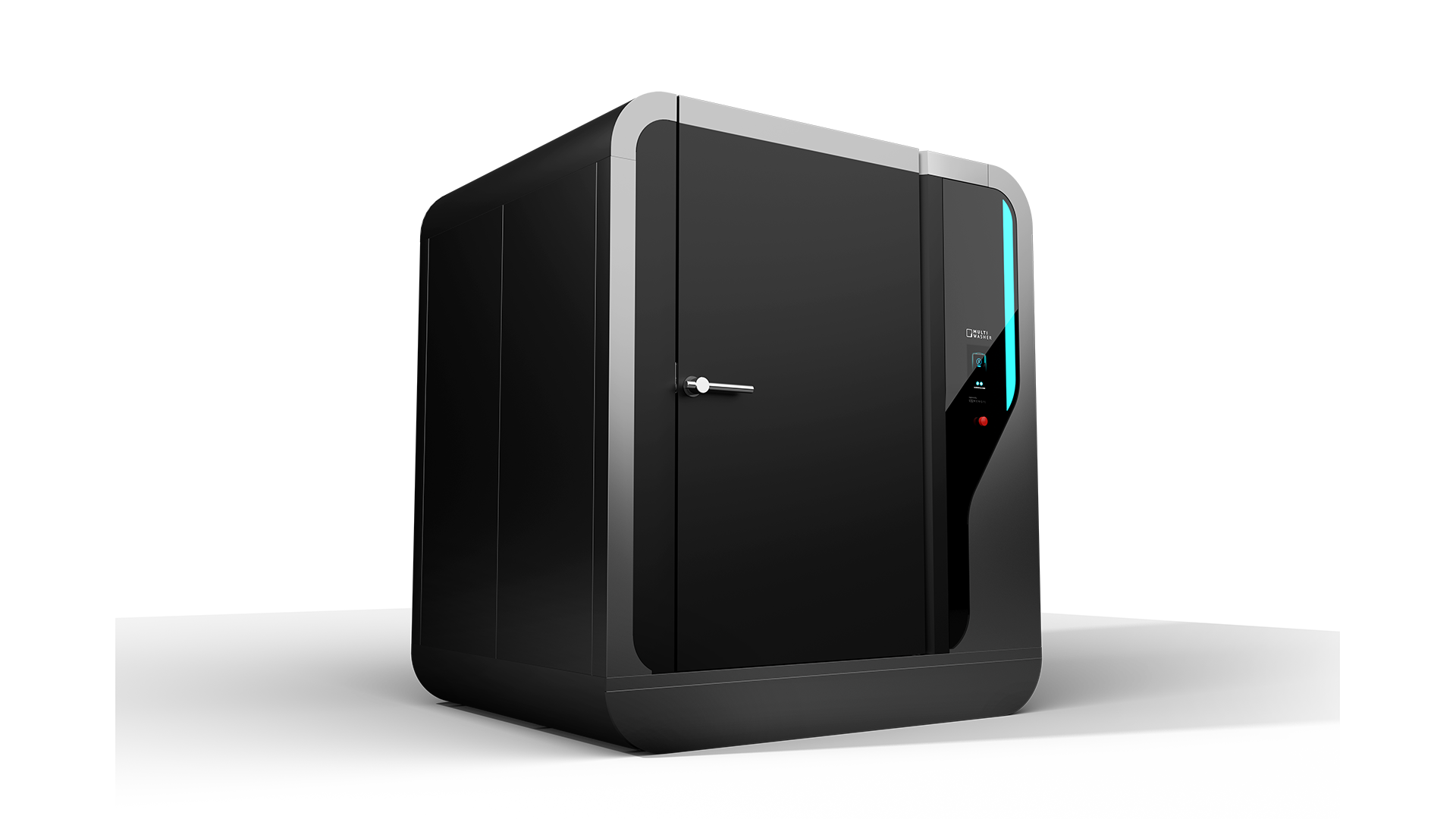
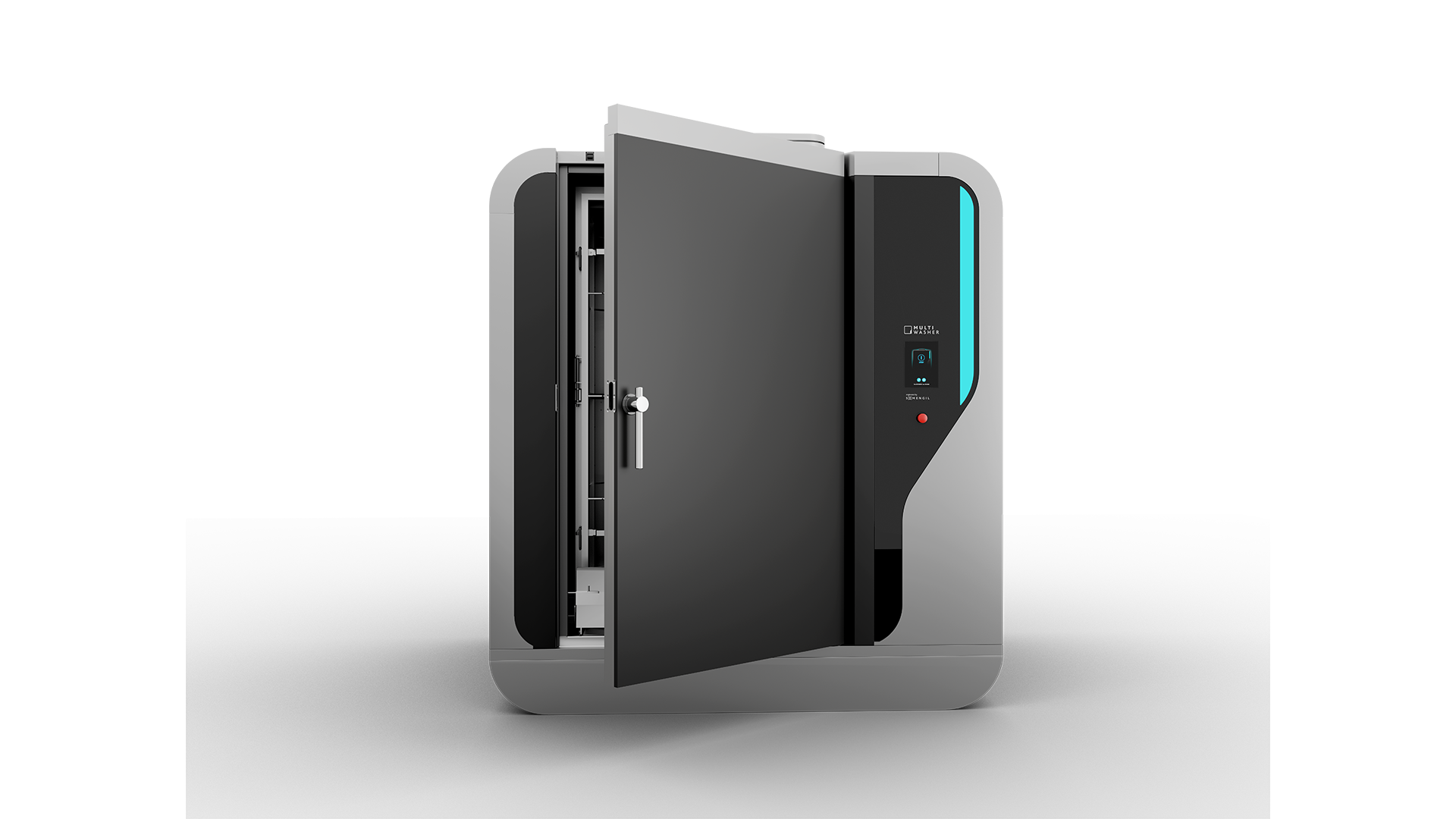
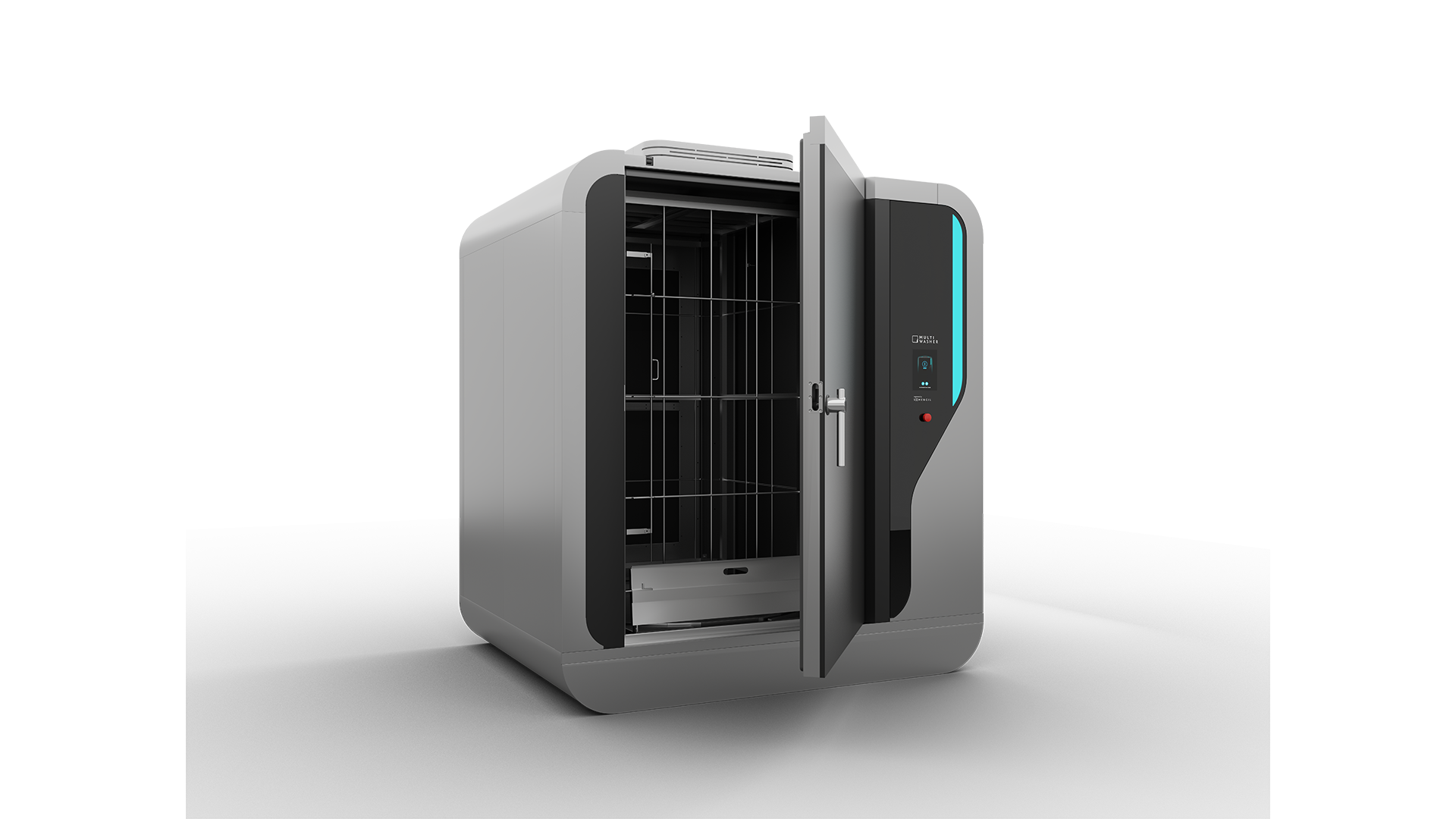
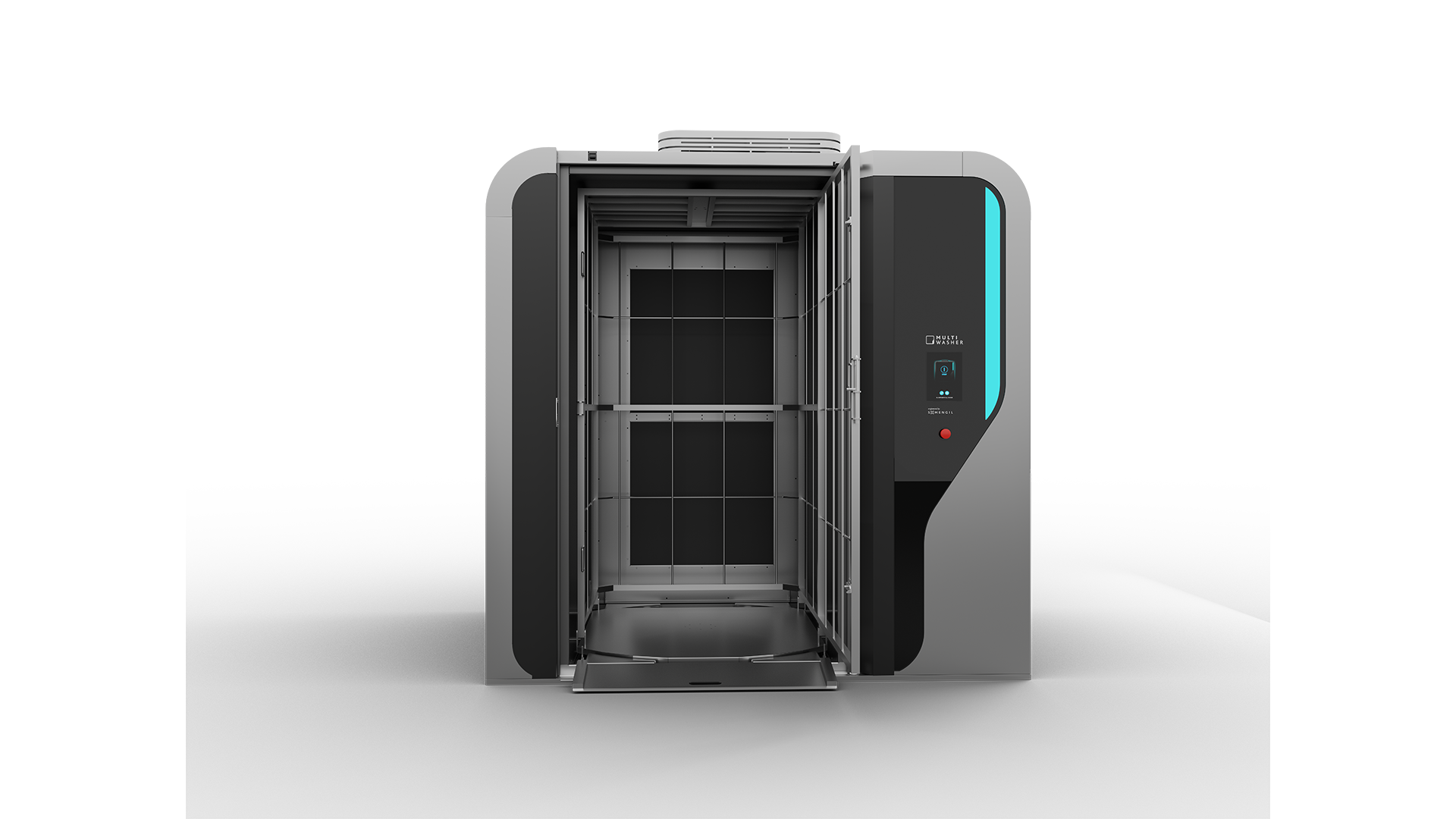
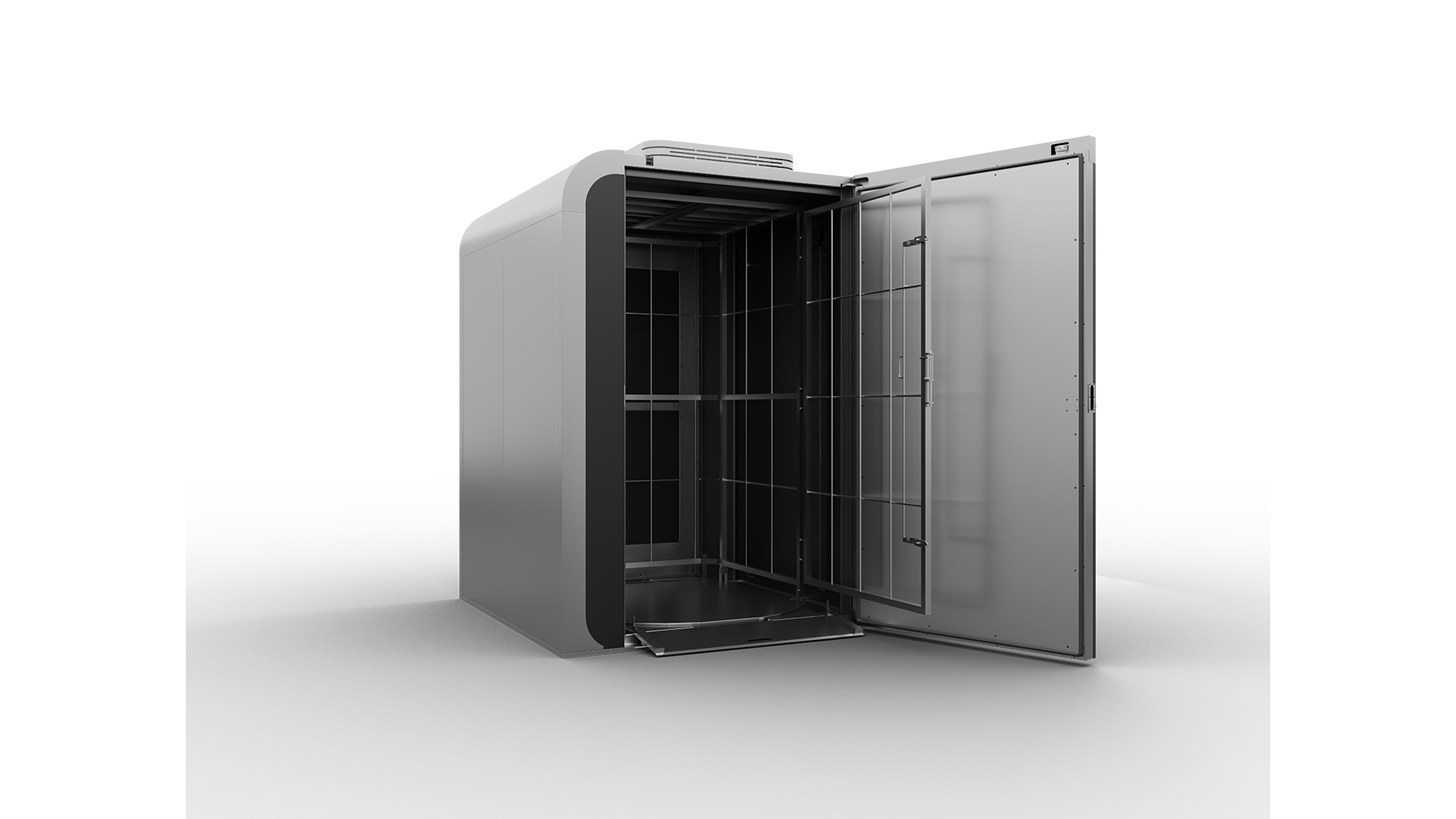
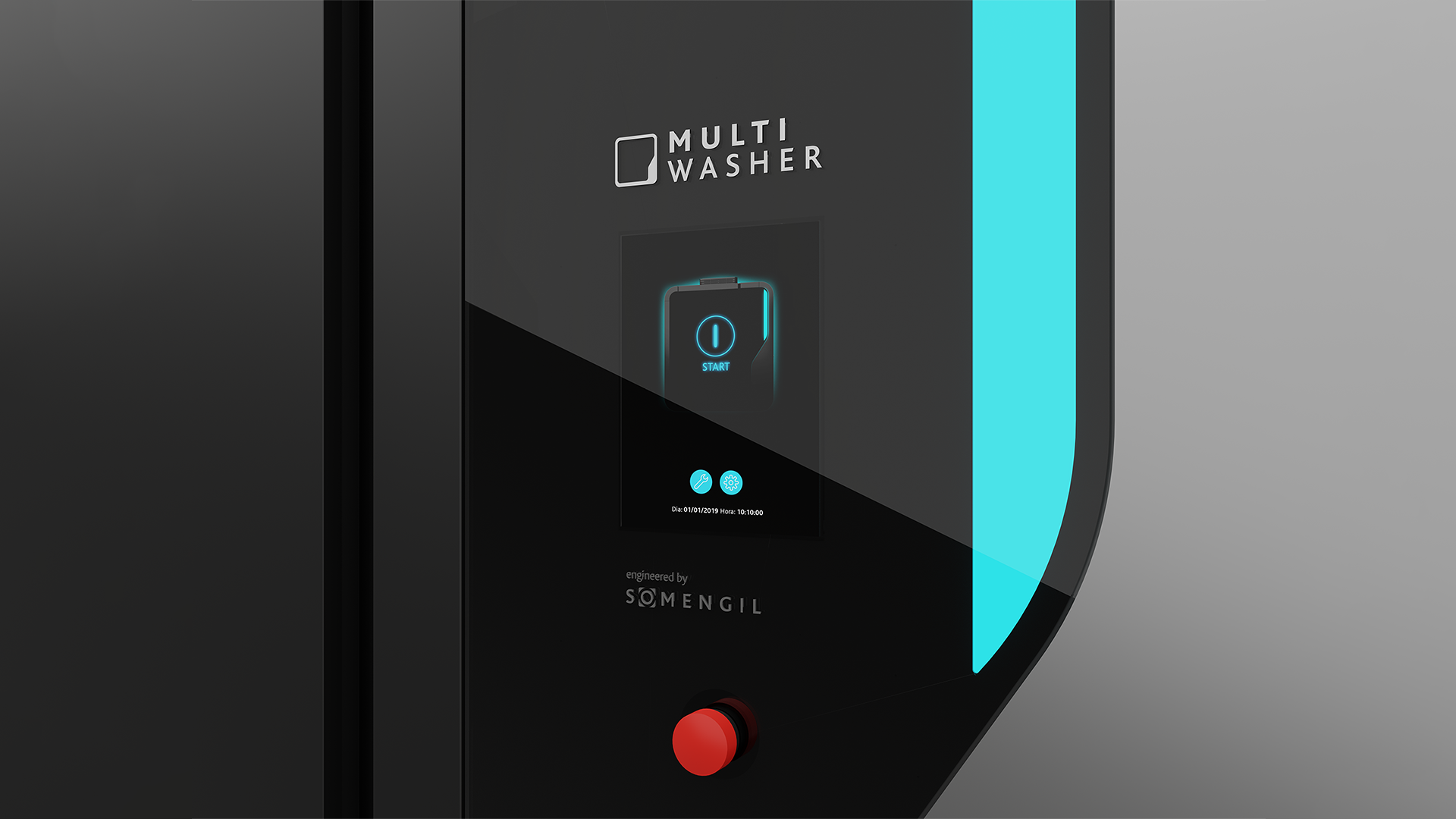
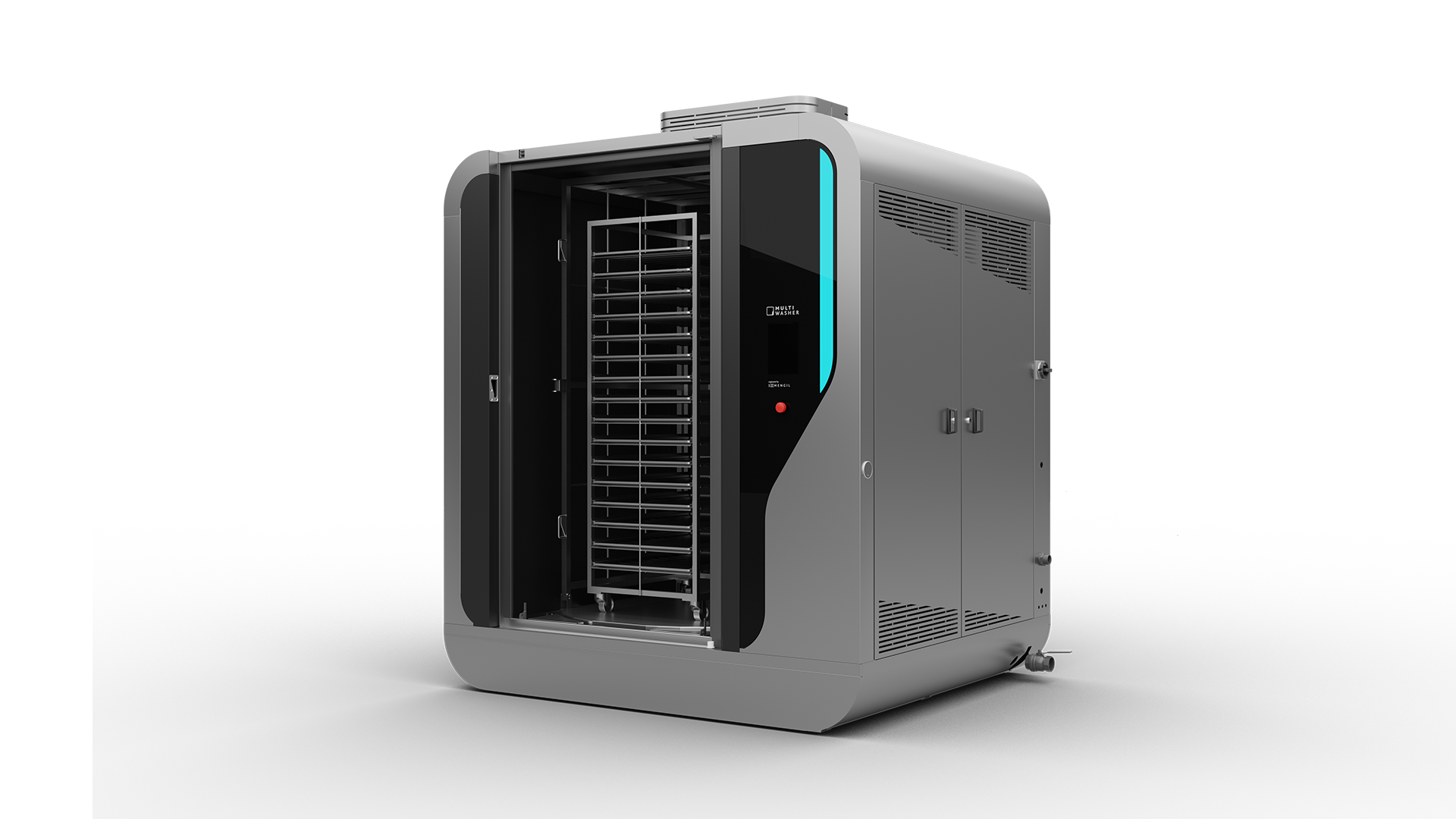
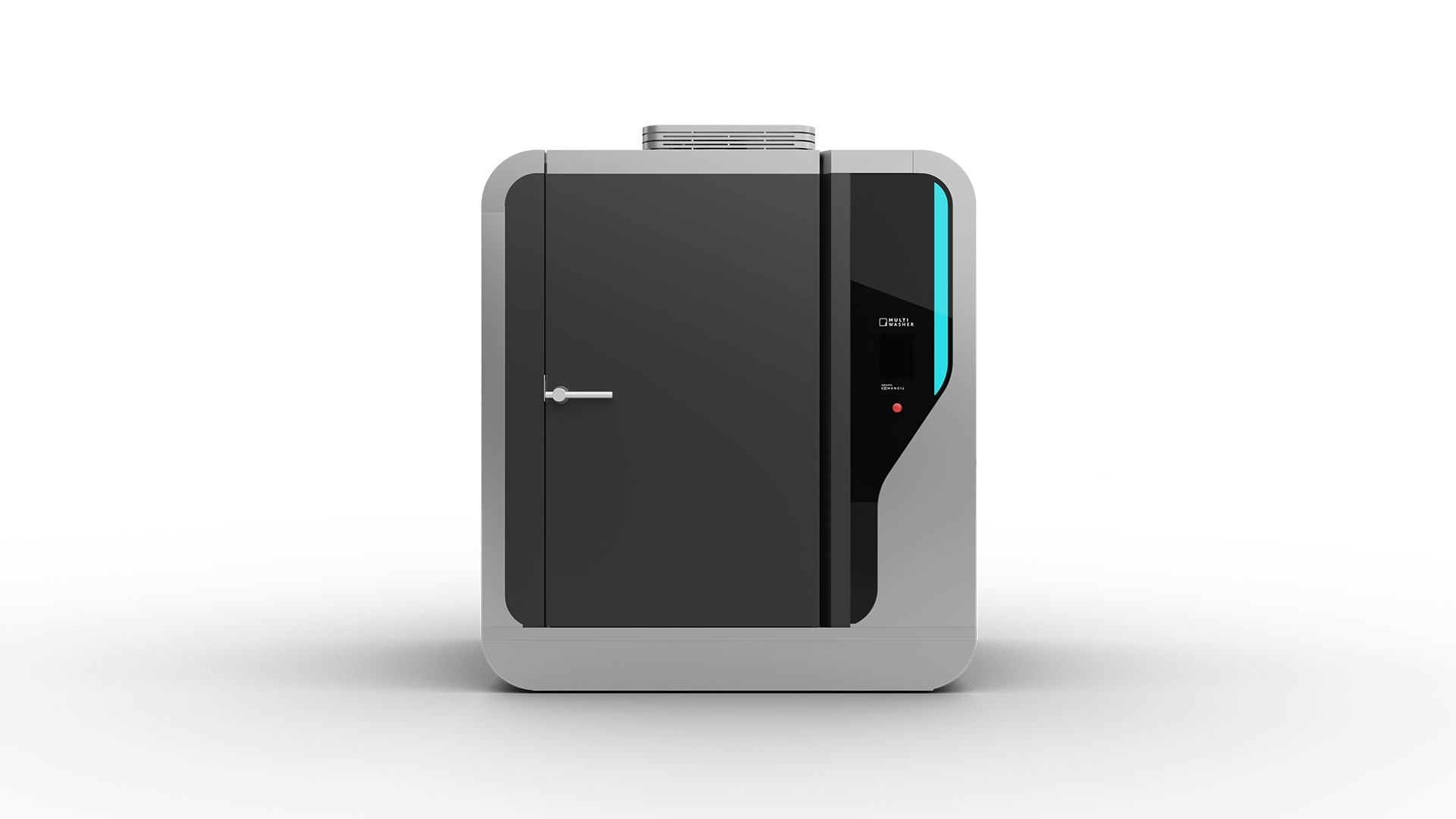
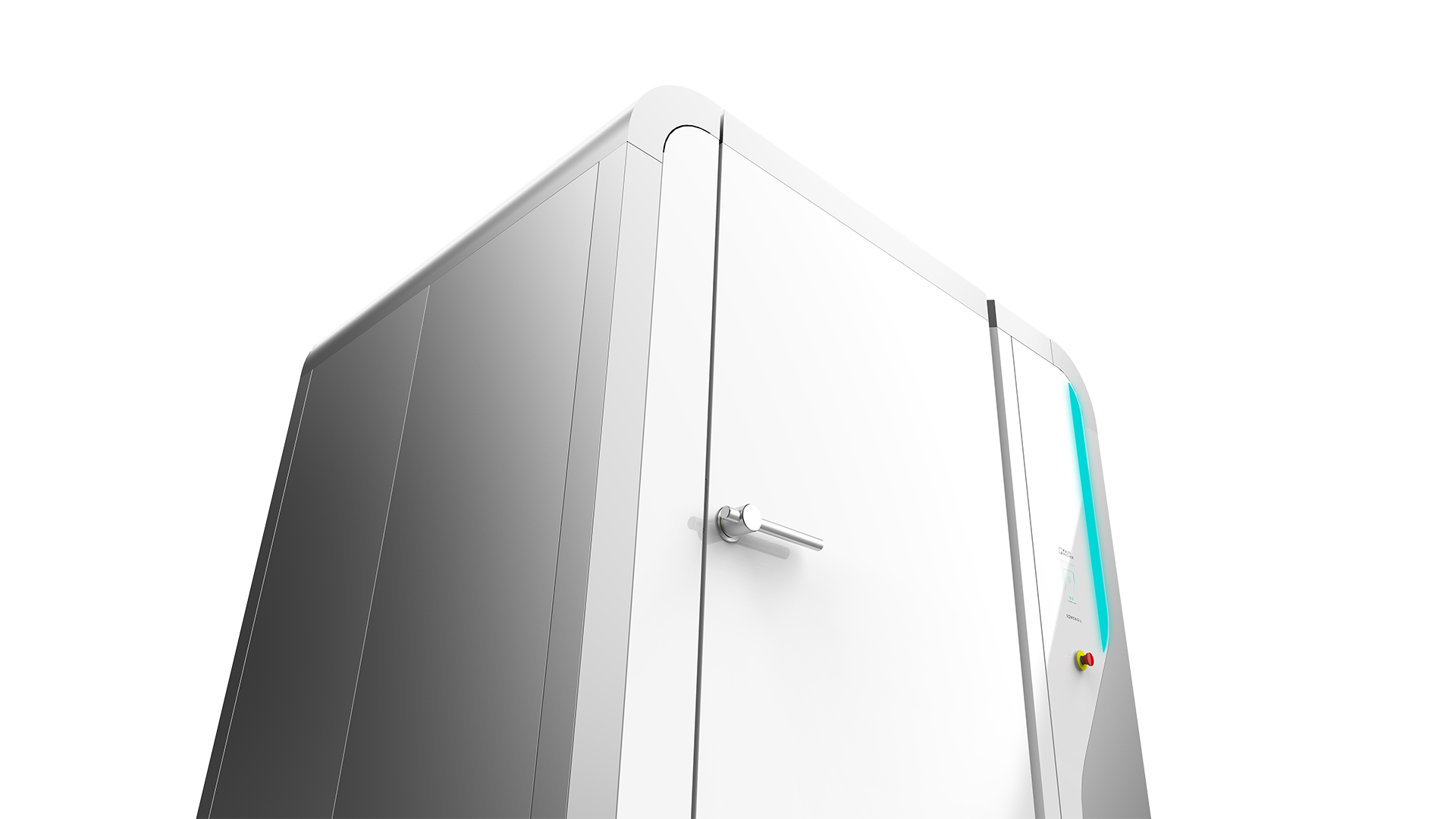
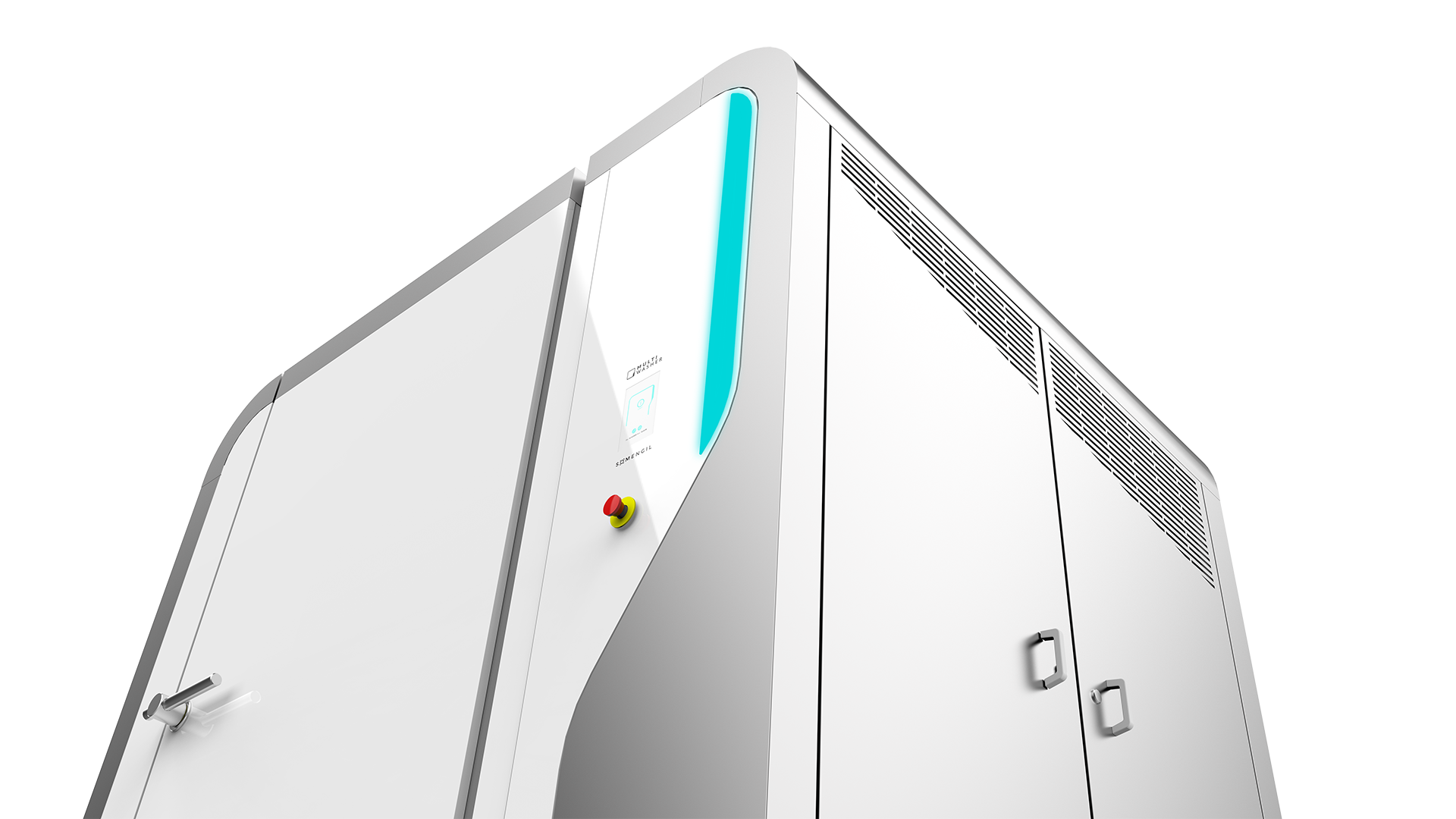
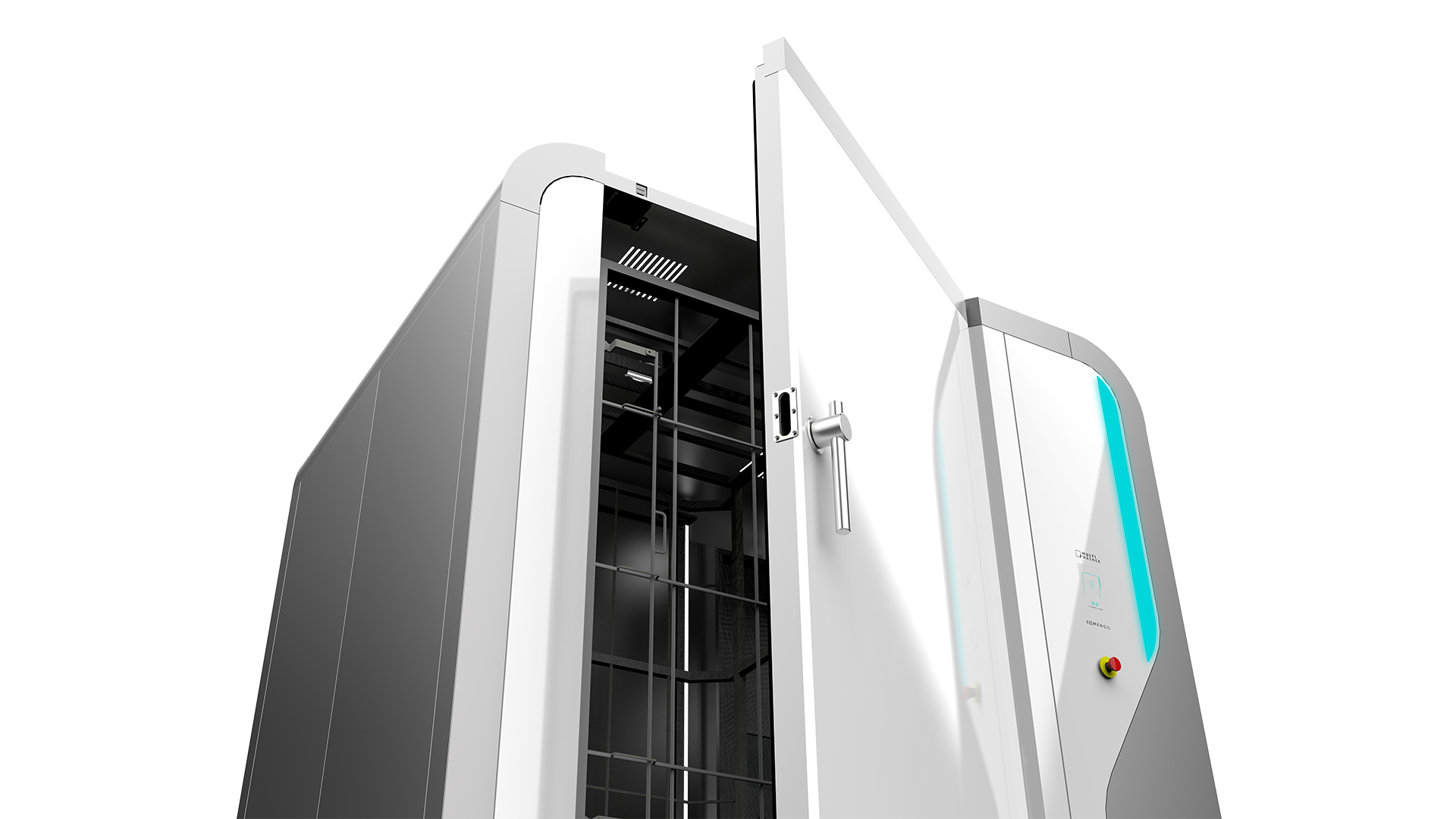
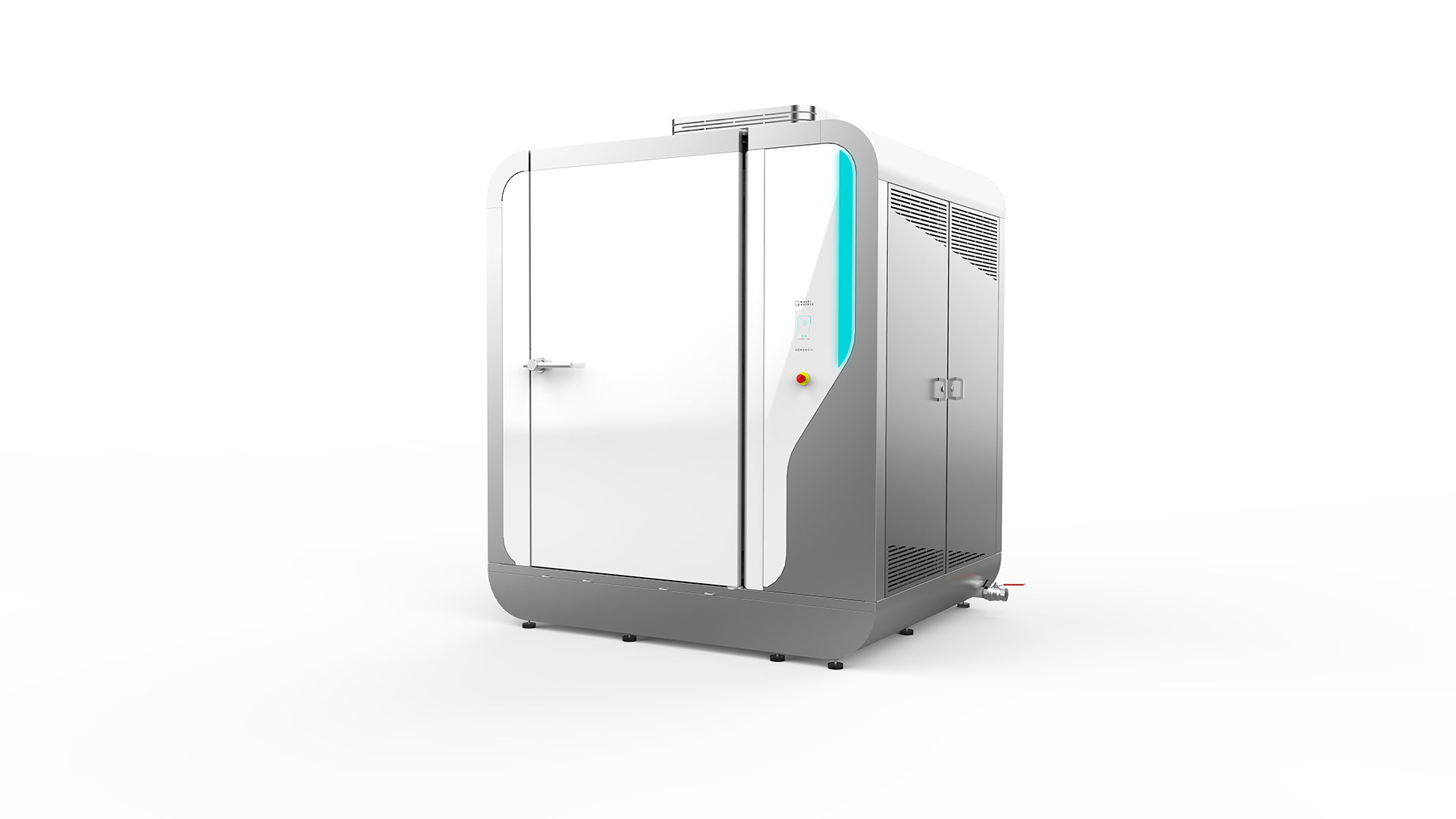
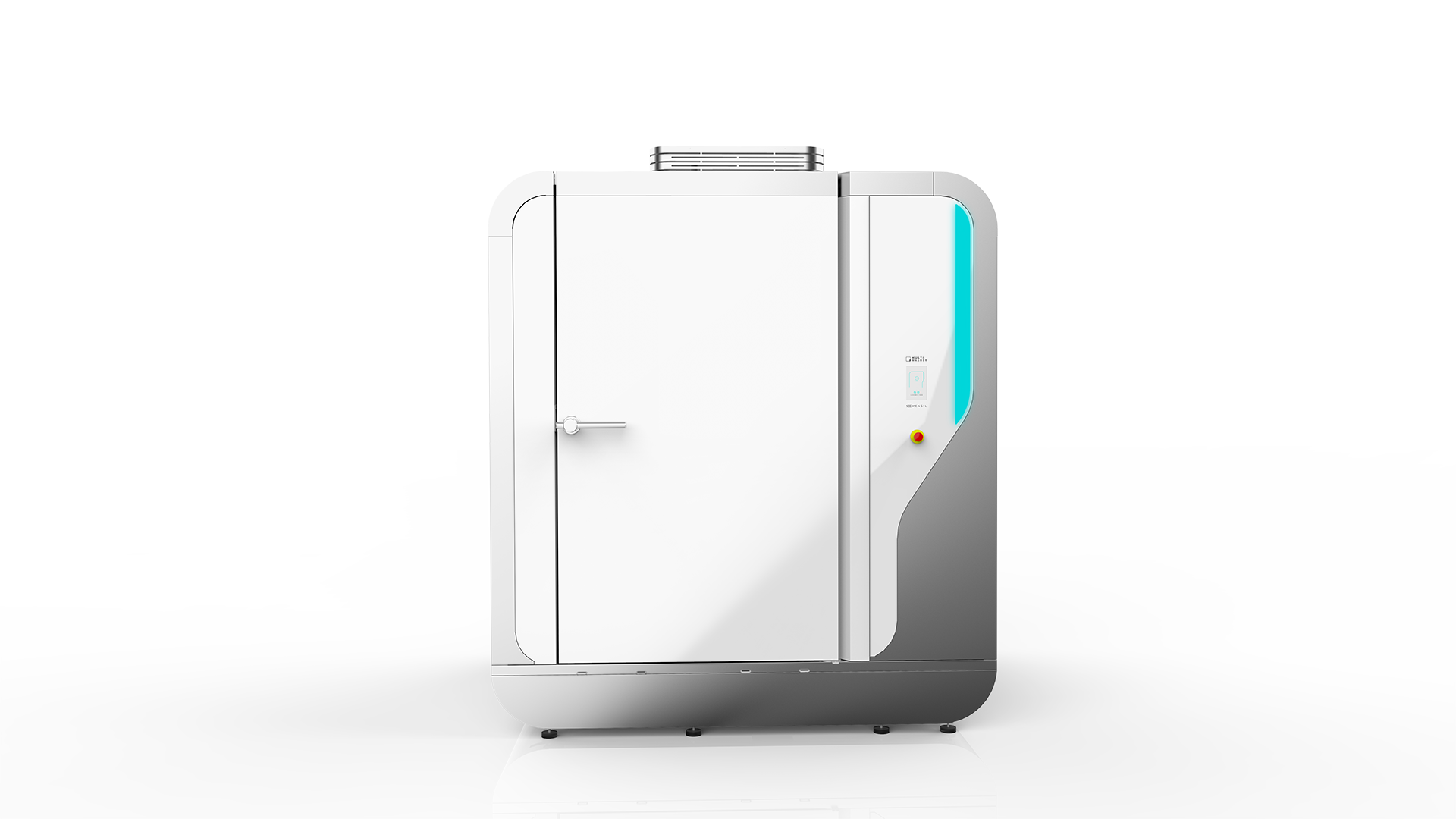
MultiWasher represents a cutting-edge advancement in resource management technology, revolutionizing efficiency and sustainability in industrial washing machine operations.
With its state-of-the-art design and intelligent features, this machine sets new standards in efficiency, sustainability, and performance. At the heart of its innovation lies an unparalleled ability to optimize resource utilization, conserving energy, water, and detergent while delivering impeccable washing results.
Moreover, it features pre-configured washing recipes tailored to different load sizes and soil levels, ensuring optimal resource usage without ever compromising on cleanliness. What’s more, MultiWasher’s innovative design ensures that items emerge from the wash cycle dry and ready for immediate use, eliminating the need for additional drying processes and further reducing resource consumption.
In essence, MultiWasher isn’t just an industrial washing machine; it’s a strategic investment in resource management excellence. Get in touch and find out for yourself how MultiWasher can help you achieve.
You may also like


Industrial washing / Articles
From global leadership to expansion in Brazil: Somengil's journey
Recognised globally as a leader in industrial washing solutions, Somengil has consolidated its position as a worldwide reference-point over more...
Posted in 2025-03-20


 Portugal
 United Kingdom
 United States
 France
 Spain
Spain Germany
 Romania
 Italy
Italy Czech Republic
 Finland
 Hungary
 Slovakia
 Greece
 Lithuania
 South Korea
 Russia
 Saudi Arabia
 Poland
 Brasil
 Hebrew