Technology / Articles
Why Workplace Ergonomics Matters More Than Ever
Ergonomics is the science of tailoring the task to the person and is essential for workers, companies, and society.
 9 minutes of reading
2022-06-20 16:13:58
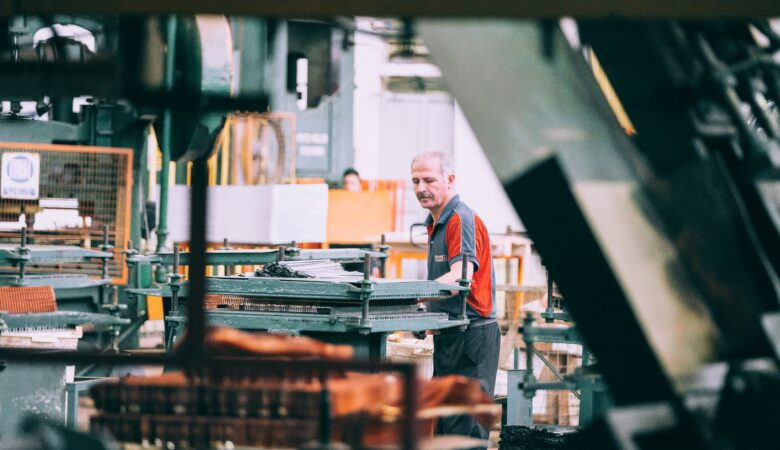
Ergonomics is a requirement for all organizations concerned with building a safe, productive, and happy workspace. However, despite a broad consensus among professionals from various sectors on the importance of ergonomics, musculoskeletal injuries still affect 3 out of every 5 workers, more than all other occupational diseases combined.
Why are so many companies lagging in the fight against ergonomics? Inadequate body postures, repetitive tasks and transporting heavy loads are still a reality in many companies.
The consequences are serious and, most times, permanent. Chronic back and neck pain is the most common health problem in the EU, affecting workers in all sectors with a high costs for businesses and society.
These are just some conclusions of the EU’s latest report on Occupational Health and hygiene. Combined with an aging workforce, this data further reinforces the long road ahead for many companies lacking ergonomics.
What is Ergonomics at work?
The word ergonomics derives from the greek “ergon”, meaning work, and “nomos”, which stands for laws. Ergonomics loosely translates to “laws of labor” or “labor science”. An ergonomic design removes the incompatibilities between work and the worker and creates a safer and more productive work environment.
The goal of ergonomics is precisely to prevent the musculoskeletal injuries caused by sudden or sustained exposure to force, vibrations, repetitive movements, and inadequate postures.
The lack of ergonomics has serious consequences at all levels: for society, for companies and for each individual worker.
The consequences of poor ergonomics
Musculoskeletal diseases are the leading cause of pain, discomfort, and incapacitation worldwide. The losses generated by these diseases are estimated at 3.9% of the global GDP, roughly EUR 2.68 trillion.
In addition, the lack of ergonomics impacts the financial health of companies:
- Direct costs include compensating the employee, and the medical and legal fees. Musculoskeletal diseases account for 1 out of every 3 days of absenteeism;
- Indirect costs include training a replacement, investigate the accident, lost productivity, repairing damaged equipment, and the effect on the morale of the remaining team. These can reach 20 times the amount of direct costs.
If an ankle injury represents €1,000 in direct costs, it could reach €20,000 in indirect costs. A company with a 3% margin would sell an additional €700,000 just to cover the expenses.
To avoid these costs and contribute to a safer and more effective working environment, it is necessary to improve ergonomics. To do so, companies should review established practices, invest in training, and ensure access to equipment designed for ergonomics.
How to improve ergonomics at work
Concerns about ergonomics are not new among leading organizations. But few companies have been as effective at translating ergonomics into results like Toyota.
Following the devastation of World War II,the Japanese company introduced the “Toyota Way” to the world, a way of thinking based on 3 sequenced priorities: “Safety, quality and productivity”.
As influential today as when it was first introduced, the rationale behind these words was simple: if a workspace is safe, that means proper controls are in place; proper control assures low variability; low variability guarantees results, which means higher quality. And the consequence of higher quality is higher productivity. And what makes a space safer? That’s right, ergonomics.
These are some of the quick wins that companies can implement to improve ergonomics and thus increase safety, quality and productivity.
Identify hazardous tasks
The first step is to identify procedures that put employees at risk, such as:
- Repetitions. Repetitive tasks have a cycle time under 30 seconds.
- Posture. Activities that require unnatural postures, such as having to bend, rotate or climb.
- Load. manually lifting loads, even those relatively light (under 5kg), puts employees at risk if done too often.
- Vibrations. Prolonged exposure to activities with vibration is one of the major factors that contributes to musculoskeletal injuries.
After identifying the riskiest tasks, it is possible to set in motion an action plan to increase ergonomics, focused on these activities. Doing so requires the involvement of everyone, every day, in every area.
Involve everyone, every day
The essence of any successful transformation is a participatory approach, where workers improve the workplace and implementing solutions.
Workers can:
- Identify and provide important information on workplace hazards;
- Help implement improvements;
- Evaluate and improve the changes made.
The commitment of the management team is critical. To improve, it is necessary to first know and measure the current state, and then set clear goals and objectives. Leadership should share these goals with the entire company.
Investing in continuous education
Training should ensure that employees:
- Are aware of the benefits of ergonomics;
- Know how to perform their tasks ergonomically;
- Can identify risks;
- Understand the importance of reporting the first symptoms of occupational diseases.
Such training can help identify critical areas for improvement, prevent the development of serious injury and prevent others in the company from falling victims to the same issues.
Implement physical changes in the workplace
Improving ergonomics involves some physical changes to the workplace. The goal is to redesign the space in such a way that employees can maintain a “neutral” stance—in which the body is aligned and balanced while sitting or standing, with a minimal strain on the muscles, bones and tendons.
This posture is more ergonomic and more productive. To achieve this goal, there are several best practices to follow:
- Use auxiliary equipment to lift and reposition heavy loads. If this is not possible, limit the weight per load handled by employees;
- Automate repetitive tasks, especially those that require inadequate postures;
- Reposition worktables and equipment to minimize micro displacements, such as small rotations or squats;
- Organize the job so that employees always have the tools they use the most readily available.
- Implement mechanisms such as electric mats or gravity systems that put materials within workers’ reach effortlessly;
- Redesign tools and equipment to allow neutral postures.
Review hazardous processes
Companies should review work procedures so that employees can maintain ergonomics:
- Rethink workflows and sequence steps to improve ergonomics. When it is not possible to improve, managers should flag the most dangerous steps.
- Introduce cleaning and organizational routines, so that only what is actually necessary is in the workplace;
- Design a turnaround system in which employees switch between activities that use different muscle groups;
- Distribute tasks in order to minimize continuous effort, repetitive movements and inappropriate postures;
- Keep auxiliary equipment properly maintained, such as forklifts and pallet jacks, to ensure that they are available when needed;
- Introduce control mechanisms to guarantee that the new, more ergonomic, procedures are being followed.
Somengil, ergonomics in action
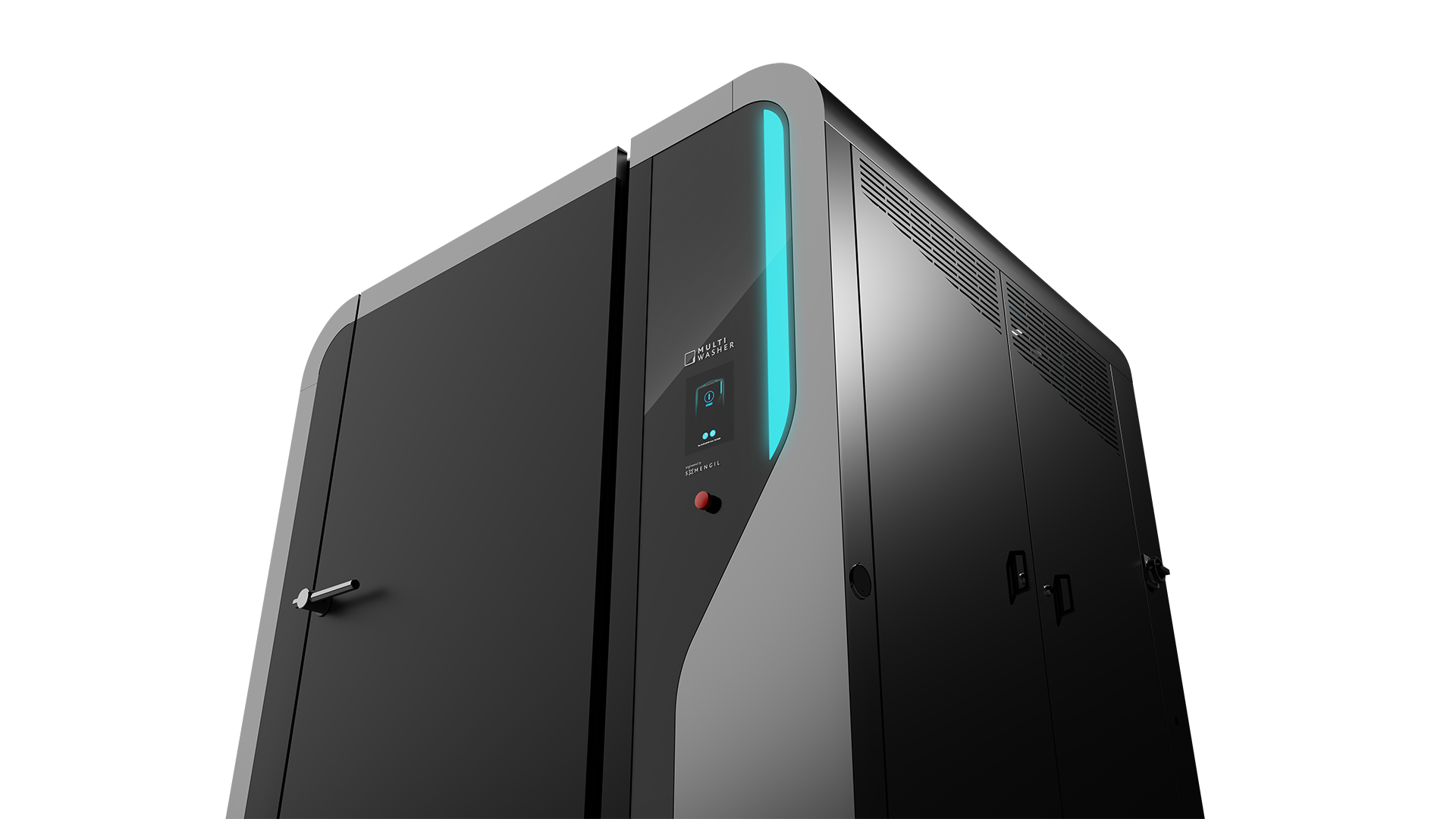
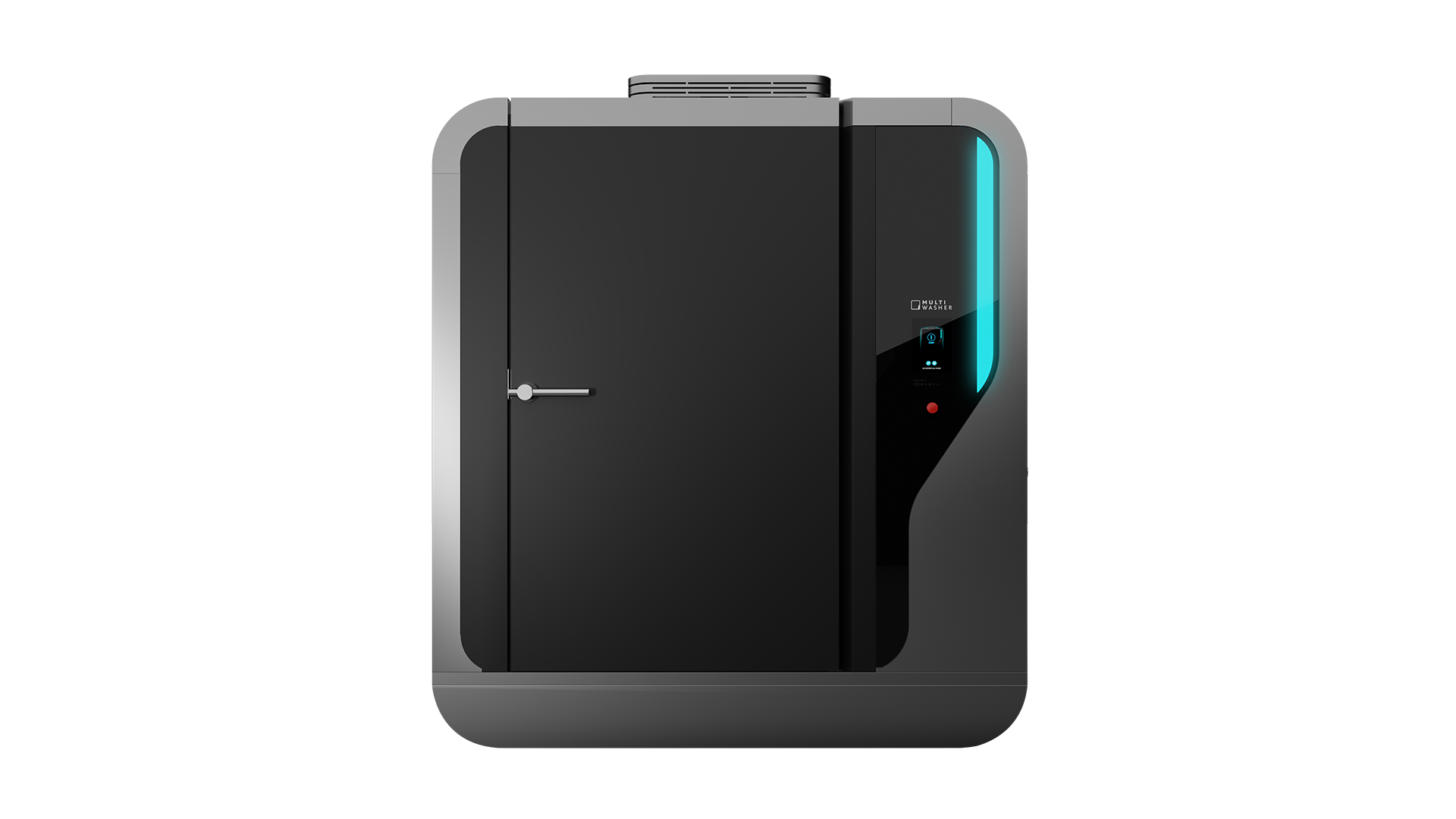
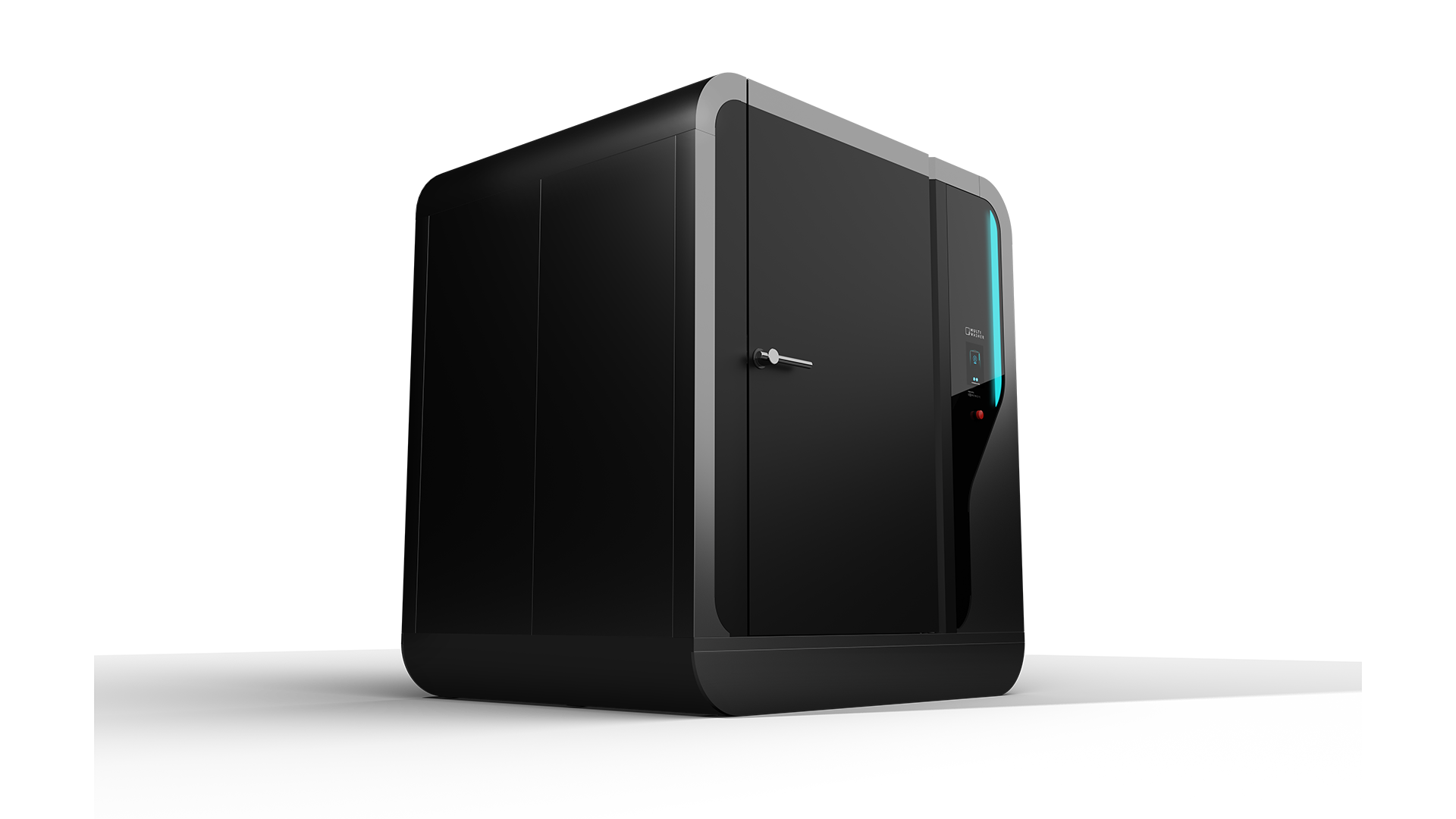
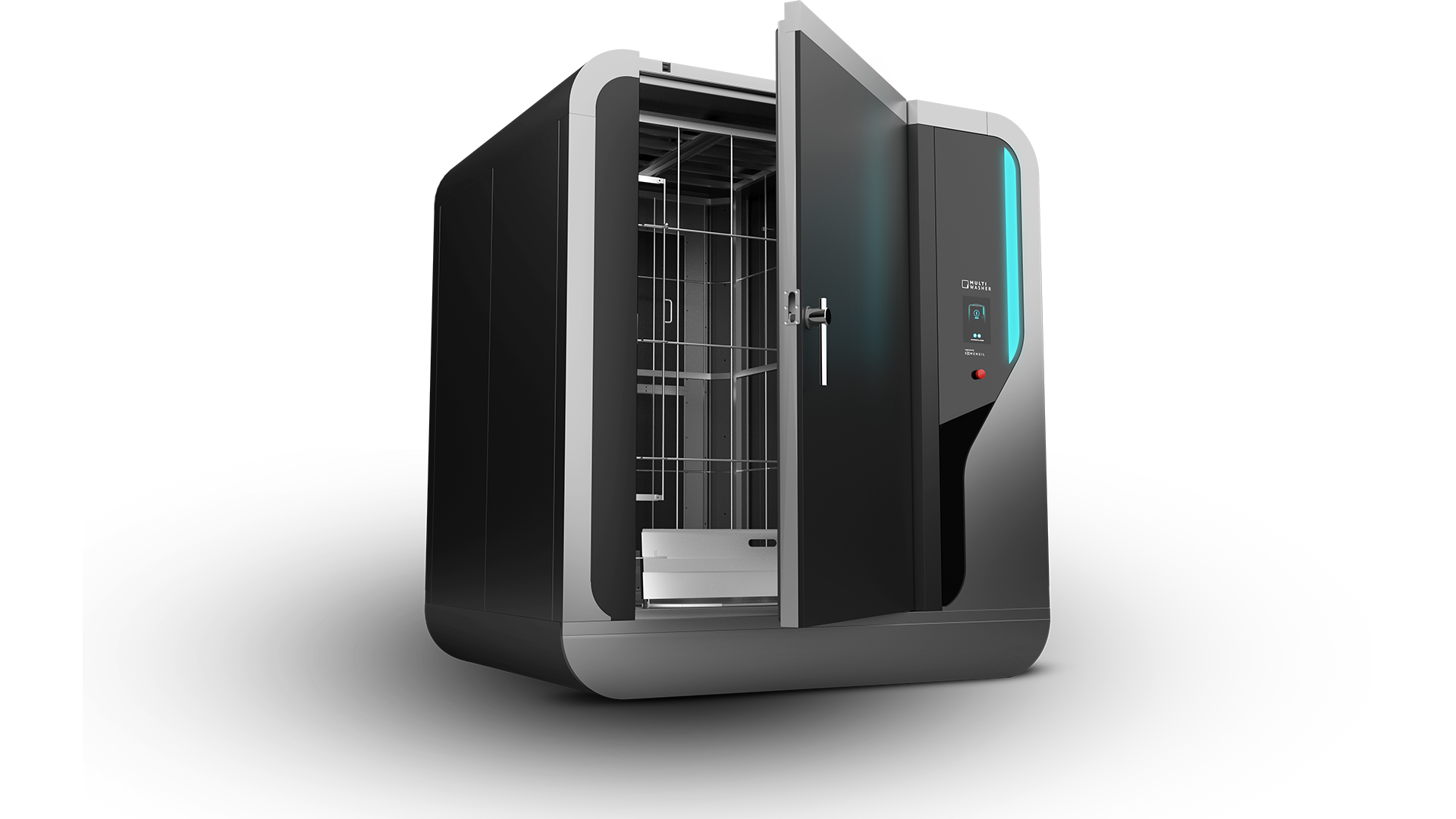
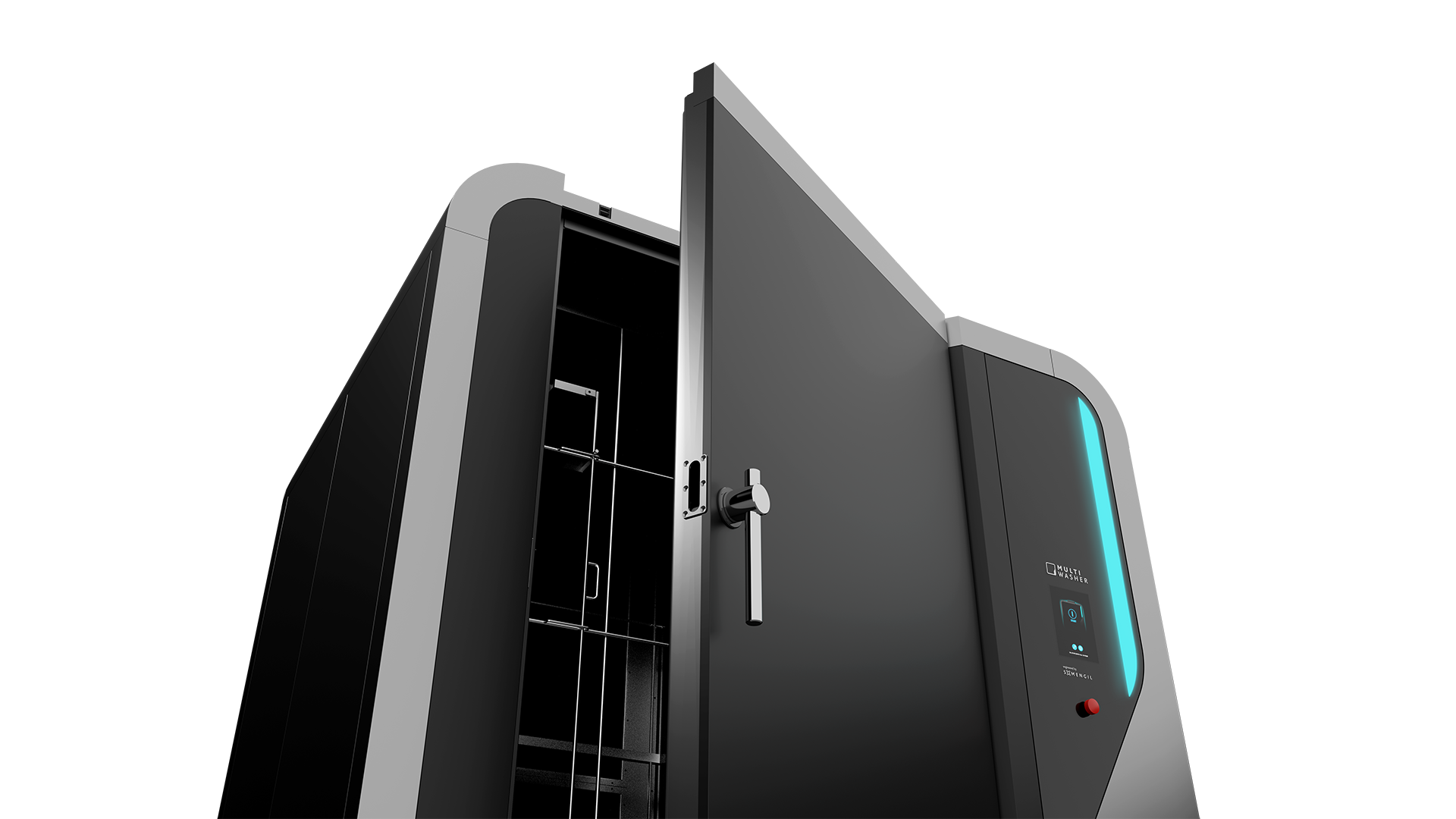
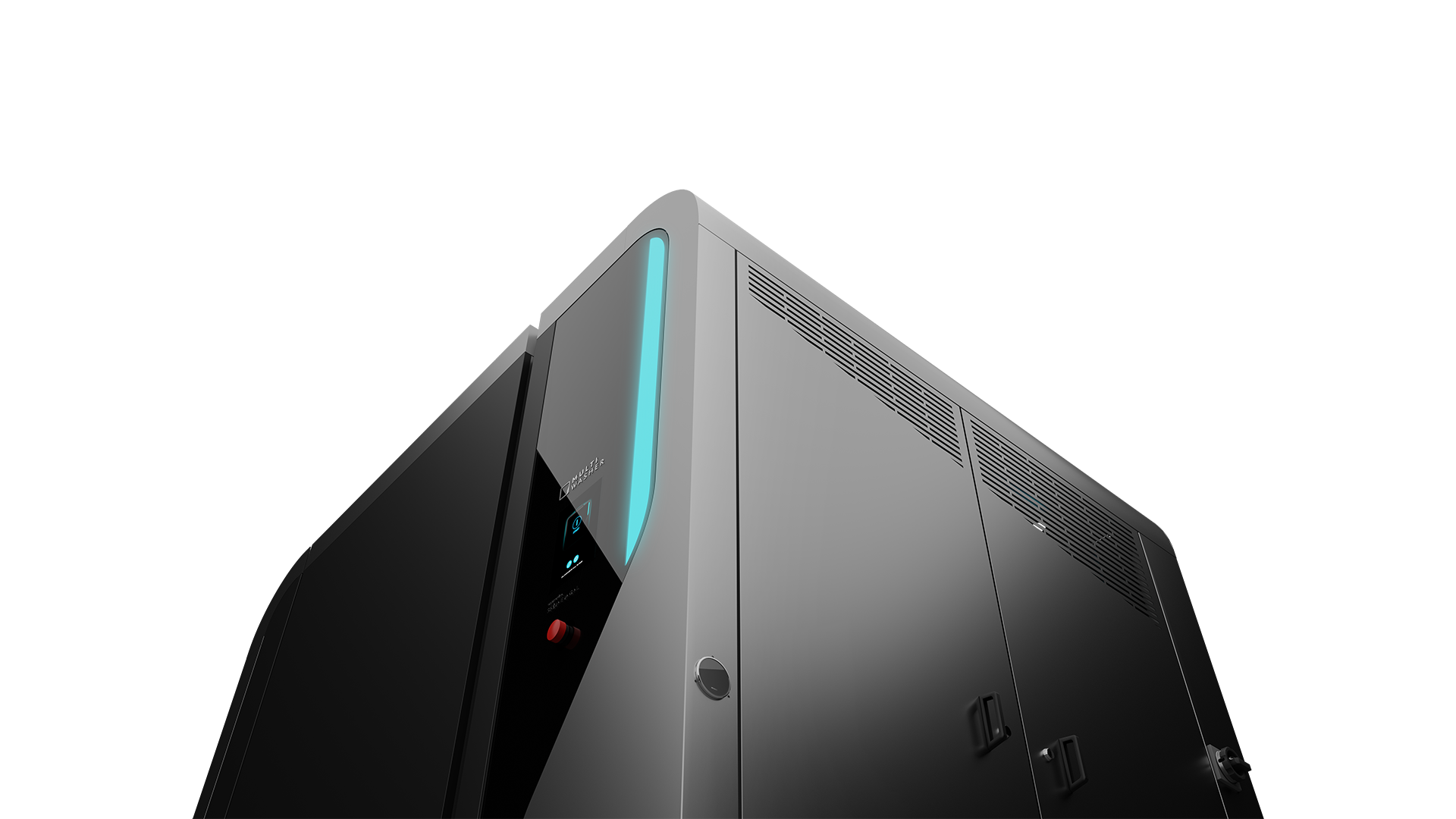
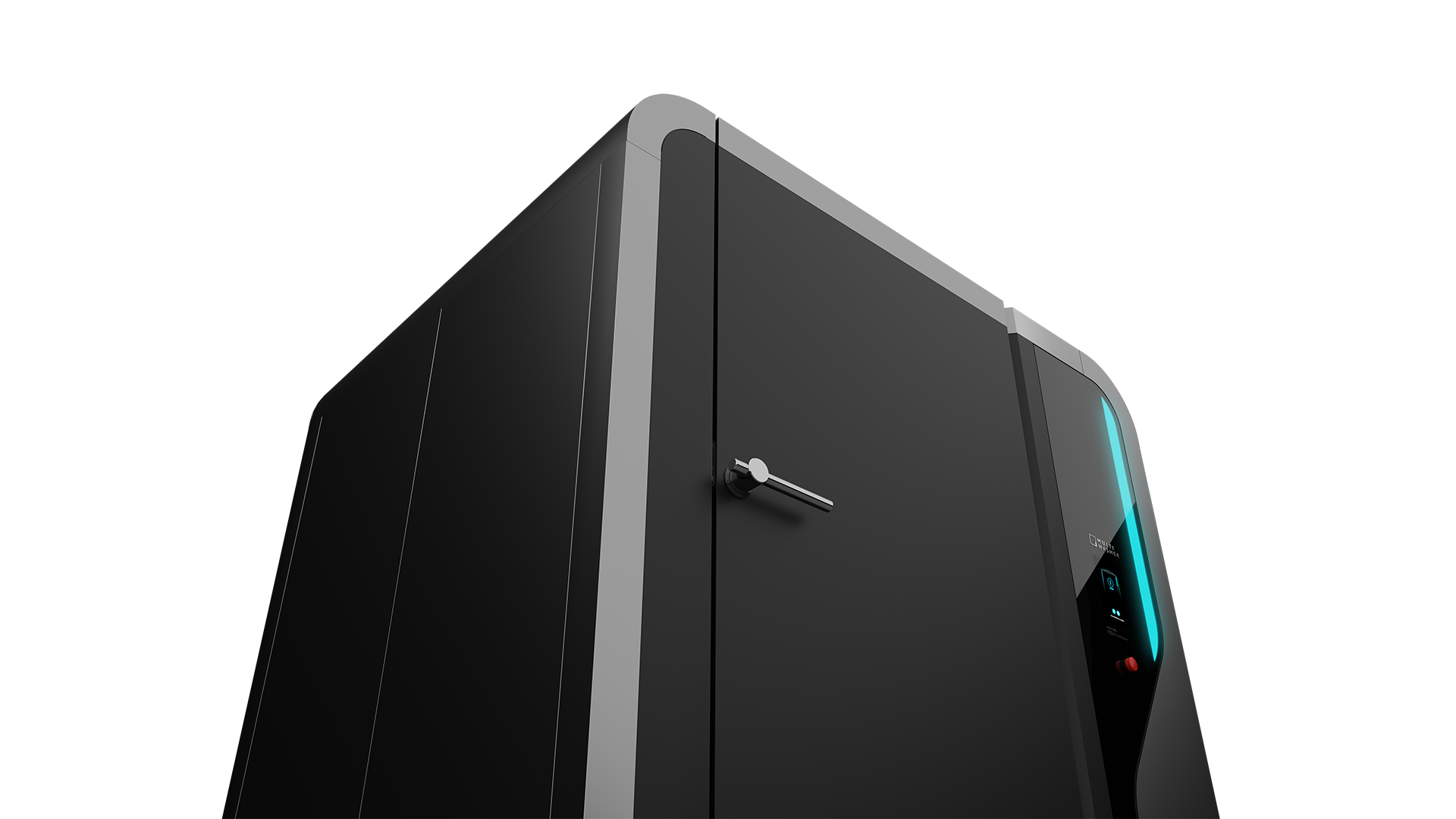
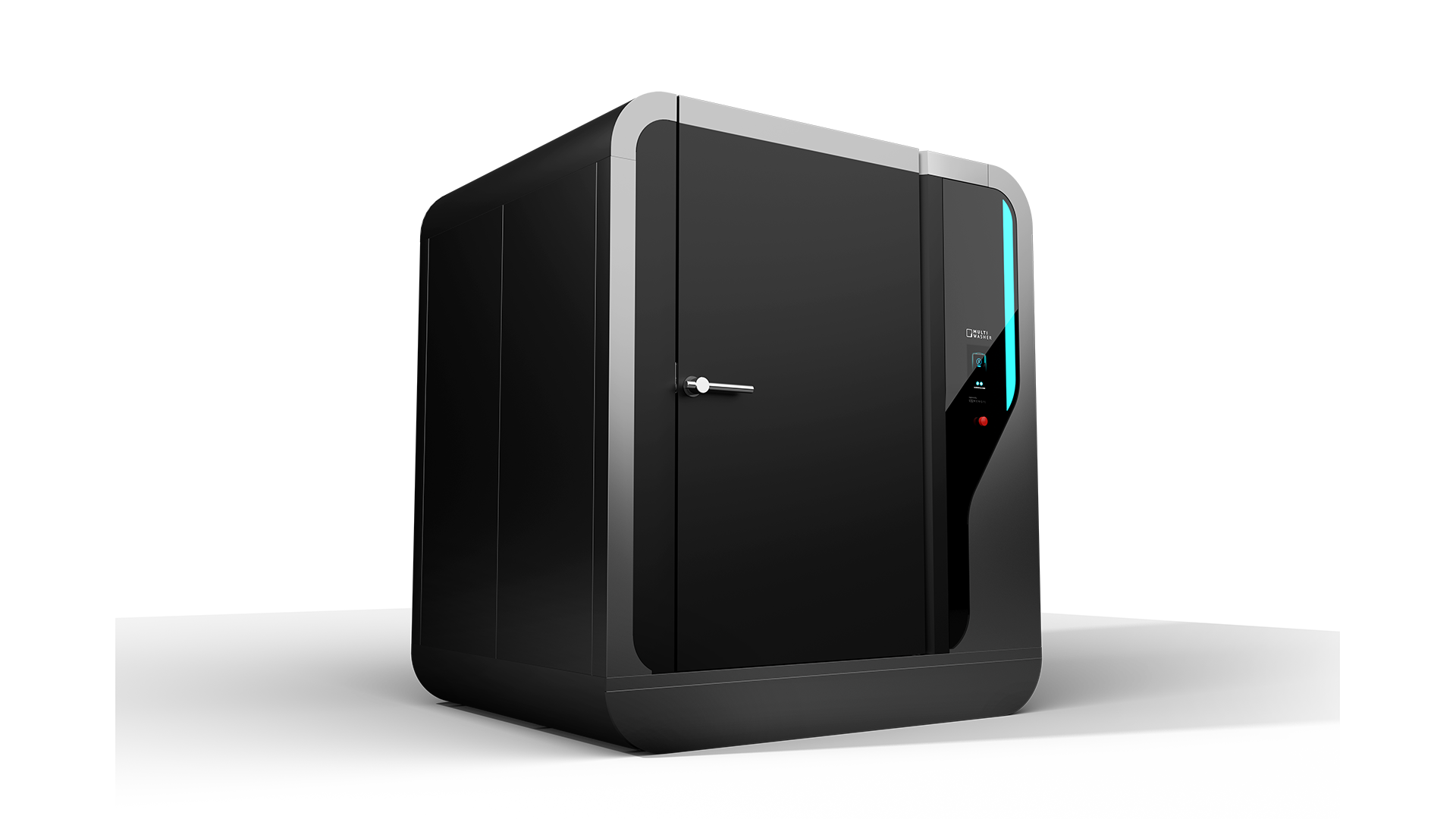
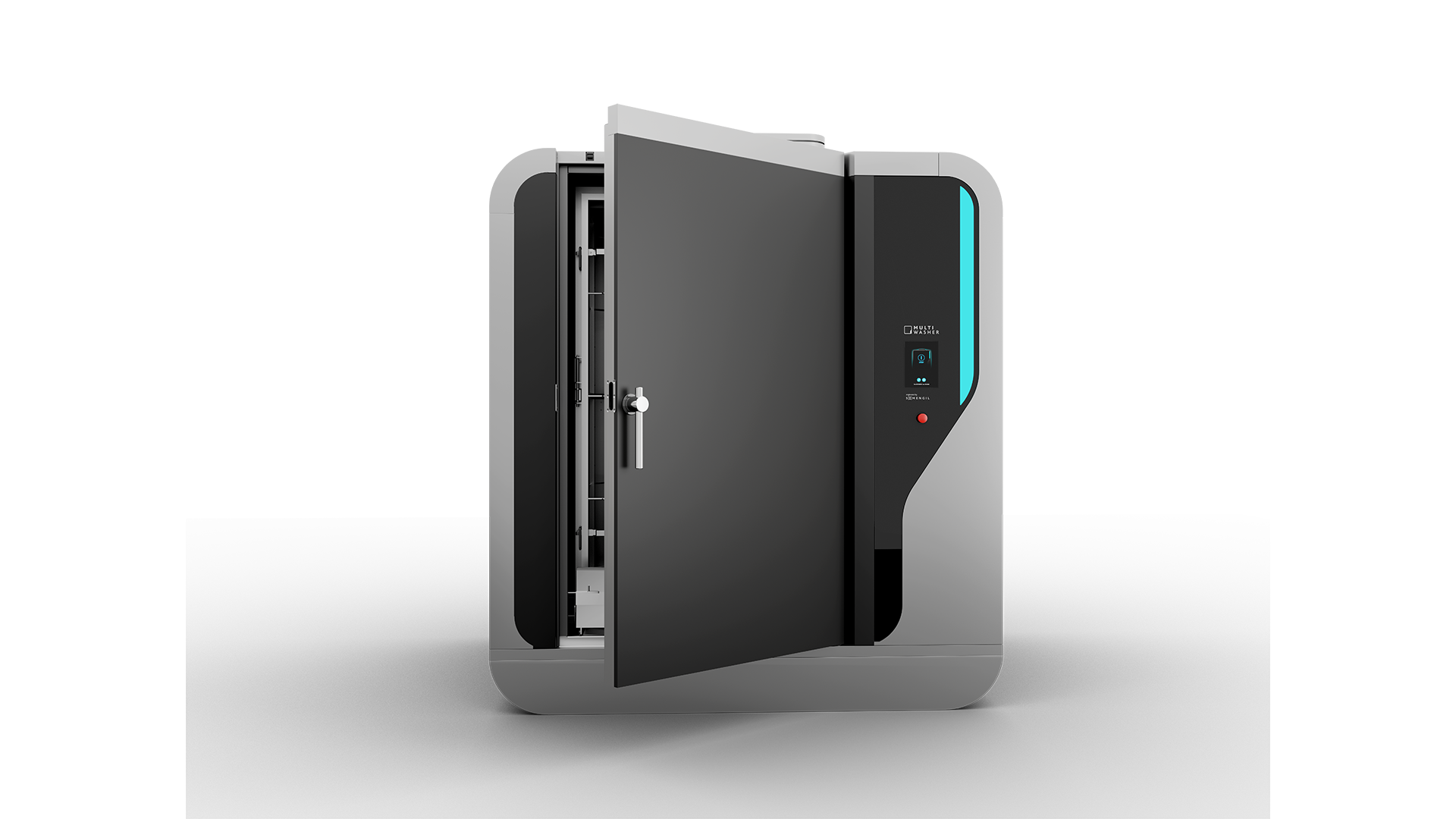
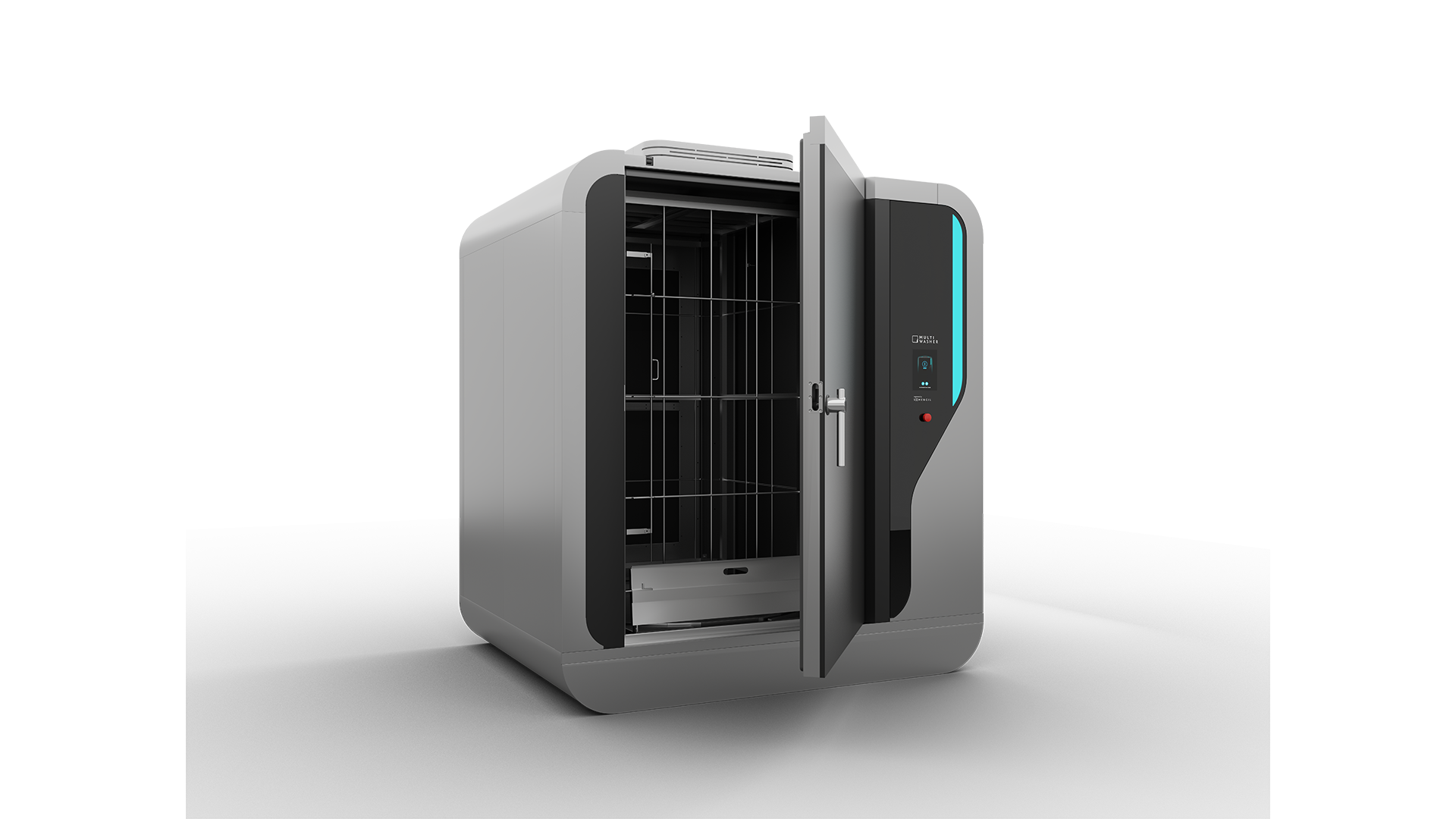
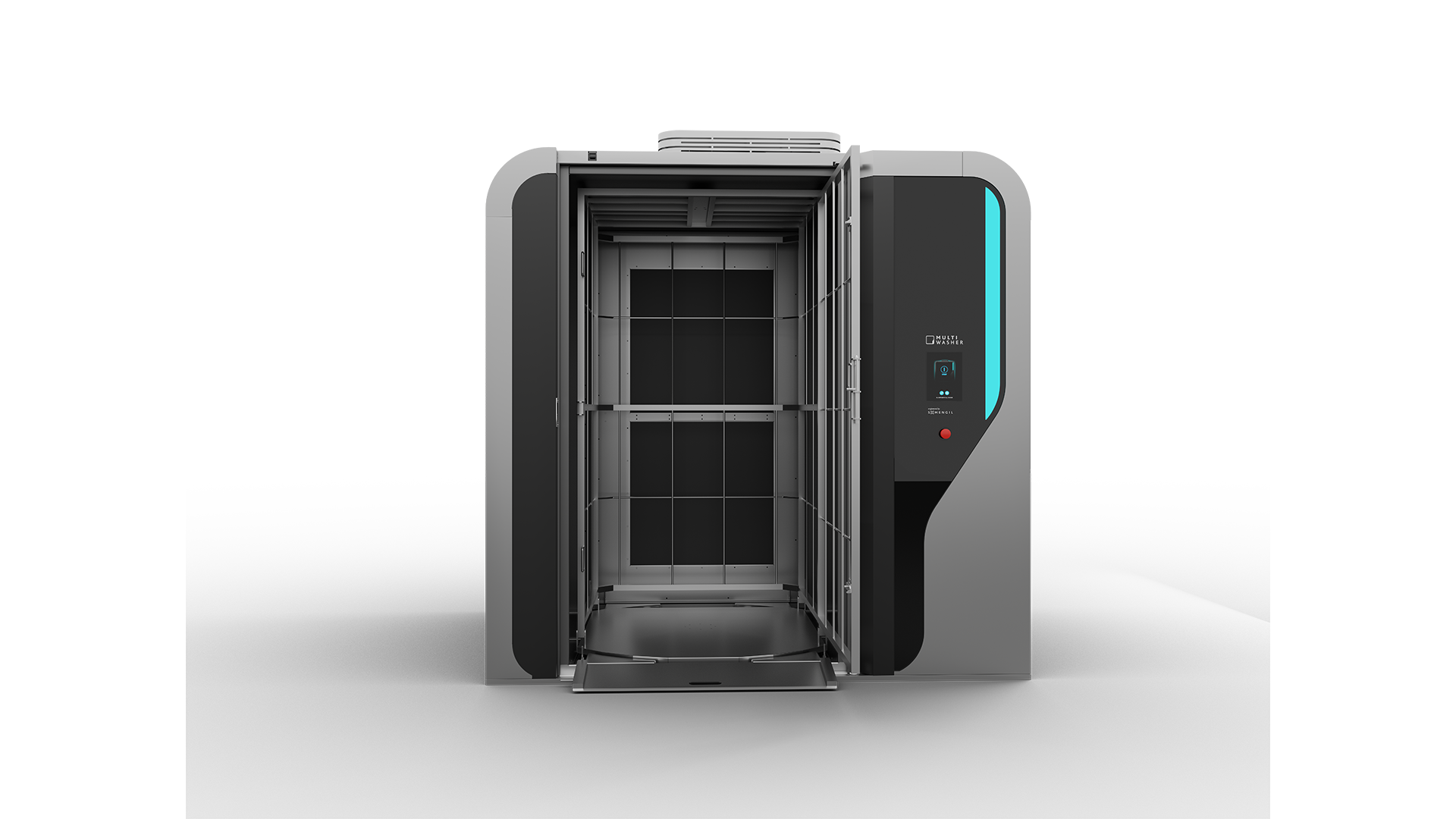
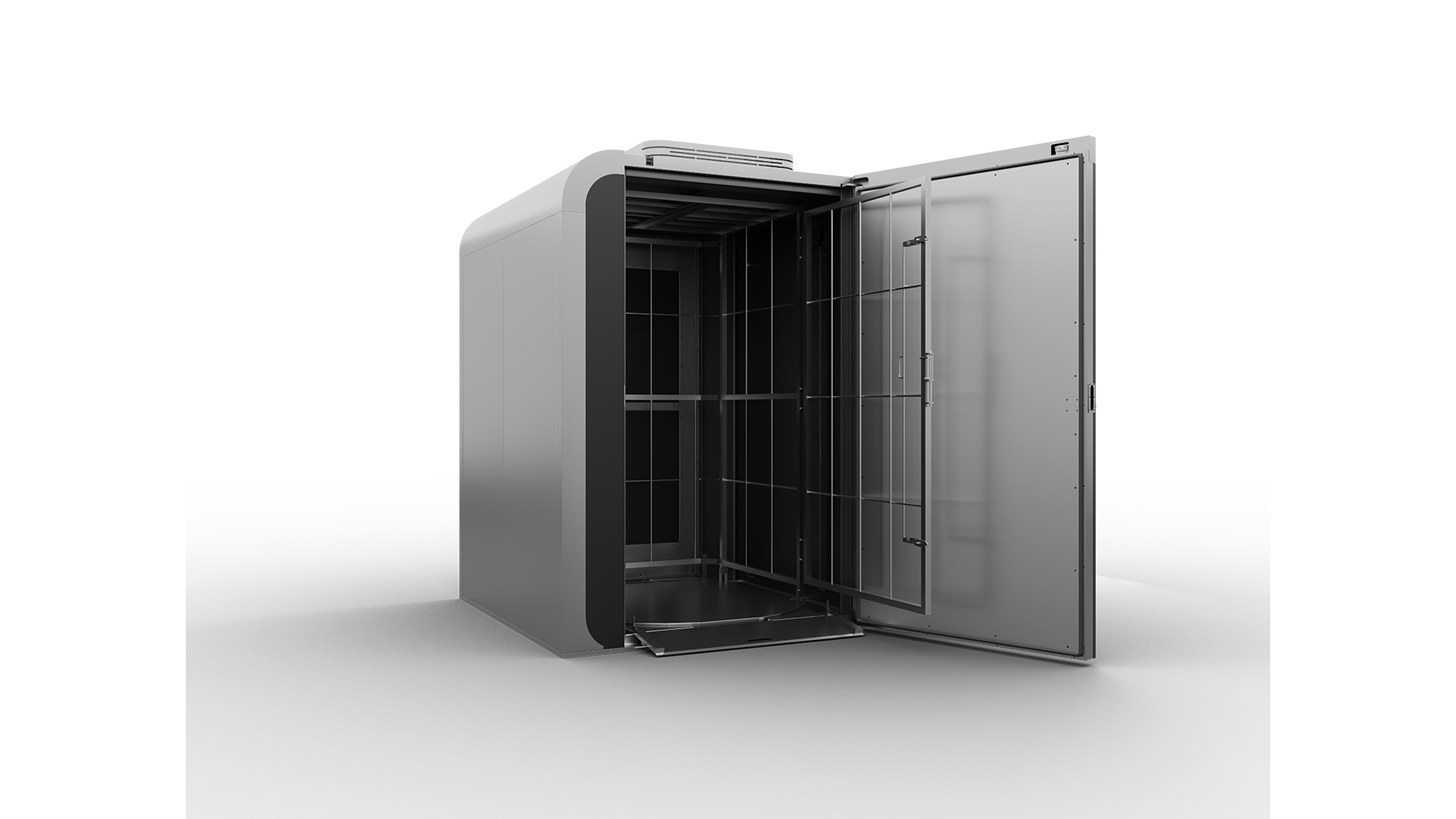
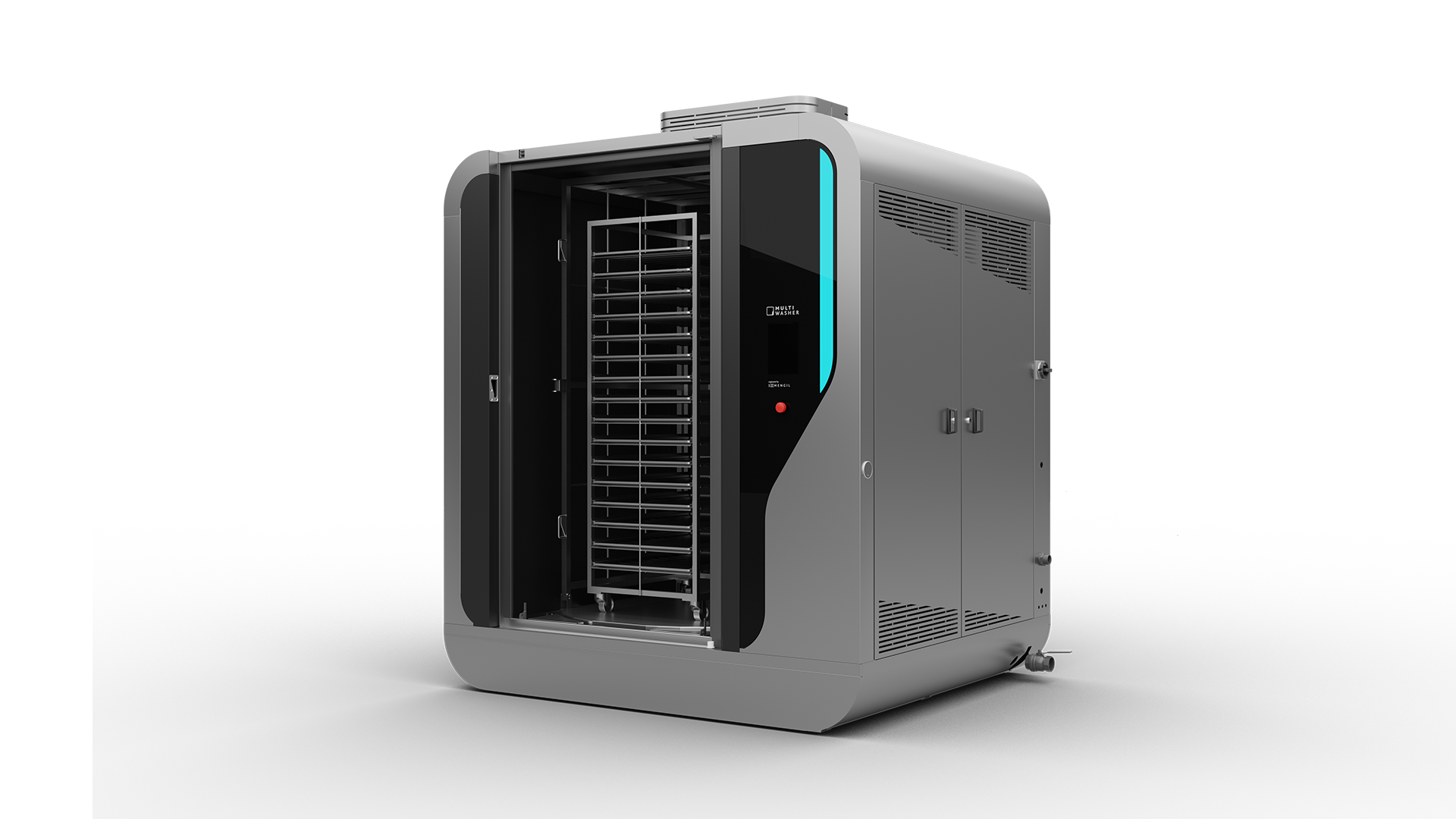
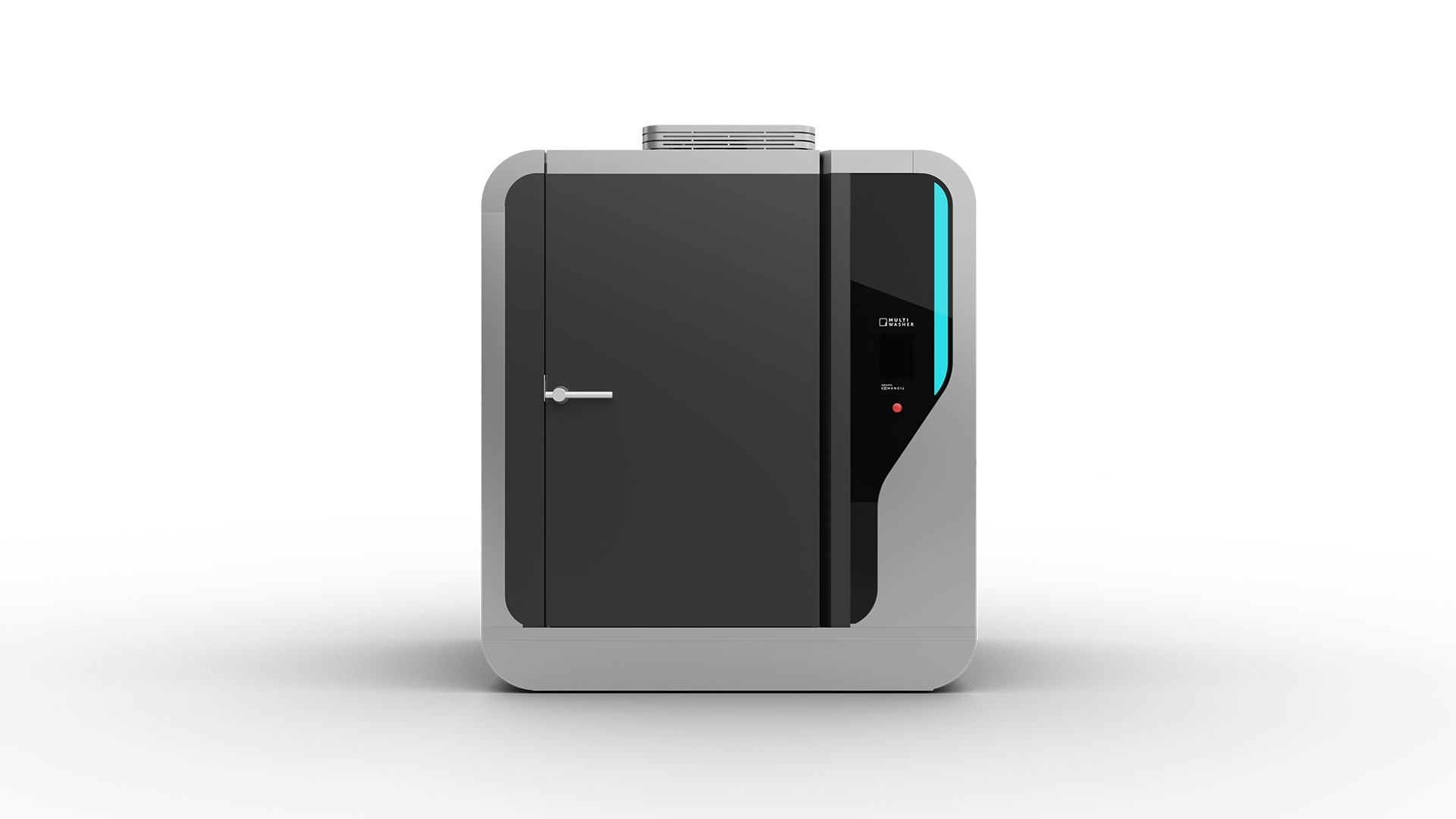
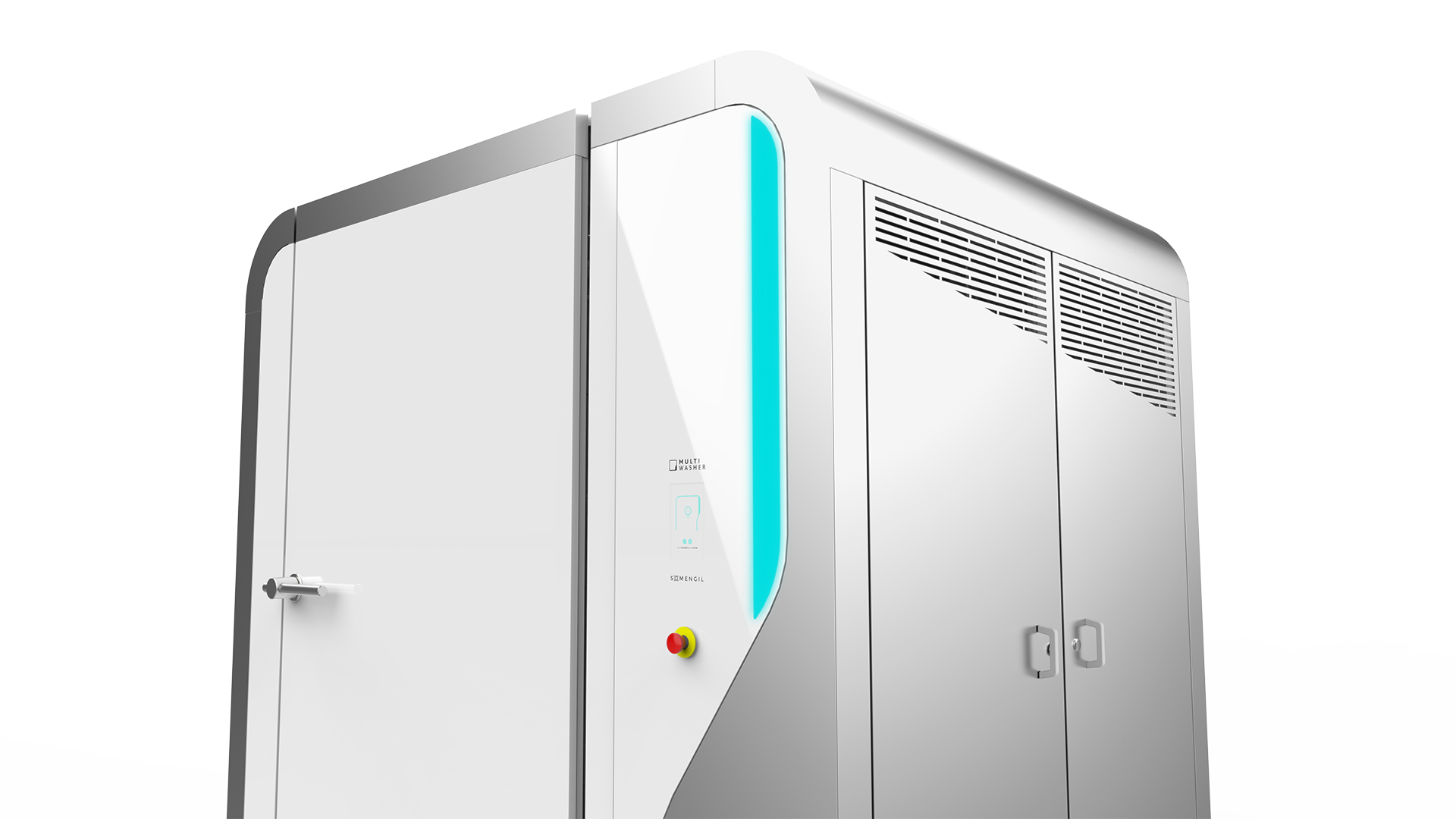
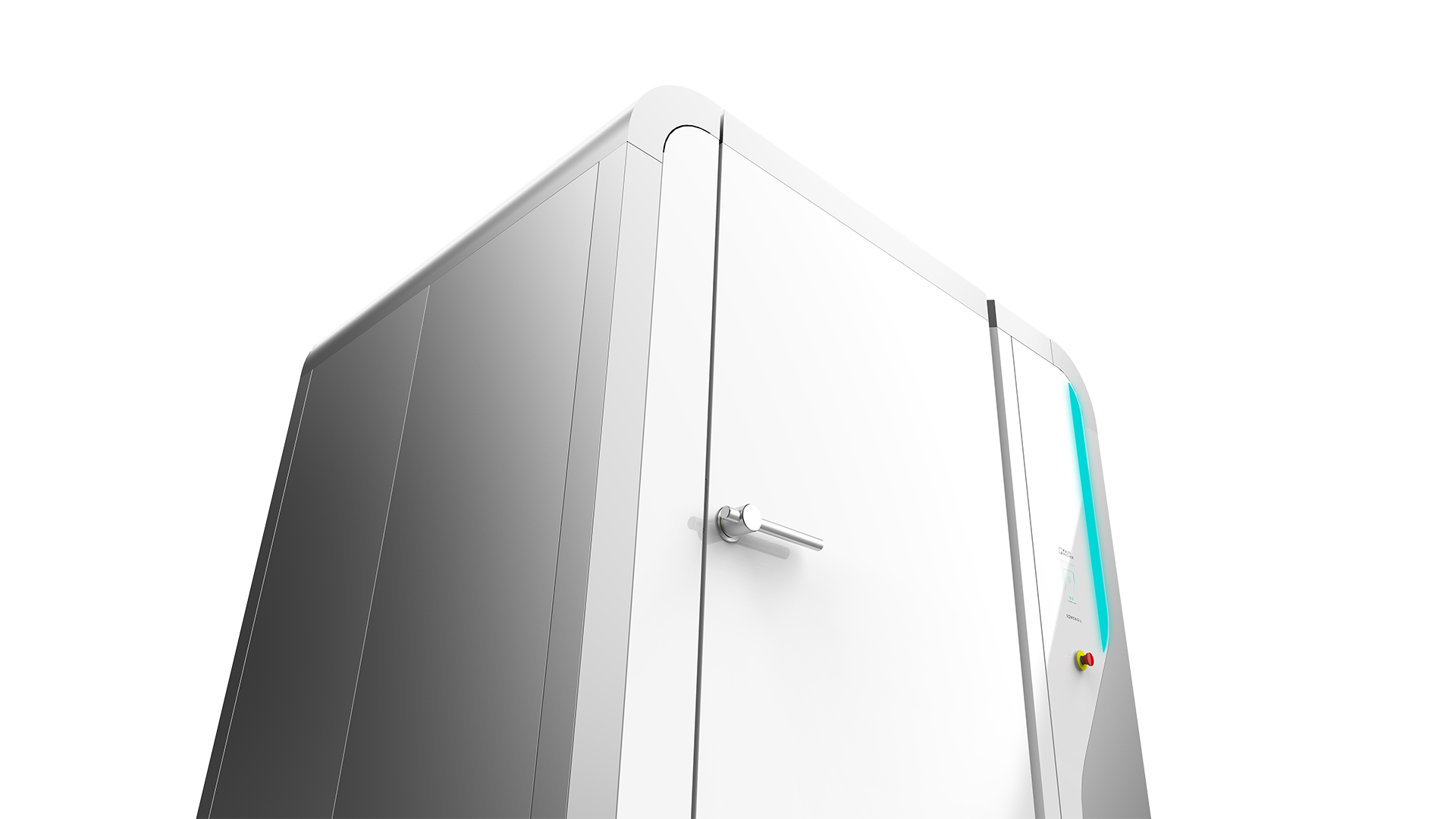
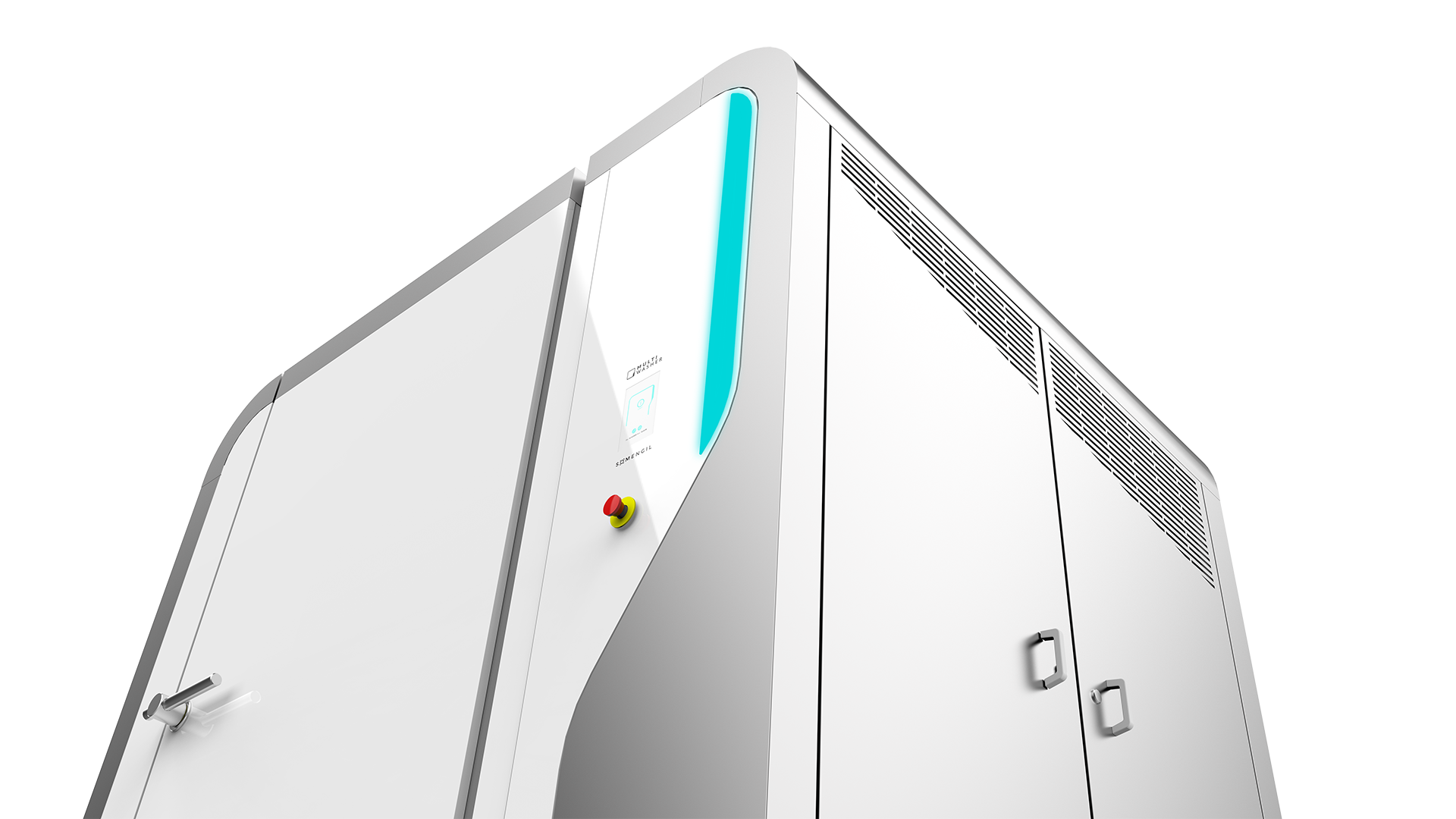
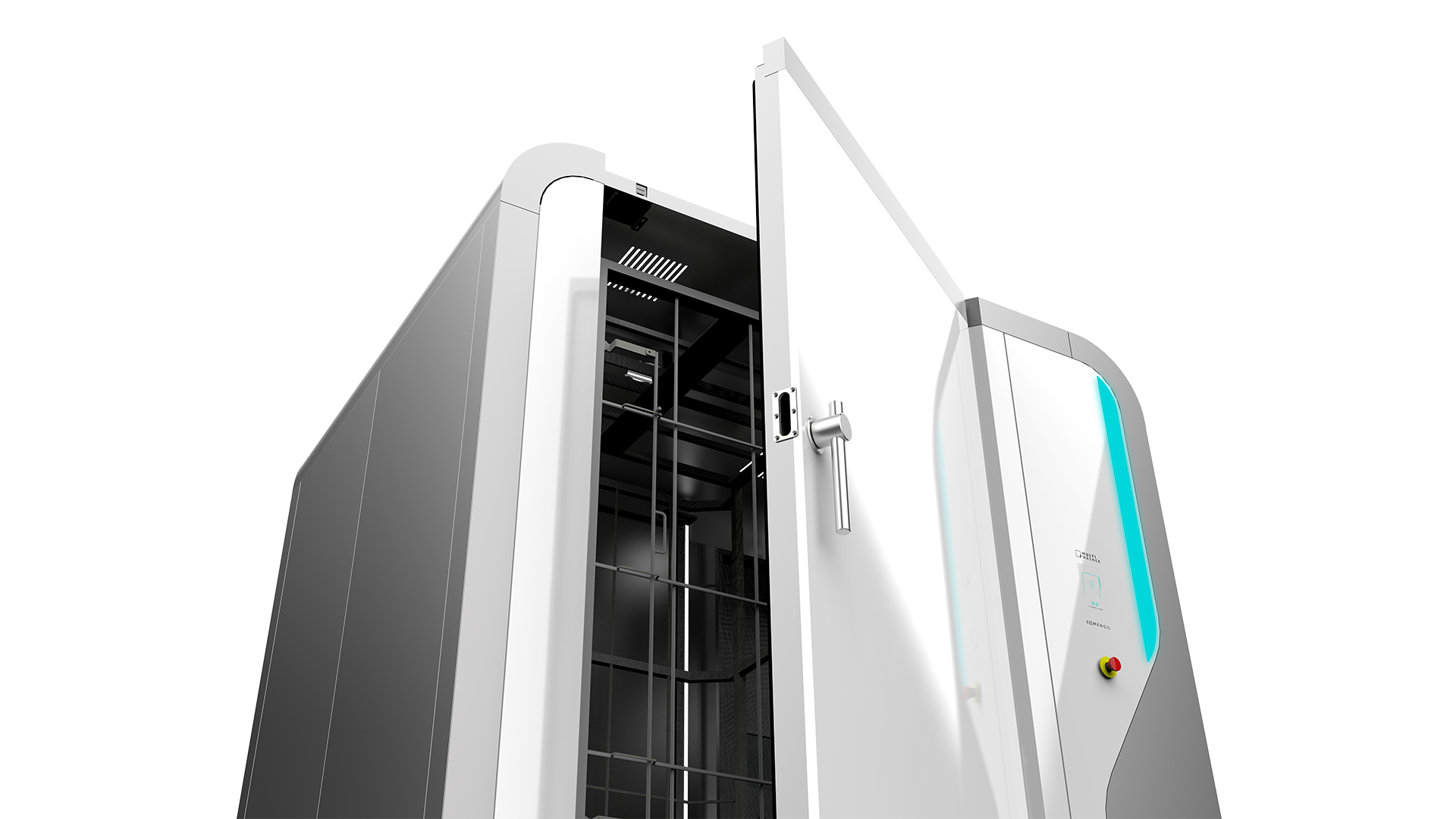
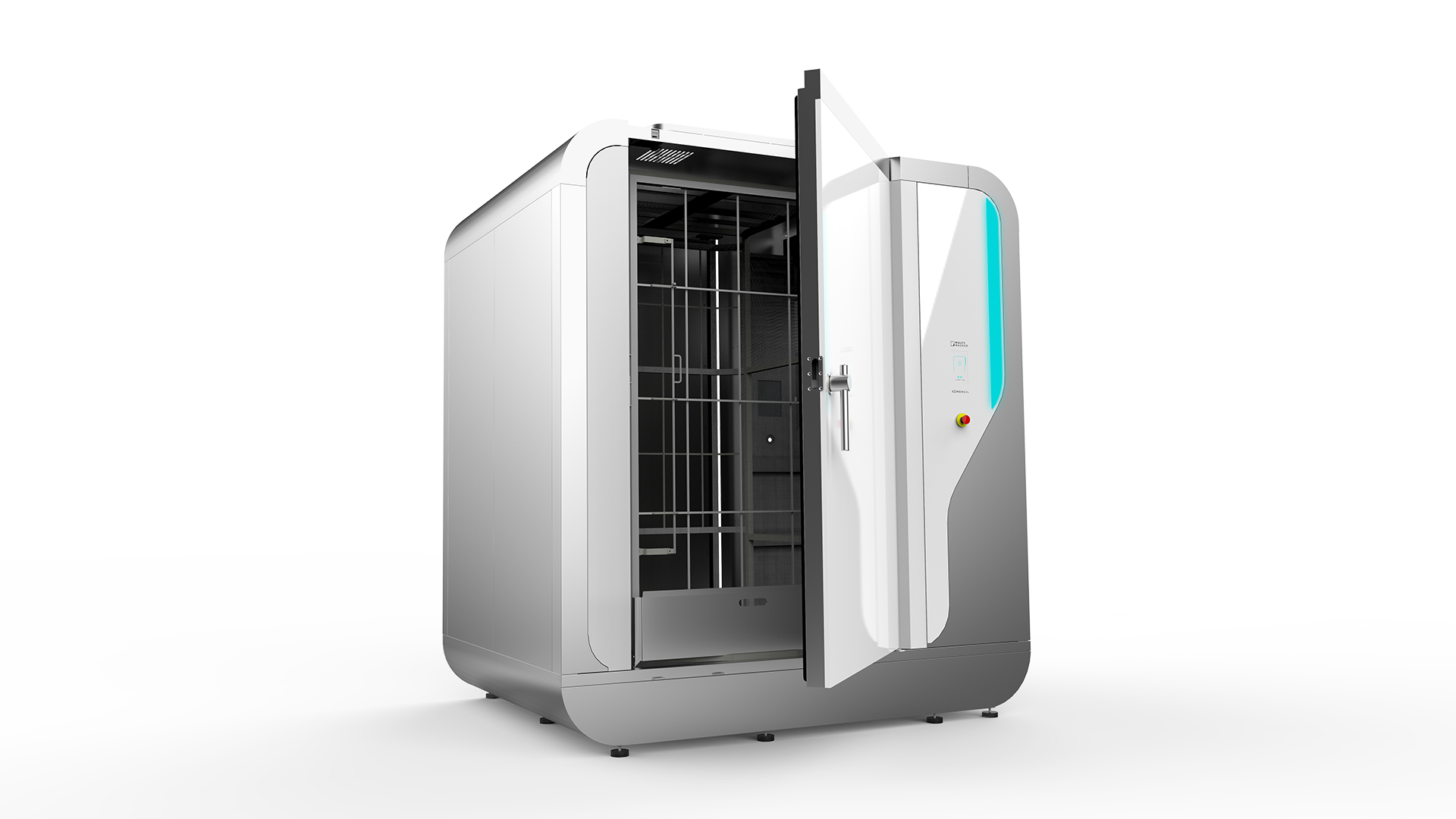
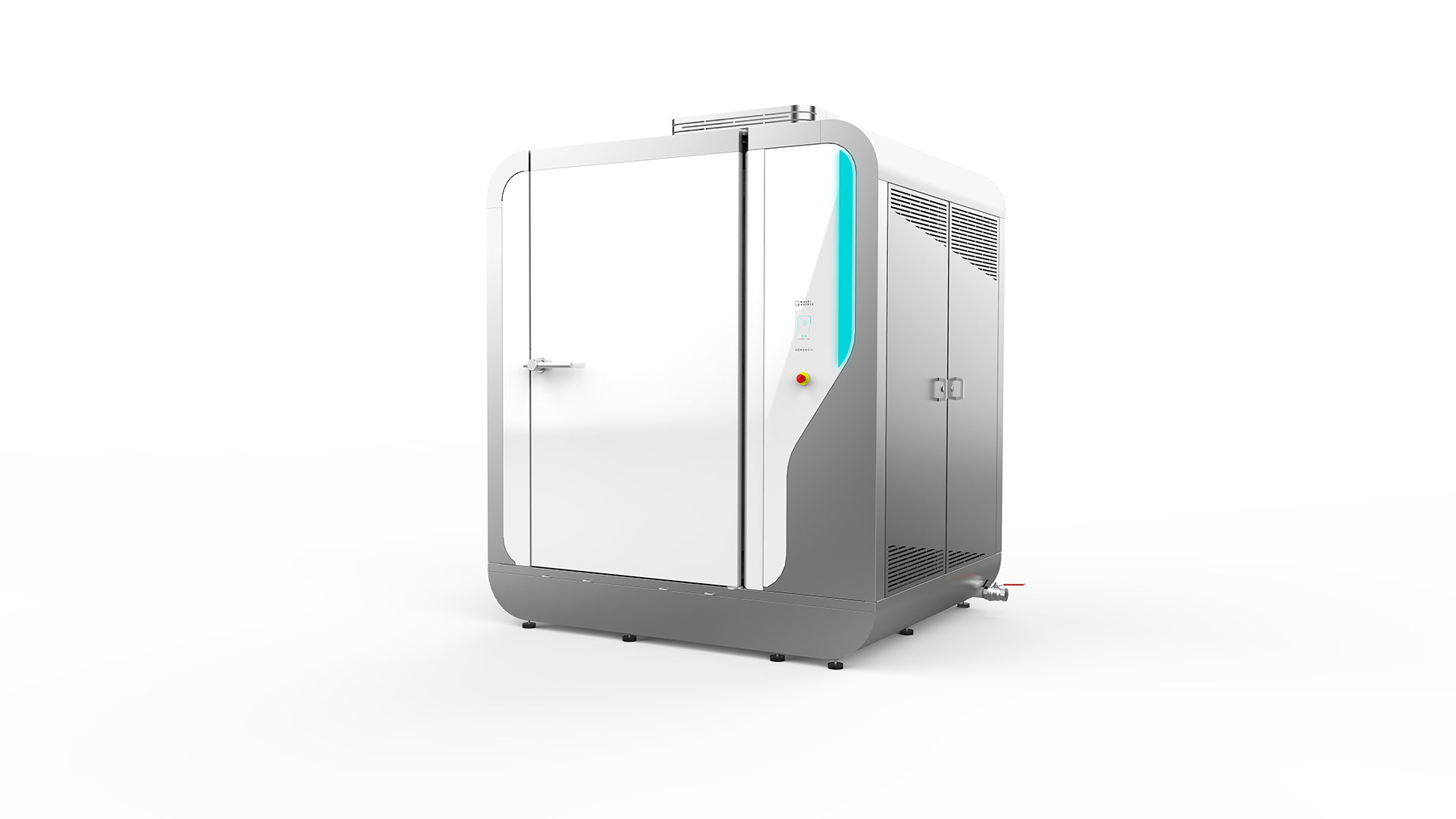
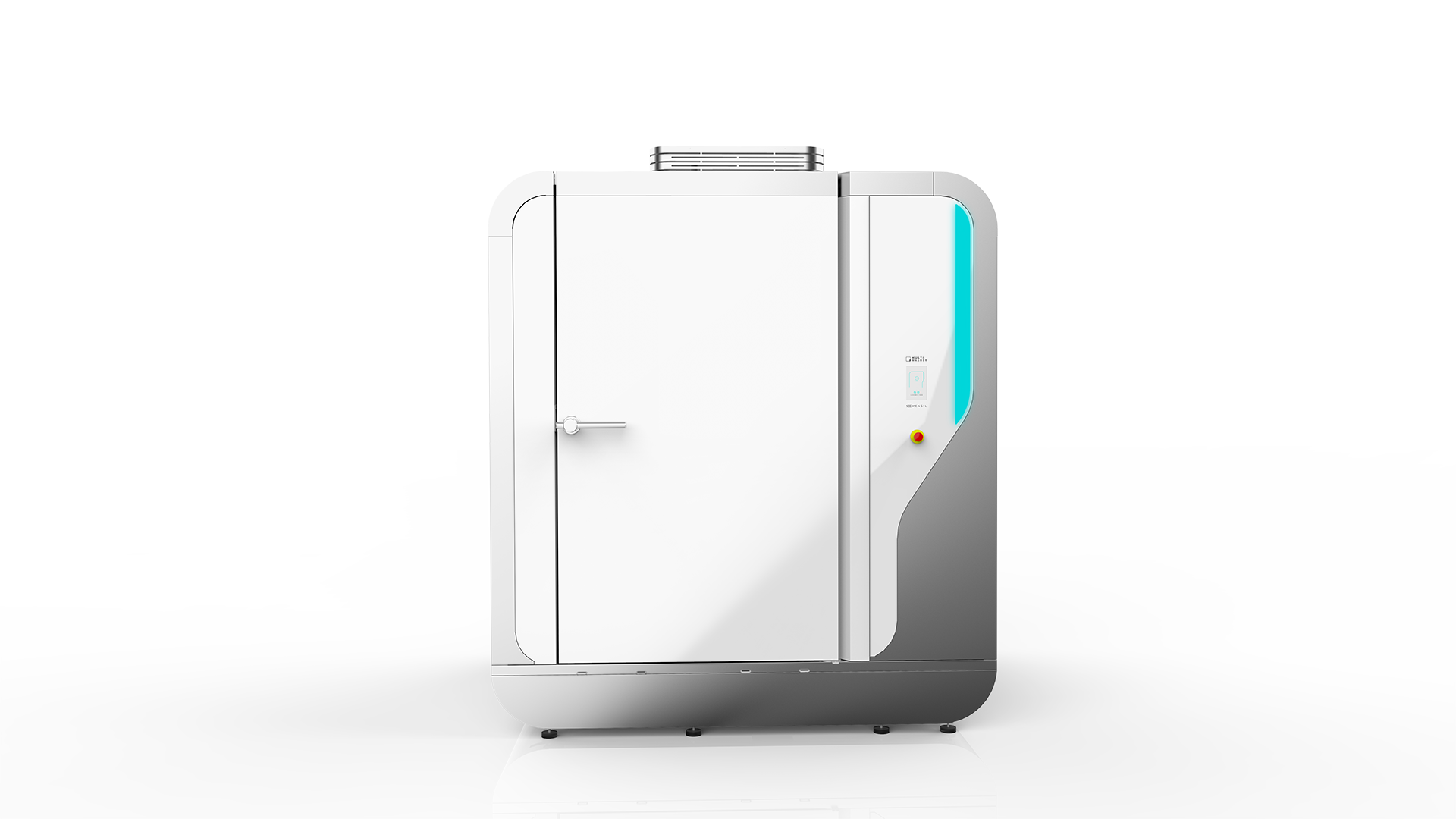
MultiWasher is a high-performance industrial washing machine developed by Somengil for organizations concerned with the ergonomics of their processes.
With this machine, it is possible to wash any utensil (such as pans, trays, oven shapes, tools, or exhaust filters) ergonomically.
For example, operators do not have to load and unload each utensil individually, as with a traditional dishwasher. This process occurs on custom carts or trays, which are washed with the machine, to minimize repetitive travel with weights.
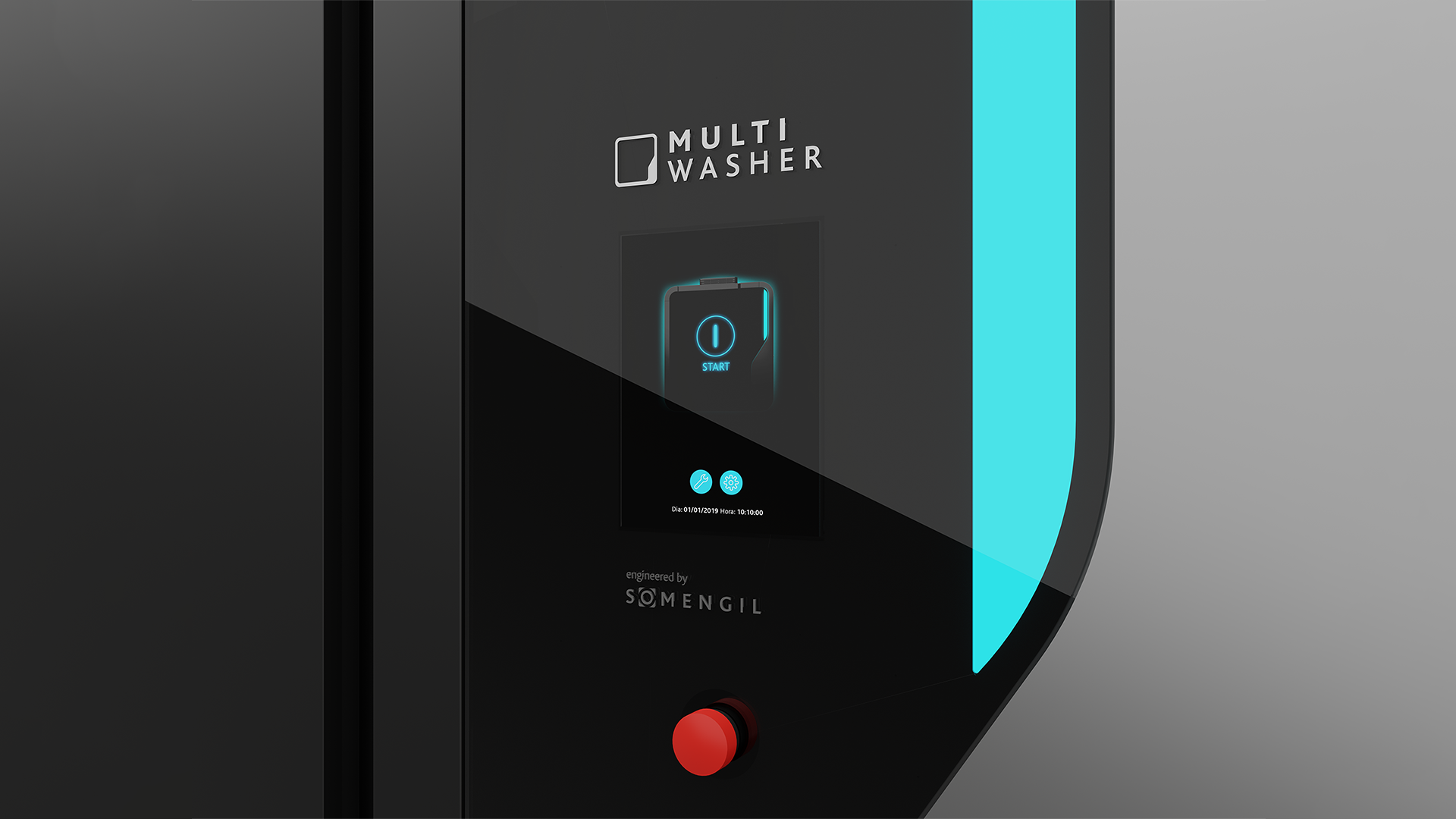
Operators can configure washing parameters conveniently in an intuitive dashboard at eye level and start washing cycles with just a few clicks.
But the key difference of Multiwasher is that it is the machine that adapts to people and processes, not the other way around. Before each installation, we study how the equipment will fit into the existing workflow to increase productivity and minimize ergonomic risks.
Explore all the benefits in a custom webinar or contact our team.
You may also like

Technology / Articles
“This is the main source of waste for companies – and the solution I’ve seen produce results”
We spoke to Samuel Póvoa, Head of IoT at Somengil, about the challenges companies face and how technology can help.
Posted in 2024-07-11
Technology / Articles
Taste Tomorrow: Trends Shaping the Future of Food
What do consumers really want? These are the conclusions of Taste Tomorrow, one of the largest food industry conferences in the world.
Posted in 2024-01-03
Technology / Articles
Hospital Hygiene: 5 Practices for Better Patient Safety
Hospital hygiene has a direct influence on patient’s health and recovery. Find out how to promote it with these 5 best practices.
Posted in 2022-03-17


 Portugal
 United Kingdom
 United States
 France
 Spain
Spain Germany
 Romania
 Italy
Italy Czech Republic
 Finland
 Hungary
 Slovakia
 Greece
 Lithuania
 South Korea
 Russia
 Saudi Arabia
 Poland
 Brasil
 Hebrew